Off-grid Living: The 5 Key Principles Behind Sustainable Homes
Off-grid living focuses on self-sufficiency and reducing environmental impact by disconnecting from public utilities. This lifestyle choice is gaining traction, with predictions indicating that 12% of American households and approximately 11% of European households will adopt off-grid living by 2035. This approach can be total, meaning complete independence from external grids for electricity, water, and waste management, or partial, where some utilities like water and sewage might still be connected. The core principles of off-grid living revolve around sustainable resource management, renewable energy, and eco-conscious design.
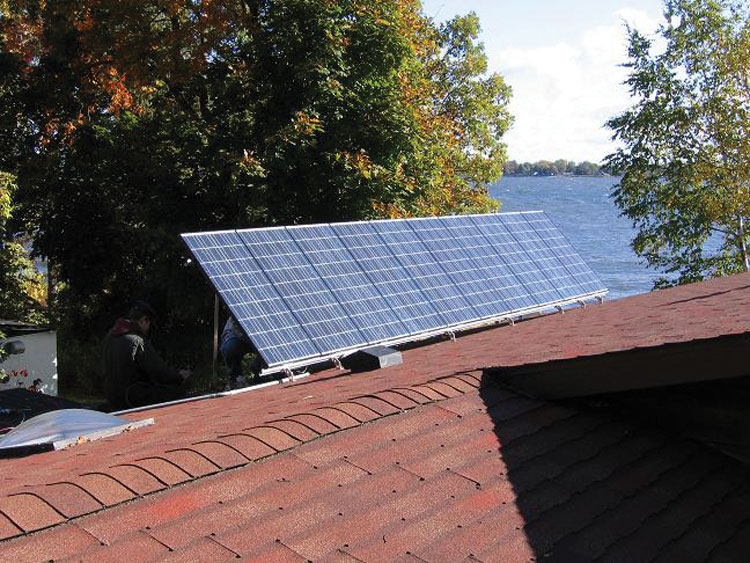
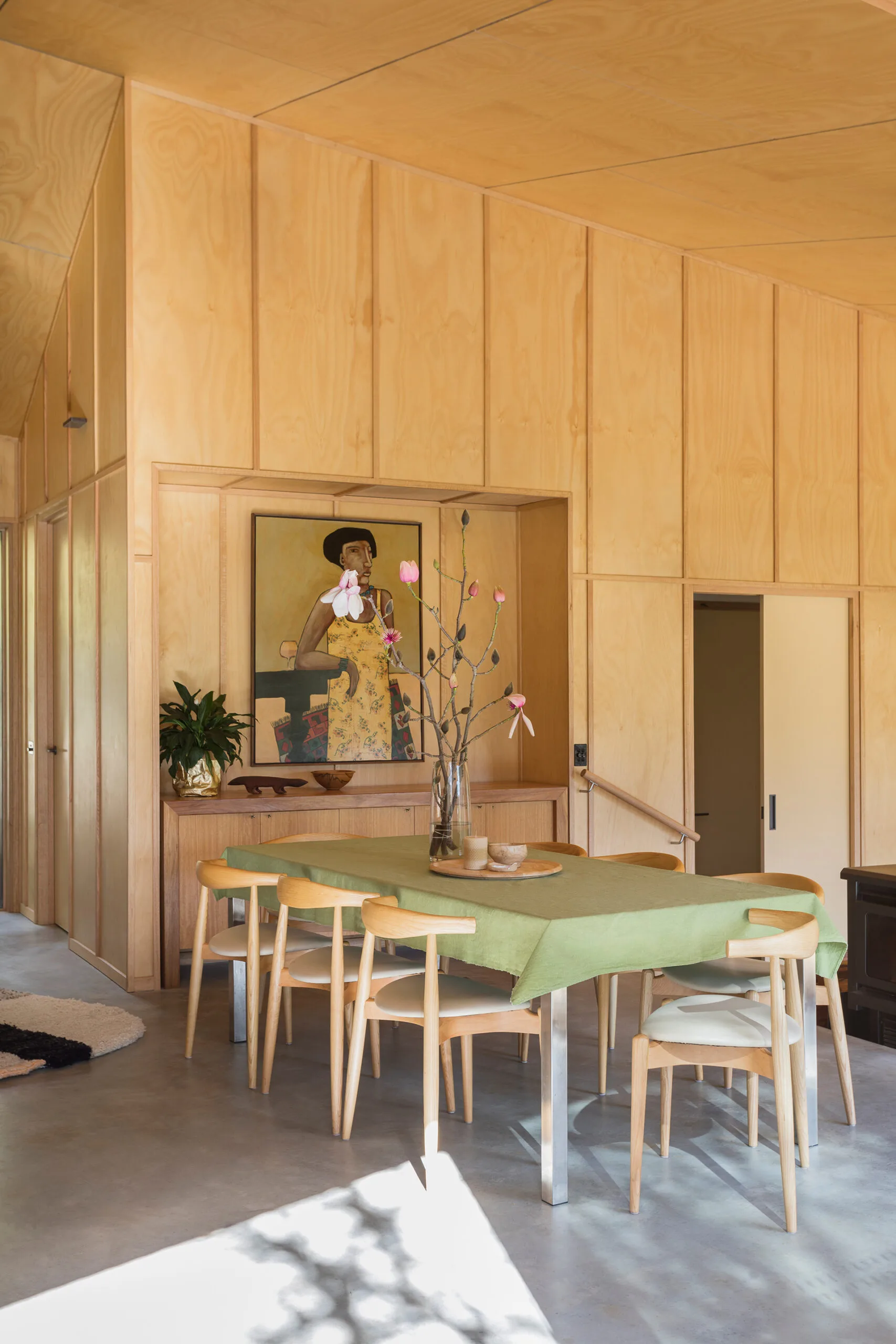
Central to off-grid living are self-sufficient energy solutions, primarily relying on renewable sources such as solar and wind power. Solar panels are a primary method for generating clean electricity, with studies suggesting that off-grid solar solutions could provide first-time electricity access to nearly 400 million people globally by 2030. These systems are typically integrated with battery storage to ensure a continuous power supply, even during periods without direct sunlight. An example is a 6.6-meter tiny house on wheels by Dwellii, which is off-grid ready, featuring a compact design suitable for minimalist living with year-round comfort through birch plywood finishes, rock wool insulation, and ample natural light.
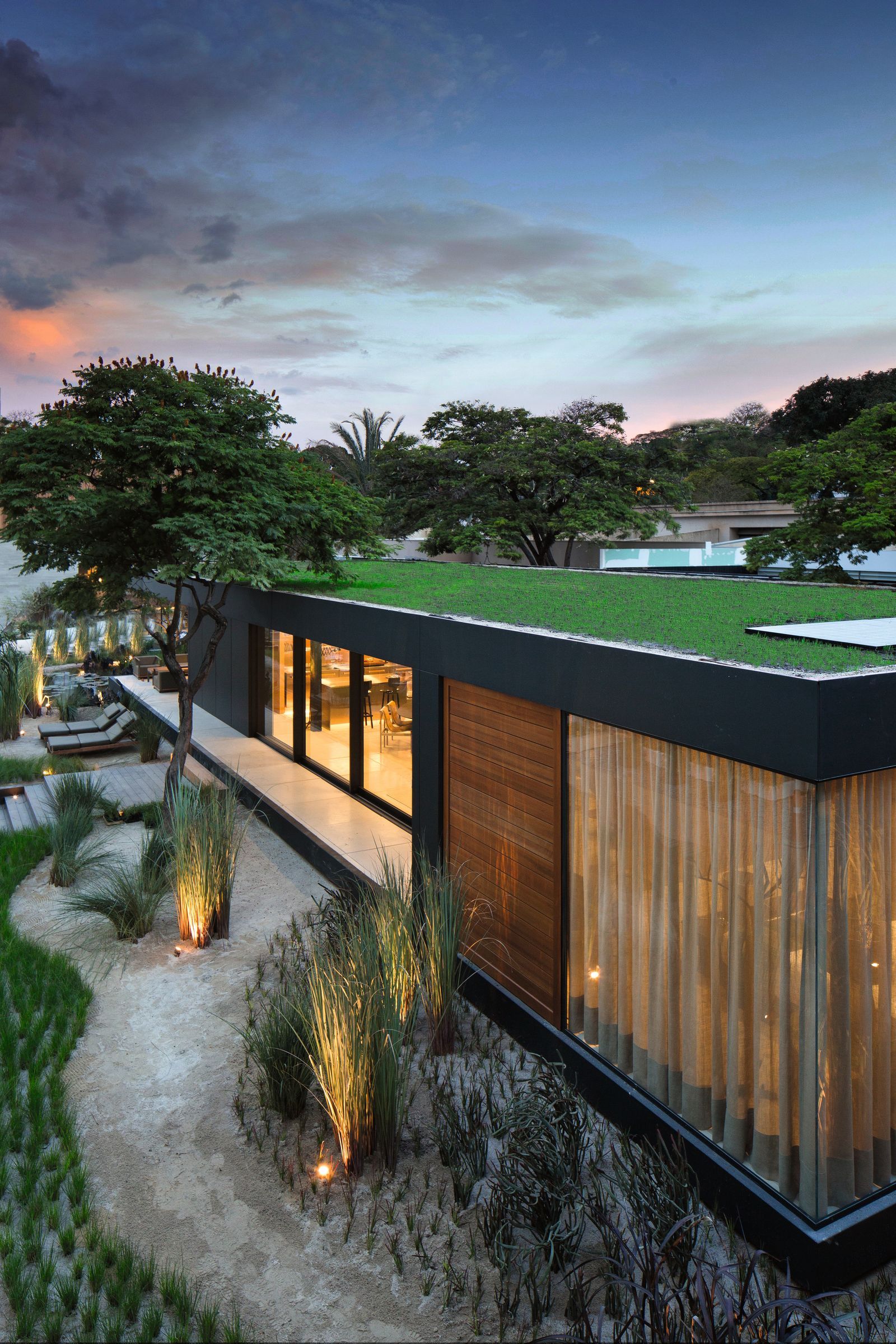
Eco-friendly water systems are another fundamental principle. Rainwater harvesting is a key sustainable method for collecting and storing water for household use and irrigation, thereby reducing reliance on municipal water supplies. This approach is crucial for maintaining a consistent water source, especially in regions with limited infrastructure. Off-grid homeowners also explore alternative on-site water sources like wells or springs. Combining various water sources enhances reliability and resilience, particularly during droughts. An architectural illustration is Casa Jardín in Costa Rica, designed by Rodolfo Tinoco. This modern off-grid home uses solar panels, a recycled water system, and a vertical garden for privacy, temperature regulation, and food production. Its leaf-shaped roof integrates photovoltaic panels, and it reuses rainwater and HVAC condensation for irrigation, with on-site wastewater treatment.
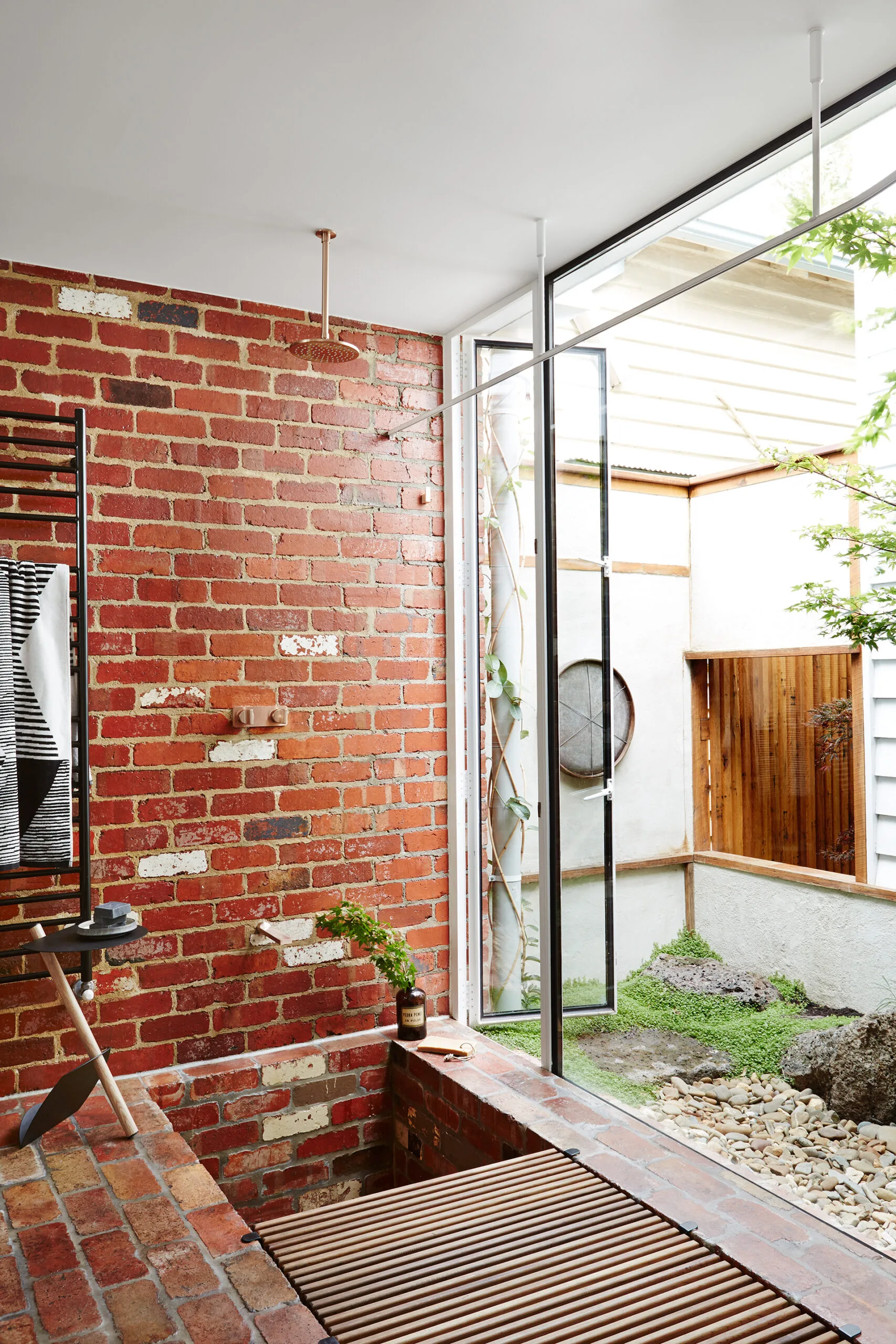
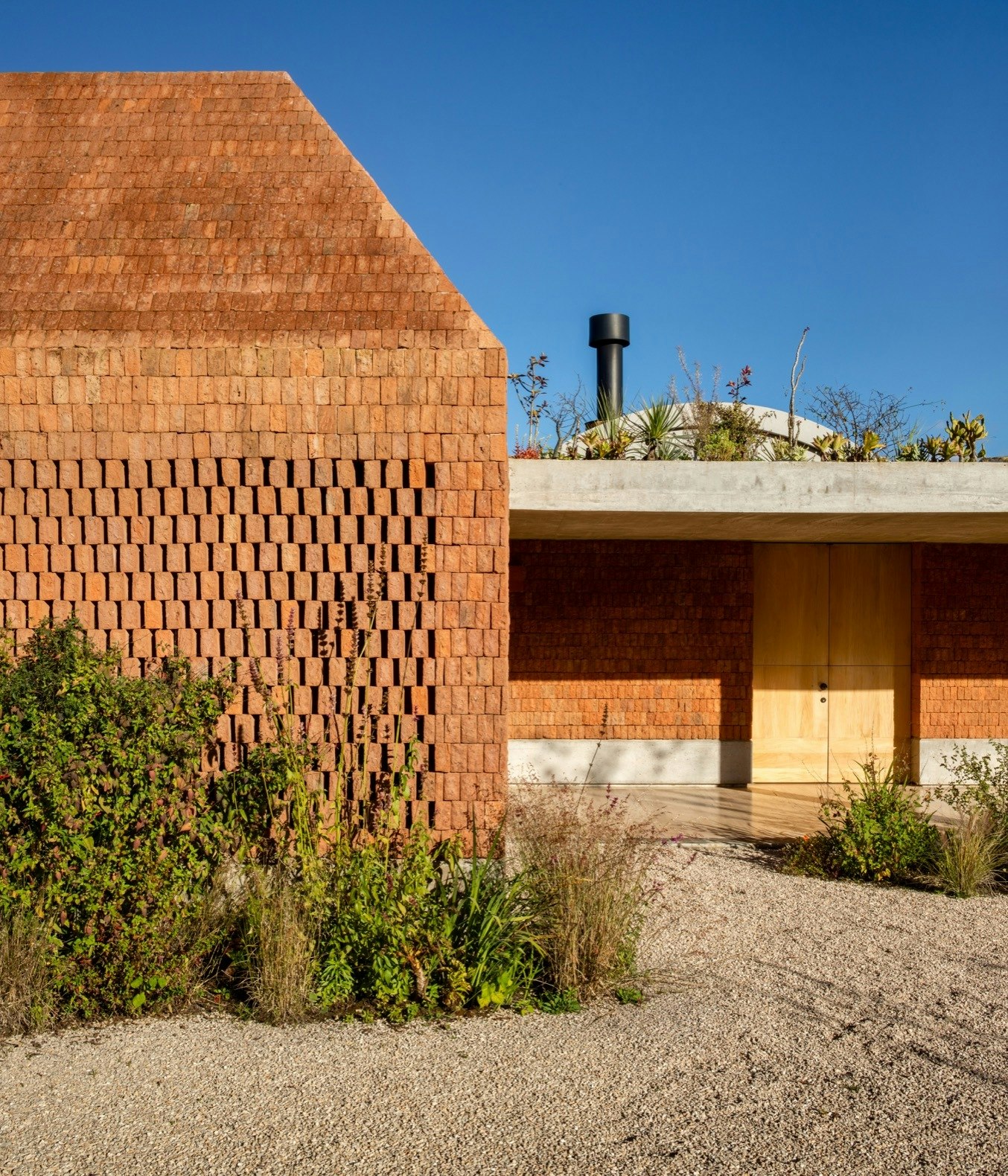
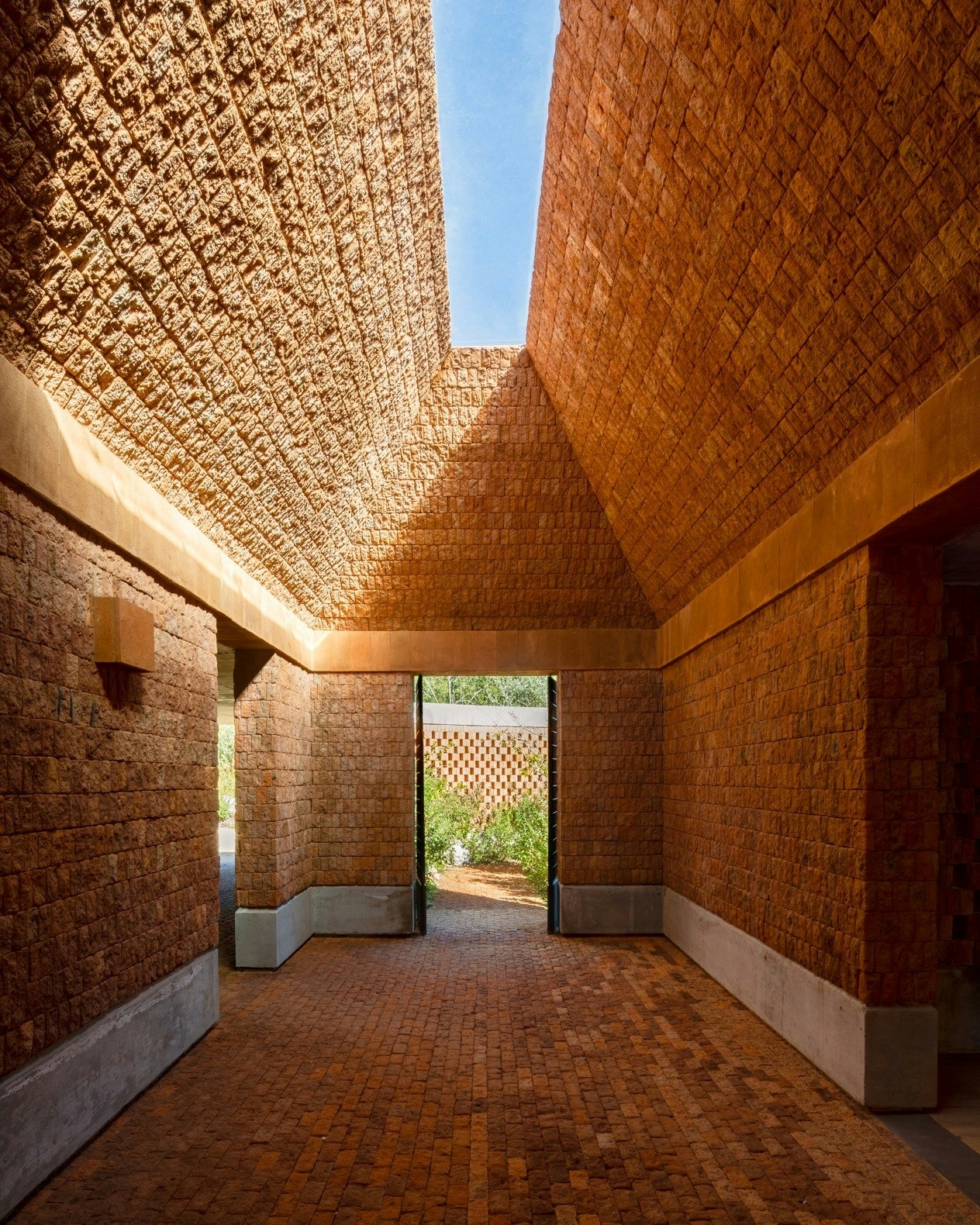
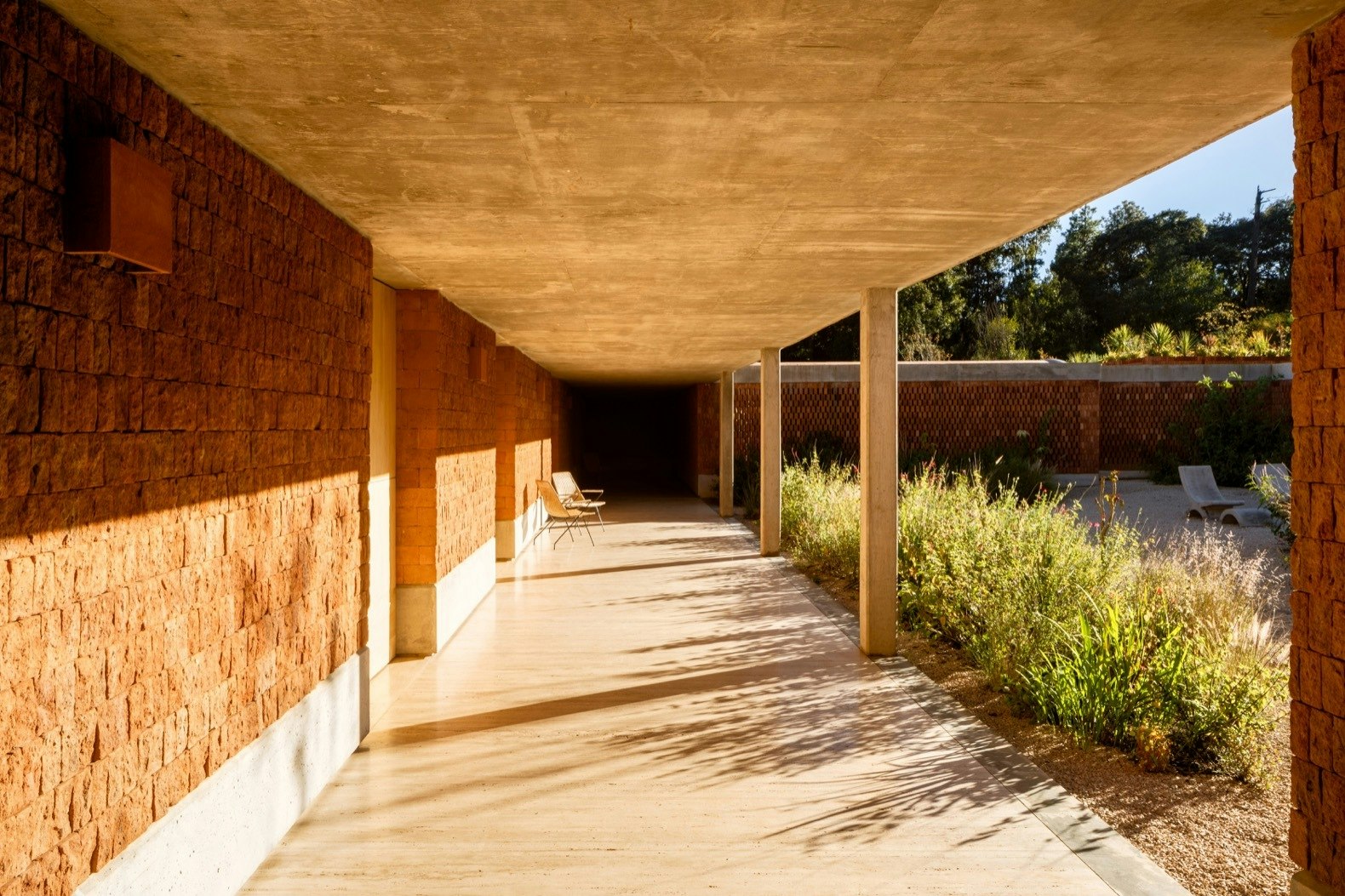
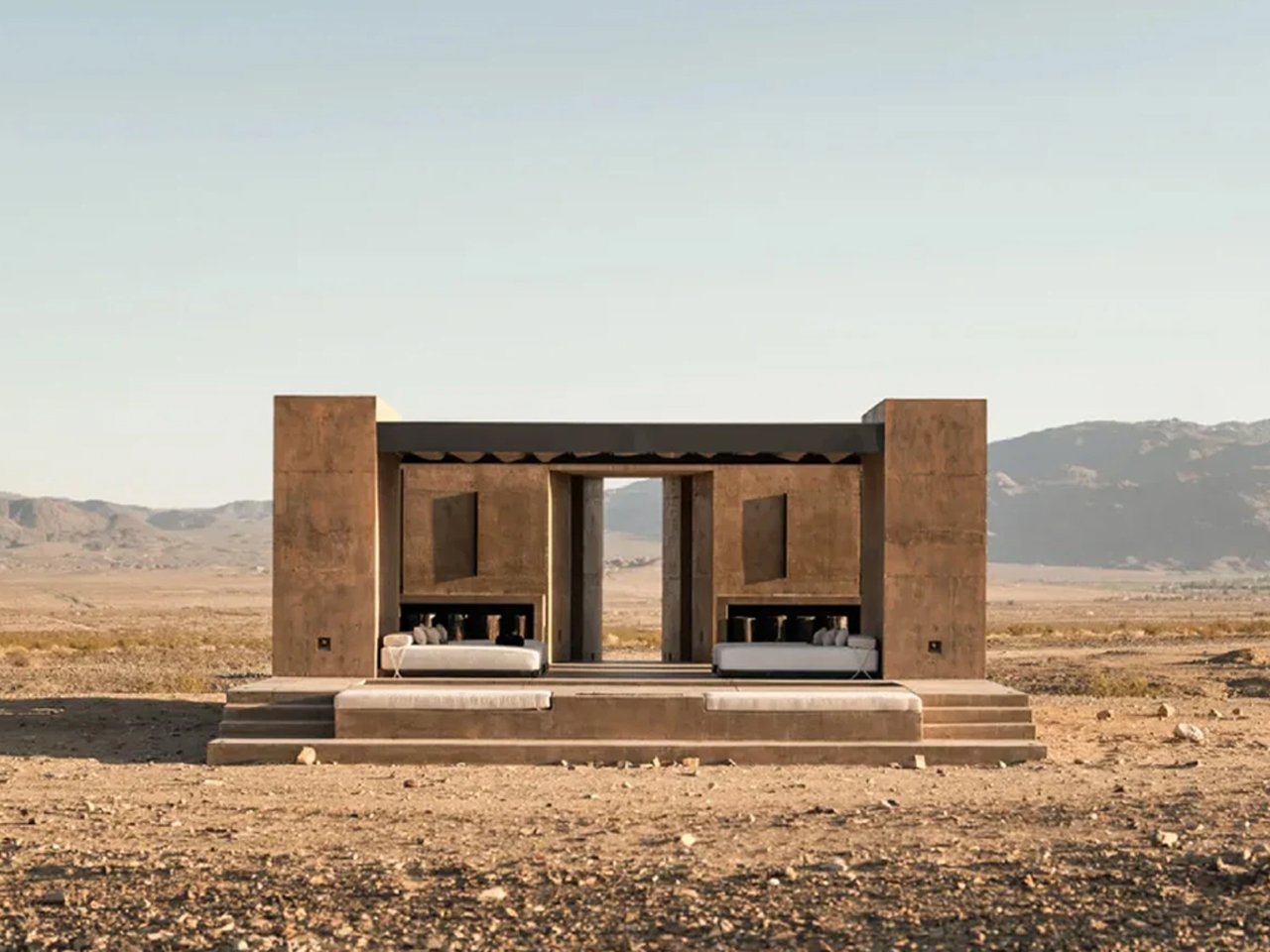
The use of green materials is also vital for off-grid homes. This involves utilizing locally sourced, recycled materials and eco-friendly insulation to minimize the carbon footprint and improve building durability. Thoughtful design elements, such as passive heating and cooling through large windows, internal courtyards, and lattice screens, efficiently regulate indoor temperatures. These methods decrease dependence on external energy and create environmentally conscious living spaces. Folly Mojave, a desert retreat in California, exemplifies this with structures built from sustainable materials like charred wood and blackened steel. Each suite is powered by solar trees, forming a self-sufficient microgrid. The Water Suite, for instance, offers an open-air sky terrace for stargazing, with all amenities powered by solar energy.
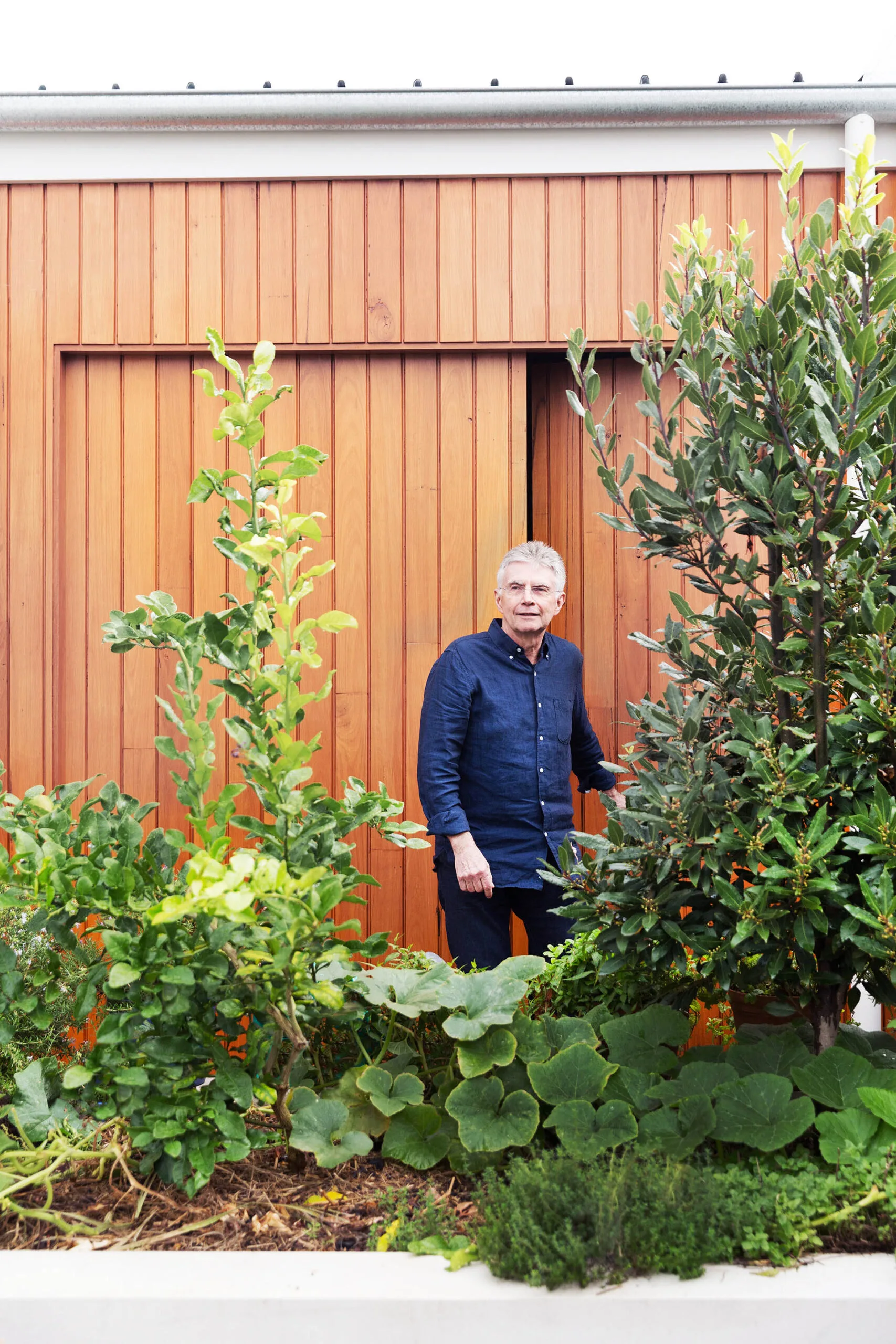
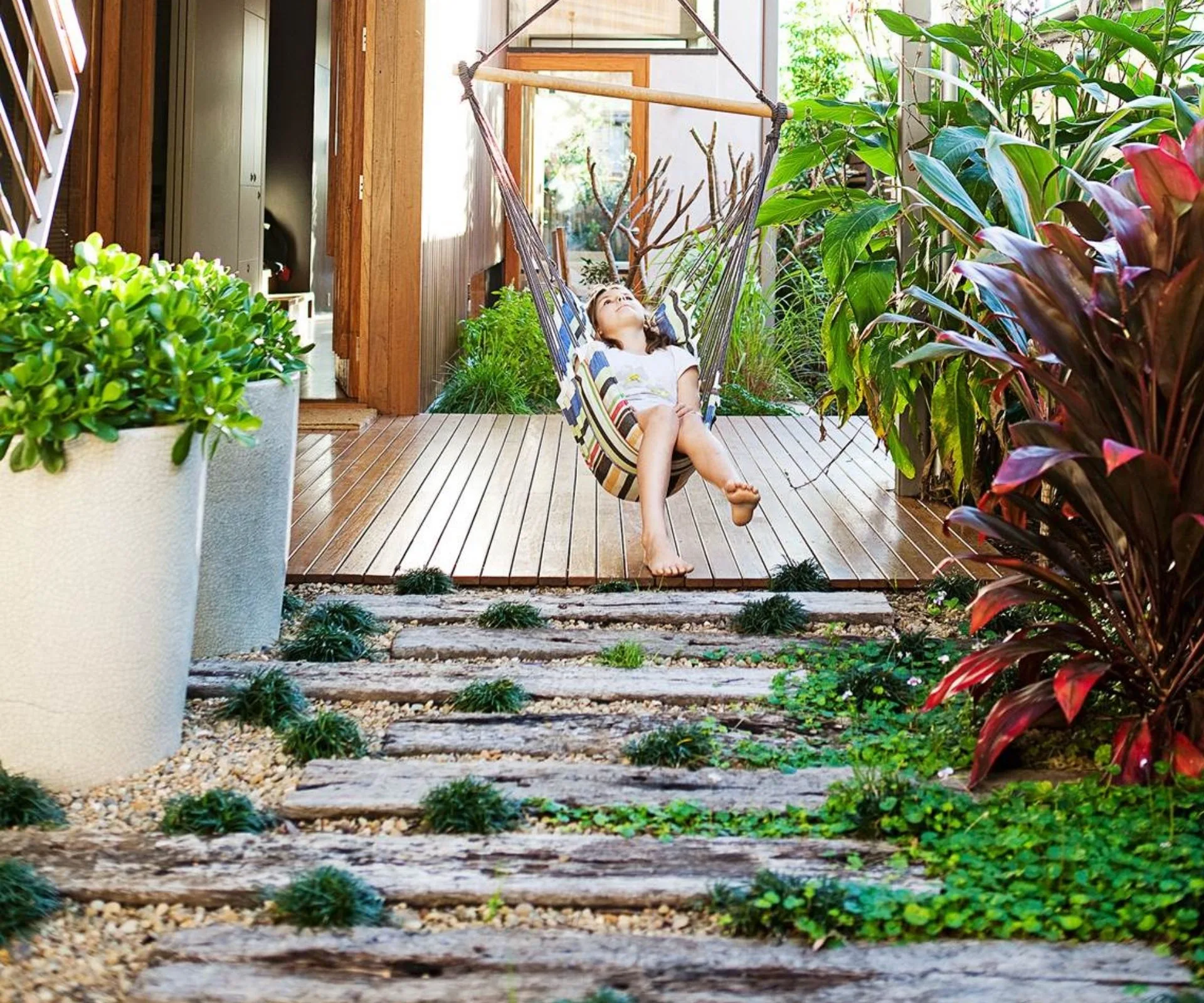
Finally, eco-conscious lifestyle choices and community living extend the principles of off-grid living beyond individual homes. Sustainable landscaping incorporates native plants and rainwater collection systems to reduce water usage and promote local biodiversity. Effective waste management practices, such as composting and other waste reduction techniques, divert organic waste from landfills and enrich soil. Growing food through gardening or sustainable farming reduces reliance on external food supplies, supporting local ecosystems and enhancing food security. The HATA Dome in Pioneertown, California, designed and built by Anastasiya Dudik, demonstrates a "future primitive" ethos by blending ancient construction with modern sustainability. Built with airform, rebar, shotcrete, and stucco, it is fire-resistant, seismically durable, and regulates interior temperatures naturally. Beyond individual dwellings, entire communities are adopting off-grid models, relying on renewable energy, on-site water, and sustainable agriculture to promote independence and resilience. The Vigia, a tiny home designed by Madeiguincho, is an example of stylish, sustainable off-grid living, featuring timber craftsmanship, solar panels, and water tanks, alongside a composting toilet, exemplifying a self-sufficient and eco-conscious lifestyle.
#OffGridLiving #SustainableHomes #RenewableEnergy #EcoFriendlyDesign #RainwaterHarvesting #GreenMaterials #TinyHomeDesigns #SelfSufficiency #EnvironmentalImpact #OffGridLiving #SustainableHomes #RenewableEnergy #EcoFriendlyDesign #RainwaterHarvesting #GreenMaterials #TinyHomeDesigns #SelfSufficiency #EnvironmentalImpact
0 comment in total
 No comments yet
You may also like
Sustainable Homes

6 Simple Principles To Consider For An Eco-Friendly Home


7 breathtaking sustainable homes around the world

Delaware Experts Share Advice on Creating a Sustainable Home

Here Are 37 Ways to Make Your Home More Earth-Friendly

10 ways to make your home more sustainable
DHaus sculpts eco-friendly home in surrey's countryside from rammed earth

12 Ways To Create a More Sustainable Home

How residential design offers opportunities for sustainability
8 Sustainable Home Improvements You Can Make In 2025

11 Eco-Friendly Houses That Will Inspire You to Live Greener
Barrel-Vaulted Ceilings Cap an Architect’s Off-Grid Retreat in Mexico

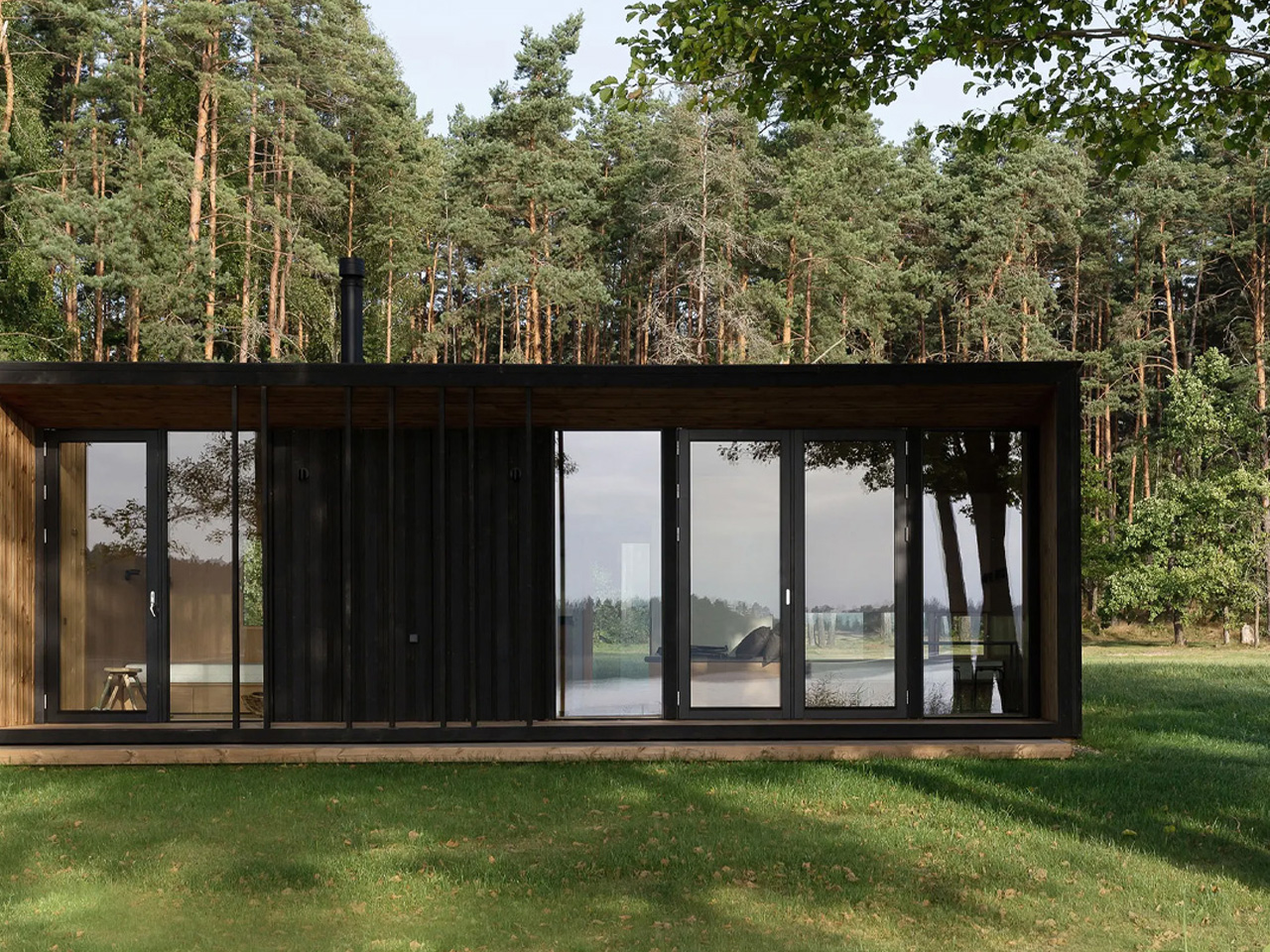
Top 10 Homes Designed To Be Sustainable Retreats For Off-Grid Living

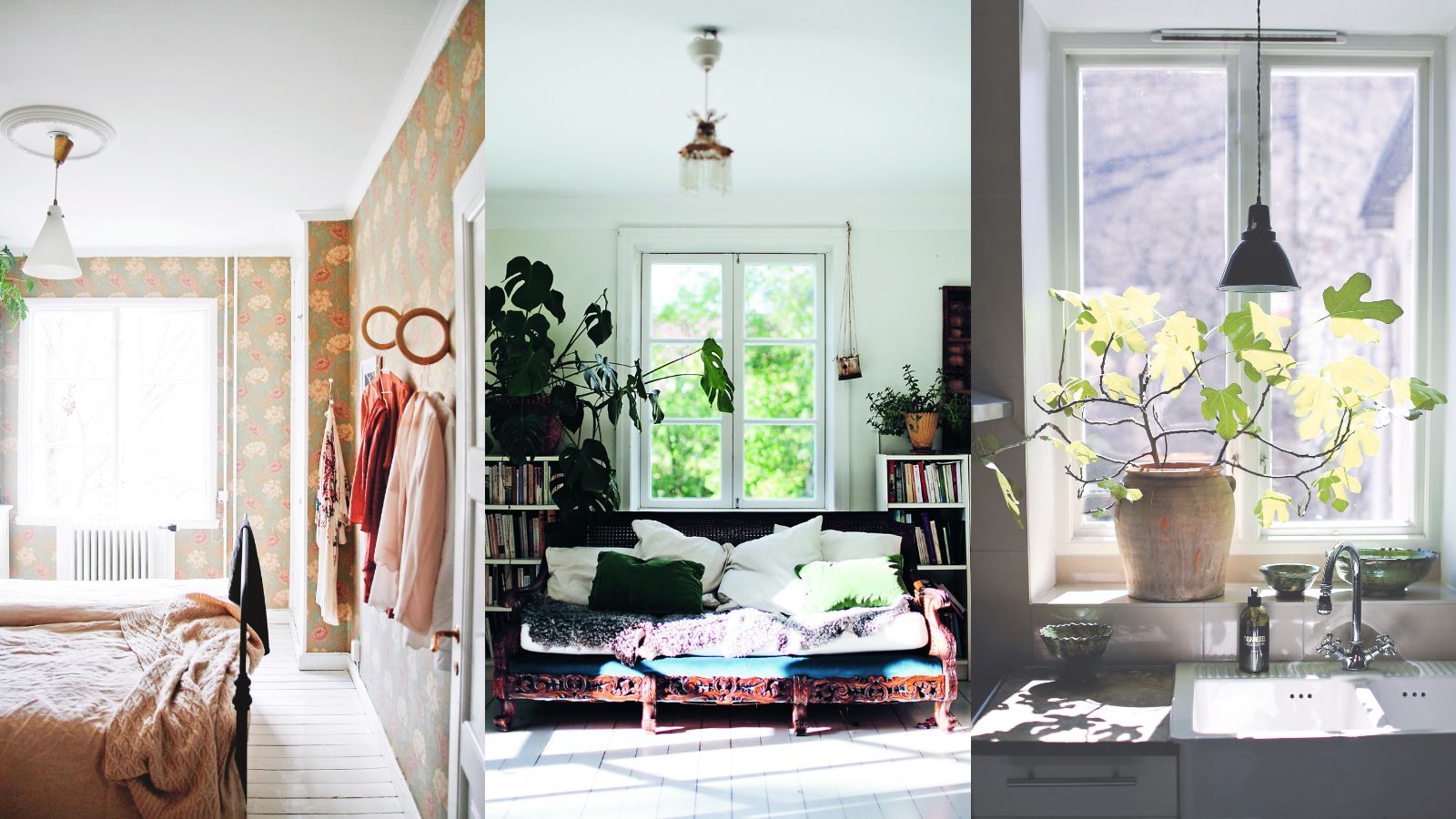
9 ways to be sustainable at home


It’s Your Average Off-Grid Shipping Container Home—Just Set on a Tall Metal Tower
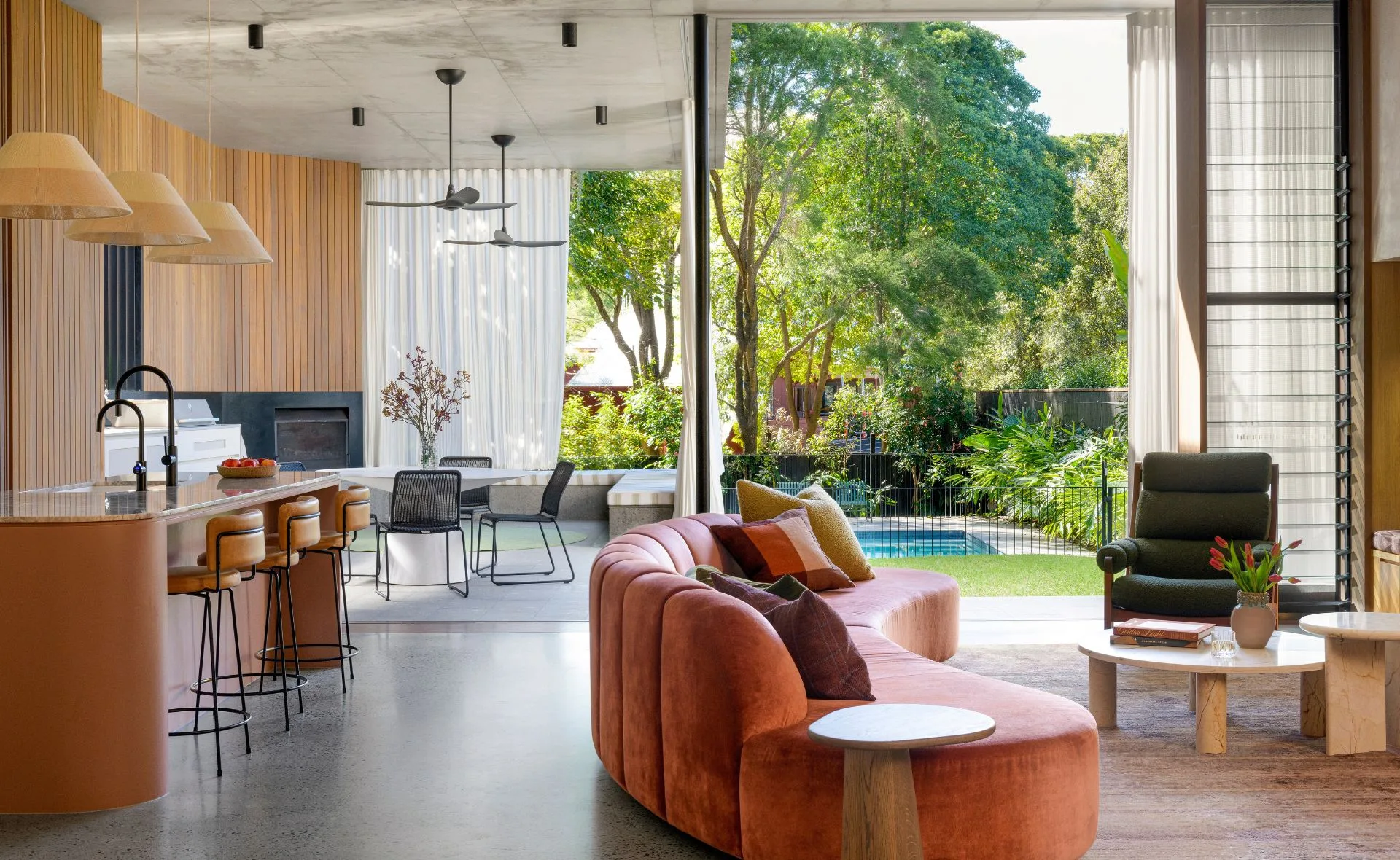
5 sustainable home solutions that won’t cramp your style

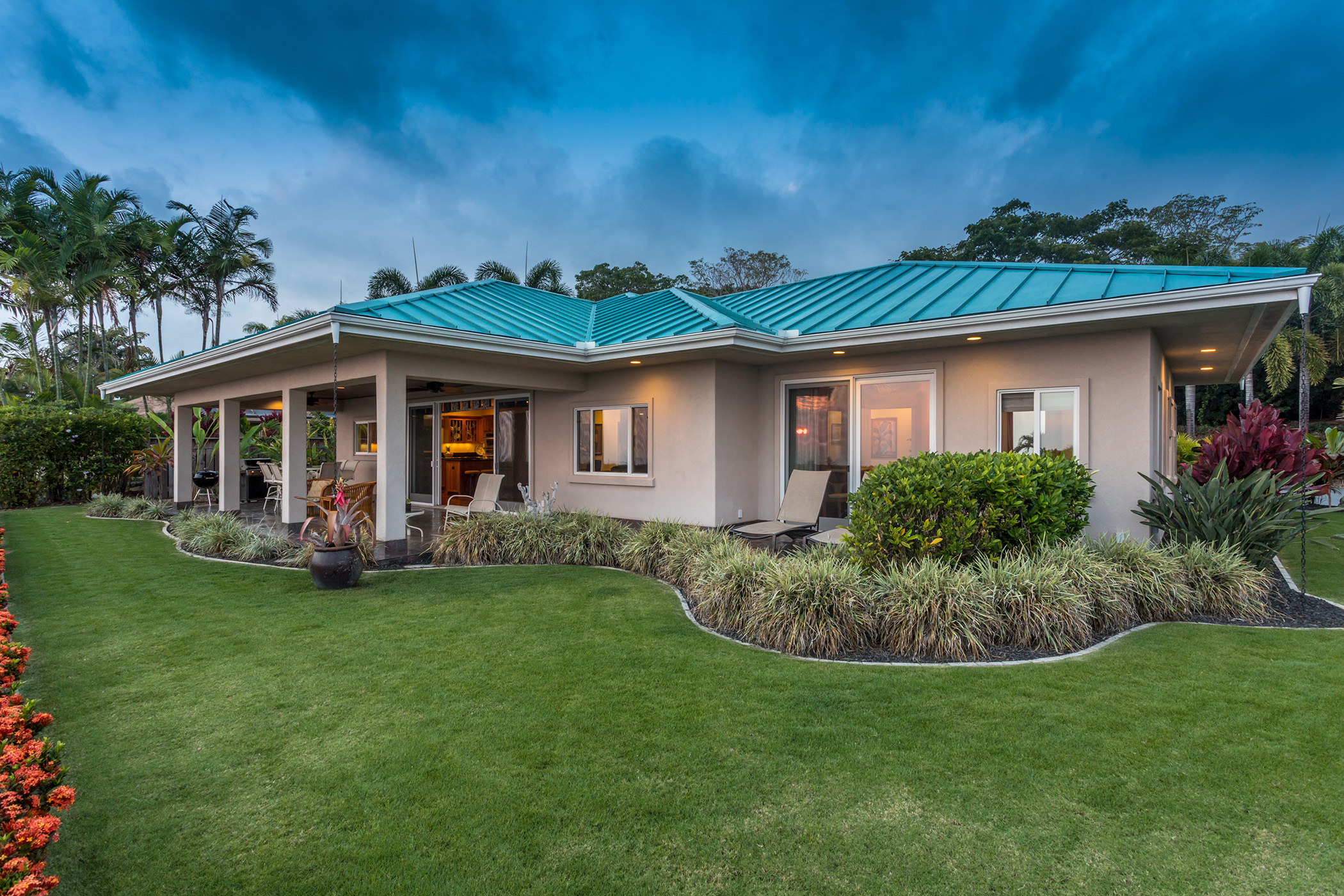
6 beautiful homes that run on solar power


Eight floating homes around the world

7 sustainable homes with style
How to Assess a Home’s Sustainability to Choose One That’s Right for You