MCM Meets MD: A Blueprint For Better Healthcare From Mid-Century Modern Architecture
The author, a former interventional cardiologist, posits that the foundational principles of Mid-Century Modern (MCM) architecture can be effectively applied to address complex technological challenges within the healthcare sector. The current healthcare landscape is characterized by a significant disconnect, where medical professionals spend more time interacting with electronic health records (EHRs) than with patients, leading to widespread burnout and diminished patient relationships. This issue is identified as a fundamental design failure, prioritizing data over human connection.
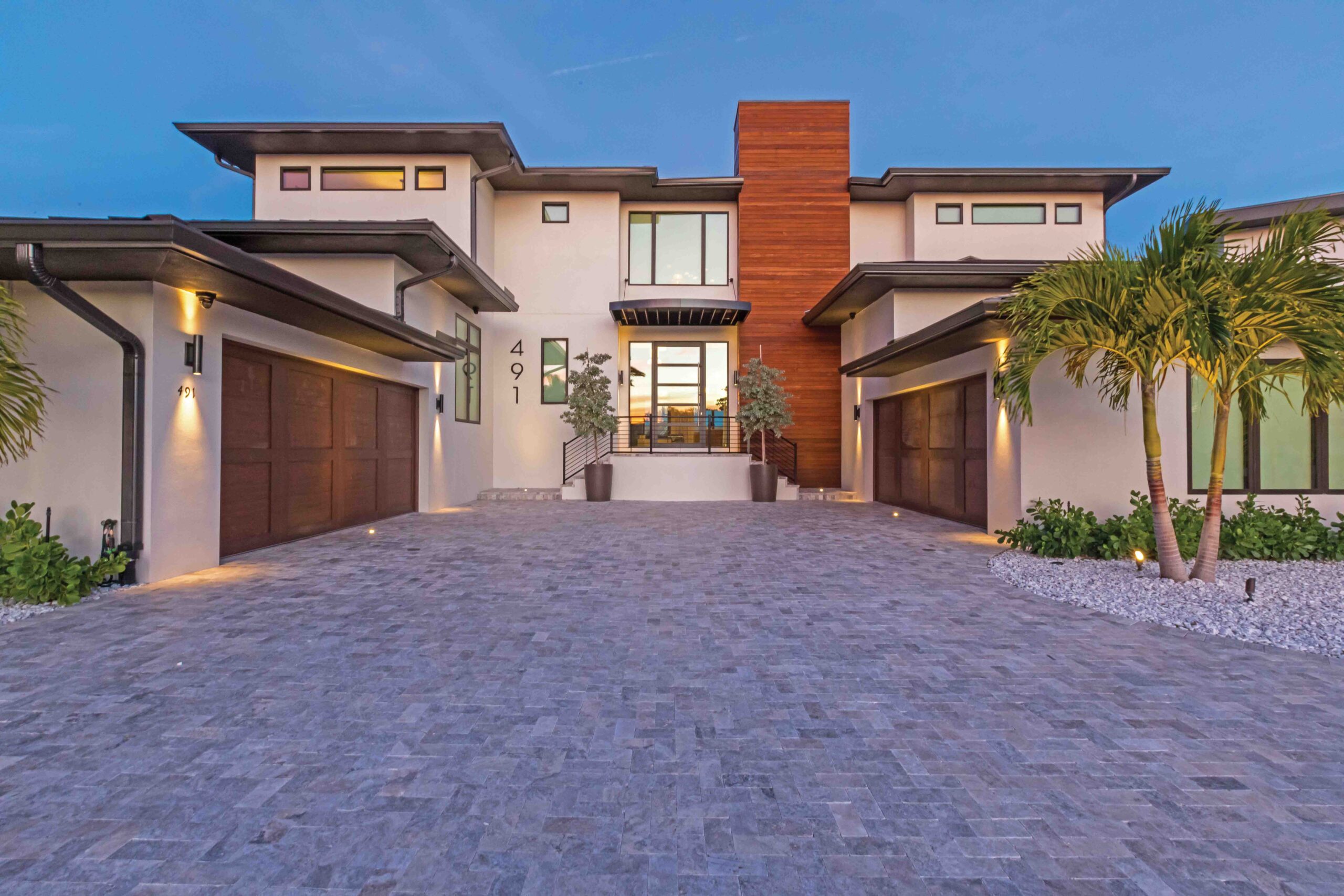
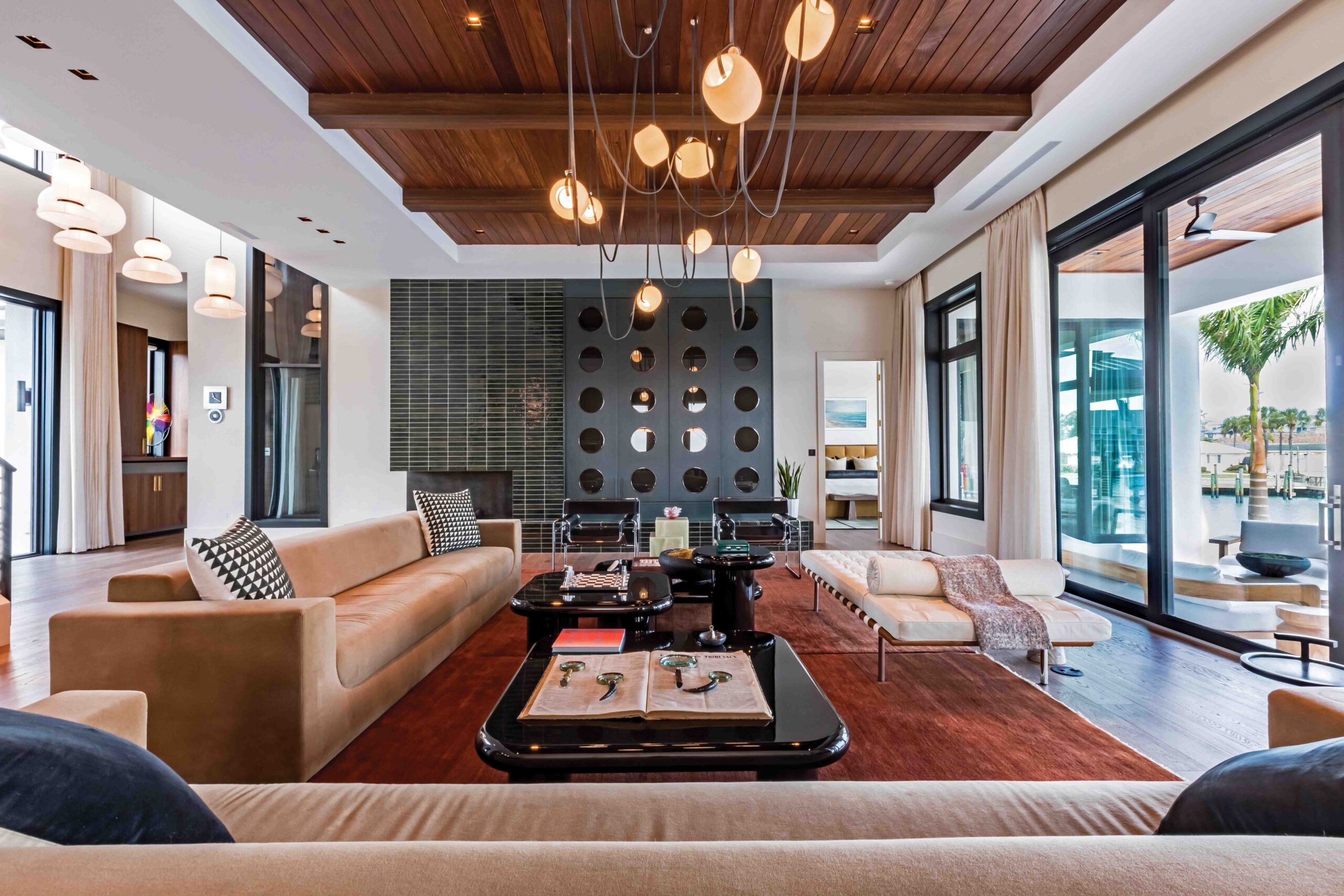

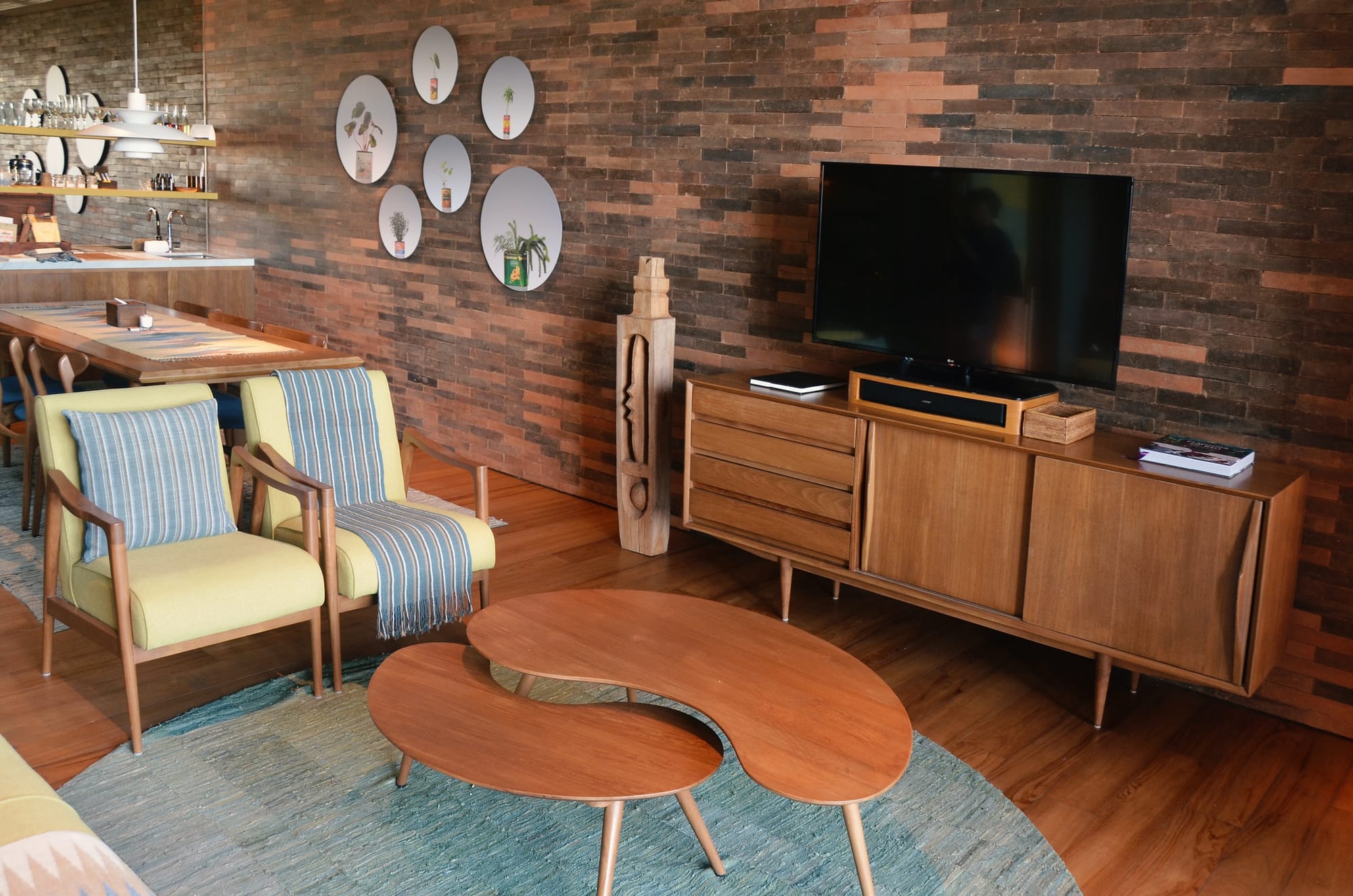
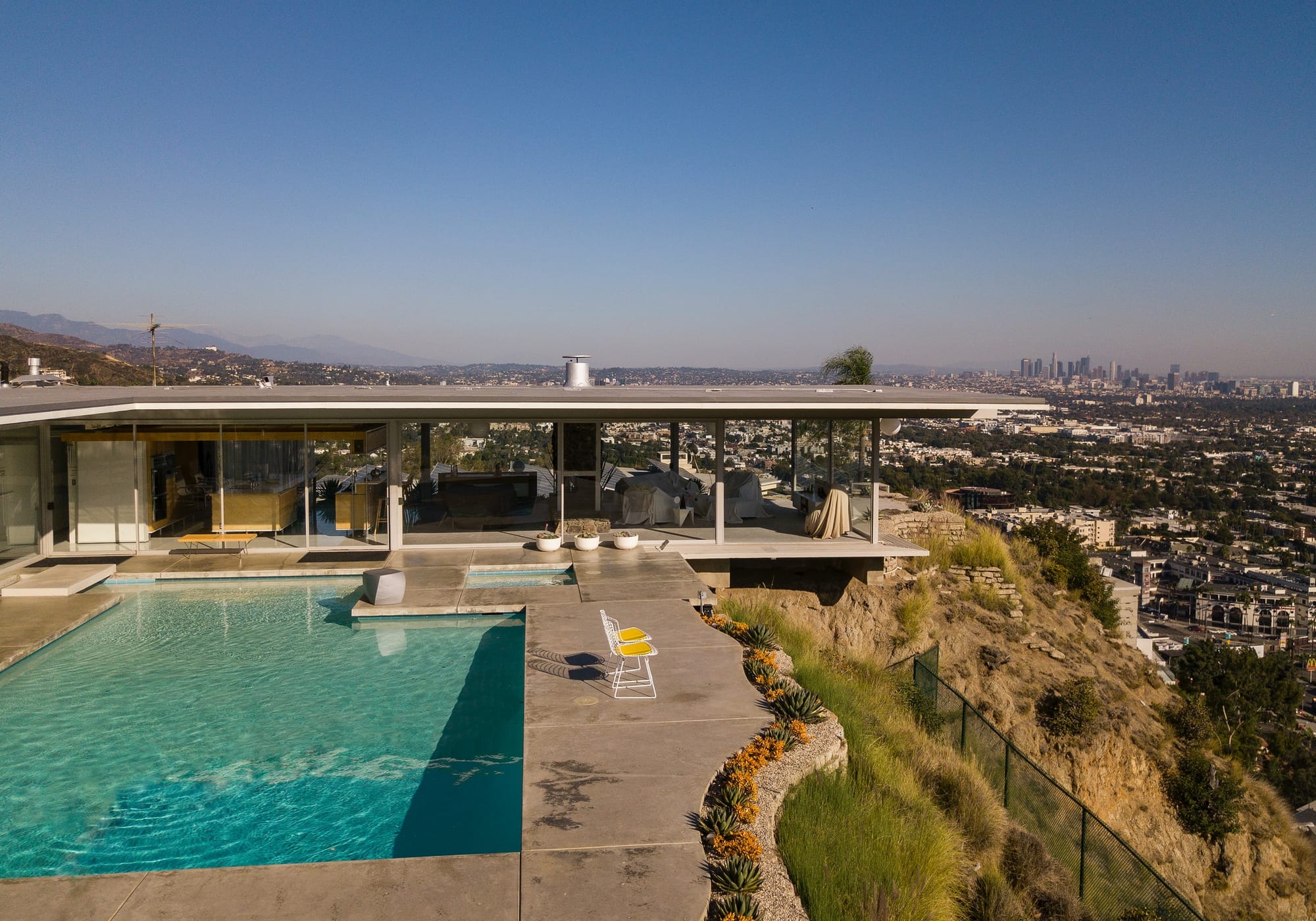
The article explores how MCM architecture, which emerged in the mid-20th century, successfully balanced industrial-scale production with human-centric design. Architects like Ludwig Mies van der Rohe and Eero Saarinen utilized principles of essentialism, focusing on what 'works' rather than stripping away for aesthetics. This philosophy created massive structures that still felt intimate and integrated technology in a warm, approachable manner. The author recalls personal experiences, such as observing the precise 15-degree recline of an Eames Lounge Chair designed to foster eye contact and conversation, and the TWA terminal's frictionless flow, as examples of human-centered engineering.
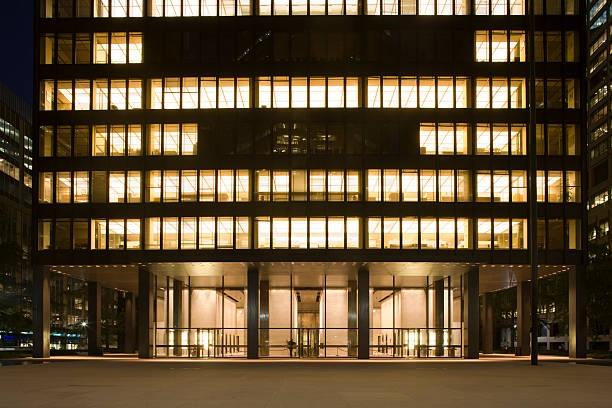
Three core MCM design principles are highlighted as a roadmap for improving healthcare technology. First, 'Human-Focused Design' emphasizes prioritizing the individual experience. In healthcare, this translates to AI-powered oncology solutions that consolidate multi-modal patient data into a single view, enabling quicker diagnoses and allowing oncologists to focus on patient interaction. The transparency of such systems, similar to the Seagram Building's glass facades, is crucial for augmenting clinical judgment rather than replacing it, bringing human connection back to the forefront.
Second, 'Reusable Components' draws parallels with MCM's modular design approach, exemplified by the Seagram Building's standardized structural elements. The current state of medical software is likened to pre-modern architecture, being bespoke and incompatible. The proposed solution involves adopting modularity through standardized data models, common authentication systems, and interoperable interfaces. This would allow healthcare developers to assemble new applications from proven components, fostering innovation and providing clinicians with consistent, familiar interfaces across different systems.
Third, 'Accessible Design' reflects MCM's achievement of accessibility through mass production, such as molded plywood chairs and simple, cost-effective materials like concrete and steel. In healthcare, this principle is manifested in tools like GE HealthCare’s Vscan Air, a pocket-sized ultrasound device that democratizes access to hospital-grade imaging in remote community clinics. Coupled with guiding software, it makes specialized expertise accessible to everyday health professionals. AI-powered clinical decision support systems and healthcare data standards are further examples of democratizing access through design, moving towards a 'molded plywood moment' for healthcare.
In conclusion, the article argues that while critics sometimes overlook MCM's systemic thinking in favor of its aesthetic and industrial design, its enduring legacy lies in its integrated approach to maximizing human well-being. The challenges faced by healthcare today—namely, scaling solutions while preserving human connection—can learn from MCM's approach to city building with steel, glass, and concrete. The modern equivalent will involve data, algorithms, and bandwidth, but only if guided by the conviction that design must serve everyone. The ultimate goal is for future generations of doctors to dedicate more time to direct patient engagement, fostering human connection within the healthcare environment. The transformation requires demanding environments that prioritize human connection, with the blueprints and proven principles already existing; the next step is to build them.
#MidCenturyModern #HealthcareTechnology #HumanCenteredDesign #ModularDesign #AccessibleHealthcare #AIinHealthcare #ArchitecturalPrinciples #MedicalInnovation #PatientCare #MidCenturyModern #HealthcareTechnology #HumanCenteredDesign #ModularDesign #AccessibleHealthcare #AIinHealthcare #ArchitecturalPrinciples #MedicalInnovation #PatientCare
0 comment in total
 No comments yet
You may also like
Home Design: Reinvented Midcentury Modern

The Medicine Cabinet Meets the Modern Age

These 27 Stylish Rooms Do Mid-Century Modern Right
Here's What You Should Know About Midcentury Modern Style


Beijing Institute of Architectural Design

Inside The Orthopedic Center That Sets A Patient-First Tone

This Mid-Century Modern Home Welcomes Accessibility Through Universal Design
Why Australians love mid-century Modernism

How This Dated Mid-Century Home Was Transformed into a Two-Story Stunner
What Is Midcentury Modern Architecture?
'Good design holds up' – 16 mid-century modern ideas that prove this design style will always be trending

Retro revival: Torbreck Apartment Renovation
We Asked Designers If Midcentury Modern Is Out of Style—and Their Answer Might Surprise You
19 magnificent Mid-Century Modern homes across Australia
19 Laudable Midcentury Modern Renovations in Los Angeles

A Dramatic Mockingbird Park Midcentury Modern Ranch Renovation

The sink in the hall: how pandemics transform architecture
Hints of midcentury modern design bring a Belmont ranch back to the future

13 mid-century modern living room ideas for a sophisticated room refresh

Why We Can’t Have Mid-Century Modern