1/4
Italian Room, Seattle Art Museum
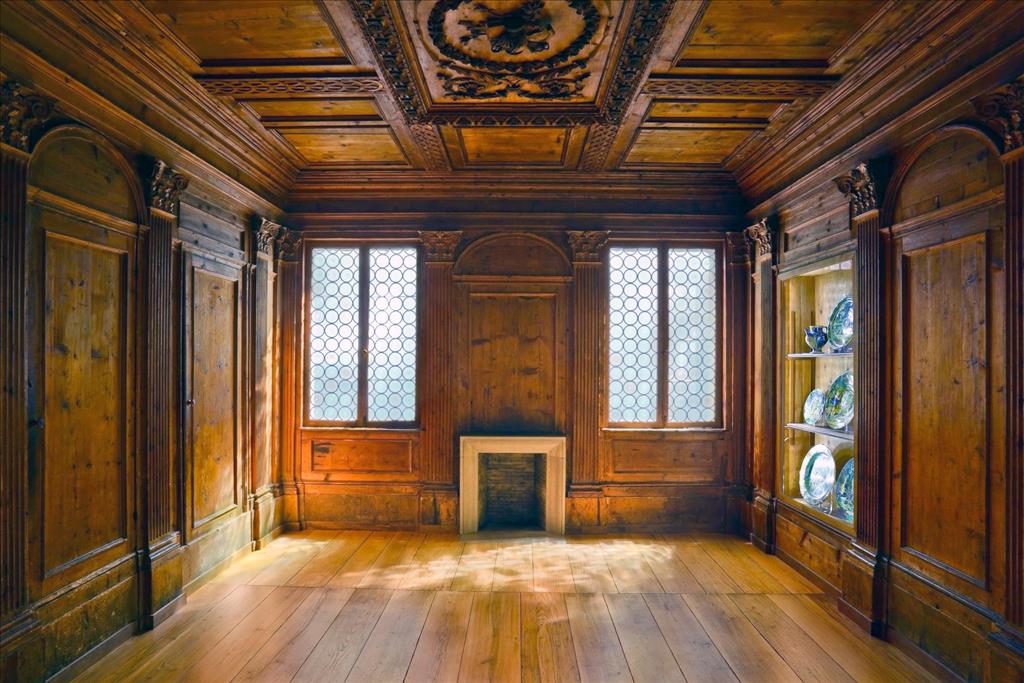
The Italian Room at the Seattle Art Museum (SAM) offers visitors a glimpse into 16th-century Italy, situated in downtown Seattle. This wood-paneled room, originally constructed between 1575 and 1600 in Chiavenna, a prosperous town in a northern Italian Alpine valley, was built for a wealthy family. The room, known locally as a "stua," was designed using spruce, willow, and fir, and would have been installed within a stone building, often featuring a large stone or tile-covered stove for warmth during cold winters. Its ornate design, including rich wood paneling, a carved ceiling, and fluted pilasters with classical capitals, served as a symbol of the original owner's affluence. Former SAM curator of decorative arts, Julie Emerson, suggested that the ceiling medallion, which depicts an apothecary jar, might indicate a connection to the medical field for the original owner.
After approximately 350 years in its original location, the room was disassembled in the 1920s during the Great Depression. An Italian art dealer, Renato Bacchi, acquired the room and subsequently sold the disassembled panels to Adolph Loewi, a German-born antiques dealer. Loewi initially installed the room in a palazzo in Venice, which functioned as his gallery. However, due to Fascist persecution in 1938, Loewi, who was Jewish, was forced to flee Italy, taking his collection with him, first to Paris and then to New York City. Eventually, the Italian Room was purchased by architect John Yeon, who installed it in his San Francisco flat. Yeon, a notable modernist architect, passed away in 1994. Before the sale of his building, his partner, Richard Louis Brown, ensured the preservation of the Italian Room and embarked on finding a new home for it from his residence in Portland, Oregon.
Fortuitously, the Seattle Art Museum was planning a significant expansion of its downtown facility. Brown generously donated the Italian Room to SAM in Yeon's memory. The conservation and installation process allowed visitors to observe the progress. When the museum reopened in 2007, the Italian Room was fully installed, meticulously recreating the exact angles and dimensions of its original setting. Emerson noted that only two companies worldwide were qualified to handle such a historic installation: one in New York and one in France. SAM contracted the New York firm, Traditional Line, for the project. The installation involved hanging the wood panels on a metal steel frame, utilizing existing nail holes, a process that took several months to complete. Each stage of the room's reconstruction was meticulously mapped, documented, and recorded. The conservation staff undertook the extensive task of cleaning all 149 wood panels, removing centuries of accumulated marks, such as candle wax and fly specks, to ensure proper conservation. While the wood panels remain remarkably intact and original, the windows, chestnut floor, and stone fireplace were later additions, crafted based on historical Chiavenna designs and materials.
Chiavenna, a mountain town in Lombardy, gives its name to the Alpine Valchiavenna, which is bordered on three sides by Switzerland. In the 16th century, Chiavenna served as a crucial customs station and trade hub at the convergence of two important passes, one leading to St. Moritz and the other northwest to France. This strategic location contributed to the town's wealth, and the Italian Room reflects this prosperity with its northern, French-influenced style. Today, the Chiavenna region is recognized as an open-air museum, featuring numerous ornate mansions, piazzas with elaborate fountains, and distinctive architecture. The presence of the Italian Room at the Seattle Art Museum allows individuals who may not be able to visit Chiavenna to experience the enduring beauty of that historical region, inviting them to step back in time to another era within the warm ambiance of the wood-paneled room. This essay is part of HistoryLink's People's History collection, which includes personal memoirs, historical documents, interviews, reprints, and original essays, many submitted by visitors and not independently verified by HistoryLink.org.
#SeattleArtMuseum #ItalianRoom #HistoricalArchitecture #WoodPanels #Chiavenna #16thCenturyDesign #DecorativeArts #MuseumExhibits #ArtConservation #SeattleArtMuseum #ItalianRoom #HistoricalArchitecture #WoodPanels #Chiavenna #16thCenturyDesign #DecorativeArts #MuseumExhibits #ArtConservation
0 comment in total
 No comments yet
You may also like
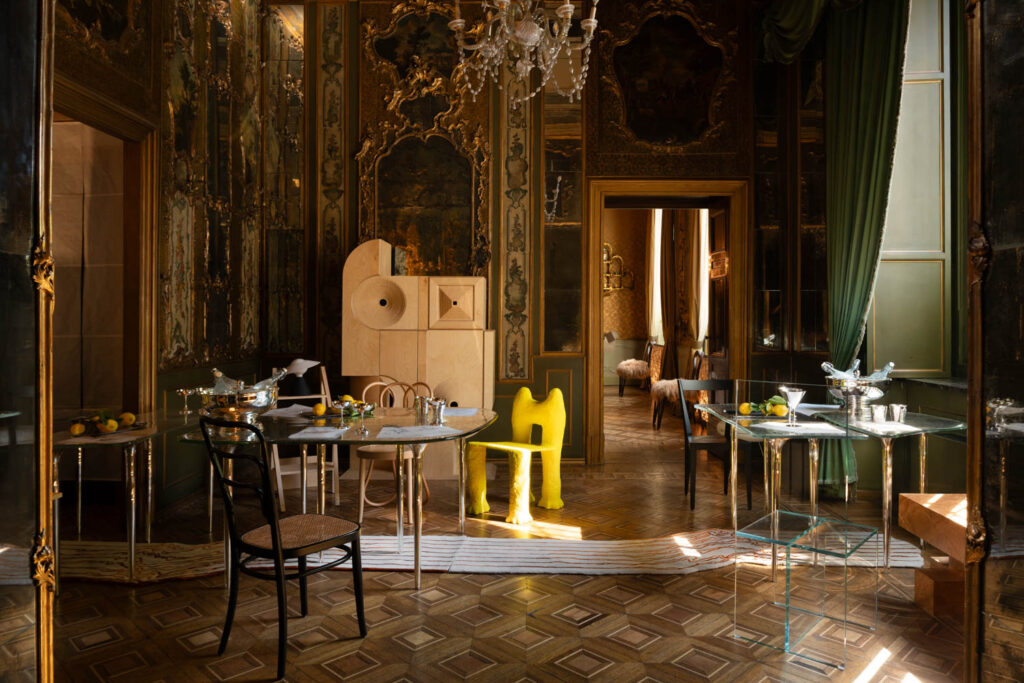
Inside a 1930s Mansion Turned Eclectic Show House in Milan

Quintessential Italian Style Puts Down Roots in New York

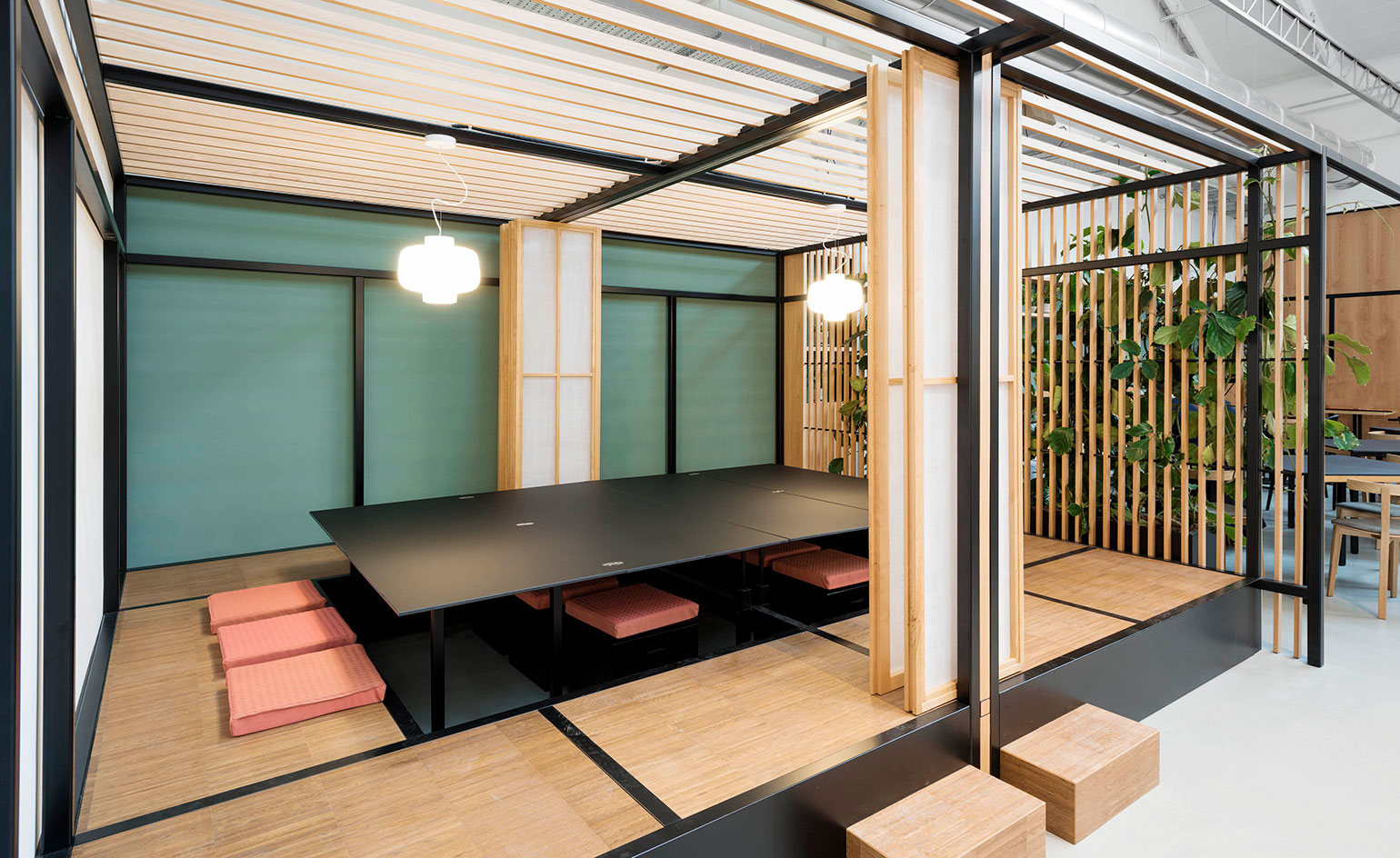
Japan meets Italy at Milan’s new zen co-working café

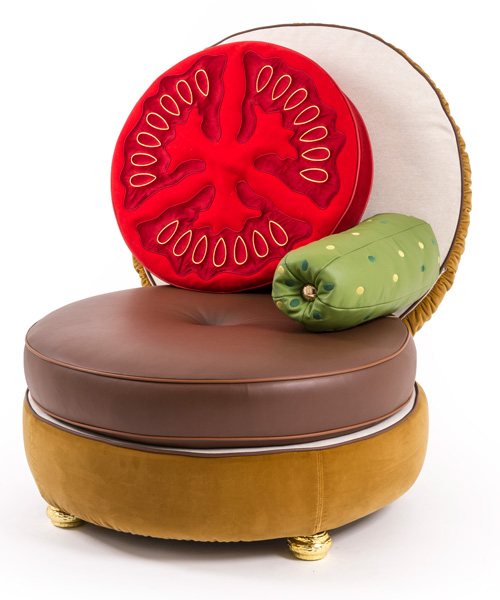
studio job and seletti bring fast food furniture to maison et objet
A fictional 1970s villa is full of drama in Dimoremilano and Loro Piana’s installation

StudioTamat transforms Rome "villino" with glass floors and mirror ceilings
A Milanese Apartment Is Restored, Then Renewed (Published 2022)

A Narrow Hallway Is the Star of This 1,023-Square-Foot Apartment

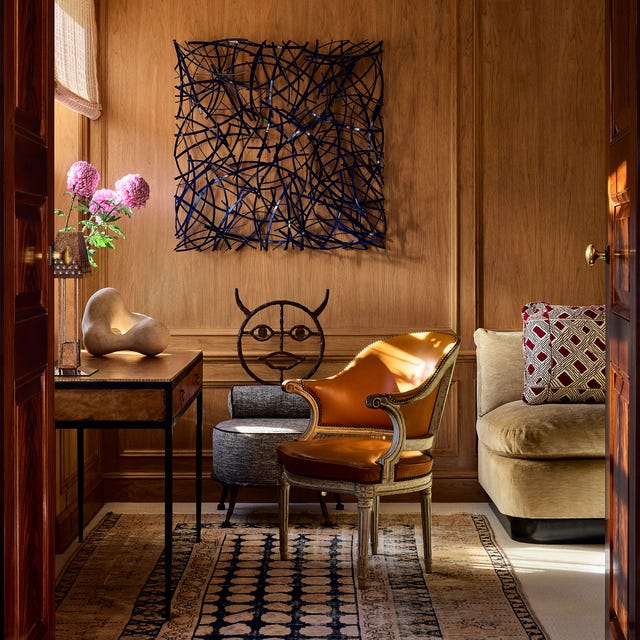
This Apartment Brings Italian-Chic to the Middle of Manhattan
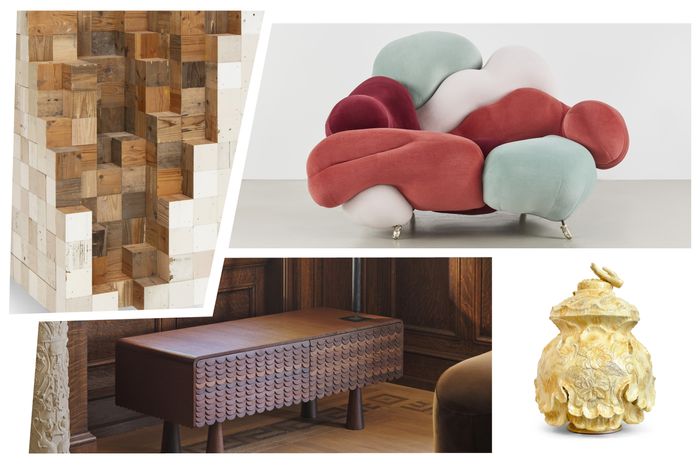
Ruffled Vases, Chaises Longues Made of Pipes, and More Design Finds
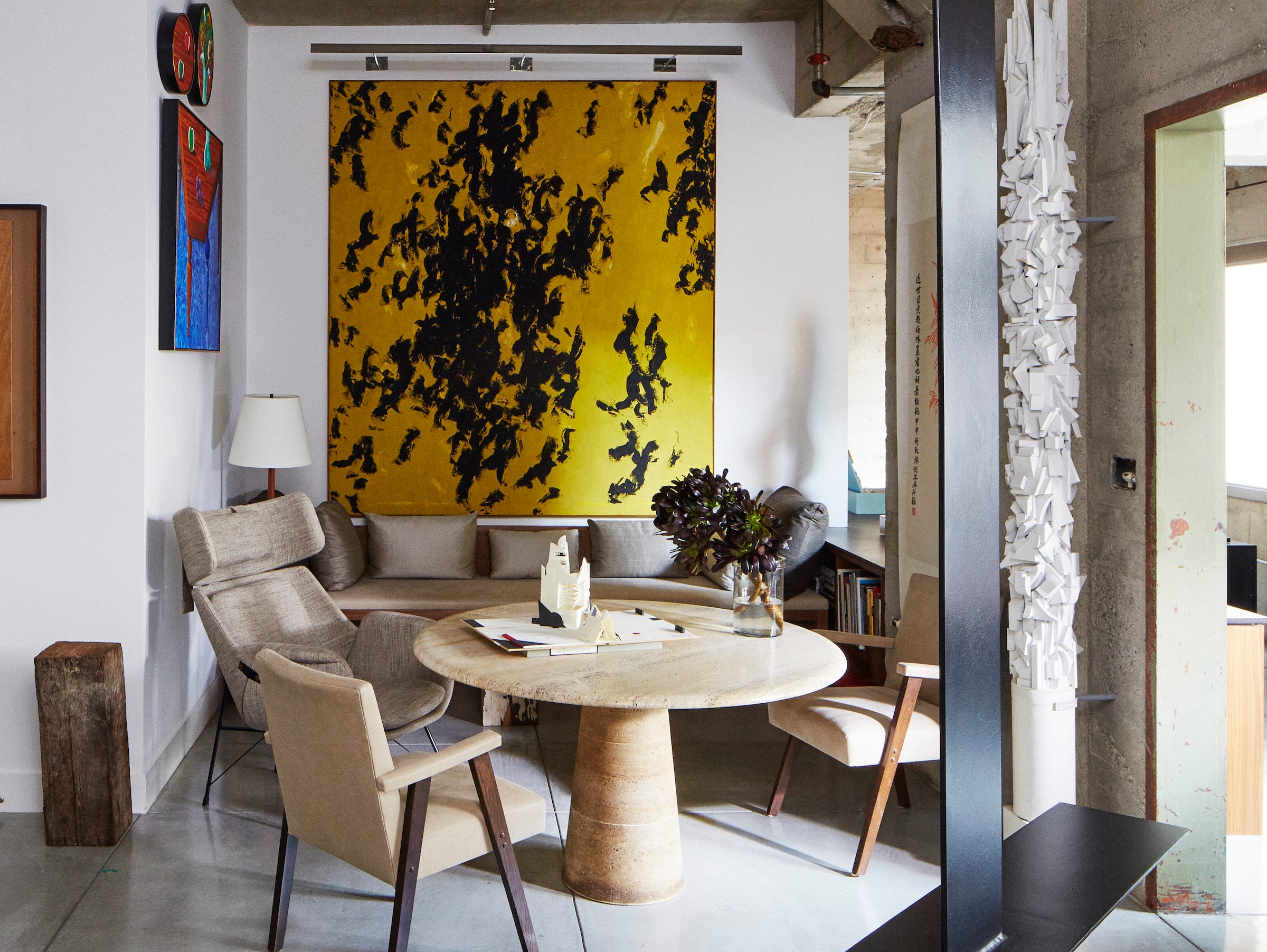
House Tour: A Raw And Refined Loft In San Francisco
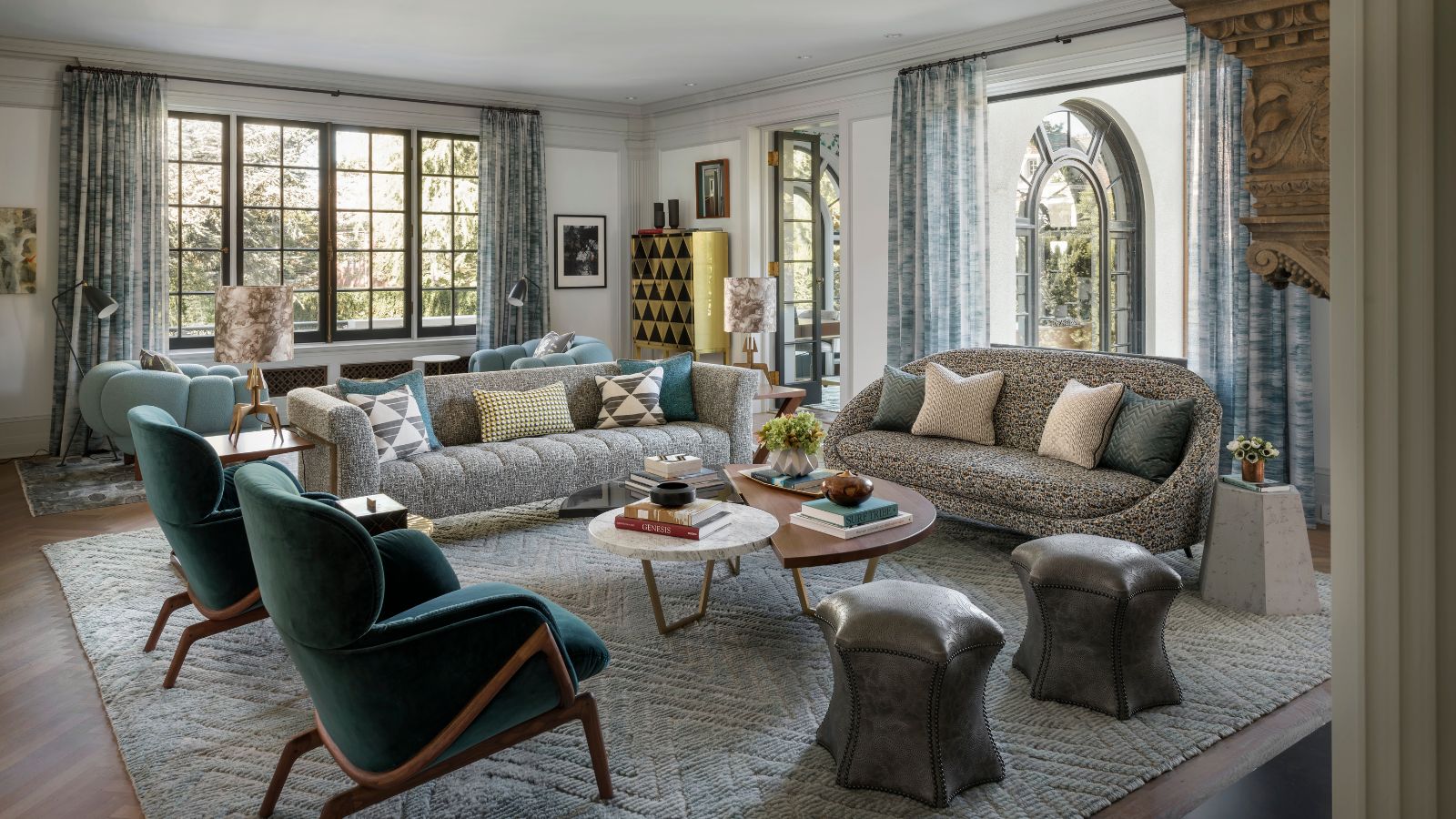
Do modern designs and comforts work in historic homes? This Seattle residence says a definite yes

italian painter’s works transform il bottaccio luxury hotel into integrated living gallery
Step Inside a Spacious Salt Lake City Loft With a Centuries-Old Furniture Collection

How to transform your home with art
Living Like a Roman: The Artful Dialogue of Past and Present at Palazzo delle Pietre
Interactive floor plan: Artist studio, Australia
This Art-Filled Dining Room Is a Conversation Starter
An Italian Penthouse Shines With Colored Mirrors in Forlì
Inside a Designer’s Theatrical Apartment and Studio in Rome (Published 2019)