1/11
Is This the Most Sophisticated Sunroom Ever Designed?
Veranda, a publication centered on connecting with nature, often features indoor-outdoor spaces like sunrooms and porches, though they rarely grace the magazine's covers. These spaces, while favored for their ability to bring natural beauty into the home and offer expansive landscape views, are typically decorated in a more casual style, which doesn't always align with the sophisticated aesthetic expected of a cover image. To be deemed cover-worthy, such a space must combine casual comfort with refined sophistication, possess magical natural light, and exhibit a dramatic quality derived from its furniture, colors, textures, and scale.
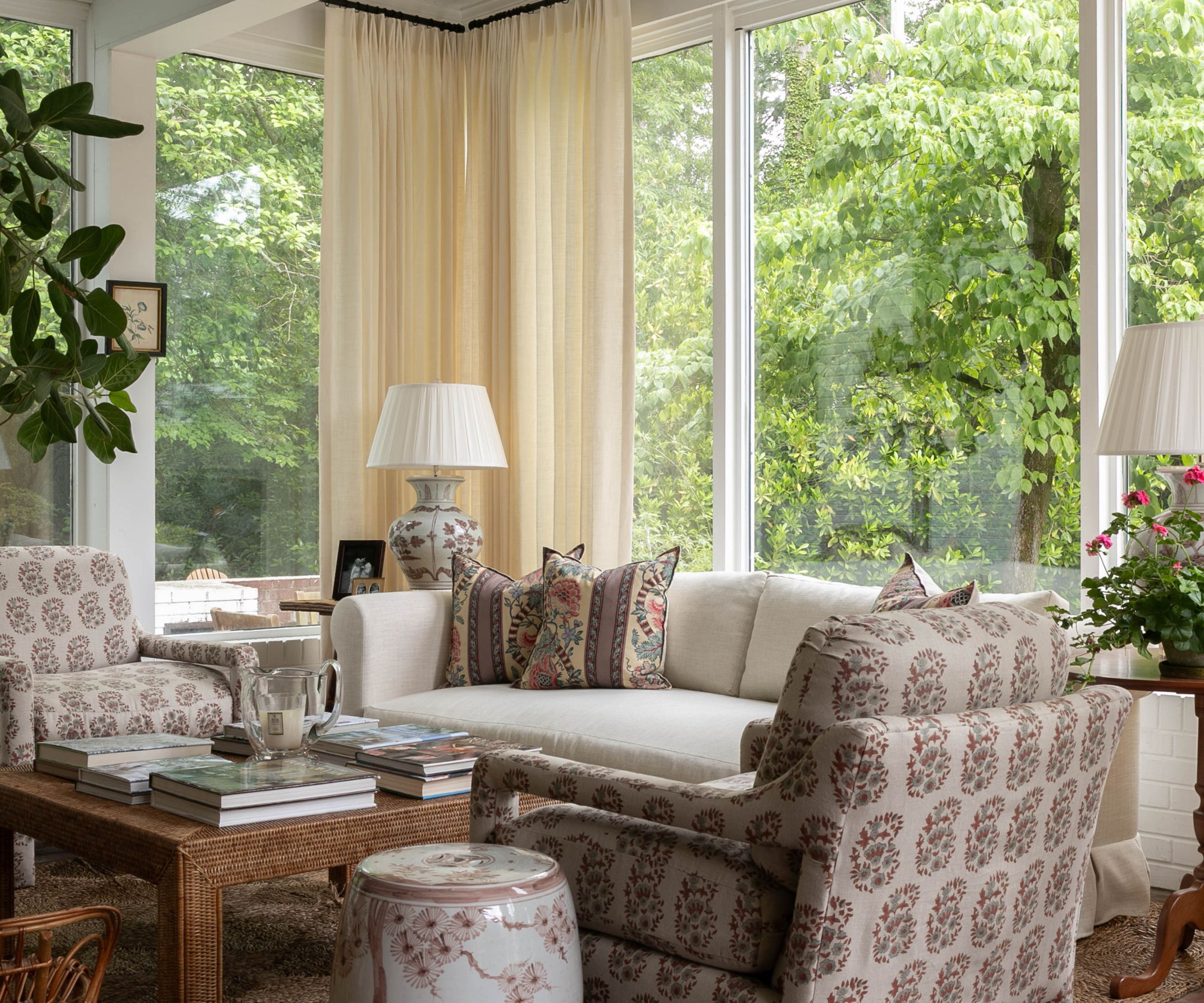
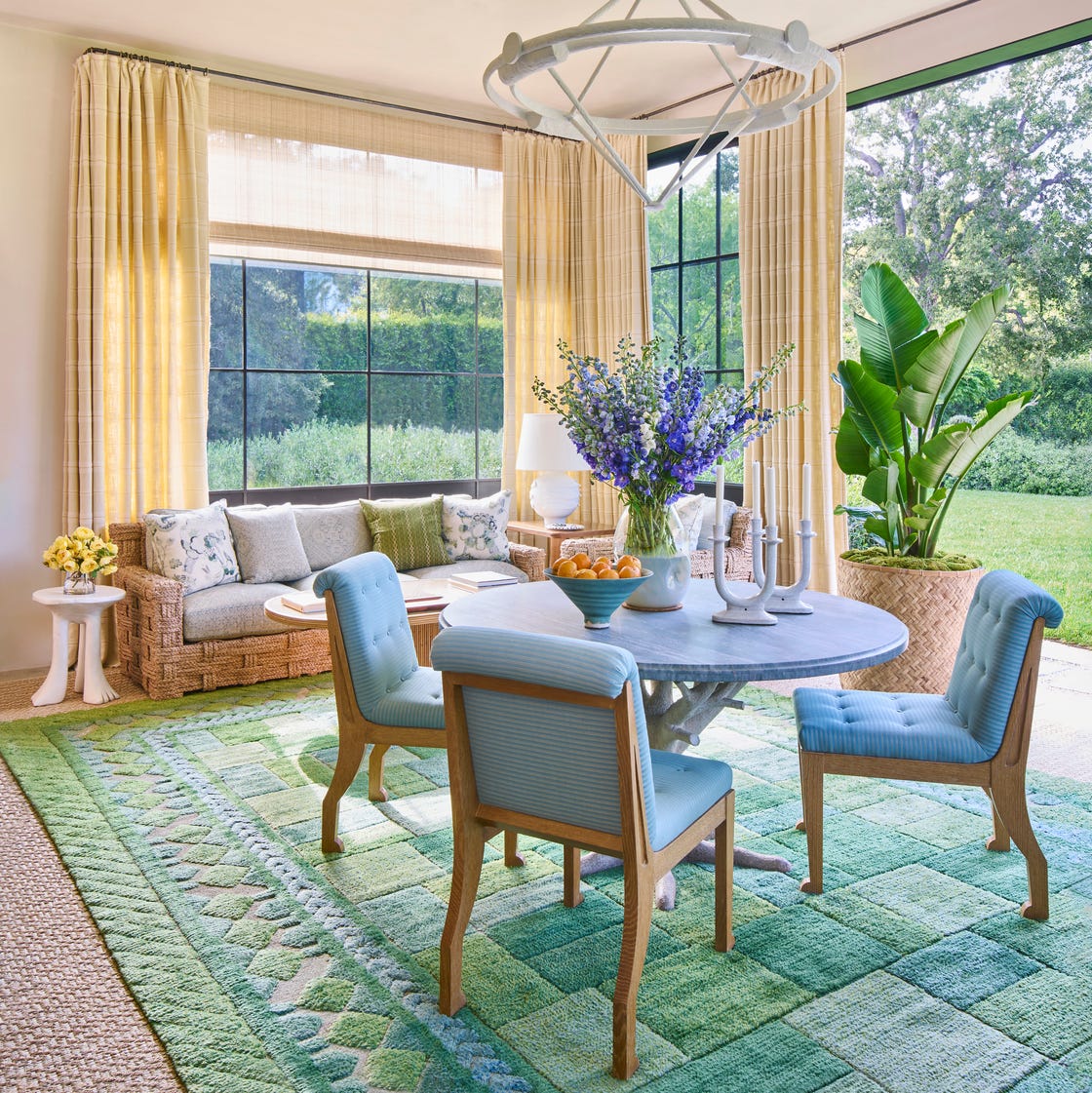
The May/June 2024 cover features a Los Angeles sunroom designed by Michael S. Smith, which is presented as a prime example of a sophisticated sunroom. This room incorporates traditional sunroom elements like woven textures, abundant natural light, and a color palette that seamlessly links the interior with the garden. Smith describes the room as a "portal to the magic of the garden, an homage to that alluring indoor/outdoor lifestyle of California." However, its design deviates from typical sunroom aesthetics.
A key element is a vintage wool carpet by Swedish weaver Ingrid Hellman-Knafve, whose diverse green shades echo the garden. Smith likens the carpet's variety of color and texture to a painting, emphasizing the importance of human craftsmanship in design. The room features a rich layering of natural textures, including the woven rug, planter, seating, plaster walls, and layered window treatments from Elitis and Hartmann and Forbes. The woven rope seating, from John Himmel Decorative Arts, plaster walls by Rex J. Pratt, Inc., linen window treatments, and wood chair frames from Jasper contribute to the room's depth and dimension despite its monochromatic scheme.
The furniture, while comfortable, casual, and durable, also represents a collection of iconic styles. The woven seating draws inspiration from early to mid-20th-century French designers Adrien Audoux and Frida Minet, known for their rope-woven pieces. The plaster chandelier is by French sculptor Philippe Anthonioz, who developed his passion for plaster while working with Diego Giacometti. The faux bois table base pays homage to the 19th-century French tradition of crafting "false wood" furniture from concrete.
Perhaps the most distinctive feature is the animal-inspired footed furniture, which playfully connects the indoors to the garden. Anthropomorphic feet in decorative arts have a long history, dating back to ancient Egypt. Specific styles like the ball and claw foot, claw foot, trifid or drake foot, and monopodium originated as early as the 17th and 18th centuries. The re-discovery of King Tutankhamun's tomb in 1923 sparked a renewed interest in Egyptian motifs, influencing the Art Deco movement.
Smith modernizes this tradition with simplified versions of animal-footed furniture. His four wooden chairs are a contemporary interpretation of French designer Marc du Plantier's 1930s "Egyptian" chair, offering a nod to both modern and earlier design periods. Additionally, a plaster three-legged stool by mid-20th-century American designer John Dickinson, now reproduced by Sutherland Furniture, adds a sense of romance and modernity to the space. This blend of historical references with contemporary design, bridging indoor and outdoor aesthetics, and combining sophistication with casual comfort, made Smith's sunroom an ideal choice for the cover of Veranda's outdoor living issue.
#HomeDecor #InteriorDesign #Sunroom #LuxuryLiving #MichaelSSmith #FurnitureDesign #EgyptianRevival #ArtDeco #TextileDesign #HomeDecor #InteriorDesign #Sunroom #LuxuryLiving #MichaelSSmith #FurnitureDesign #EgyptianRevival #ArtDeco #TextileDesign
0 comment in total
 No comments yet
You may also like
The 31 Prettiest Sunrooms We’ve Ever Seen
An Epic Skylight, Barely There Windows, and More Sunroom Ideas to Get You Through January

This Timeless Kitchen Has a Four-Seasons Sunroom with an Automatic Skylight

DESIGN: A Dilworth Sunroom For (Almost) All Seasons

14 sunroom design ideas that bring the outdoors in

12 light-filled sunroom ideas that bring the outdoors in

The Florida Room Is The Retro Staple Your Home Needs Right Now
In the frame: windows and skylights with a different perspective

Sunroom ideas to create spaces where the sun feels like it shines all year round

Take a shine to sunrooms
25 Light-Flooded Rooms with Floor-to-Ceiling Windows

This Home’s Unique Shape Is Designed to Capture Sunlight

Sunrooms We're Swooning Over
Try These Dreamy Sunroom Ideas for a Bright and Relaxing Space

Why a Sunken Living Room Makes Perfect Sense
This Former Sunroom Is Now One Family's Bright, Storage-Friendly Kitchen
This Is The Cottage Sunroom Of Your Dreams
The One Home Feature You Need for a DREAMY Transition to Fall
21 Insanely Dreamy Bohemian Sunroom Ideas That Bring Warmth, Whimsy, and Wonder Home
Home design inspiration: Ideas for a four-season sunroom