1/14
Interactive floor plan: Villa Metamorphosis, USA
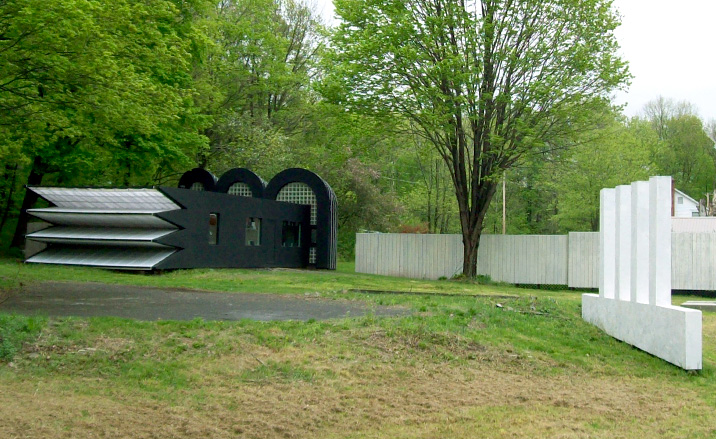
The article showcases Villa Metamorphosis, an architectural project by Japanese architect Ben Ryuki Miyagi, located in Ulster County, upstate New York. The property began as a 1960s shack-like house and has undergone a significant transformation into an eccentric two-bedroom villa, fitting for its proximity to the artistic community of Woodstock. The villa is situated on a one-acre plot with rolling lawns and woodlands, providing a scenic and secluded environment that was crucial to Miyagi's design philosophy, aiming for a building that could serve as a photographic object within the landscape.
Miyagi's 18-month extension project introduced several distinctive features. One end of the house now incorporates three top-lit, curved domes. These domes are designed to enhance natural light within the interior while simultaneously providing privacy by blocking views of an adjacent property. The exterior cladding of the domes consists of hand-cut asphalt shingles, arranged in a pattern resembling fish scales and secured by white battening. This design was inspired by Frank Stella's Black Series paintings, demonstrating an artistic influence on the architectural aesthetics.
At the opposite end of the villa, the bedrooms receive natural light through four translucent polycarbonate louvres. These louvres are uniquely shaped like beaks and offer both illumination and privacy due to their opacity. The front facade of the house is finished with black stucco, and the original windows have been replaced with frameless glass openings. Miyagi describes these openings as featuring "hieroglyphic geometries" that evoke an East Asian sensibility, blending cultural influences into the design.
Beyond the main structure, Miyagi integrated three additional features into the grounds to enhance the landscape and define sight-lines. The first is a long structure adjacent to the house, functioning as an extended hallway that leads to a small room with an open roof, known as the House of Solitude. This structure also serves as a fence, framing the view across the fields while acting as a visual barrier against neighboring houses.
The second addition is a symbolic structure composed of four towers, resembling an inverted torii, which is a traditional Japanese temple gate. This element further integrates Miyagi's cultural background into the American landscape. The third feature is a concrete deck positioned in front of the house, which includes a void where one can sit. This feature is named the Sky Mirror because it collects rainwater, reflecting the sky and creating a dynamic interplay with the heavens. This stage-like structure also delineates the foreground boundary of the site.
Miyagi emphasizes that these external objects are not merely decorative sculptures but serve pragmatic functions, acting as screens or defining spatial boundaries. He conceptualizes them as a "choreographed sequence of themes," which he refers to as the "Landscape of Geometric Mythology." This approach highlights a blend of functionality, artistic expression, and thematic coherence throughout the property. The architect acknowledges the combined elements create a poetic whole, even without explicit symbolic intent.
#VillaMetamorphosis #BenRyukiMiyagi #Architecture #UpstateNewYork #ArchitecturalDesign #ModernArchitecture #LandscapeArchitecture #JapaneseInfluence #VillaMetamorphosis #BenRyukiMiyagi #Architecture #UpstateNewYork #ArchitecturalDesign #ModernArchitecture #LandscapeArchitecture #JapaneseInfluence
0 comment in total
 No comments yet
You may also like
Interactive floor plan: Spiral House
Interactive floor plan: Villa Veth by 123DV Architects, Netherlands
MIMA Light: A sculptural house with a flexible floor plan
This Floor Plan Is Perfect For Homeowners Who Want The Best Of Both Worlds
Interactive floor plan: Chilmark Guest House, USA
This Once-Industrial Baltimore Loft Has Been Gloriously Transformed
5 interior design apps to help you decorate your NYC apartment
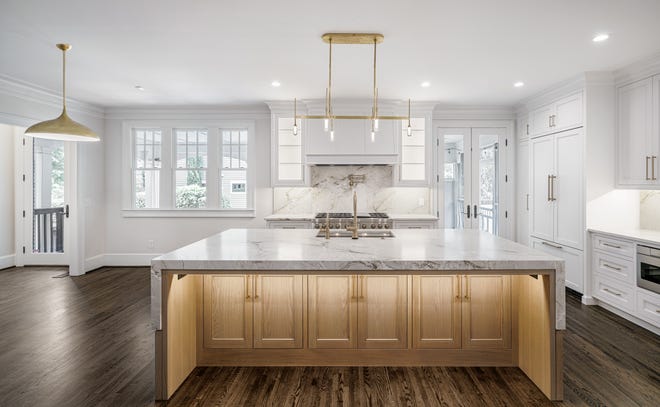
Floor plan changes create 'new home inside existing one'

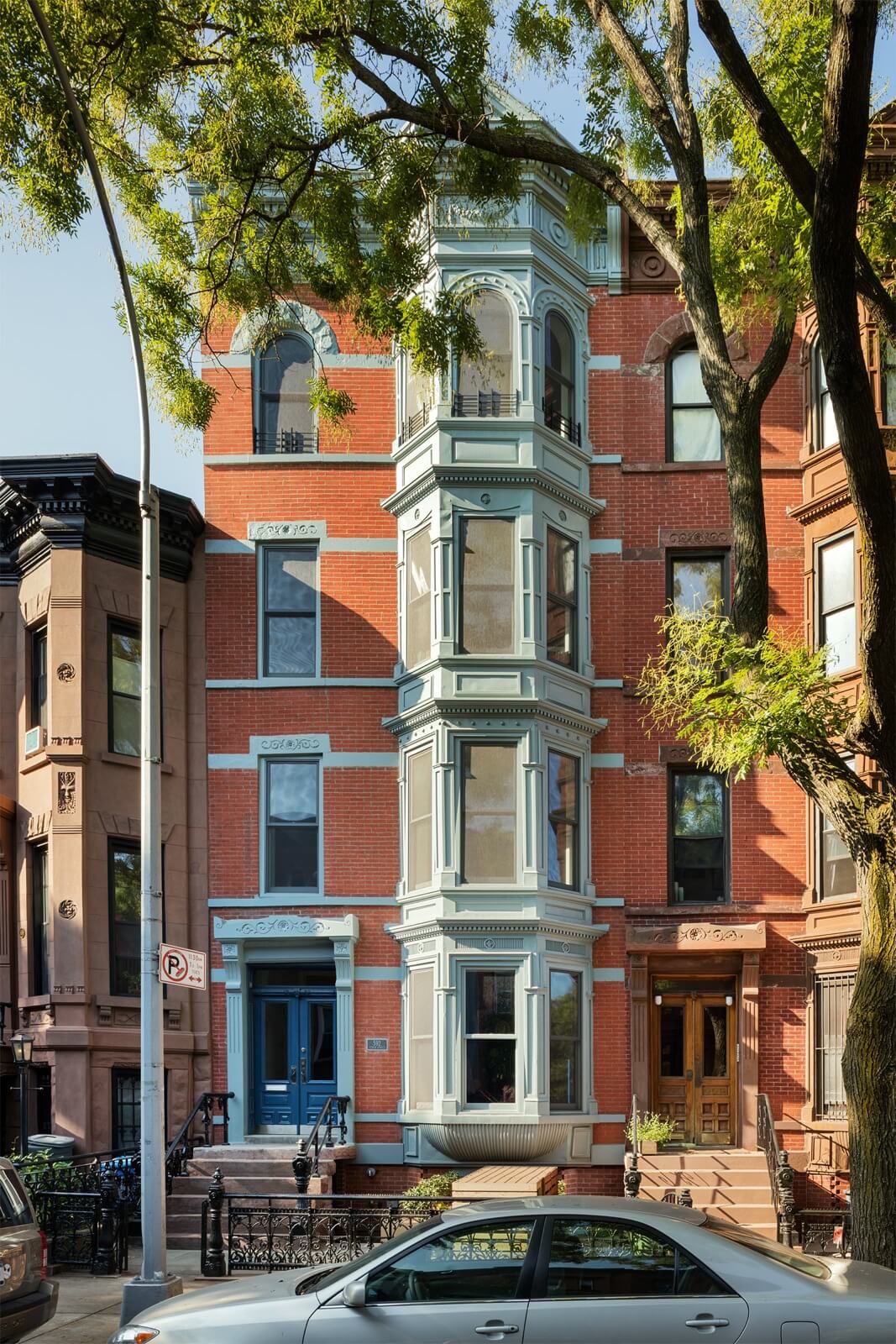
The Insider: Architect Transforms Floor Levels in Park Slope Townhouse to Suit a Modern Family

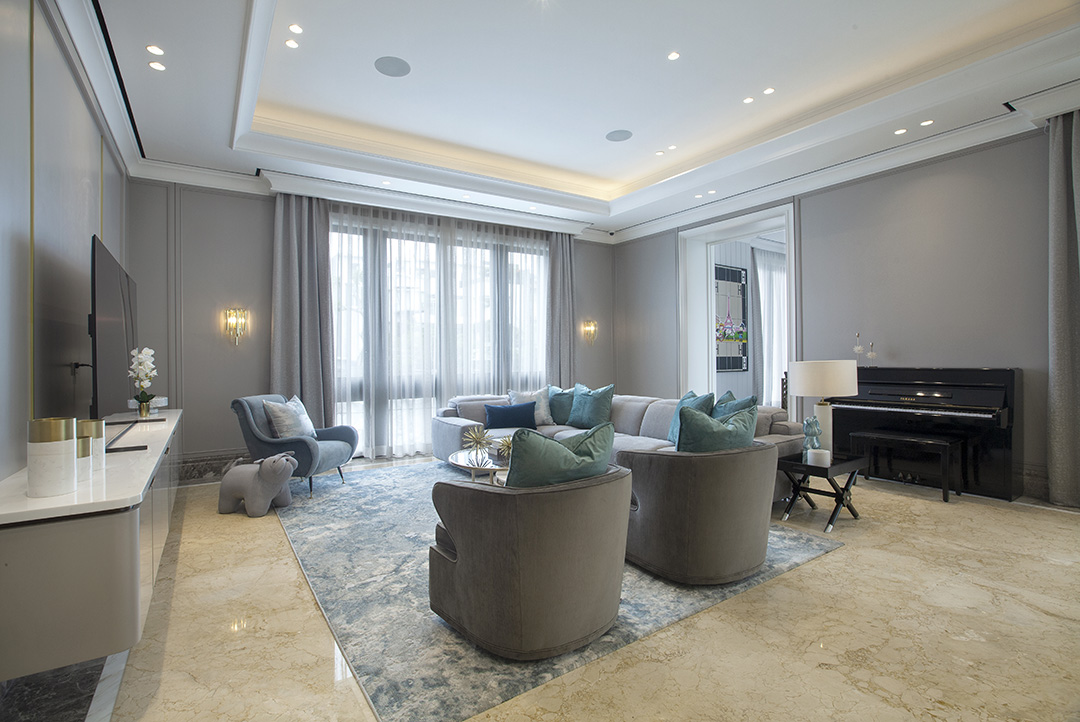
Breathing New Life into a Home in Pantai Mutiara

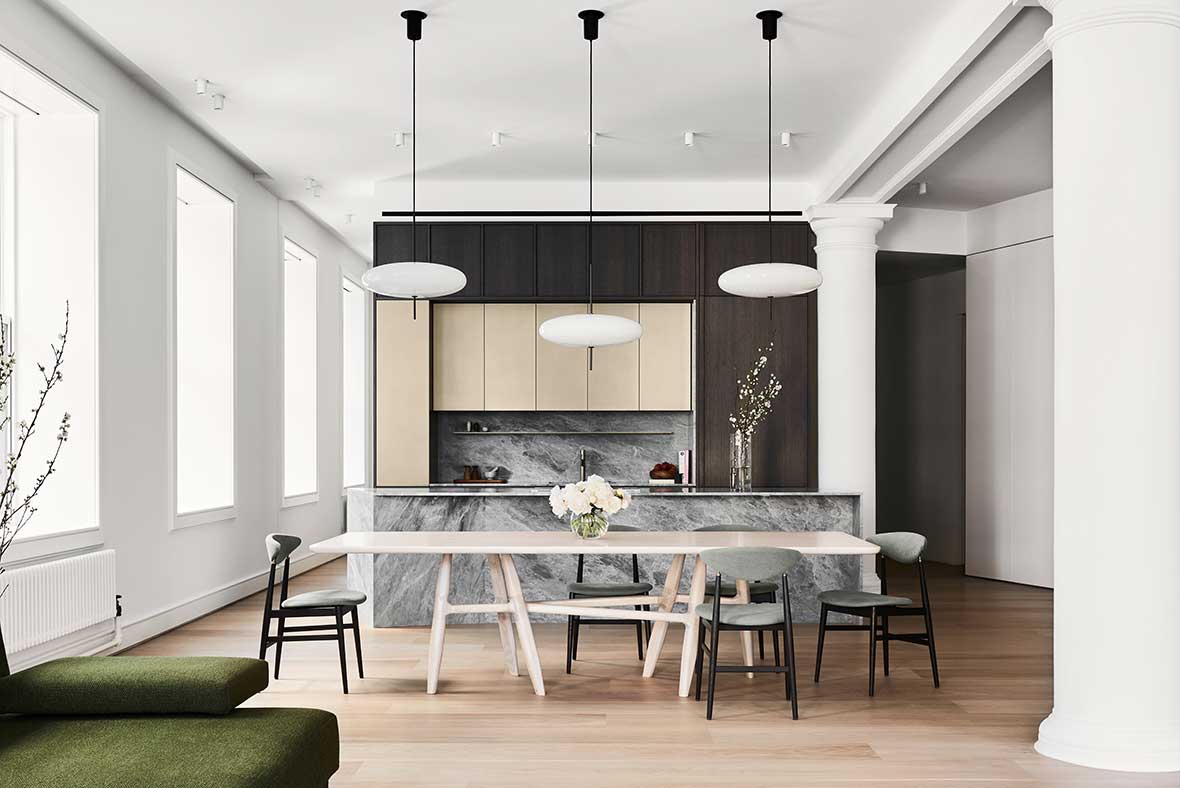
Worrell Yeung + Colony Pair up to Transform Historic New York City Loft
DESIGN Before & After: Transforming A Villa Heights Entryway

How to design your home with real-life size plans


You Can Teach an Old House Transitional Tricks With The Right Builder

Interactive floor plan: Quad Space House, Buffalo
Designer-Architect Couple Transform ‘Burg Bachelor Pad Into Cozy, Kid-Friendly Home
Transitional Style Home Living Room Tour
'We built a smart new loft conversion for more space'
New American Home Design Features "Upside-Down" Layout


Open floor plan attracted couple to east Springfield home