
1/4
In My Ceiling Replacement, This Is The One Tool I Used Every Single Day
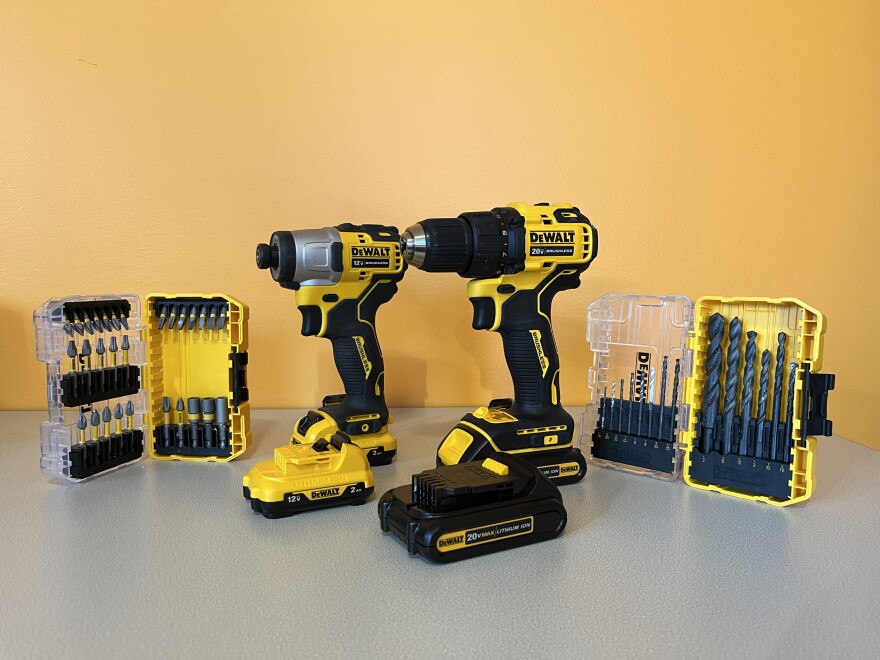
In January 2023, an ice storm caused significant damage to a home in Oregon, leading to a cracked roof and ruined ceiling and insulation in the bedroom. While roofers were hired for external repairs, the homeowner opted to replace the ceiling themselves, with assistance from their brother. The project necessitated the use of standard drywall tools, including a prybar, hammer, drill, drywall setter bit, utility knife, rotary cutter, joint compound, mud knife, mud pan, and a drywall lift. However, one power tool, an oscillating multi-tool, proved to be unexpectedly indispensable throughout the entire process.
The oscillating multi-tool, specifically a DeWalt Atomic 20V MAX Cordless Brushless Oscillating Multi-Tool, was utilized from the initial demolition phase to the final finishing touches of the new drywall. During demolition, the multi-tool was crucial for addressing unforeseen challenges. For instance, some drywall panels extended over the wall separating the bedroom from the living room. Traditional methods like a razor blade were difficult in areas where drywall was attached to joists. The multi-tool allowed for clean, flush cuts from various angles, effectively clearing debris along the perimeter. Additionally, when some drywall screws became stripped and could not be removed, a metal cutting saw bit attached to the multi-tool made it easy to cut these heads flush to the joist, ensuring a smooth surface for new drywall installation.
During the installation phase, after new insulation was in place, the multi-tool facilitated precise cuts for ceiling fixtures. While a rotary cutter could technically perform these tasks, the oscillating multi-tool provided cleaner and straighter lines for vents. It also proved invaluable for correcting mistakes; in cases of crumpled edges or dents in drywall sheets, the multi-tool was used to cut out damaged areas and create fitted patches. Its ability to produce thin, clean lines resulted in snug-fitting patches that appeared almost seamless even before joint compound application. Furthermore, the tool was employed to trim vertical pieces of trim in room corners that were slightly too high, avoiding the need to remove and reinstall them.
For the finishing touches, after drywall installation, the project required filling gaps with tape and joint compound, covering screws and patches, allowing them to dry, and then sanding. While circular sanders are effective for large areas, their shape makes it challenging to sand corners. The oscillating multi-tool, with its triangular sanding attachments, was ideal for reaching these tight corners and crevices where the ceiling met the wall. Its smaller size also made it suitable for spot-sanding individual burs and lumps without affecting the surrounding areas. The article emphasizes the importance of selecting the correct accessories for different multi-tool models, noting that some, like Makita's Starlock, have specialized attachment configurations.
#DIYHomeImprovement #PowerTools #OscillatingMultiTool #DrywallInstallation #HomeRenovation #DeWalt #ToolReview #CeilingReplacement #DIYHomeImprovement #PowerTools #OscillatingMultiTool #DrywallInstallation #HomeRenovation #DeWalt #ToolReview #CeilingReplacement
0 comment in total
 No comments yet
You may also like

I Swear by Using This Bedroom Staple to Tidy Up My Bathroom

I used this smart light to illuminate the most awkward part of my house — and it works for every room

We Put the Best Finish Nailers Through Hands-On Testing—Here Are Our 8 Top Picks


Mardatt 4-Piece Nail & Staple Remover Tool Set: End Cutting Pliers, Staple Puller, Tack Lifter - Furniture & DIY Repair Kit

Can a $12 Stud Finder Outperform a $100 Pick? We Put Them Both to the Test.

14 Essential Problem-Solving Products for DIYers

Remove Wall Plugs Fast With A Custom Tool


I revamped my desk setup using the world’s most expensive cable management accessory — this changes everything

The Best Siding Nailers

The Best Tools for Popcorn Ceiling Removal

Flooring Tools & Accessories


I Use Heat-Blocking Curtains From Target in Every Room of the House
Stud-finders, a must-have tool, could be useful for your home
5 Makita Tools You'll Want For Working On Drywall Repairs & Access Panels
I used this smart light strip to transform my living room — and it's been a game changer for my home

I added this monitor light bar to my home office setup and it’s a game changer


I Transformed My Living Space Without Picking Up a Paint Brush Thanks to This Easy-to-Use Product


Shingle Tear-Off Tools: Bogus or Backsavers?

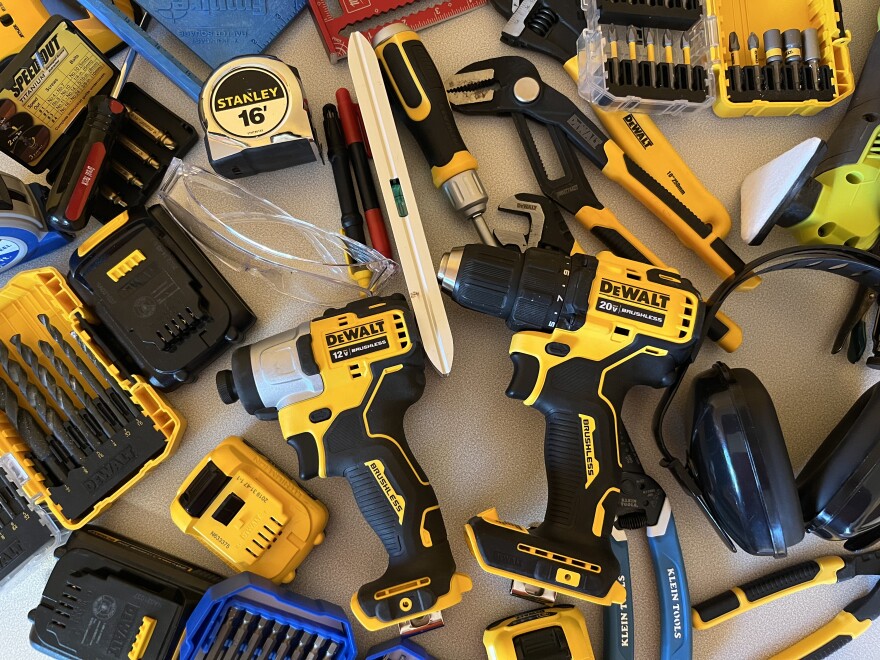
Home improvement tools for the handy person in your life


I'll Never Again Remodel Without a Power Caulking Gun