1/2
How to Achieve Ceiling Paint Finish Perfection
Achieving a perfect paint finish on interior ceilings and walls is attainable by following a systematic approach that combines proper material selection, meticulous technique, and an understanding of the properties of different paint products. Victor Ceriello of Black Diamond Painting, with 10 years of experience in the trade, emphasizes that quality in painting is defined by a flawless result and homeowner satisfaction.
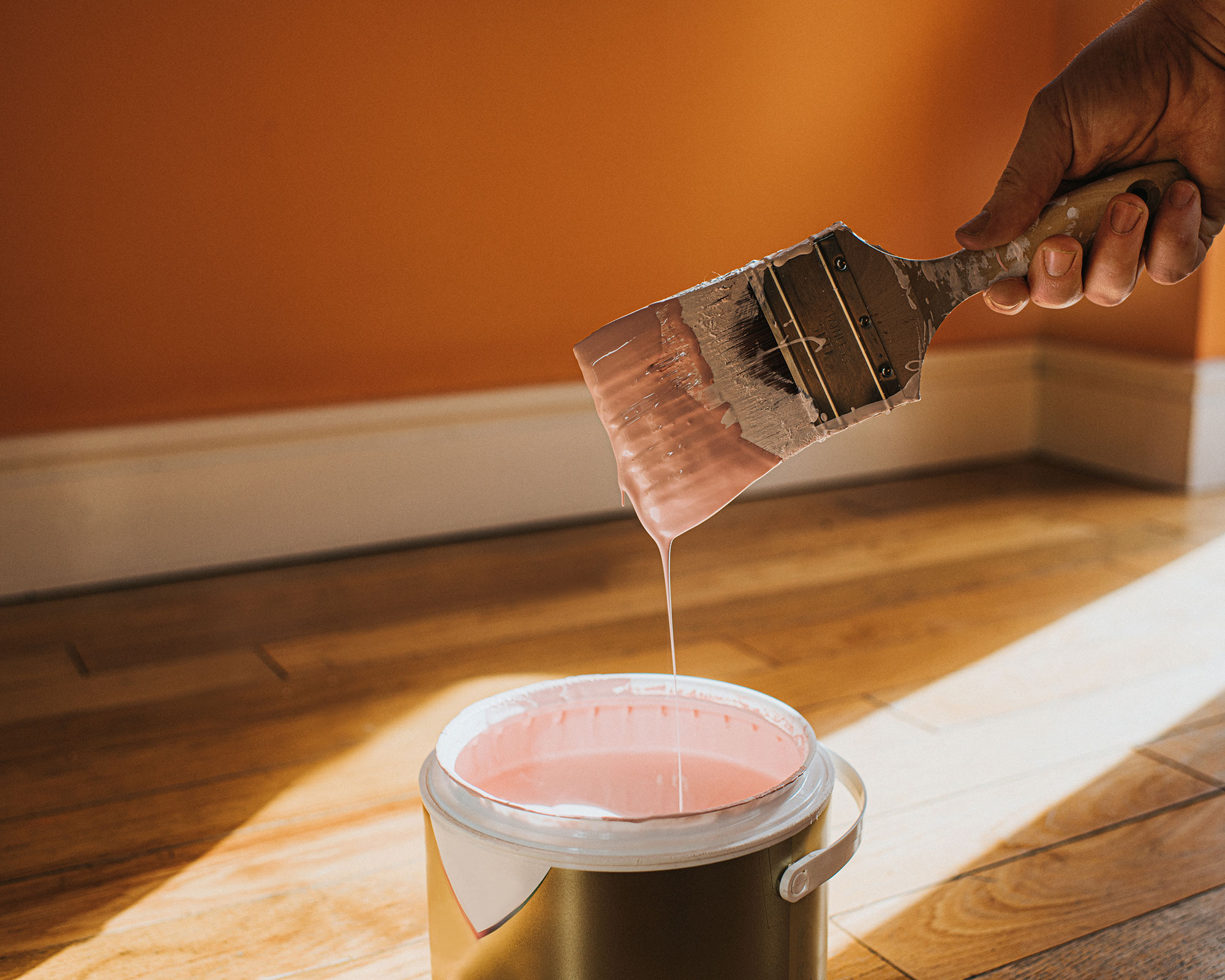
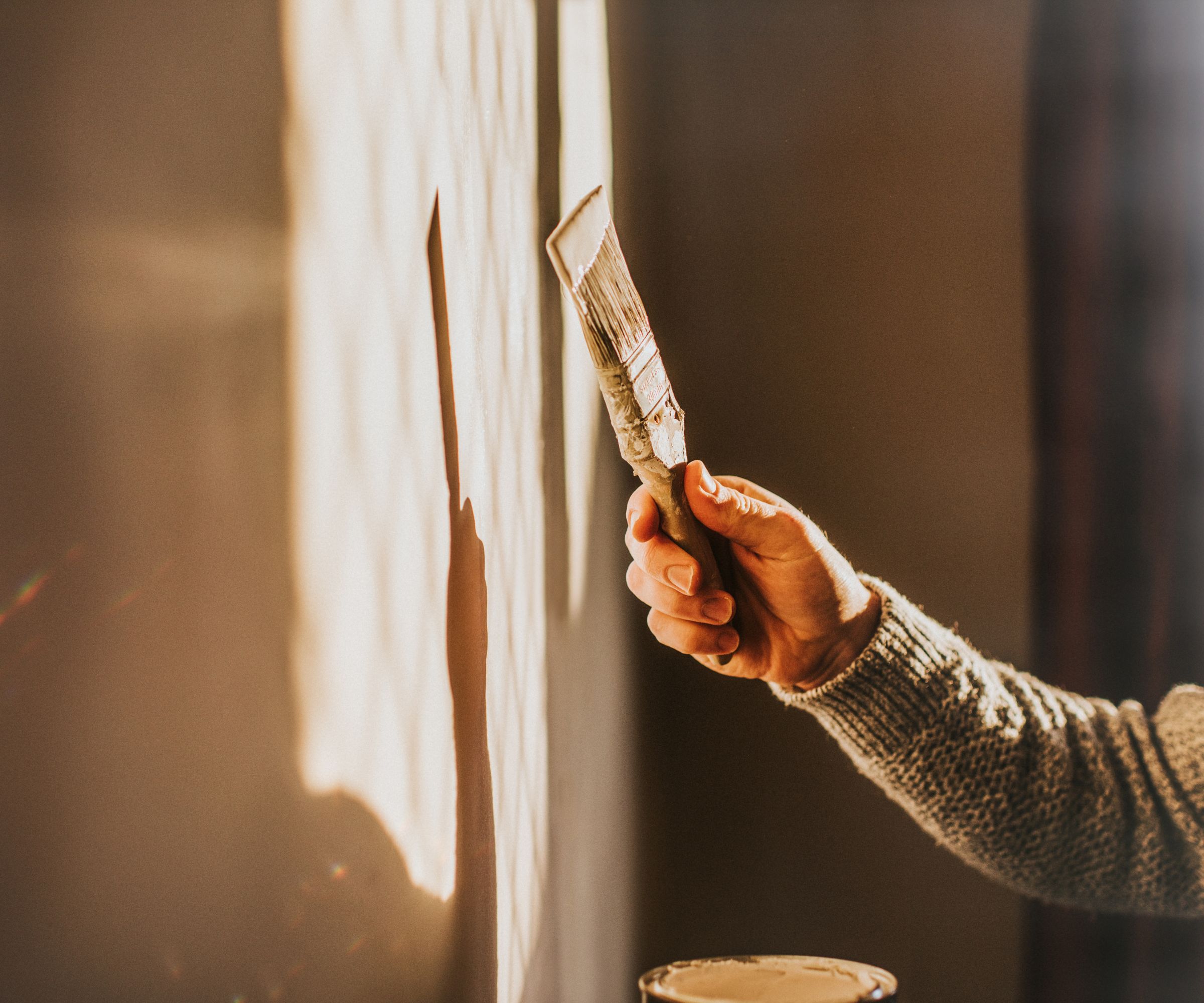
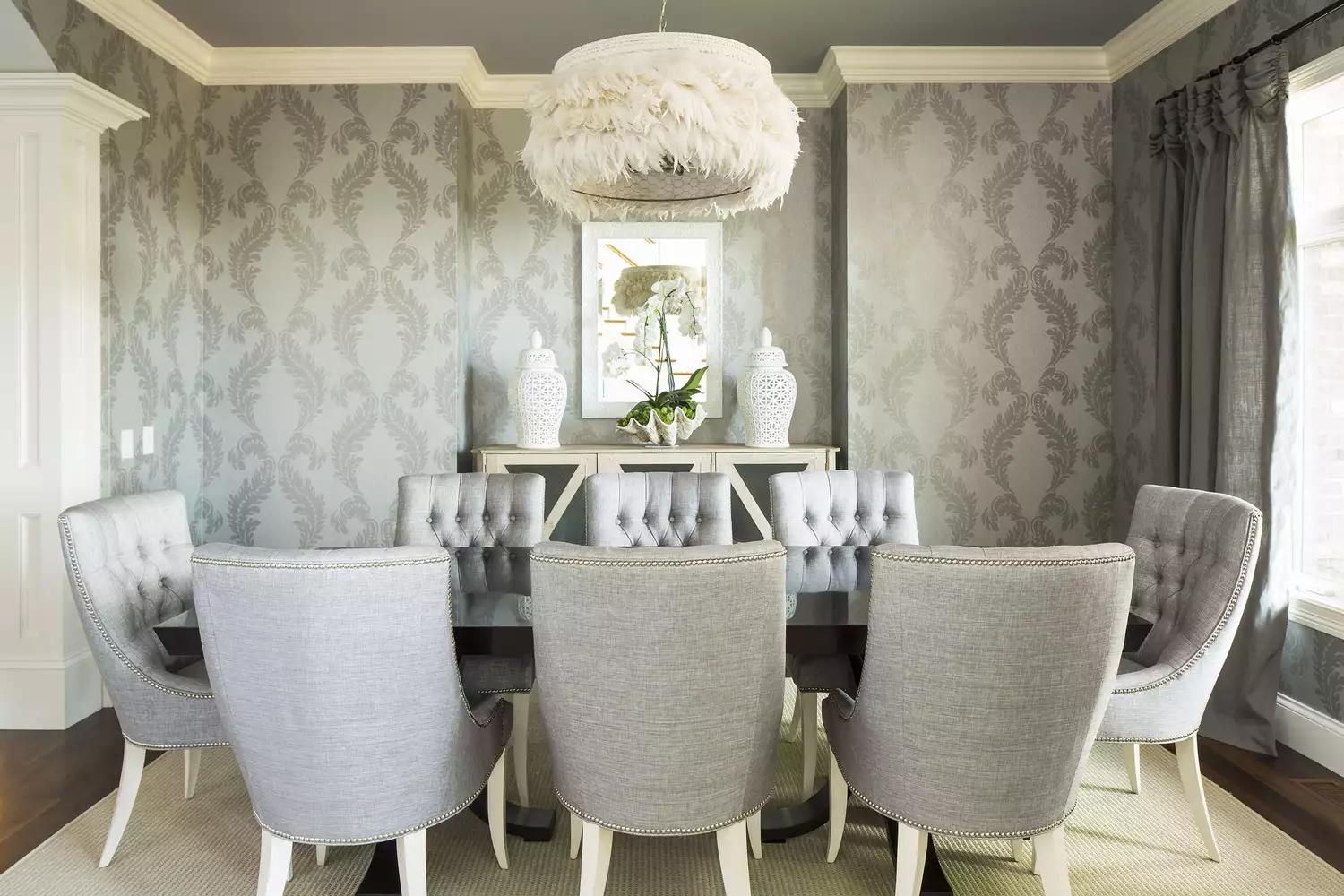
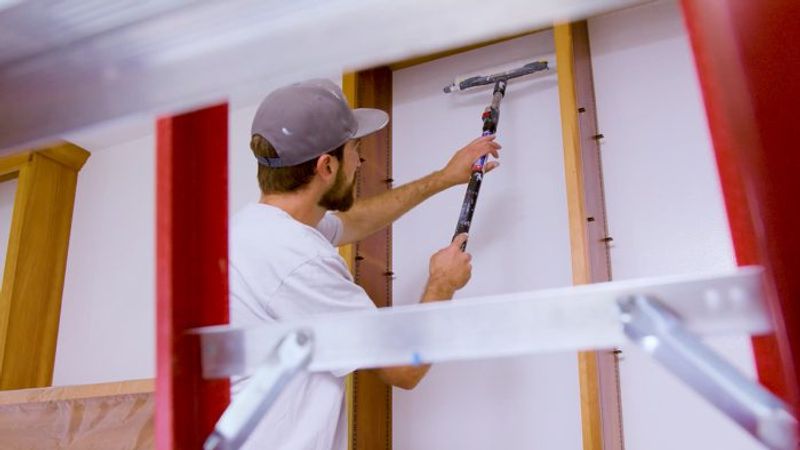
The process begins with selecting the appropriate paint for the specific surface and desired aesthetic. For walls, Benjamin Moore’s Aura® in an eggshell finish is recommended. The eggshell finish is chosen for its superior coverage, durability, and a subtle sheen that enhances the overall appearance of the room without being overly reflective. It strikes a balance between the protective qualities of a satin finish and the soft look of a matte finish. When applying wall paint, Ceriello advocates for a two-step method: first, cutting in all edges and corners with a 2½-inch brush to ensure straight lines against ceilings and built-ins. Immediately following, a 3-inch roller is used to back-roll over these brushed areas. This technique helps to eliminate brush marks and seamlessly blend the cut-in areas with the rest of the wall surface, ensuring a uniform texture. After this initial cutting-in and back-rolling, a full coat is then applied to the remaining wall areas.
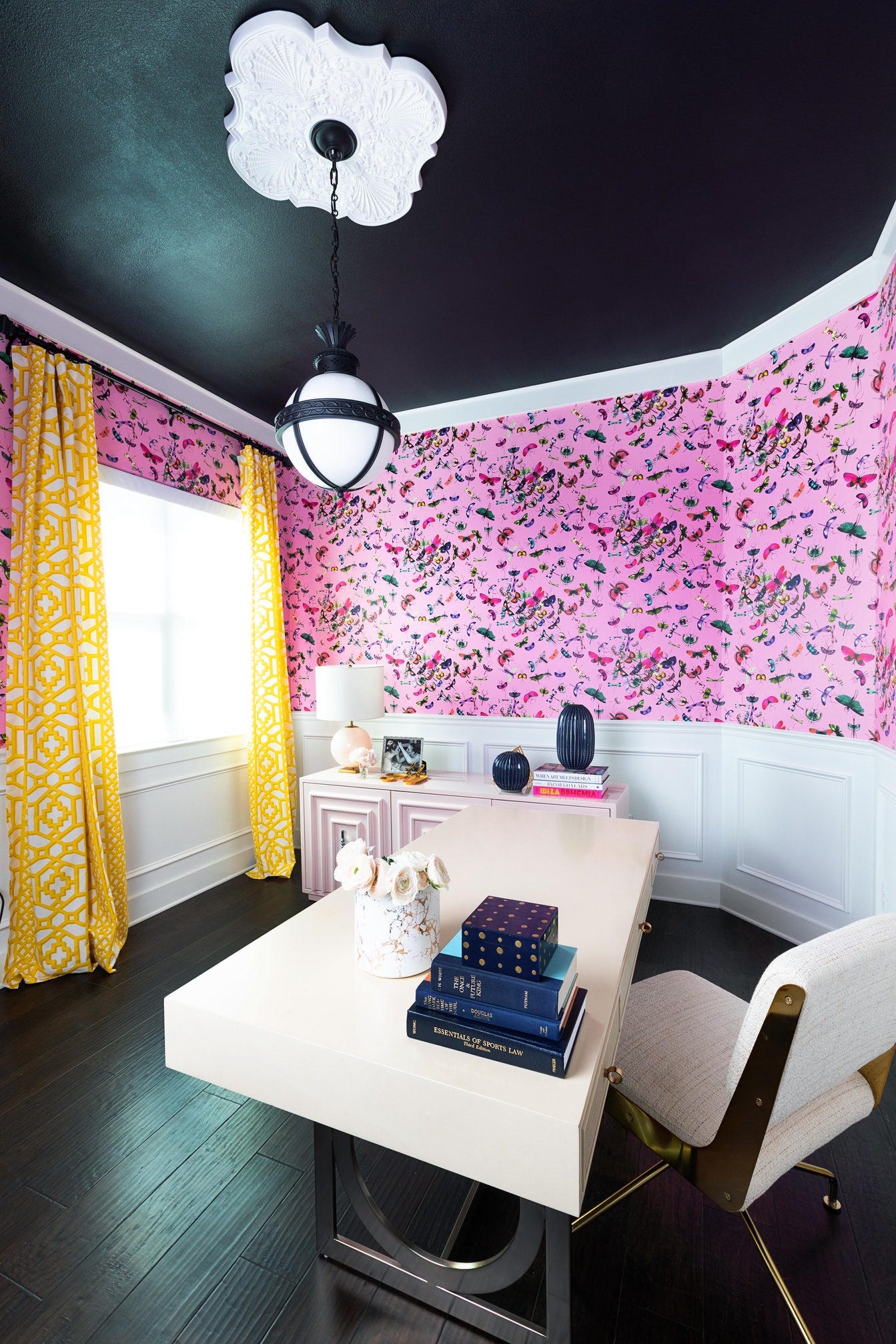
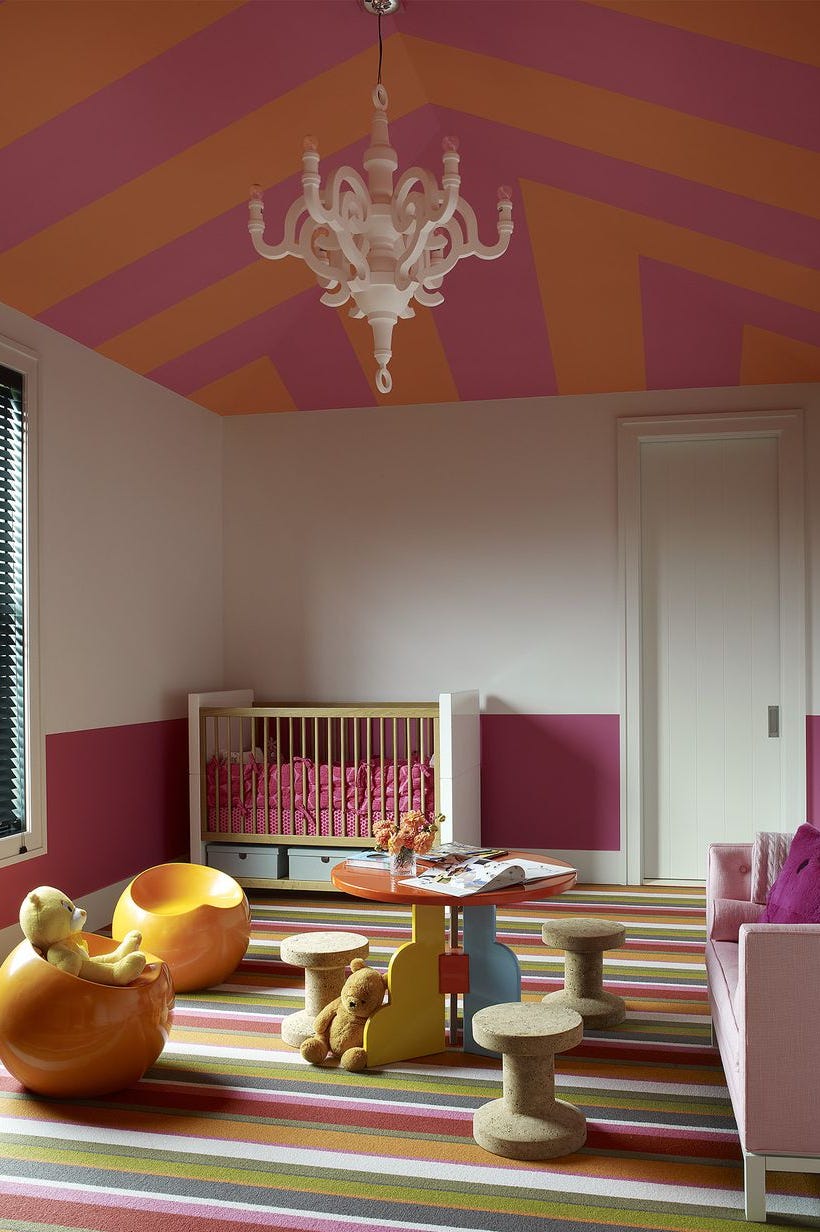
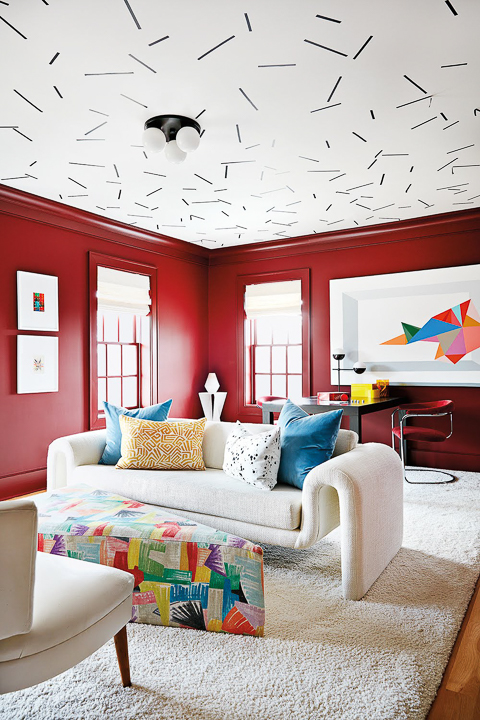
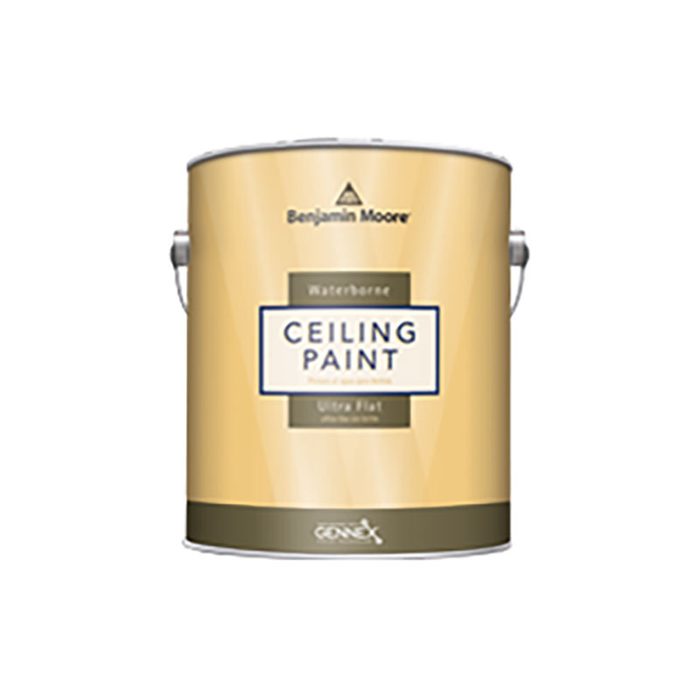
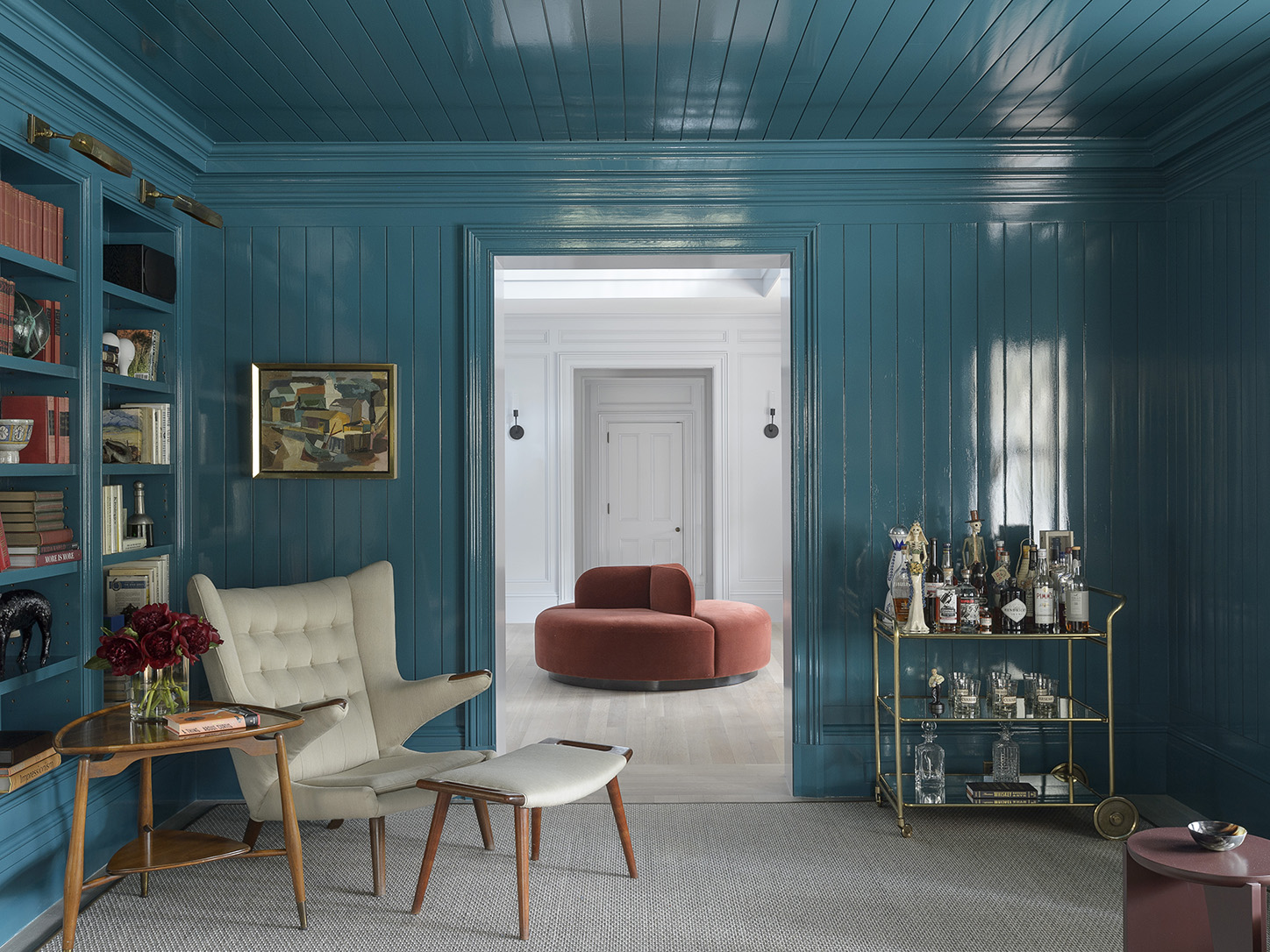
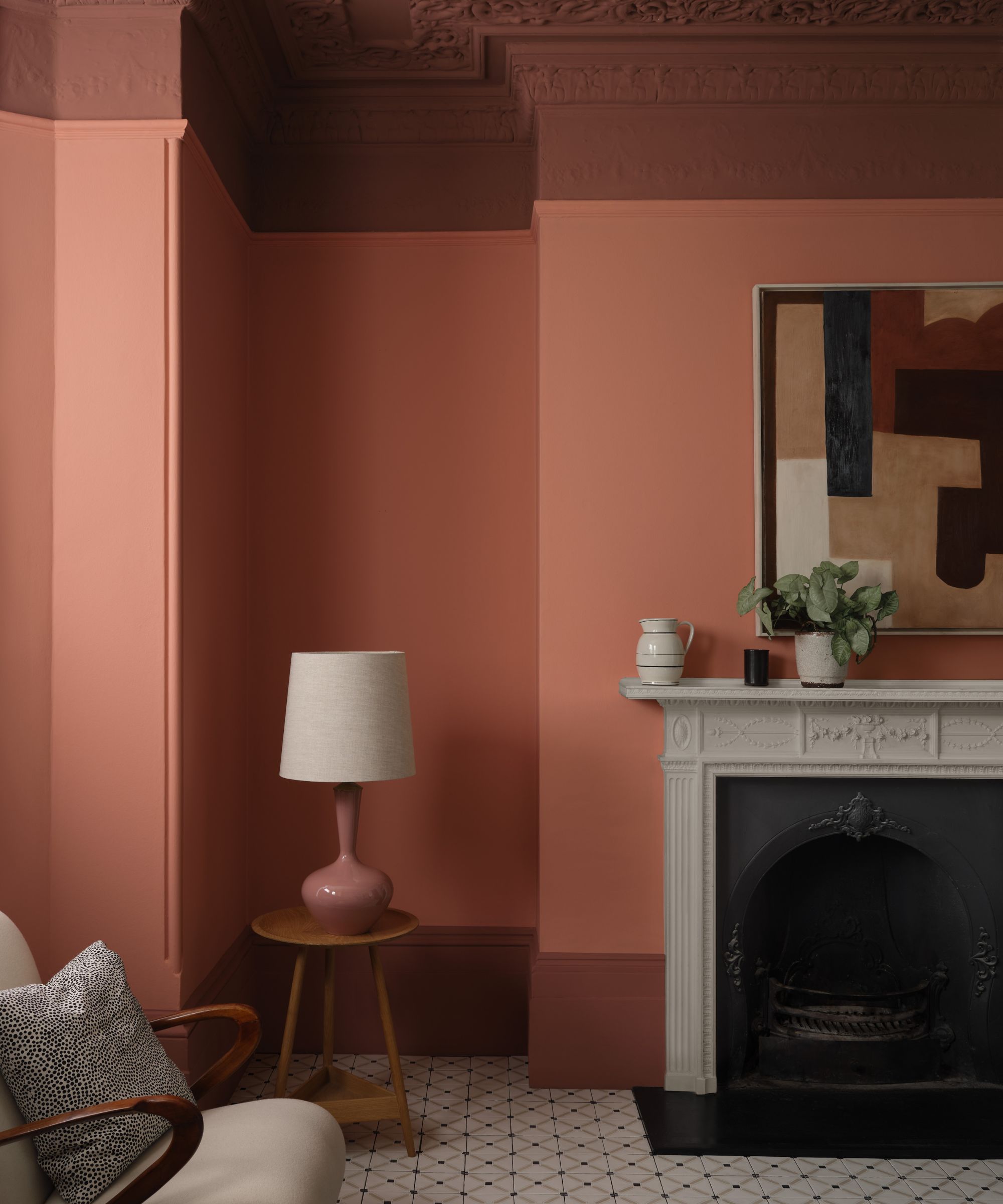
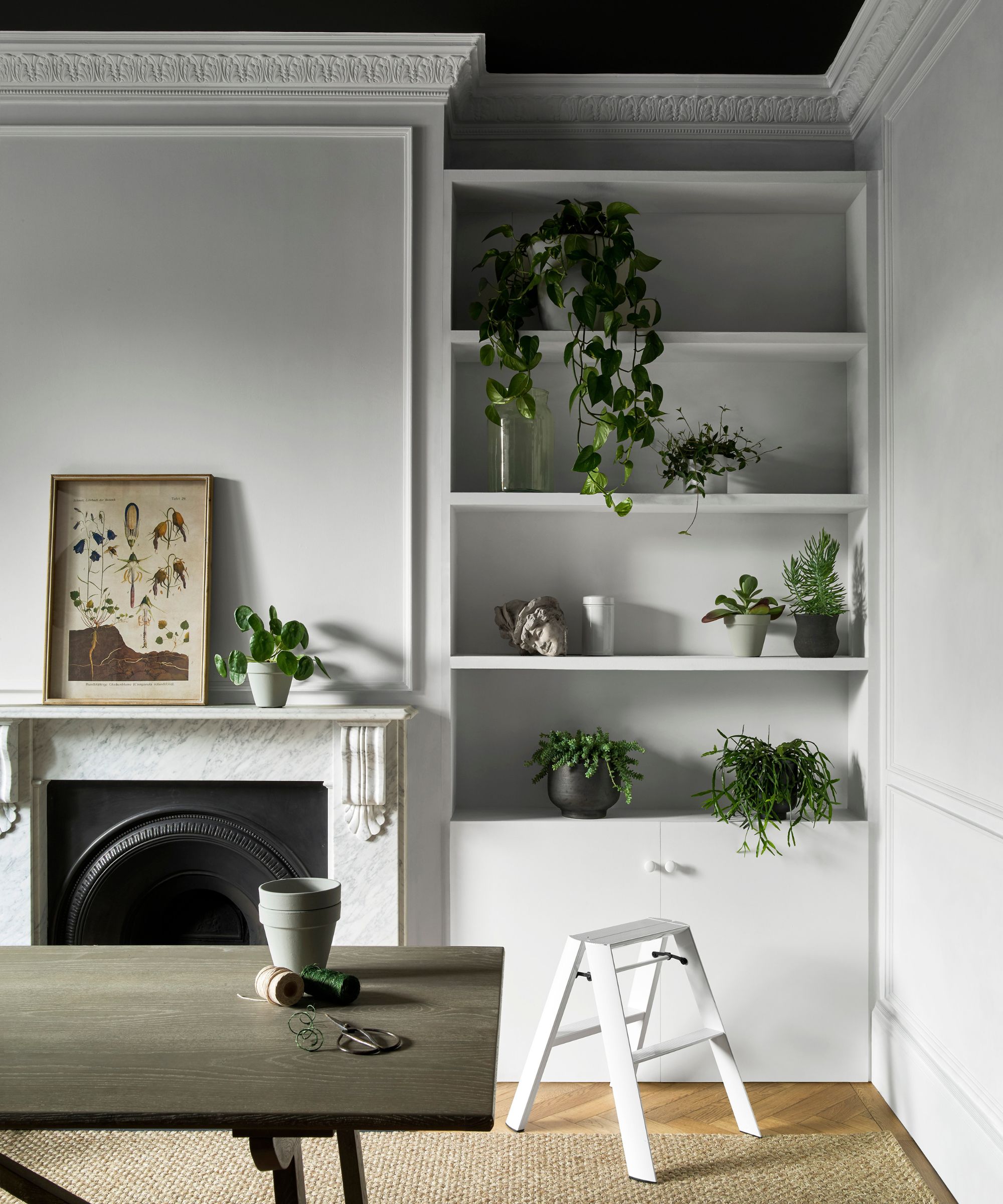
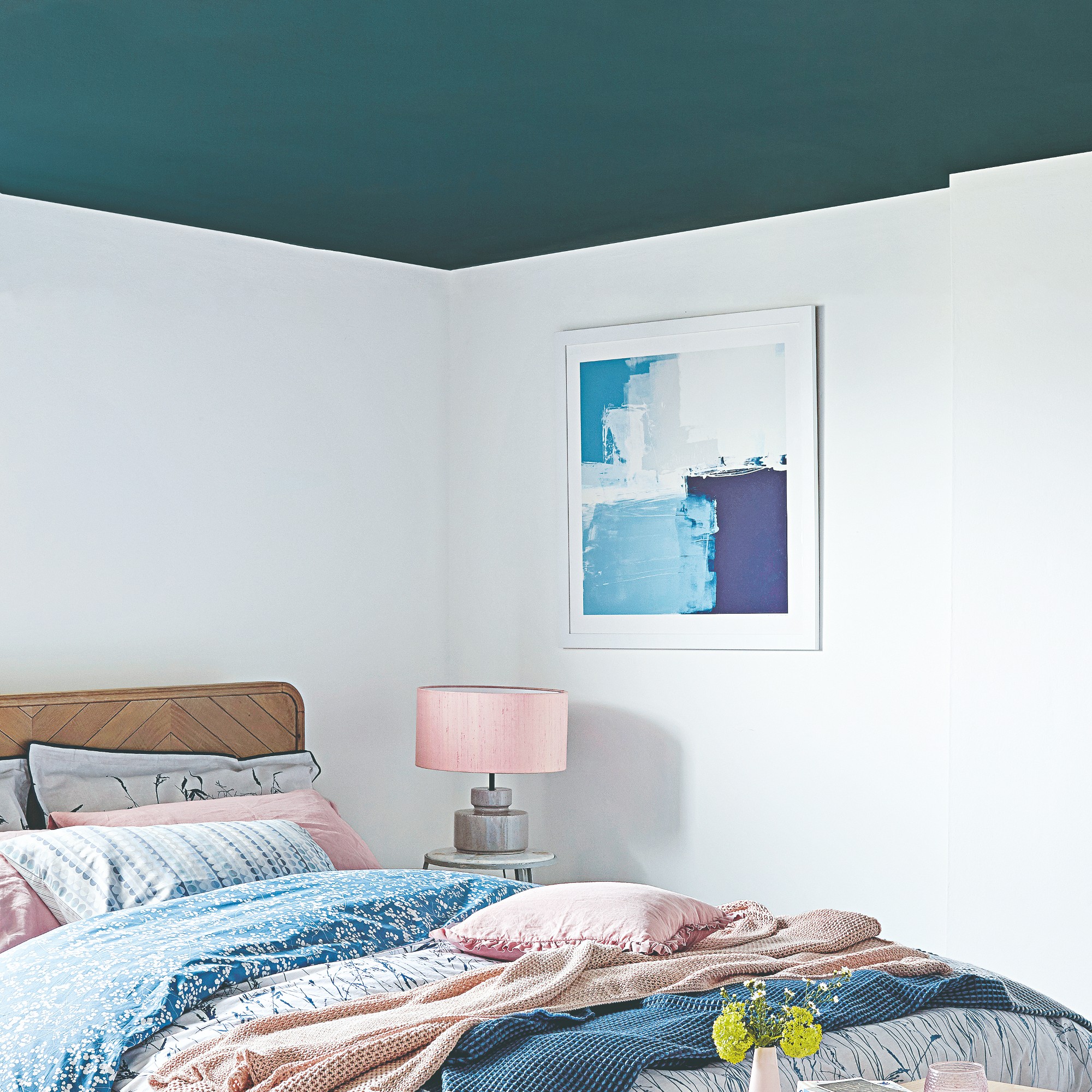
Ceiling painting presents a unique set of challenges, often considered one of the most difficult aspects of interior painting. The key to a smooth, high-quality ceiling finish lies in using a specialized product designed for this purpose, such as Benjamin Moore’s Waterborne Ultra Flat Ceiling Paint. This particular paint is noted for its ability to produce consistently excellent results and a smooth finish, leading to frequent compliments. The ultra-flat nature of ceiling paint is crucial as it minimizes light reflection, which can otherwise highlight imperfections on the ceiling surface.
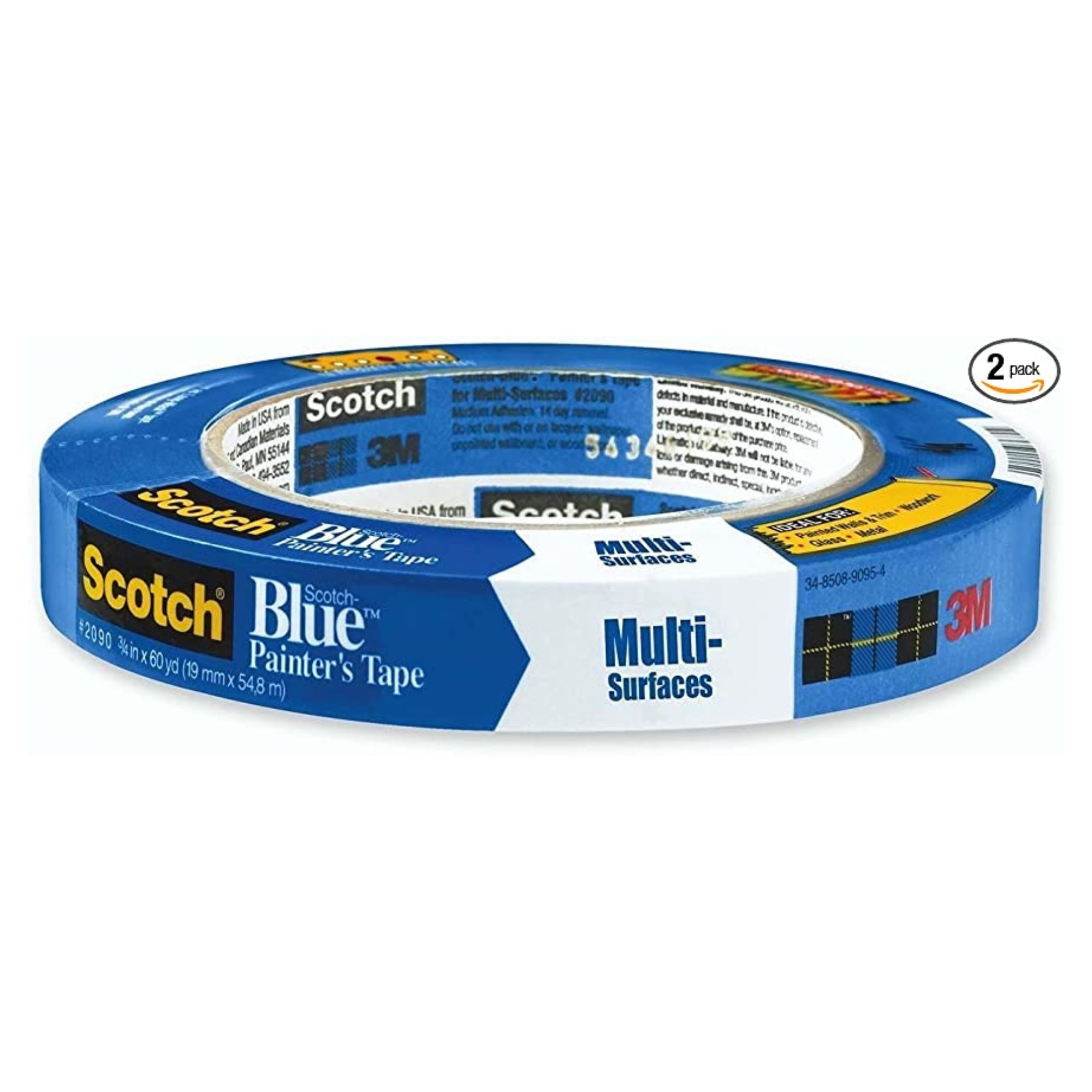
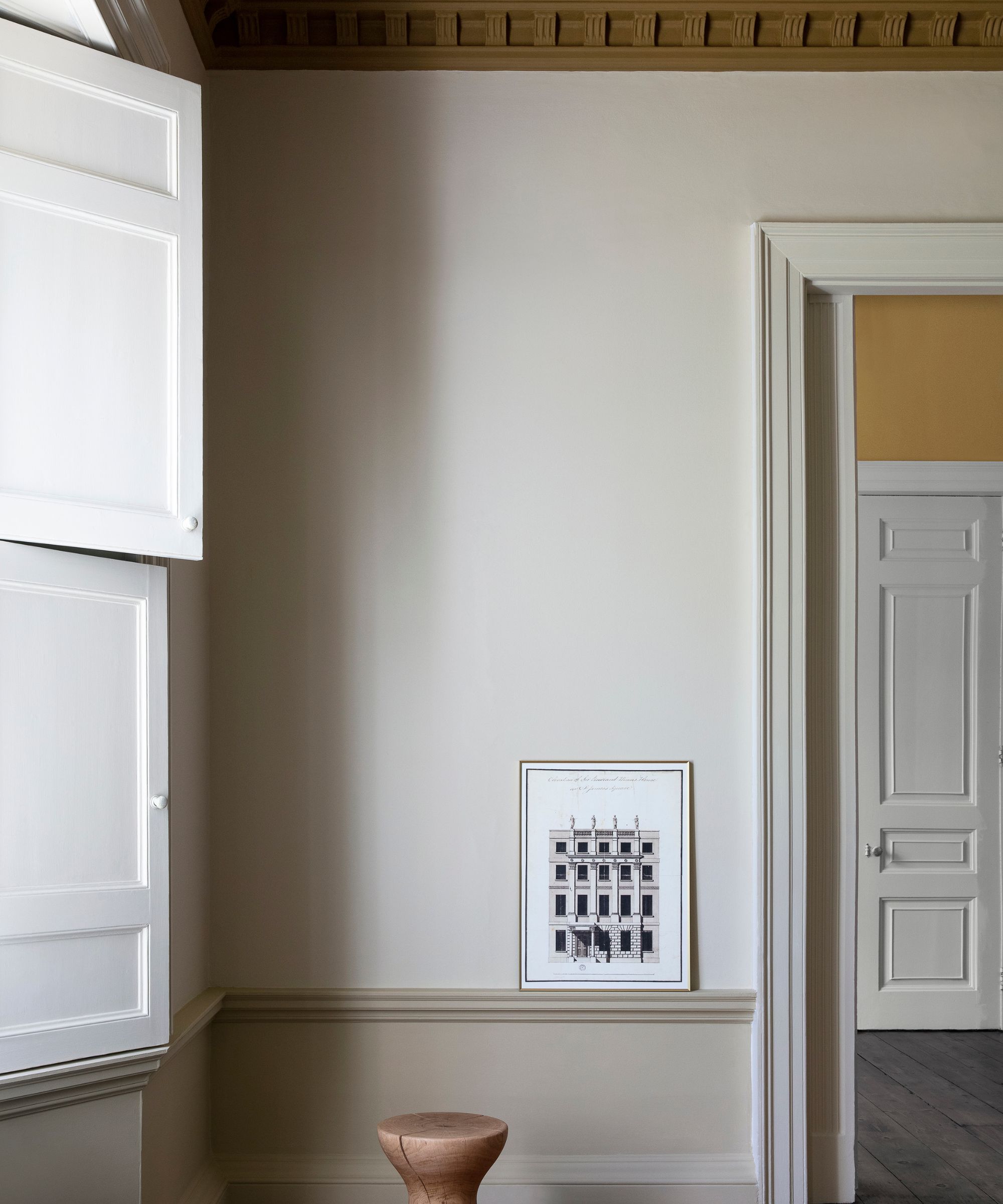
Preparation is a critical, often underestimated, step that significantly impacts the final outcome. Prior to painting, it is essential to protect all non-painted surfaces, such as trim and window frames, by taping them off. Beyond protection, sanding the walls is highlighted as a super-important step. This prepares the surface by creating a smooth base, which is fundamental for achieving the highest quality finish and helps elevate the project to a professional level. For both ceilings and walls, applying two coats of paint is generally recommended to ensure complete coverage, color depth, and enhanced durability.
Craftsmanship in painting extends beyond just applying paint; it involves continuous improvement in technique and a commitment to perfection. This includes leaving the workspace entirely clean, with no errant specks of paint, and ensuring the homeowners are completely satisfied with the result. The combination of high-quality materials, meticulous preparation, and refined application techniques leads to a durable and visually appealing perfect finish on ceilings and walls.
#InteriorPainting #CeilingPainting #WallPainting #BenjaminMoore #PaintApplication #HomeImprovement #DIYPainting #PaintFinishes #SurfacePreparation #InteriorPainting #CeilingPainting #WallPainting #BenjaminMoore #PaintApplication #HomeImprovement #DIYPainting #PaintFinishes #SurfacePreparation
0 comment in total
 No comments yet
You may also like
Trend Alert: Here’s How To Perfect The Painted Ceiling Look

5 Best Ceiling Paints

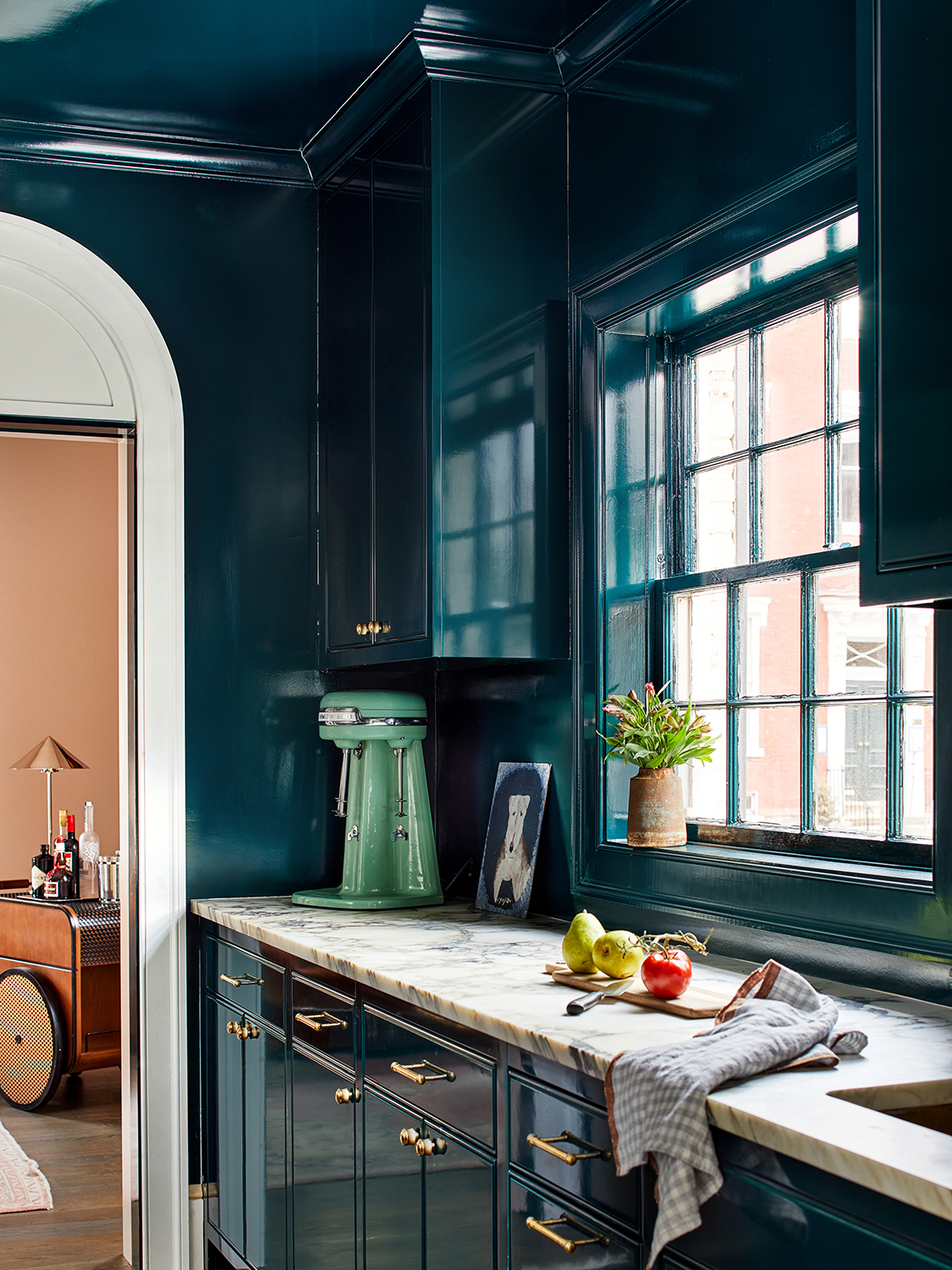
Searches For This Ceiling Paint Trend Have Grown By 816%

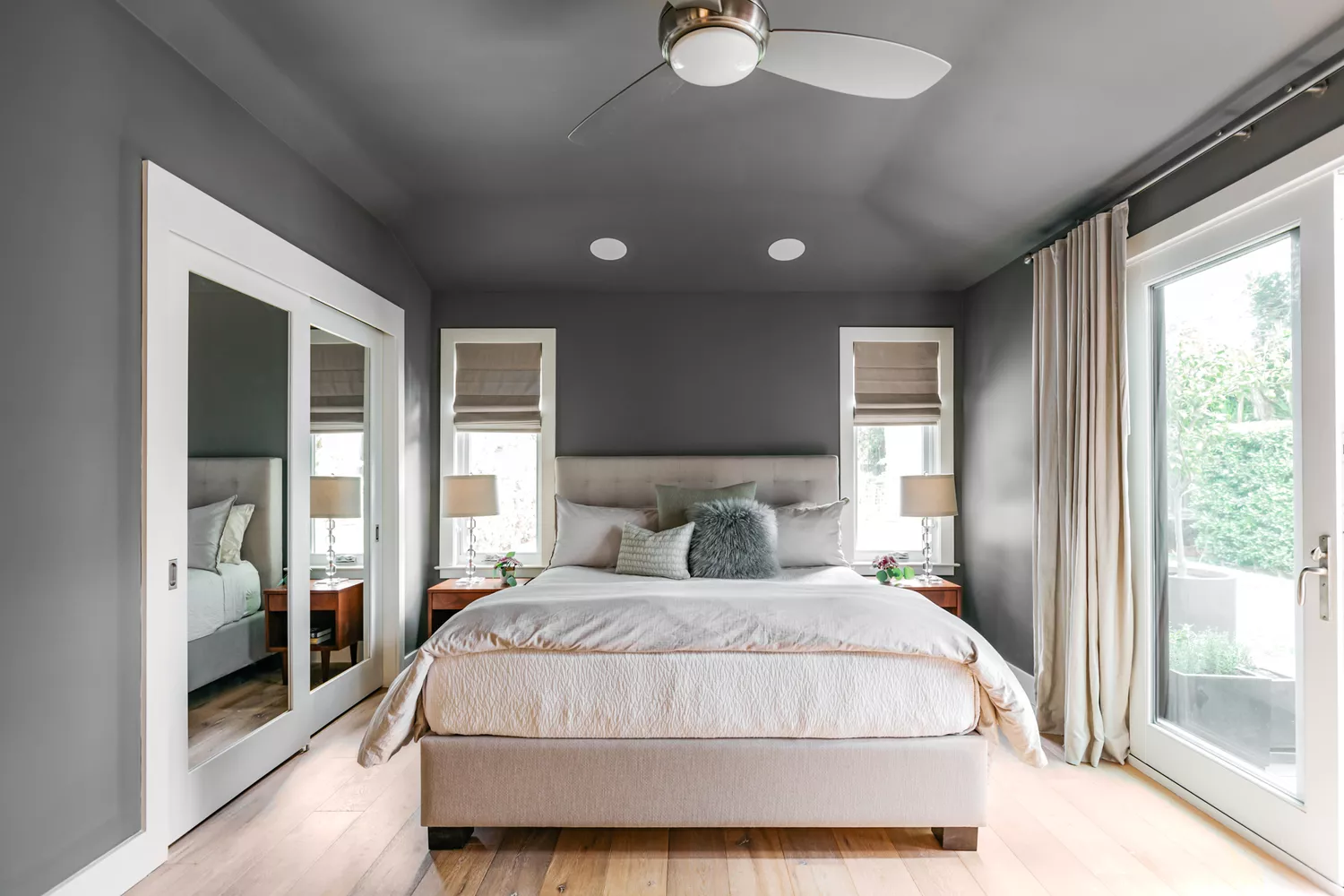
22 Painted Ceiling Ideas to Elevate the Whole Room


How to Paint a Ceiling, From Picking a Color to Actually Getting It Up There
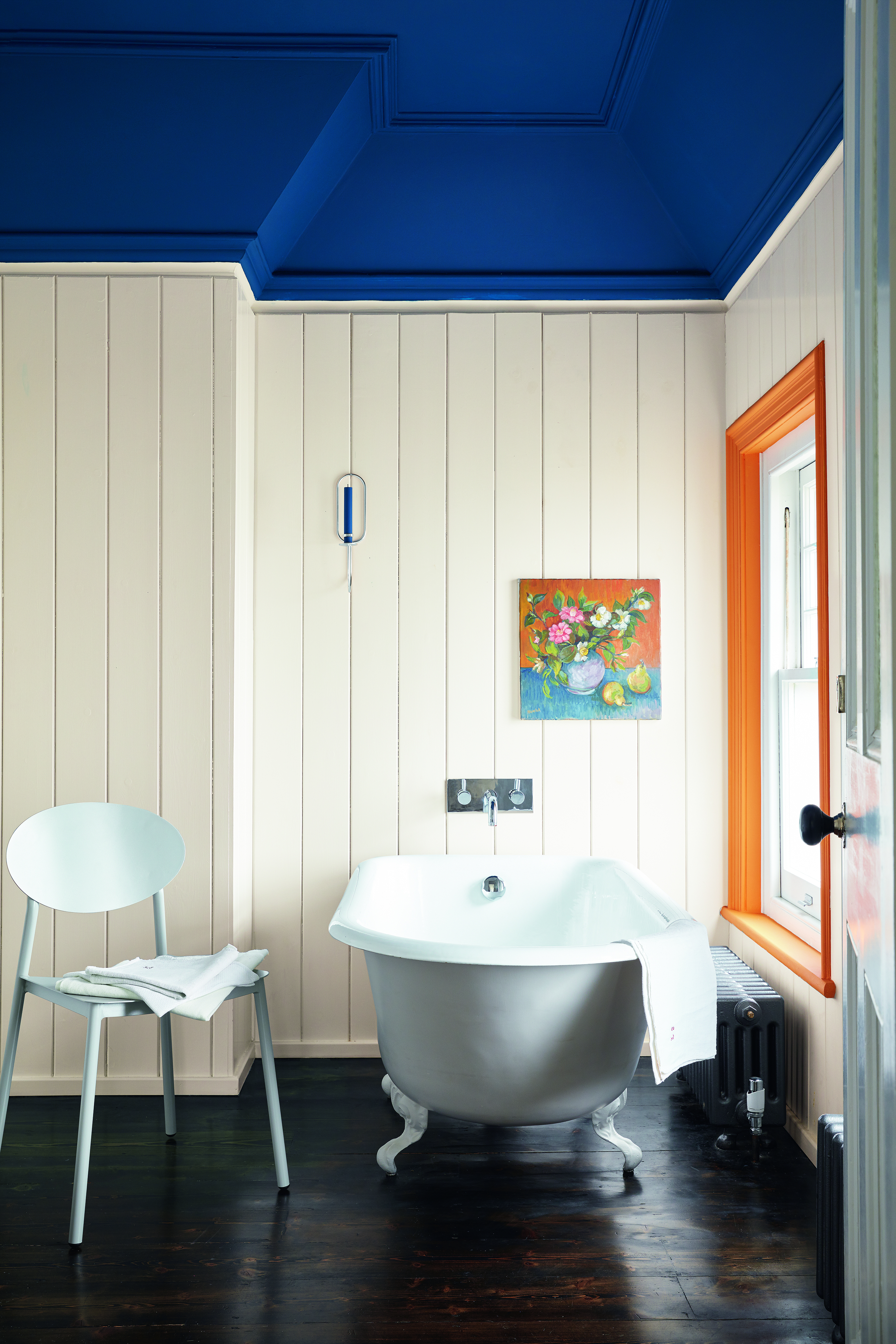
Yes, You Should Absolutely Paint Your Ceiling
Best paint finishes for living rooms explained – how to get an expert finish


5 reasons why you should never paint a ceiling white, reveals a leading paint and color expert
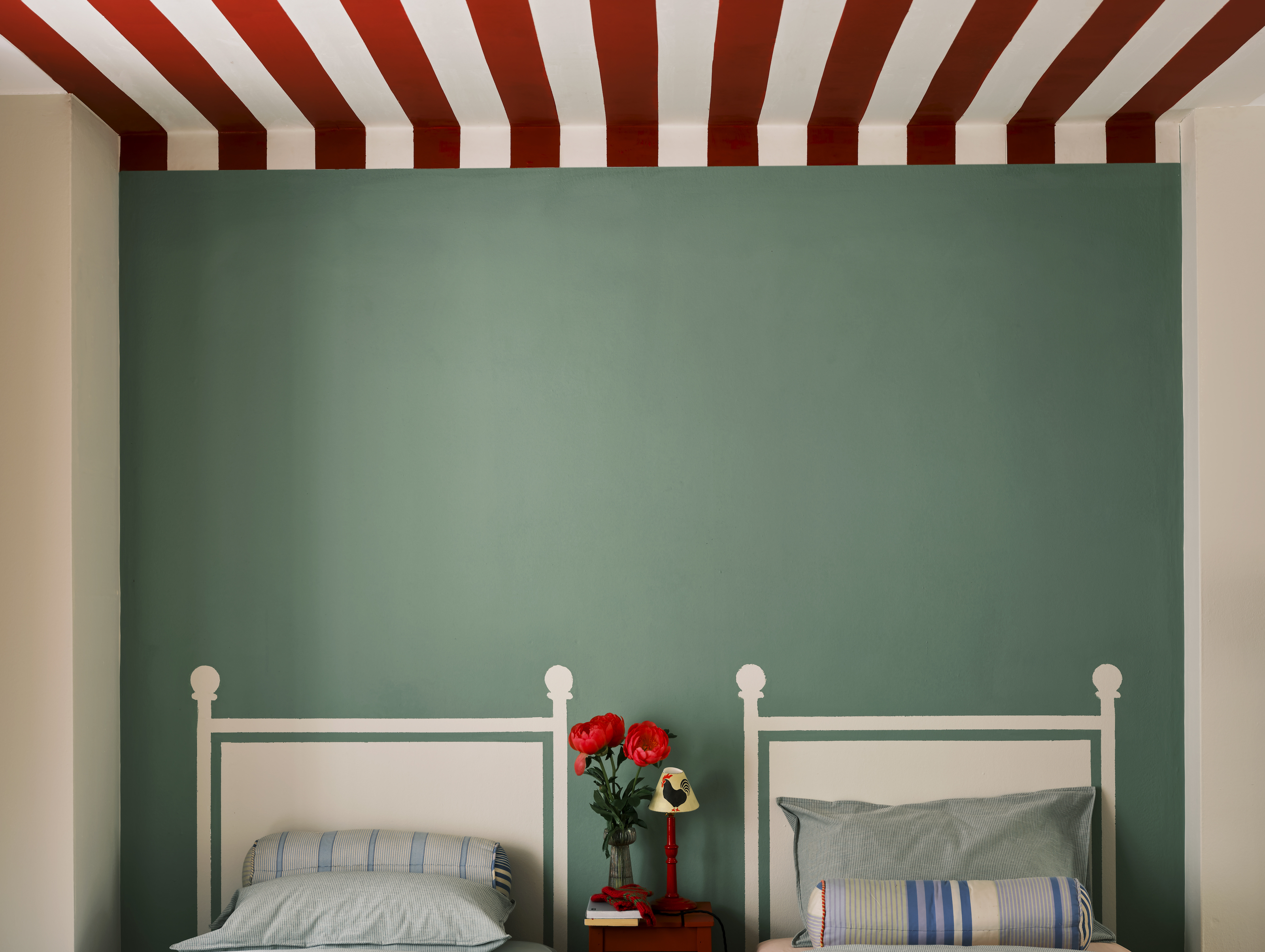
How to paint a ceiling - the expert guide to giving the fifth wall a fresh look


So You Want to Paint Your Ceiling? Read This First

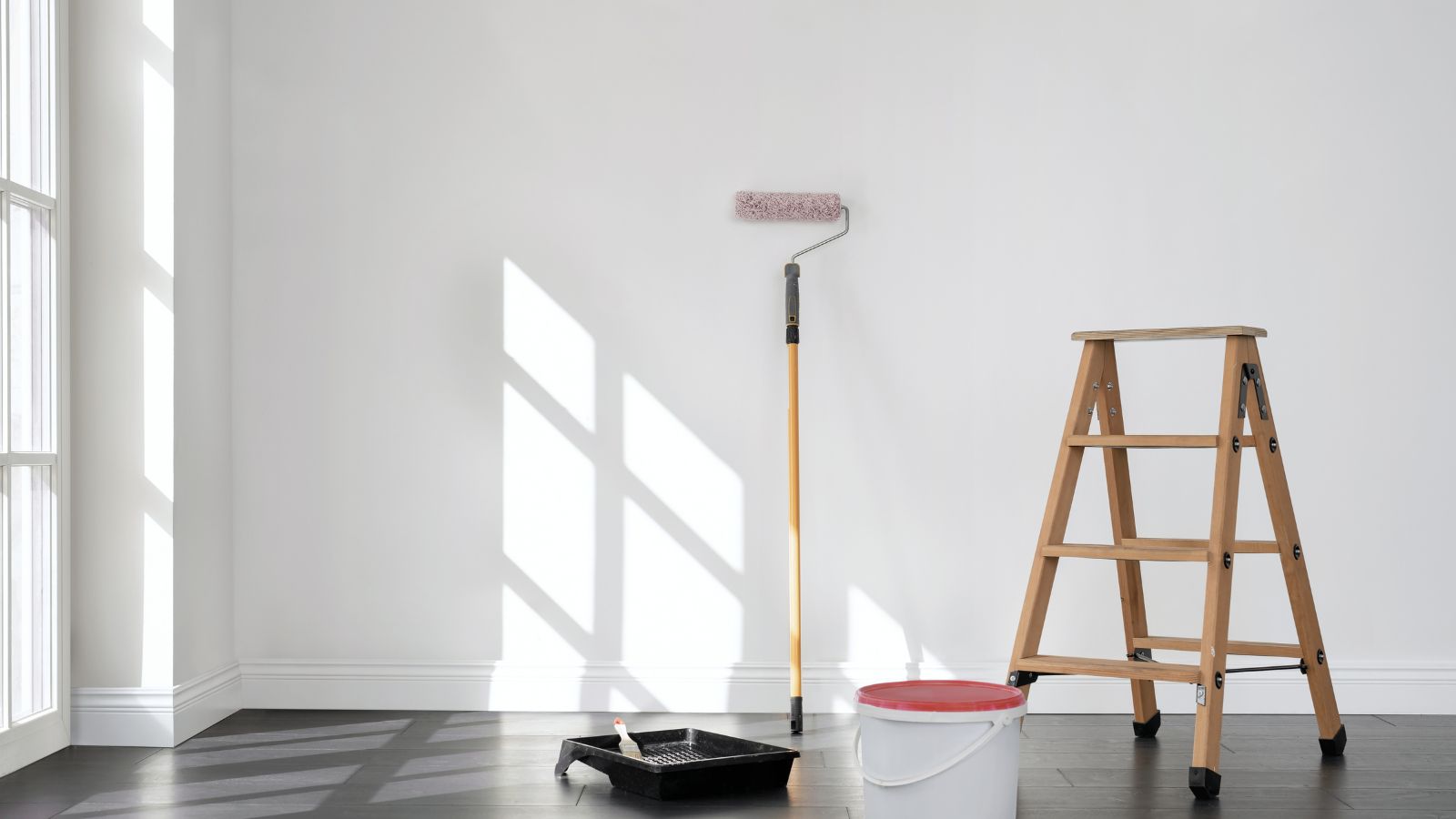
12 top interior painting tips from experts – for a flawless, fabulous finish
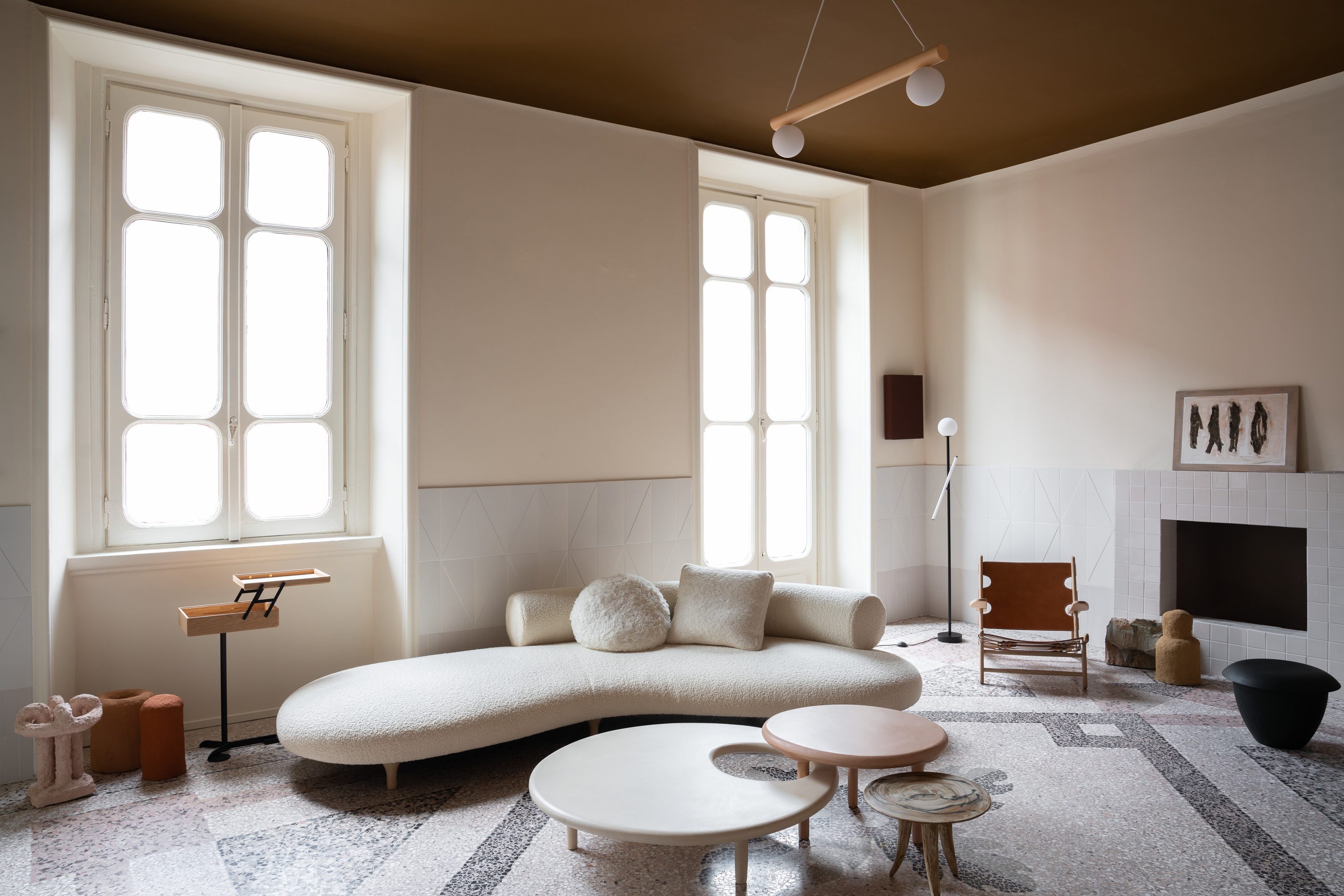
Painted ceiling ideas – 10 of the best ways to give this decorating trend an unexpected twist
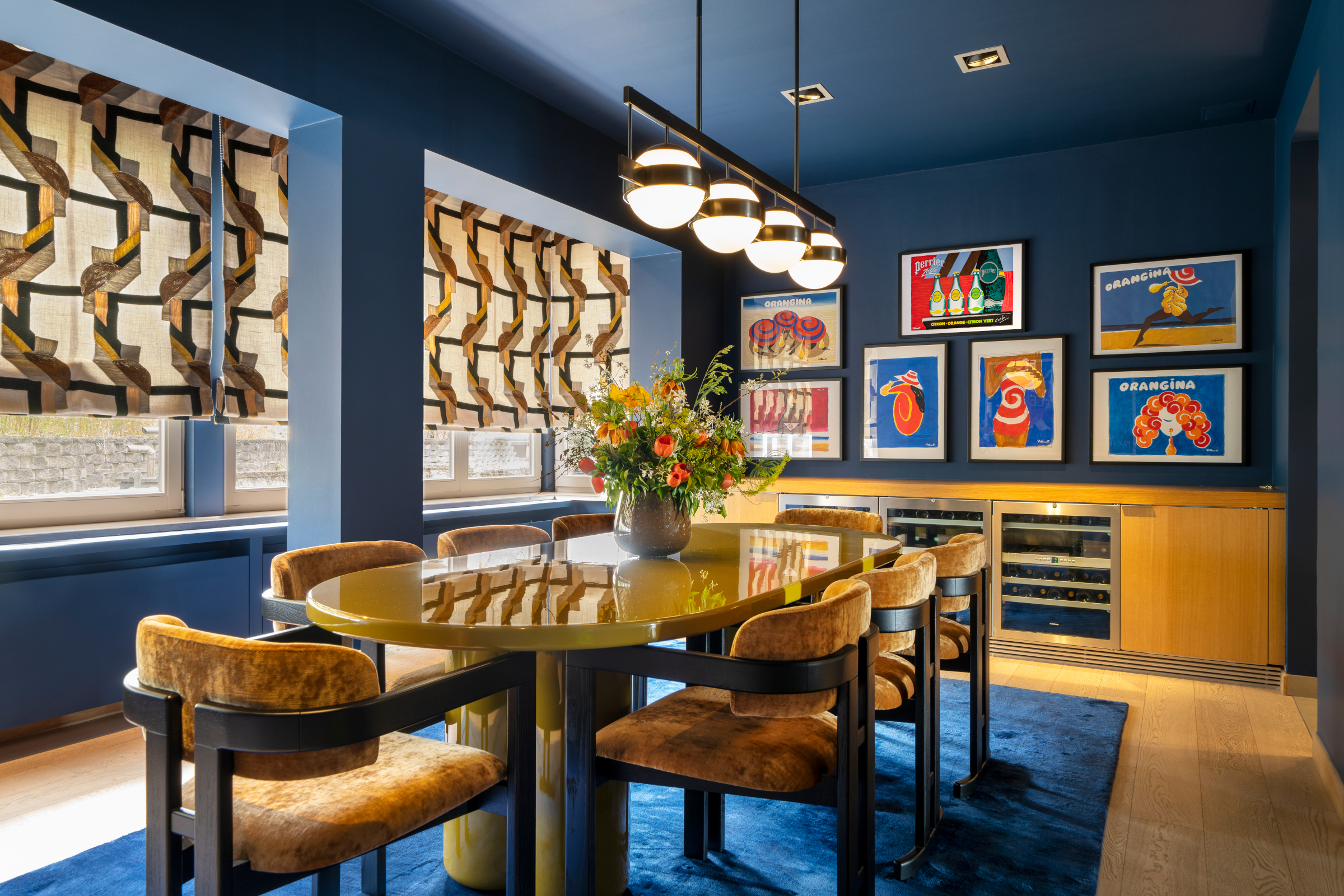
Paint finishes for ceilings explained – how to create impact on the fifth wall

What paint finish is best for walls and ceilings?
How to achieve beautiful paint finishes according to interior designer, Nicola Harding

Should you paint your ceiling a different colour to the walls? Experts explain why everyone should consider it
Should ceilings be glossy or flat? A paint expert lifts the lid on getting this vital touch just right

Paint finishes – a guide for every room
Ceiling paint ideas – 10 ways to make your fifth wall wonderful
7 Paint Colors to Never Use on Your Ceiling, According to Interior Designers