1/6
How They Pulled It Off: A Massive, Coiled Staircase in a 12,000-Square-Foot Home in England
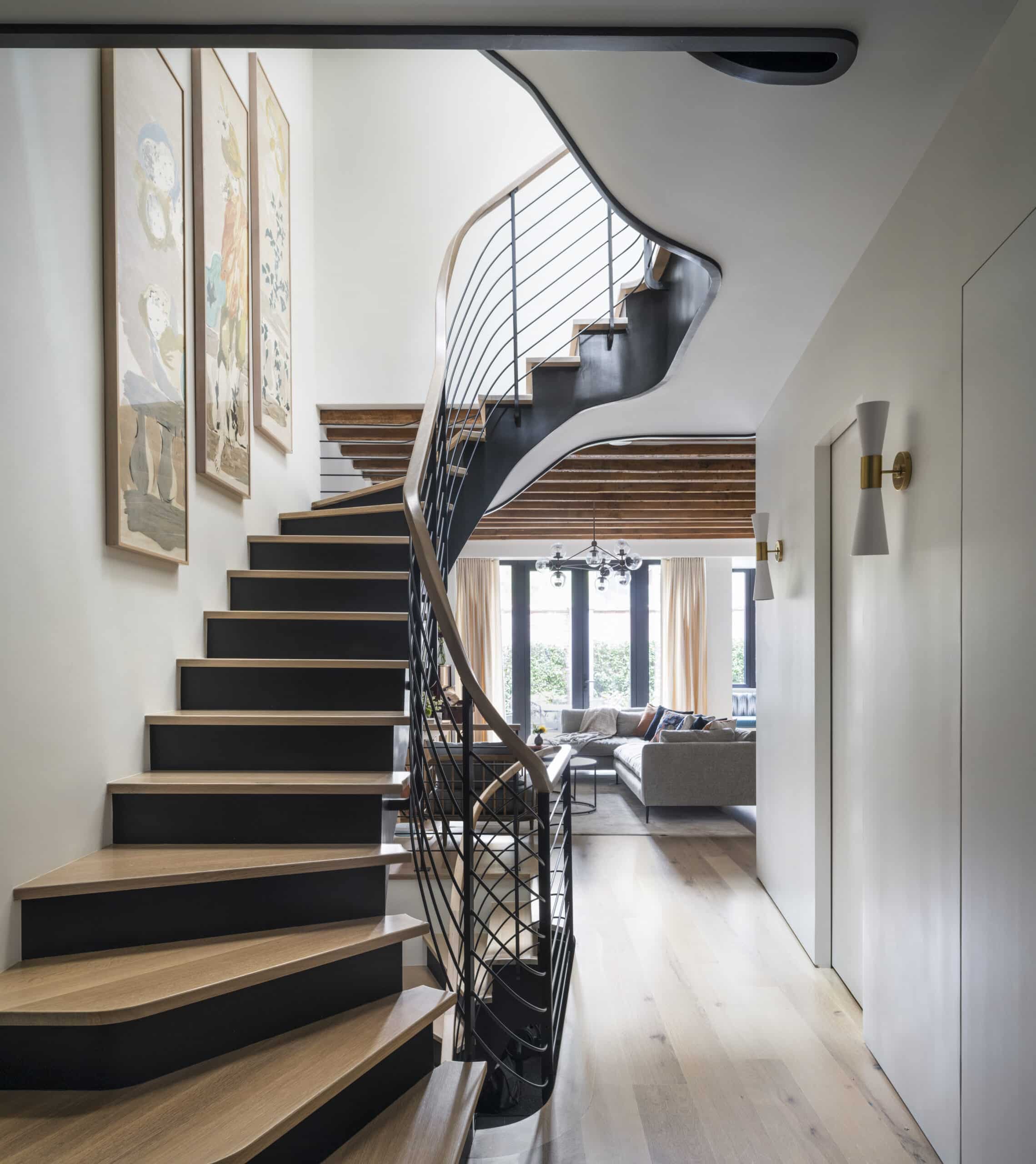
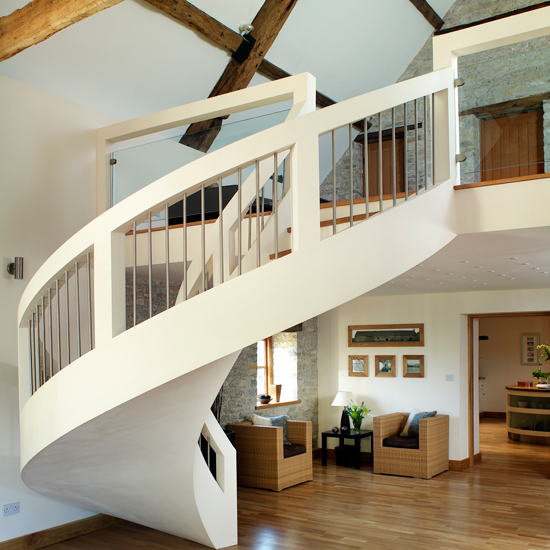
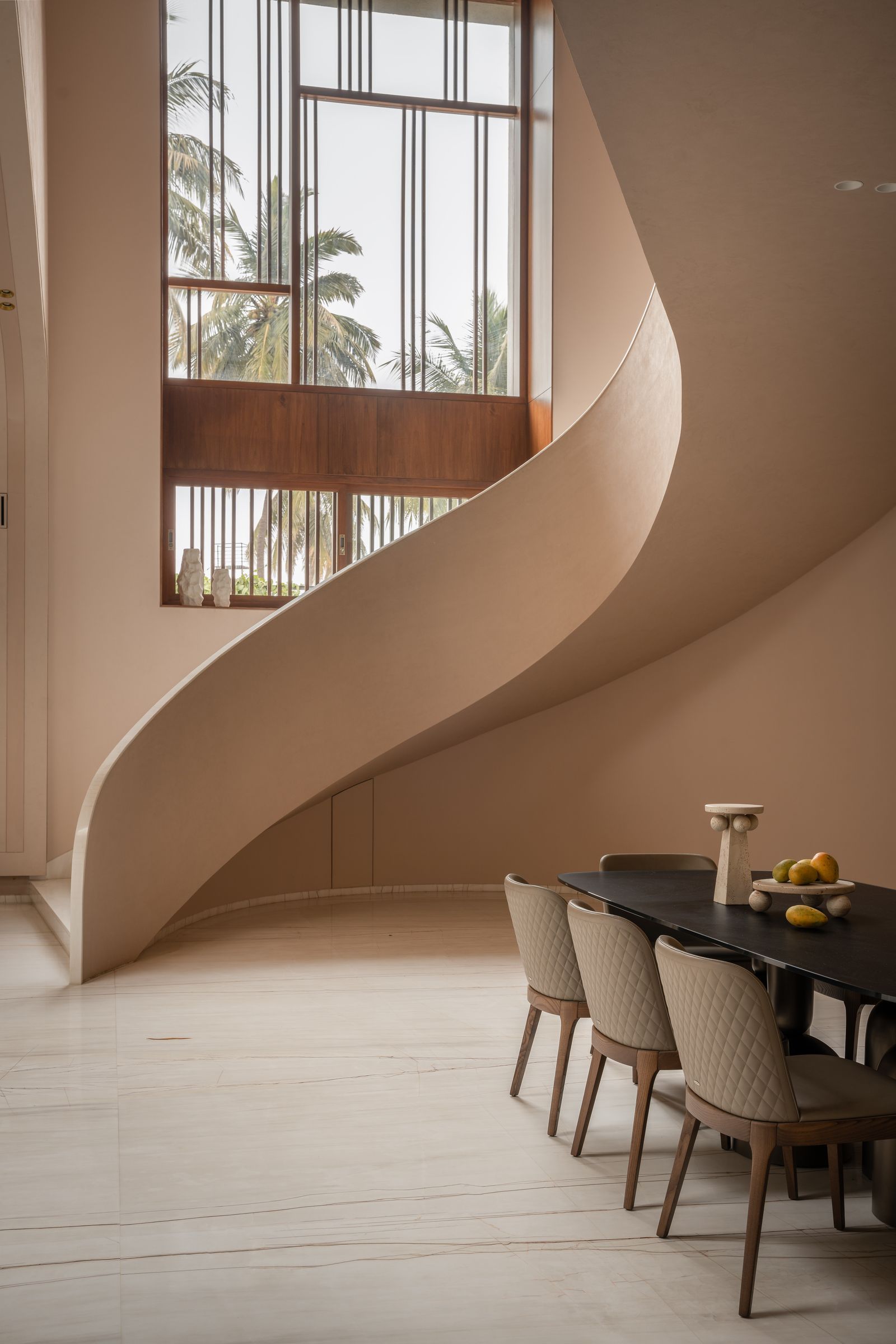
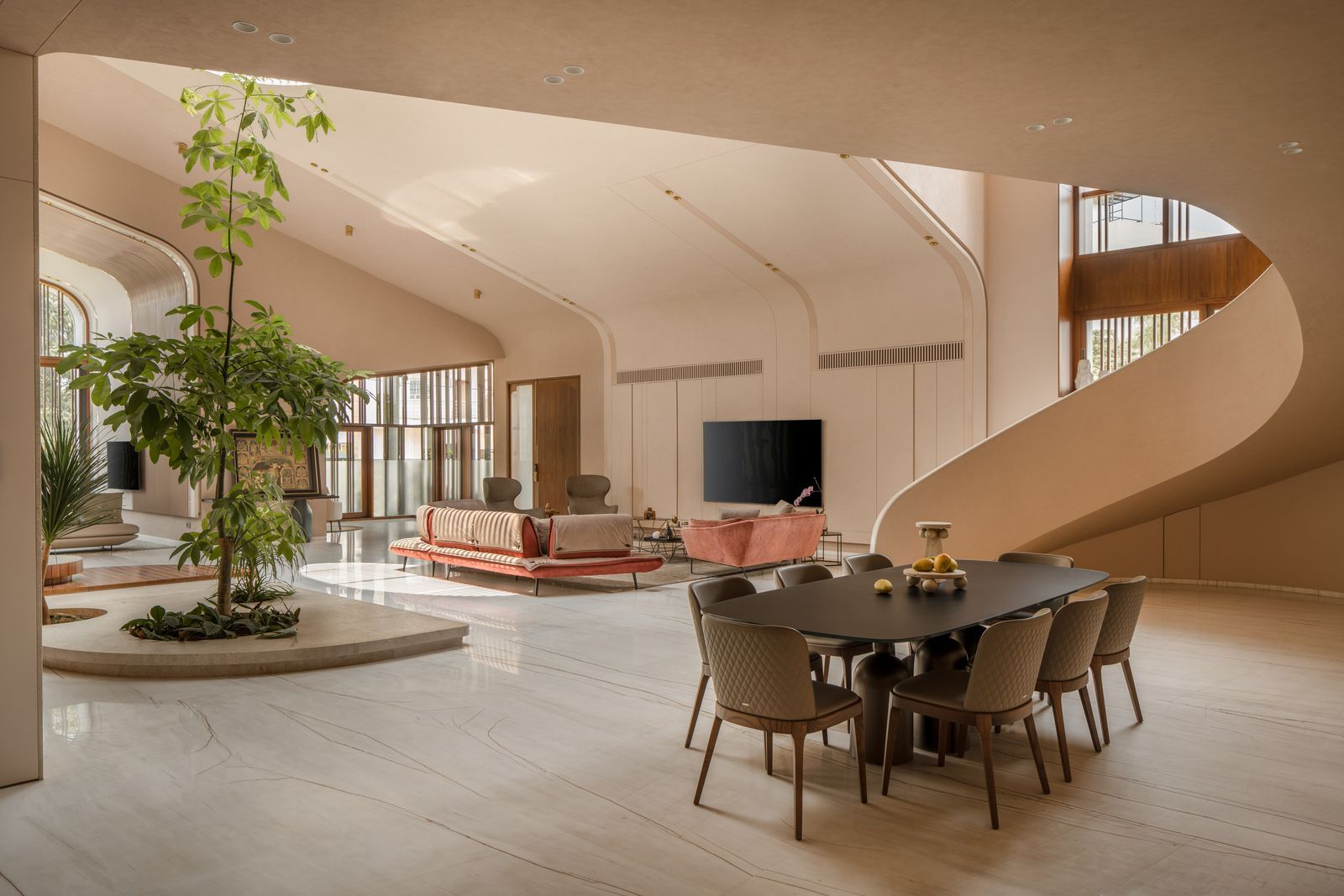
Architect Grant Straghan of DEDRAFT designed a 12,000-square-foot, five-bedroom house in rural Oxfordshire, England, for a family seeking to transition from city life after living abroad. The expansive property required a significant architectural element to anchor its immense volume and integrate with the dramatic landscape of rolling hills. The house's design features three splayed wings radiating from a large entrance atrium, a layout that necessitated a strong sculptural feature to match its scale and the surrounding undulating terrain. Straghan, collaborating with interior designer Katie Grove, conceived a sinuous, sunlit staircase that functions as both a focal point and a unifying element for the separate wings.
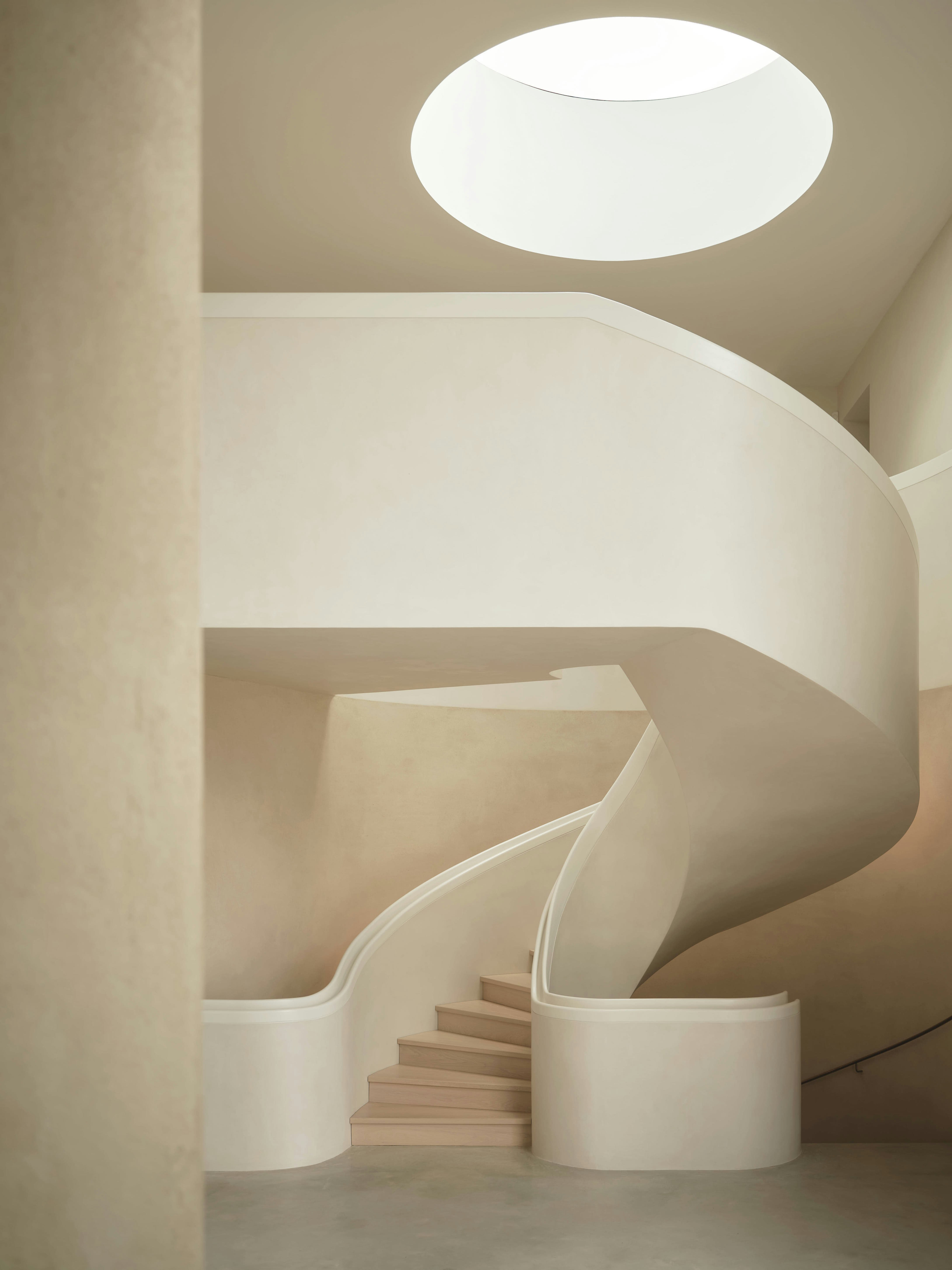
The staircase was developed through a comprehensive design process involving sketches, 3D explorations, material sampling, and floor-by-floor virtual reality modeling. This monumental structure was prefabricated off-site in sections and craned into position. It extends from the basement to the third level, where an oculus allows natural light to flood the stairwell, illuminating the European oak treads, a solid microcement railing, and an outer curved wall. This wall is finished with clay plaster embedded with gold flakes, which shimmer as light enters from above, adding a dynamic visual effect.
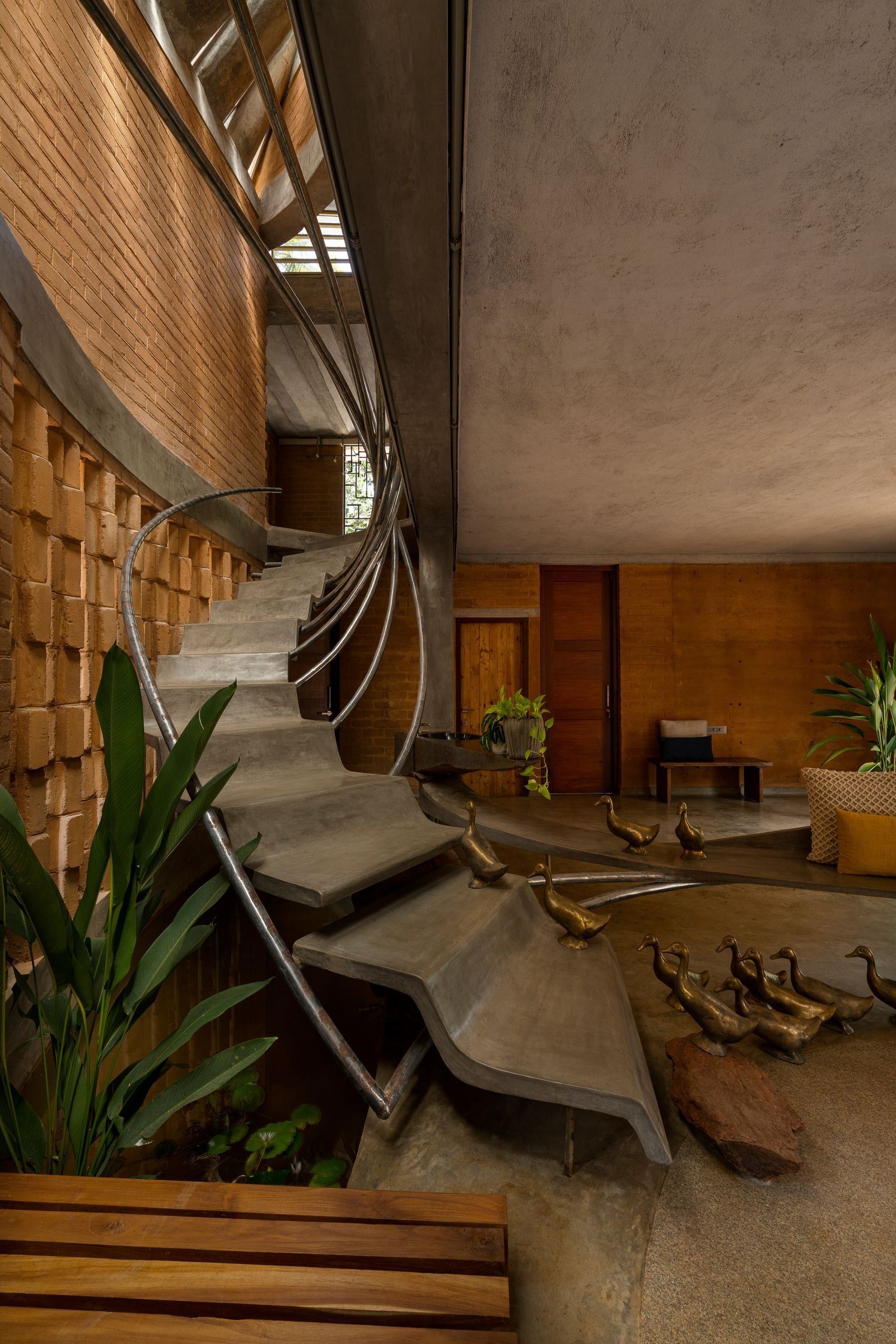
For the convenience and safety of elderly grandparents visiting the home, Straghan incorporated a curved electroplated brass rail for the stairs connecting the ground floor to the basement. A distinctive detail is the final step on the basement level, crafted from a single block of blue-green Amazonite, which introduces a unique splash of color and texture. The article details the complex construction process of the staircase. This involved prefabricating the structure in two pieces and craning them into place. Steel posts were used to form the structural frame for the solid microcement railing, and strips of flexible MDF were horizontally fixed to create the curve of the railing. Flexible plasterboard was then applied over the substrate and sanded to ensure a smooth, continuously curved surface, minimizing any irregularities. A cloud survey of the clad staircase was performed to prepare for the CNC (Computer Numerical Control) machining of the tulipwood profiled handrail. The CNC-milled handrail was then installed on-site in small sections, no more than 500 millimeters in length, to achieve a seamless, continuous sweep.
To manage material expansion and prevent cracking, curved plaster beads were fitted alongside the handrail, maintaining a three-millimeter gap between the plaster and the handrail. Templates were created for each tread to preform the oak winders, ensuring a consistent three-millimeter shadow gap at both the inner and outer perimeters where they meet the railing. The architect meticulously mapped views from the staircase to strategically inform its curvature. Advanced 3D models were employed to assess the structural implications of cantilevering an exceptionally heavy staircase with an off-center load path and to determine optimal landing locations that offer compelling views of other levels. Straghan describes the staircase as a smooth, organic form that gently separates from the robust walls that enclose it. Despite its grandeur, the staircase possesses a subtle presence. As one ascends, the landings branch off to access each wing and level, with deep soffits enhancing depth, shadow, and light when the sun is at its zenith. The interplay of form and lighting is designed to fulfill all necessary functions and aesthetic requirements, making the staircase a functional art piece that harmonizes with its expansive surroundings.
#ArchitecturalDesign #ResidentialArchitecture #CustomHome #StaircaseDesign #LuxuryHomes #Oxfordshire #InteriorDesign #ModernArchitecture #ConstructionTechniques #ArchitecturalDesign #ResidentialArchitecture #CustomHome #StaircaseDesign #LuxuryHomes #Oxfordshire #InteriorDesign #ModernArchitecture #ConstructionTechniques
0 comment in total
 No comments yet
You may also like
How They Pulled It Off: A Twisty, Floating Staircase for a 14-Foot Ceiling
7 wow factor staircases
Staircase doubles as a bookcase in London loft conversion by Tamir Addadi Architecture
In Praise of Stairs

The Insider: Showstopping Stair Ties Together Heights Carriage House

How They Pulled It Off: A Secret Stair Hatch That Seals Off the Living Space
What Are Witches Stairs and Why Is TikTok So Obsessed With Them?
A Puzzled-Together Stair Elevates a Fashion Designer’s Barcelona Apartment
A Modern Stairway That Brings Homes to the Next Level

Universal spiral staircases available now from Enzie Stairs
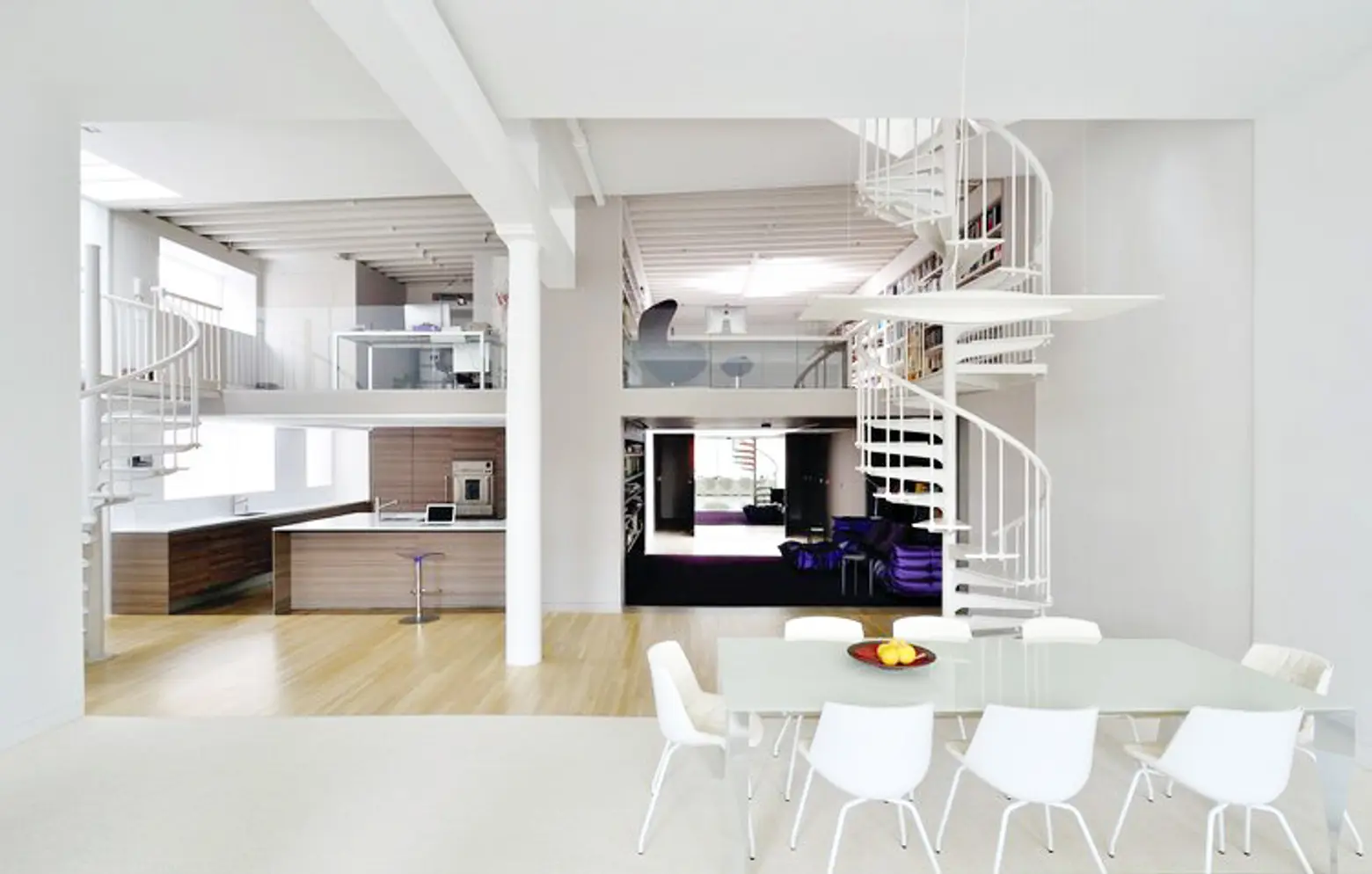
An Endless Spiral Staircase Ties This Spacious David Hotson-Designed Soho Loft Together

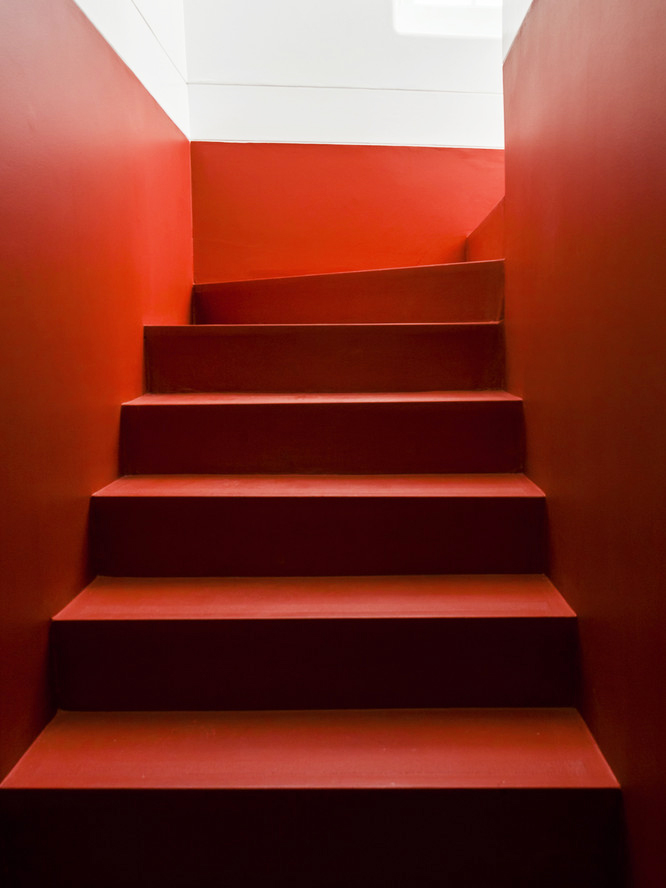
These Bold Staircases Make the Extra Workout Worth It
Stairs well done
Staircase Parts


Master Craftsman: Steven Lang of Lang Stair & Rail

How to make a style statement with your staircases
These 54 Staircases Redefine What It Means to Make a Grand Entrance

5 spiral staircases that will make you look twice

Eight interiors that are stepped up by the addition of ladders
Sep 2024: Finally, a completed stairway