1/2
Home Decor: Why is cane furniture all the rage right now?
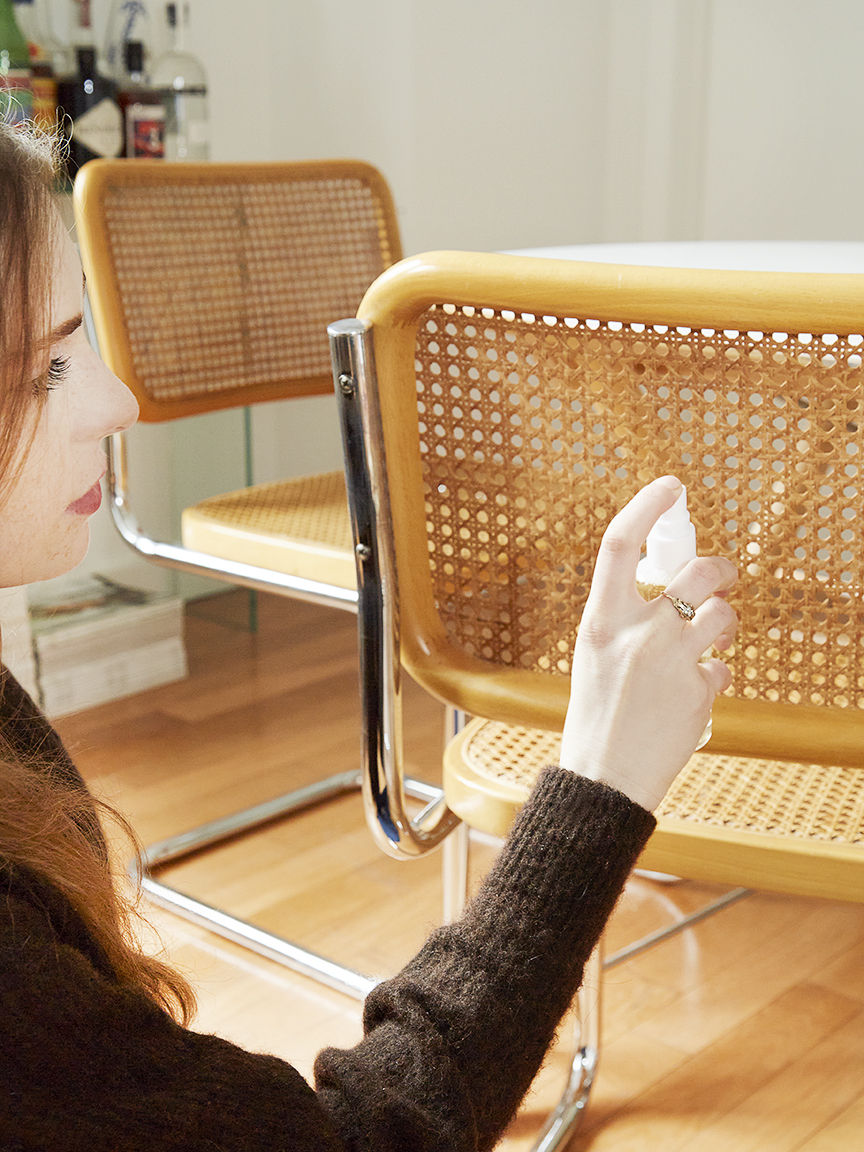
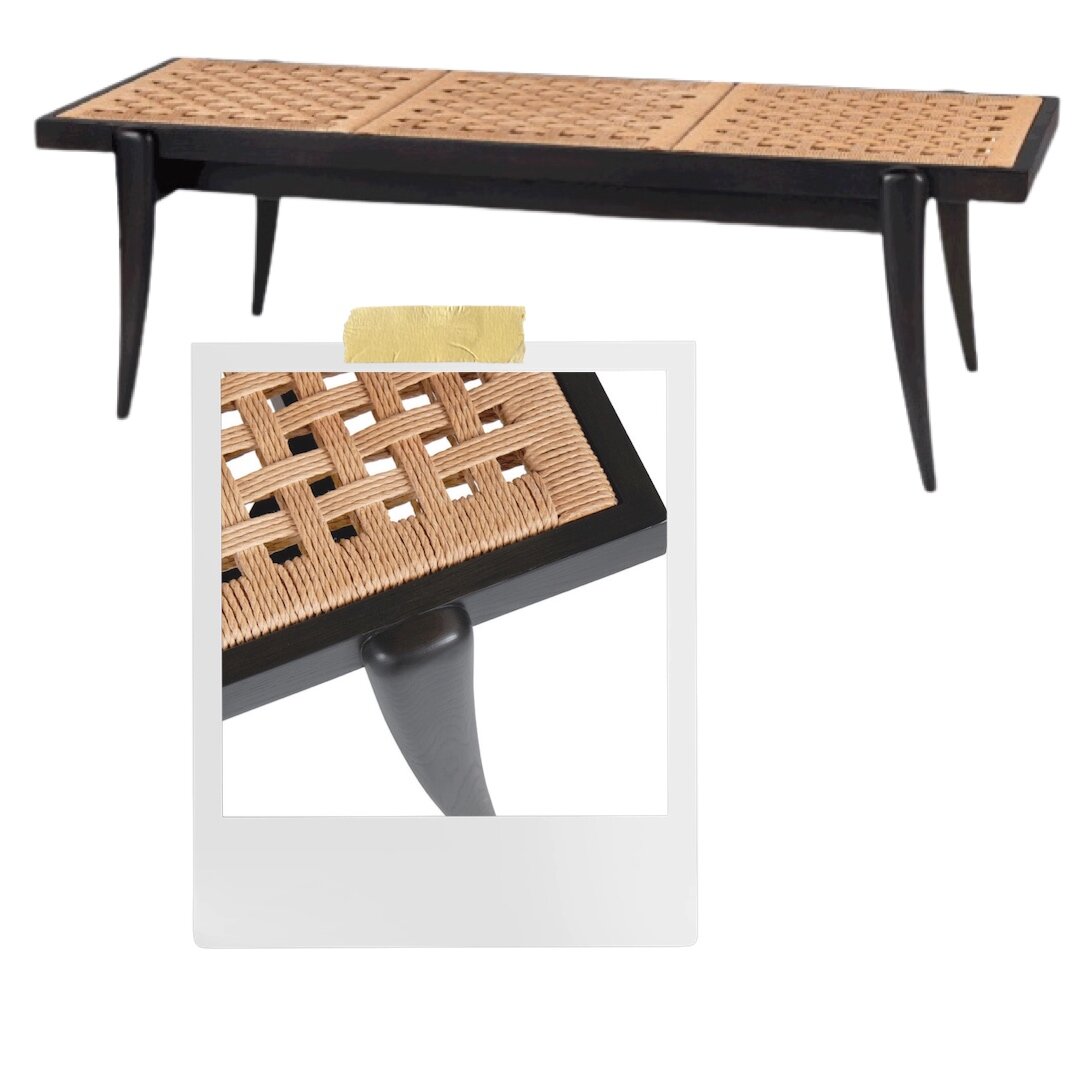
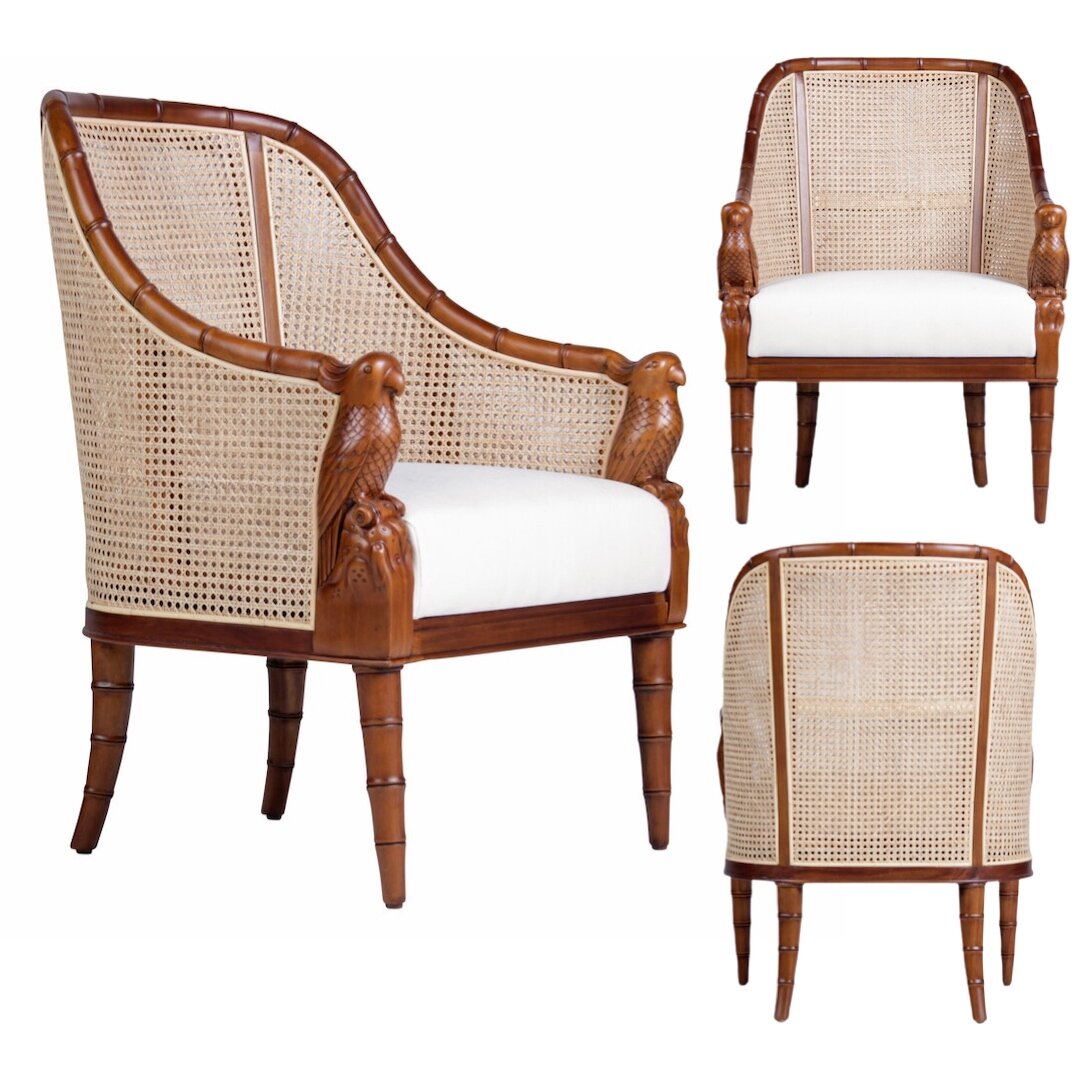
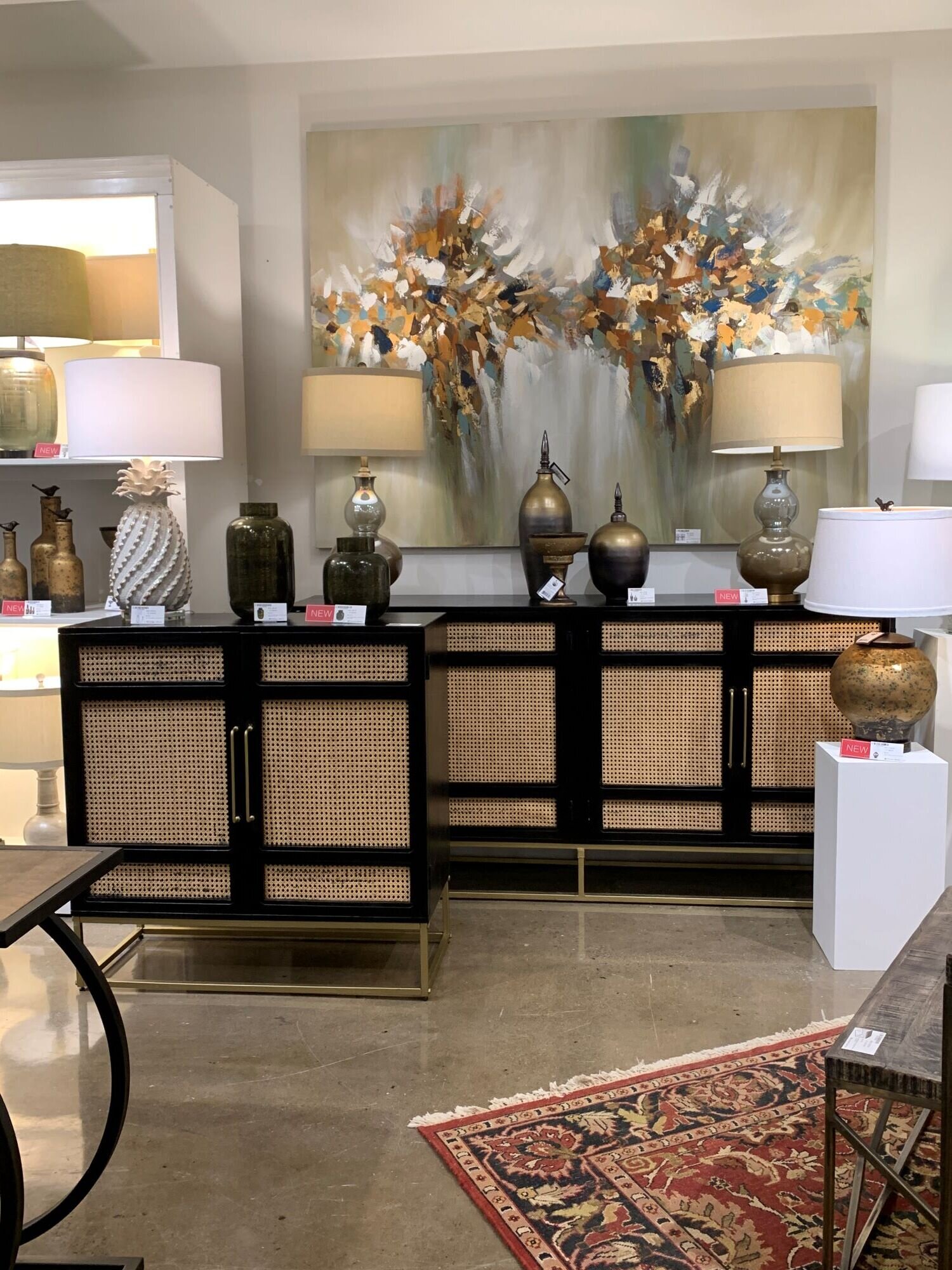
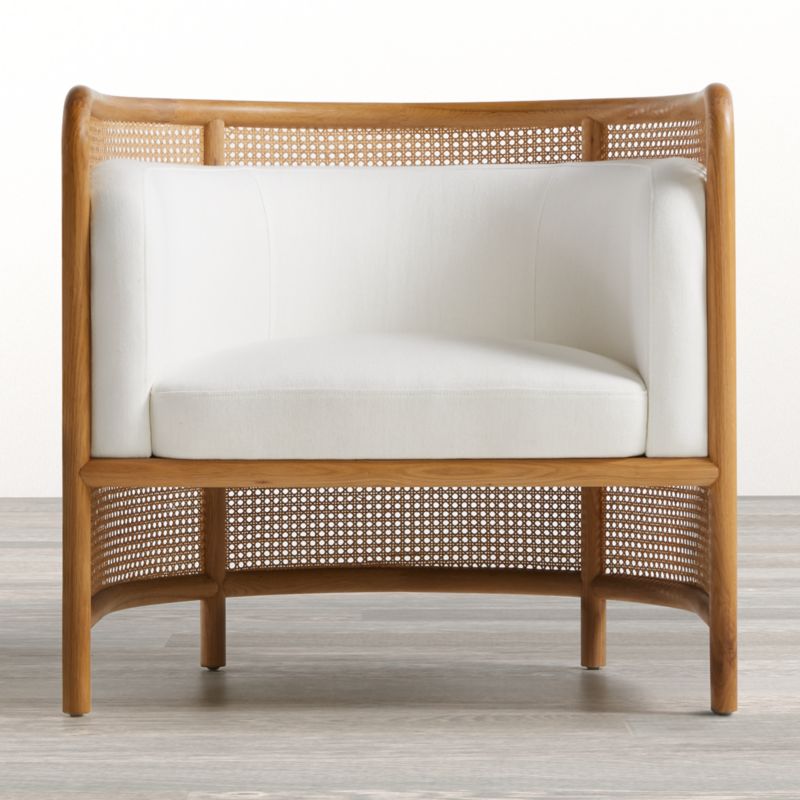
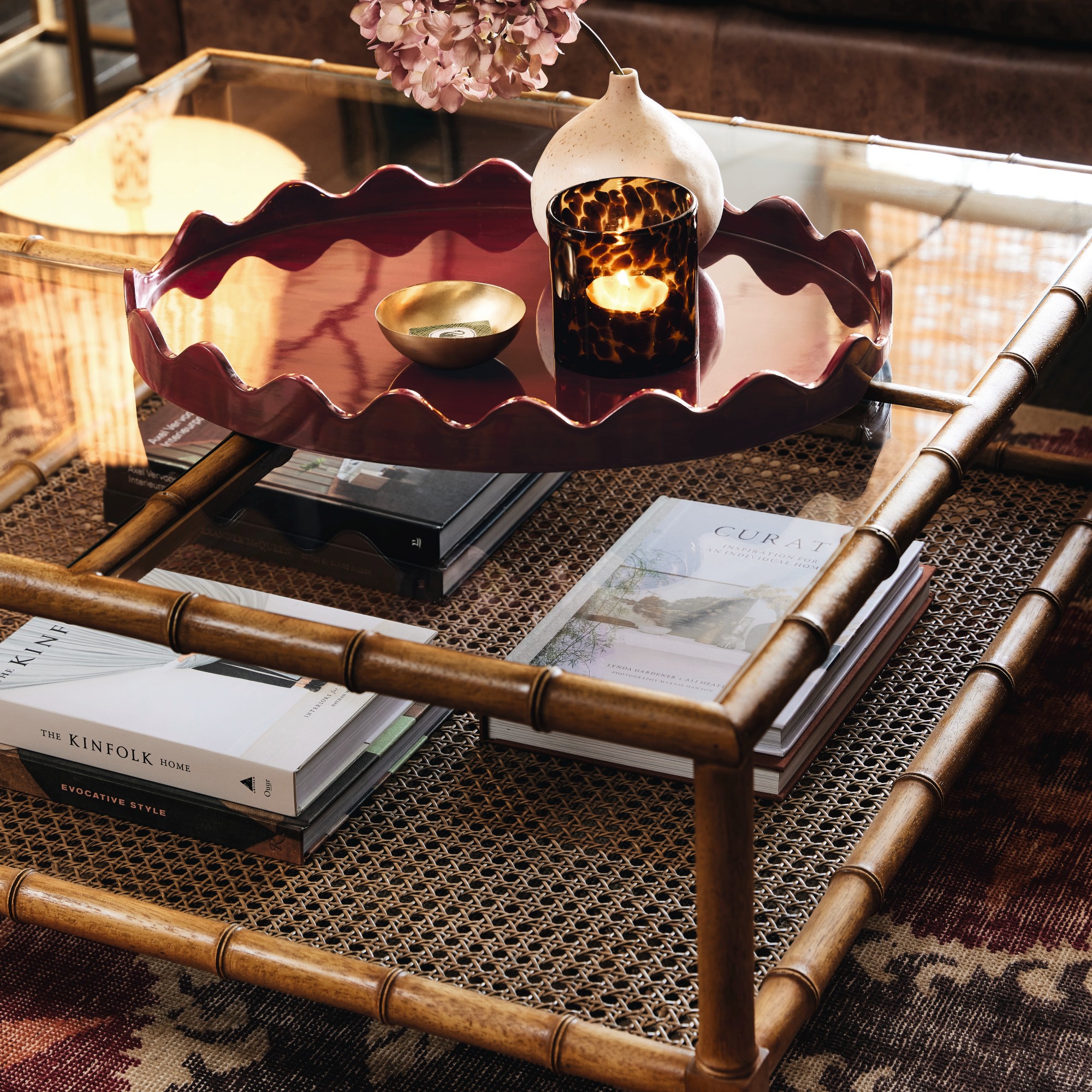
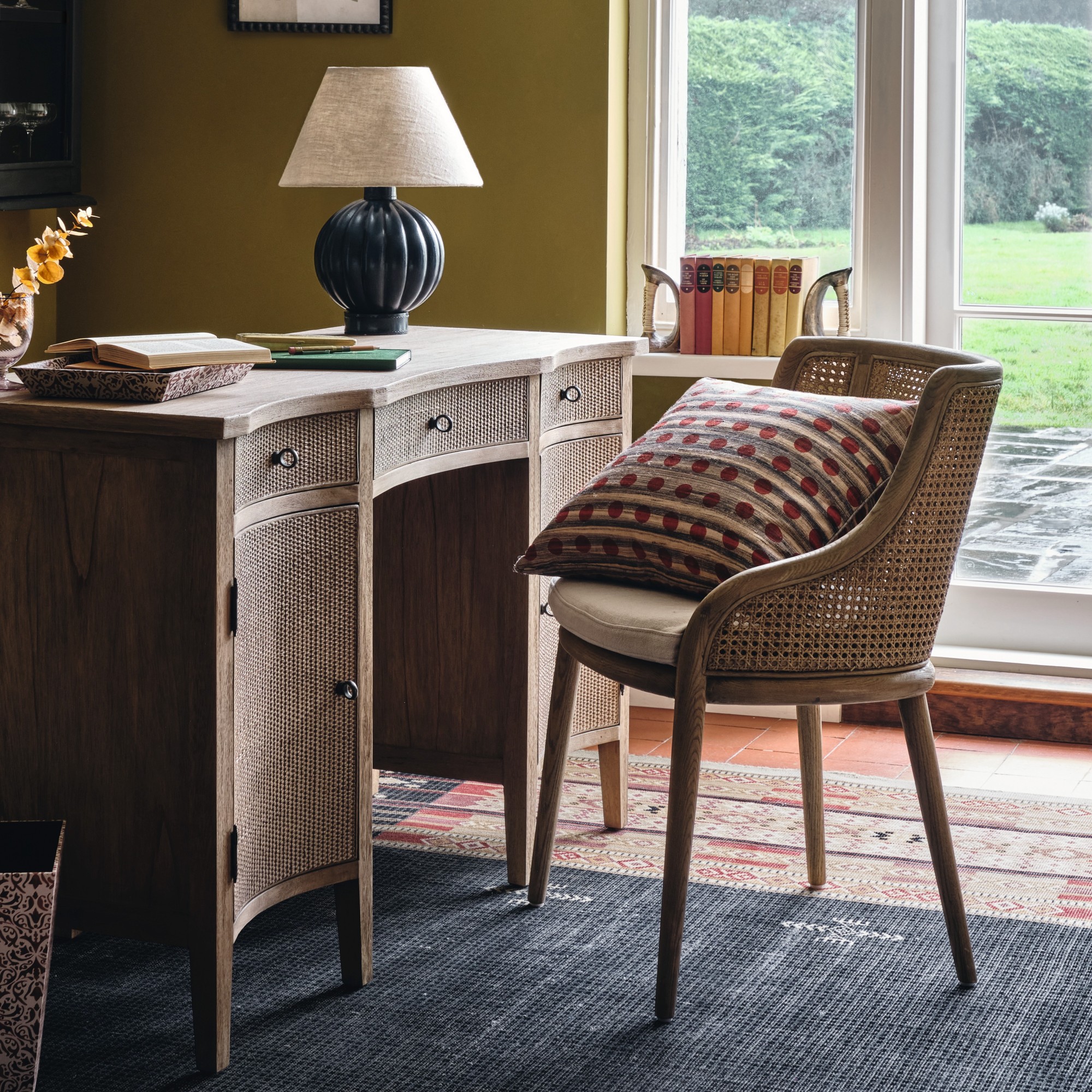
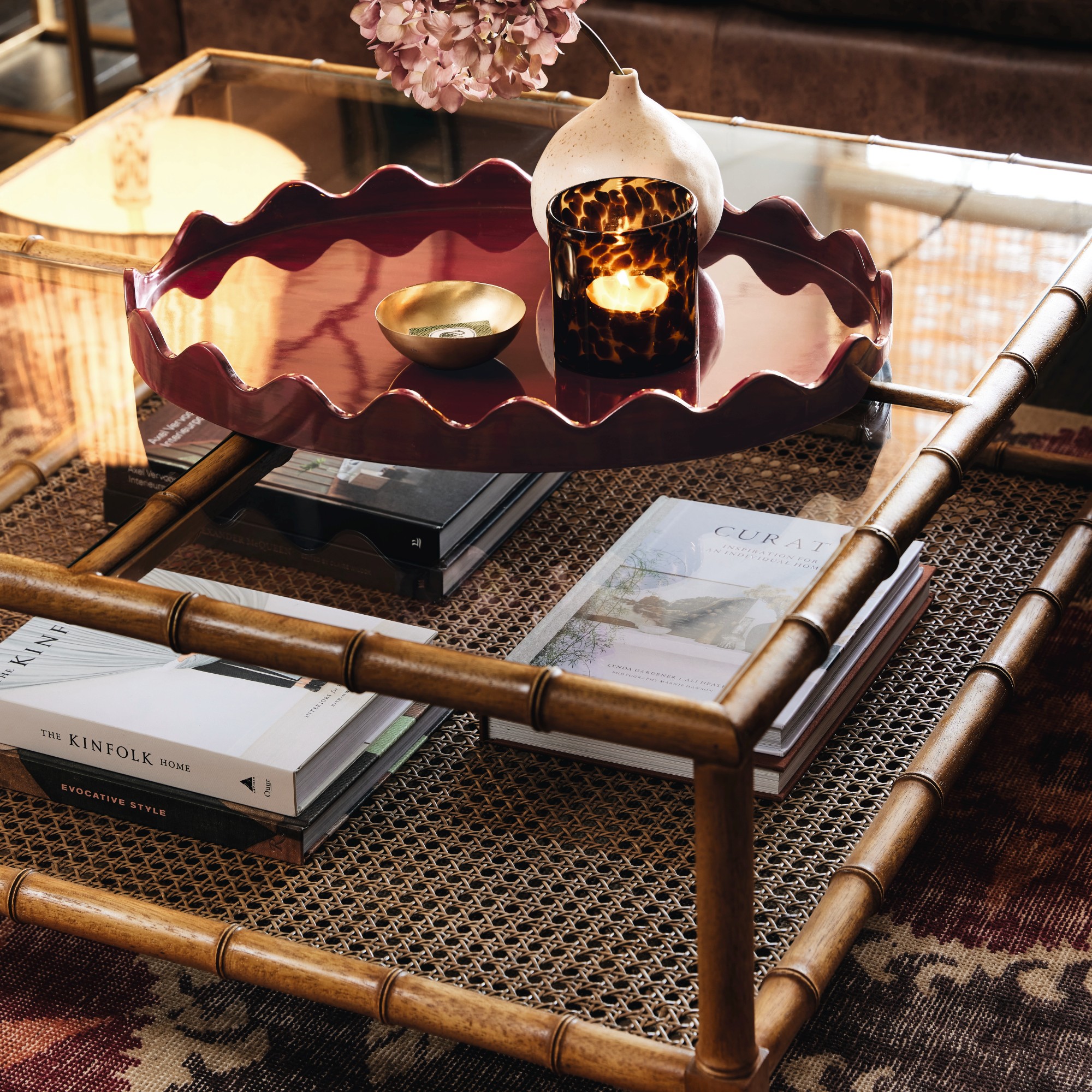
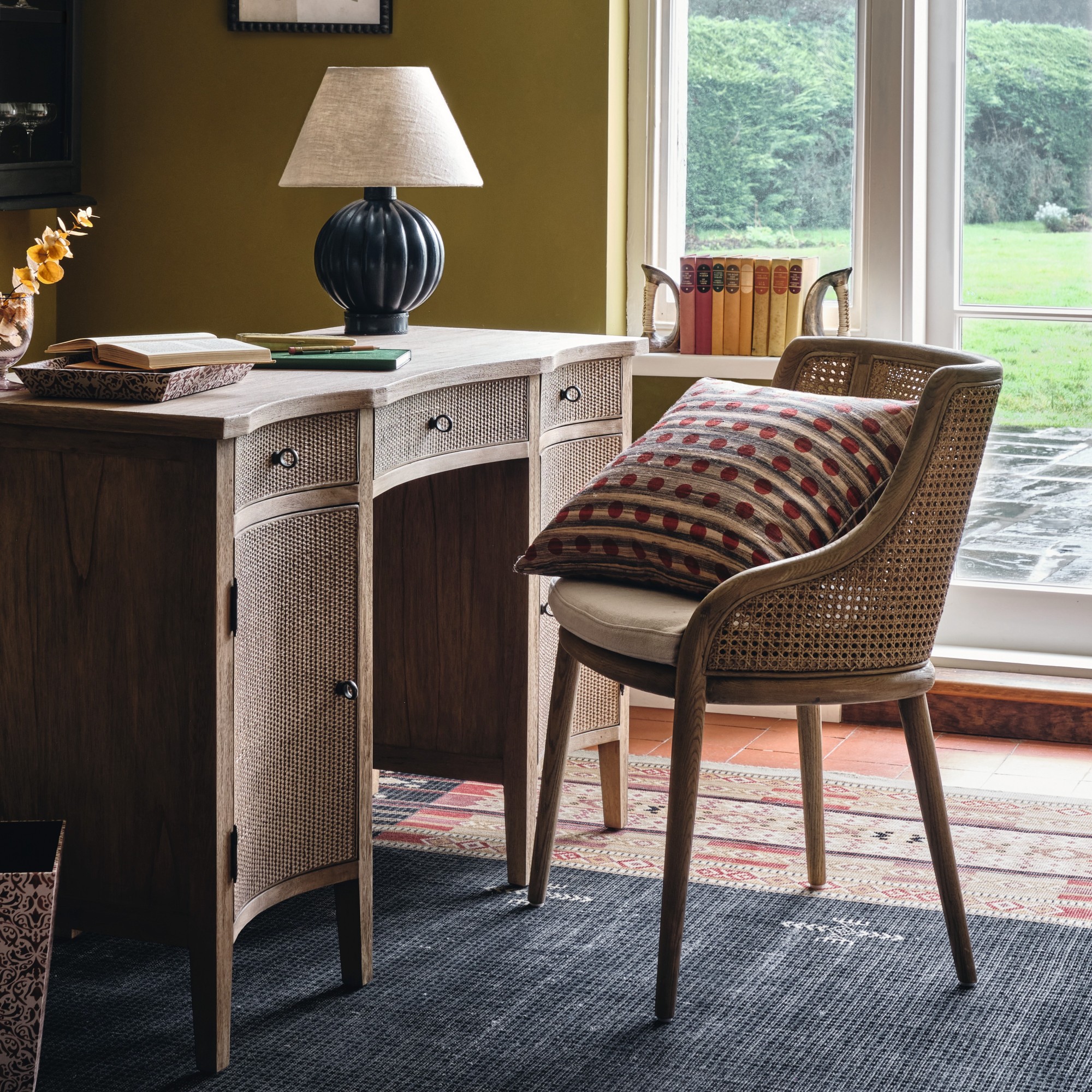
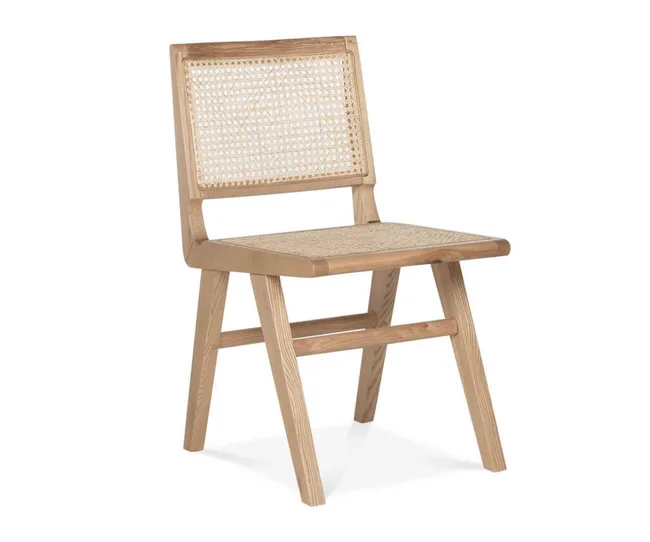
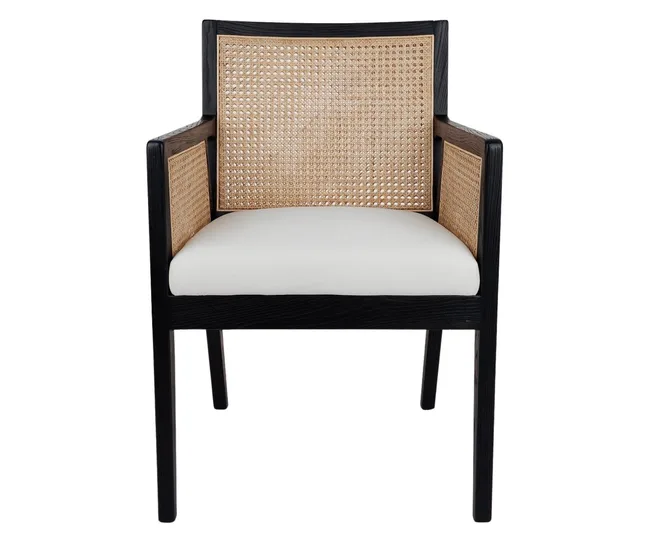
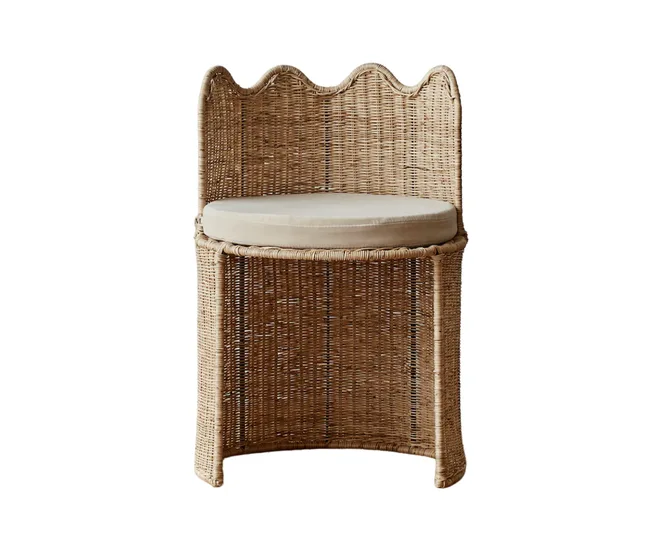
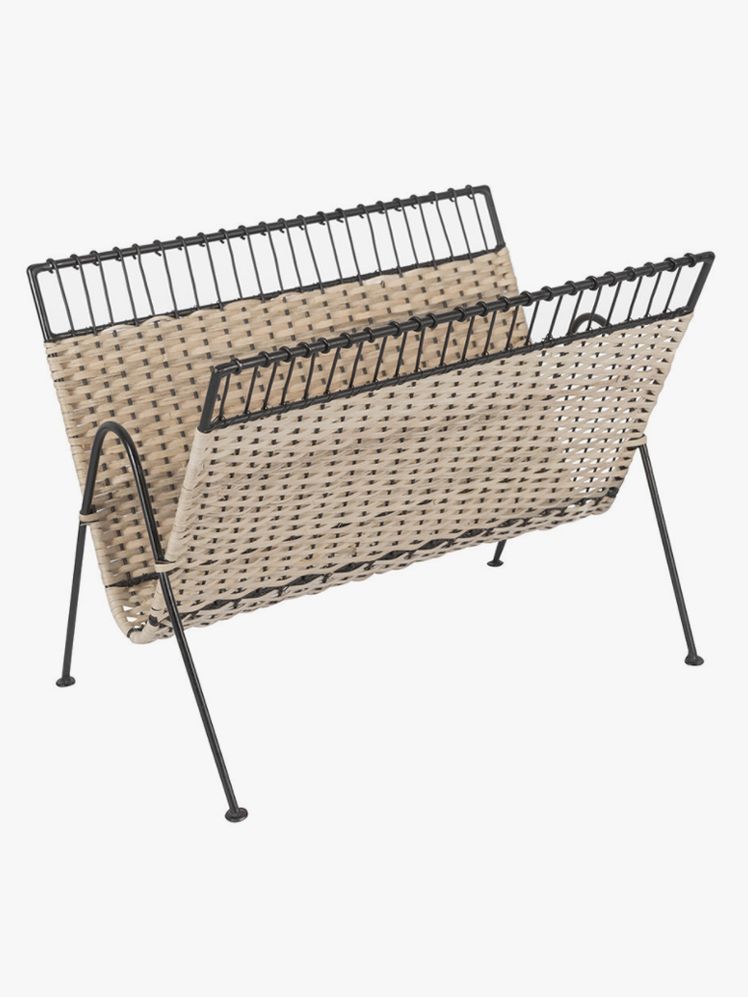
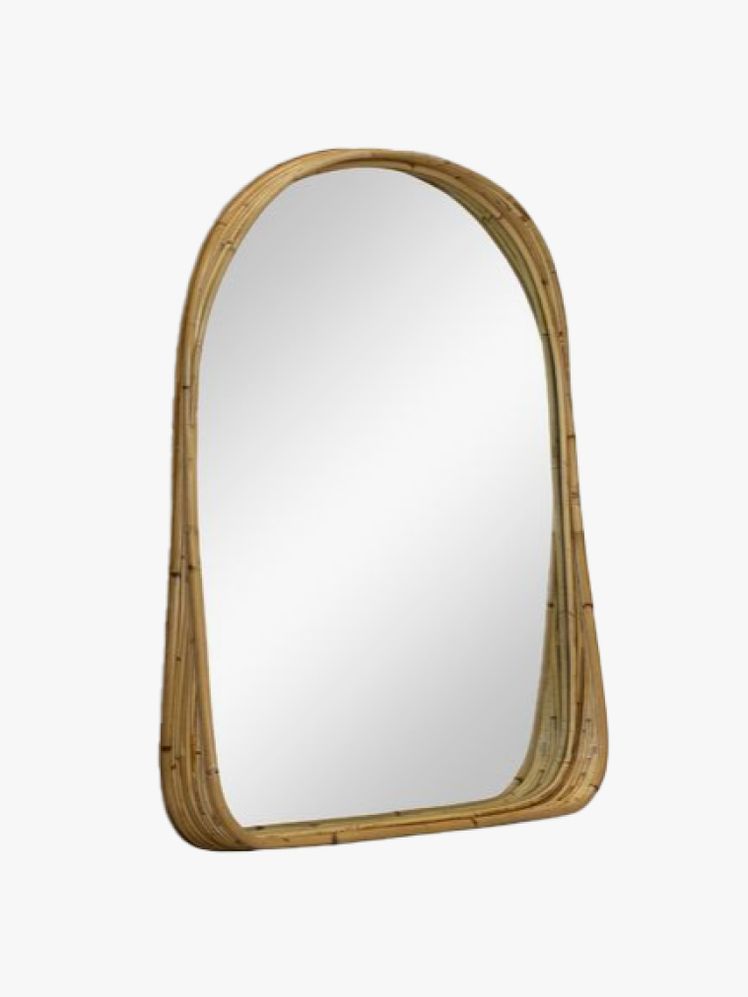
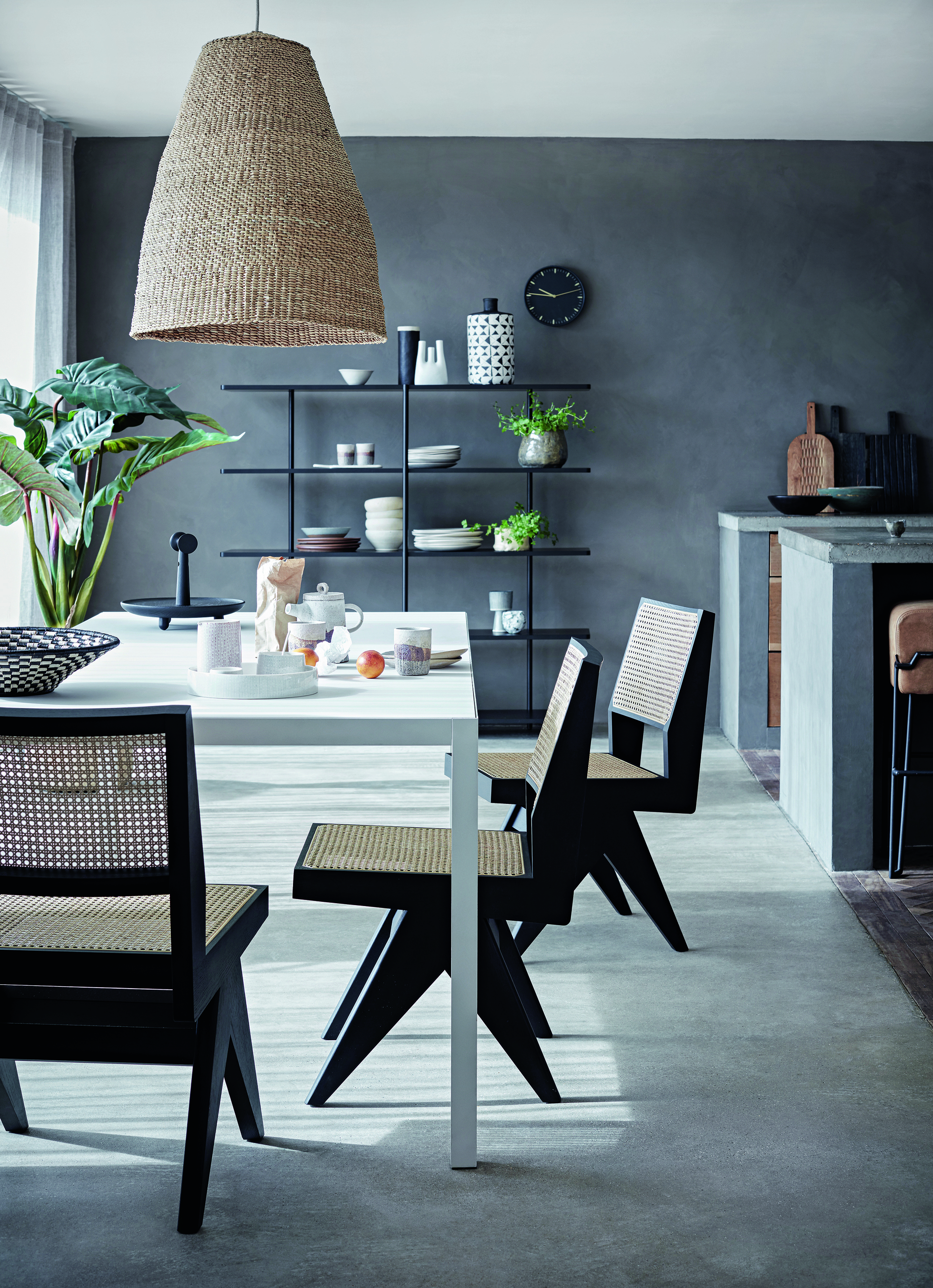
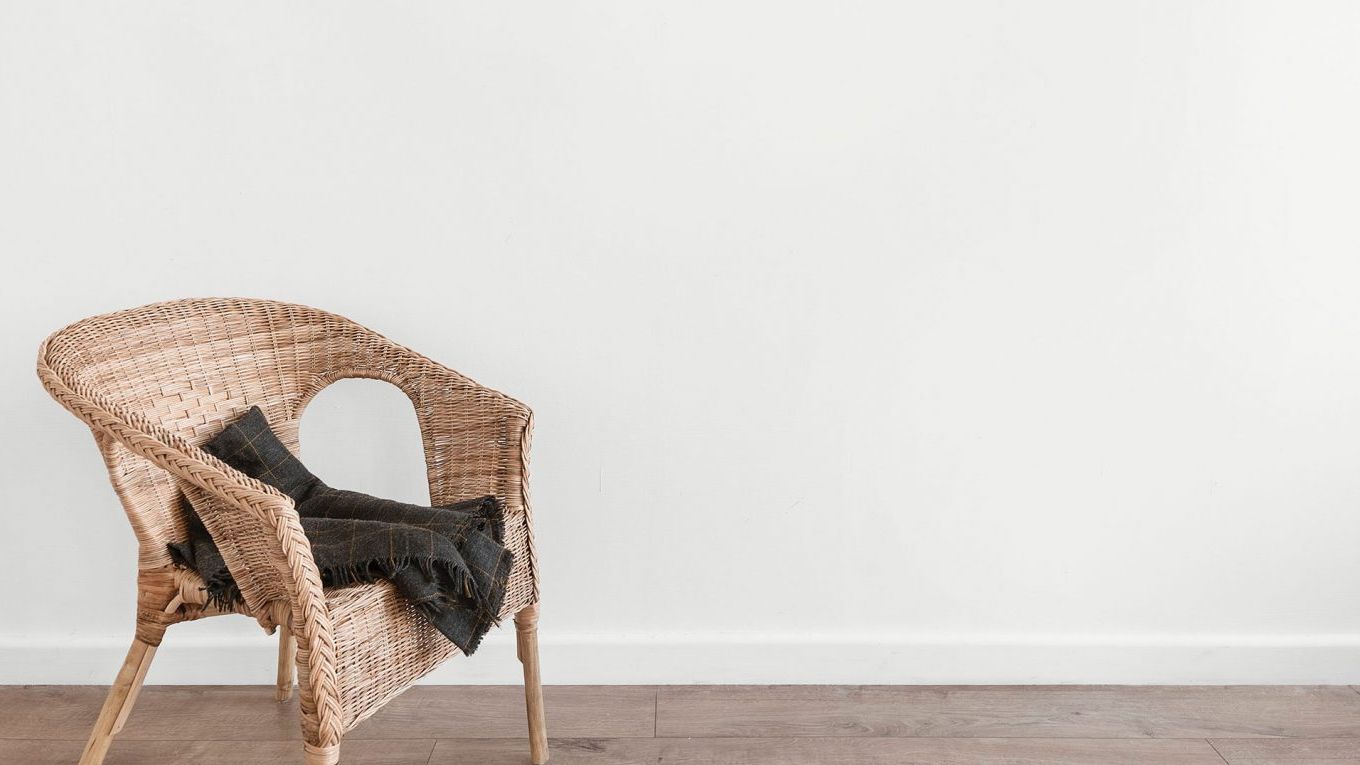
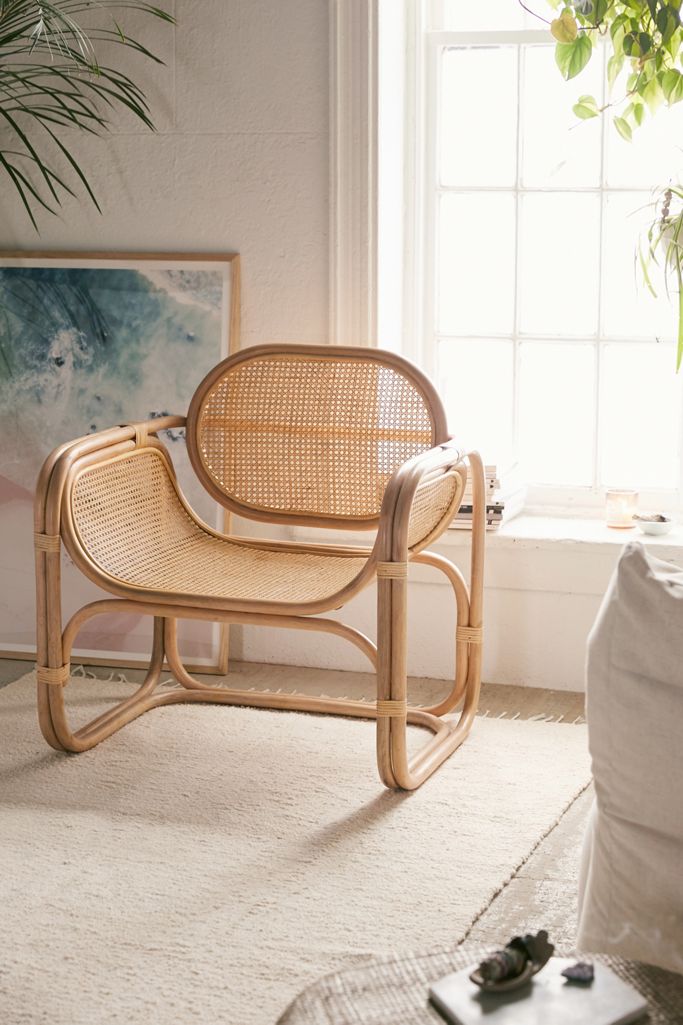
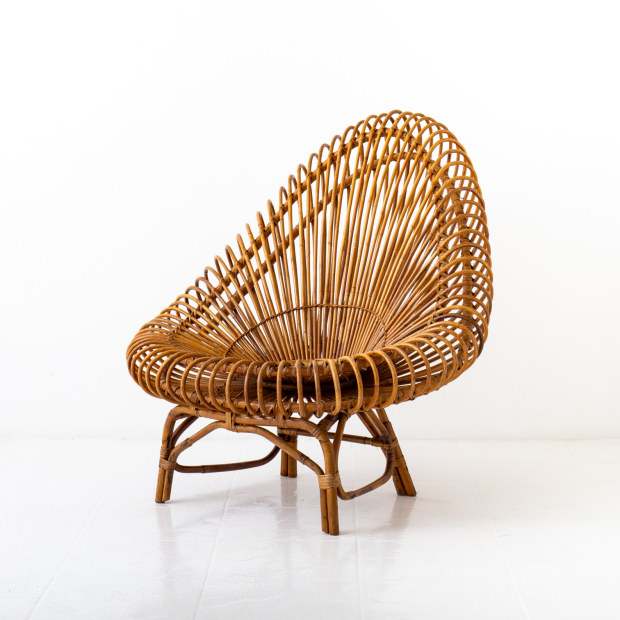
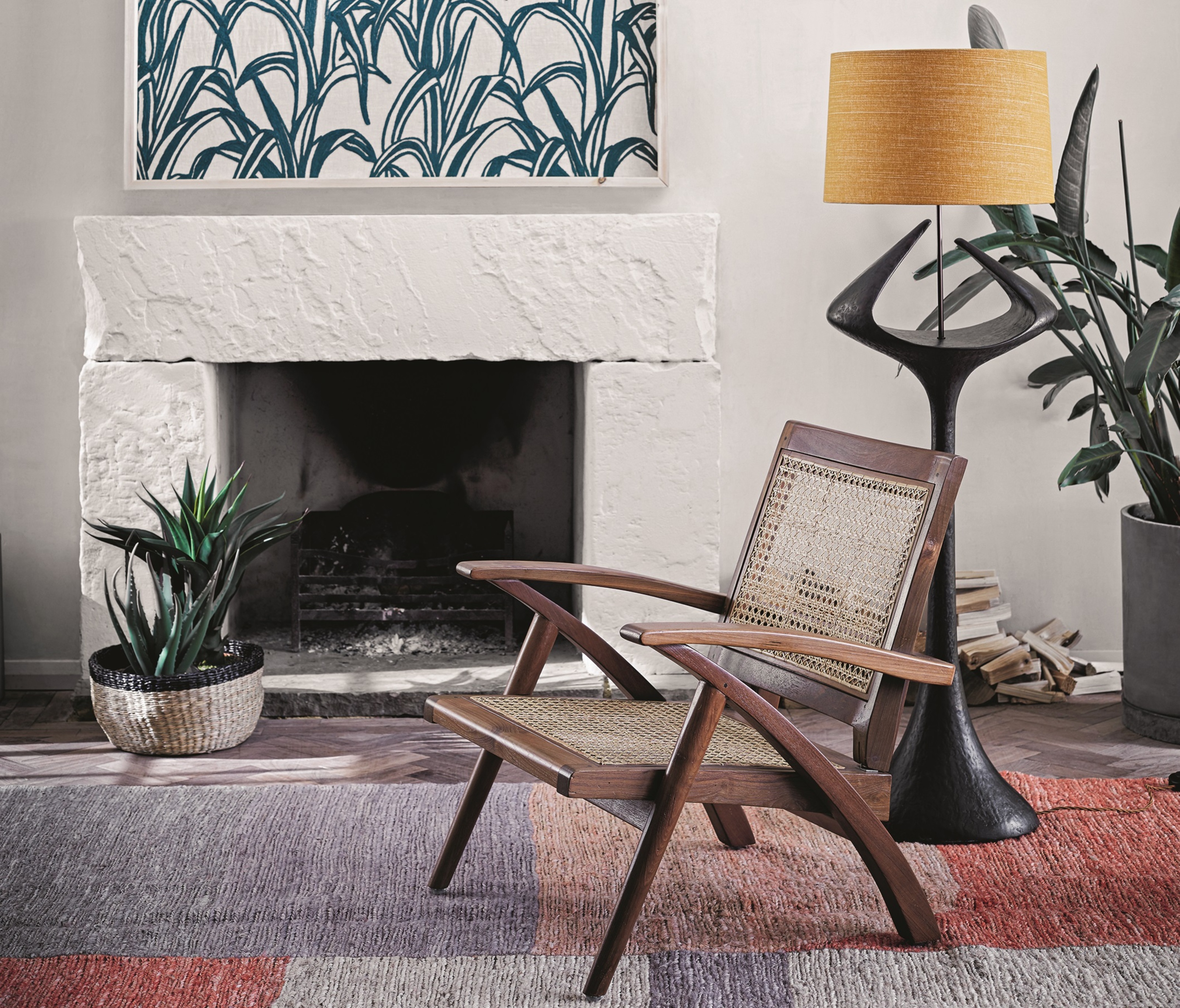
Cane furniture has emerged as a dominant and enduring interior design trend, stemming from an ancient craft technique. The creation of cane furniture involves sustainably harvesting rattan, whose bark is then meticulously cut into fine strips and intricately woven into various patterns for furniture pieces. This widespread popularity can be attributed to several key factors, including a growing emphasis on sustainability, the revival of age-old craftsmanship, its universal aesthetic appeal, and its timeless quality.
Asignificant driver of cane furniture's current prominence is the global movement towards environmentally sustainable home decor. There is an increasing focus on sustainable living and a more simplistic approach to design, influenced by concepts like circular design and wabi-sabi, which advocate for spaces that are environmentally respectful and resource-efficient. Cane furniture aligns with this ethos, being consciously produced with a lower carbon footprint. This makes it particularly appealing to younger generations who prioritize eco-friendly options in their homes. Furthermore, cane is lauded for its exceptional durability, reinforcing its status as an eco-conscious material.
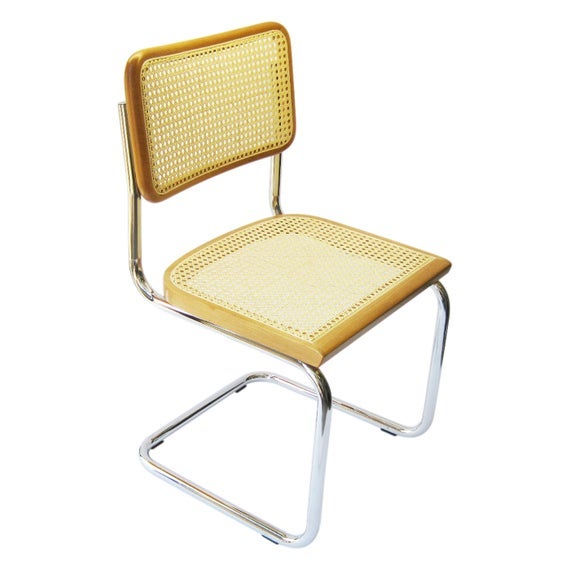
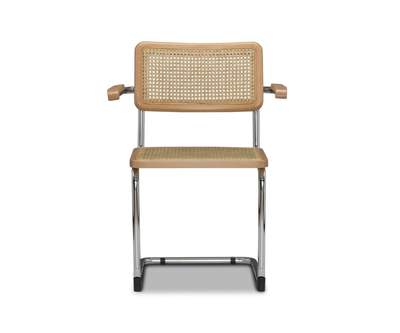
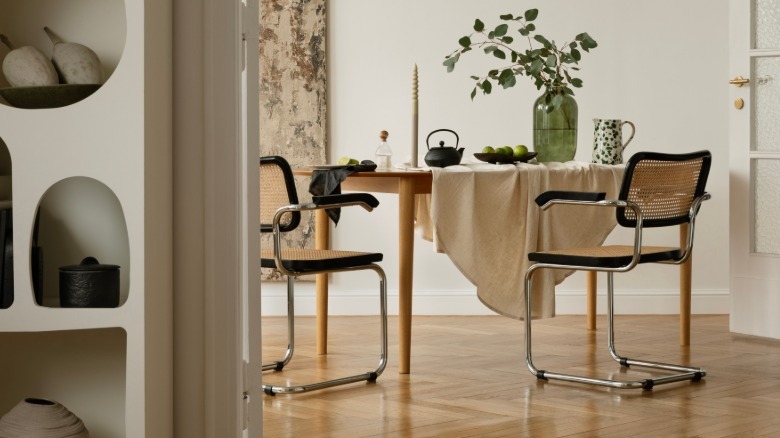
The resurgence of cane furniture also celebrates traditional craftsmanship. There's a growing trend among furniture companies to revive and reinvent craft-based production, ensuring the continued relevance of artisanal skills. Cane weaving, an ancestral craft, pays homage to this movement, embodying sustainable practices. Designers note that the recent trend in cane furniture draws from historical design cues, such as the works of Pierre Jeanneret during his time in India, which demonstrated a concern for craftsmanship and contextual integration. These works, playing with shapes and perspectives, laid the groundwork for cane furniture's modern appeal, especially in an era that values local crafts and natural materials.
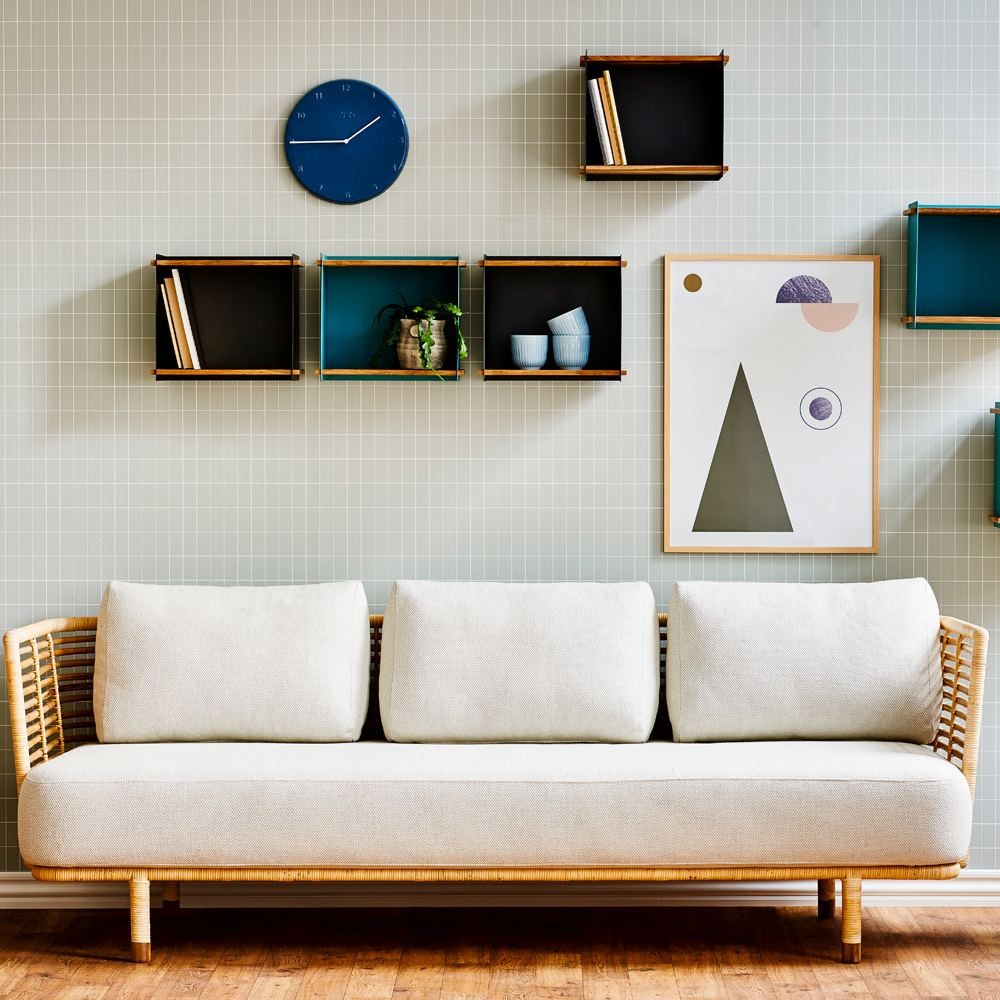
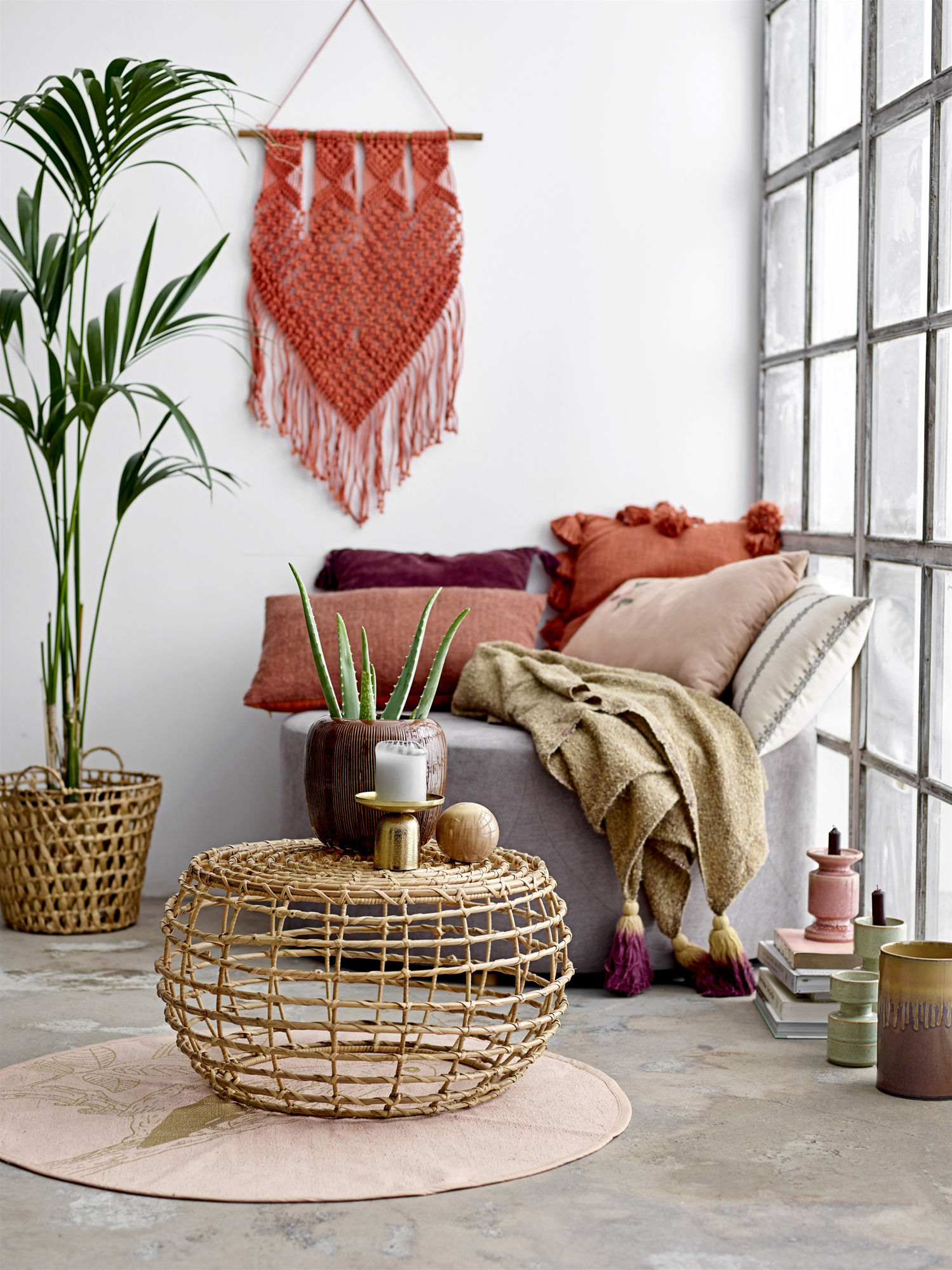
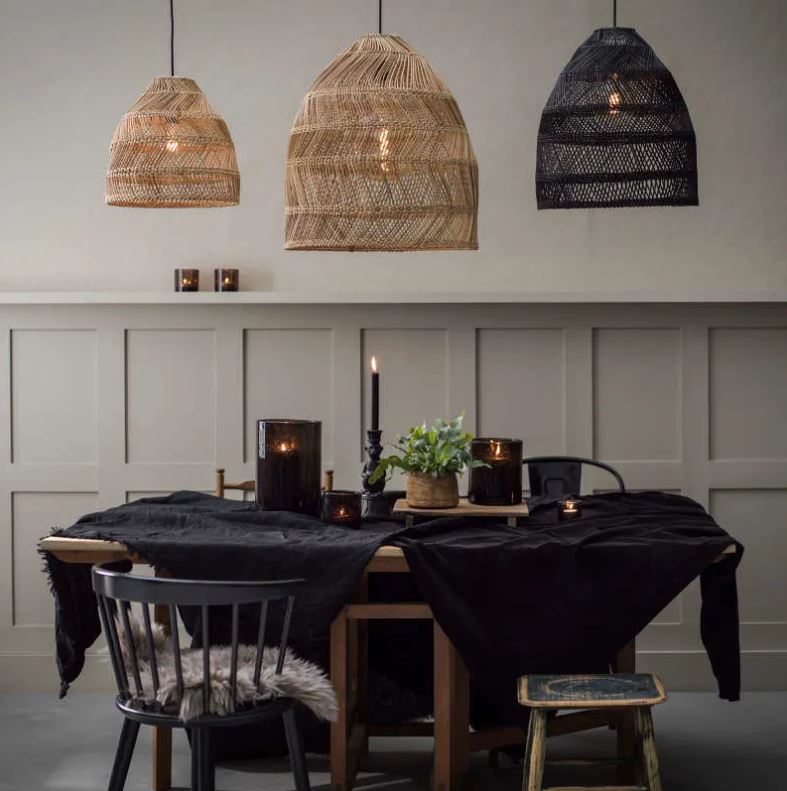
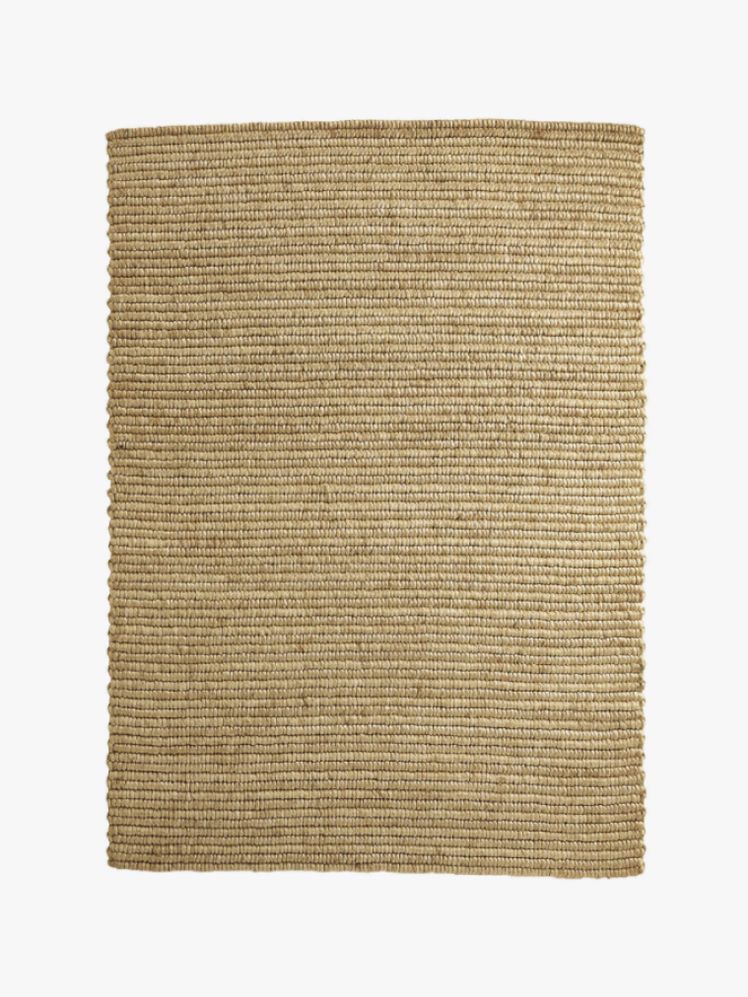
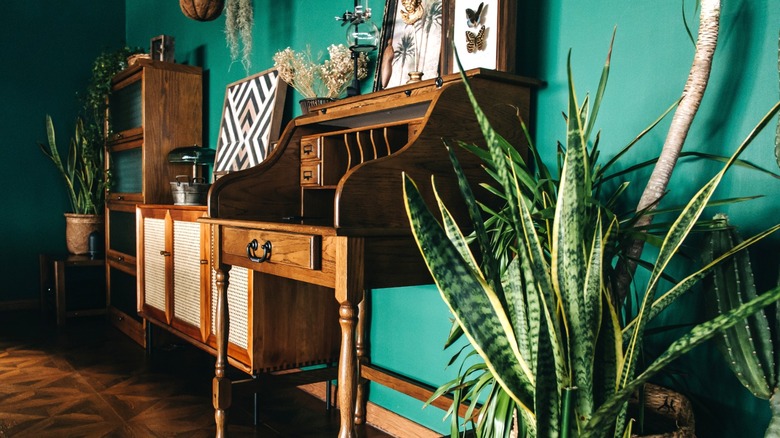
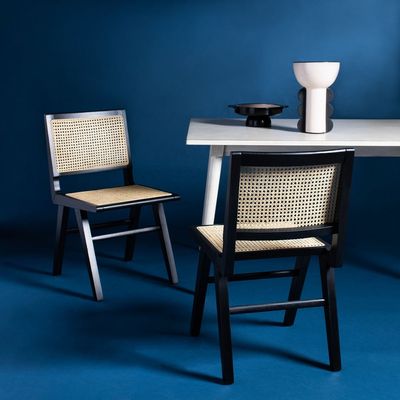
Cane furniture's universal appeal is another major factor in its popularity. Its ability to seamlessly blend with and enhance any interior style, whether maximalist or minimalist, makes it incredibly versatile. Designers believe that well-designed spaces should improve with age and utilize materials that develop a natural patina over time, a characteristic inherent to cane. The classic woven cane texture is instantly recognizable and maintains a stylish appearance for years, serving as a neutral element in terms of color and texture. This neutrality allows it to be easily layered with other materials for a contemporary look or juxtaposed with bold colors for a playful aesthetic. Historically, wicker, a technique of criss-cross basketry weave (of which cane is a form), dates back to ancient Egypt, underscoring its enduring appeal. In modern contexts, this artisanal craft offers intriguing potential for evolving living and working spaces. Additionally, cane furniture is strongly associated with the 'Mid-century Modern' style, a design movement celebrated for its timelessness and continued relevance today. However, it's worth noting that much of the cane furniture produced in Europe currently utilizes machine-woven, mass-produced cane webbing, diverging from the traditional hand-woven methods employed by artisan workshops.
#CaneFurniture #SustainableDesign #HomeDecor #InteriorDesignTrends #Craftsmanship #NaturalMaterials #MidCenturyModern #EcoFriendly #Artisanal #CaneFurniture #SustainableDesign #HomeDecor #InteriorDesignTrends #Craftsmanship #NaturalMaterials #MidCenturyModern #EcoFriendly #Artisanal
0 comment in total
 No comments yet
You may also like
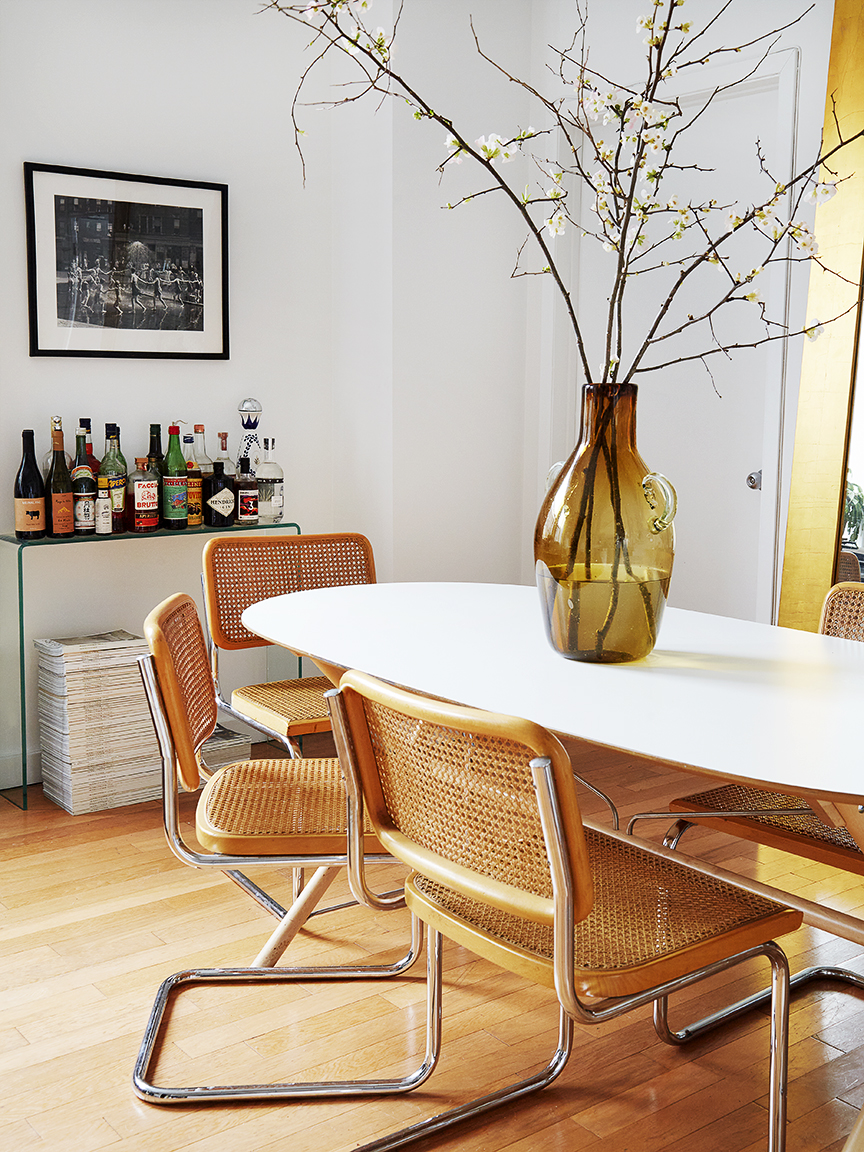
The Secret to Making Your Cane Furniture Last Forever
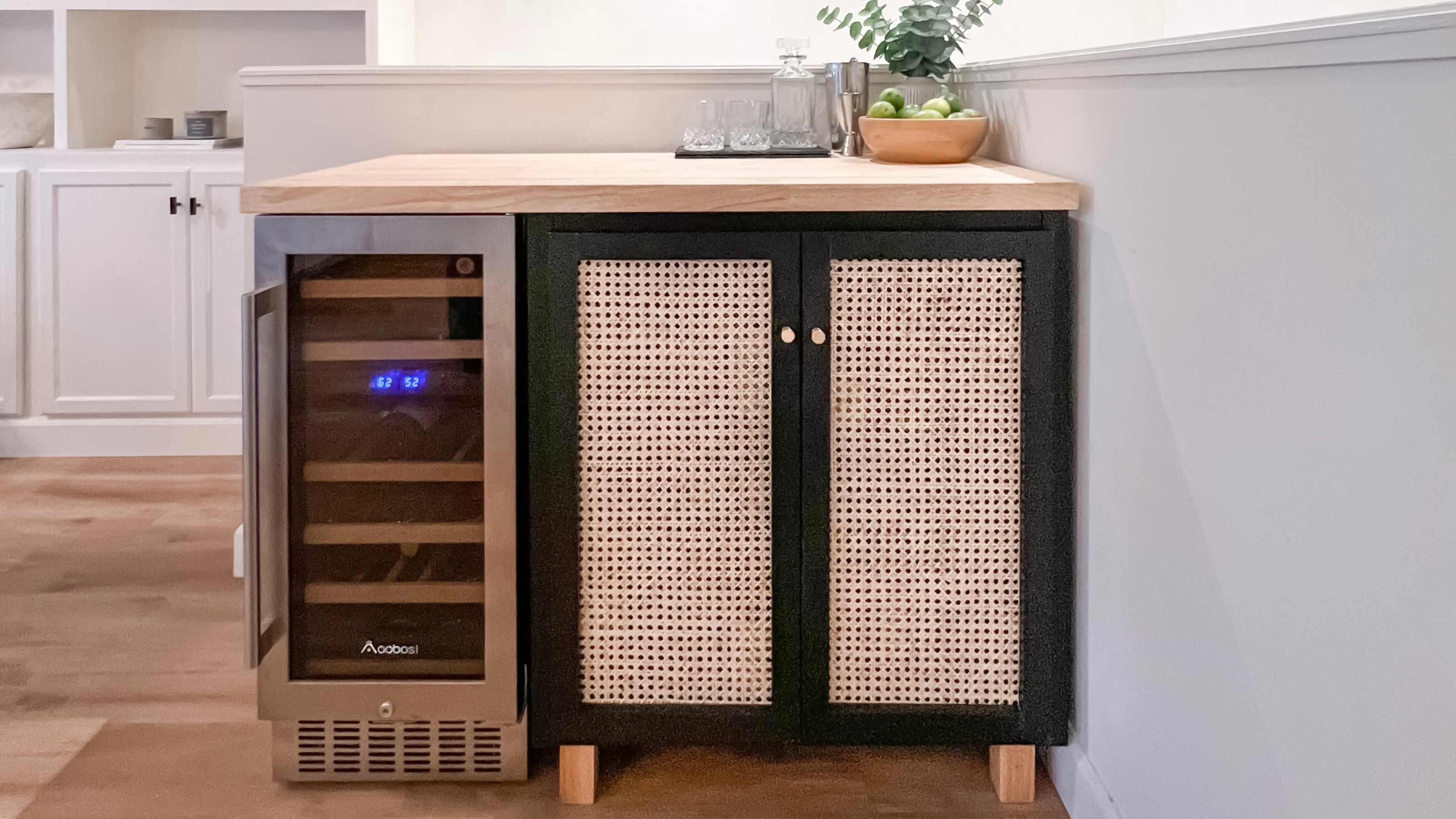
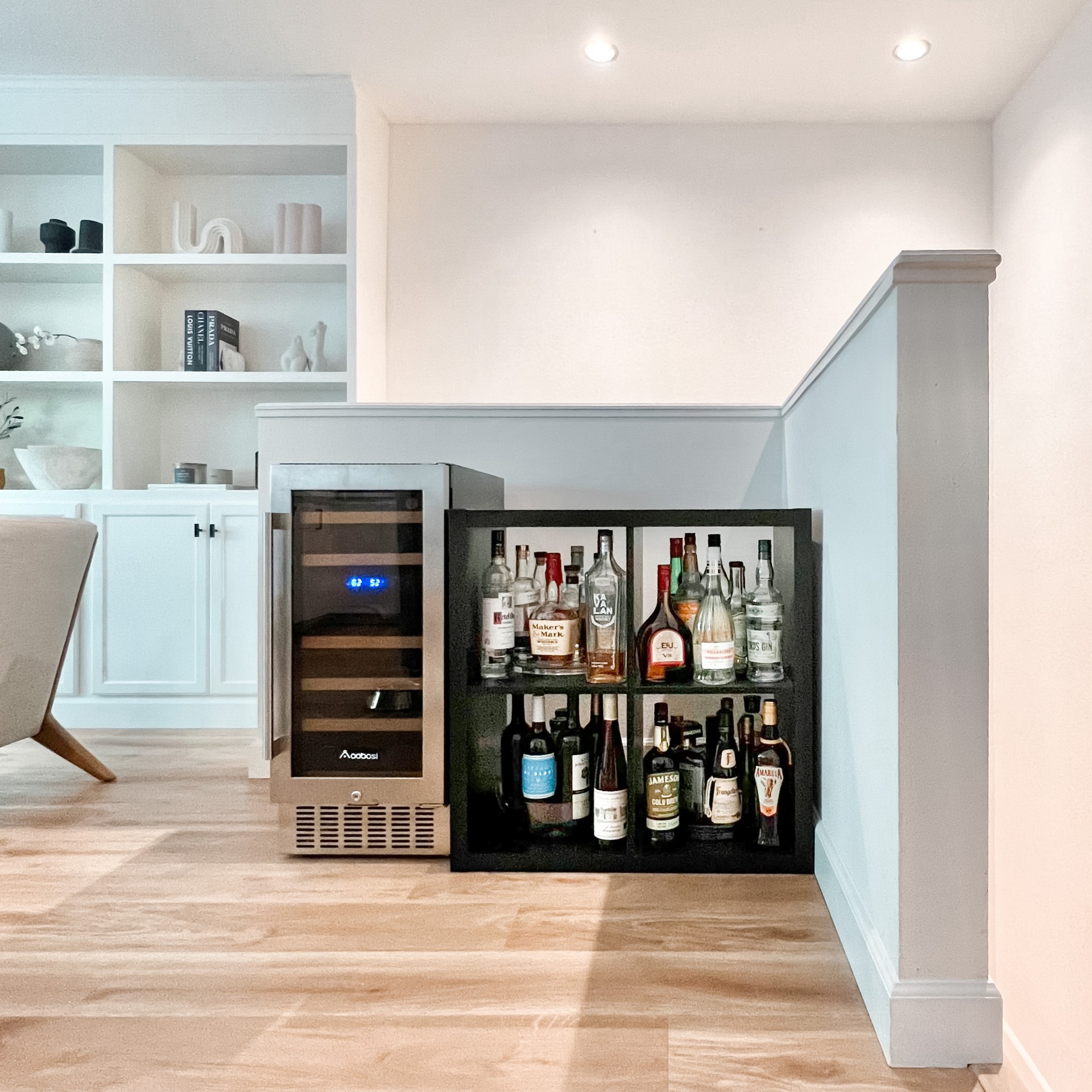
This chic IKEA KALLAX bar hack proves why cane furniture is making a style comeback
This Convenient Couch Trend Is Making a Comeback

8 Furniture Trends That Will Be Everywhere in 2026, According to Designers

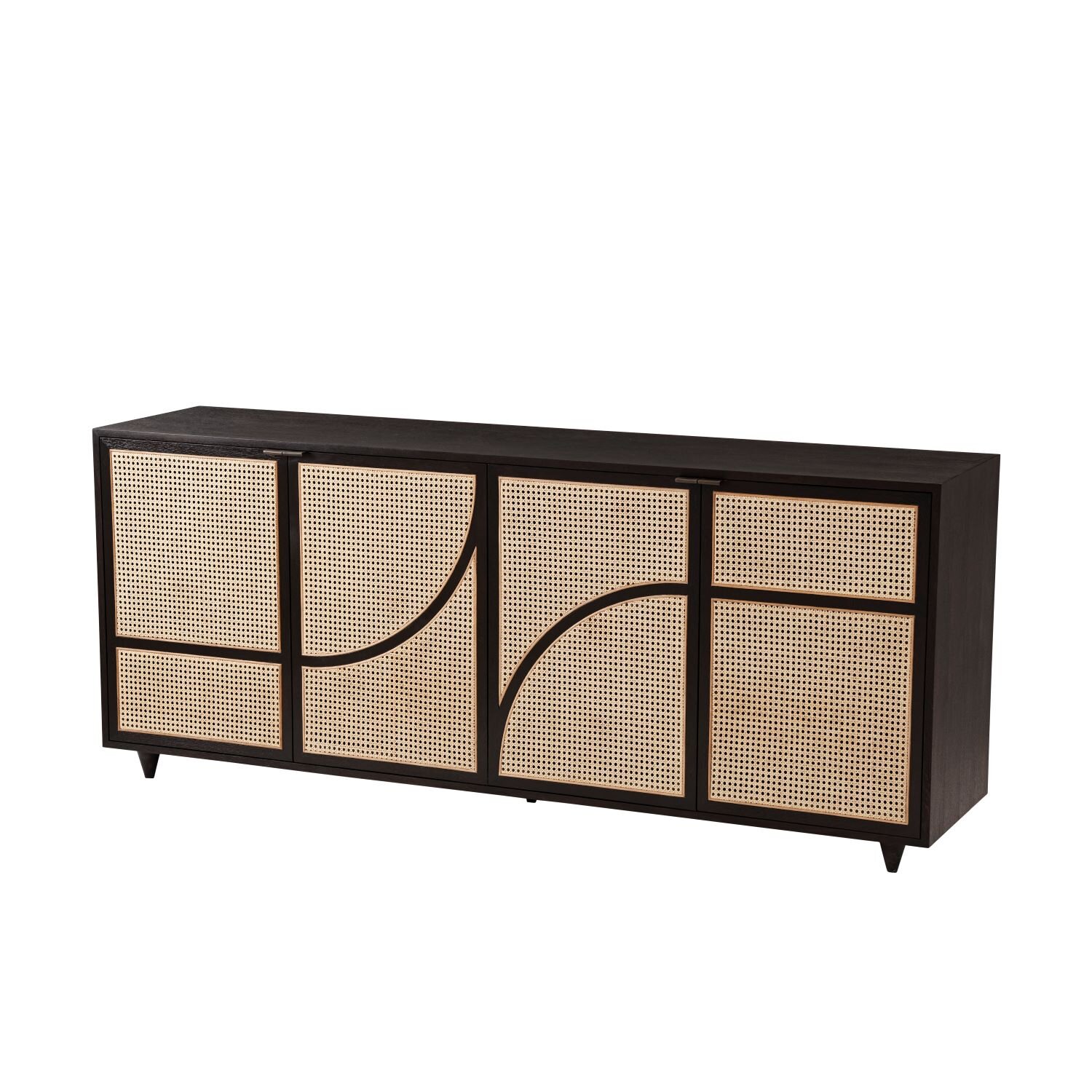
Slideshow: Sugar CANE

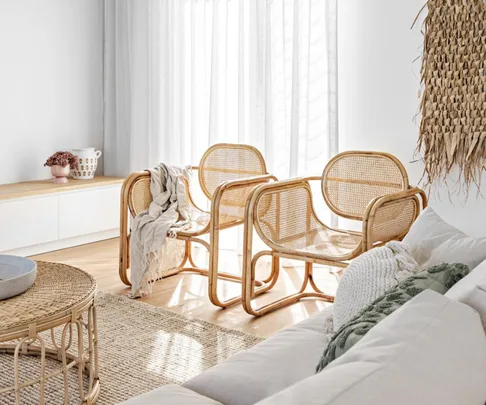
8 totally versatile rattan and cane chairs we’re adding to our homes


Trend Alert: Cane Has Made a Comeback
This ’70s-Inspired Sofa Trend Is Everywhere Right Now
Where To Buy That Cane Chair You’ve Been Seeing Everywhere

The Old-School Furniture Design Trend Making A Big Comeback In 2026

Ask the Strategist: So, I Bought a Cane Chair. Now What?
Embrace the Natural Look With Raffia, Rattan, and Cane Design Pieces
The ’70s furniture trend making an unlikely (but welcome) comeback
Outdated Furniture Pieces That Are Having A Comeback
Rattan furniture: the 1970s throwback that's the hottest trend this year

The "Cozy Desk" Trend is the Comfy Aesthetic Every WFHer is Talking About Right Now — Here's Why

This chic IKEA KALLAX bar hack proves why cane furniture is making a style comeback
Canopy Beds Are Making a Major Comeback—Here's Why Designers Love Them

Tired Furniture Trends That Are Now Becoming A Thing Of The Past
How to stop cane furniture from sagging without spending a dime – a brilliantly easy design hack