1/3
Helpful Tips For Cutting Granite Countertops To Ensure The Perfect Fit
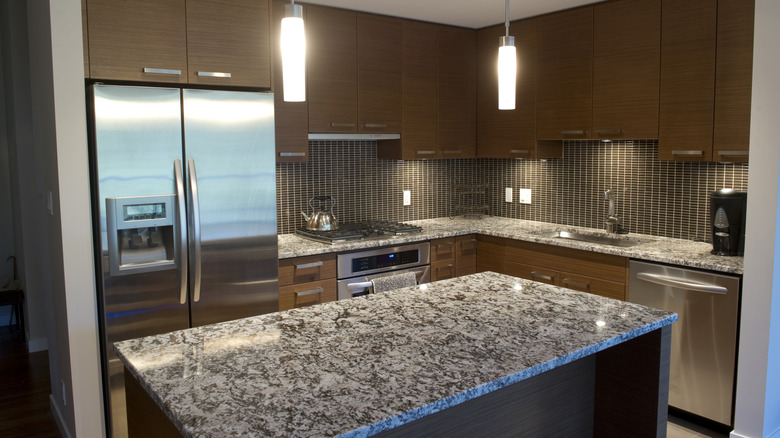
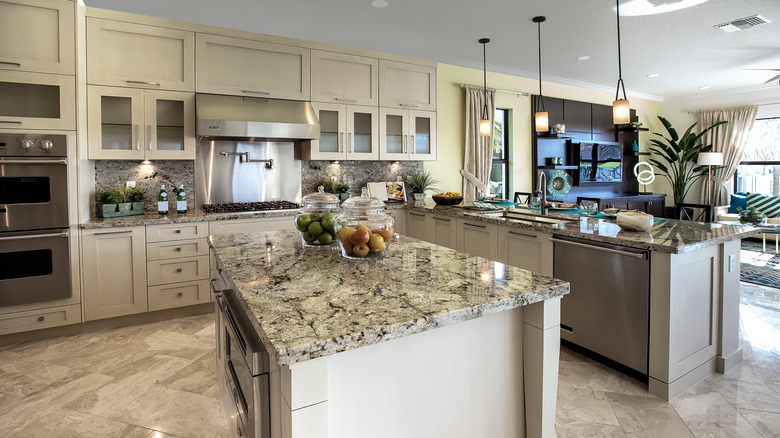
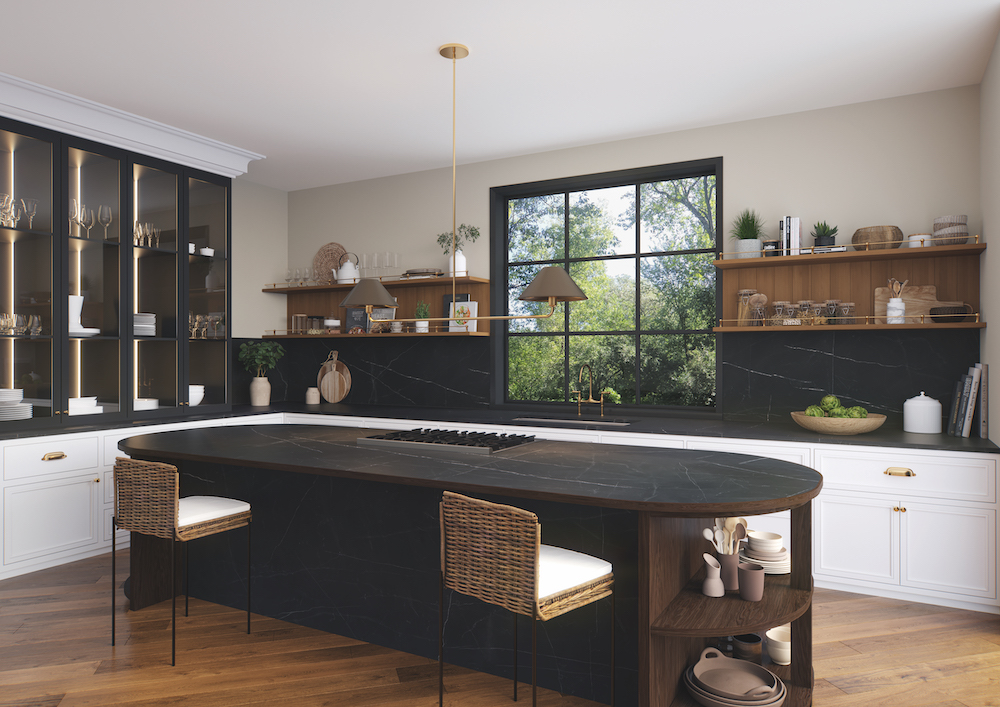
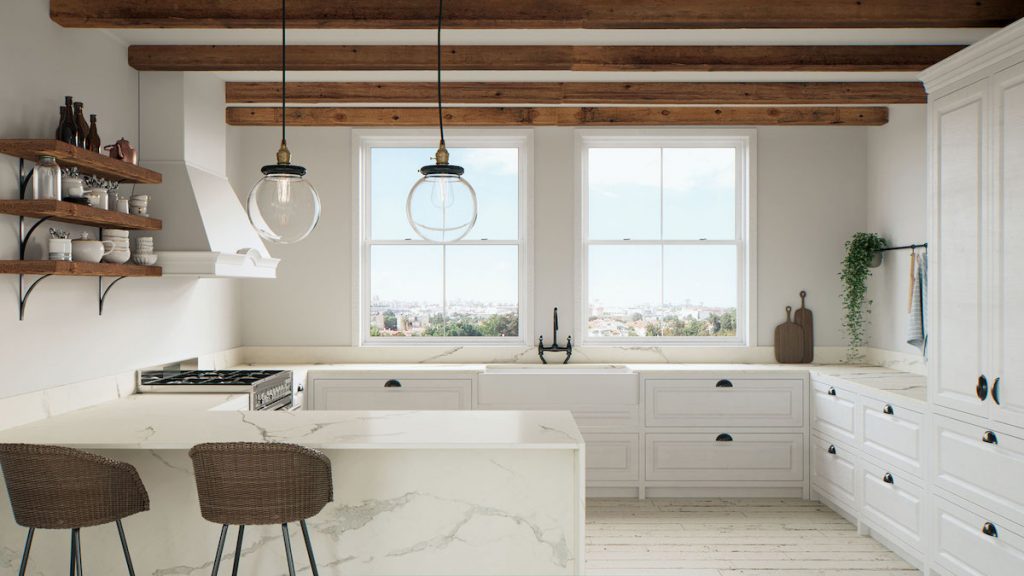
Granite is a popular and versatile material for kitchen countertops, offering affordability and a variety of designs and patterns. However, installing granite countertops requires careful planning, especially when it comes to cutting the material to size. Errors during the cutting process can be costly, potentially requiring the purchase of new material. To avoid such mishaps, Irakli Khizanishvili, CEO and owner of Proslit Tile & Stone, provides essential tips for a successful granite cutting project.
The first crucial recommendation is to have the granite cut in a professional fabrication shop. These facilities offer controlled environments, specialized tools, and experienced personnel, which collectively ensure precise cuts and smooth edges. Hiring a contractor who manages the entire process within a shop setting significantly minimizes the risk of mistakes. Alongside professional fabrication, accurate measurements are paramount. Khizanishvili emphasizes the need to double-check all measurements, including overhangs and cutouts for sinks and appliances. Creating a detailed template before any cuts are made is a critical step in ensuring precision.
When undertaking the cutting process, specific tools are essential. A high-quality diamond blade saw designed for granite is required, along with either straight edges or templates to guide clean cuts. Safety is another non-negotiable aspect; proper personal protective equipment, including goggles, gloves, ear protection, and a dust mask, must be worn throughout the process. Additionally, it is important to account for thermal expansion by leaving an eighth-inch gap between the countertop and surrounding walls, accommodating potential temperature-induced changes.
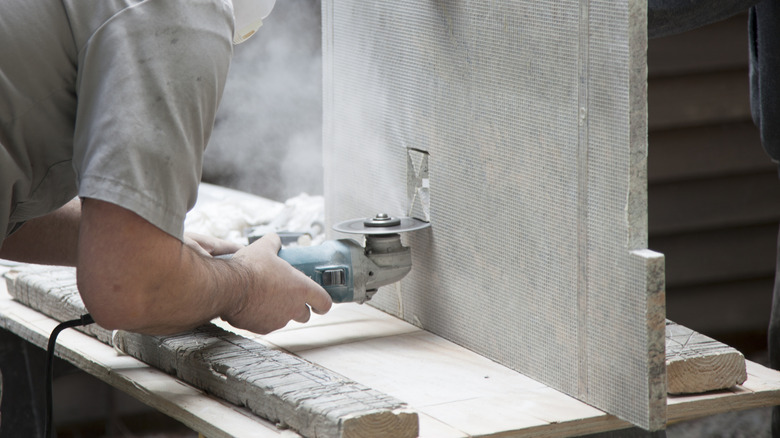
The basic steps for cutting granite involve several stages. Initially, the granite slab should be placed on a stable surface, ideally outdoors or in a well-ventilated area. Cut lines are then carefully marked using a template or straightedge. A diamond blade should be installed on a wet saw, ensuring the water feed is fully functional to cool the blade and reduce dust. Straight cuts should be performed slowly and steadily, followed by curved cuts and sink cutouts using a contour saw. The final step involves smoothing the edges with an angle grinder or polishing pad.
Common mistakes that can jeopardize the project include inaccurate measurements, rushed cutting, issues with the wet saw's water feed, inadequate support for the granite slab, and neglecting to smooth the edges. Homeowners lacking sufficient experience in cutting granite are strongly advised to hire professionals to complete the installation. This professional intervention helps prevent costly errors and ensures the project is executed correctly, maximizing the benefits of this durable and aesthetic countertop material.
#GraniteCountertops #KitchenRemodel #HomeImprovement #DIYProject #CountertopInstallation #MaterialCutting #FabricationShop #SafetyTips #GraniteCountertops #KitchenRemodel #HomeImprovement #DIYProject #CountertopInstallation #MaterialCutting #FabricationShop #SafetyTips
0 comment in total
 No comments yet
You may also like
These Are The Best Granite Countertop Colors

Should You Choose Quartz or Granite Countertops? Experts Settle the Debate on These Two Popular Materials

This is the One Material Designers Are Choosing Over Marble in 2026


How to Clean Granite Countertops—and Remove Stubborn Stains


Outdated Granite Colors to Avoid for Kitchen Countertops — and What to Pick Instead for a Fresh Look
How To Pick The Perfect Countertop Material For Your Kitchen

Homeowners Agree: This Dated Countertop Material One-Ups Trendy Quartz

Quartz vs granite countertops: what's the best material

Marble Countertops: 9 Tips for Choosing a White Marble Slab

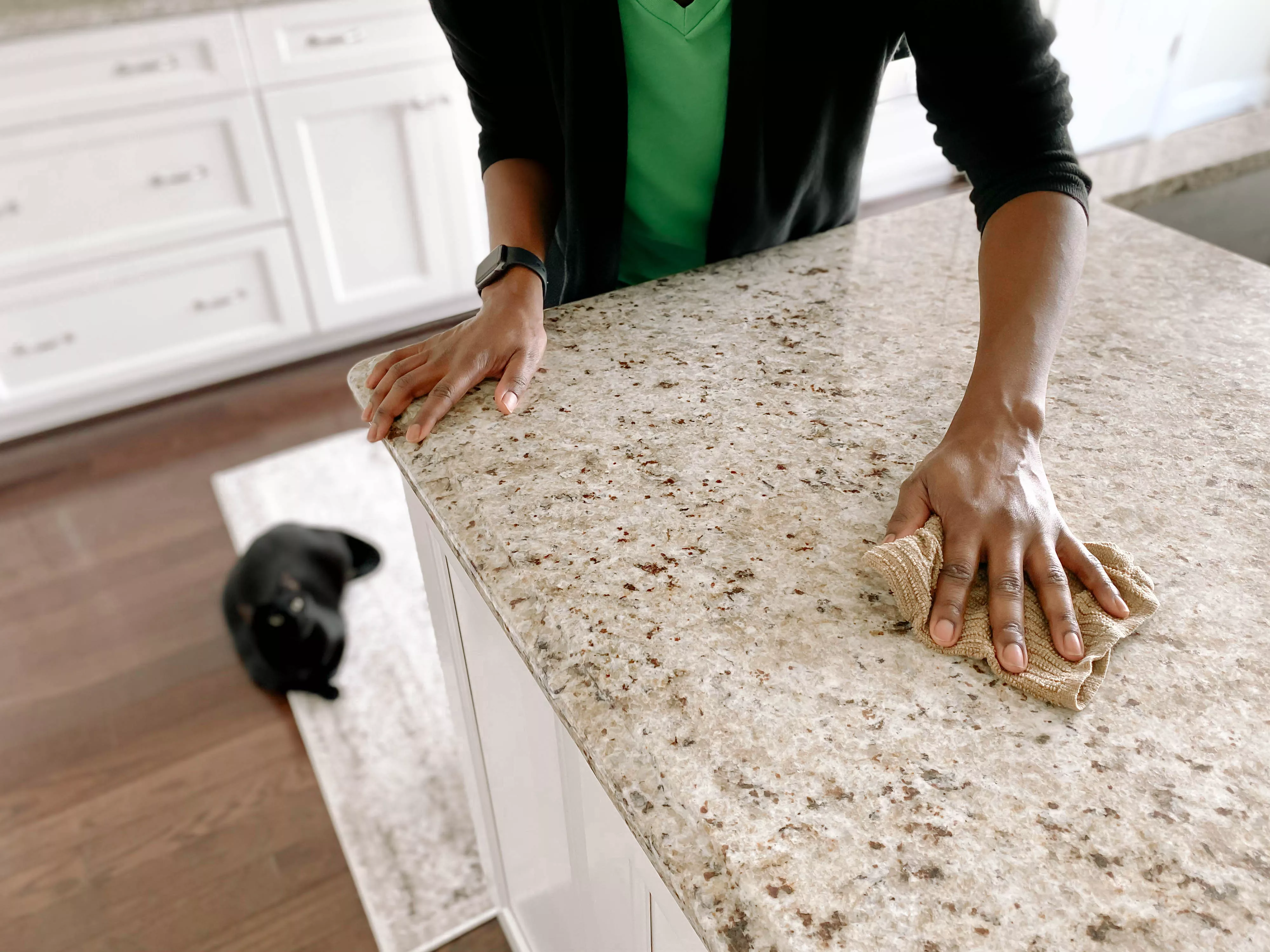
This Is the Best Way to Clean Granite Countertops

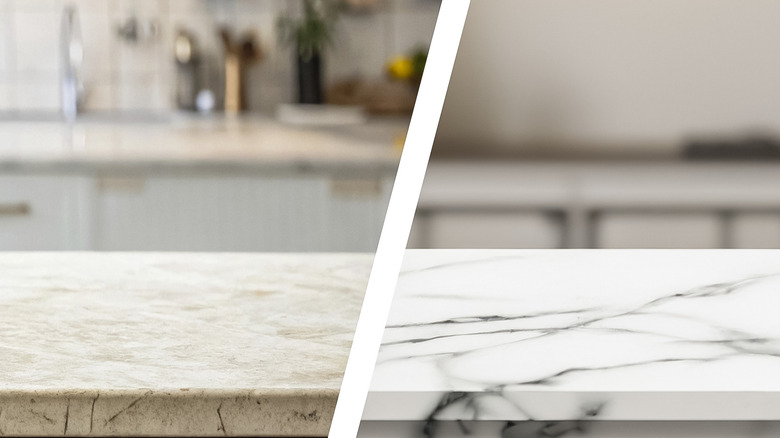
Granite Vs Marble Countertops: Which Is Best For Your Kitchen?
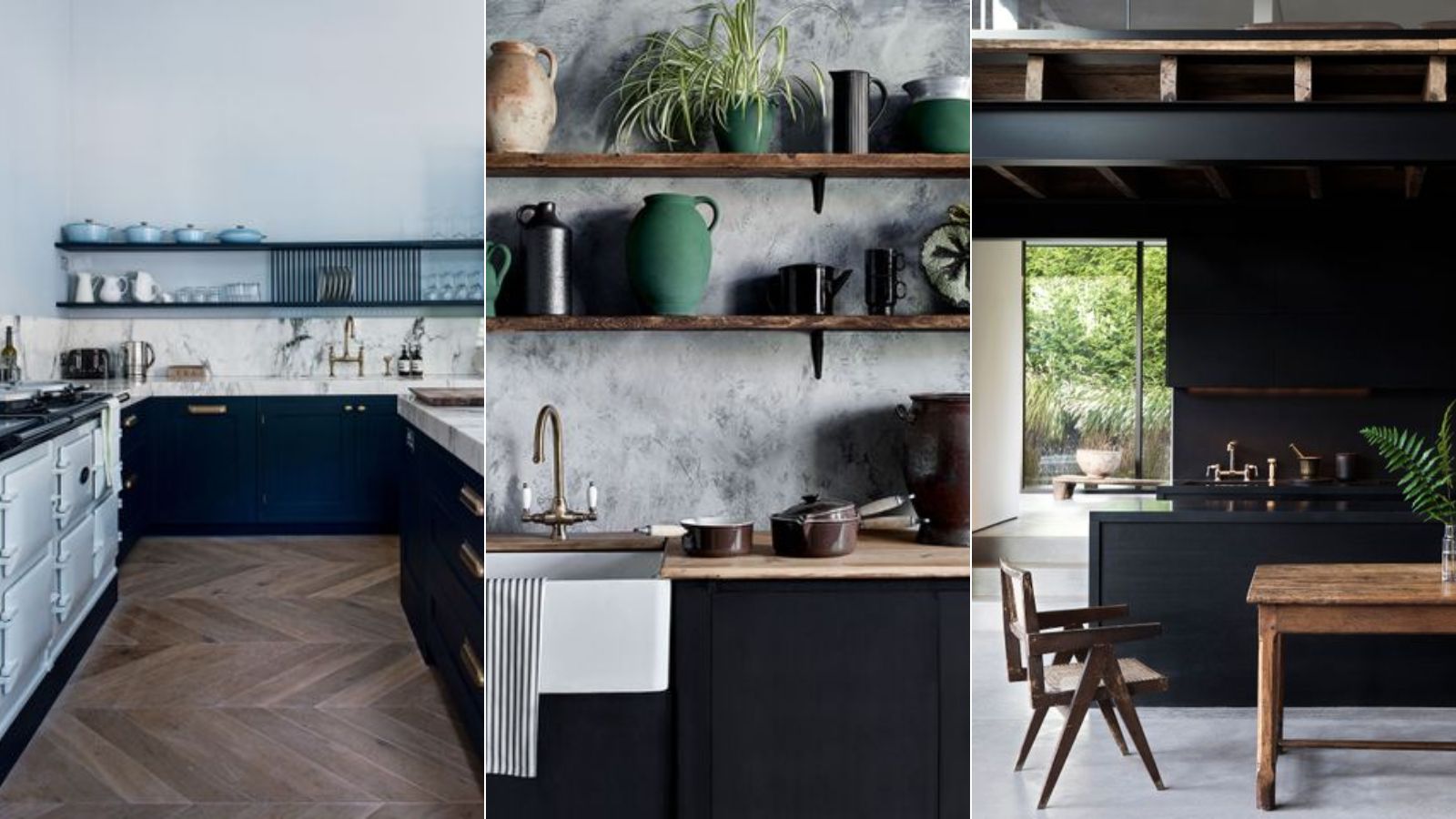
5 kitchen countertops that never go out of style – timeless choices to suit any homeowner
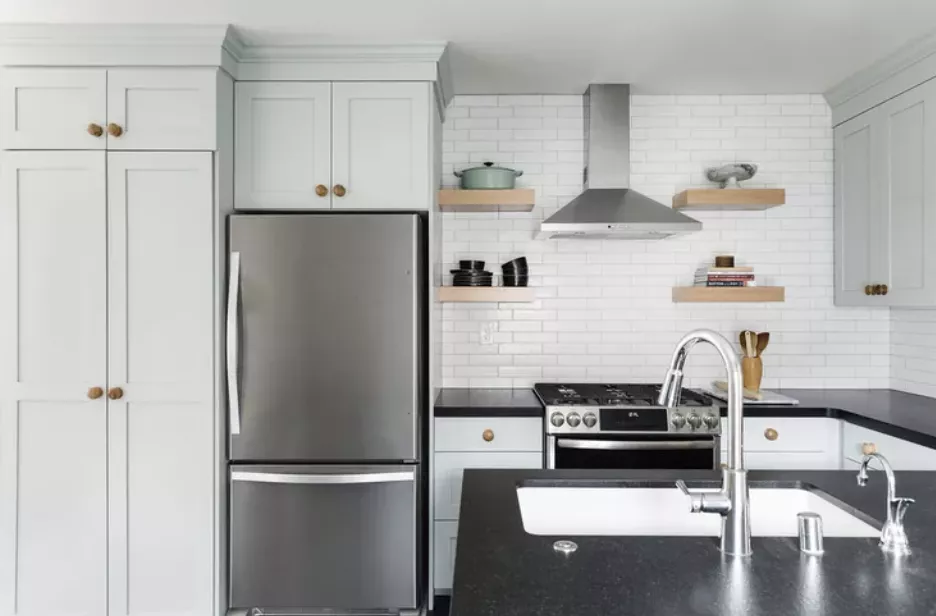
Granite Countertops Are Still Popular—Every Type You Need to See Before Choosing One


The 20mm or 30mm Debate — Which of These Worktop Thicknesses Looks Better in a Modern Kitchen?
The Best Granite Sealers for Countertop Maintenance

Countertops Can Set the Tone for Your Whole Kitchen—Here’s How to Choose the Right One

Are Granite Countertops Outdated?


The Best Countertop Materials for Every Type of Kitchen
Insider Tips For Buying Marble Or Stone Remnants Secondhand
The Right Way to Remove Stains From Granite Countertops