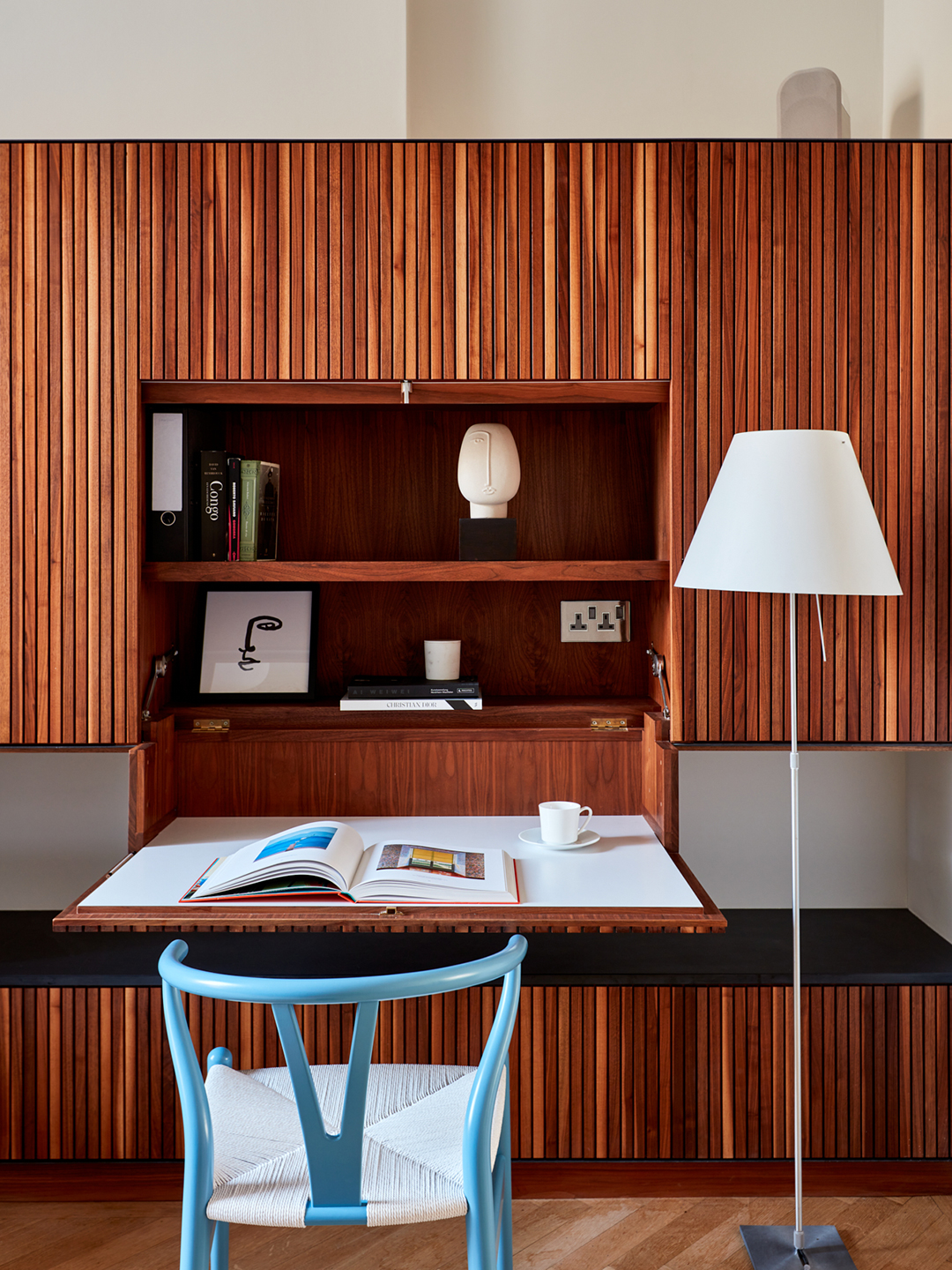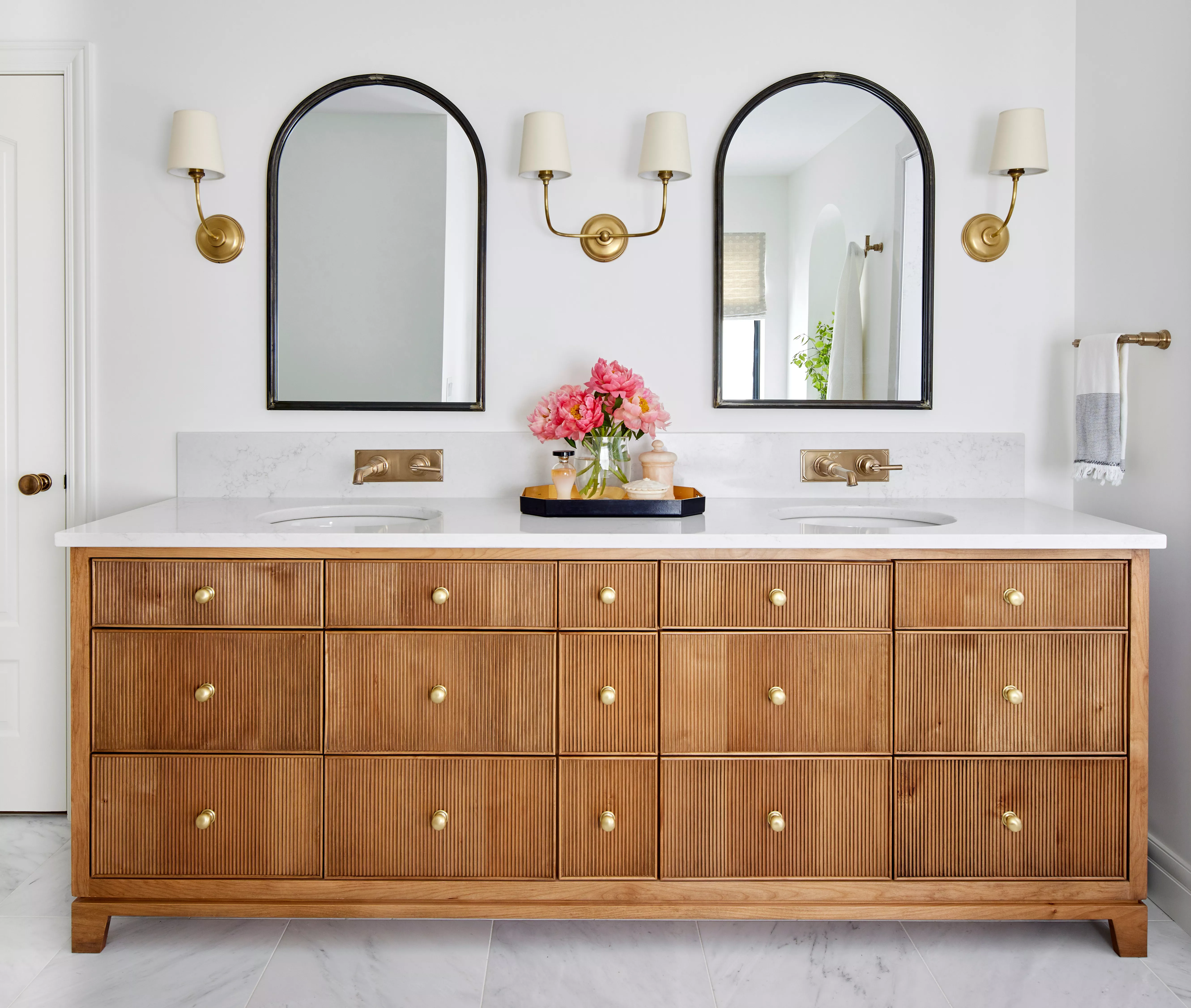
Fluted Furniture Is Everywhere Right Now—Here’s How to Make It Work In Your Space
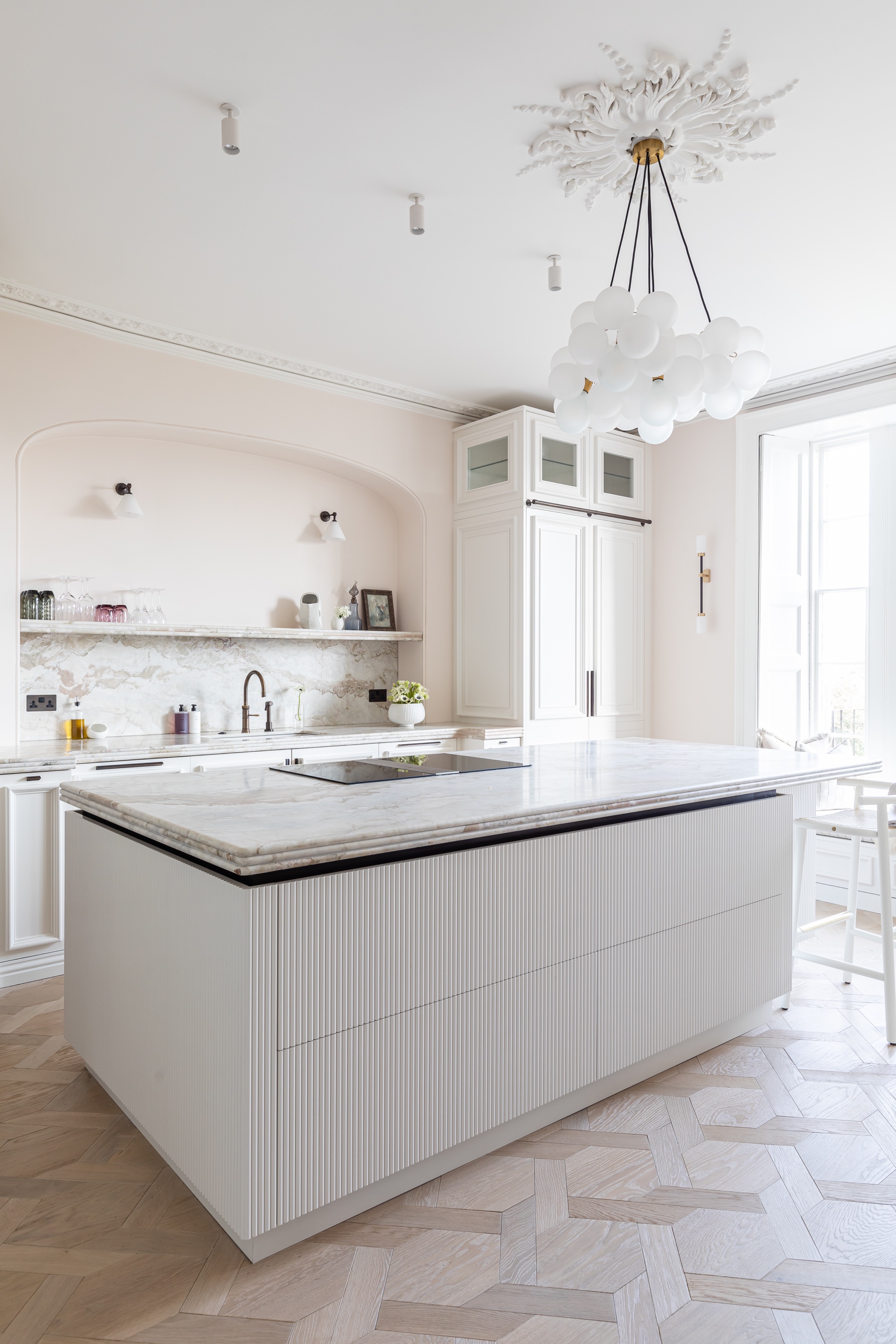
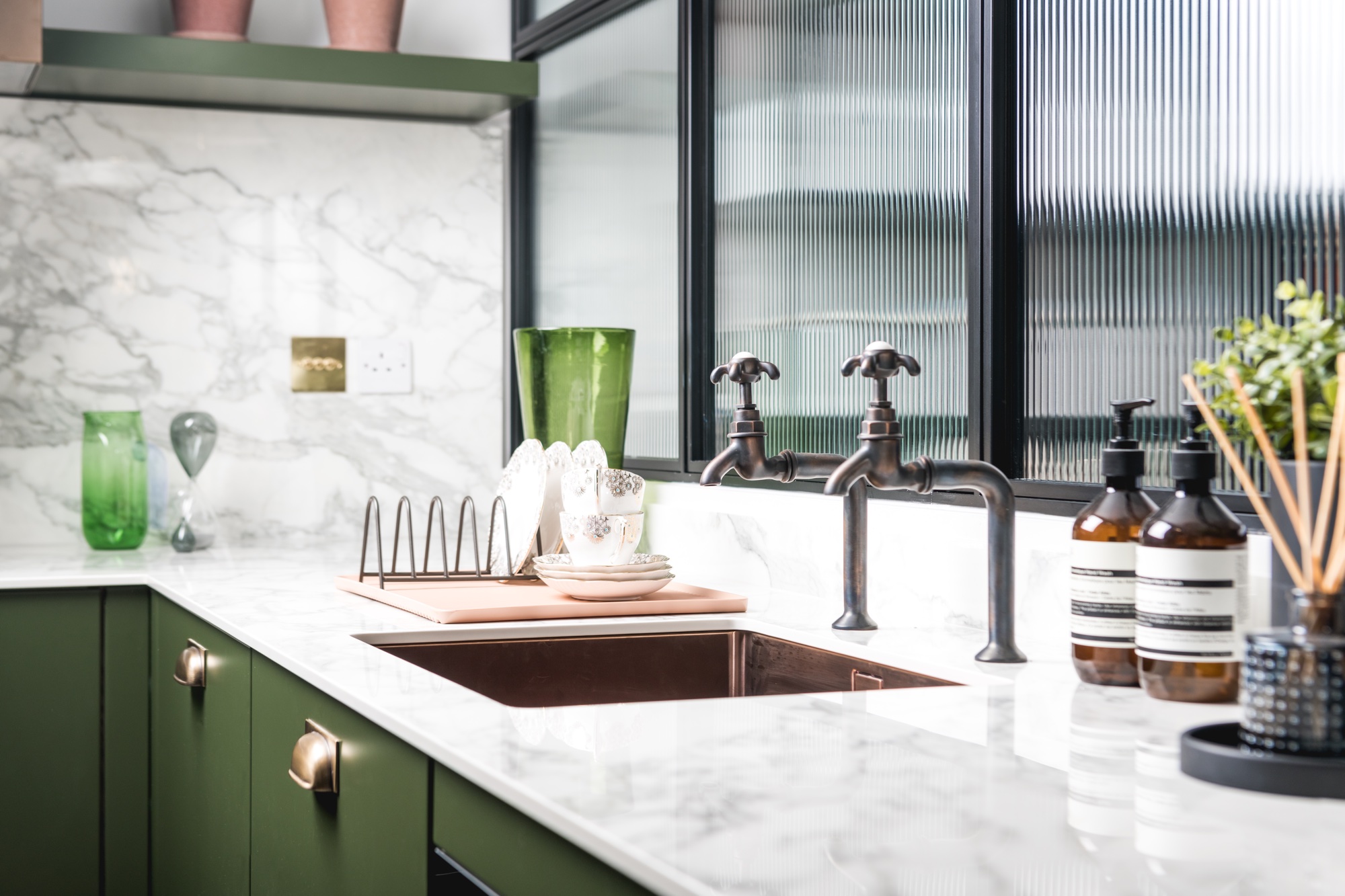
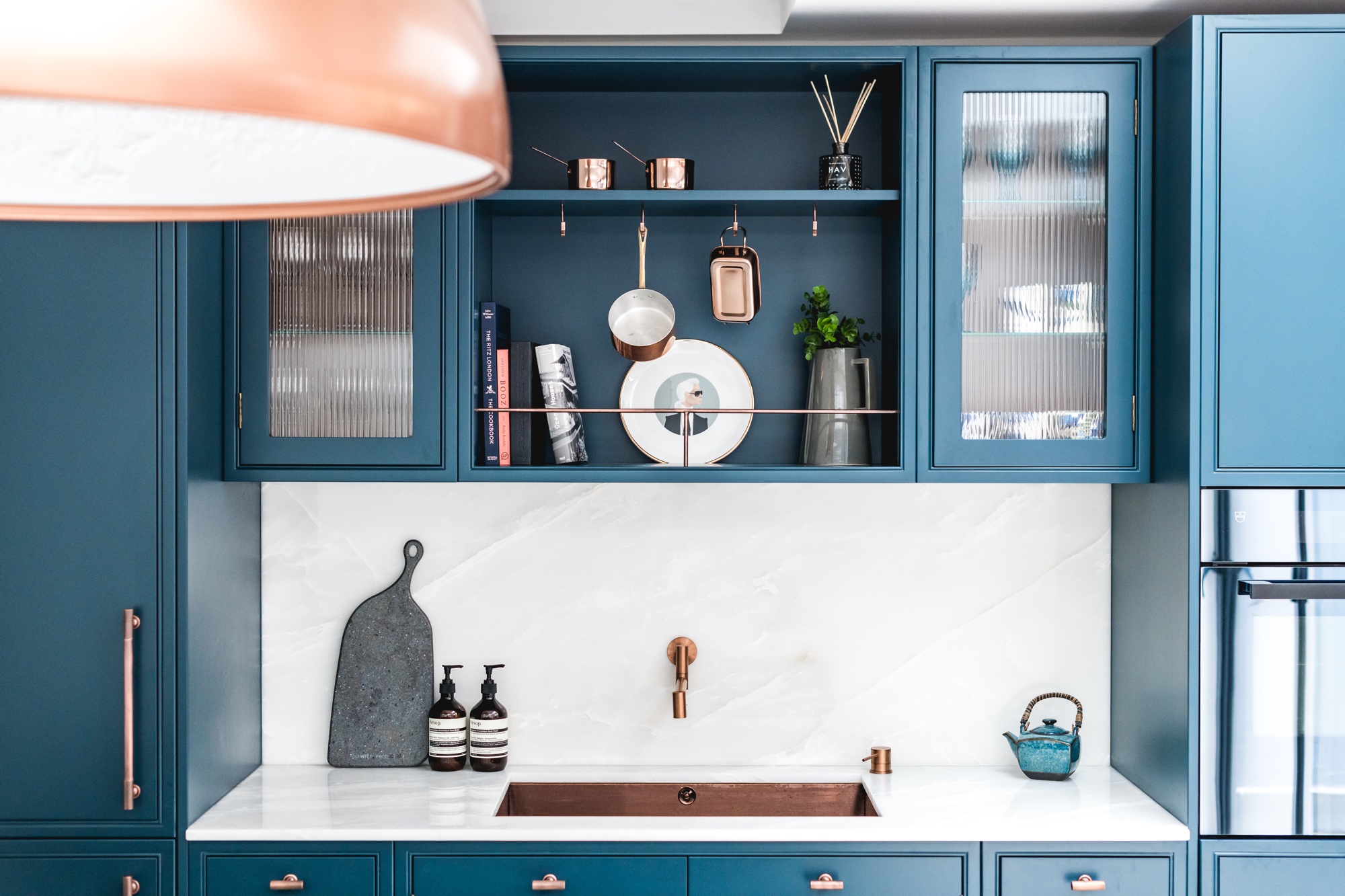
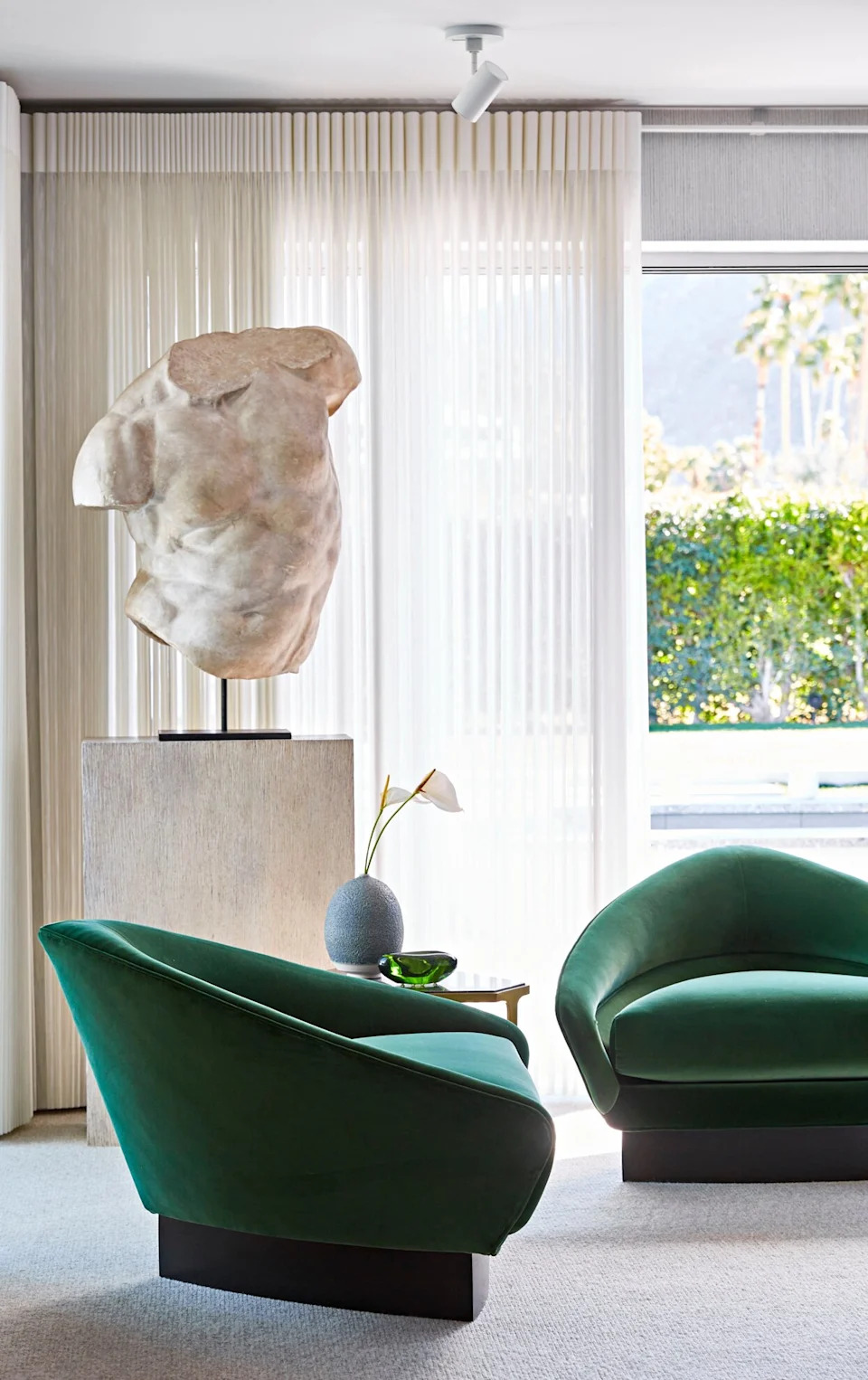
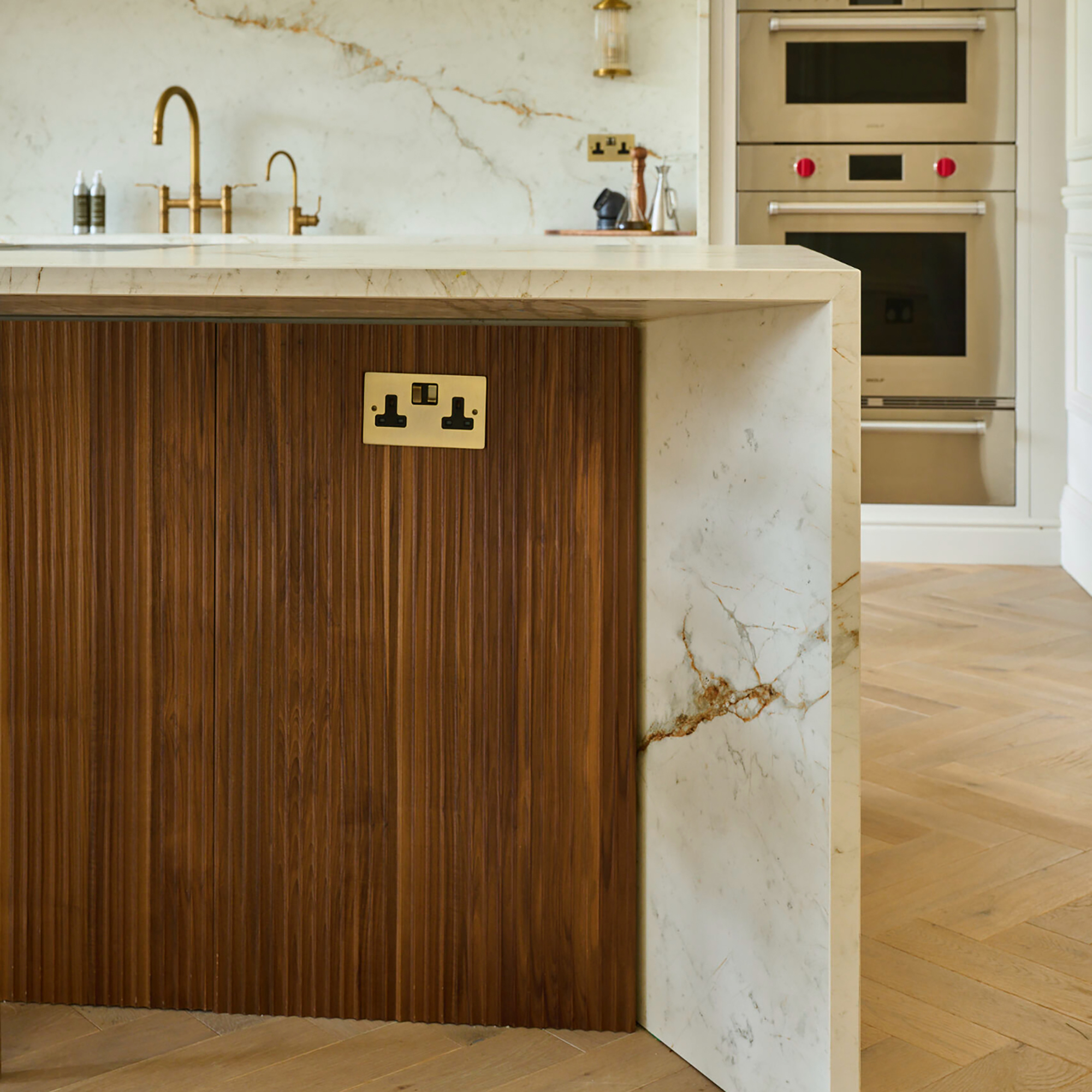
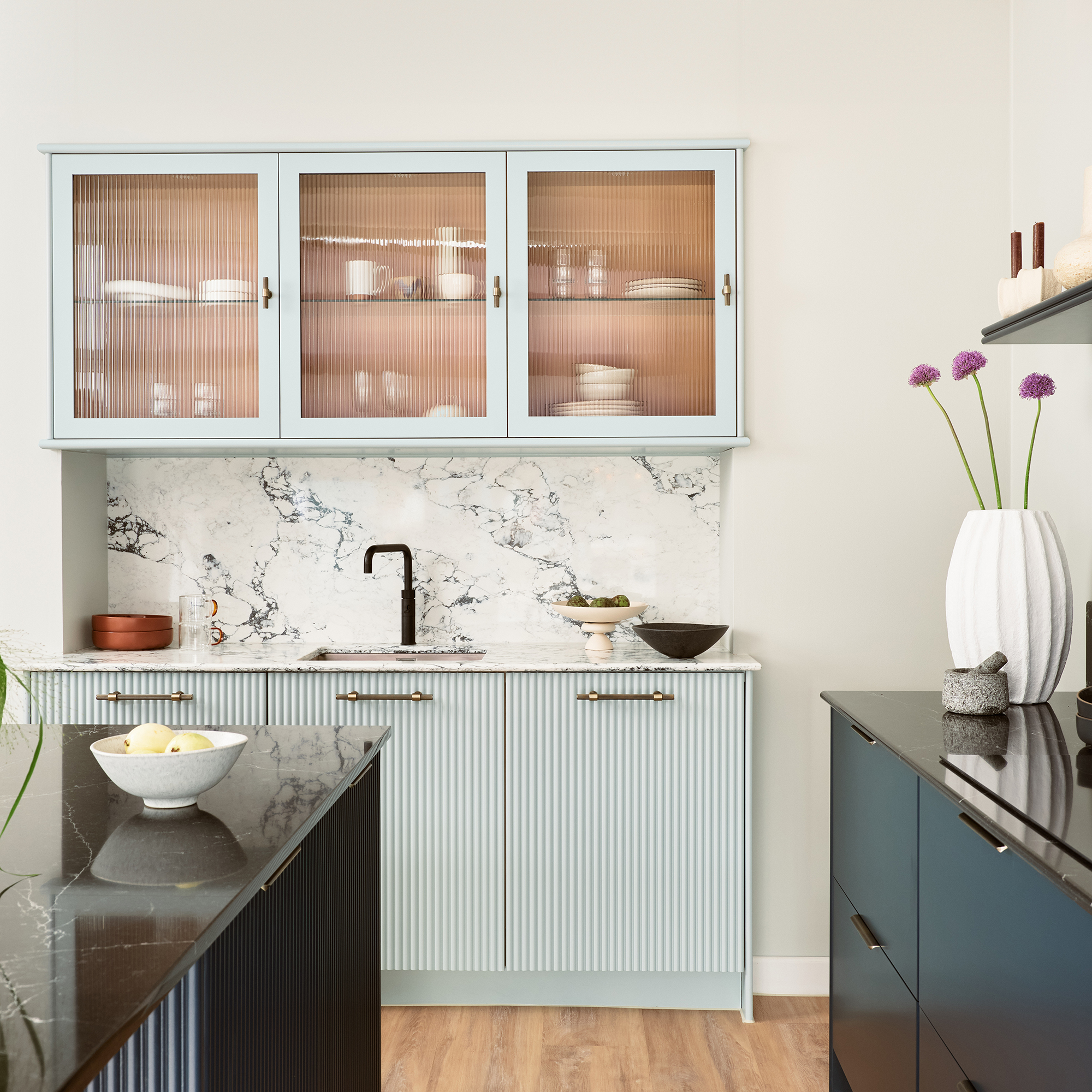
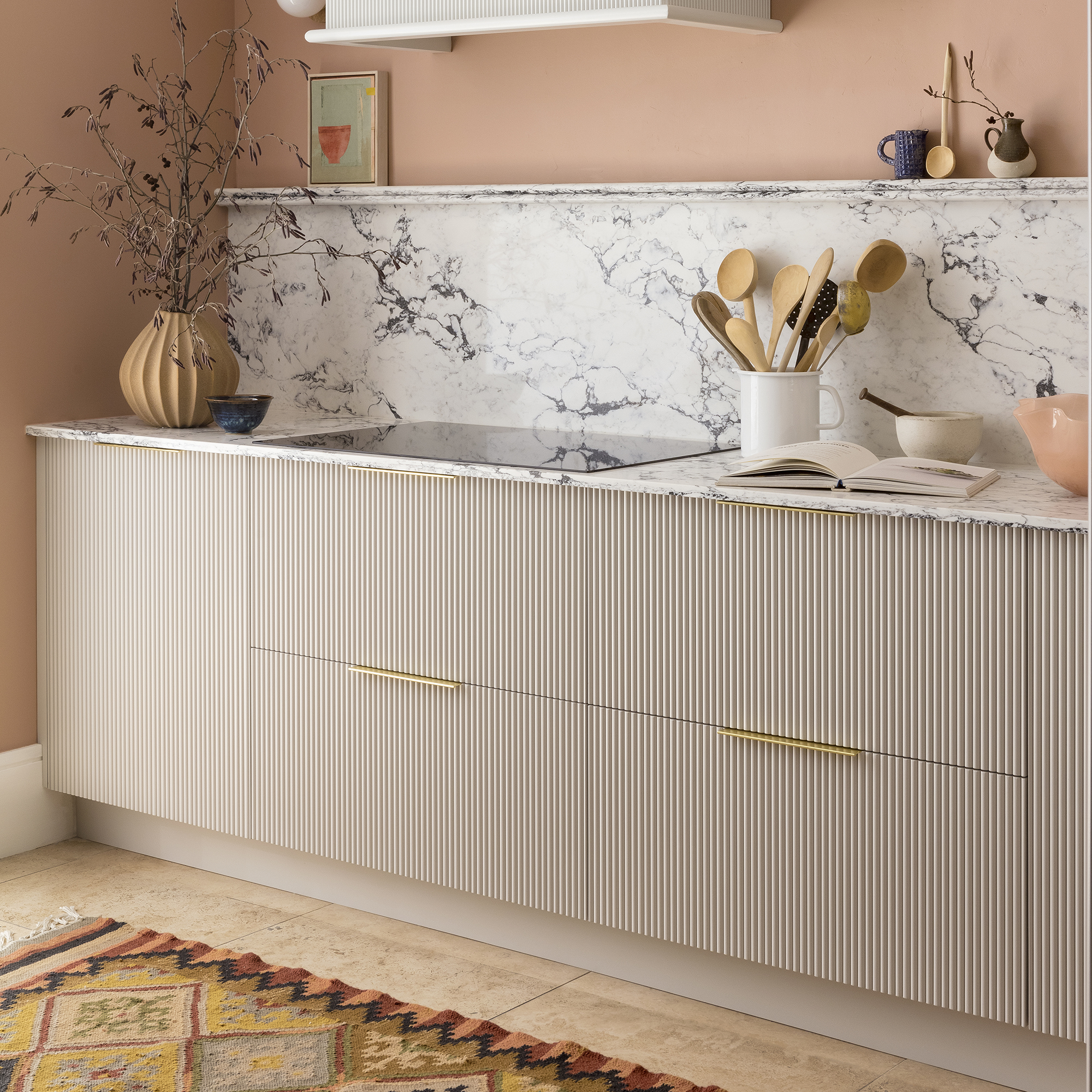
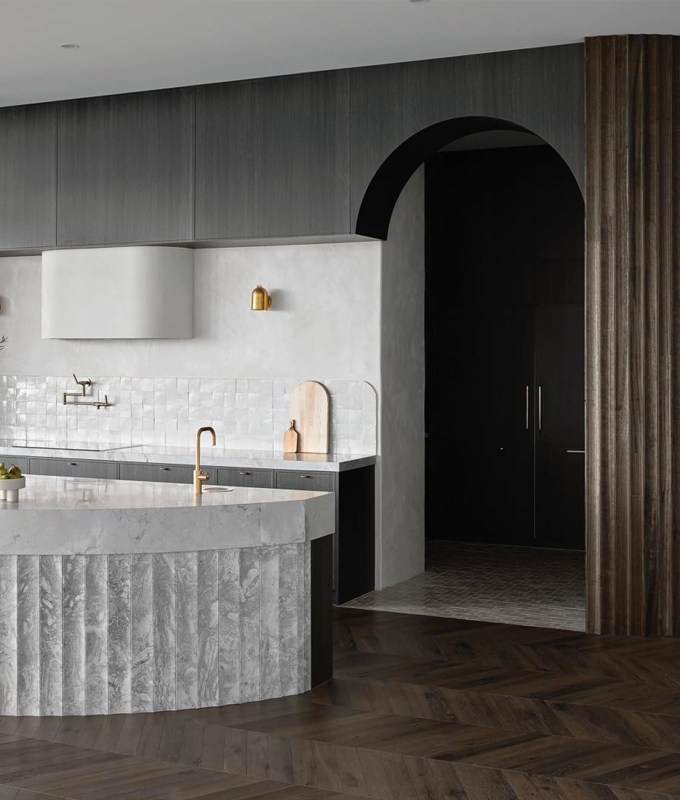
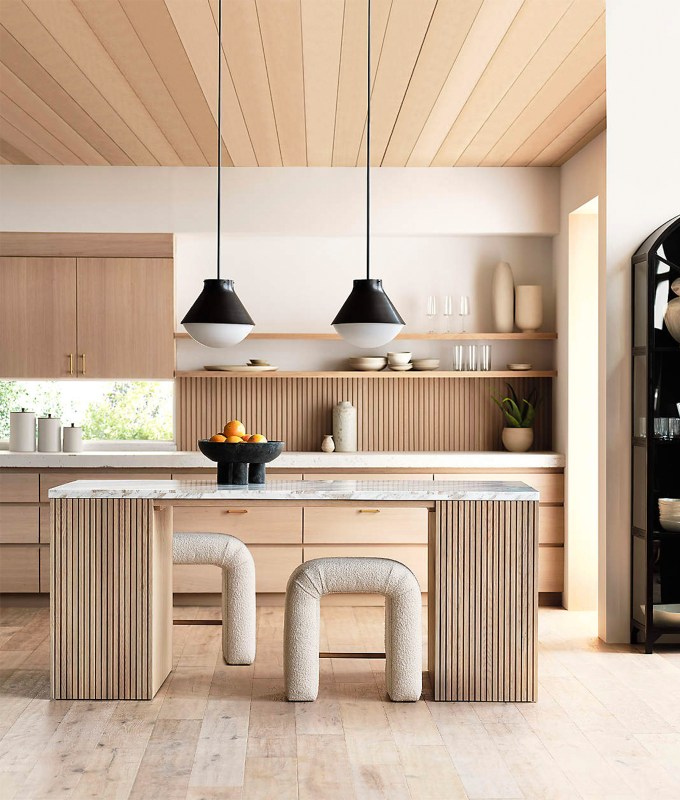
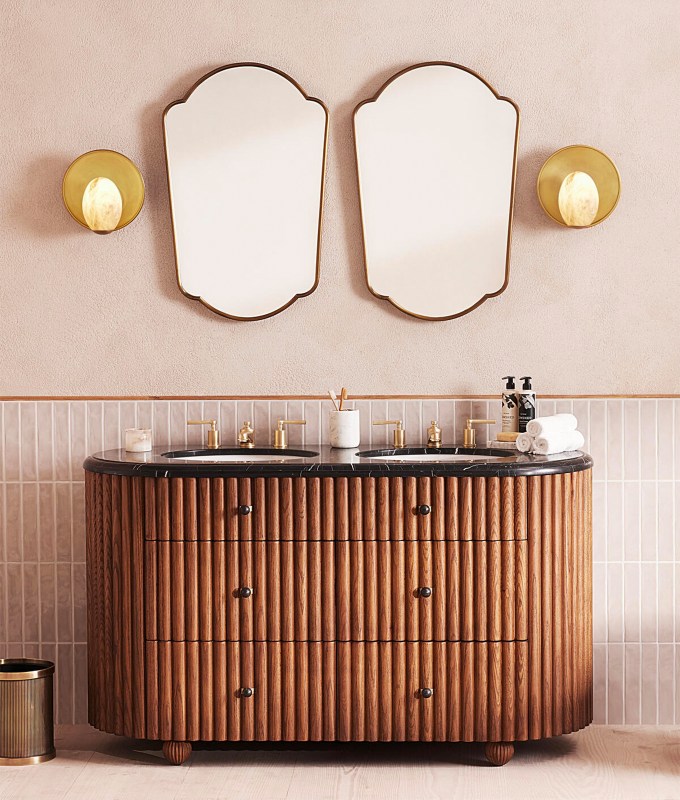
Fluted furniture, a design element characterized by grooved or ribbed patterns, is experiencing a significant resurgence in contemporary interior design. This trend, while seemingly new, draws inspiration from ancient Greek and Roman architectural columns, reinterpreting a historical flourish for modern homes. The appeal of fluting lies in its ability to introduce texture and depth into a space in a refined and sophisticated manner, distinguishing it from rougher, more organic textures that have also been popular. Industry experts, such as Bryan Johnson, CEO of Shades of Light, and Louie Higaki, general merchandising manager for AnthroLiving, highlight its versatility and enduring charm, making it suitable for a wide array of aesthetic preferences.
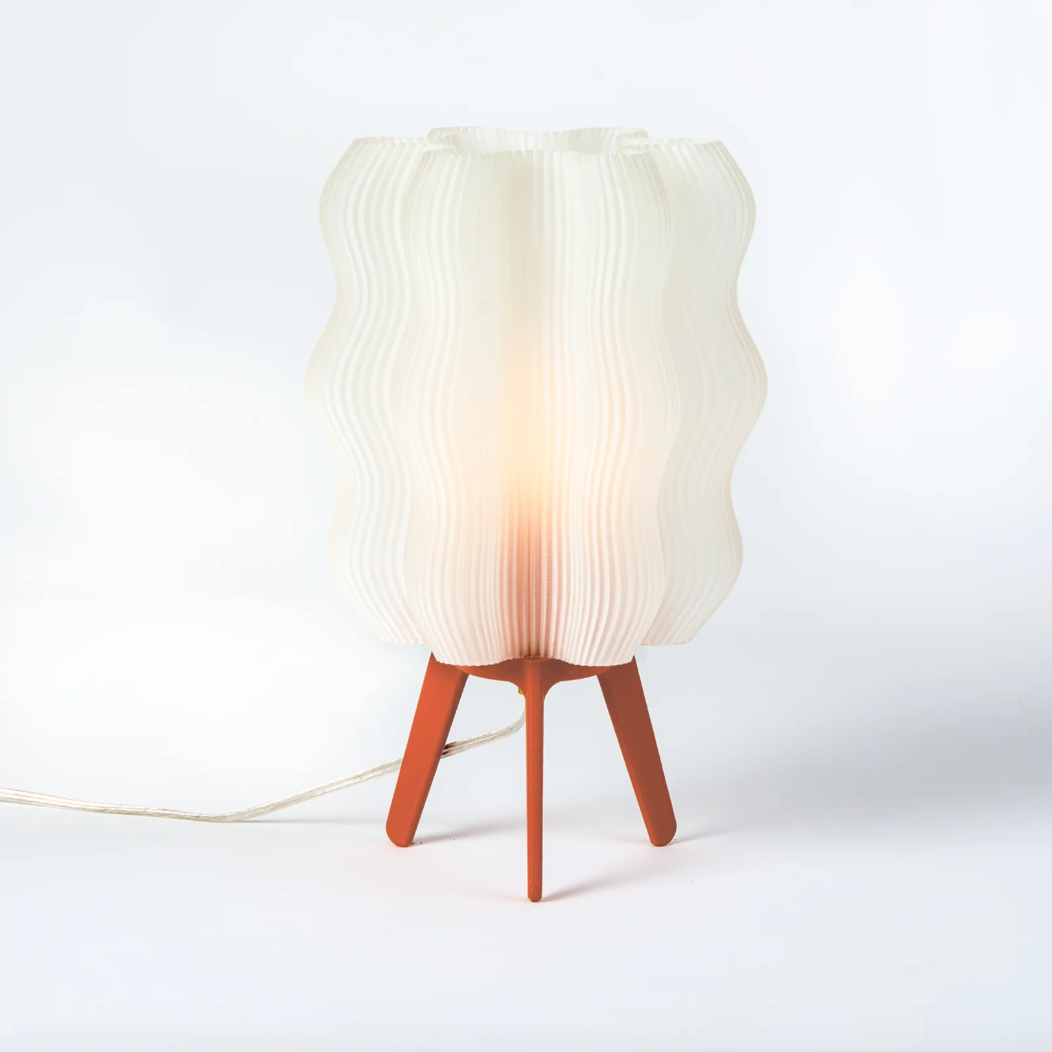
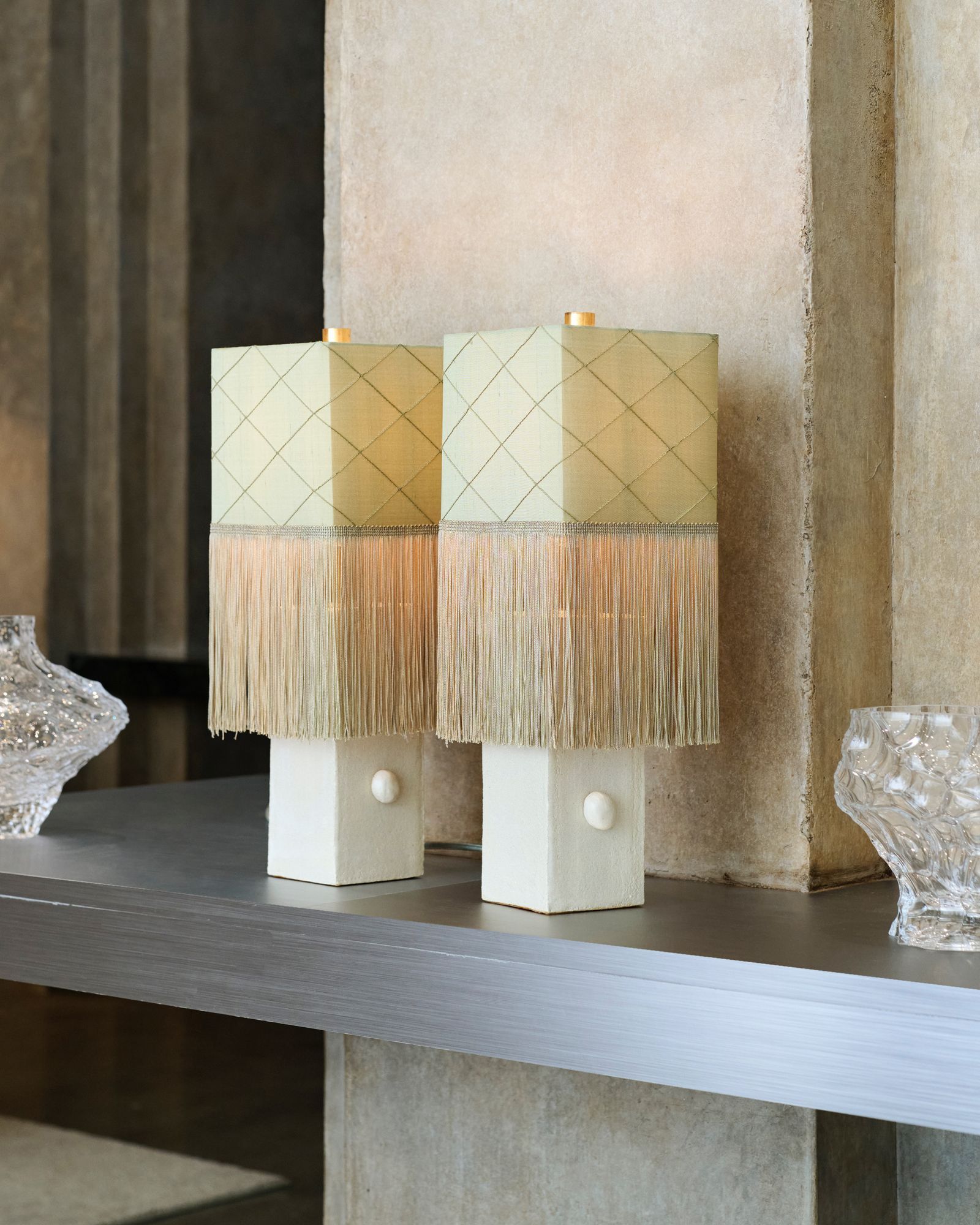
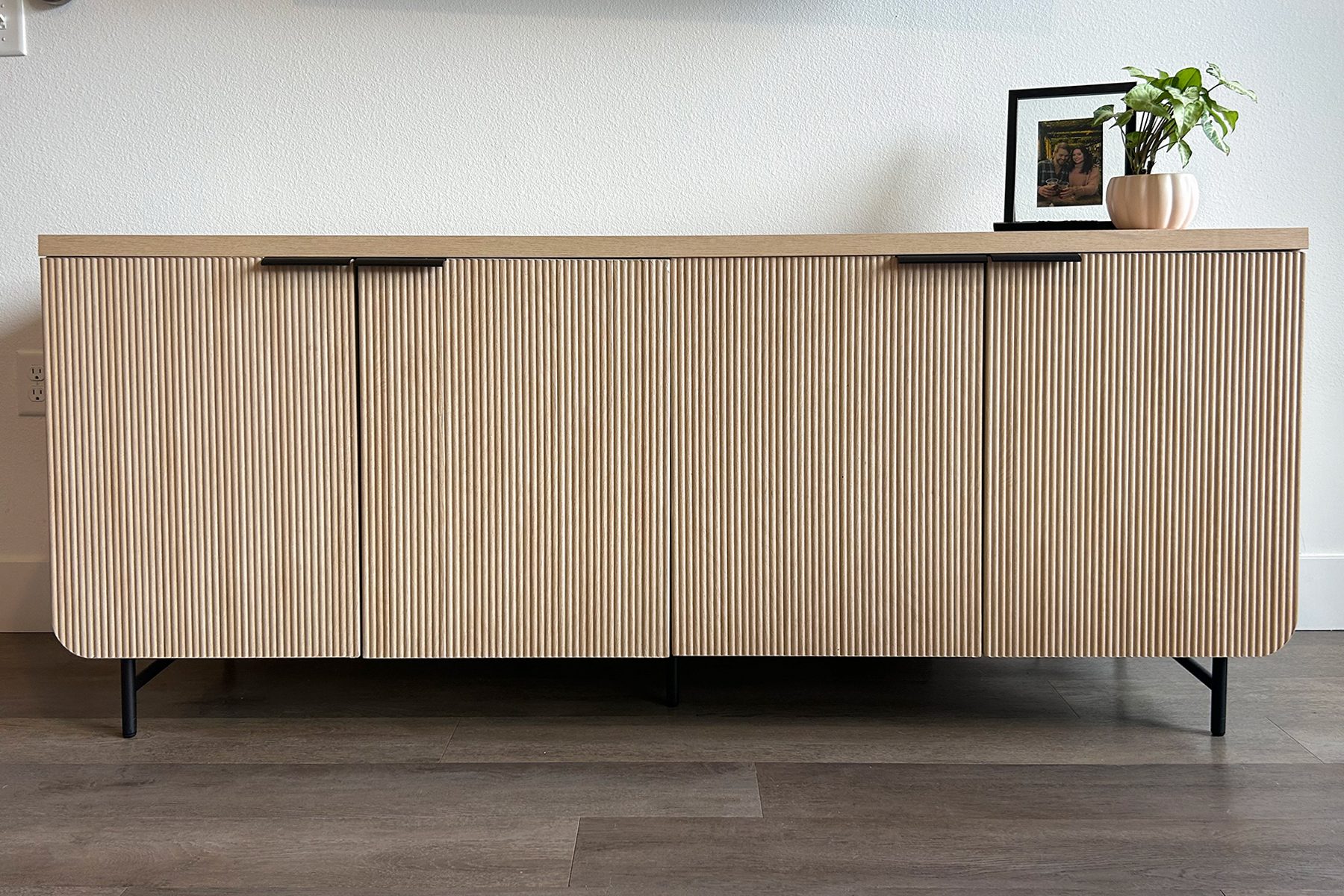
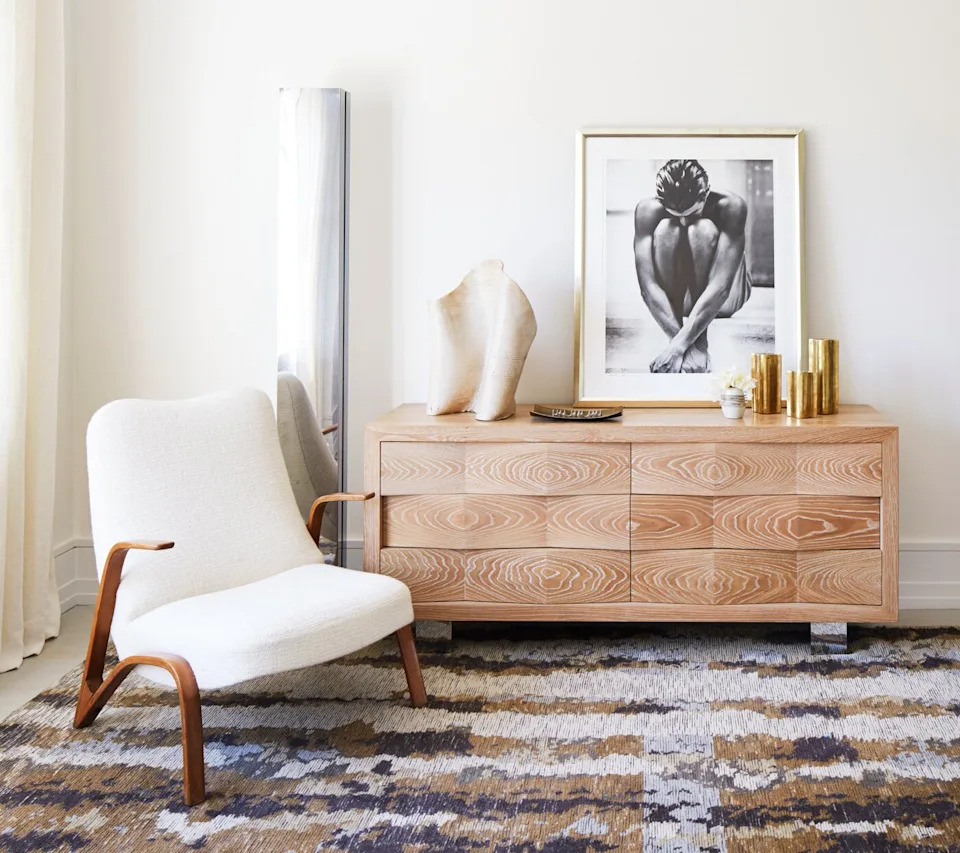
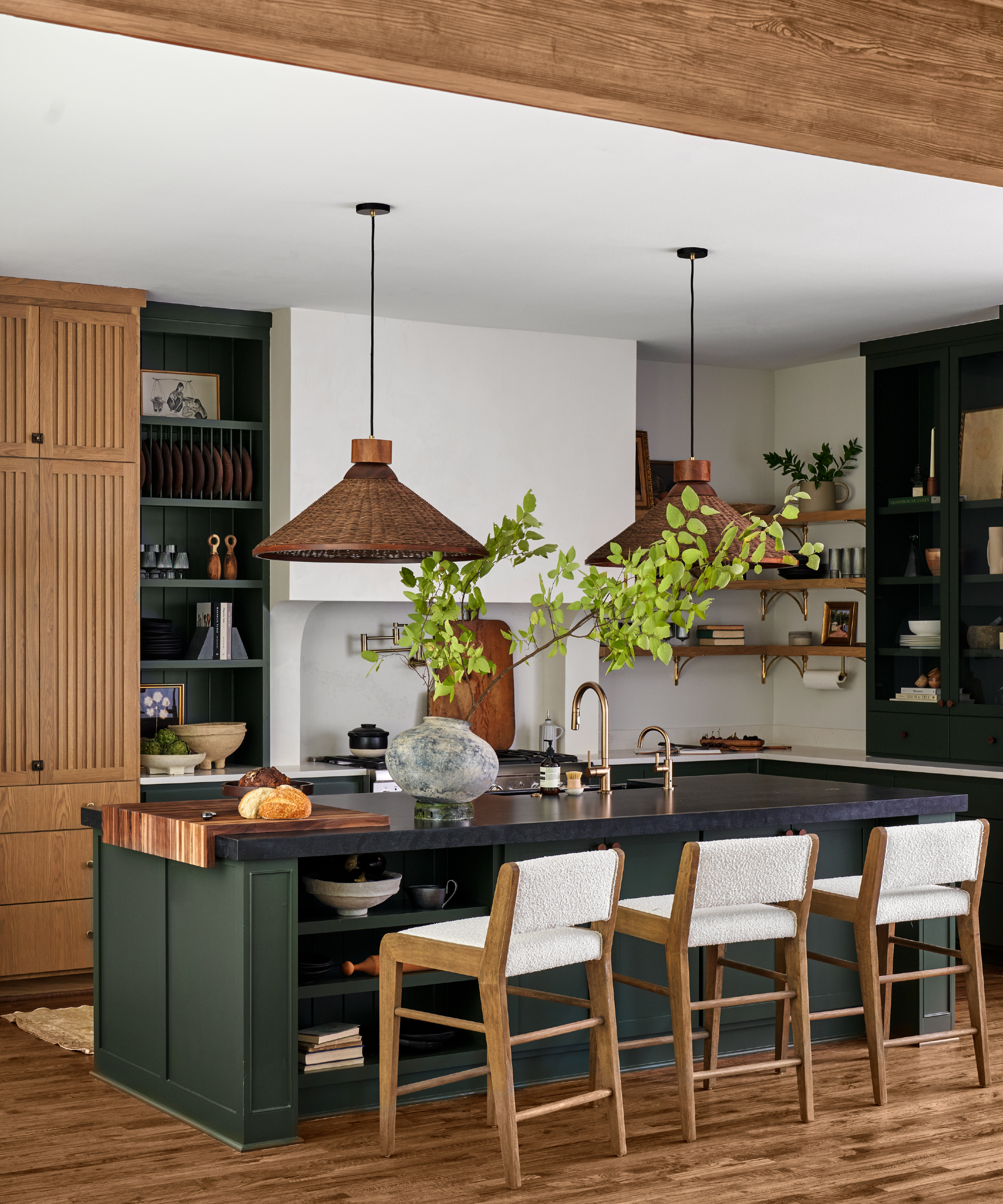
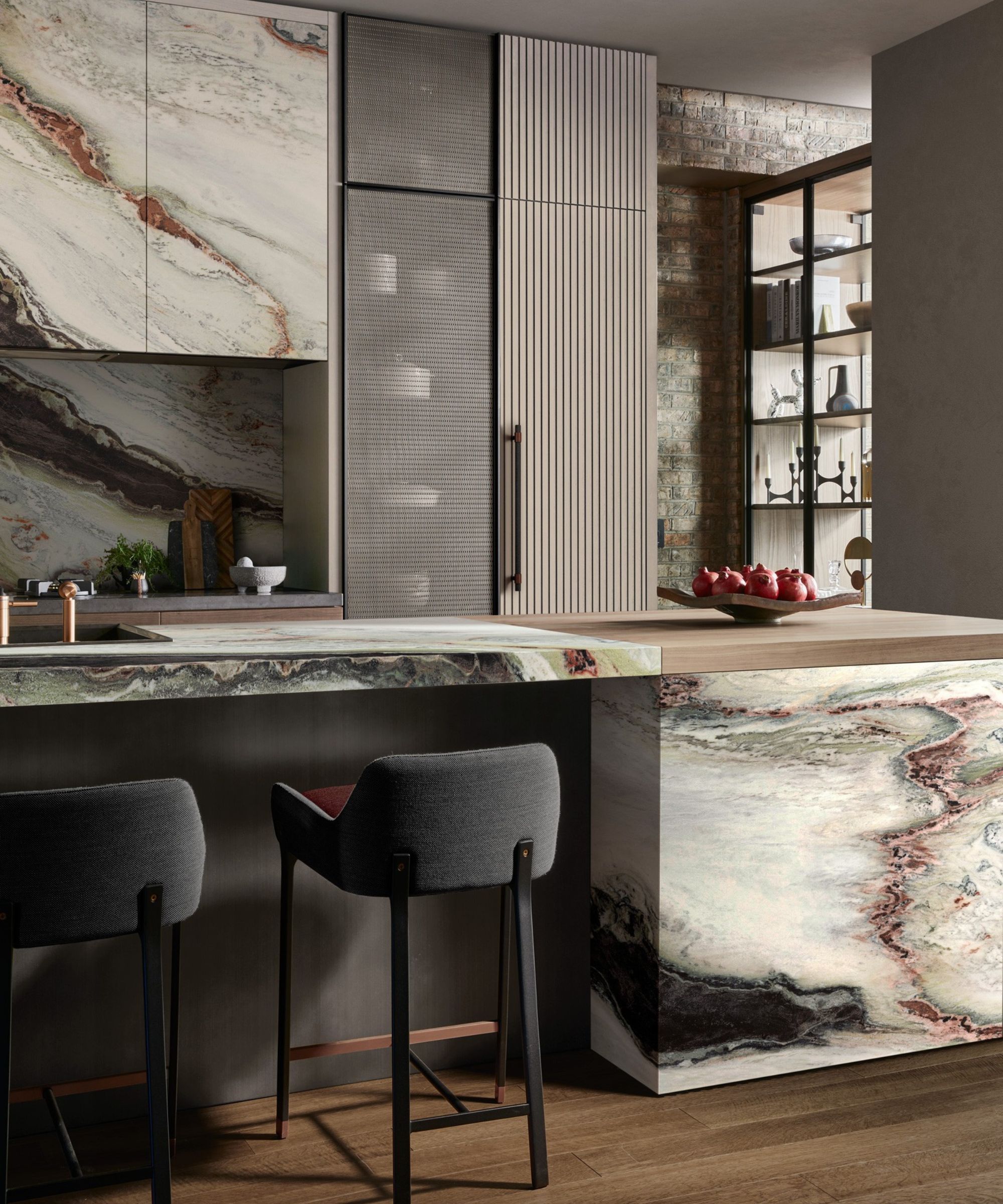
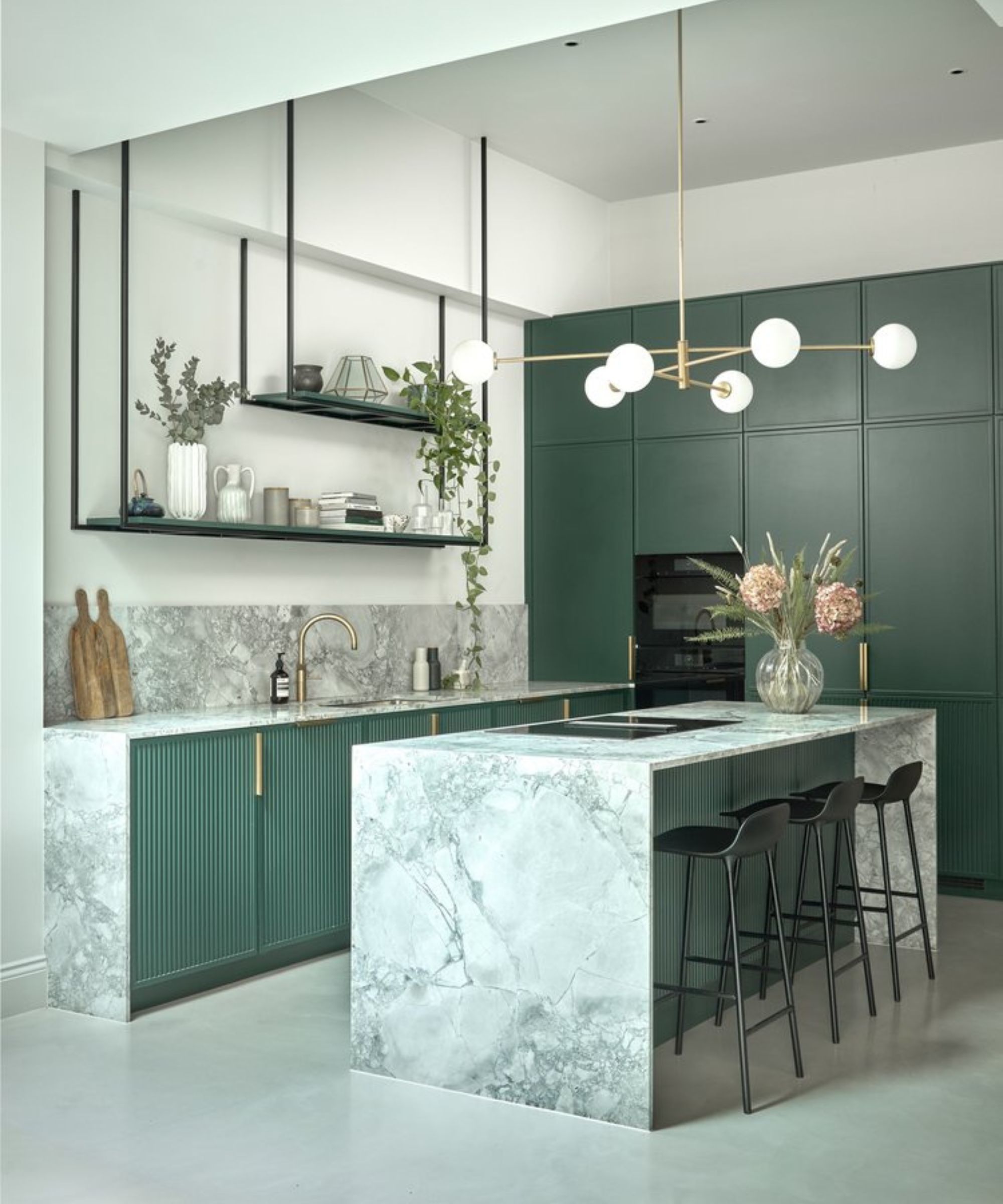
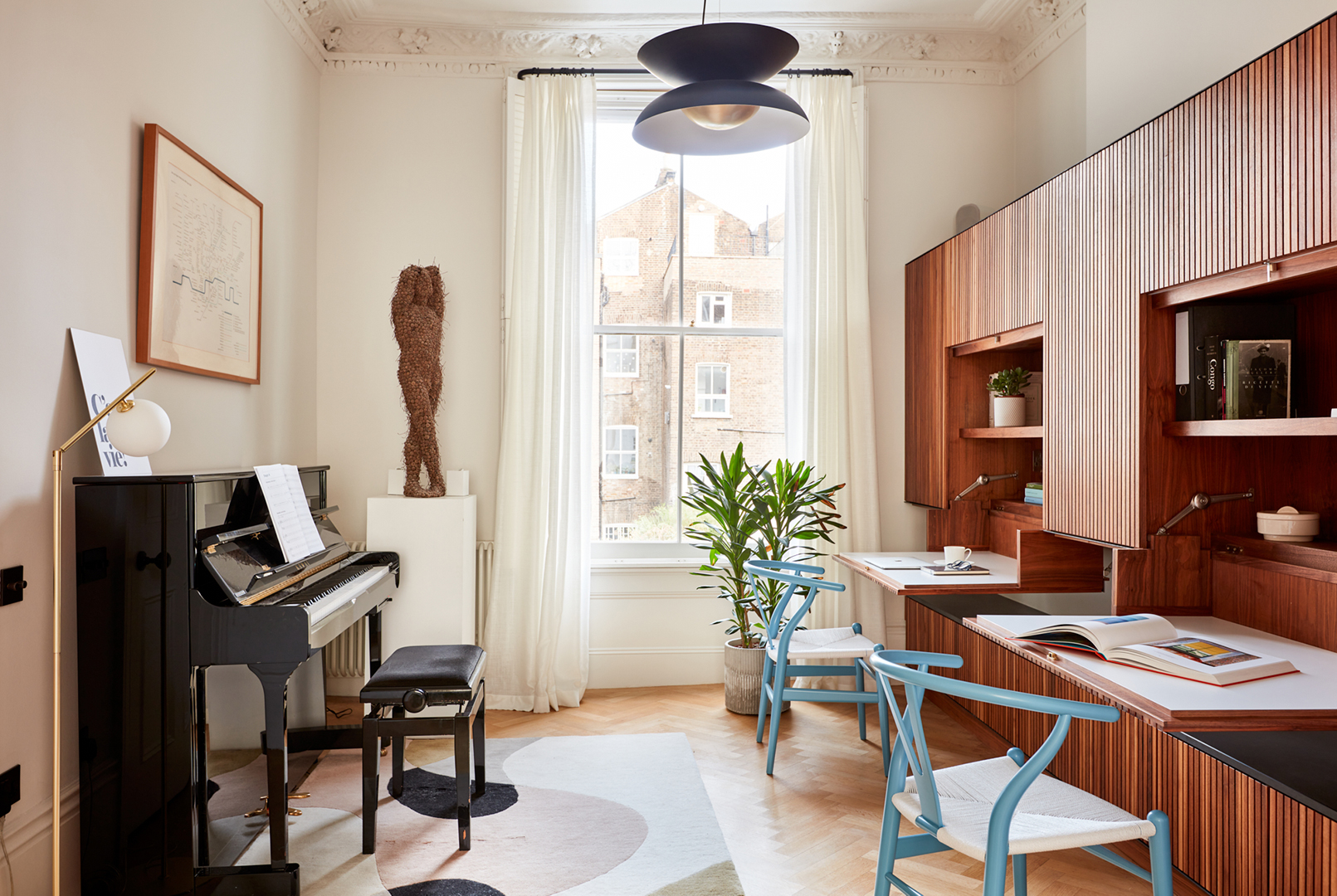
The fluted design can be incorporated into various furniture pieces, from small accessories like table lamps and picture frames to larger items such as sideboards, cabinets, and even sofa legs. For those new to the trend or hesitant about making a substantial investment, starting with smaller fluted accents is recommended. Table lamps are cited as an excellent entry point, offering a subtle yet impactful way to introduce the design element without overwhelming a room. Similarly, small fluted side tables provide flexibility, allowing homeowners to easily reposition or update them as their design preferences evolve. When selecting larger pieces, opting for furniture with flat or curved fluted panels can transform them into focal points, adding drama and visual interest to a space.
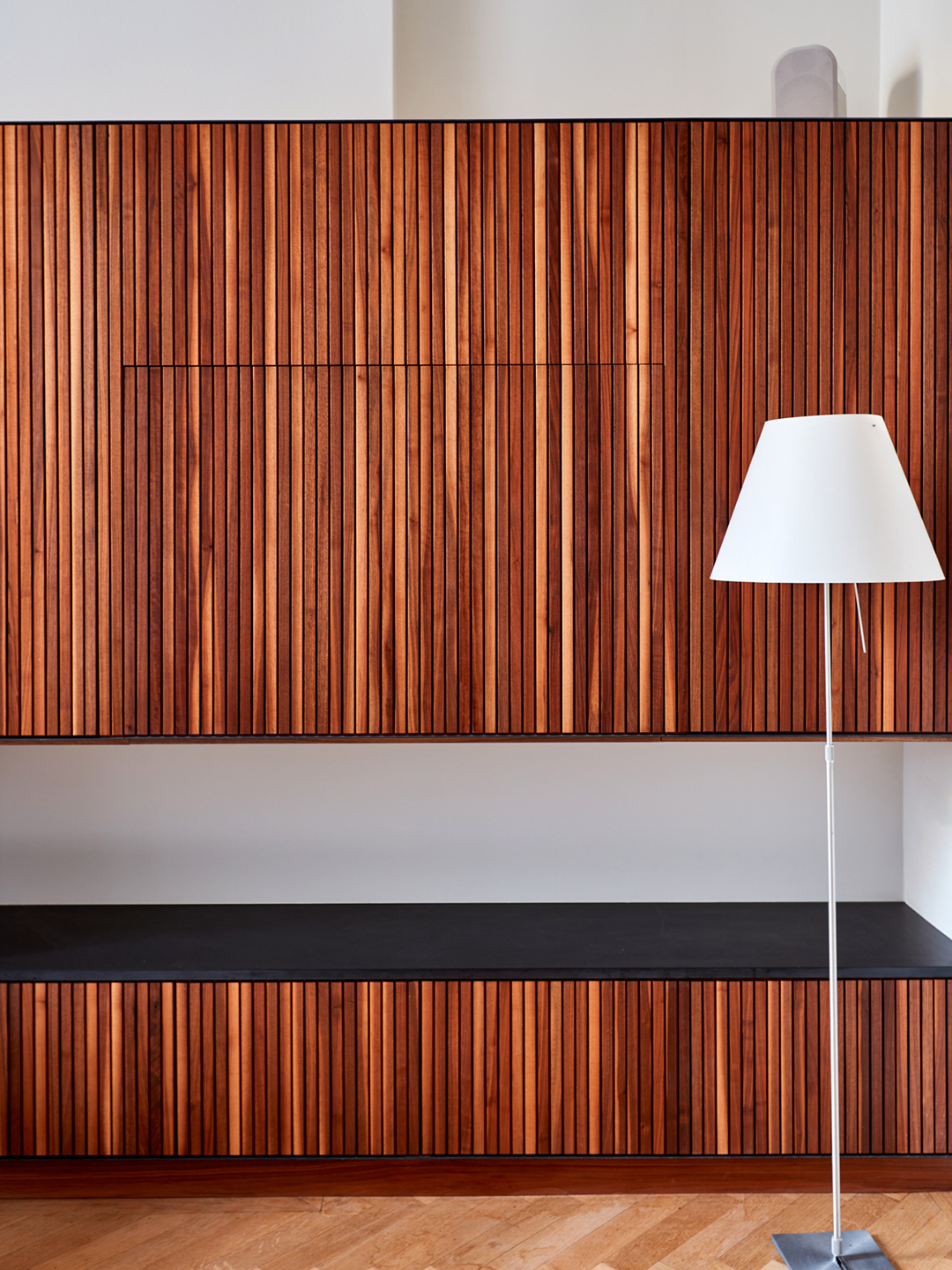
To ensure the longevity and timelessness of fluted furniture within a home, it is crucial to choose pieces that align with both functional needs and personal aesthetic. The inherent versatility of fluting allows it to seamlessly integrate with diverse interior design styles, including mid-century modern, Art Deco, and transitional themes. This adaptability means that fluted pieces can grow with a homeowner's evolving taste, proving to be a wise and lasting investment. The choice of fluting width also plays a role in its visual impact; wider fluting tends to offer a more subdued effect compared to tighter patterns or those incorporating additional designs. Furthermore, incorporating a mix of horizontal, vertical, and angular fluting can create an even richer and more dynamic aesthetic.
Ultimately, the current popularity of fluted furniture is rooted in its historical elegance combined with its modern adaptability. It offers an effective way to infuse texture and visual interest into a home, moving beyond simplistic forms to embrace a more nuanced and intricate design language. By thoughtfully selecting and integrating fluted pieces, homeowners can achieve a stylish and enduring look that honors traditional design principles while remaining distinctly contemporary.
#FlutedFurniture #HomeDecorTrends #InteriorDesign #TexturedDecor #FurnitureDesign #DesignElements #TimelessStyle #HomeAccessories #ArchitecturalDetails #FlutedFurniture #HomeDecorTrends #InteriorDesign #TexturedDecor #FurnitureDesign #DesignElements #TimelessStyle #HomeAccessories #ArchitecturalDetails
0 comment in total
 No comments yet
You may also like
Wavy Furniture Is EVERYWHERE—Here's How to Get It Right


Make your furniture work for your entertaining needs

15 living room furniture ideas – the most-wanted trends and key designer tips to follow

The Best Smile-Inducing New Furniture and Home Accessories

Why Fringe Furniture Making a Fun Comeback (and 11 Ways To Steal the Look)
5 Modern Furnishings With Fun Fringe Accents

Alexandra Kidd's Bedroom Design With Fanuli


Living room trends this year prioritise comfort, individuality, and artistry. From chunky armed sofas to kidney-shaped marble pieces, take your pick

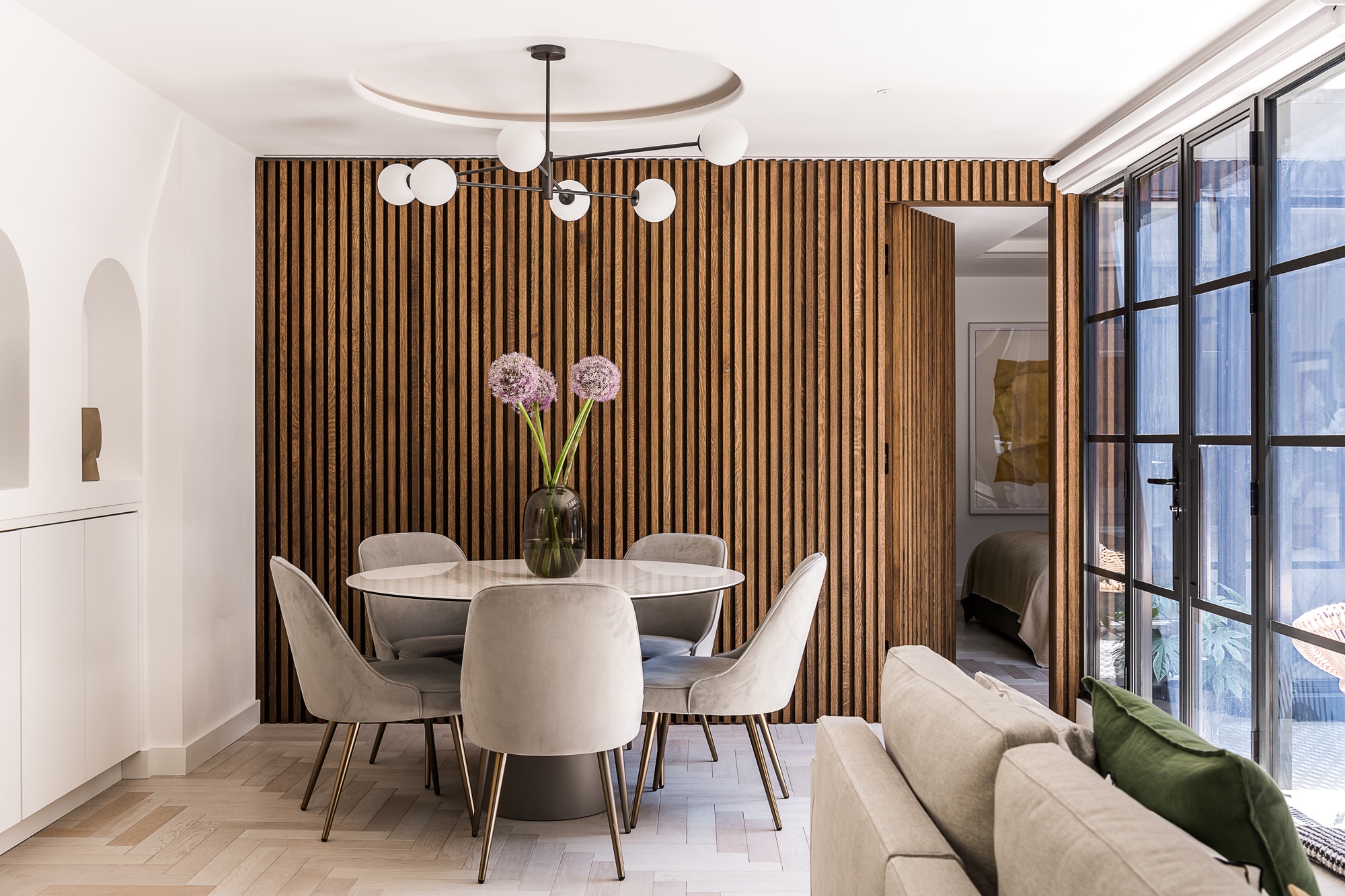
Fluting: 9 times interior designers have inspired us with this key new look
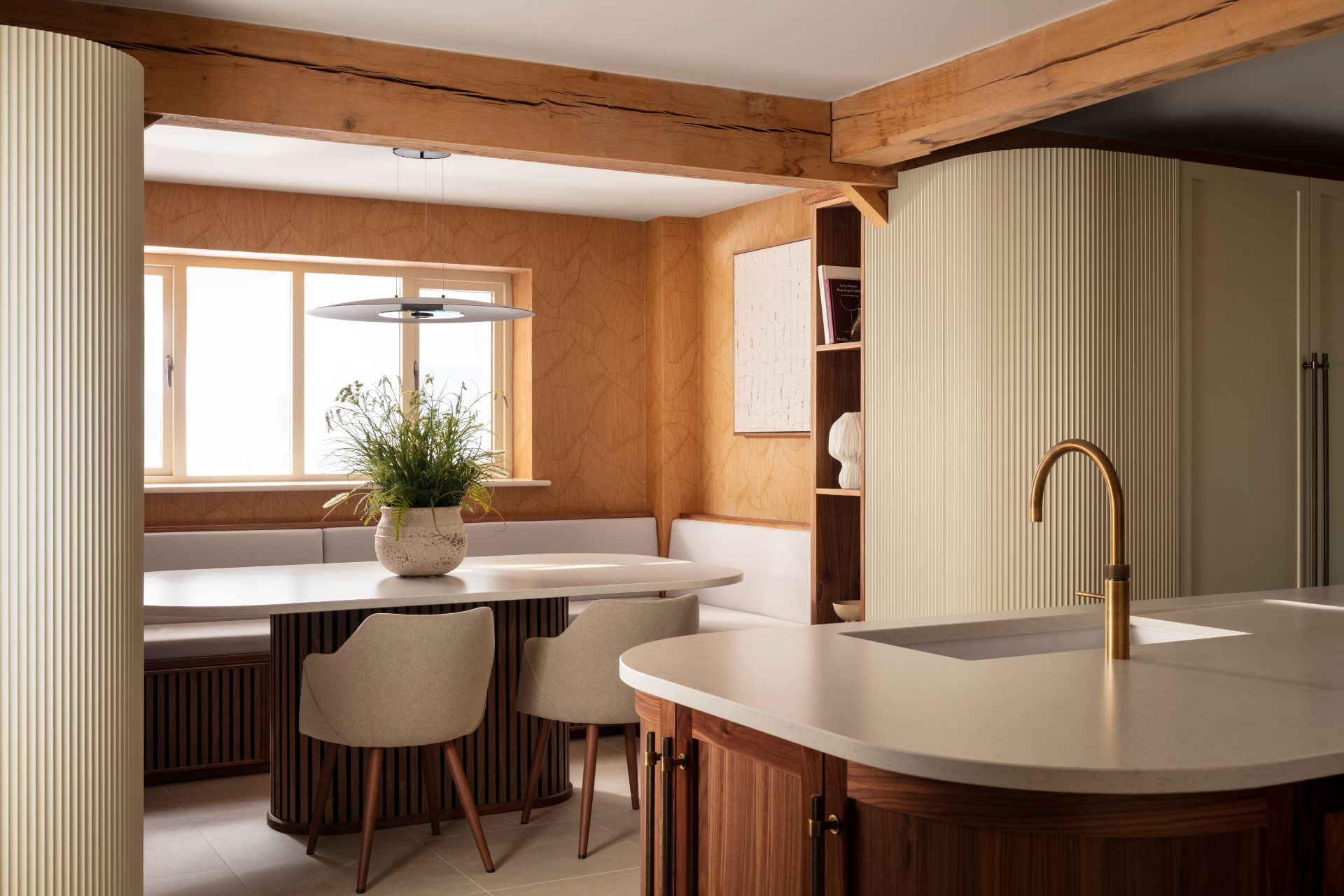
Are Fluted Kitchens Still On Trend?

Is Fringe Furniture Making a Sexy Comeback?

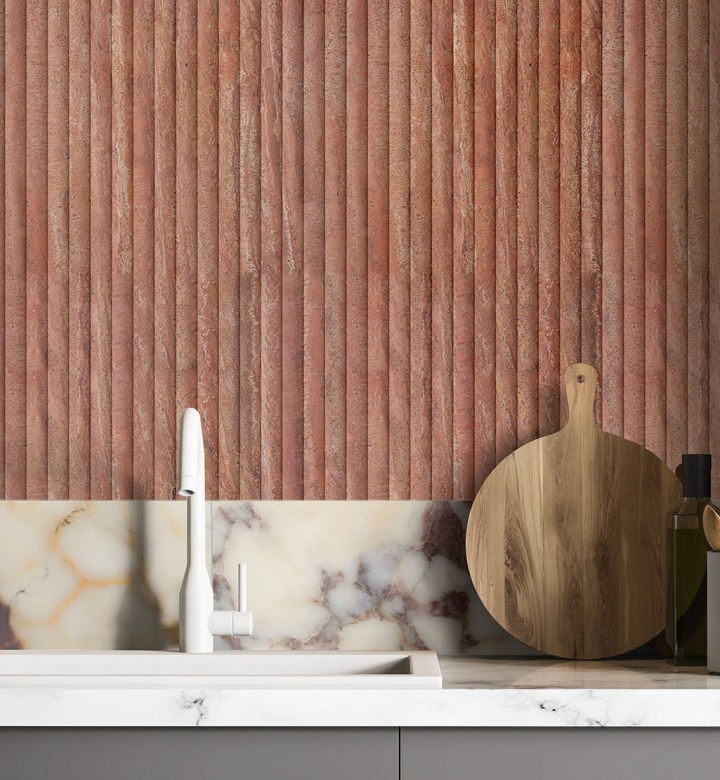
The Kitchen Trend We Called in 2021 Is Finally Going Mainstream, So Prepare to See It Everywhere
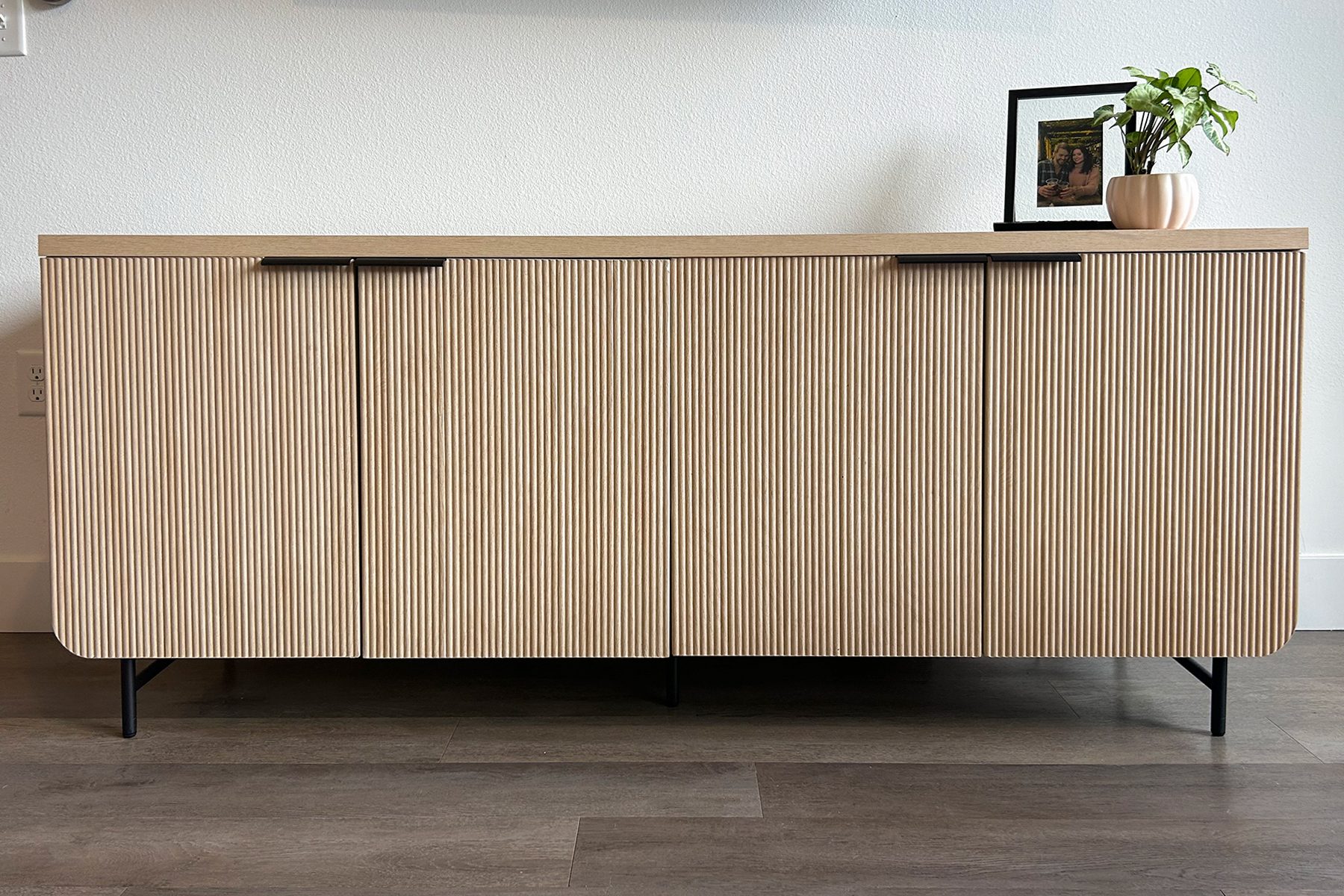
Fluted Cabinets Are In Style – Here’s How You Can Do It Yourself

Best indoor furniture stores – 15 of the best places to shop indoor furniture
Fringe decor is in – here’s what you need to buy to bring the fringed interiors trend into your home
Desks Flip Out Like Airplane Tray Tables From This Home’s Fluted Wood Wall

4 Ways to Try the Curved Furniture Trend That's Everywhere Right Now

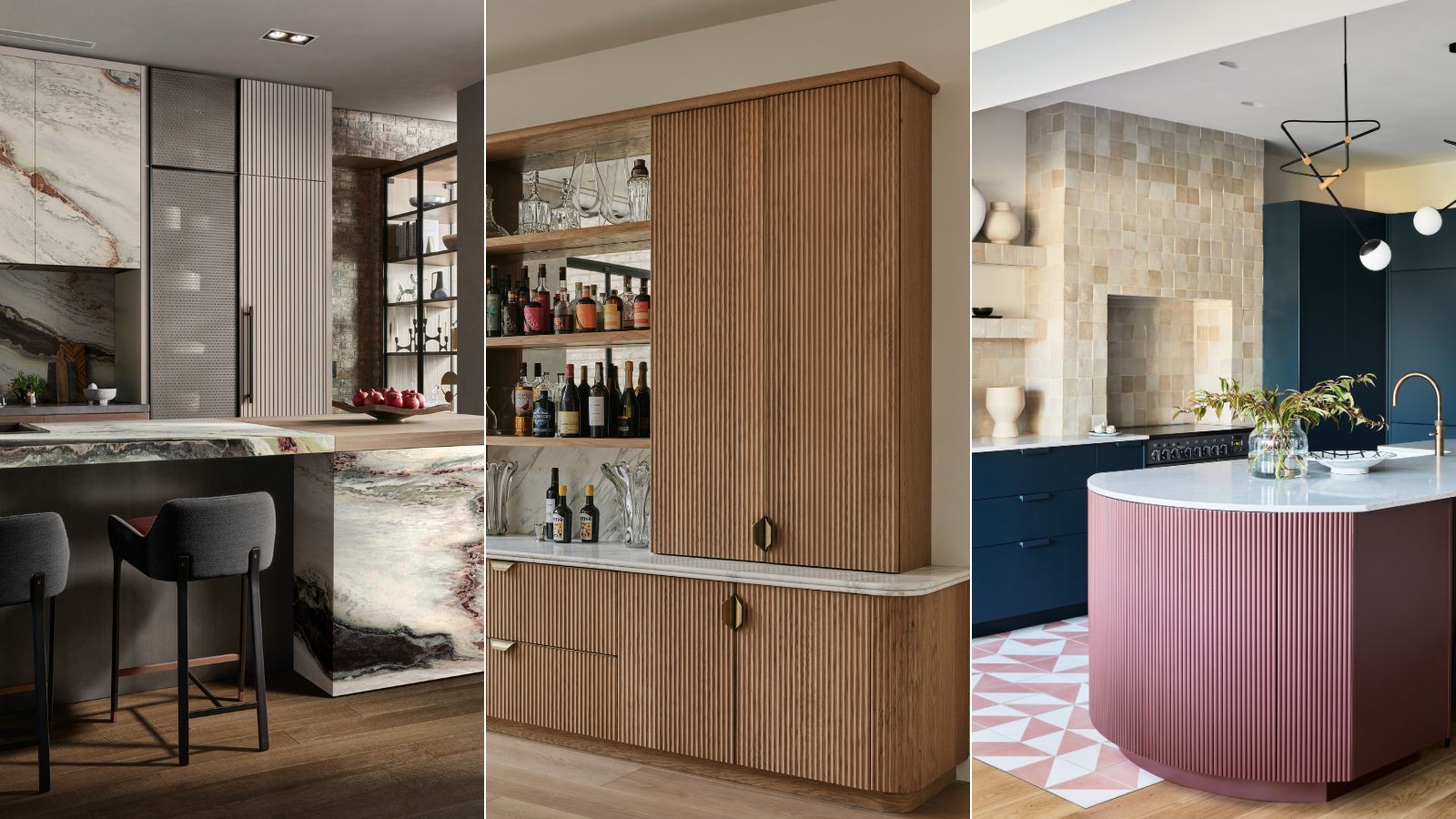
Fluted kitchen cabinets are the trending way to add texture and interest to your space – here's how to get the look
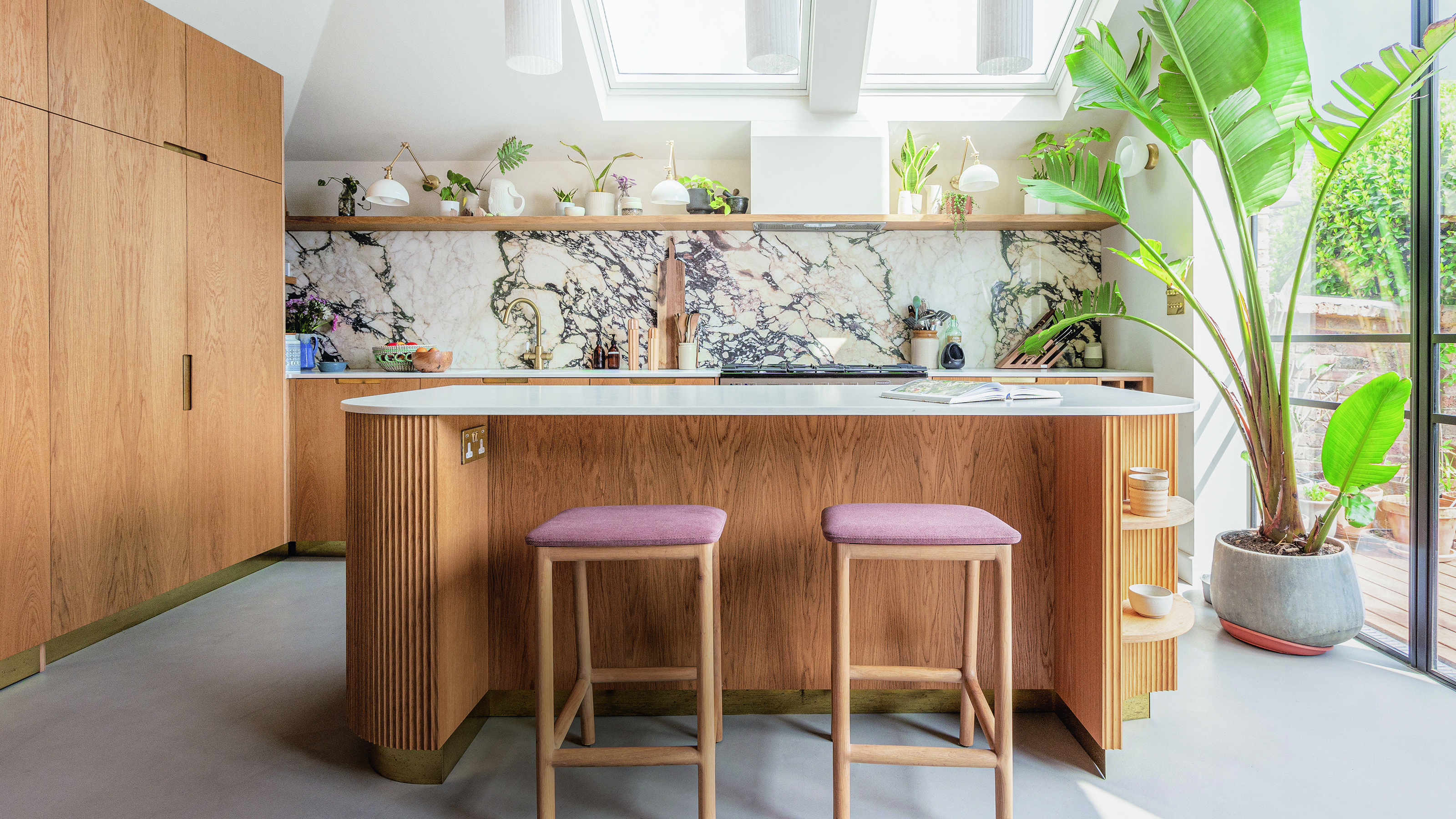
Fluted cabinets are set to be a huge kitchen trend in 2025 - this is how to make texture work in your cooking space

10 Brilliant Ikea Hacks and Furniture Flips That We Learned on TikTok