Are Fluted Kitchens Still On Trend?
The article addresses the contemporary relevance of fluted kitchen cabinets in interior design, noting their increasing popularity. Design experts, including Kate Davis, showroom and interiors manager at Wolds Furniture, confirm that fluted designs are not just a passing trend but a growing phenomenon, evidenced by a 217 percent surge in Google searches for 'fluted kitchens' in the past quarter, reaching over 2,000 monthly searches in the UK. This indicates a strong and sustained interest in this particular aesthetic.
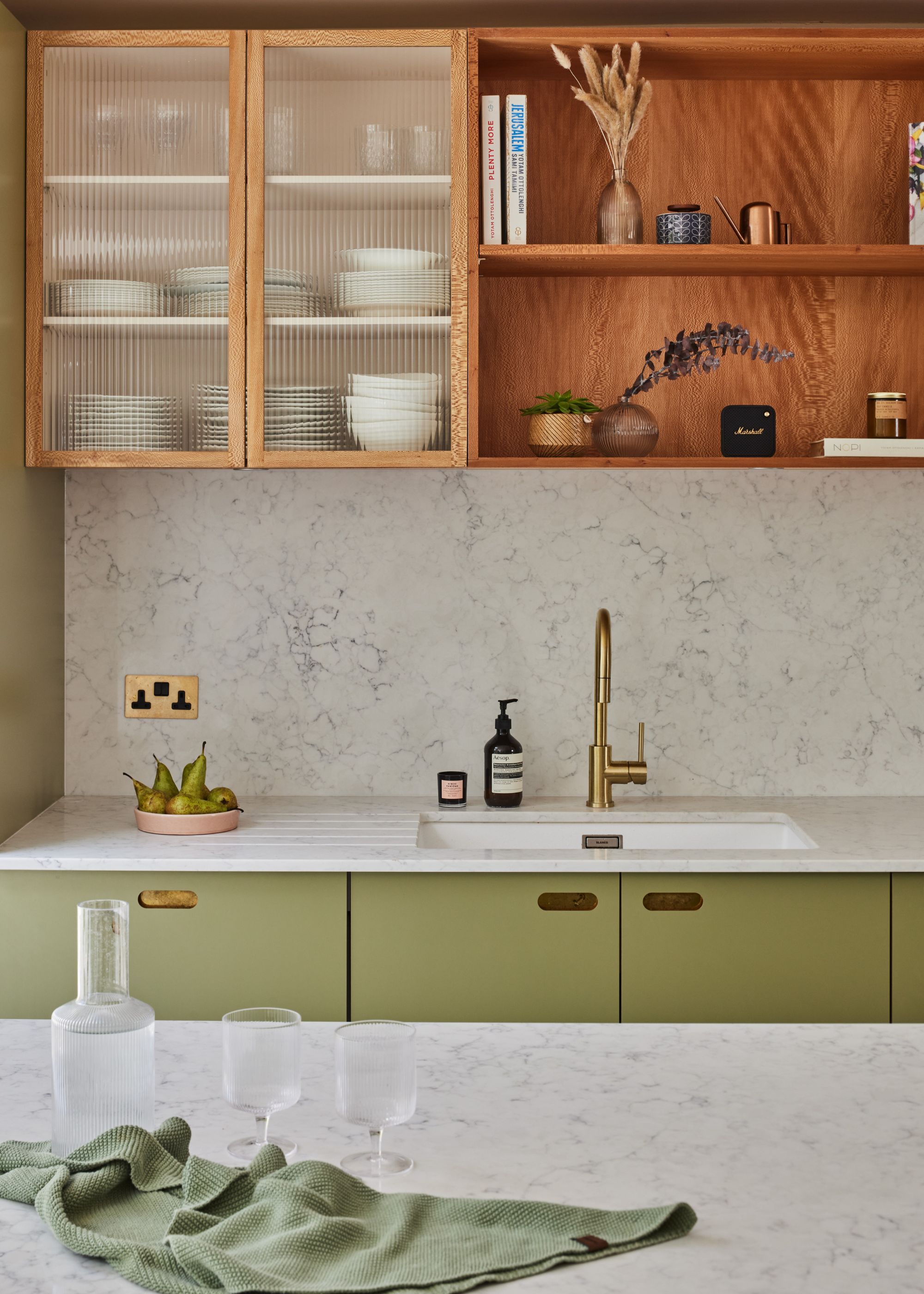
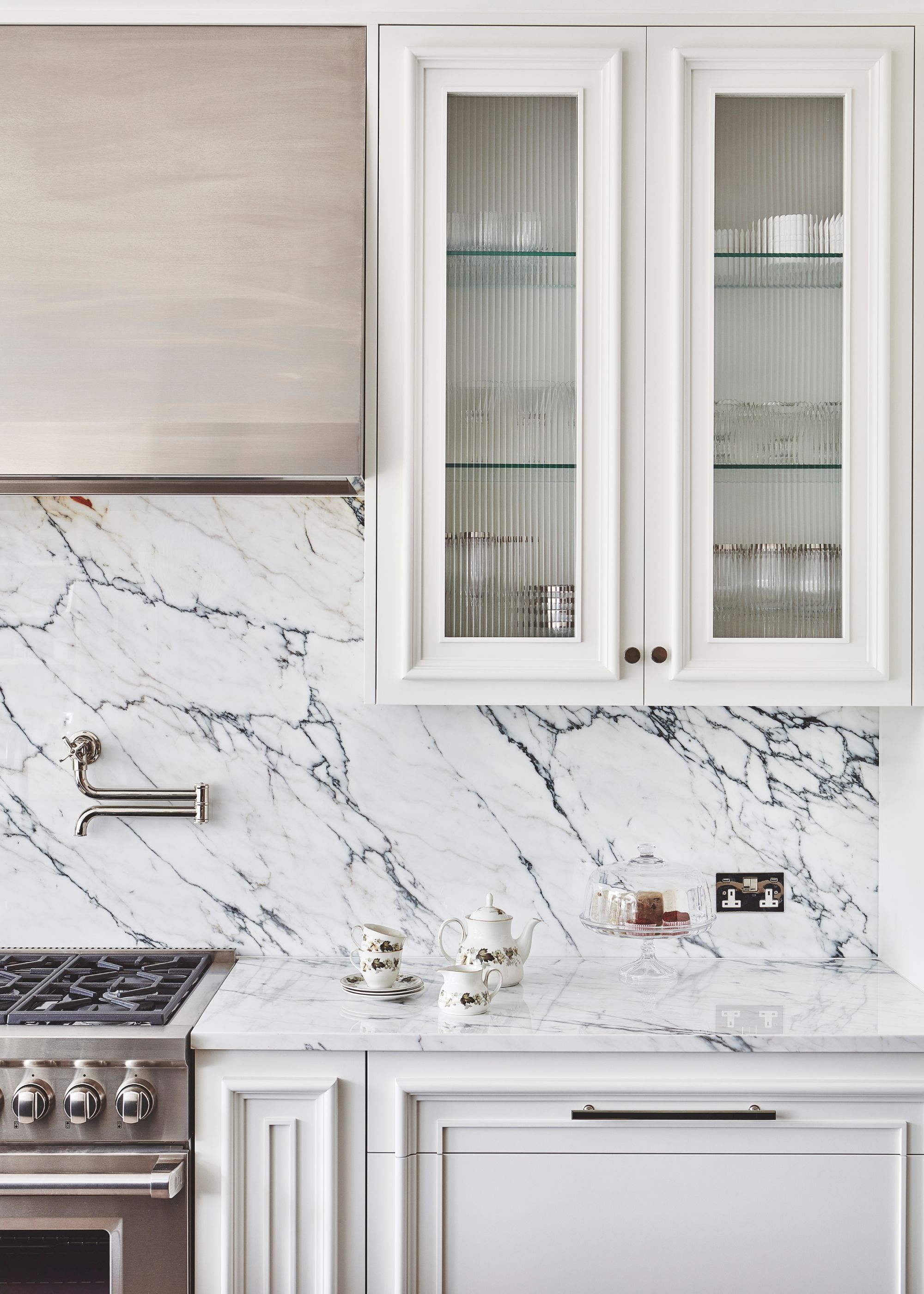
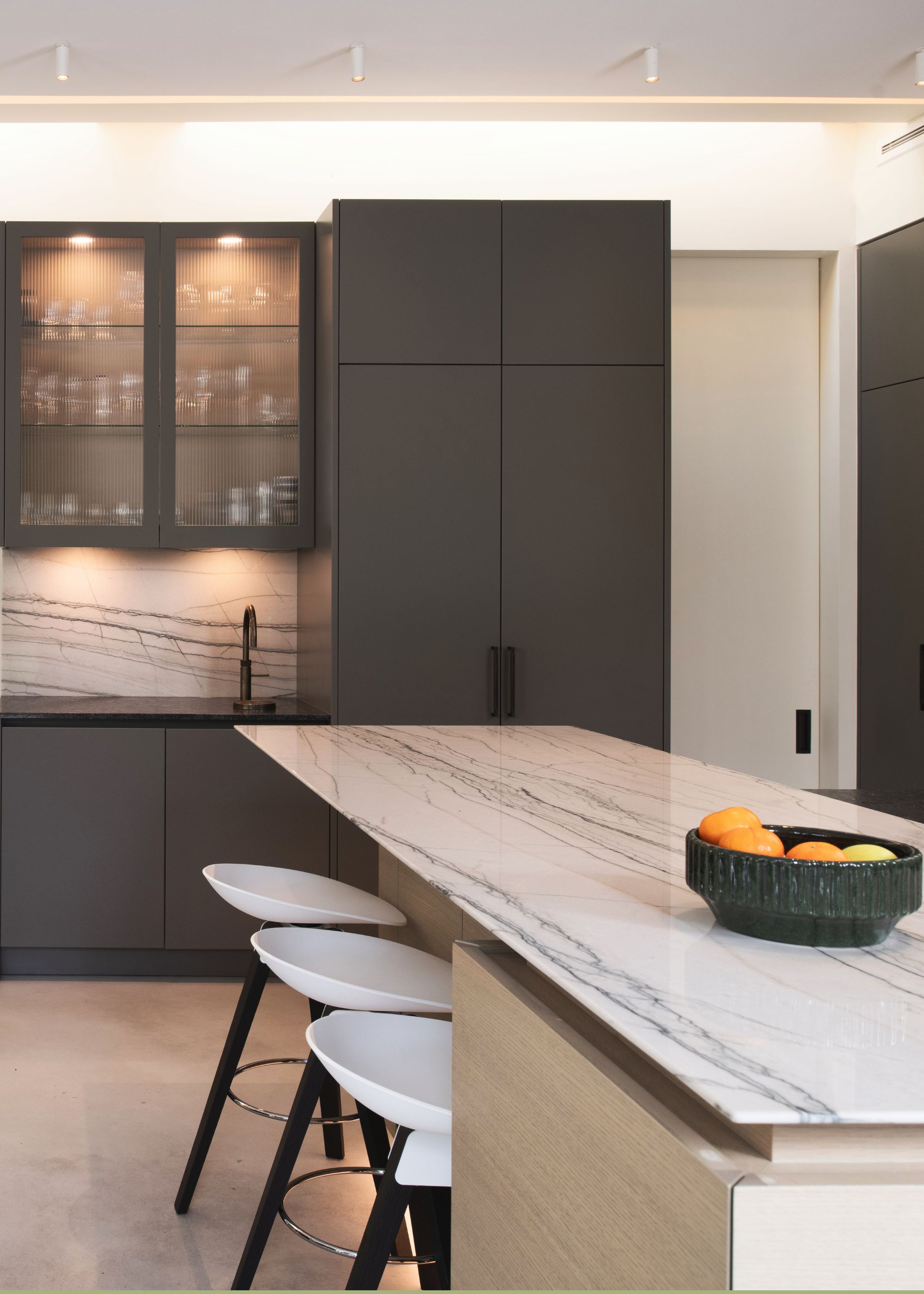
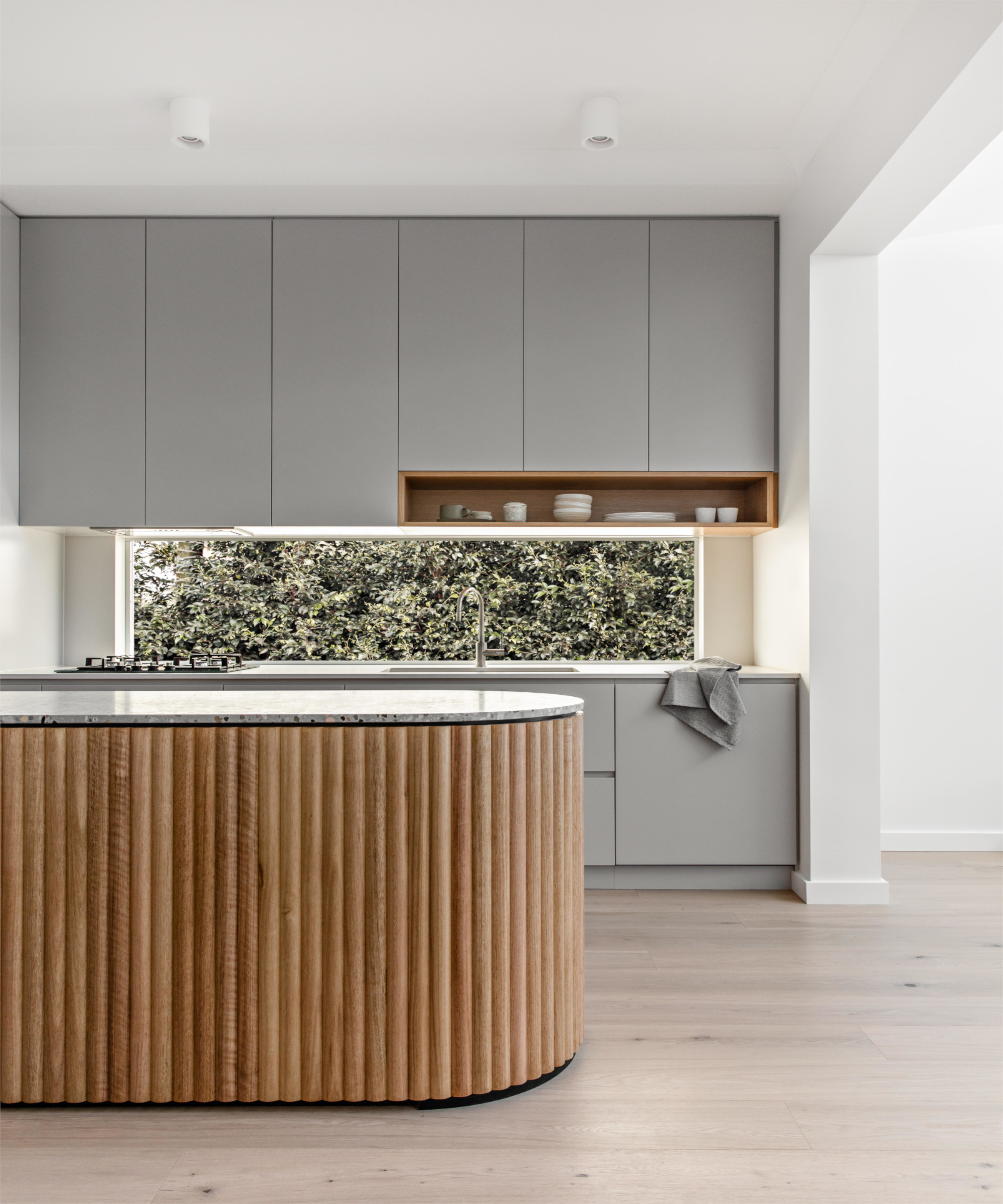
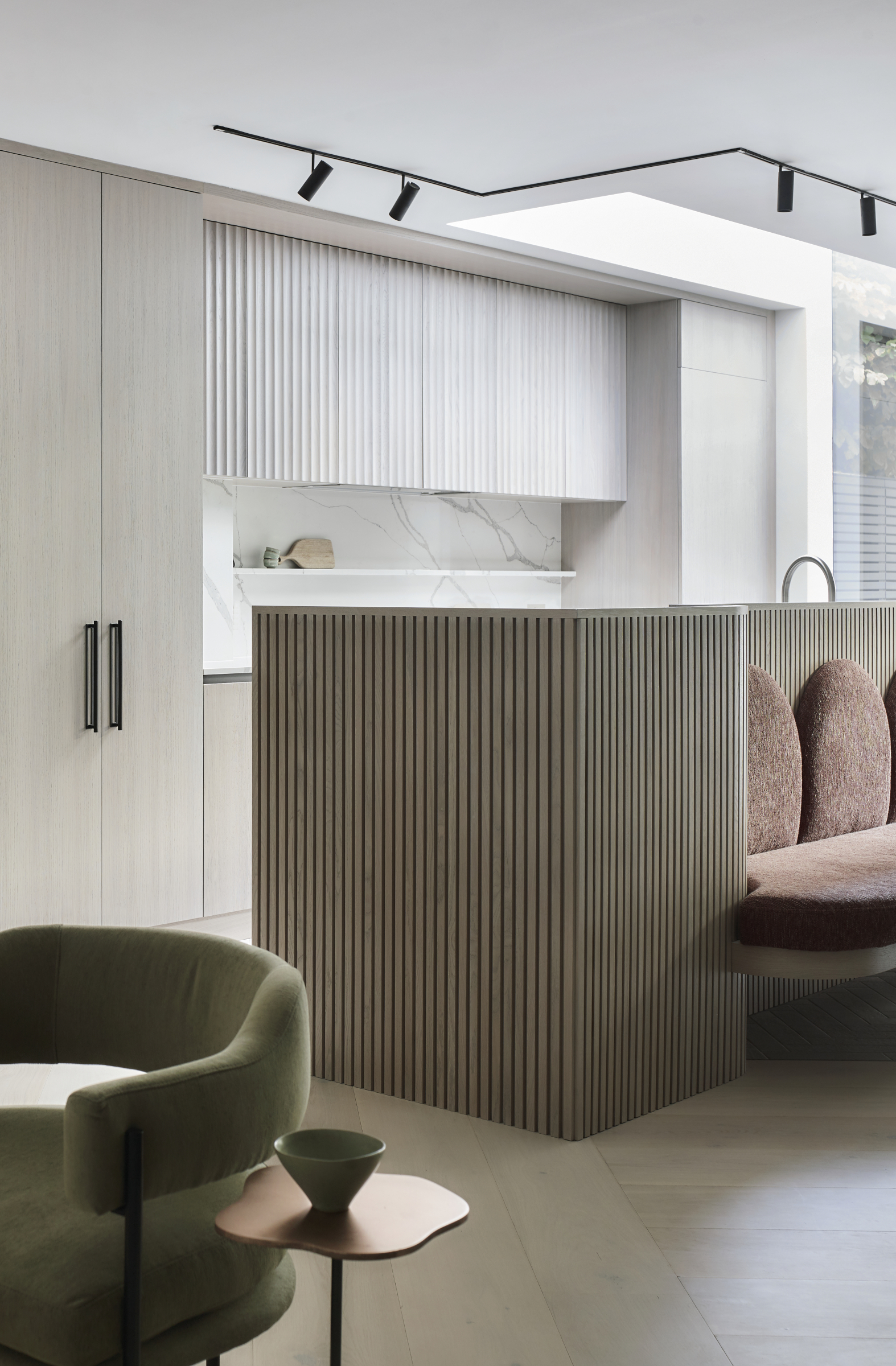
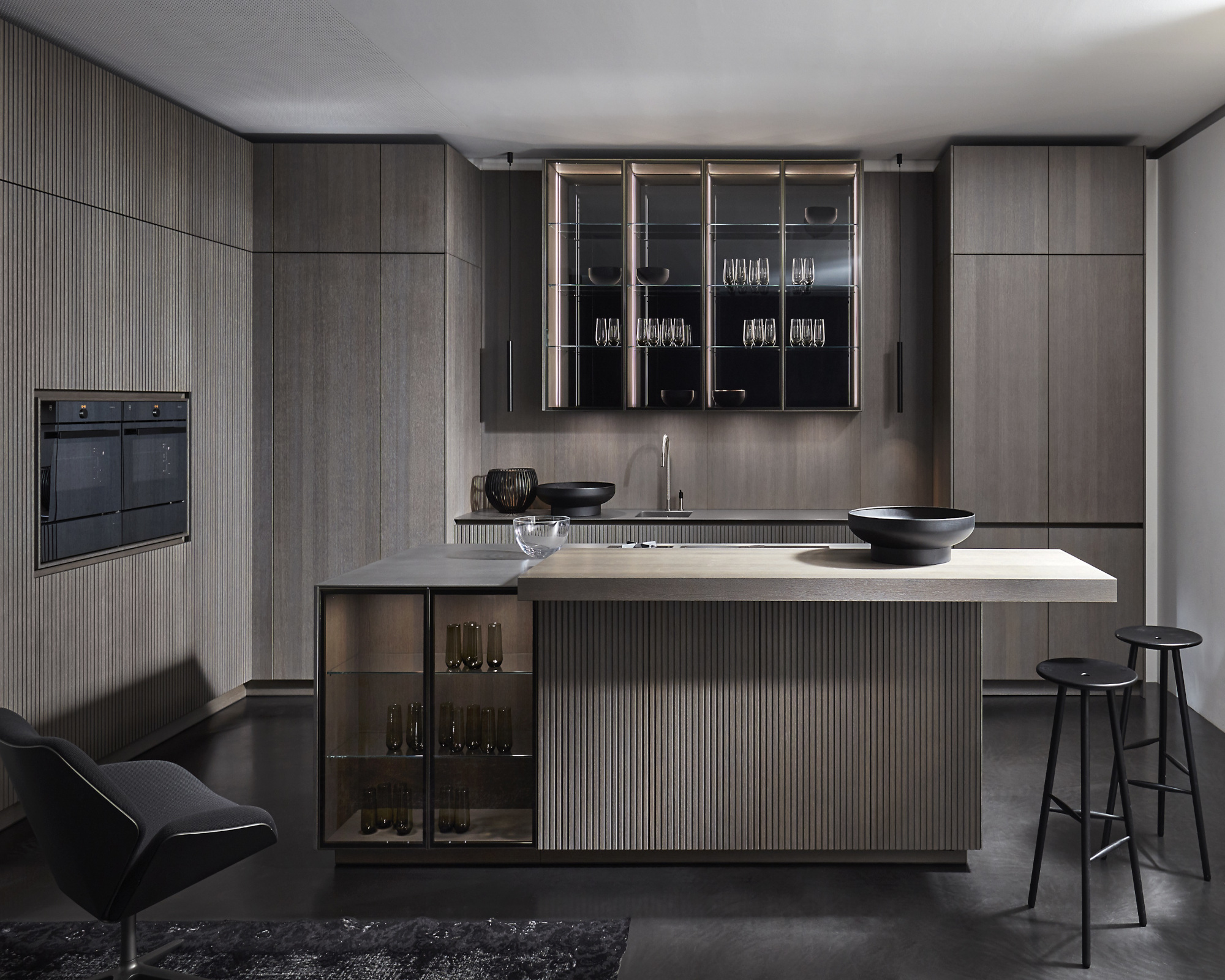
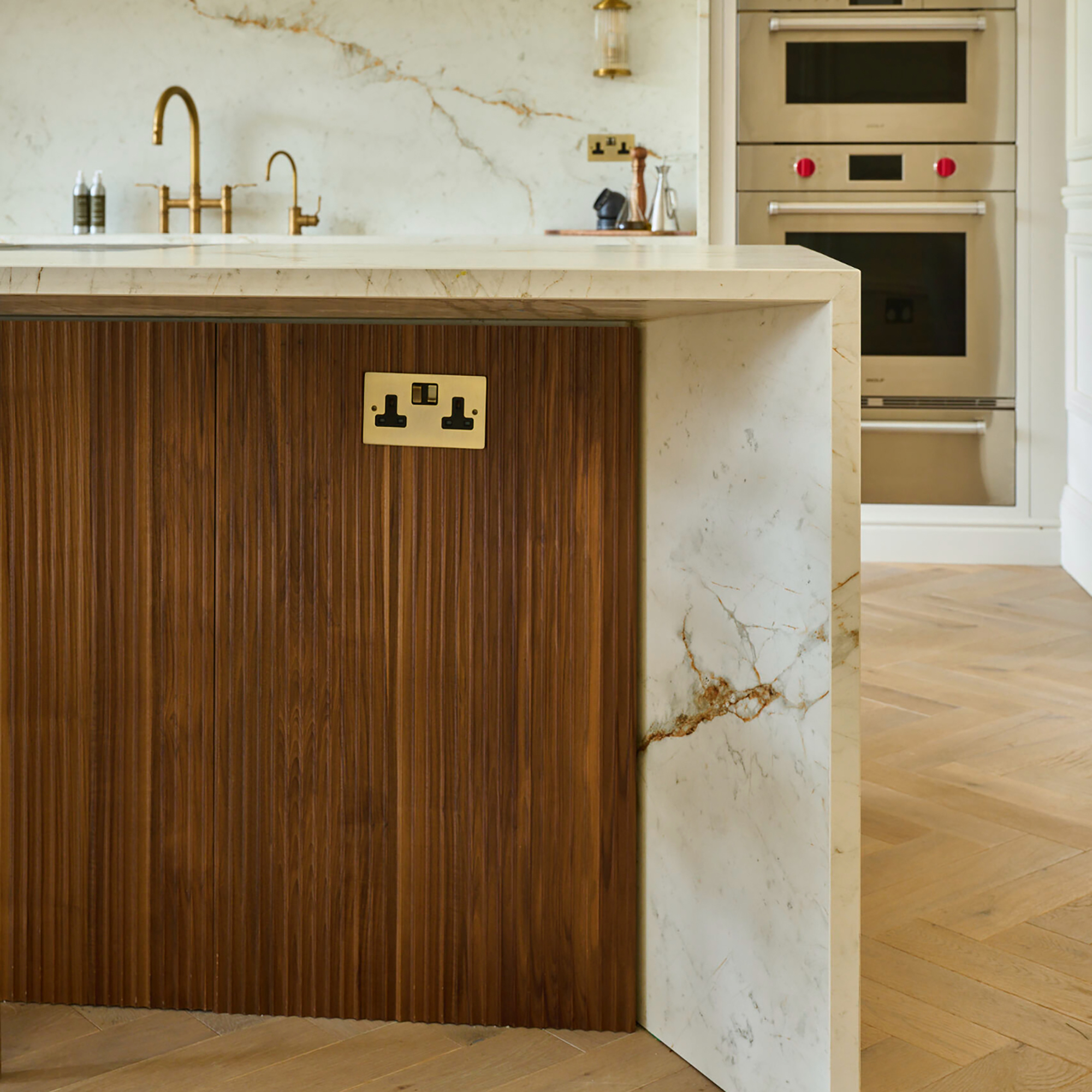
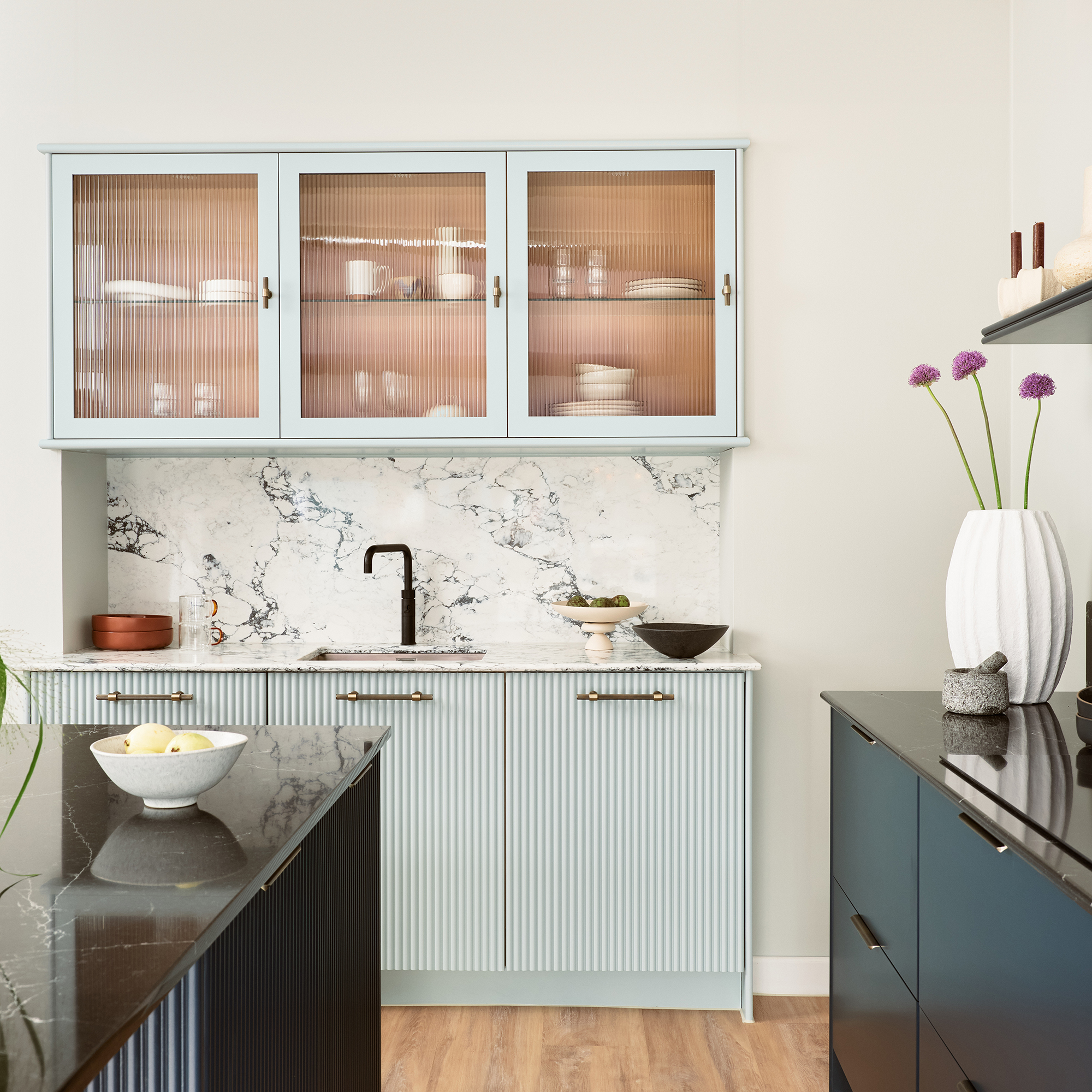
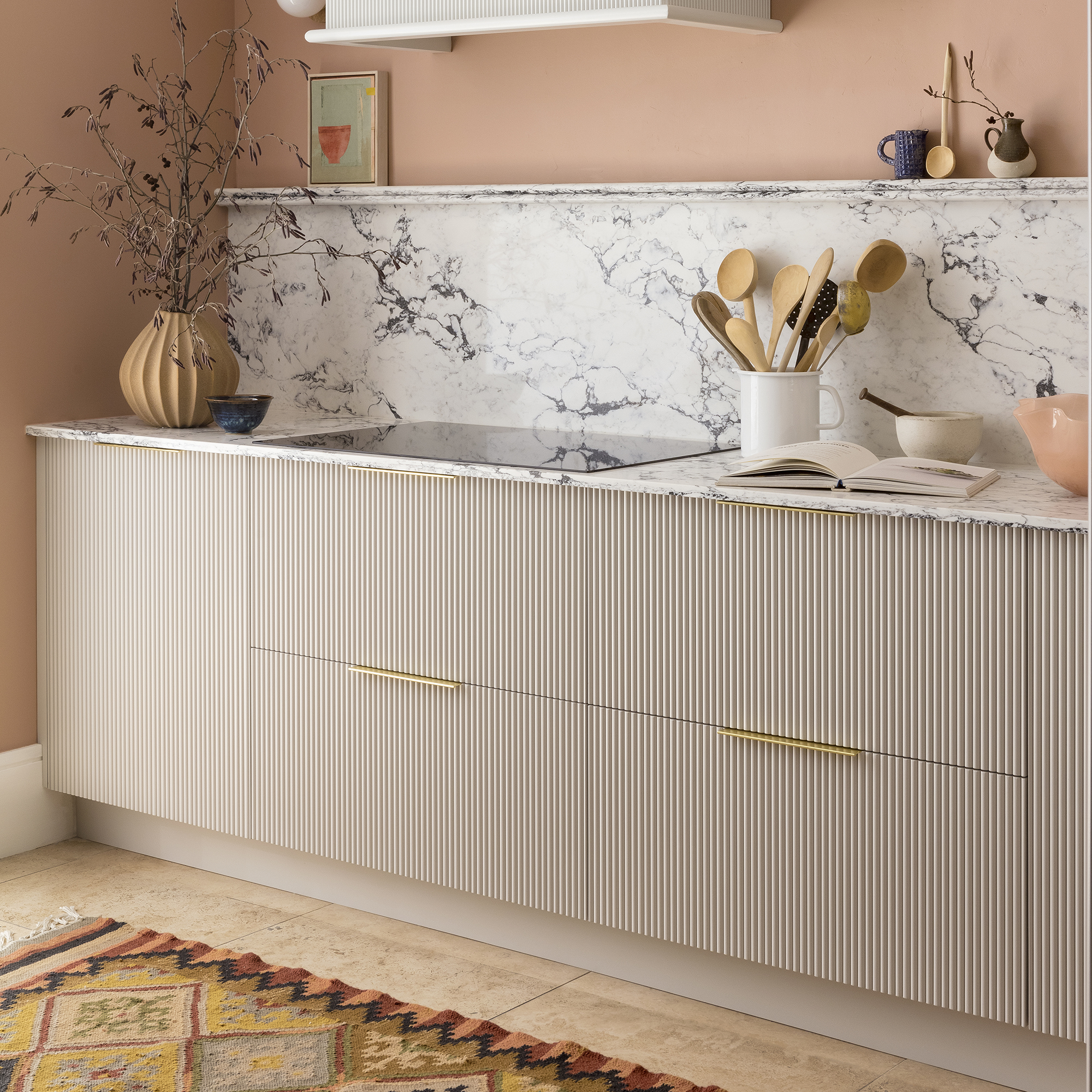
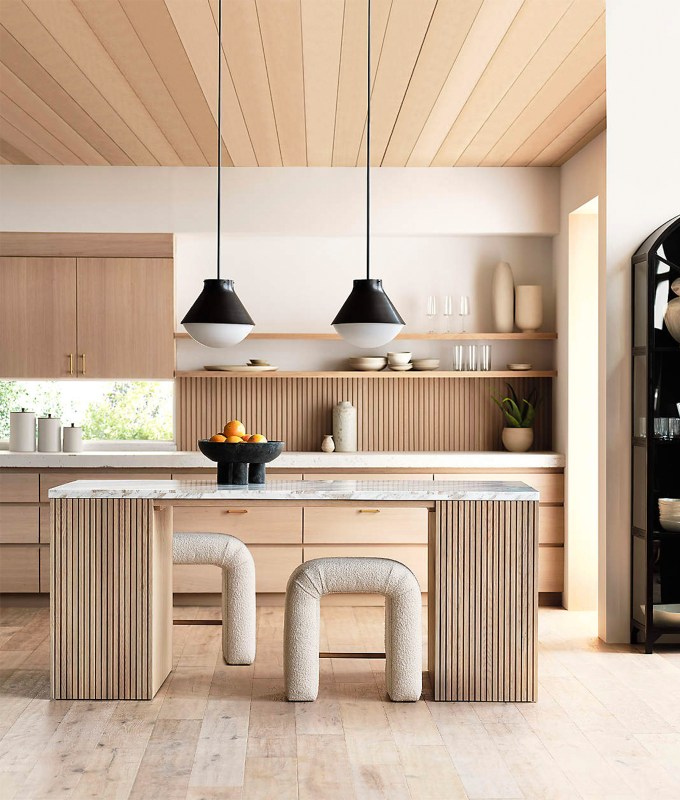
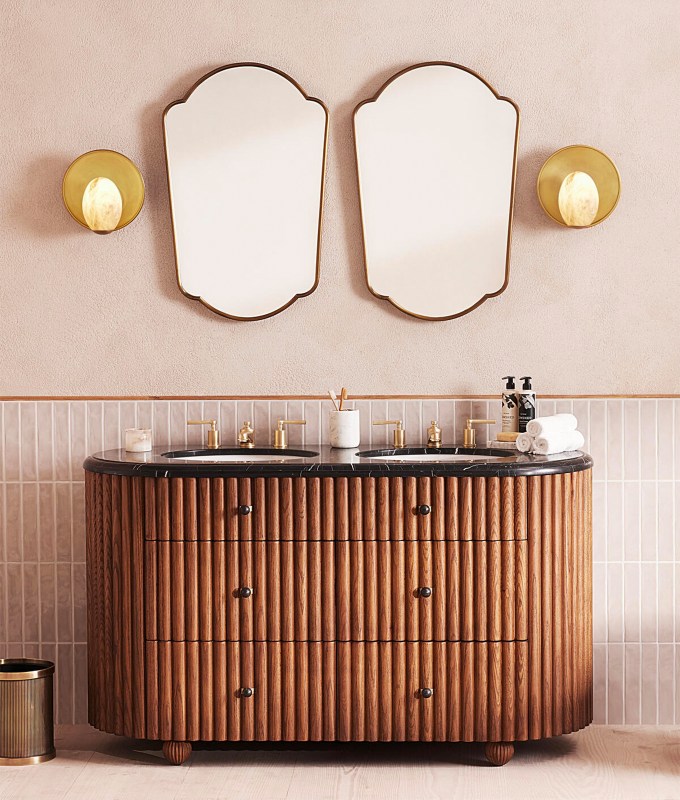
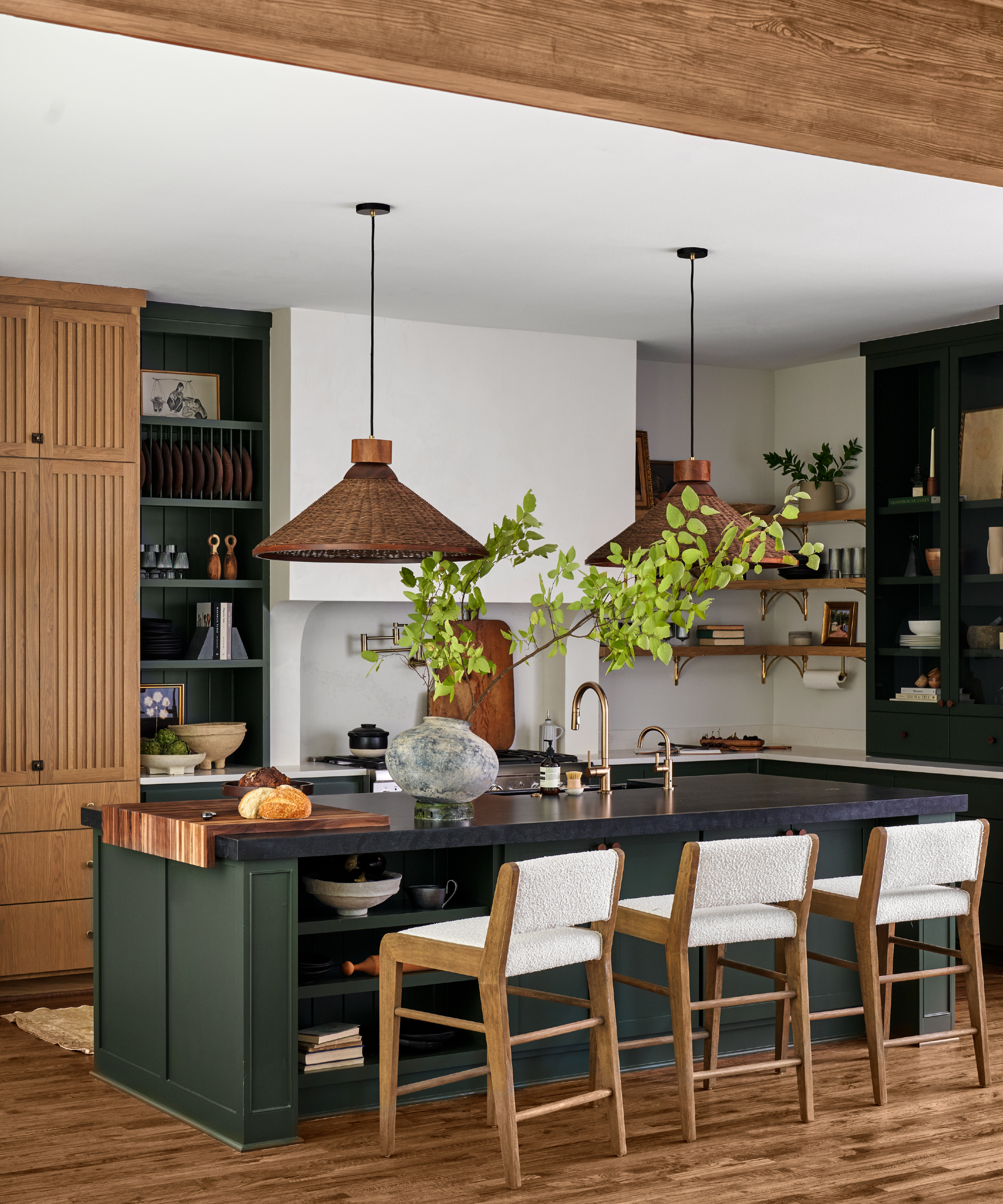
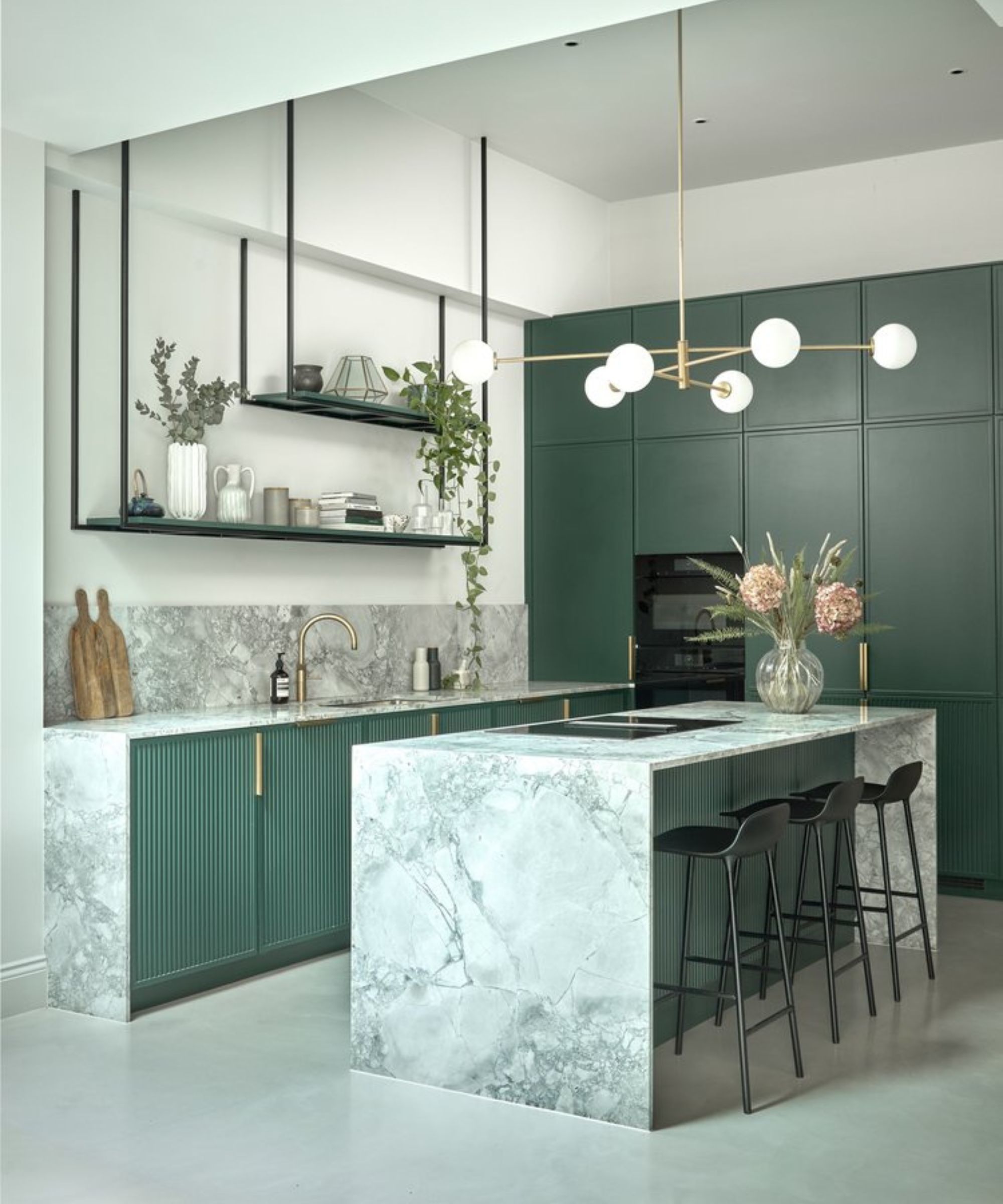
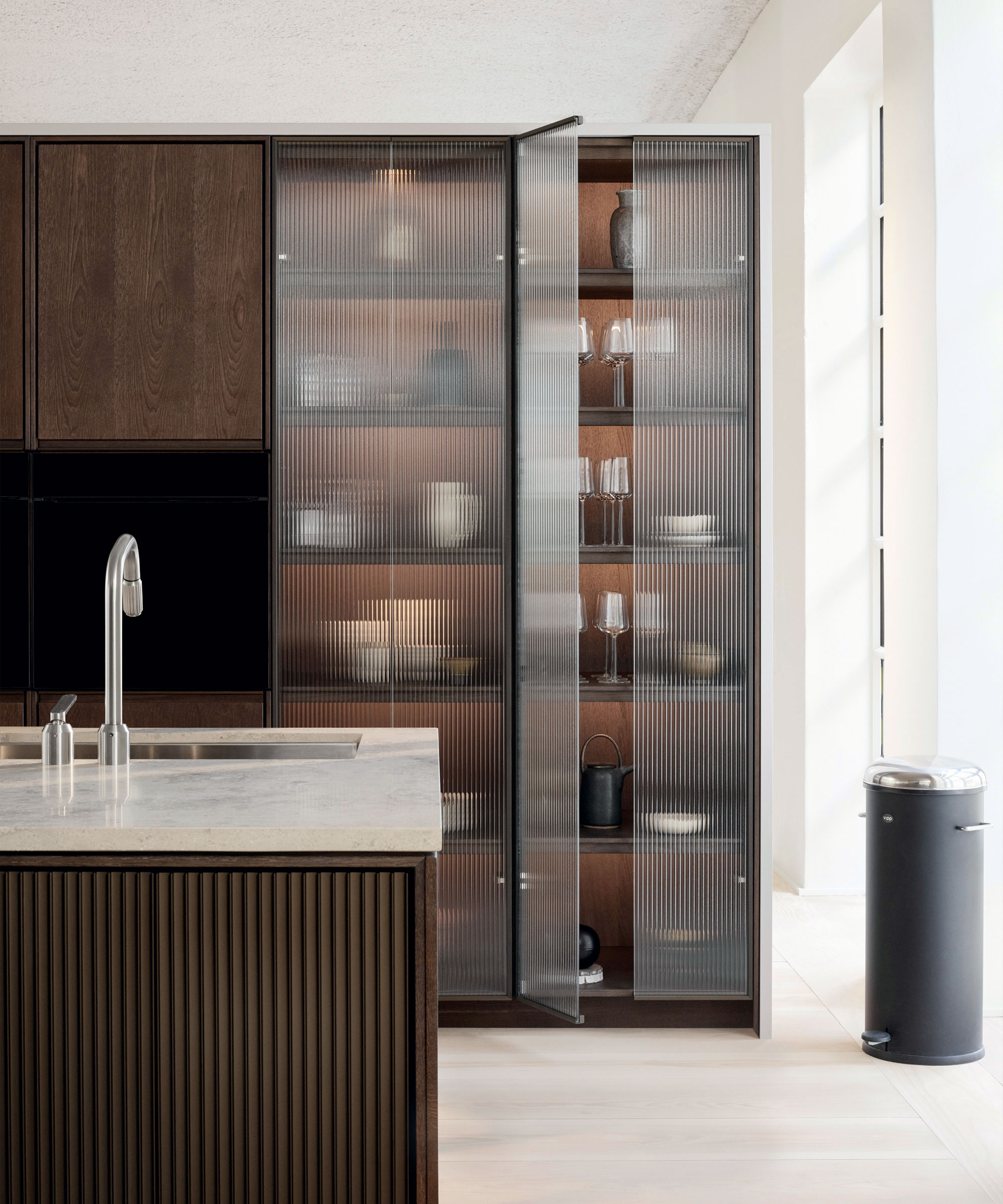
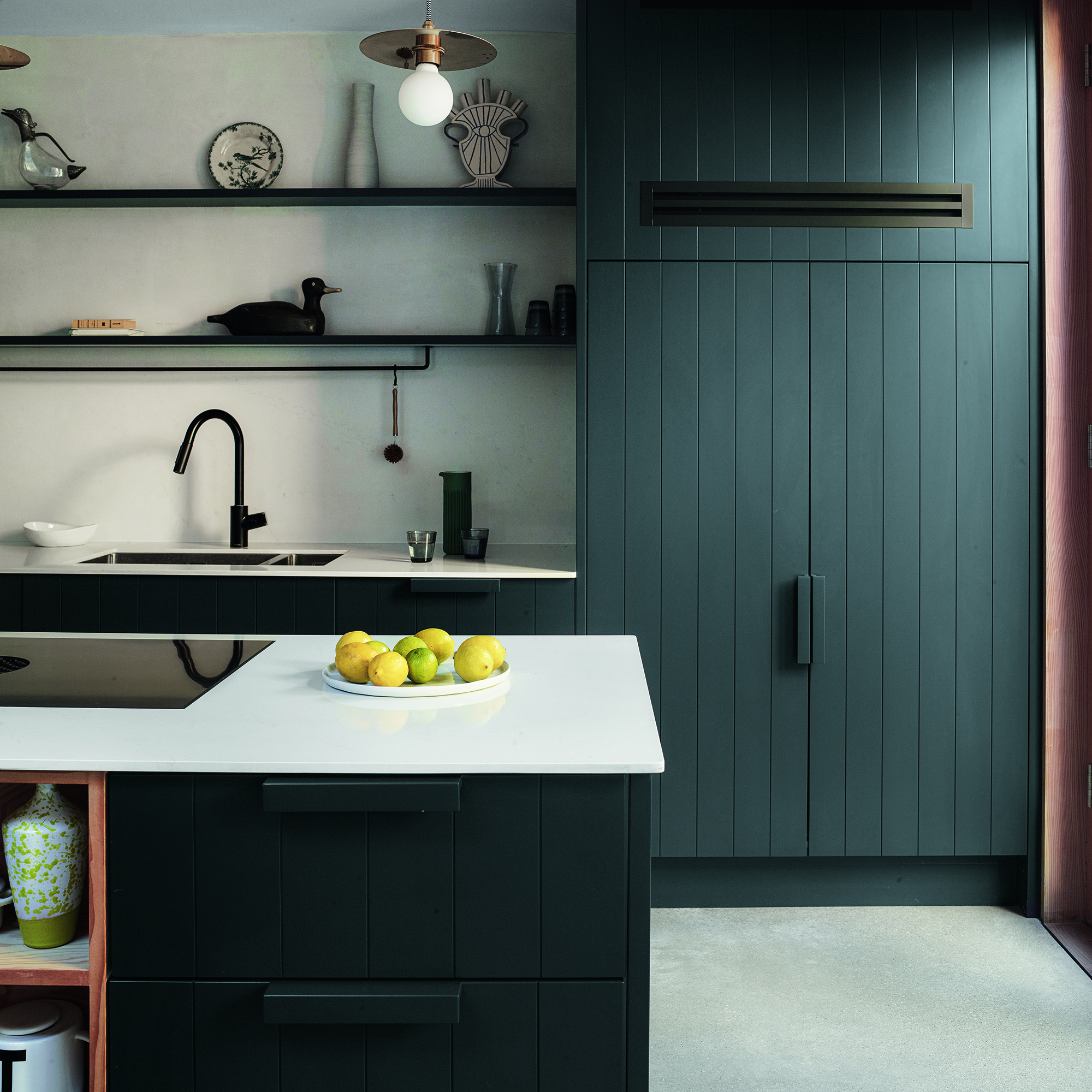
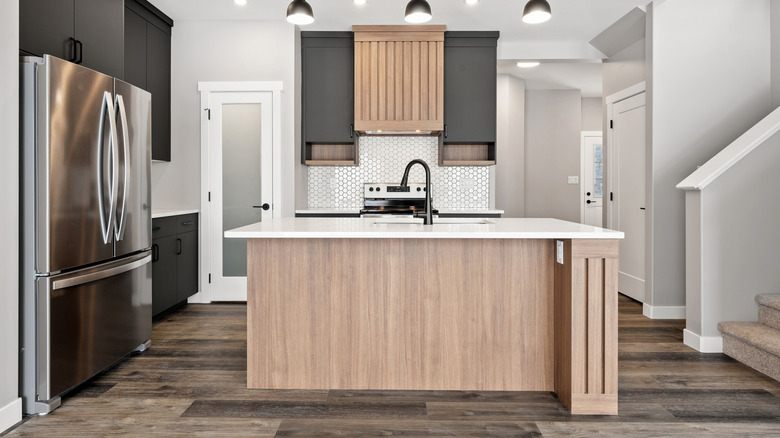
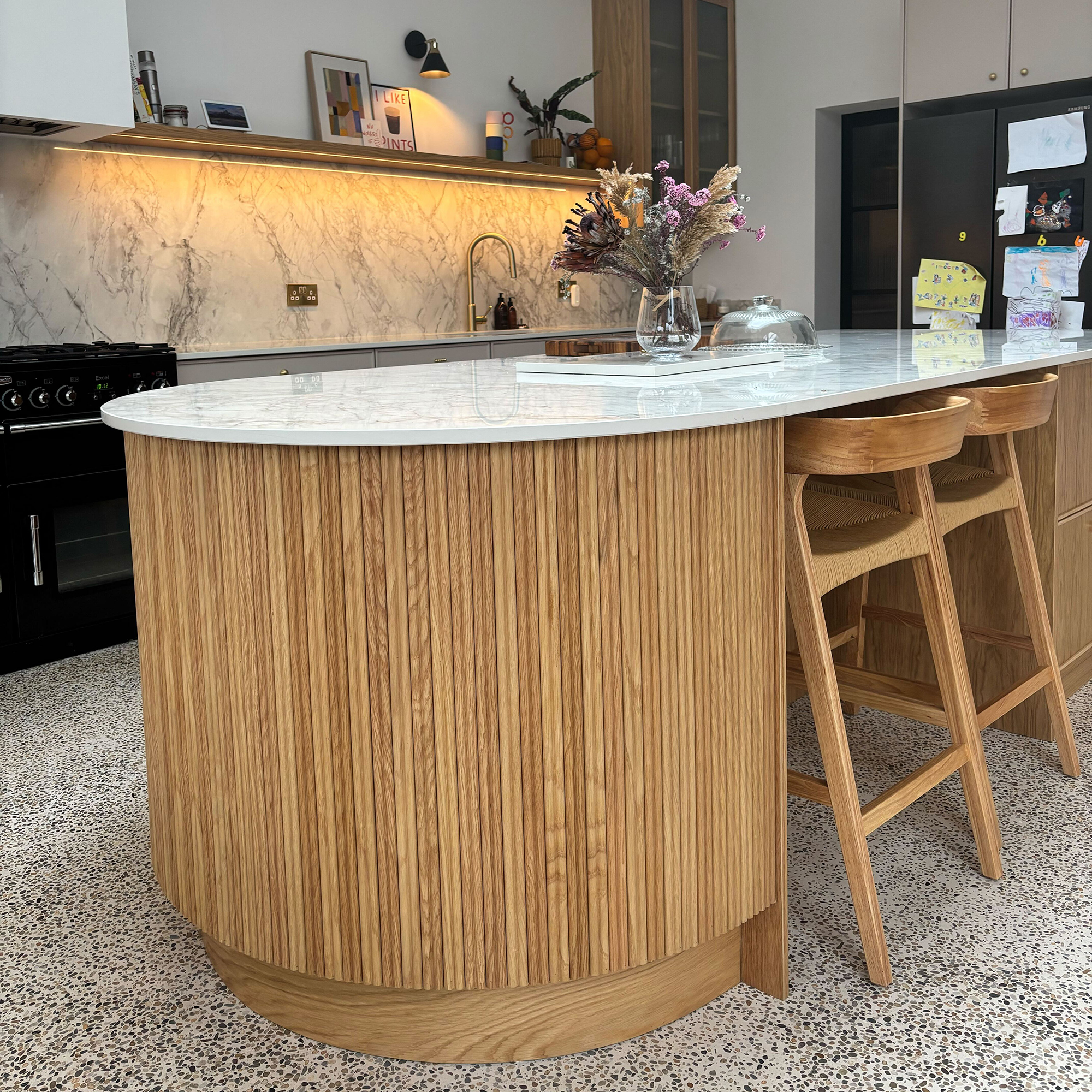
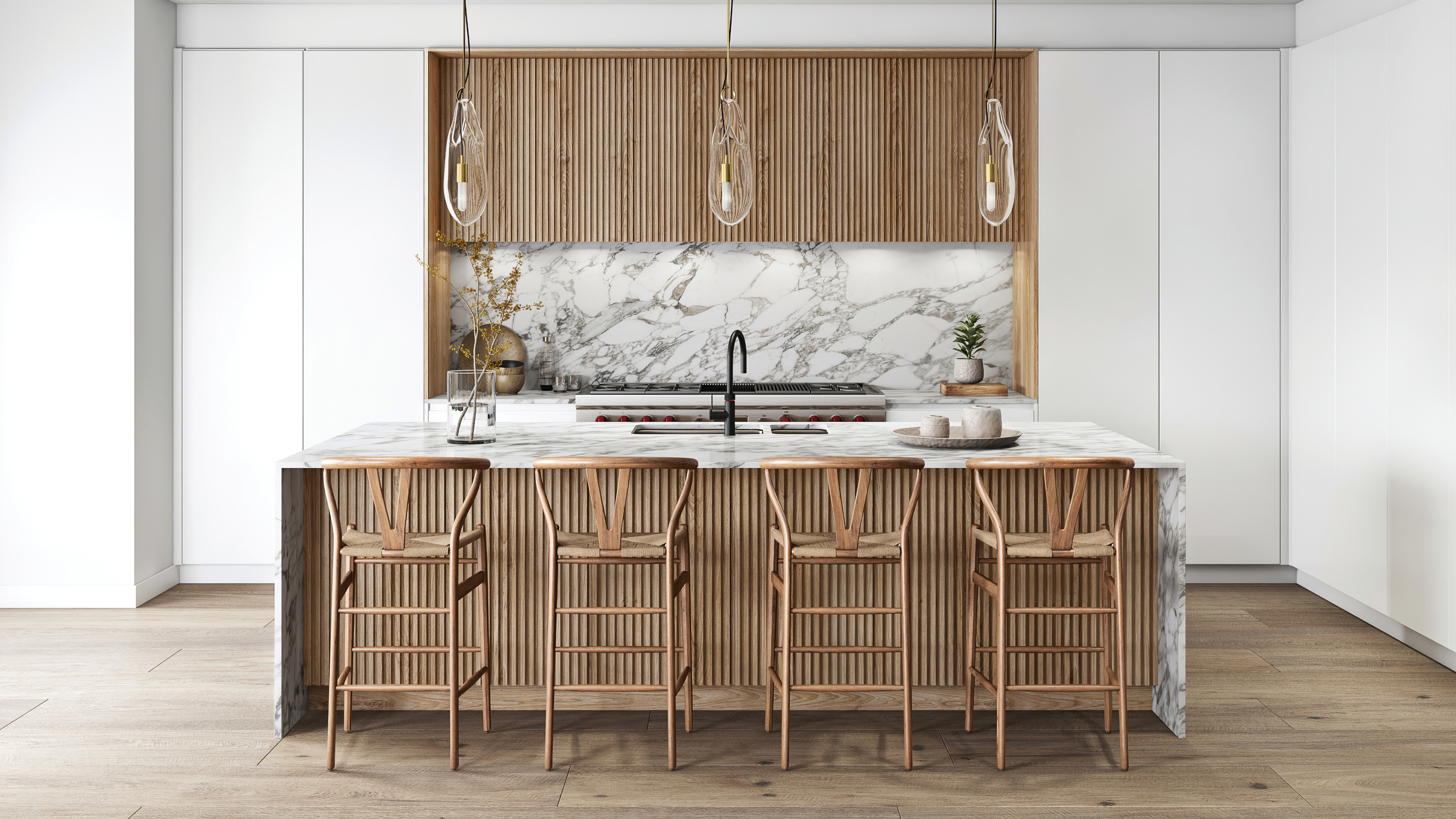
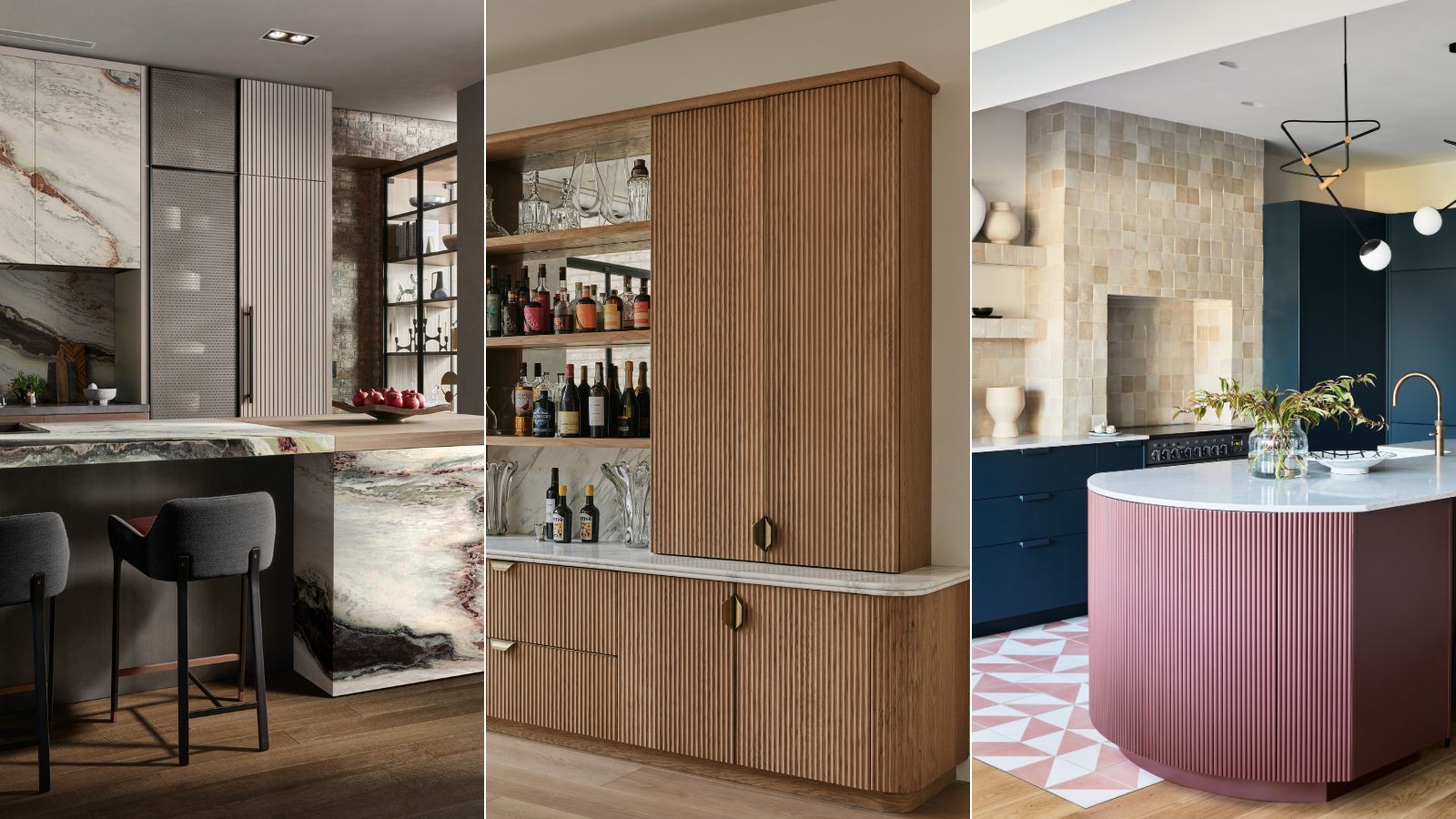
Fluted cabinets are characterized by vertical reeding or groove work on cabinet fronts. This design detail adds rhythm, shadows, and tactility to kitchens, elements often lacking in spaces dominated by hard lines and flat panels. Unlike purely decorative features, fluting is described as more architectural, contributing a subtle drama without introducing clutter. This design choice is particularly appealing to clients who desire more intricate details in their kitchens while maintaining a minimalist or sleek aesthetic. The versatility of fluted surfaces allows them to complement various kitchen styles, from modern handleless designs to traditional farmhouse schemes.
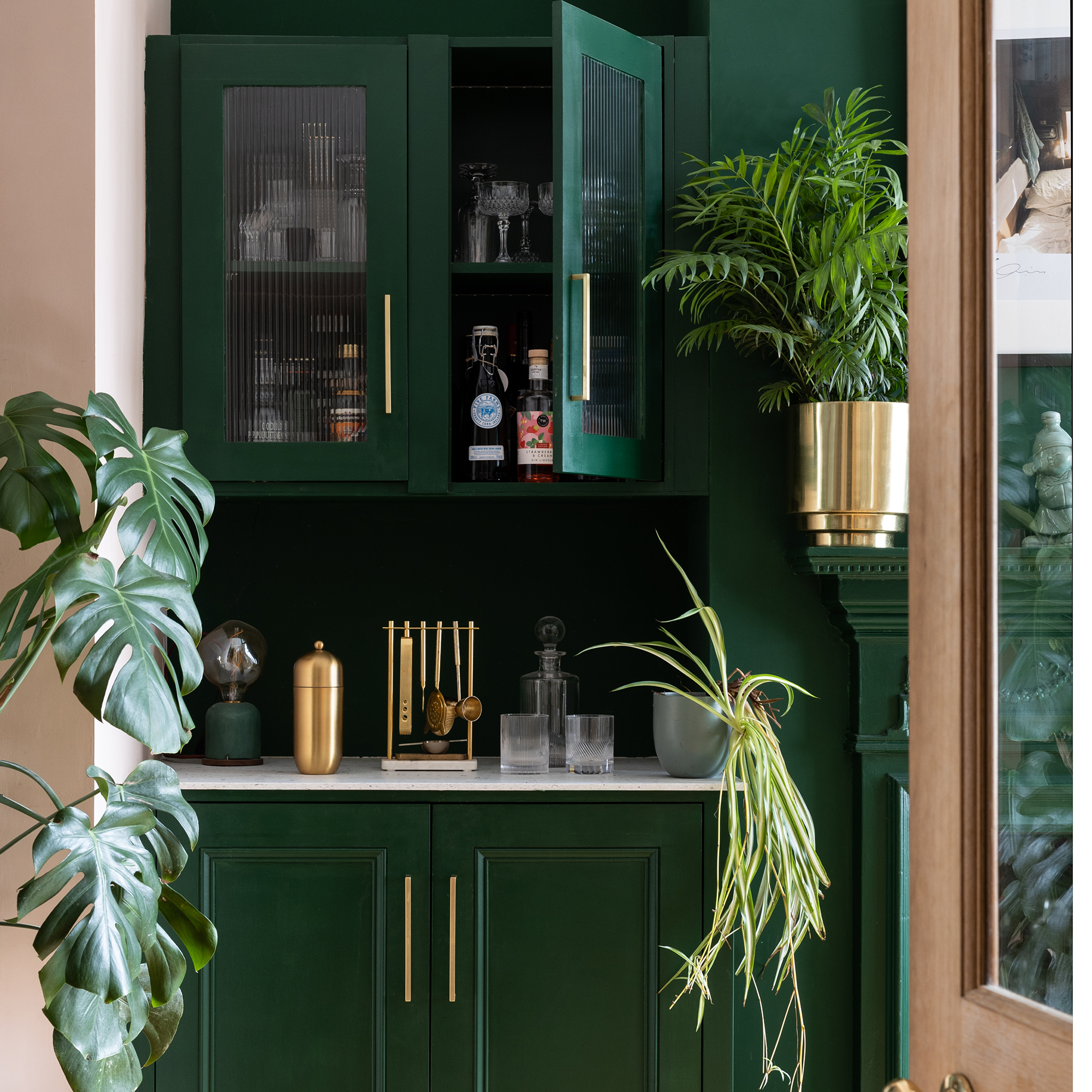
One of the key advantages of fluted cabinets is their interaction with light. Whether finished in natural oak or a painted color, the fluting creates an additional layer of visual interest, making them suitable for enhancing both small and minimalist spaces. The texture introduces softness and complexity, echoing similar trends seen in other areas of home decor, such as curved seats and ruffled edges in living rooms and bedrooms.
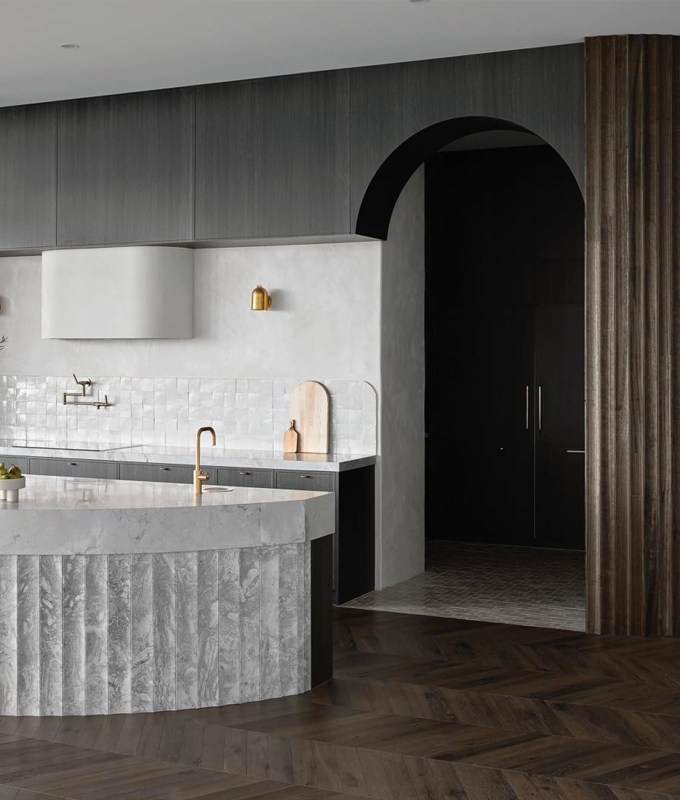
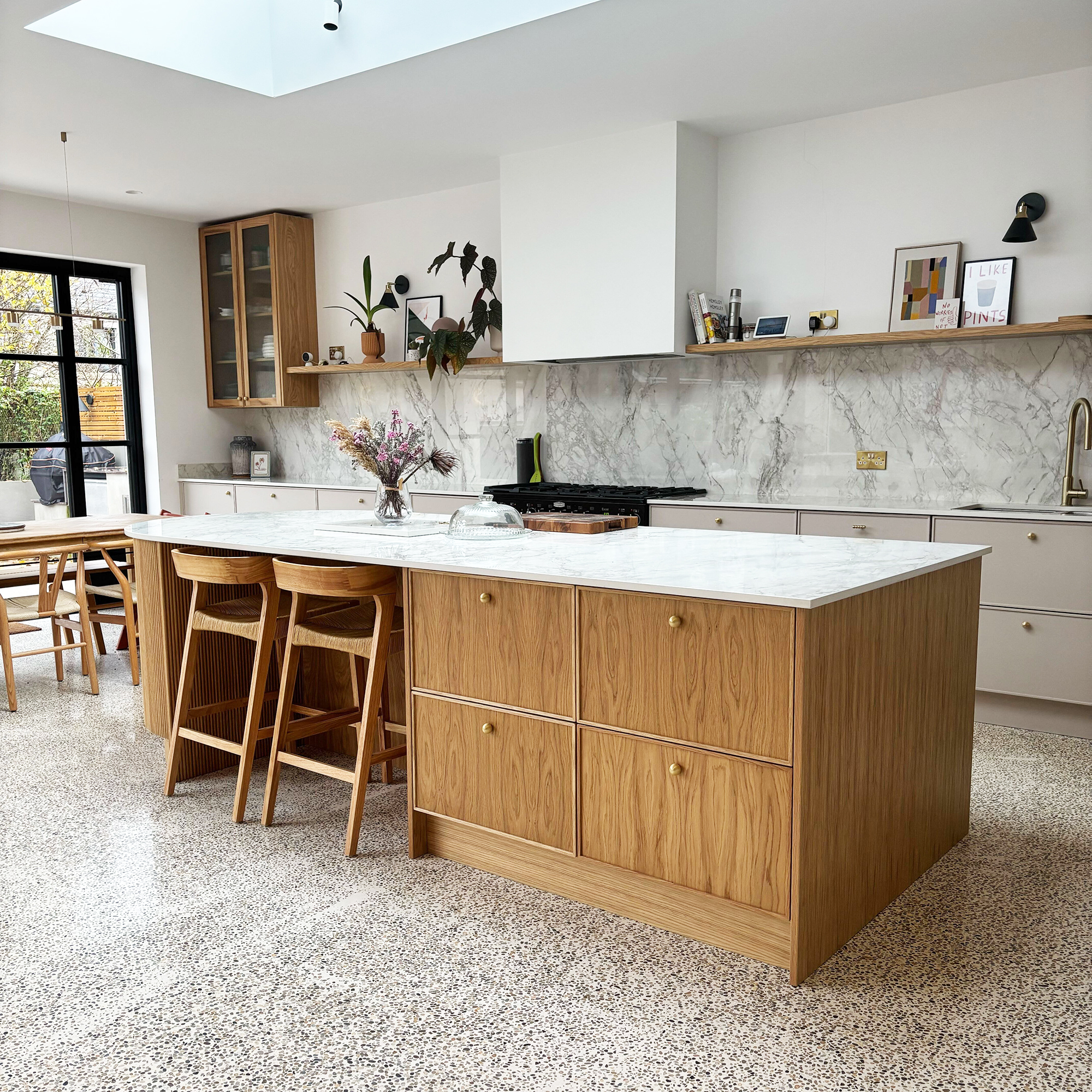
However, practical considerations are important when choosing fluted cabinets. Maintenance can be a factor, as dust and grease may accumulate in the grooves. To mitigate this, experts recommend shallower fluting for areas near hobs and food preparation zones, where grime build-up is more likely. Another crucial design consideration is avoiding overuse; a kitchen where every surface is fluted can become overwhelming. Instead, designers suggest using fluting strategically to highlight specific areas, such as a kitchen island, a pantry, or an integrated bar area, creating focal points rather than uniform texture throughout the entire space.
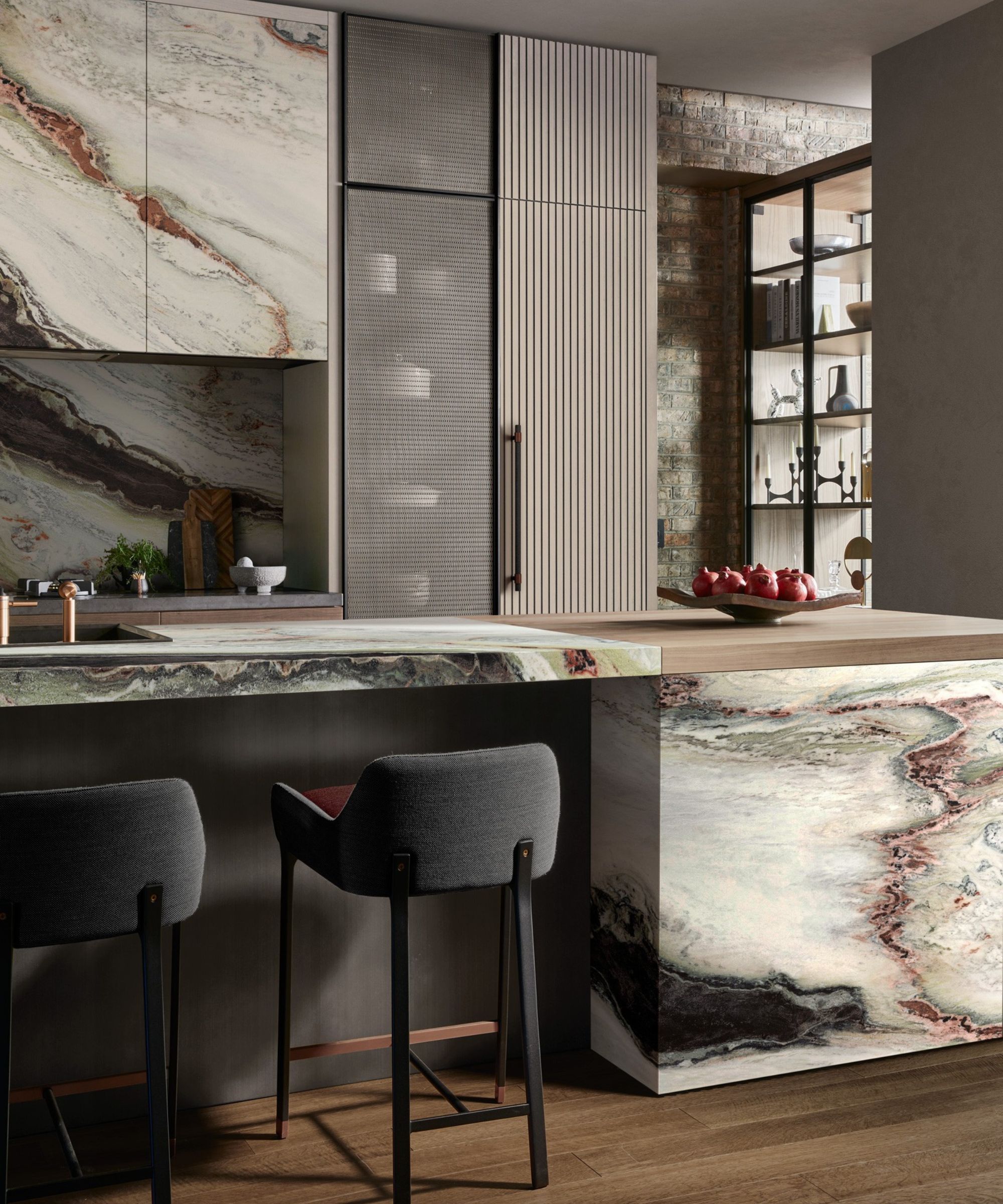
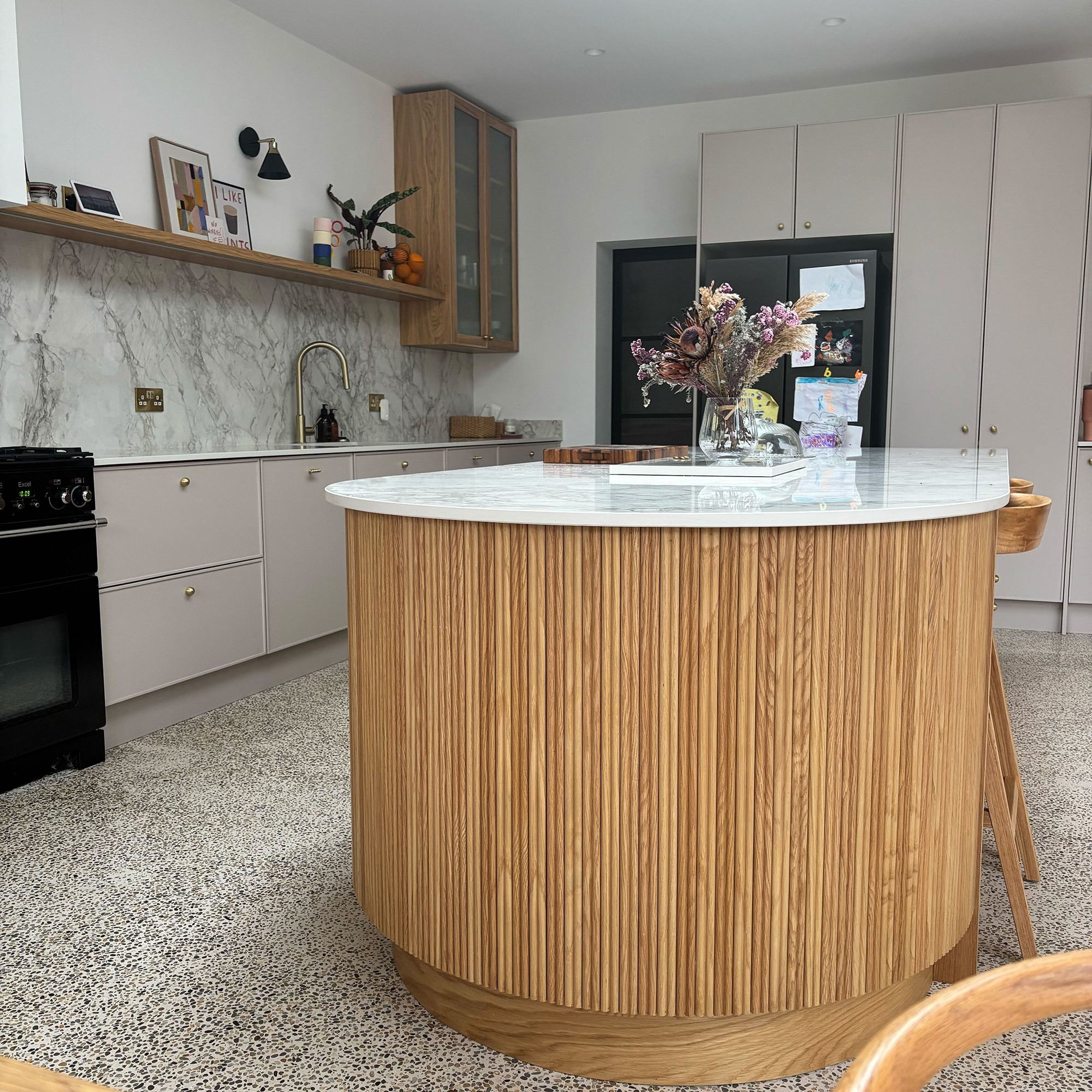
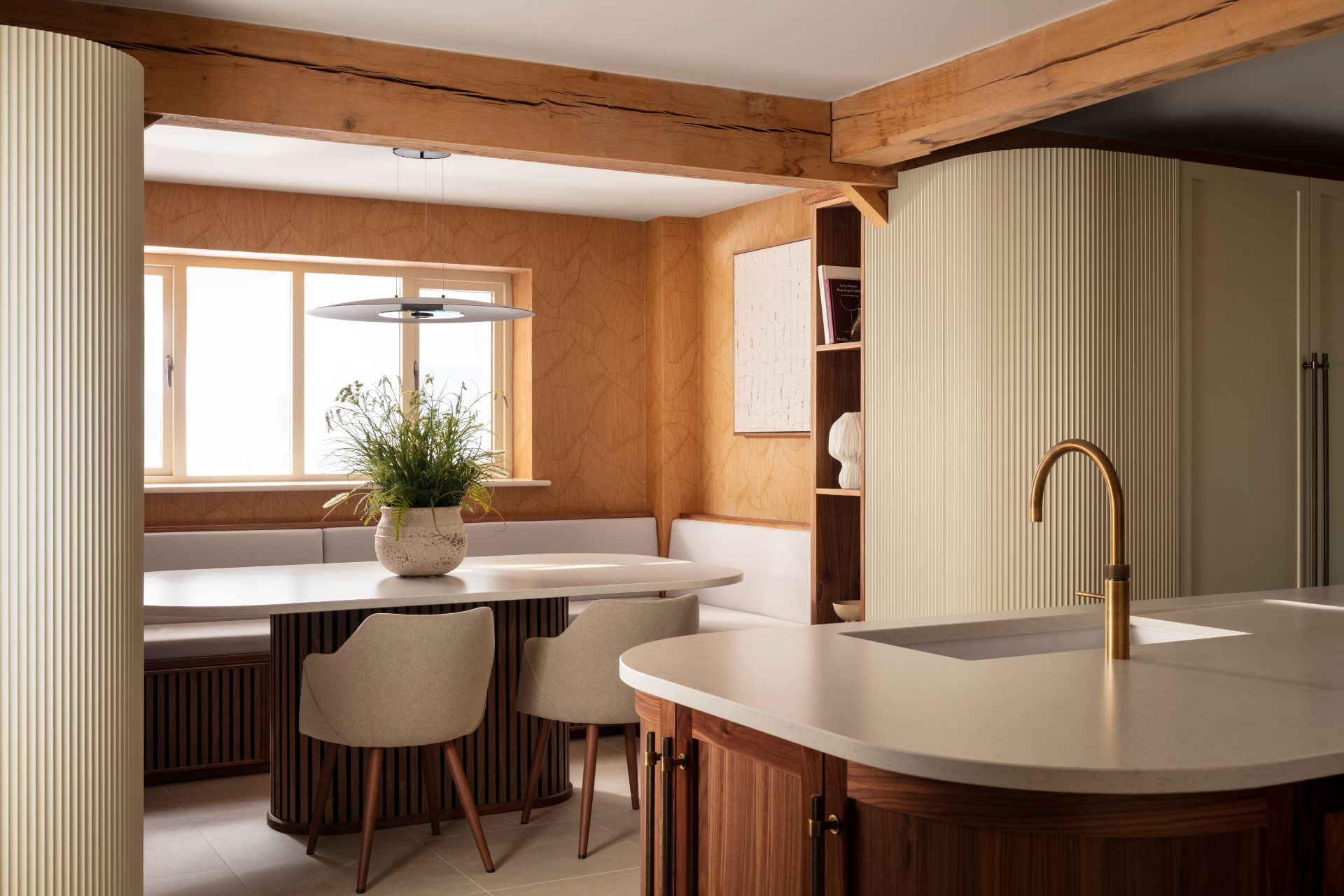
For those looking to incorporate fluted elements, several design ideas are offered. These include wrapping fluting around curved island corners to create a sculptural centerpiece with a soft, furniture-like effect. Applying fluting vertically on tall units that conceal appliances can transform them into sculptural features. Even extractor fans, often functional but aesthetically plain, can be clad in fluted timber or lacquered panels to integrate them more cohesively into the design. For more subtle enhancements, fluting can be added to baseboards to draw the eye downwards and elevate the room's overall feel. Experimentation with materials and finishes, such as high-gloss lacquer for fluted surfaces, can also create different moods, reflecting light and offering a distinct vibe compared to matte or painted wood finishes.
#FlutedKitchens #KitchenDesignTrends #InteriorDesign #Cabinetry #HomeDecor #KitchenRenovation #TexturalDesign #ModernKitchen #FlutedKitchens #KitchenDesignTrends #InteriorDesign #Cabinetry #HomeDecor #KitchenRenovation #TexturalDesign #ModernKitchen
0 comment in total
 No comments yet
You may also like
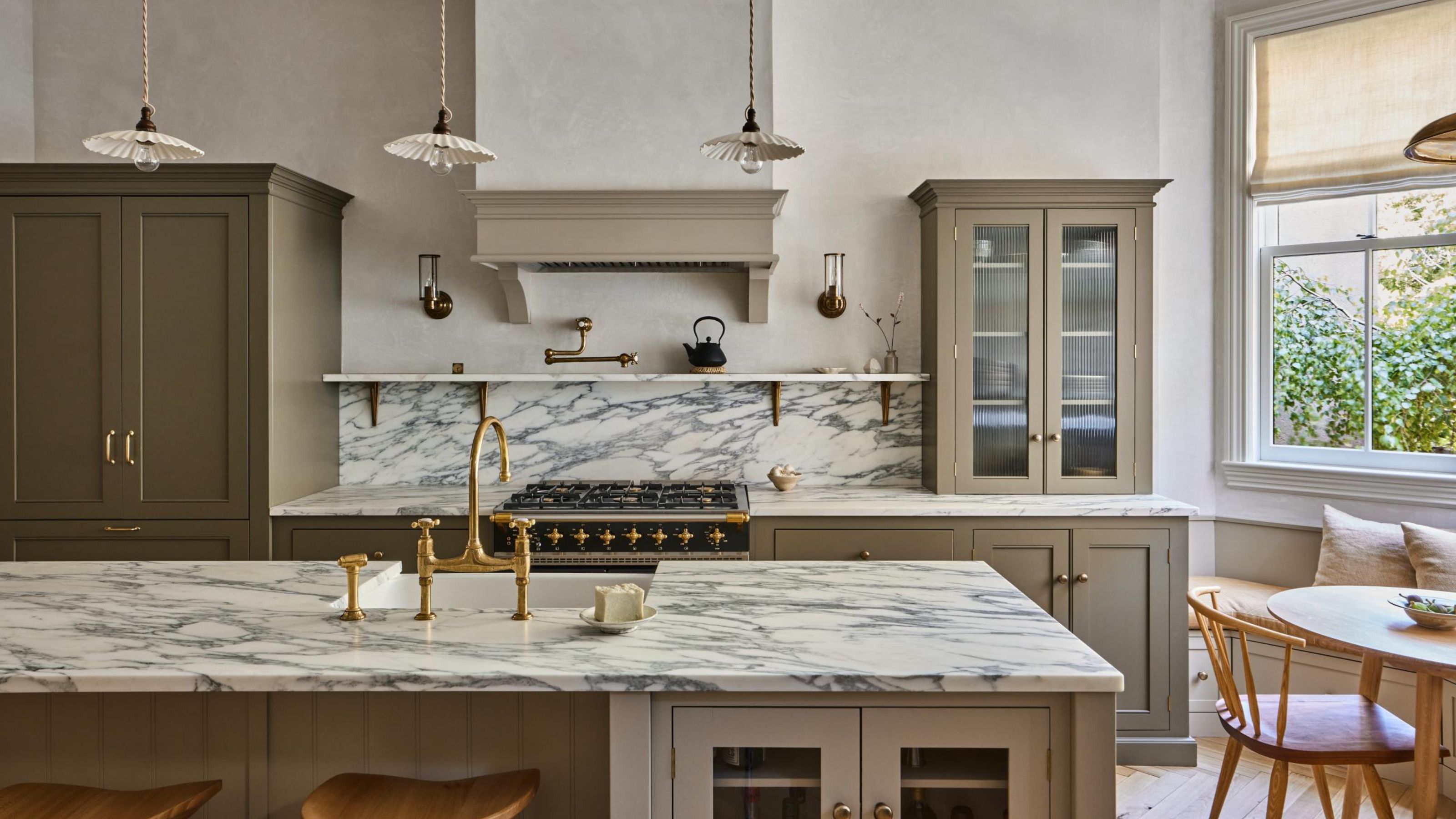
Are Fluted Glass Kitchen Cabinets Still on Trend? How to Make This Style Feel Right for Now

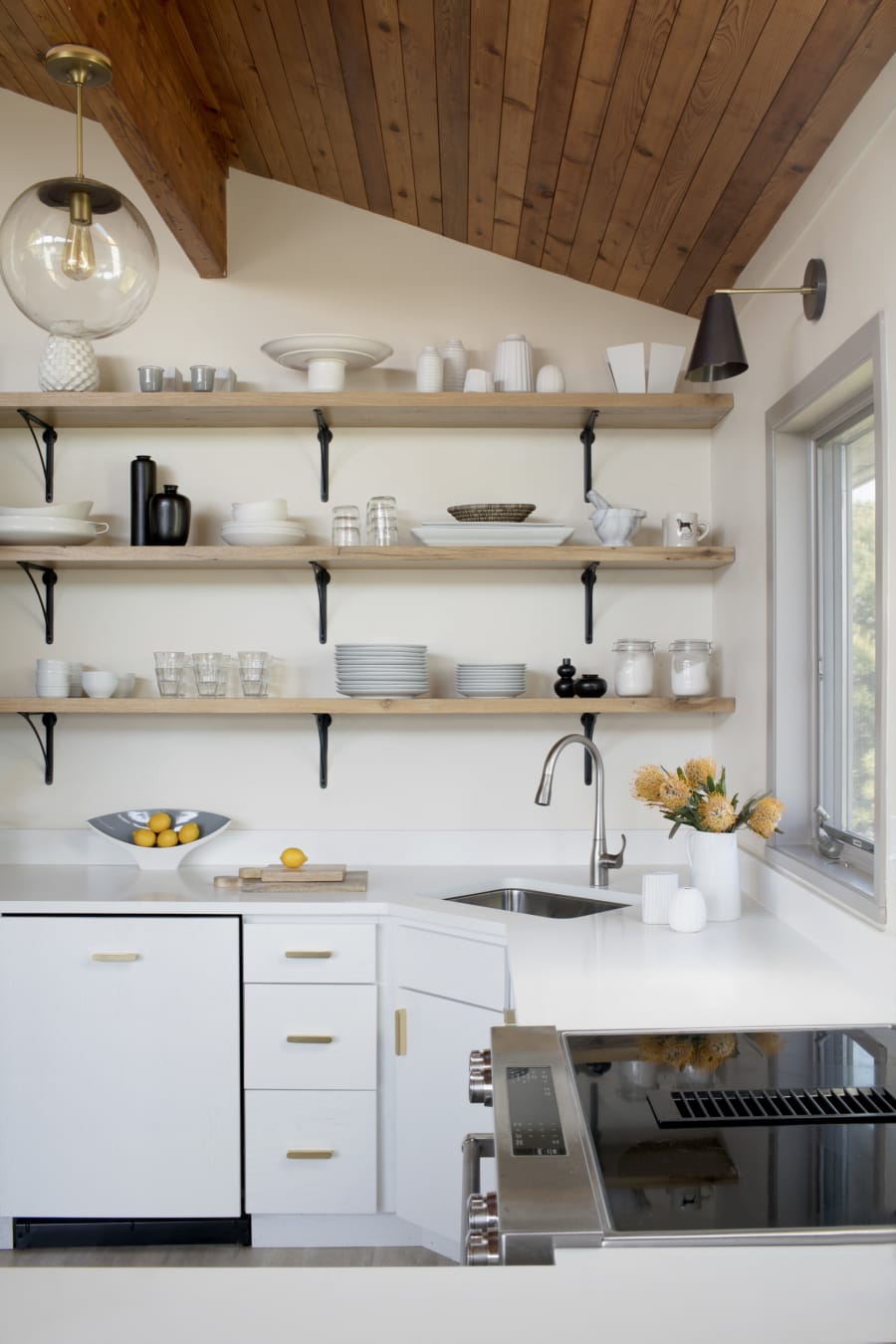
Timeless Kitchen Trends That Are Here to Stay (We Hope)

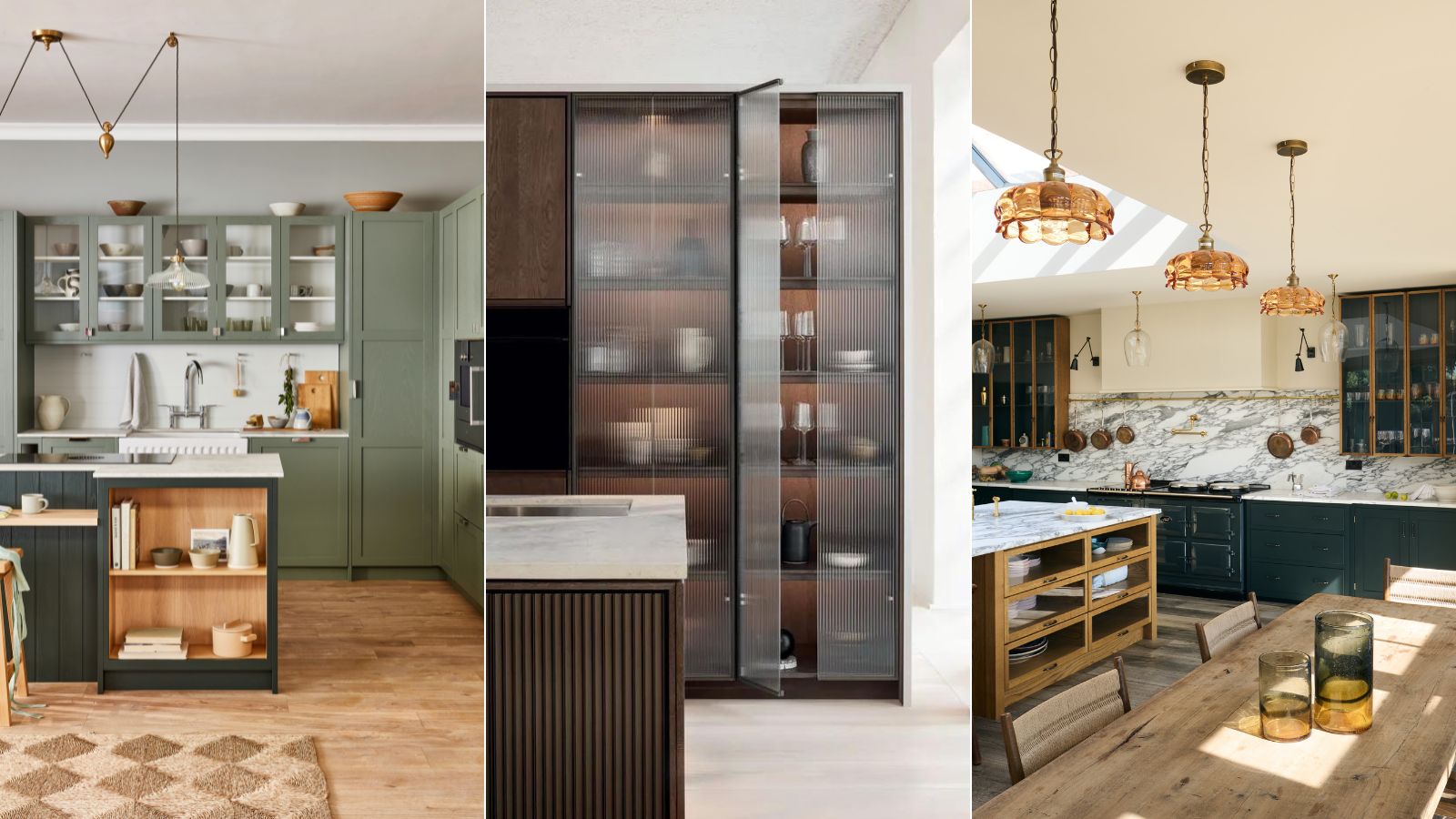
Are glass-fronted kitchen cabinets still on trend? Experts weigh in on whether this classic design is timeless or outdated

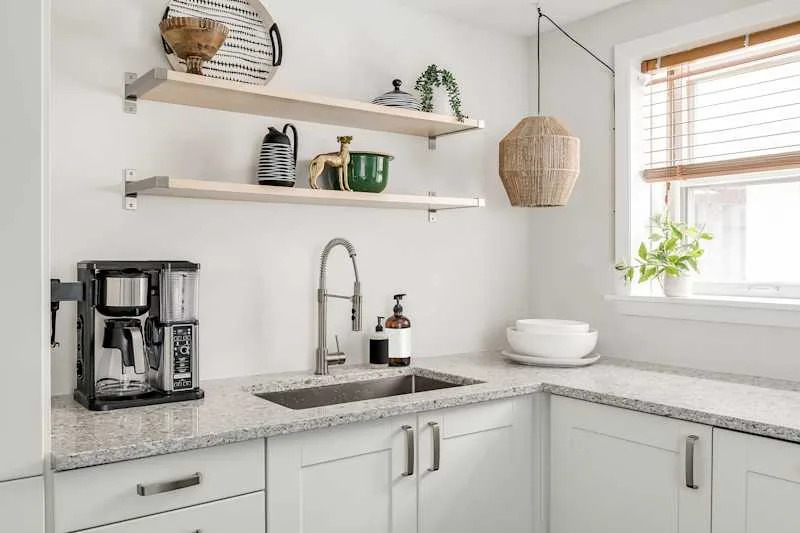
5 Kitchen Cabinet Trends on Their Way Out This Year (and 2 Taking Their Place)

This nostalgic kitchen trend is back and here to stay, according to experts
Fluted cabinets are set to be a huge kitchen trend in 2025 - this is how to make texture work in your cooking space
Design Experts Agree: This Kitchen Style Is Making a Major Comeback
We Asked Kitchen Remodel Experts What Trends Are Actually Timeless

Are Shaker kitchens still on trend? Interior design experts weigh in on whether this classic style is looking dated
Why Fluted Glass Cabinets Are the Must-Have Kitchen Trend of 2025
How sleek handleless kitchen designs are still as popular as ever
Top Designers Say These Kitchen Trends are Long-Lasting

The Classic Kitchen Design Trend That Might Never Go Out Of Style
The Kitchen Trend We Called in 2021 Is Finally Going Mainstream, So Prepare to See It Everywhere
Are kitchen islands going out of style? Kitchen designers say they're here to stay but with a twist
This kitchen island trend is set to continue in 2026 – this is how one of our editors made it work in her busy family kitchen
Fluted kitchen islands are the chicest new trend according to designers – here's how to get the look
Fluted kitchen cabinets are the trending way to add texture and interest to your space – here's how to get the look
This Is the Old-World Interior Design Trend Taking Over Kitchens Again
Why Fluted Glass Cabinets Are the Must-Have Kitchen Trend of 2025