1/11
How sleek handleless kitchen designs are still as popular as ever
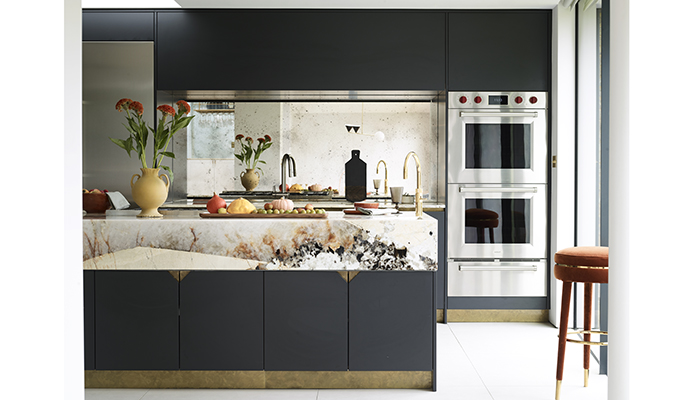
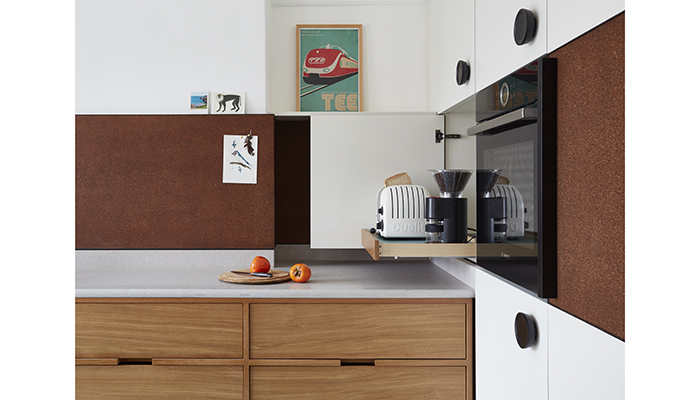
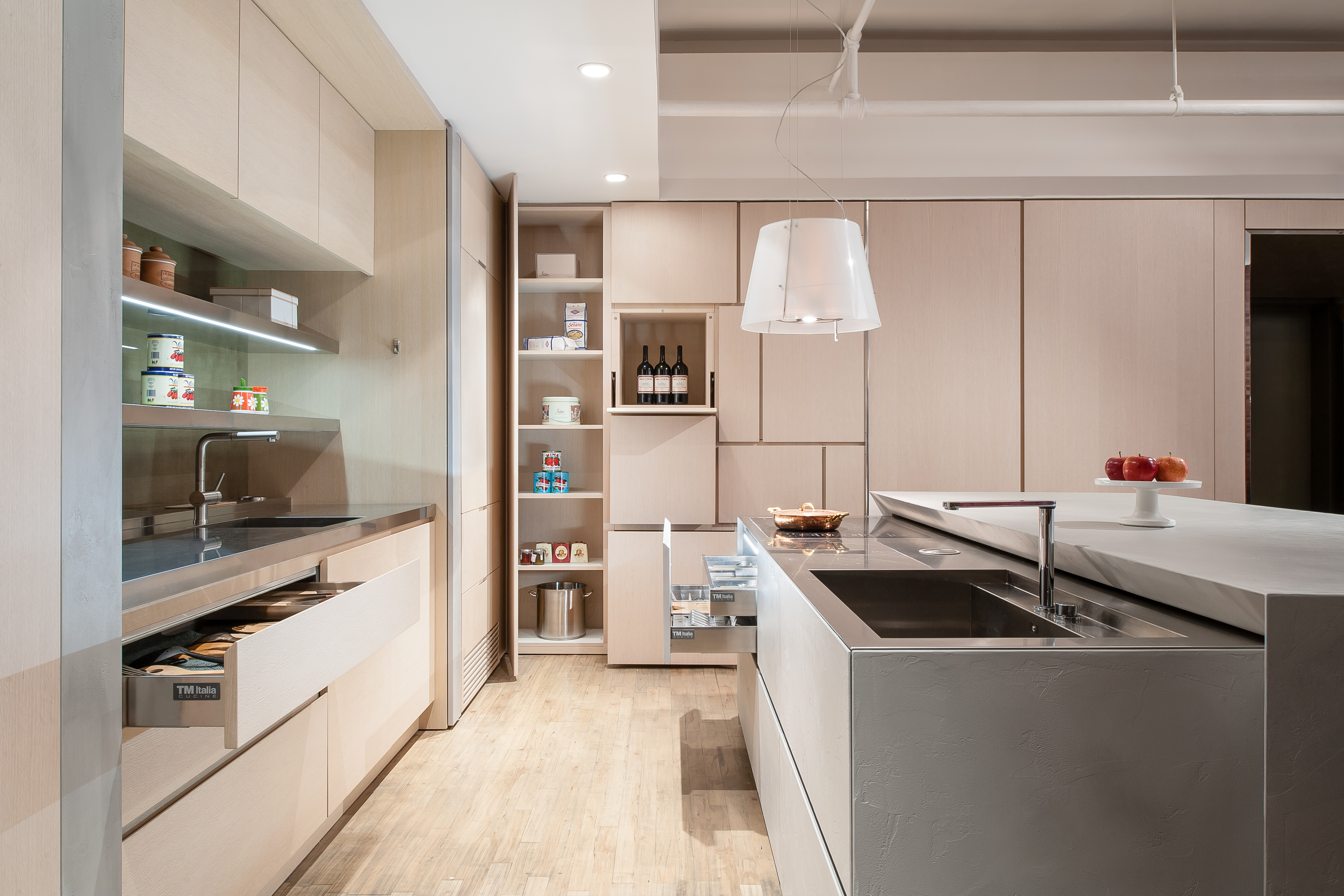
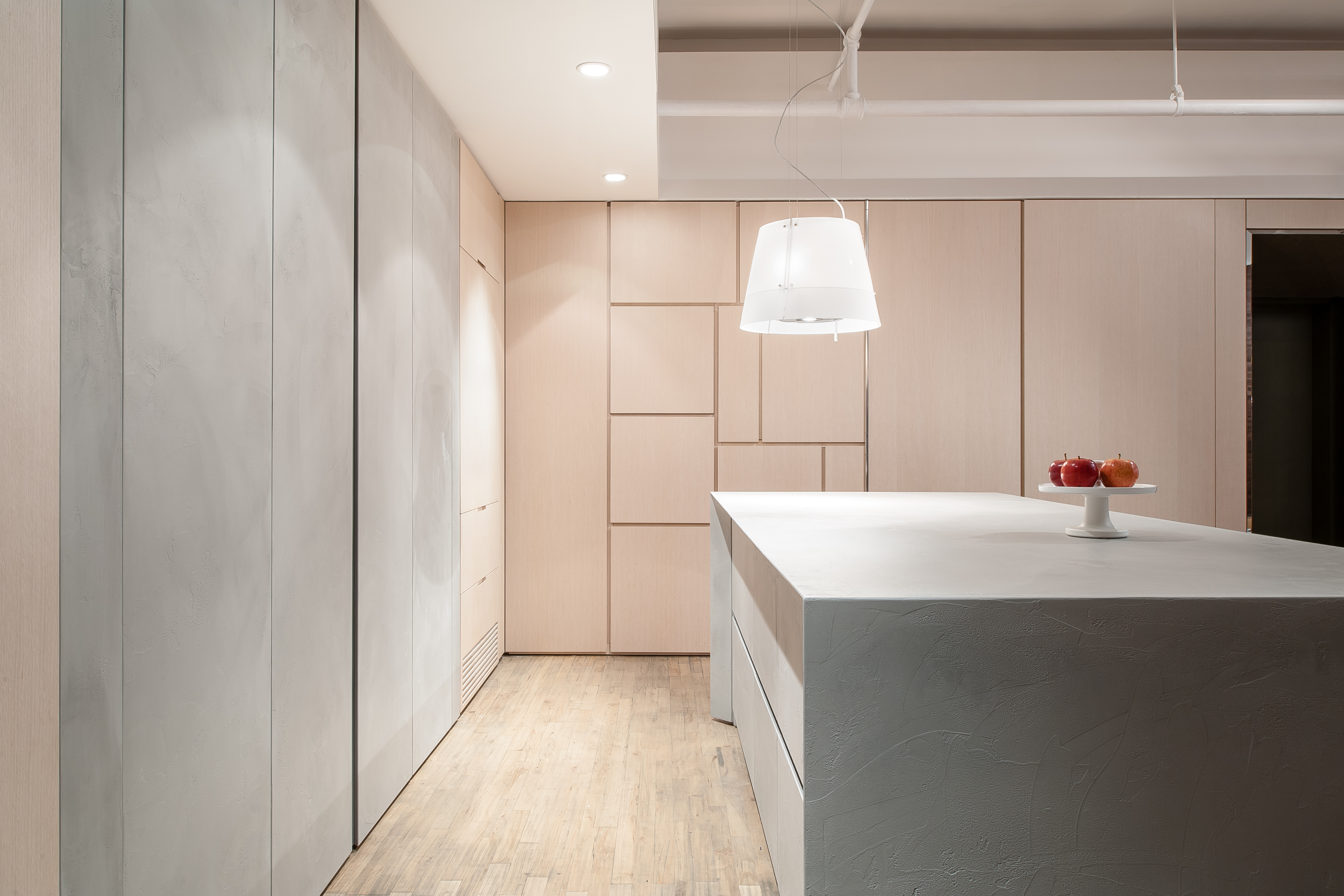
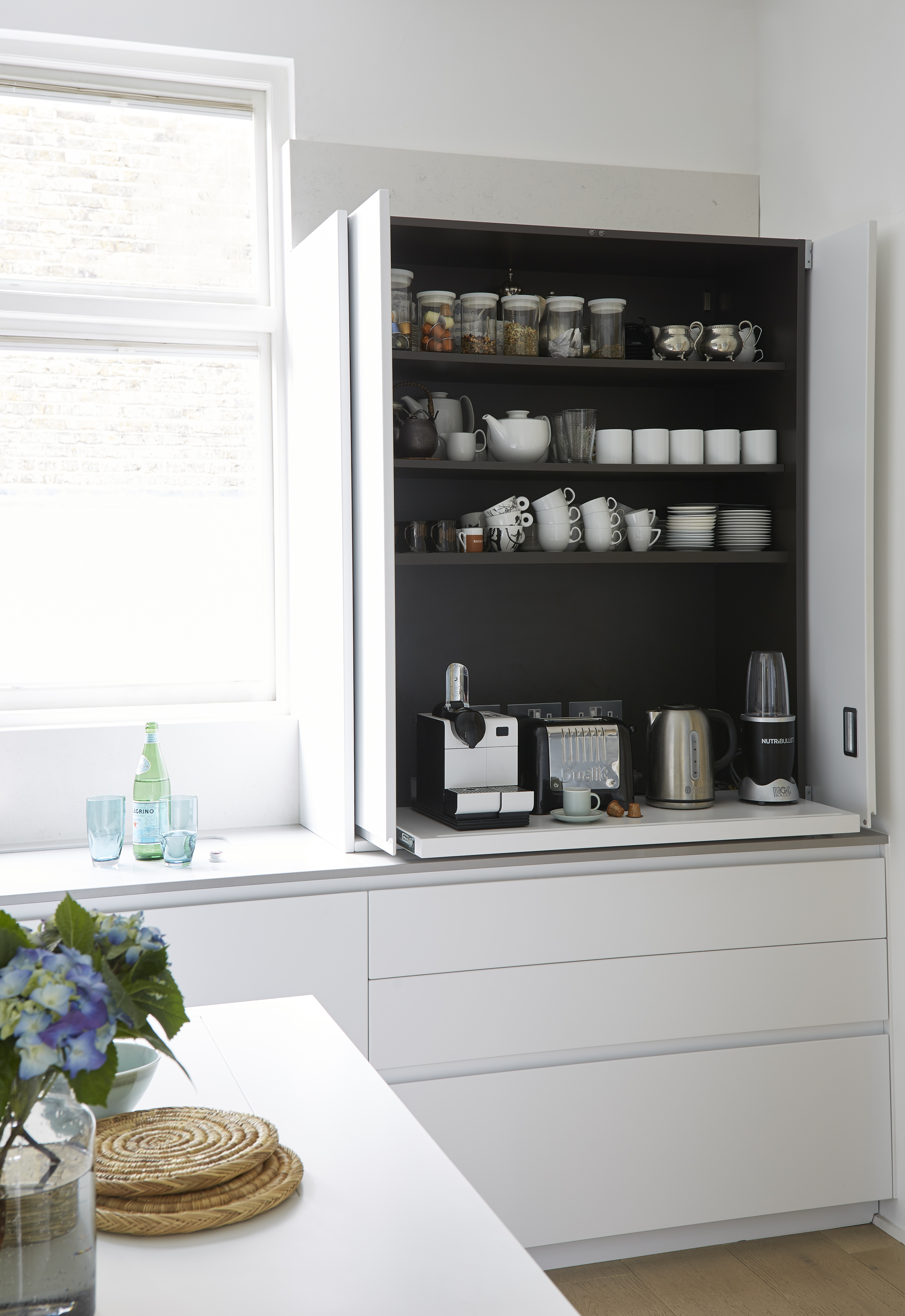
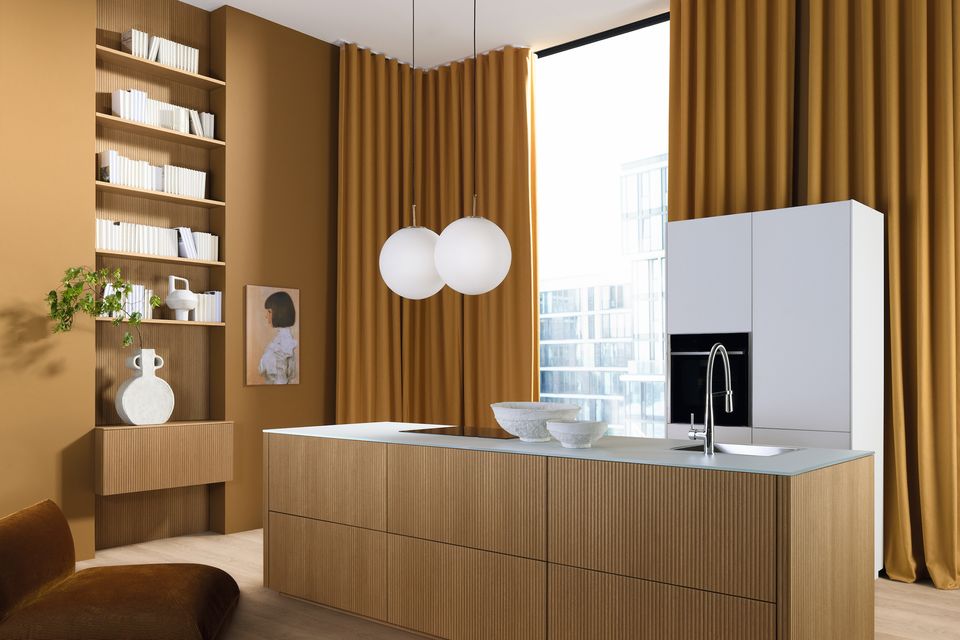
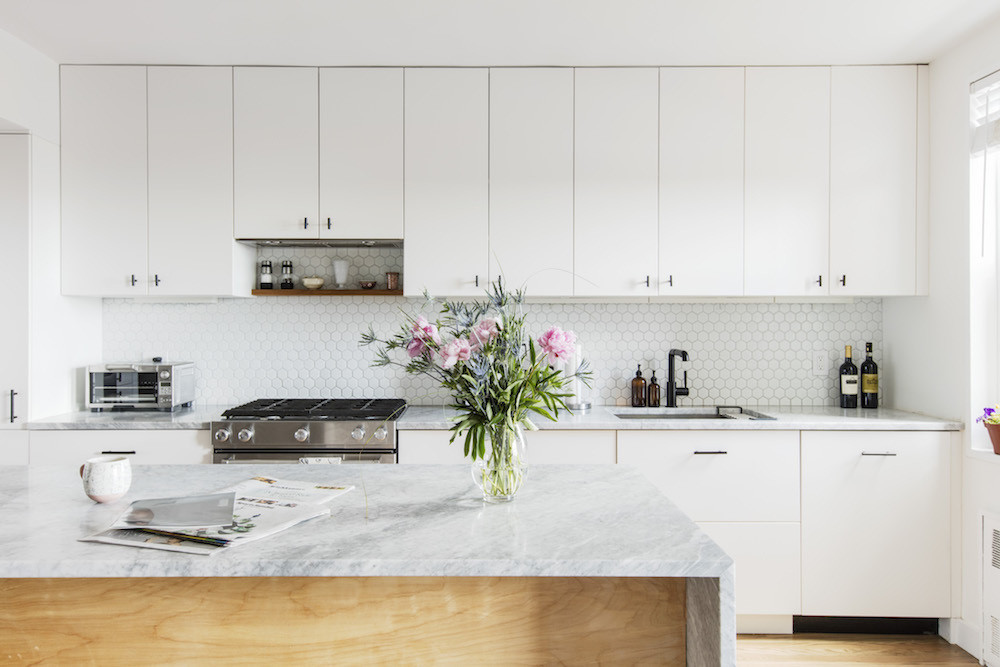
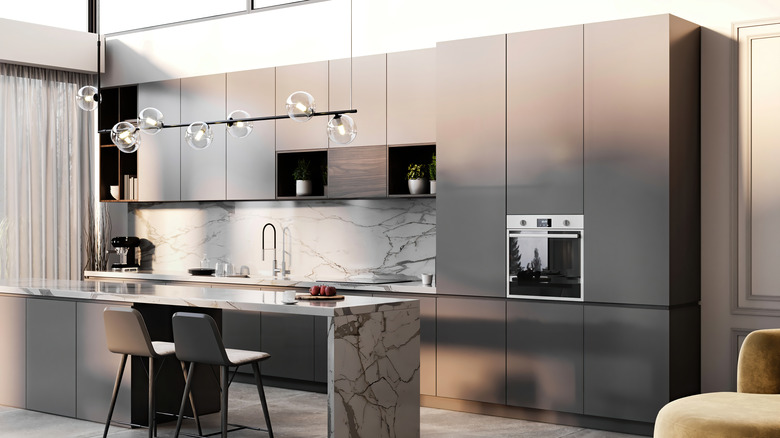
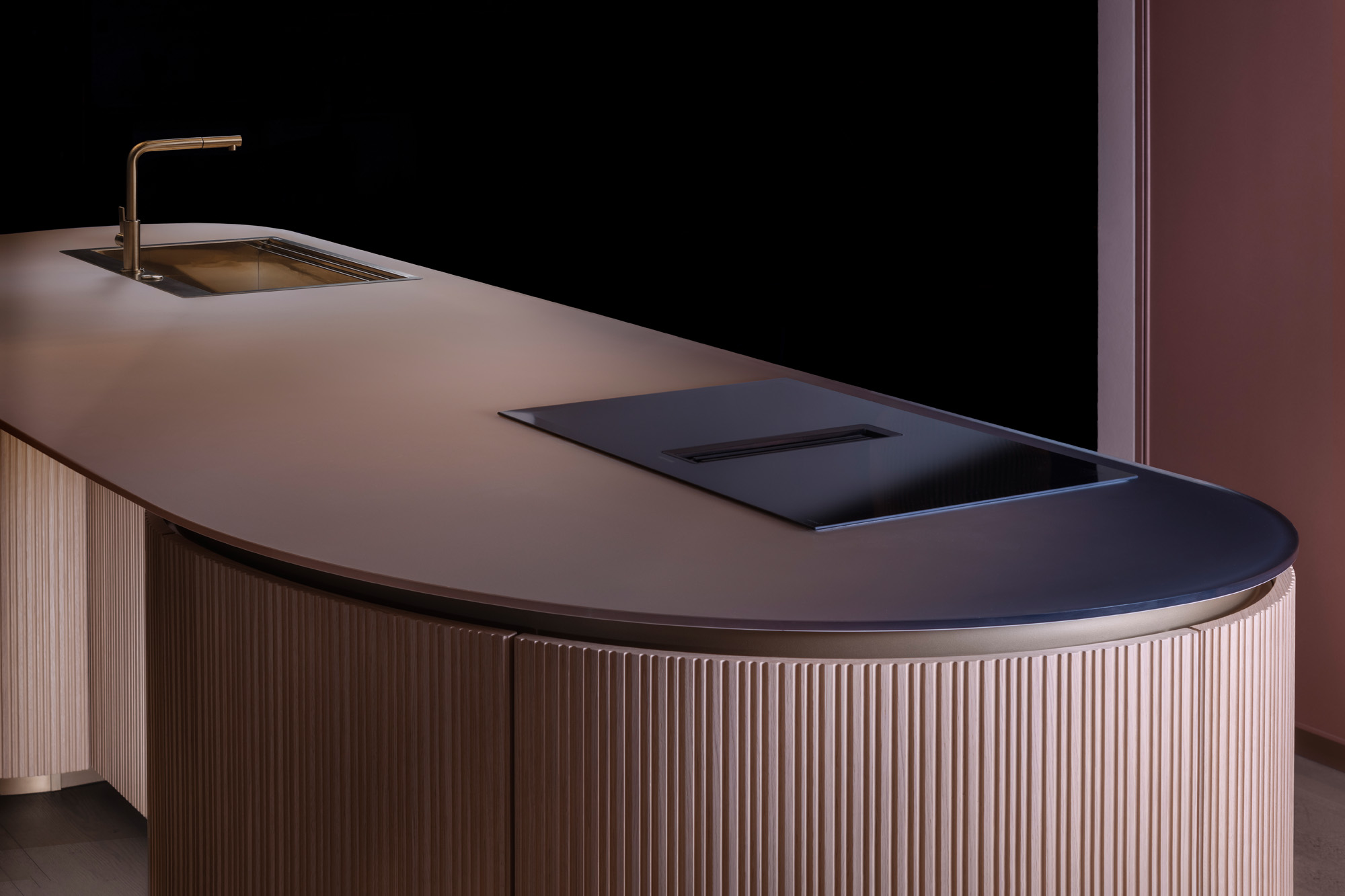
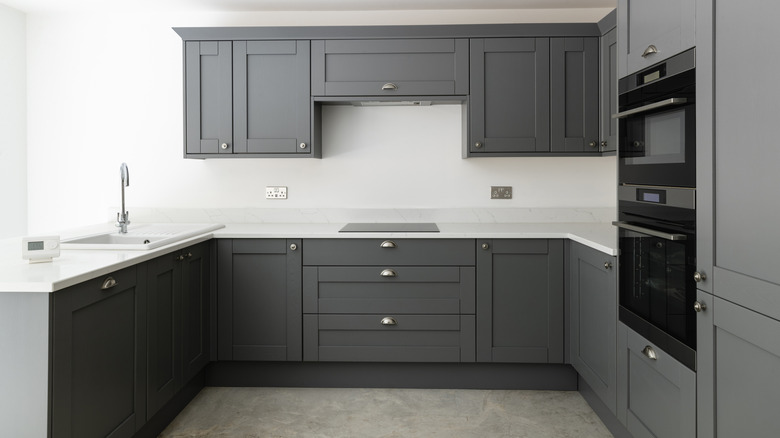
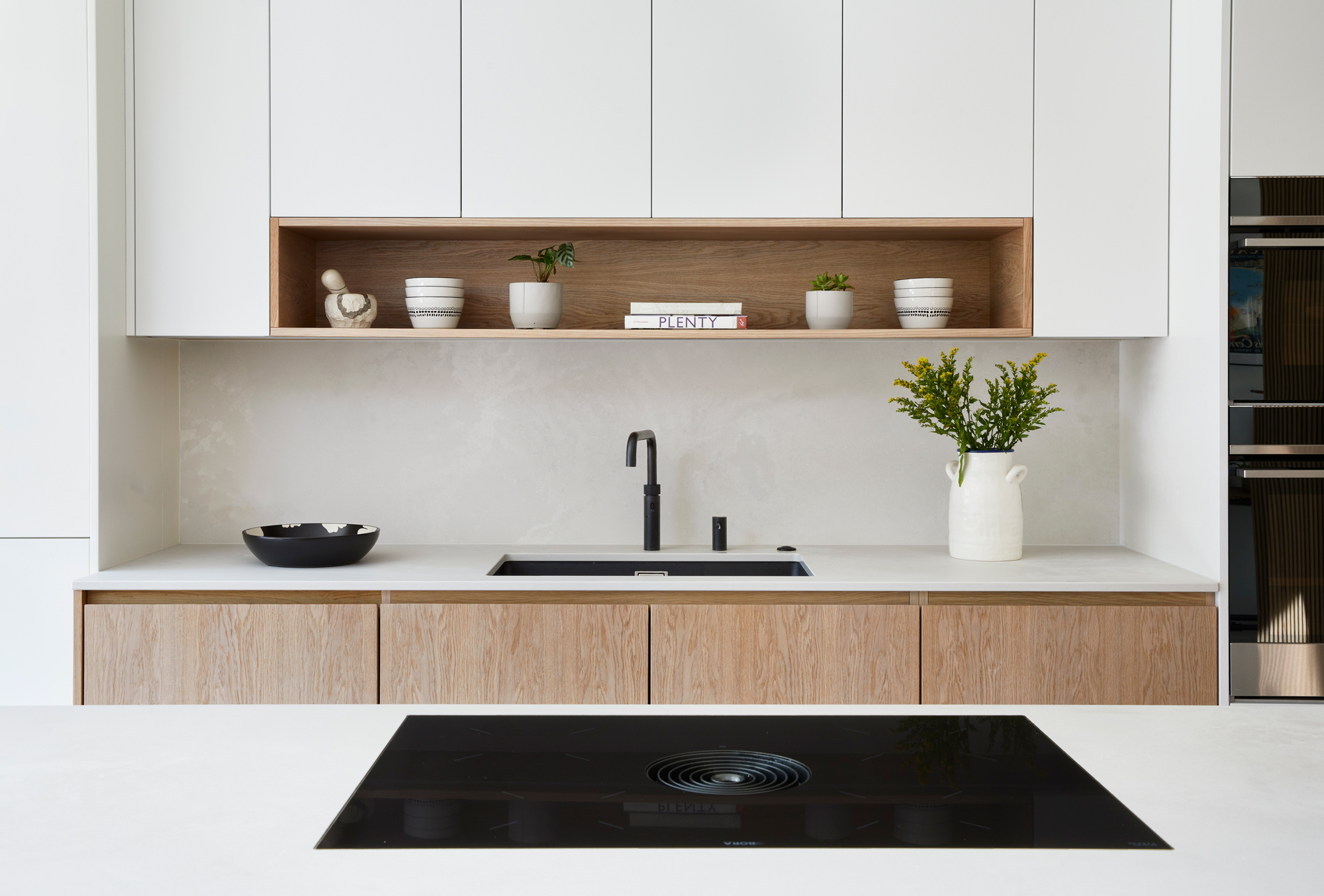
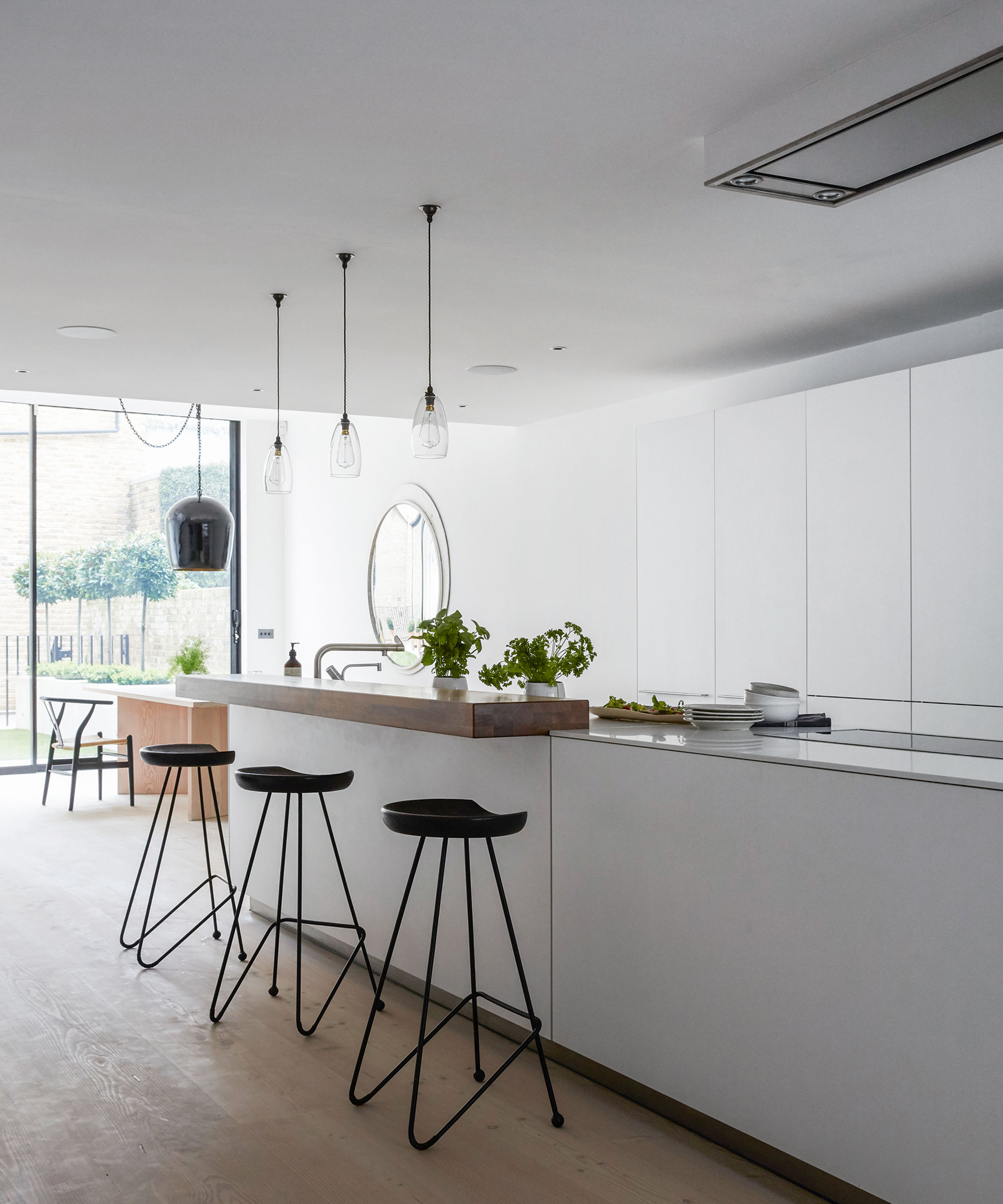
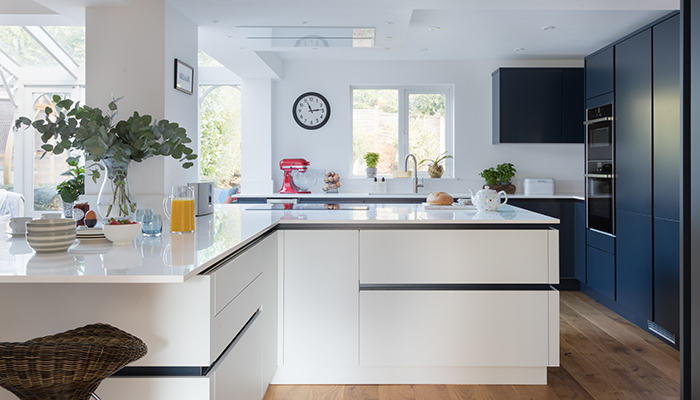
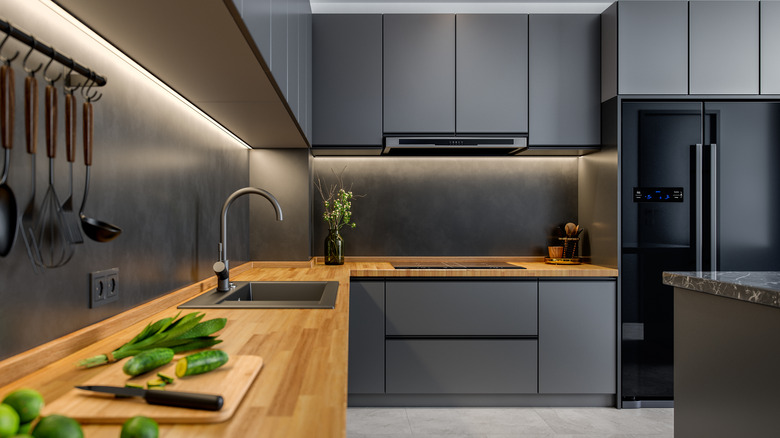
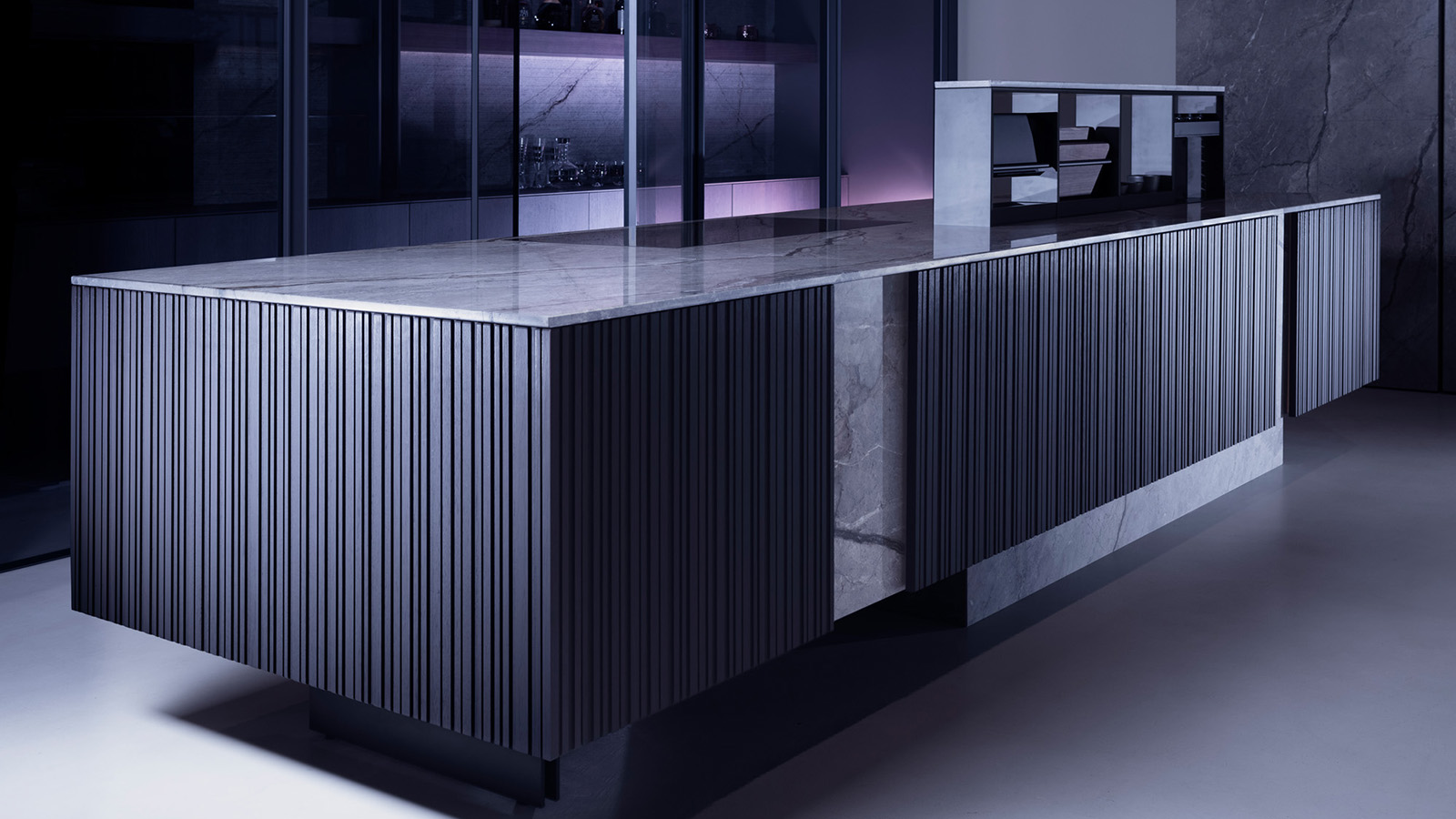
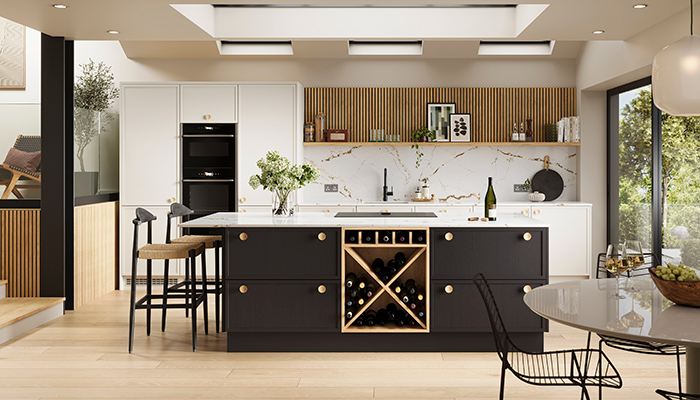
Handleless kitchen designs have maintained their popularity due to their streamlined simplicity and ability to integrate into multifunctional living spaces. This enduring appeal is driven by consumer demands for defined zones within open-plan homes, where the kitchen serves as an integral part of a larger family area without dominating it. Manufacturers like Crown Imperial offer a variety of finishes and profile colours for handleless cabinetry, allowing for seamless transitions between different areas of a home.
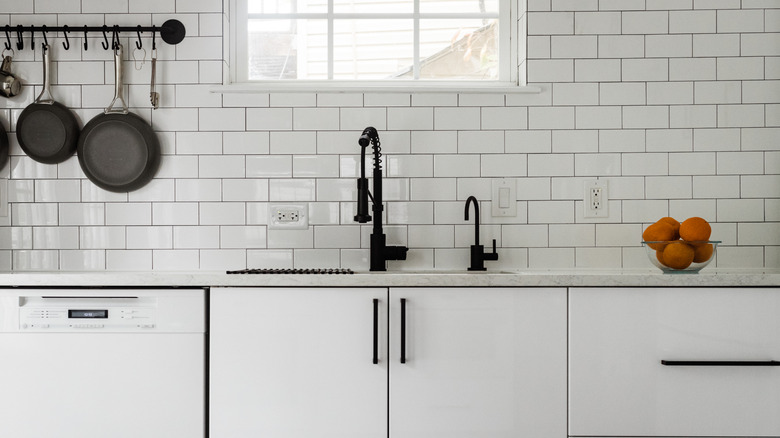
Richard Turner, Pronorm's national sales manager, highlights that handleless kitchens have been strong sellers for years because of their sleek, unfussy profiles and compatibility with open-plan layouts. The demand for these designs has intensified, offering smooth surfaces that are easy to clean. This ease of maintenance is a significant selling point, especially given the increased focus on home hygiene in recent times. Retailers can also emphasize fingerprint-resistant finishes, which further simplify the upkeep of these kitchens.
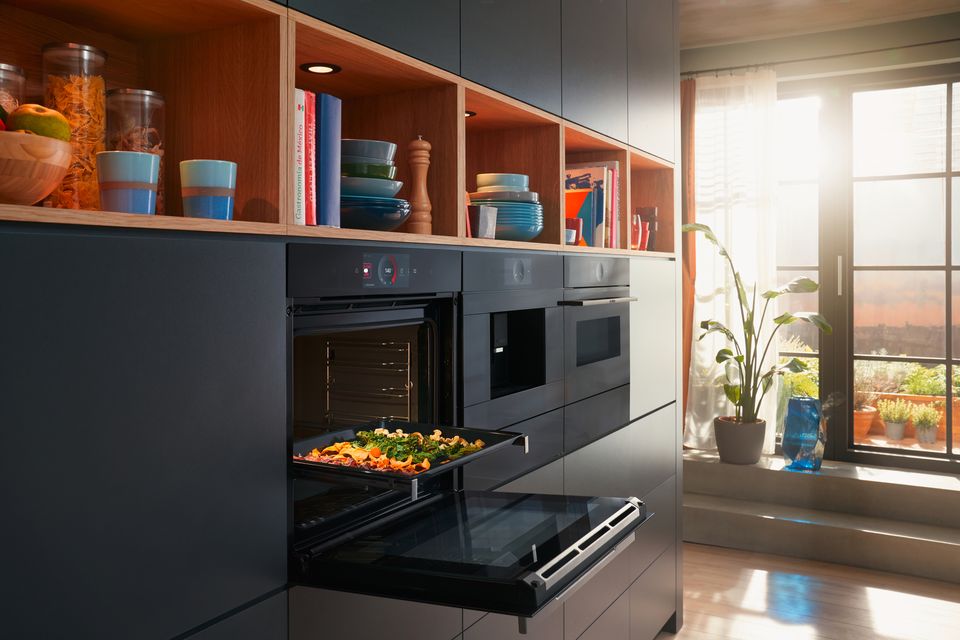
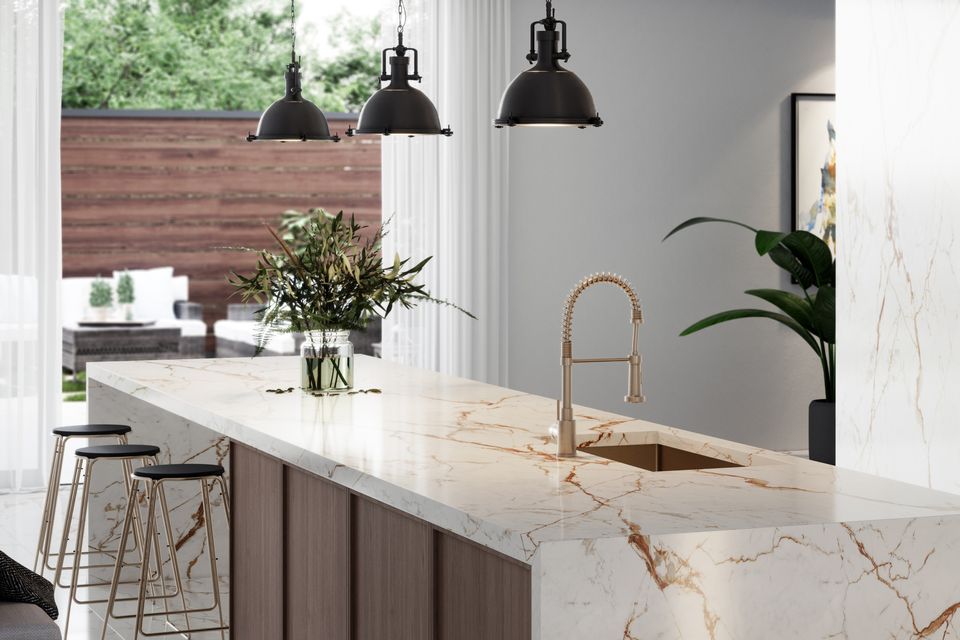
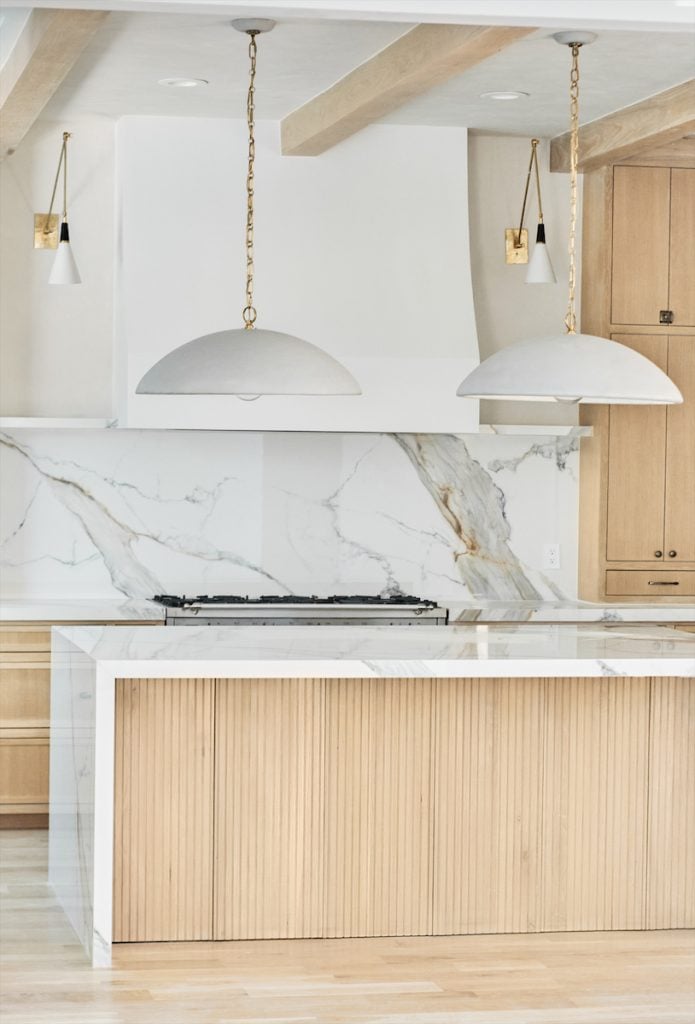
To prevent handleless kitchens from appearing too utilitarian, designers employ various strategies. James Bishton, retail sales director for Omega Plc, suggests using clever lighting, such as pendants or backlighting, along with open shelving and textured worktops and splashbacks. These elements help to soften the space and prevent a clinical aesthetic. High-gloss finishes can also contribute to creating an impression of more light, which is particularly beneficial in smaller spaces.
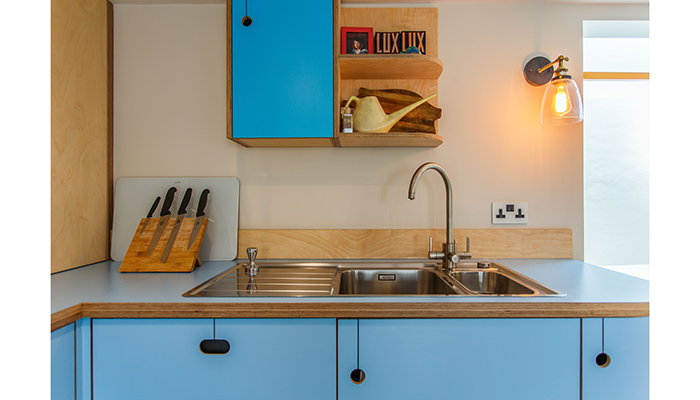
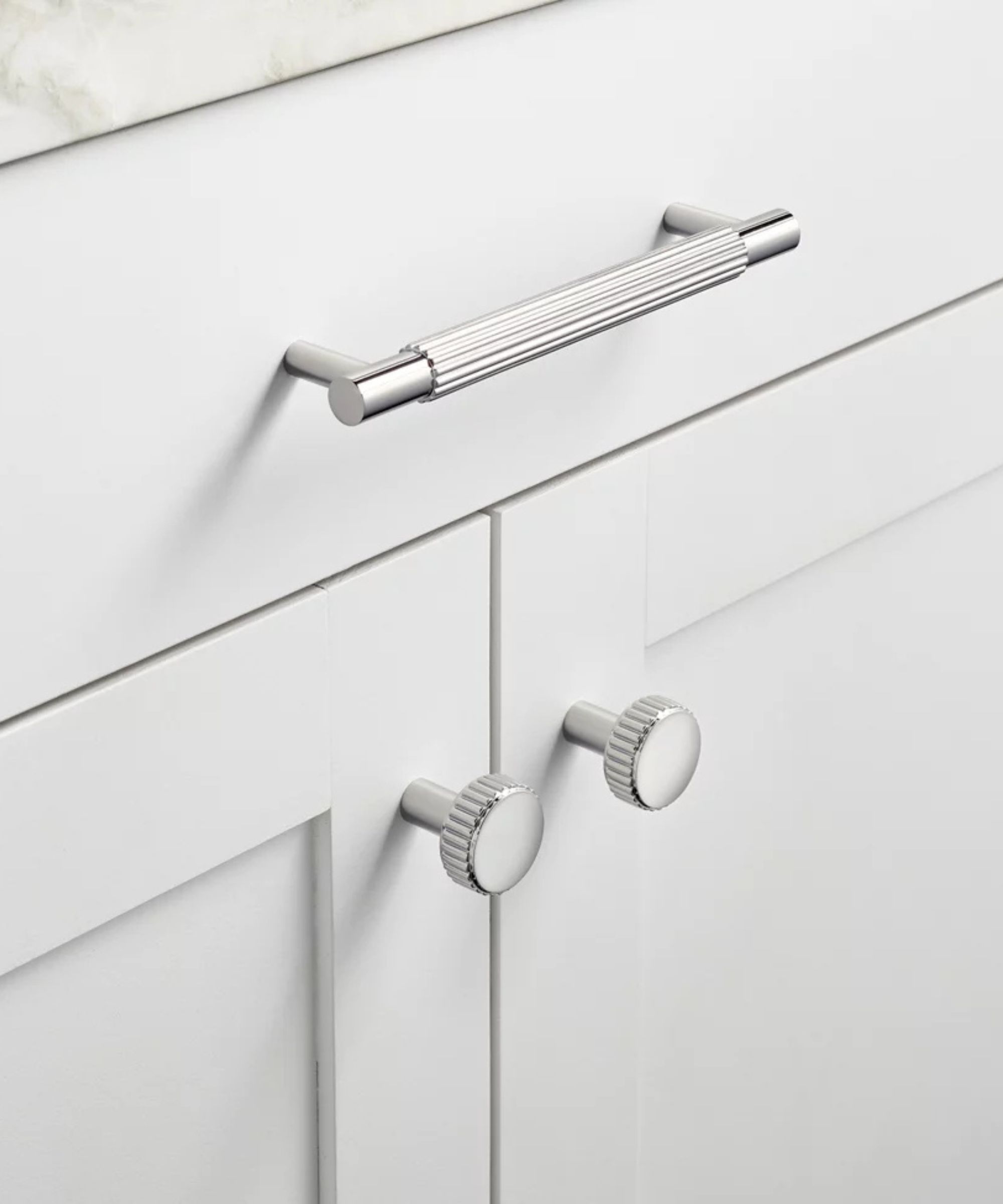
Steve Tough, commercial sales director for Masterclass Kitchens, notes that handle rails offer an opportunity to introduce colour and personalization into the design. A contrasting colour in the handle rail can add depth to a single-tone handleless kitchen, accentuating its clean lines. Alternatively, textural finishes like wood or metallics can provide a subtle design statement. Emma Stuart Stephenson, head of marketing for Mereway, points out that the absence of handles opens up creative possibilities for kitchen designers. This allows for experimentation with different textures, colours, and finishes, facilitating a mix-and-match look that can enhance any space.
Matt Phillips, head of UK operations for Rotpunkt, views the handleless kitchen as an ultimate blank canvas for designers. This freedom enables them to express a client's personal style and complement their lifestyle and living arrangements, whether designing a large open-plan area or a compact studio apartment. The inherent clean, unbroken lines of handleless designs provide a foundation for versatile and sophisticated kitchen aesthetics, ensuring their continued relevance and popularity in contemporary home design.
#KitchenDesign #HandlelessKitchens #HomeInteriors #OpenPlanLiving #KitchenCabinetry #InteriorDesignTrends #KitchenInnovation #KitchenAesthetics #HomeDecor #KitchenDesign #HandlelessKitchens #HomeInteriors #OpenPlanLiving #KitchenCabinetry #InteriorDesignTrends #KitchenInnovation #KitchenAesthetics #HomeDecor
0 comment in total
 No comments yet
You may also like
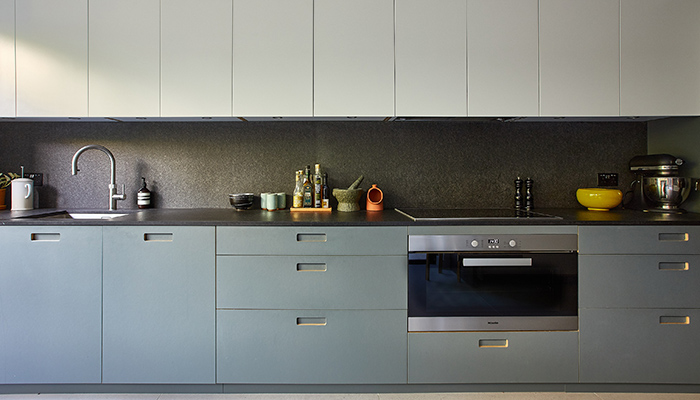
Kitchen design: The rise of the integrated – or 'cutout' – handle
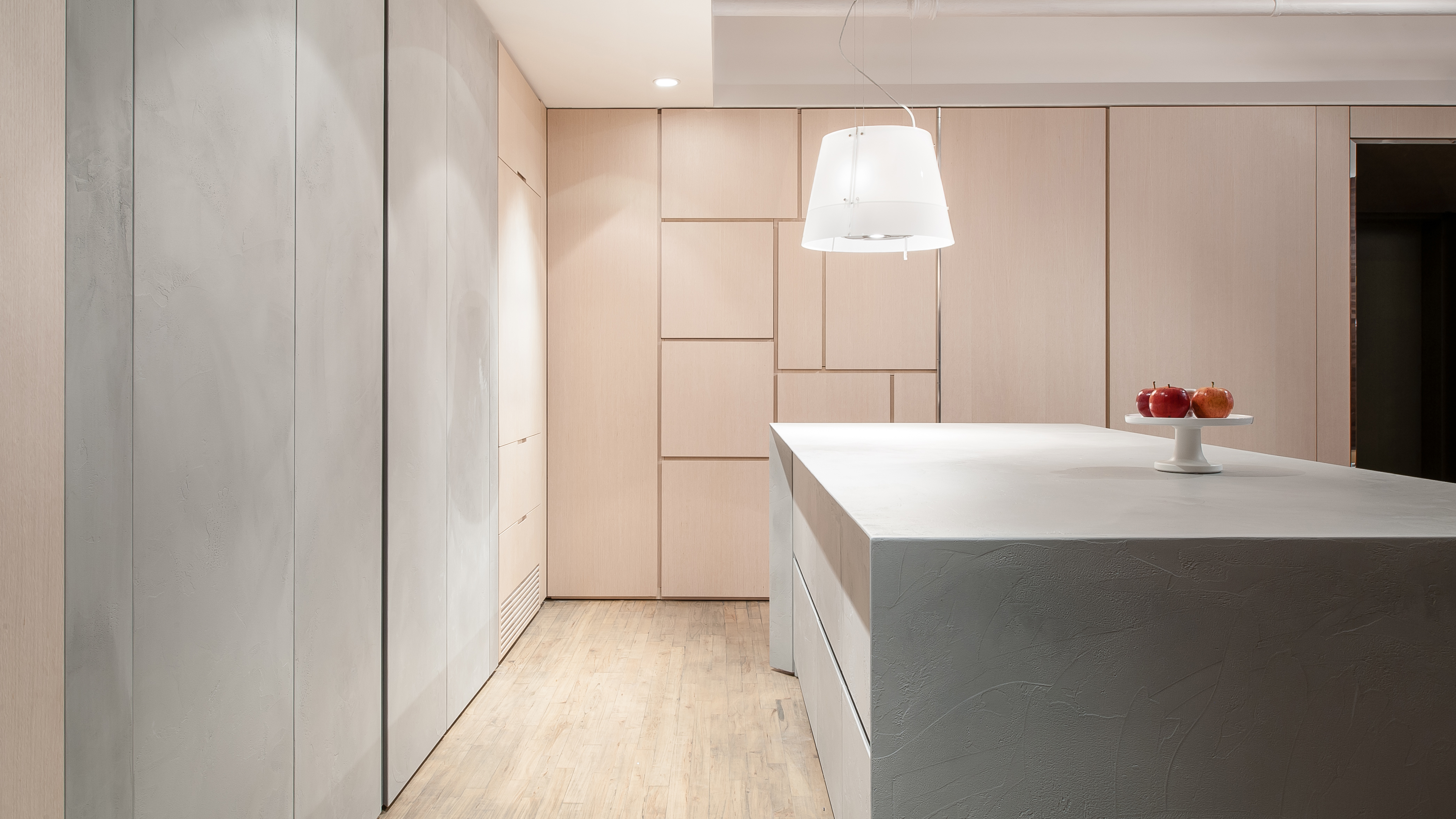
Small space living makes invisible kitchens the most practical (and stylish) of new design trends

Top Designers Say These Kitchen Trends are Long-Lasting

The Classic Kitchen Design Trend That Might Never Go Out Of Style

10 Kitchen Handle Trends for 2025 — This Is What to Choose for Your Cabinets Right Now, According to Designers

Top kitchen trends of 2024: Where to invest and what to avoid
The Sleek Cabinet Trend That Has Been Quietly Sneaking Into Modern Kitchens

Are Shaker kitchens still on trend? Interior design experts weigh in on whether this classic style is looking dated

5 dated kitchen hardware trends that could be bringing down the look of your kitchen
Why “Invisible Kitchens” Are the Sleekest New Trend Designers Can’t Stop Using

Kitchen Trends 2025: these design ideas merge sleek design and utilitarian attitude

Don't Settle for Eyesore Appliances — These 12 Brands Actually Add Design Quality to Your Kitchen

Michael Bublé and Luisana Lopilato's kitchen proves that minimalism will always be on trend – and handleless cabinets are the key to achieving this sleek look
This Modern Design Trend Adds Wow Factor to Any Kitchen

Kitchen Trends That Are Being Left Behind In 2025 And Beyond
These Are the Top Kitchen Hardware Trends for 2025, According to Experts

Why skinny Shaker kitchens are now the top choice for style-savvy homeowners
Timeless Kitchen Trends That Are Here to Stay (We Hope)

Sourced by Homes & Gardens: Where to Buy Kitchen Hardware That is Elevated, Functional, and Suits Every Budget

F1 driver Carlos Sainz's 'invisible kitchen' is proof that this subtle, minimalist trend is taking over in 2024