1/3
Everything You Need To Know About Painting A Room
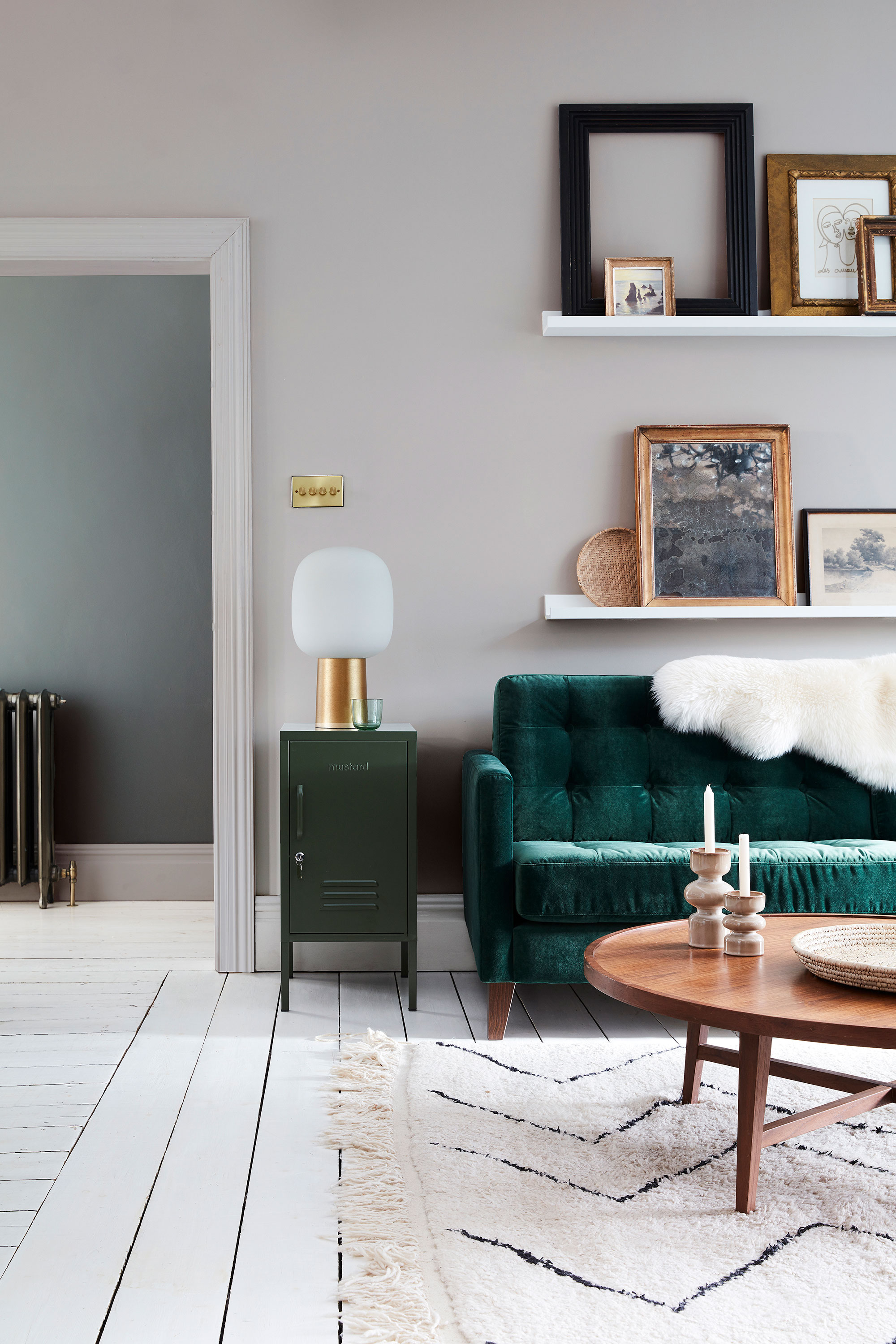
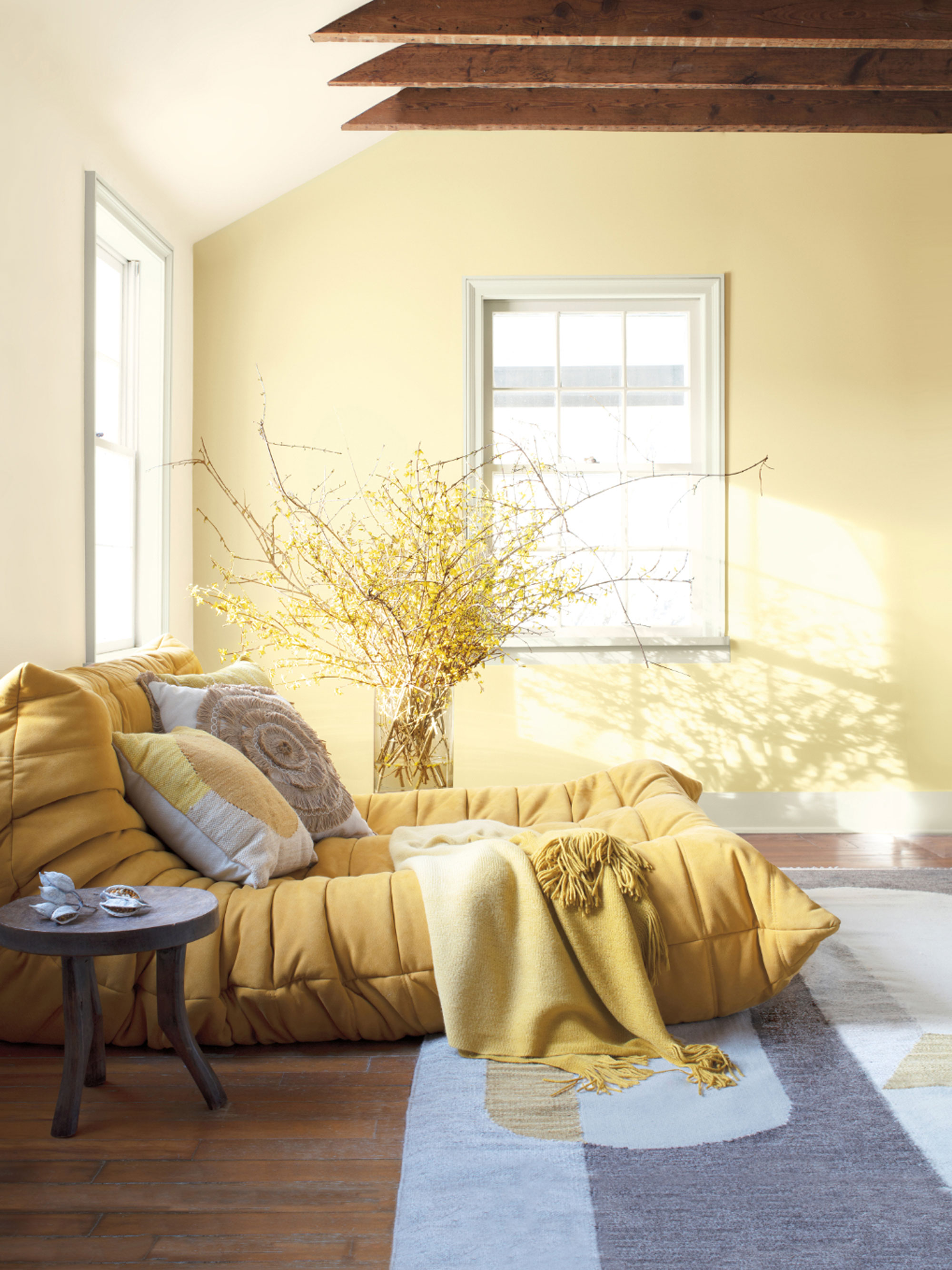

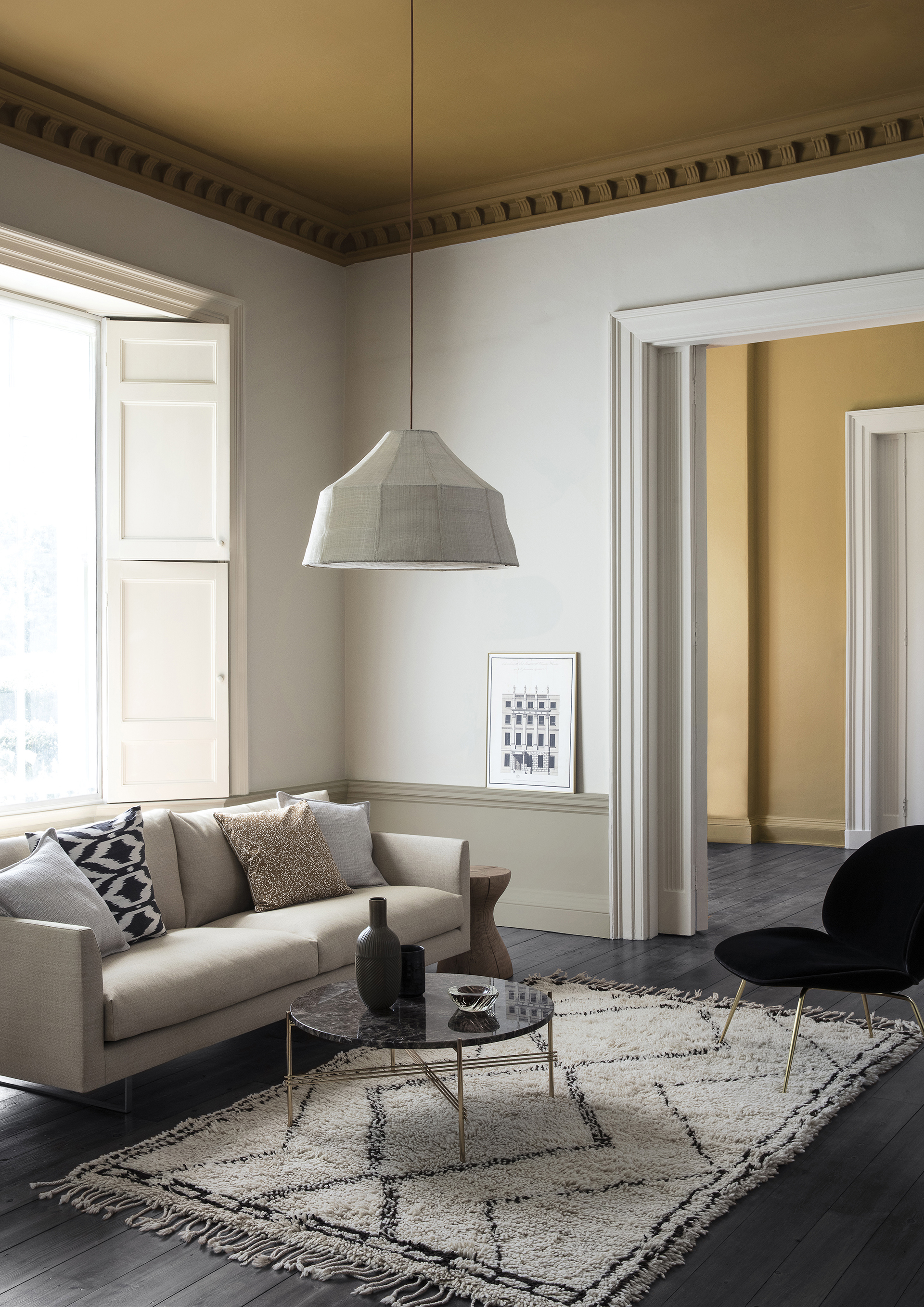
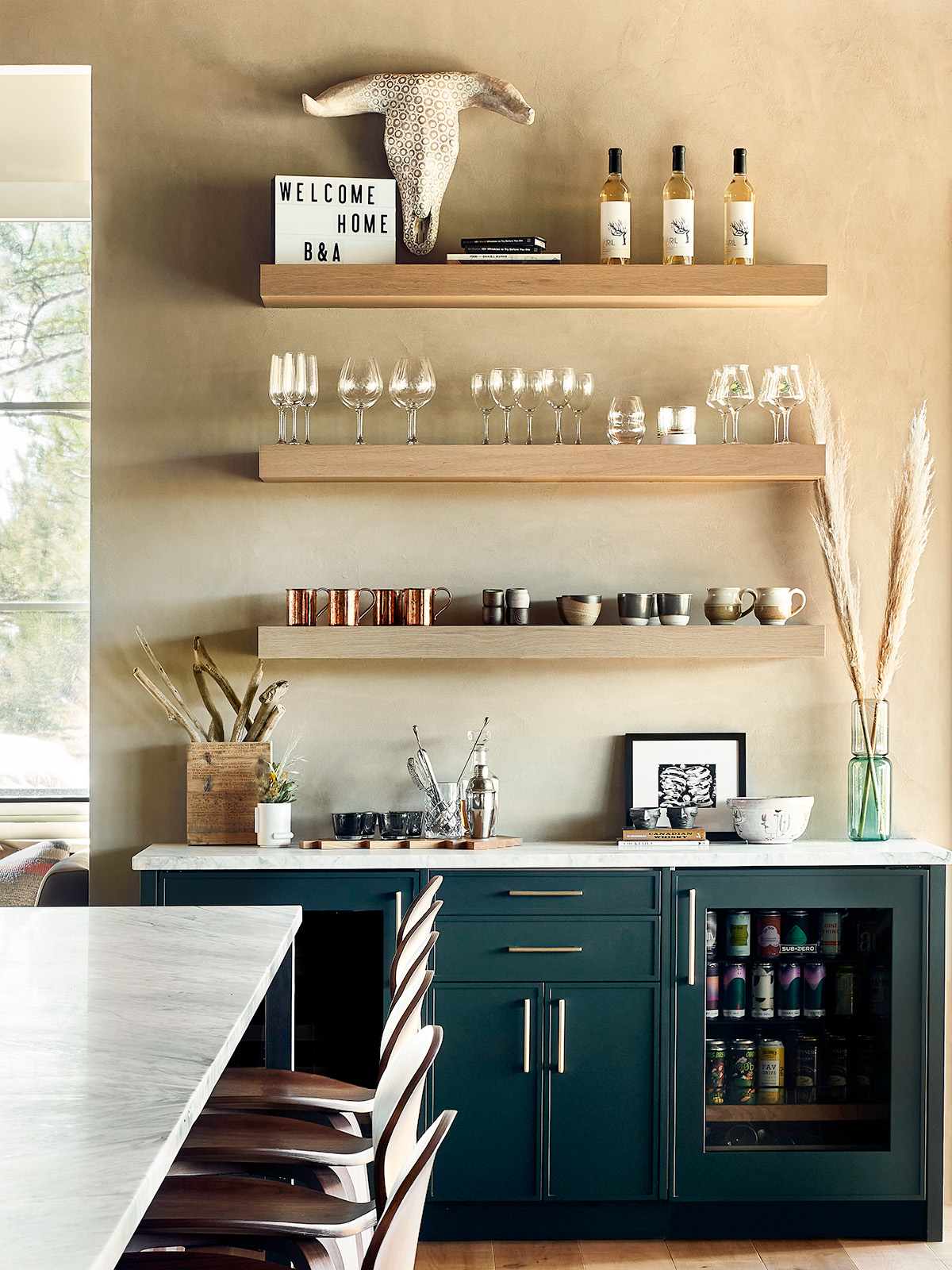
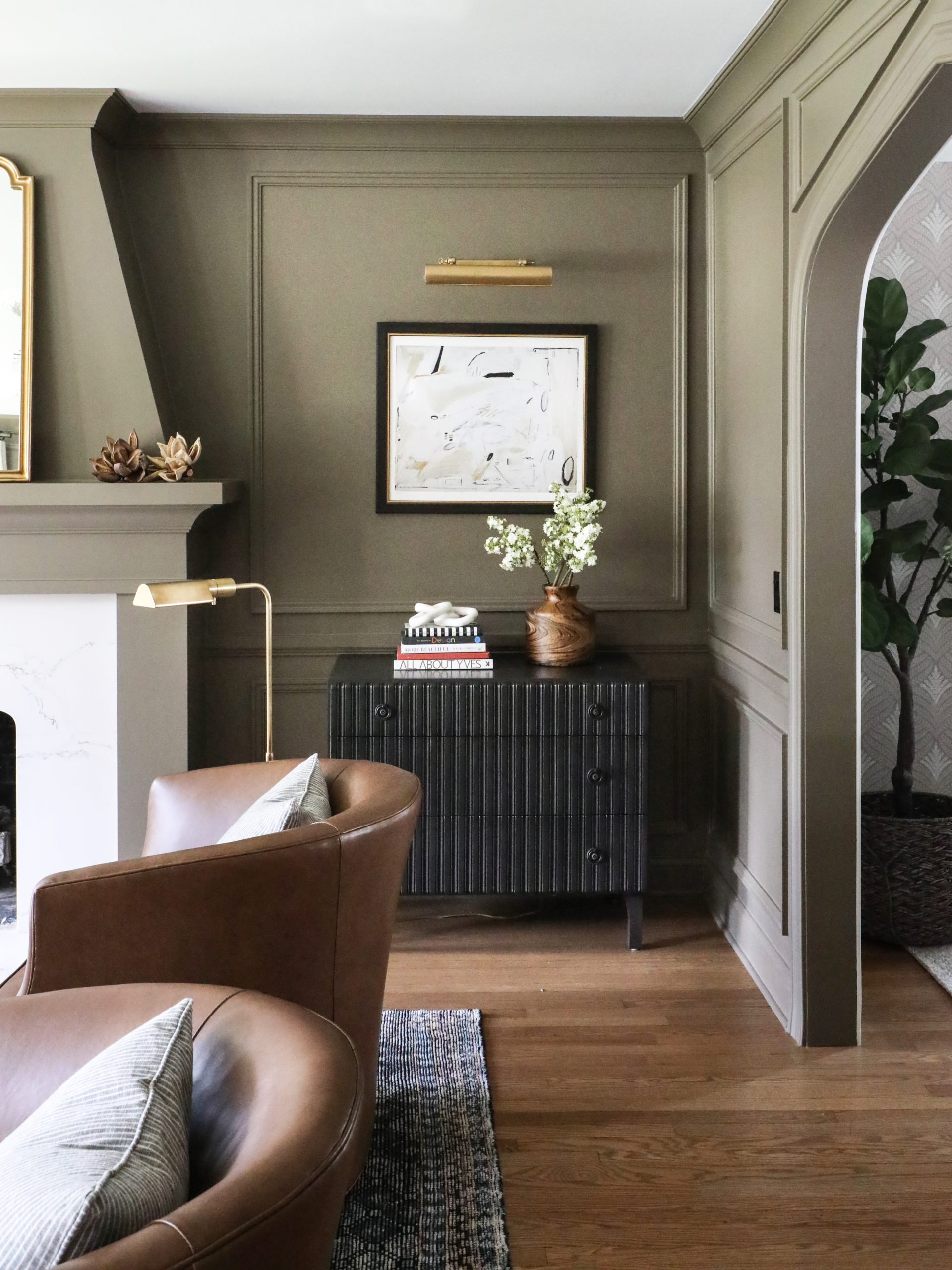
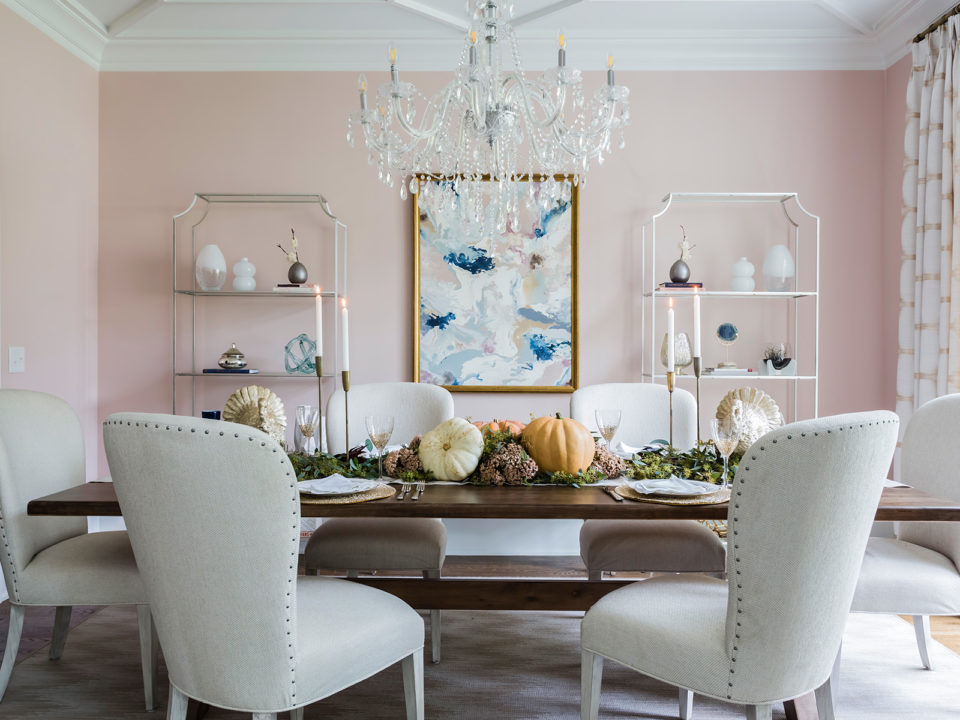
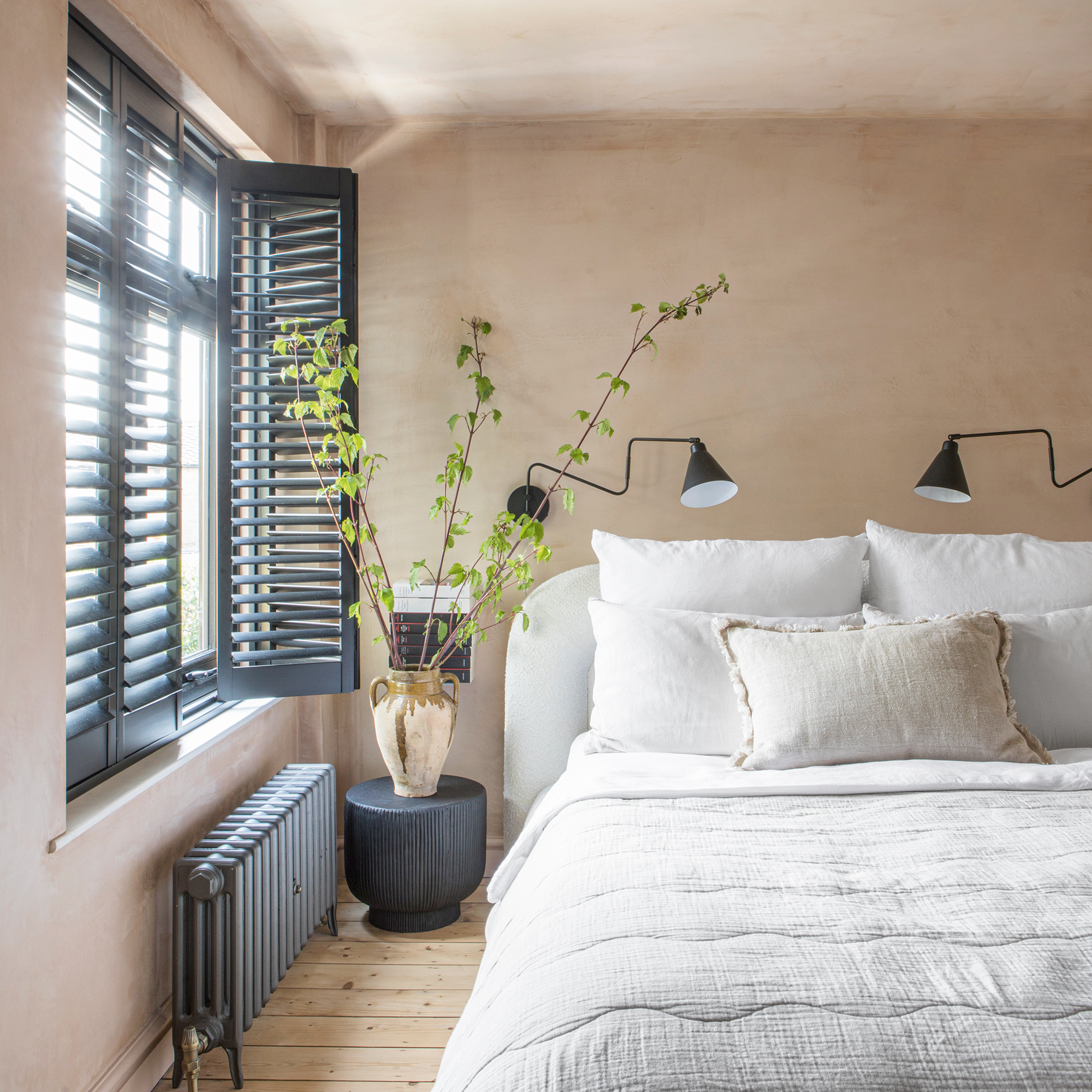
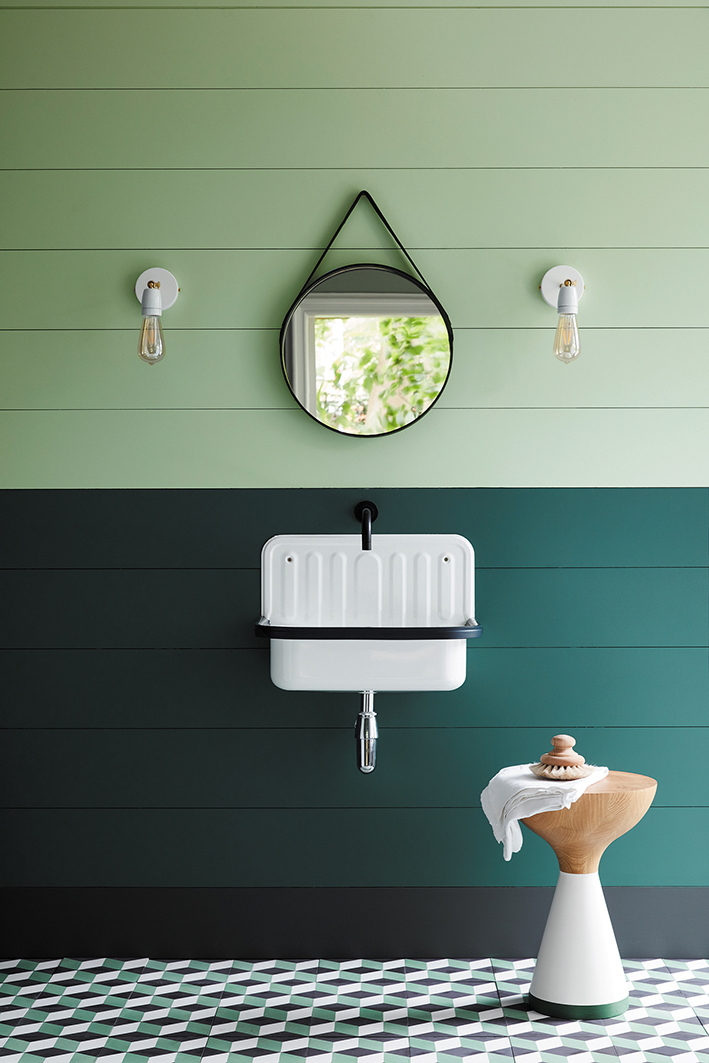
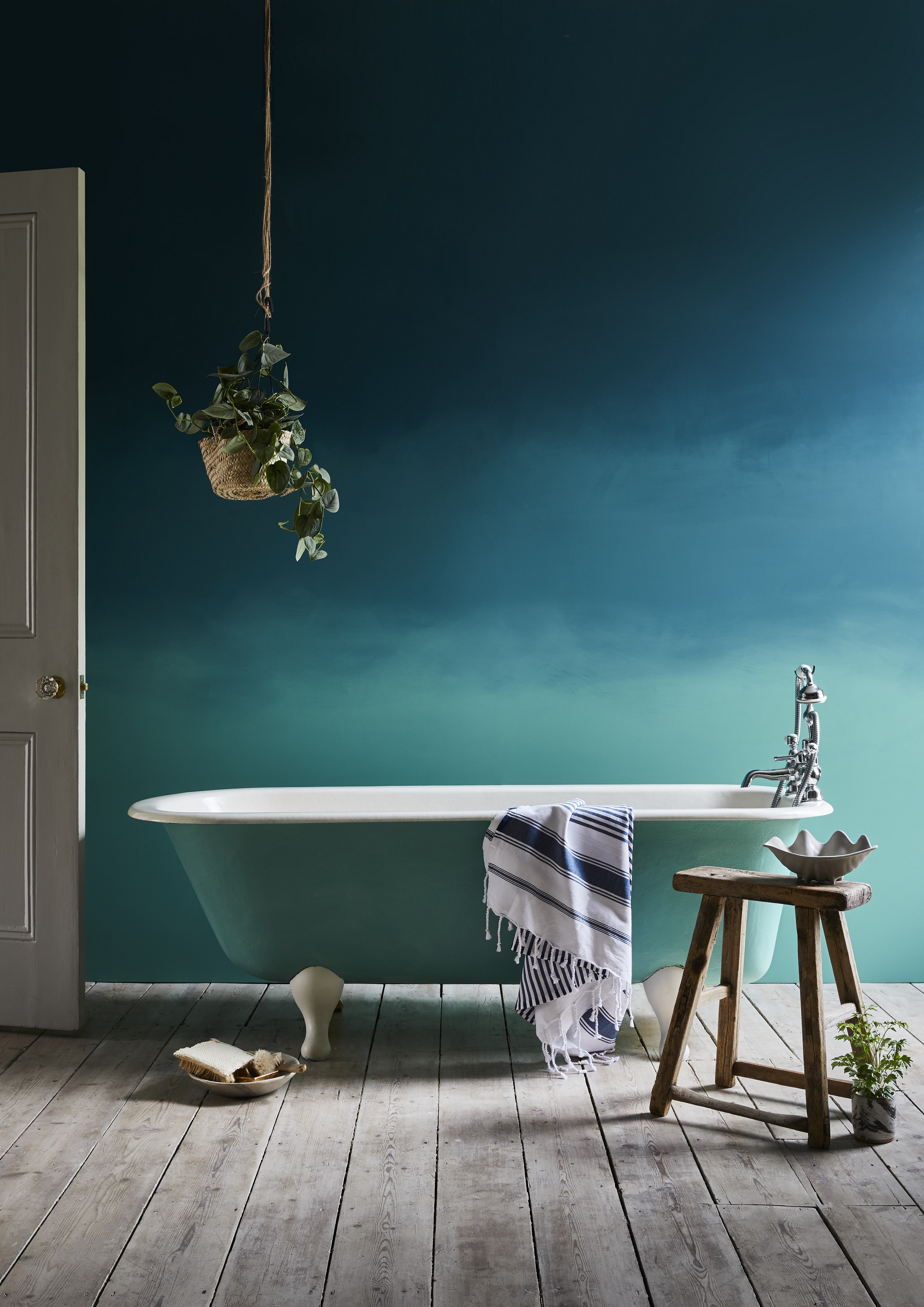
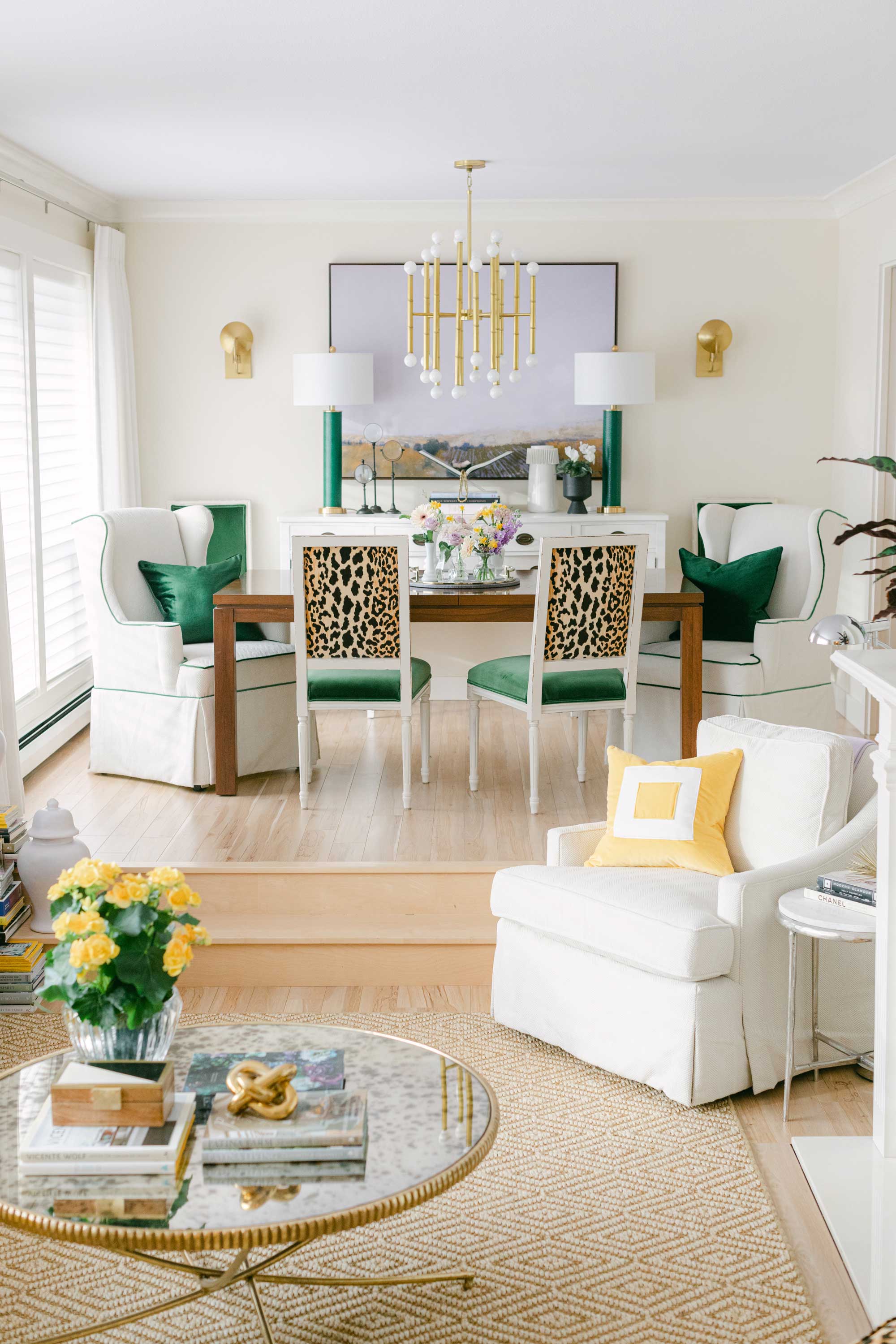
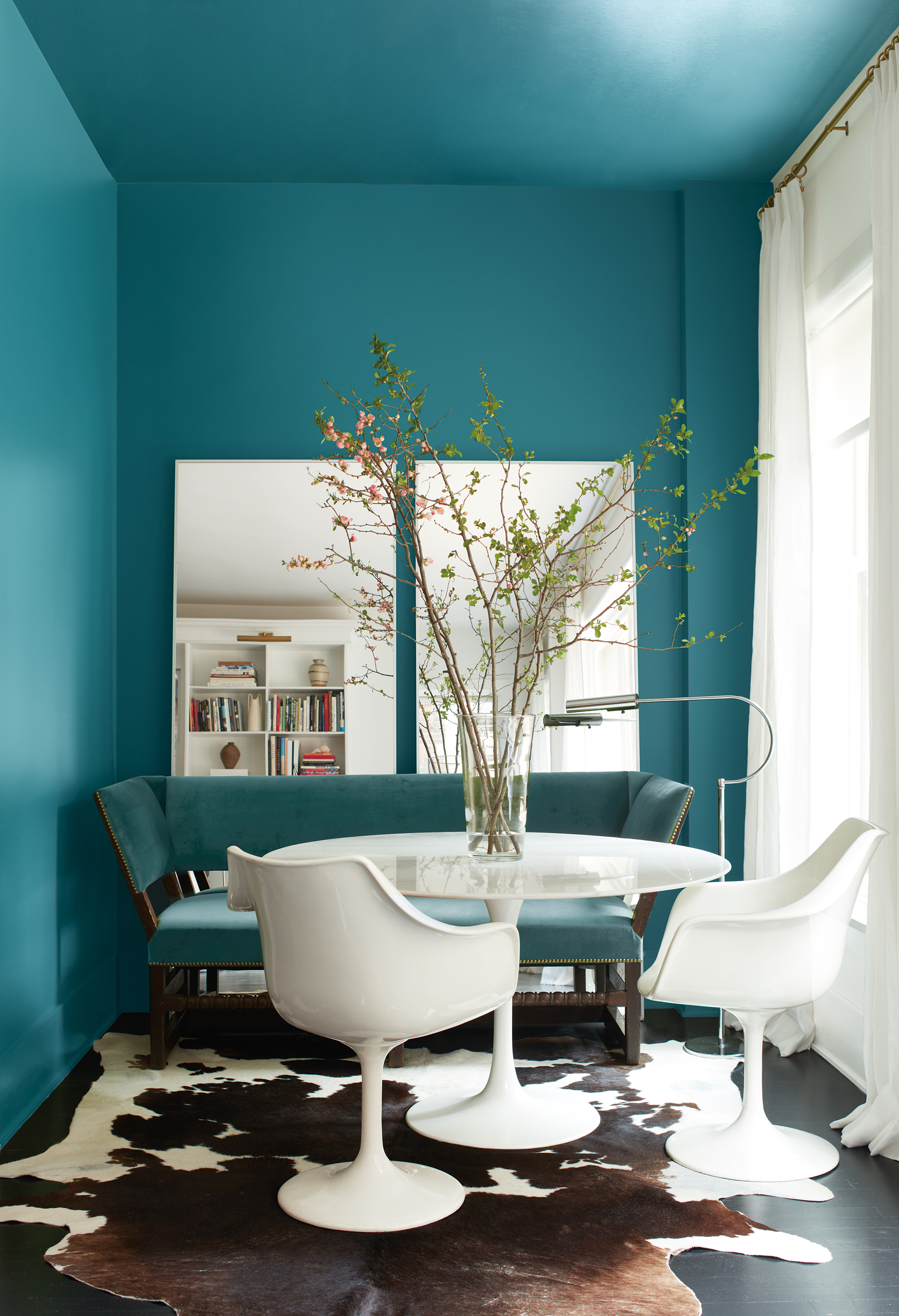
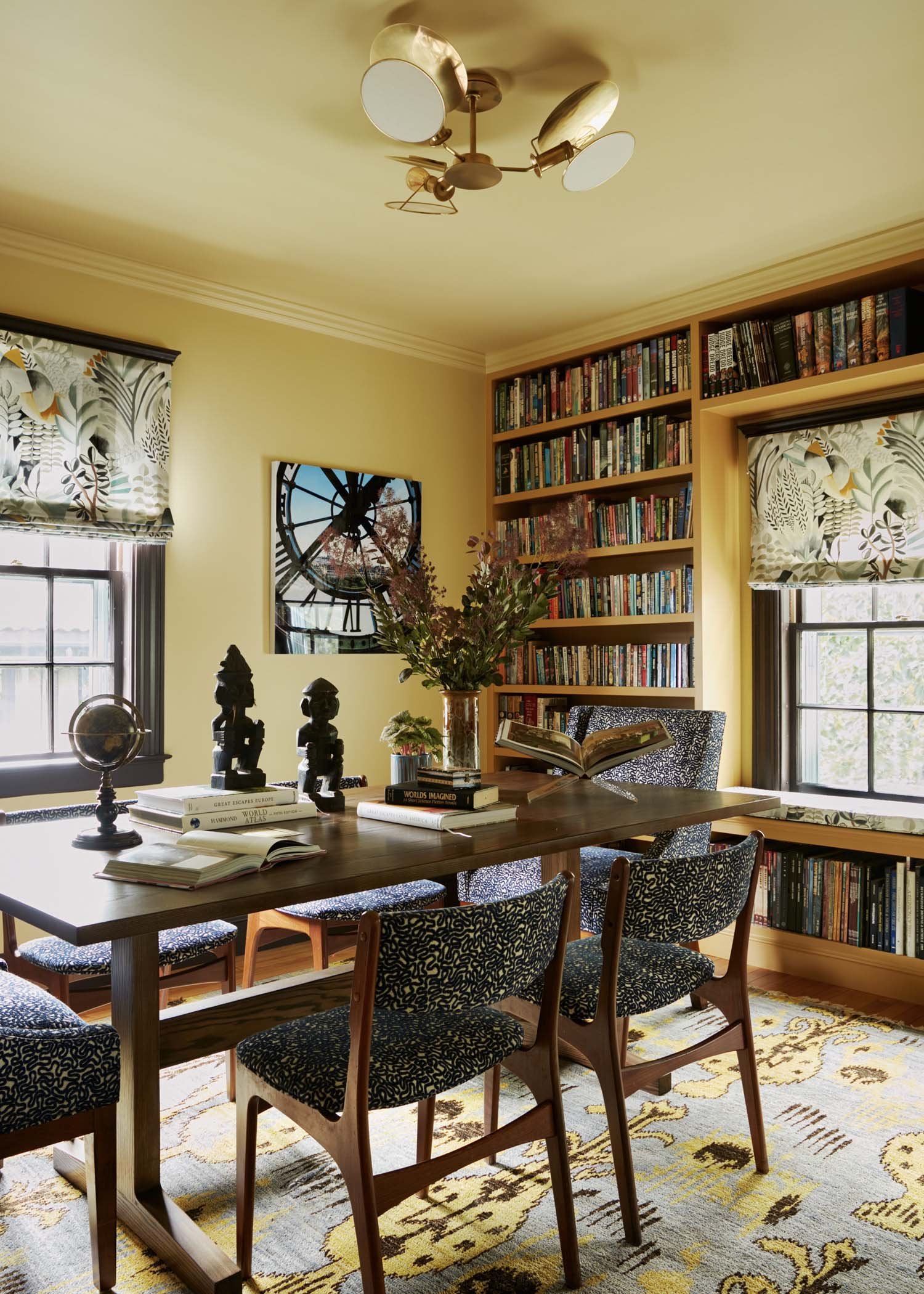
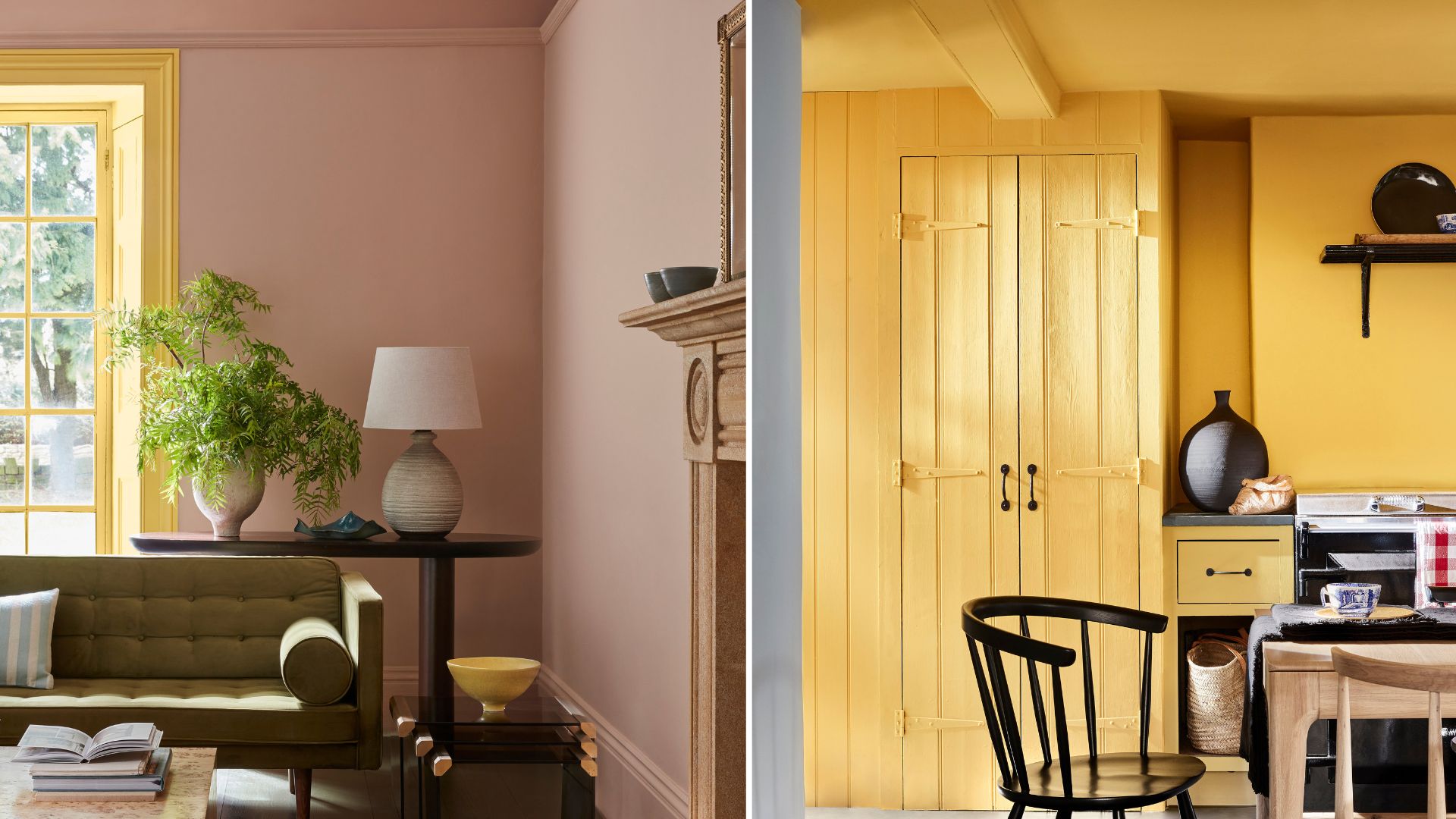
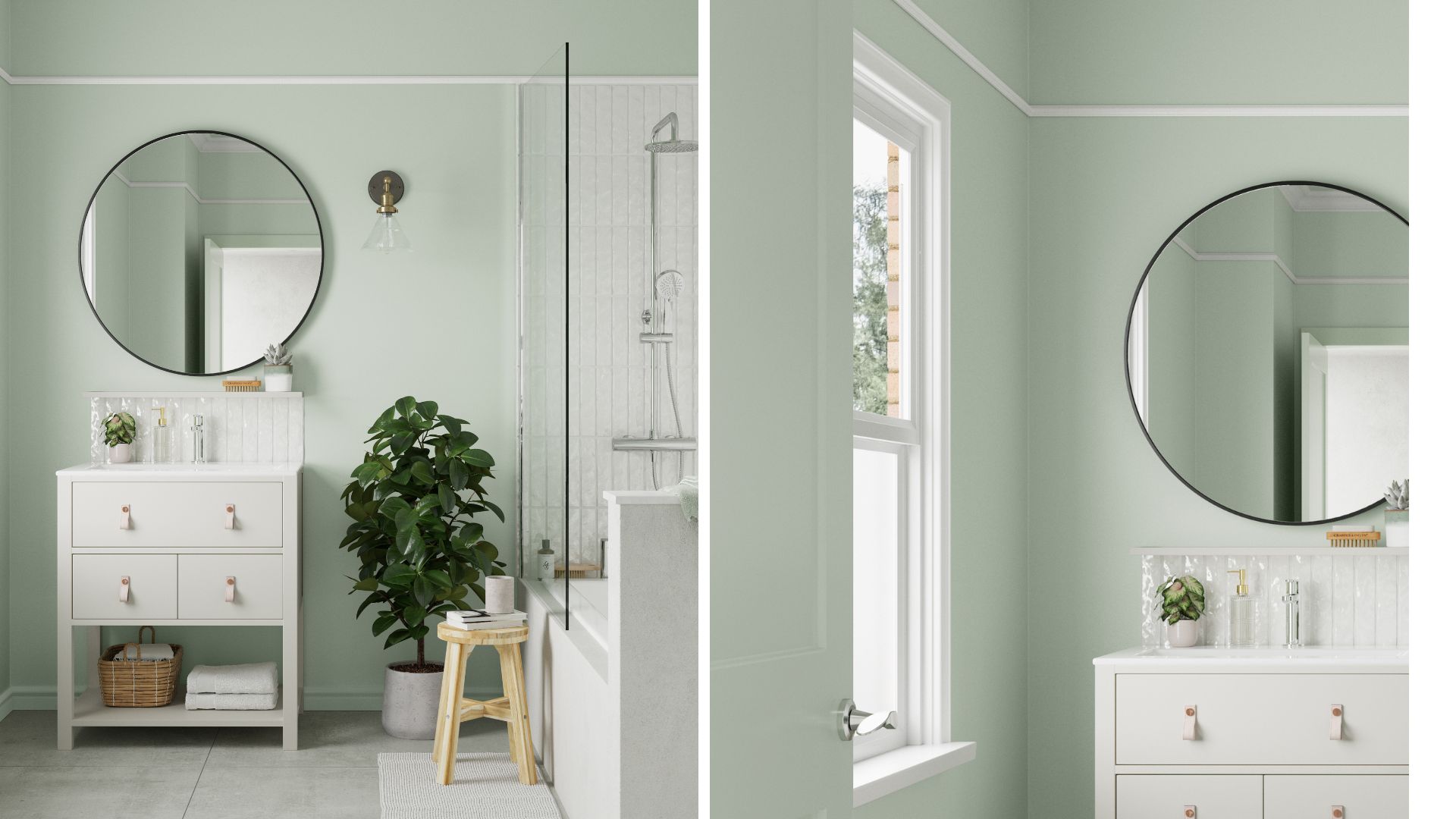
Choosing the right paint color for a room is a significant decision that impacts both the aesthetic appeal and the emotional atmosphere of the space. Before considering elements like lighting, artwork, or furniture, the wall color sets the foundational mood. While seemingly simple, selecting a paint color can be challenging due to the vast array of shades within any given color family and the different finishes available. Additionally, practical concerns such as avoiding permanent brushstrokes and minimizing leftover paint need to be addressed. To navigate this process effectively, it is beneficial to gather inspiration, understand how to choose colors strategically, and master professional painting techniques.
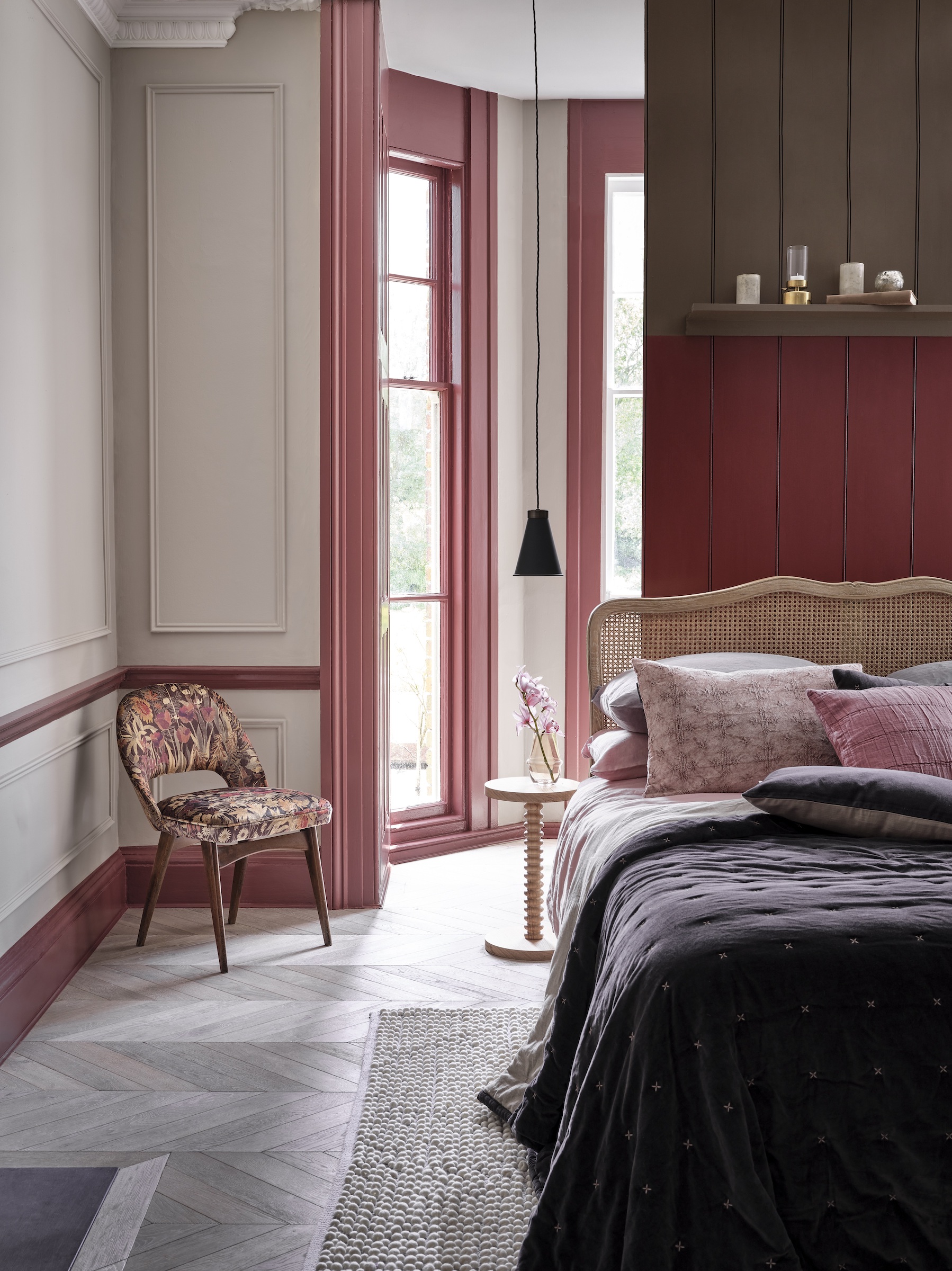
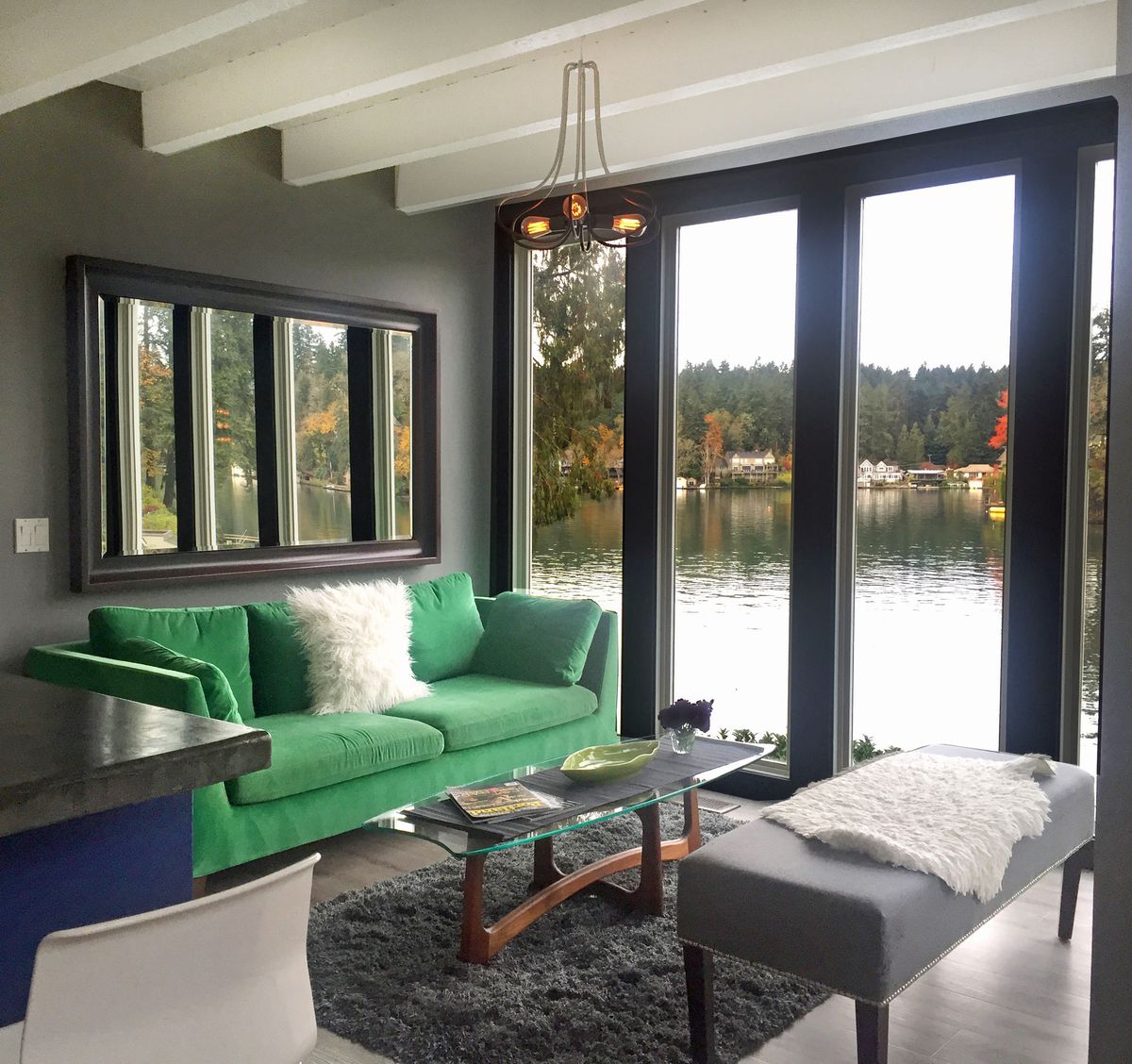
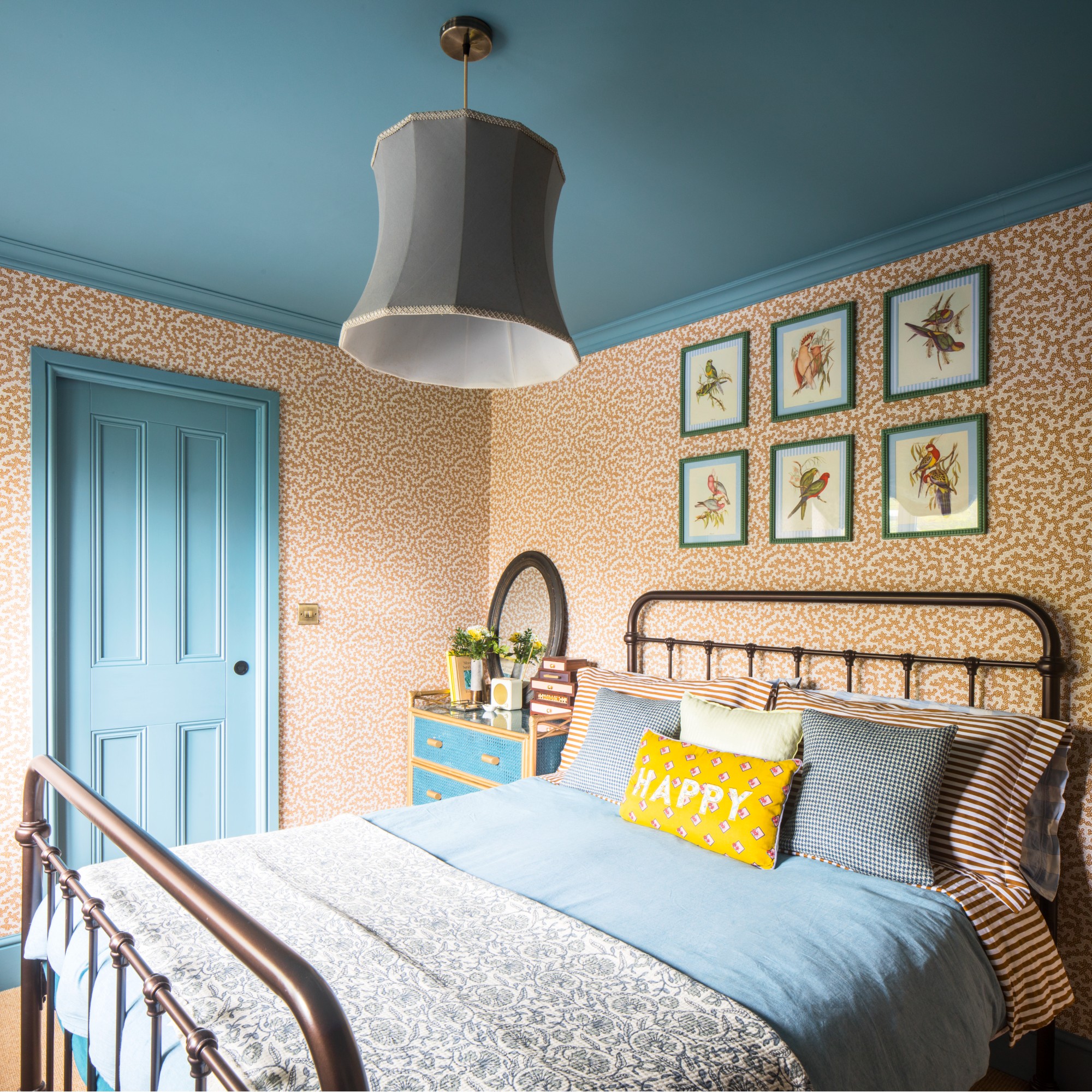
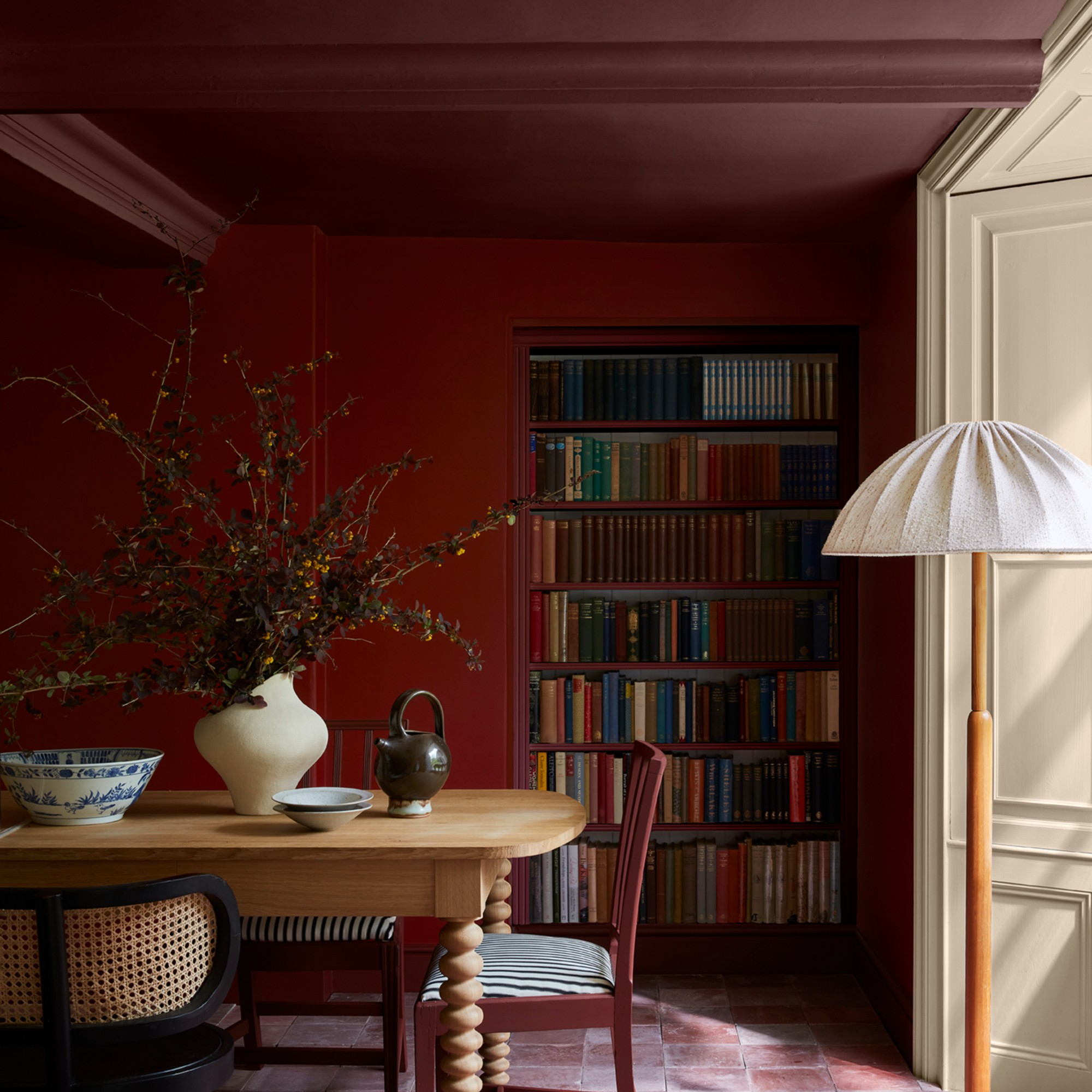
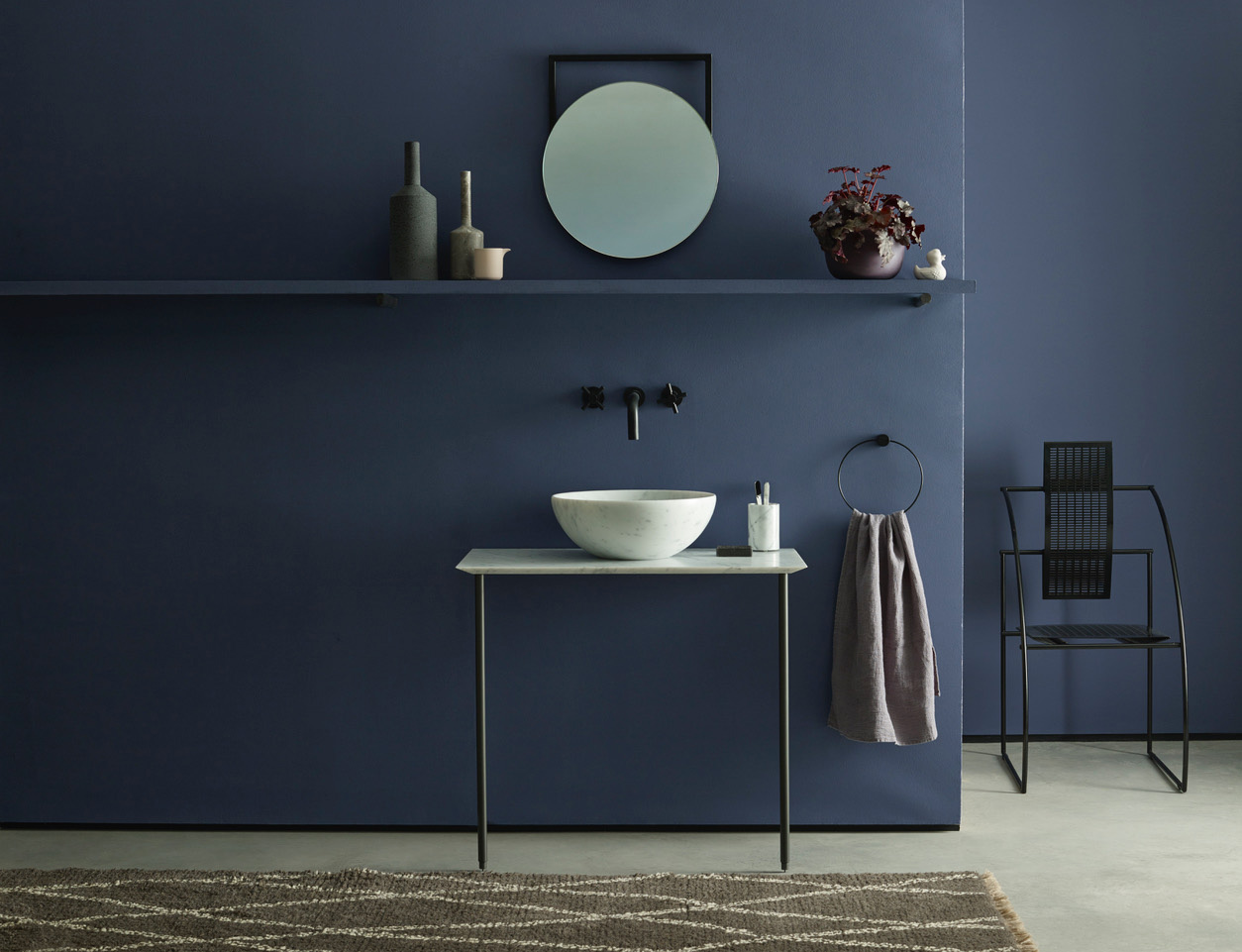
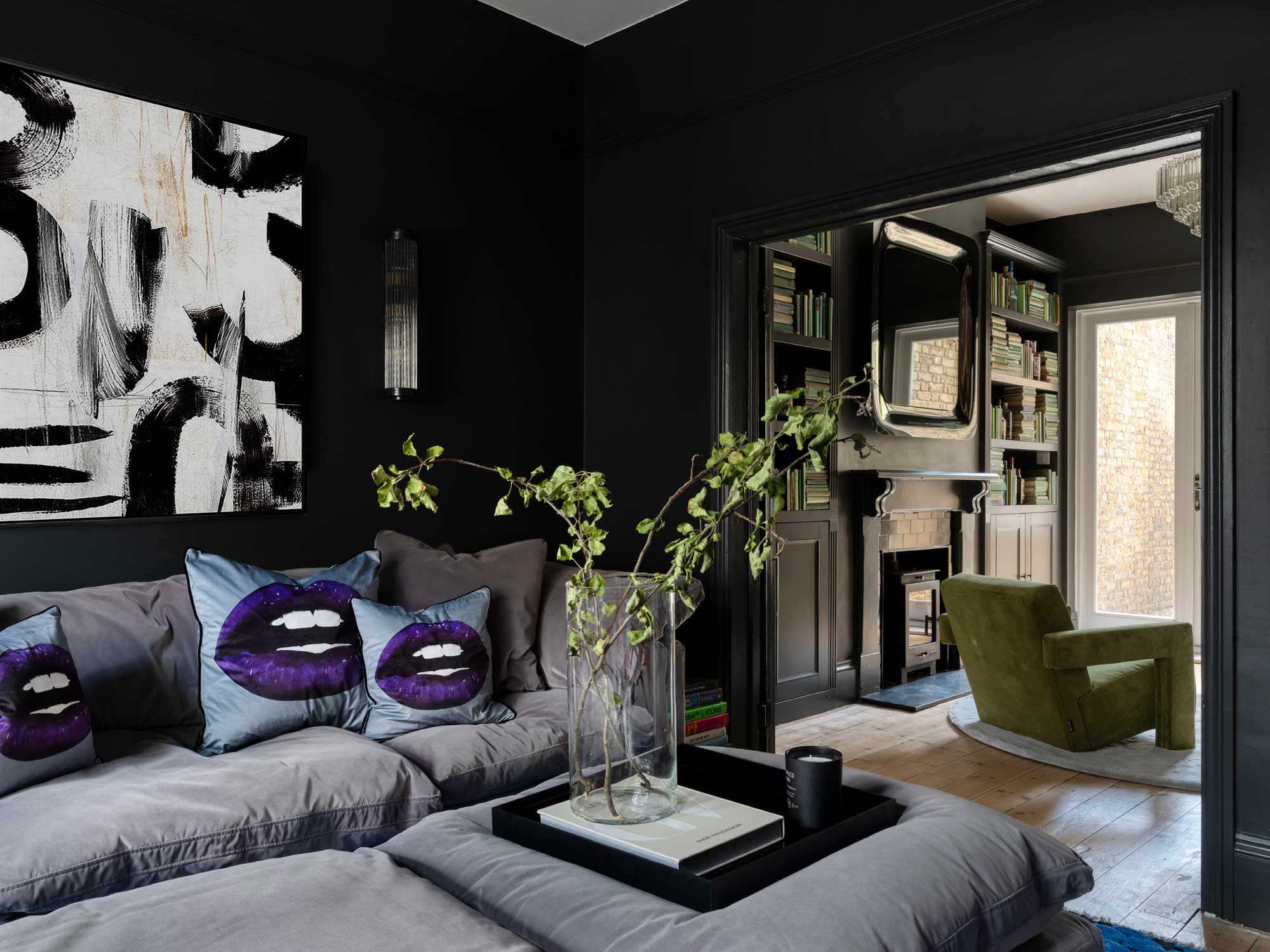
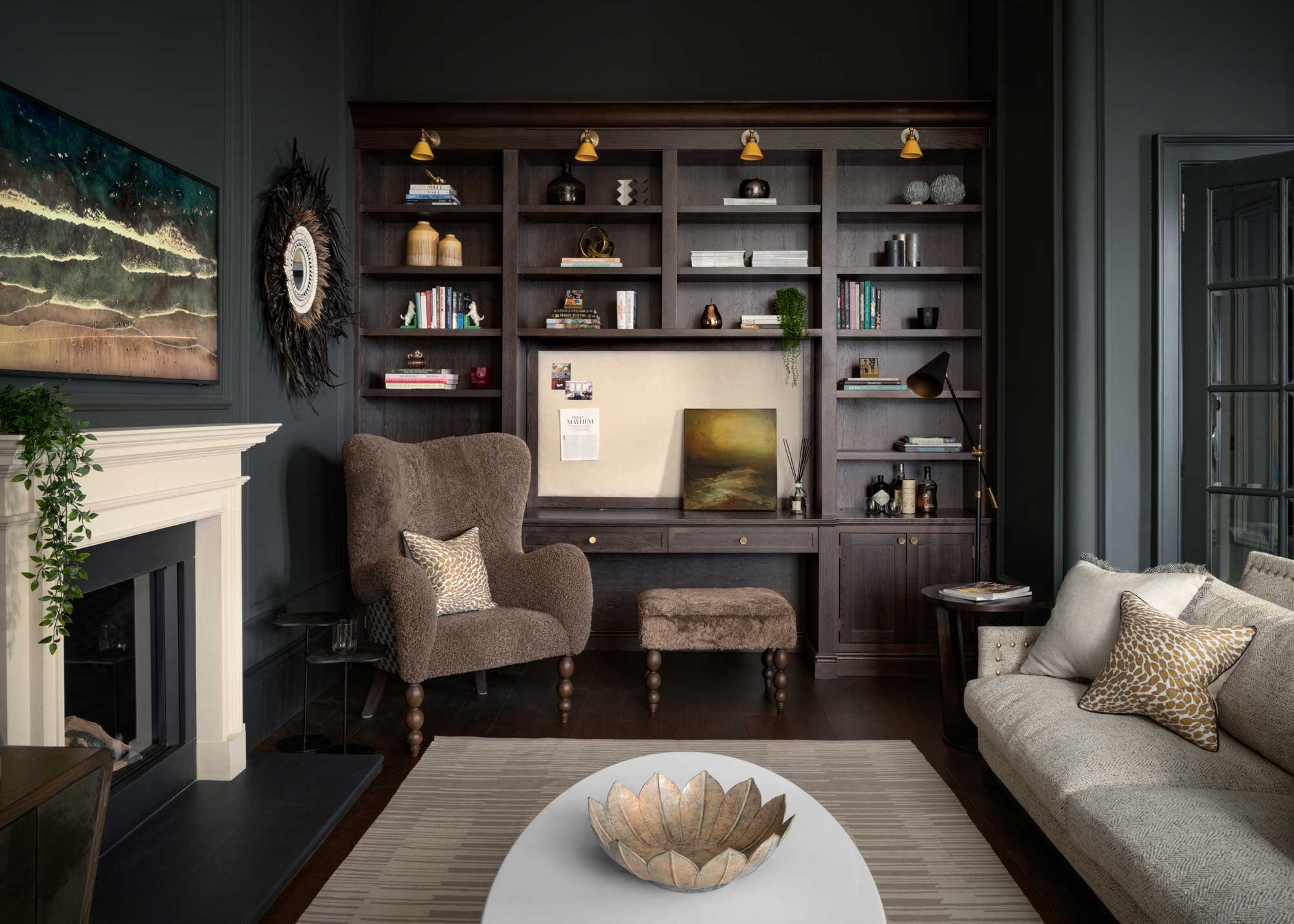
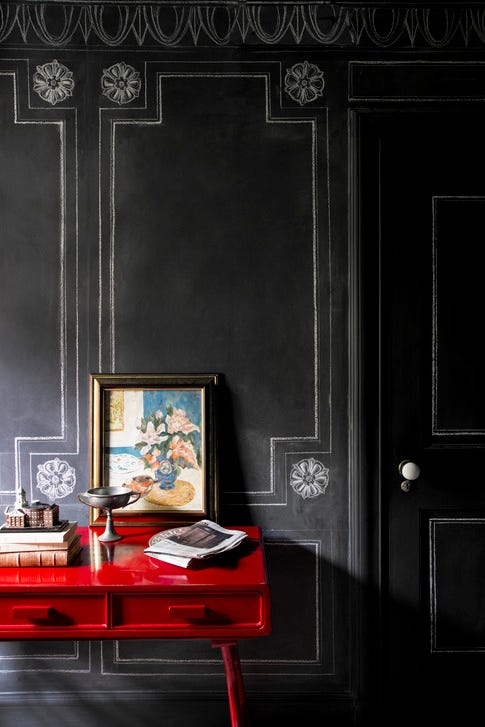
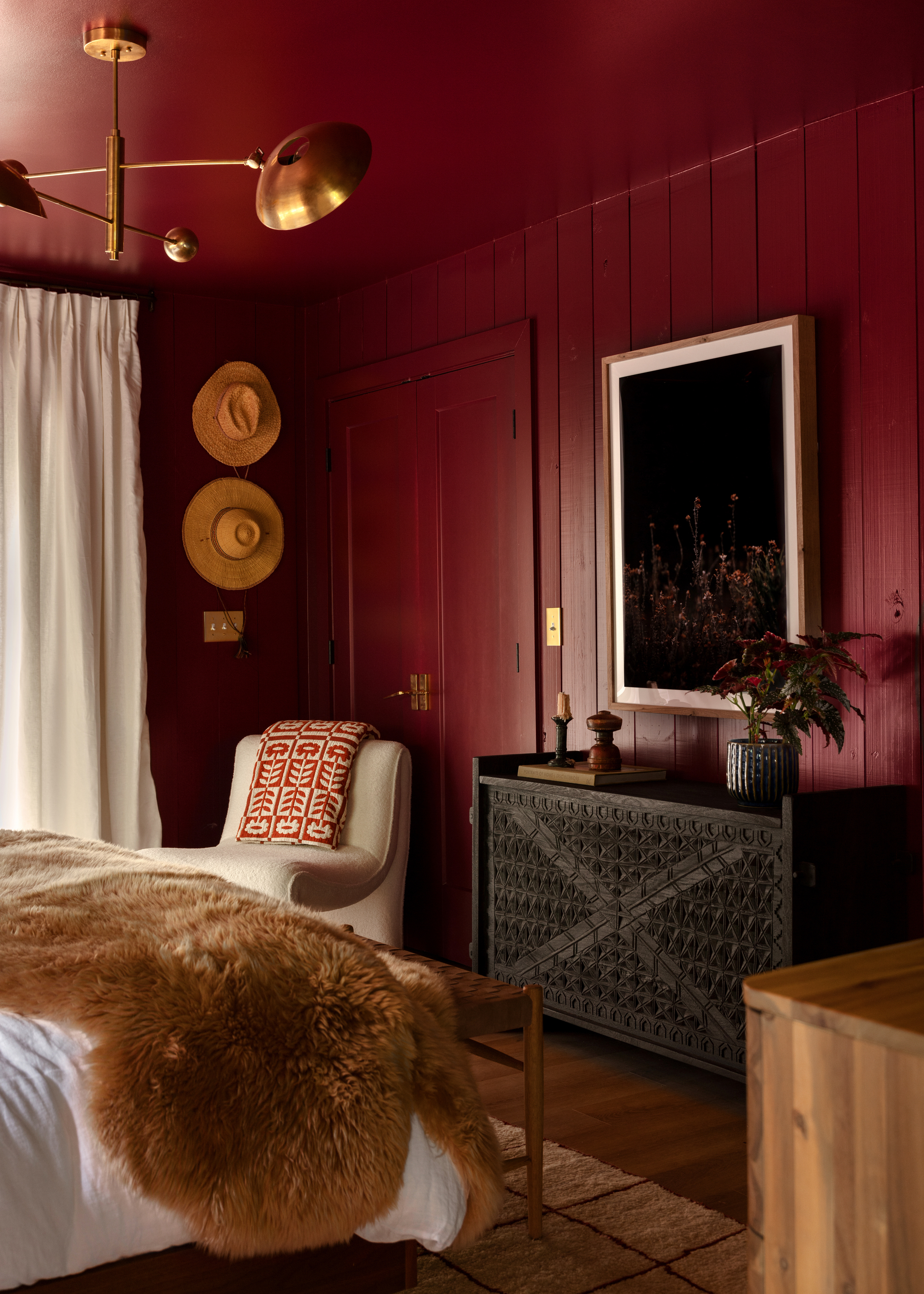
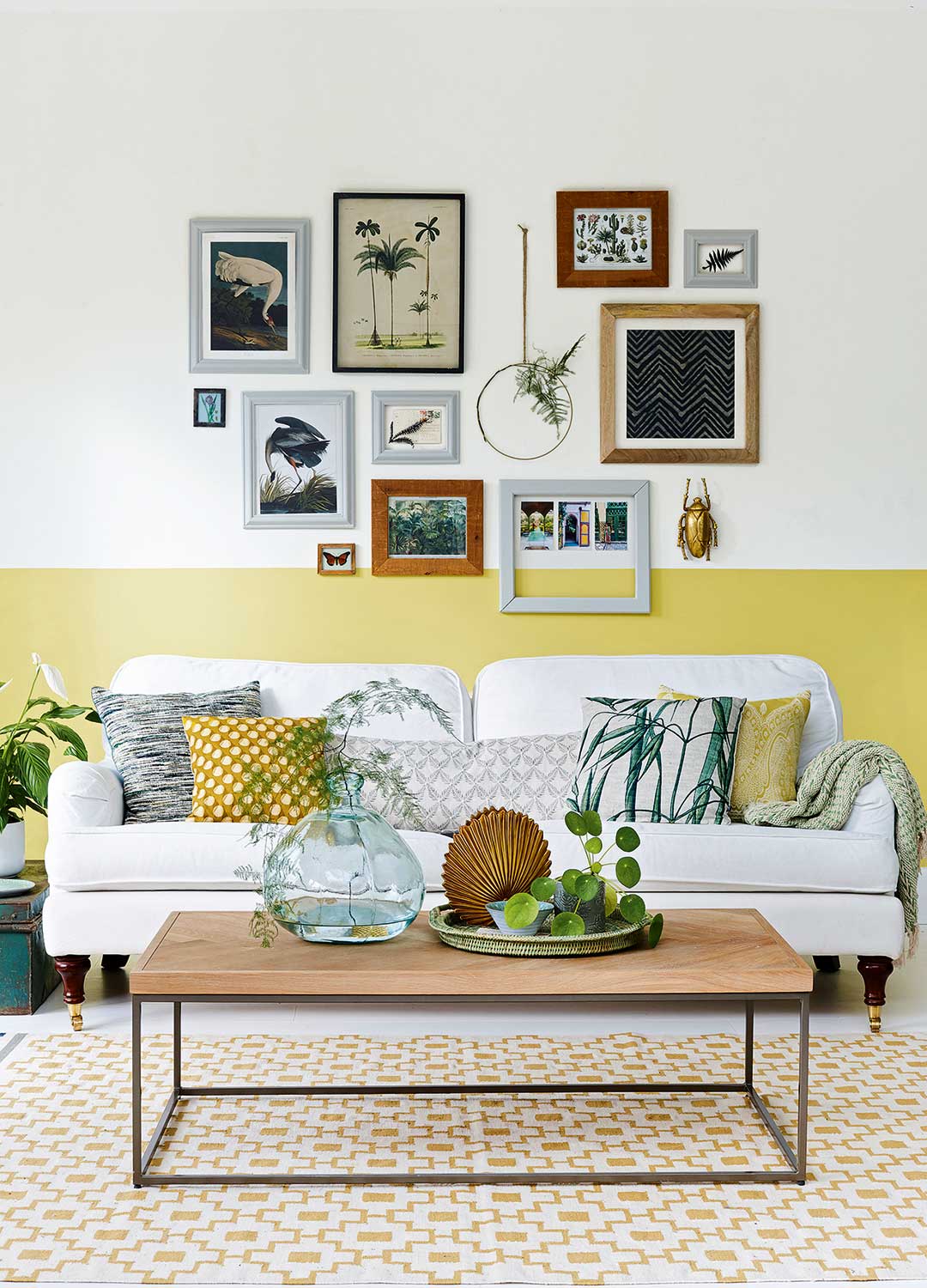
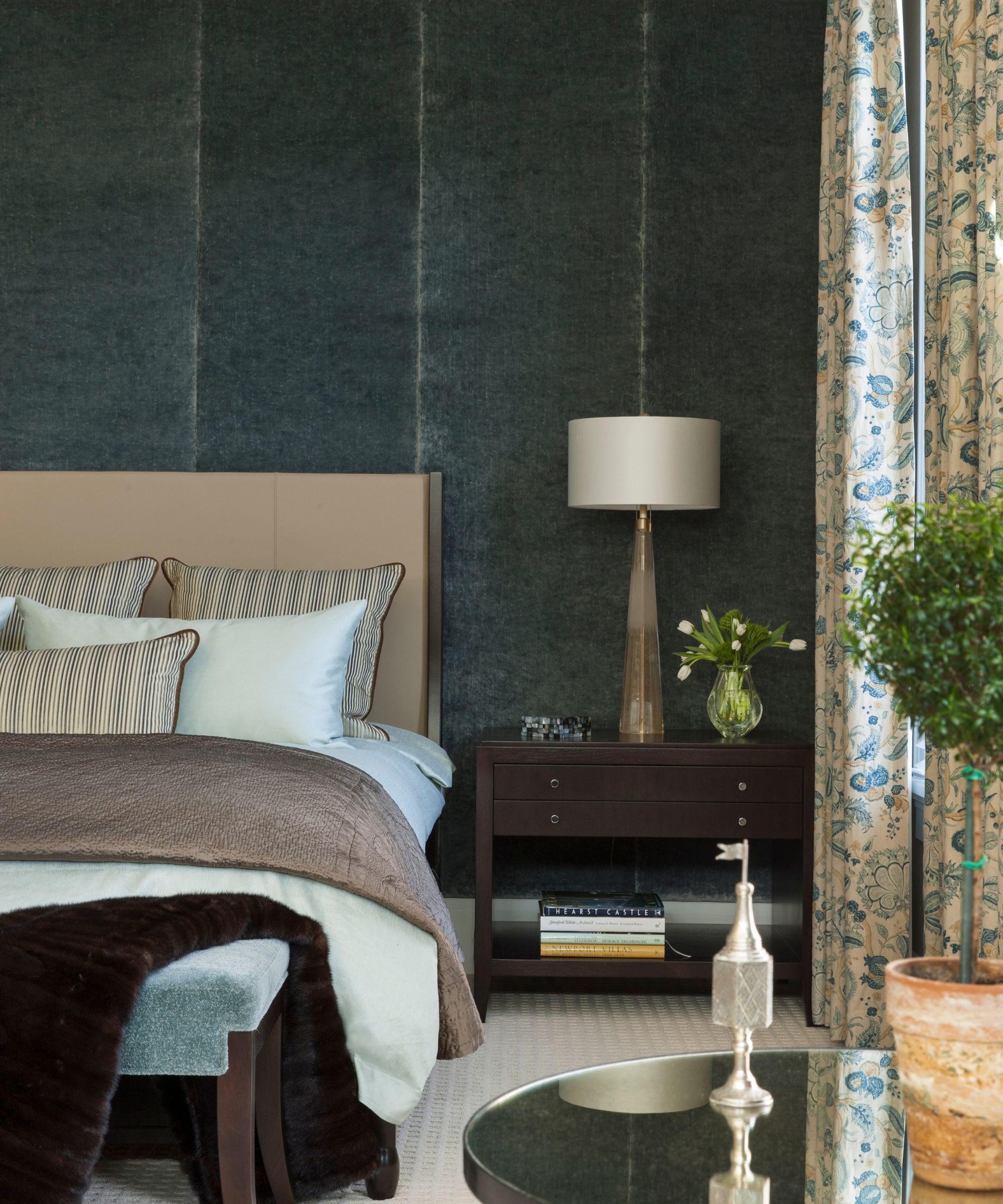
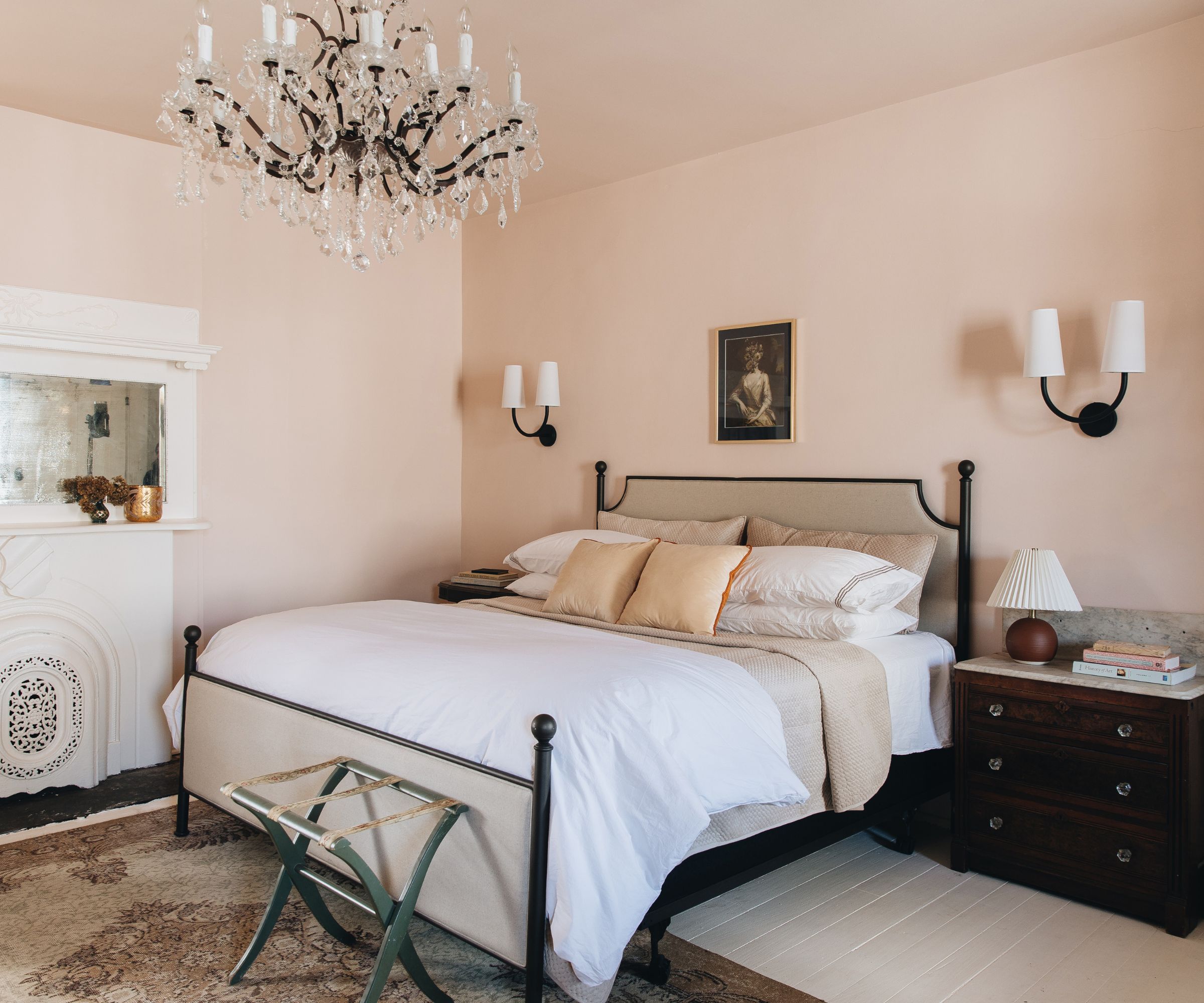
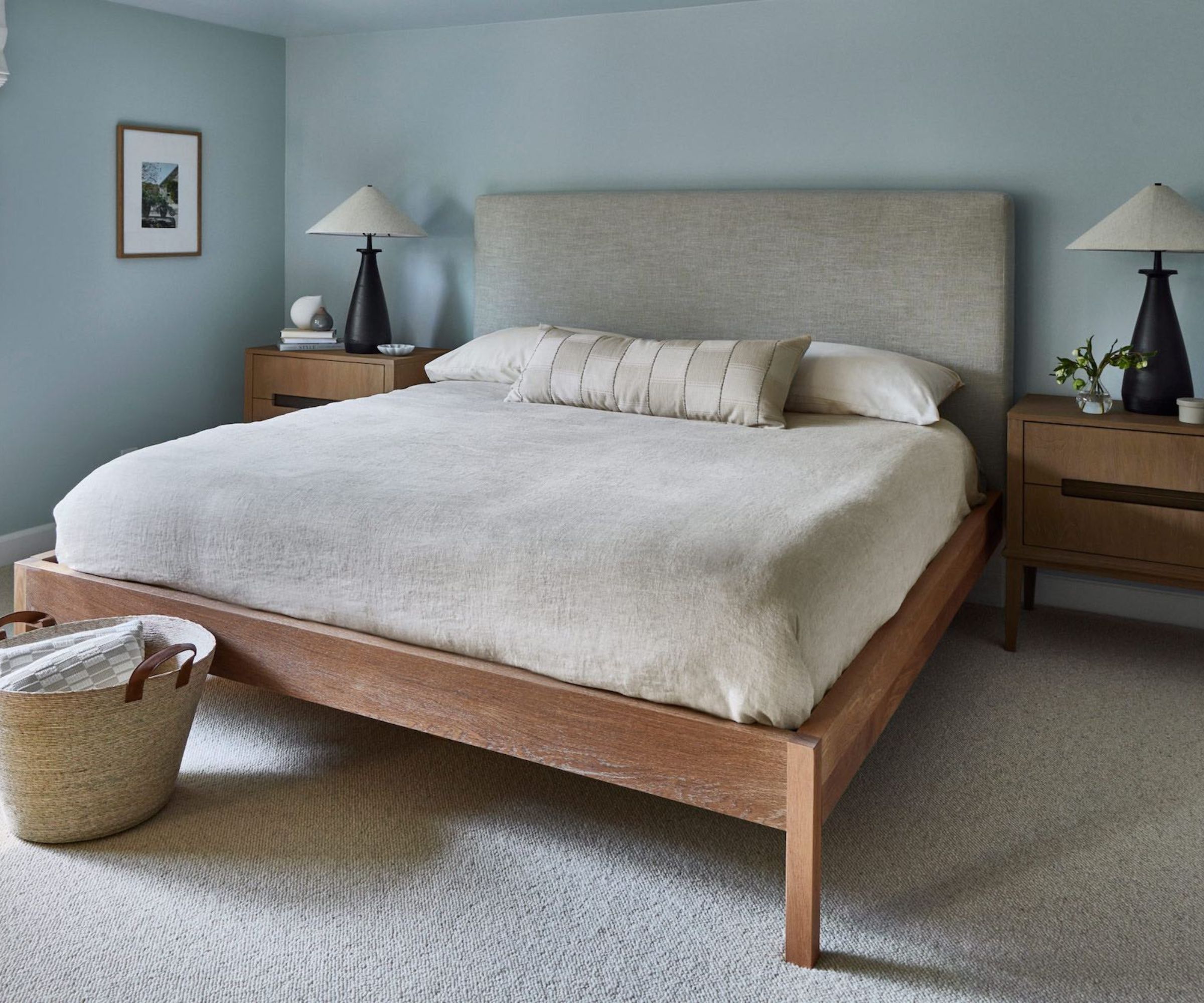
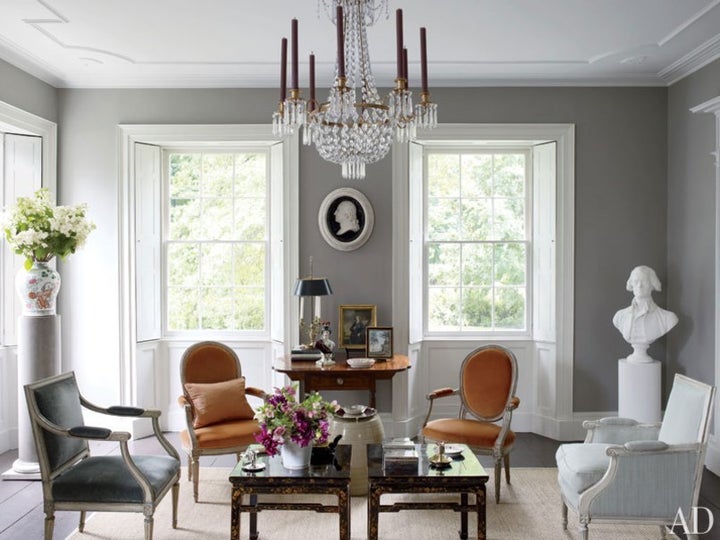
Inspiration for paint colors can be found by examining existing rooms that embody a desired look. For instance, gray is a popular neutral, and there are numerous examples of stunning gray rooms that can serve as a starting point. Beyond conventional solid colors, exploring unexpected painting ideas and decorative techniques can add unique character to a space. Designers frequently weigh in on emerging trends in decorative painting. Color can dramatically transform a room, as demonstrated by examples showcasing how different hues alter the perception of bedrooms. Furthermore, understanding the impact of cool and warm color palettes can guide choices, with cool colors lending a serene feel and warm colors bringing coziness, not just in autumn but year-round.
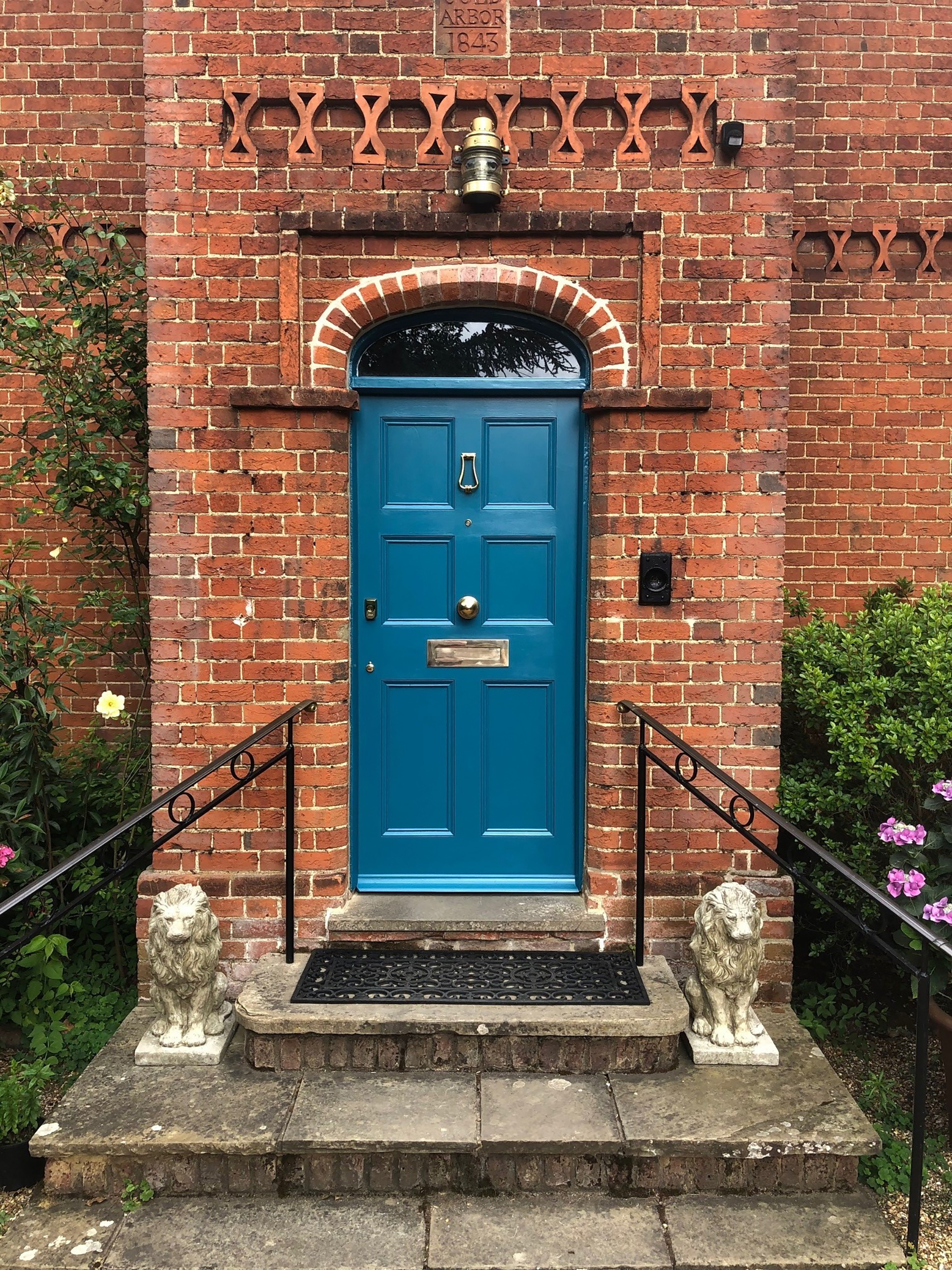
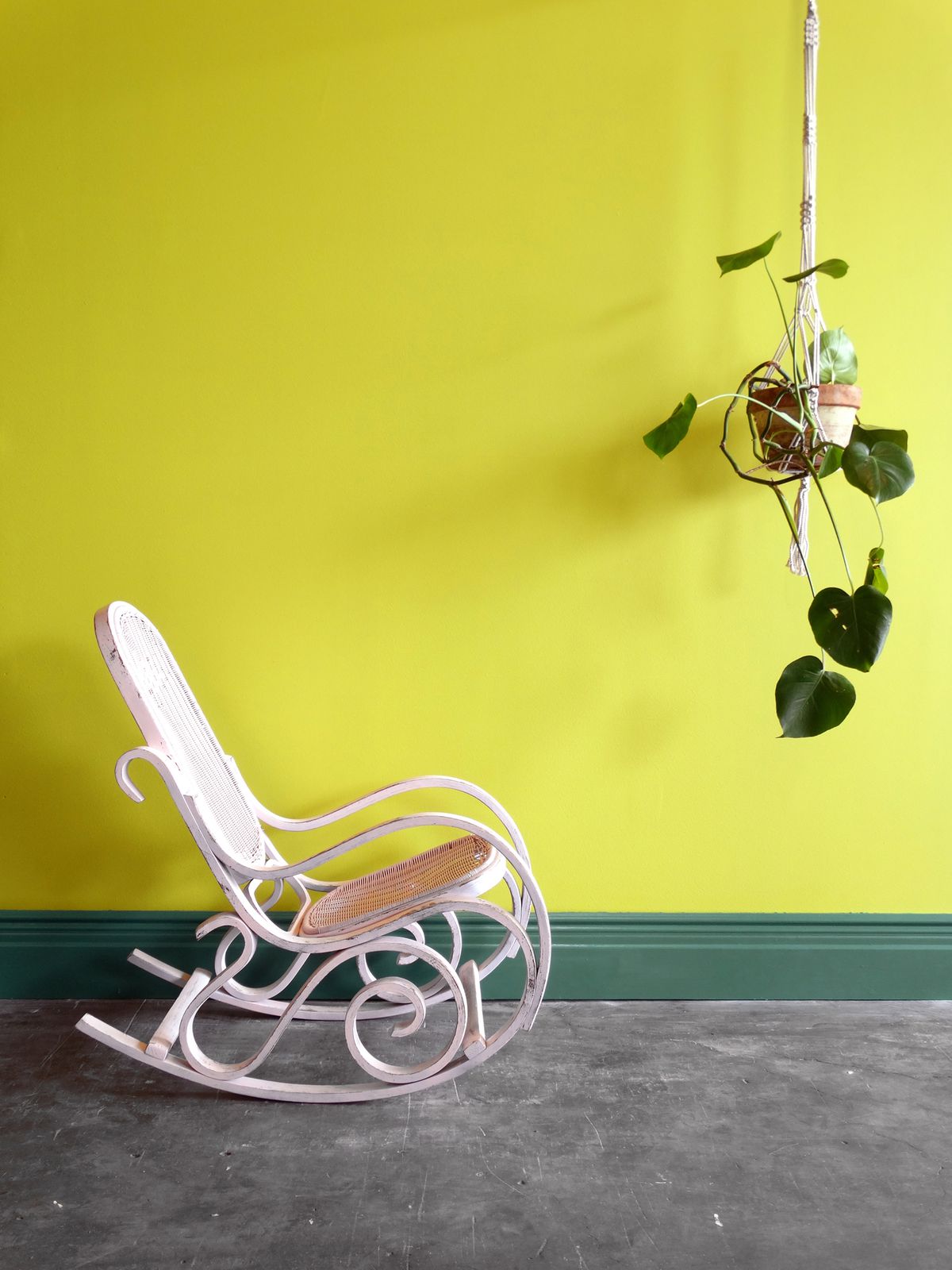
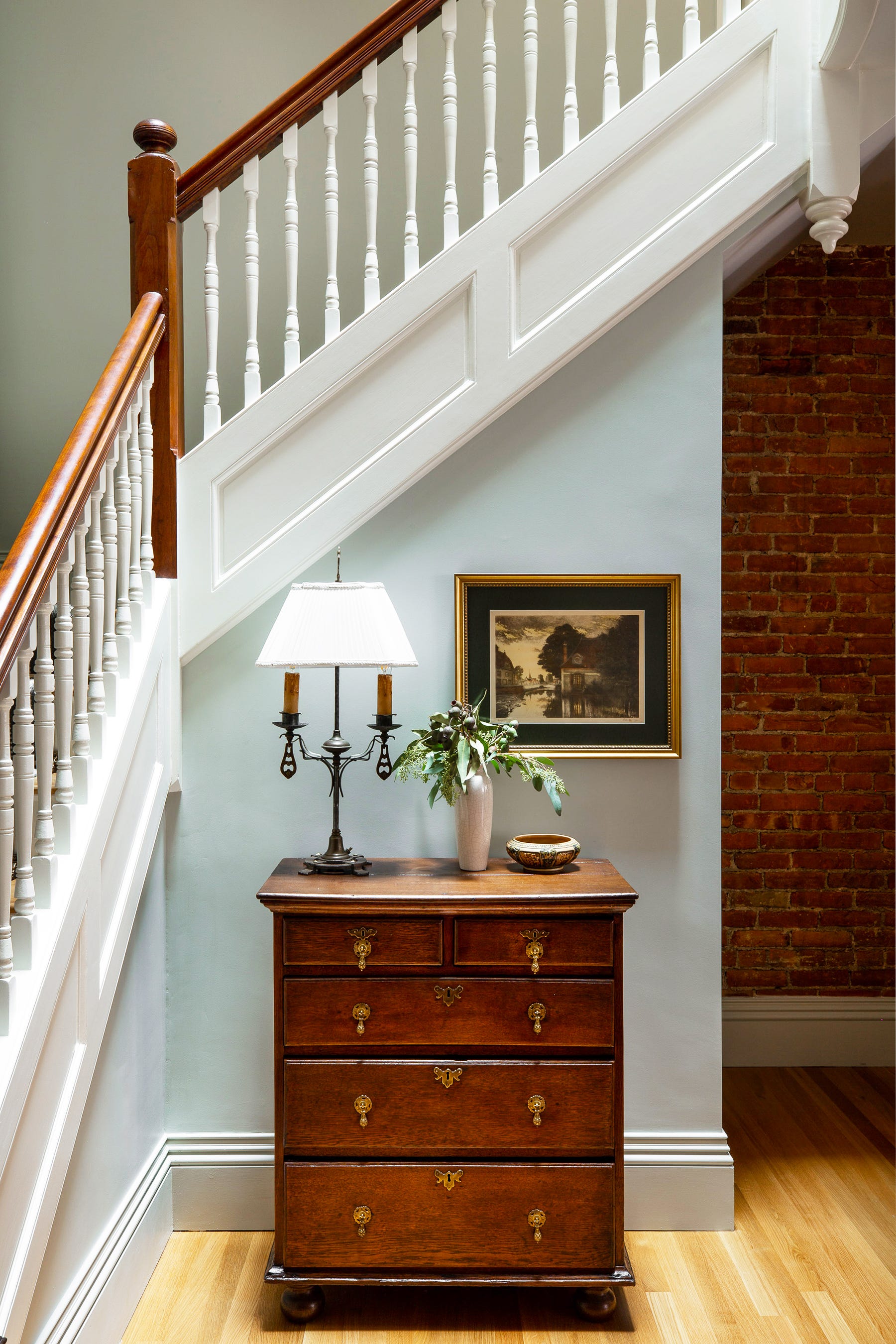
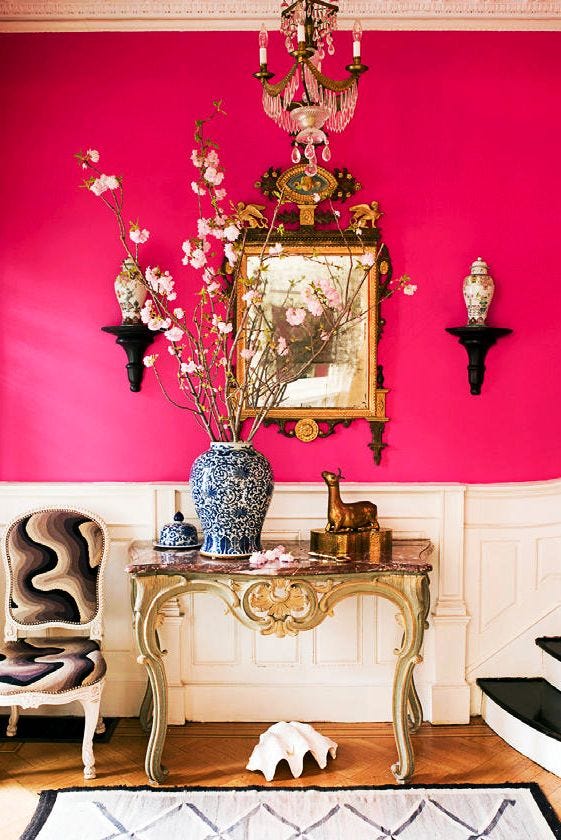
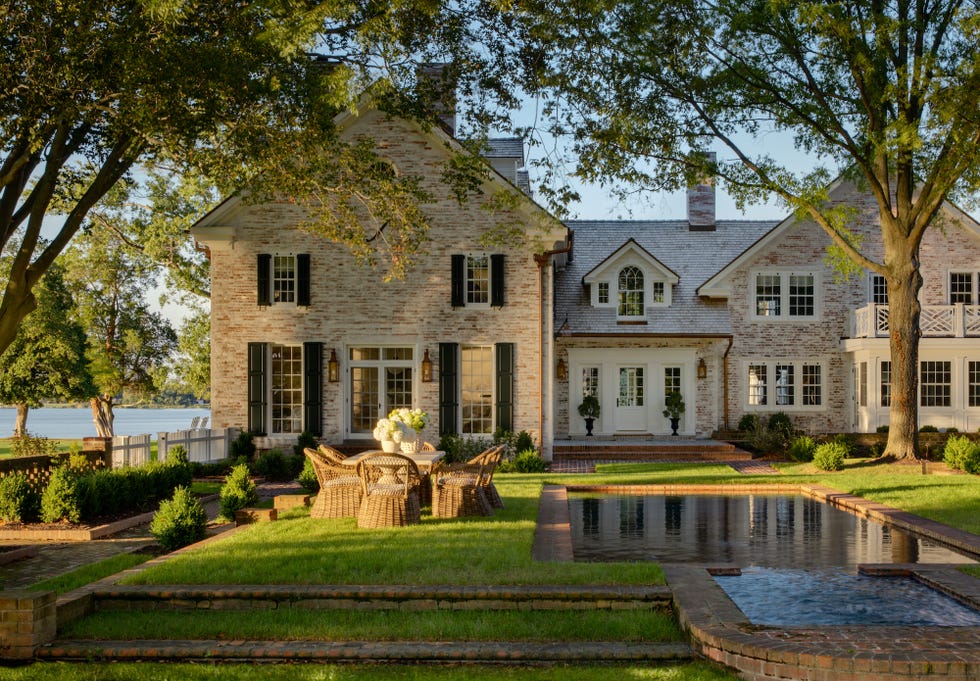
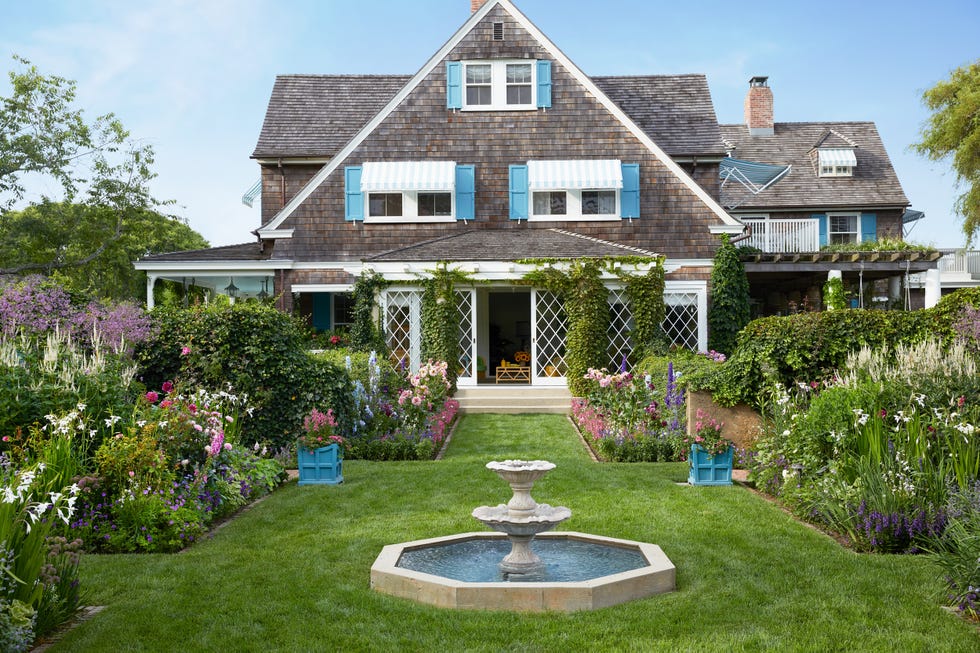
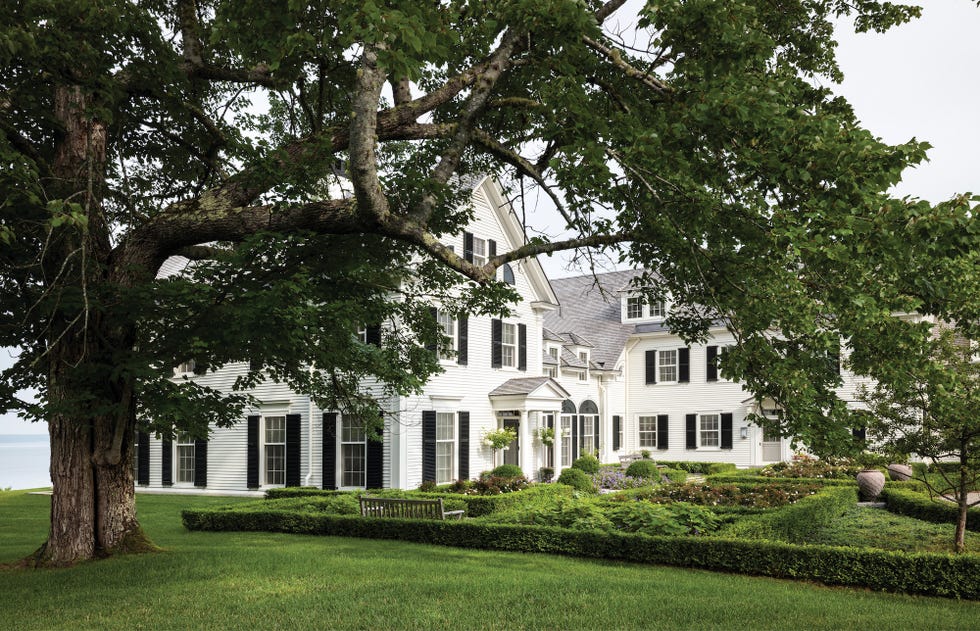
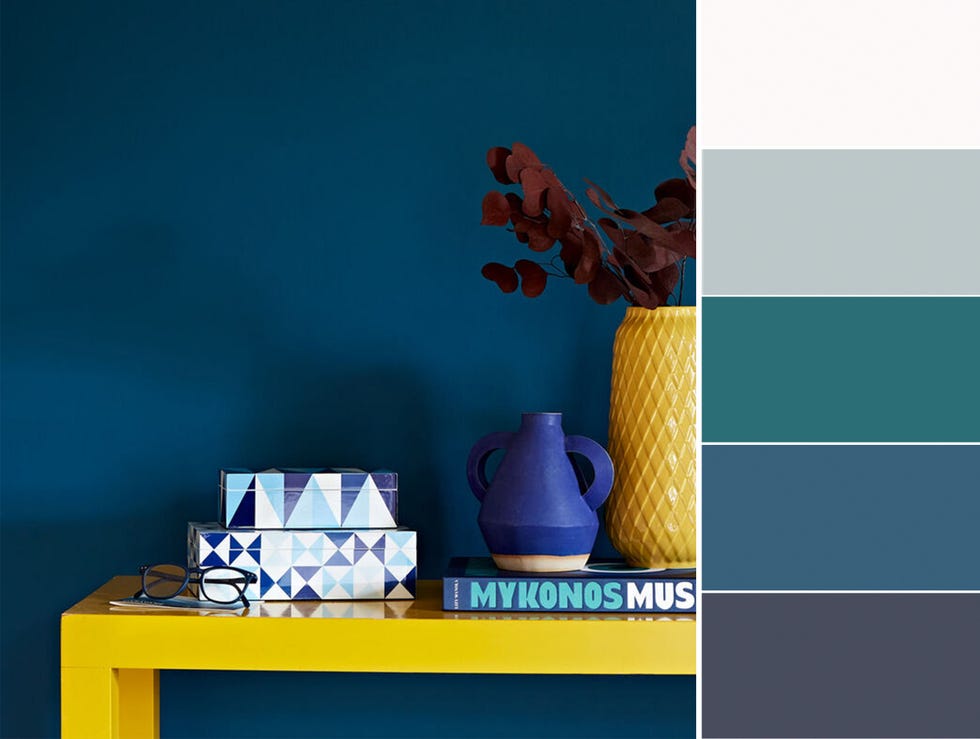
When it comes to actually selecting a paint color from a fan deck, narrowing down the options is crucial. There are many best-selling paint colors that offer proven appeal. For those considering white, interior designers recommend asking specific questions before committing, and popular white shades are readily identifiable. Similarly, for a moodier aesthetic, various gray paint options are available. Seeking expert opinions can be invaluable, with many top designers sharing their favorite paint colors. The architectural style of a home, such as a rustic cabin or a beach house, can also inform color choices, as specific palettes complement different environments. For a more dynamic approach, mixing multiple hues can create sophisticated color combinations, with experts like Miles Redd providing inspiring palettes.
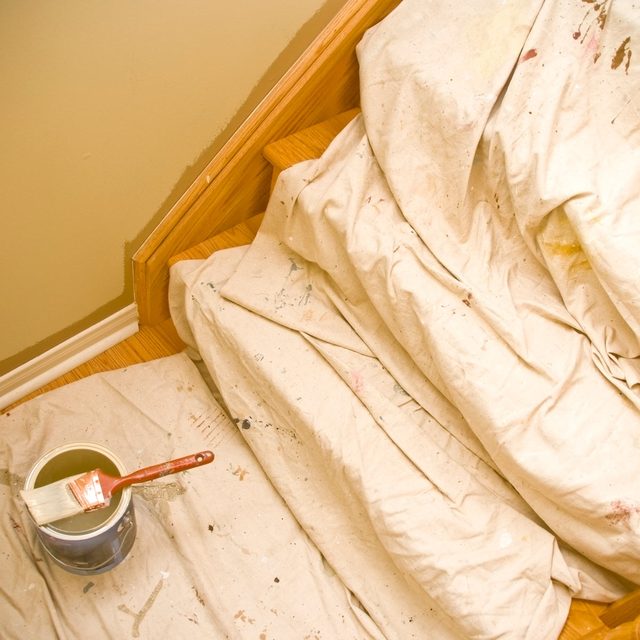
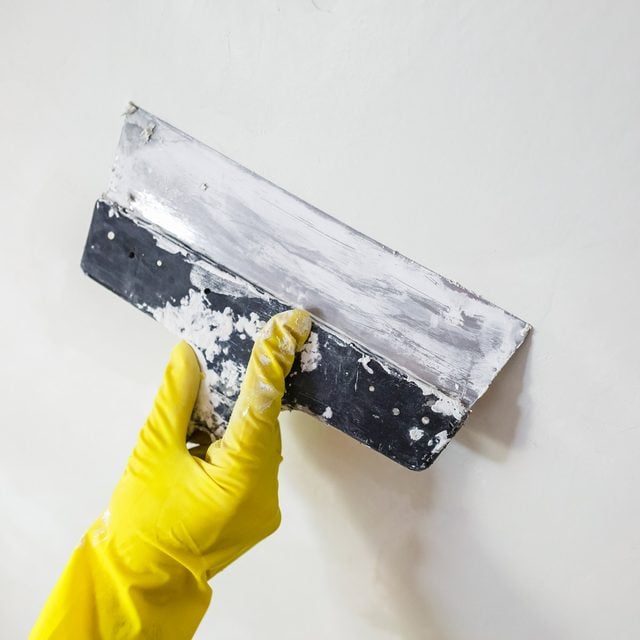
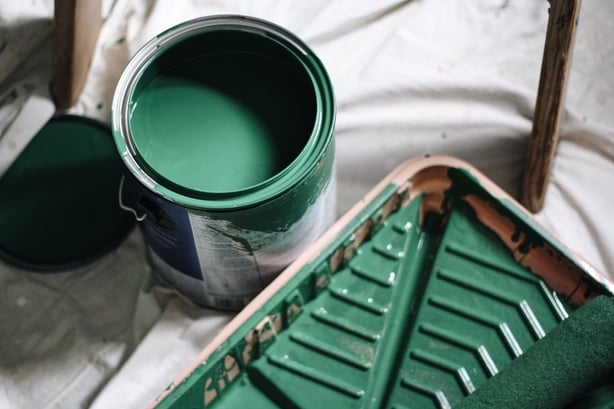
Painting a room like a professional involves more than just applying paint. The process begins with properly testing paint samples to ensure the chosen color looks as expected in the room's lighting. Understanding the different paint finishes — such as flat, eggshell, satin, semi-gloss, and high-gloss — and knowing when to use each in various areas of a space is also critical. Accurate estimation of the required paint quantity helps prevent waste and ensures sufficient supply for the project. Whether hiring a painting contractor or undertaking the project as a DIY endeavor, there are specific steps to follow. For those opting for professional help, advice on what to consider before hiring a contractor is available. For DIY enthusiasts, detailed, step-by-step guides, including methods favored by celebrity contractors, can help achieve a flawless finish.
In summary, painting a room involves a comprehensive process that begins with inspiration and color selection, moving through practical considerations for application. By carefully considering the emotional impact of color, drawing from expert advice and popular choices, and following professional techniques for preparation and application, individuals can achieve a desired look that enhances the room's atmosphere and reflects personal style.
#InteriorDesign #HomeImprovement #PaintColors #DIYPainting #ColorPsychology #ArchitecturalDigest #HomeDecor #InteriorDesign #HomeImprovement #PaintColors #DIYPainting #ColorPsychology #ArchitecturalDigest #HomeDecor
0 comment in total
 No comments yet
You may also like
Paint color ideas for every room – experts explain the best choices for different spaces

Paint ideas for your home – 36 ways to turn every room into a beautiful space bursting with character
35 Paint Colors to Consider for Every Room in Your House


Painting hacks: How to transform your home with paint
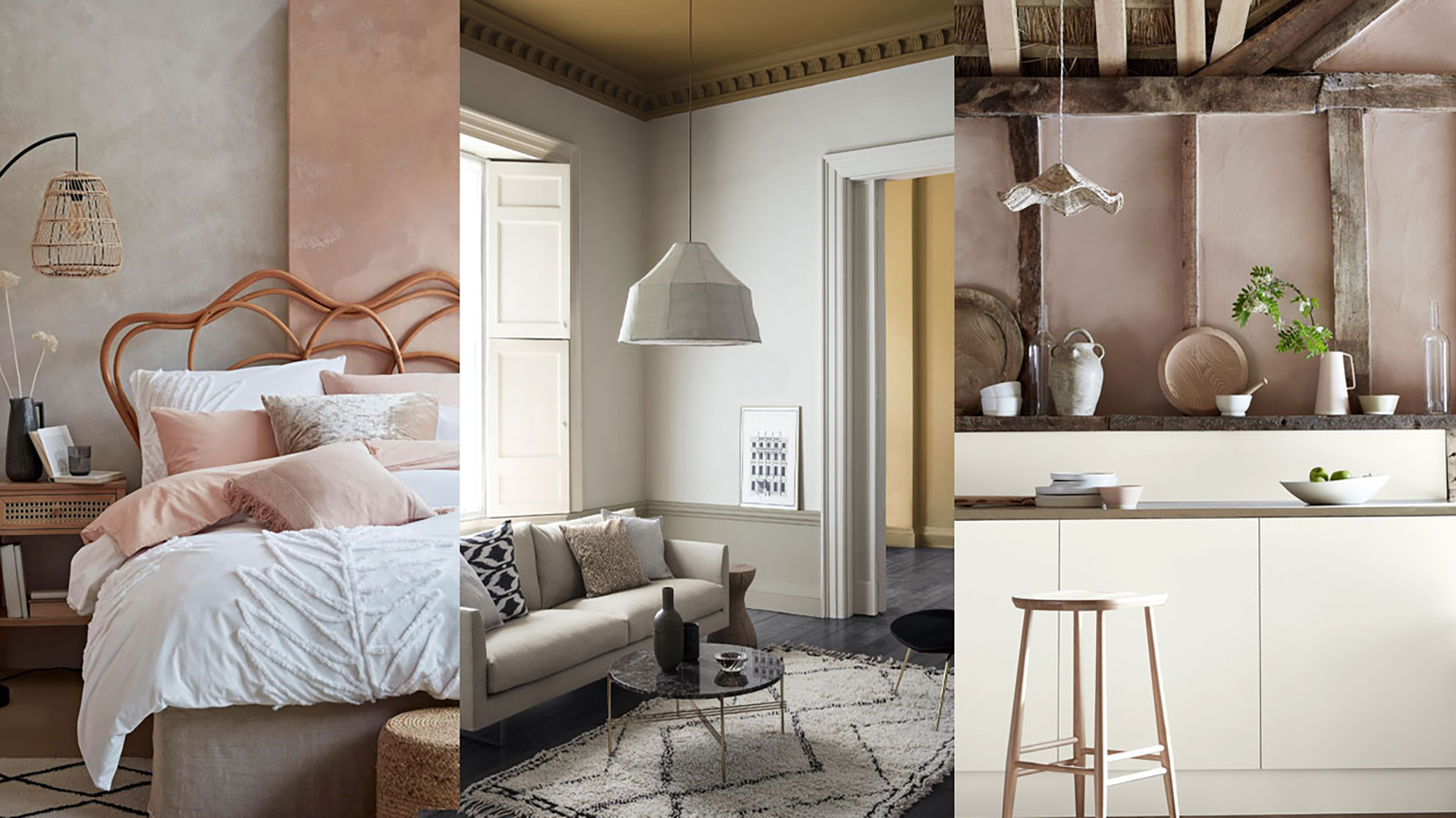
Paint finishes – a guide for every room

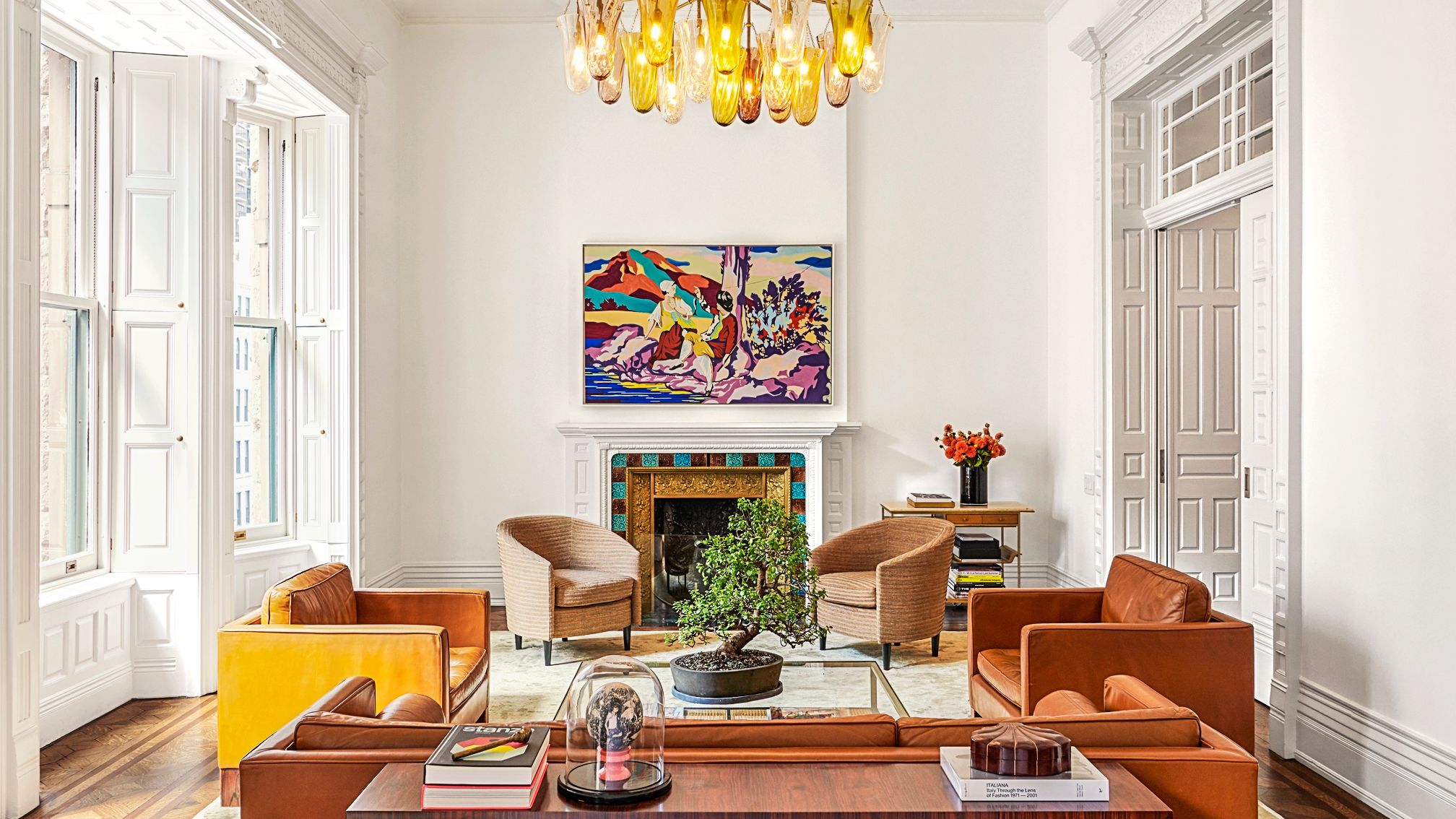
Interior Paint: A Guide to Buying the Best Paints for Your Home


How to paint a room and give it a refresh
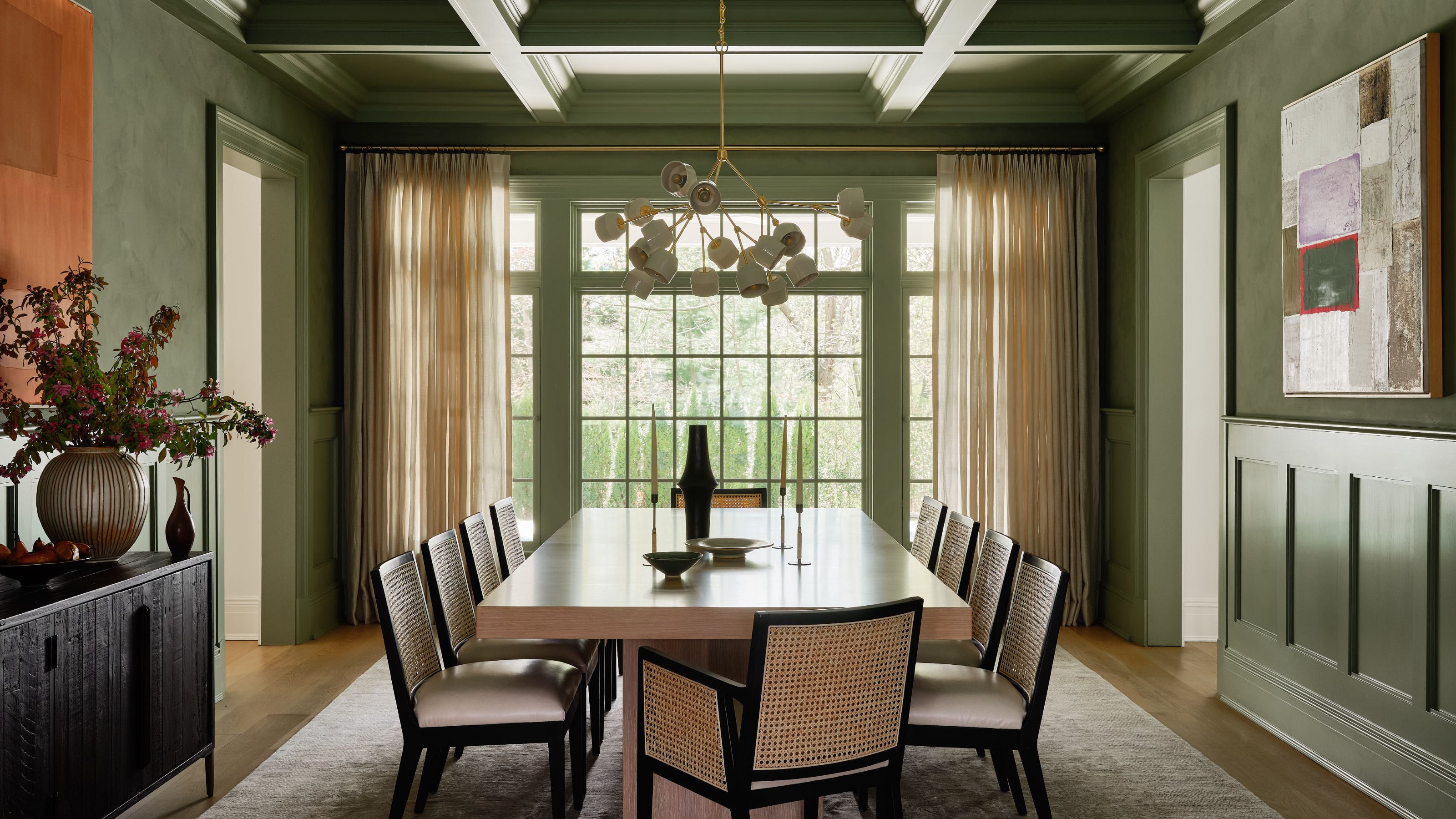
A Complete Guide to Color Drenching a Room — The Tone-On-Tone Paint Style Taking Over Our Homes
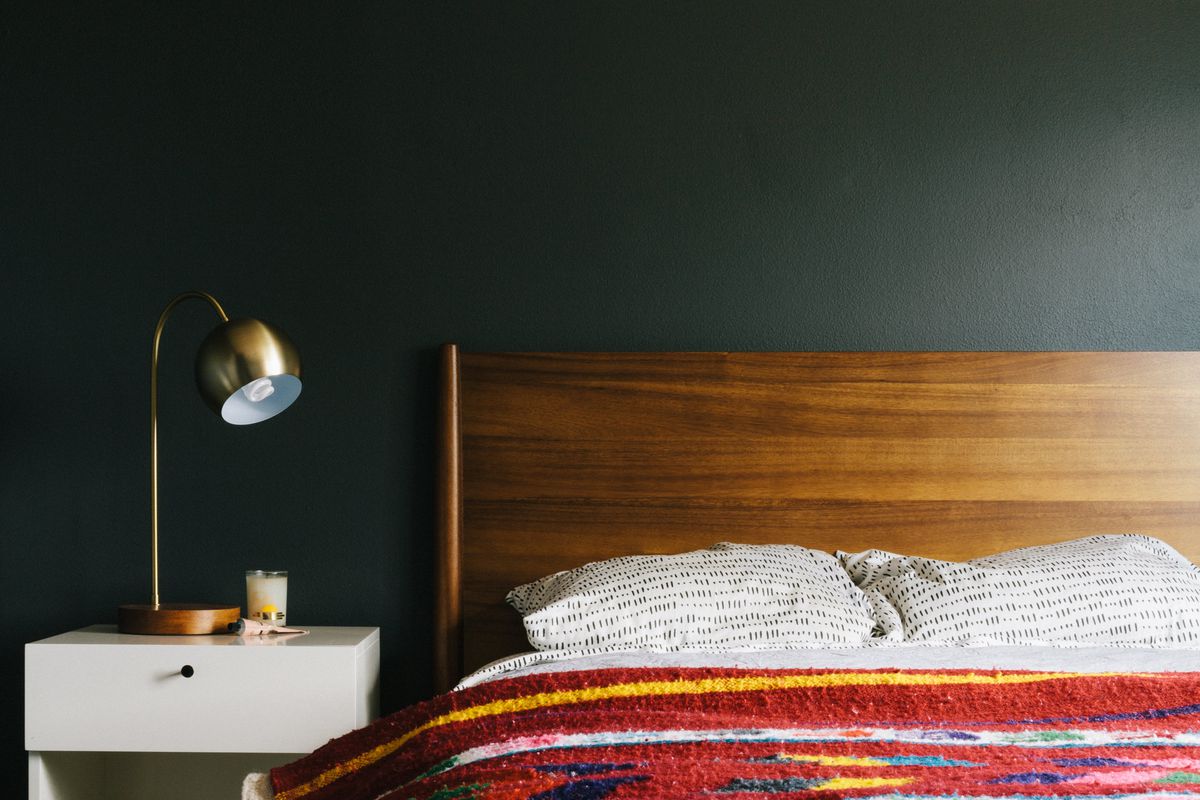
How to choose the best paint color for any room in your house

How To Choose The Right Paint Color For Your Home, According To An Interior Design Expert


Everything You Need to Know About Mural Wall Painting

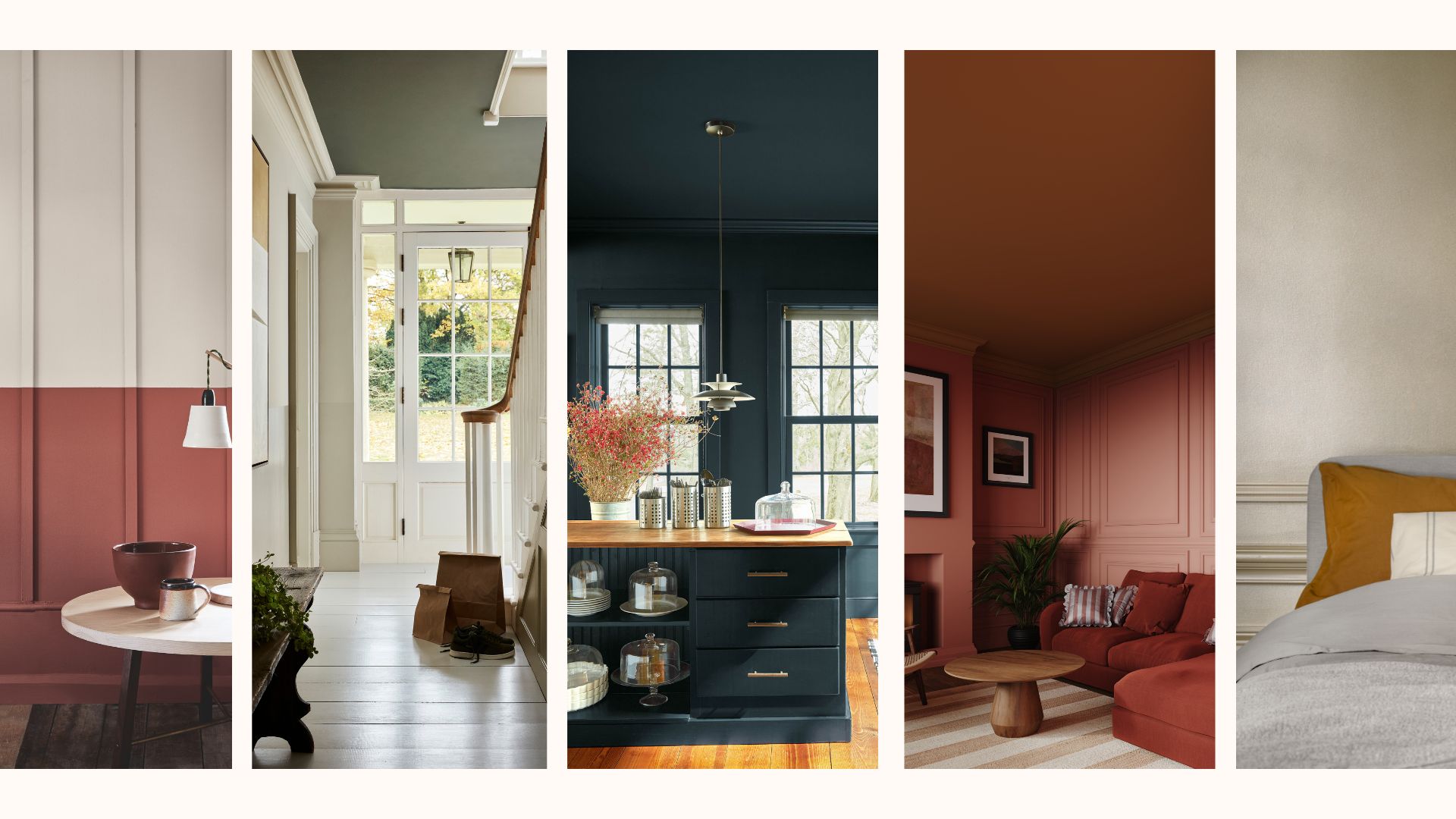
How to make a room look bigger with paint: 10 expert tips

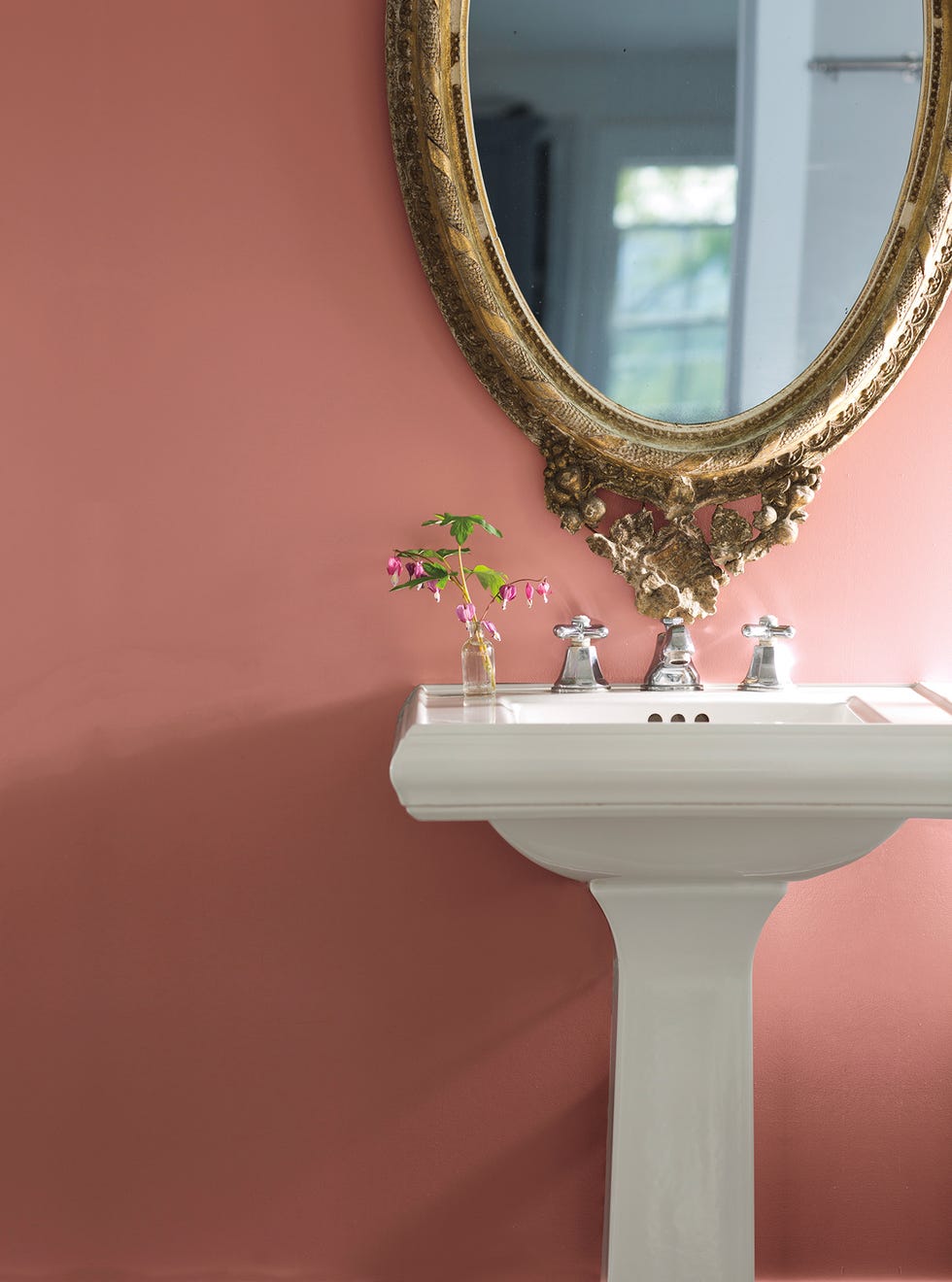
How to choose the right type of paint when decorating a room
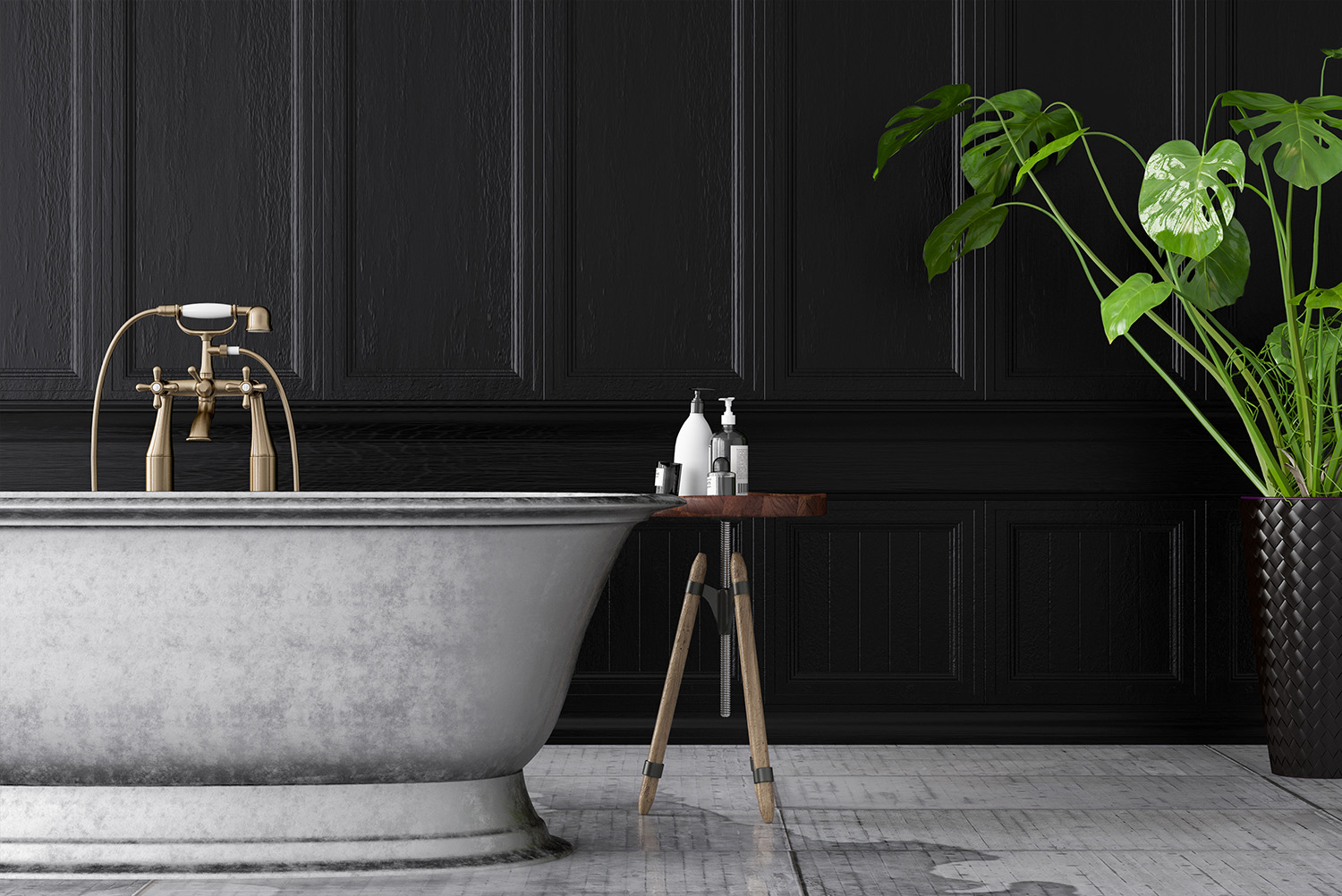
Bathroom paint - the ultimate guide to the right colors and finishes for walls, ceilings and radiators
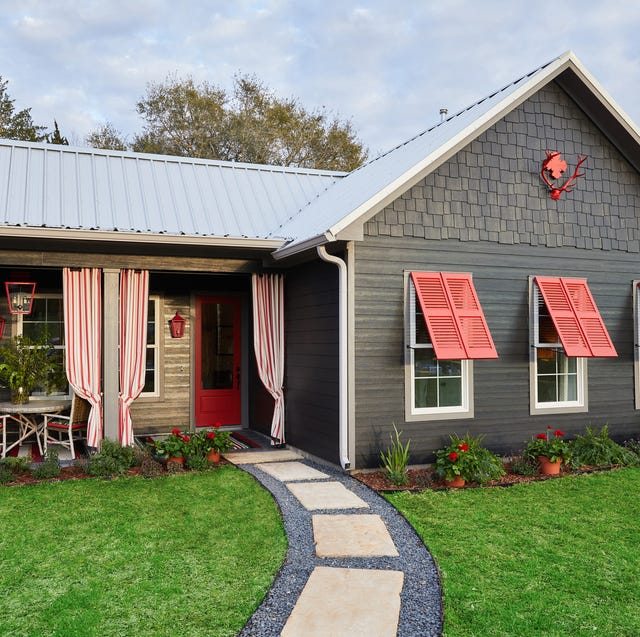
Here's What Colorists Want You to Know About Picking House Paint

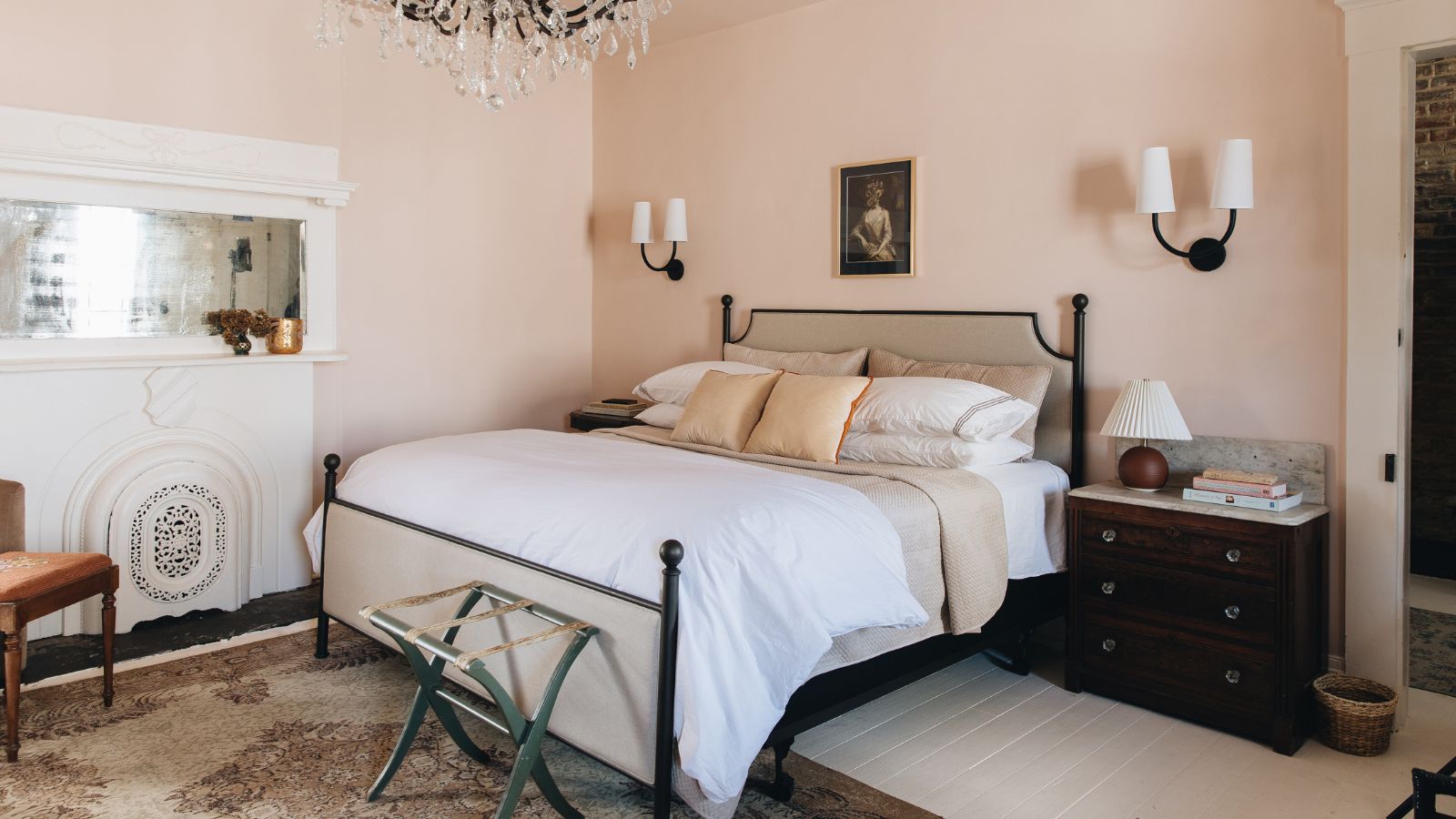
10 designers on the bedroom colors they always recommend
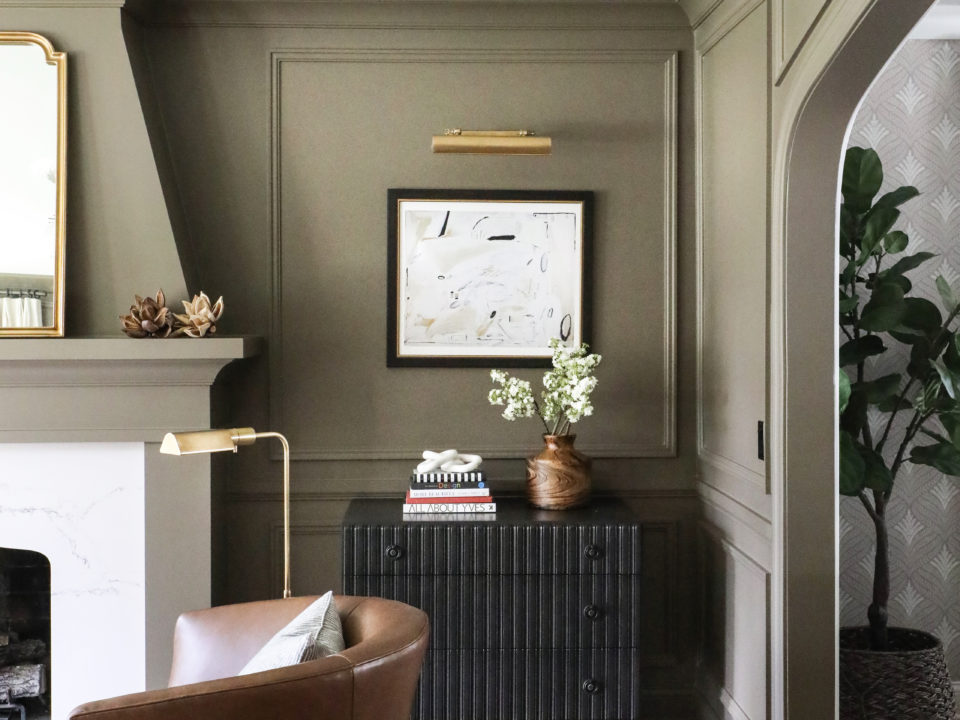
How to Pick the Best Paint Colors for Every Space in Your Home

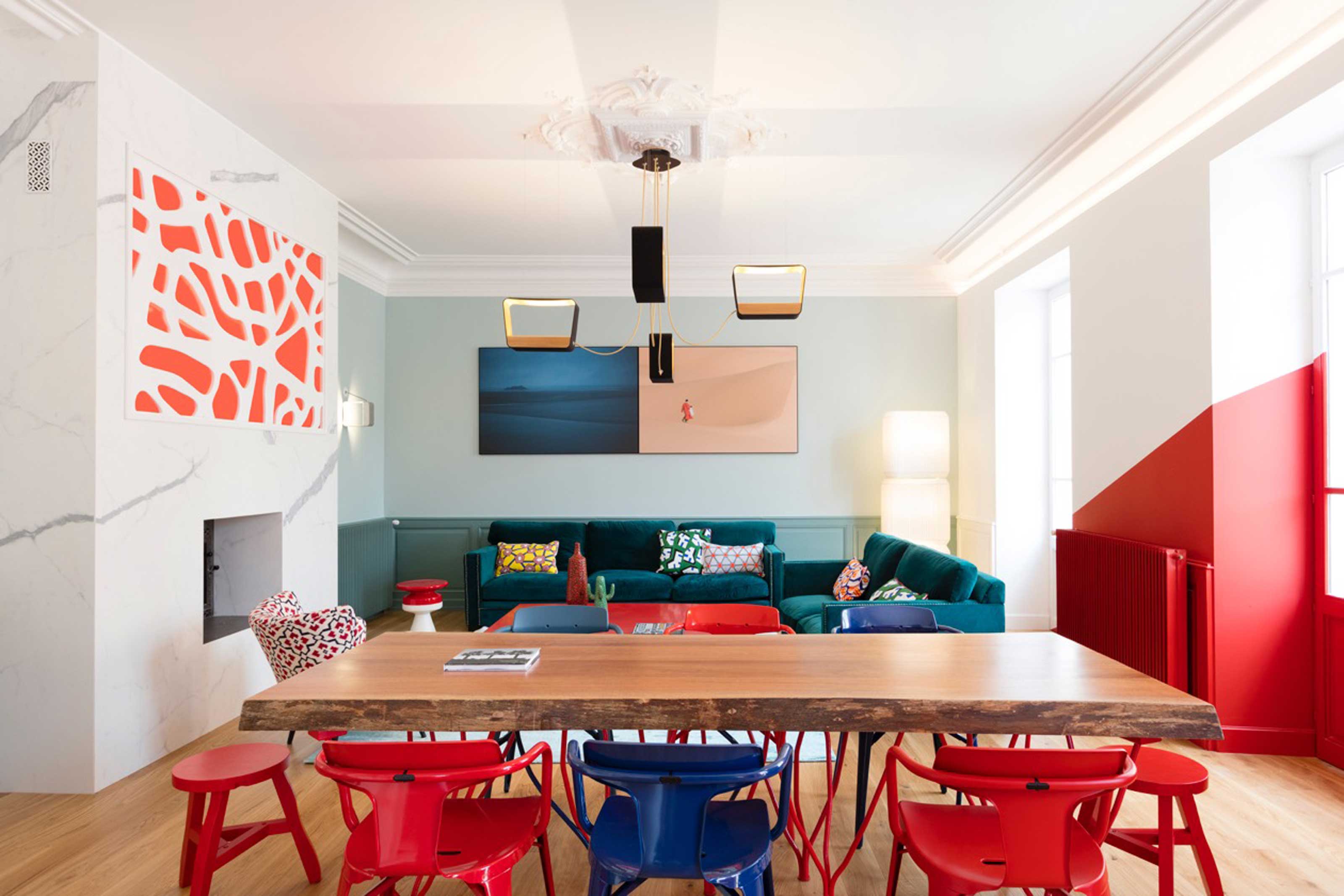
How to use paint to change the size and shape of your room

30 on-trend paint colours for every room in your home

Real Simple Home Designers Share Their Secrets for Picking the Perfect Wall Color