1/8
Elevate Your Yard (And Your Plants) With These Raised Metal Garden Beds
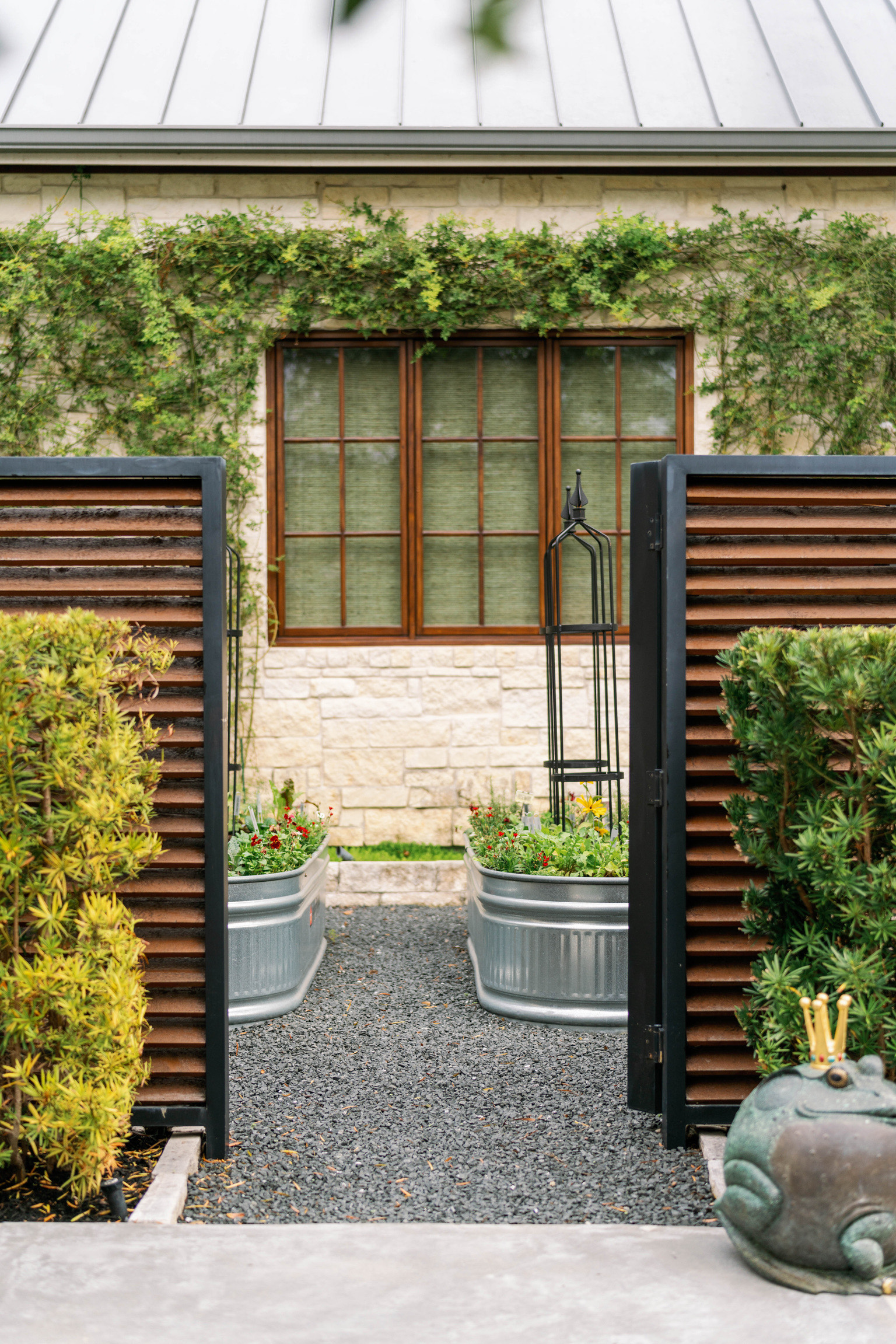
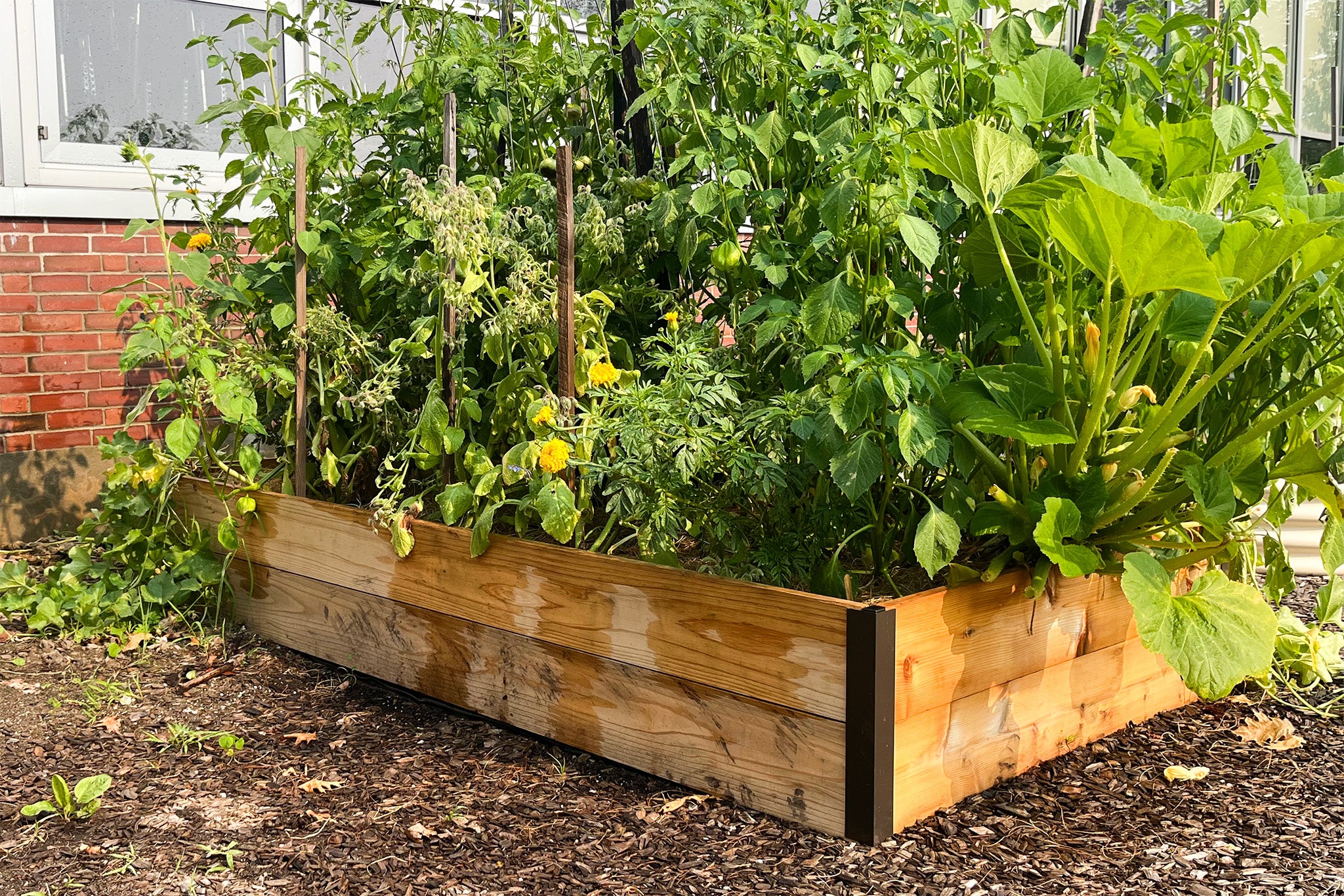
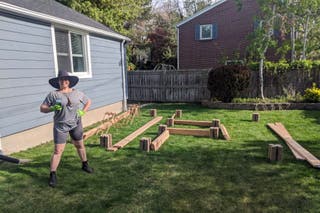
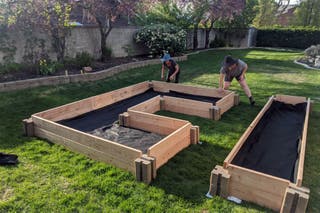
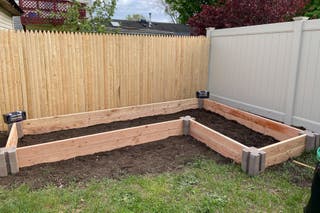
This article highlights the benefits and features of raised metal garden beds, providing a comprehensive guide for both amateur and experienced gardeners looking to optimize their planting. Raised metal garden beds offer significant advantages over traditional in-ground planting, primarily by providing a controlled environment for soil quality. Unlike native soil, which can have unpredictable hydration levels, nutrient densities, and potential contaminants, raised beds allow gardeners to select and fill with nutrient-dense topsoil, ensuring plants receive optimal nourishment. This control minimizes issues like pests and weeds that are common in natural ground.
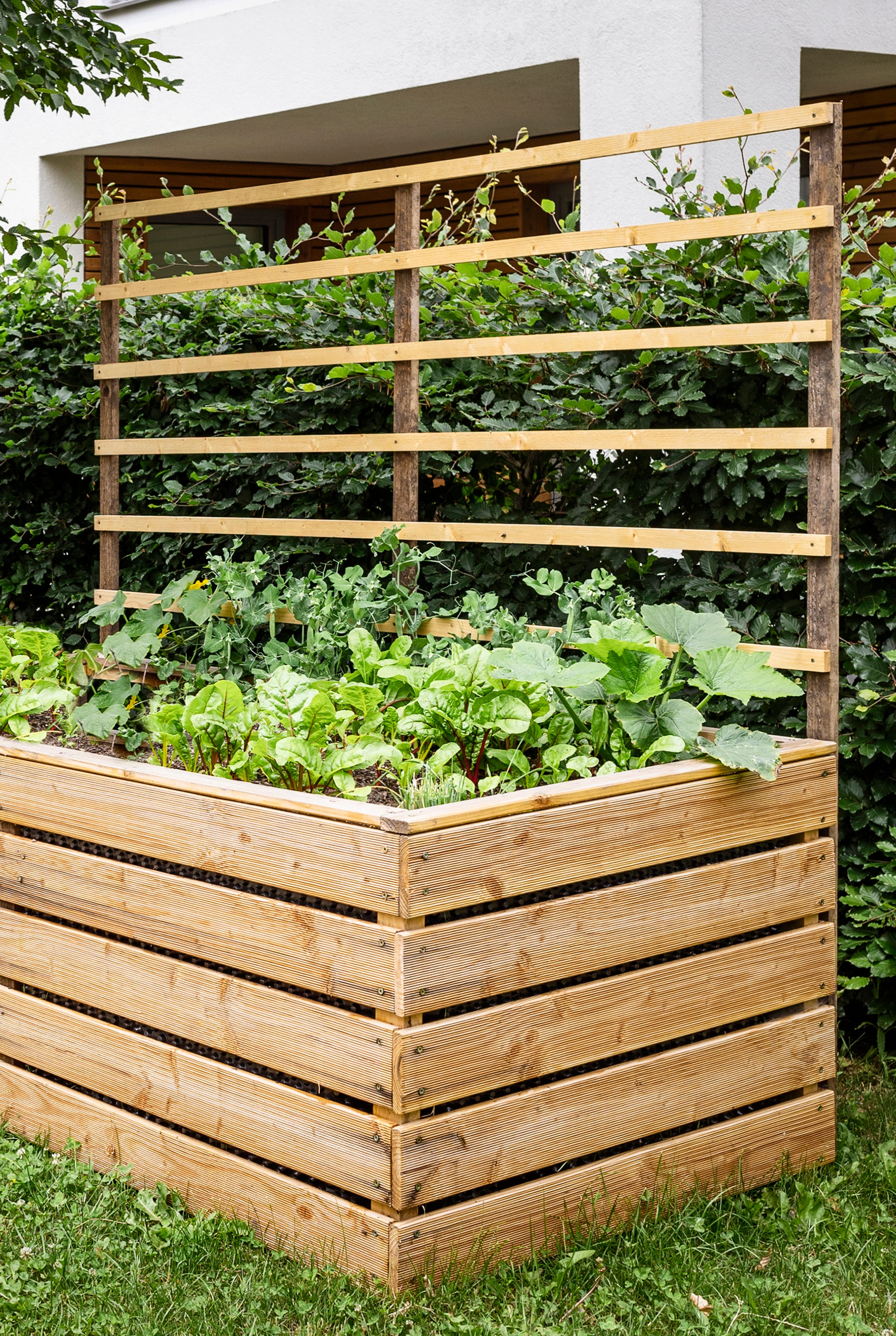
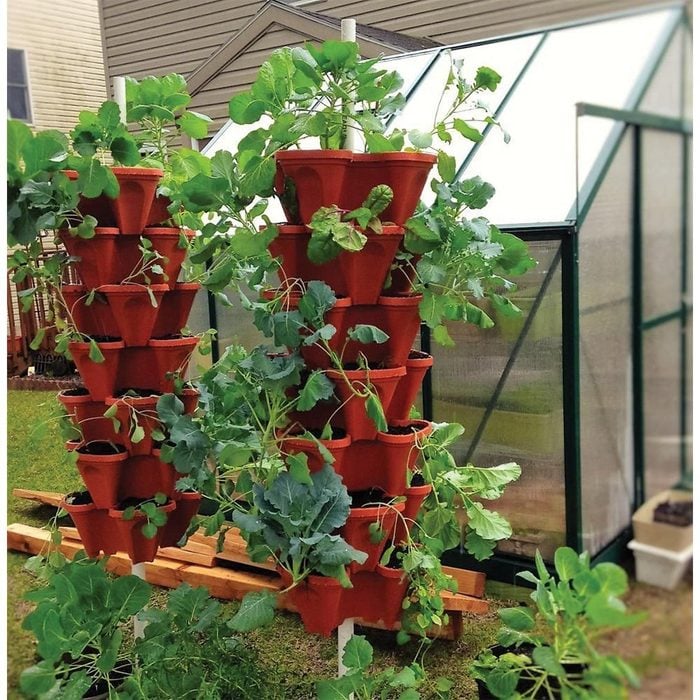
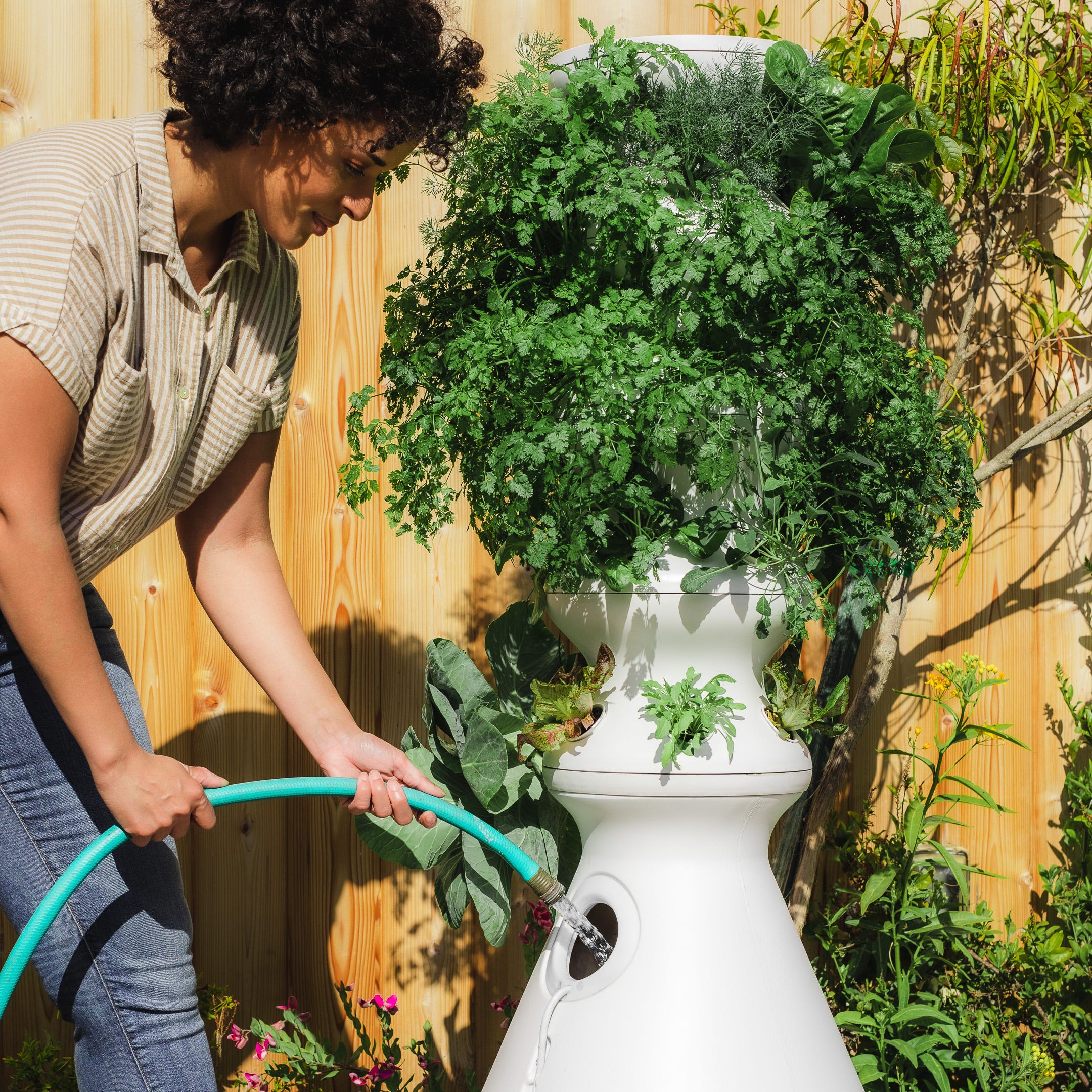
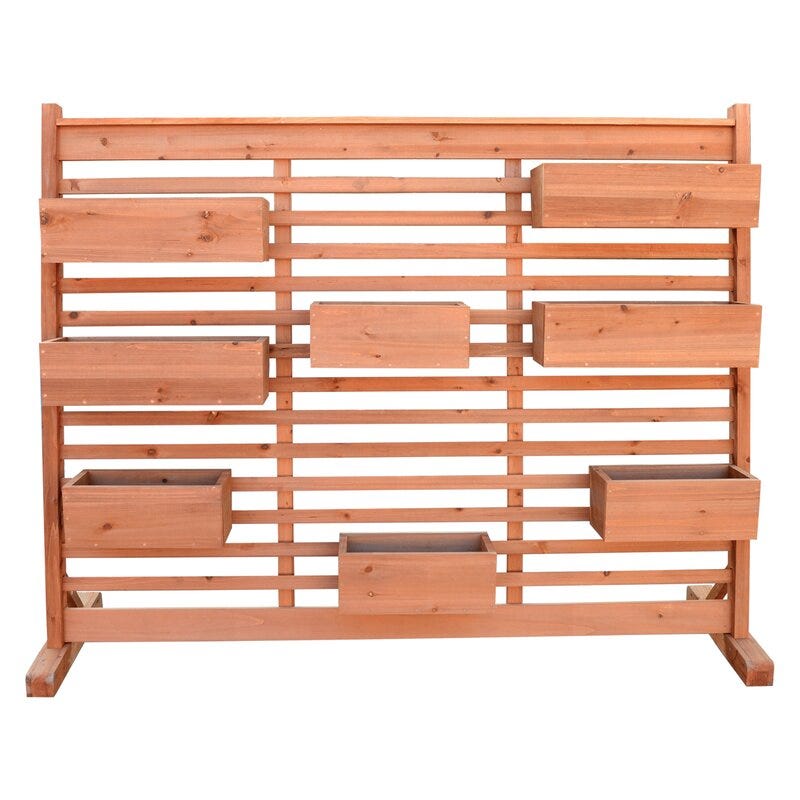
Another crucial benefit discussed is improved soil drainage and aeration. The looser soil in raised beds promotes better air circulation around plant roots, drastically reducing the risk of root rot and fostering healthier plant growth. Beyond plant health, these beds also offer ergonomic advantages, lifting the planting area off the ground, similar to vertical gardens. This design reduces the need for extensive bending and kneeling, making gardening more accessible and comfortable, particularly for individuals with joint pain or mobility concerns.
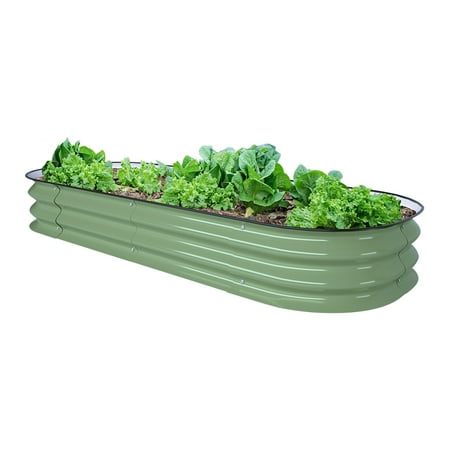
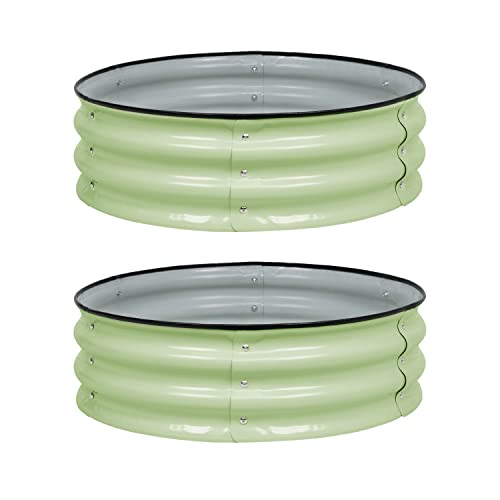
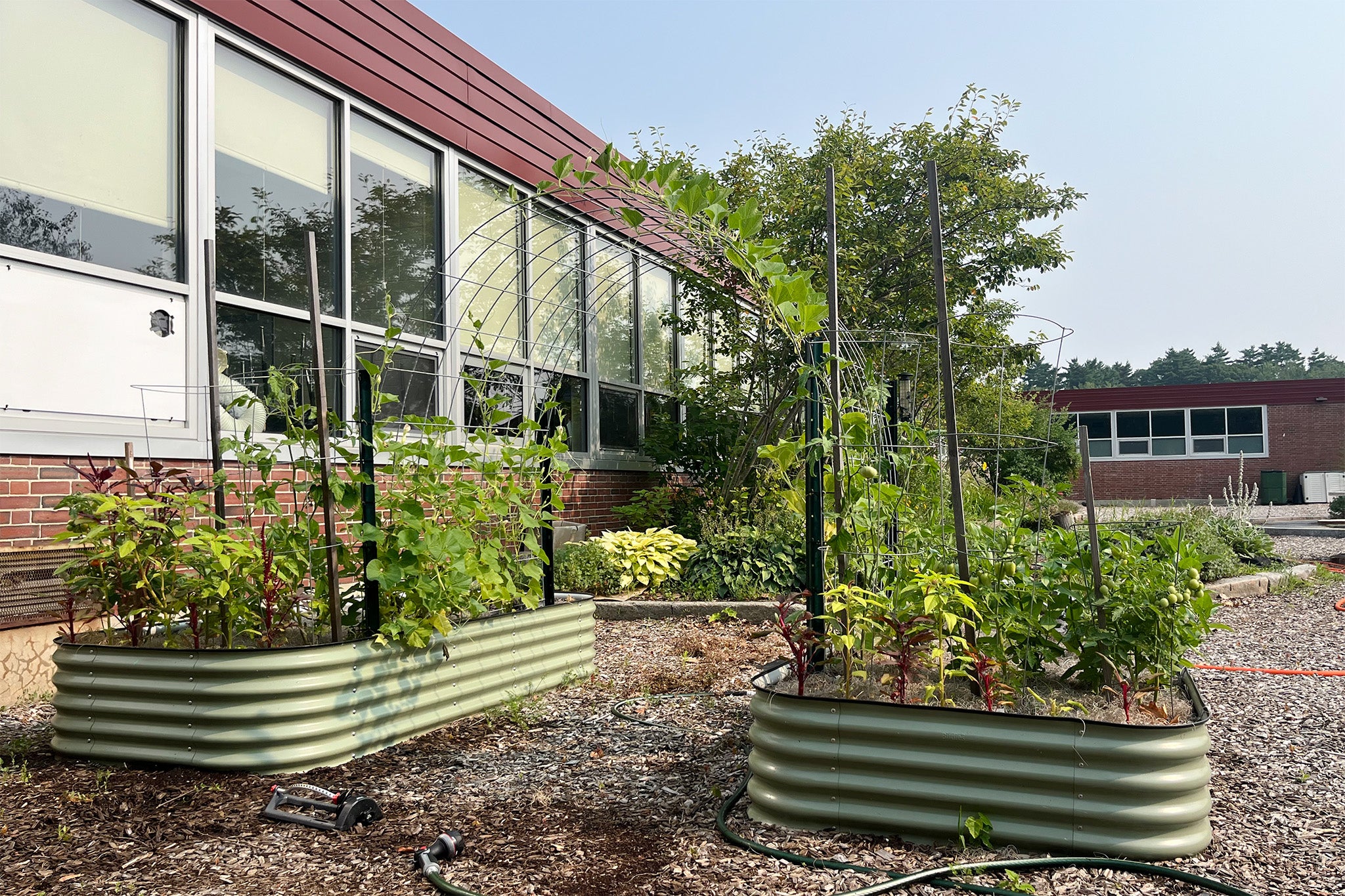
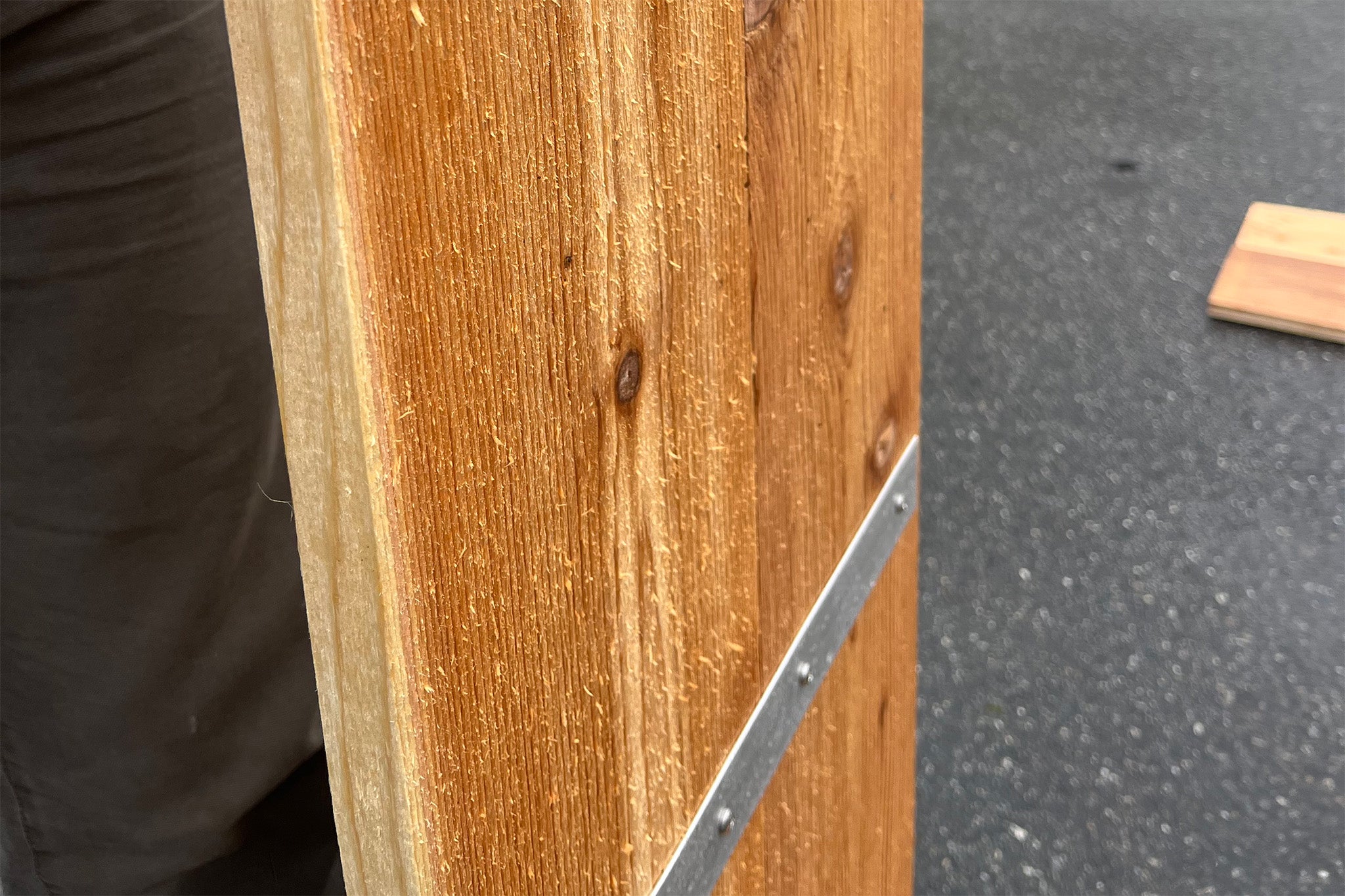
The article outlines key considerations when choosing a raised metal garden bed, beginning with material and design. The majority of recommended beds are constructed from galvanized steel, which is treated with a zinc coating to prevent rust and corrosion. This treatment is essential for longevity and to prevent contamination of the soil. Corrugated metal designs are also favored for their enhanced strength and structural integrity, preventing bowing or collapse even when filled with a substantial amount of soil.
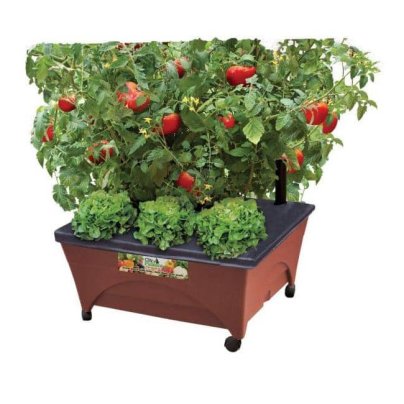
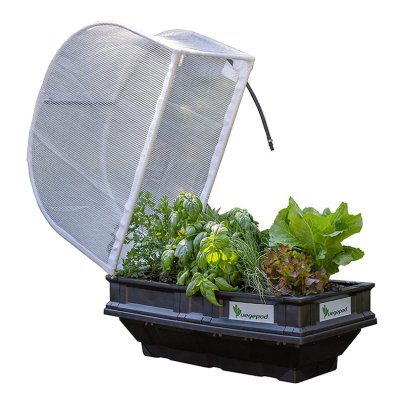
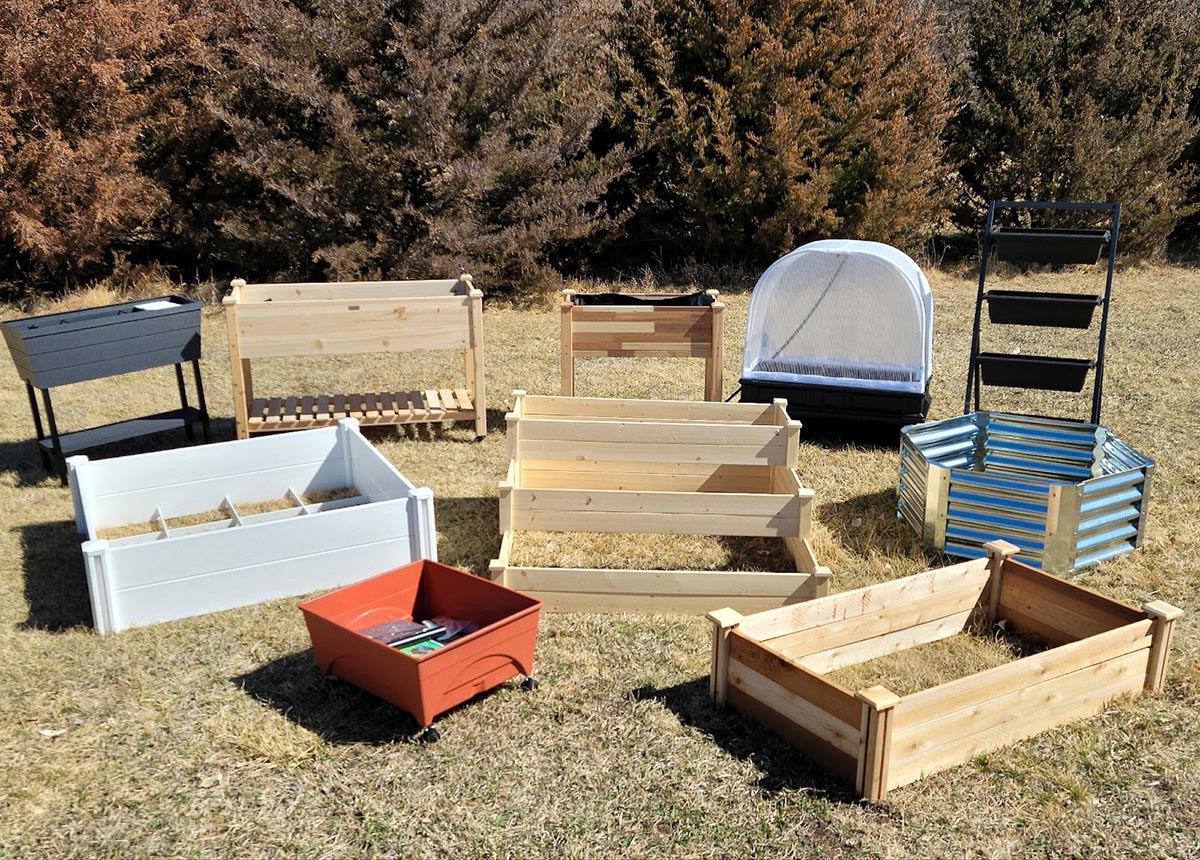
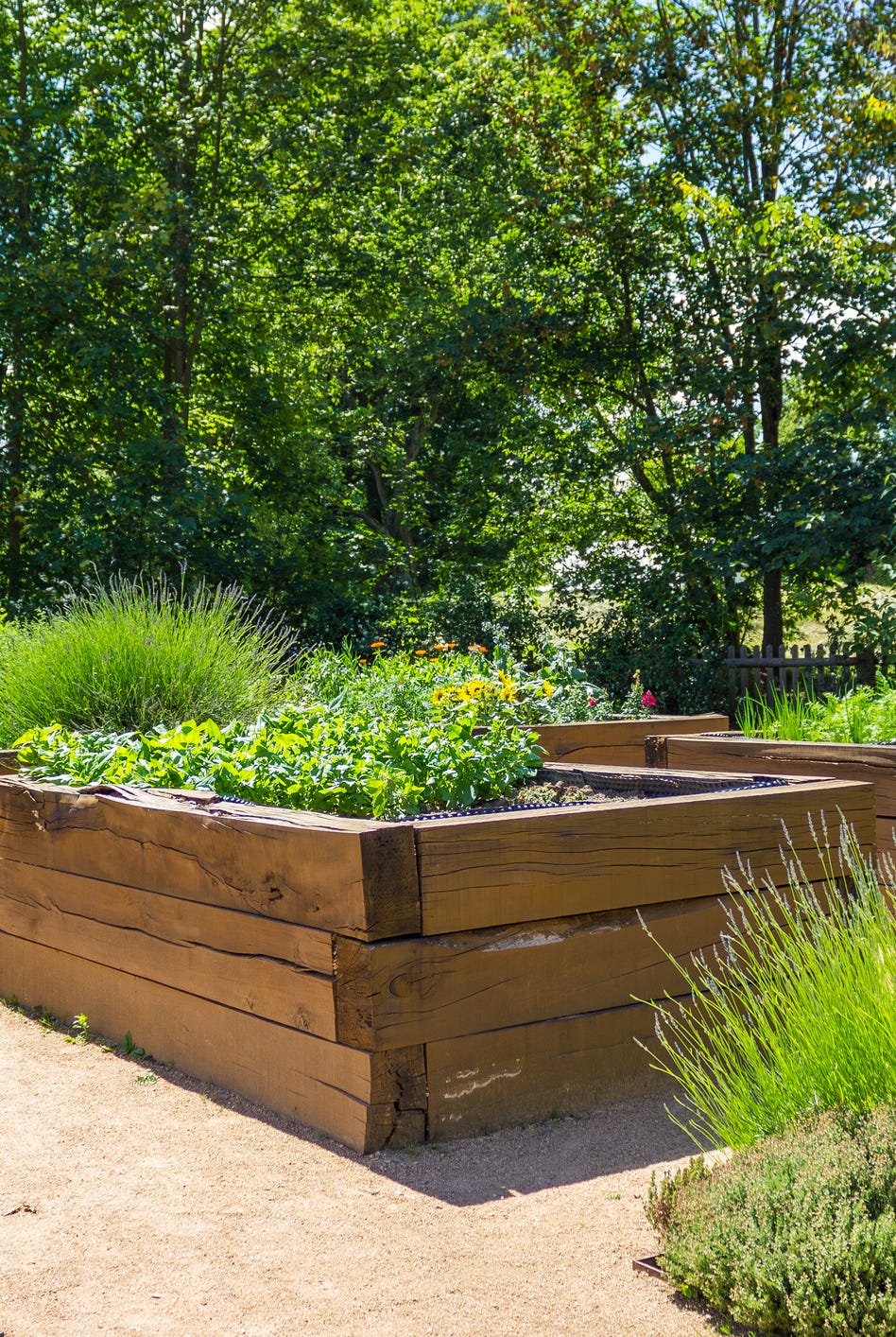
Two main types of garden beds are identified: supported and containerized. Supported beds act primarily as a border and soil barrier, maintaining an open bottom for direct contact with the earth and free drainage. These are generally more permanent structures. Containerized beds, on the other hand, function as large planters, completely containing the garden within them and isolating it from the ground below. These often include drainage holes and are more mobile, allowing for relocation within the yard to optimize sunlight exposure or protect plants from ground-level threats. Elevated containerized beds are specifically mentioned for their height, offering the most ergonomic solution.
Size and shape are also important factors, with common options including ovals, rectangles, hexagons, and squares. While the shape doesn't impact plant growth, it influences planting arrangements. Oblong shapes are suitable for rows of vegetables or herbs, while circular designs might be better for flowers. The article advises considering yard dimensions to ensure the bed fits appropriately without dominating the space. Some modular designs offer flexibility in creating various shapes and sizes.
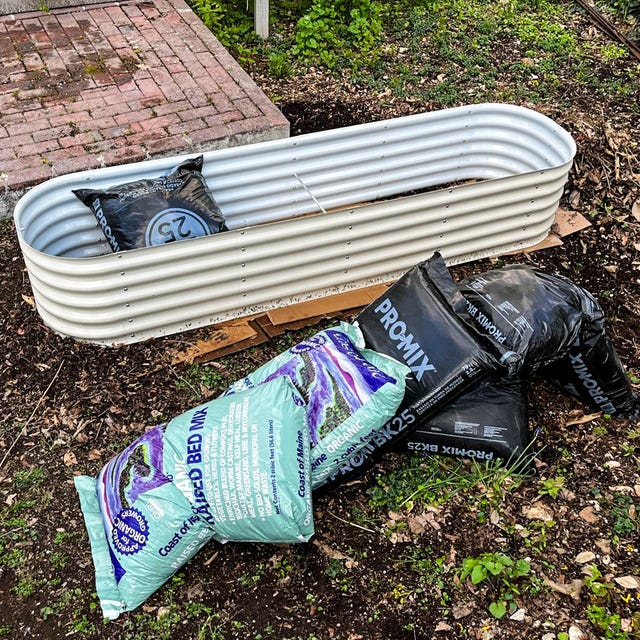
To ensure reliable recommendations, the article details a rigorous testing and selection process. One Vego Garden modular raised metal garden bed was personally tested over several months, enduring various weather conditions, and its impact on plant growth was observed. For other models not directly tested, extensive research was conducted, including reviewing gardening forums, numerous customer reviews, and trusted online publications. The selection prioritized function, metal quality, design effectiveness, size, price, durability, and aesthetics, ensuring a diverse range of options to suit different preferences.
#RaisedGardenBeds #GardeningTips #MetalGardenBeds #HomeGardening #OutdoorLiving #GardenMaintenance #PlantCare #DIYGarden #ErectGarden #RaisedGardenBeds #GardeningTips #MetalGardenBeds #HomeGardening #OutdoorLiving #GardenMaintenance #PlantCare #DIYGarden #ErectGarden
0 comment in total
 No comments yet
You may also like
This Viral Gardening Trend is Loved by Experts — "It's the Best-Looking Idea for Growing Vegetables"

These Lego-Like Bricks Make Building a Raised Garden Bed a Snap

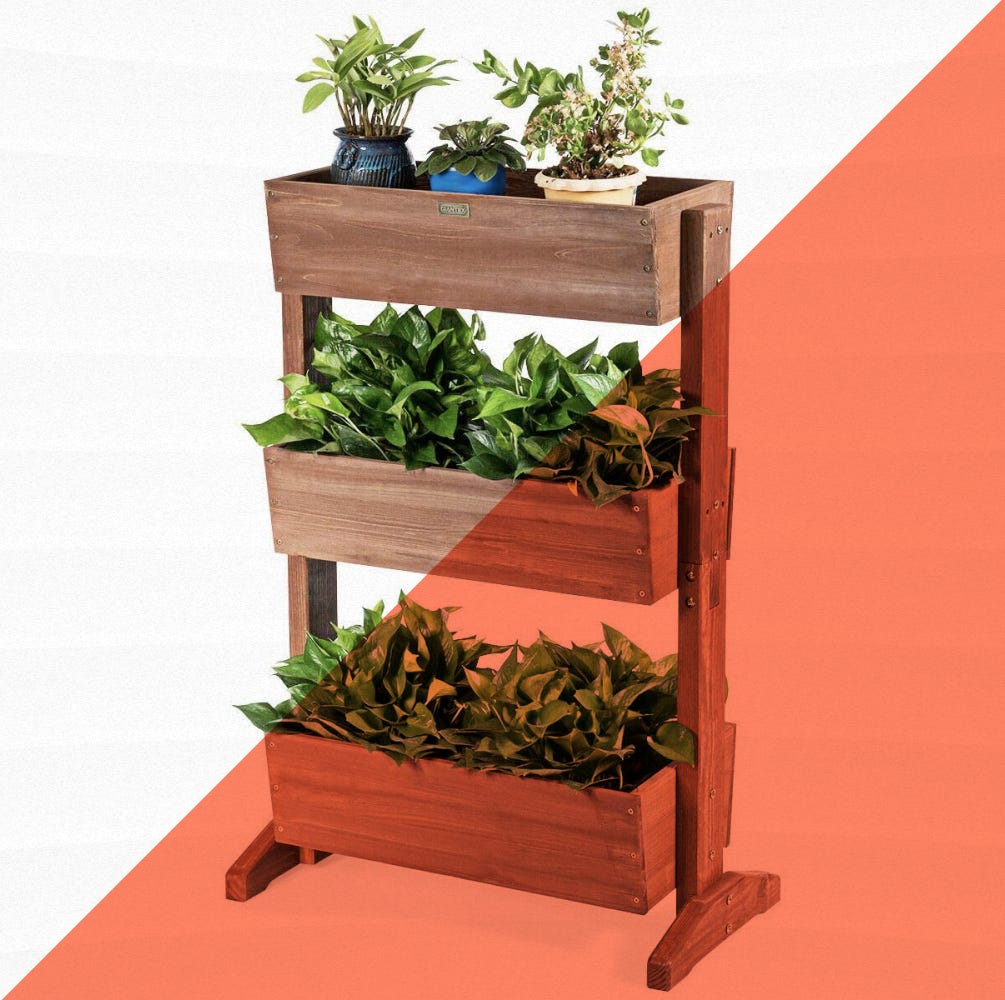
These Vertical Gardens Are a Plant Lover’s Dream
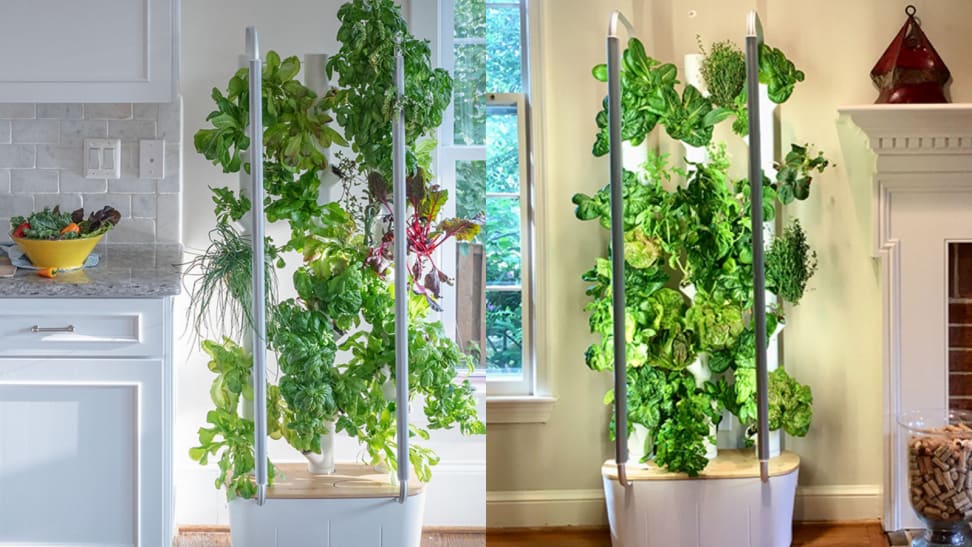
This vertical garden device makes indoor gardening possible


Raised Garden Bed Options to Optimize Your Garden
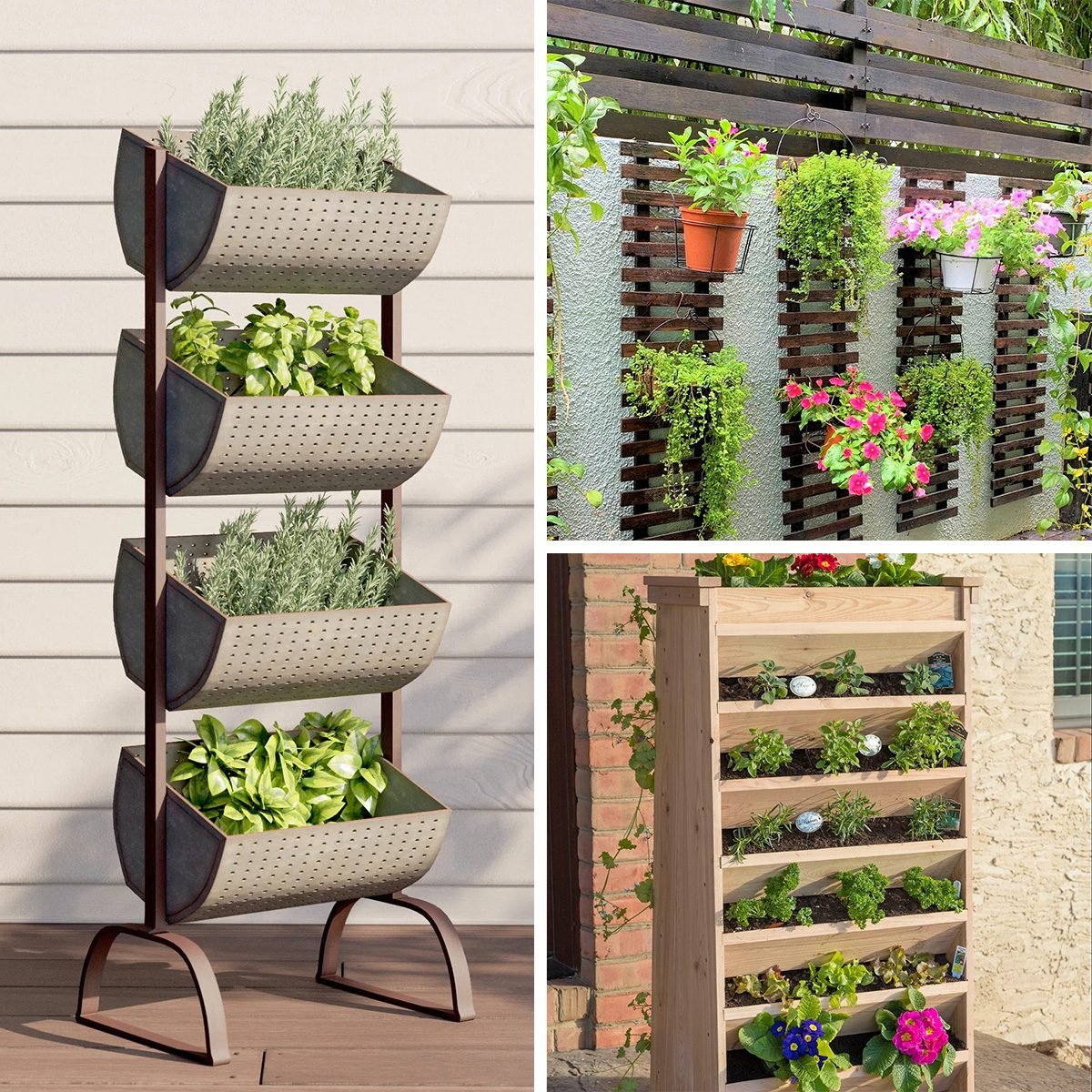
10 Best Vertical Garden Planters

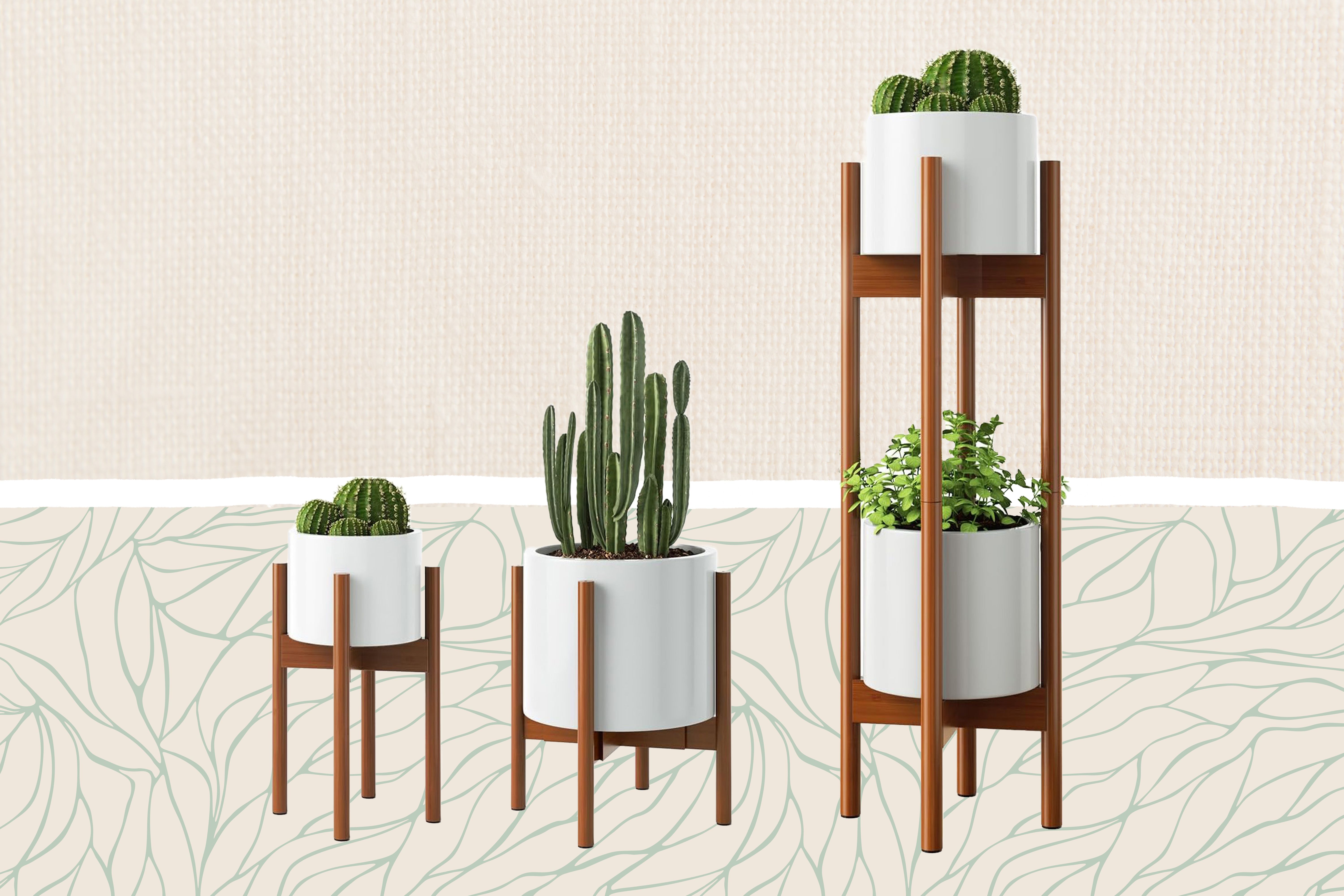
Elevate Your Indoor and Outdoor Plants with Our Favorite Plant Stands


Best plants to cover a fence – 10 ways to disguise a fence with beautiful flowers and foliage

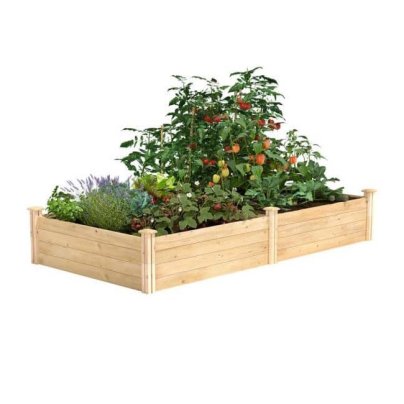
After Extensive Testing, These Are Our 9 Best Raised Garden Beds for Growing Plants

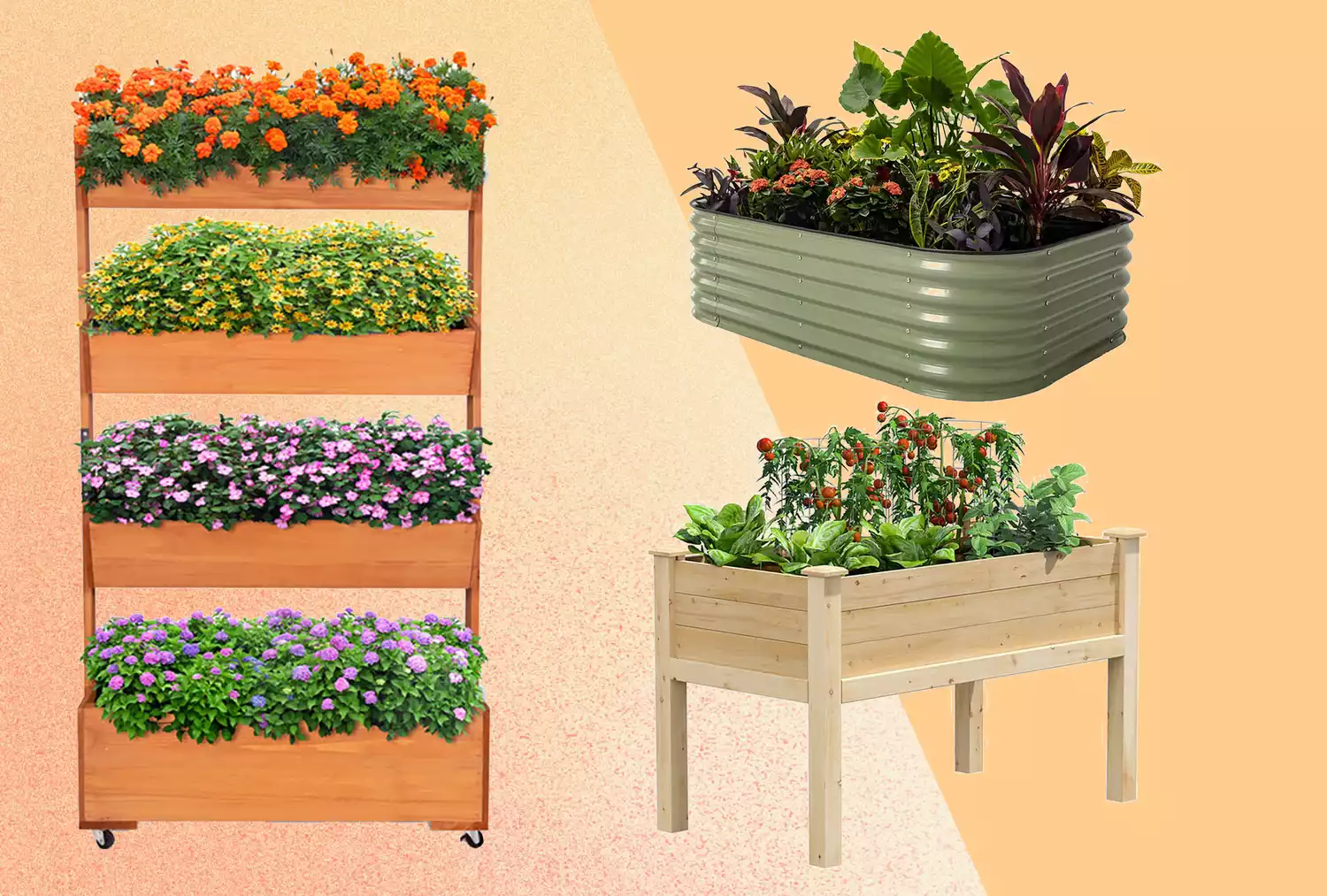
Our Favorite Raised Garden Bed Is on Sale at Wayfair—Plus More Top Picks From Just $48

ALDI's $4.99 garden wall planter is back in stock for 2025
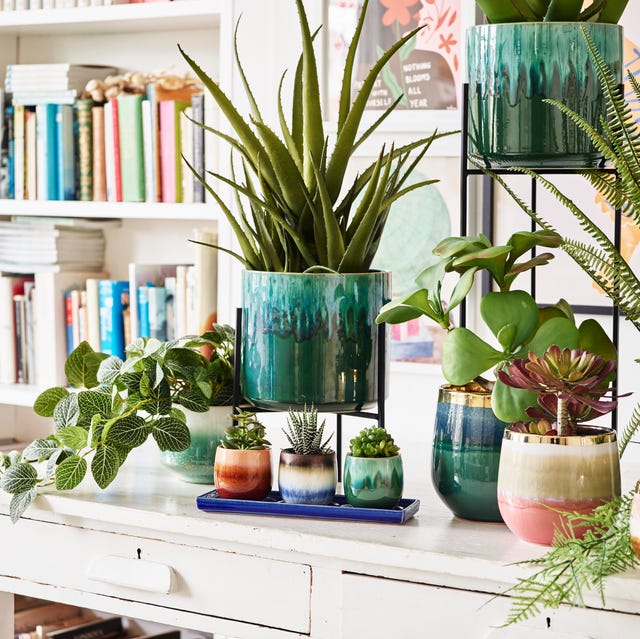
The best indoor plant stands to elevate your space
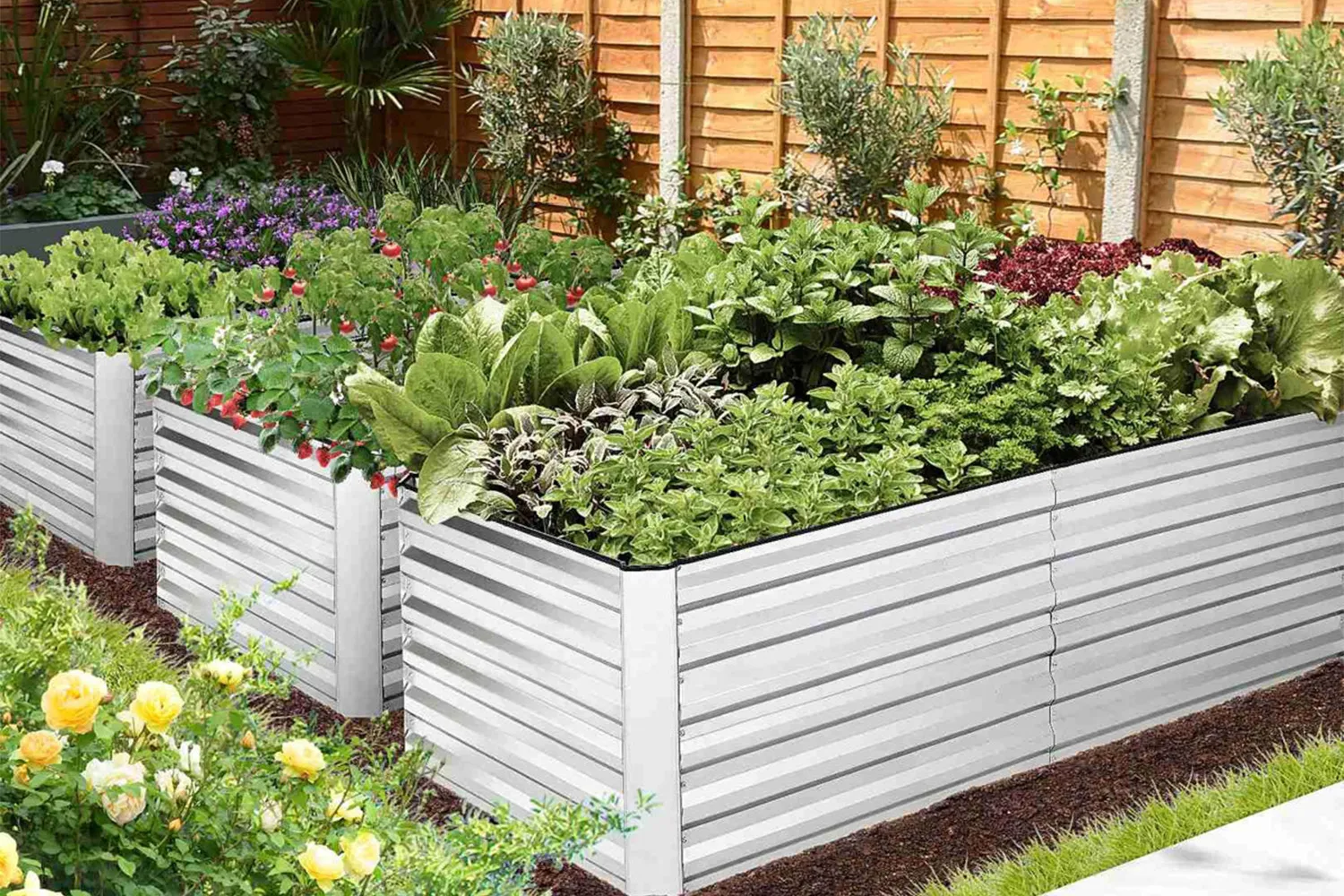
This Raised Garden Bed Offers 'Plenty of Room for Planting Vegetables,' and It's Up to 64% Off
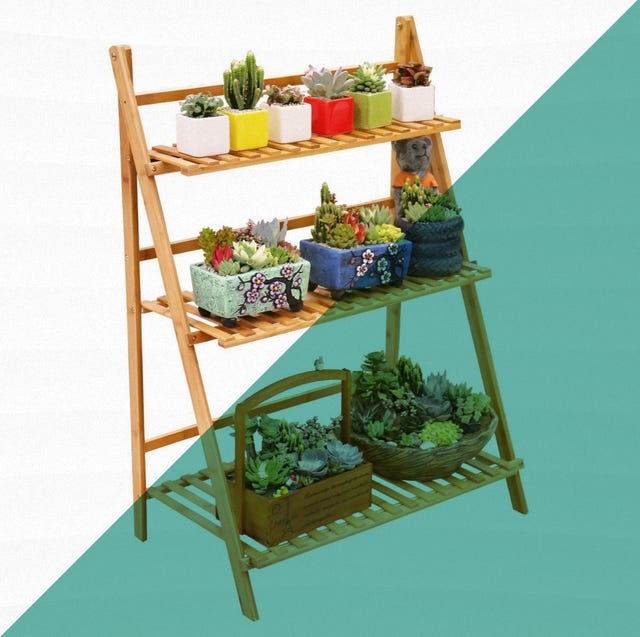
Spruce Up Your Patio, Porch, or Deck With These Attractive Outdoor Plant Stands
These Railing Planters Are Perfect for Accenting for Your Deck or Balcony

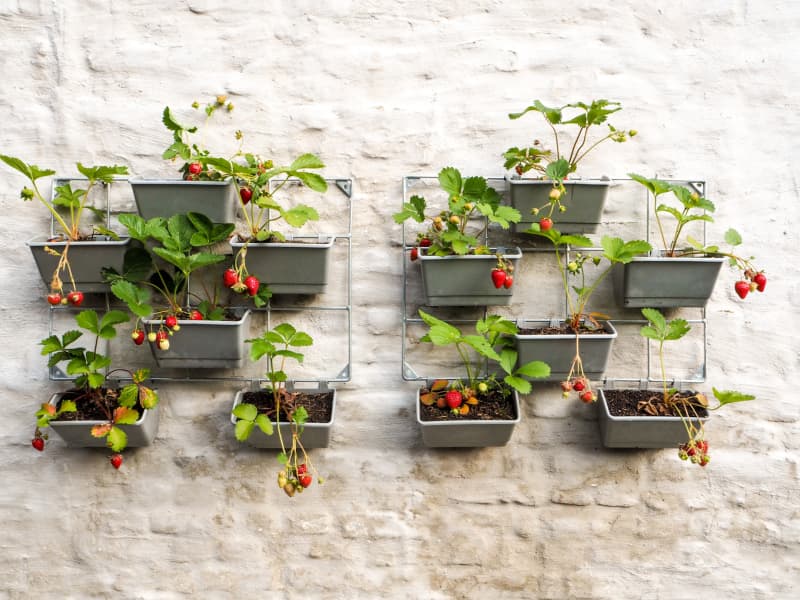
Short on space for a herb or veggie garden? Think vertically

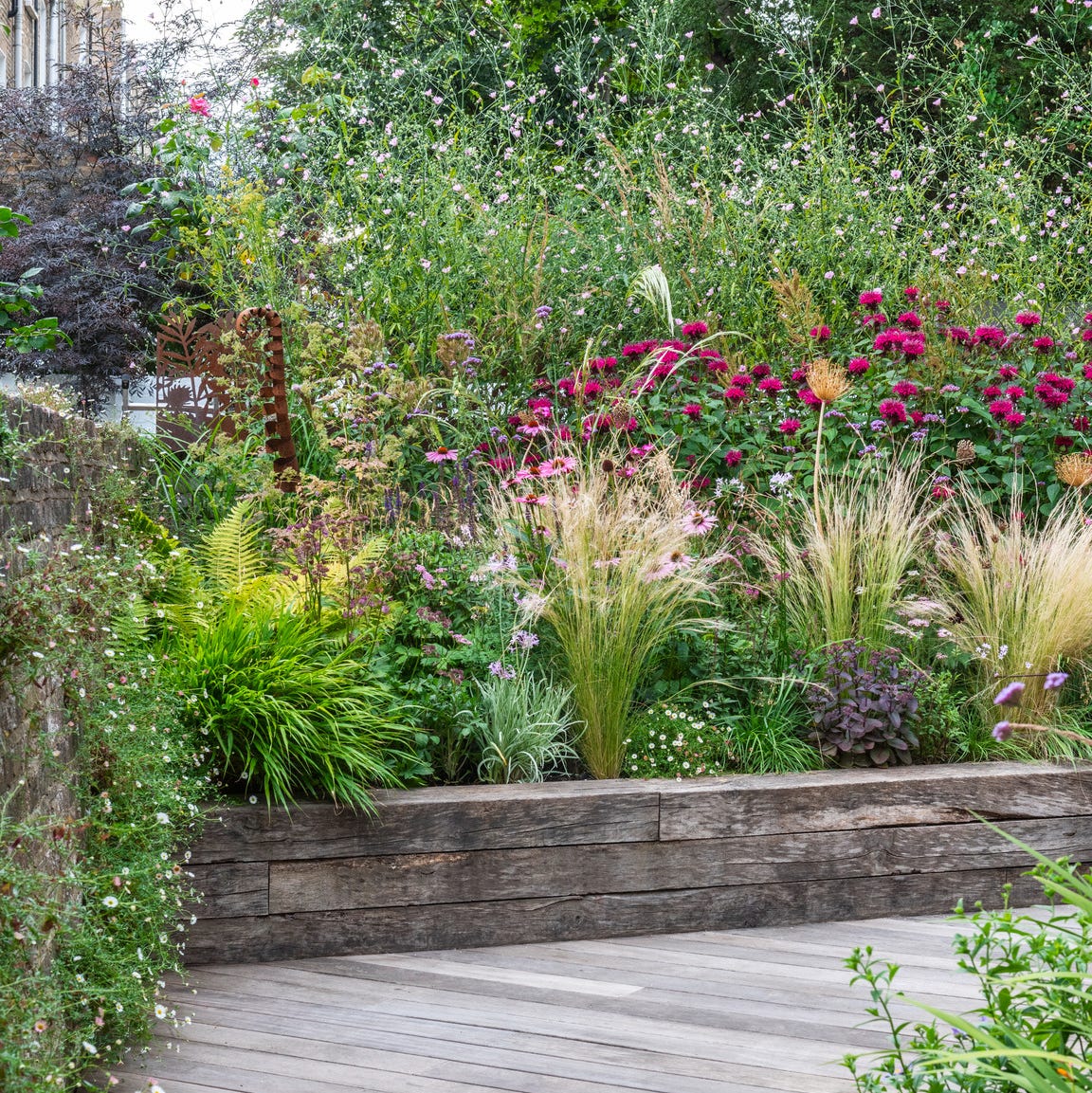
Grow your garden anywhere this summer with these raised bed ideas

This Simple Upgrade Will Turn Your Deck or Balcony into a Garden Oasis

23 Clever Trellis Ideas To Transform Your Garden
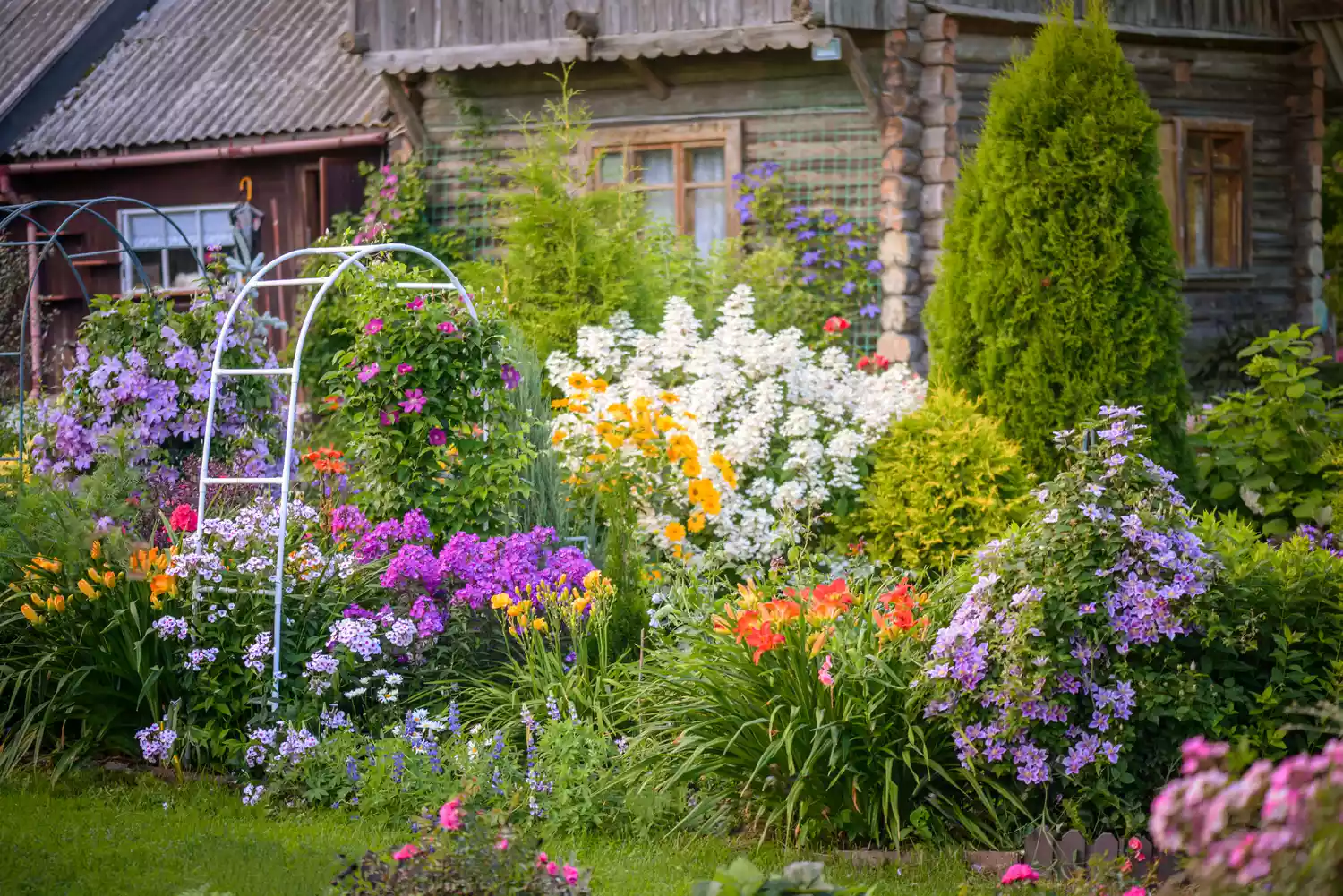
19 Garden Trellis Ideas That Showcase the Beauty of Climbing Plants