1/5
Design for Energy—Framework for Design Excellence
This article outlines the "Design for Energy" framework, a crucial component of the American Institute of Architects' (AIA) broader "Framework for Design Excellence." The framework emphasizes the importance of reducing energy consumption and eliminating reliance on fossil fuels in building design, while simultaneously enhancing building performance, functionality, comfort, and user enjoyment. It posits that good design inherently incorporates energy efficiency and sustainability. The article raises key questions for designers, such as how passive strategies can contribute to performance and form, how projects can exceed building code efficiency standards to achieve net-zero energy and carbon, how clean renewable energy sources can power projects, and how continuous performance improvements can be ensured over a building's lifetime.
The framework delves into several focus topics, including passive design strategies, energy benchmarking and goal setting, eliminating fossil fuels, energy modeling, commissioning, net-zero energy (NZE) buildings, net-zero carbon (NZC) buildings, and building grid integration. For each topic, it provides actionable advice and resources tailored for architects.
The toolkit suggests that even if only a few actions can be taken, they should prioritize achieving zero carbon by benchmarking, setting targets, and using iterative energy modeling. Buildings should be designed to be resilient and all-electric, with grid interoperability to leverage distributed energy sources. Equitable design is highlighted through passive survivability without grid energy, benefiting low-income residents and enhancing safety during power outages. Transforming energy use through renewable energy and electrification is also advocated for improved indoor air quality.
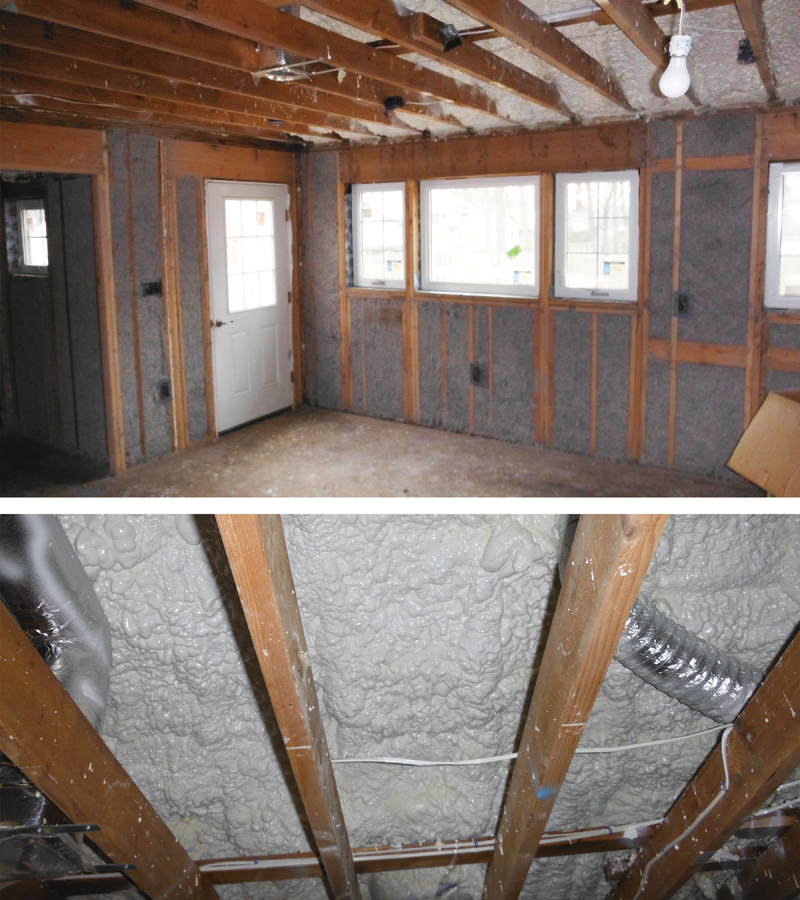
Passive design strategies are introduced as foundational, with an emphasis on early integration into the design process. Architects are advised to study vernacular and indigenous architecture for climate-responsive solutions, optimize building orientation for solar gain/avoidance based on latitude, and strategically manage window-to-wall ratios (WWR) and shading. The importance of compact building forms for energy efficiency, continuous and sealed air barriers, and insulation beyond code minimums is stressed. Thermal mass and operable windows for natural ventilation and resilience are also key.
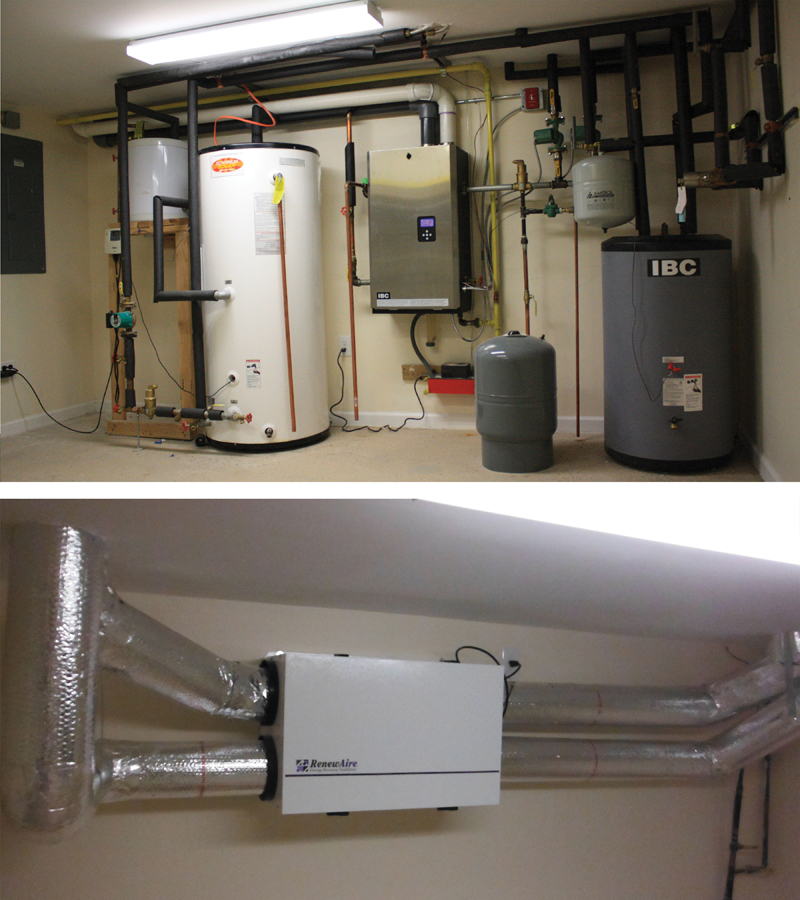
Energy benchmarking and goal setting are presented as essential first steps. This involves establishing energy use intensity (EUI) and carbon emission goals early in design, along with lighting power density (LPD) targets. The article encourages considering daylight penetration, interior material finishes, and plug load reduction. Eliminating fossil fuels is presented as a decarbonization strategy, advocating for all-electric buildings that utilize clean electricity sources. Actions include checking regulatory requirements, pairing efficiency with electrification, using high-efficiency equipment like heat pumps, specifying induction cooktops for health benefits, and guiding clients to grants for transition costs.
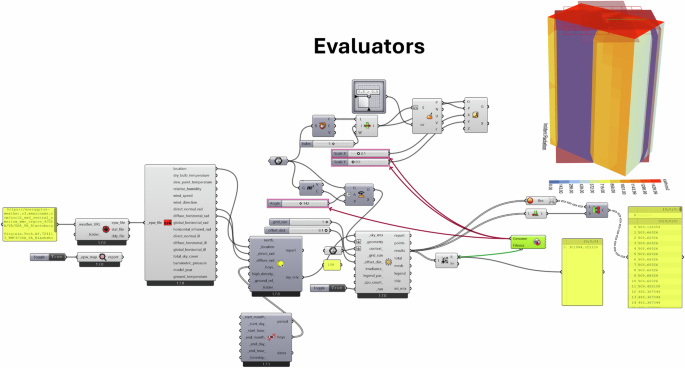
Energy modeling is highlighted as critical for achieving high performance and reducing operational carbon emissions, emphasizing its role in informing design decisions from the conceptual stages. The article details different levels of modeling complexity and its use in demonstrating code compliance and accreditation. Commissioning (Cx) is presented as crucial for ensuring building performance matches design intent, covering mechanical, water heating, lighting controls, and building envelope commissioning (BECx). Net-zero energy (NZE) buildings are defined as those generating as much energy as they consume annually from renewable sources, with specific actions like investigating optimal on-site renewables, designing PV-ready buildings, and utilizing metering and data tracking. Net-zero carbon (NZC) buildings extend beyond energy use to include both operational and embodied carbon, emphasizing whole-building life cycle assessments, eliminating fossil fuels, and prioritizing passive design before relying on off-site renewables or credits. Finally, building grid integration is discussed as a critical component of decarbonization, involving two-way communication between building components and the grid to manage loads and redistribute power, encouraging participation in demand-response programs and analyzing load shapes.
#DesignForEnergy #SustainableArchitecture #NetZeroEnergy #NetZeroCarbon #PassiveDesign #BuildingElectrification #EnergyModeling #ClimateAction #ResilientDesign #DesignForEnergy #SustainableArchitecture #NetZeroEnergy #NetZeroCarbon #PassiveDesign #BuildingElectrification #EnergyModeling #ClimateAction #ResilientDesign
0 comment in total
 No comments yet
You may also like
Five Simple Rules For House Design That Drastically Lower Energy Costs

5 tactics for sustainable architectural lighting
How generative design is shaping the future of architecture?

Maximise design and functionality

Deep Energy Retrofit for Affordable Housing

A wide variety of award-winning projects ranging from residential to exhibitions

The Quiet Architecture of Purpose: Unpacking the Talent of Sanjana Satya Prakash

The California Effect: How Design in the Golden State Continues to Shape the Way We Live
30 Sustainable Projects Leading the Way for Green Design


A Guide to Sustainable Design
What is sustainable design and how can consumers identify it?
Ten Years of Living in a Green Project
Lighting application efficacy: A framework for holistically measuring lighting use in buildings
Explore our visual compendium of timeless design, from classic to contemporary furniture, objects and lighting

A review of artificial intelligence methodologies in computational automated generation of high performance floorplans

Best Lighting Designs Spotted in 2023

Roadmap to developing a geometrical design guide for windcatchers
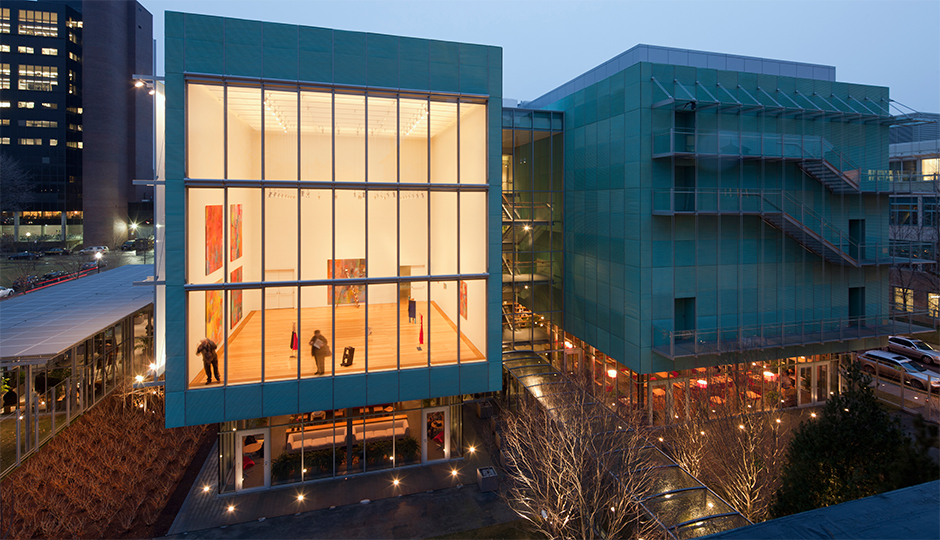
What is Design Excellence? The Boston Society of Architects Weighs In

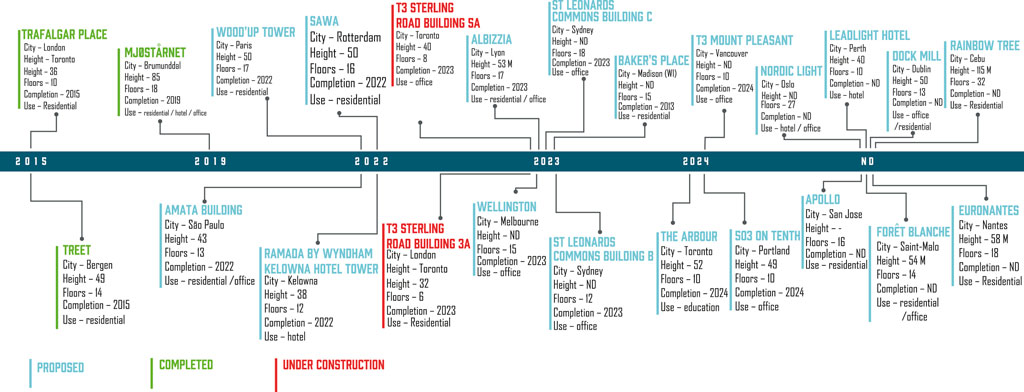
Performance-Based Design of Tall Timber Buildings Under Earthquake and Wind Multi-Hazard Loads: Past, Present, and Future
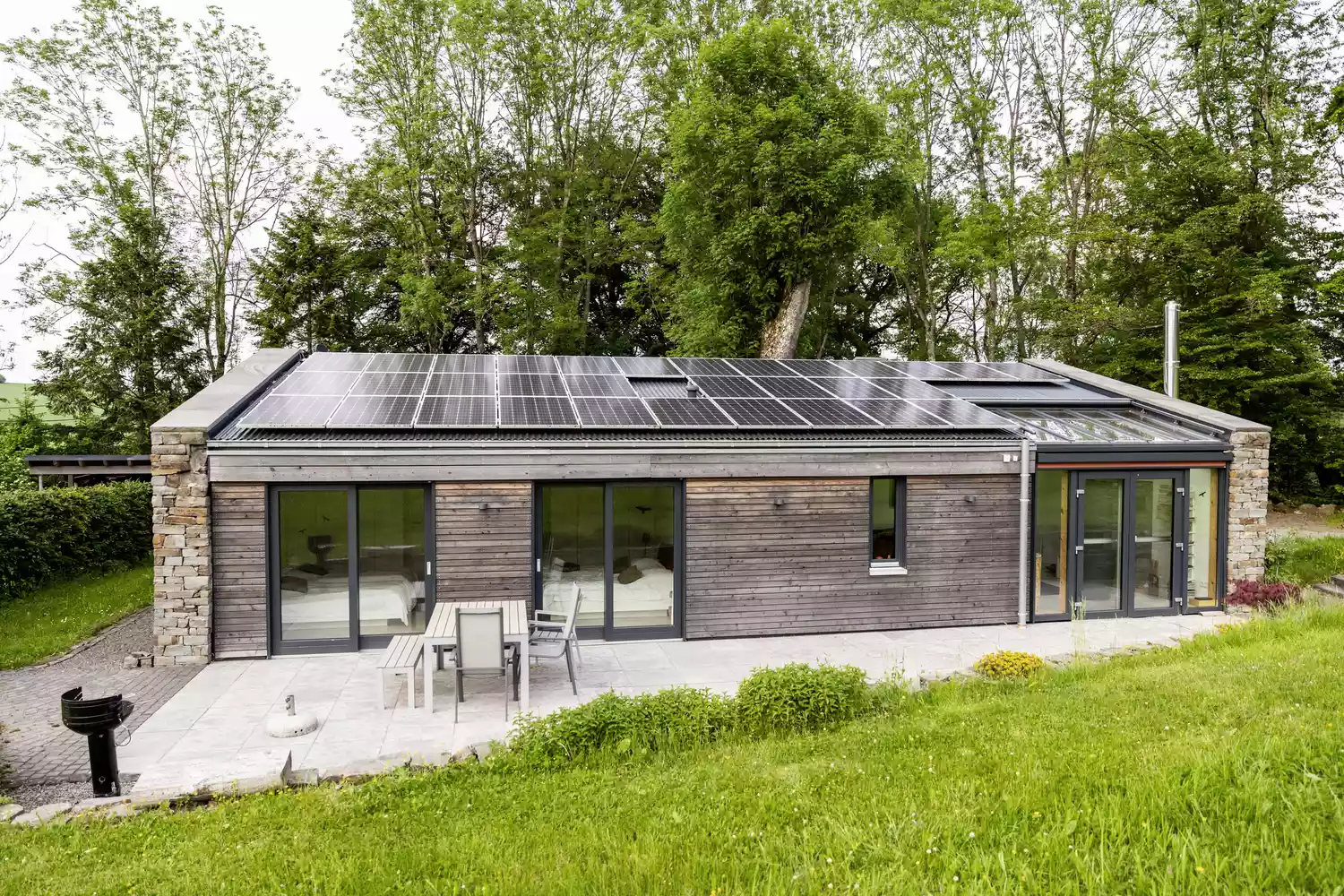
Want an Eco-Friendly Home? Everything You Should Know About Sustainable Architecture