A Beginner's Guide to Creating a Color Palette You Won't Get Sick Of
Creating a timeless and appealing color palette for a living space is a foundational aspect of interior design, ensuring that a room remains aesthetically pleasing and adaptable over time. While specific design trends may evolve, the fundamental principles of color palette creation remain consistent. Interior design experts emphasize several key strategies to achieve a long-lasting and enjoyable color scheme.
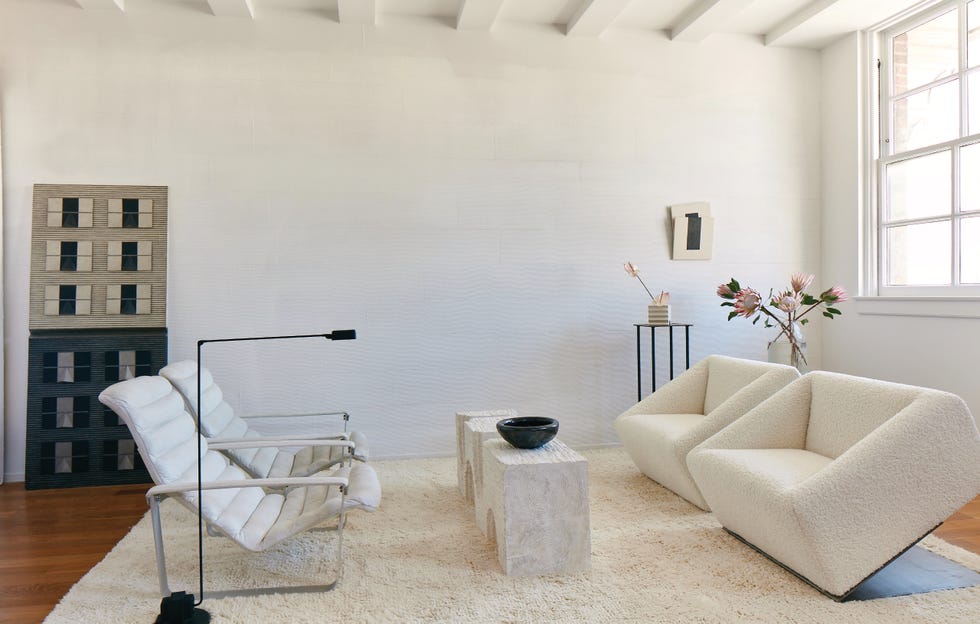
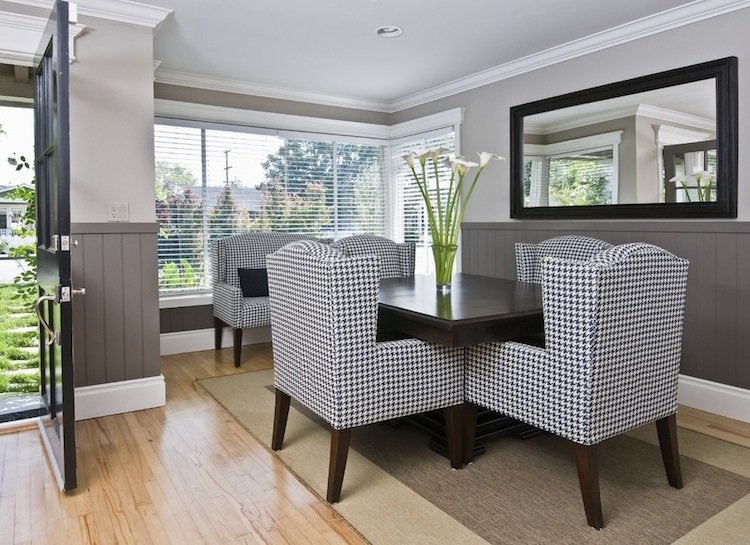
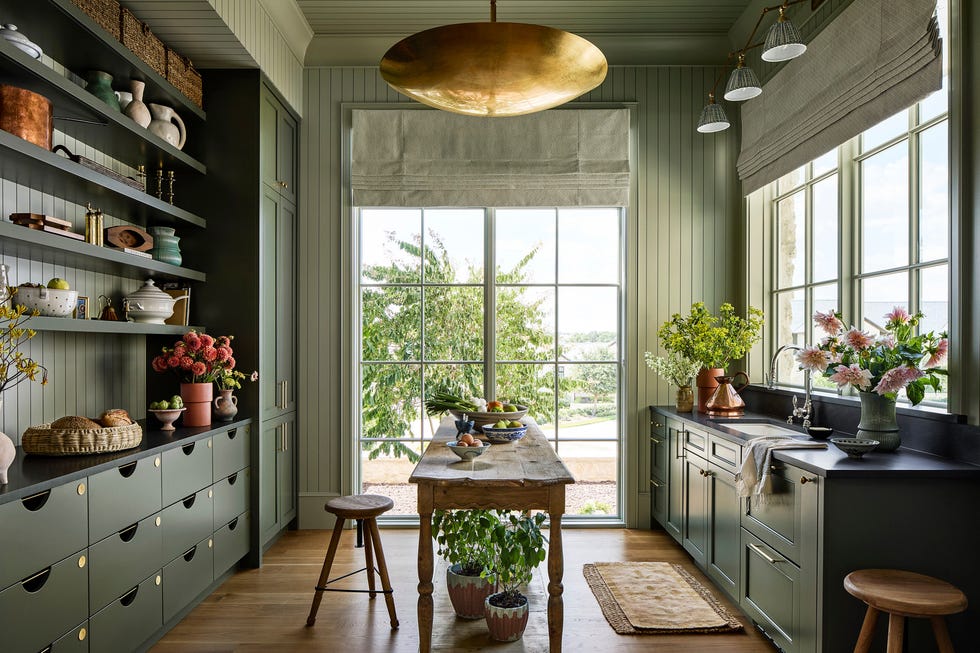
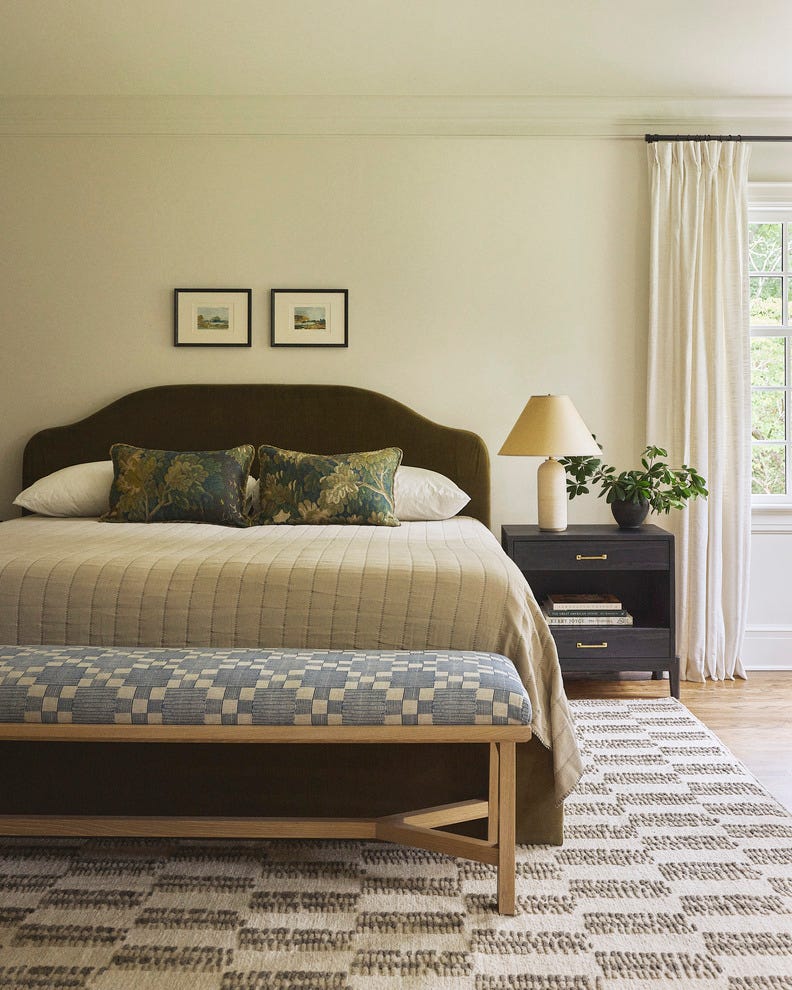
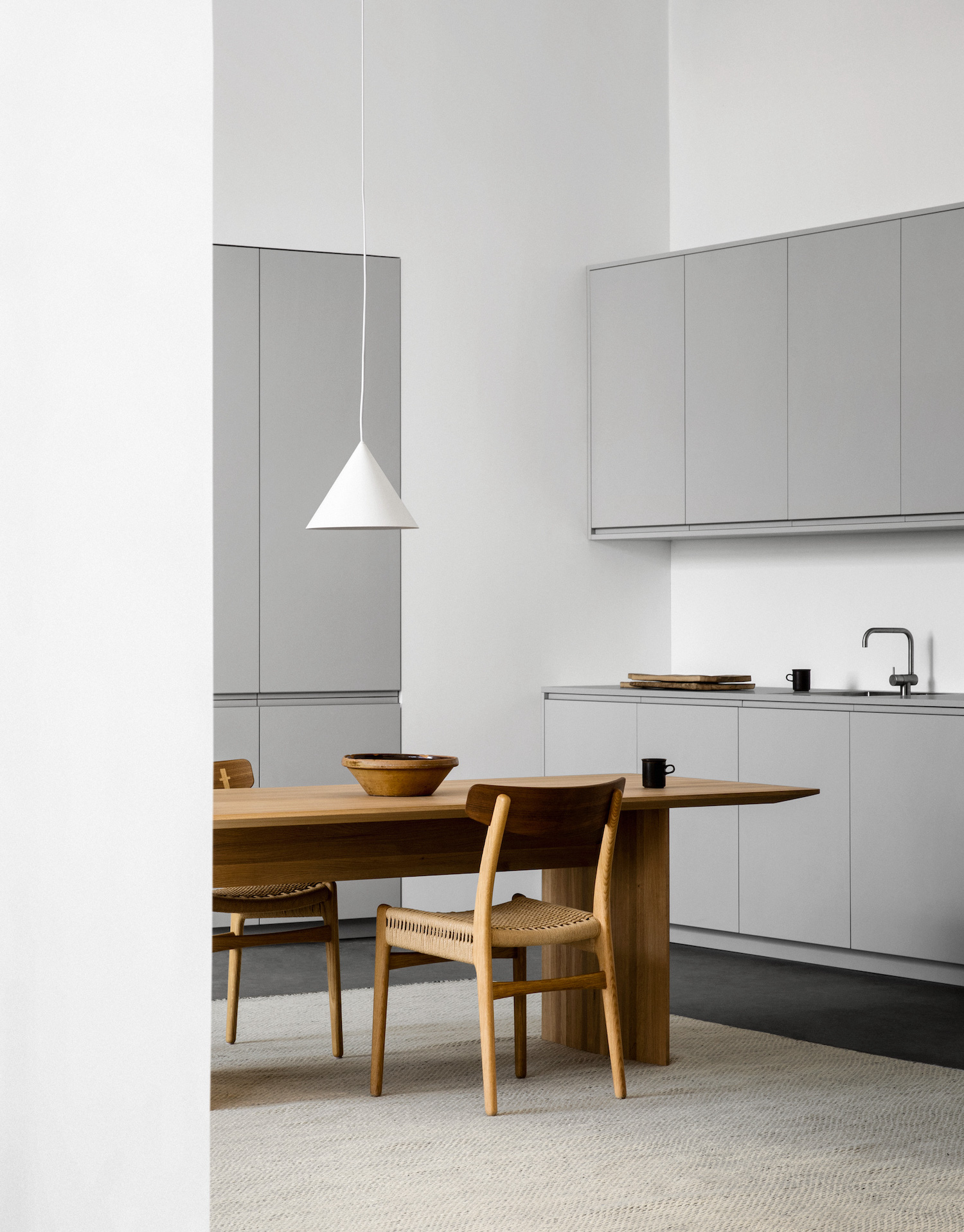
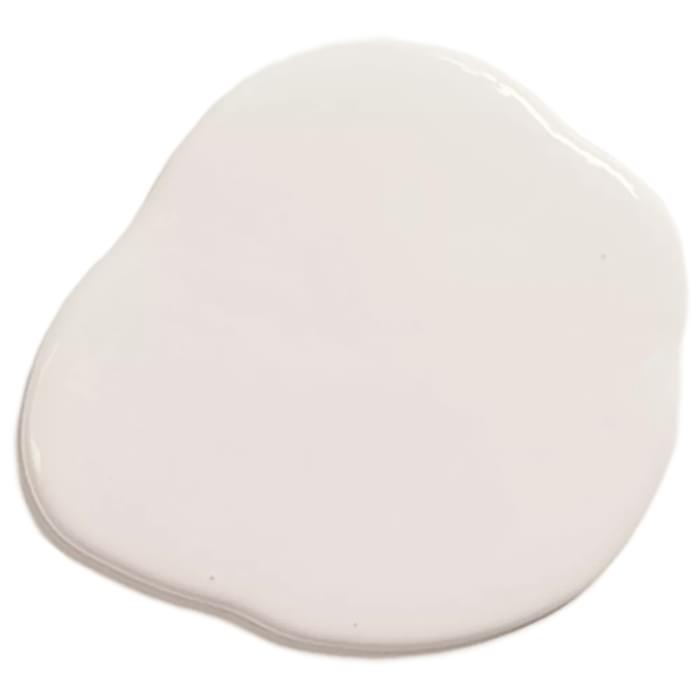
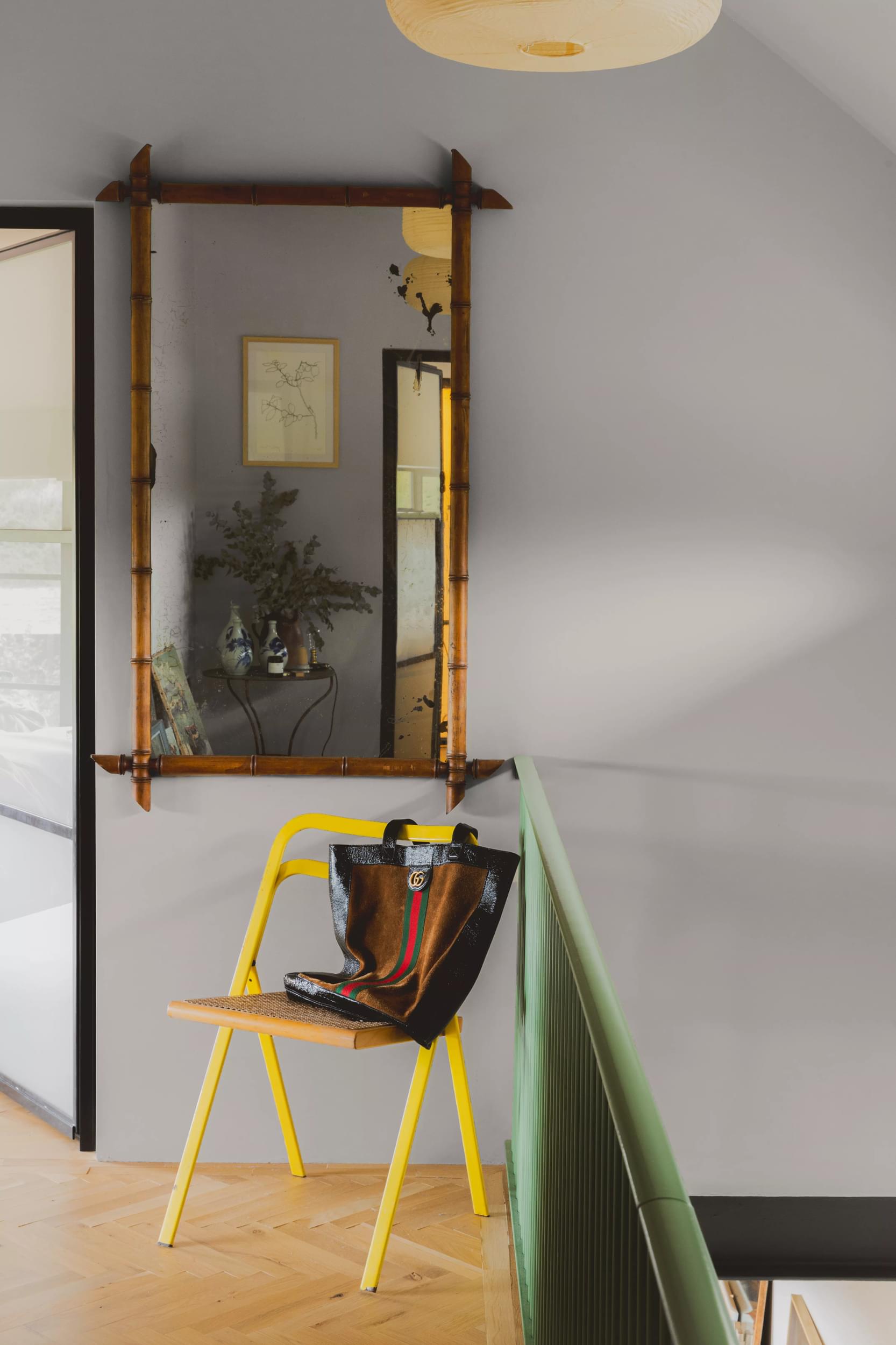
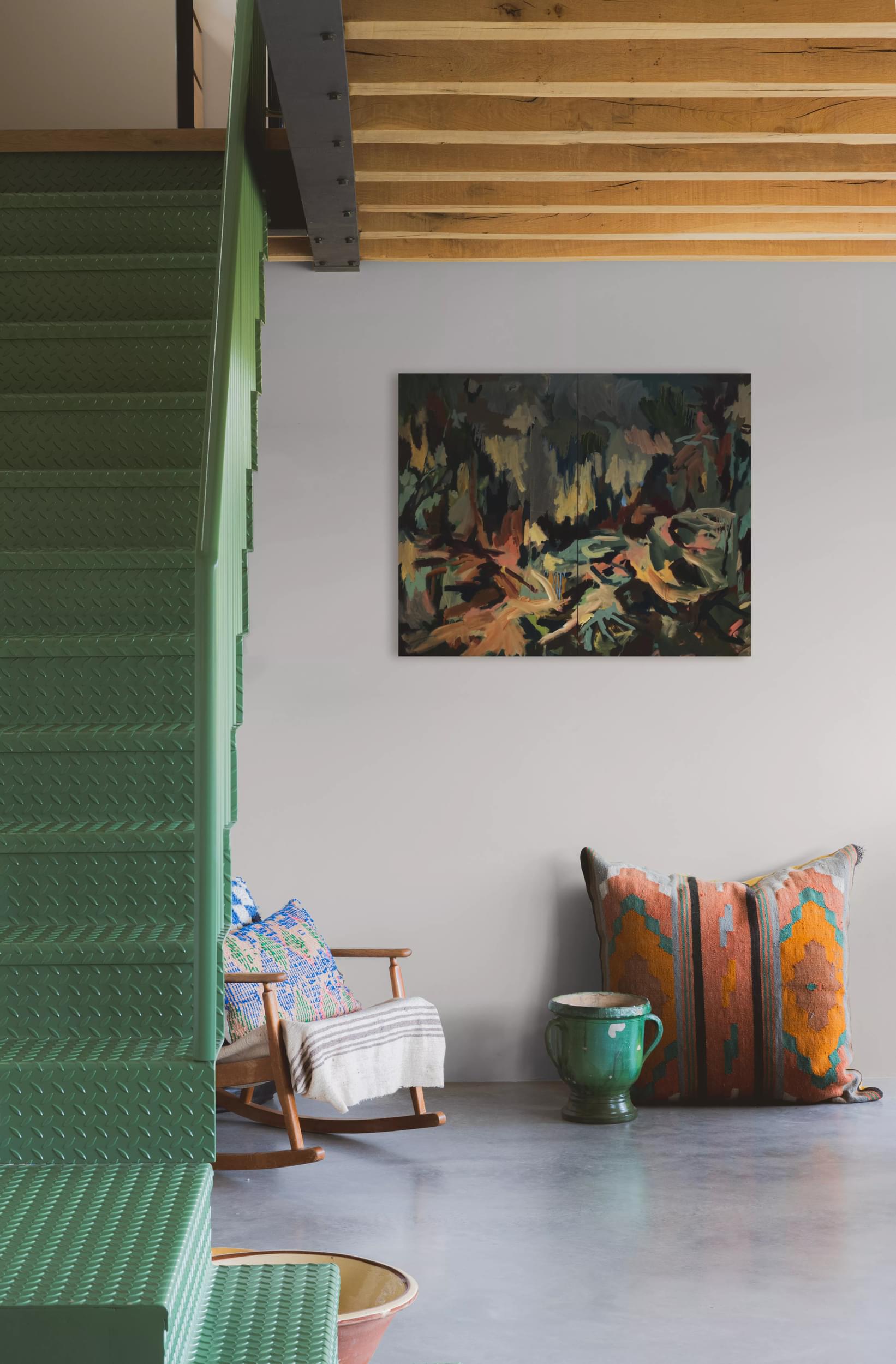
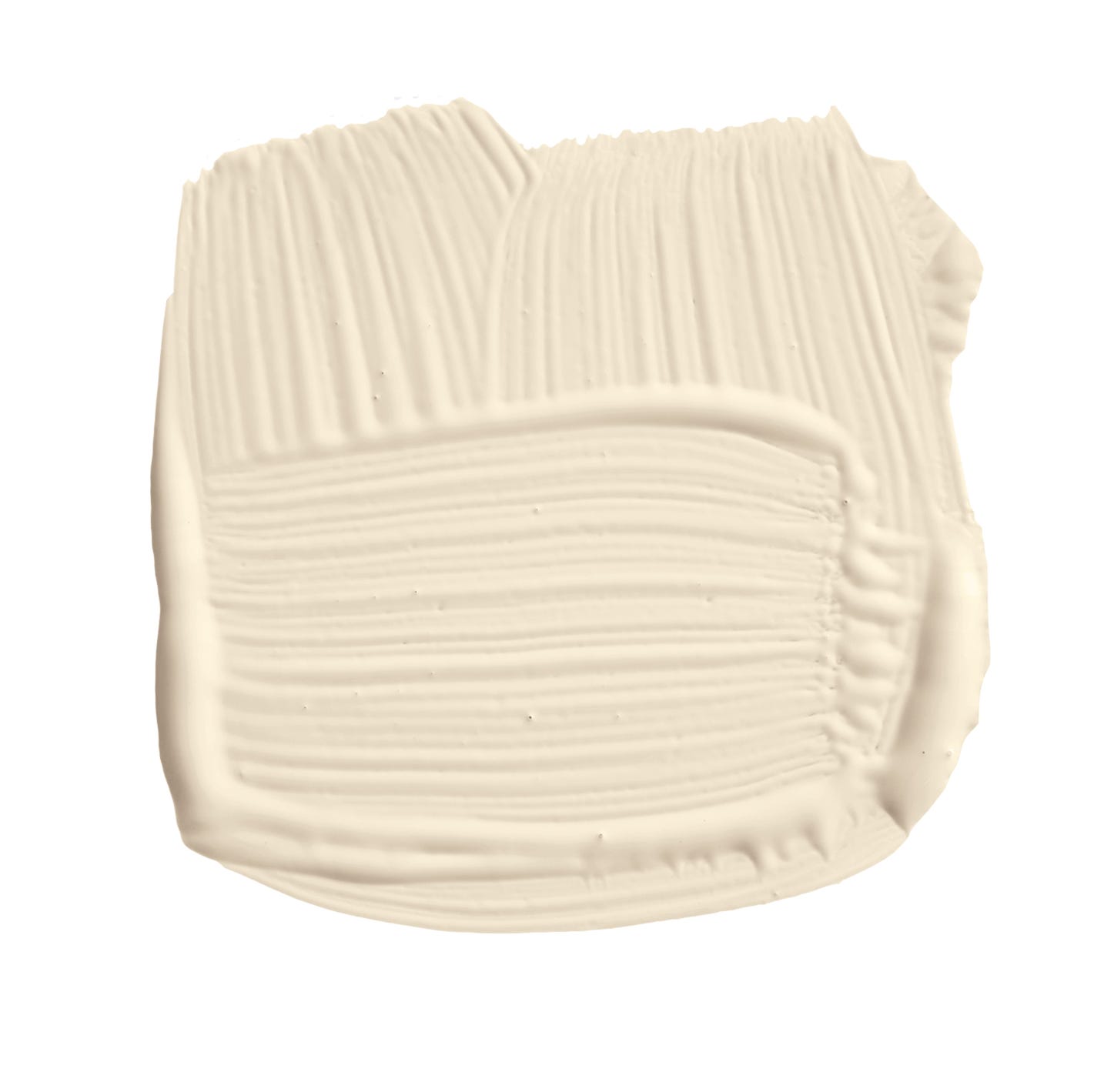
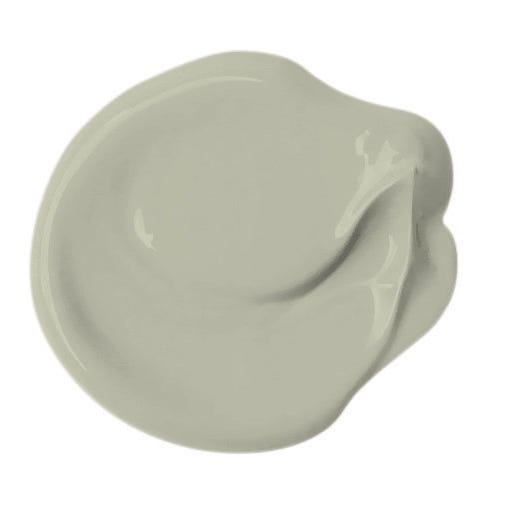
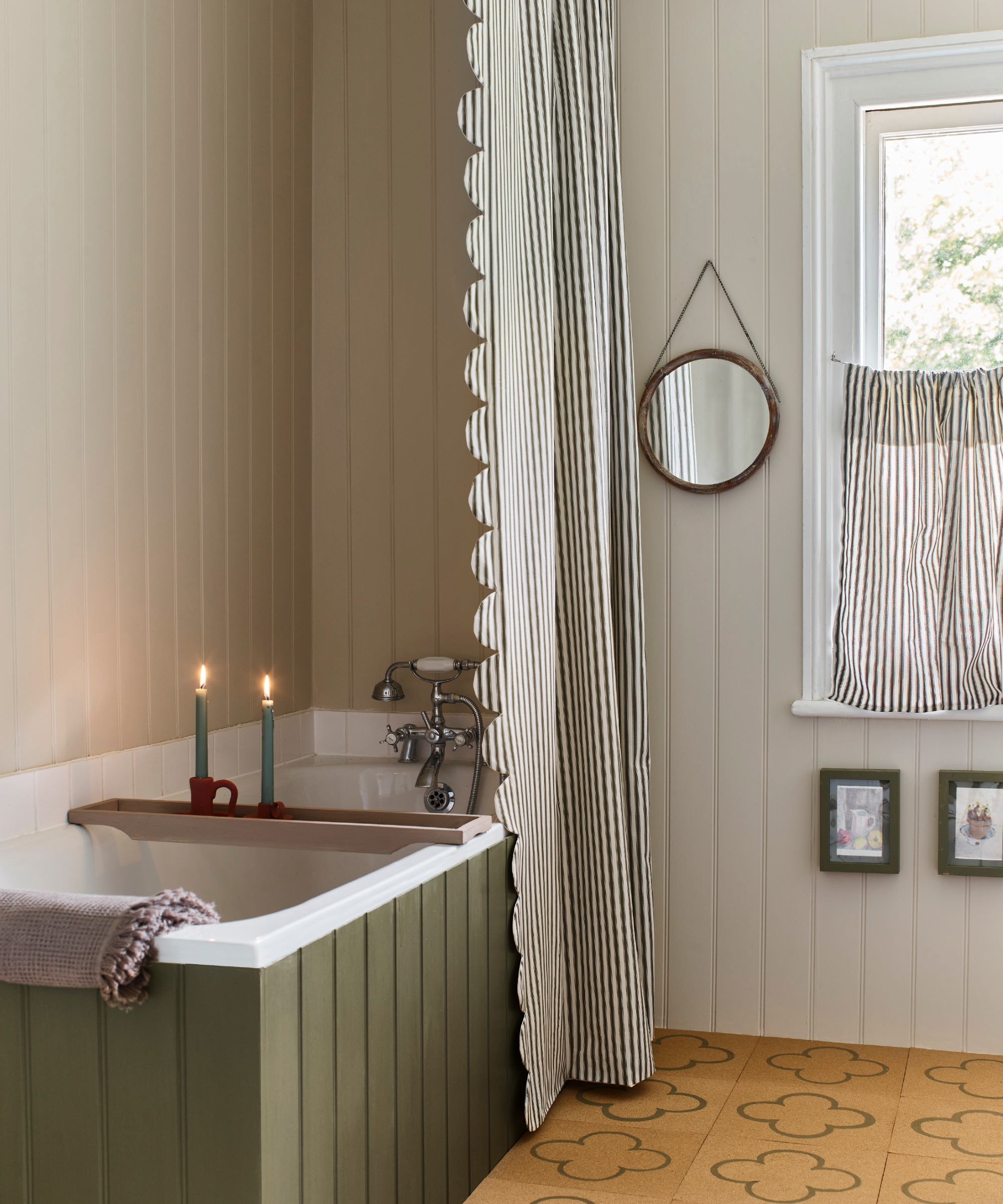
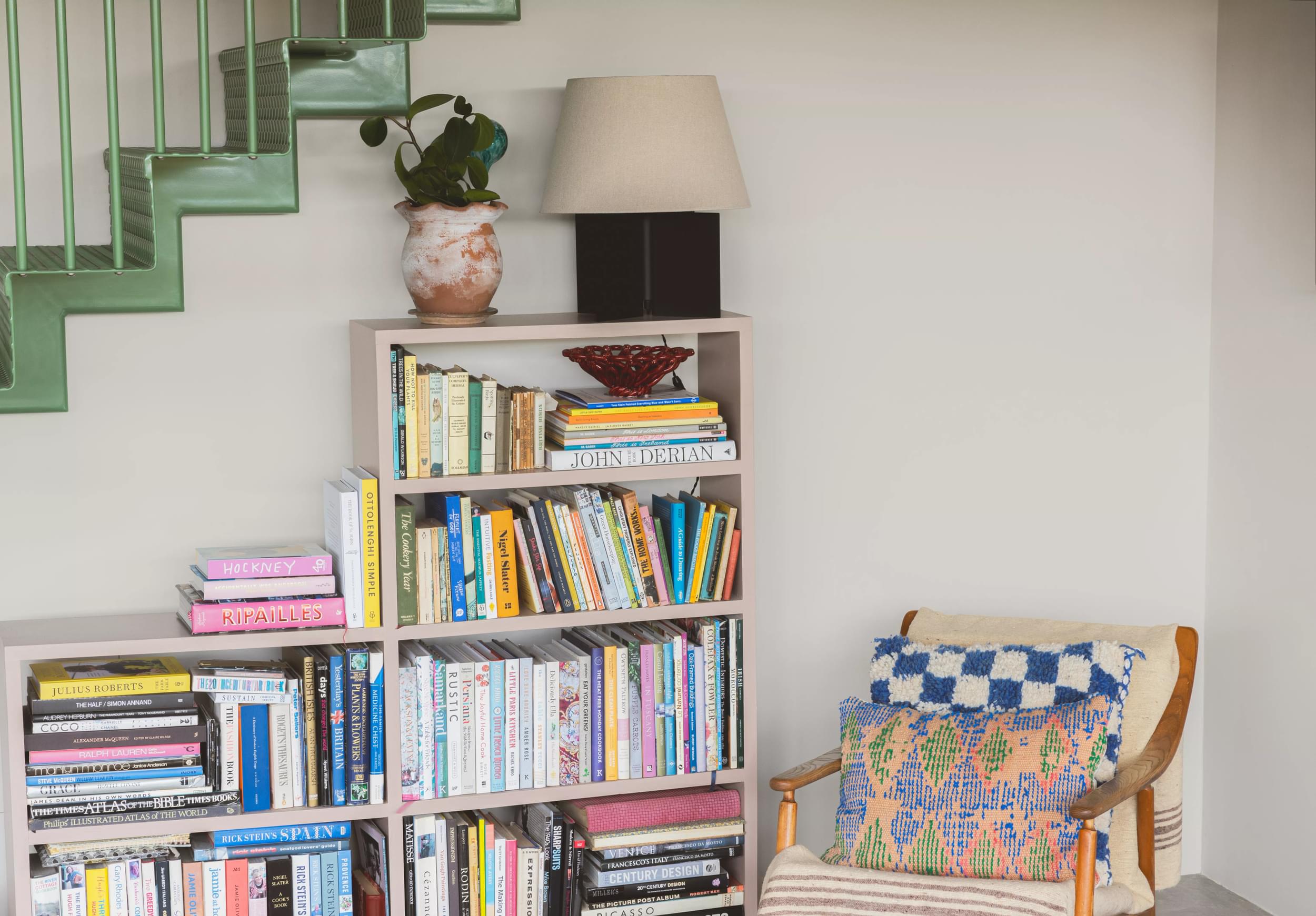
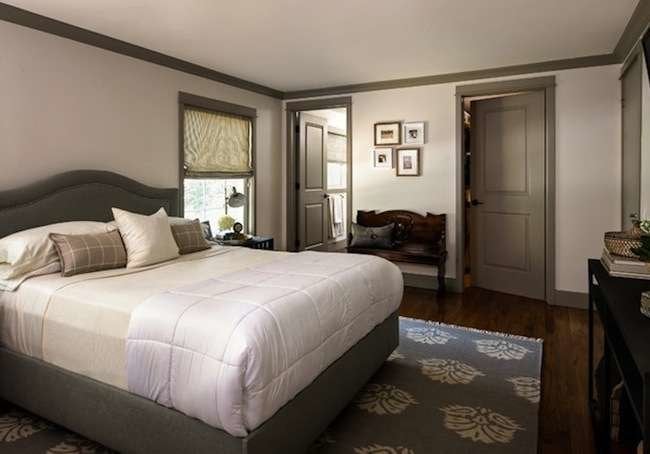
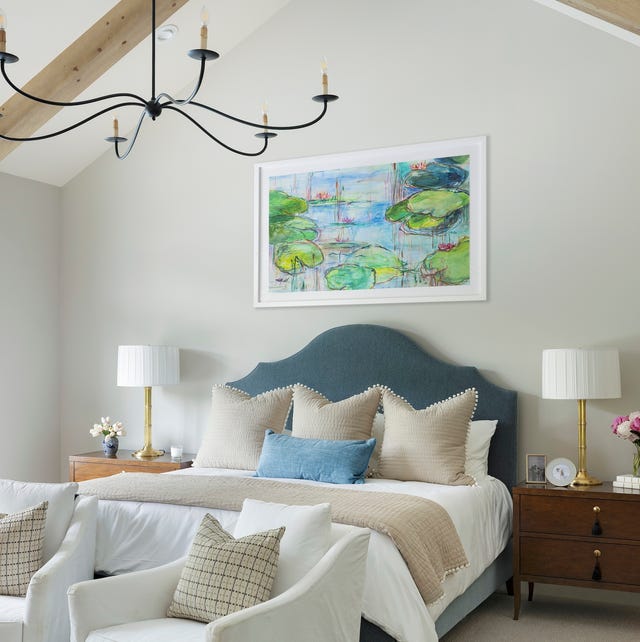
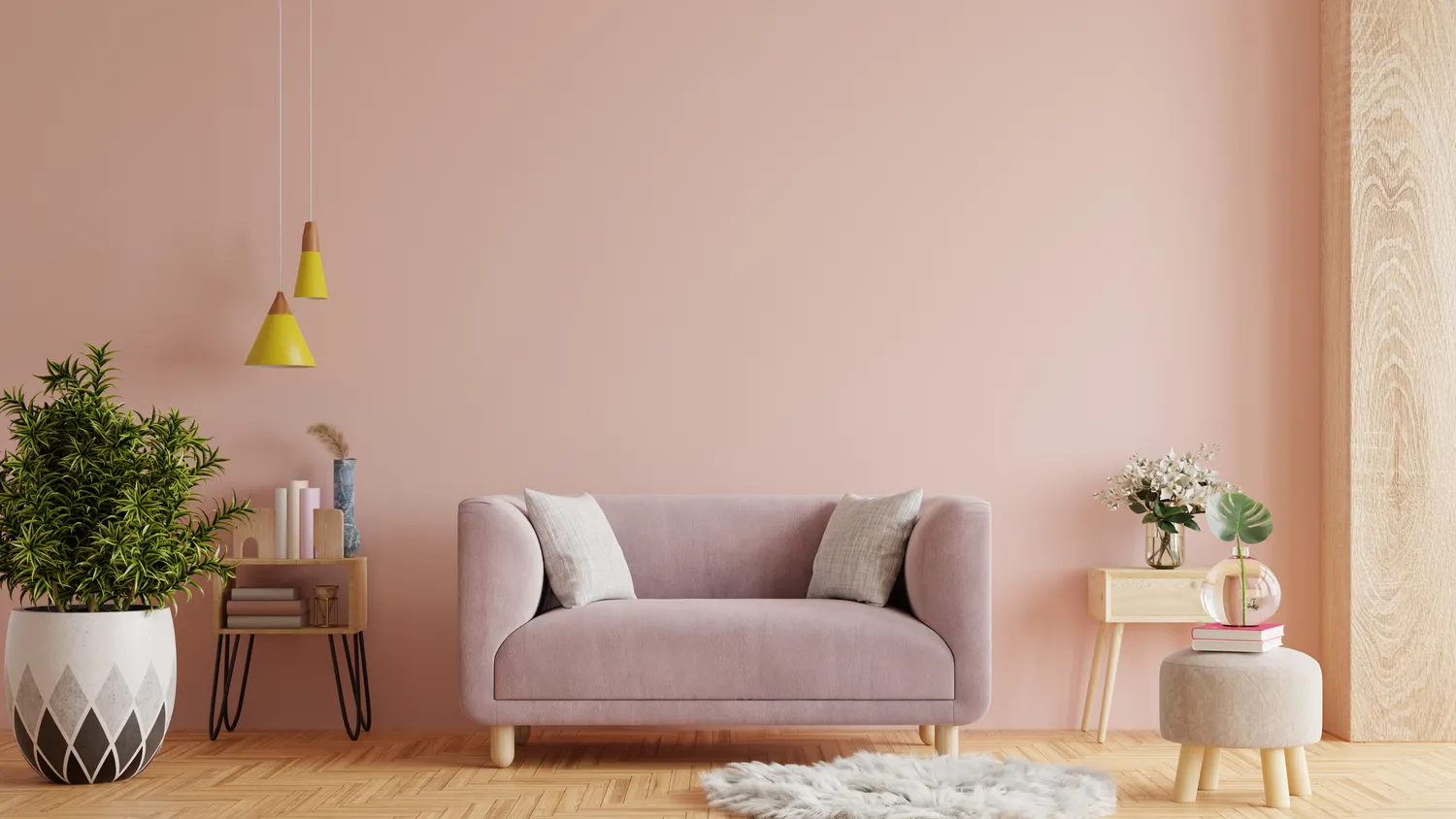
The initial step in developing a durable color palette involves establishing a neutral base. Designers like Justin Williams advocate for neutral wall colors, which serve as a versatile canvas. This approach offers boundless opportunities to introduce color through furnishings and accessories. A balanced mix of warm and cool tones, anchored by these neutrals, contributes to a palette that can effortlessly adapt to changing preferences. Starting with a primary, lighter neutral color for the walls or main elements provides a solid foundation, allowing for easy updates to furniture, art, and decor without necessitating a complete redesign.
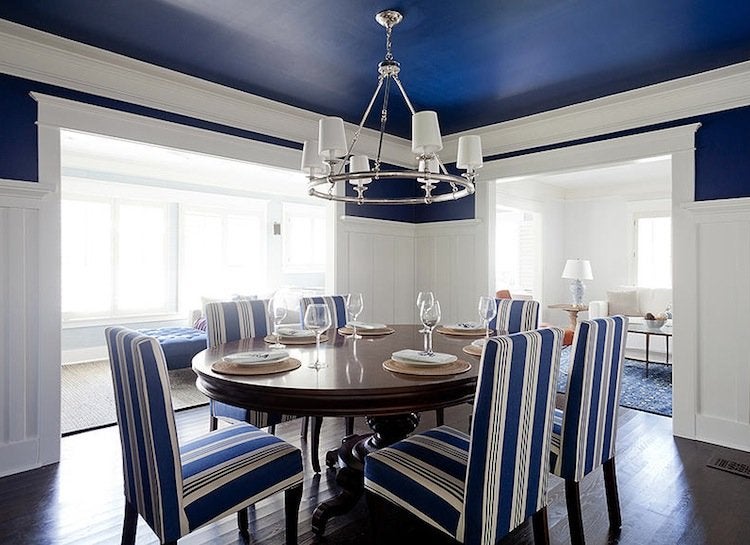
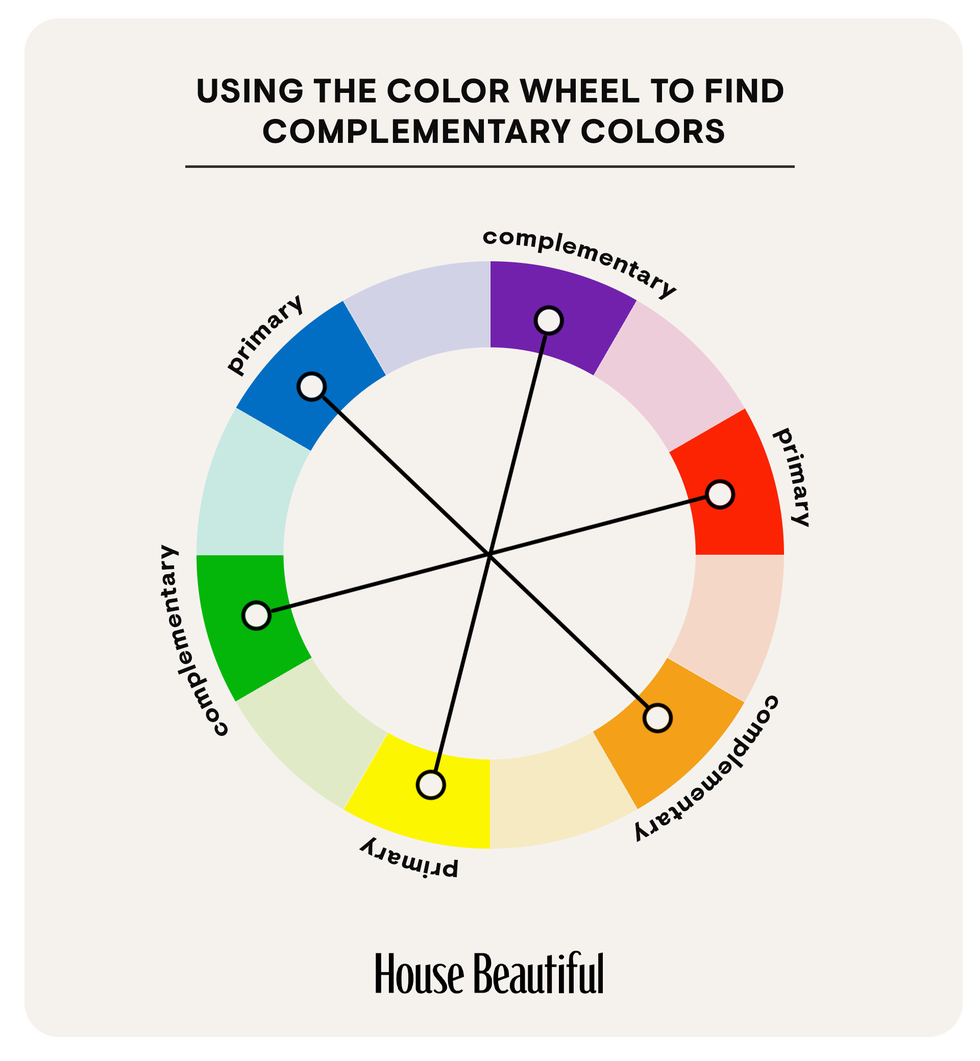
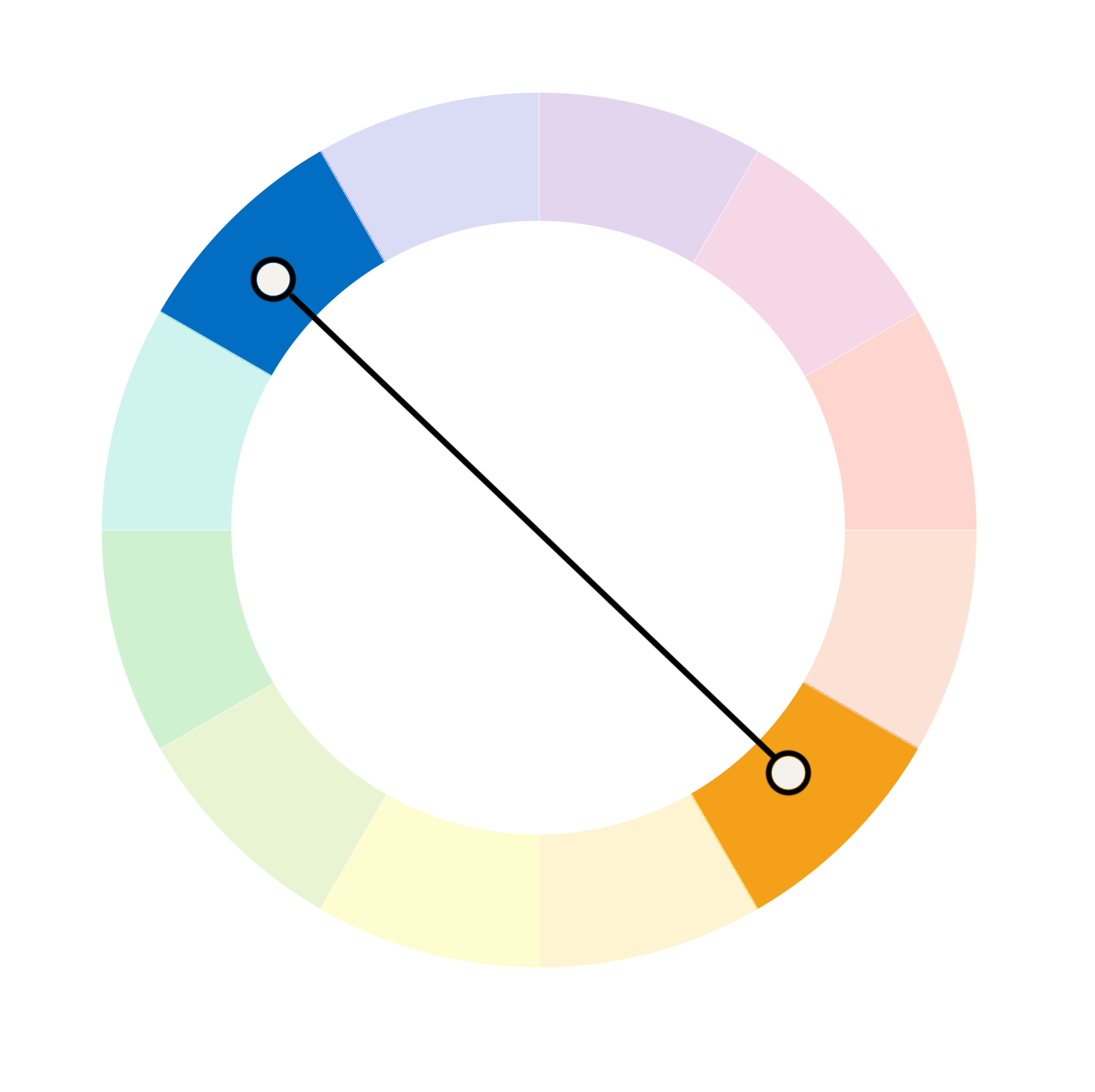
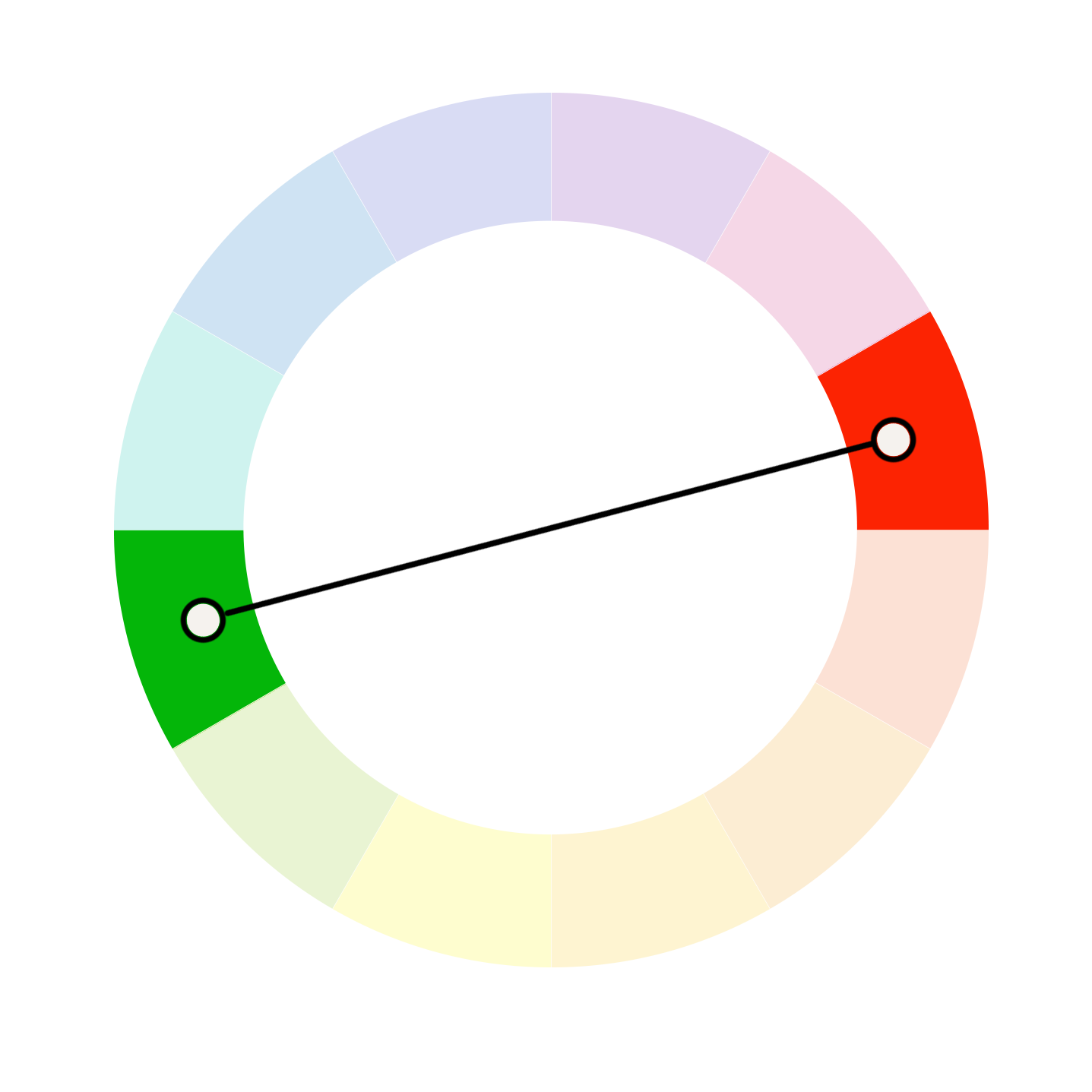
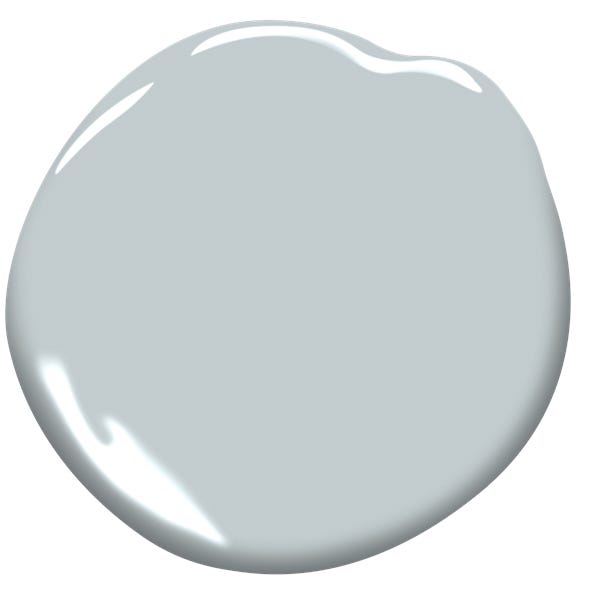
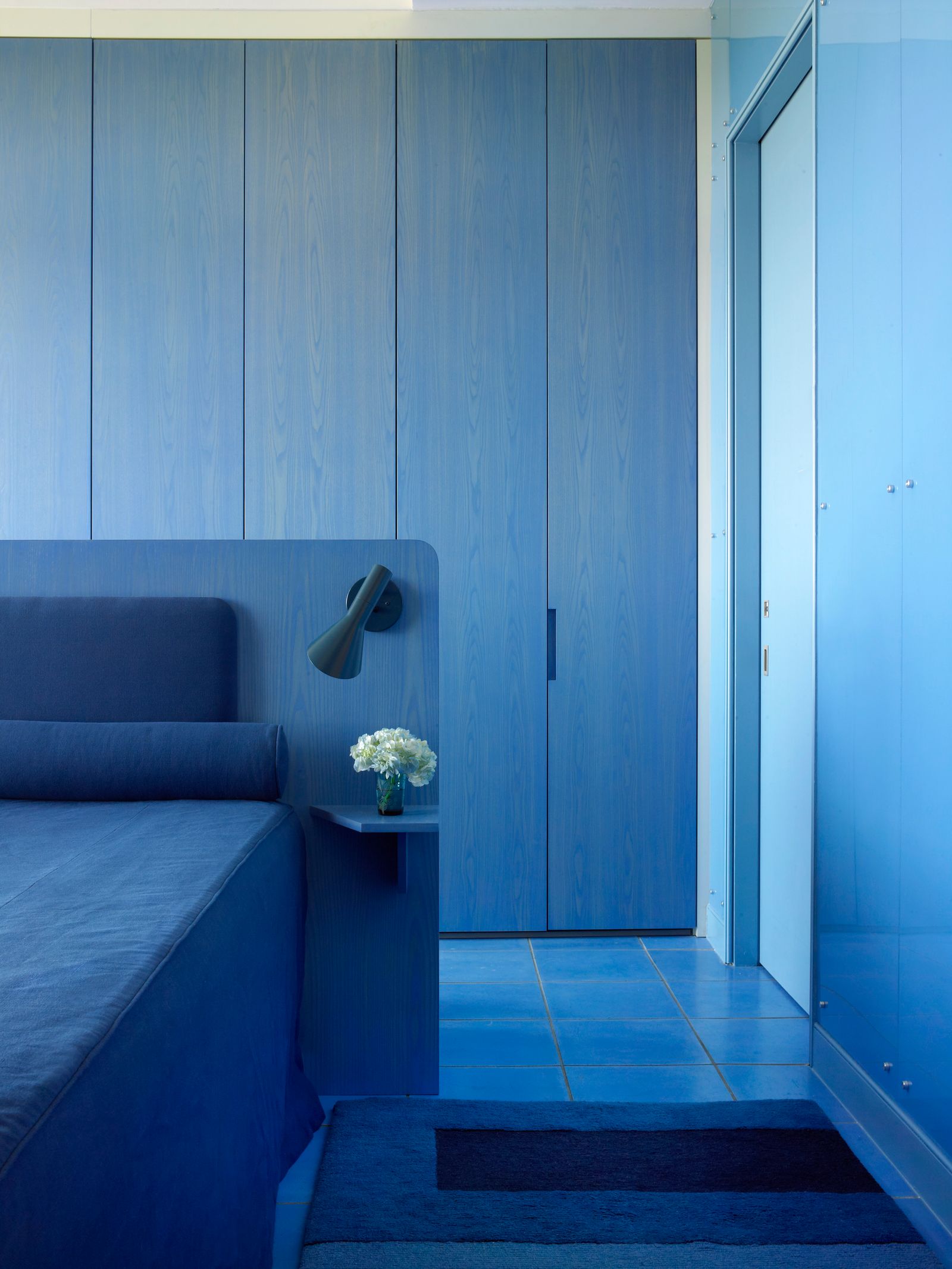
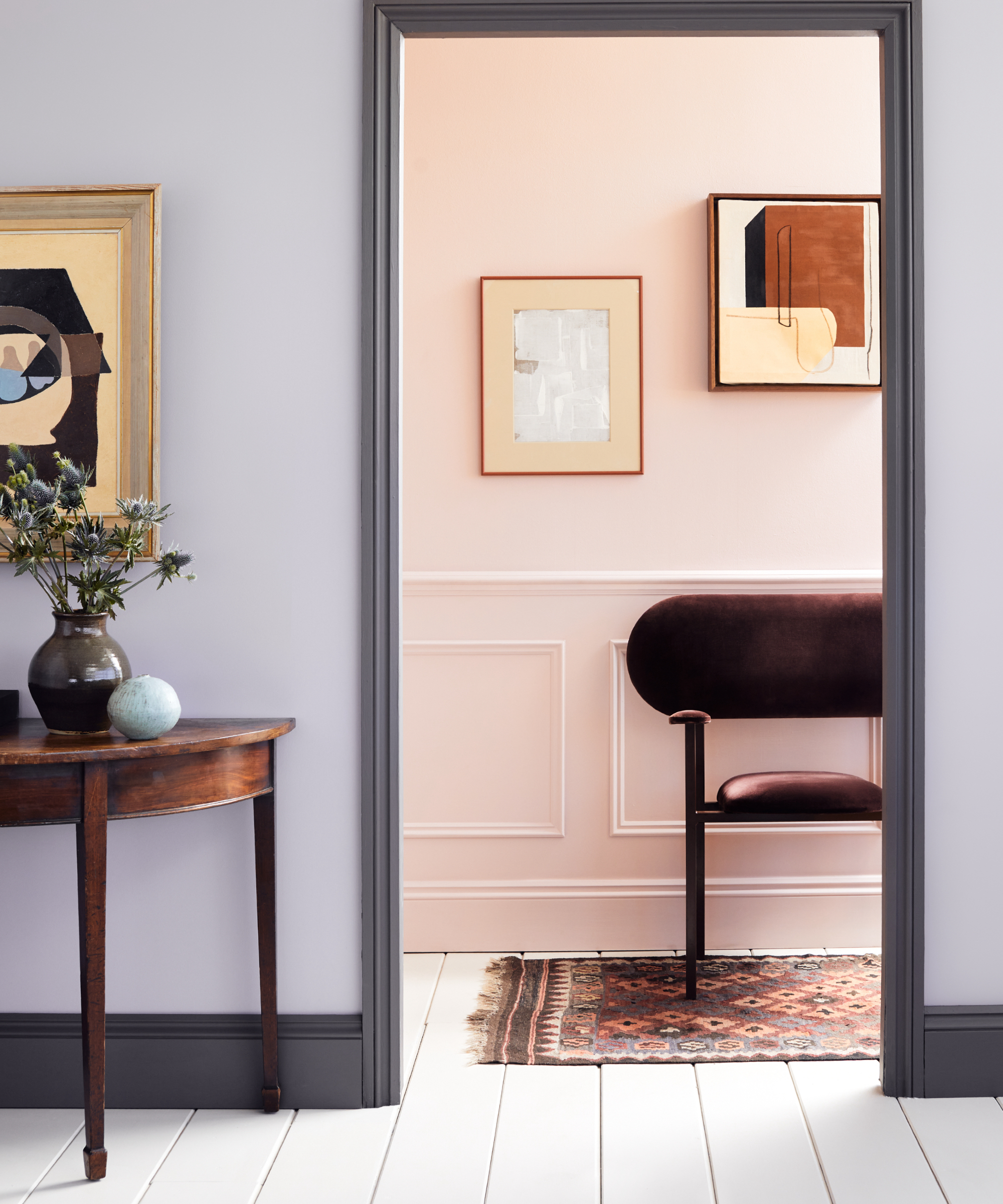
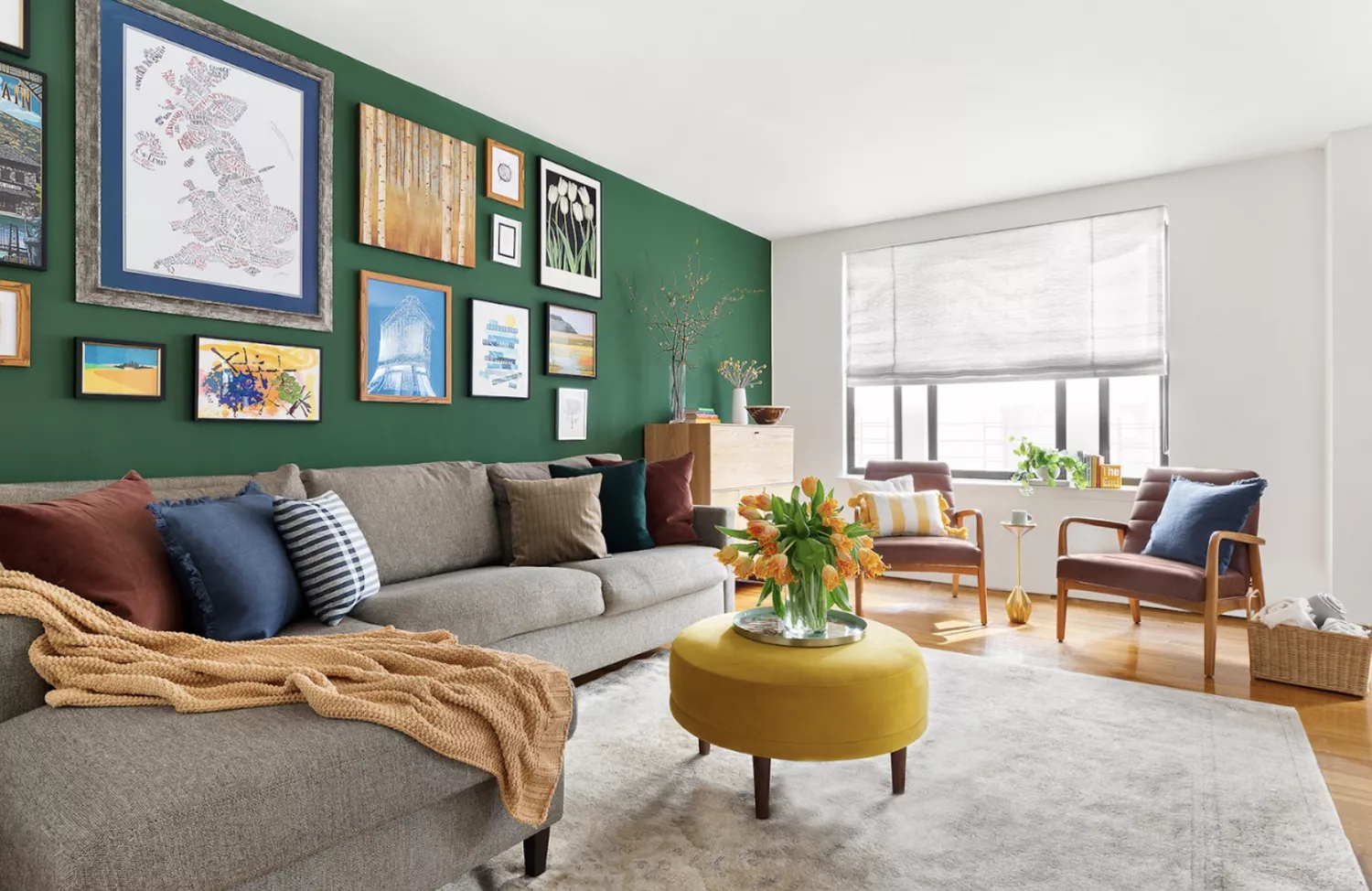
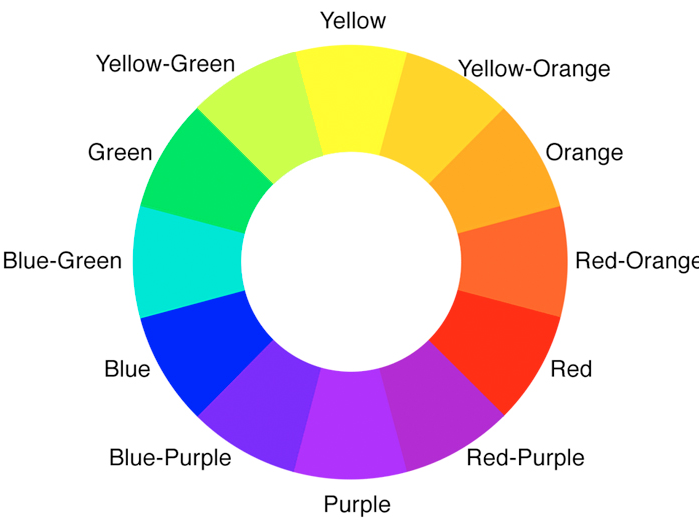
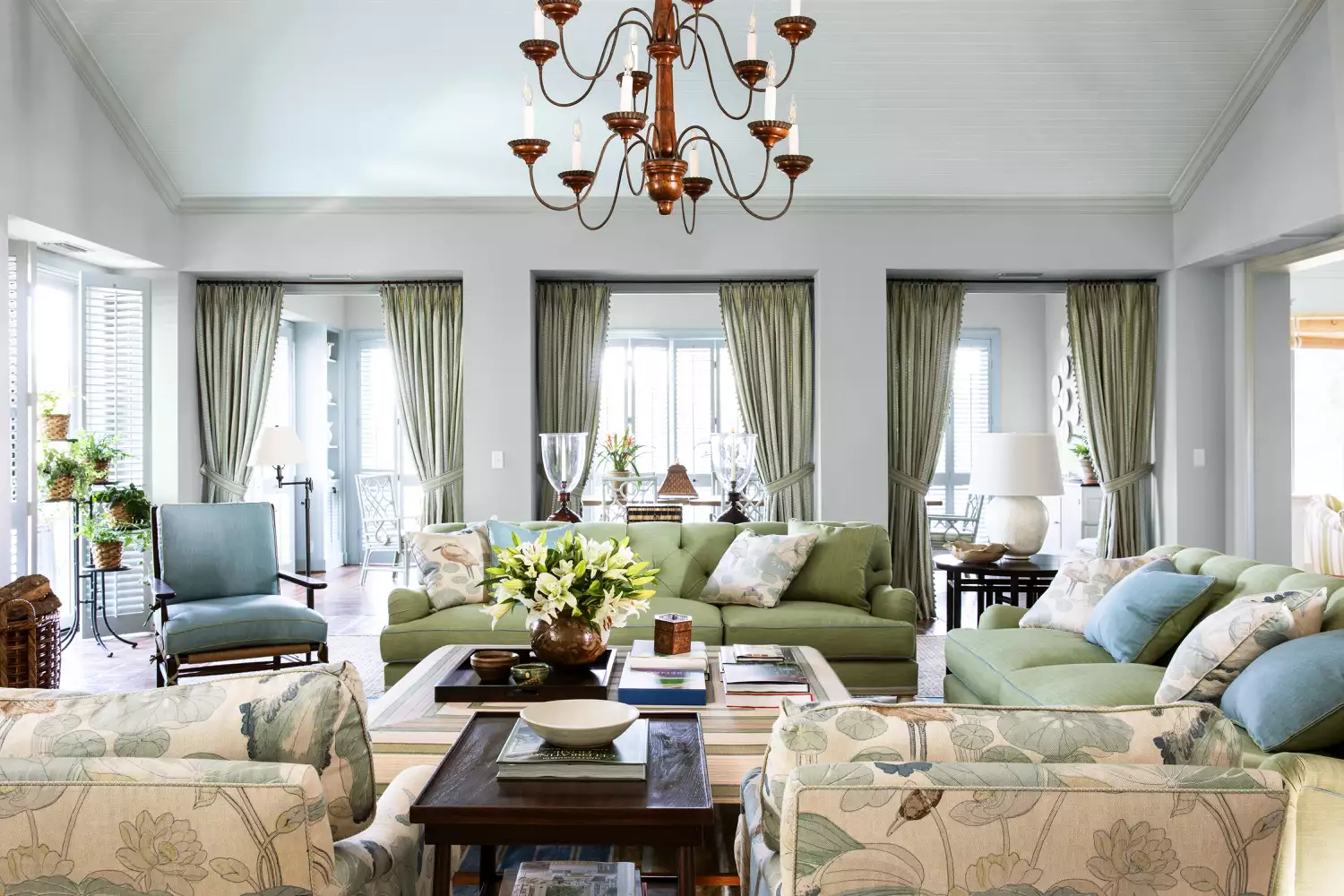
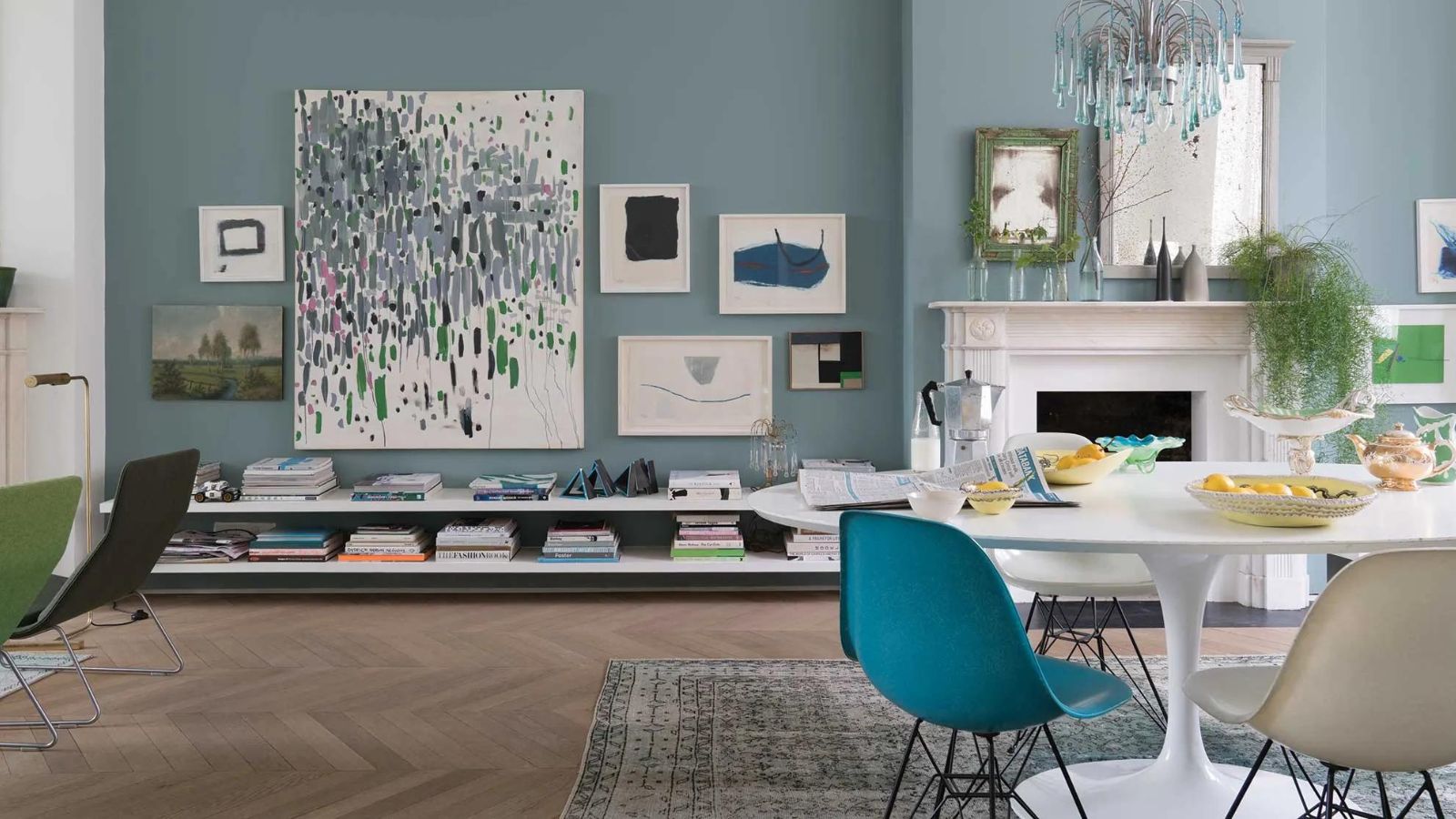
Once a neutral base is established, the next crucial step is to select a core shade. This core shade can be a beloved color that forms the central theme of the room. The strategy involves creating a tonal space by layering lighter and darker variations of this chosen color. For instance, if blue is the core shade, incorporating light blue alongside navy in rugs, furniture, and accent pieces can add depth and consistency. This tonal approach can be further enhanced by introducing a complementary color to provide a subtle accent or 'pop,' creating visual interest without overwhelming the space.
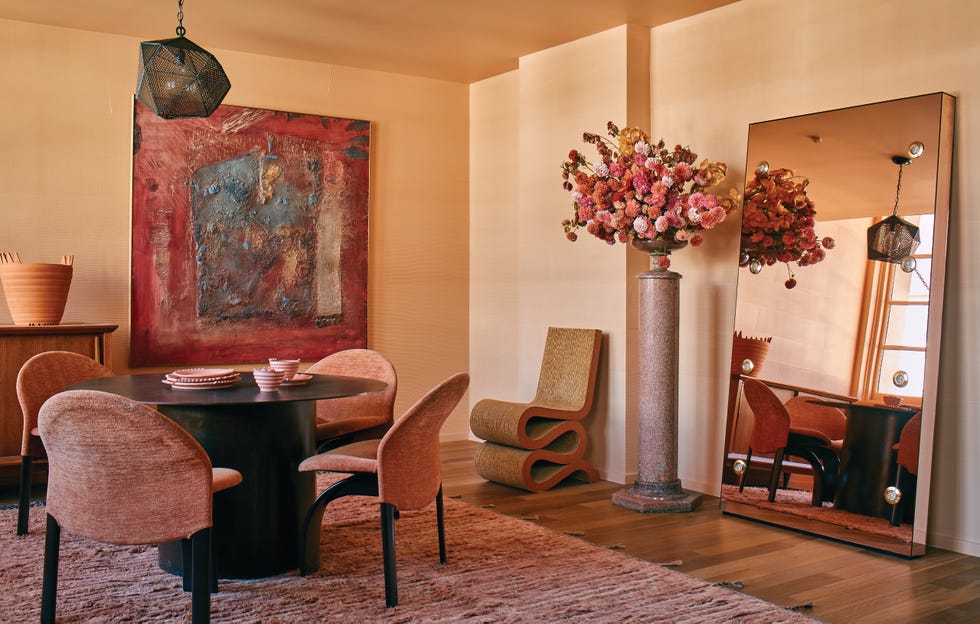
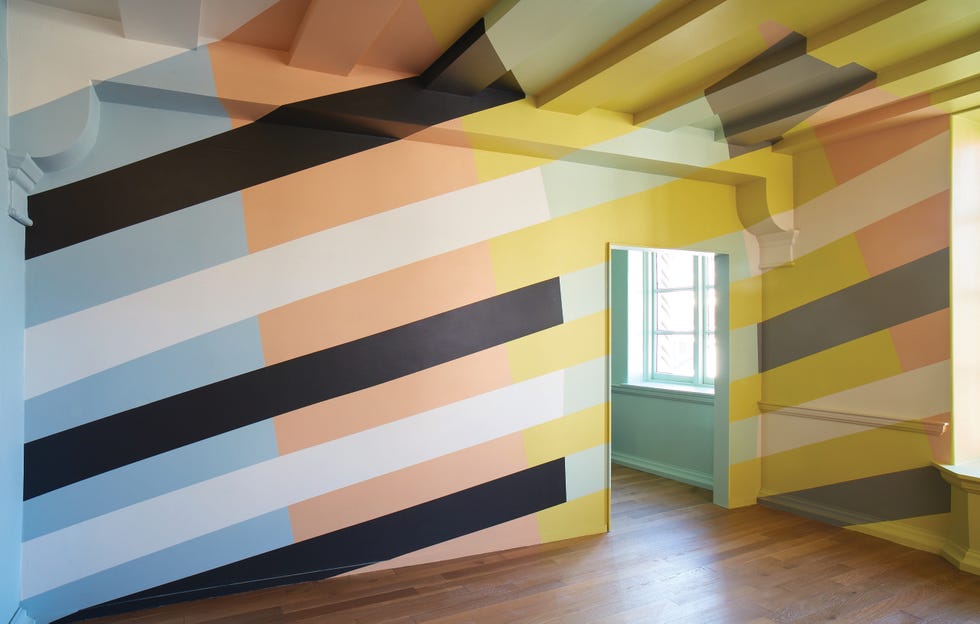
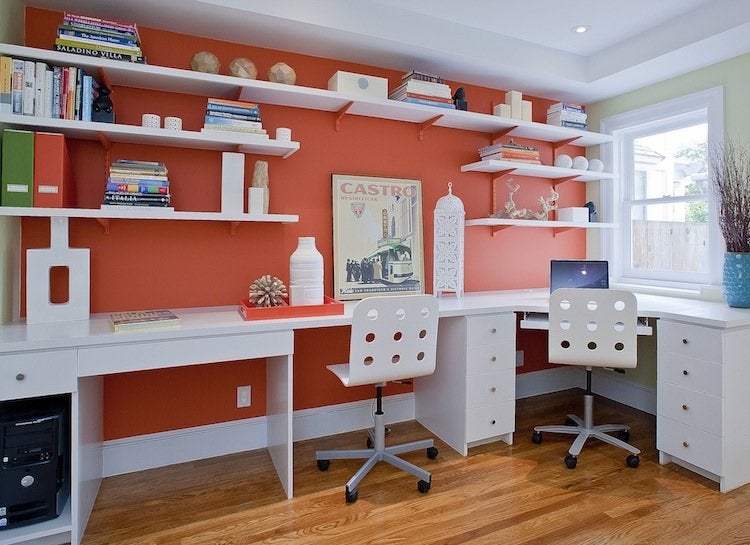
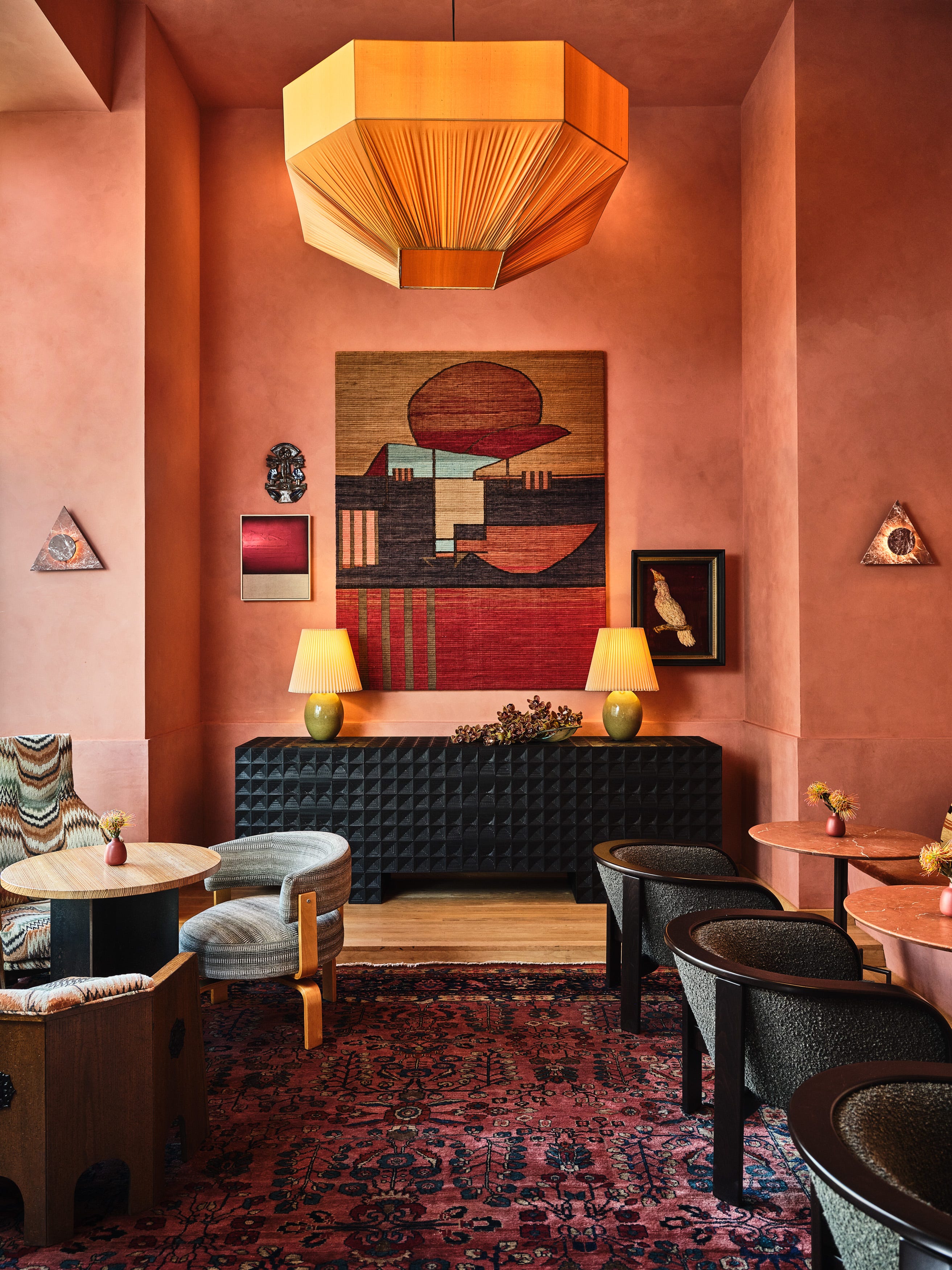
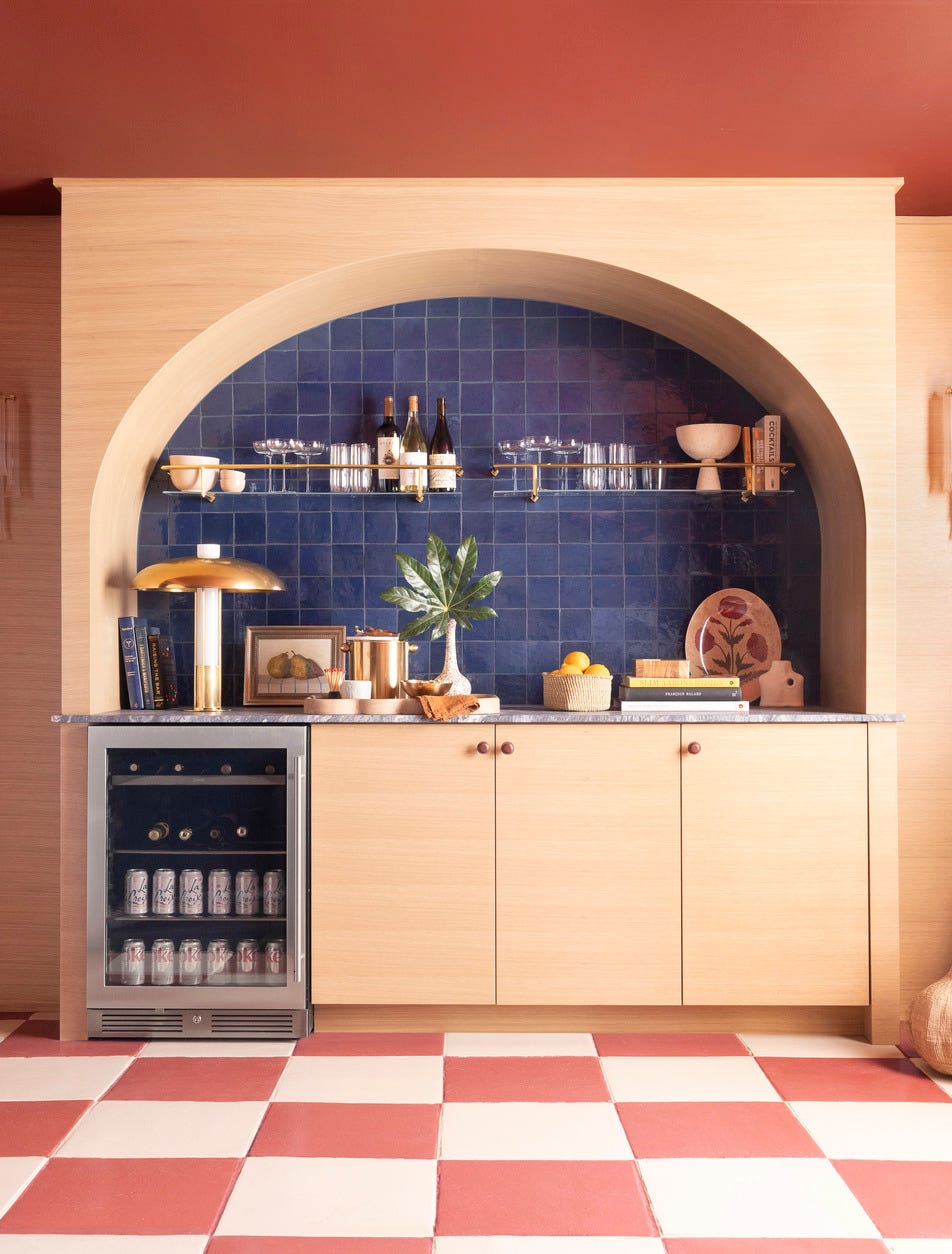
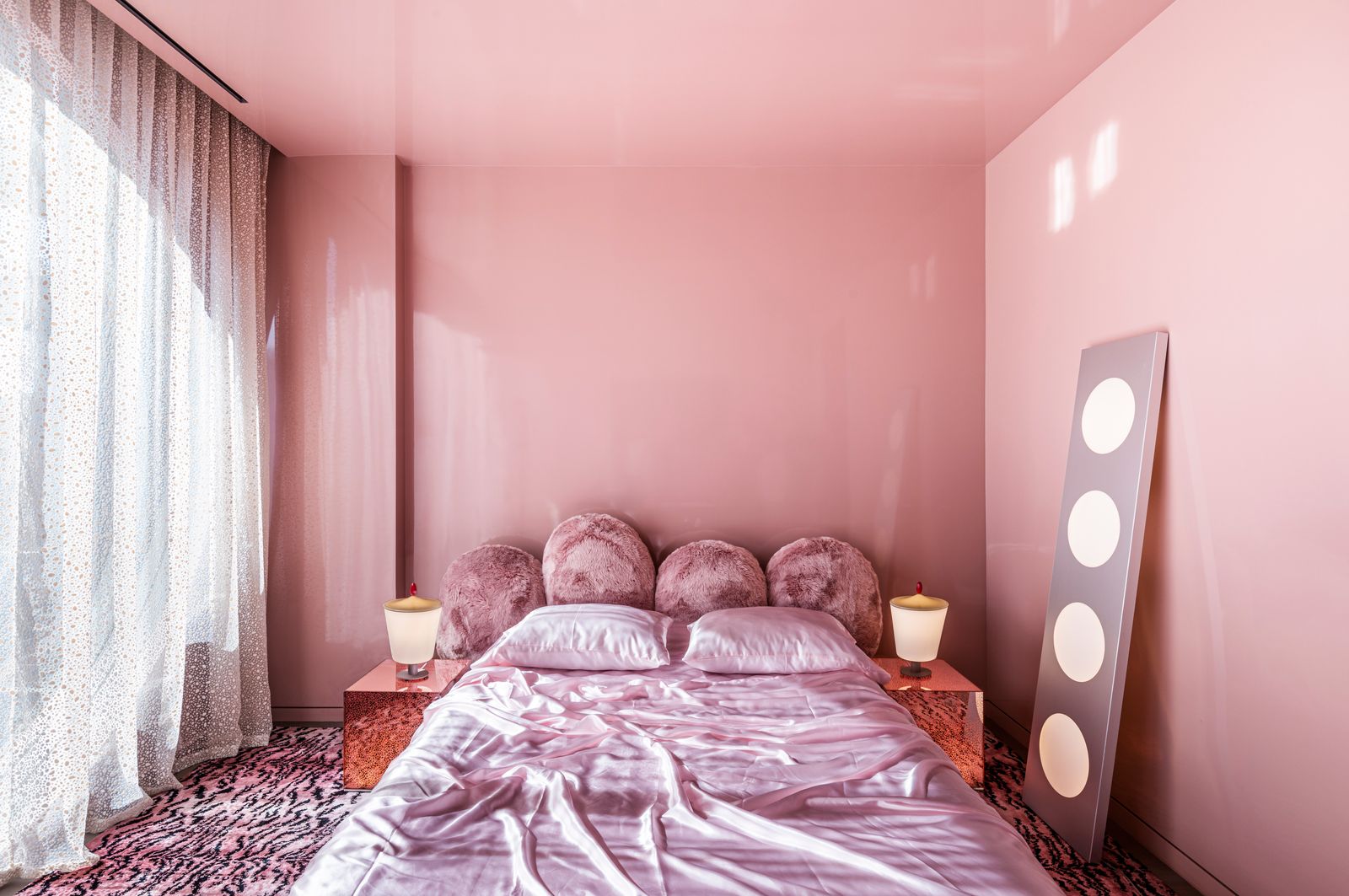
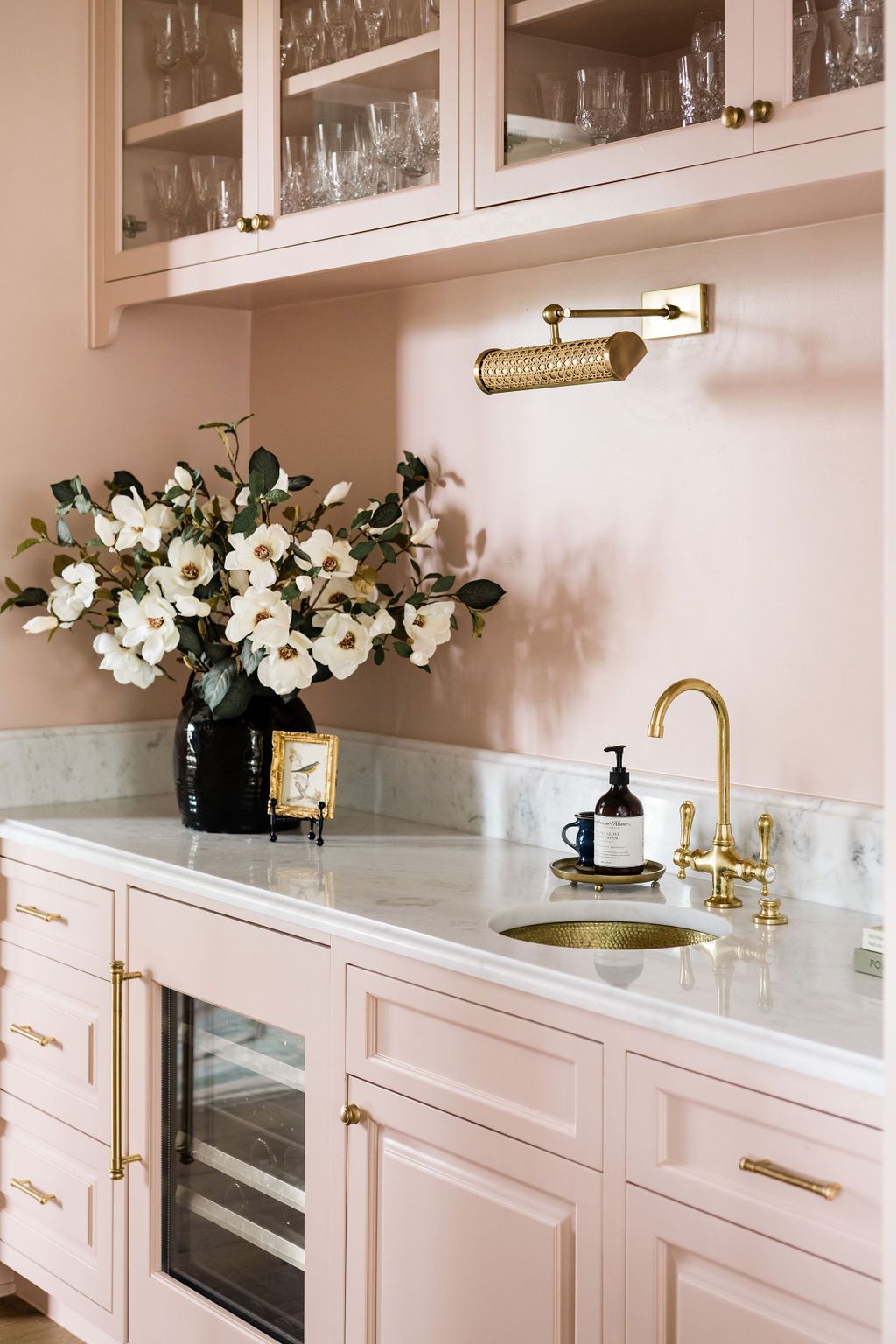
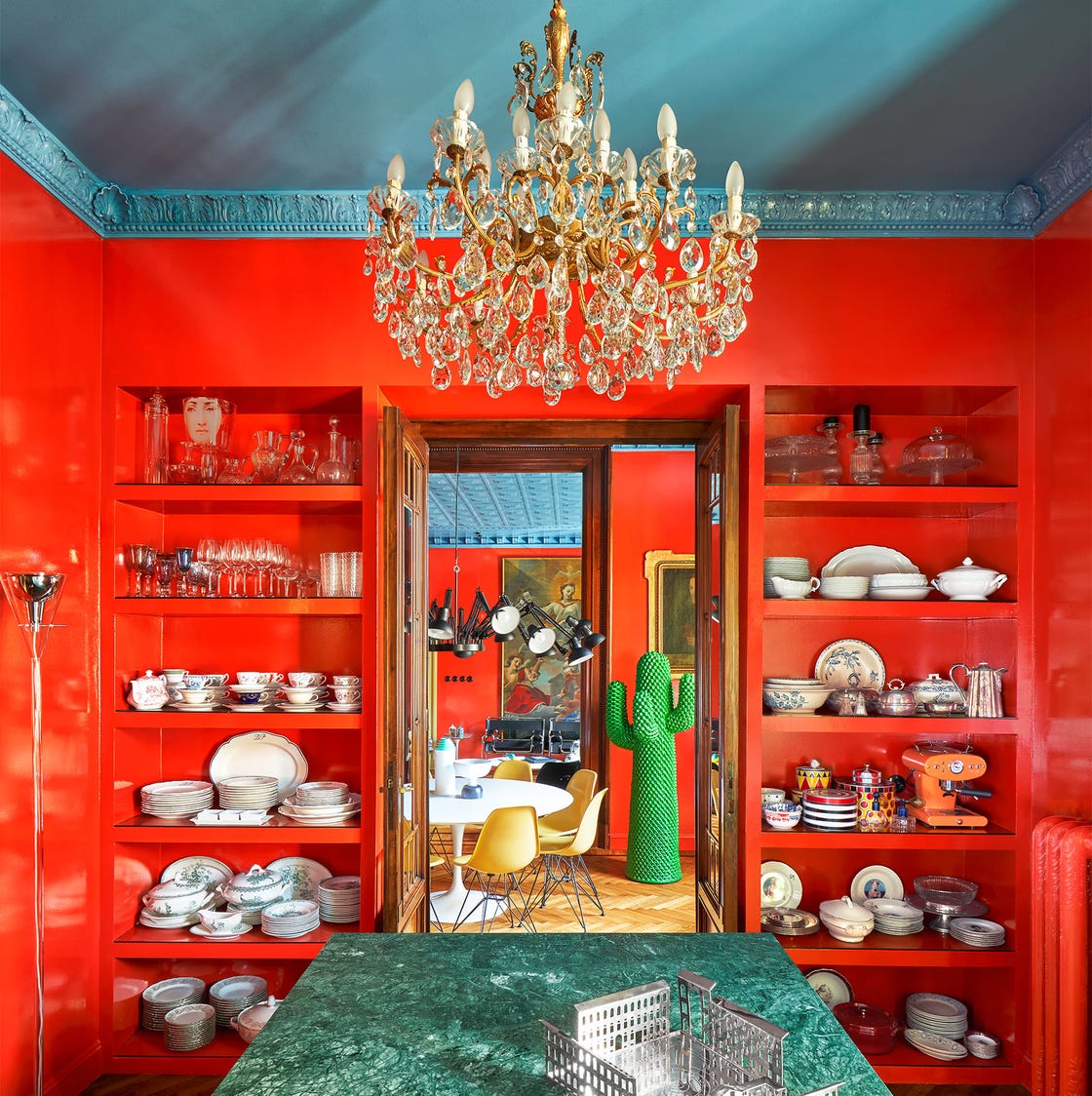
Incorporating a dash of color is also vital for longevity and personality. While maintaining a neutral base, designers suggest strategically sprinkling in various shades and hues of color in small doses throughout the room. This technique, as proposed by Meg Lavalette, mimics the natural diversity of the outside world, guiding the eye and making the space feel more organic and engaging. Sallie Lord suggests unconventional methods like painting the ceiling a bold color or using vibrant wallpaper to introduce personality. Conversely, Justin Williams recommends a more subtle approach, using one or two colorful pieces to create warmth without being overpowering. The amount and method of color incorporation are flexible, but the consensus is that some form of color should be present.
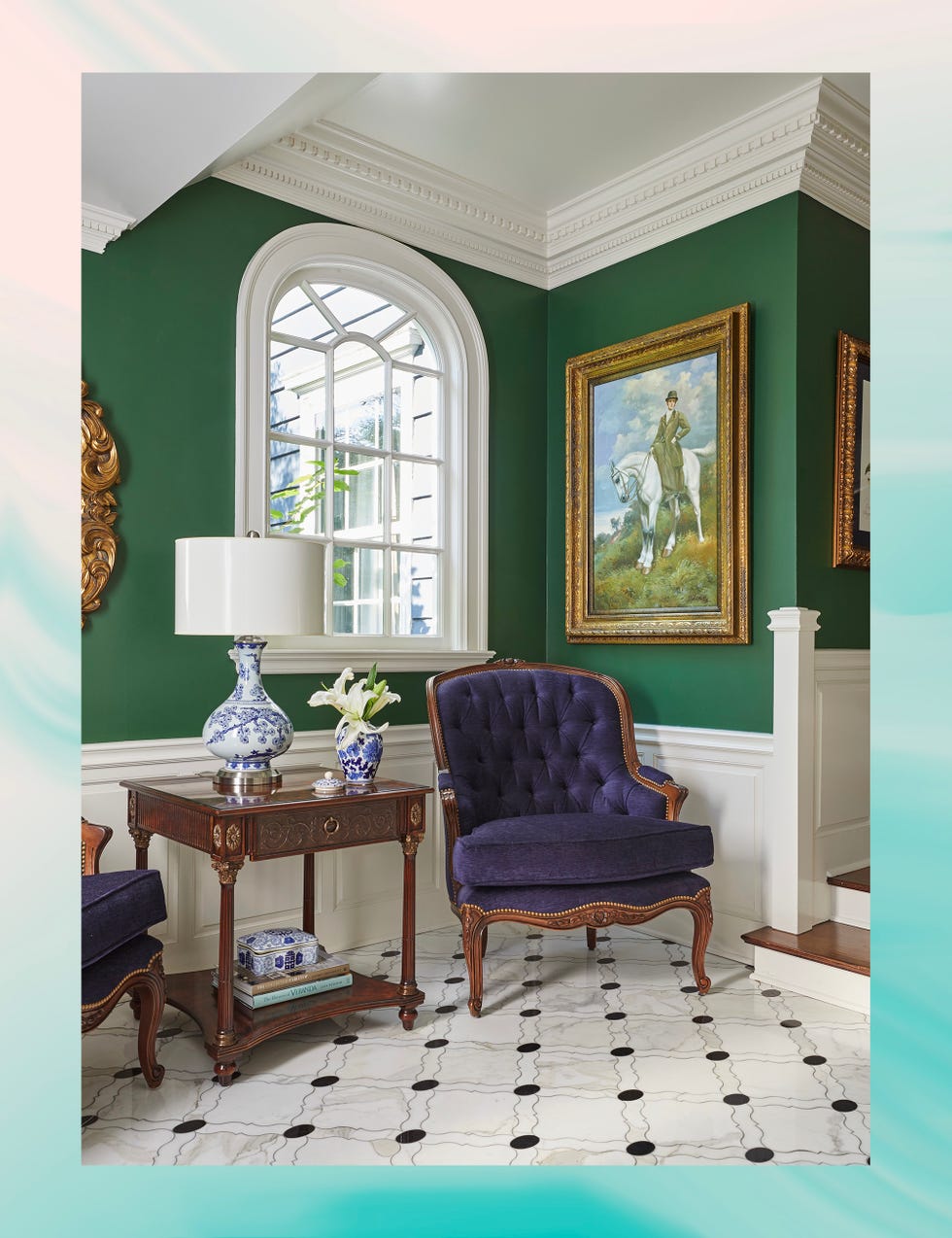
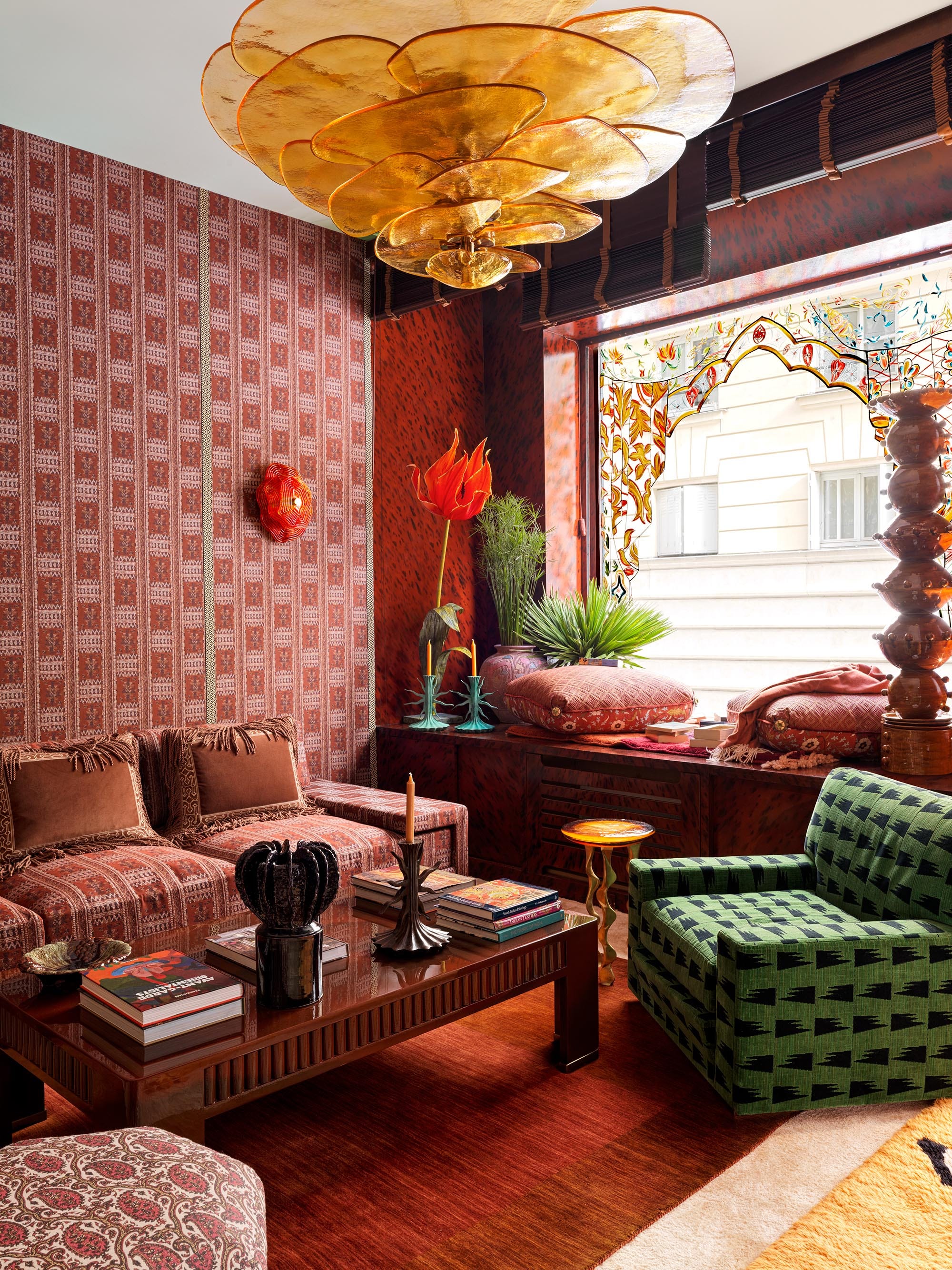
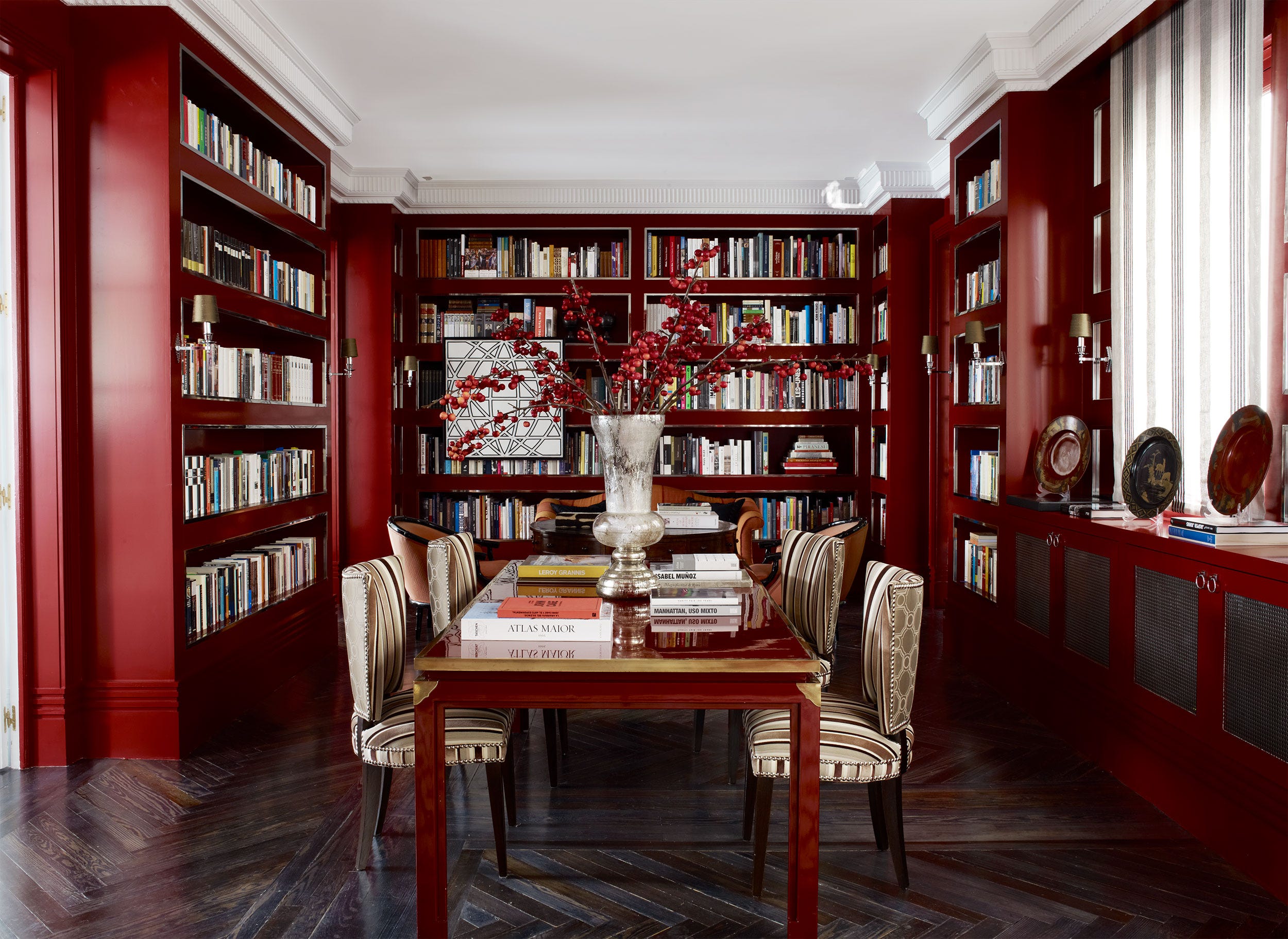
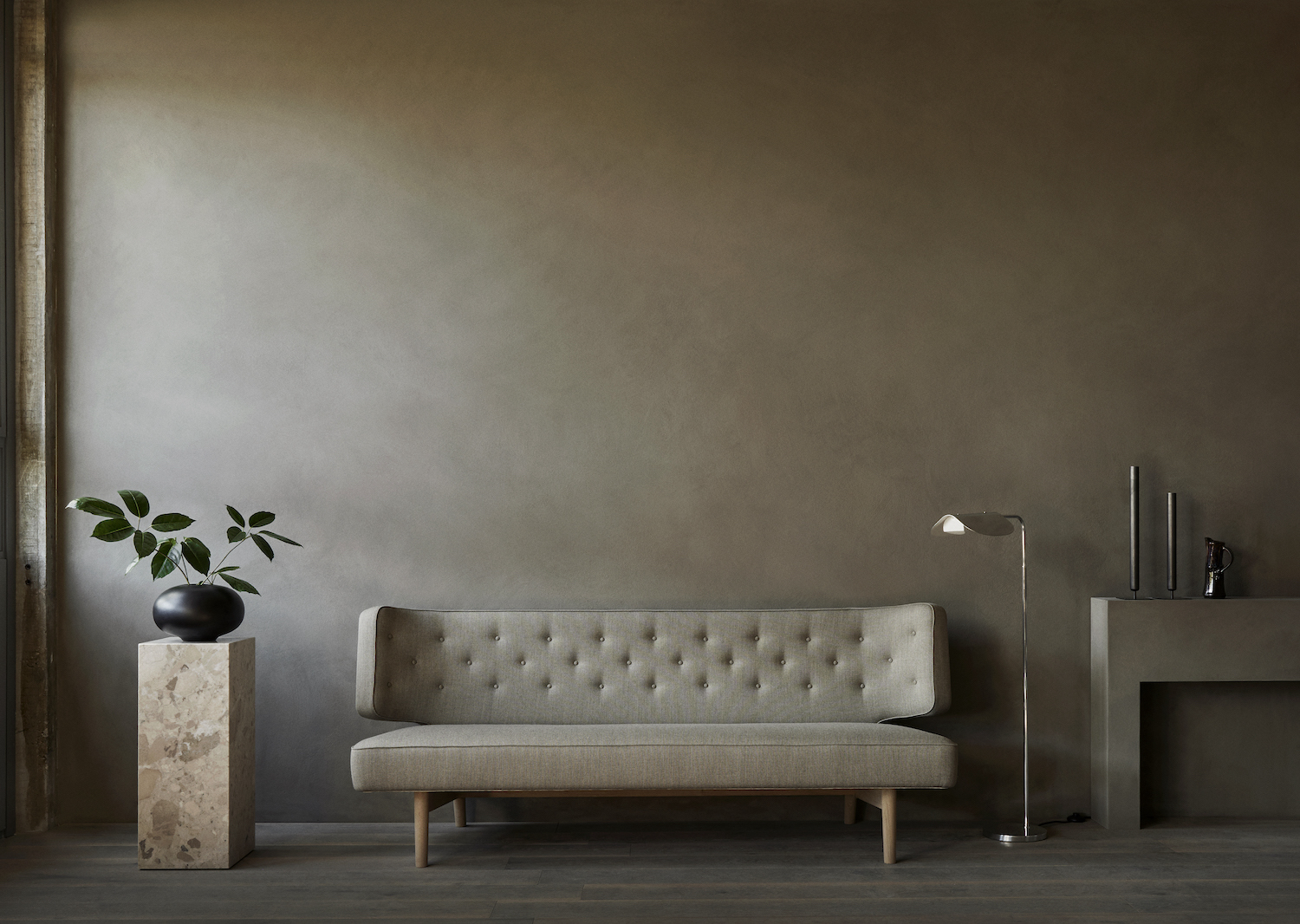
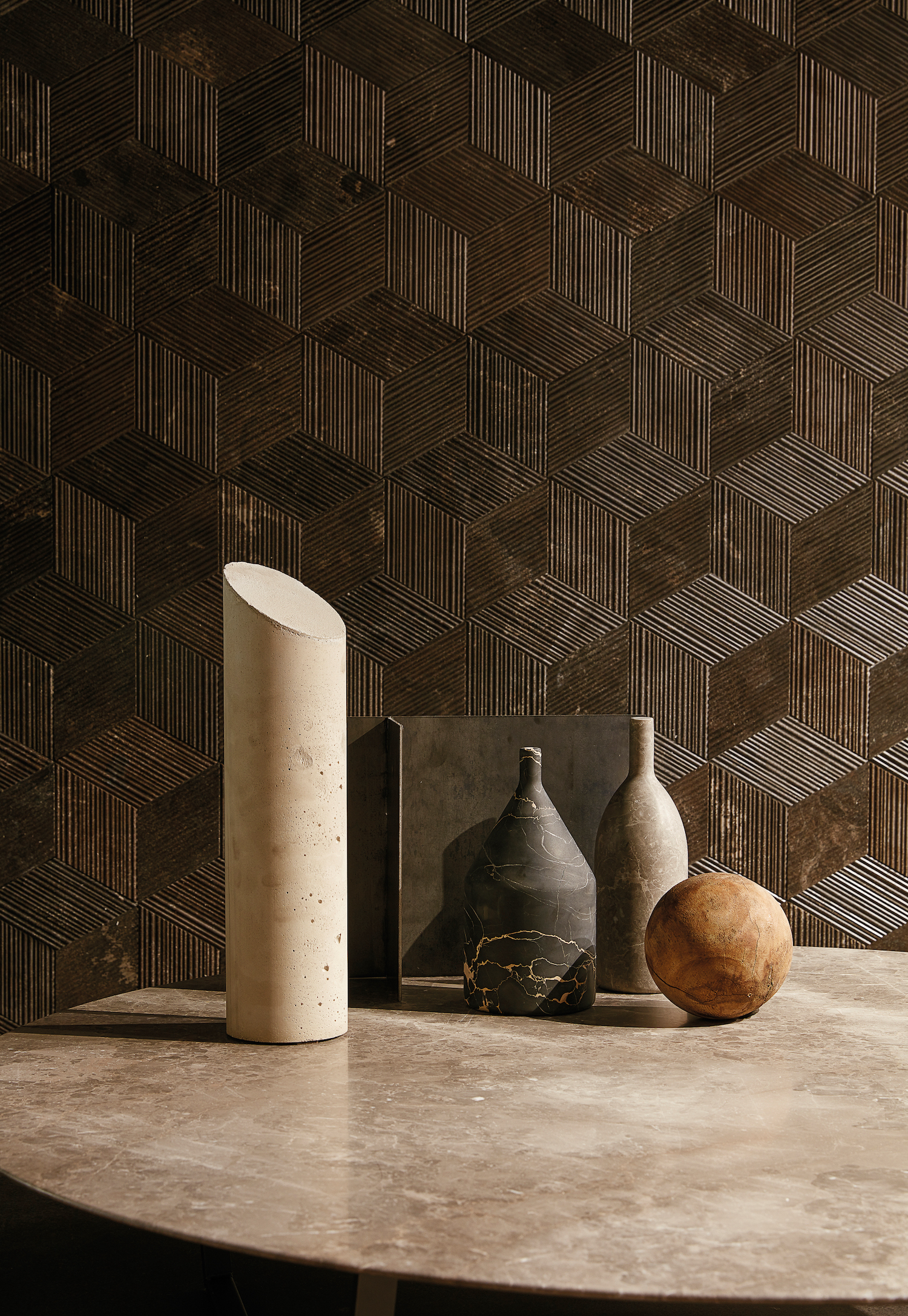
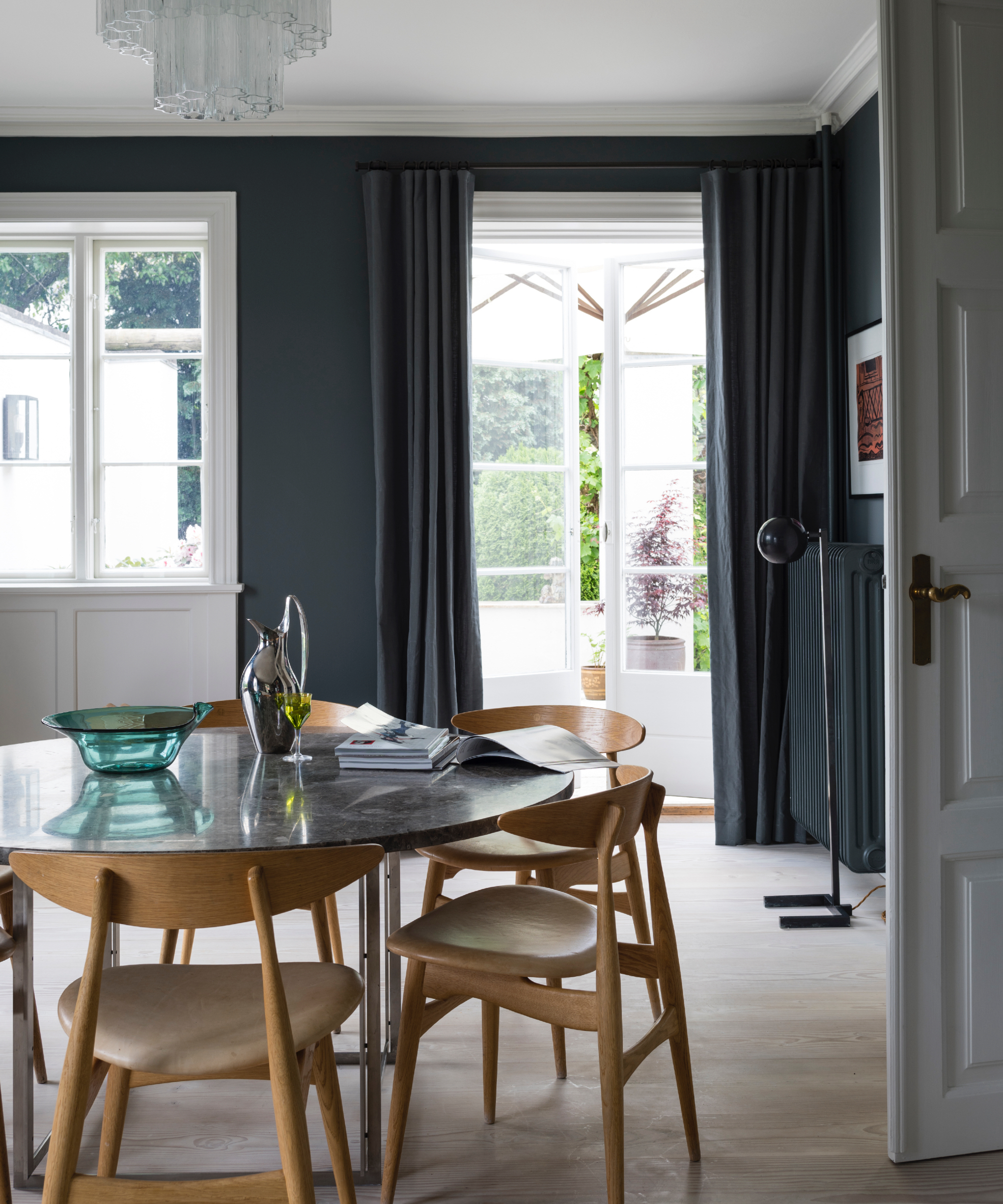
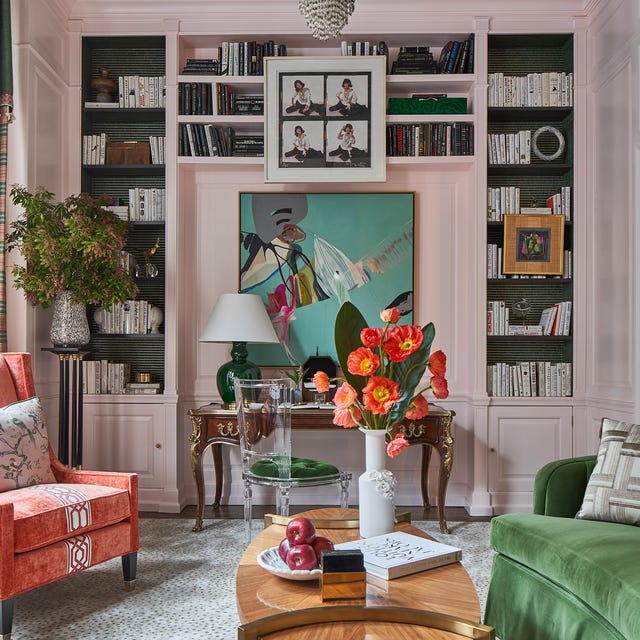
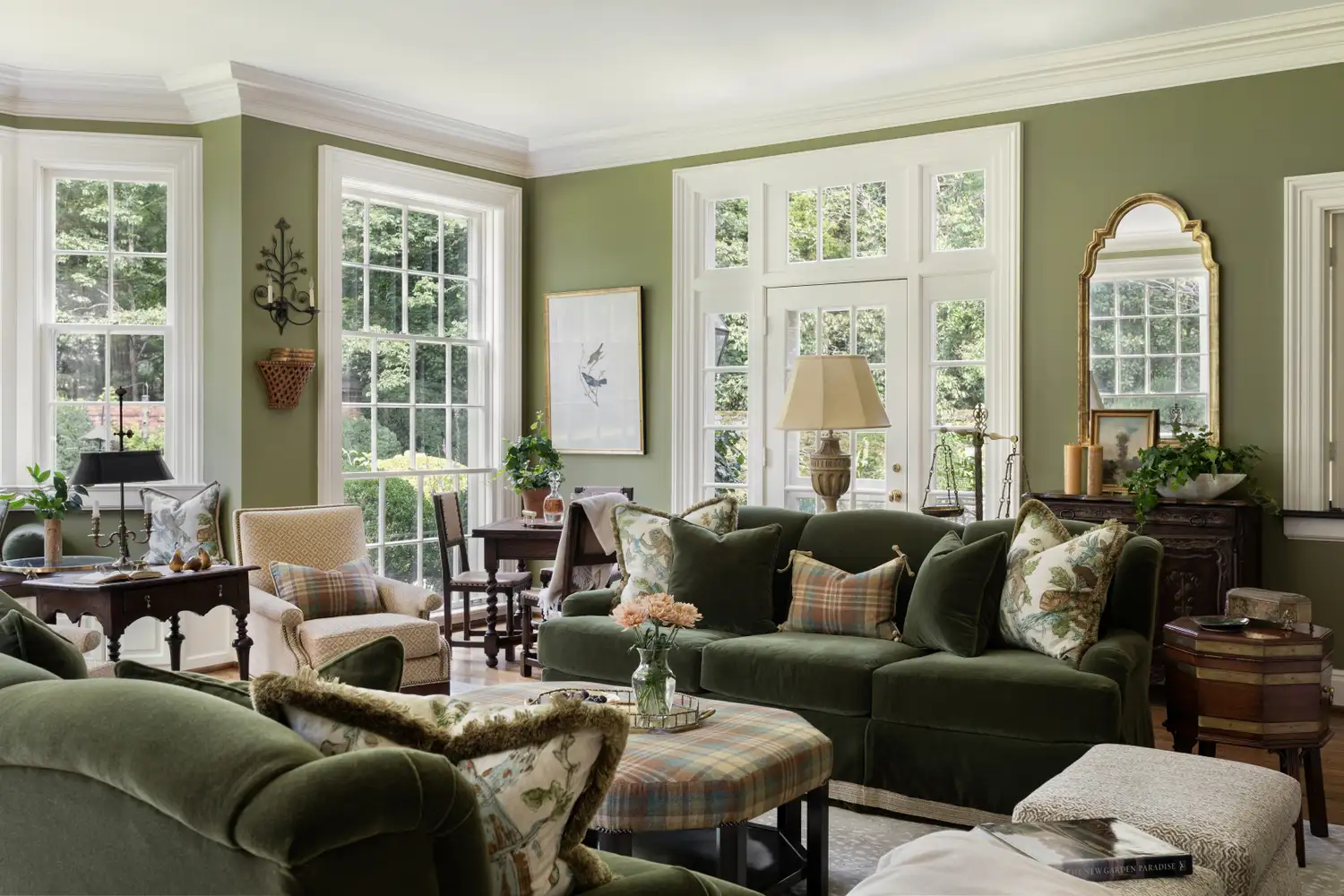
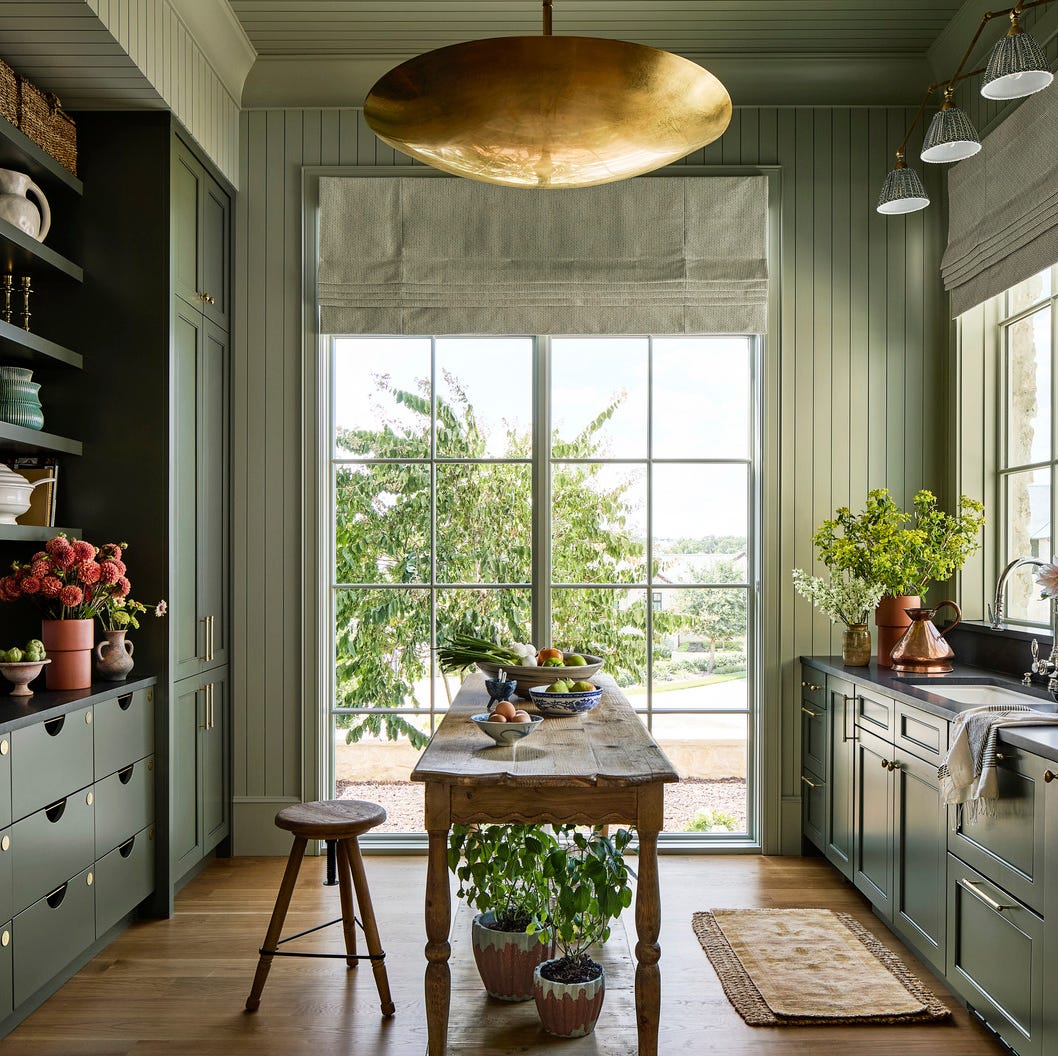
Finally, the chosen color palette should evoke a specific mood or feeling. Before selecting colors, it's essential to consider the desired ambiance for the room, whether it's energized, peaceful, moody, or cozy. Michelle Gage suggests that darker shades can create a cozy vibe, especially in smaller spaces or guest bedrooms. Similarly, Sallie Lord advises using the deepest tone of the palette on walls for a 'sexy' or cozy living room, contrasting it with lighter pops of color in art and decor. By attaching an emotion or energy to each room, designers can weave these feelings through all decor elements, ensuring the final color scheme aligns with the intended atmosphere and personal instincts.
#ColorPalette #InteriorDesign #HomeDecor #NeutralBase #CoreShade #AccentColors #MoodSetting #DesignTips #TimelessDesign #ColorPalette #InteriorDesign #HomeDecor #NeutralBase #CoreShade #AccentColors #MoodSetting #DesignTips #TimelessDesign
0 comment in total
 No comments yet
You may also like

Kelly Wearstler Shares How to Create a Color Palette for Your Home

These 20 Rooms Use a Red Color Palette in All the Right Ways

Find your perfect neutral with COAT Paints' new Polite Palette

9 Paint Colors for When You Need a Fresh Start

An A-List Designer’s Secrets To Picking Perfect Paint Colors

Introducing Colour Theory, The Freedom Is Yours To Create With 45 Hues
3 color coordination tips any beginner can master
Never Guess a Paint Color Again, Thanks to This Hue-Matching Colorimeter

If This, Then That: Your Guide to Pairing Paint Colors

5 Secrets To Picking Paint Colors Like A Designer
These 20 Paint Colors Will Never Go Out of Style, According to Designers

10 Paint Color Apps Every DIYer Should Know About
15 Timeless Paint Colors You’ll Never Tire Of, According To Designers
5 Timeless Paint Colors That Will NEVER Go Out of Style, According to Designers
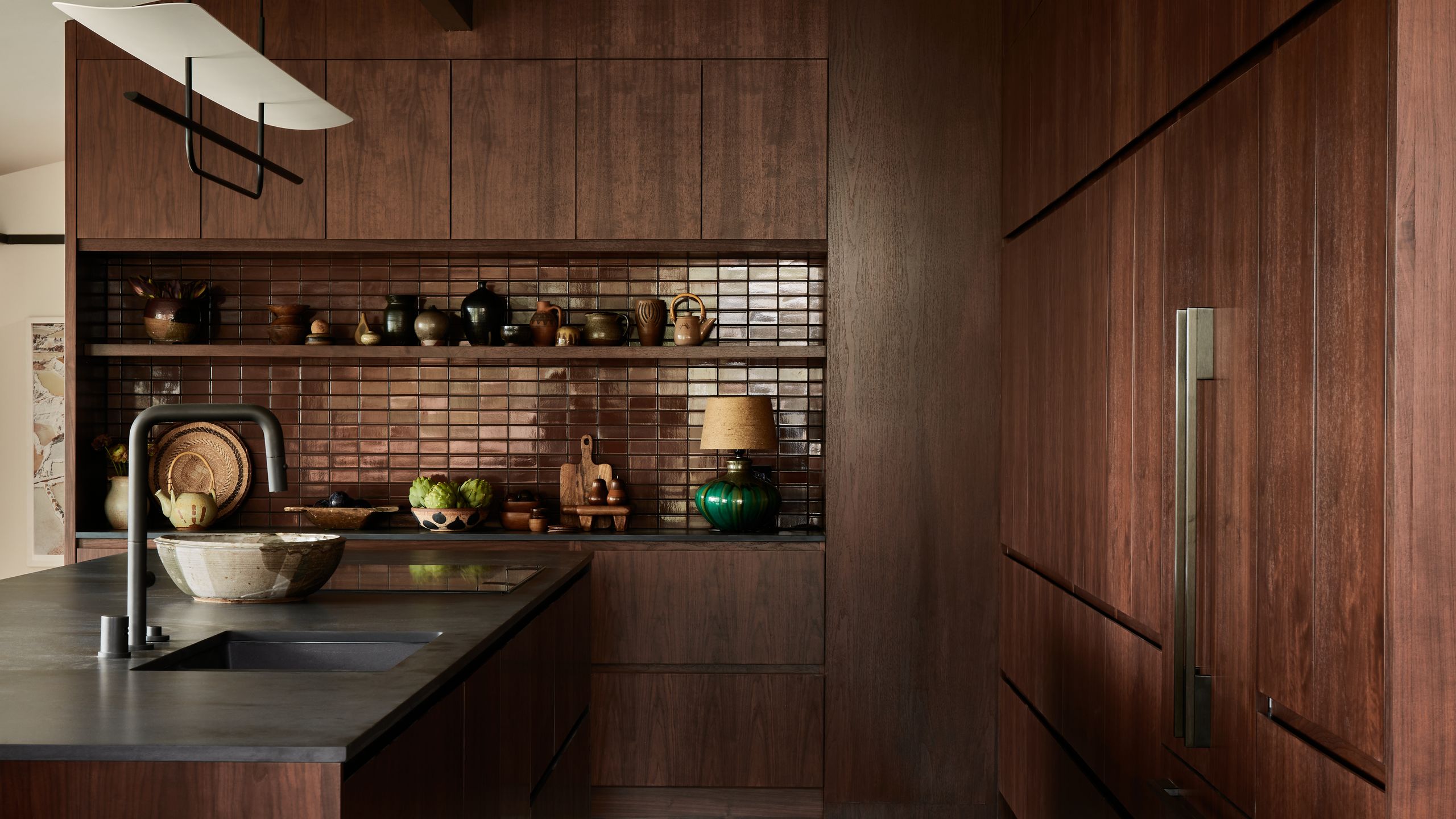
Monochromatic Colors: 9 Ways to Pull Off the Trend Like a Pro

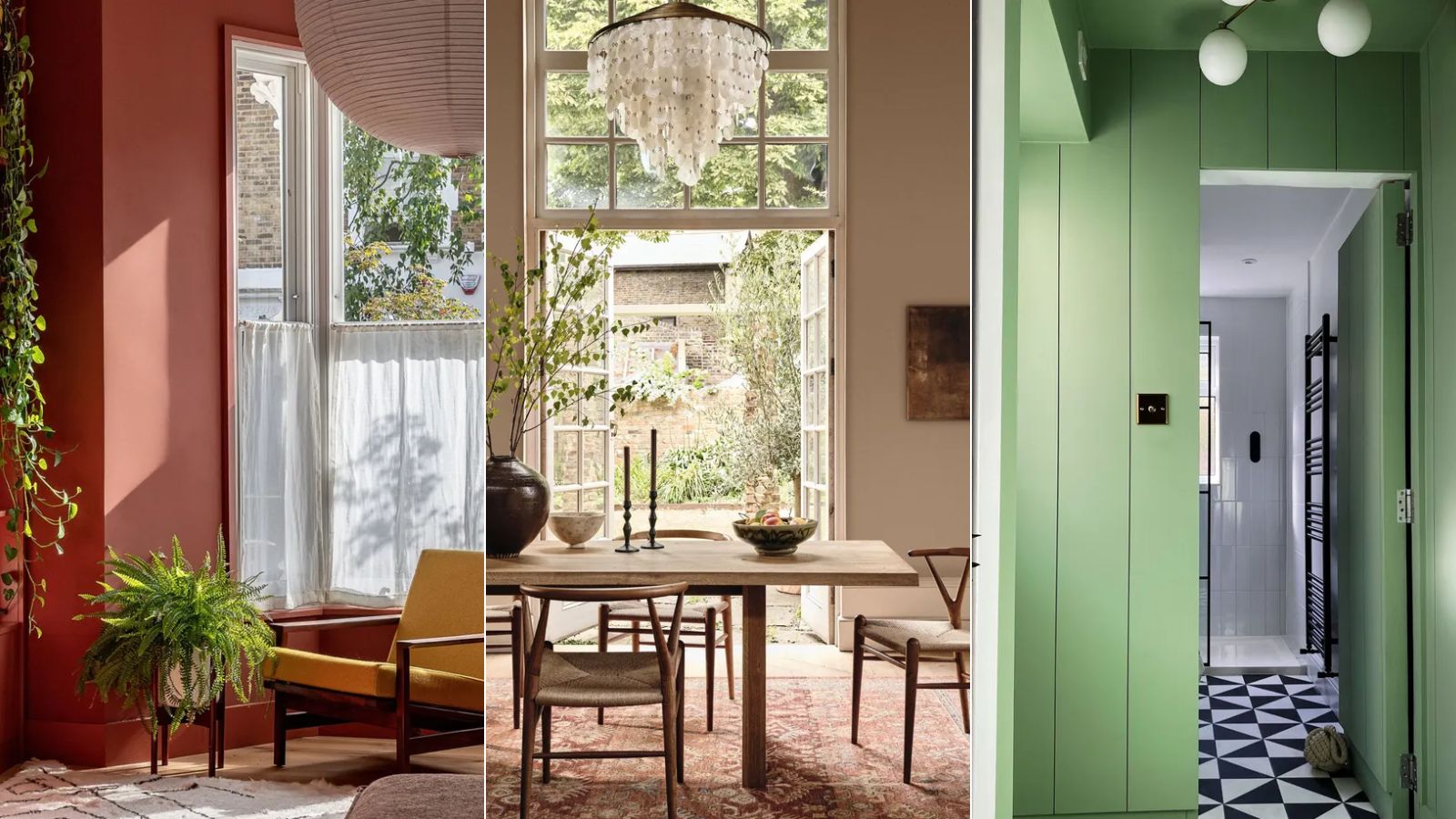
Color drenching has never been simpler with this color expert's one-paint-finish approach for the whole room

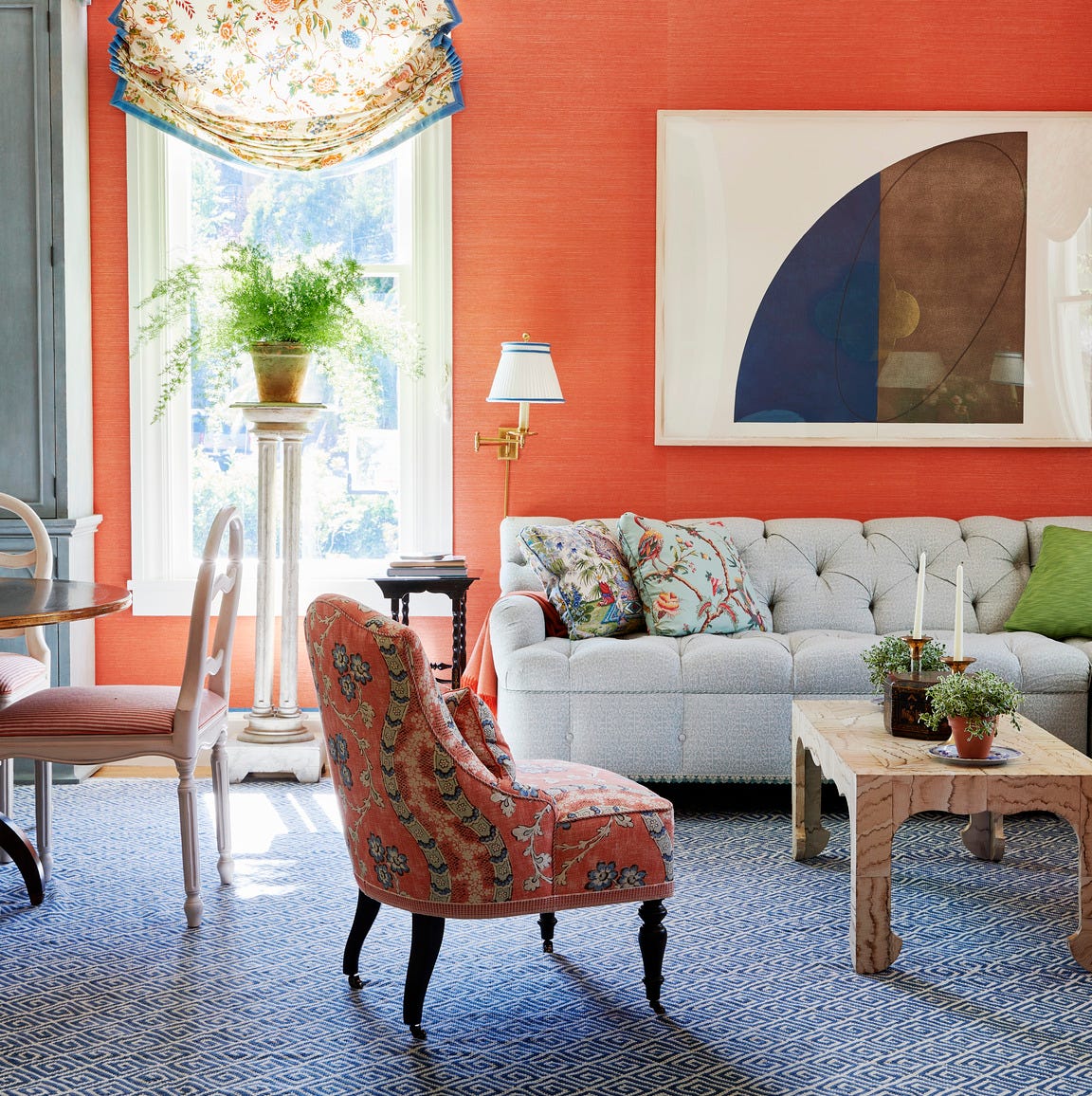
How to Choose Colors That Work Together Every Time
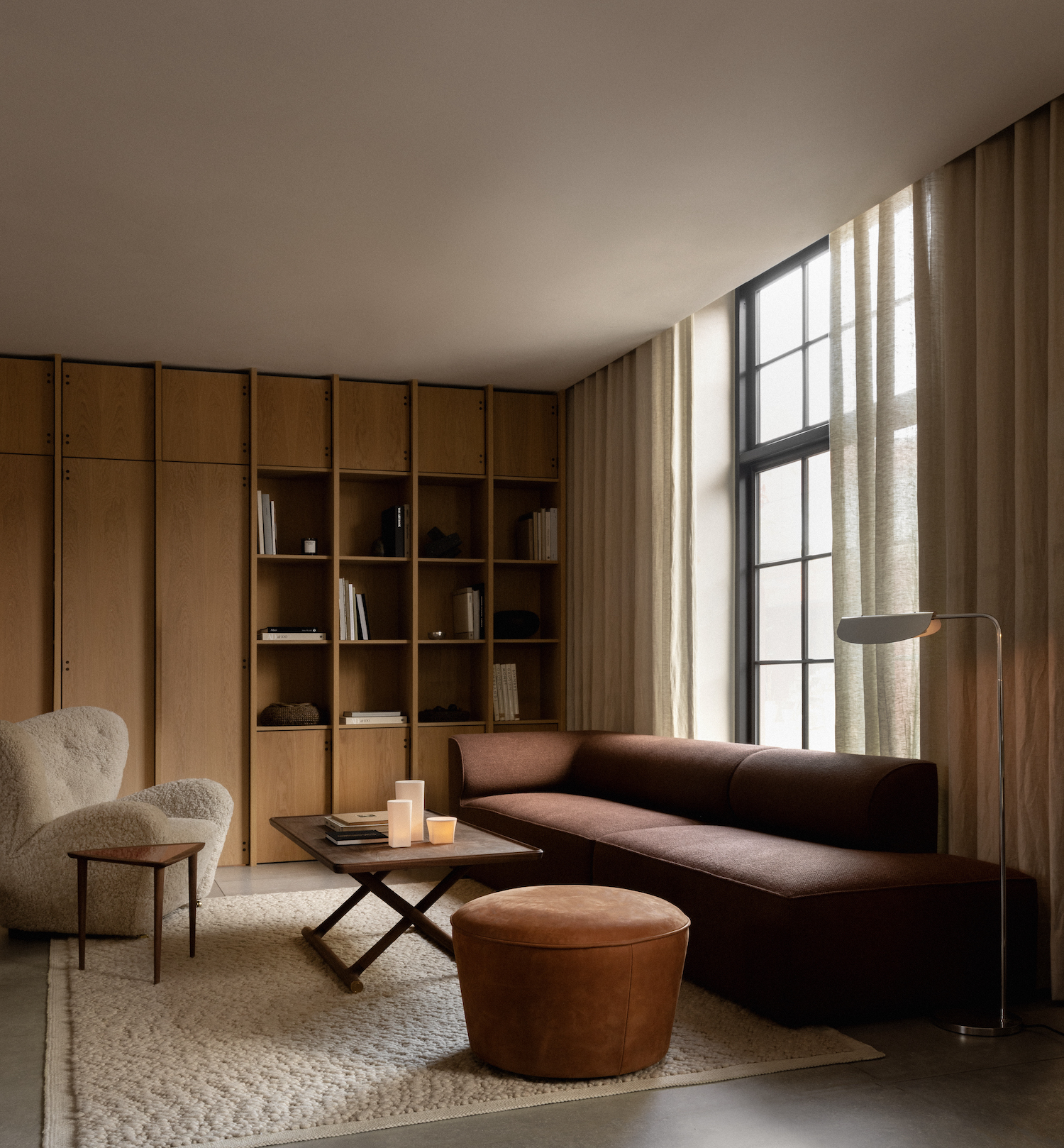
8 tricks to create a minimalist color palette that doesn't feel one-dimensional - elevated and enriching schemes

7 of the most versatile and easy to use paint colors according to designers
8 Timeless Paint Colors That Always Look Fresh, No Matter the Season