
1/7
Local interior designer repurposes a historic church in the Delmar Maker’s District
Annie Brahler, owner of the award-winning design firm Euro Trash, initially dismissed her husband Charles Smith's idea of acquiring an English Gothic church at the intersection of Delmar and Union for their business. Brahler's firm, renowned for its design projects throughout St. Louis and nationally, had been operating its studio and corporate offices separately from its rented warehouses. These warehouses stored a vast inventory of art, antique furnishings, and other items imported from around the world. The logistical challenges and expenses associated with managing separate locations prompted Smith to seek a more integrated solution for their operations.
Upon visiting the Westminster Presbyterian Church and its adjacent school building, Brahler quickly recognized the potential of the space. The church, which became available after its small congregation merged with another, offered a more functional layout than traditional warehouses. Brahler envisioned dedicated rooms for textiles, chairs, and paintings, realizing the existing architecture would streamline their inventory management and creative processes.
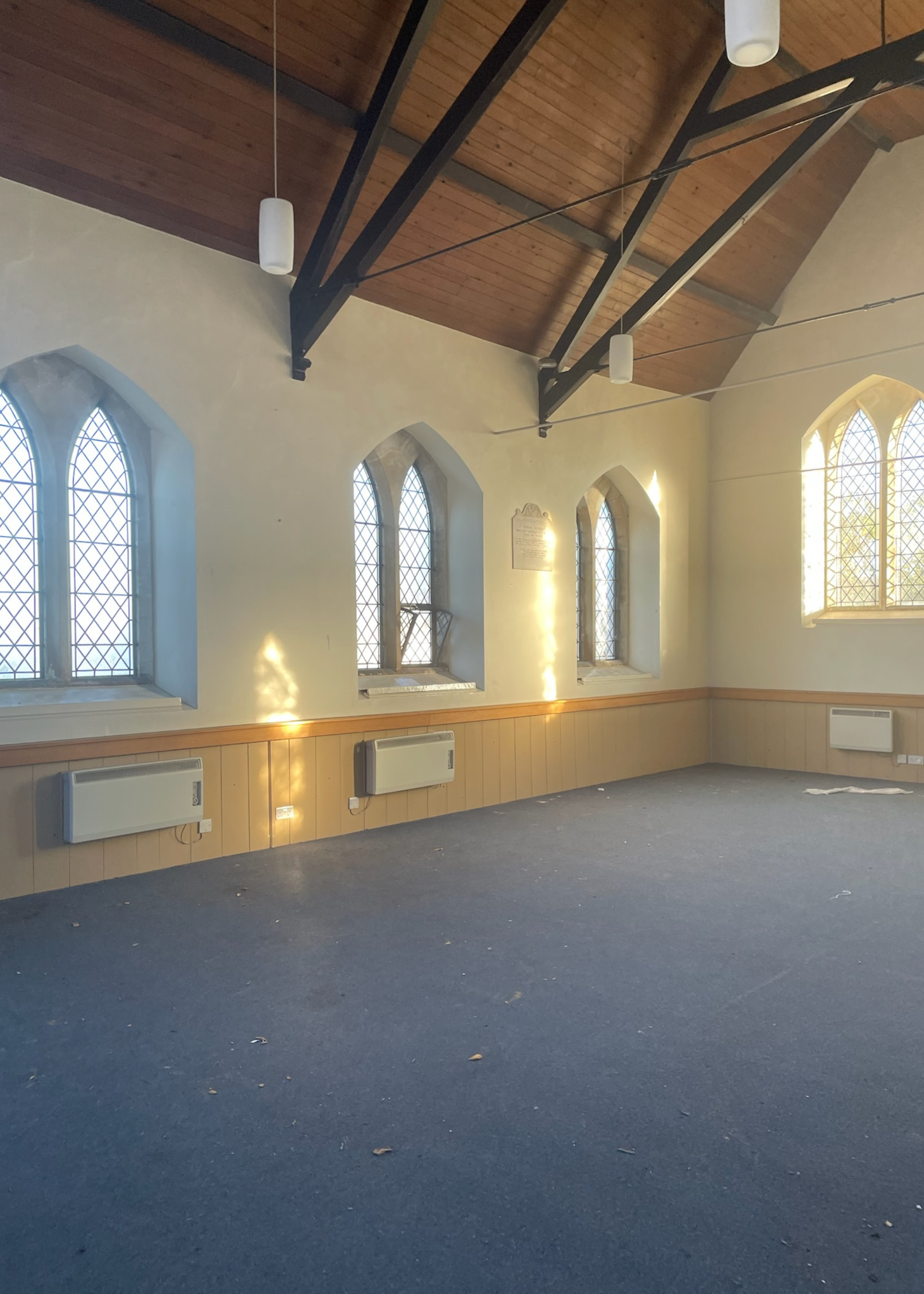
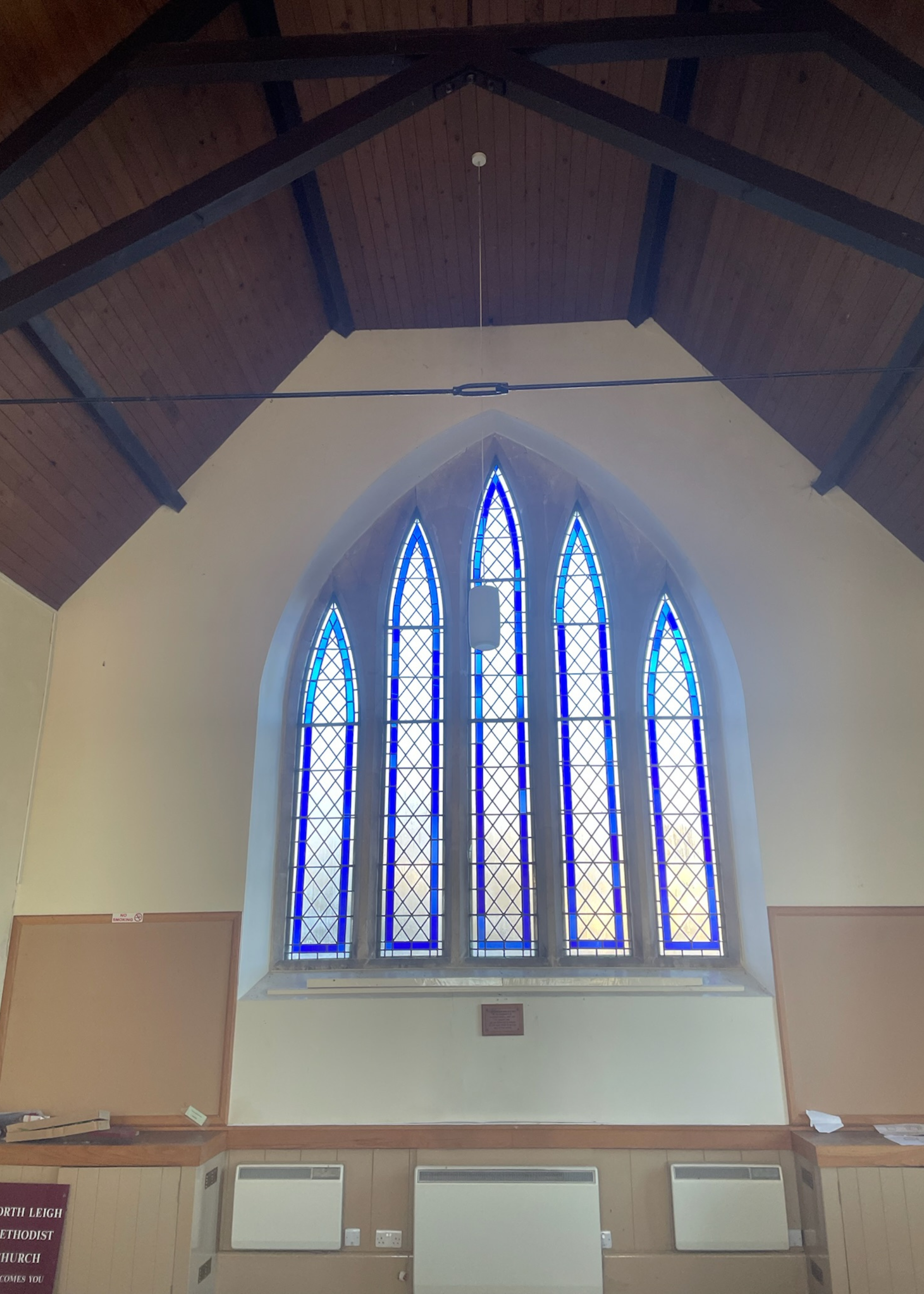
Built in 1916 and completed in 1925, the Westminster Presbyterian Church was designed by Albert Groves and designated an official St. Louis City Landmark in 1975. Its sanctuary features significant stained-glass windows created by Marx and Jones. A crucial factor in Euro Trash's successful acquisition of the property was their commitment to preserving the building's historical integrity. Brahler emphasized their dedication to respecting the church's past as a religious home for decades, assuring former parishioners that no disrespectful alterations would be made.
During meetings with the church's former members, some of whom had been part of the congregation since birth, Brahler and Smith conveyed their plans to maintain the building's original features, particularly the stained-glass windows. They proposed illuminating these windows from within and without, allowing them to be appreciated by the broader Delmar Maker’s District community. This approach aimed not only to preserve the landmark but also to showcase St. Louis's architectural heritage as something vibrant and well-maintained, rather than dilapidated. The former congregants responded positively to this vision, easing their concerns about the future of their beloved church.
Euro Trash acquired the church in February 2024 and took occupancy in June of the same year. The building was found to be structurally sound, well-maintained, and compliant with current codes, including ADA accessibility. Brahler's approach to the space is one of repurposing rather than remodeling. She explicitly stated that no walls would be removed or spaces torn out. Instead, the firm is updating the interiors with fresh paint, new carpeting, furniture, and art, while retaining the original architectural elements.
The former school building's large, open room, featuring expansive windows, crown molding, and an original brick fireplace, has been converted into a shared office space. Brahler noted that this communal arrangement reflects the team's collaborative working style, offering ample room for both group interaction and individual tasks. The church's sanctuary is currently used for storing larger items, such as imported French doors. Brahler envisions the sanctuary serving multiple creative functions in the future, including potentially as a gallery for sizable art installations by artists the firm collaborates with across the country. The fully intact and operational pipe organ in the sanctuary adds to its unique character.
Brahler expressed her desire to use the transformed space to inspire others to rethink the potential of historic buildings. She highlighted the importance of preserving architectural heritage and demonstrating how such structures can be adaptively reused without compromising their original design. Unlike some conversions that extensively alter historical spaces, Euro Trash aims to accentuate and celebrate the existing architecture, contributing to the revitalization of the Delmar Maker's District while honoring the church's rich history.
#InteriorDesign #HistoricPreservation #AdaptiveReuse #StLouisArchitecture #DelmarMakersDistrict #EuroTrash #CommunityEngagement #ArchitecturalHeritage #RepurposedSpaces #InteriorDesign #HistoricPreservation #AdaptiveReuse #StLouisArchitecture #DelmarMakersDistrict #EuroTrash #CommunityEngagement #ArchitecturalHeritage #RepurposedSpaces
0 comment in total
 No comments yet
You may also like
19th Century Montclair Home Undergoes Stunning Makeover

This Chapel Renovation Blends Classics With Modern Design

With Happy Pinks, Greens, and Blues, a Designer Totally Transformed a Quirky Colonial Revival


Marblehead Design Studio and Boutique, Living Swell, Delivers Coastal Elegance With a Touch of Whimsy

Inside an Iconic Church-Turned-Family Home That First Ran in House Beautiful in 1989

A Quirky Boutique Hotel Takes Over a Presbyterian Church in East Nashville


Architectural Design Studios
Builder-Architect-Designer Team Transforms Dream Home
12 Churches That Have Been Turned Into Heavenly Homes
18th-Century Lumberton Farmhouse Gets an Eclectic Makeover
Southwest Florida's Most Stylish New Home Shops 2025
Darius Rucker’s Charleston Home: Before and After Photos of His Home Restoration

An Interior Designer’s Take on a Heritage Remodel
A Rustic, 5,300-Square-Foot Aurora Remodel Steals The Show

This Colorful Ranch In Upstate New York Is Full Of Modern Artwork
A formal center-hall Colonial gets a homey makeover

i29 Updates Classical Interiors of Landmarked Building

A Decaying 1920s Home Is Saved With a Mullet Renovation
In With the Old

A Thoughtful Renovation Preserves The Beauty And Character Of This Sullivan's Island Home