7 Appliance Features to Watch for to Make Your Kitchen More Accessible
Universal design principles in home appliance selection ensure spaces are usable by individuals of all ages, sizes, and abilities. This approach considers various physical and cognitive capabilities when choosing appliances for a home, particularly focusing on kitchen accessibility. Experts Jessica Petrino, an appliance expert at AJ Madison, and Ebony Stephenson, a Certified Living In Place Professional (CLIPP) and Certified Aging-in-Place Specialist (CAPS) designer, offer insights into key features that enhance accessibility.
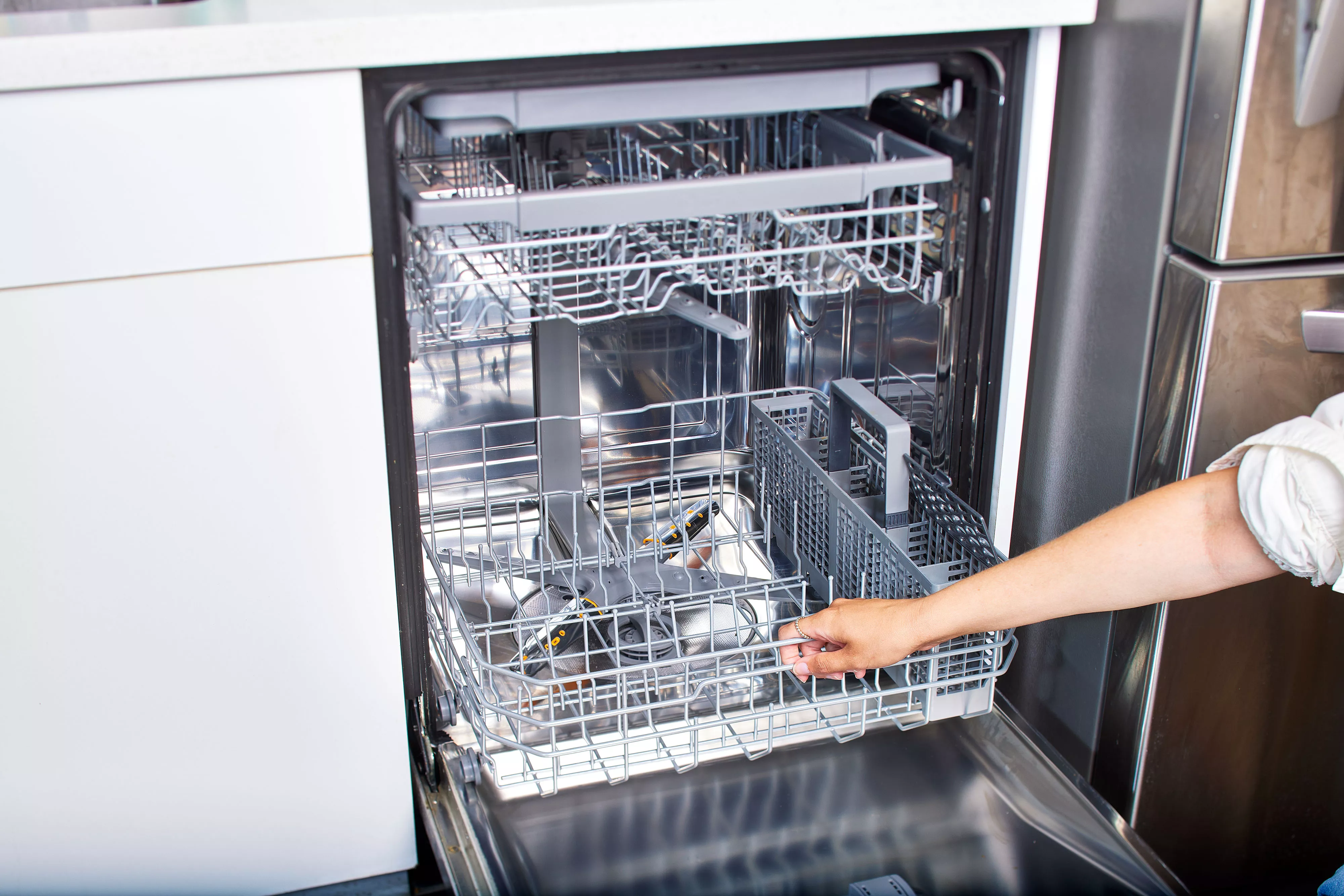
One crucial aspect is the design of appliance doors and drawers. While sleek, handle-less designs may appeal aesthetically, handles generally offer better grip and flexibility for opening, making them more accessible. However, handle placement and the force required to open a door are important considerations. Some modern appliances incorporate technology like push-button opening mechanisms or automatic door opening when a cycle is complete, as seen in offerings from Samsung and LG's 'easy handle' add-ons for laundry machines, which allow for arm-based operation. Internal components like refrigerator drawers and dishwasher racks should also be easily manageable.
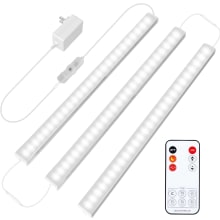
Lighting within and around appliances contributes significantly to visibility and safety. LED lighting is recommended for its longevity, reducing the need for frequent bulb changes, which can be challenging for some users. Dimmable and color-changeable LEDs further enhance usability. Adequate lighting is also essential for areas like range vent hoods.
Alerts and indicators, such as chimes, noises, and alarms, provide critical feedback to users. These sensory cues can confirm button presses, signal task completion, or indicate issues like an open door. Adjustable volume and sound types, along with visual cues like flashing lights, cater to various needs, including those with hearing impairments. Integration with smart home hubs and mobile apps can extend these alerts to other devices, providing remote notifications.
Ease of maintenance is another vital factor, as appliances that are simple to clean require less physical effort. Features like smooth surfaces with minimal crevices and built-in cleaning cycles contribute to this. Accessibility to components needing regular cleaning, such as refrigerator air filters and dryer lint screens, is also important.
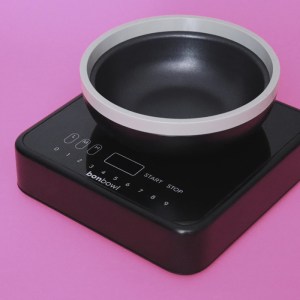
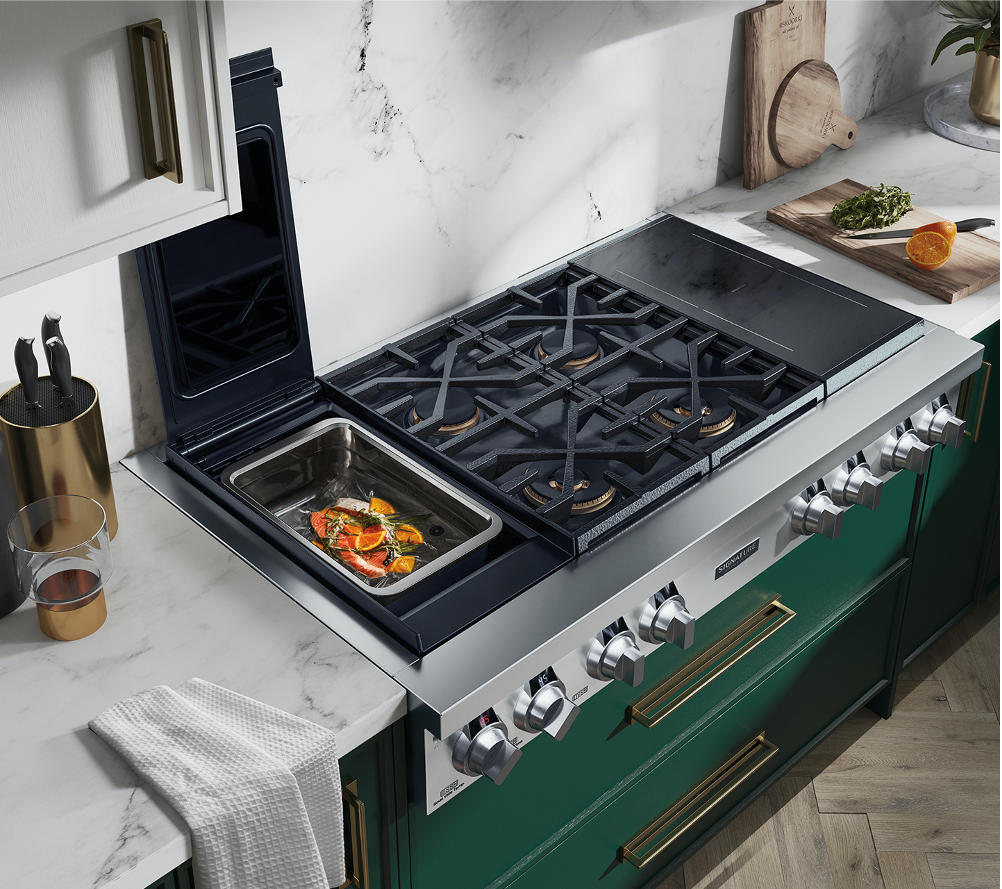
The controls and interface of an appliance are central to its accessibility, encompassing clarity, usability, and safety. Controls should be intuitive, with easily discernible words and symbols. Digital displays benefit from adjustable font sizes, brightness, colors, and contrast, and some even offer language options. Tactile stickers with Braille and voice-activated settings can assist visually impaired users. Physical controls like knobs and buttons need to be clearly labeled and easy to press. For cooking appliances, front-facing controls are safer, preventing users from reaching over hot surfaces, though this can pose a child safety risk. For vertically positioned controls, such as those on vent hoods or stacked laundry units, remote systems or centrally located control panels (like in washtowers) improve accessibility for shorter individuals or those using assistive devices.
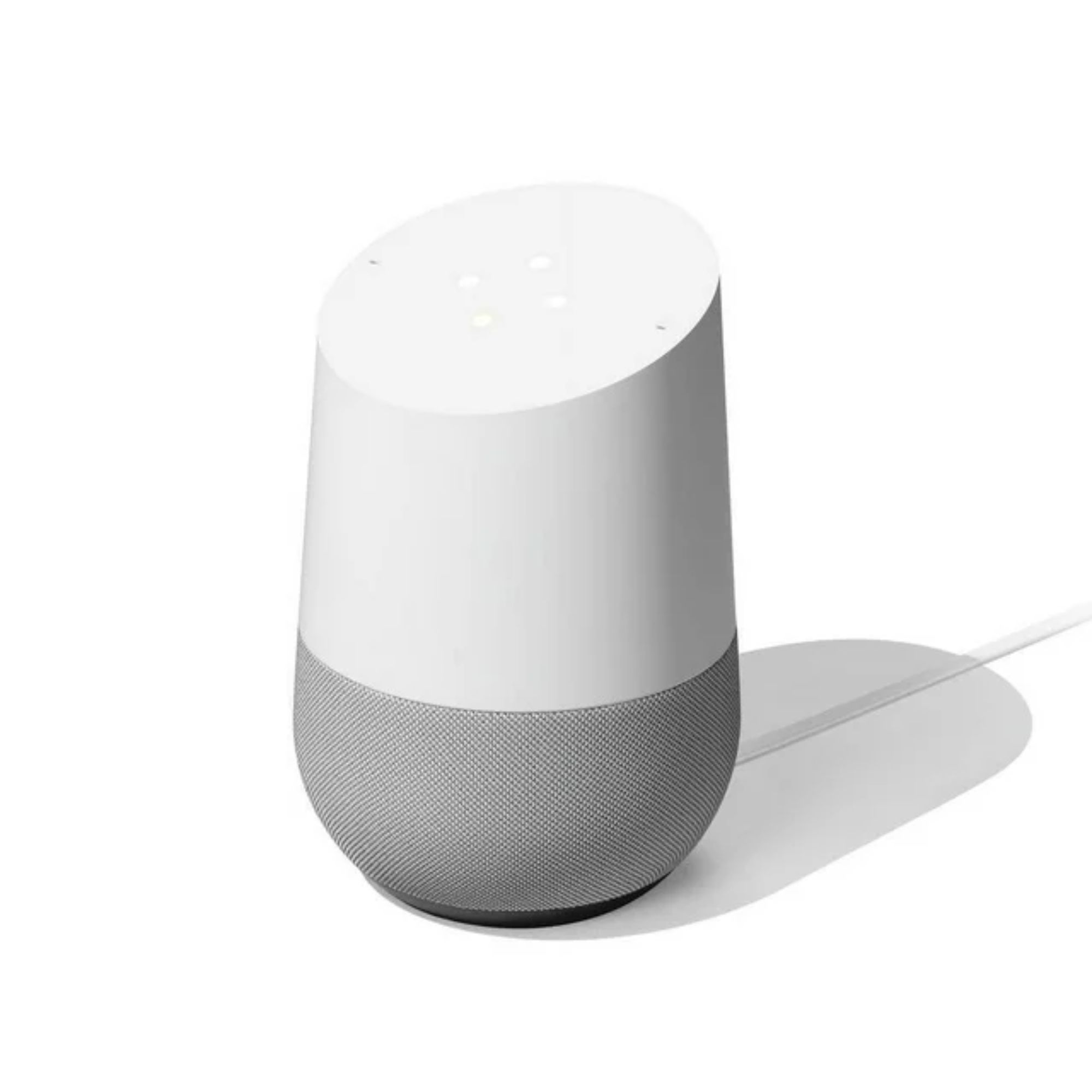
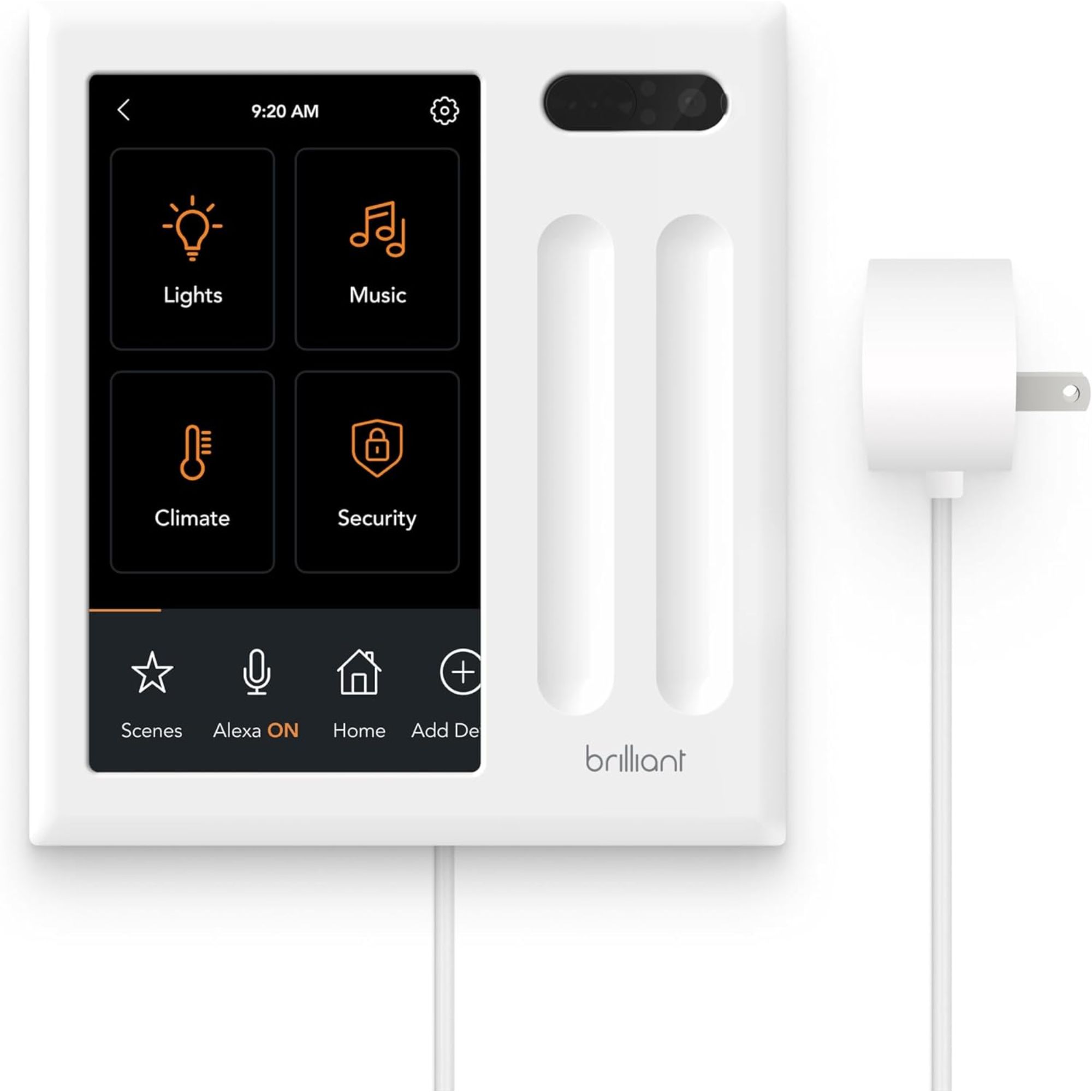
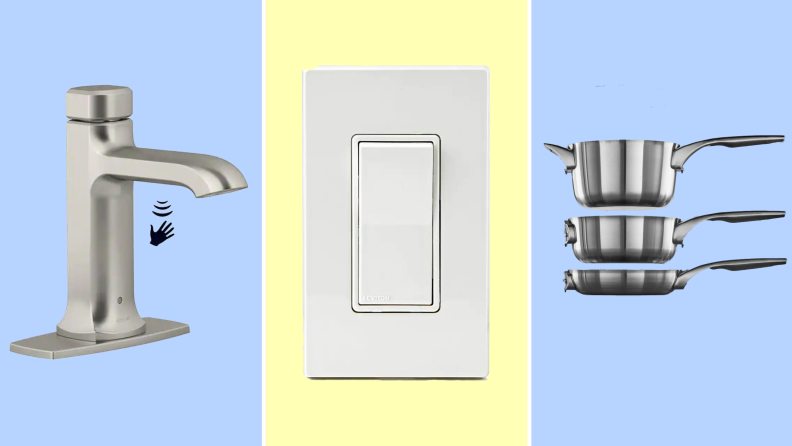
Remote access via smart technology offers significant advantages. Smart appliances, connected through Wi-Fi or Bluetooth, can be controlled via apps or voice commands, allowing users to operate them without physical interaction. This technology supports features like monitoring laundry cycles, maintenance alerts, and even preheating ovens remotely, benefiting individuals with mobility challenges. Smart features can also provide expanded control over lighting and sound settings and establish preferences that aid those with cognitive impairments.
Automation reduces physical effort and mental load. Examples include refrigerators that track ingredient expiration and order groceries, or smart hoods that activate automatically. In laundry, all-in-one washer-dryer combos eliminate the need to transfer wet clothes, and AI-assisted cycles, along with automatic detergent dispensing, simplify the process and prevent common user errors.
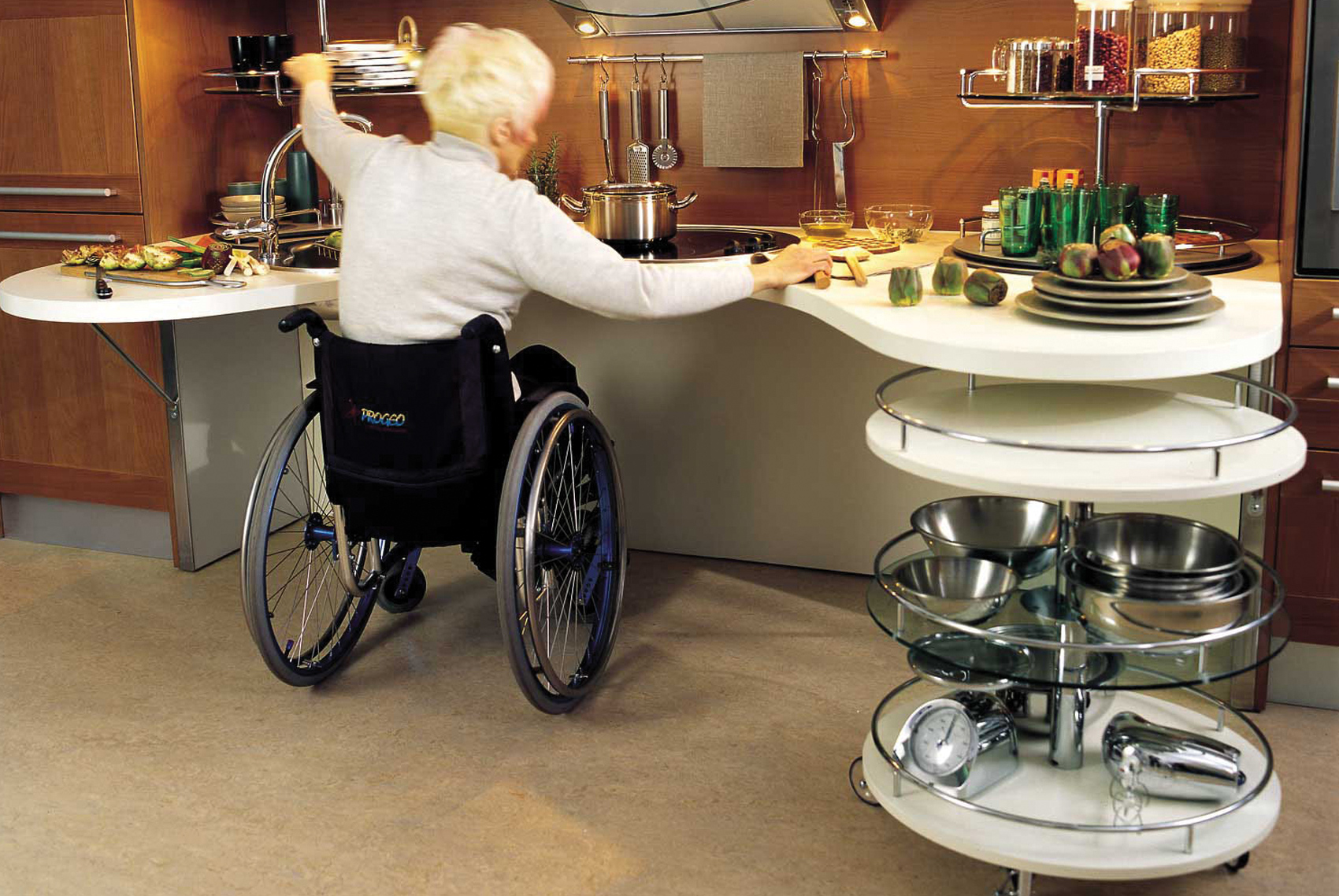
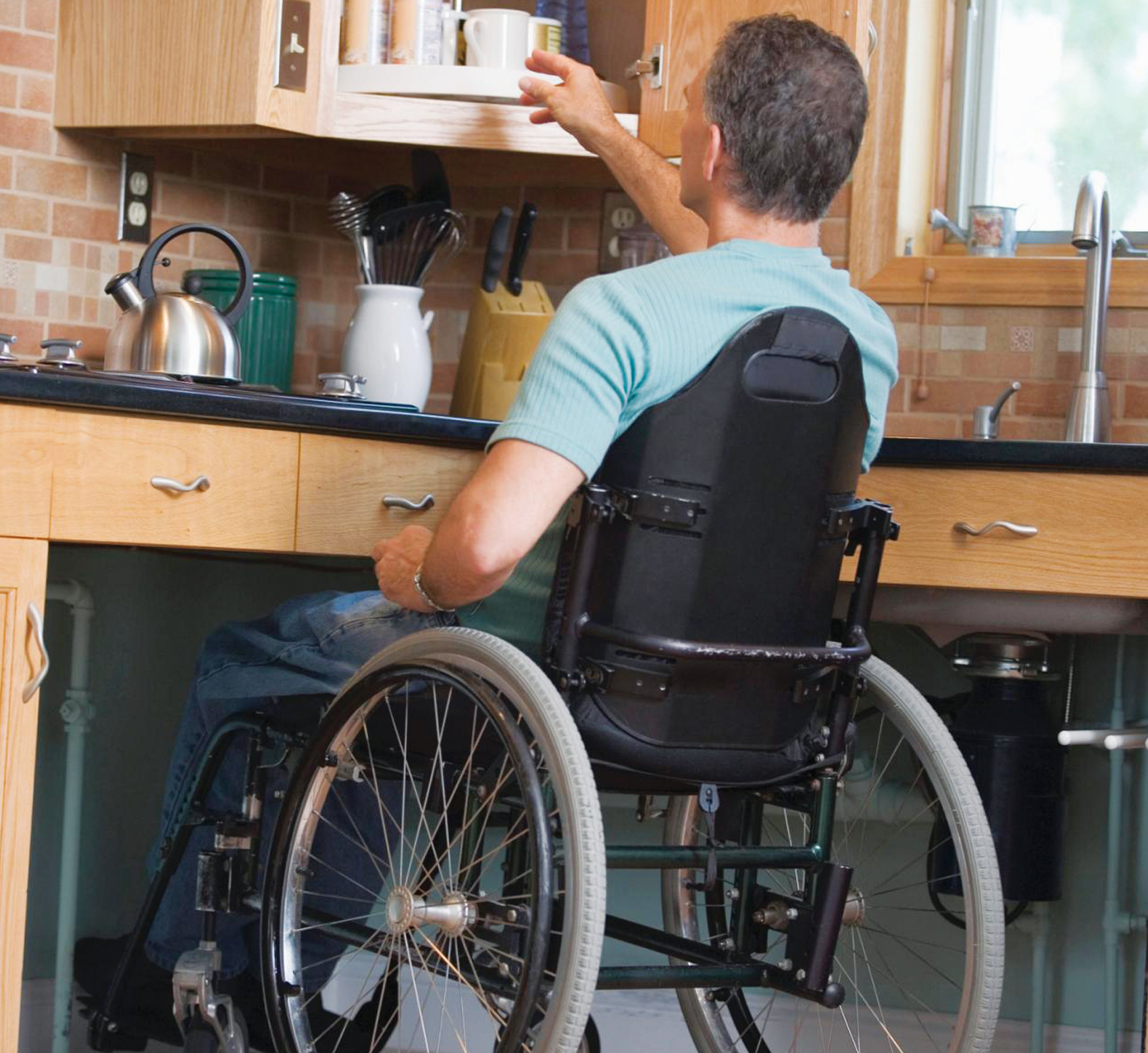
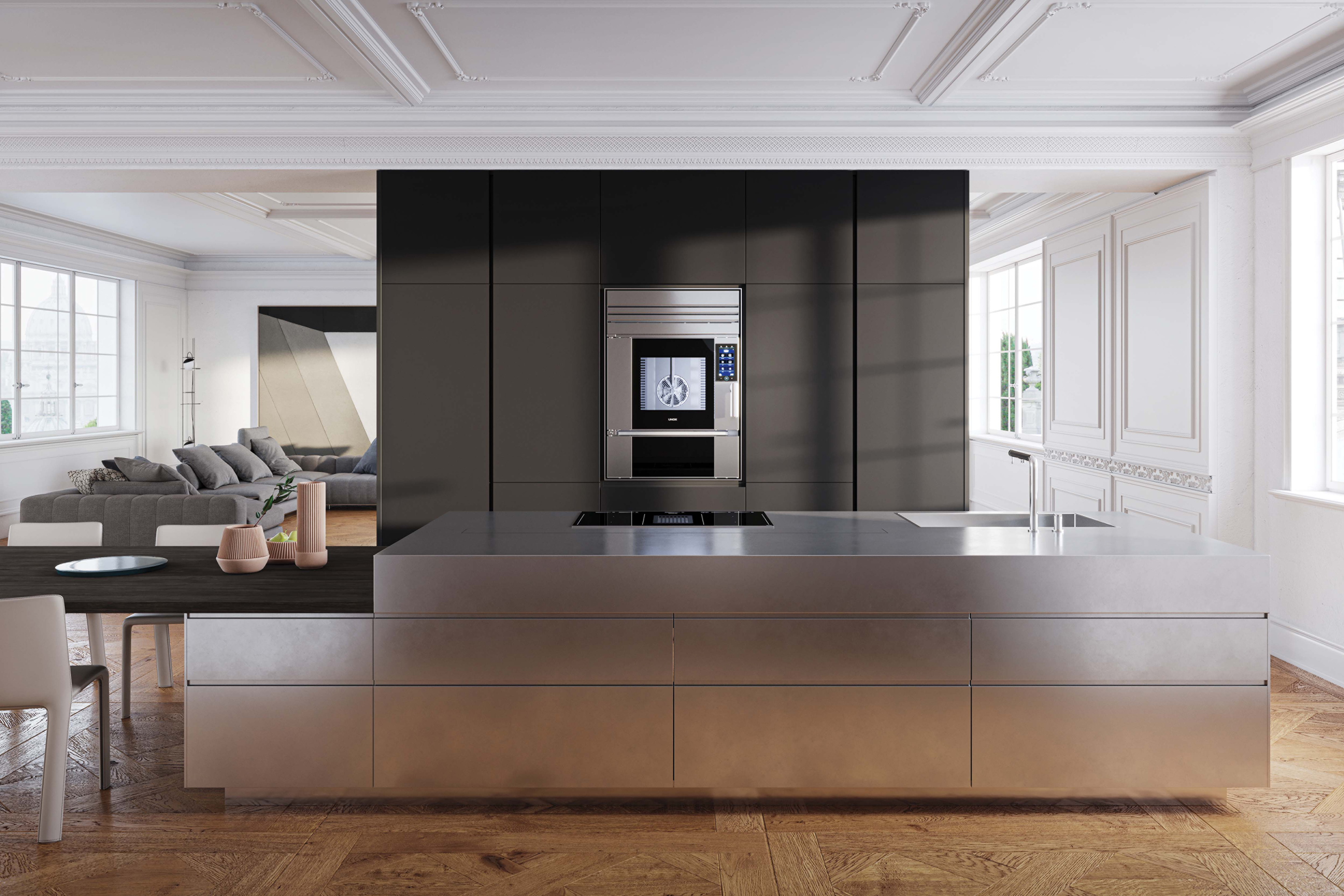
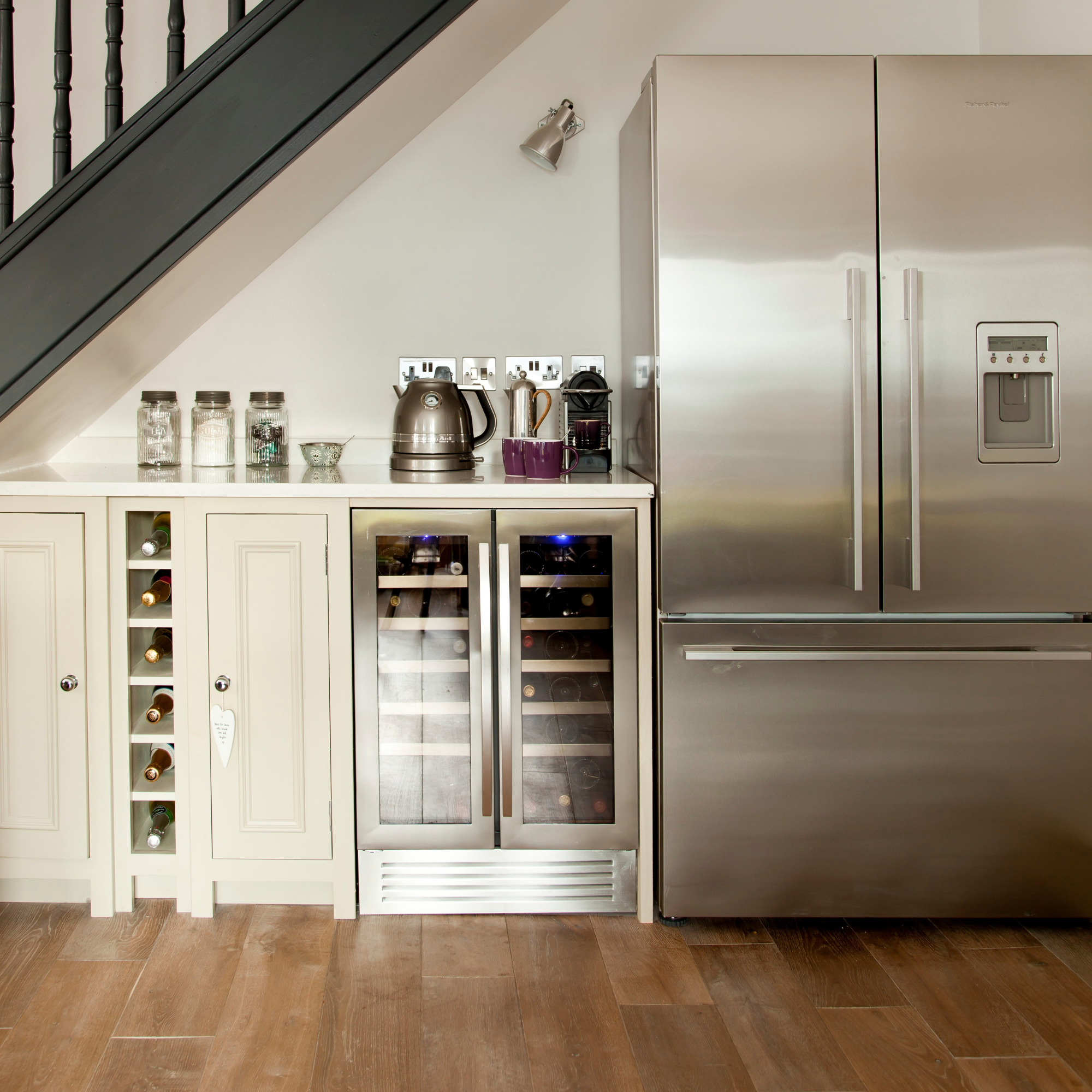
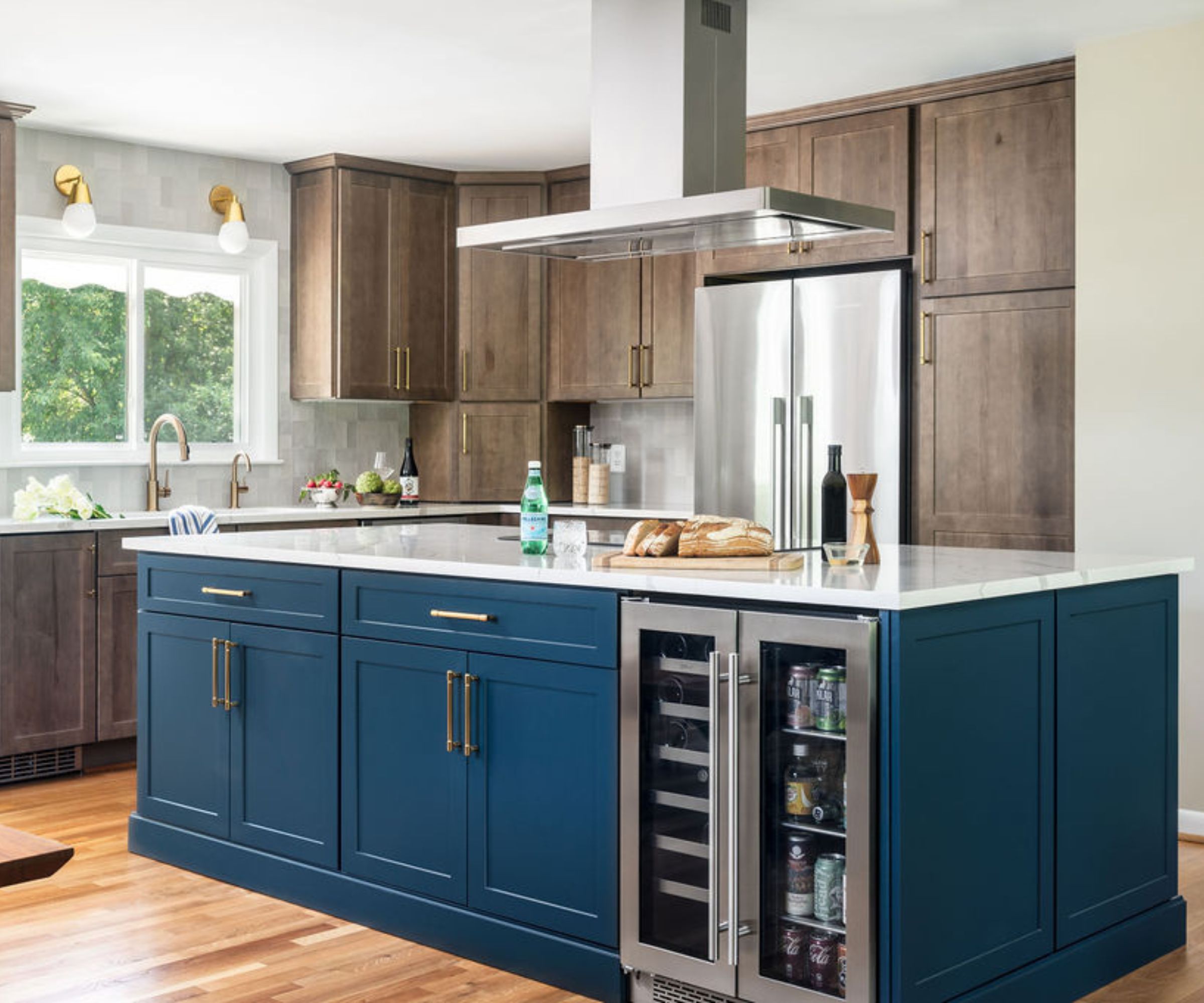
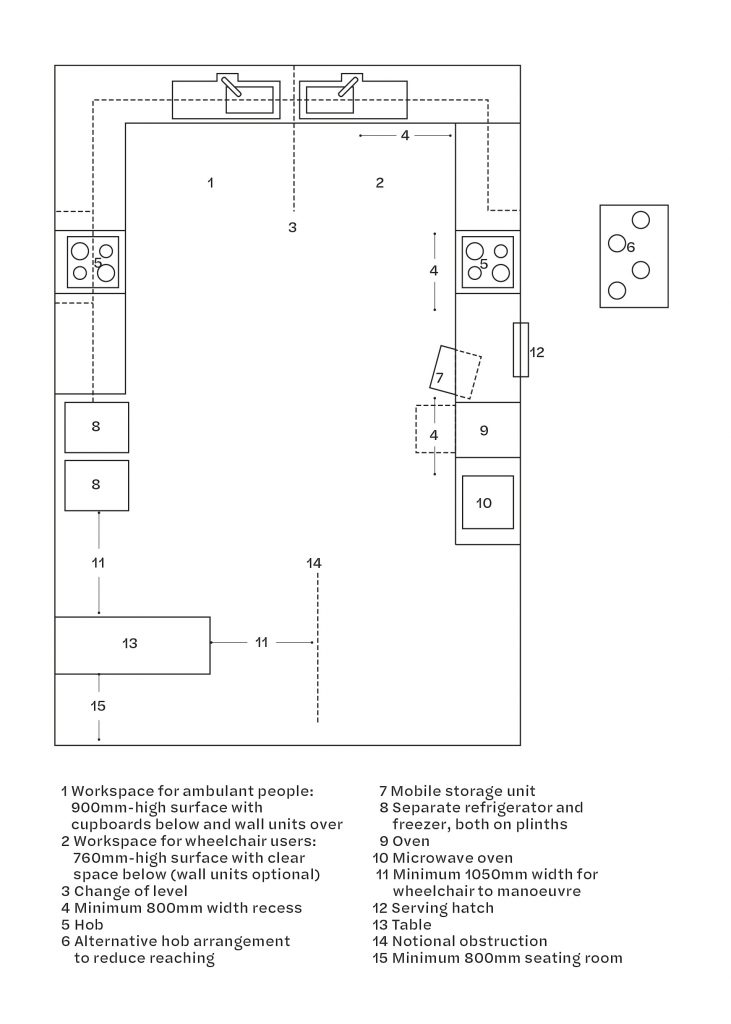
Strategic placement of appliances is as critical as their features. Positioning within a room and at appropriate heights directly impacts accessibility and safety, especially in the kitchen where hot surfaces are present. Separating cooktops and ovens allows for optimal placement of each. Under-counter drawer appliances, such as microwave or refrigerator drawers, offer easy access without excessive bending, catering to children, shorter individuals, or those in wheelchairs. In laundry rooms, front-loading machines on pedestals provide easier access and reduce bending.
#UniversalDesign #AccessibleAppliances #KitchenAccessibility #SmartHomeTechnology #AgingInPlace #ApplianceFeatures #HomeSafety #AdaptiveDesign #UniversalDesign #AccessibleAppliances #KitchenAccessibility #SmartHomeTechnology #AgingInPlace #ApplianceFeatures #HomeSafety #AdaptiveDesign
0 comment in total
 No comments yet
You may also like
7 Kitchen Features That Will Make Your Life Easier
5 aging-in-place remodeling ideas for the kitchen

Designers all agree that these 7 kitchen features are always eyesores – and what you should do about them

The Regs: How to make a kitchen accessible to all
7 underrated kitchen features that are sure to make your life easier, according to interior designers

Elevated, Easy-to-Use Kitchen Essentials
19 Universal Design Principles to Consider When Remodeling Your Kitchen

7 small kitchen details that will make the biggest difference to your space, according to interior designers
How to make a home more accessible – 7 universal design tips to improve your space

How to Create an Accessible, Organized Kitchen So You or a Loved One Can Age in Place
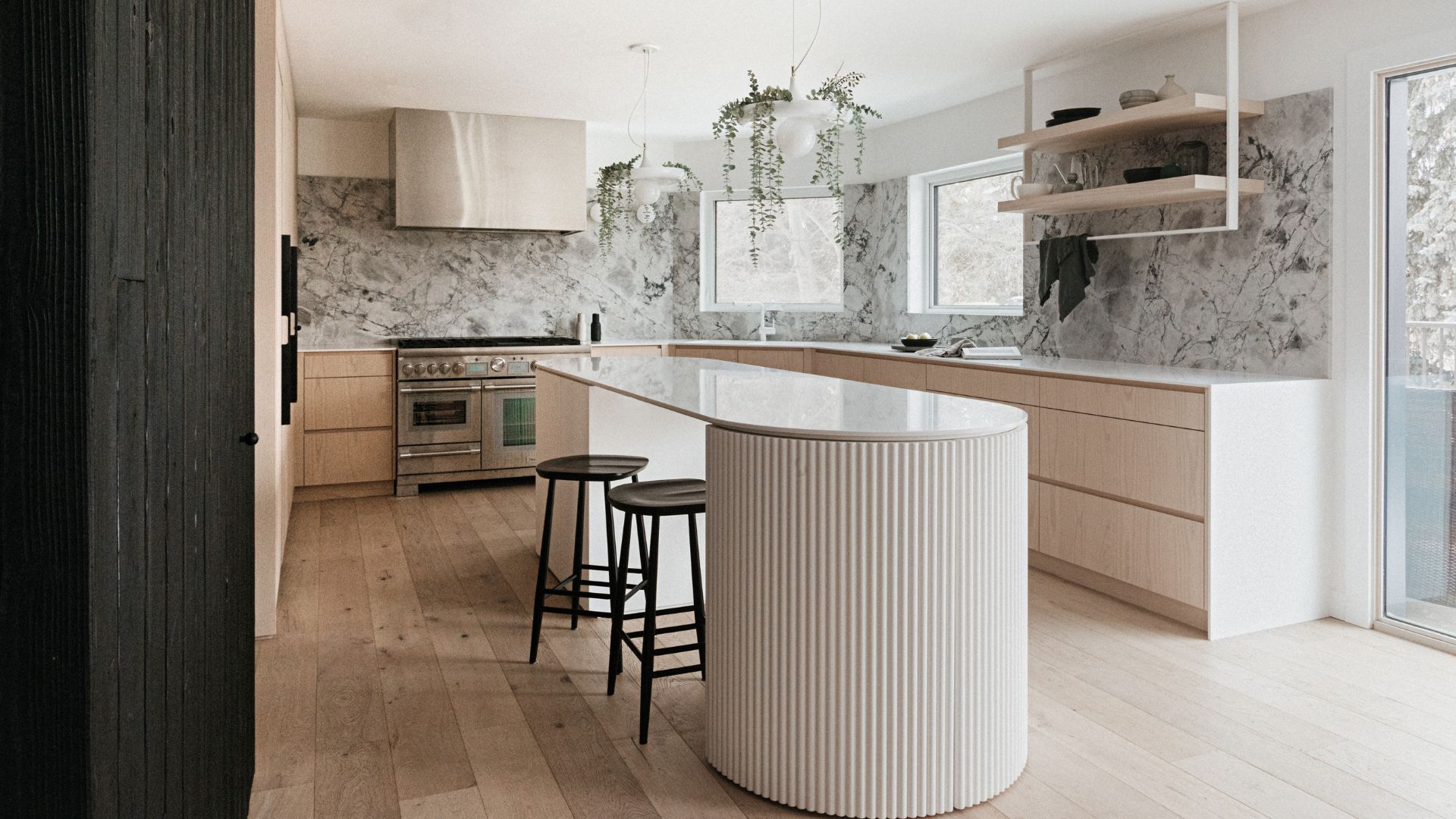
21 Amazon Must-Haves That Will Help You Organize Your Kitchen and Make it More Functional

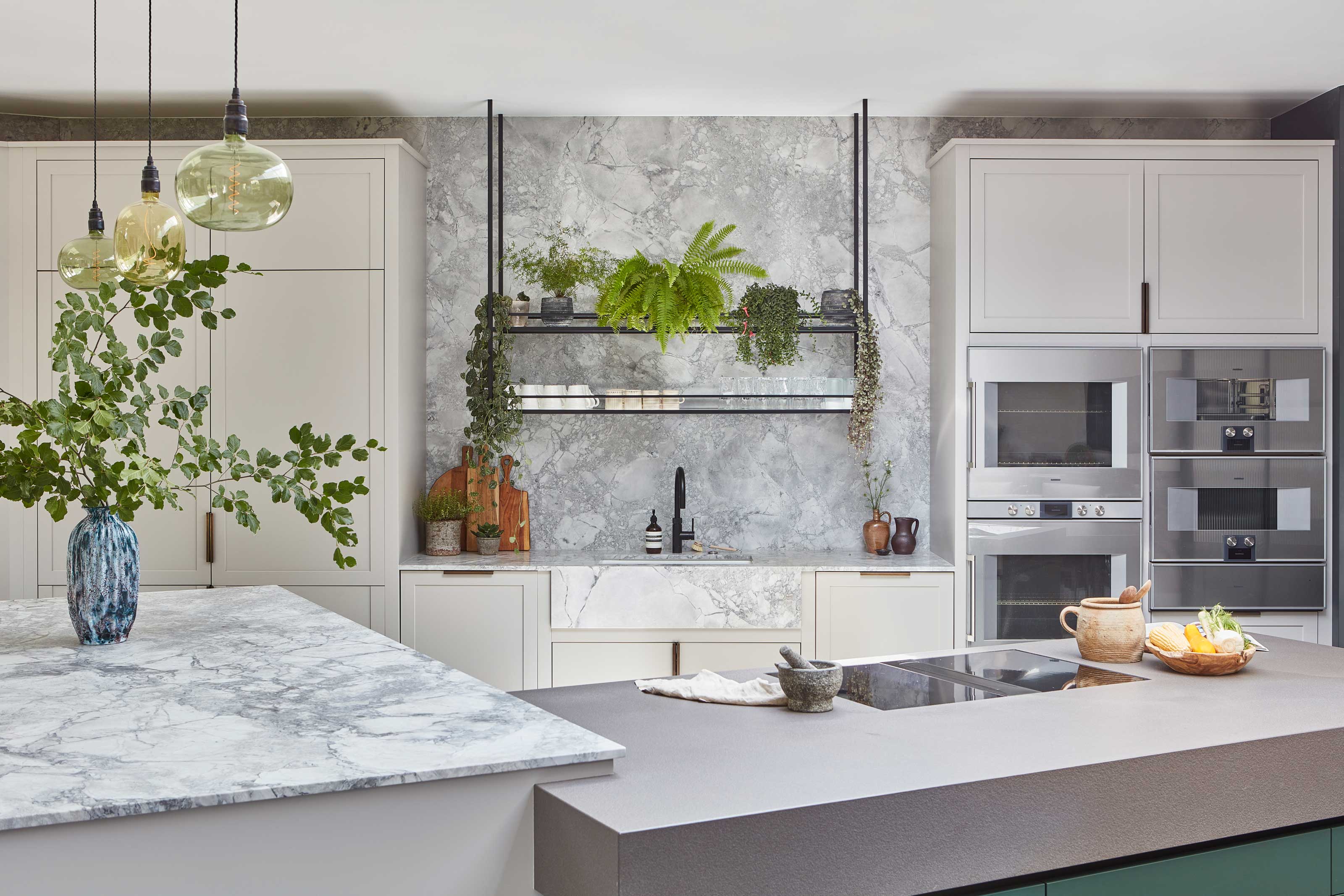
8 hacks the best designers use to make a kitchen more ergonomic – from the right layout to raising your appliances
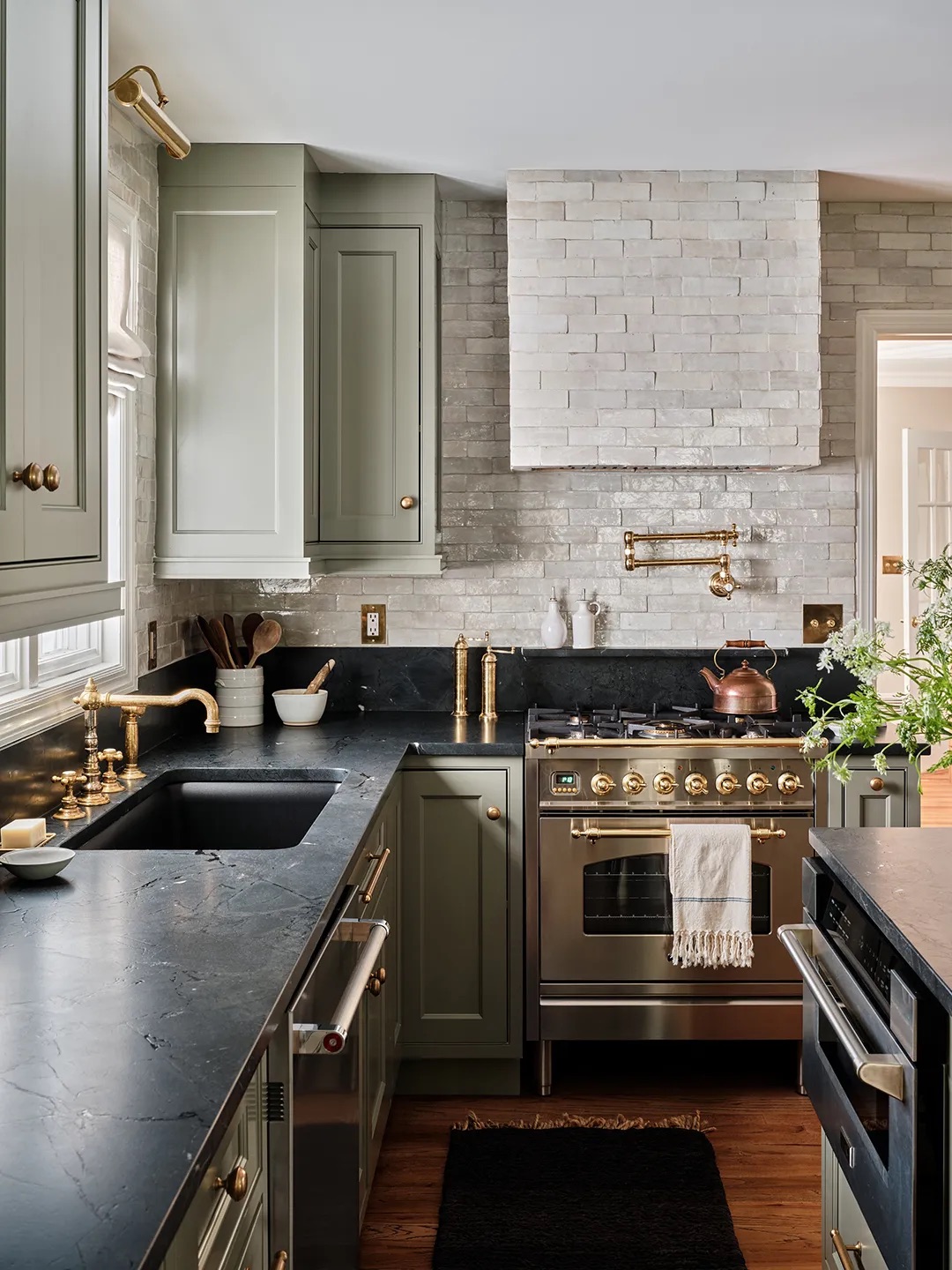
The Features Designers Look for When They’re Shopping for Kitchen Appliances

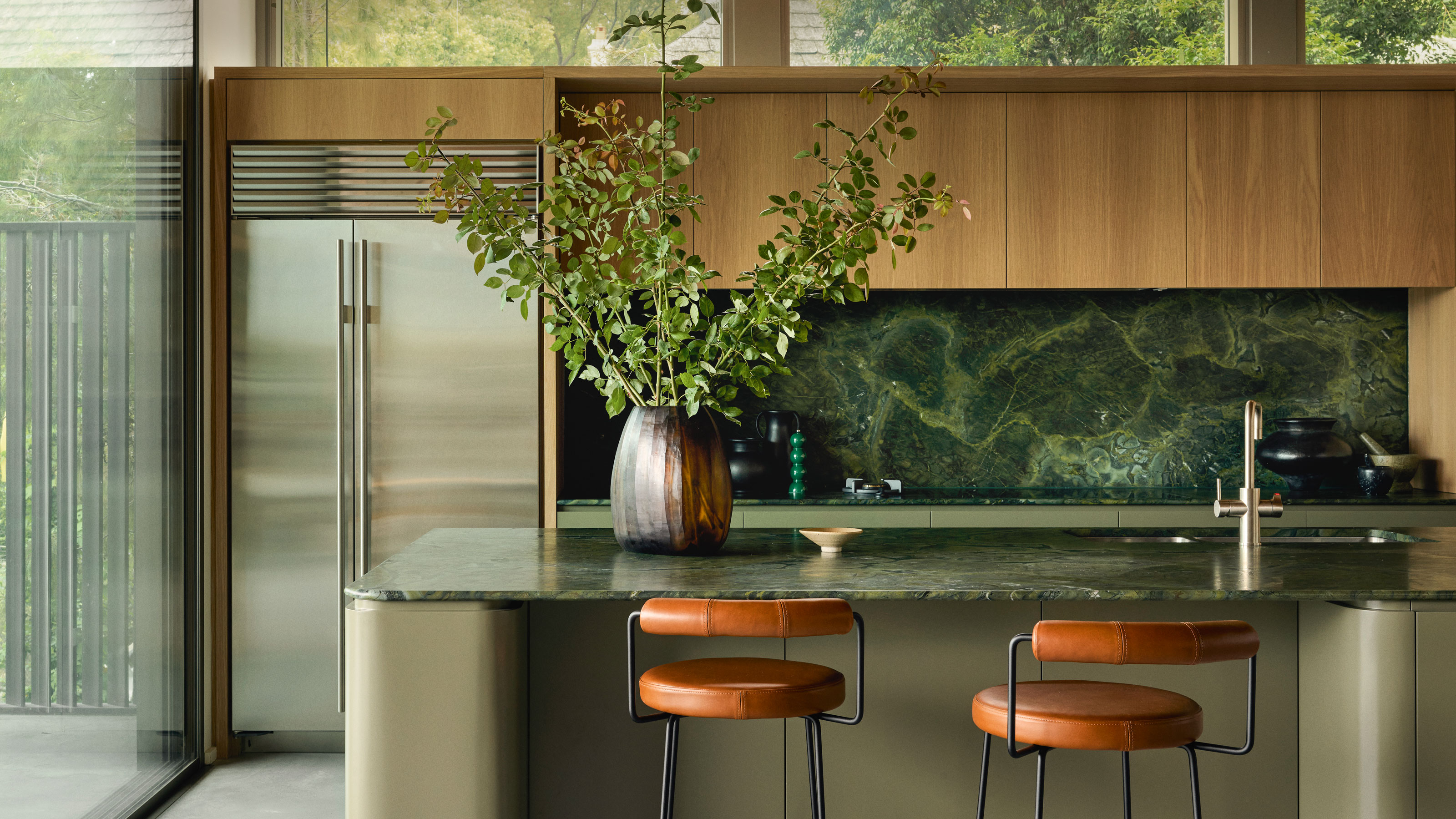
6 Kitchen Appliance Trends to Elevate Your Cooking Experience
Are integrated appliances still on trend? Interior designers share their do's and don'ts of designing around appliances
7 Kitchen Design Trends Chefs Say Are Totally Bogus
Chef’s corner

8 Appliance Trends That Will Turn the Kitchen Into Your Favorite Room in the House


What are your kitchen design must-haves?
Personality Plus