1/12
5 expert tips for adding a touch of hygge to your bedroom
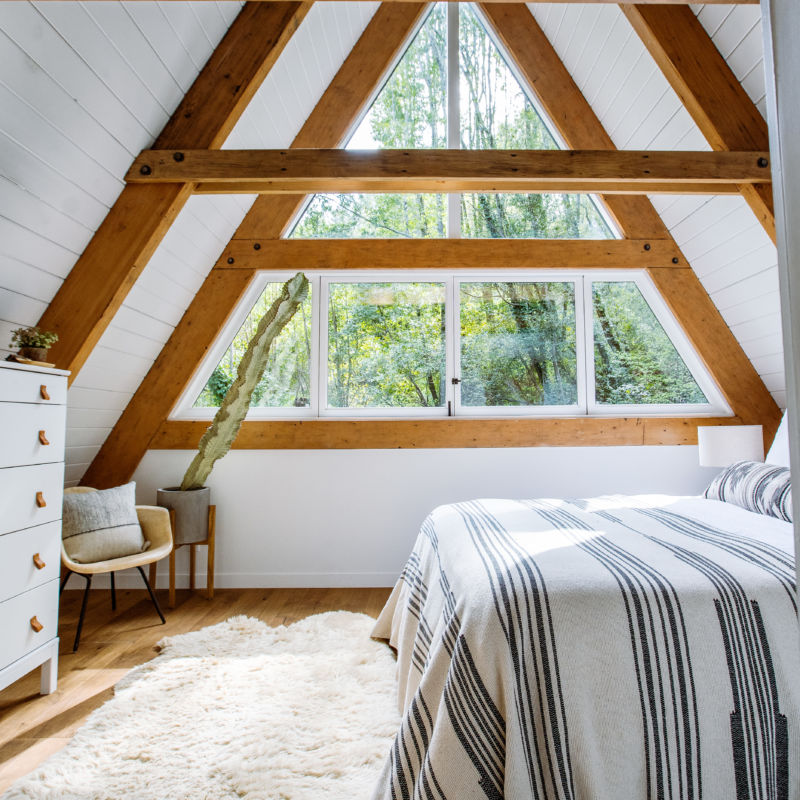
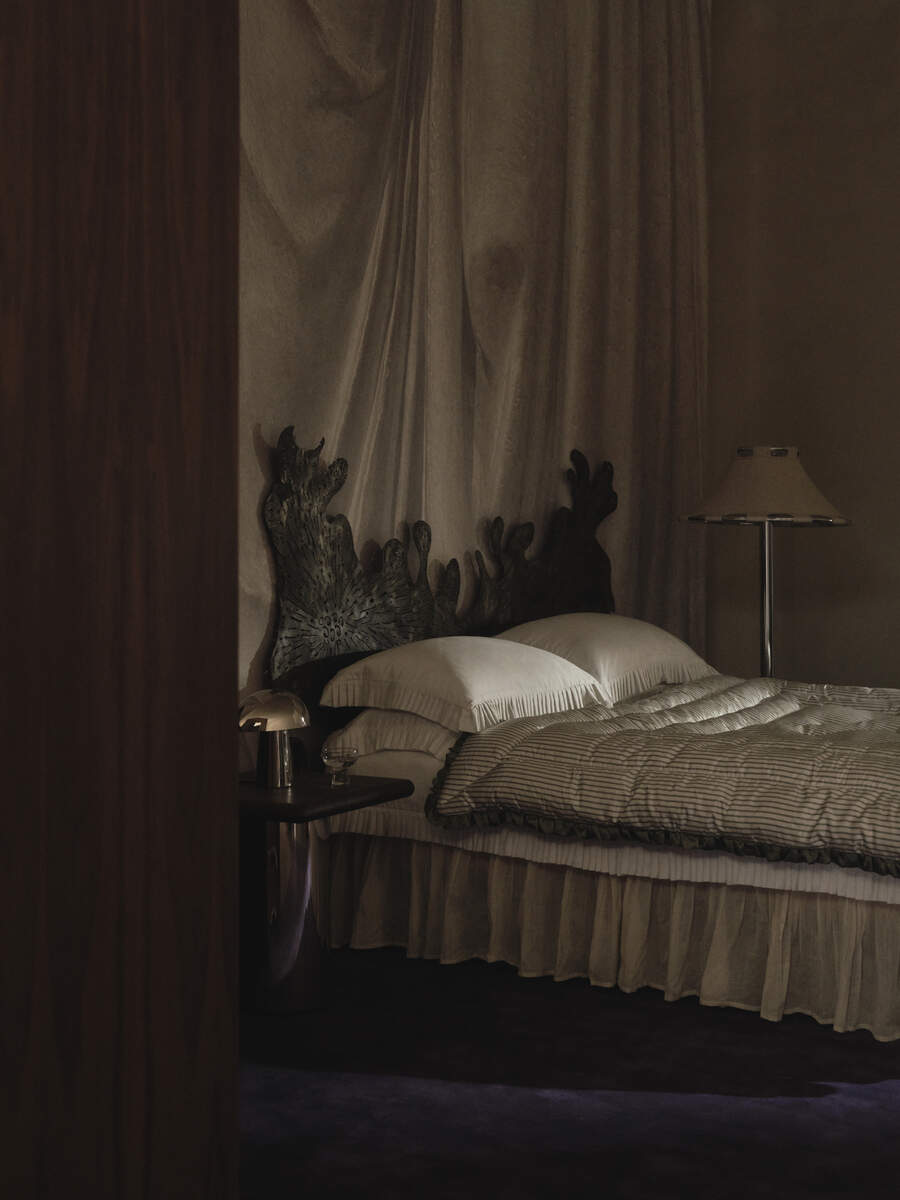
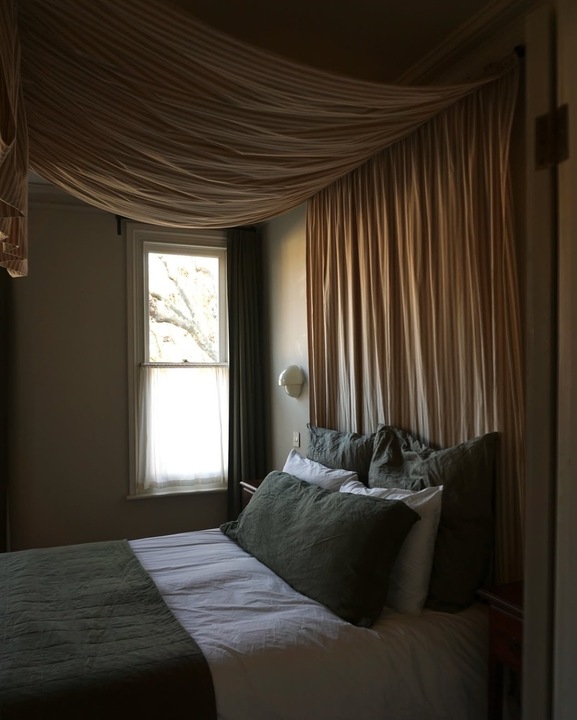
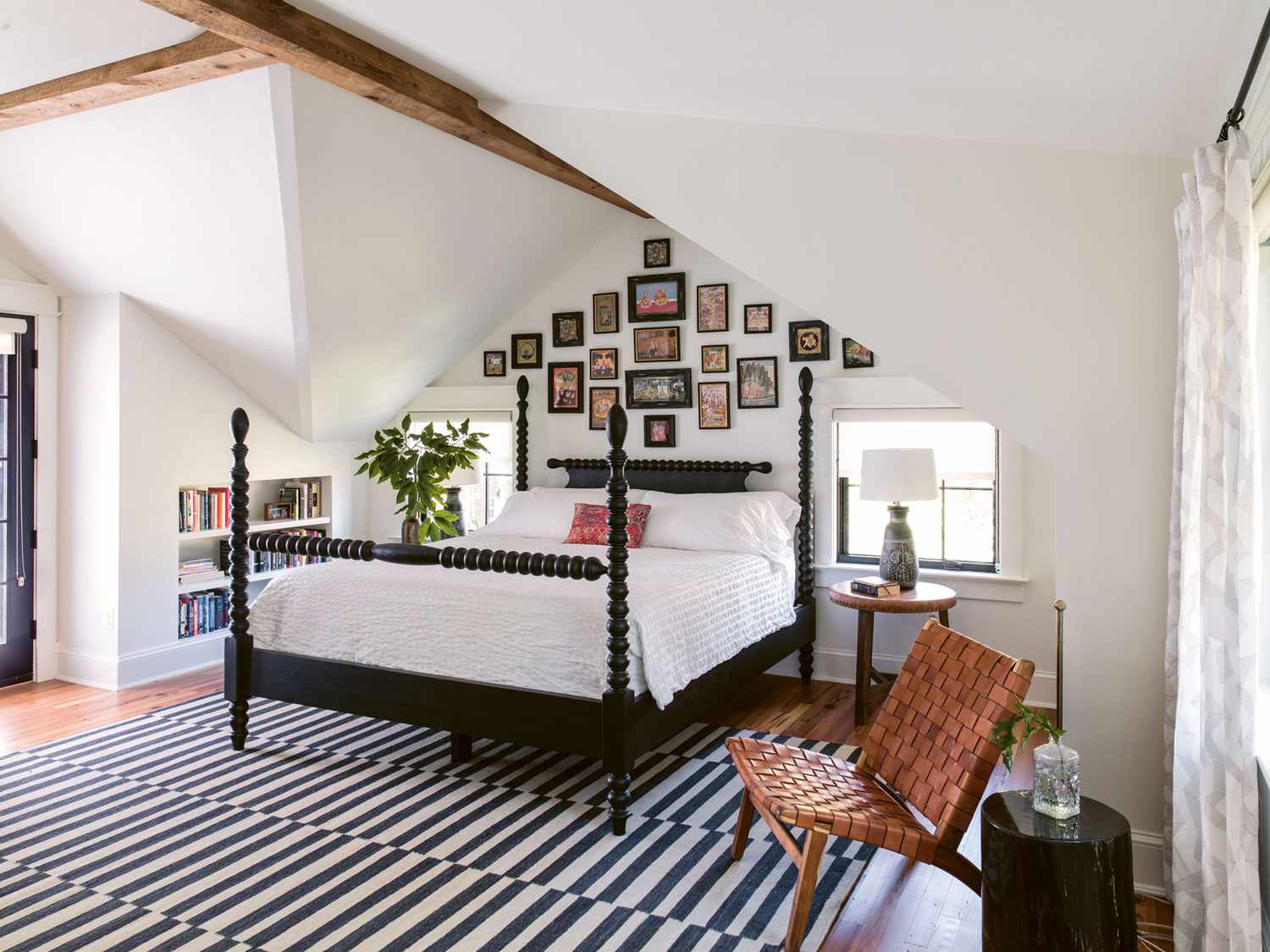
The article details how to create a "hygge"-inspired bedroom, which is based on the Danish concept of cosiness and comfort, especially relevant during colder, darker months. This transformation involves five key elements: strategic layering, a warming colour palette, ambient lighting, sensory appeal through aromas, and comforting homeware. The goal is to cultivate a serene and welcoming sanctuary to escape the external world.
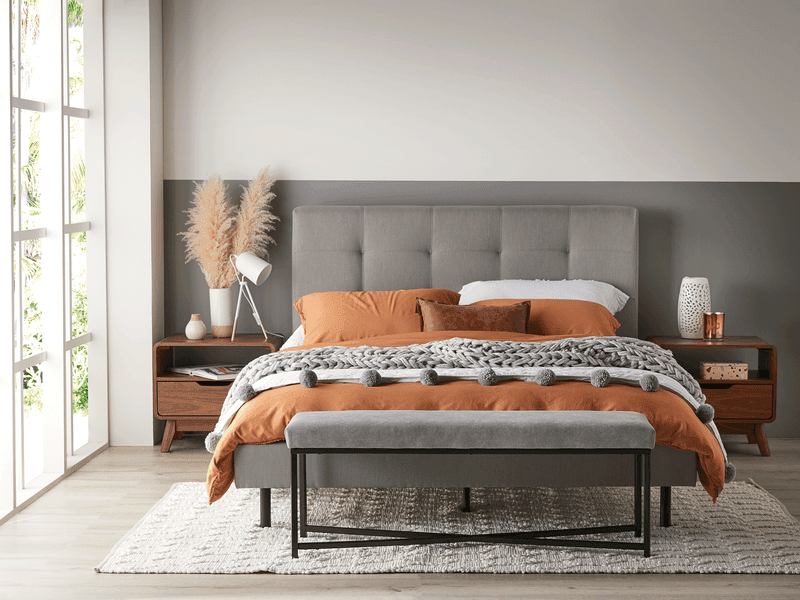
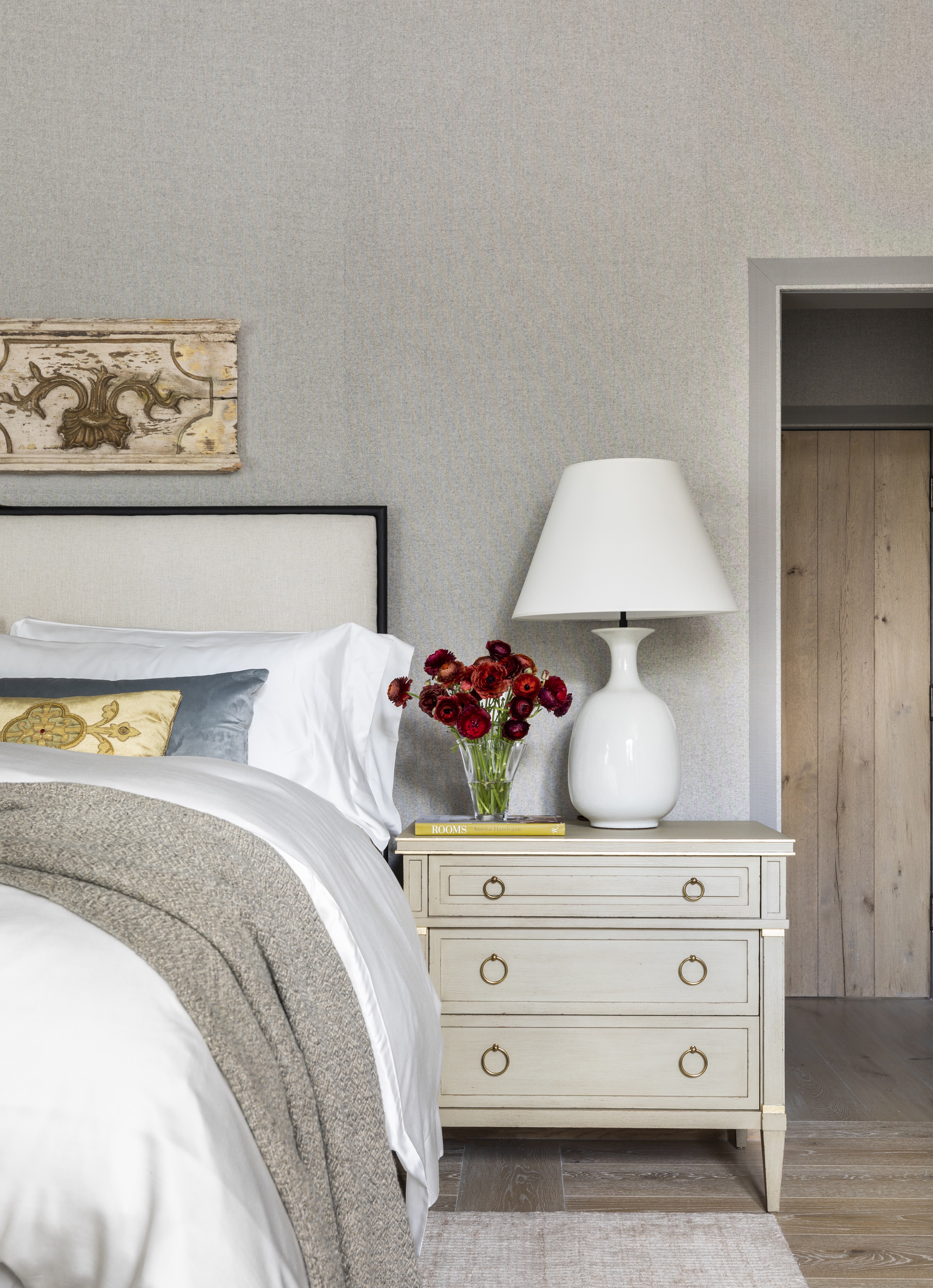
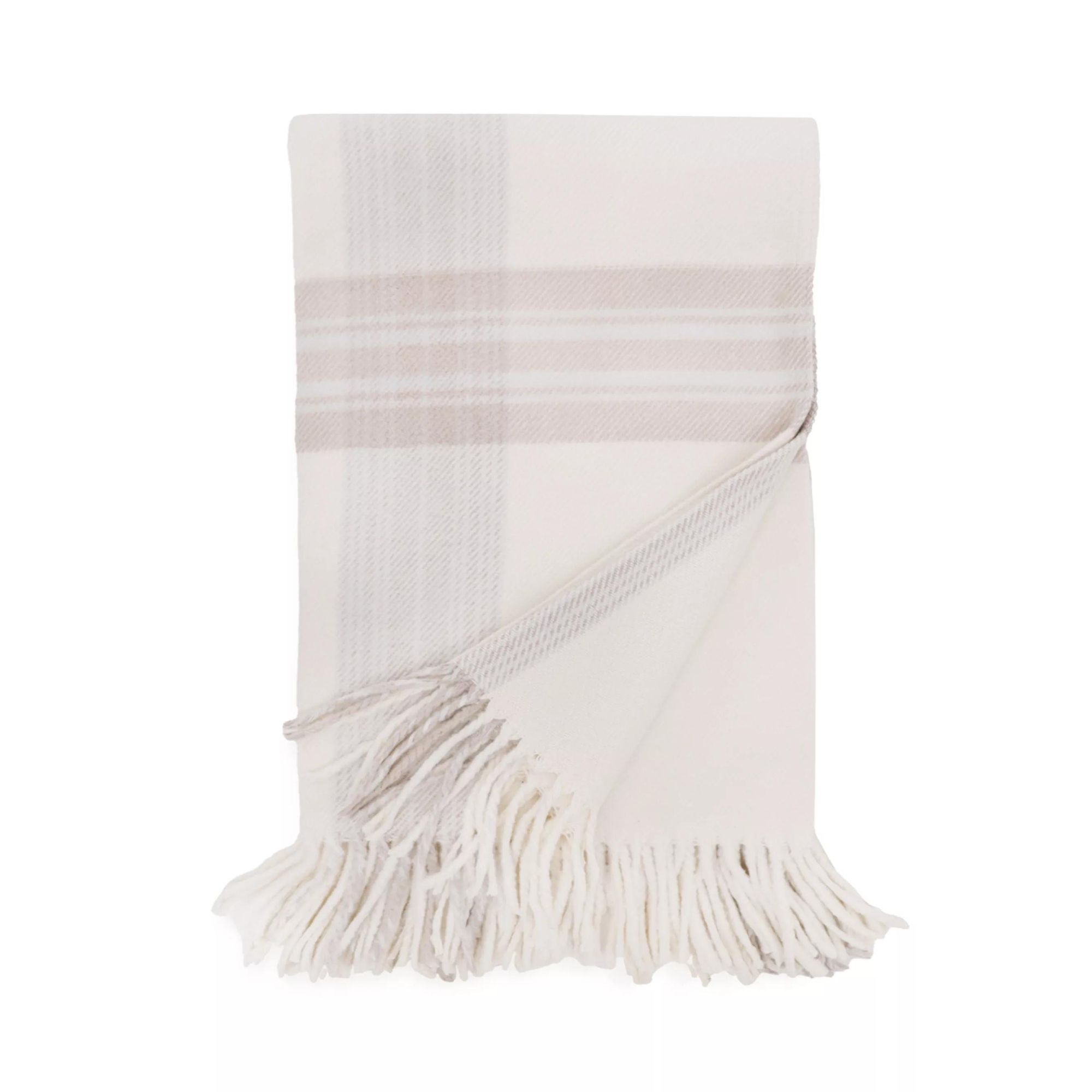
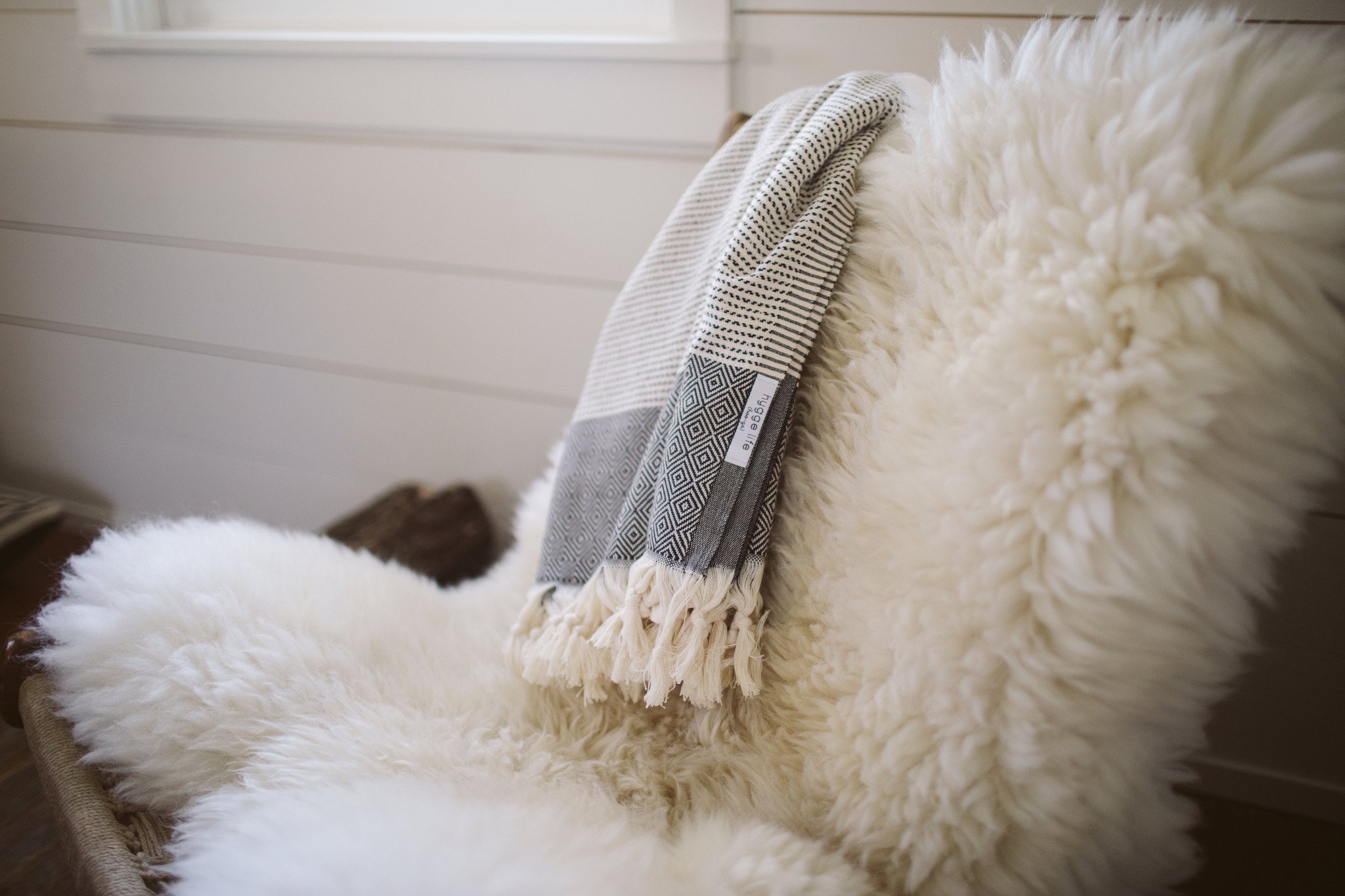
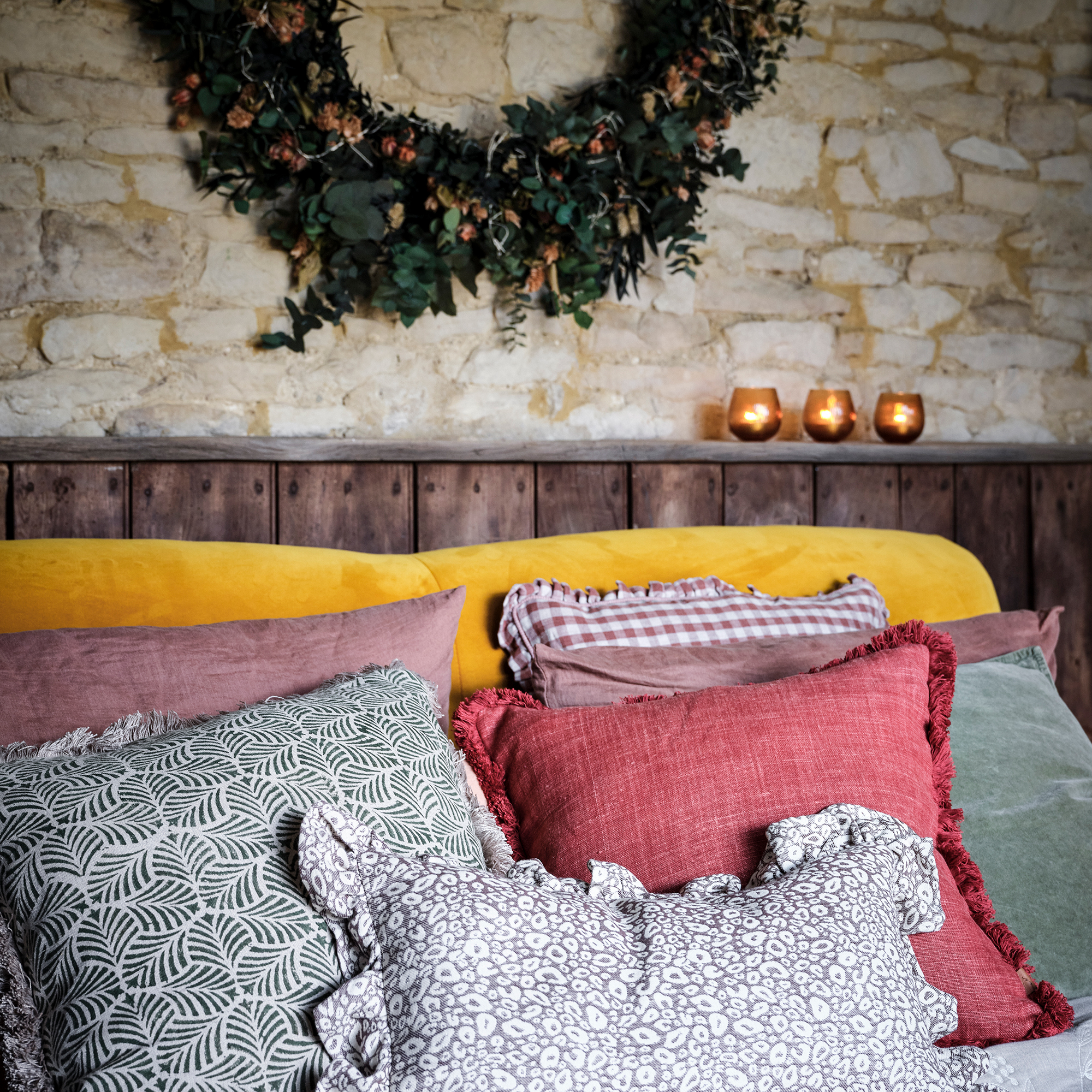
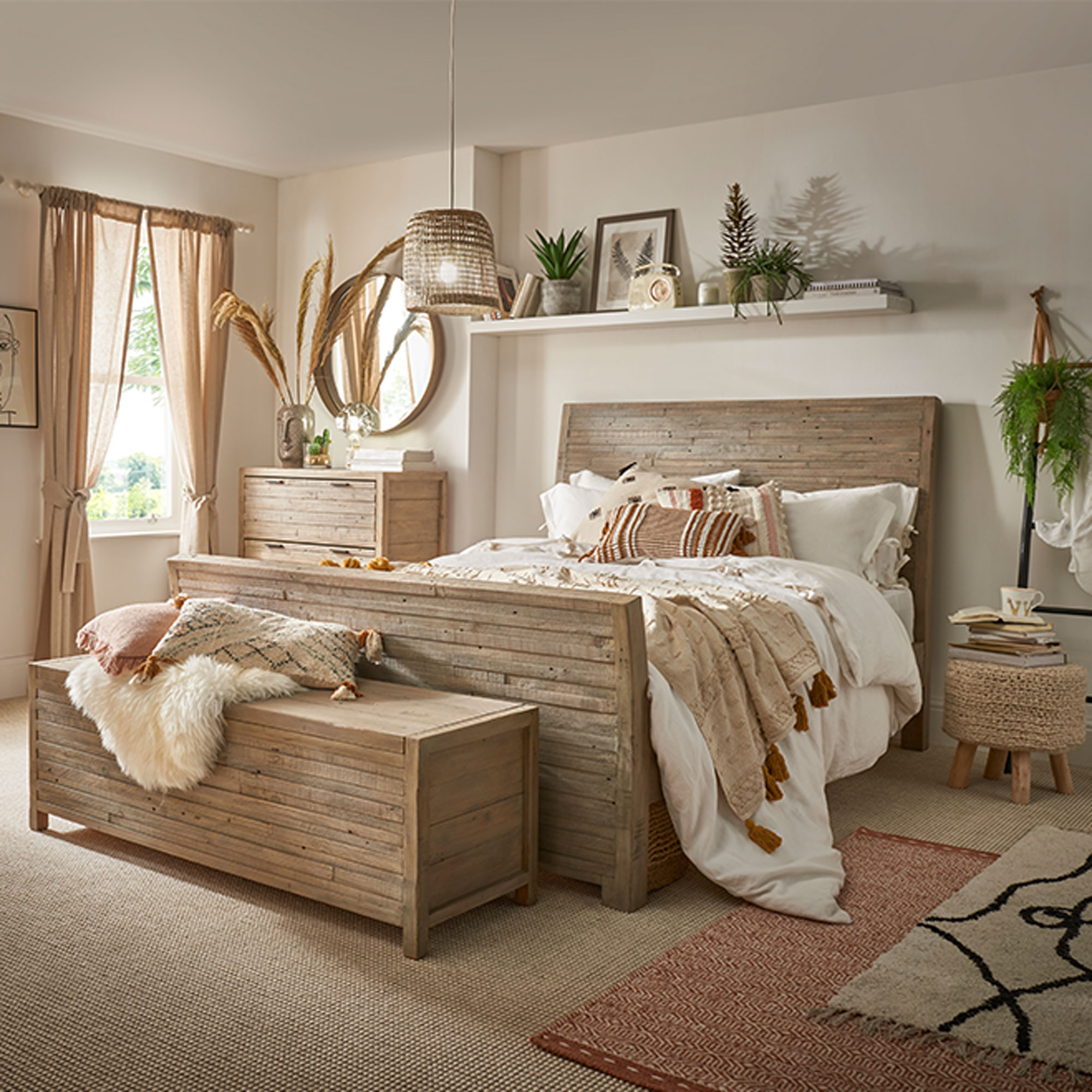
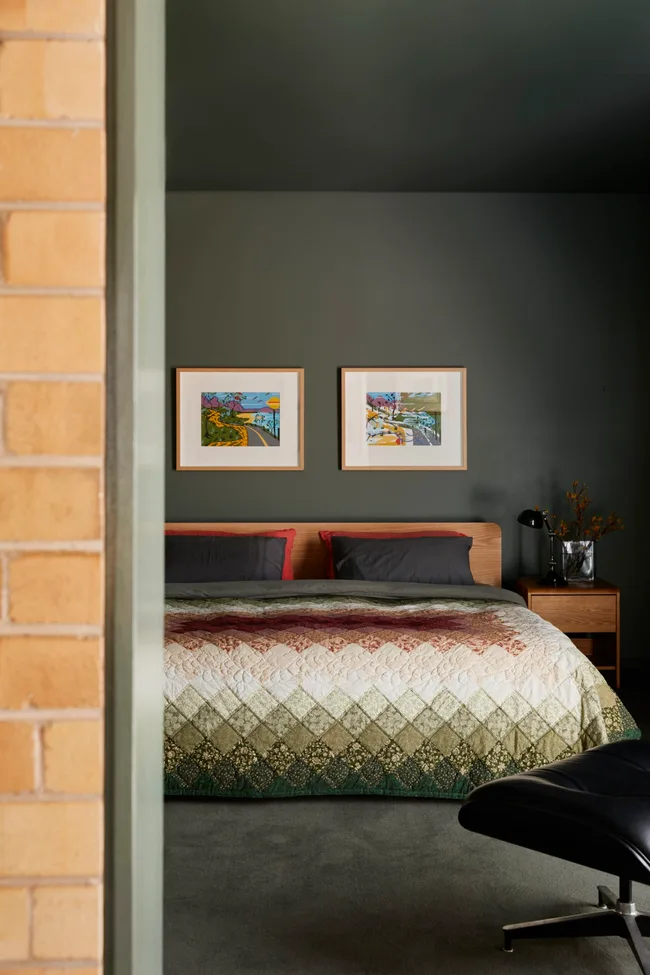
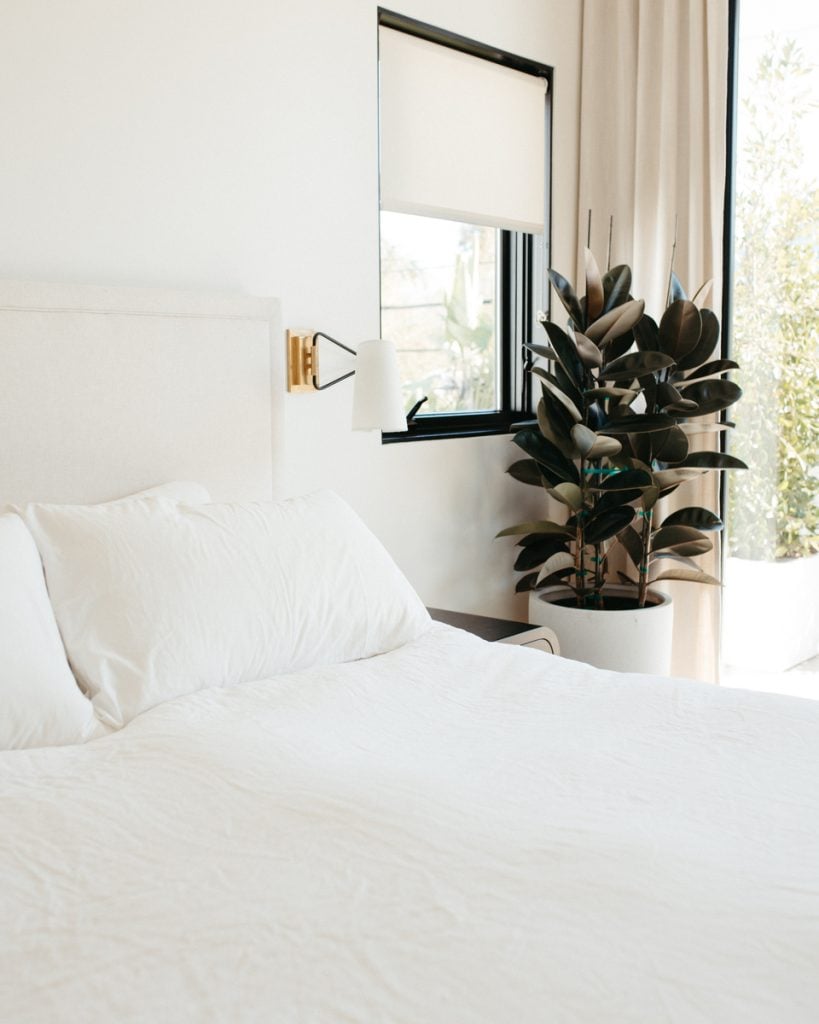
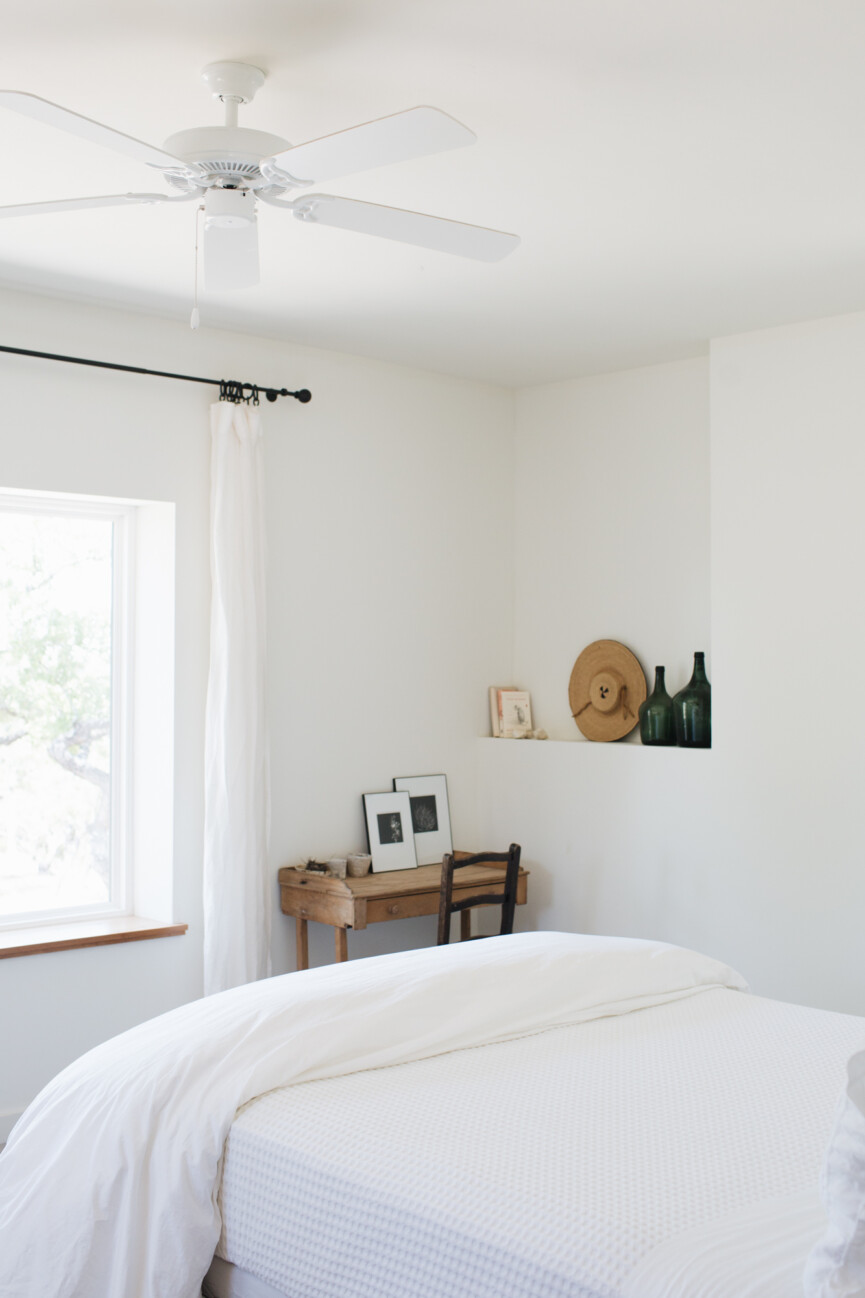
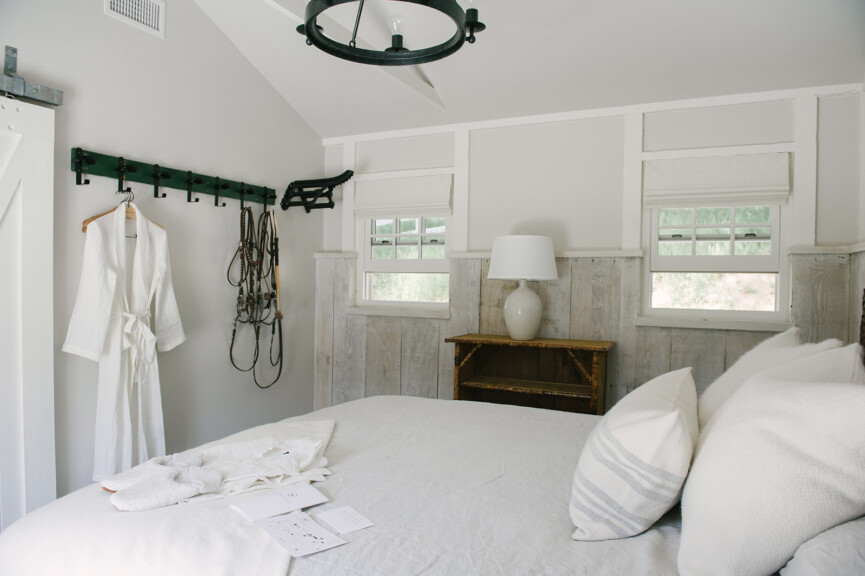
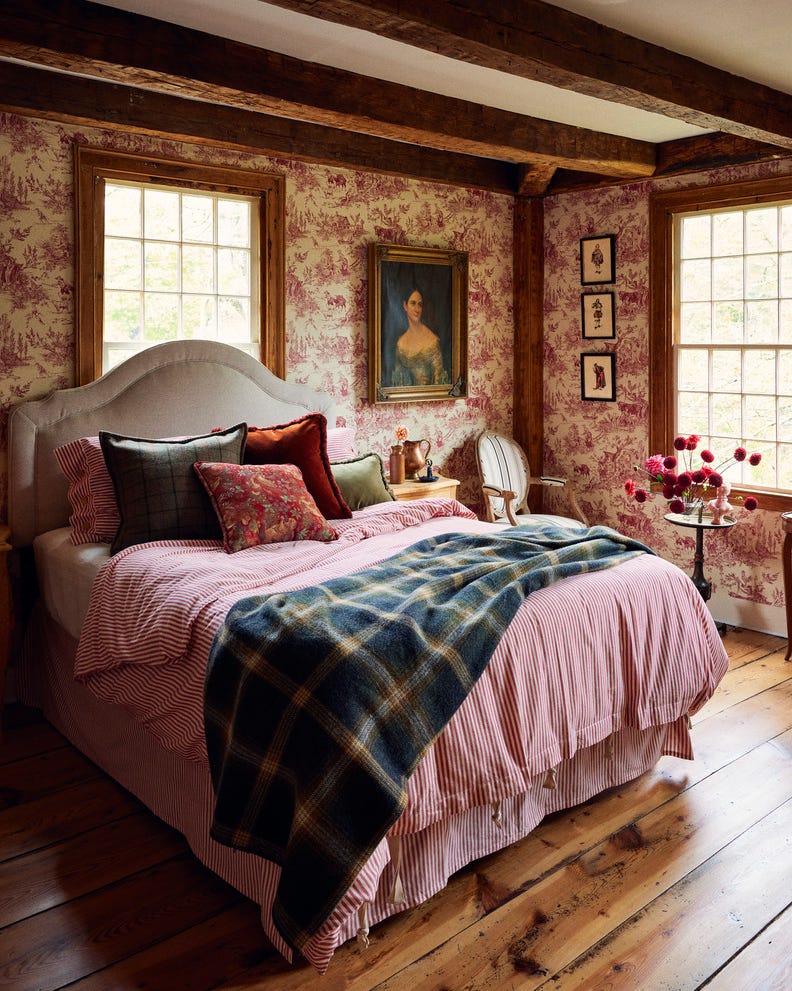
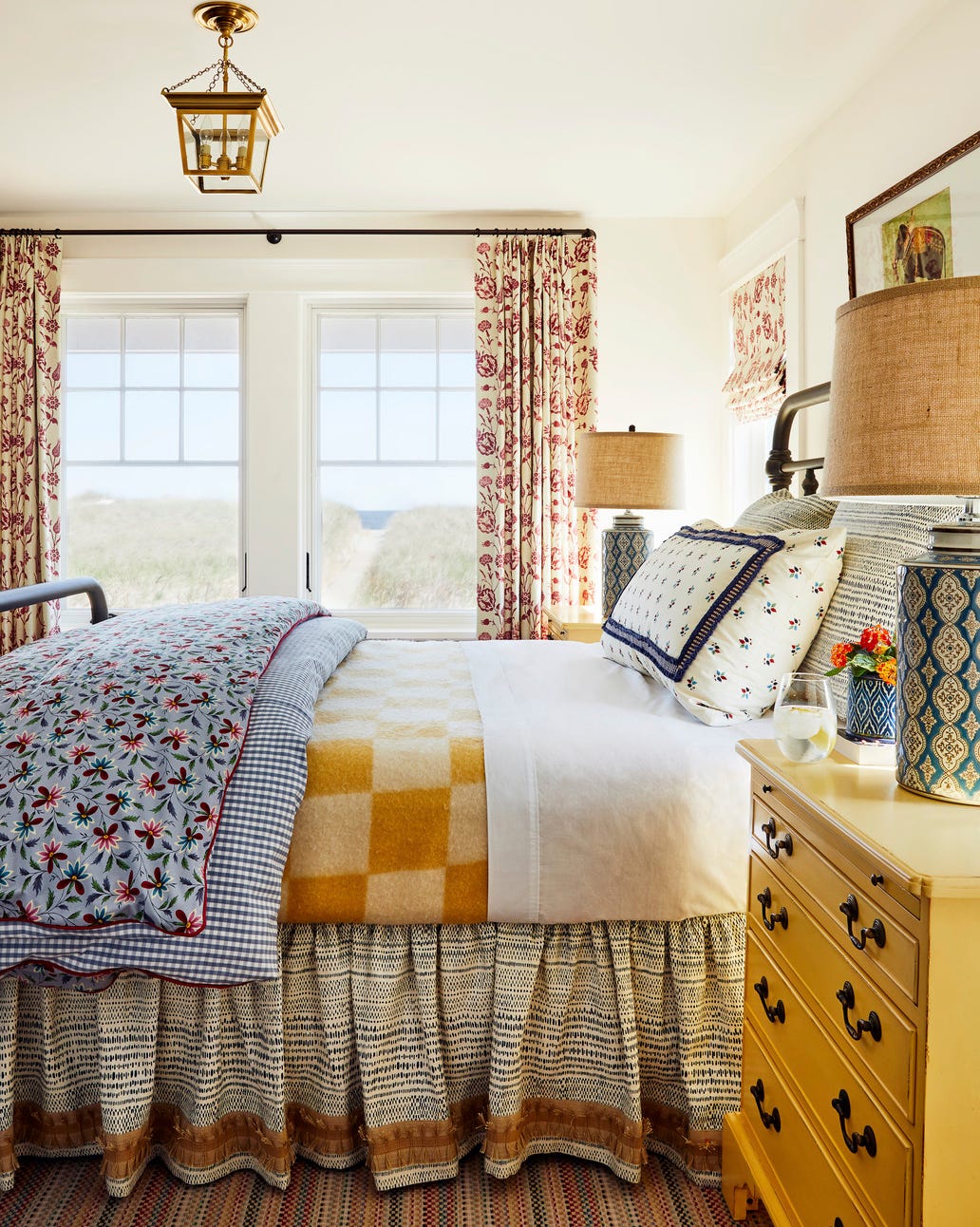
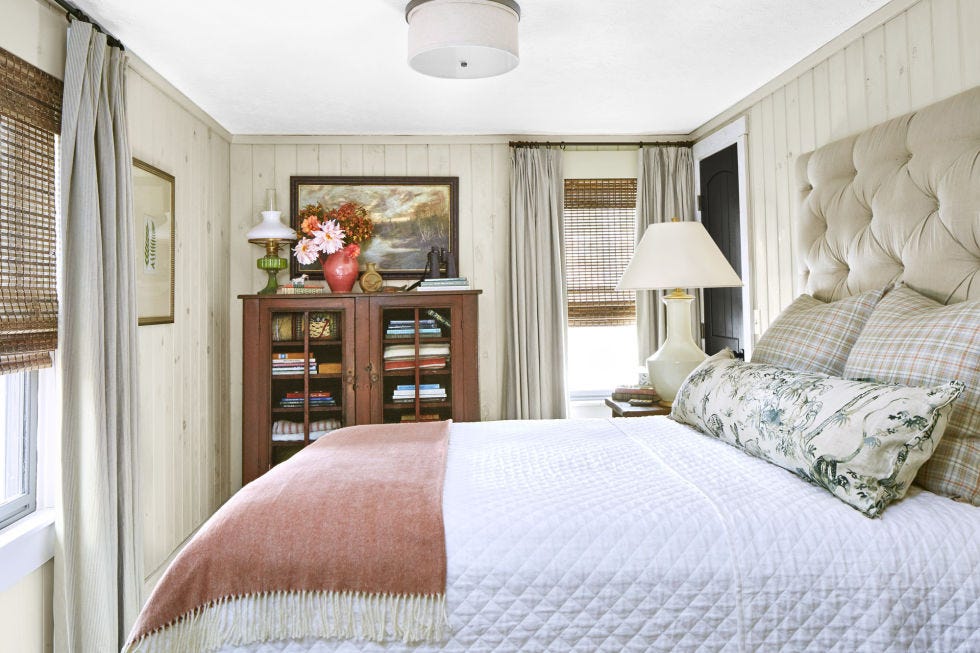
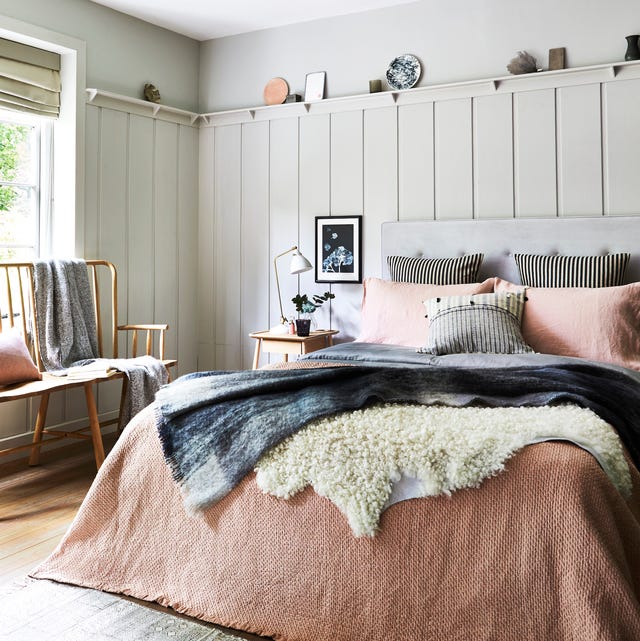
Layering is identified as a fundamental aspect of achieving a hygge bedroom. This includes using various textiles like brushed cotton duvet covers and sheets as a base, supplemented by boucle or faux fur cushions for texture and comfort. The recommendation extends to having multiple throws or blankets, combining lighter options with denser, thicker materials such as fleece or chunky knits. An interior design expert suggests maintaining a uniform colour scheme to allow for greater expression through materials and textures. A practical tip is to use a duvet one size larger than the bed frame, which adds to both comfort and visual cosiness.
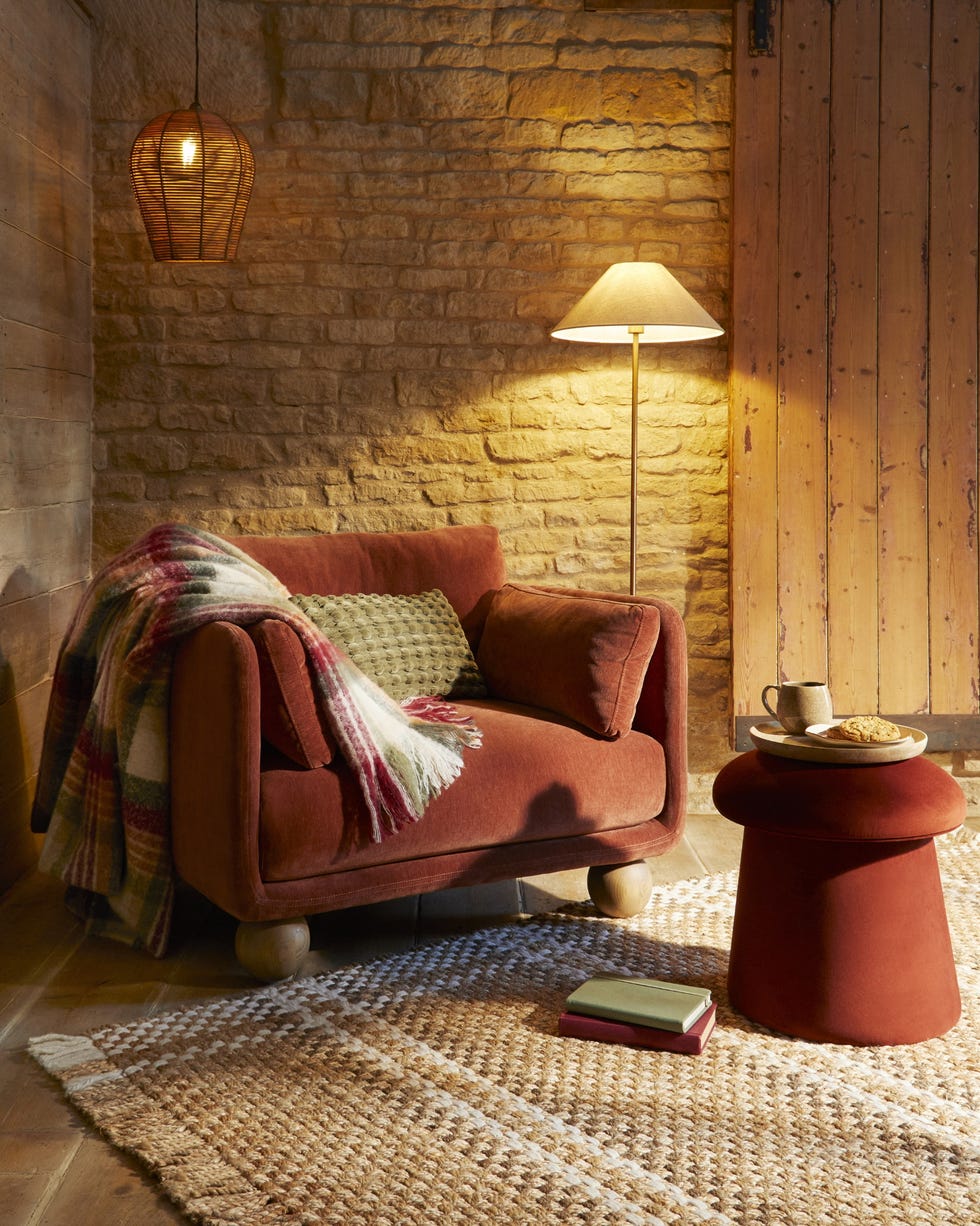
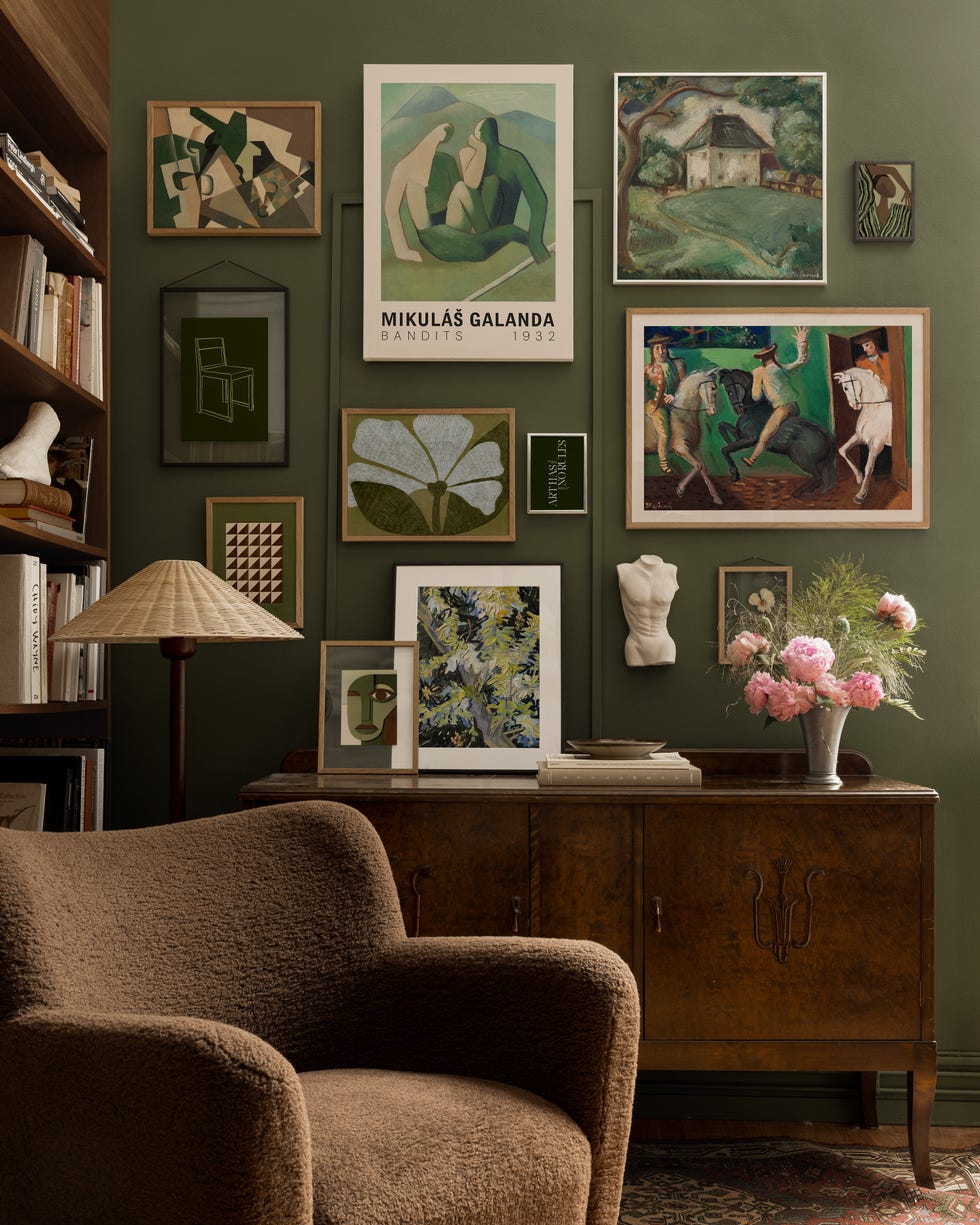
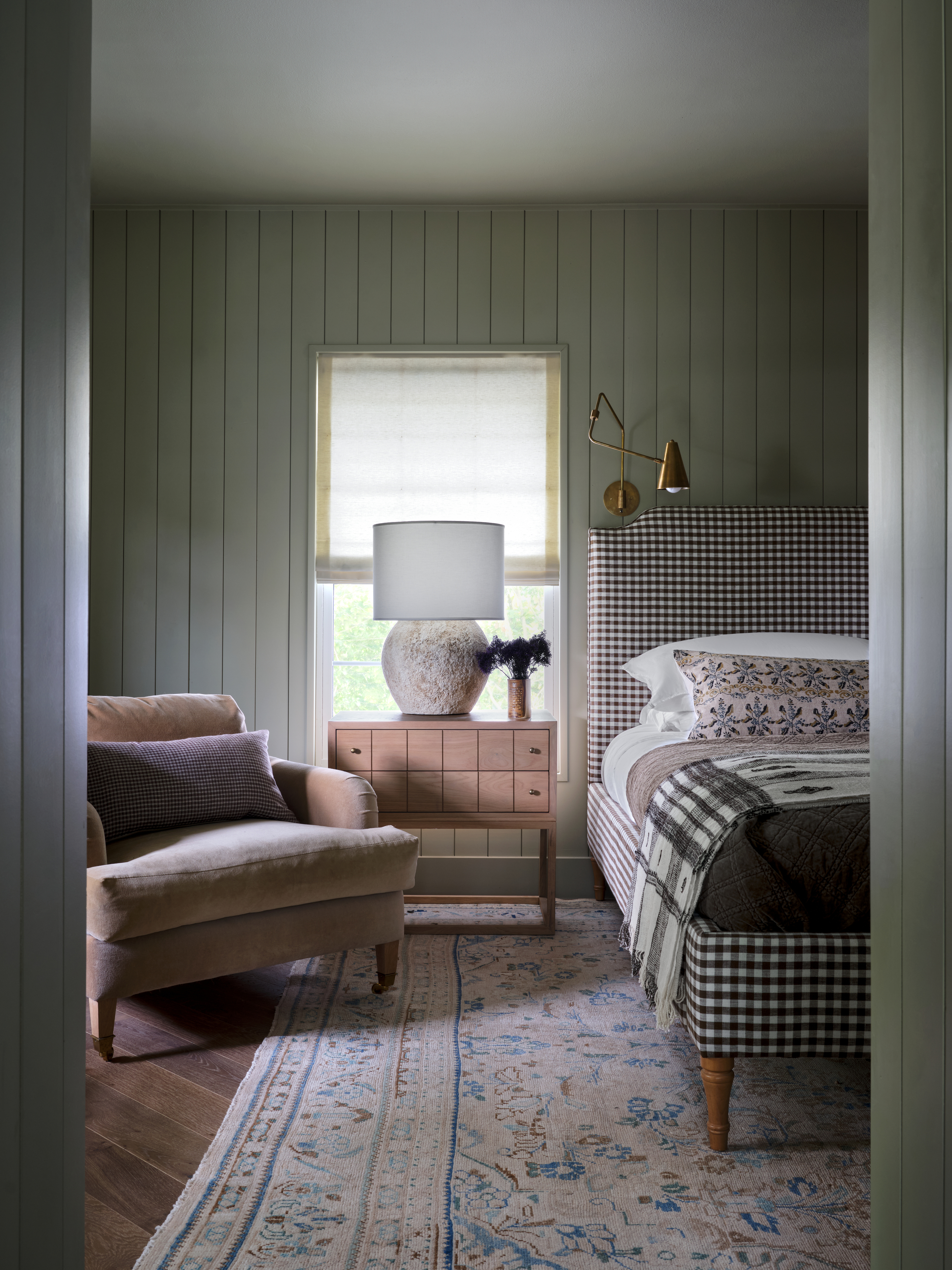
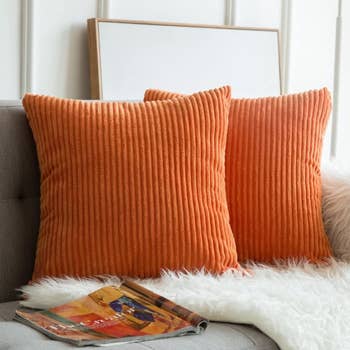
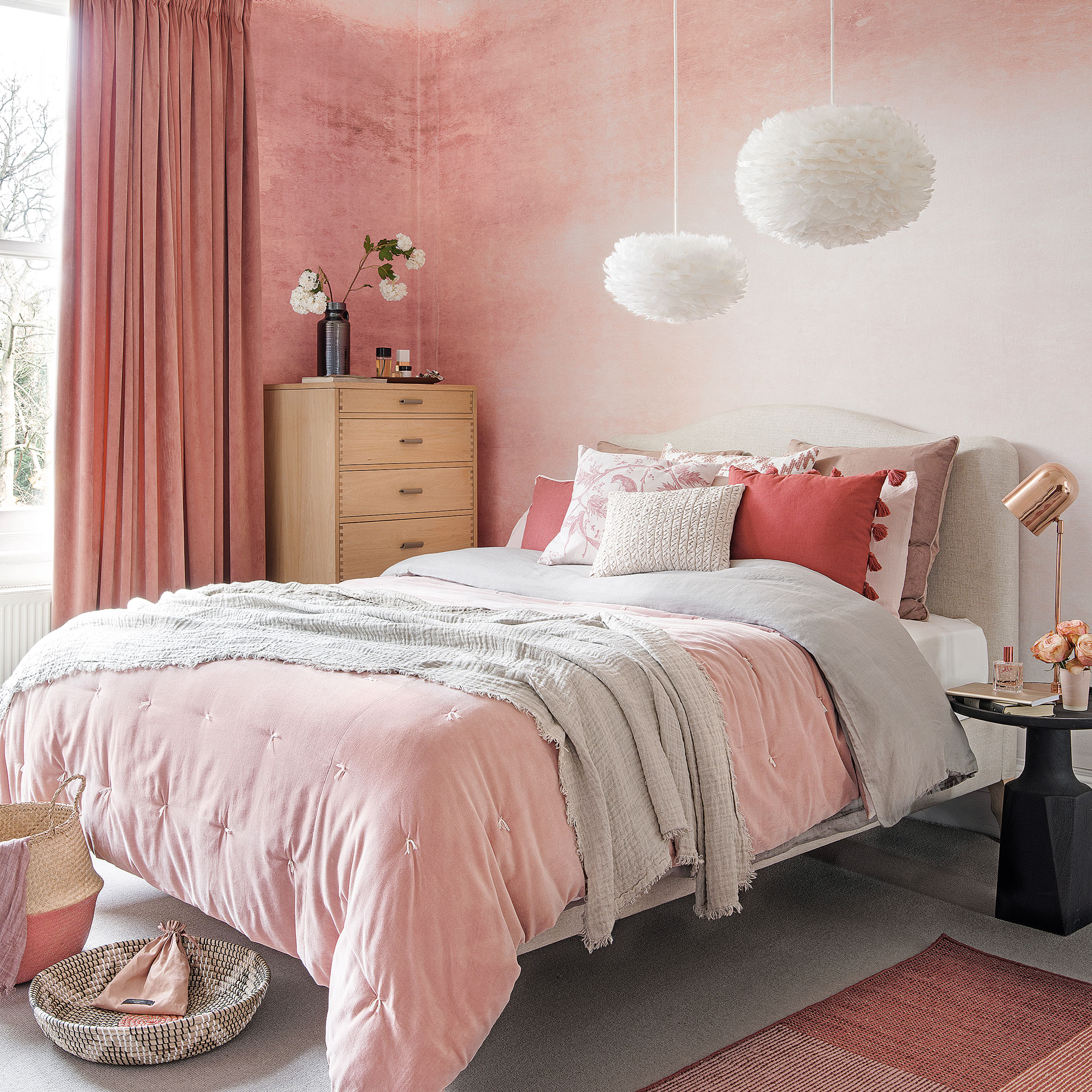
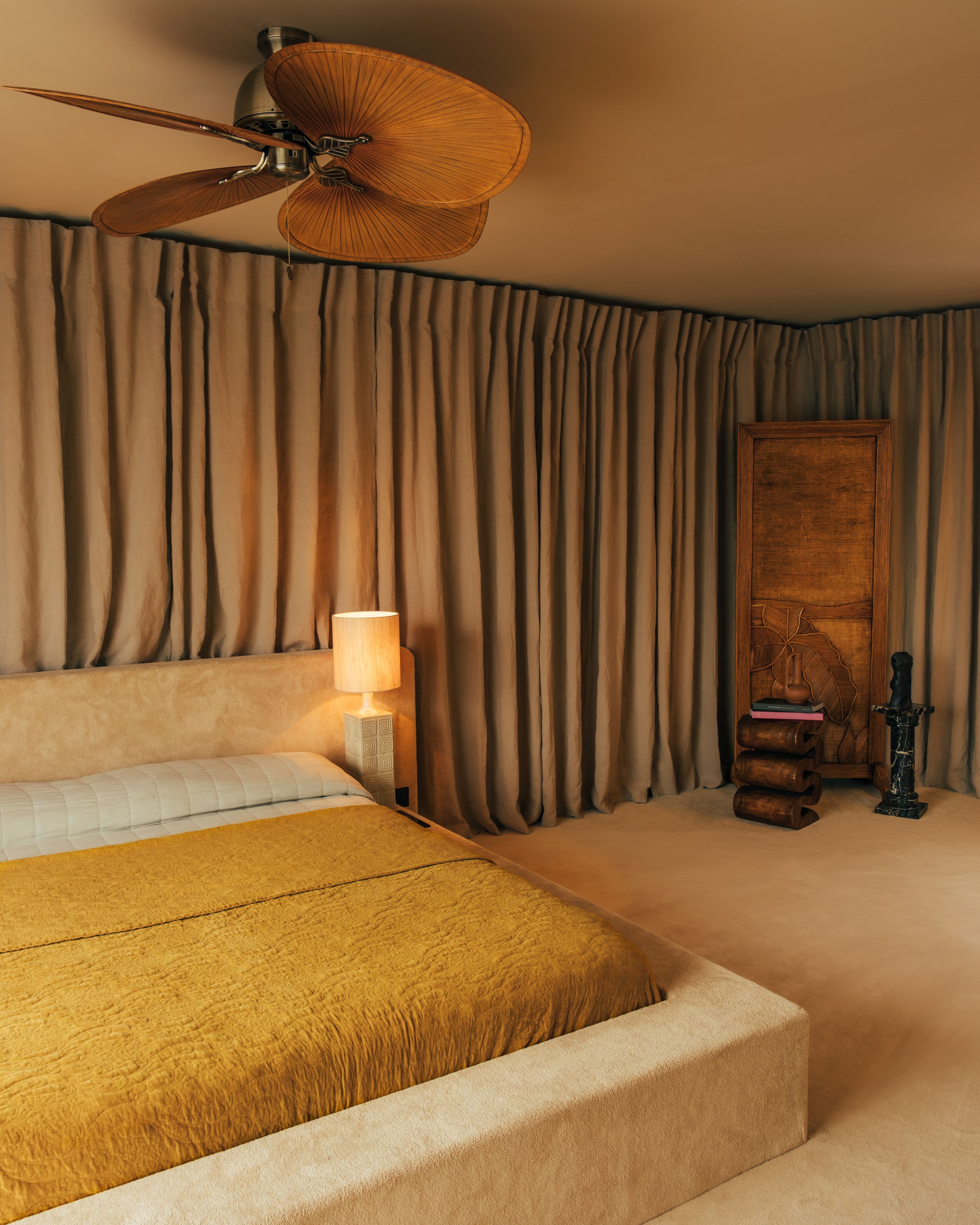
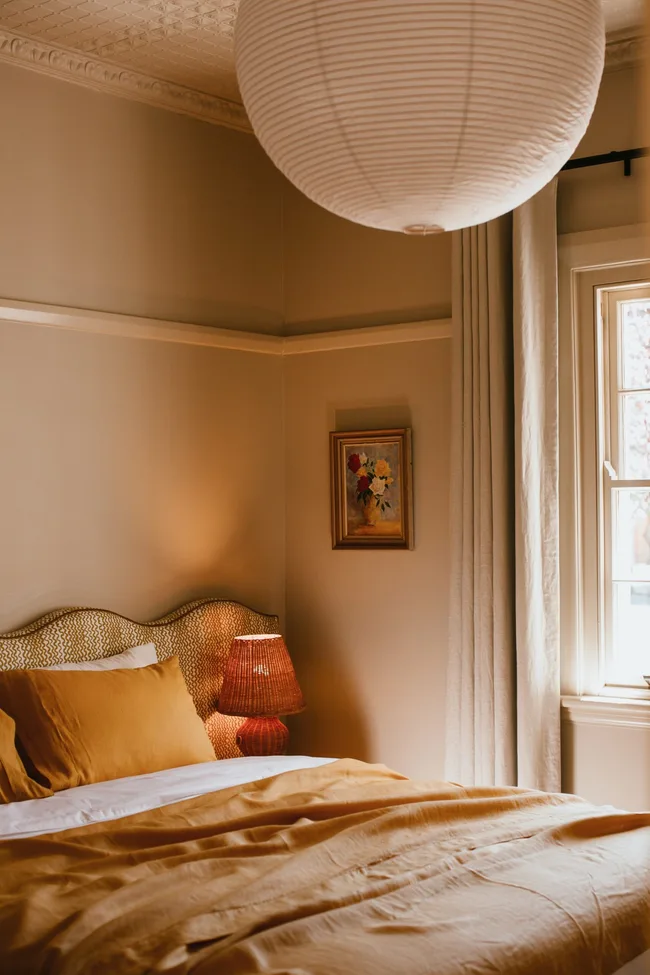
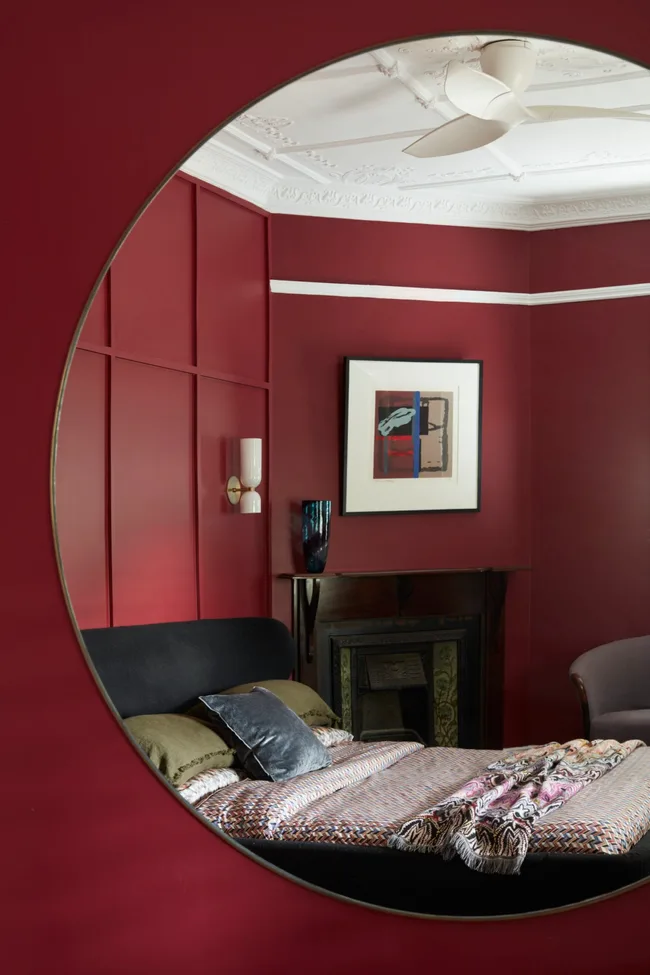
Regarding the colour palette, the article emphasizes the psychological impact of colours on mood and interior feel. It advises against stark shades, instead promoting warming tones. Matthew Williamson, a design professional, suggests soft plaster pink for walls, considering it a warmer neutral than grey or beige. For accessories, rich chocolate, cinnamon, and burnt orange tones are recommended for their ability to add warmth, particularly as winter approaches. Luke Bilham-Carter, another expert, concurs, highlighting earthy browns, forest greens, and claret reds as ideal for a winter-inspired interior. These shades can be introduced through wall art, cushions, bedding, and lampshades without making the room excessively dark. Natural hues are preferred for their calming and relaxing effects, while deeper tones create a cocoon-like atmosphere.
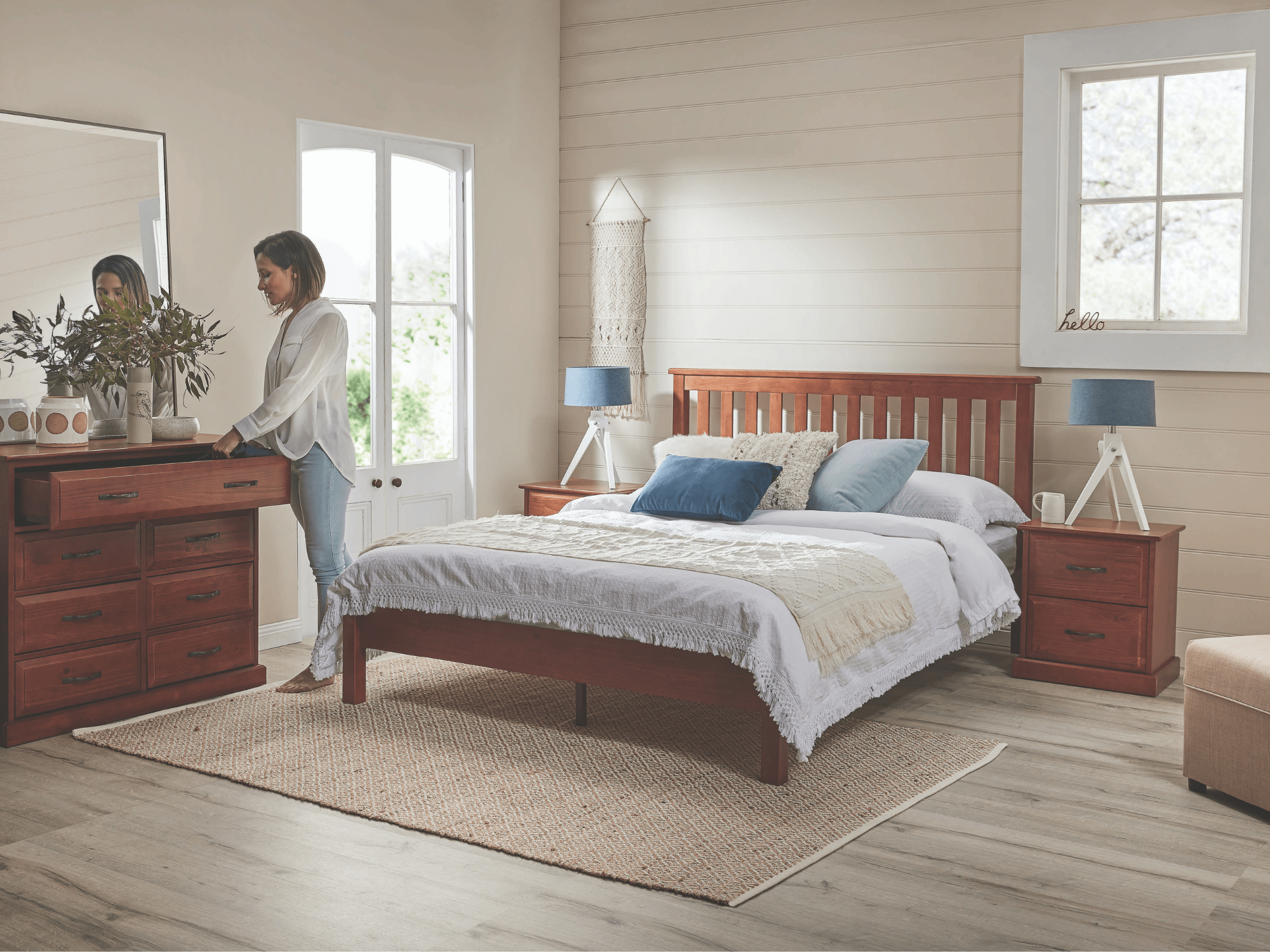
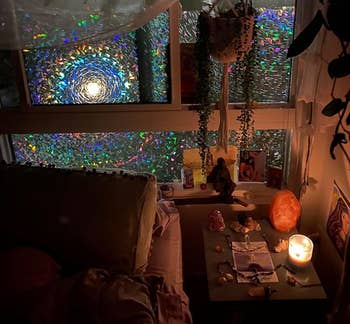
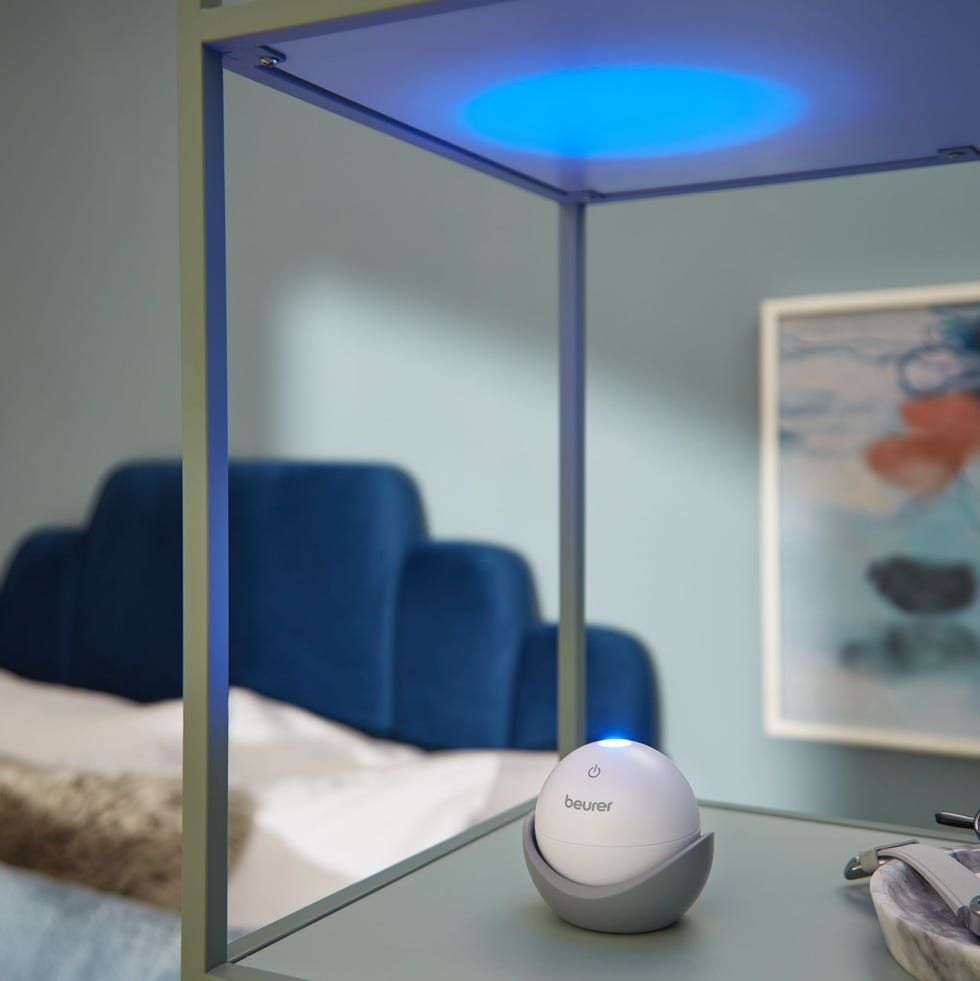
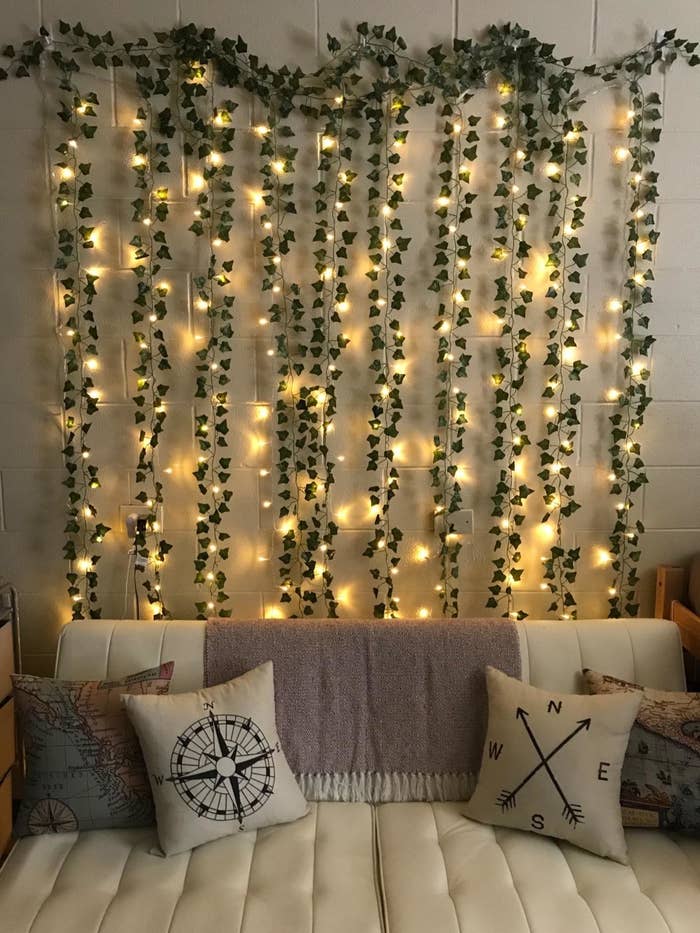
Lighting plays a crucial role in establishing a cosy, cocoon-like ambiance. The article advises against bright ceiling lights, favouring softer options such as bedside lamps and candles. Table lamps are particularly effective in autumn and winter due to reduced natural light, with Niki Wright from lights&lamps suggesting that varied heights and placements can enhance cosiness. For a natural and understated look, candles are recommended for their scent and soft, low light. Furthermore, using light bulbs that emit warm orange hues instead of bright whites is suggested for added warmth and energy efficiency. James Higgins, a sleep expert, notes the importance of warm, soft lighting in hygge, even recommending fairy lights for a magical touch.
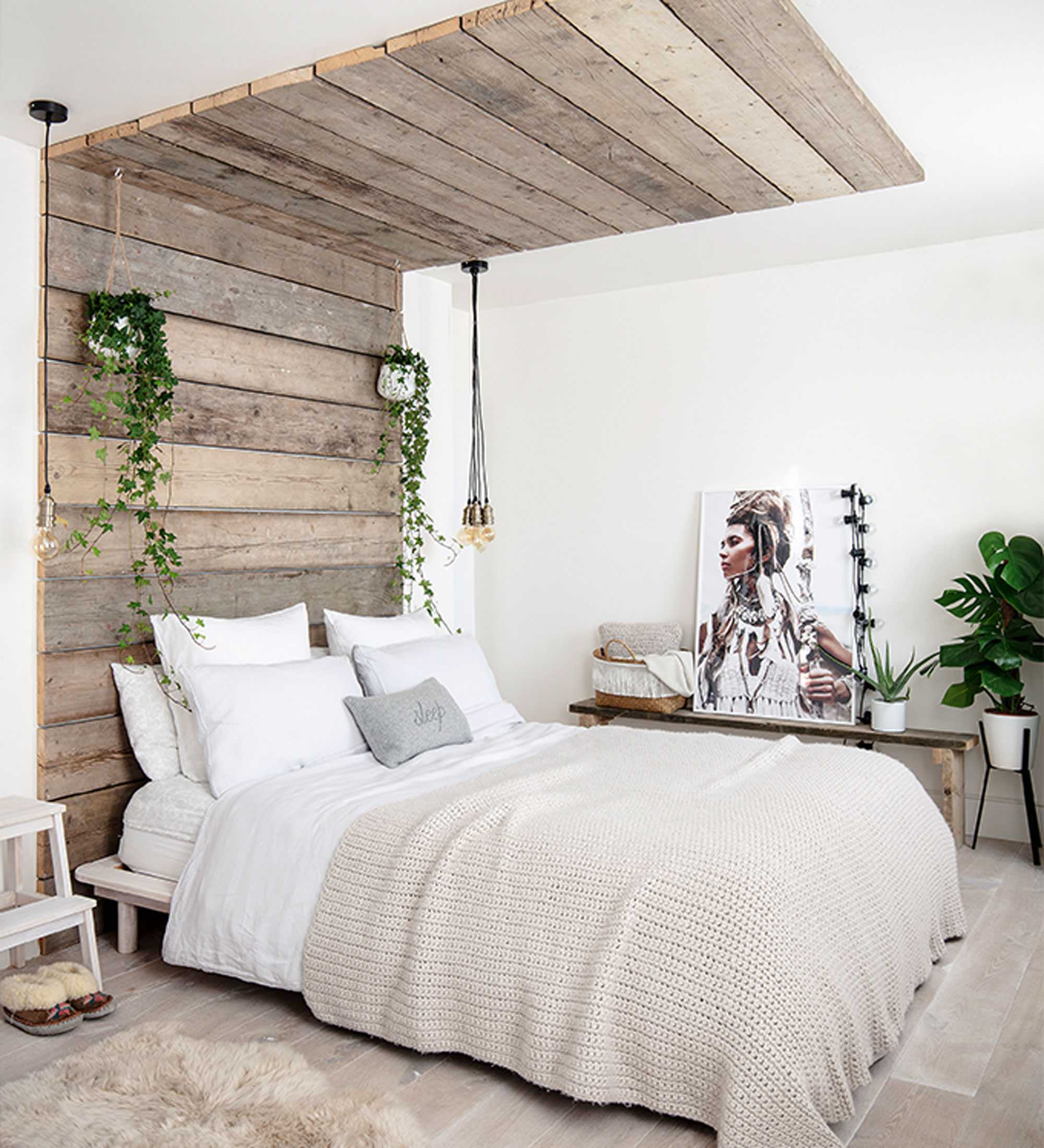
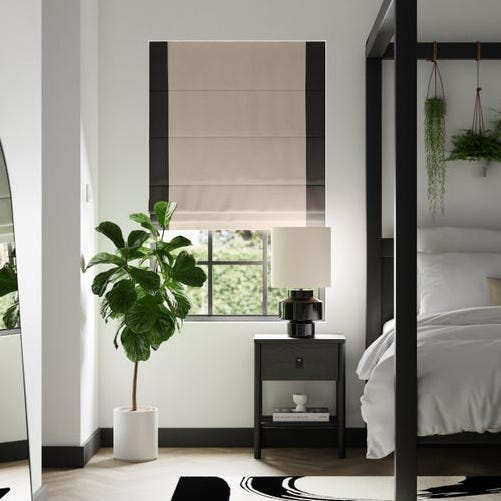
Sensory appeal, particularly through aroma, is another element for a hygge bedroom. Scented candles contribute both a warming glow and an inviting fragrance. Luke suggests winter-appropriate scents like cloves, cinnamon, and ginger, which evoke festive memories. Diffusers and pillow mists are also mentioned as ways to introduce comforting aromas. Finally, comforting homeware is essential, focusing on items that bring joy and a sense of security rather than adhering strictly to trends. James Higgins emphasizes incorporating personal mementoes, family photos, and souvenirs to create a space that feels connected and safe. Bringing natural elements, such as indoor plants, is also highlighted for their aesthetic appeal, air-purifying qualities, and their ability to foster a sense of wellbeing and connection to nature, reminding inhabitants of the coming spring. #HyggeBedroom #InteriorDesign #BedroomDecor #CosyHome #WarmingColors #AmbientLighting #SensoryDecor #Homeware
0 comment in total
 No comments yet
You may also like
Five Easy Hacks for a Hygge Home


How to Master the Fine Art of Cozy Living This Fall

Curtains Are No Longer Just for Windows — I'll Be Putting Them Behind My Bed From Now On, and Here's 7 Ways to Do it

6 Tricks Designers Always Use to Create a More Relaxing Bedroom

How To Create A Cosy Hygge Haven – 5 Simple Design Tricks For Instant Warmth

43 Cheap Bedroom Upgrades That'll Make You Never Want To Leave Your Room
How to Decorate a Bedroom and Transform It Into a Stylish, Cozy Sanctuary
7 Genius Guest Bedroom Ideas To Make Anyone Feel at Home

How to Turn Your Bedroom Into a Cosy Retreat
16 Best Ways To Your Bedroom Feel Extra Cozy
10 Bedroom Design Ideas Inspired By The Most Stylish Creatives On Instagram

How to transform your bedroom into a wellbeing sanctuary, according to experts
11 Easy Ways to Make Your Bedroom Extra Cozy

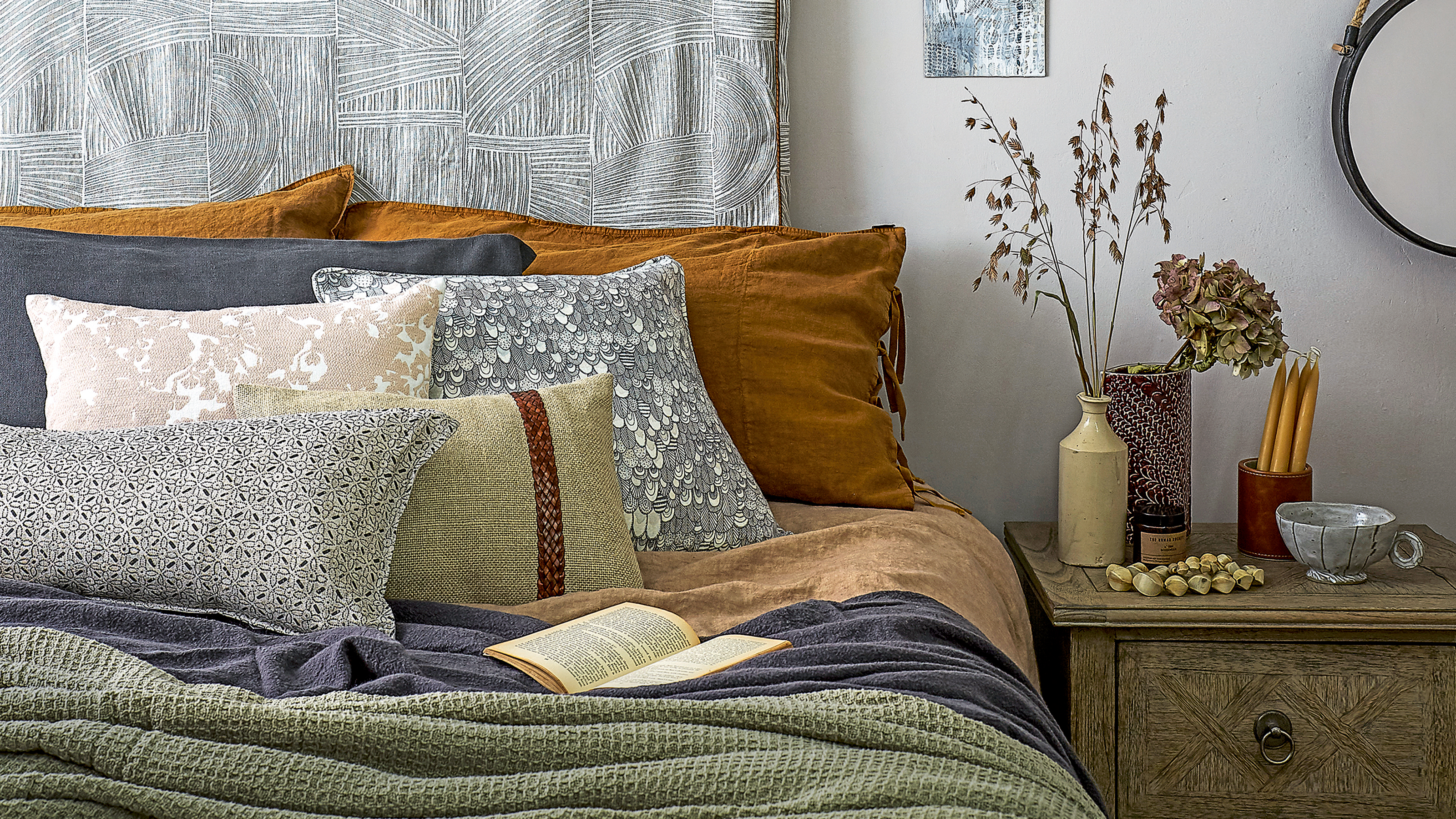
5 ways to nail autumn bedroom decor and turn your sleeping space into a cosy and warm retreat
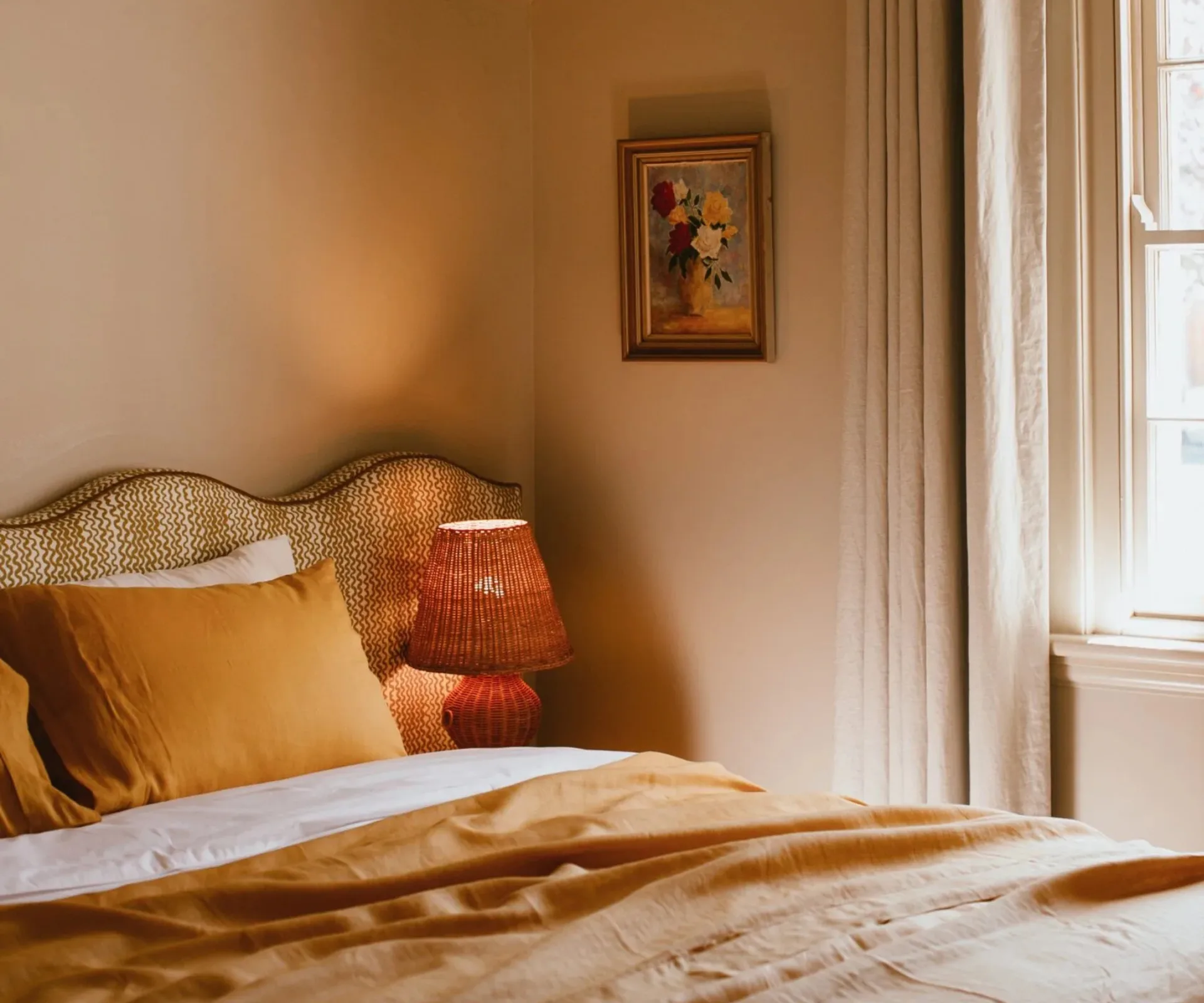
12 stylishly cosy bedroom ideas to steal this winter

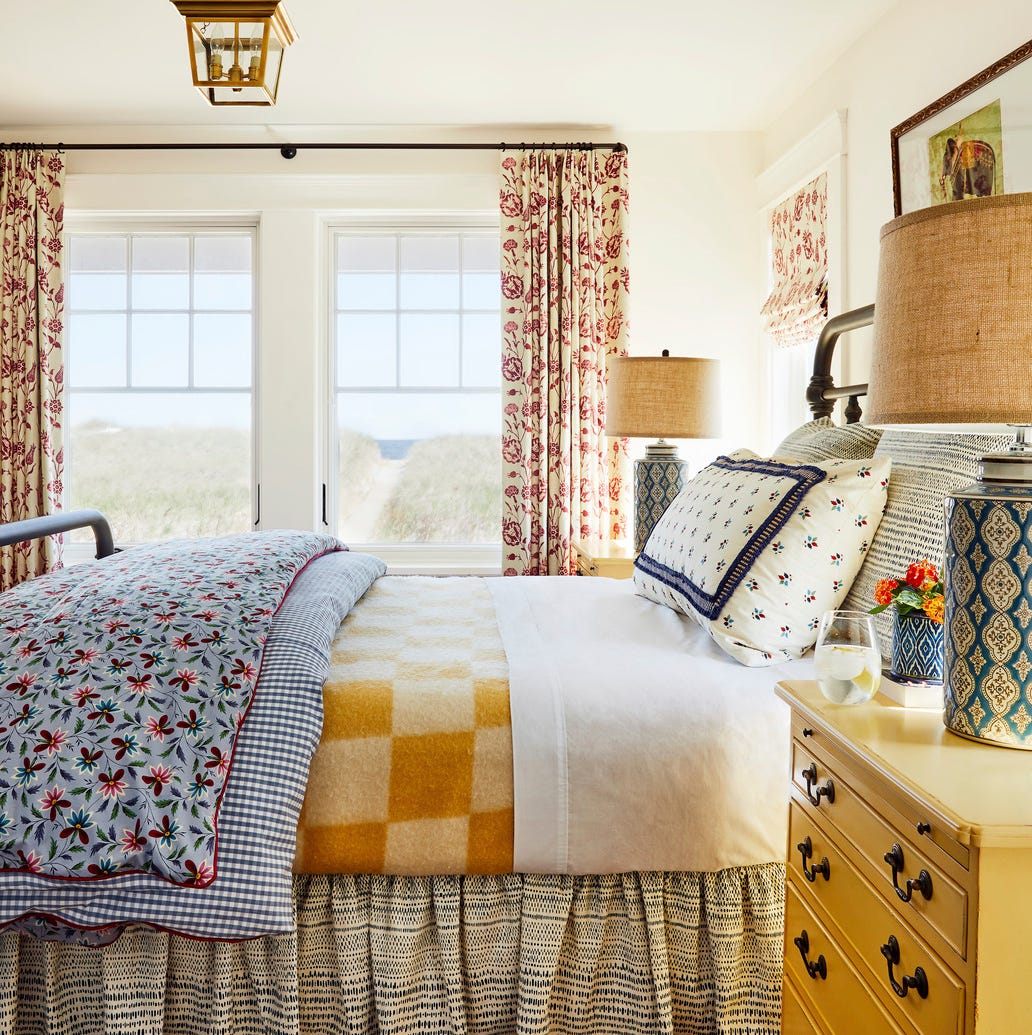
Bring On the Cozy With These 45 Bedroom Decorating Ideas
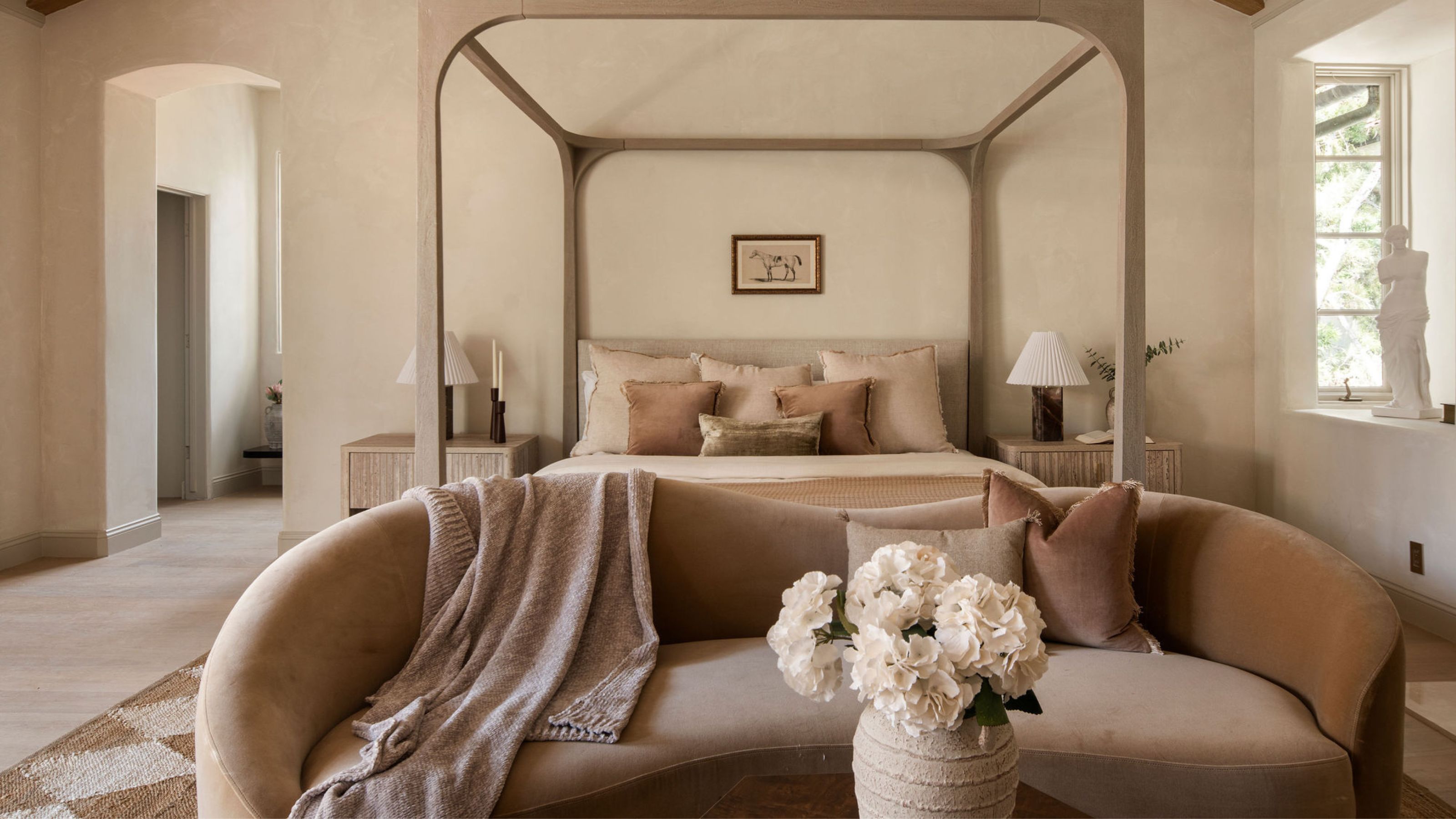
12 Cozy Bedroom Ideas That Will Make Your Space Feel Like a Warm Hug
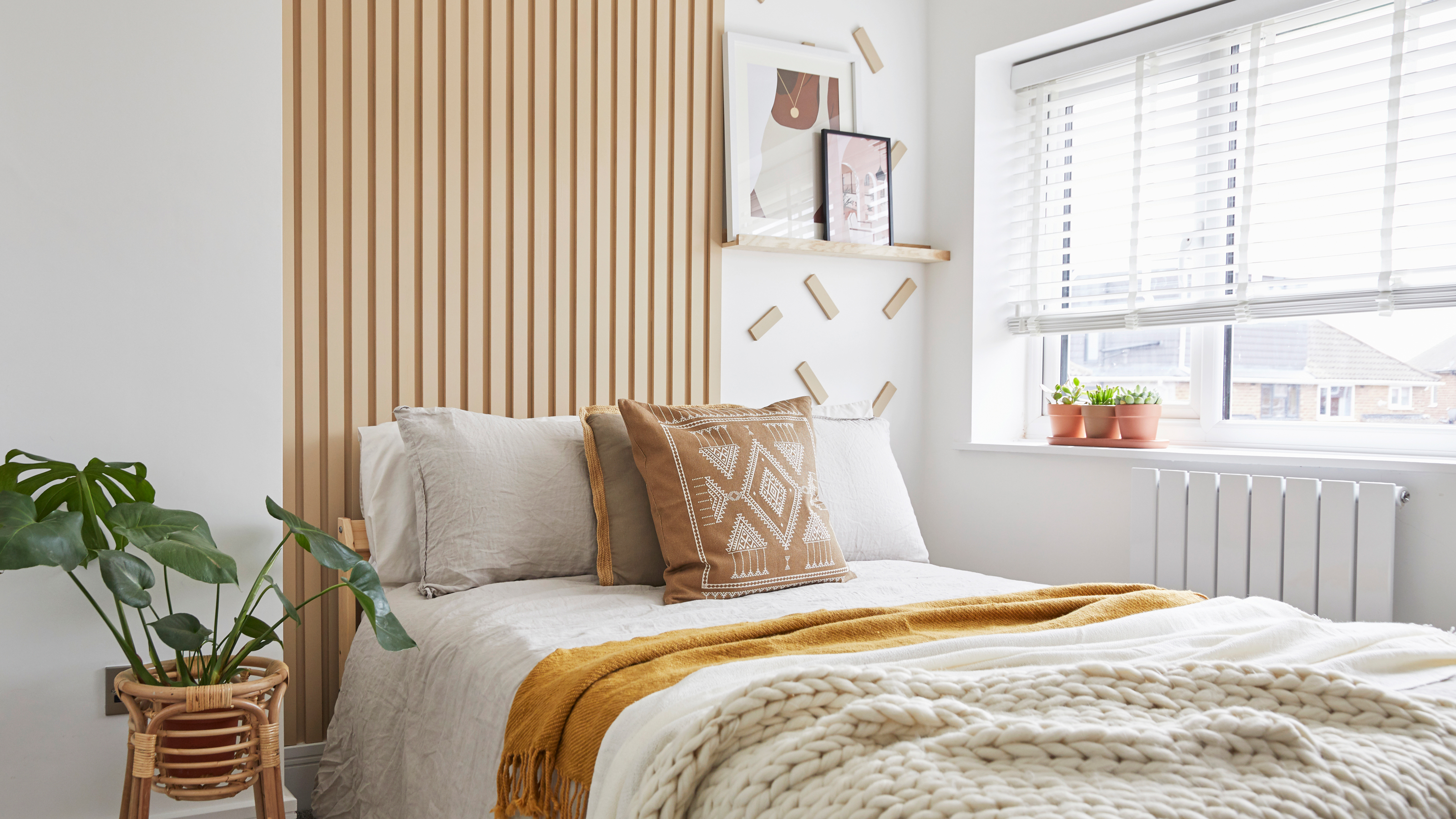
Boho bedroom ideas - 10 easy ways to create a relaxed, chilled-out vibe
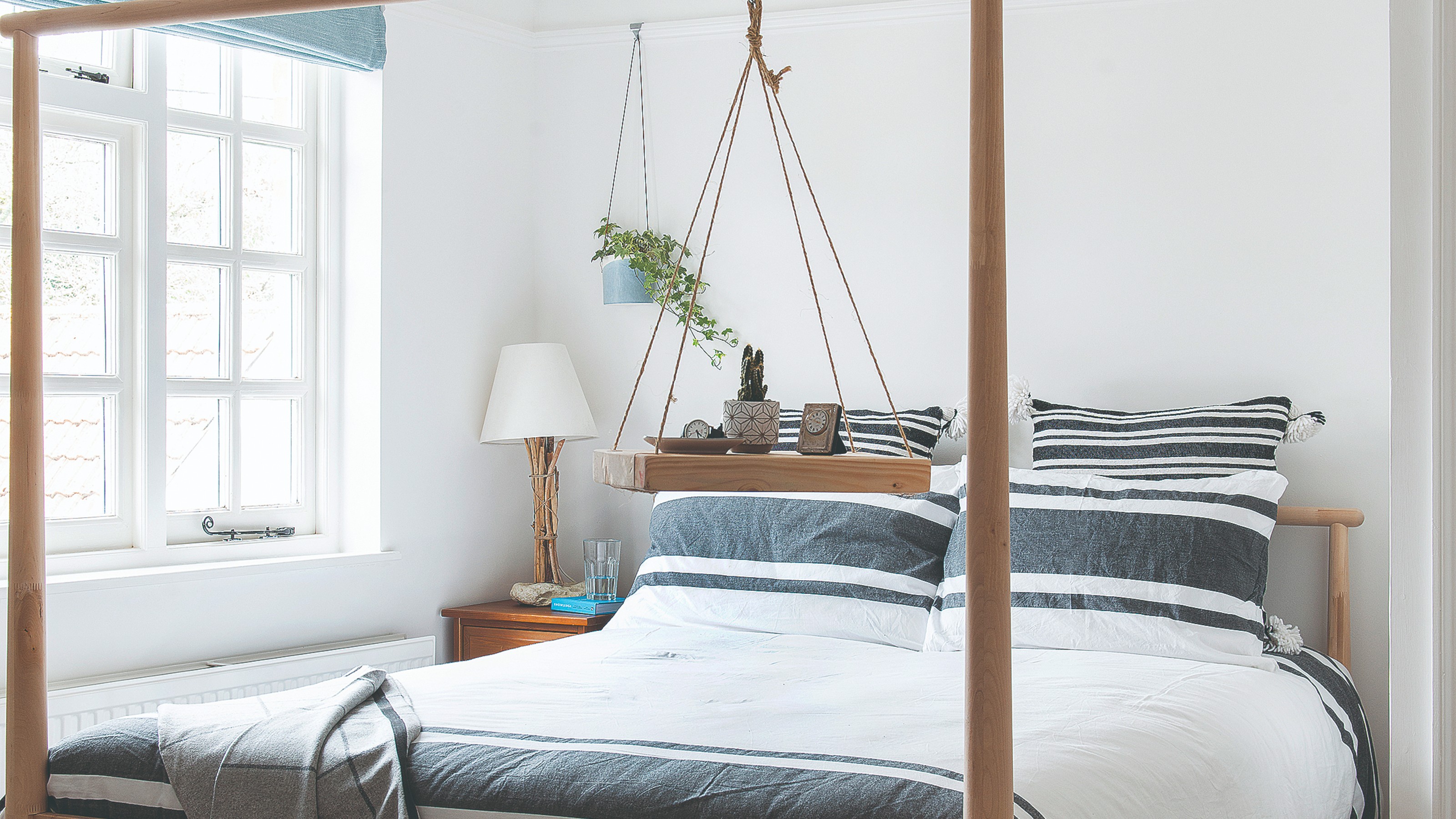
Guest bedroom ideas – 20 ways to make your overnight visitors feel right at home
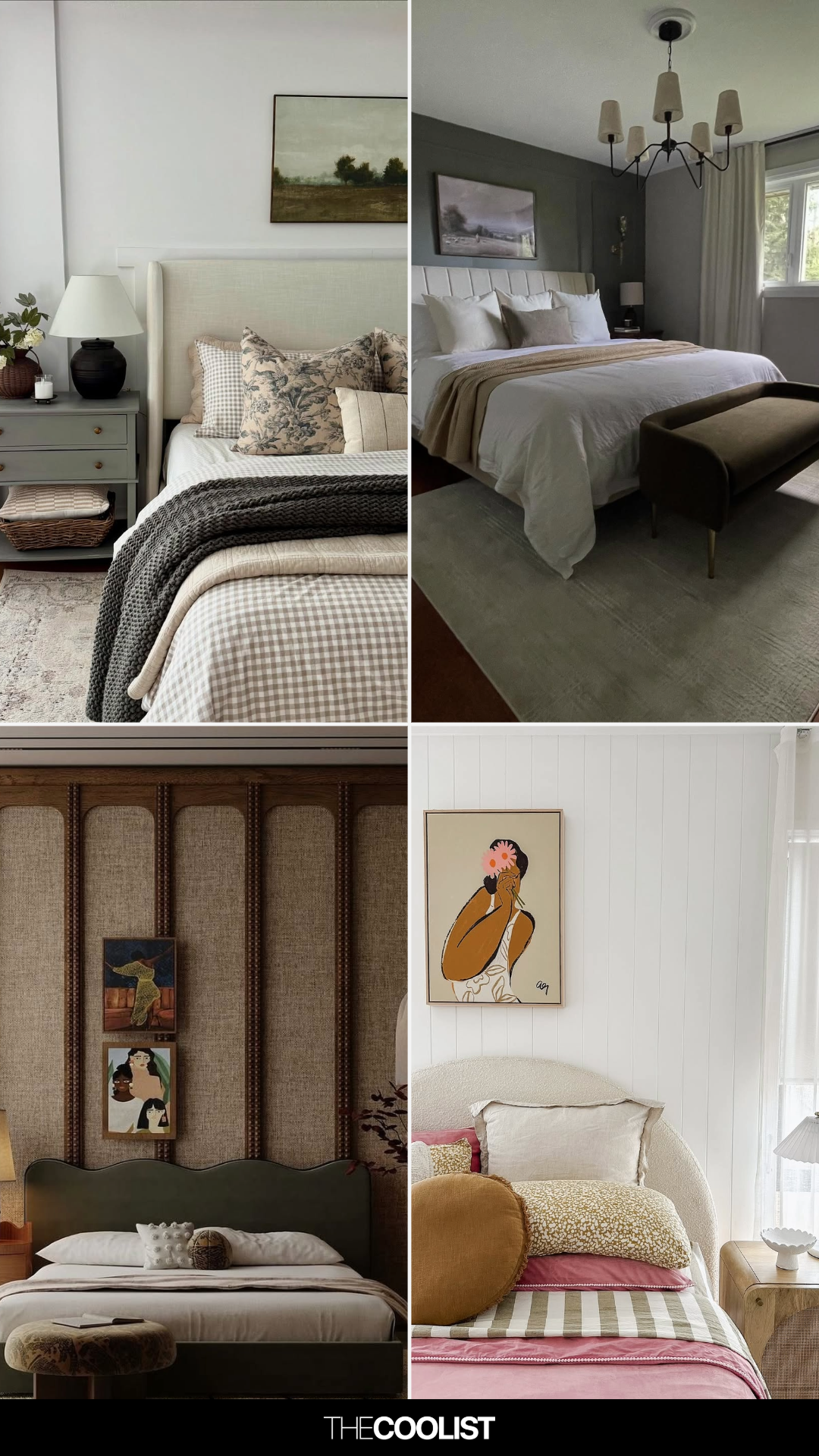
30 Bedroom Decor Design Ideas That Make Your Space Feel Styled Without a Full Makeover