1/2
How to Decorate a Bedroom and Transform It Into a Stylish, Cozy Sanctuary
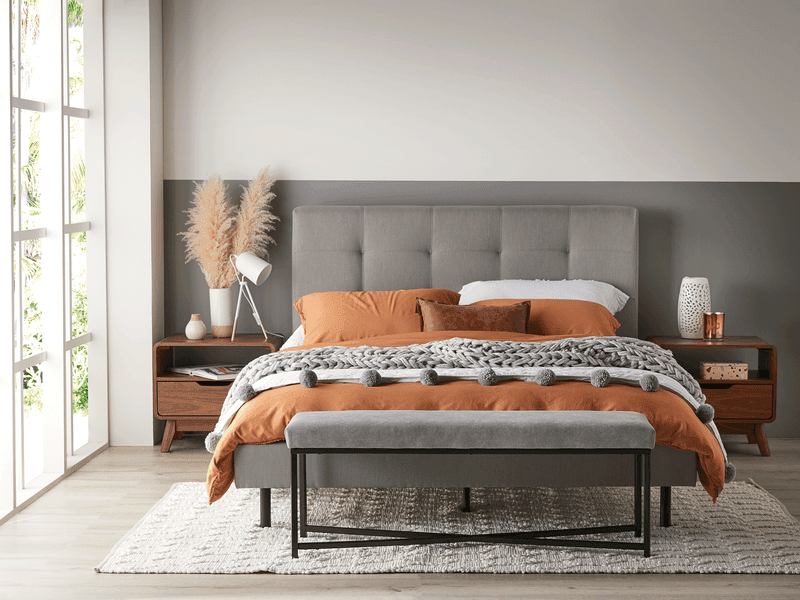
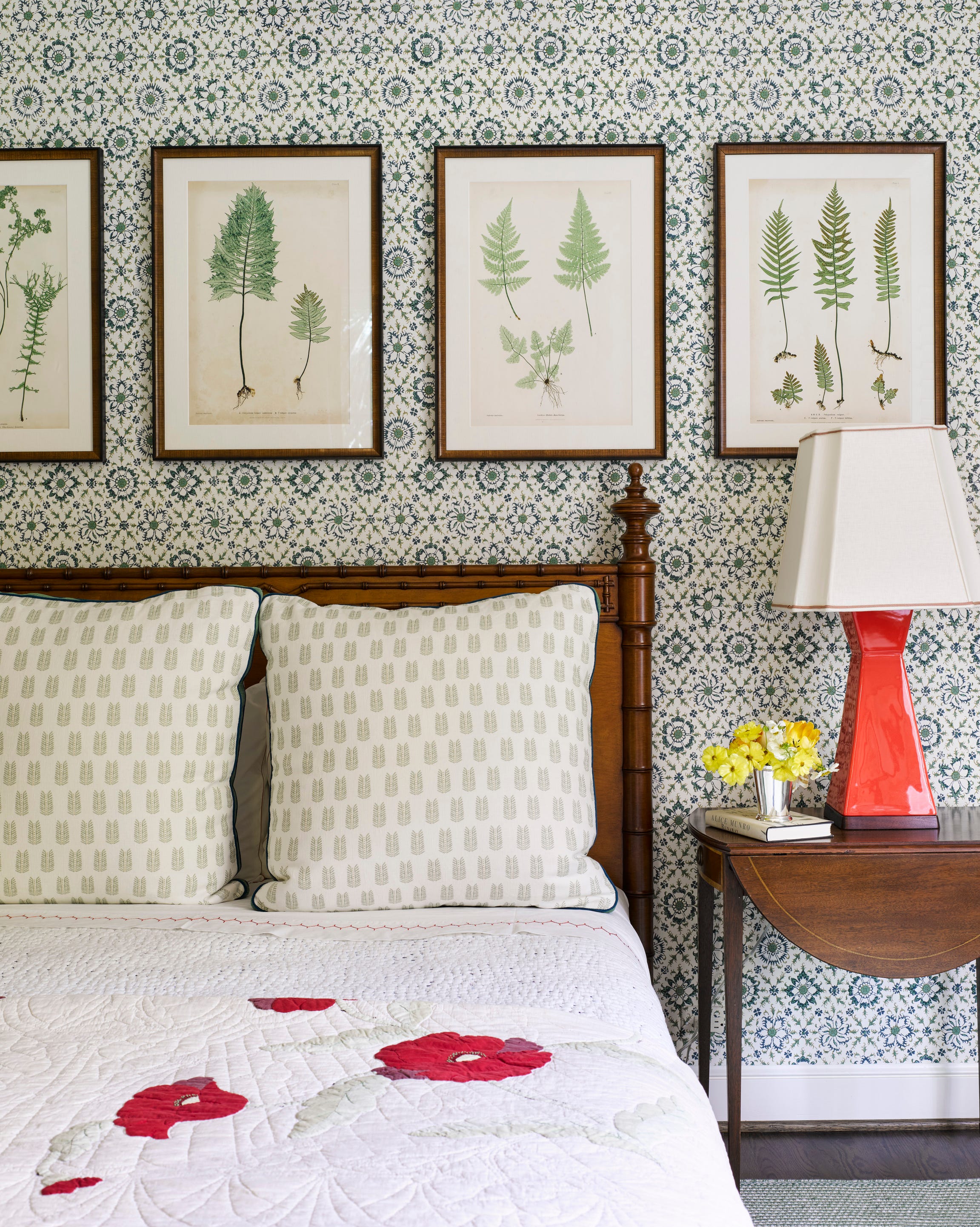
Decorating a bedroom to be both stylish and comfortable is essential, as it is a personal space for starting and ending each day. Interior designers emphasize that a well-designed bedroom can enhance well-being. The process begins with creating a mood board to visualize and consolidate aesthetic preferences. This initial step helps in identifying recurring patterns in color palettes, fabric textures, and furniture styles, serving as a foundational blueprint for subsequent decisions.
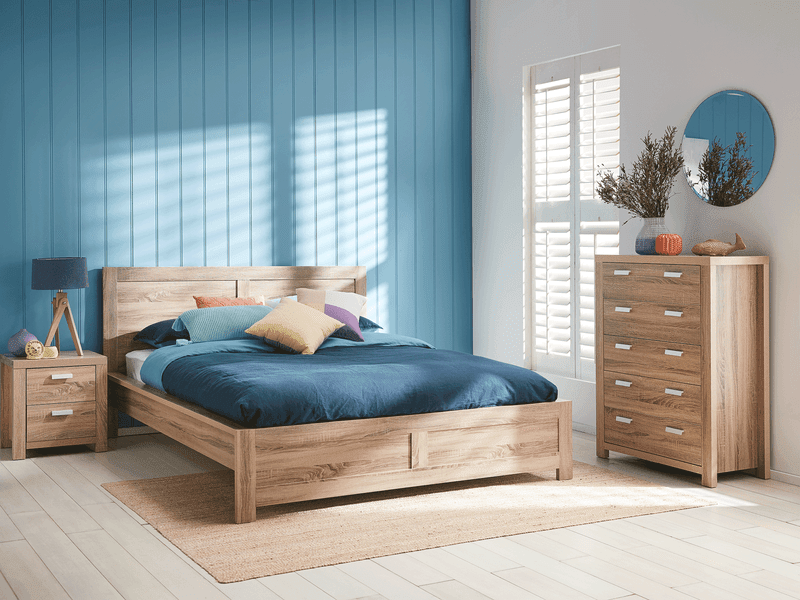
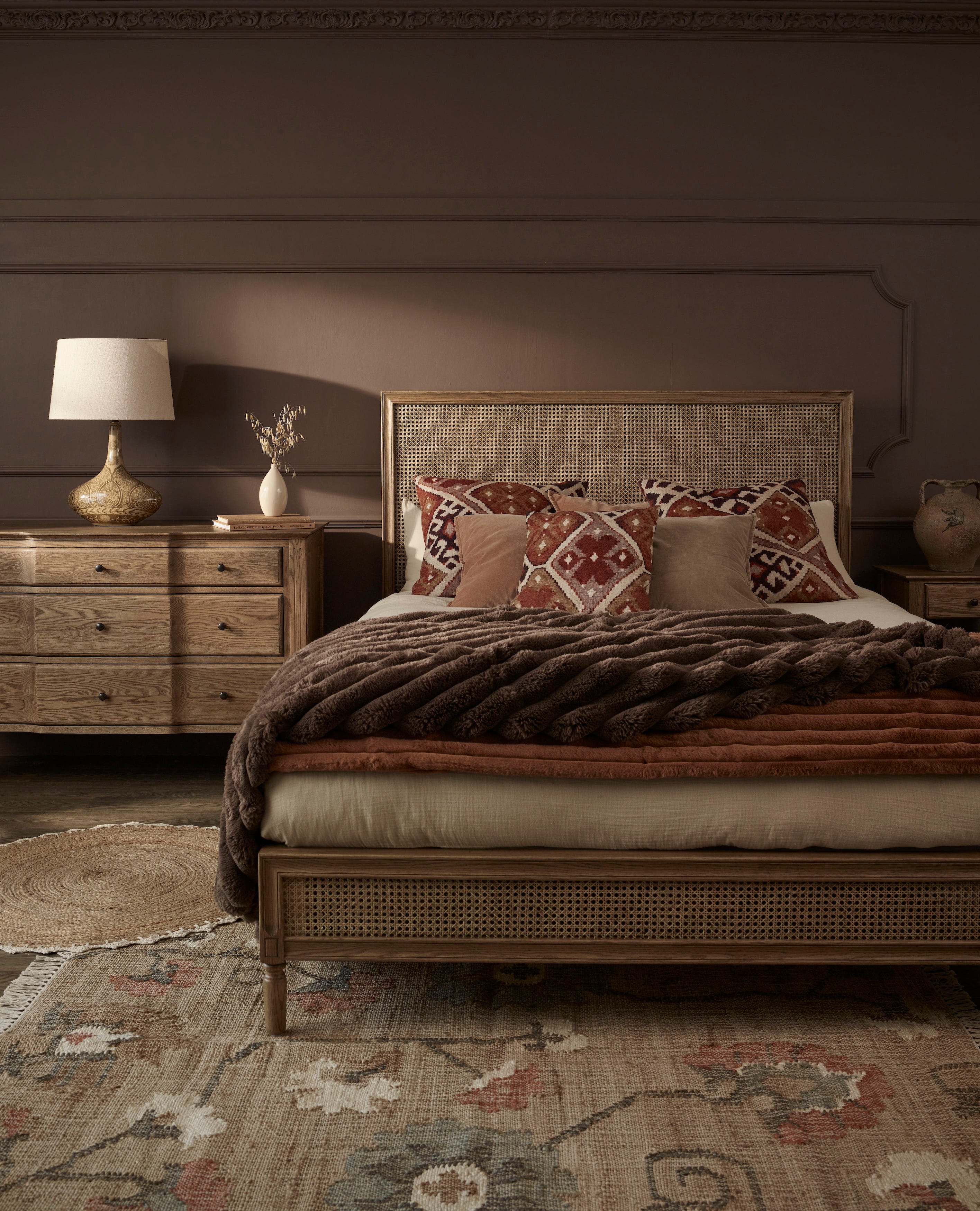
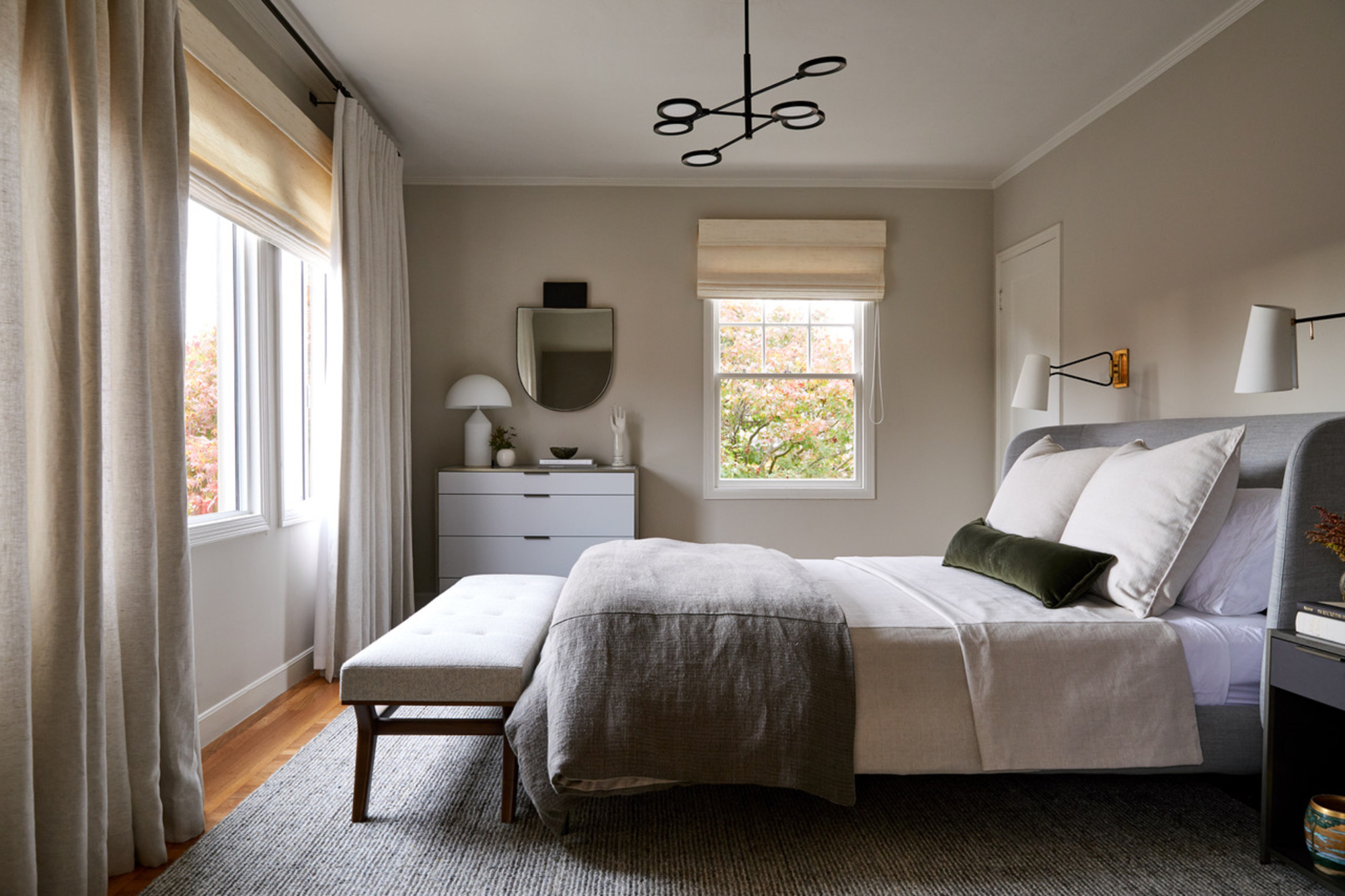
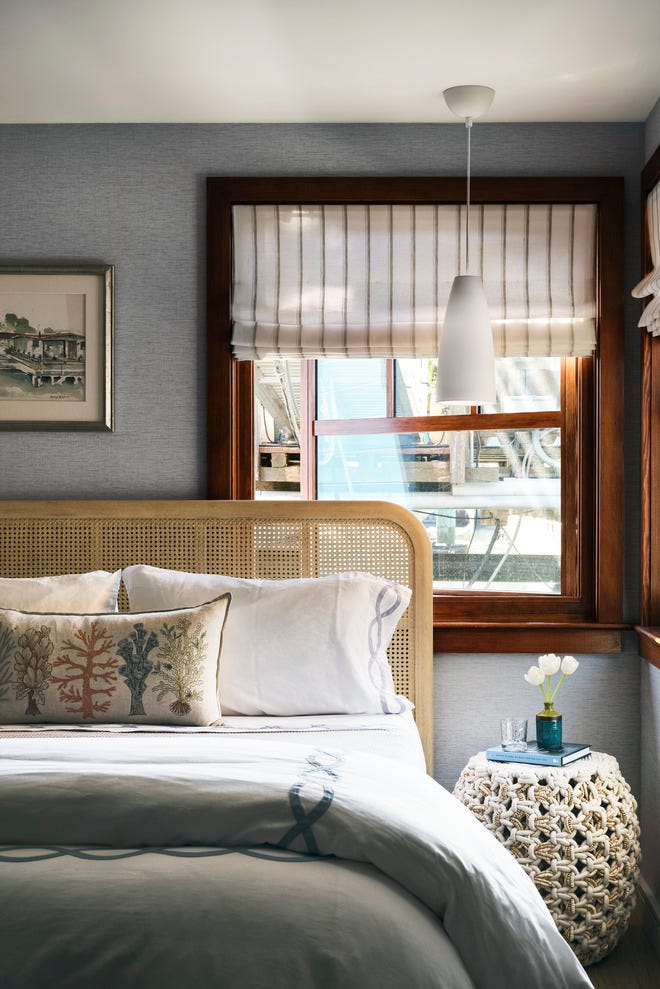
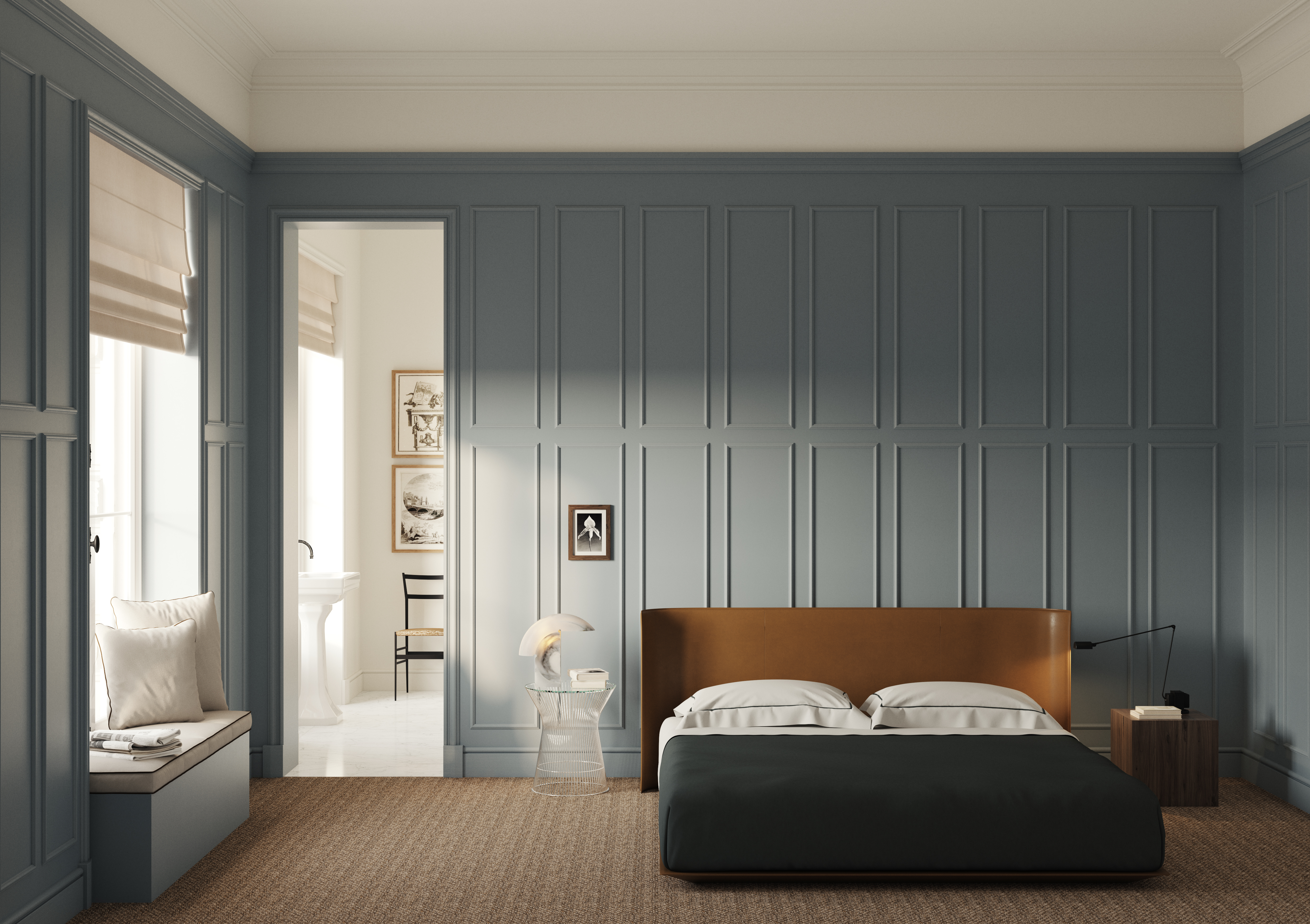
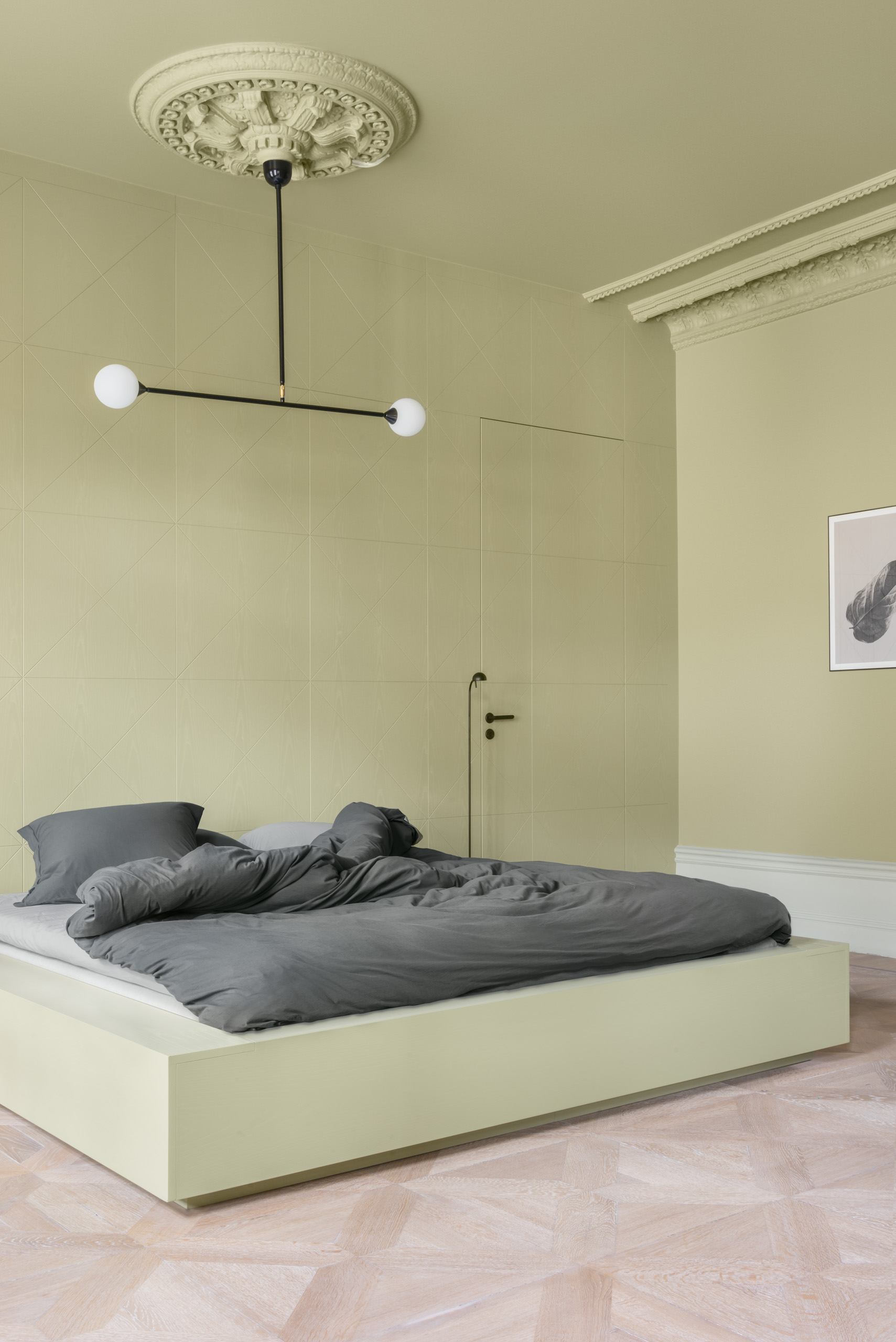
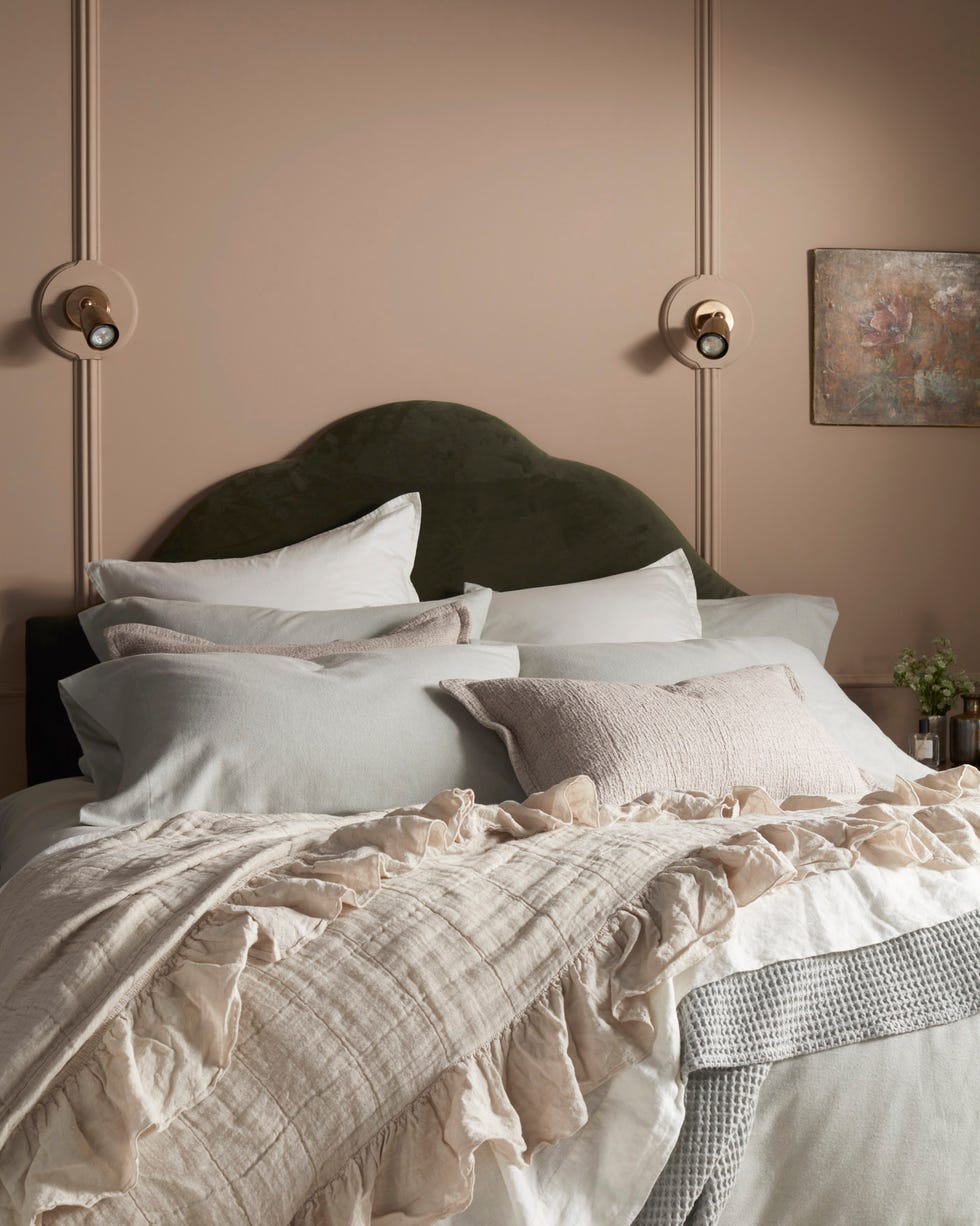
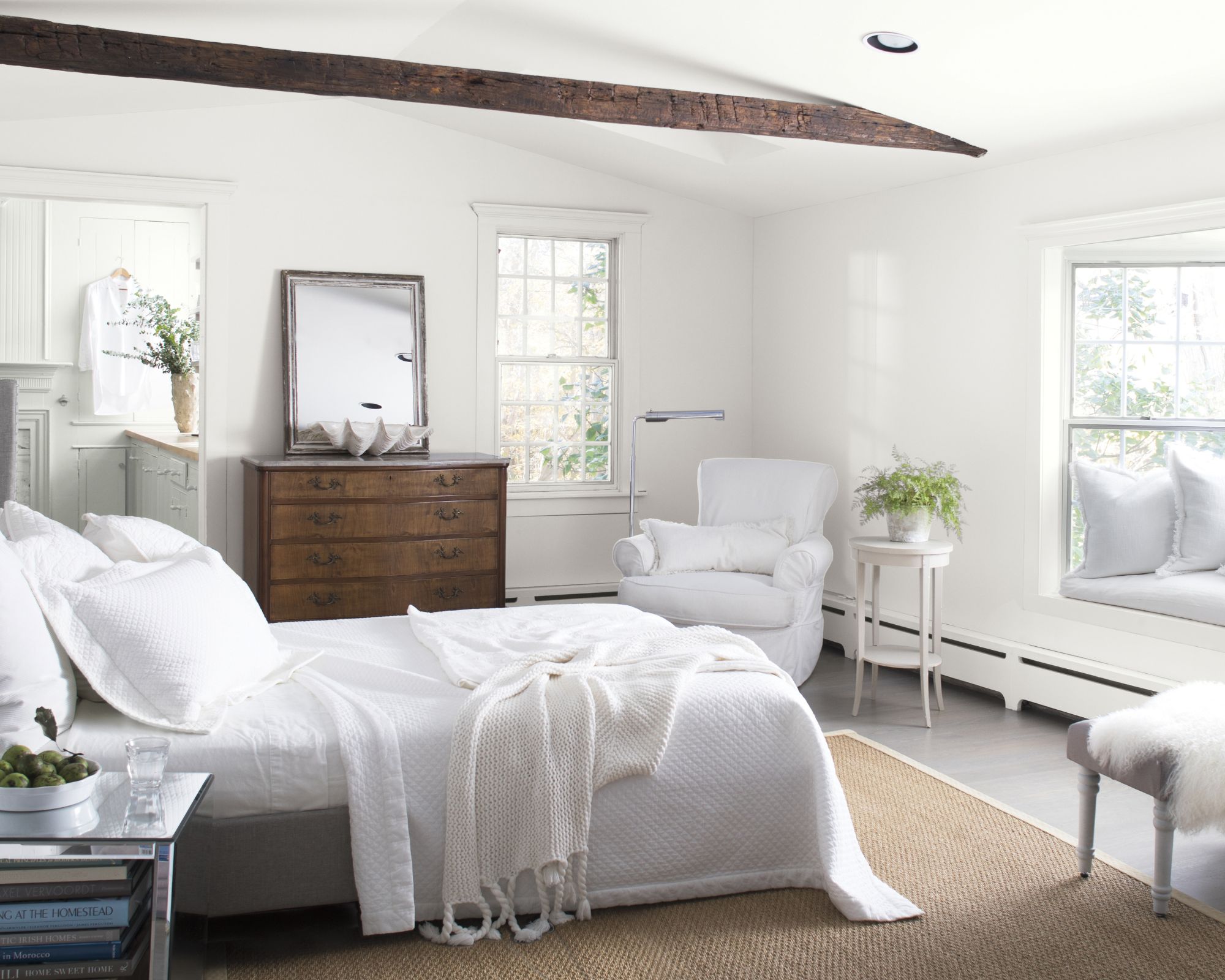
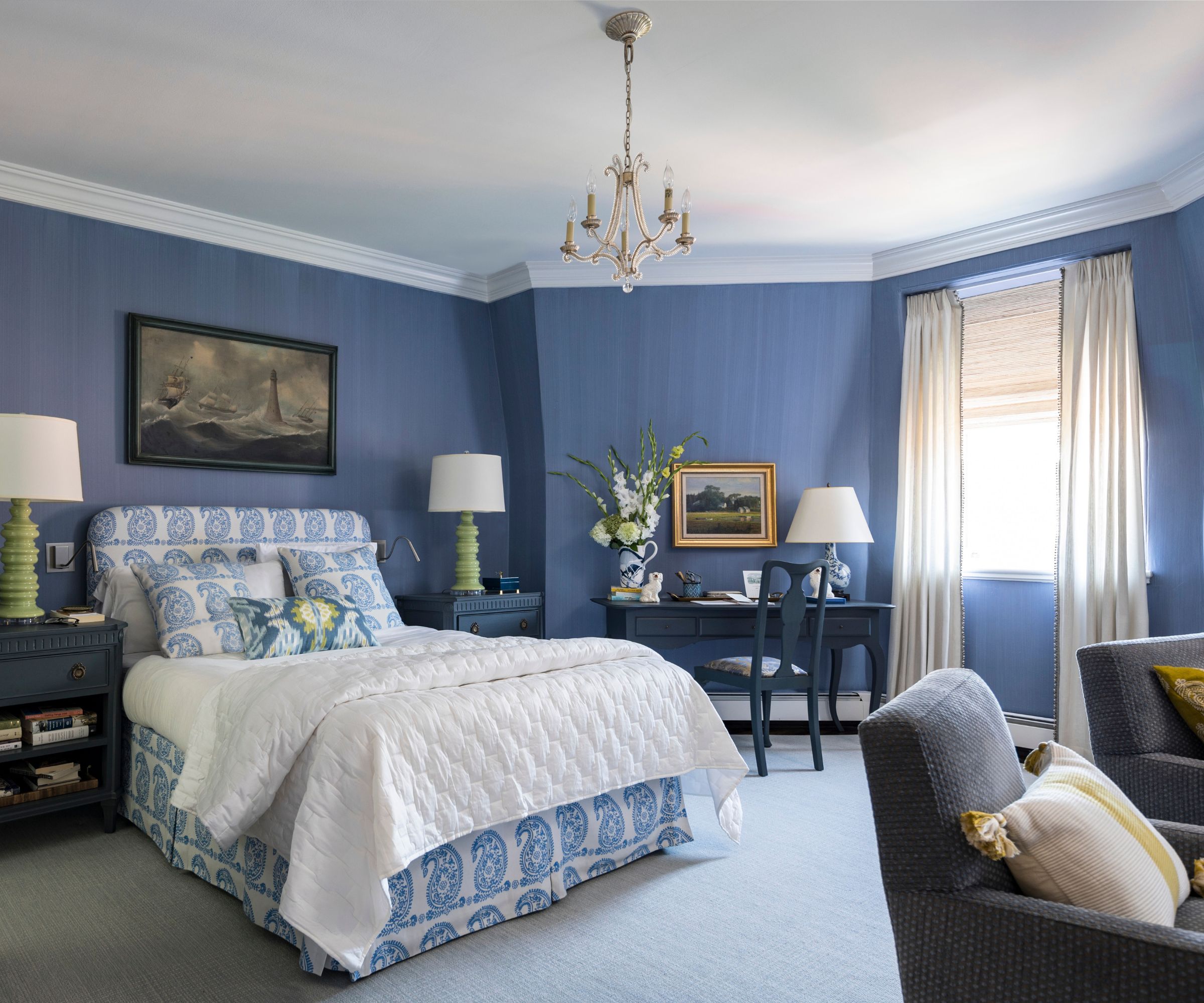
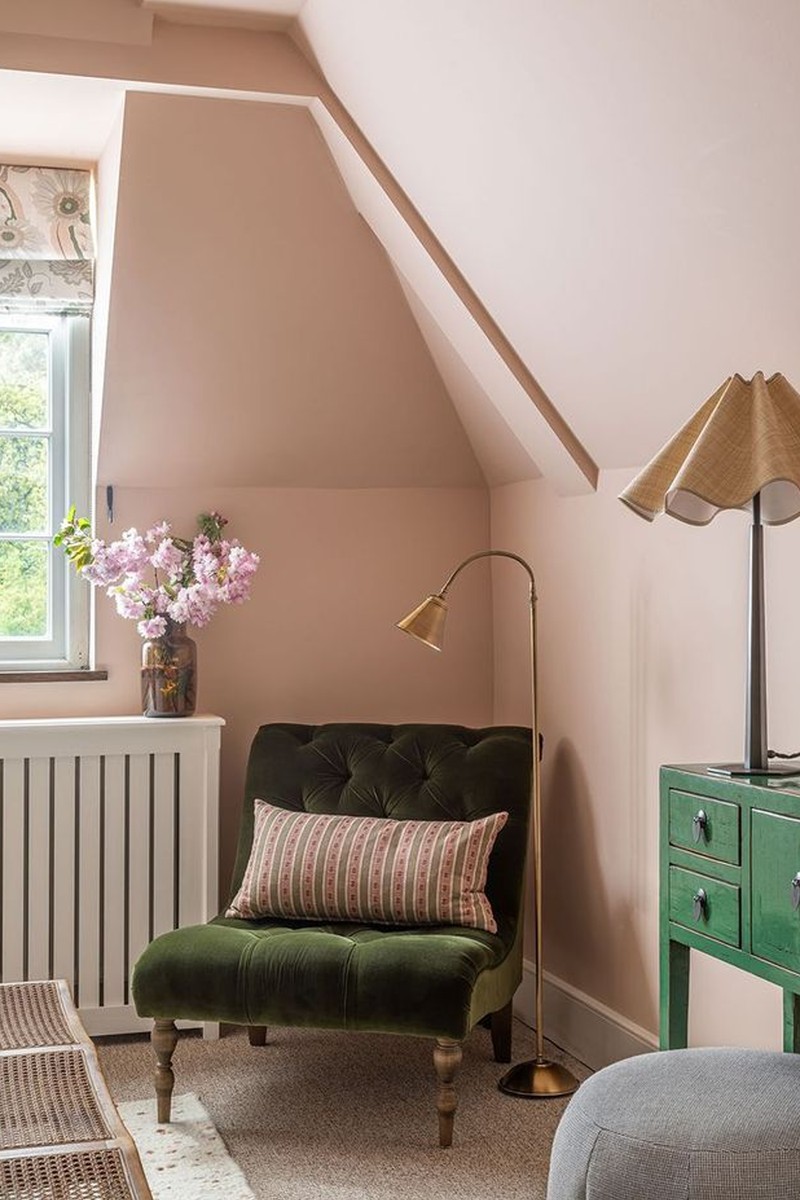
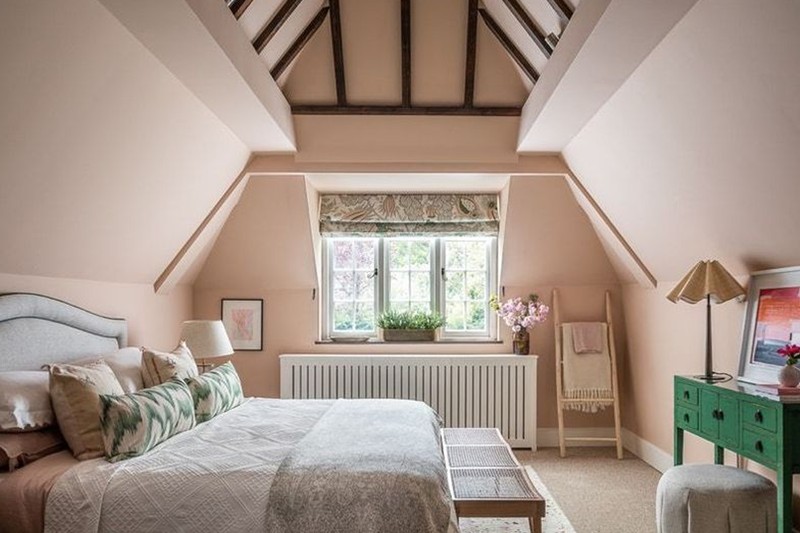
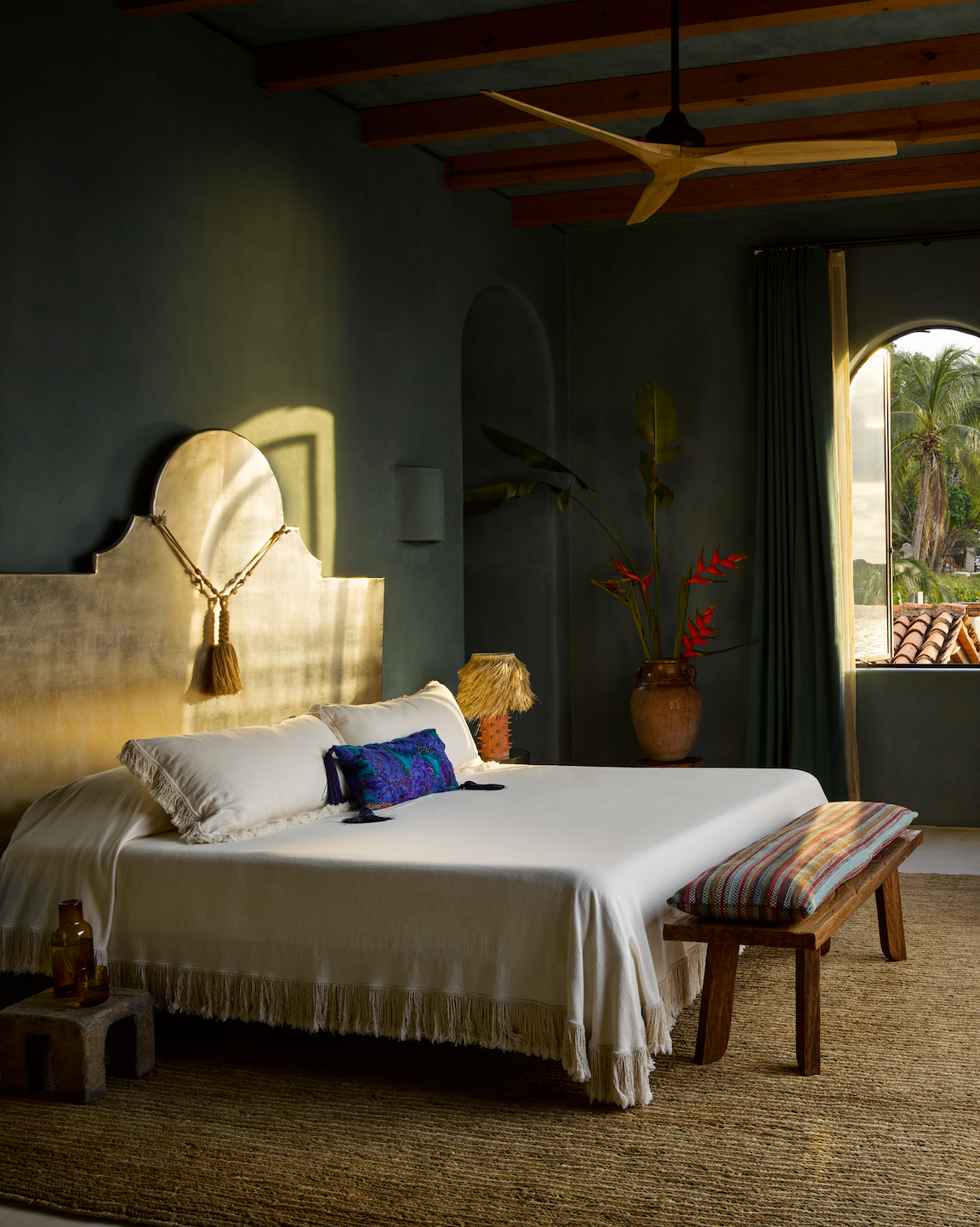
Selecting the right paint color is critical for establishing the bedroom's mood. Designers recommend considering natural light and room dimensions, often favoring layered neutrals such as warm grays, off-whites, and soft taupes for a calming effect. Subtle introductions of muted earth tones, soft blues, or dusty greens can further enhance the serene atmosphere. The choice of color is highly personal, aiming to create a comfortable and inviting environment.
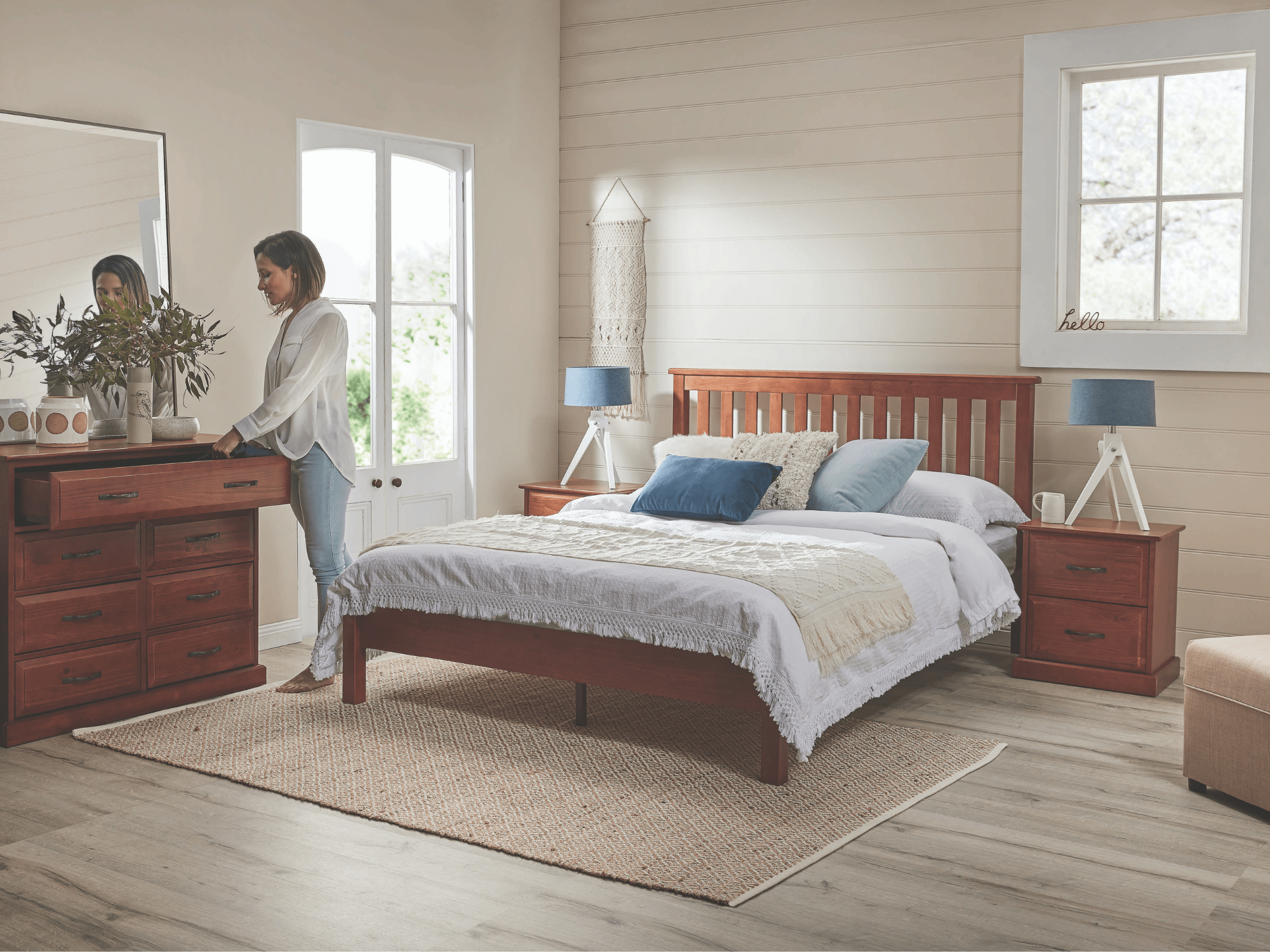
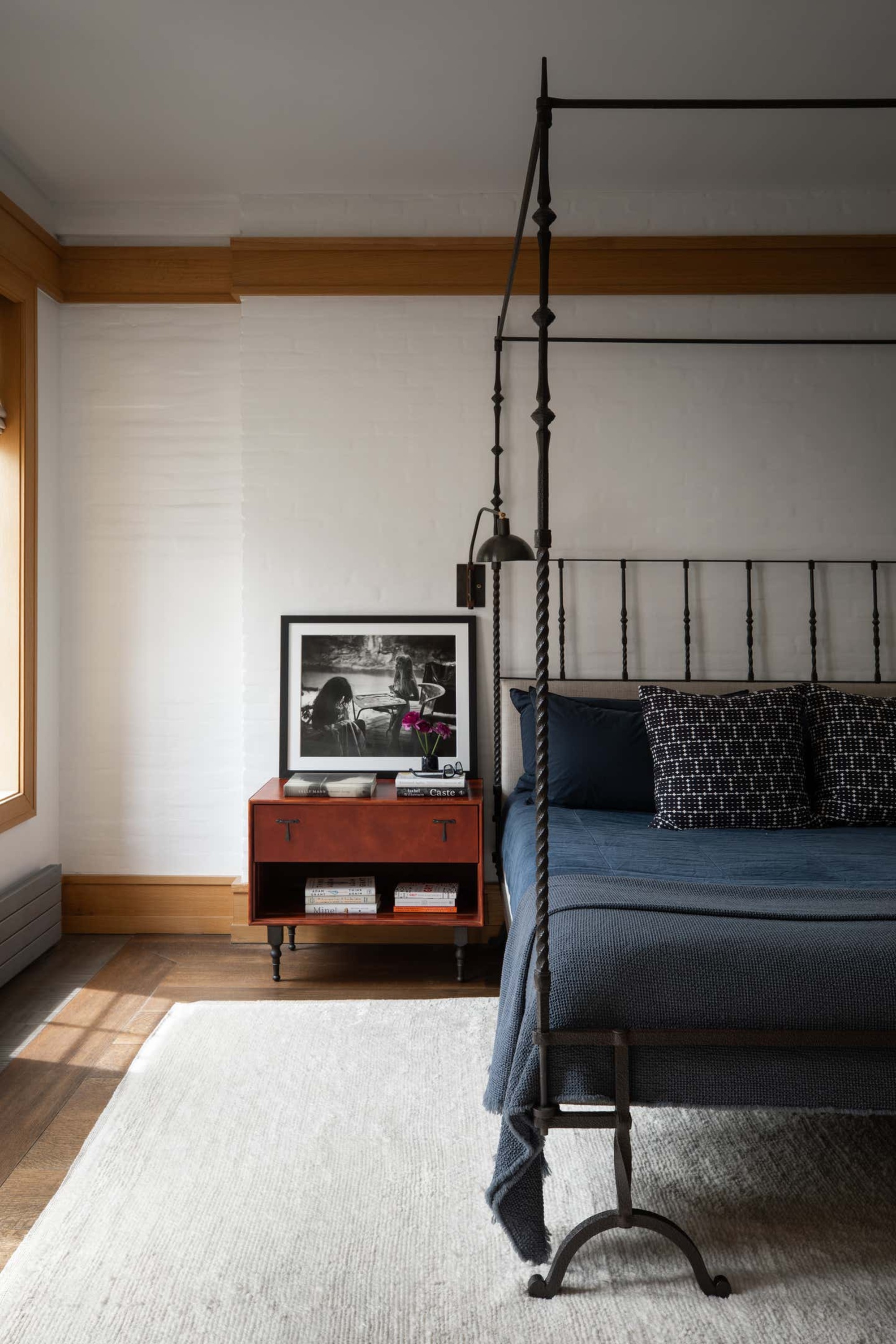
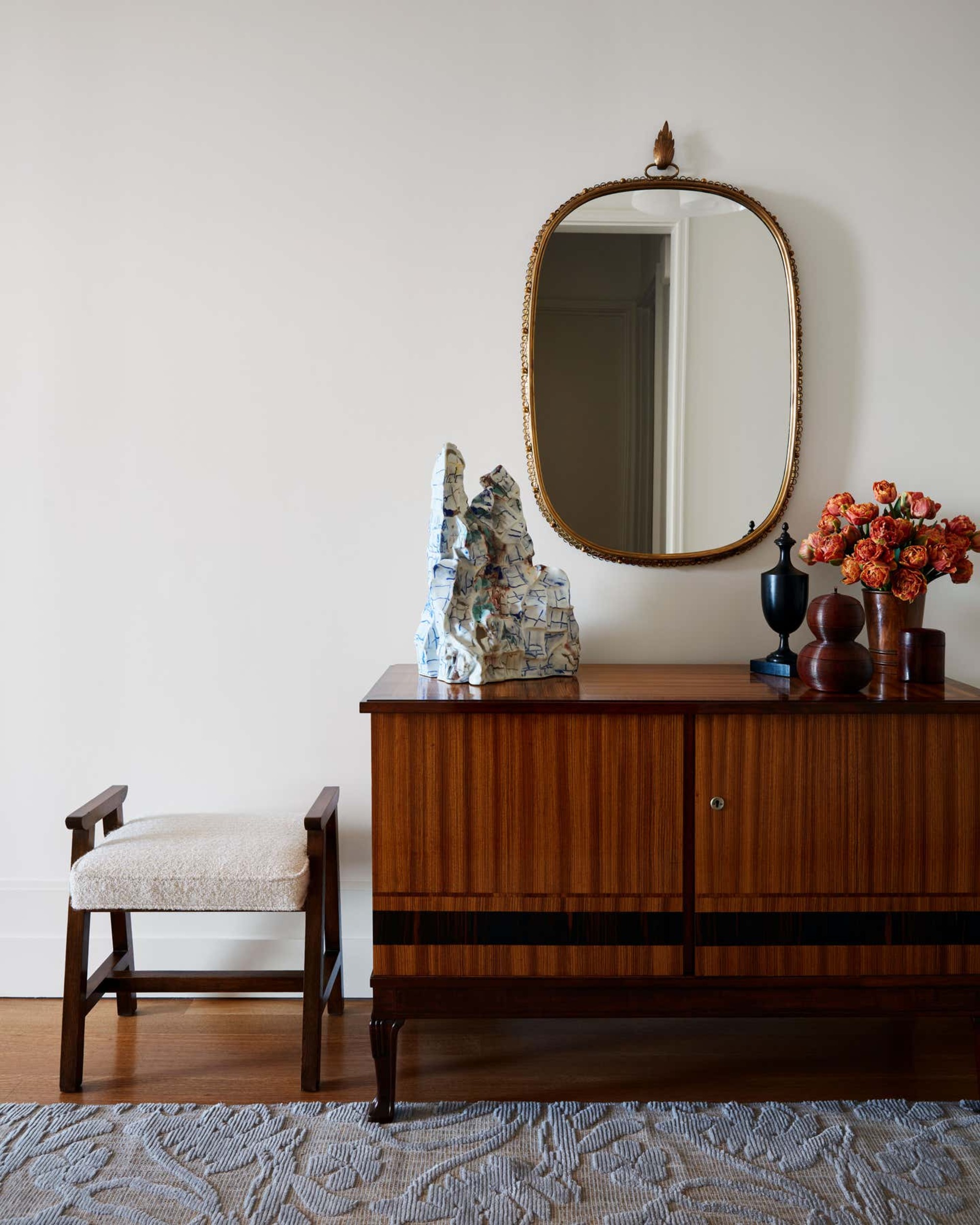
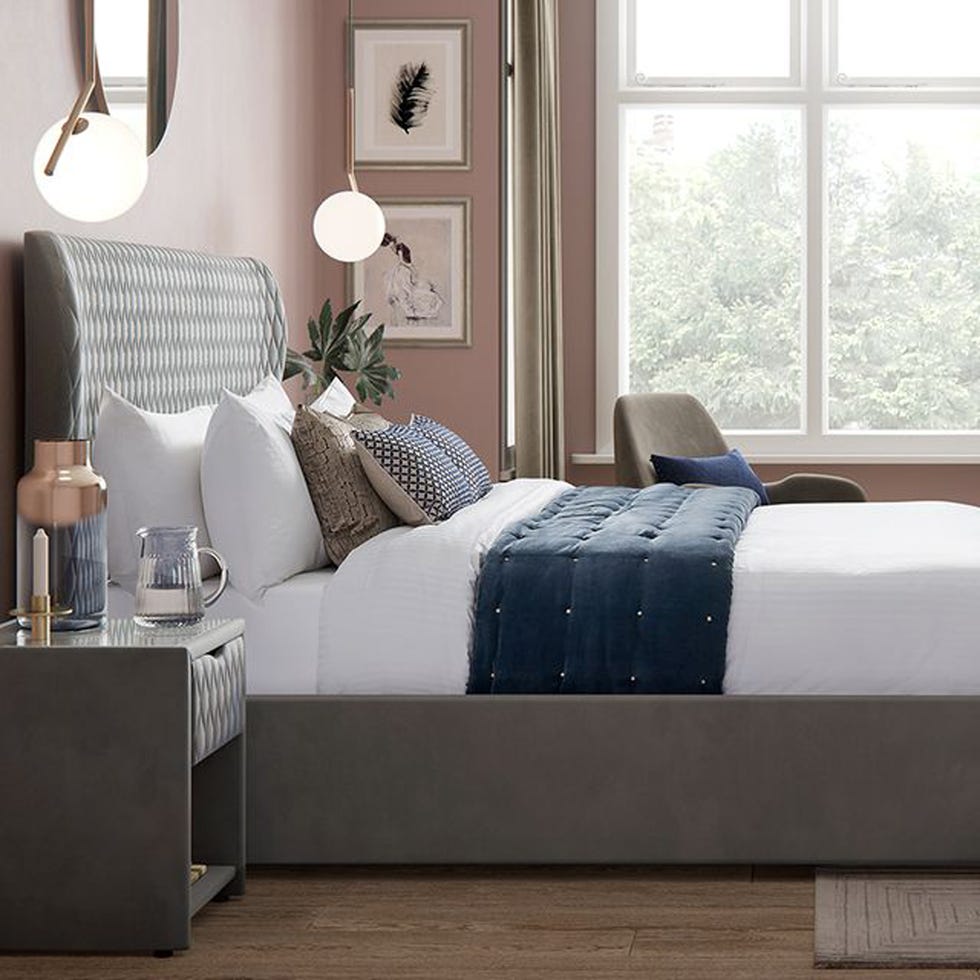
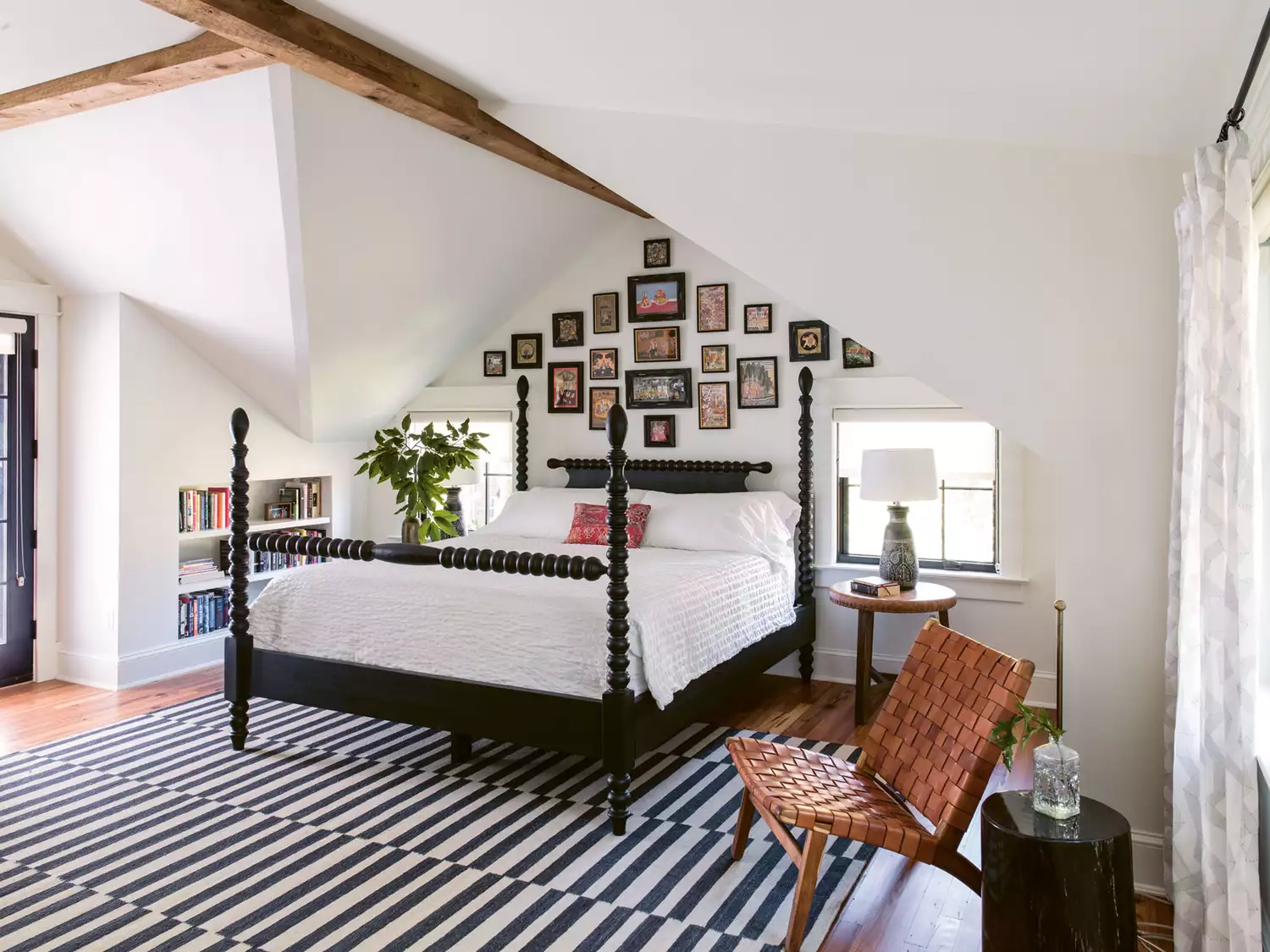
Effective layout planning is another crucial step to prevent future frustration. Designers advise starting with the bed, positioning it as the room's anchor, and then arranging other furniture like nightstands, dressers, and accent chairs around it. Utilizing floor plans, whether digital or physical, helps in optimizing space and flow. Once the layout is determined, choosing appropriately sized furniture is paramount. Oversized pieces can obstruct movement, while undersized items can make the room feel disproportionate. Proper scale and proportion ensure balance and functionality, and strategically placed elements like mirrors or artwork can address asymmetrical room features.
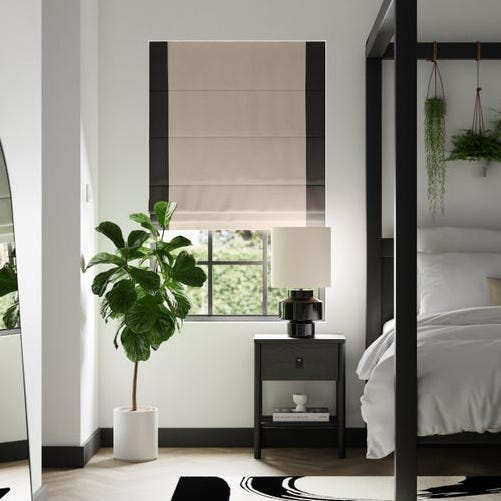
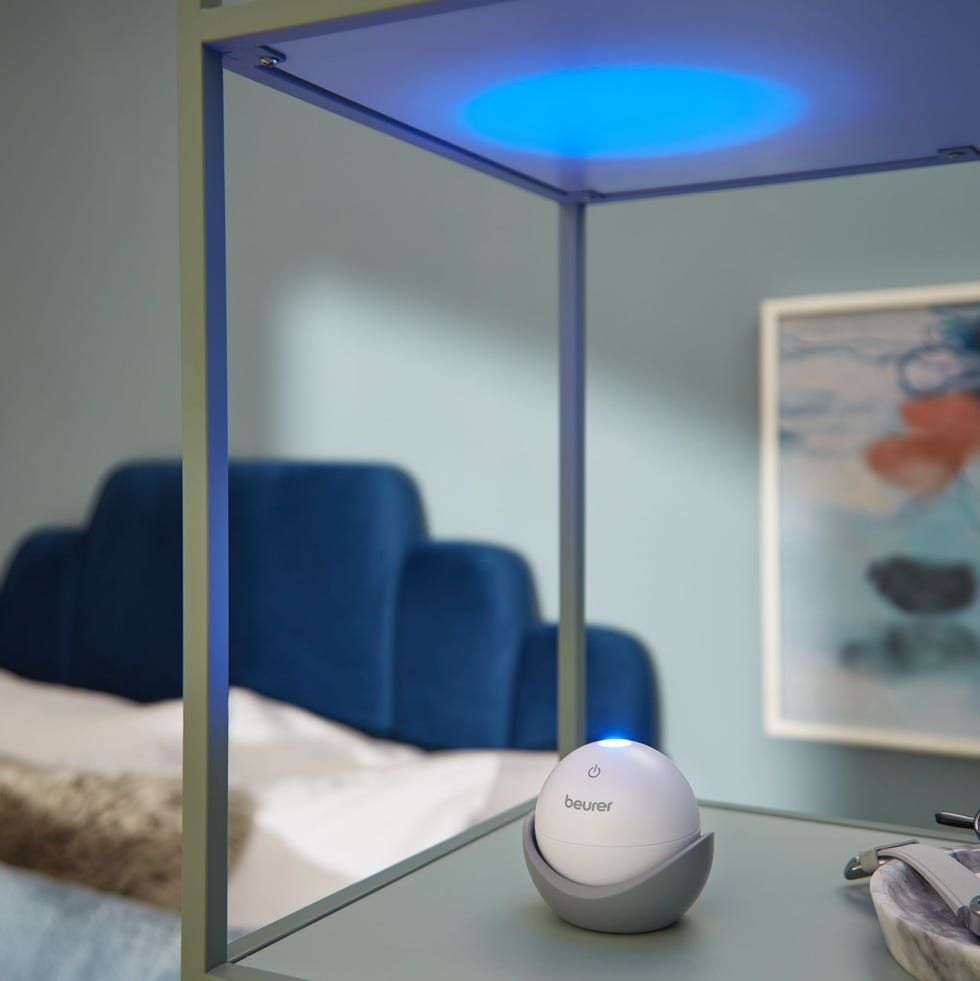
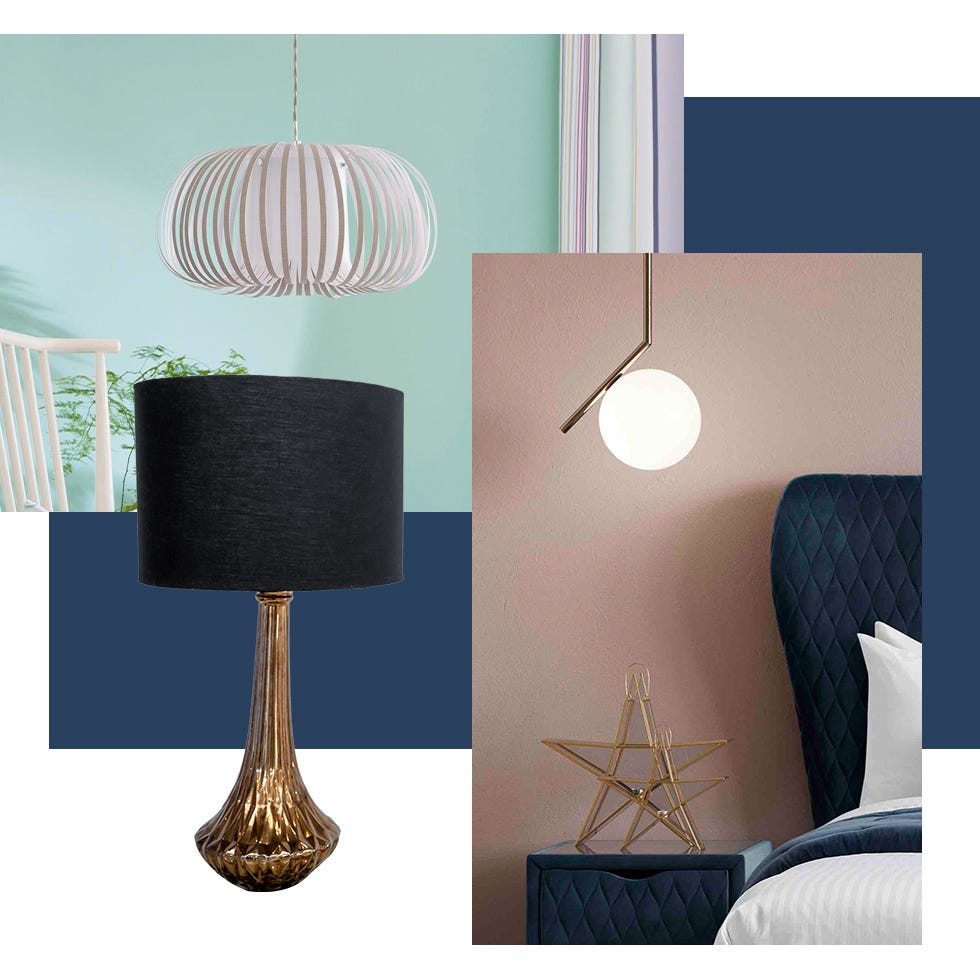
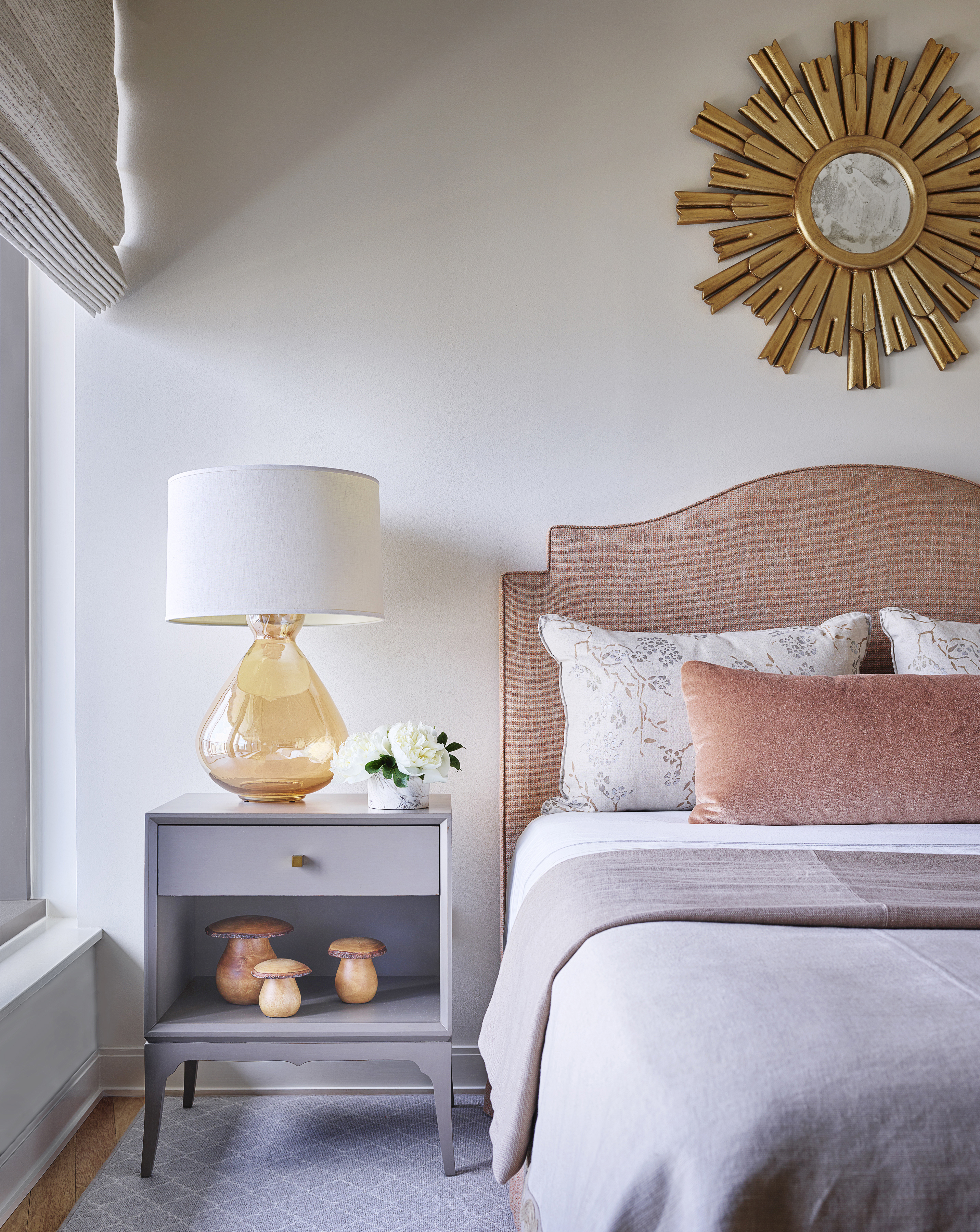
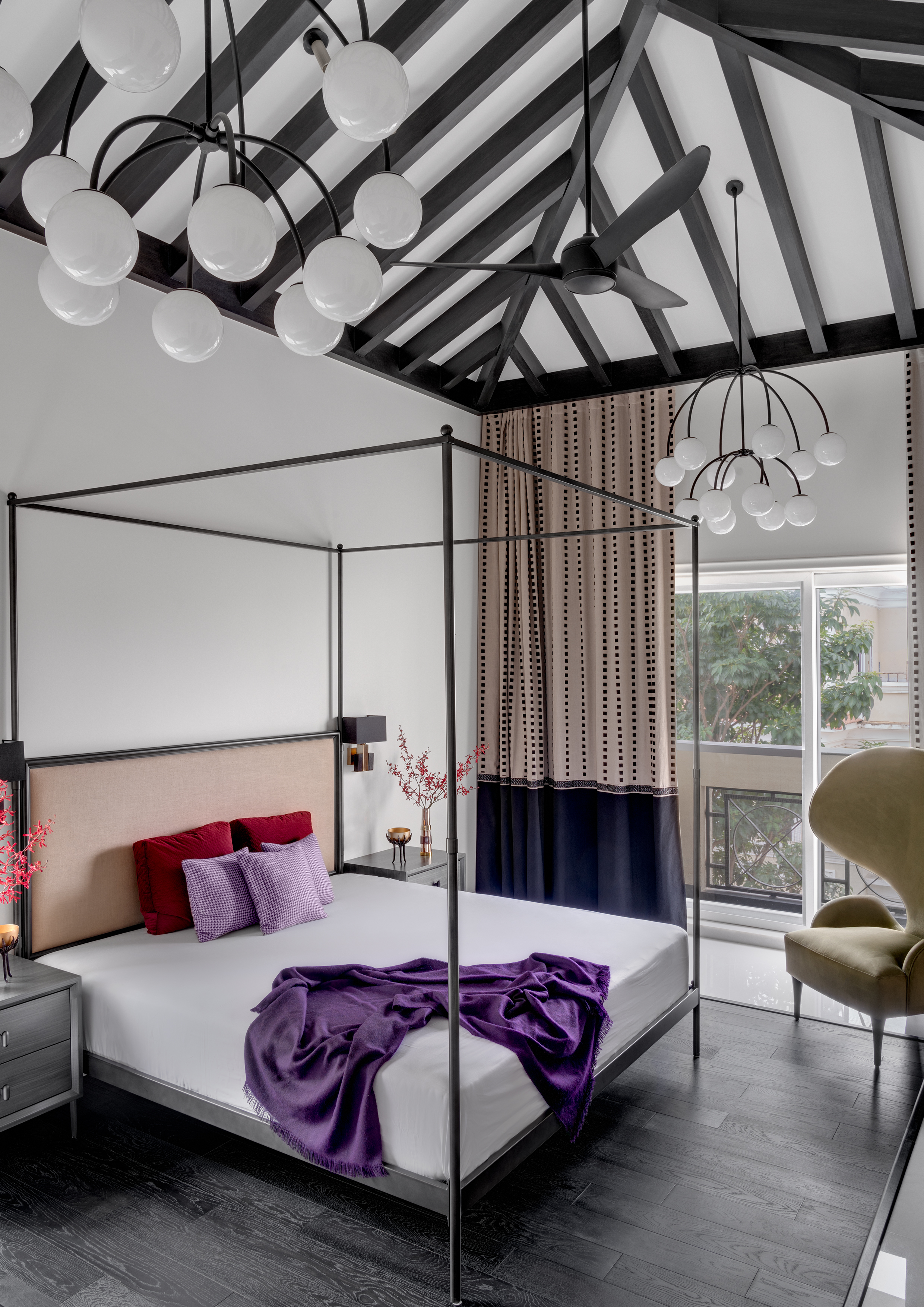
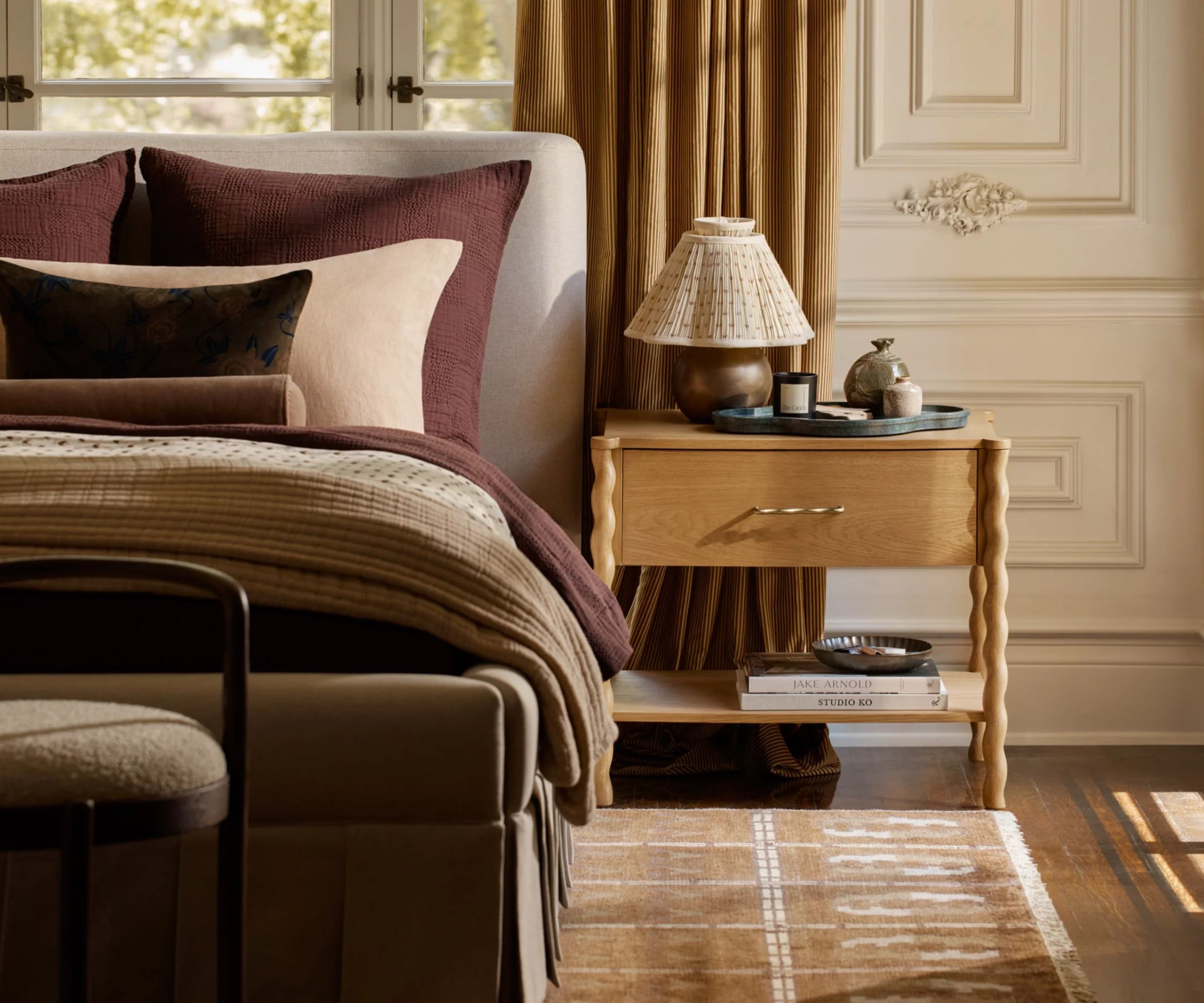
Lighting plays a significant role in setting the right tone. A combination of soft, layered lighting for relaxation and brighter task lighting for functionality is recommended. Dimmers for overhead lights allow for adjustable ambiance, and bedside lamps or wall-mounted lights are ideal for reading. Natural daylight is prioritized for its positive impact on well-being and spatial perception, complemented by supplemental lighting with warm tones (under 3000K color temperature).
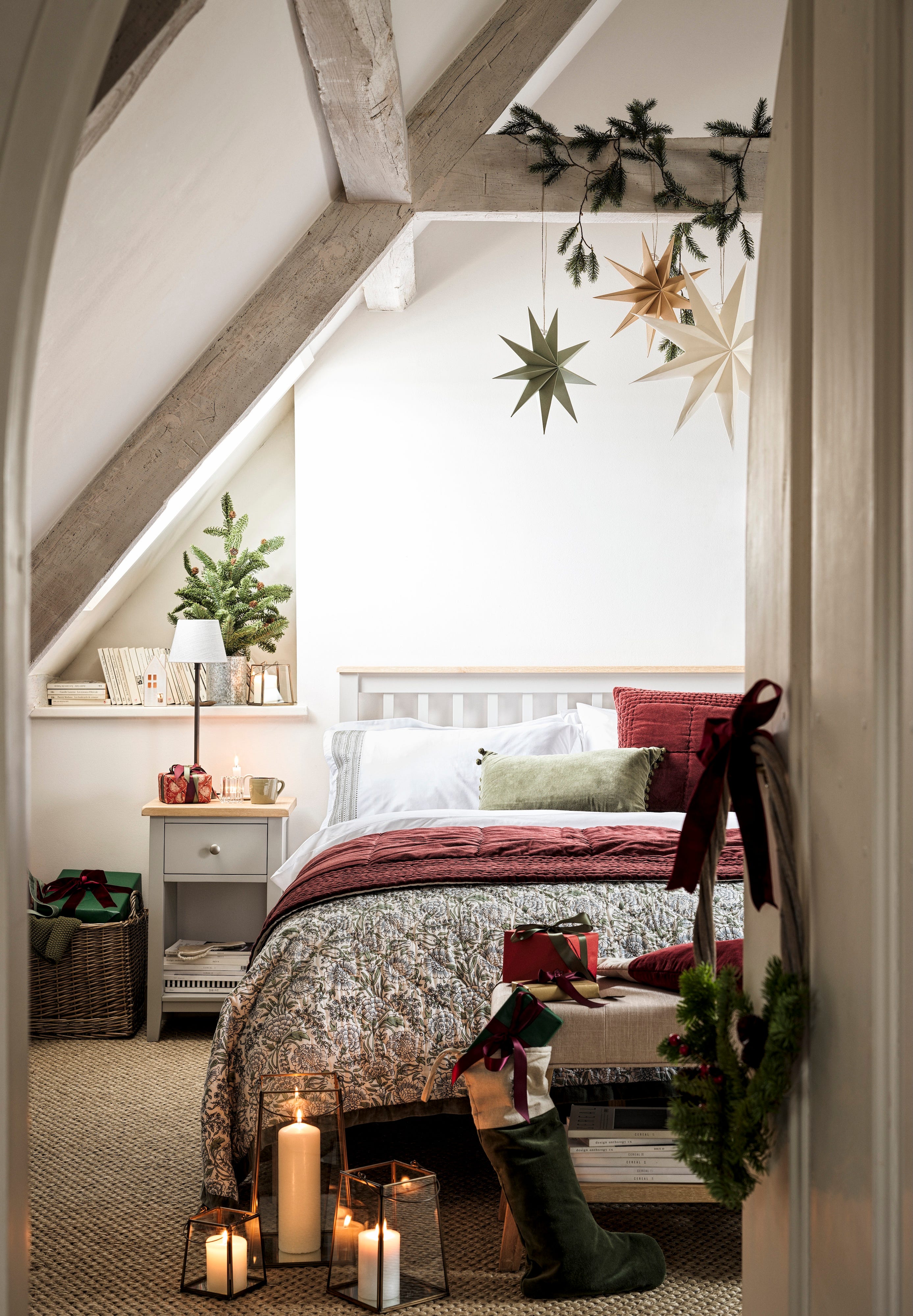
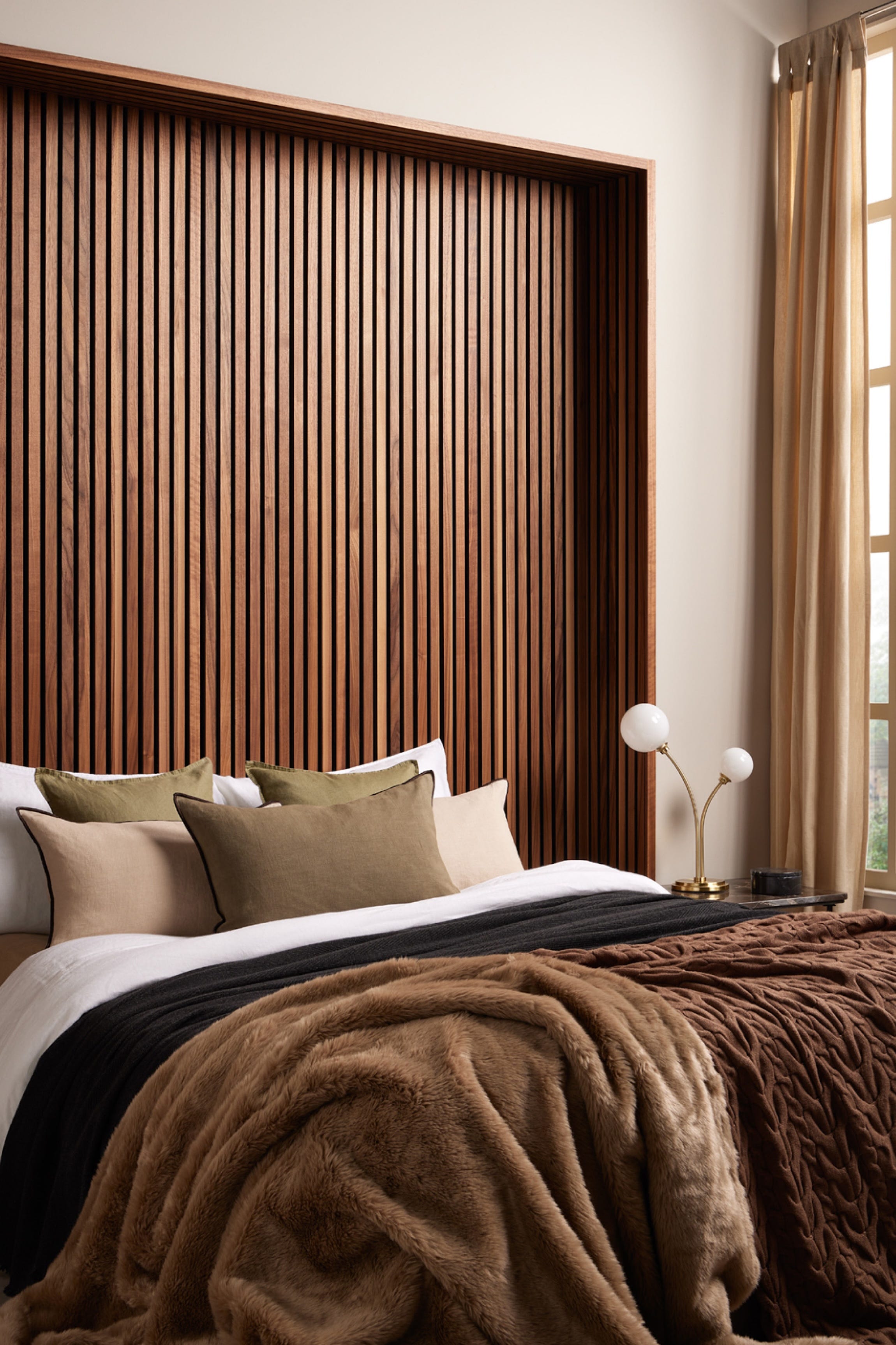
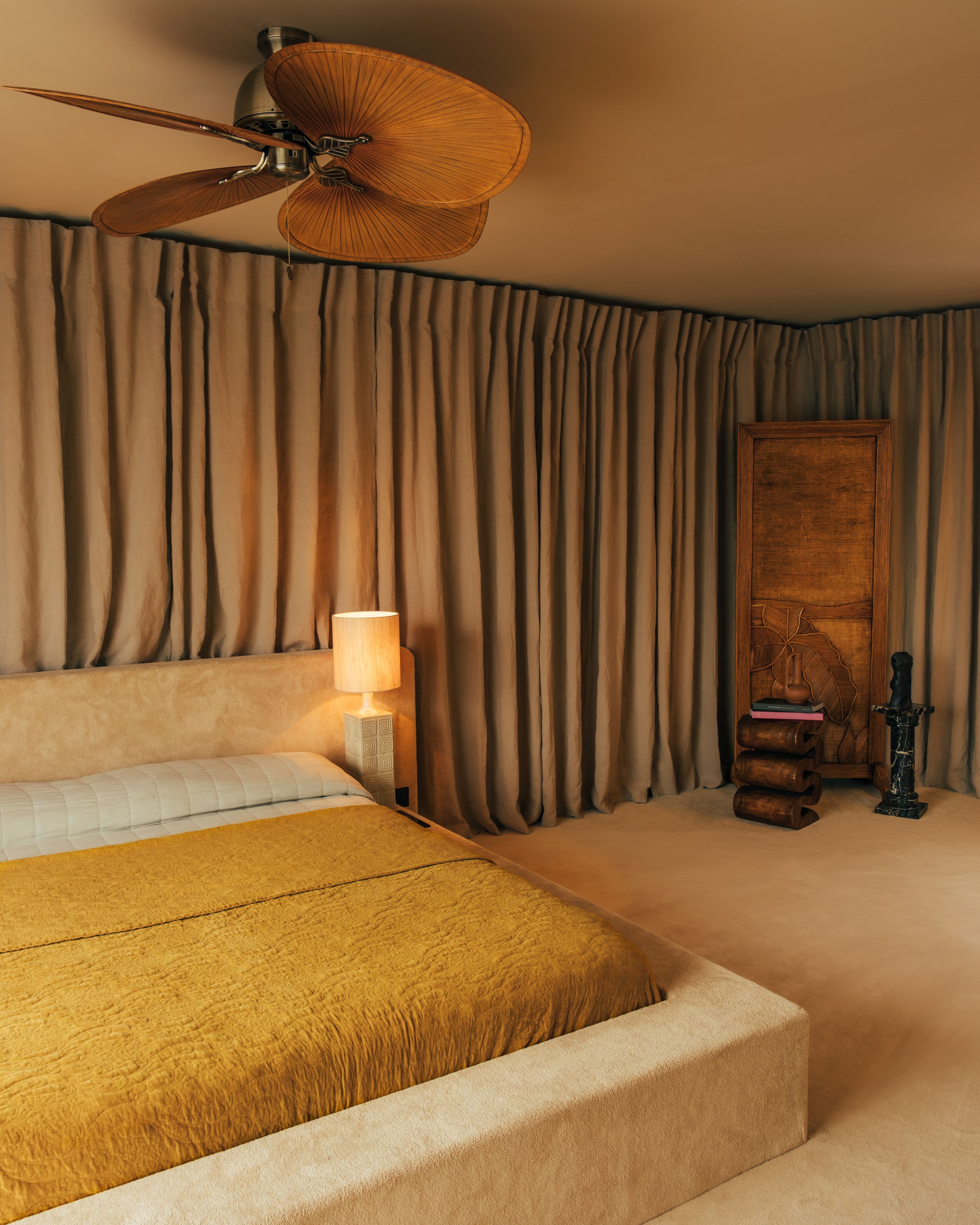
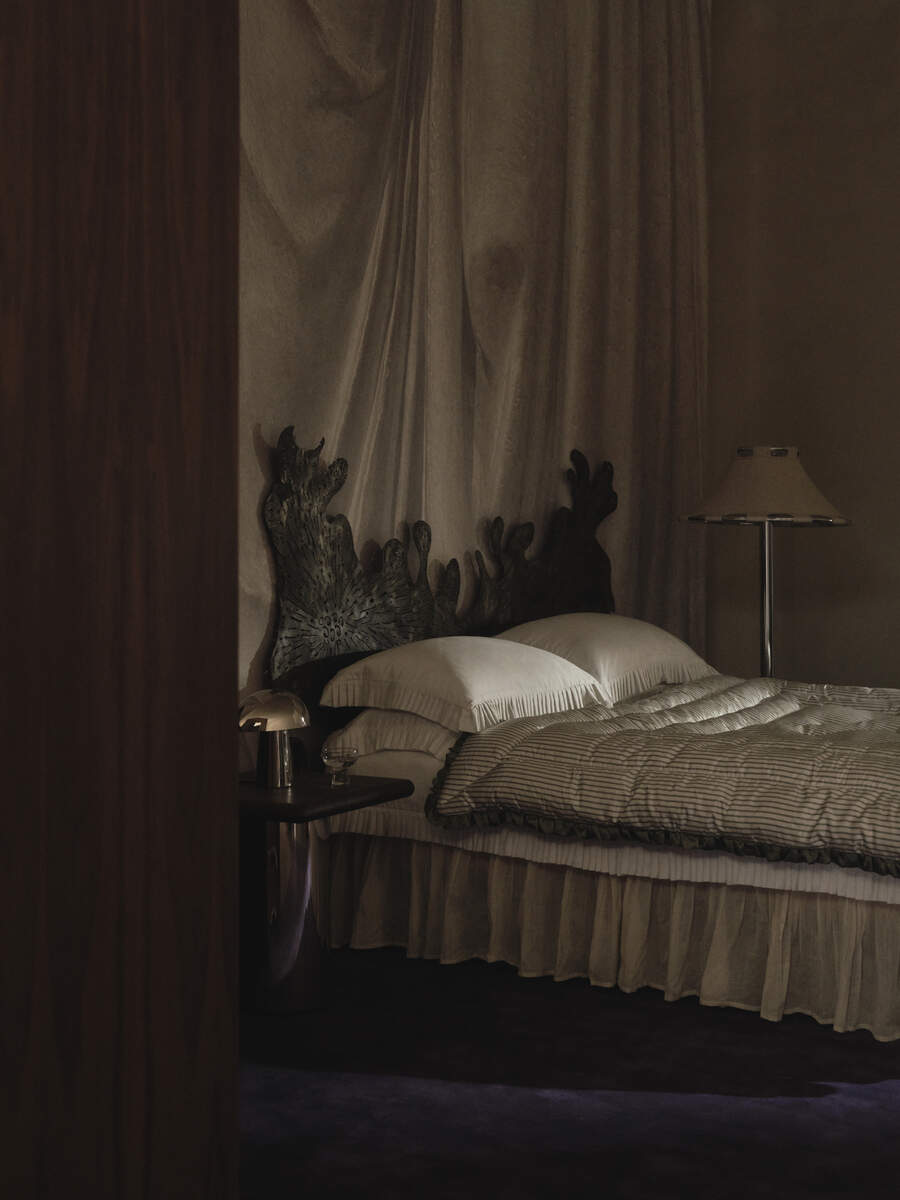
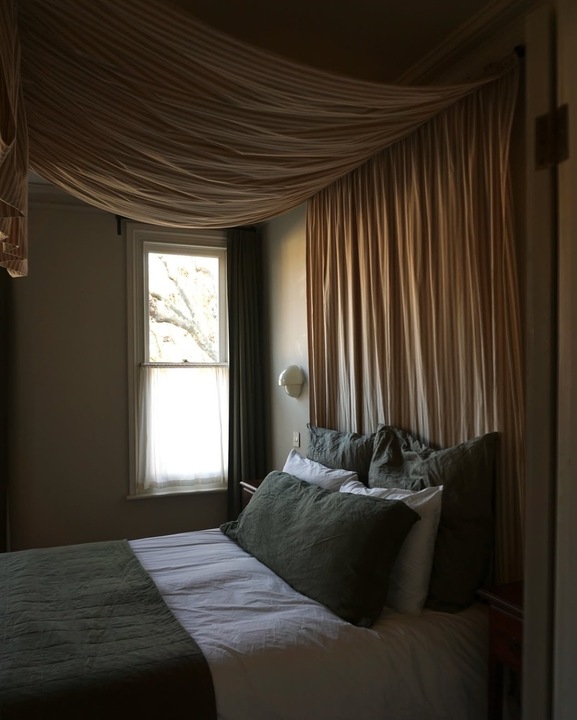
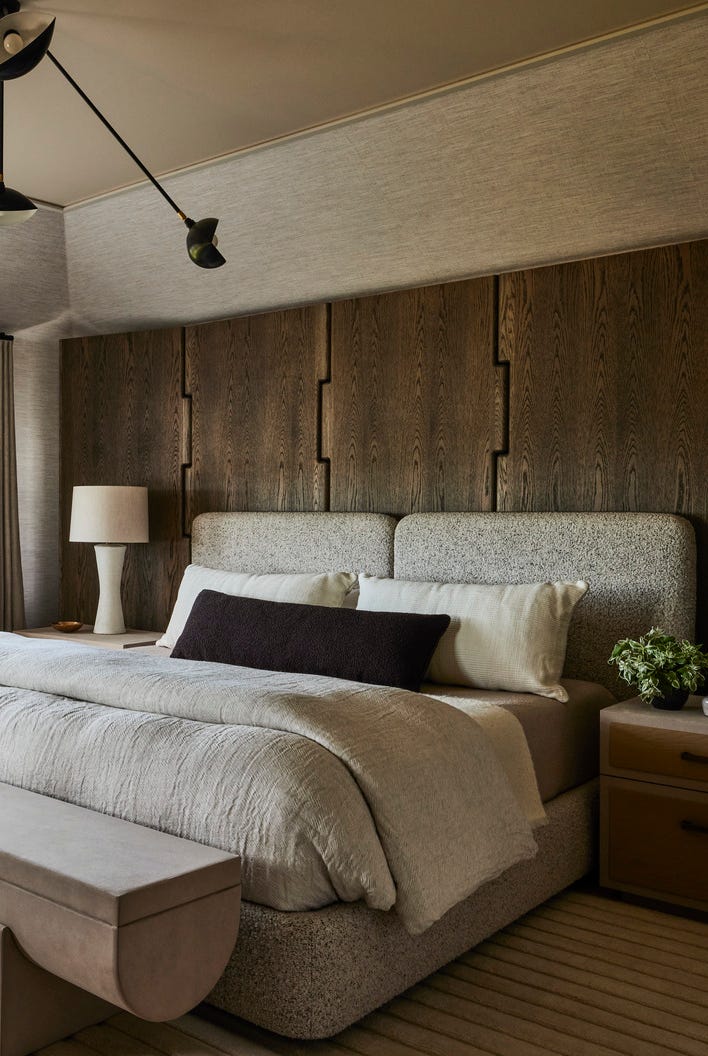
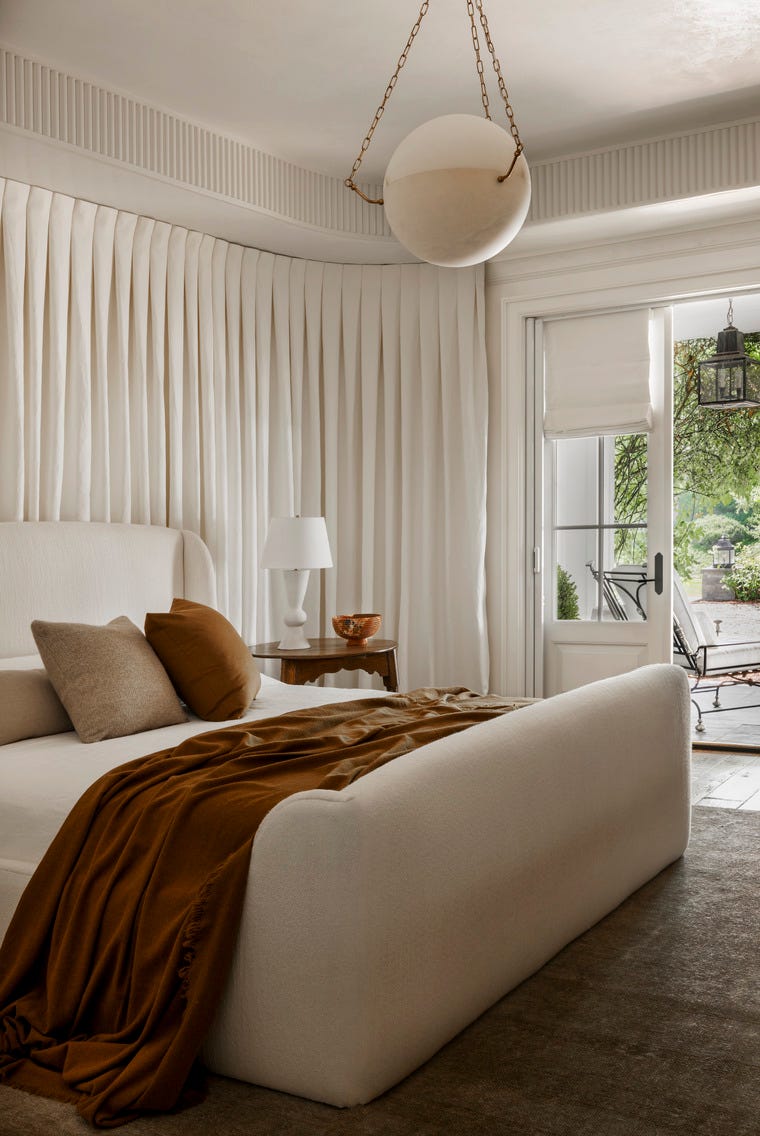
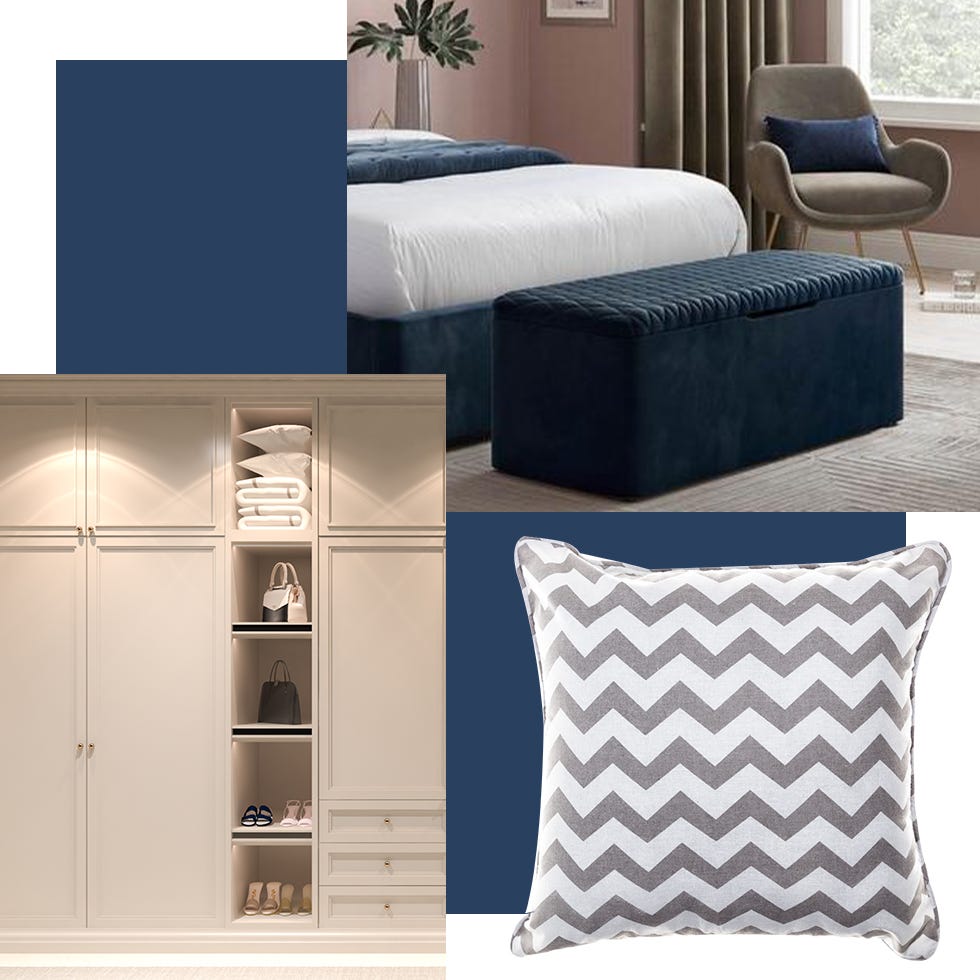
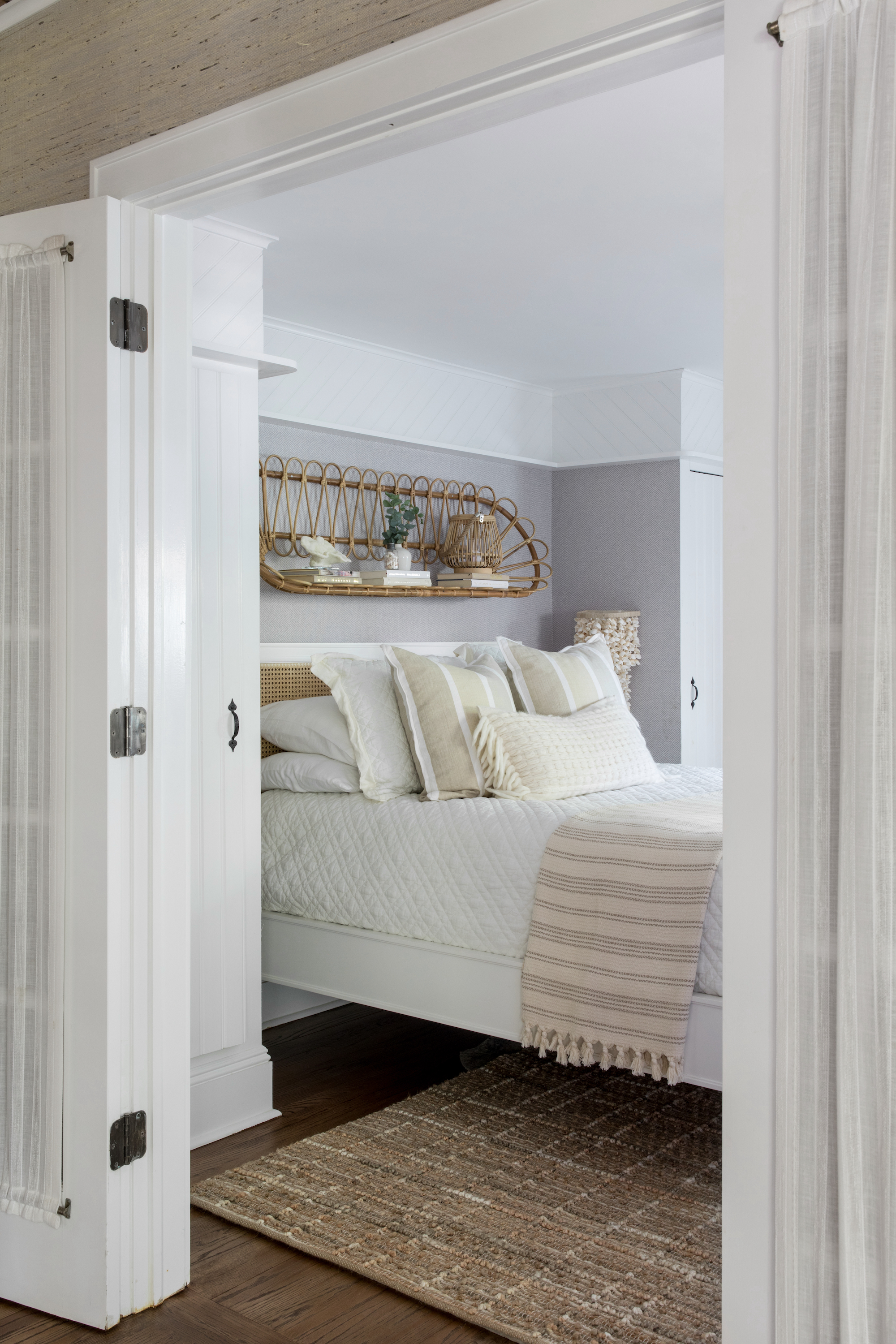
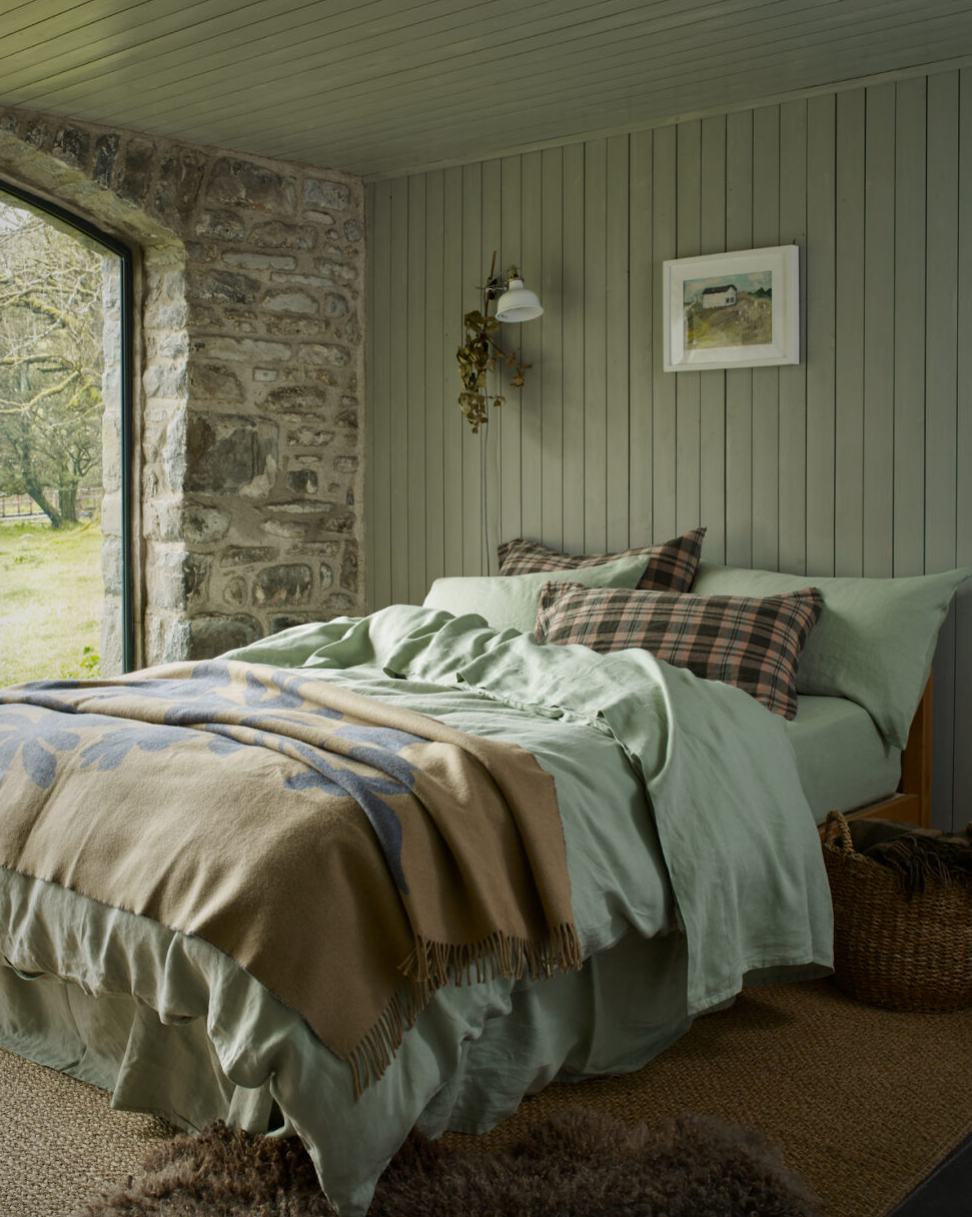
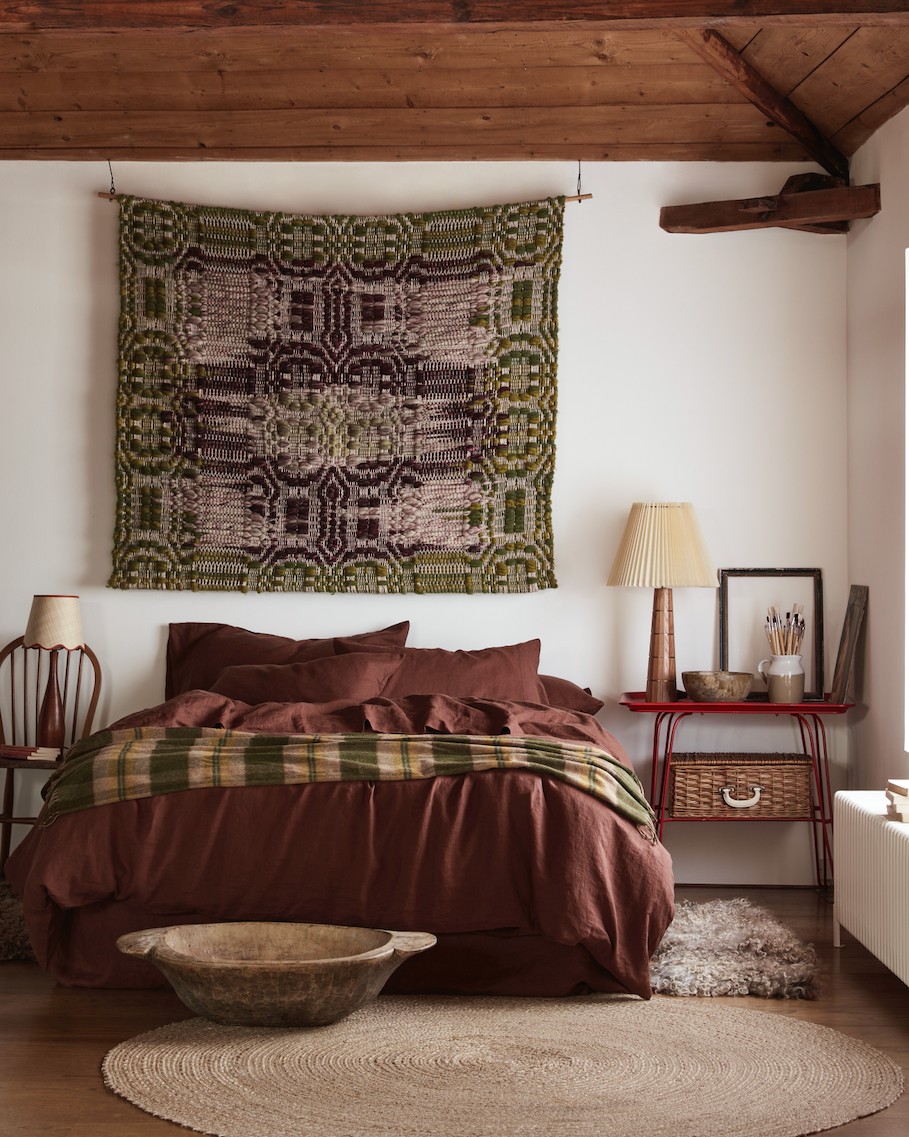
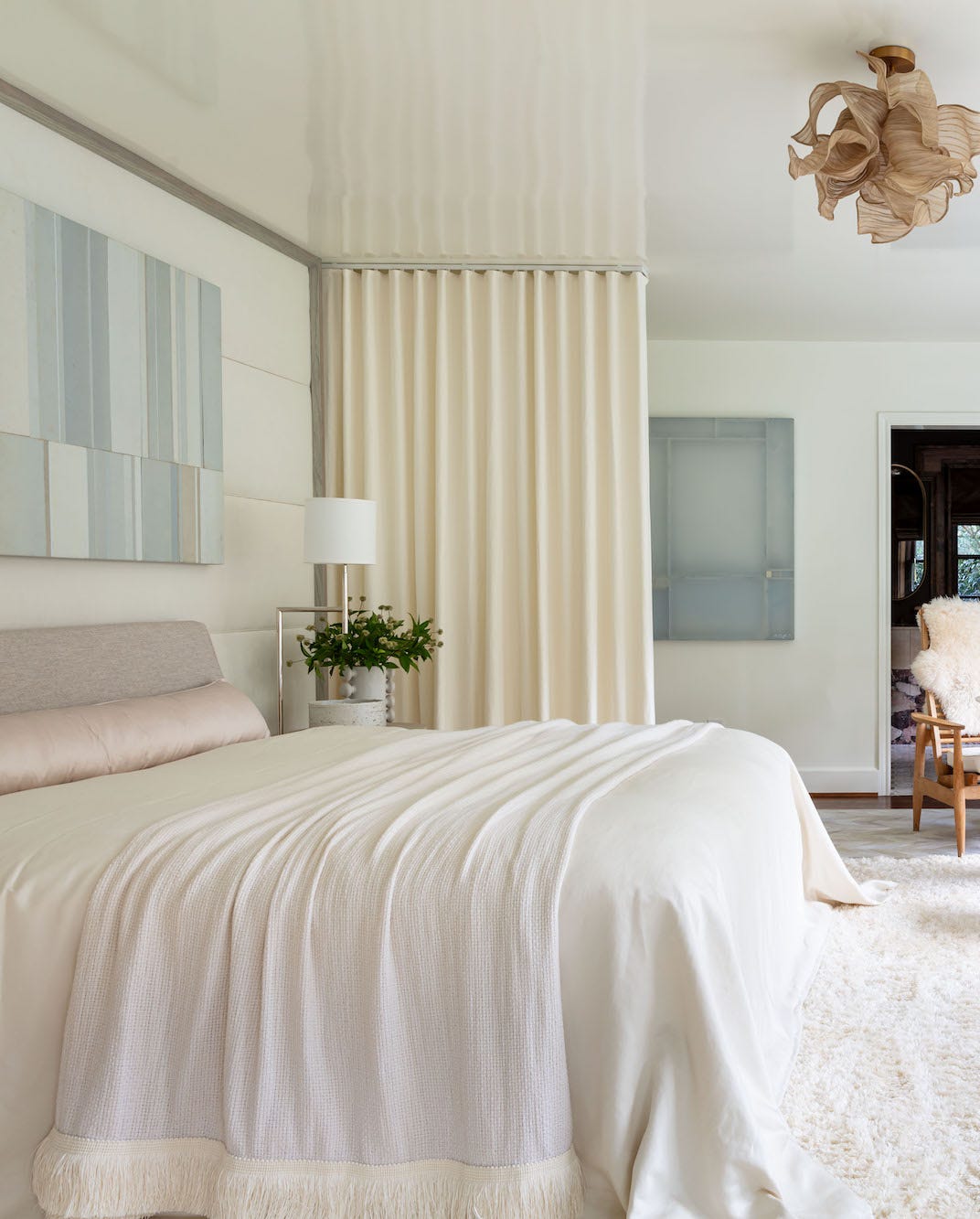
Textiles are vital for adding warmth, texture, and visual interest. Layering bedding, rugs, curtains, and accent pillows can soften architectural lines and unify design elements. Natural materials like linen, cotton, wool, and bouclé introduce diverse textures. Some designers even suggest upholstering walls for enhanced acoustic softness and a cocoon-like feel. Investing in comfortable bedding made from high-quality, breathable materials like linen or long-staple cotton is highlighted as essential for a good night's sleep. The bedding should complement other elements in the room, creating a cohesive narrative. For a more luxurious look, upsizing the duvet (e.g., a king duvet on a queen bed) ensures an effortless drape.
Finally, the presence of a television in the bedroom is a matter of personal preference, though many designers advocate for its removal to promote rest, reflection, and personal comfort. They suggest that bedrooms should be sanctuaries free from screen distractions, emphasizing that TVs can visually dominate a room and detract from subtle design details. For those who insist on a TV, discreet options like ceiling-mounted screens that retract when not in use are recommended.
#BedroomDecor #InteriorDesign #HomeDecor #Moodboard #PaintColors #FurnitureLayout #BedroomLighting #TextileDesign #ComfortableBedding #Sanctuary #BedroomDecor #InteriorDesign #HomeDecor #Moodboard #PaintColors #FurnitureLayout #BedroomLighting #TextileDesign #ComfortableBedding #Sanctuary
0 comment in total
 No comments yet
You may also like
How to Turn Your Bedroom Into a Cosy Retreat

10 Bedroom Design Ideas Inspired By The Most Stylish Creatives On Instagram

12 above the bed decor ideas that will fill that negative space instantly

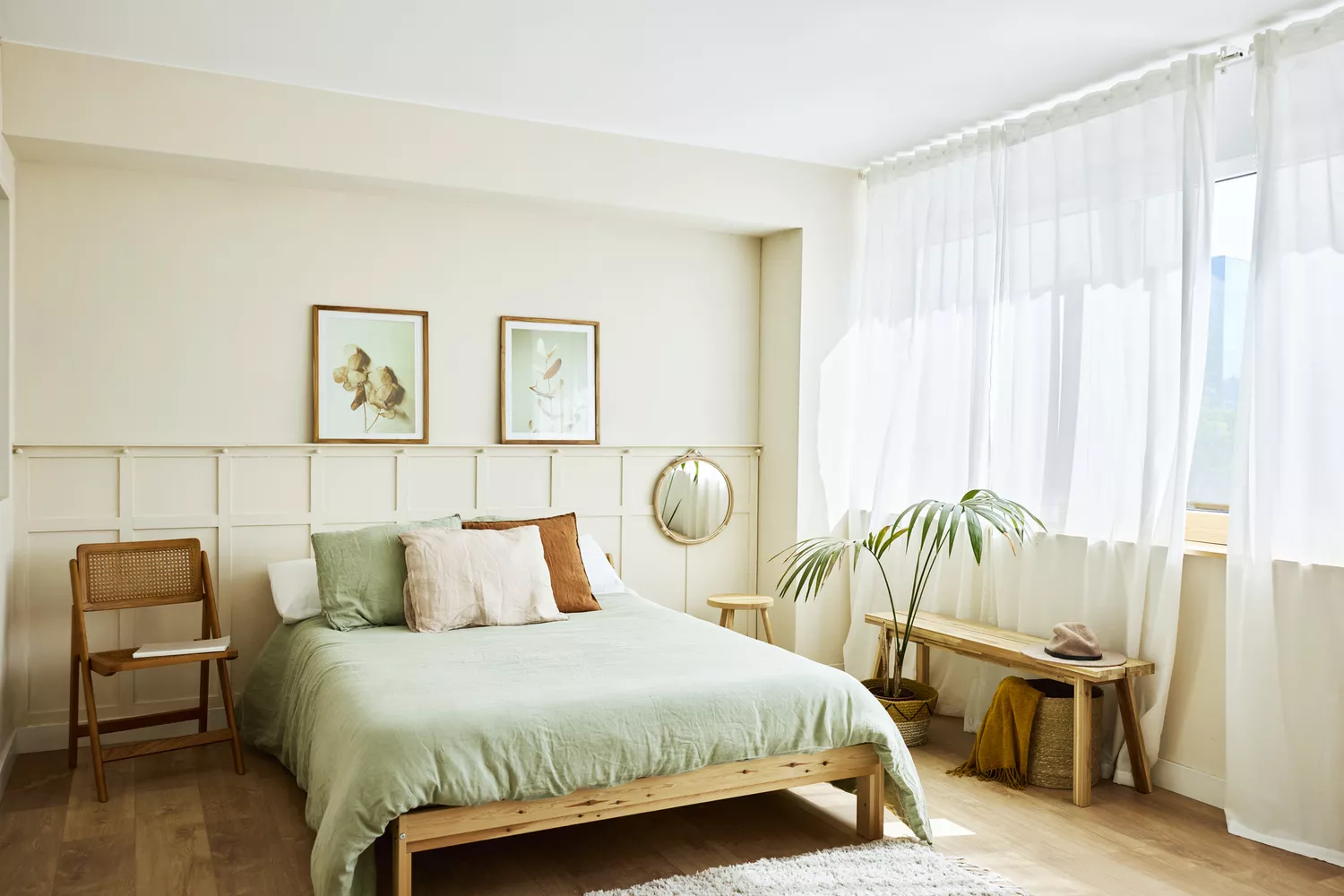
9 Things That Immediately Make Your Bedroom Look Bad, According to a Designer

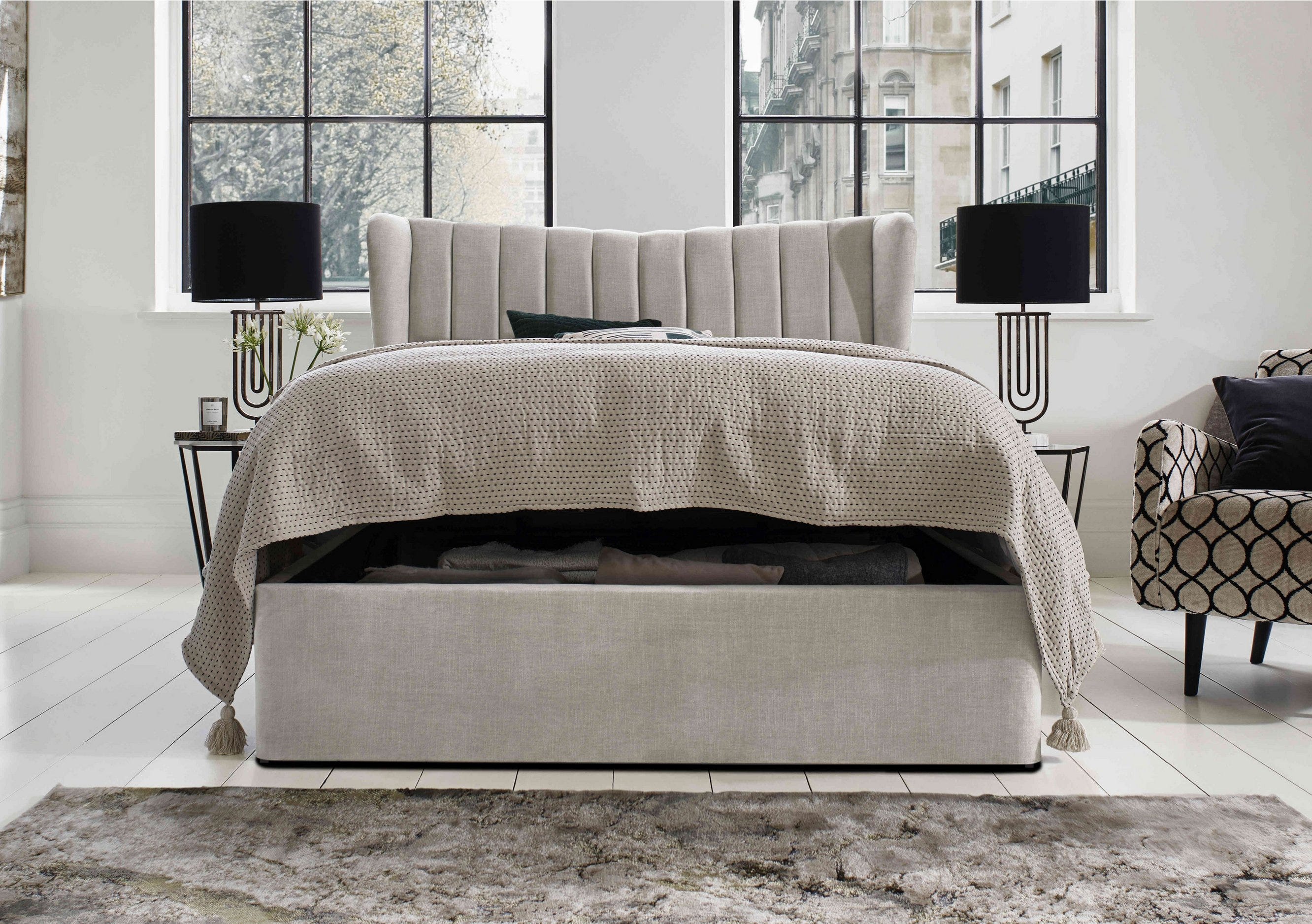
Bedroom inspiration and bedroom decorating ideas

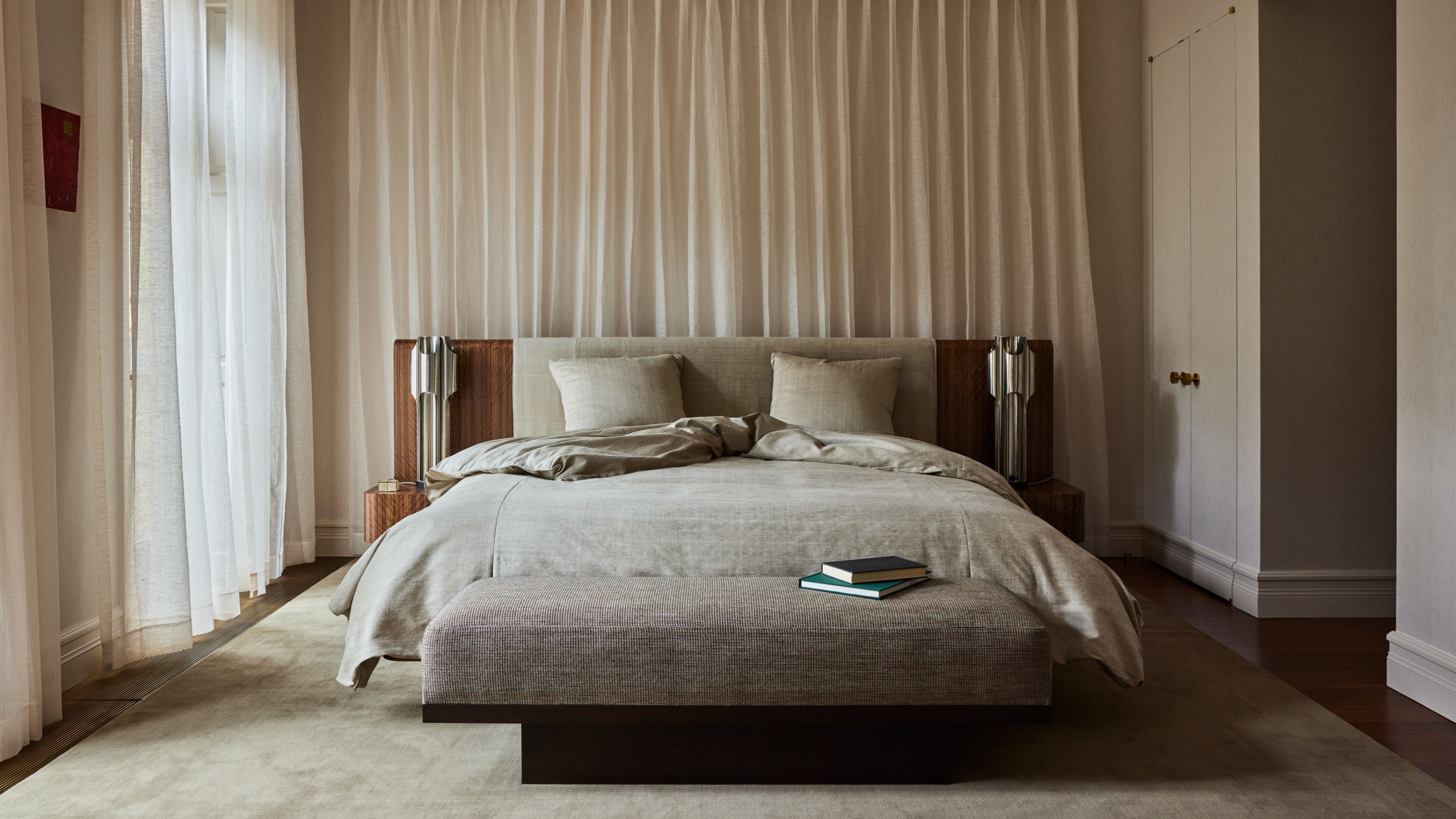
Curtains Are No Longer Just for Windows — I'll Be Putting Them Behind My Bed From Now On, and Here's 7 Ways to Do it

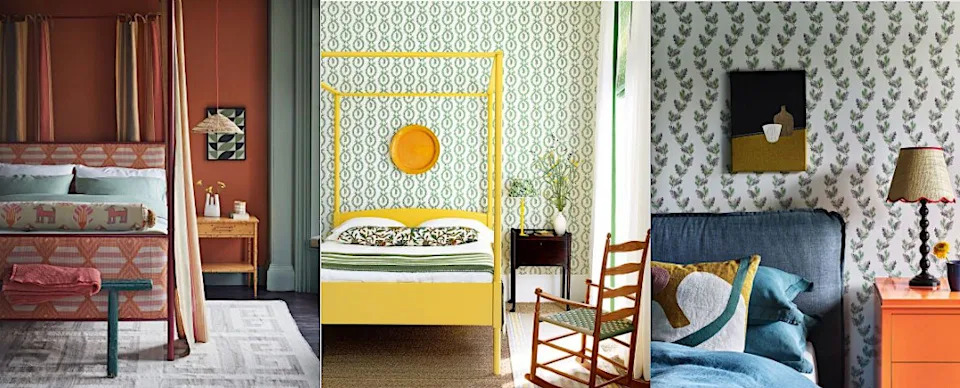
Bedroom ideas to furnish your space stylishly

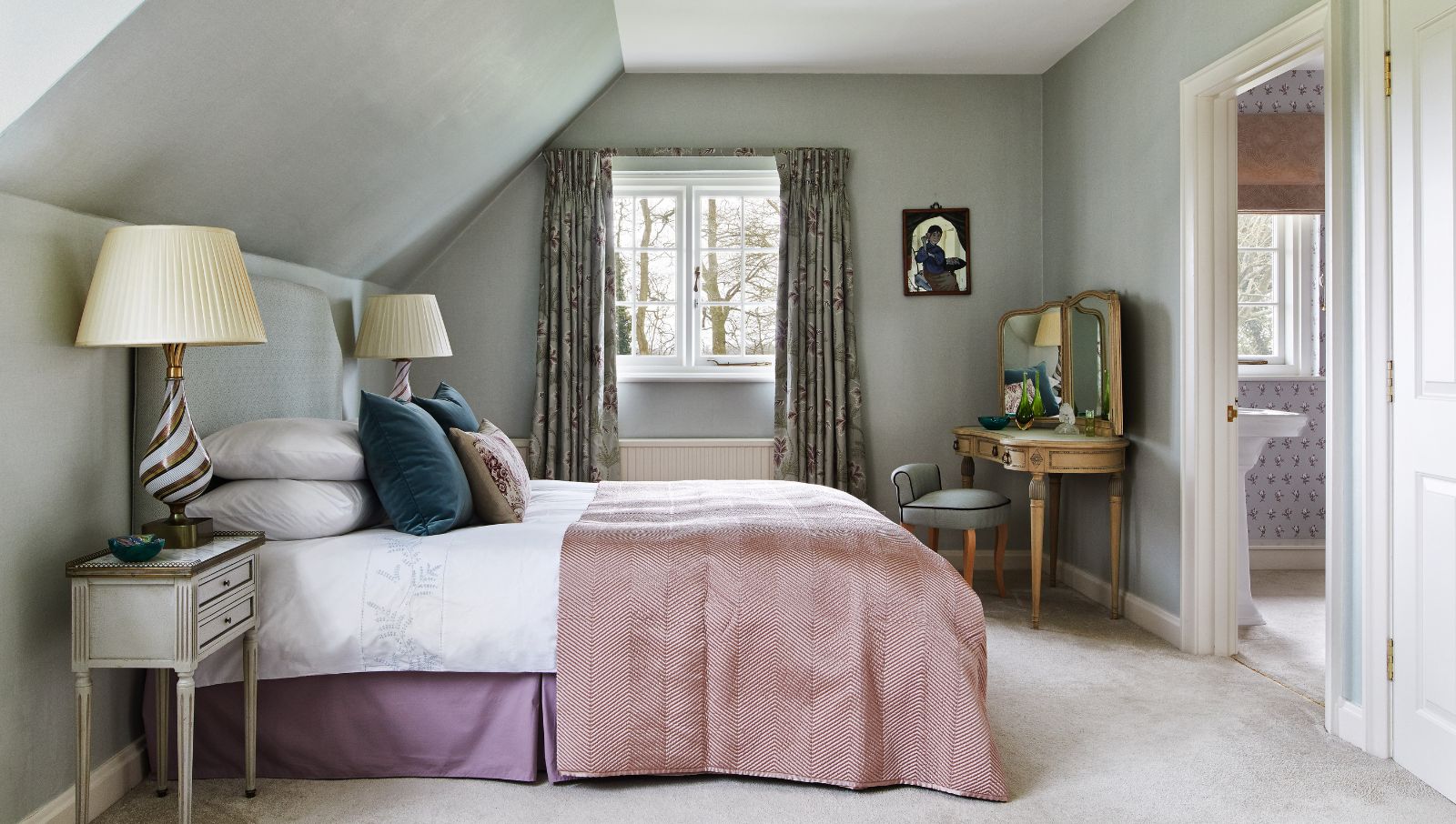
A guide to bedroom clearances, measurements, and spacing
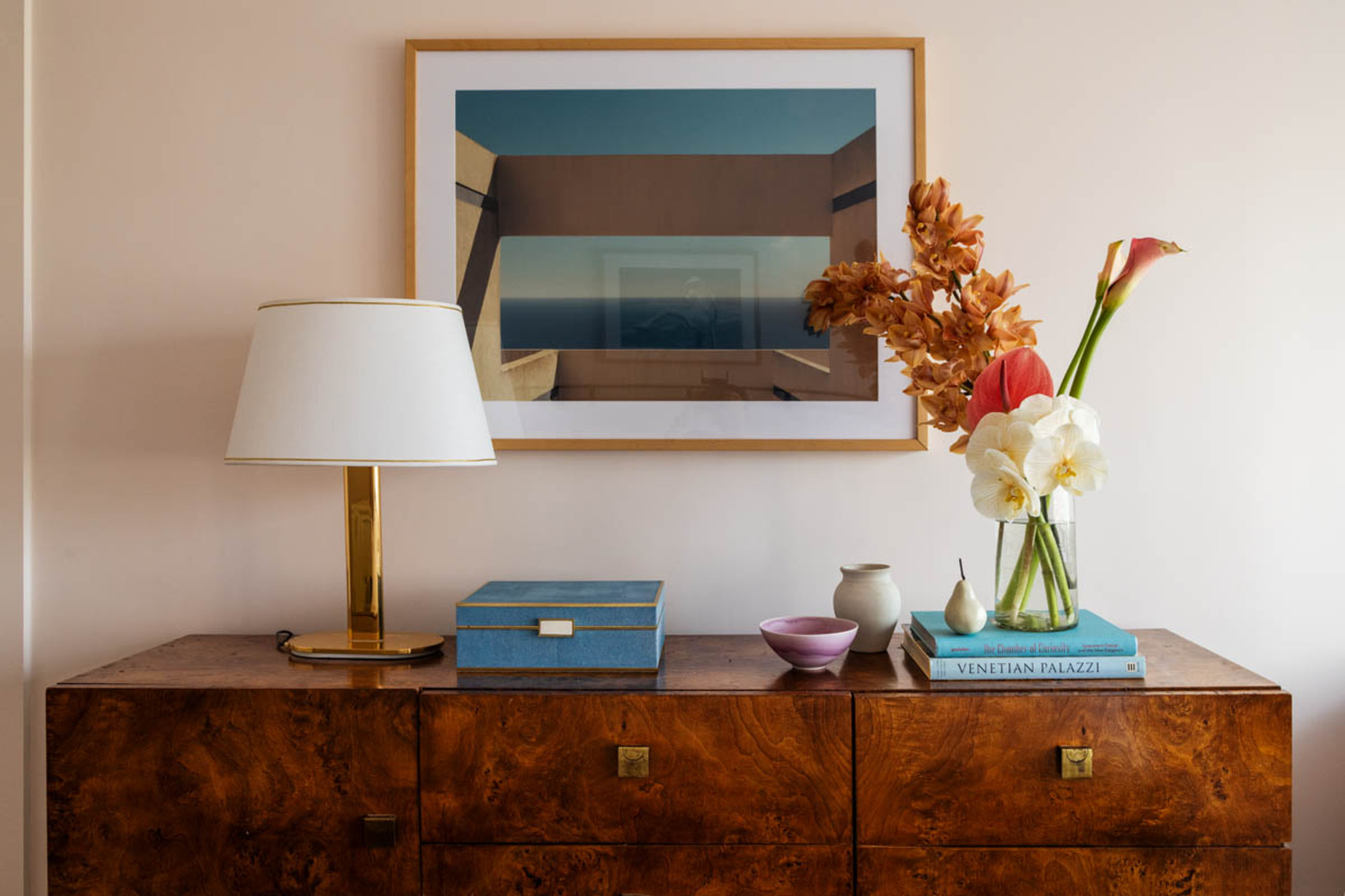
Bedroom dresser decor ideas that turn your space into a sanctuary
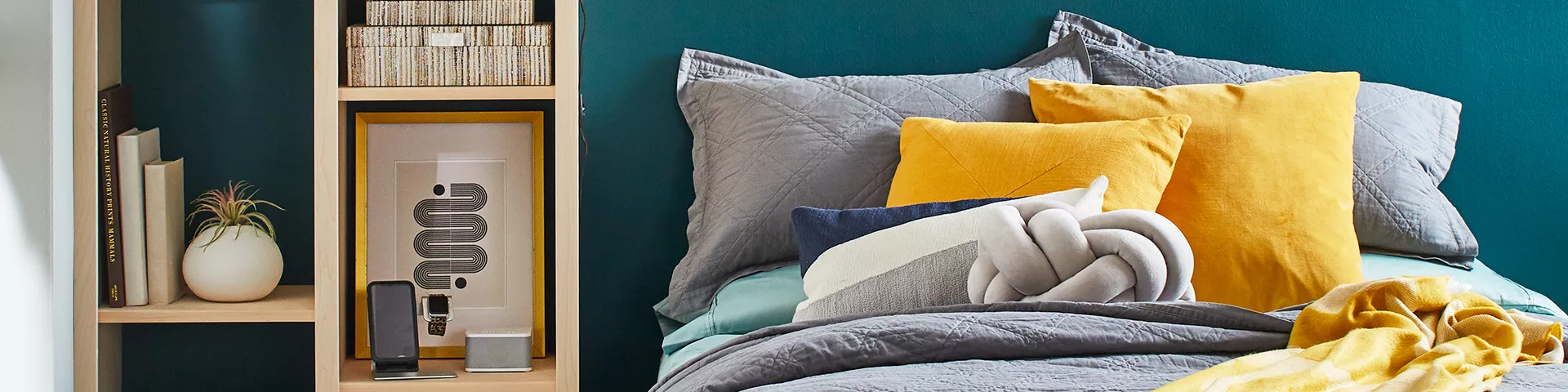
Bedroom Decorating and Design Ideas


How to make your bedroom look more luxe – 6 tips for designing the ultimate space of your dreams
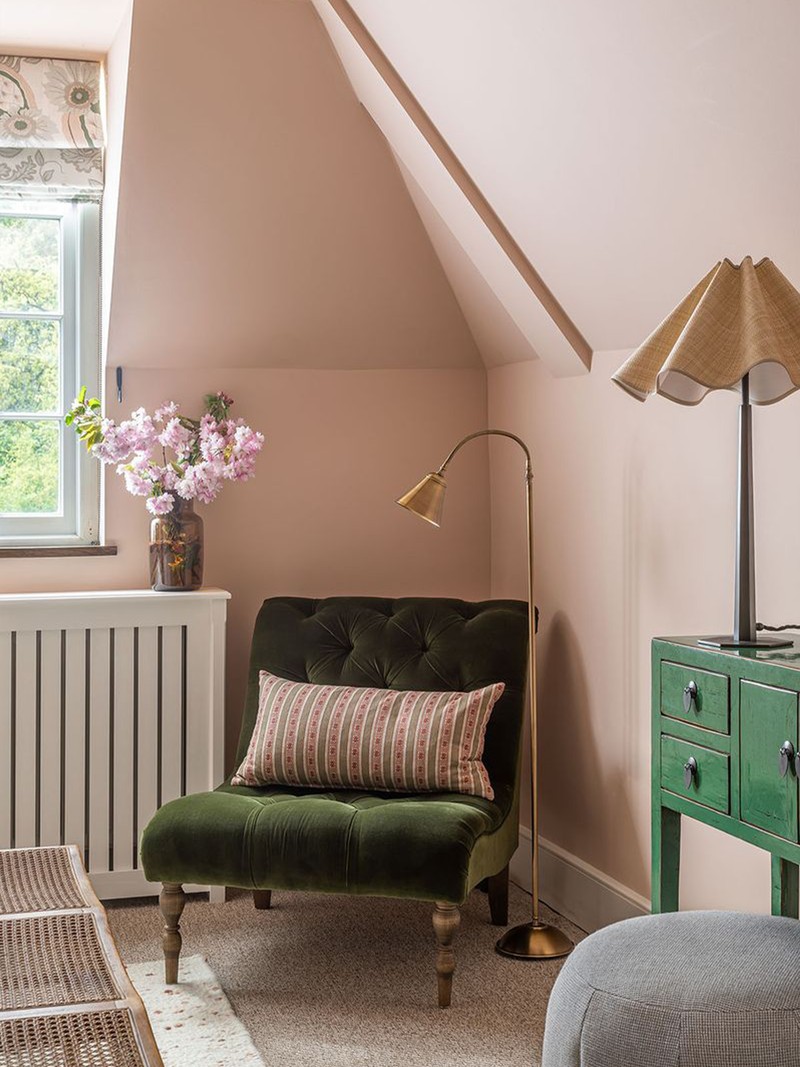
Interiors Get The Look: An Inviting Bedroom
Bedroom decor 101: Top interior design trends and tips to transform your space - Hindustan Times

The Best Tips From Designers on Decorating the Bedroom of Your Dreams
5 expert tips for adding a touch of hygge to your bedroom
These Cozy Bedroom Ideas Will Have You Counting Sheep

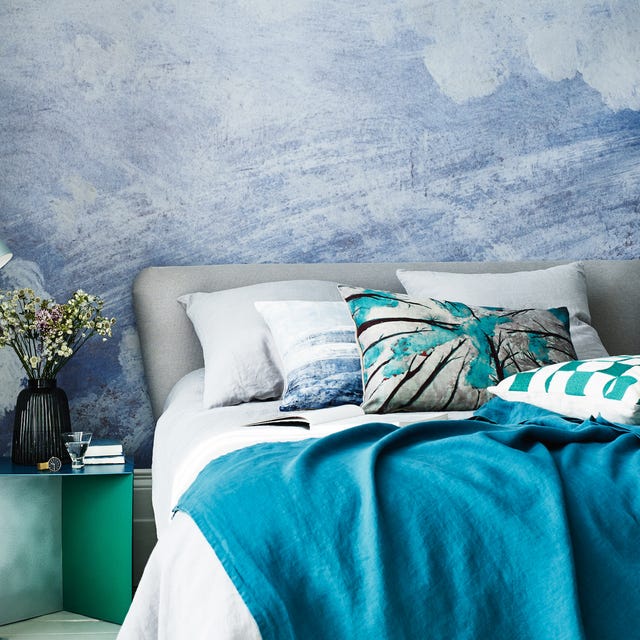
How to transform your bedroom into a wellbeing sanctuary, according to experts
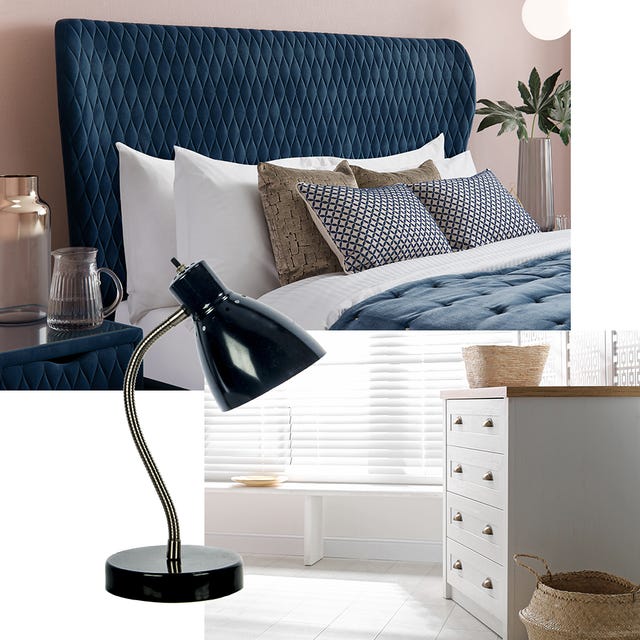
6 editors share their bedroom decorating hacks
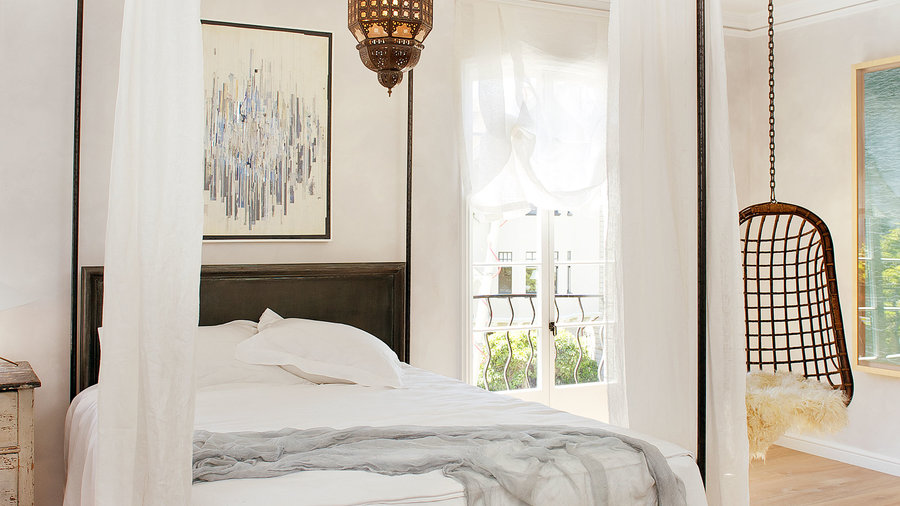
How to Decorate for Your Bed Style
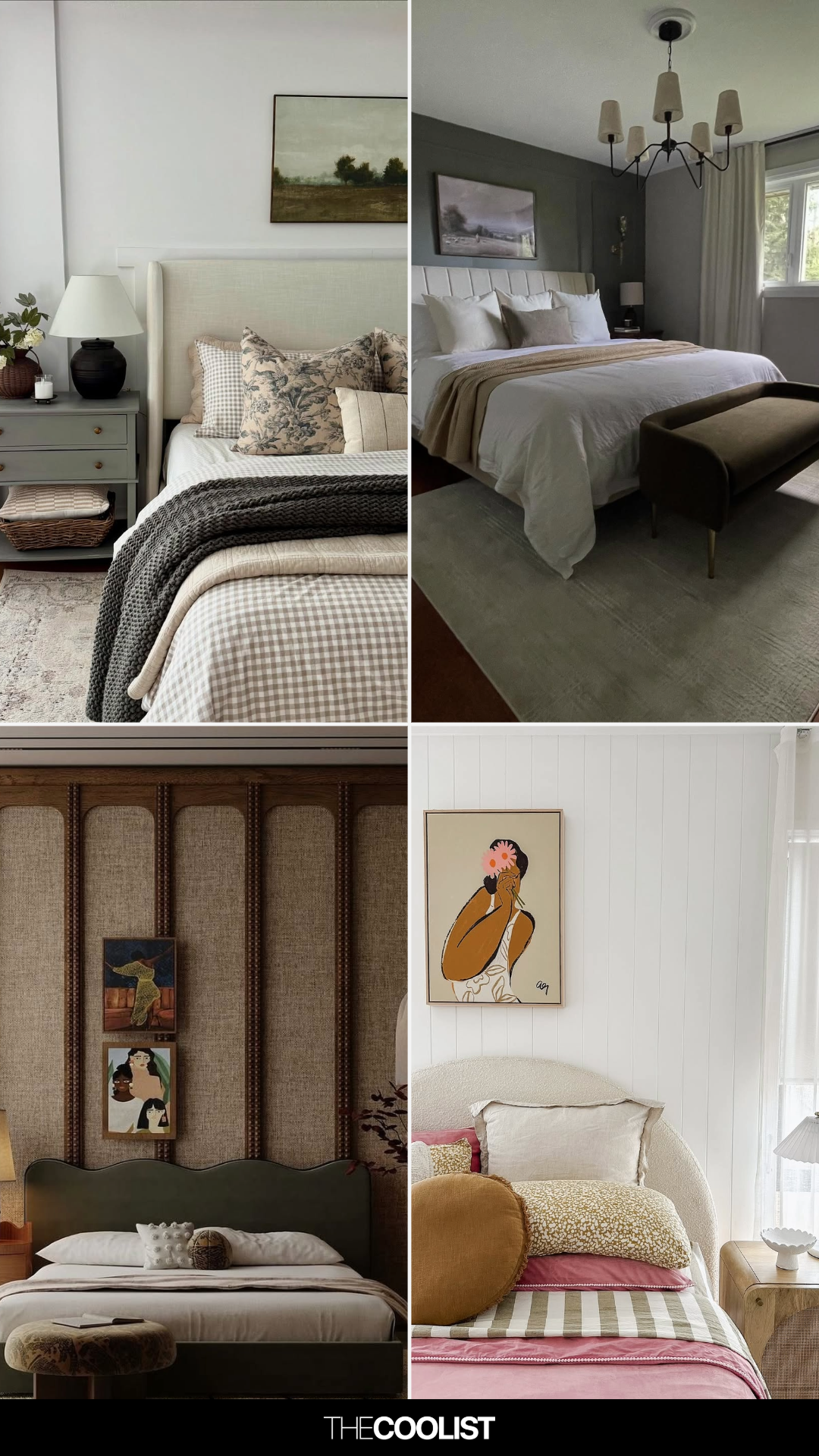
30 Bedroom Decor Design Ideas That Make Your Space Feel Styled Without a Full Makeover