1/8
6 ways to use ivy in your garden – Monty Don calls it something 'every gardener should nurture'
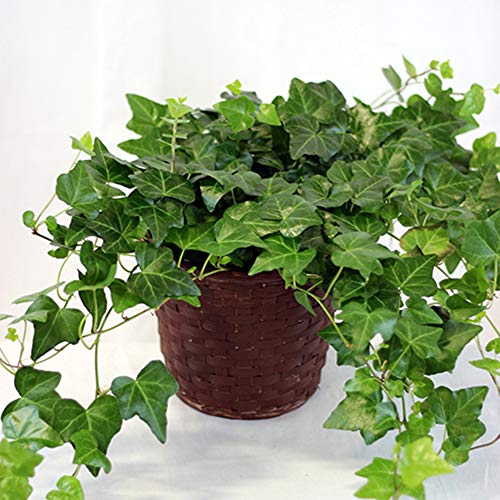
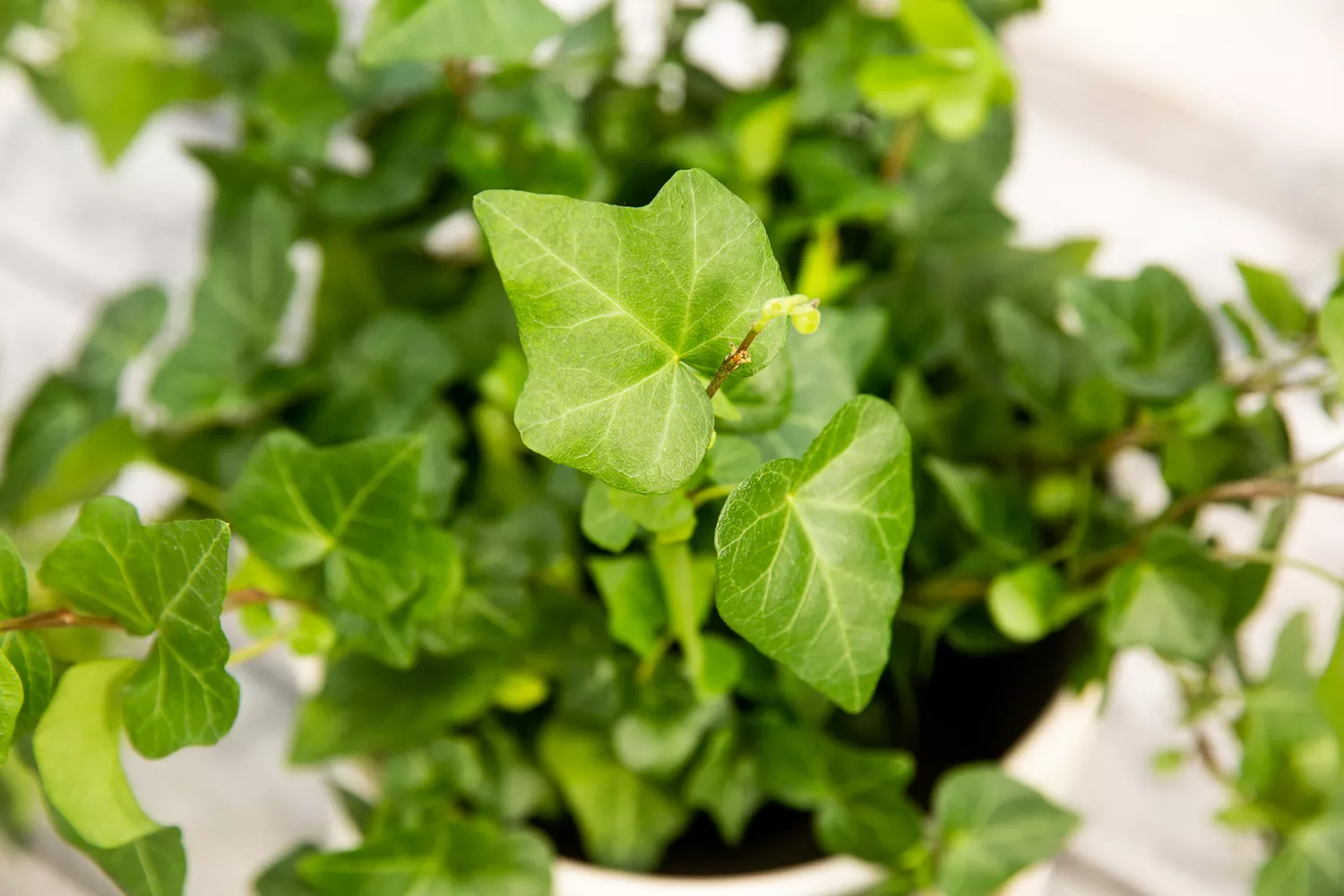
Ivy, often previously overlooked or considered a nuisance, is gaining recognition as a versatile and beneficial plant for gardens, as highlighted by gardening expert Monty Don. Don emphasizes that ivy is not a parasite and should be nurtured by gardeners due to its numerous virtues. It serves as one of the few native evergreens, offering continuous greenery throughout the year, even in winter. Its adaptability allows it to thrive in various conditions, including both sun and shade, making it suitable for challenging environments like north-facing gardens and capable of withstanding extreme temperatures.
Beyond its aesthetic appeal, ivy plays a crucial ecological role. It provides essential winter cover for insects, birds, and bats, contributing to a healthy garden ecosystem filled with wildlife. Additionally, ivy flowers late in the year, offering a primary source of nectar for autumnal insects, and the honey produced from its flowers is noted for its distinctive crystalline quality. These ecological benefits, combined with its resilience, position ivy as a valuable plant for diverse garden applications.
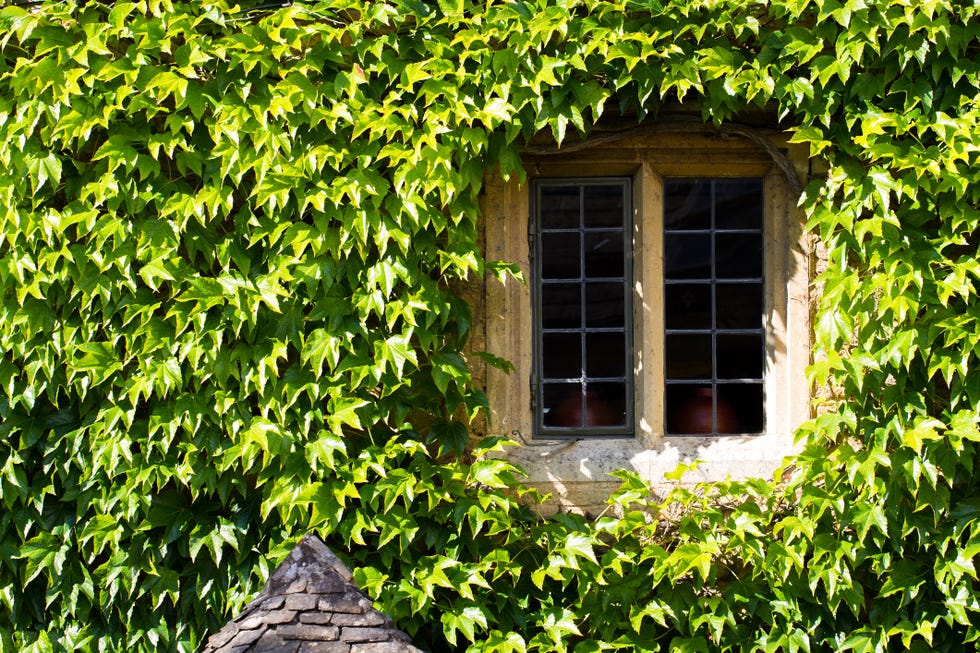
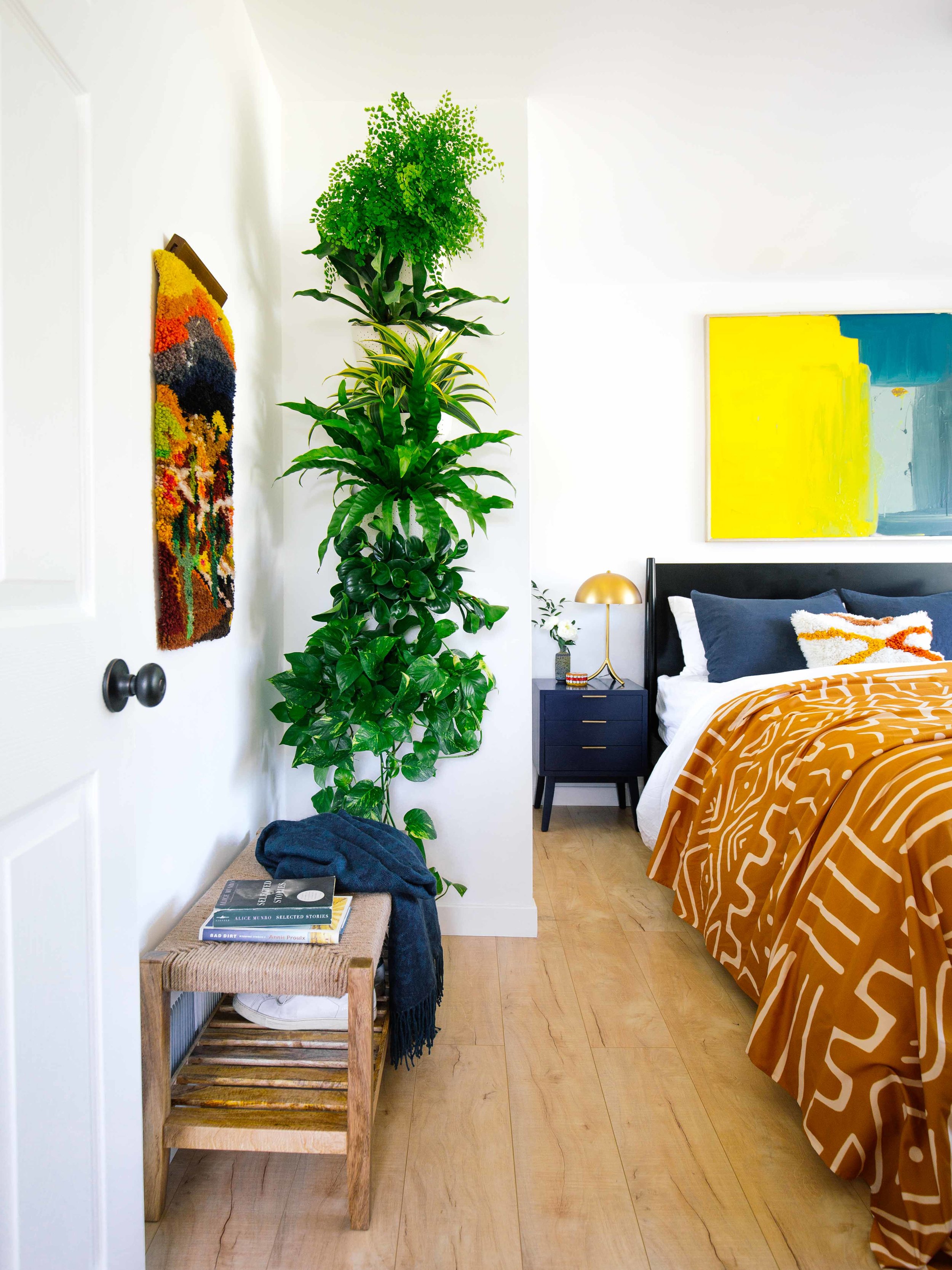
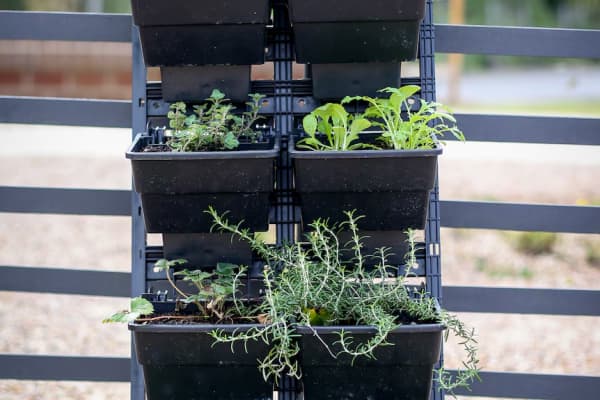
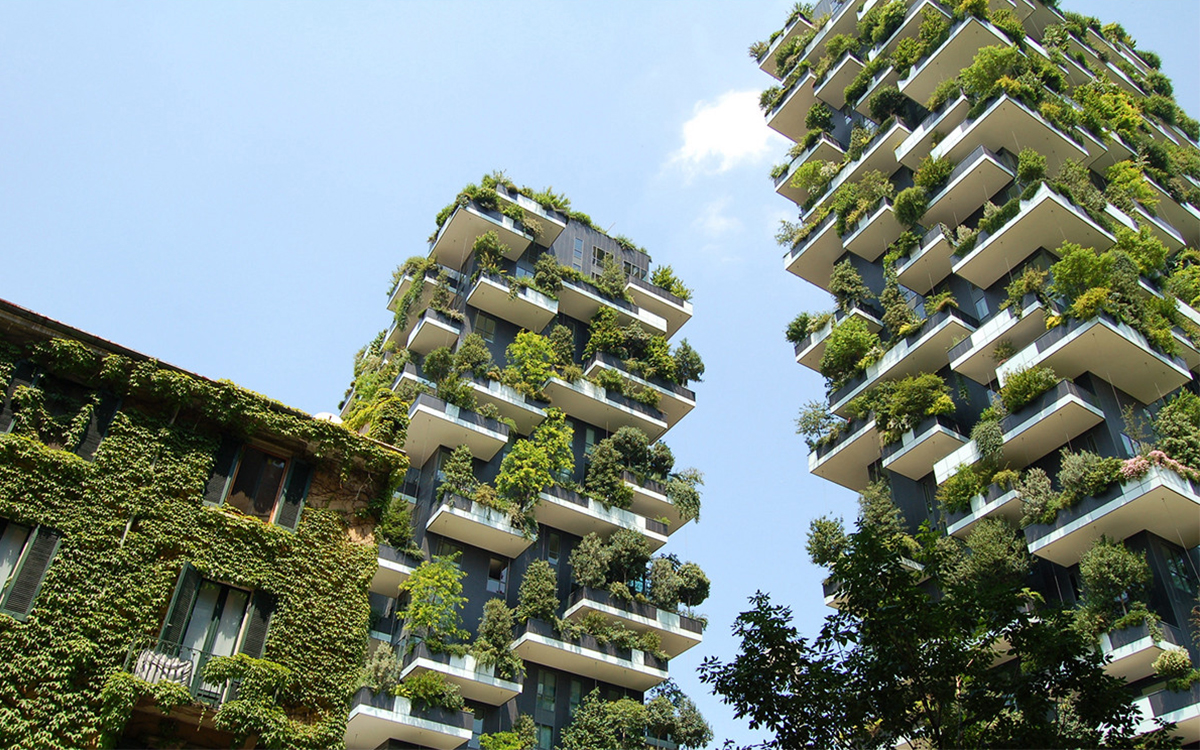
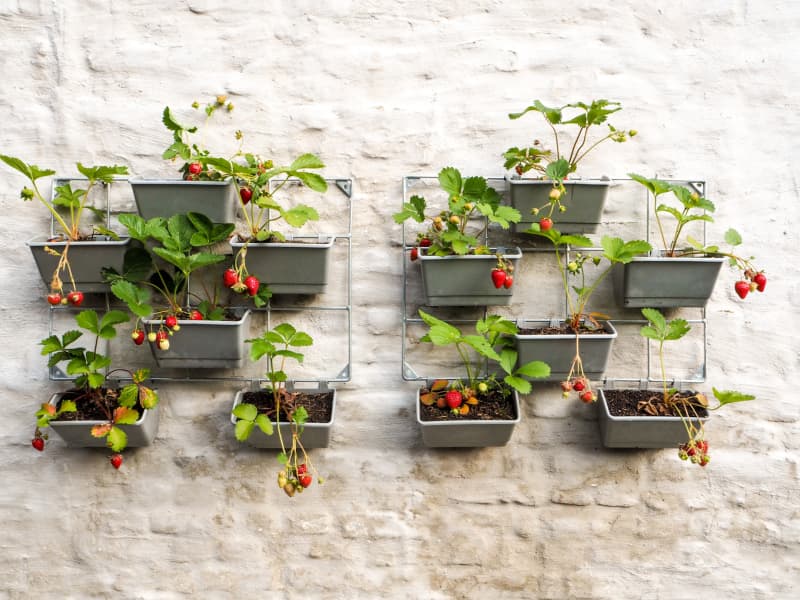
There are several creative ways to incorporate ivy into garden designs. One prominent use is in creating living walls. Morris Hankinson, director of Hopes Grove Nurseries, suggests that ivy is an excellent choice for vertical gardens, especially in smaller spaces, due to its climbing nature. It not only adds vibrant green color but also enhances privacy and helps mitigate wind and noise. Modular systems with trellises can facilitate the creation of these living walls.
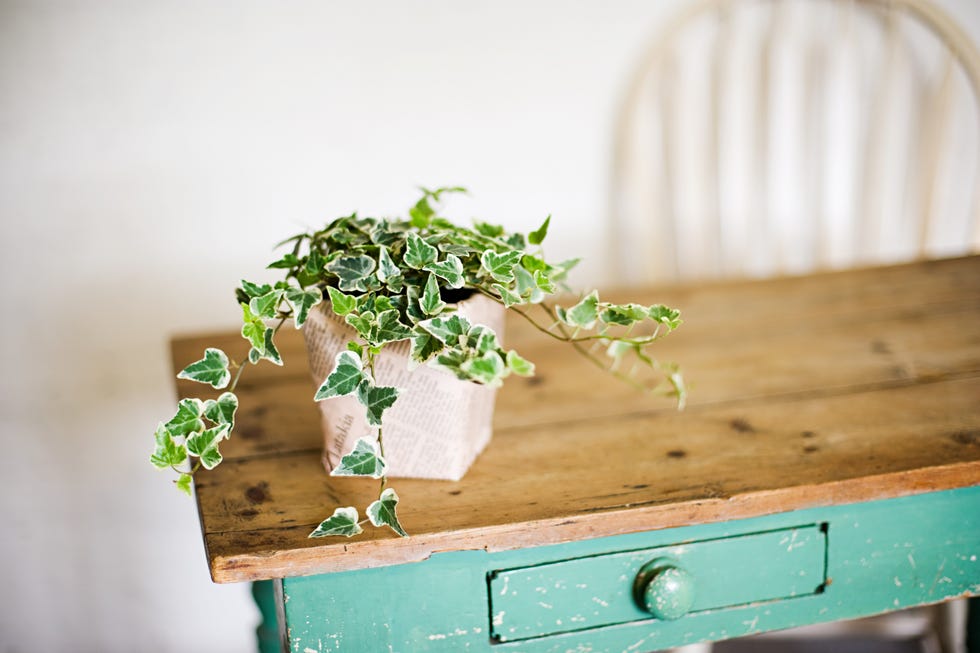
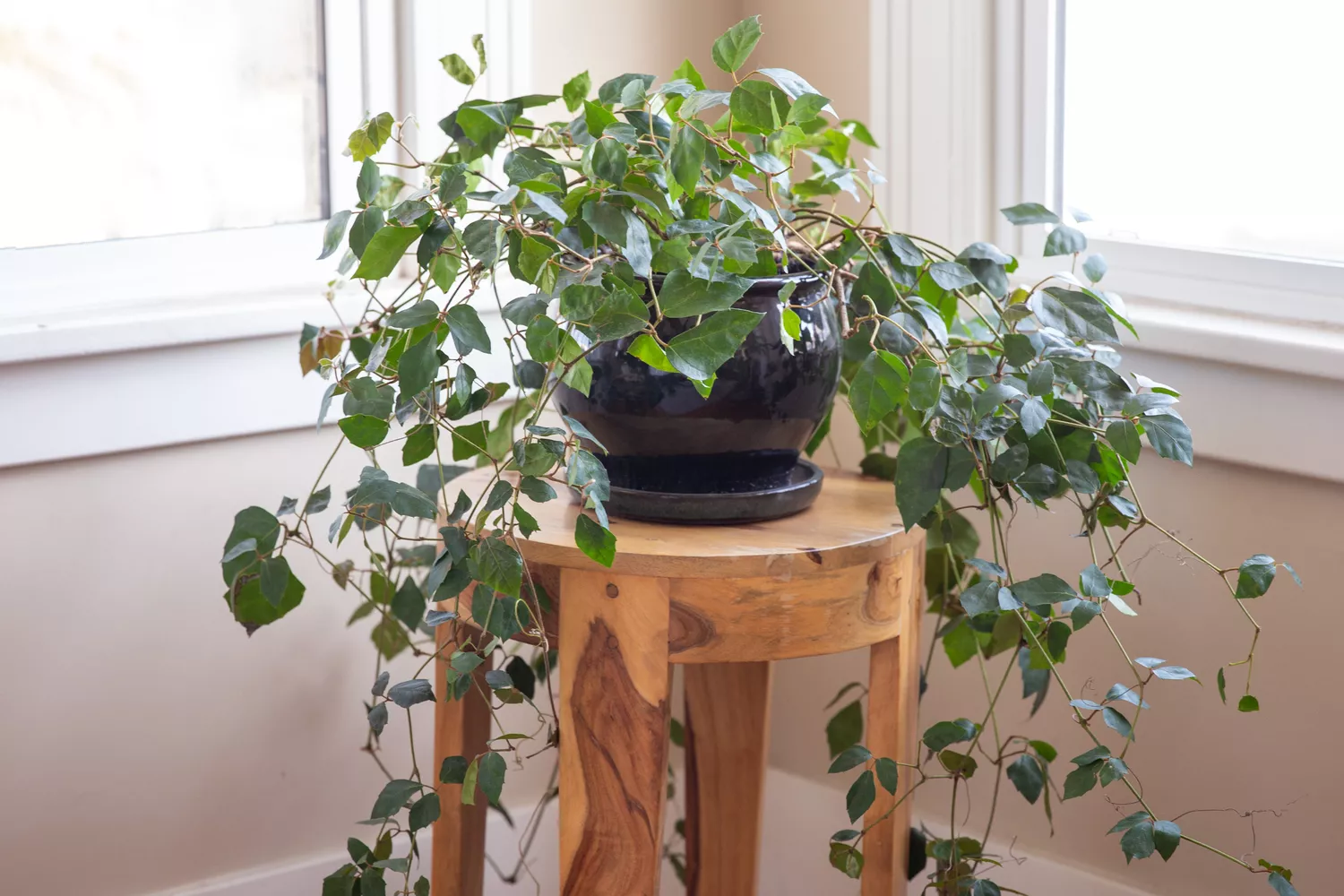
Ivy is also highly effective for winter pots, acting as an excellent 'spiller plant' to cover and adorn displays. Garden designer Zoe Claymore recommends choosing smaller varieties like 'Hedera helix 'White Knight'' to prevent them from overwhelming the pot while providing a lush cascading effect. These varieties also often hold the Royal Horticultural Society's pollinator status, adding to their ecological value.
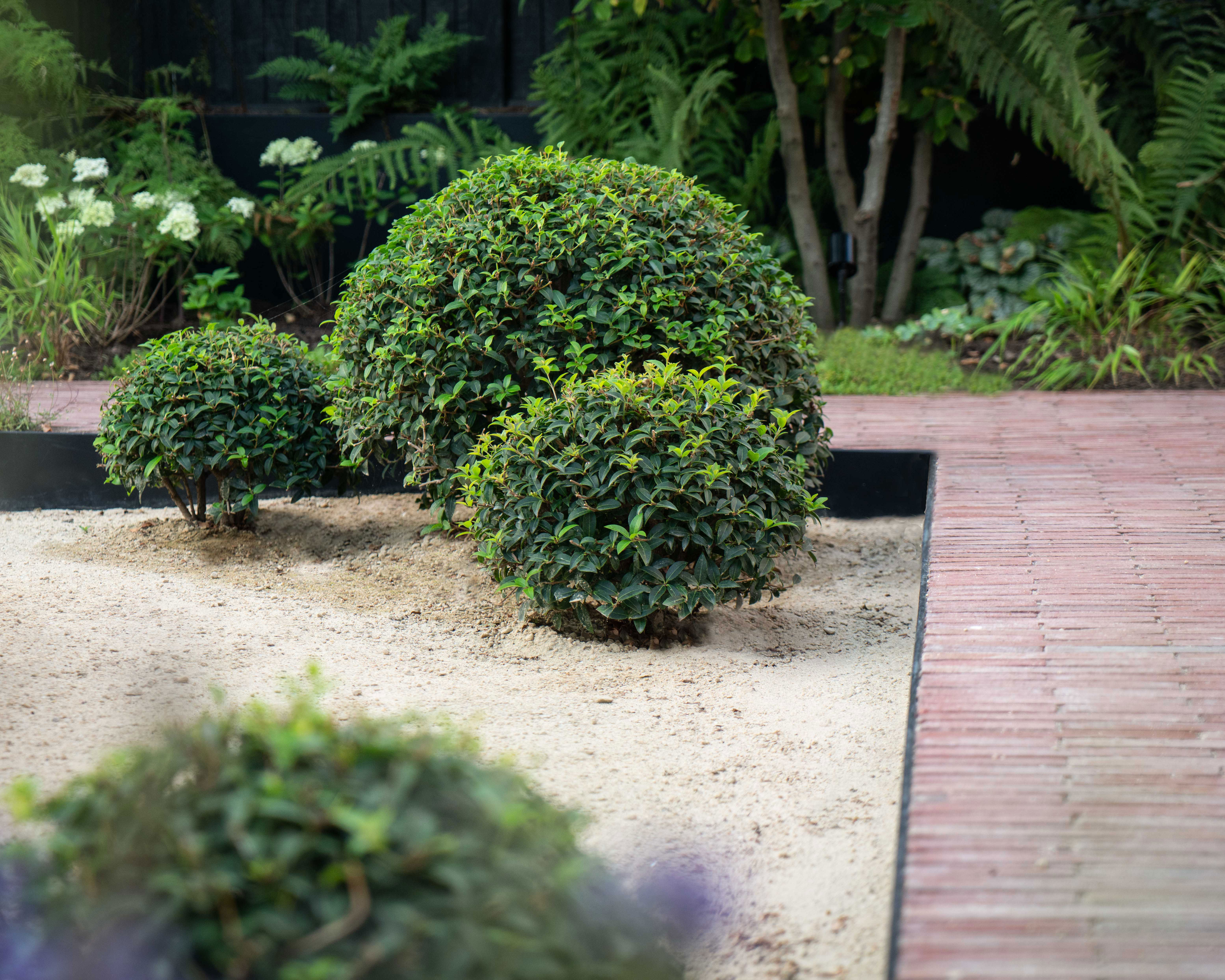
Another unique application is topiary. Both Hankinson and Claymore recommend English Ivy (Hedera helix) for shaping into various forms. Its versatility and training capabilities, often with the aid of wire frames and regular pruning, allow for creative and dynamic garden features. Ivy's cascading growth also makes it an ideal component for hanging baskets, providing a beautiful trailing effect and year-round vibrancy due to its evergreen nature. Its ability to tolerate different light conditions further enhances its suitability for various hanging basket locations, requiring only regular watering and occasional feeding to thrive.
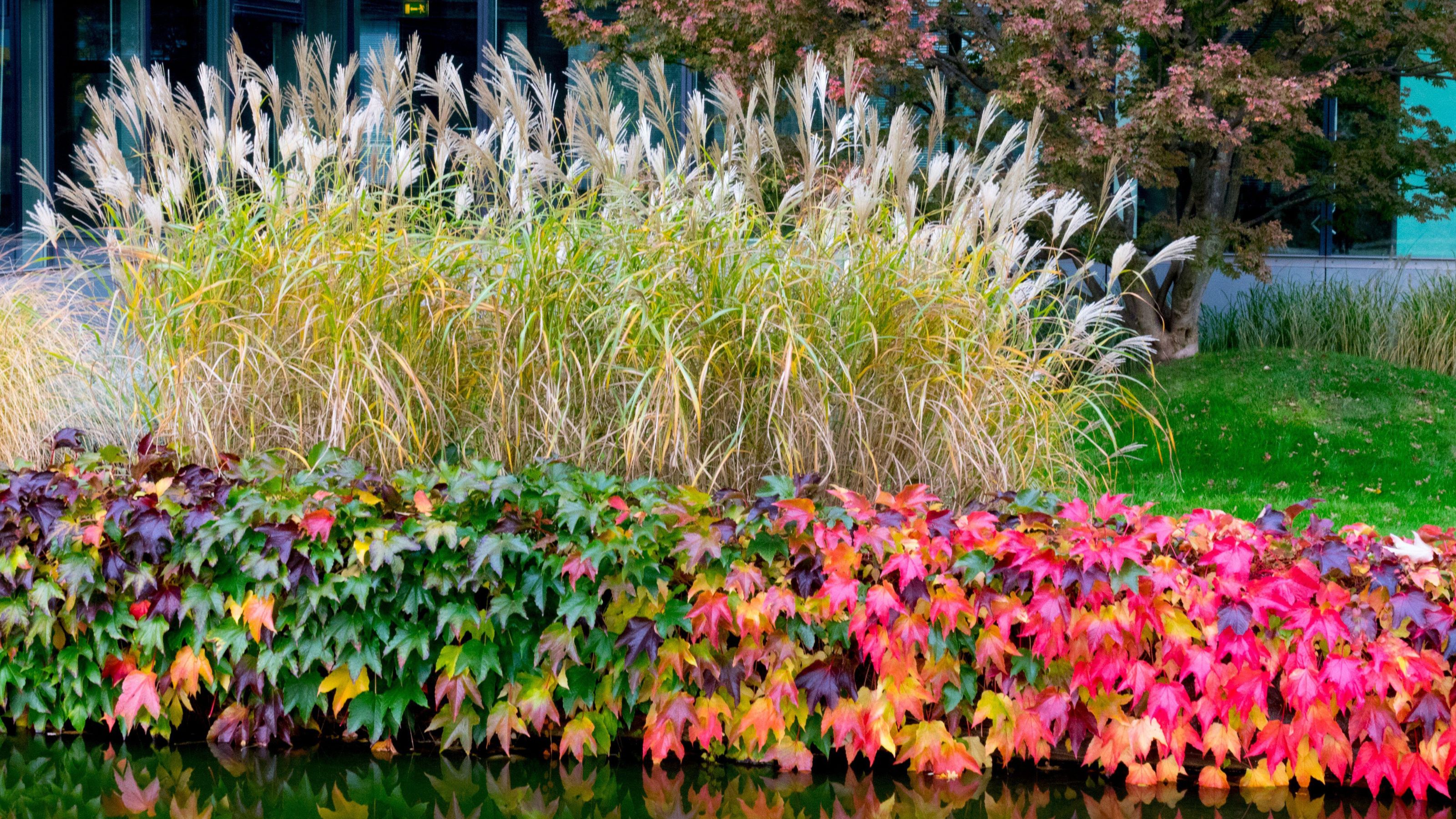
As ground cover, ivy proves to be an easy and effective solution for tough areas or garden slopes. It spreads quickly and adapts well to most soil types and sun conditions. For those who prefer non-climbing ground cover, regular trimming is necessary. Finally, integrating ivy into wildlife garden designs is highly beneficial. Its thick foliage offers shelter for birds and small creatures, and the small, black berry-like fruits it produces serve as a food source, particularly attractive to bees and birds. Allowing ivy to grow naturally and untrimmed maximizes its potential as a wildlife habitat.
Contrary to a common misconception, Monty Don clarifies that ivy is not a parasitic plant and does not devalue property by drawing nutrients from climbing surfaces. Severing the main trunk causes the ivy to die, demonstrating its reliance on soil nutrients. This understanding encourages gardeners to embrace ivy for its aesthetic appeal, ecological contributions, and diverse functional uses in the garden.
#GardeningTips #IvyUses #MontyDon #WildlifeGarden #EvergreenPlants #LivingWalls #Topiary #HangingBaskets #GardenDesign #GardeningTips #IvyUses #MontyDon #WildlifeGarden #EvergreenPlants #LivingWalls #Topiary #HangingBaskets #GardenDesign
0 comment in total
 No comments yet
You may also like

How to Grow English Ivy, According to a Professional “Plant Mom”

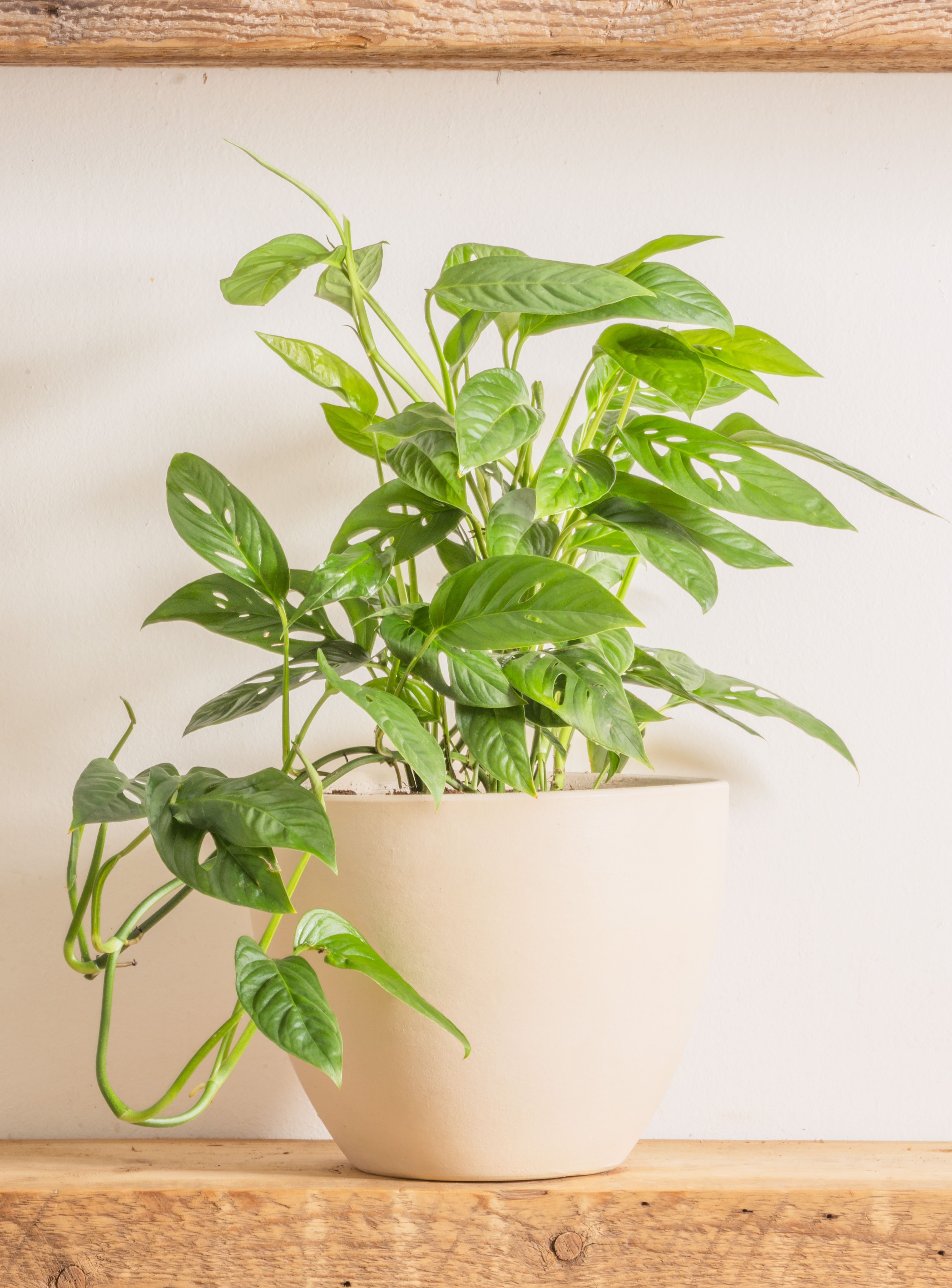
Create an Indoor Jungle with These 16 Indoor Vining Houseplants

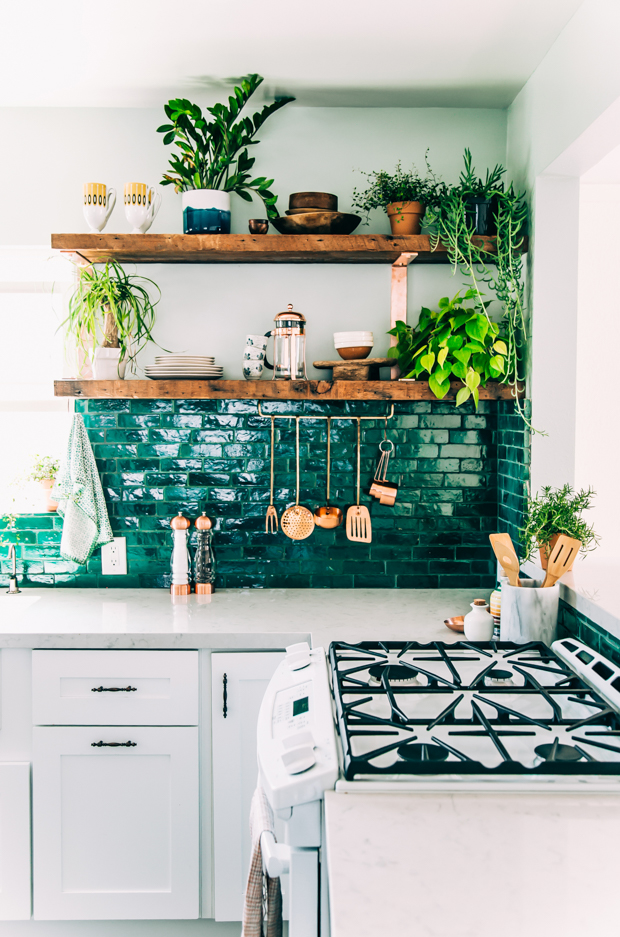
6 Indoor Garden Ideas That Will Convince You to Become a Plant Person

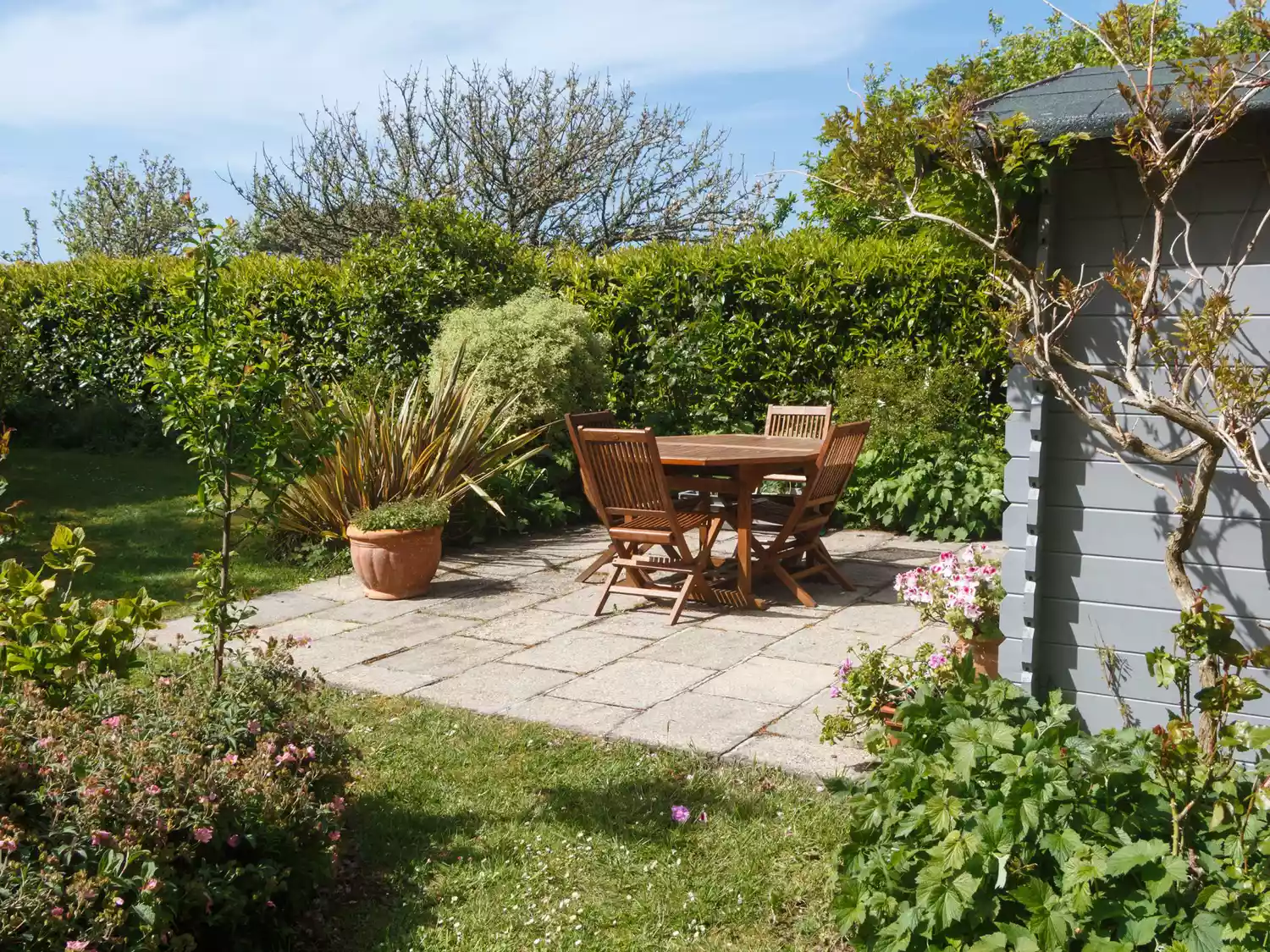
21 Landscape Plants That Pros Recommend for Adding Privacy

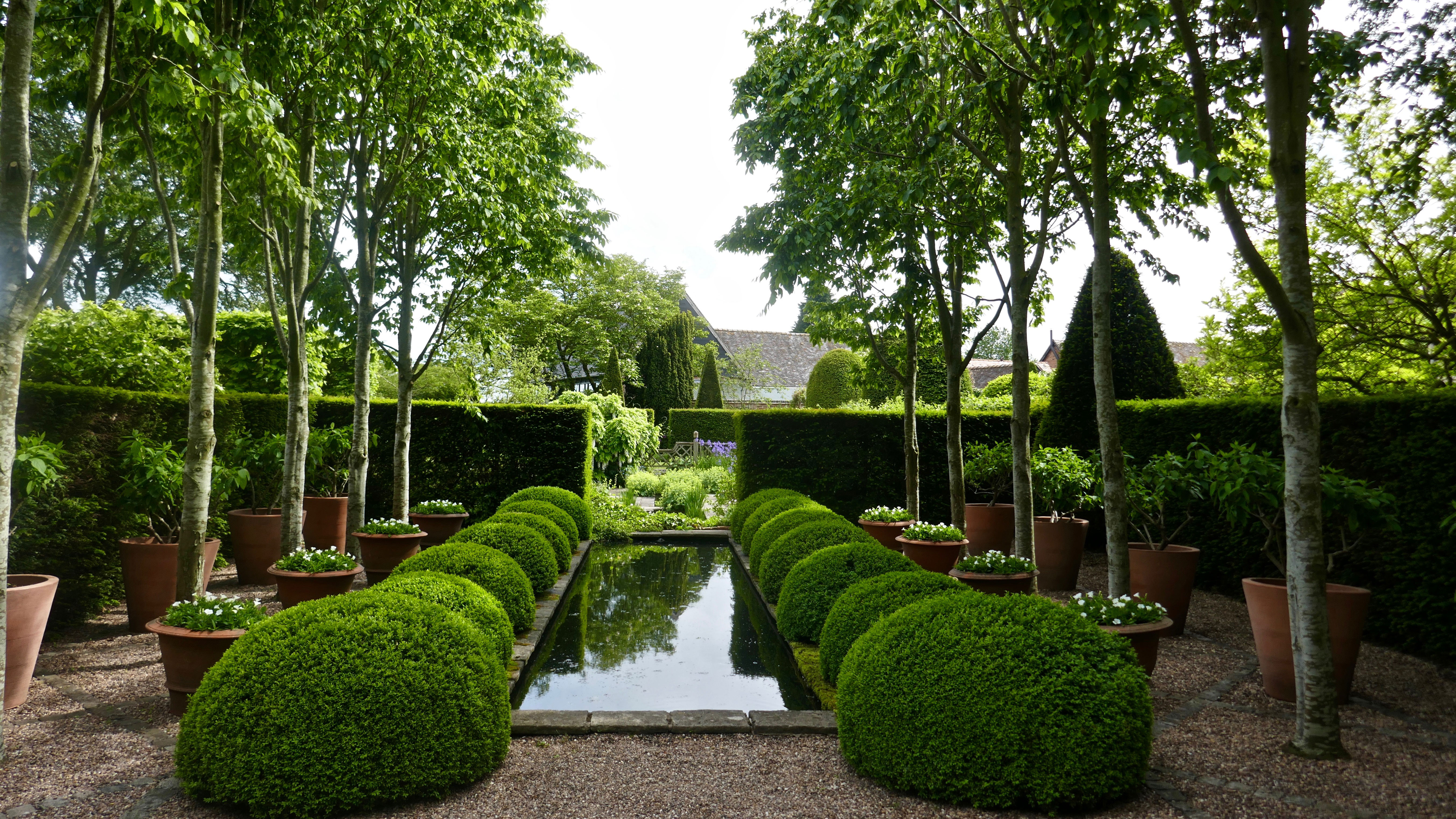
Landscaping with evergreens – 9 ways to add structure and interest to your garden year round


For the Garden | Zen and Now

You Can Grow Ivy Plants Indoors — Here Are 16 Types Perfect for Indoor Vining
Vertical Gardening Is a Dead-Simple DIY Project That Any Space Can Handle

Short on space for a herb or veggie garden? Think vertically