1/4
How to Grow English Ivy, According to a Professional “Plant Mom”
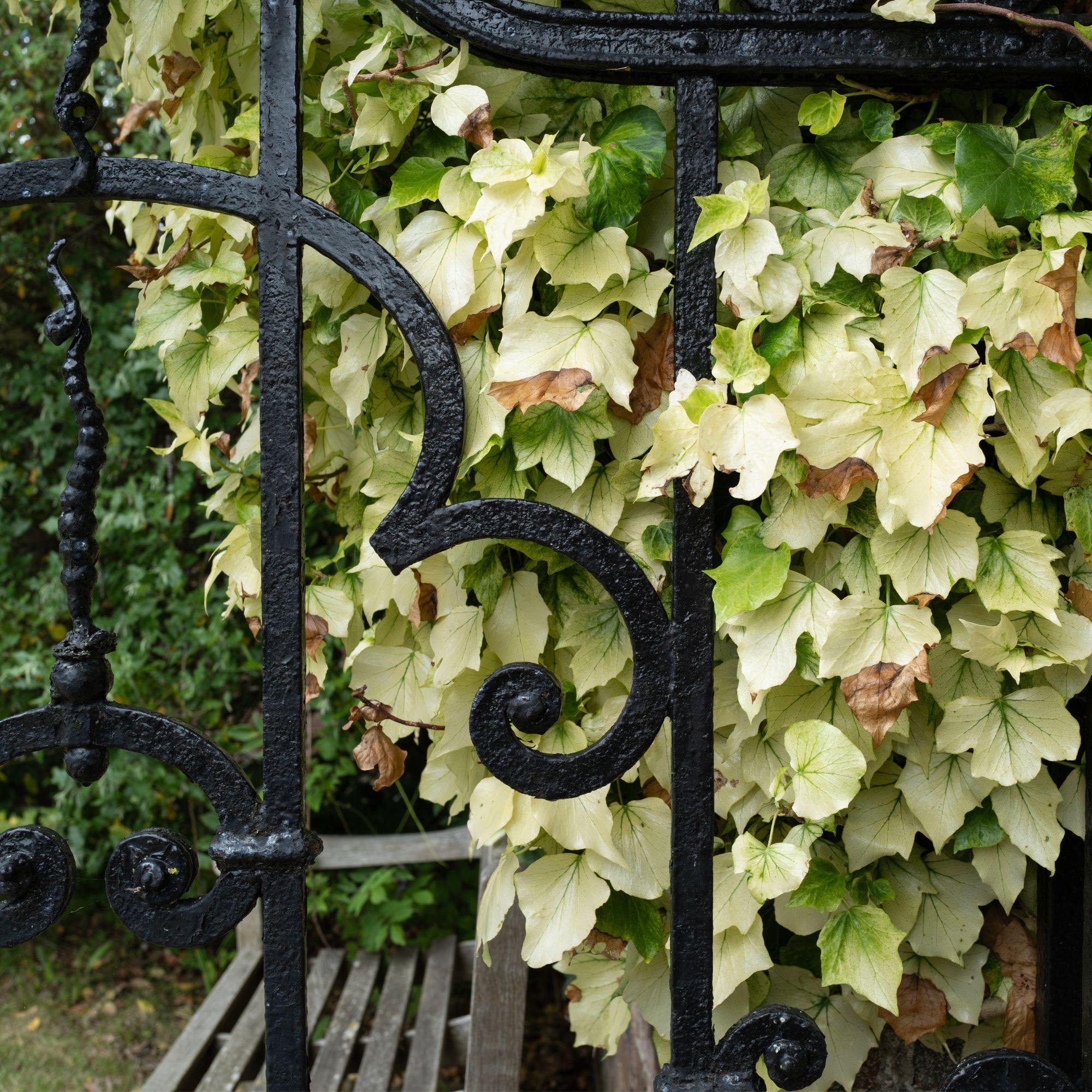
English ivy, scientifically known as Hedera Helix, is a versatile and aesthetically pleasing plant native to Northern Europe and Western Asia, possessing a whimsical quality that makes it a popular choice for both indoor and outdoor gardening. Its long vines can elegantly drape over fences, spread across building exteriors, or cascade from hanging pots indoors, adding a playful and intriguing touch to any setting. Joyce Mast, a professional “Plant Mom” at Bloomscape, offers insights into successfully cultivating this evergreen perennial.
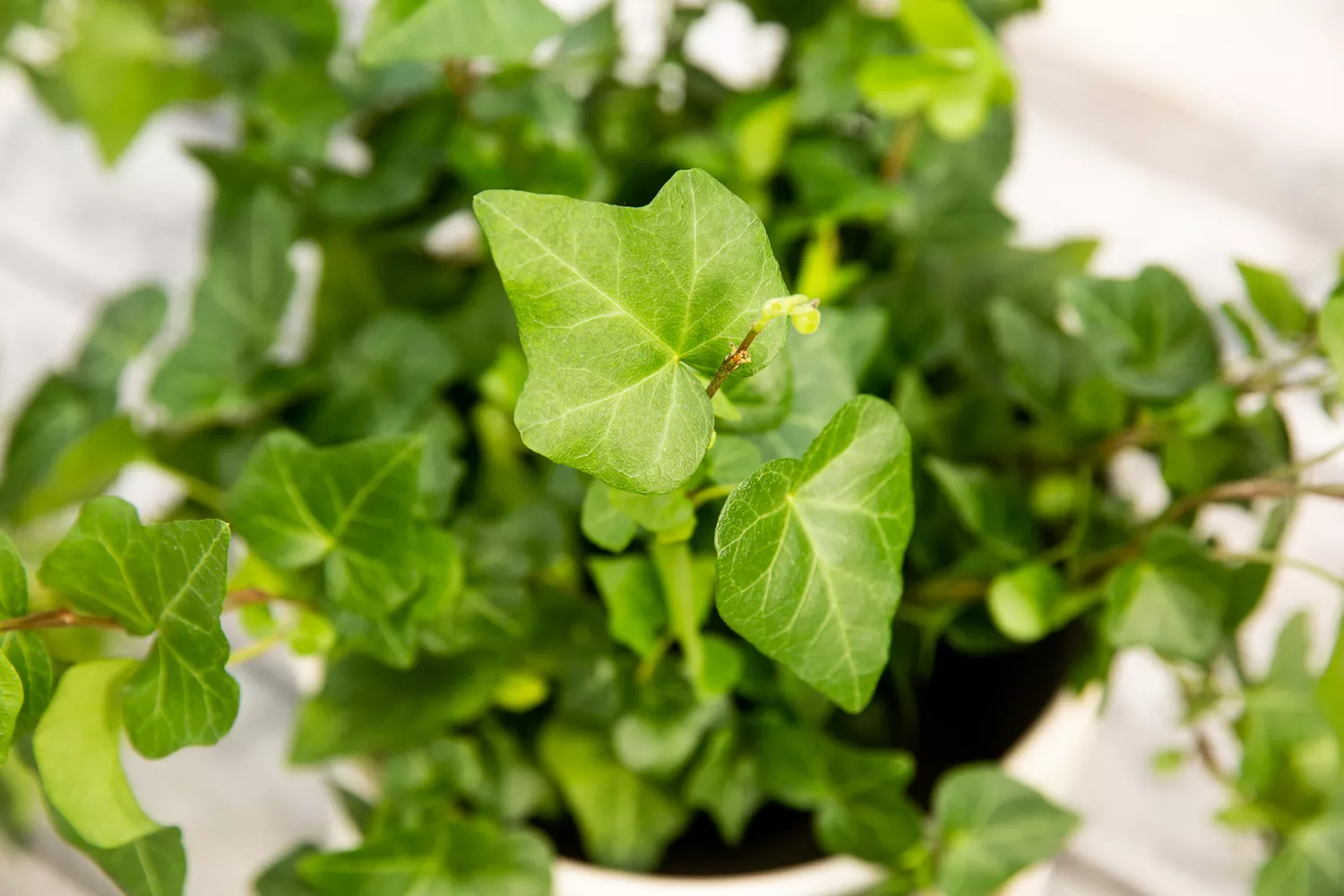
Before planting English ivy, it is important to understand its growth habits and environmental preferences. Historically, English ivy has been utilized as a textural element on various surfaces. When allowed to grow horizontally, it can extend up to 15 feet wide and 8 inches tall. If trained to grow vertically, it can reach impressive heights of over 50 feet. The plant thrives best in bright, indirect light, which enhances the vibrancy and distinctiveness of its variegated leaves. However, it is also adaptable to shadier conditions, a characteristic that aligns with its naming after England's often overcast climate. English ivy prefers humid environments and consistent temperatures to maintain its dark, verdant foliage.
When growing English ivy outdoors, its vigorous nature as a ground-cover plant makes it a classic choice for gardens. However, this vigor necessitates diligent care, as the ivy can quickly spread and potentially overtake a backyard. To manage its growth and ensure its health, bi-weekly feeding with basic houseplant food is recommended during warmer months, transitioning to monthly fertilization in cooler periods. Regular pruning is crucial, specifically cutting below the leaf node, to control its size. If English ivy climbs up tree trunks, pruning is especially important to prevent excessive weight and blockages of sunlight. While English ivy can create a picturesque scene clinging to walls, pergolas, or trellises, it's essential to be aware of the potential for structural damage due to the weight of the plant and the adhesive properties of its holdfasts. Removing ivy from walls can lead to surface deterioration or crumbling, prompting caution for homeowners concerned about long-term structural integrity. For those willing to undertake the necessary research and ongoing maintenance, the aesthetic benefits might outweigh the risks.
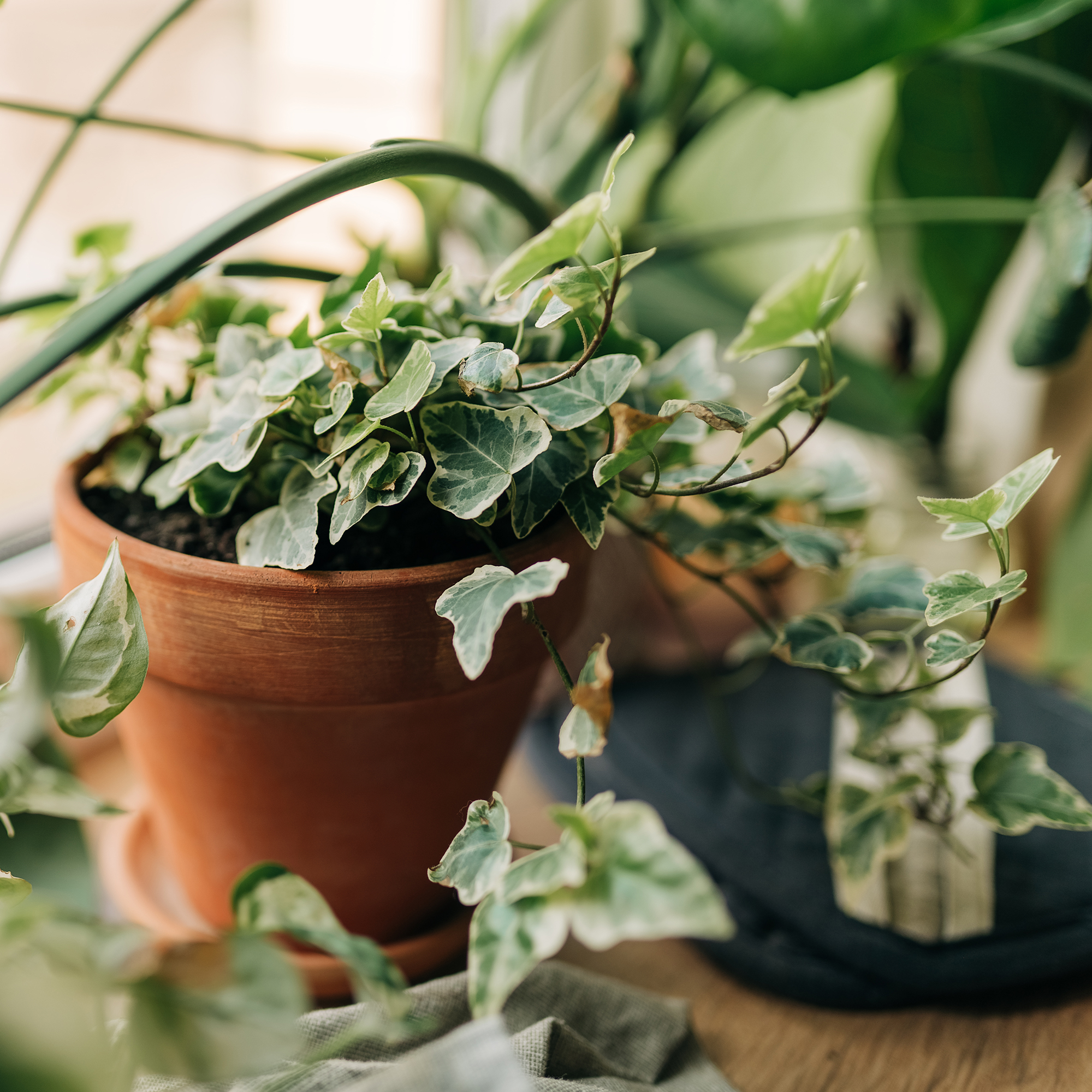
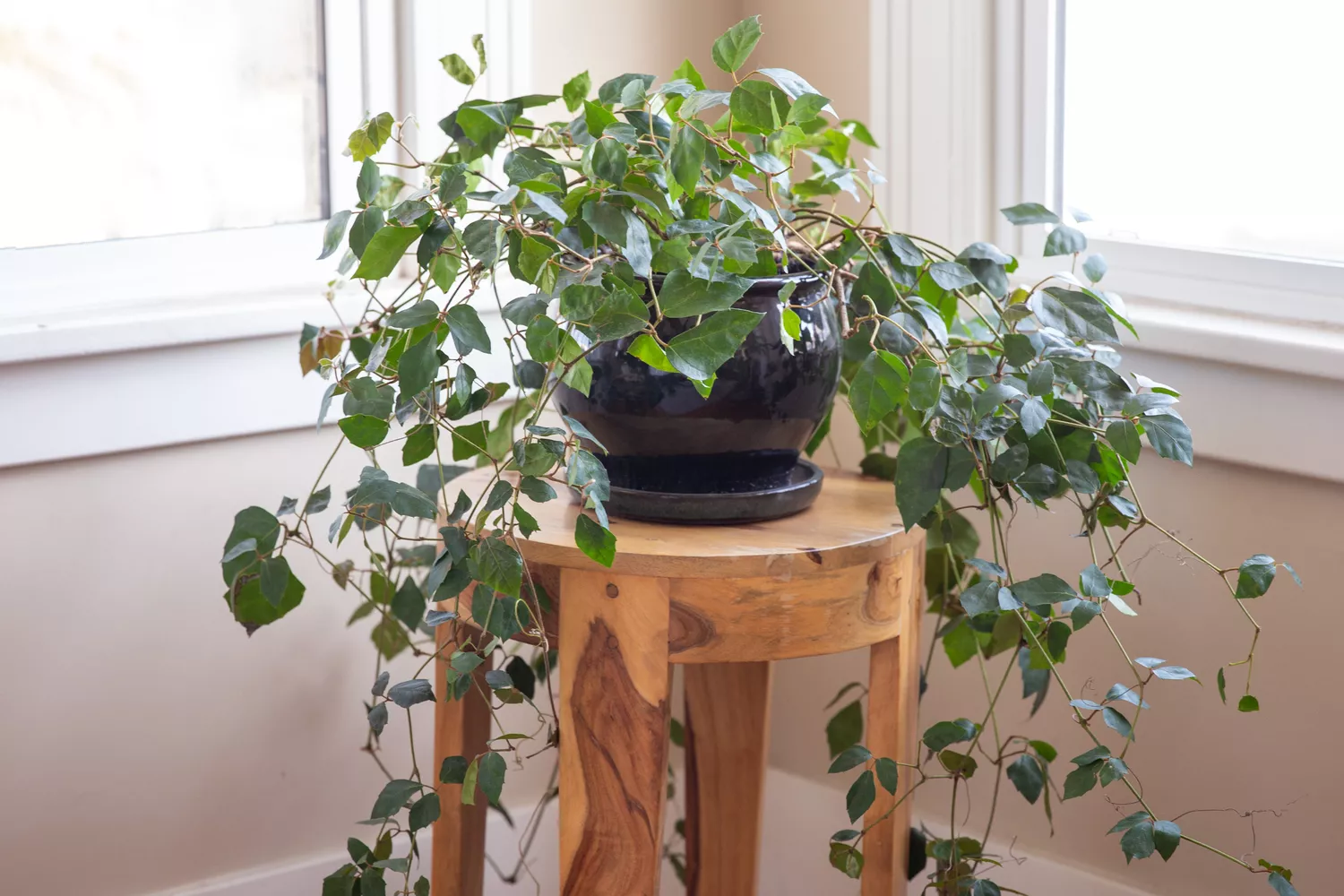
For indoor cultivation, the safest and often most imaginative option is to grow English ivy in a pot, allowing its leaves to cascade over the edges. Mast advises selecting a pot that is either wide and shallow or one specifically designed to accommodate its root system, as English ivy roots do not burrow deeply into the soil. Misting the ivy up to three times a week helps maintain humidity, and a monthly wash with lukewarm water keeps dust at bay. The most critical aspect of indoor care is avoiding overwatering; the plant prefers to be on the drier side, so watering should only occur when the topsoil feels dry to the touch, ensuring thorough saturation without leaving standing water in the saucer. By adhering to these guidelines, English ivy can become a cherished and relatively easy-to-care-for addition to any indoor or outdoor garden.
#EnglishIvy #IndoorPlants #OutdoorGardening #PlantCare #HomeDecor #GardeningTips #Houseplants #PlantMomAdvice #EnglishIvy #IndoorPlants #OutdoorGardening #PlantCare #HomeDecor #GardeningTips #Houseplants #PlantMomAdvice
 No comments yet
6 ways to use ivy in your garden – Monty Don calls it something 'every gardener should nurture'

You Can Grow Ivy Plants Indoors — Here Are 16 Types Perfect for Indoor Vining