1/12
8 narrow living room ideas to make the most of an awkward space
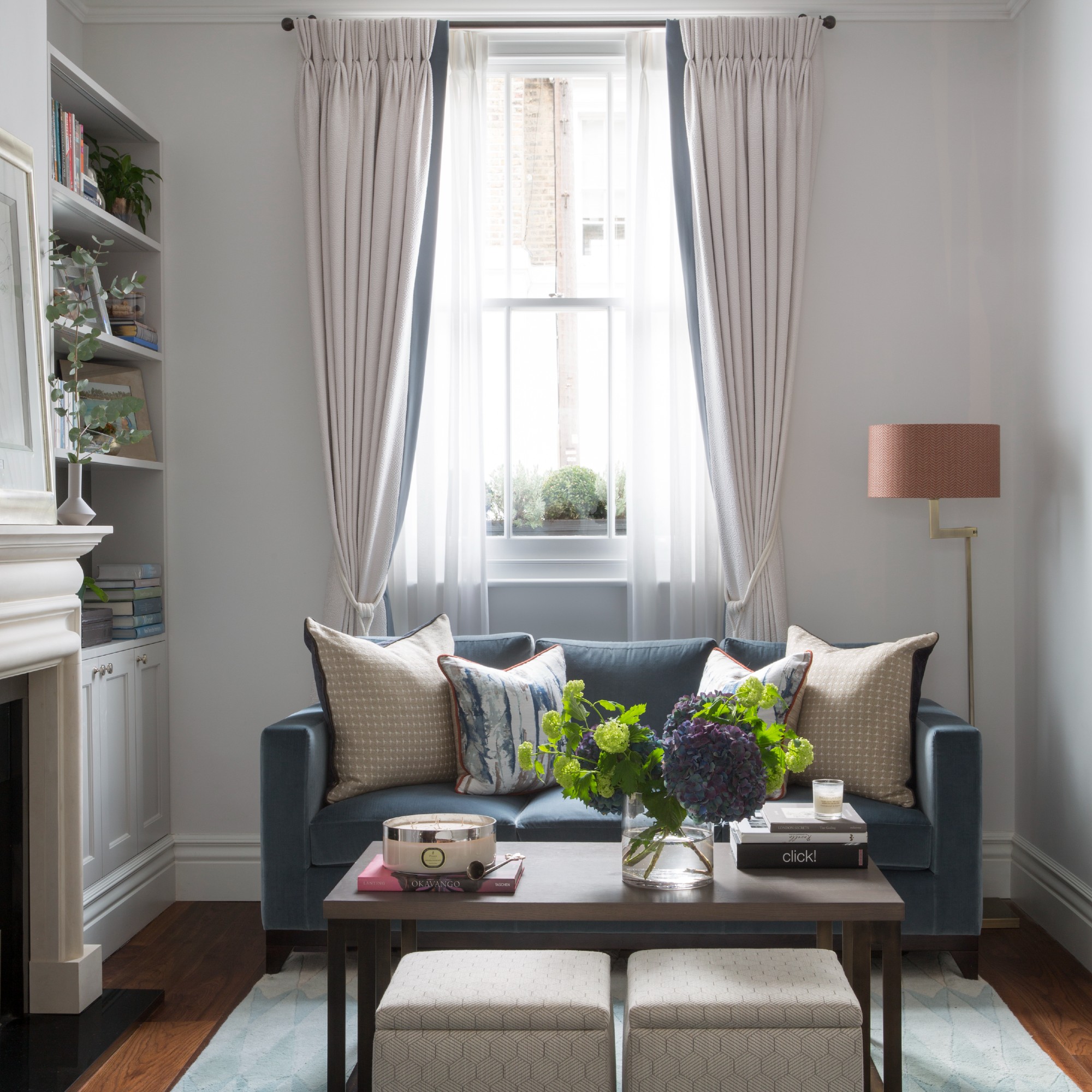
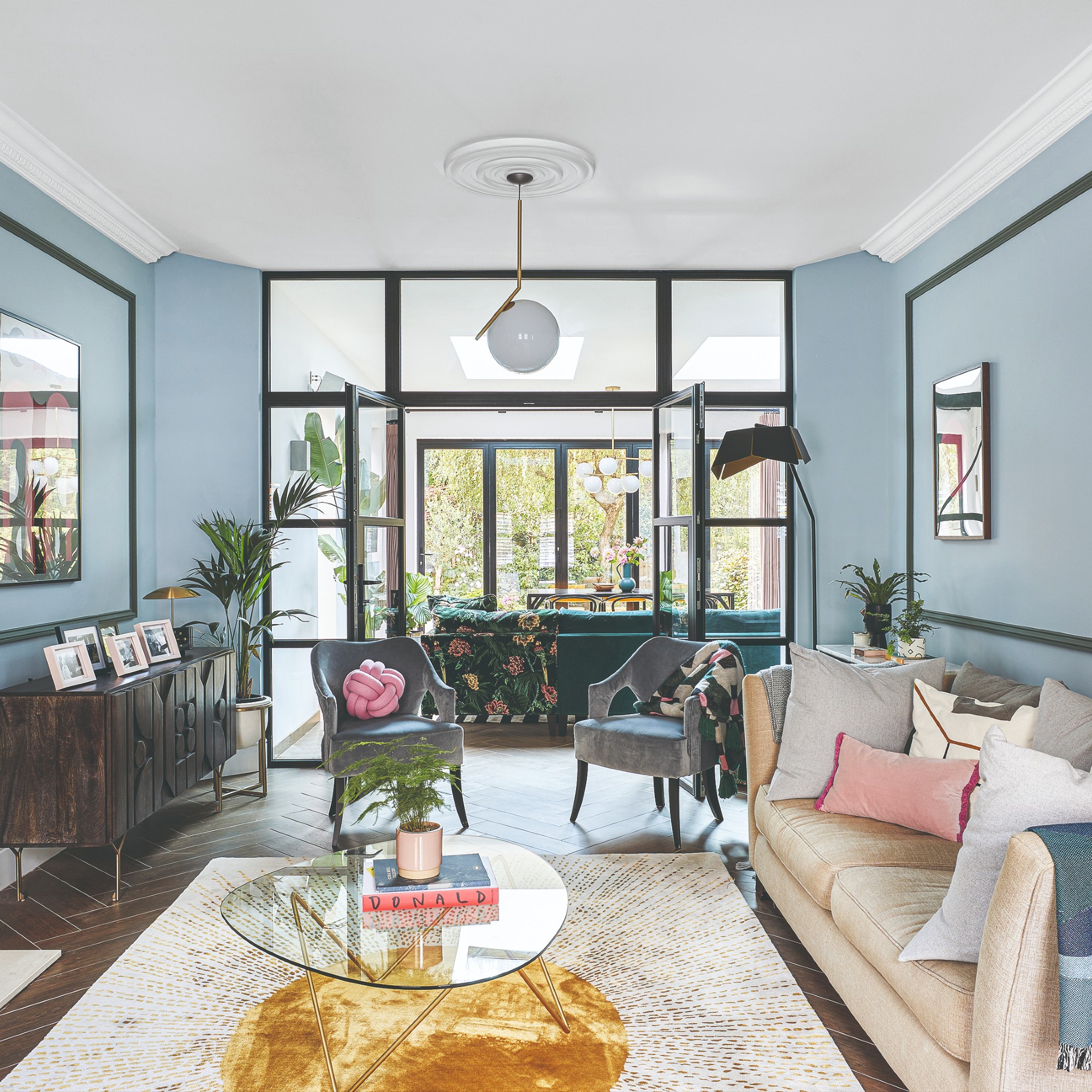
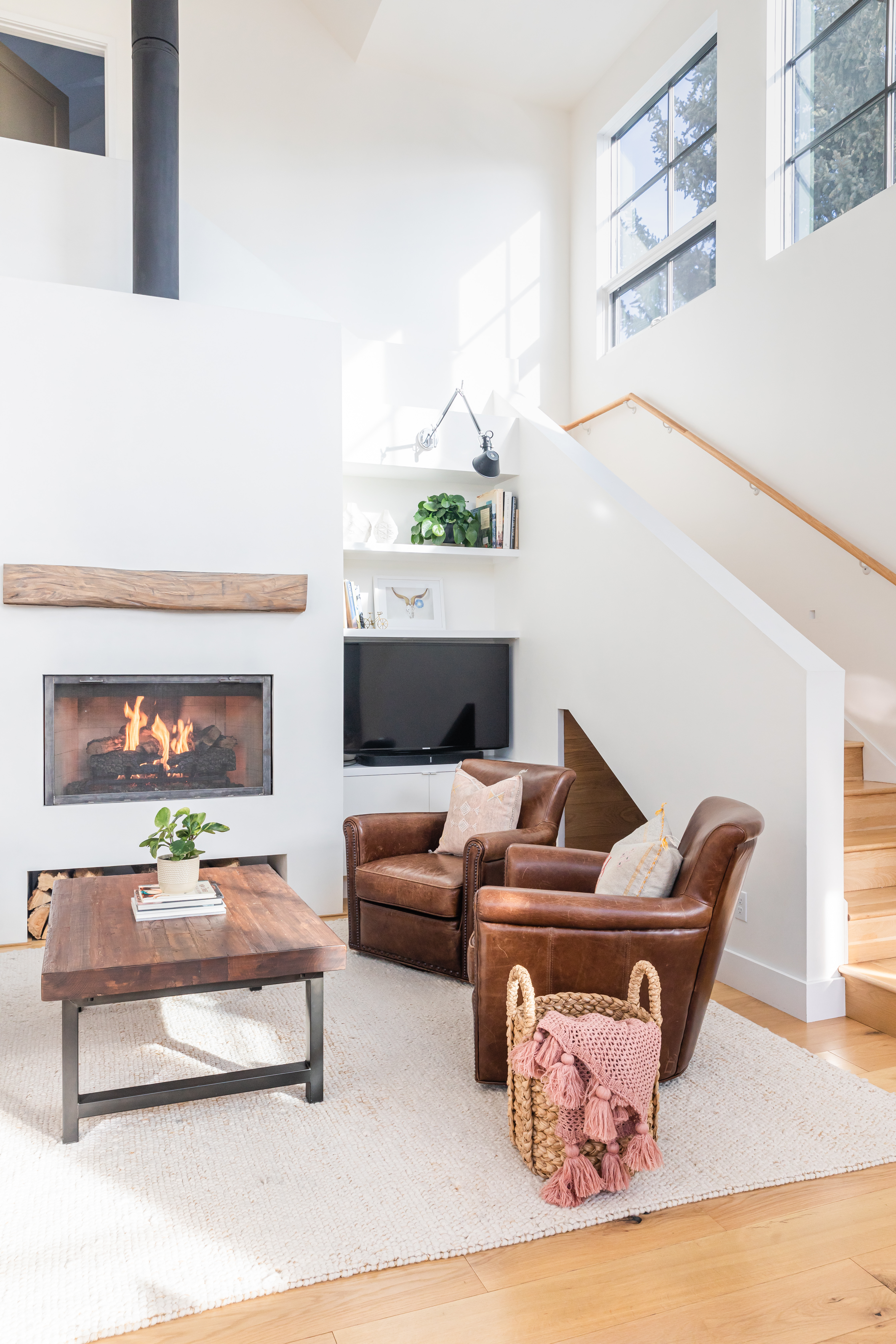
Decorating a narrow living room can present unique challenges, but with intentional design choices, it's possible to create a functional, spacious, and aesthetically pleasing environment. The key is to leverage expert advice and strategic furniture placement to maximize the perceived and actual space. This article provides eight practical ideas, supported by insights from interior designers Alex Bass and Bethany Struble.
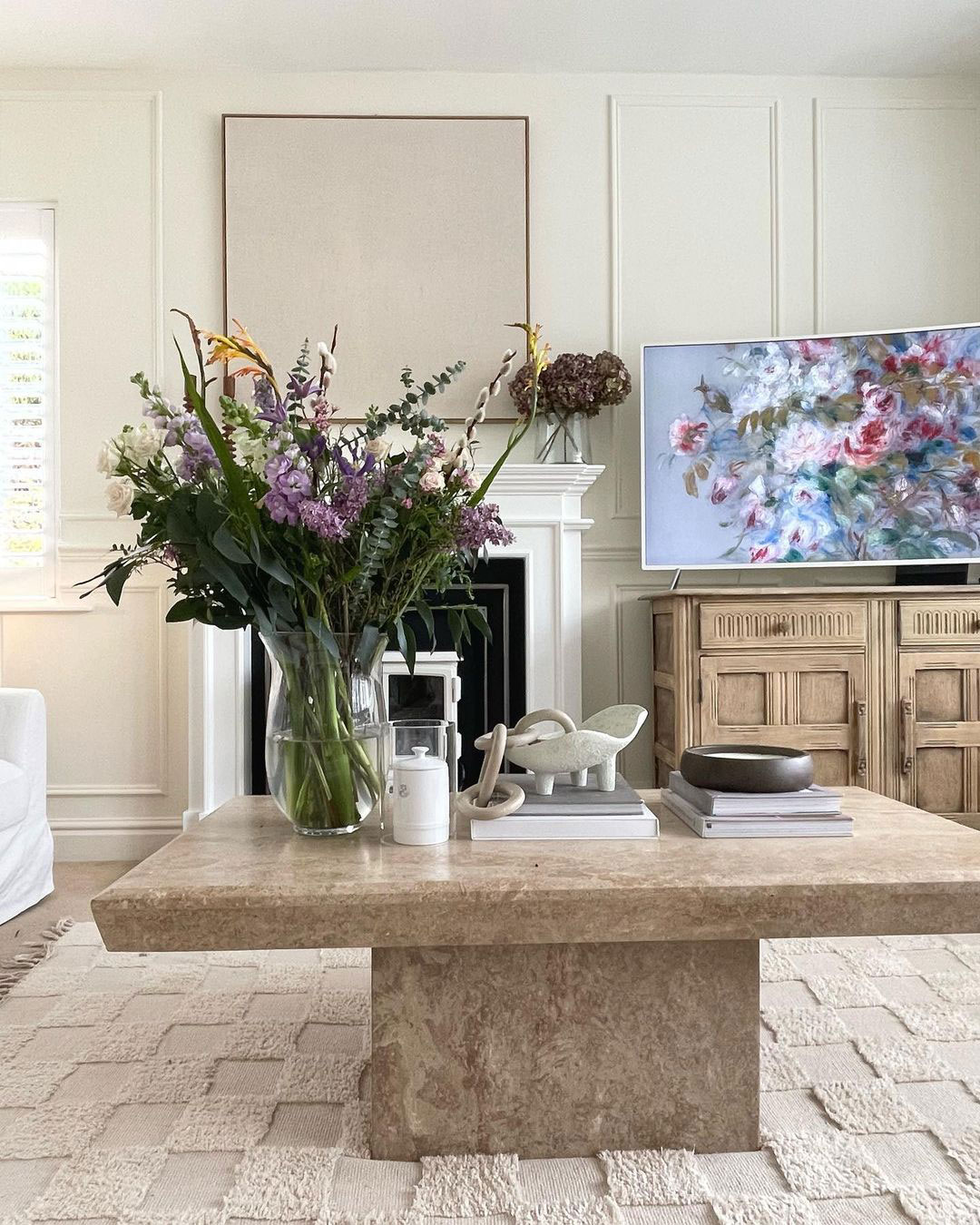
One of the most impactful strategies is to utilize vertical space. Mounting the TV on the wall directly opposite the couch frees up floor space that would otherwise be occupied by an entertainment center. This allows for greater flexibility in furniture arrangement, making the room feel less cluttered. Interior designer Alex Bass emphasizes that this approach can also make seating more versatile, as pieces can be moved and rearranged to suit different needs. Furthermore, incorporating the wall-mounted TV into a gallery wall can turn it into a cohesive design element, especially with modern TVs designed to display art.
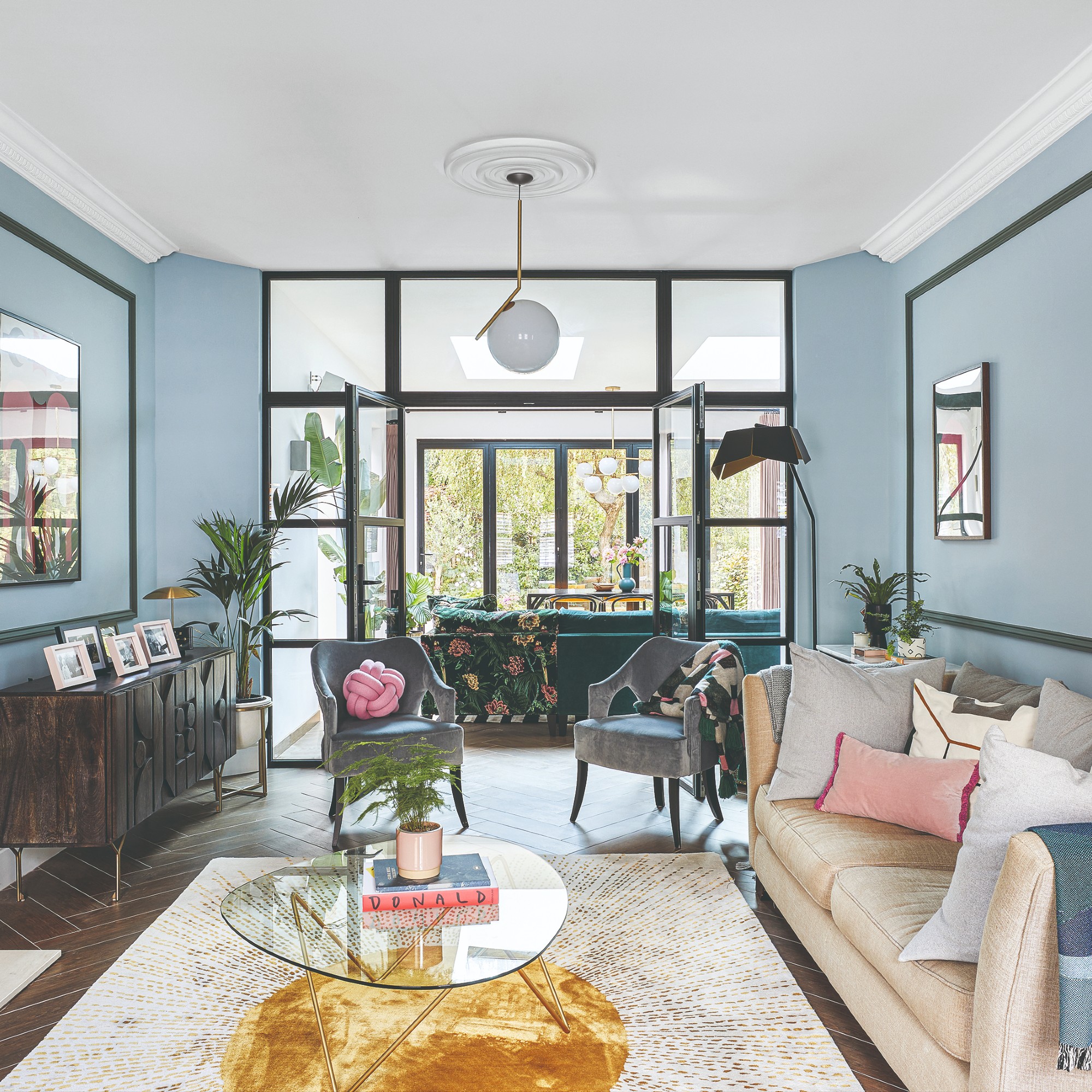
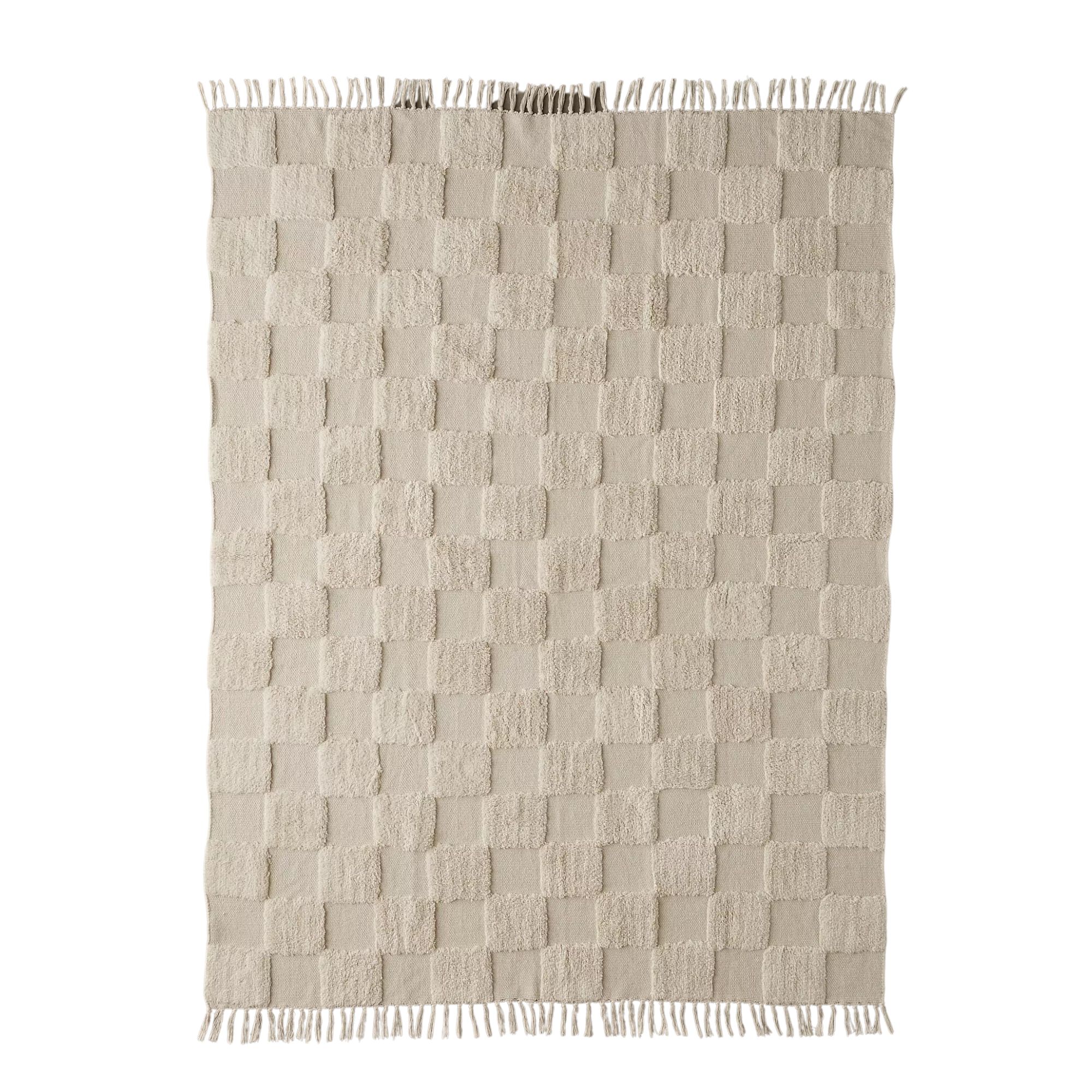
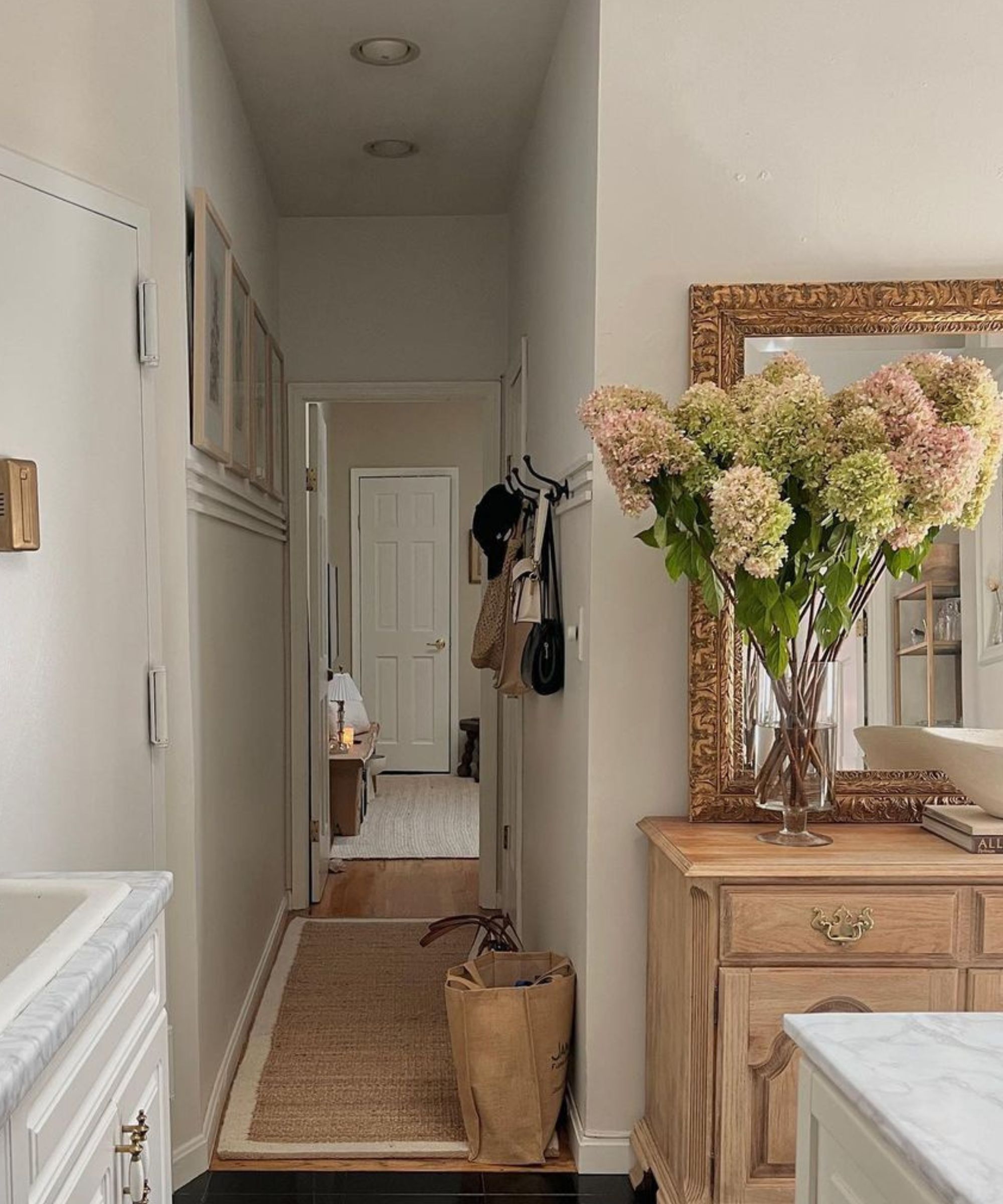
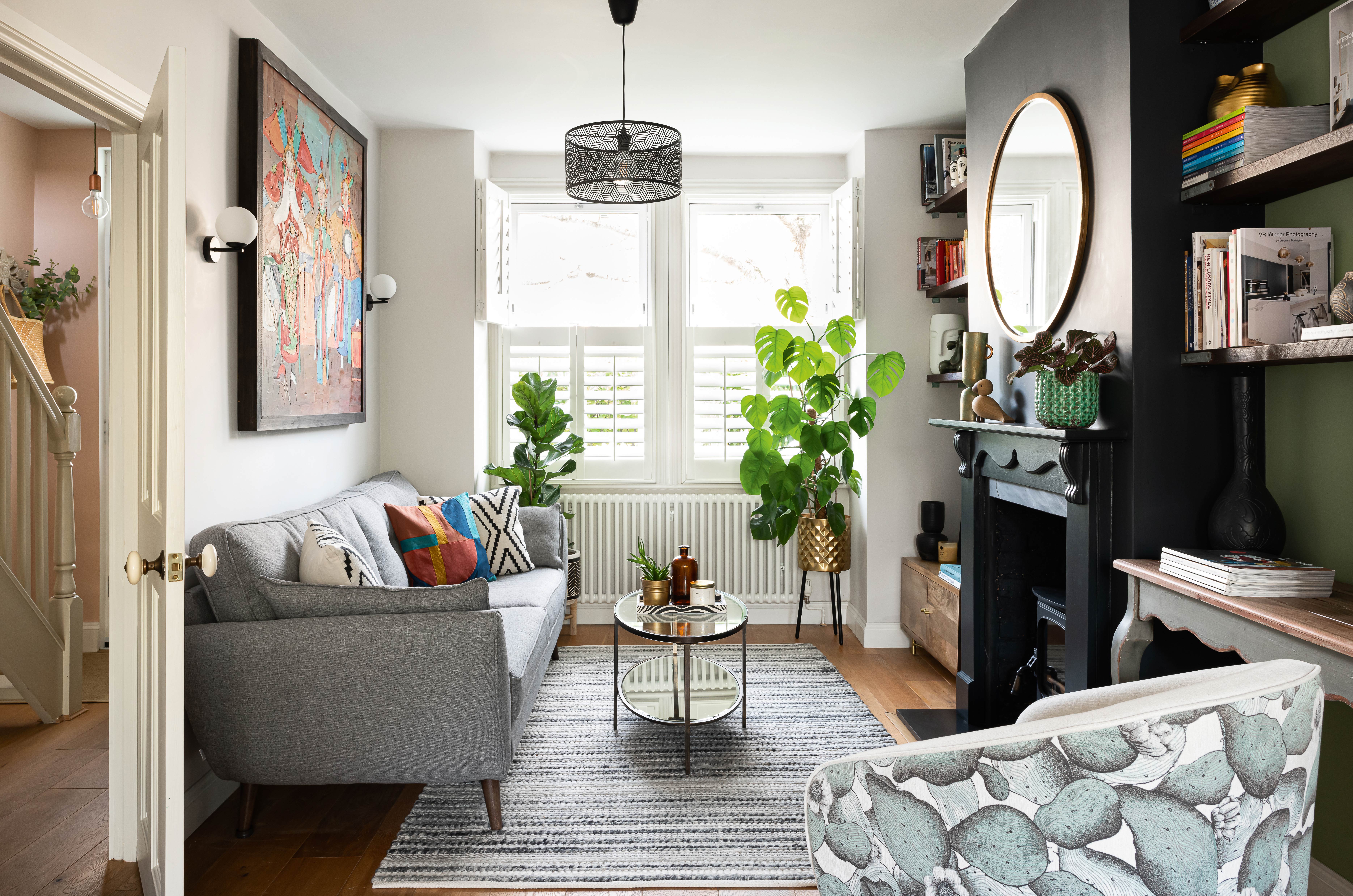
Another crucial aspect is selecting the right size rug. Many people mistakenly choose rugs that are either too large or too small for their space. Instead of a single large rug covering the entire floor, it is often more effective to use a rug that covers only a portion of the space. This prevents the room from feeling overwhelmed and can actually make it appear larger. For very narrow living rooms, a runner rug is an excellent alternative, particularly for defining walkways. Bethany Struble suggests using vintage rugs, which often come in longer, narrower dimensions suitable for such spaces.
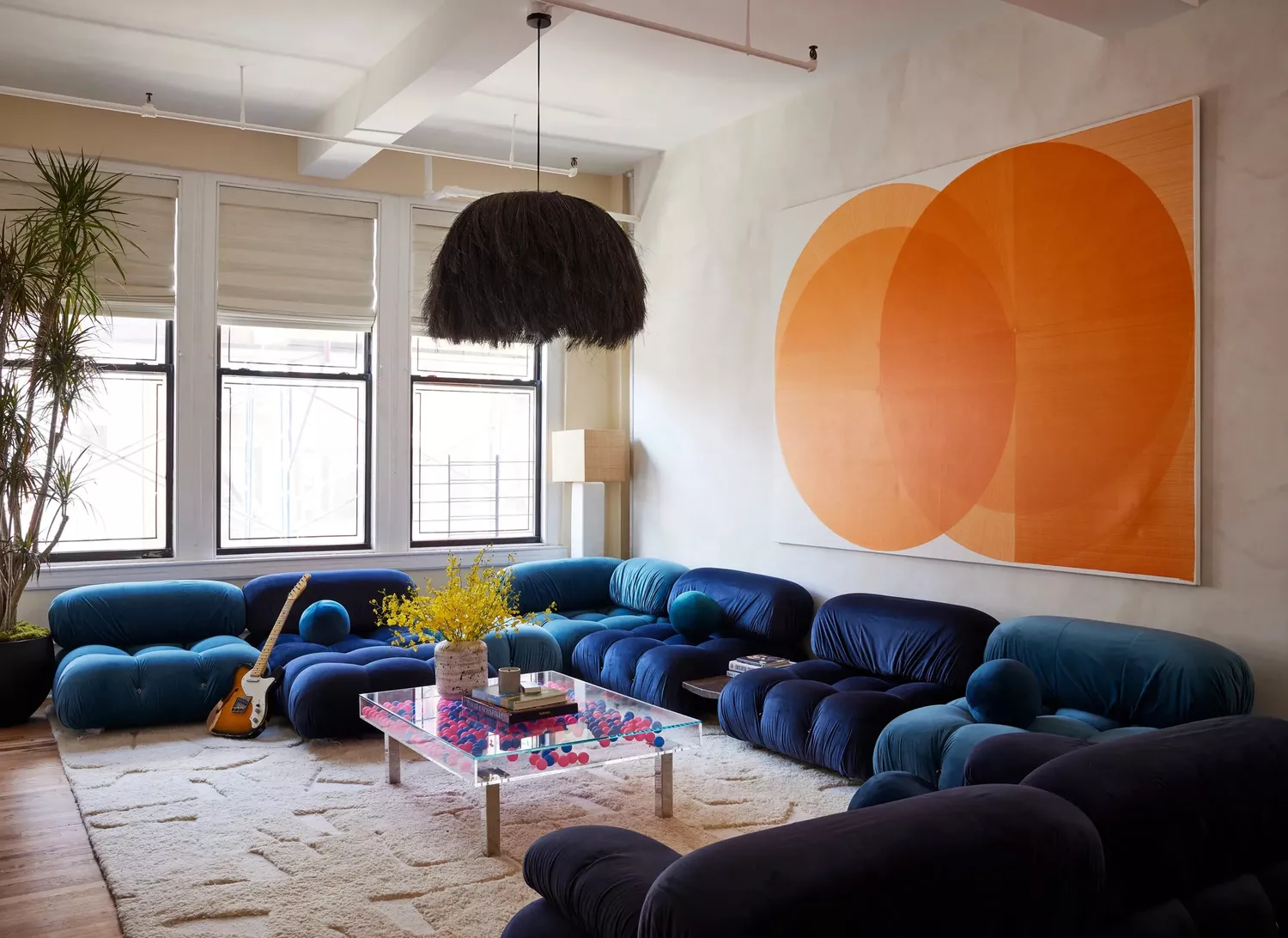
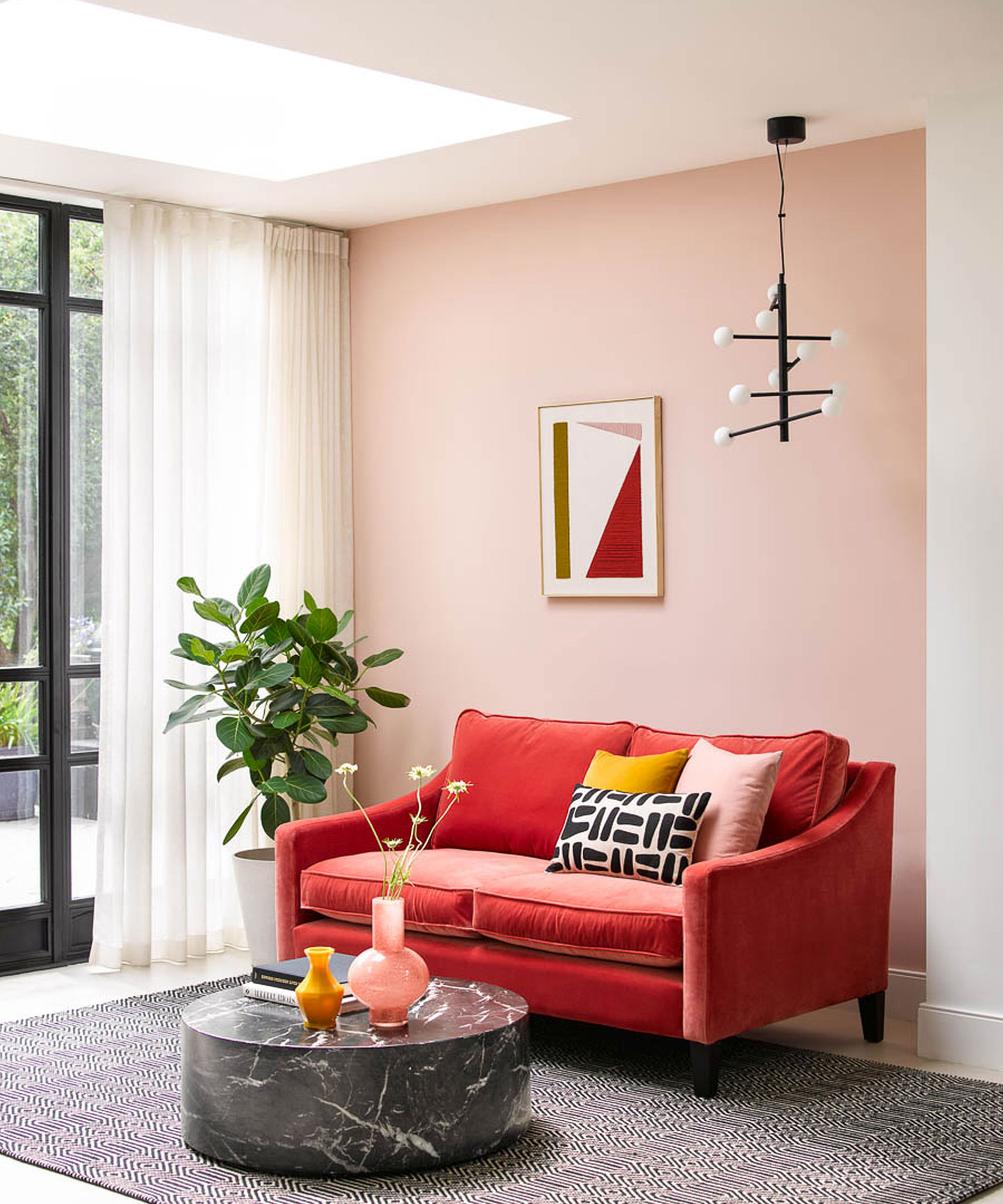
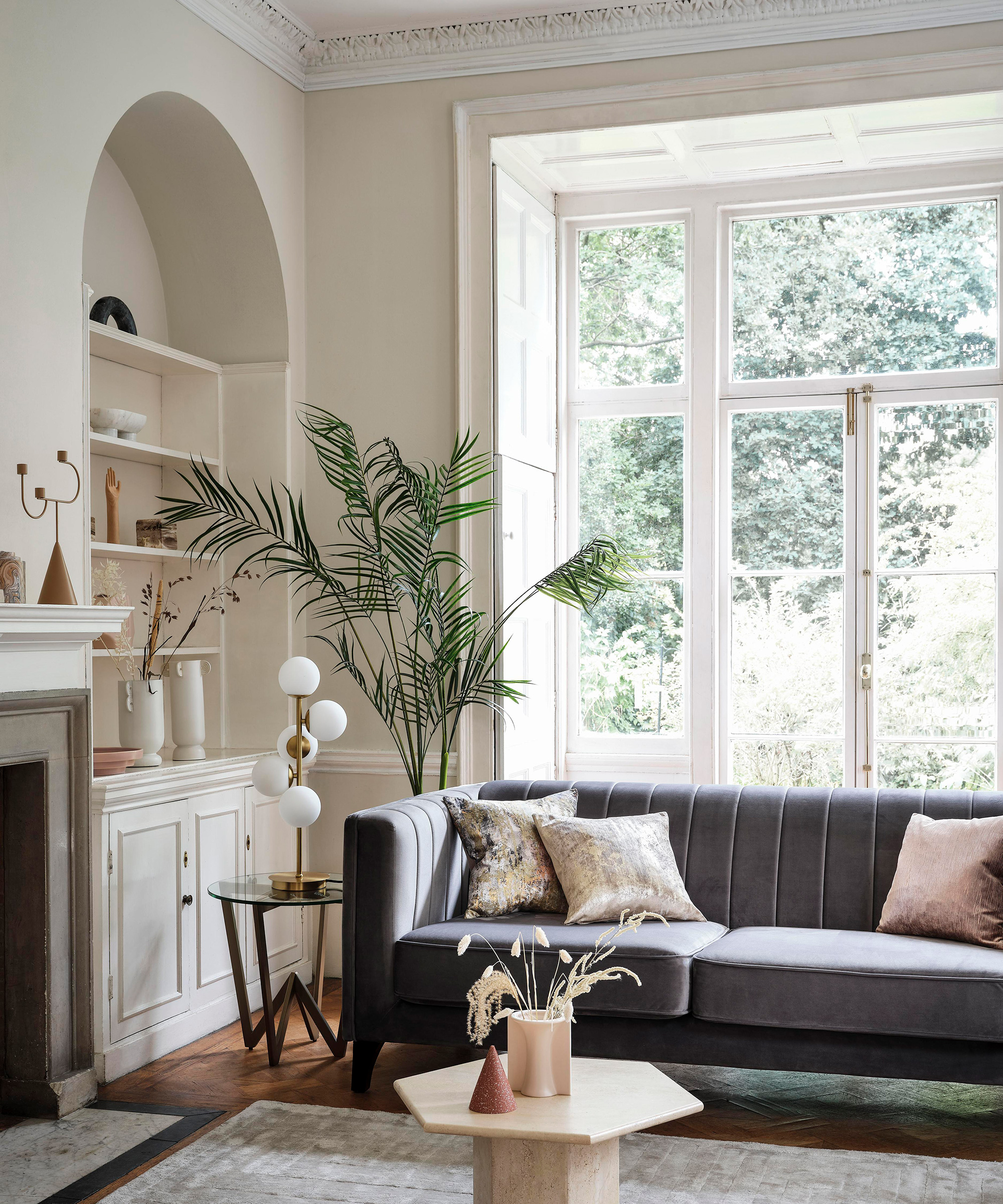
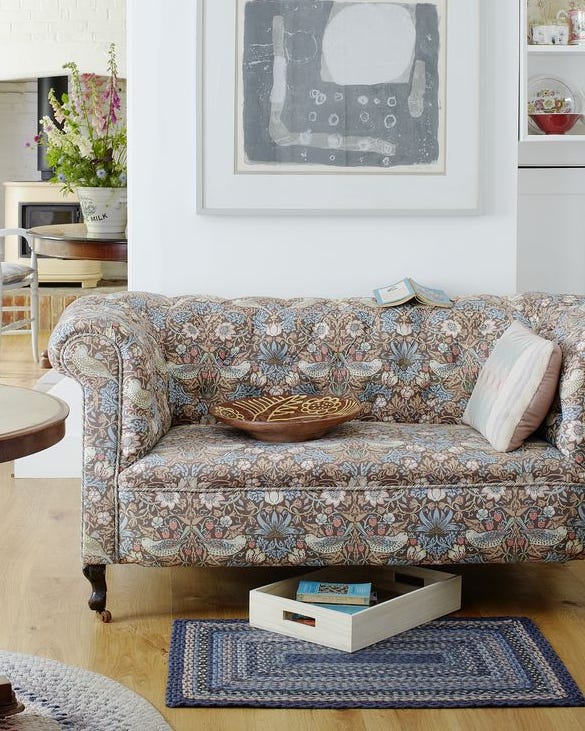
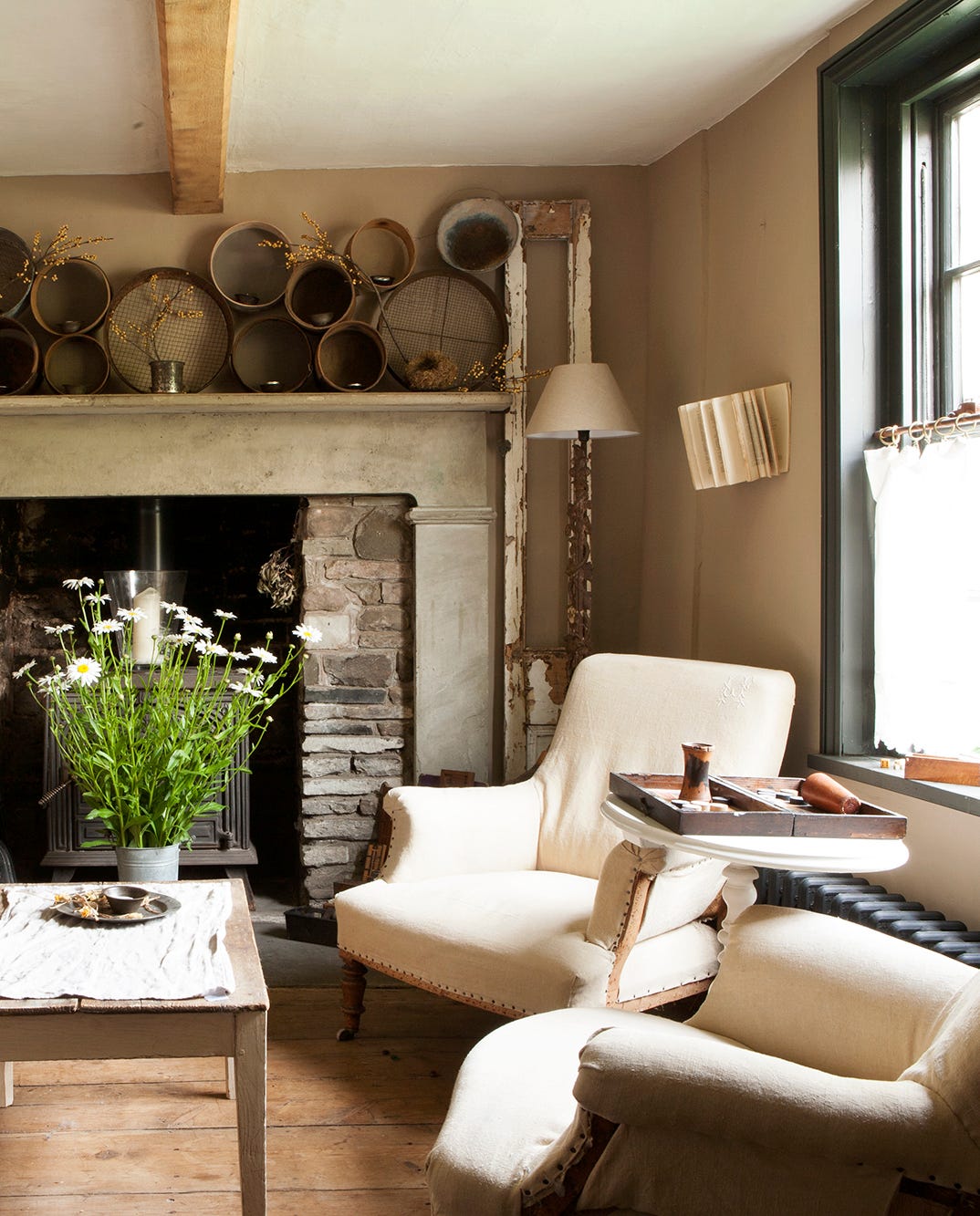
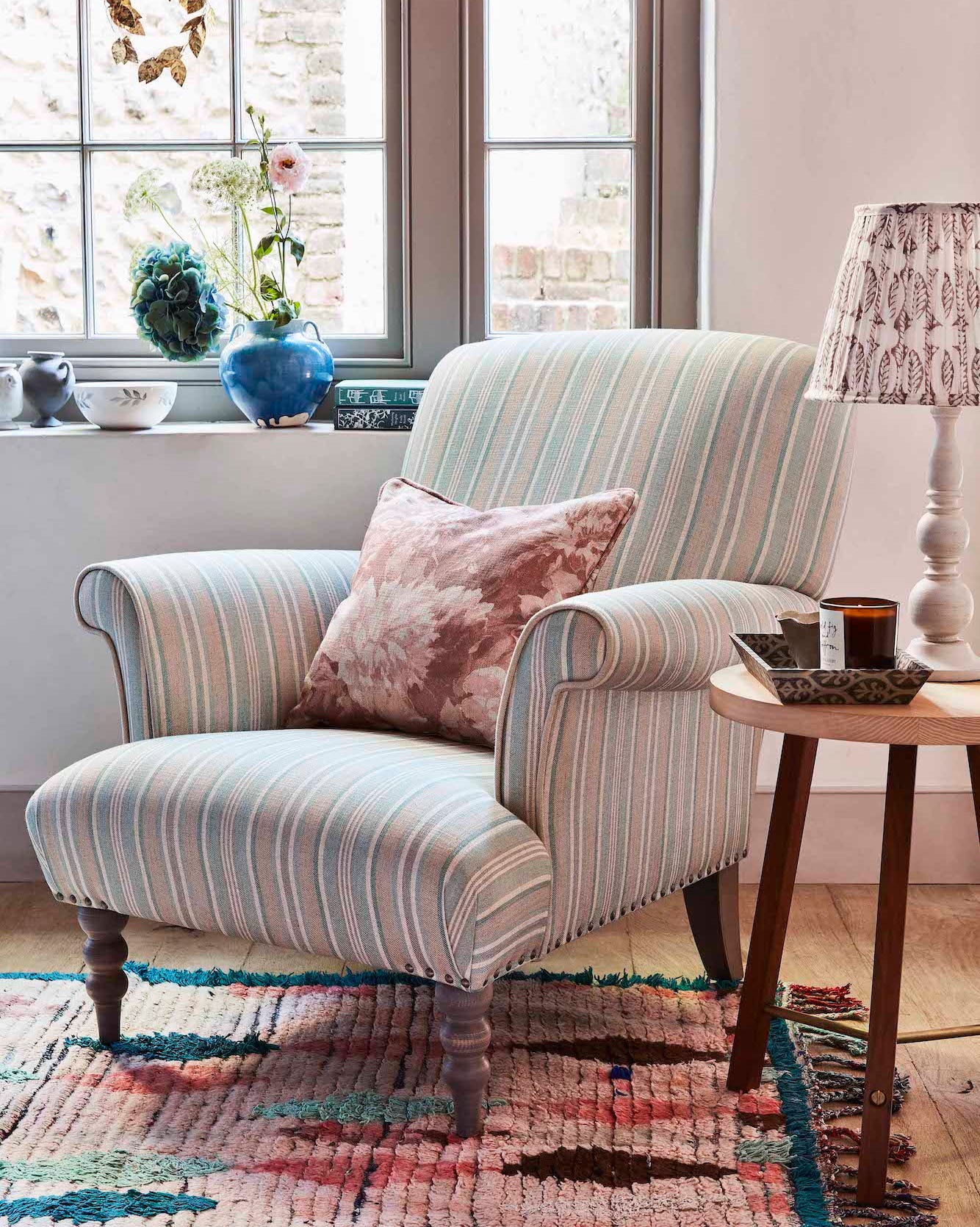
Creative seating arrangements are also vital. Instead of a bulky, traditional couch, consider a love seat paired with accent chairs, or a versatile lounge area that can serve multiple functions, such as a reading nook or a small home office. Furniture with built-in storage is highly recommended to minimize clutter. Avoiding overly bulky furniture is a general rule for narrow spaces; opting for sleek, streamlined couch styles with less depth in the back can create more sitting space in the cushion and make the room feel wider.
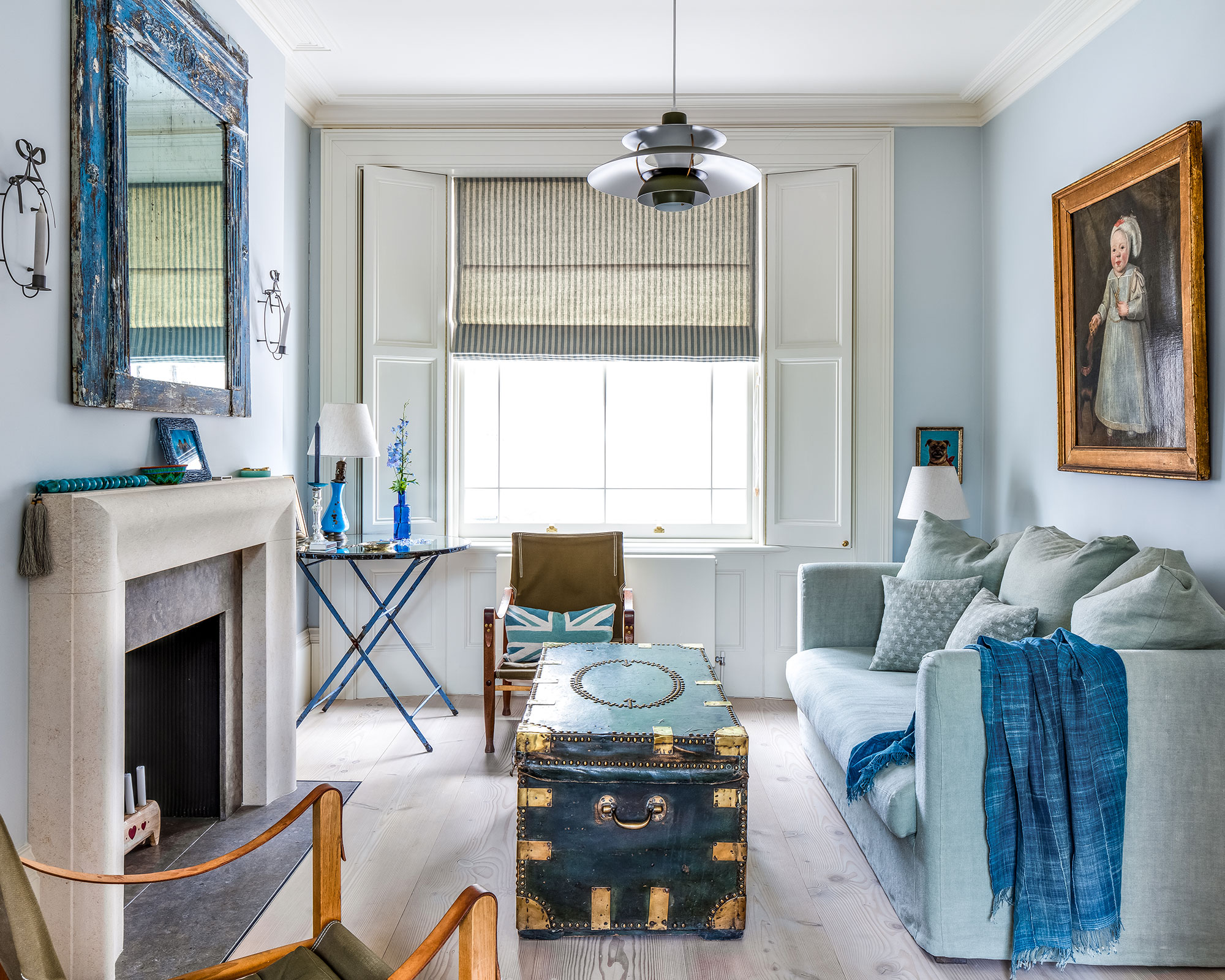
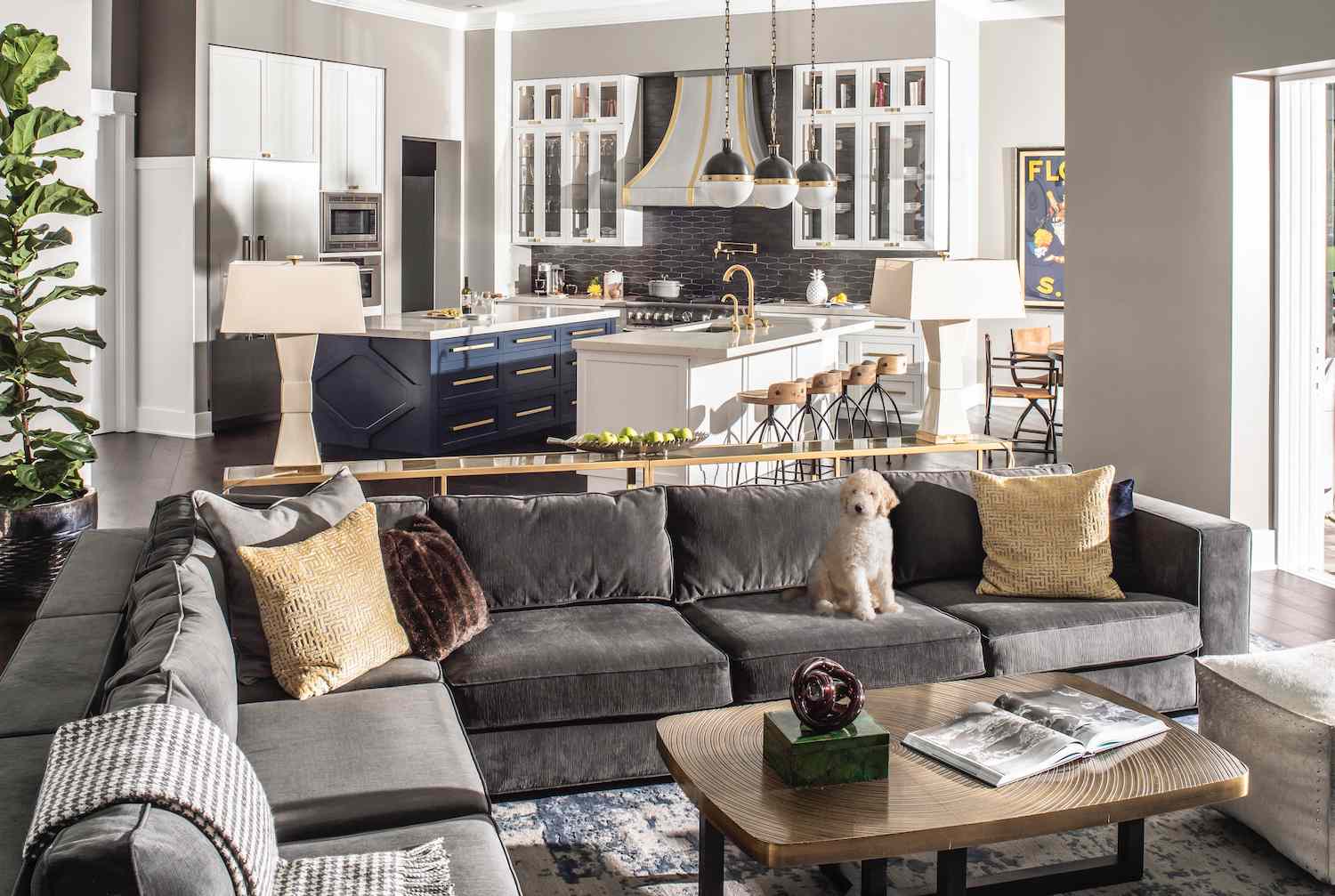
Creating distinct zones within the living room can help break up the elongated feel of a narrow space. Using multiple rugs is an effective way to establish these zones, making the room appear more structured and less like a corridor. Room dividers can also be employed to visually segment the space, adding boundaries without physically enclosing areas. Additionally, using narrow furniture is essential. A long, narrow bench-like coffee table, for example, allows for easy traffic flow without obstructing the path, making the room feel more accessible and wider.
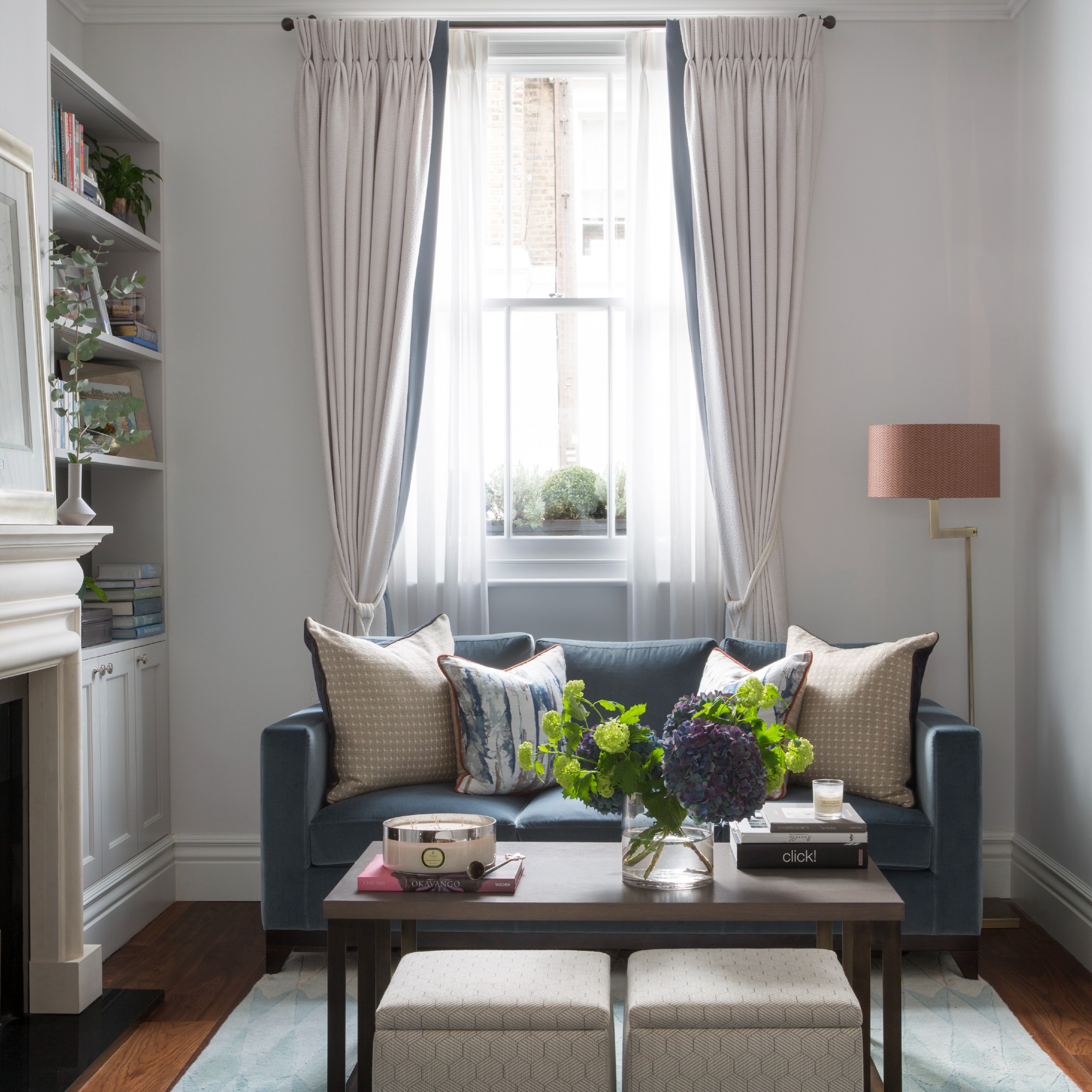
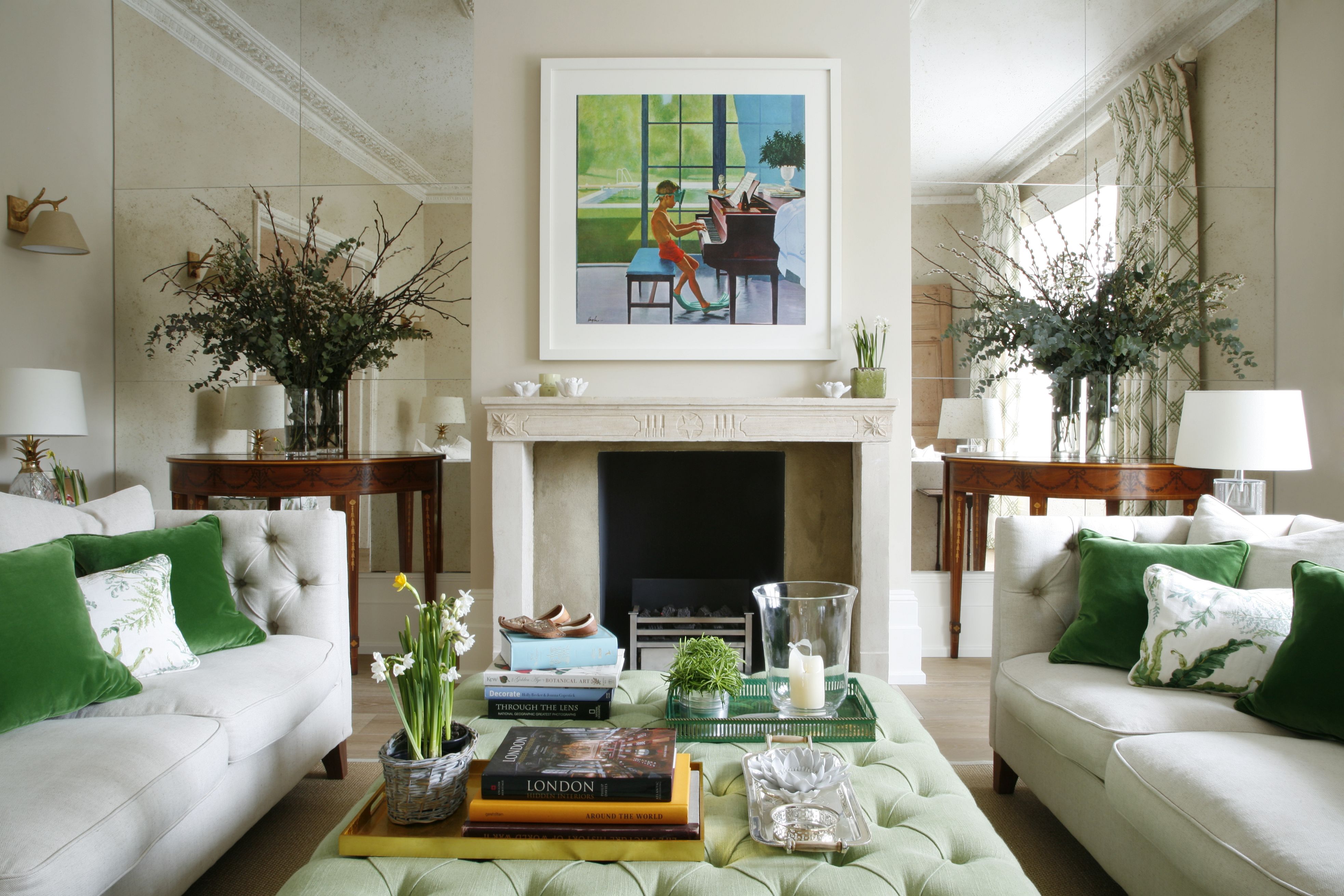
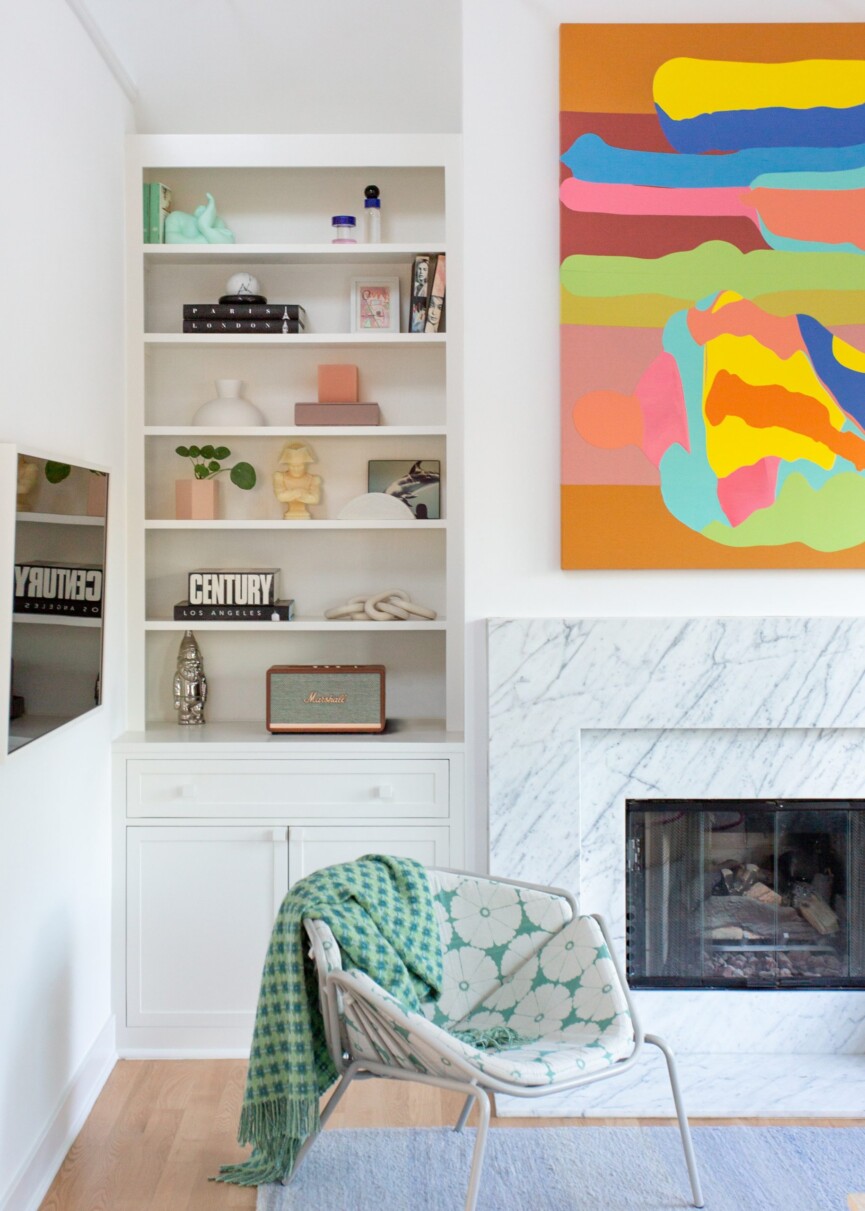
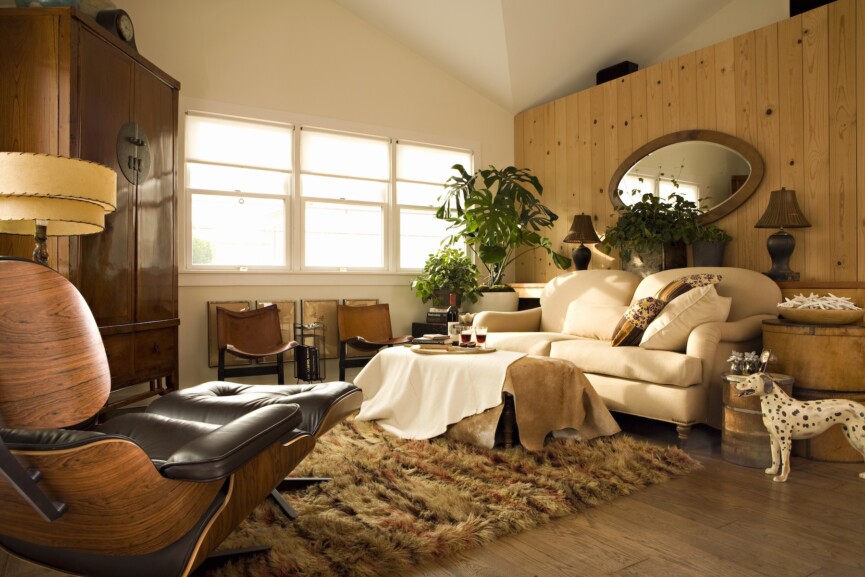
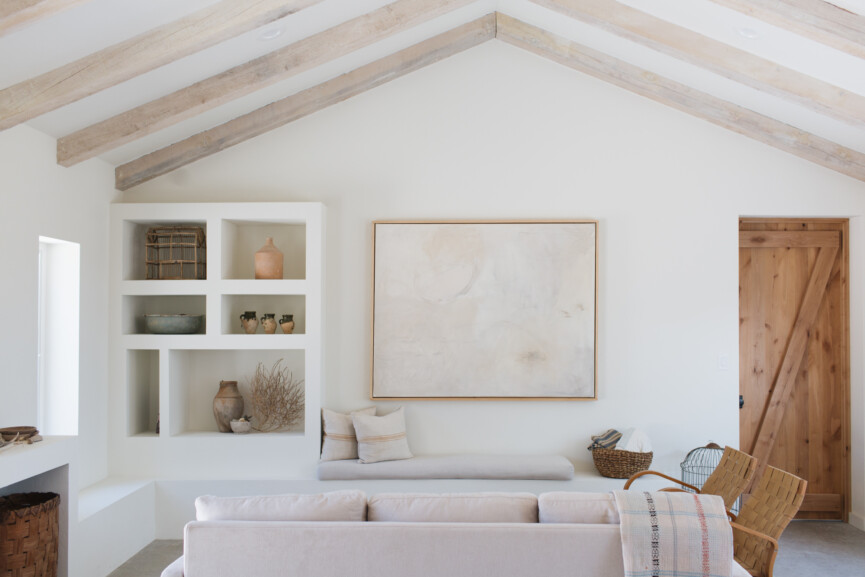
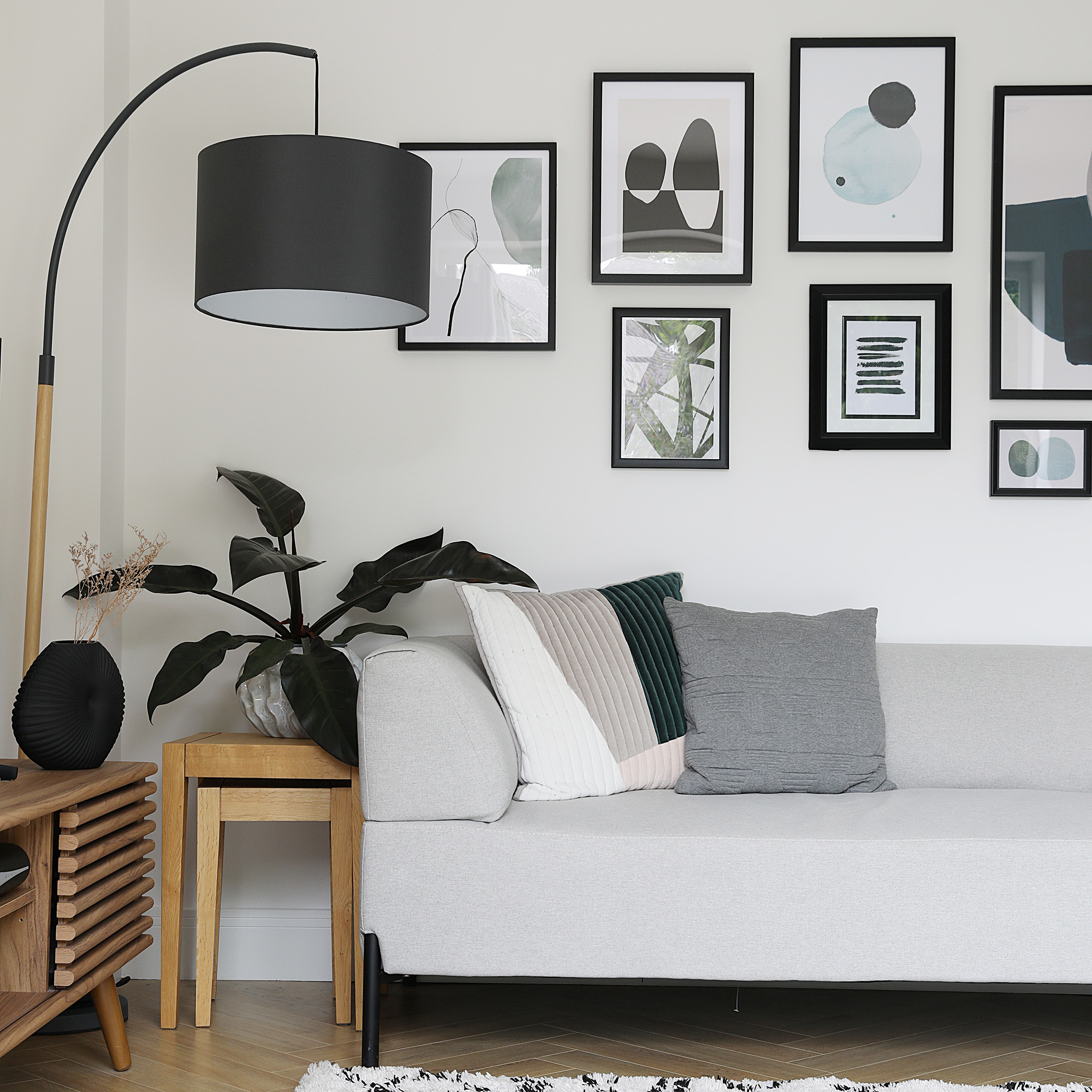
Finally, establishing a focal point guides the eye and draws attention away from the room's narrowness. This could be a gallery wall, shelving above the couch, a large piece of artwork, or a striking window treatment. Bethany Struble advises creating an additional focal point at the end of the room to encourage the eye to take in the entire space, thus creating the illusion of greater depth. Mirrors are particularly effective for this, as their reflective properties can significantly enlarge the perceived space. A collection of mirrors in various shapes and sizes can add both personality and functionality. When integrating a TV into a long, narrow living room, mounting it and then building a gallery wall around it can create a cohesive and visually interesting focal point. These strategies collectively aim to transform a challenging narrow living room into a comfortable, functional, and aesthetically pleasing area. #NarrowLivingRoom #SmallSpaceDesign #InteriorDesignTips #FurniturePlacement #HomeDecor #RoomOrganization #VerticalSpace #FocalPoint
0 comment in total
 No comments yet
You may also like
7 narrow living room ideas – how to turn an awkwardly shaped space into a dreamy lounge
8 luxury small living room ideas that bring the right kind of drama
8 colorful small living room ideas that will brighten, not overwhelm your space
5 Stylish Space-Saving Solutions for Your Living Room We Found on Instagram
Narrow living room ideas – 12 ways to make your long and awkward lounge appear wider and more balanced
10 narrow utility room ideas - designer advice for getting a lot from a small space

18 Clever Ways to Design Around an Awkward Living Room Layout

Design tips and tricks for decorating a small living room
Narrow utility room ideas – smart tactics for awkward layouts

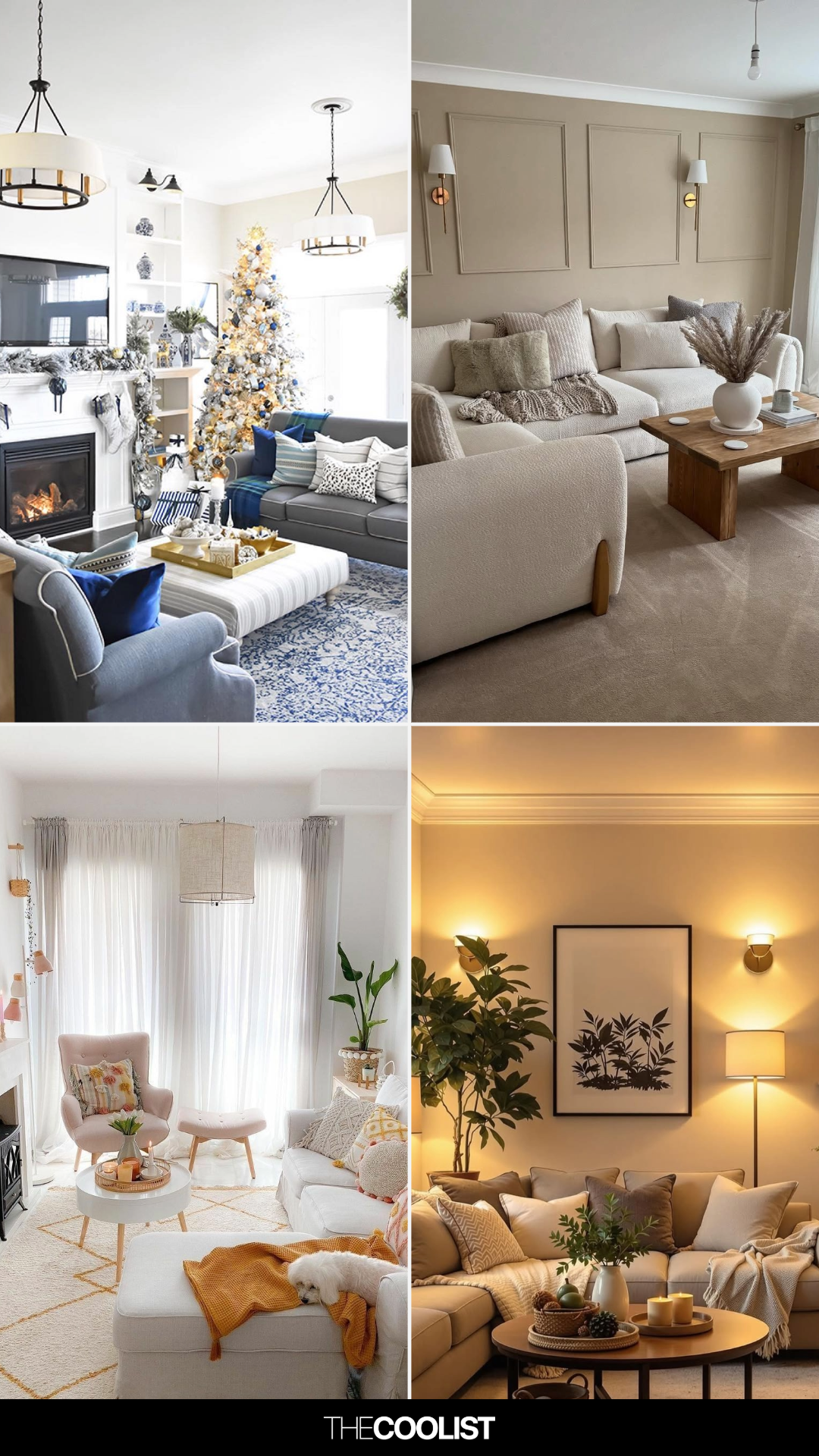
30 Long Living Room Ideas That Finally Make a Narrow Room Feel Designed, Not Stretched

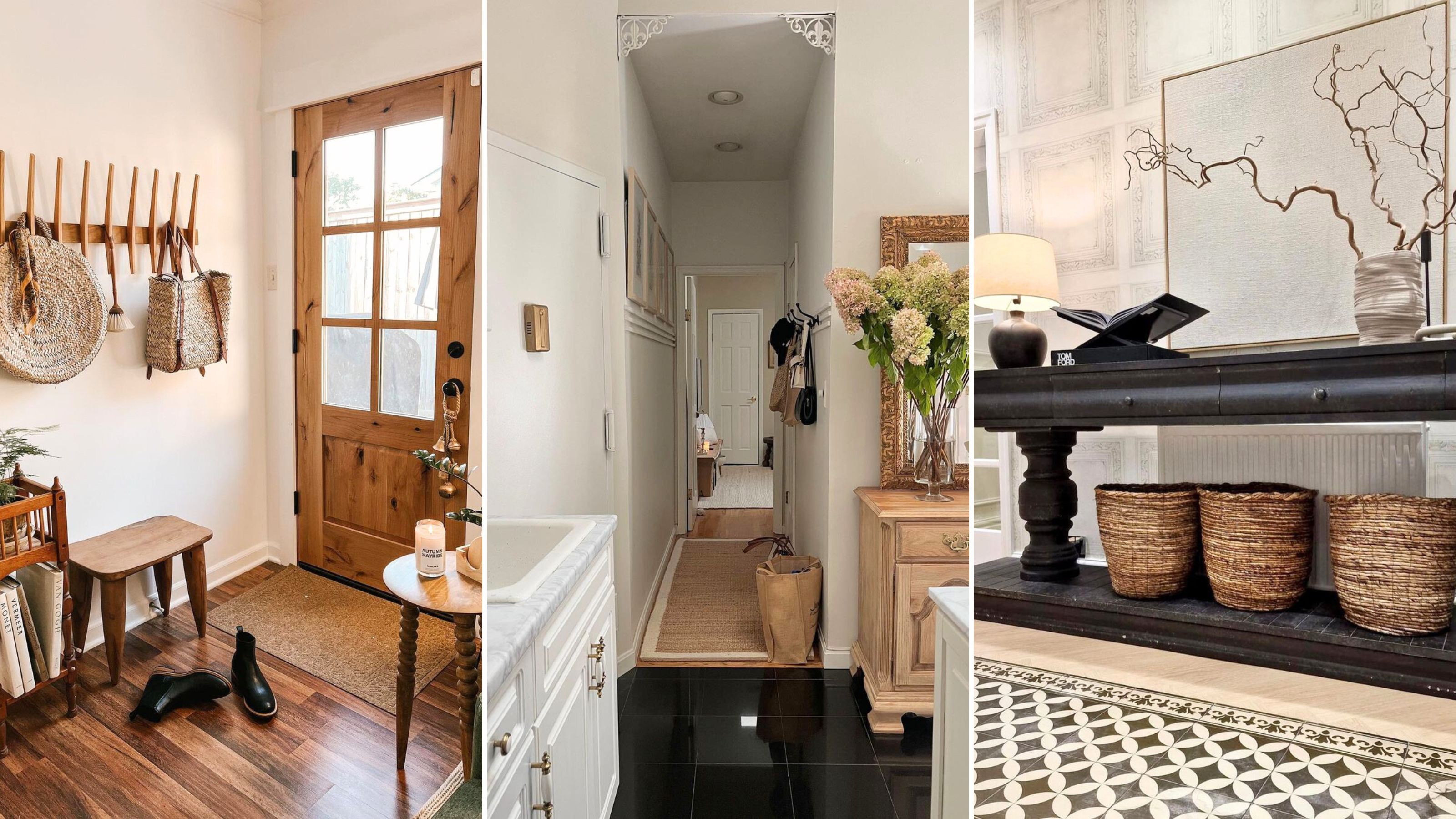
6 narrow entryway ideas design experts love using in awkward spaces

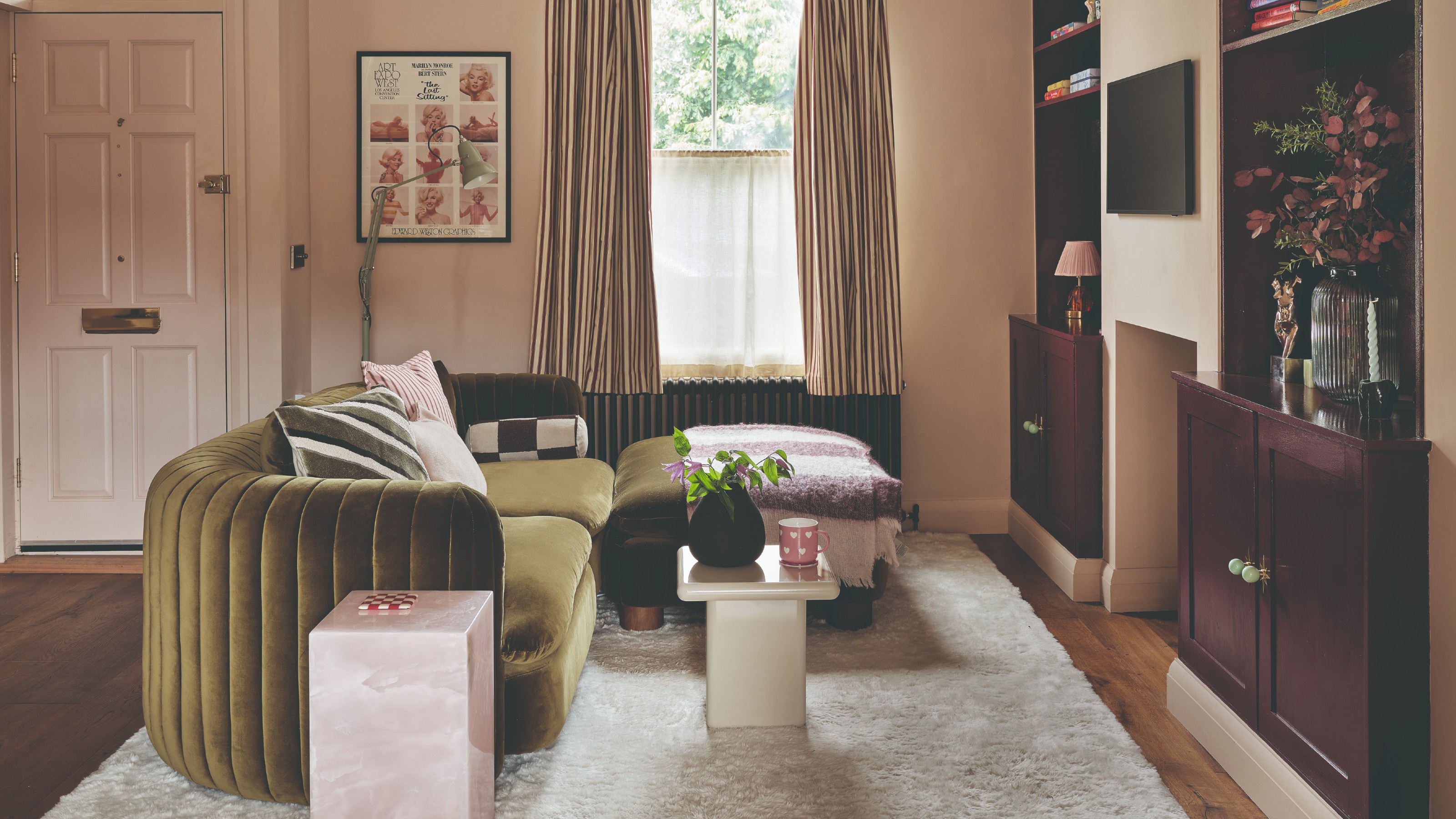
57 small living room ideas to make your petite living space look bigger and more stylish
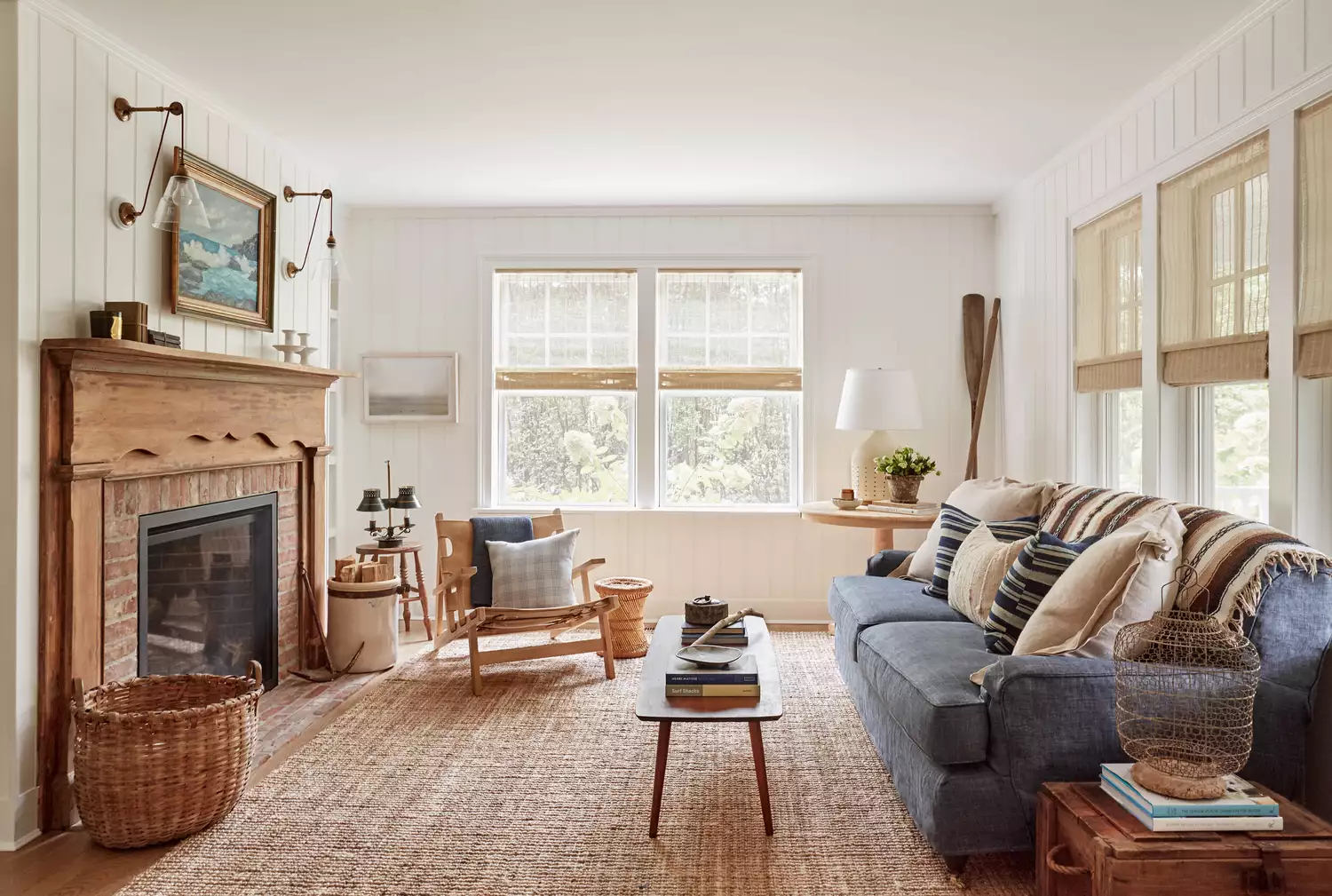
Have a Narrow Living Room? These Layout Ideas Will Make the Most of Your Space

10 small living room layout ideas to make you rethink your set up
Tiny Living Room? These 10 Small-Space Solutions Will Transform Your Home

Living room corner ideas – 10 ways to breathe life into an awkward space

Small living room ideas – 38 clever ways to plan and decorate a compact space
7 narrow bedroom ideas that will take your space from cramped to cozy
28 living room corner ideas to make the most of an empty space
24 Genius Small Apartment Living Room Ideas That Instantly Make Your Space Feel Bigger