1/13
Narrow living room ideas – 12 ways to make your long and awkward lounge appear wider and more balanced
Many homeowners face the challenge of decorating and furnishing a narrow living room. This particular room shape requires a specific approach to interior design to prevent it from feeling cramped and disproportionate. Sara Hesikova, with personal experience in narrow living rooms, has compiled expert advice and practical tips to transform such spaces into more balanced, wider, and stylish areas. The article blends personal insights with professional guidance from interior designers to offer comprehensive solutions.
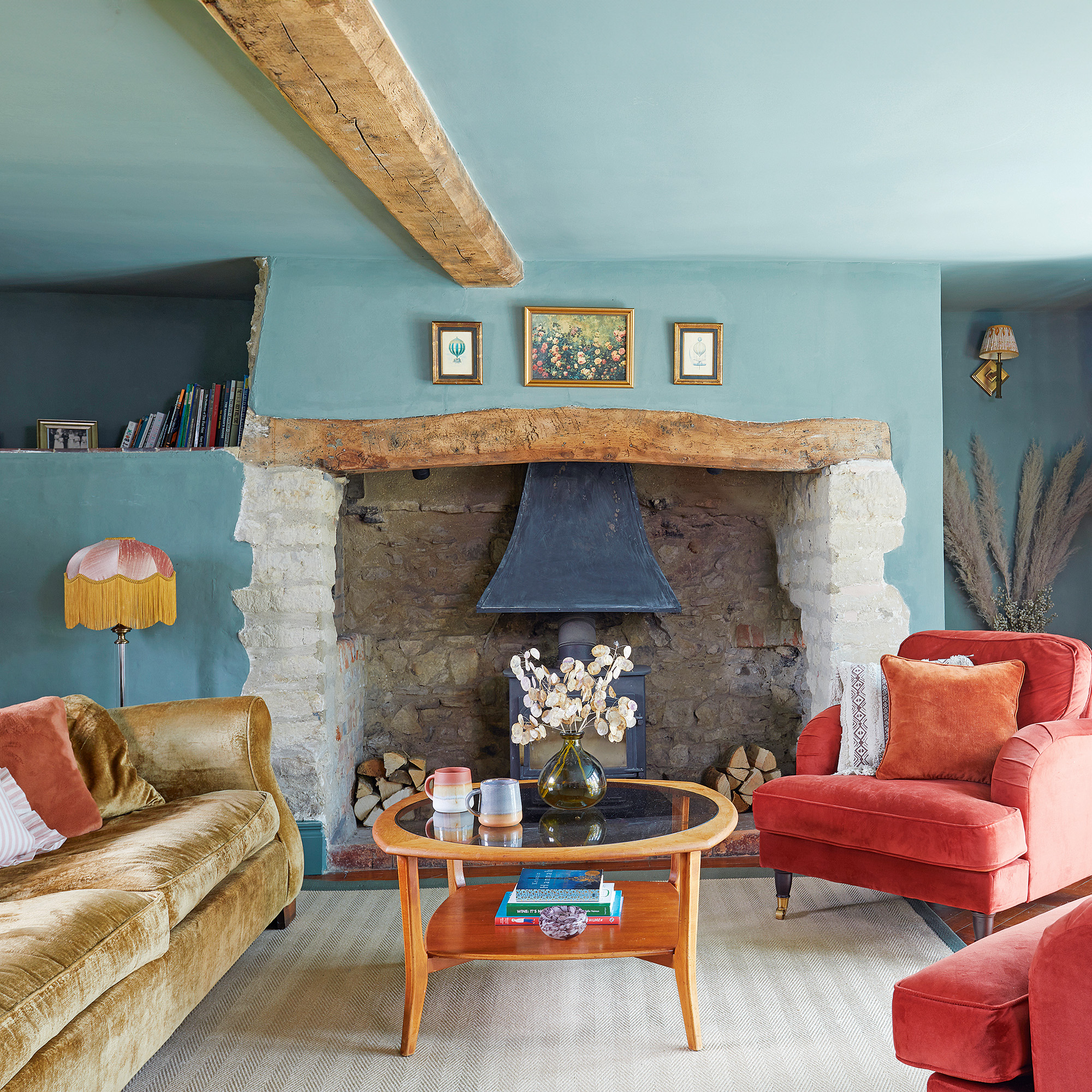
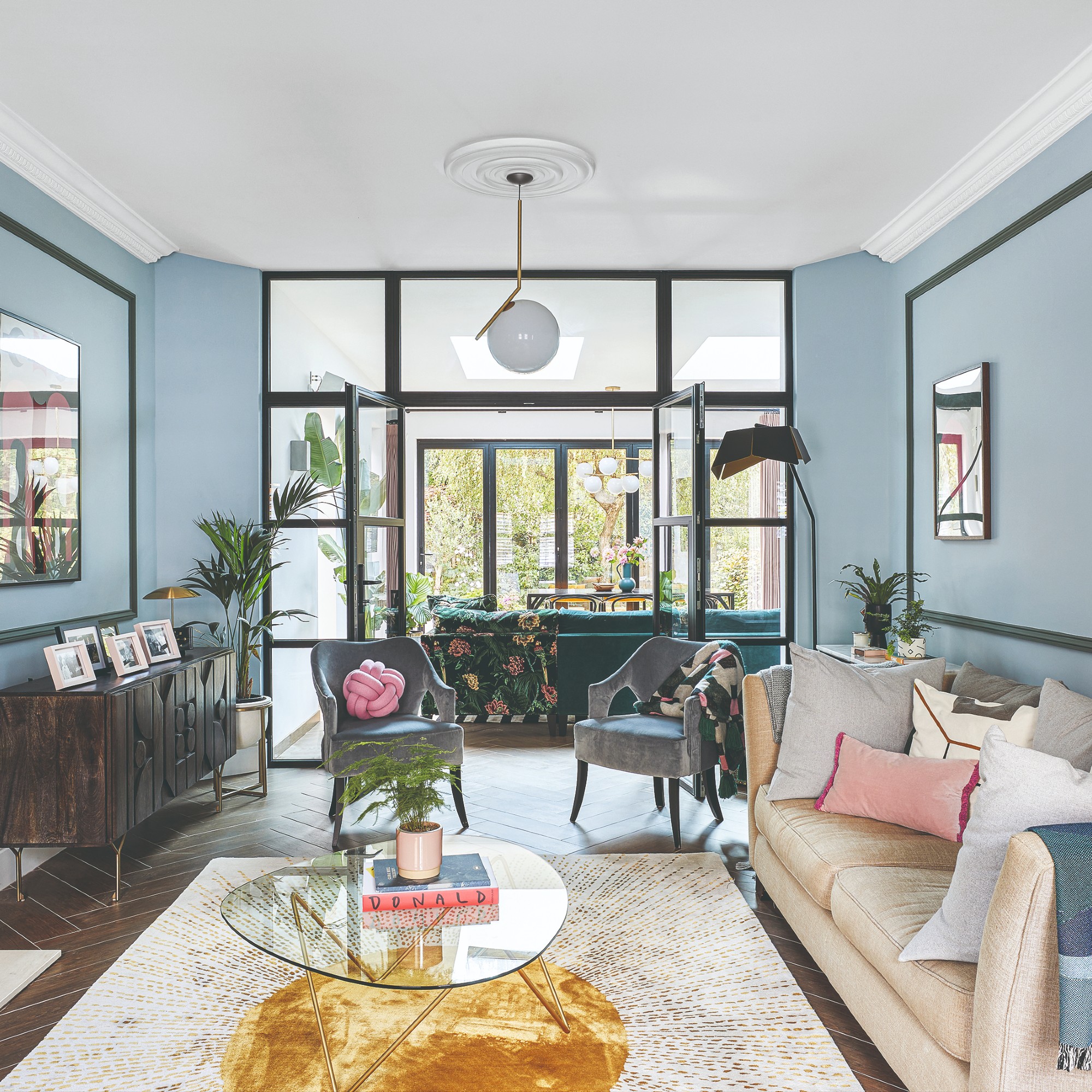
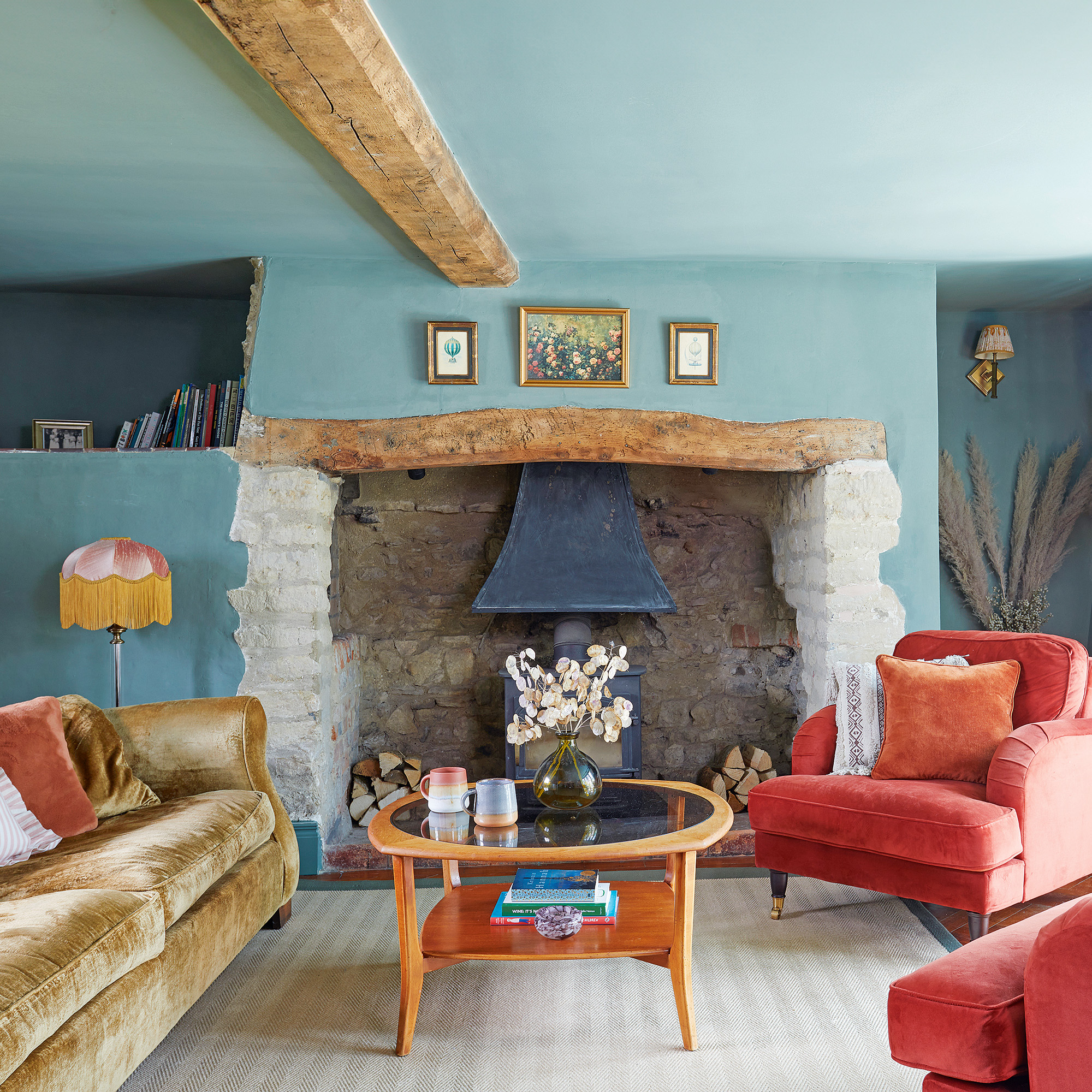
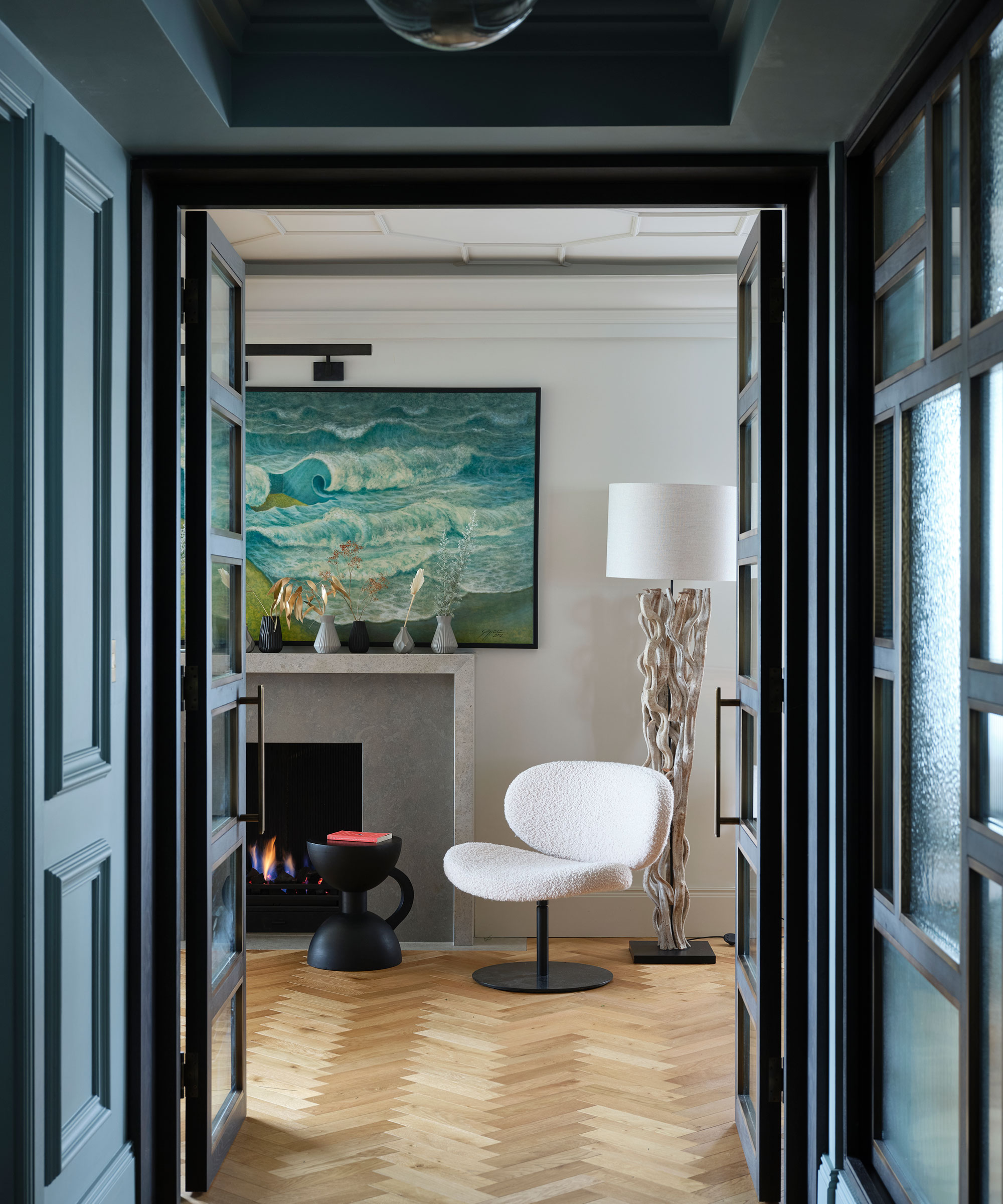
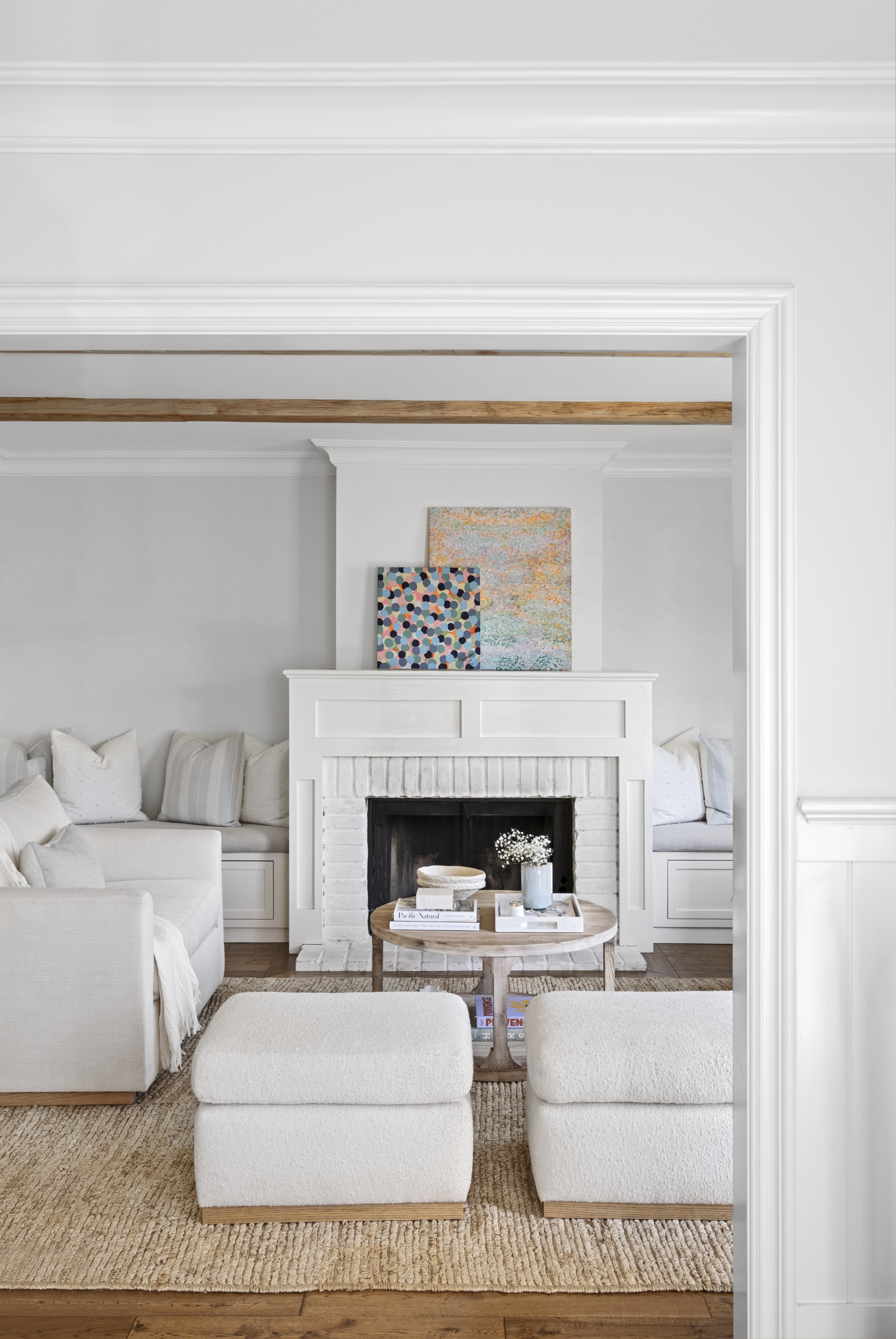
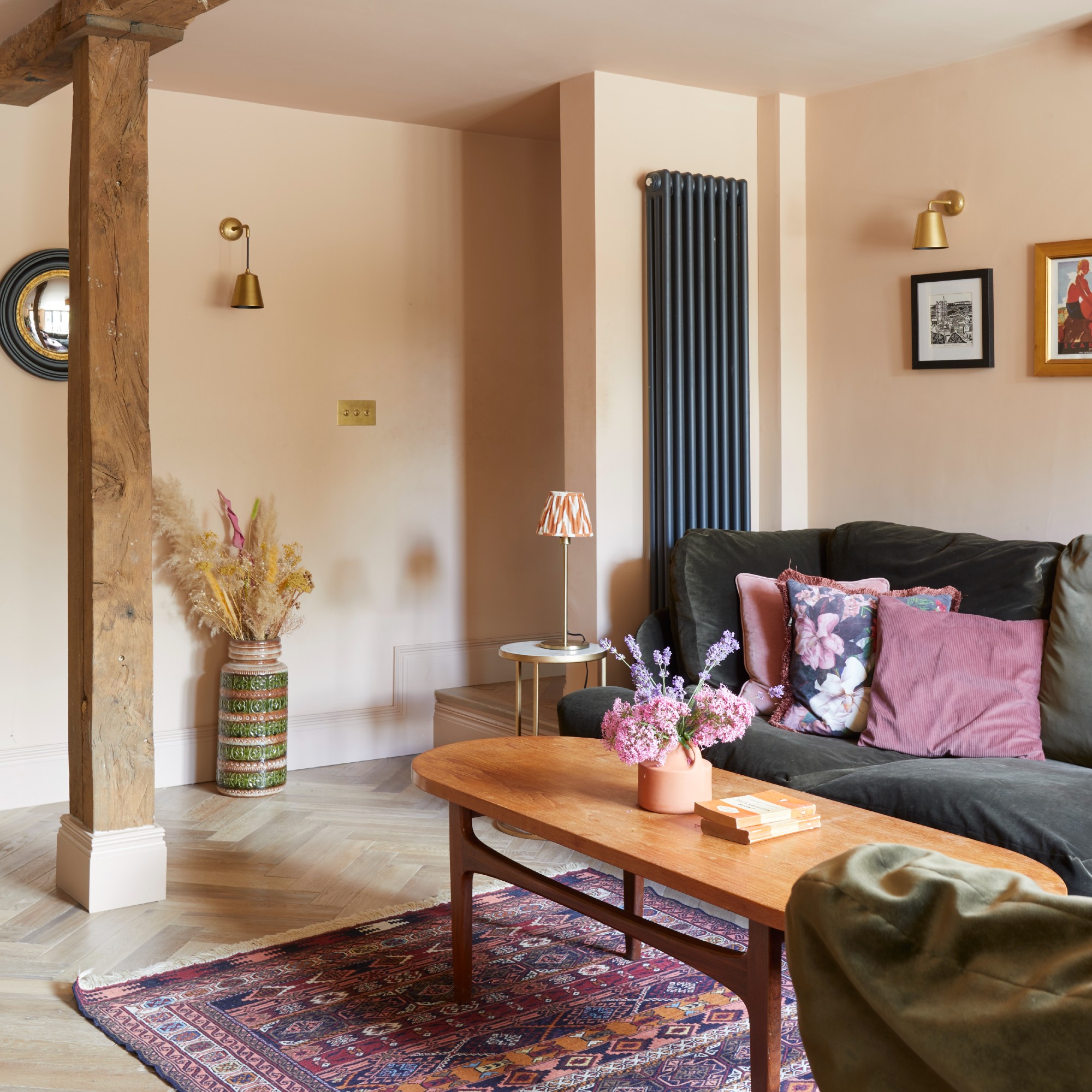
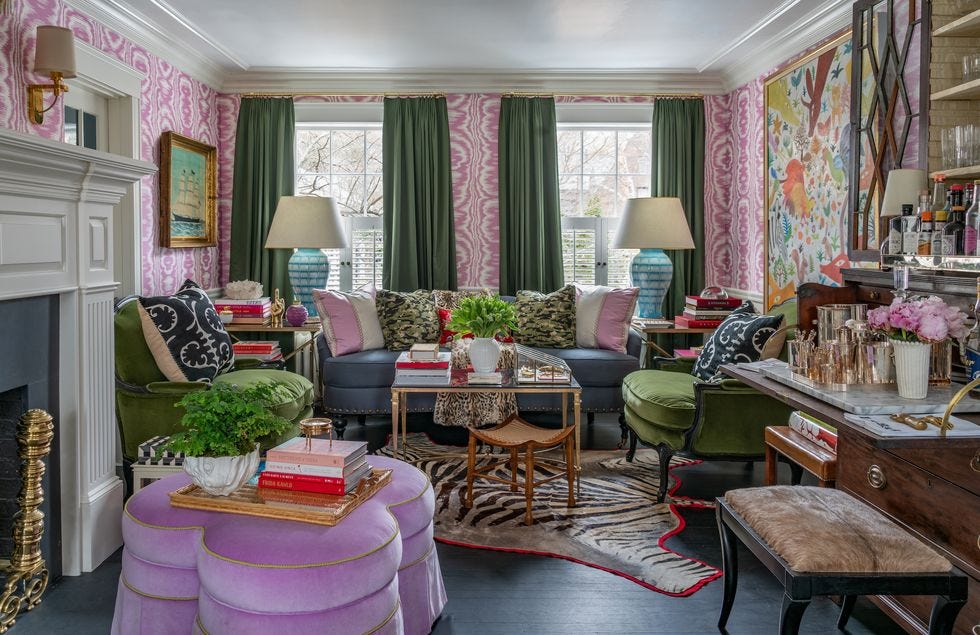
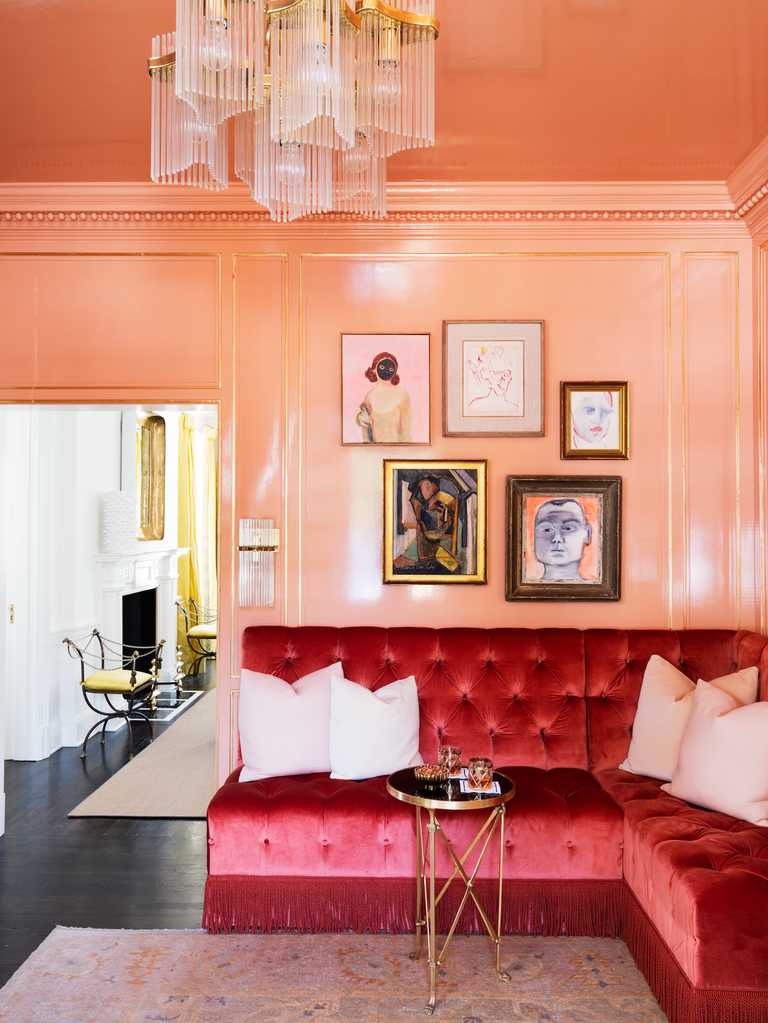
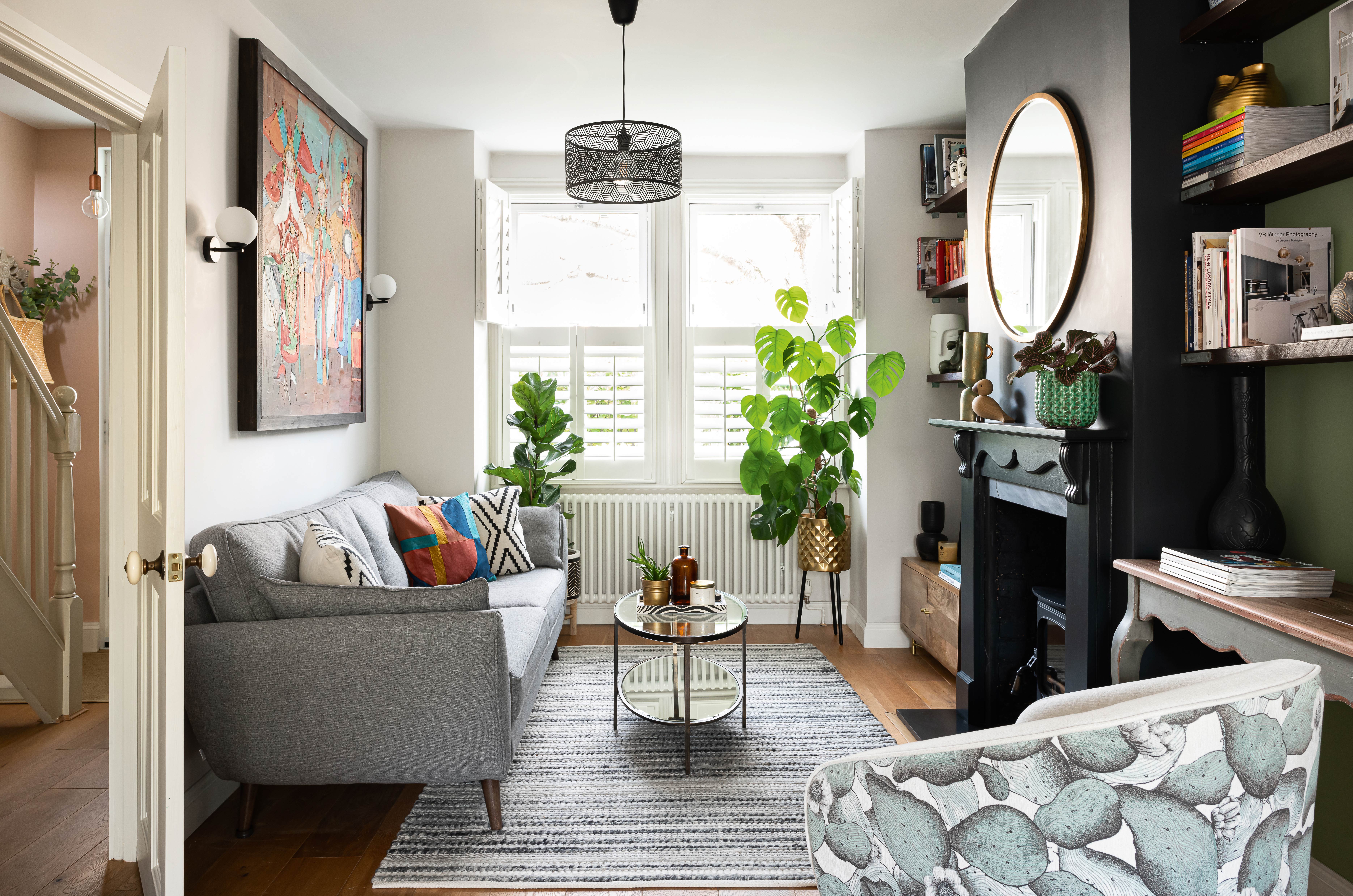
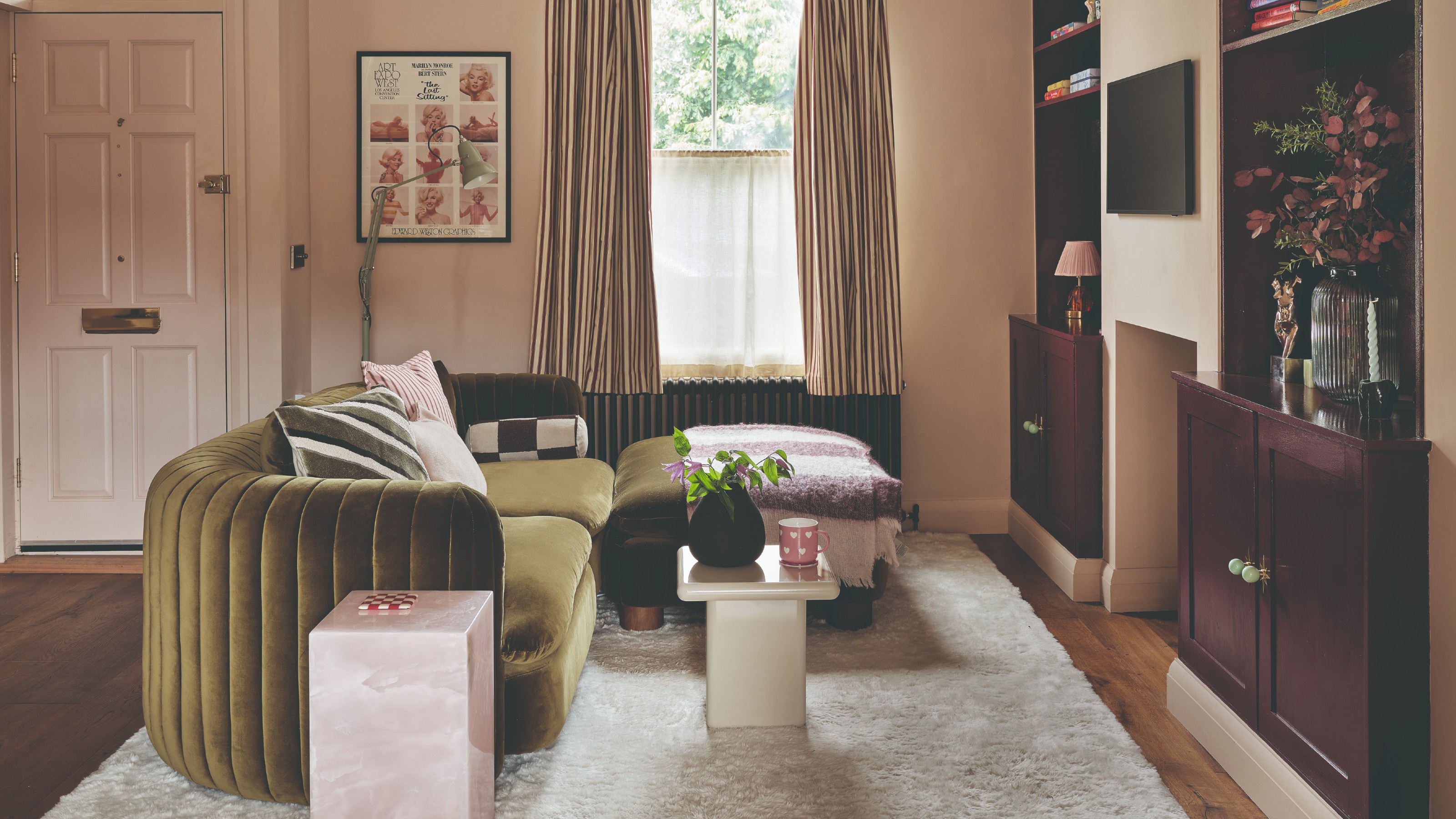
One effective technique to visually expand a narrow living room is color drenching. This involves painting walls, skirting boards, and even ceilings in the same tone. This method softens boundaries and creates a seamless flow, avoiding harsh visual breaks that can make a room appear smaller. Liz and Sarah Hellmers of Lathams emphasize that a harmonious palette helps the room feel broader and more balanced. Another crucial tip is to avoid pushing all furniture against the walls. Pulling seating slightly forward creates depth and prevents the space from resembling a “bowling alley.” This technique applies to various furniture pieces, making the room feel more open and less confined.
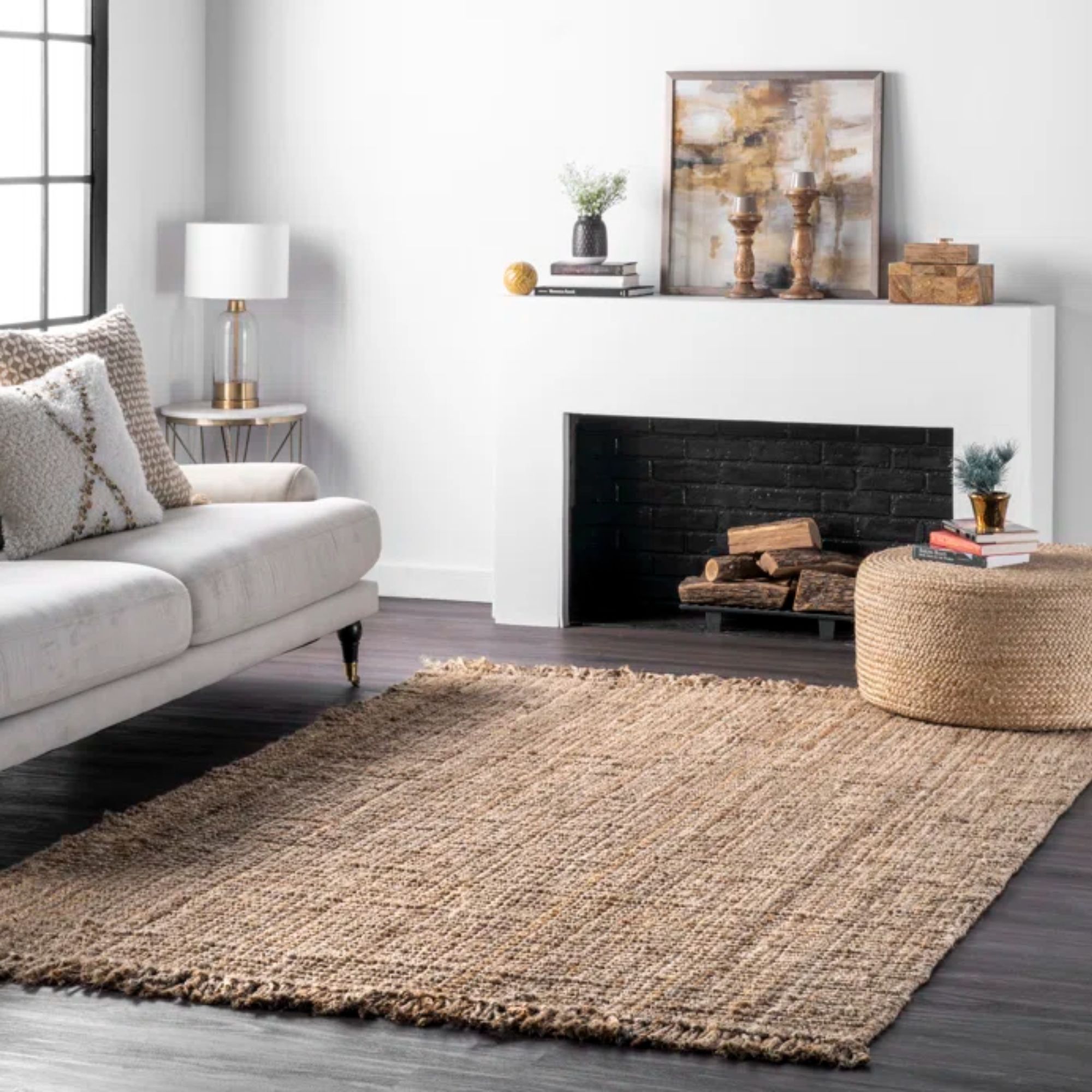
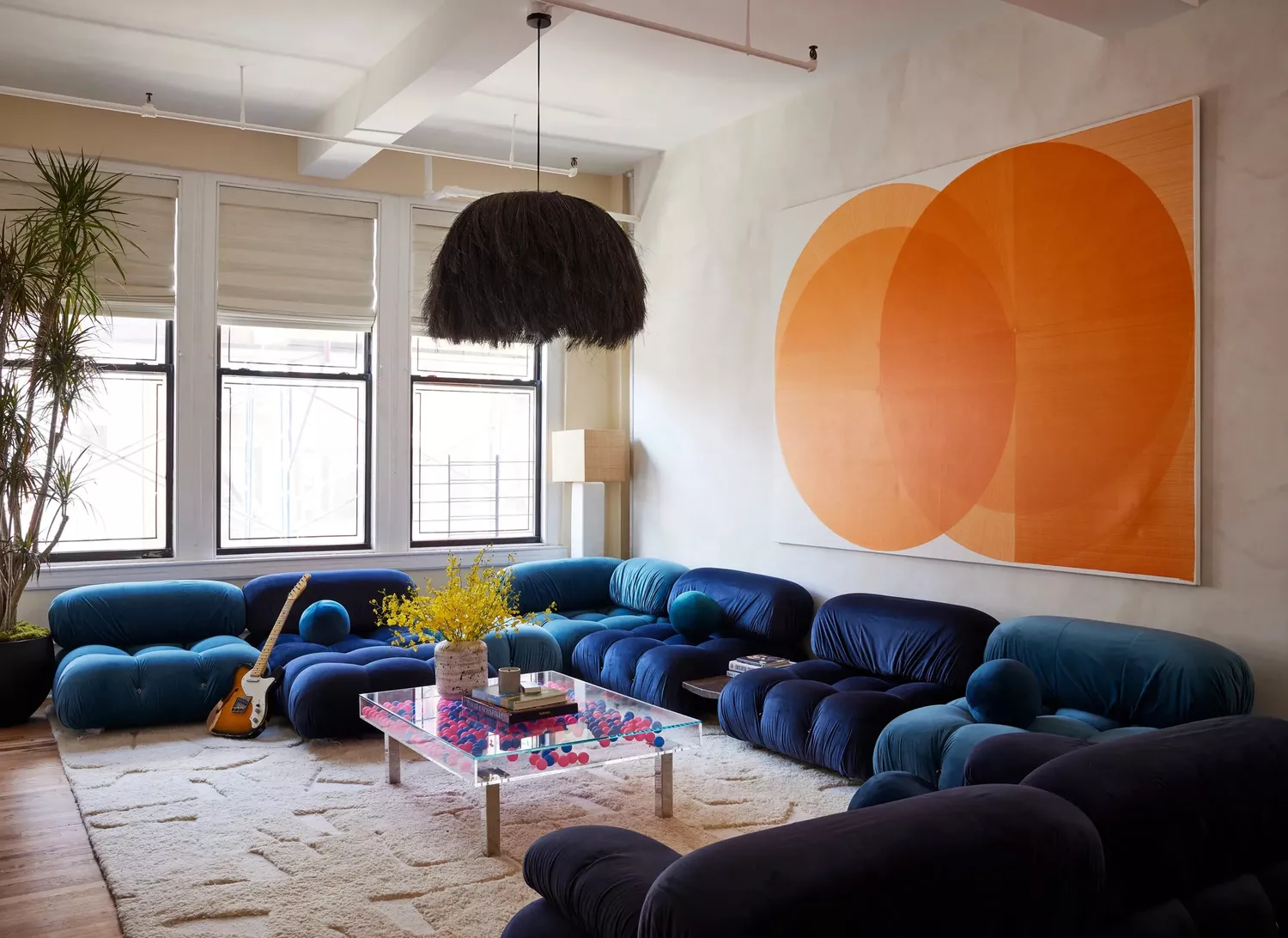
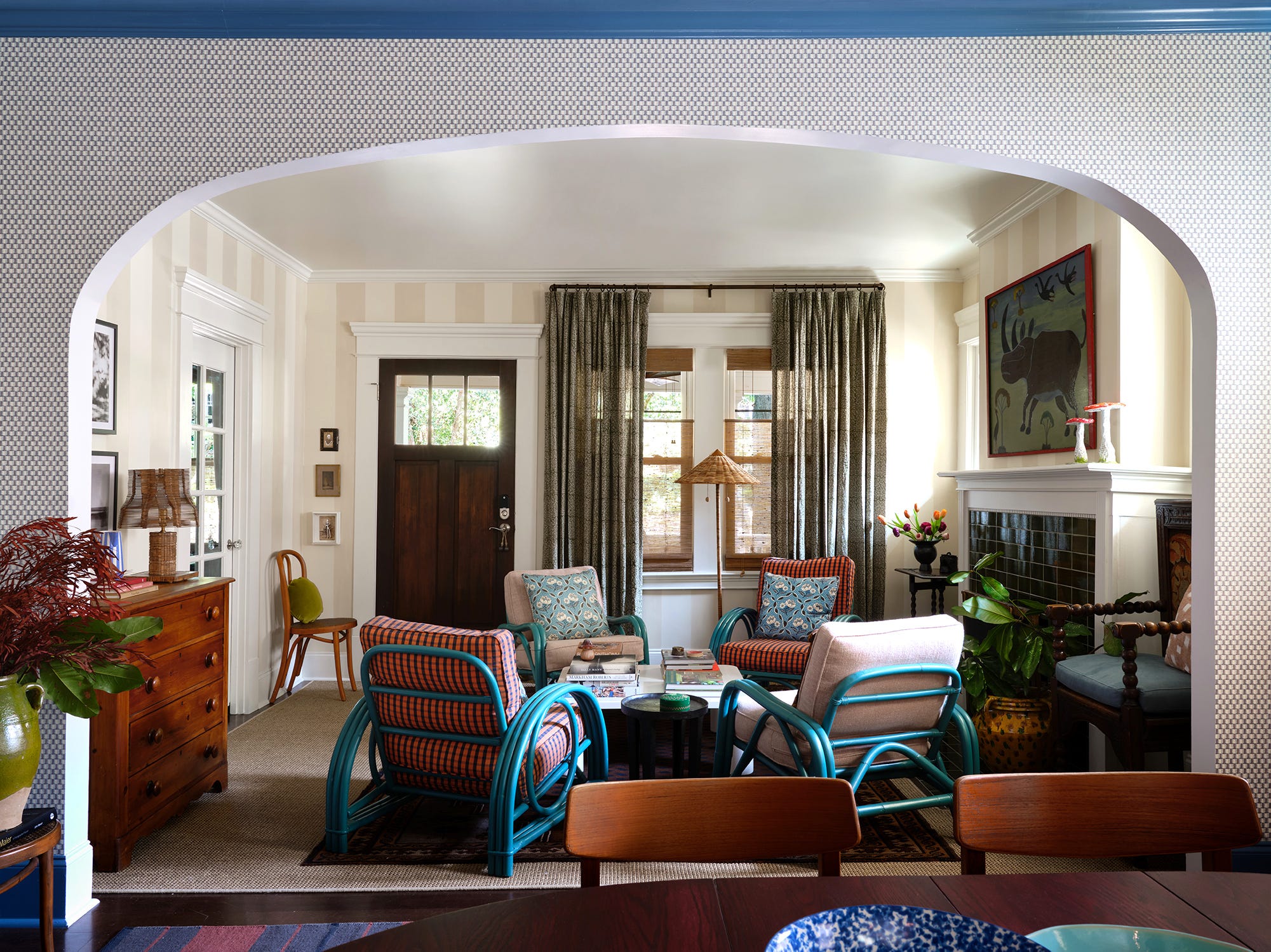
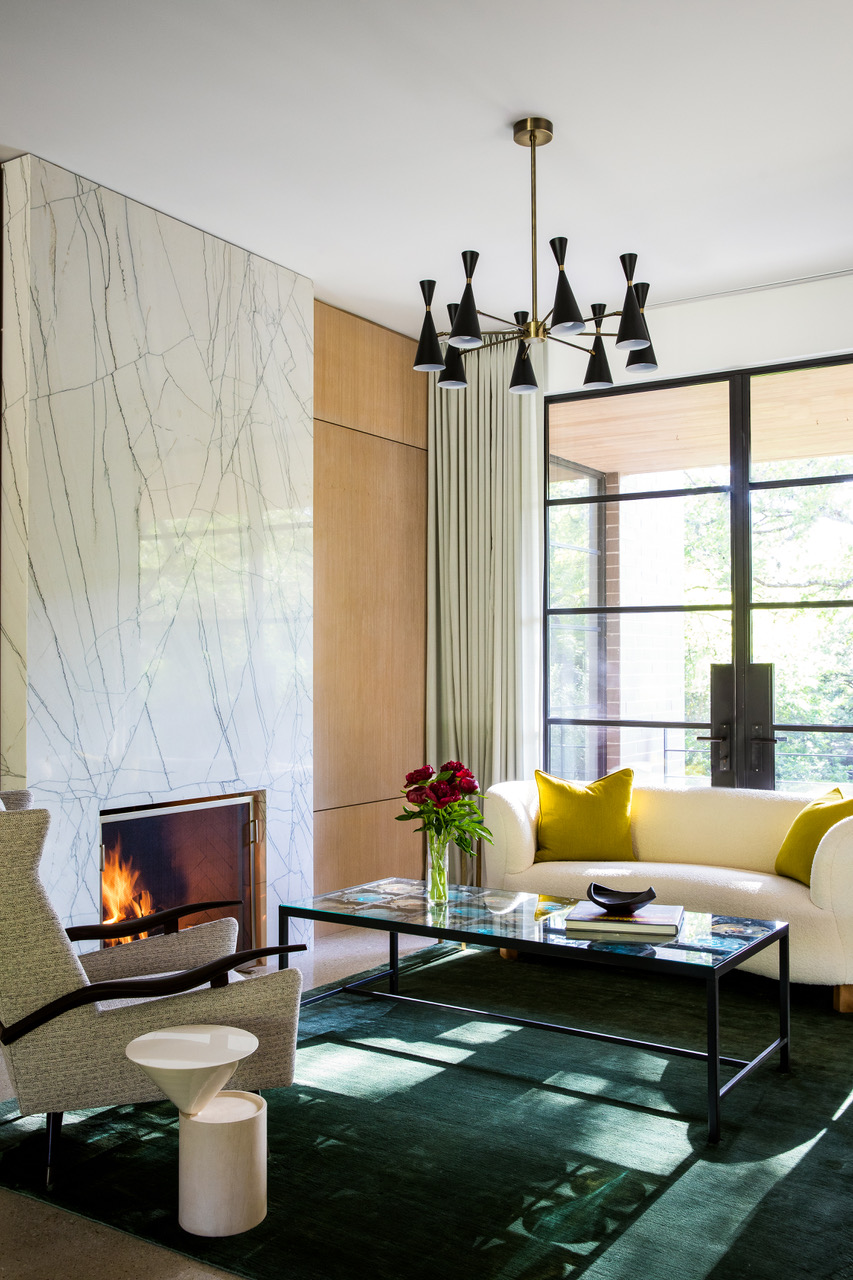
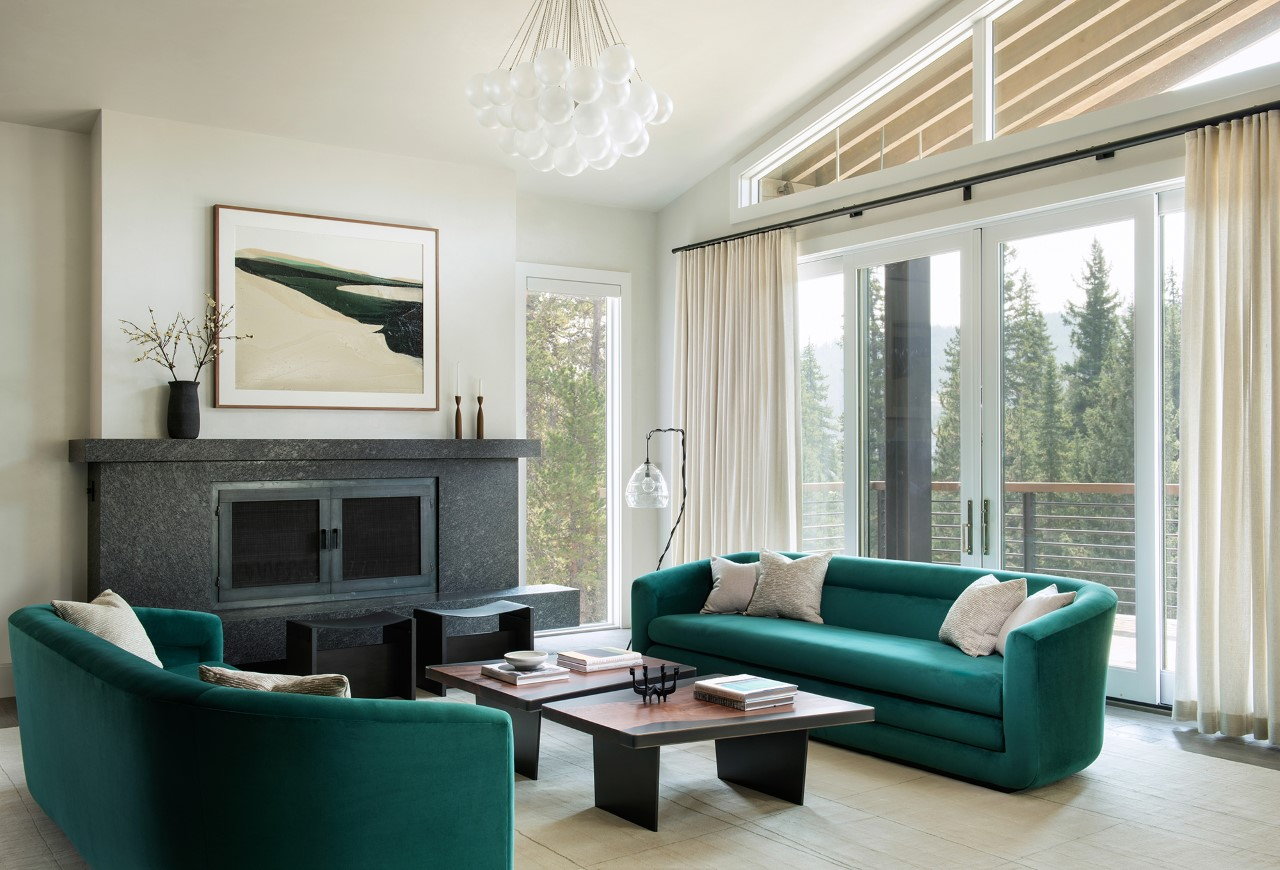

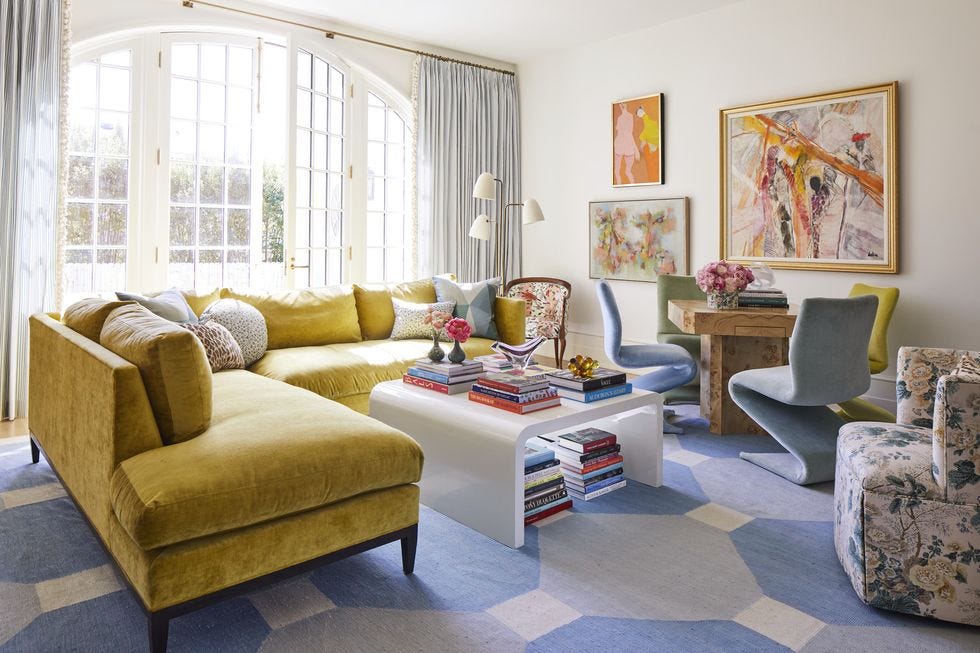
Zoning the space is also vital in a narrow living room. Long, narrow rooms can feel like corridors if left undefined. The article suggests breaking the room into smaller, purposeful areas using rugs to delineate zones, such as a seating area or a reading nook. Jo Lane of See Your Place recommends creating a “square” seating zone in the center of the room with furniture and rug placement. This concentrates the main living area, making the space feel wider and cozier. A large square rug, big enough to anchor the front legs of furniture on three sides, is particularly effective for this purpose.
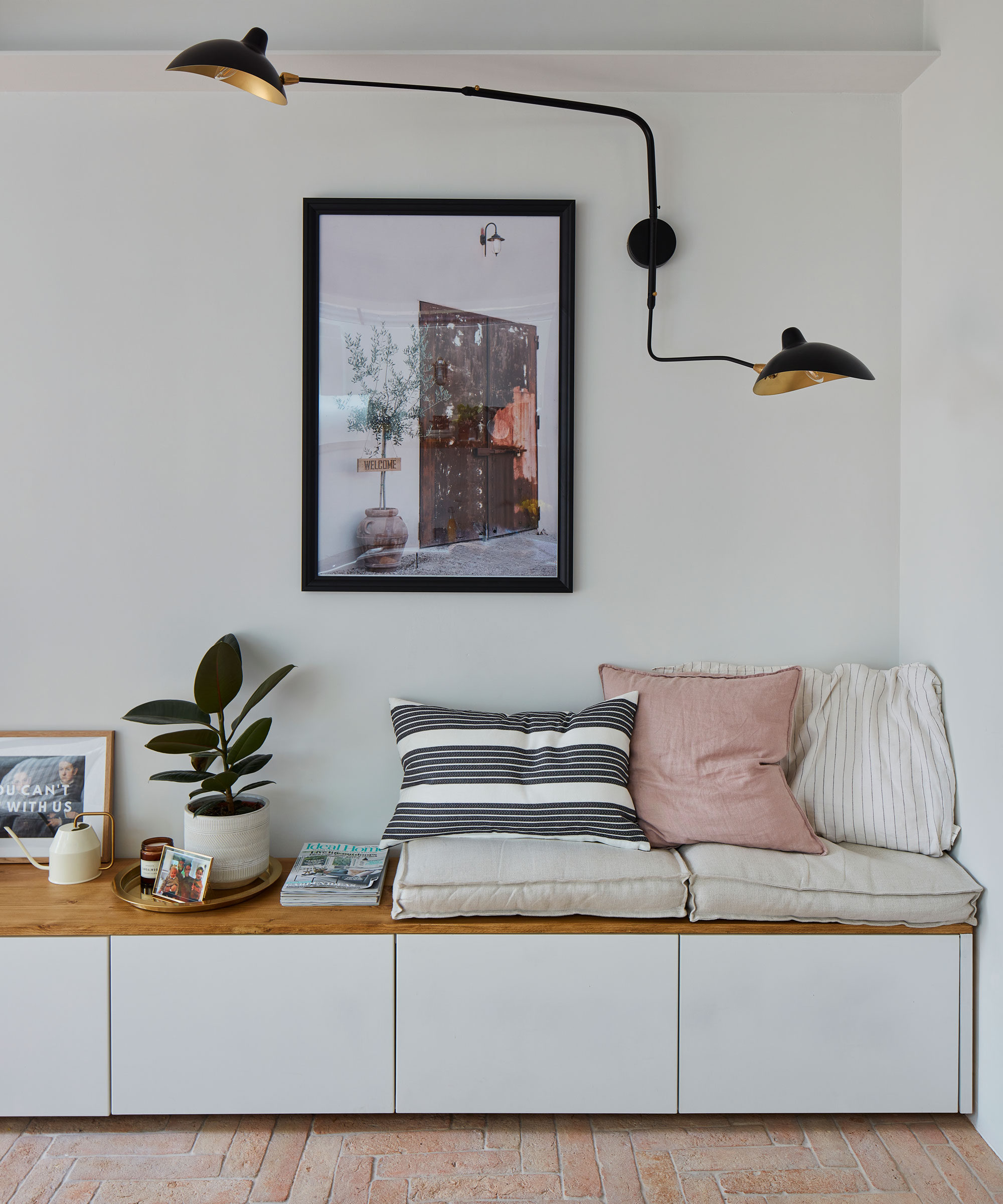
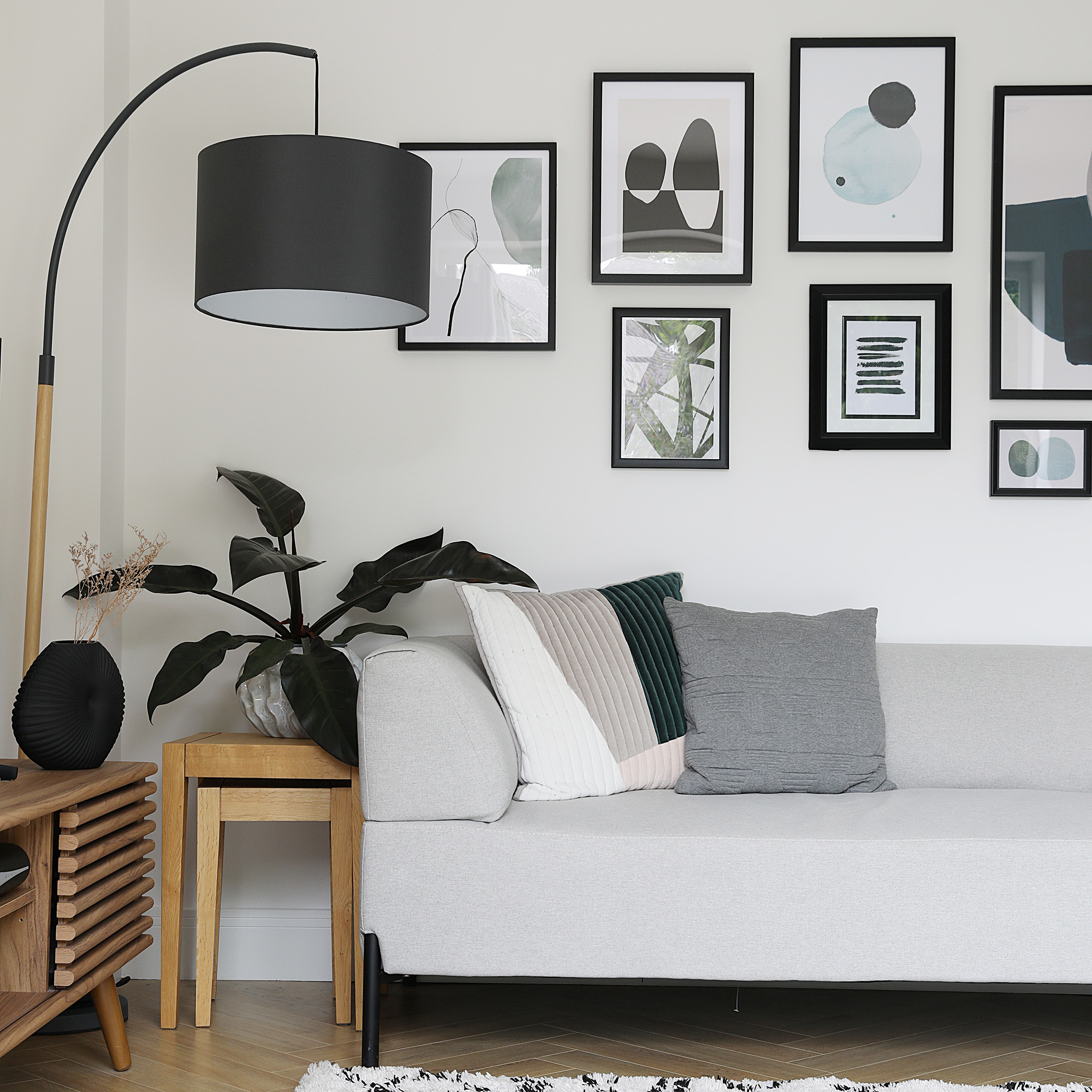
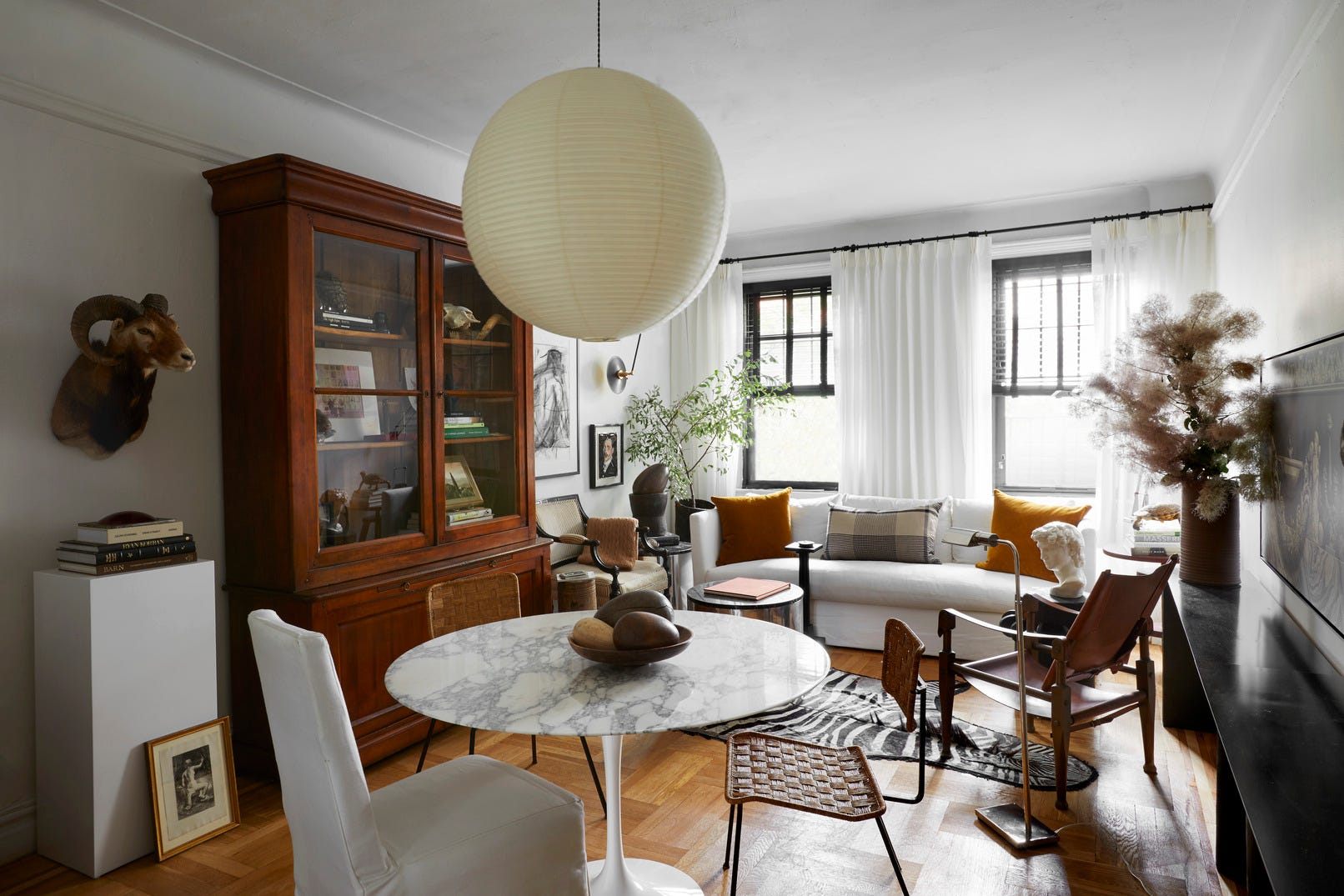
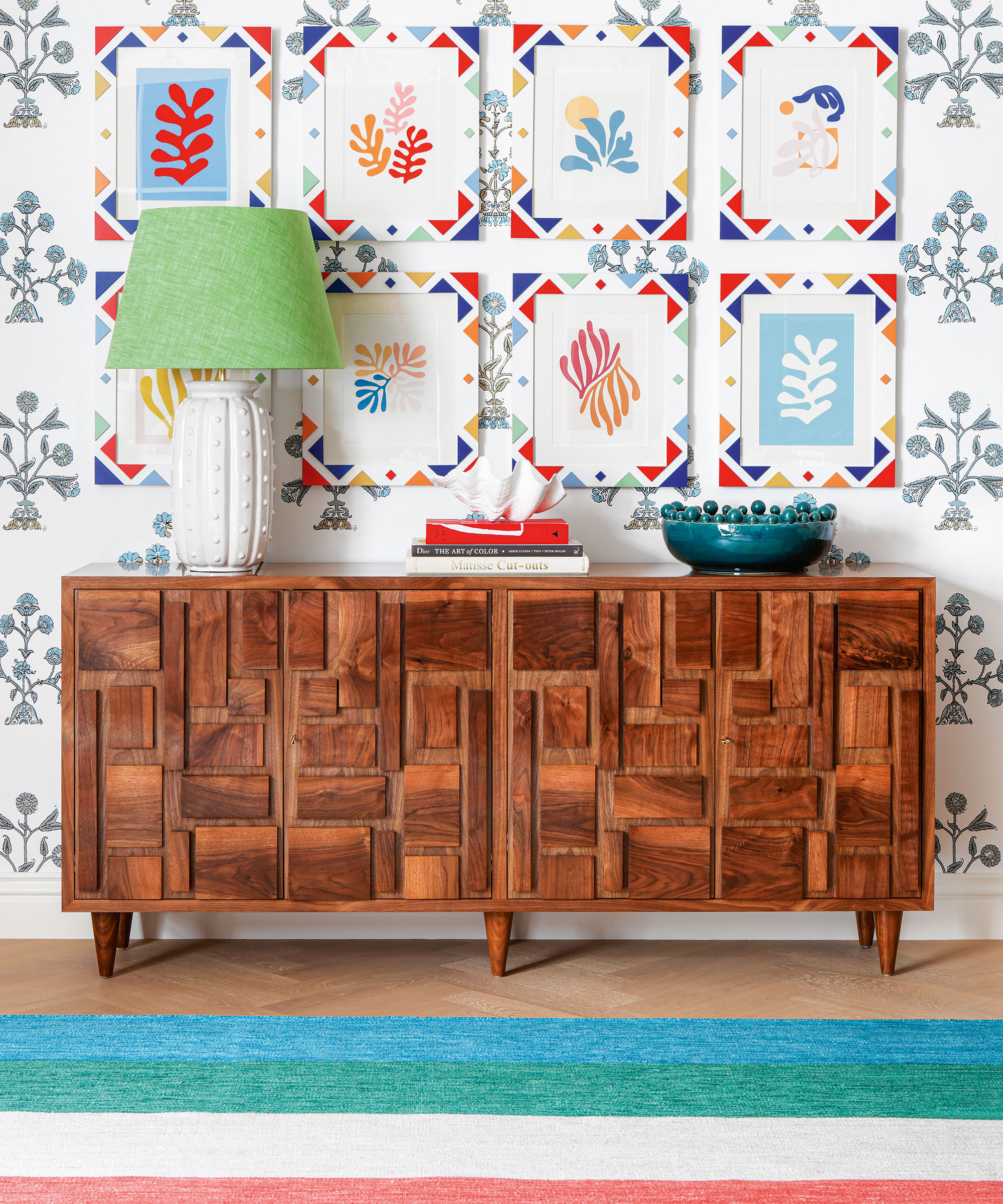
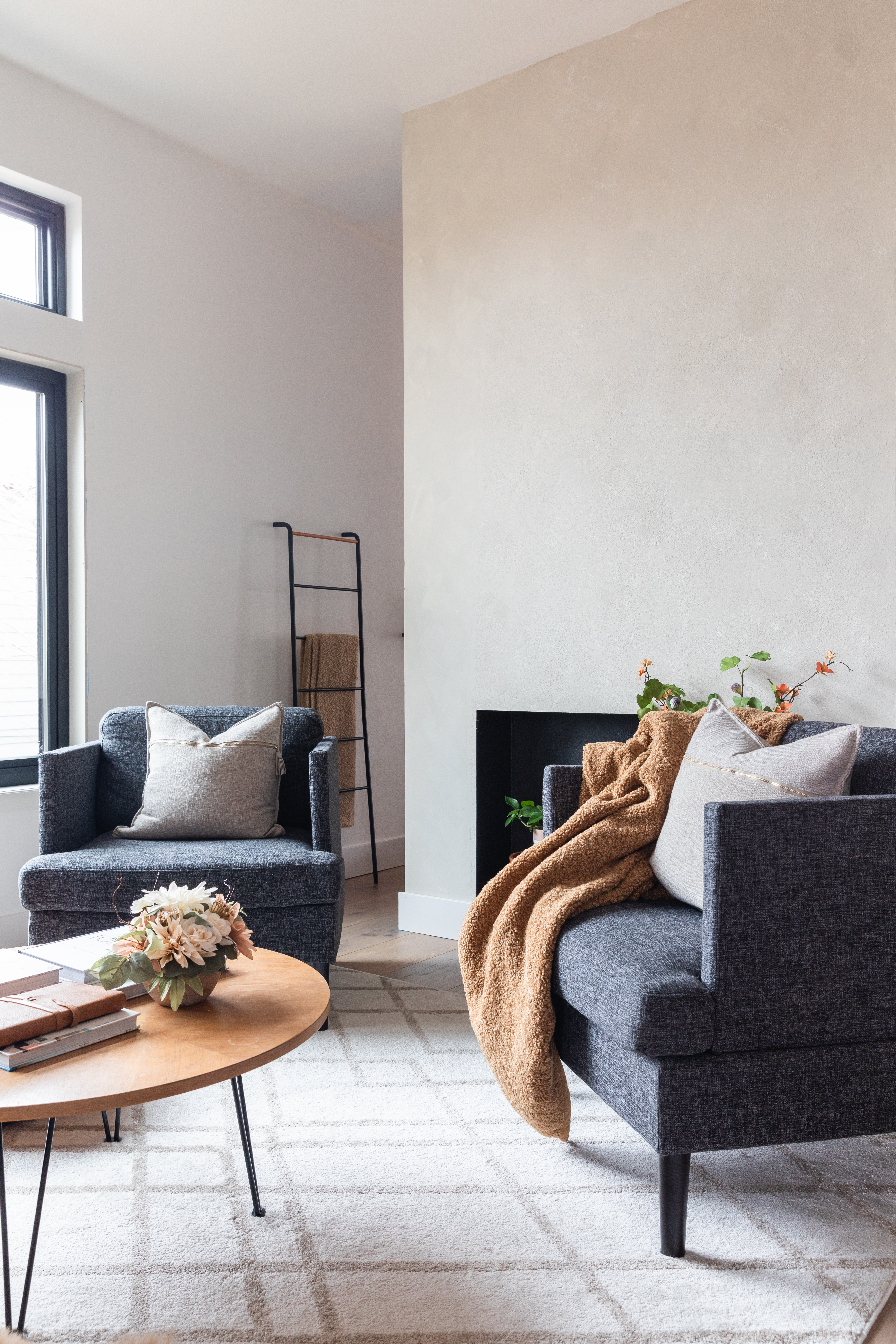
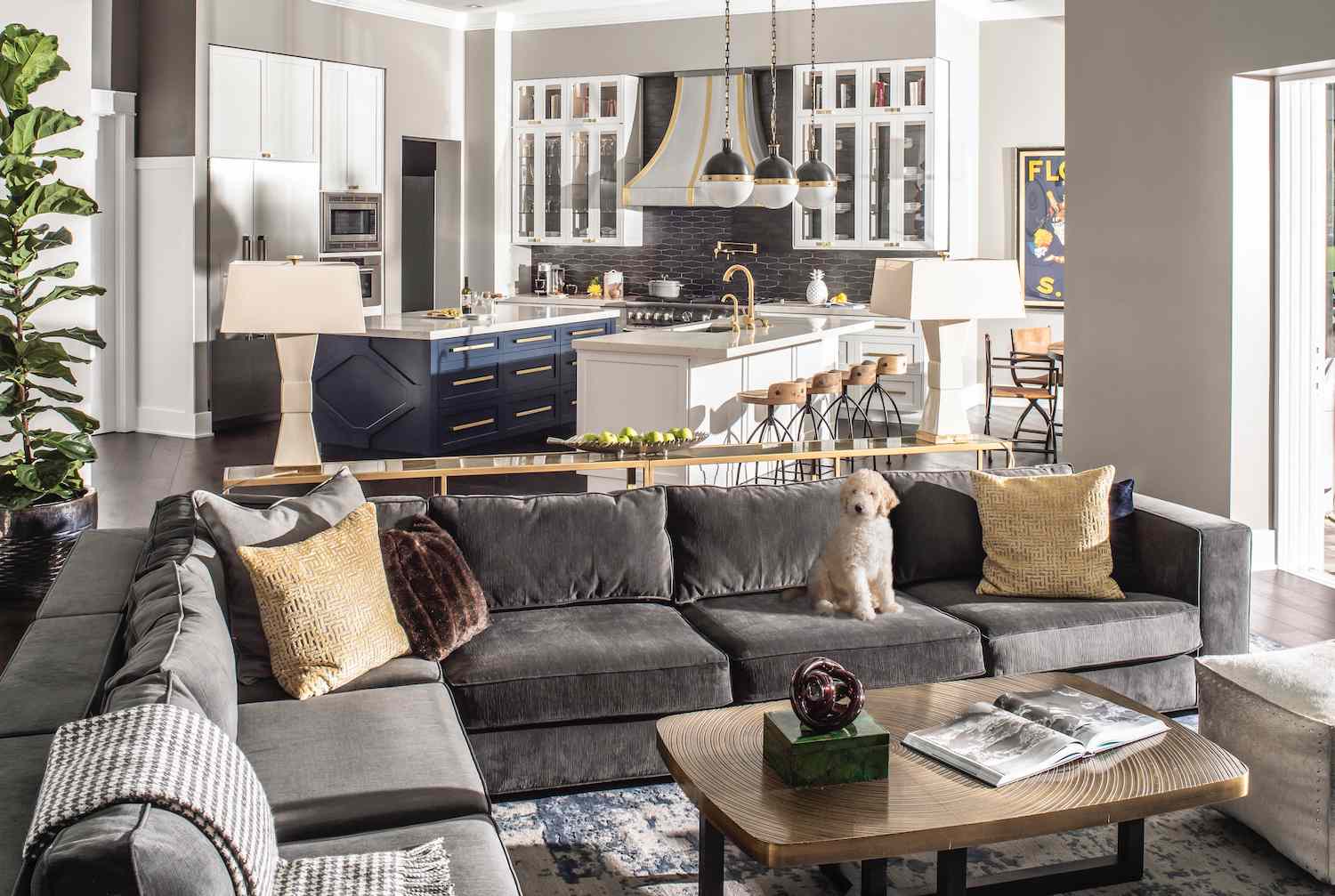
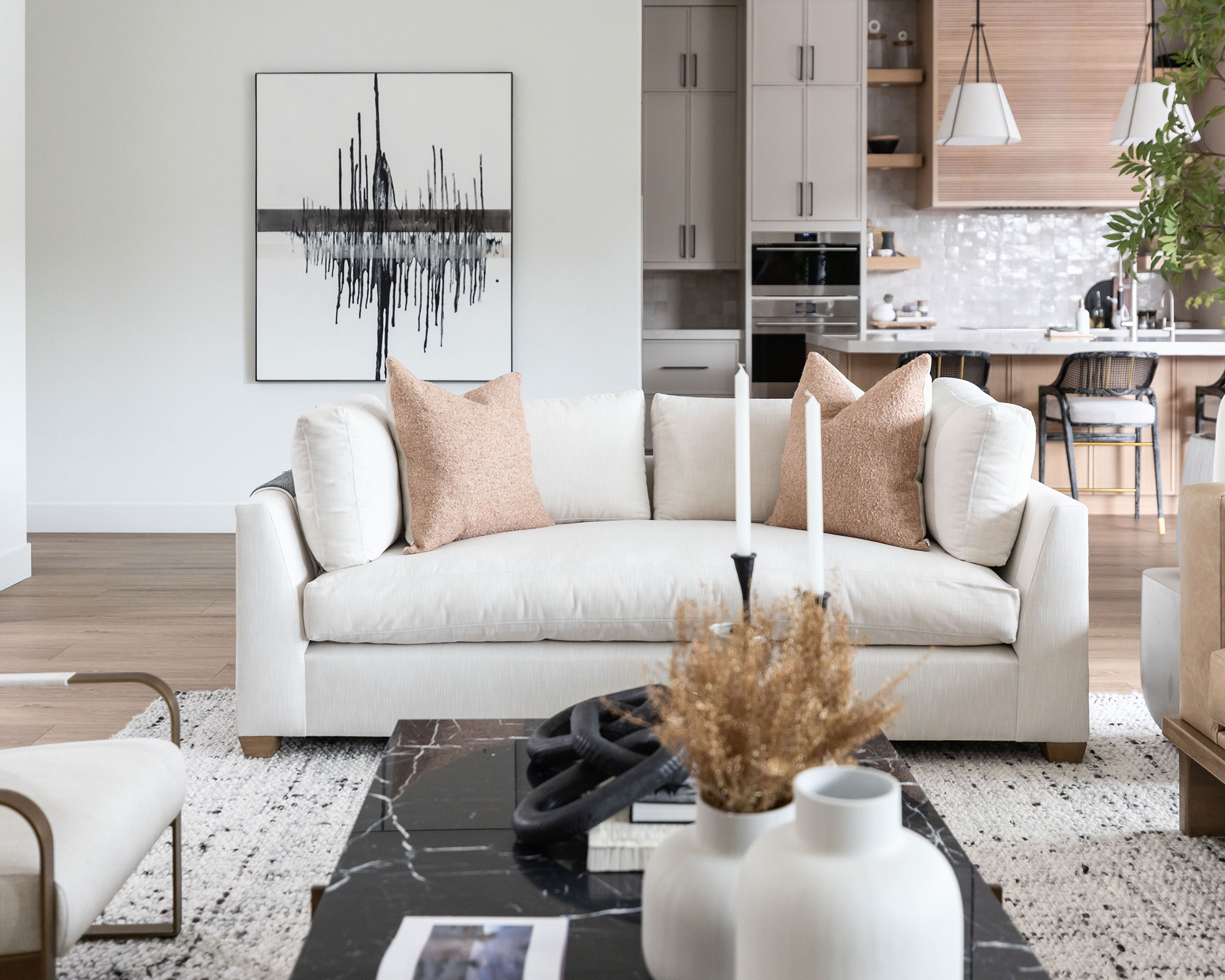
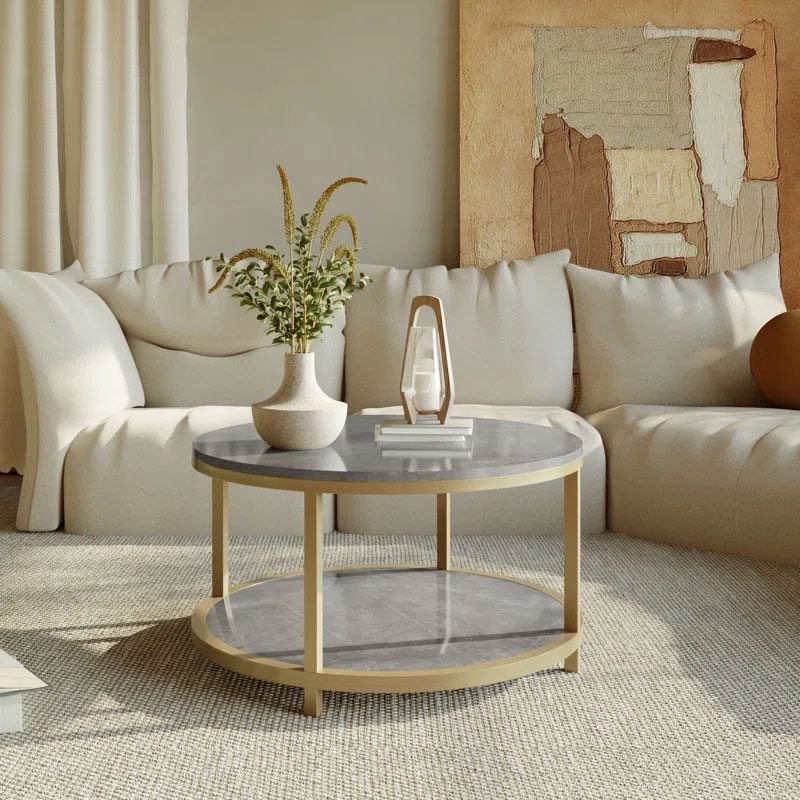
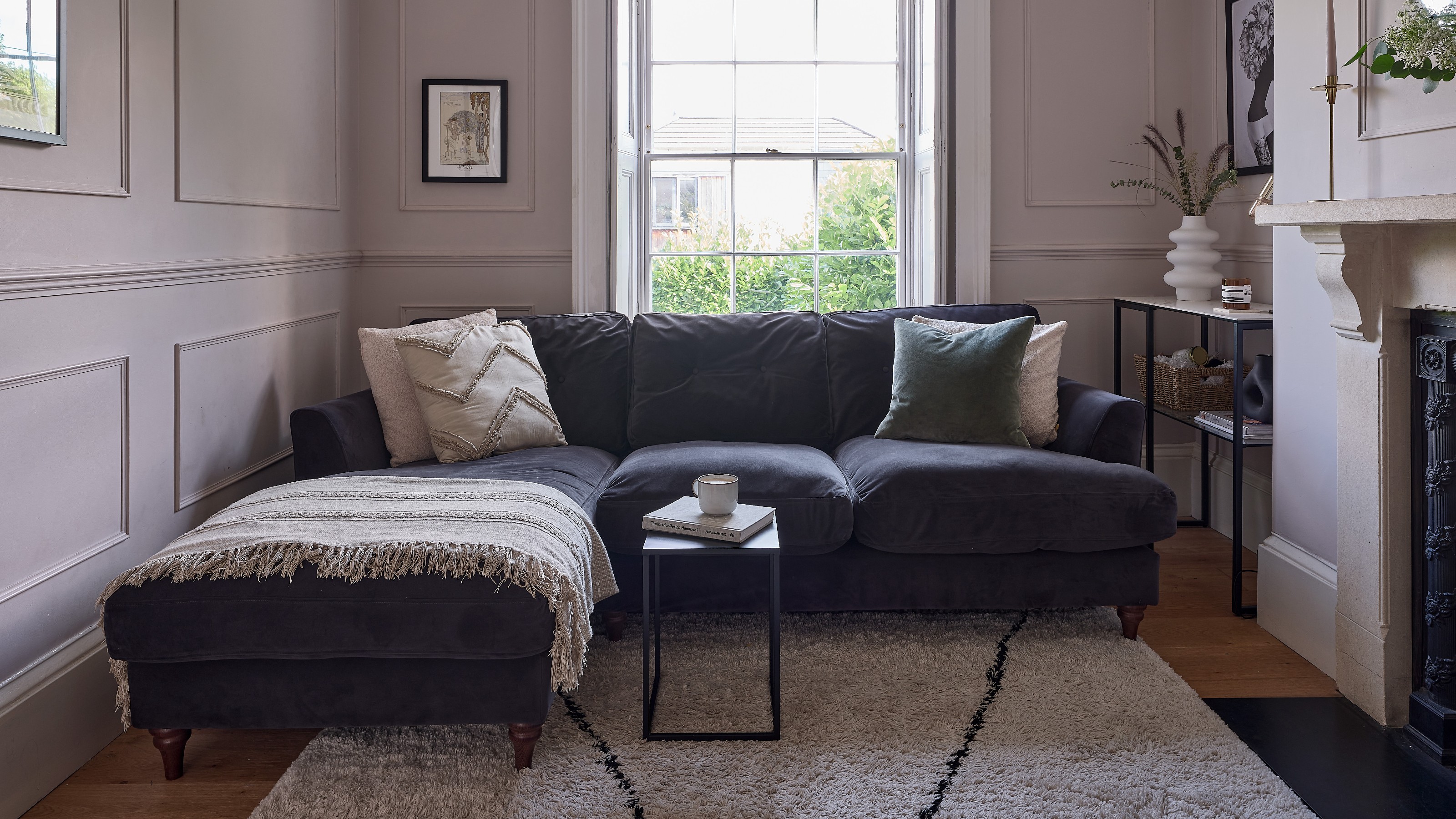
Selecting appropriate furniture is another key aspect. Sofas with slim arms and legs are recommended for narrow spaces as they maximize seating without overwhelming the room. Single, well-scaled sofas are generally preferable to multiple smaller pieces. For flexibility, compact L-shaped or modular designs that adapt to the room’s flow are good choices. Incorporating pieces of varying heights, such as lamps, sideboards, and shelving, helps break the visual monotony and prevents the room from feeling like a one-dimensional corridor. This draws the eye around the room, adding interest and depth.
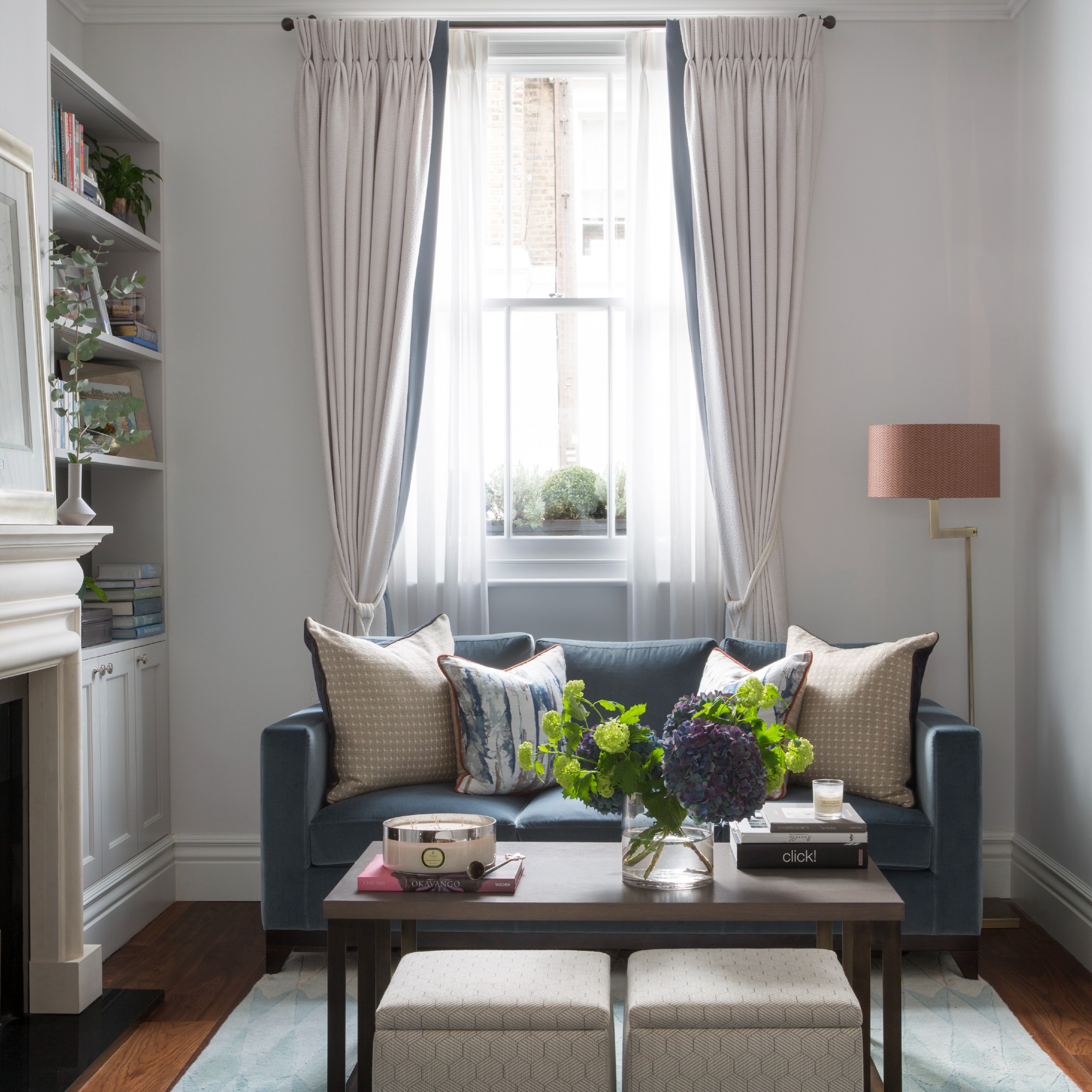
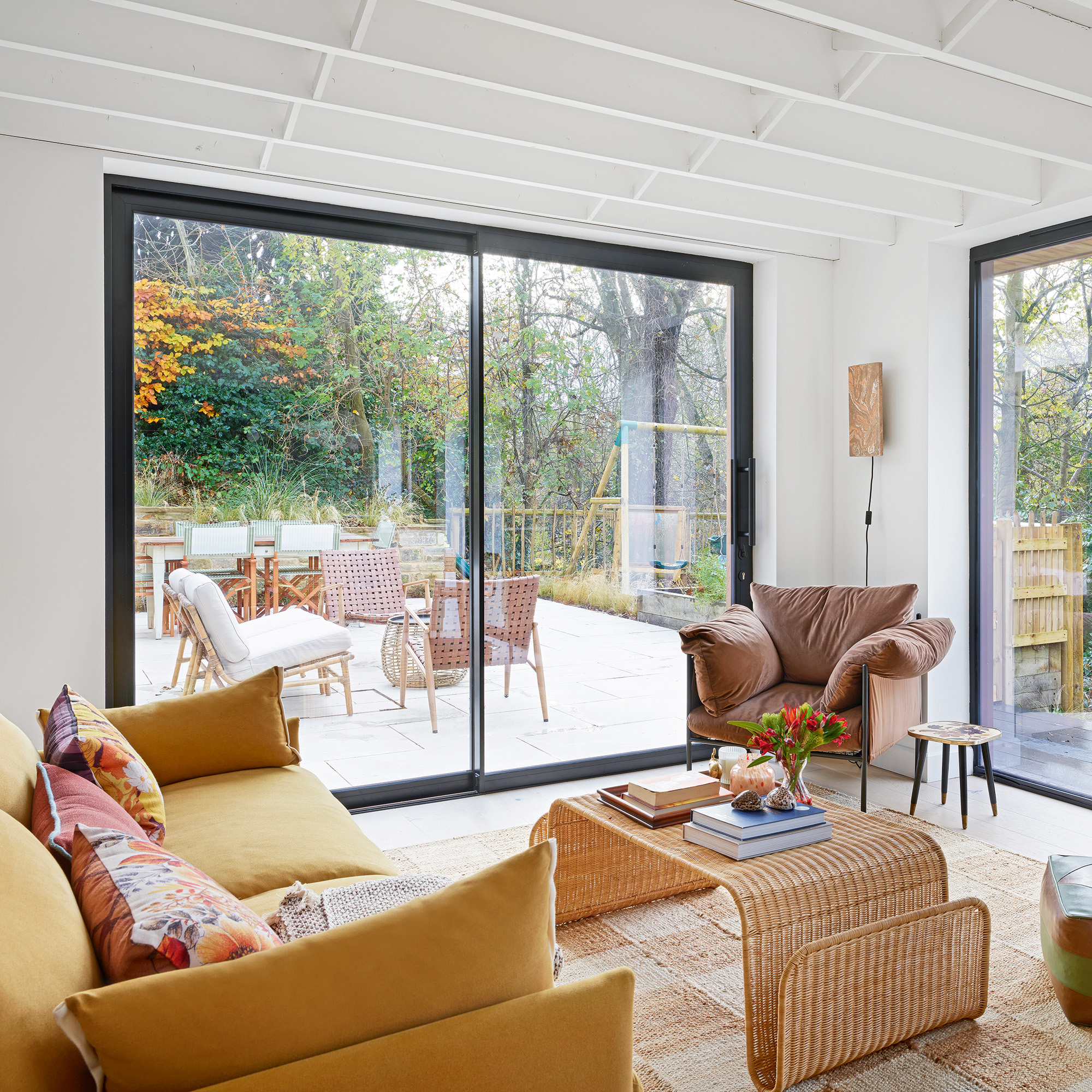
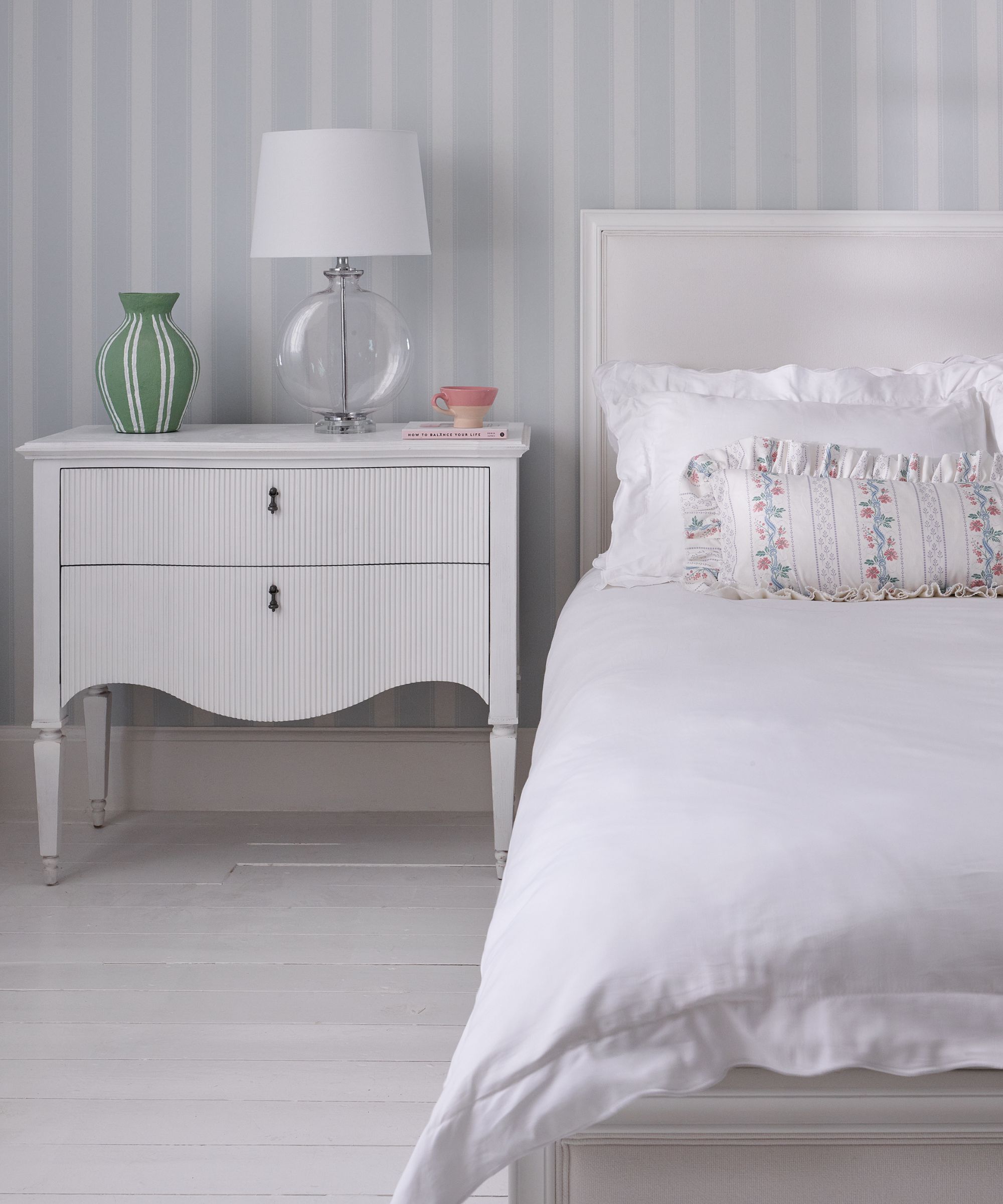
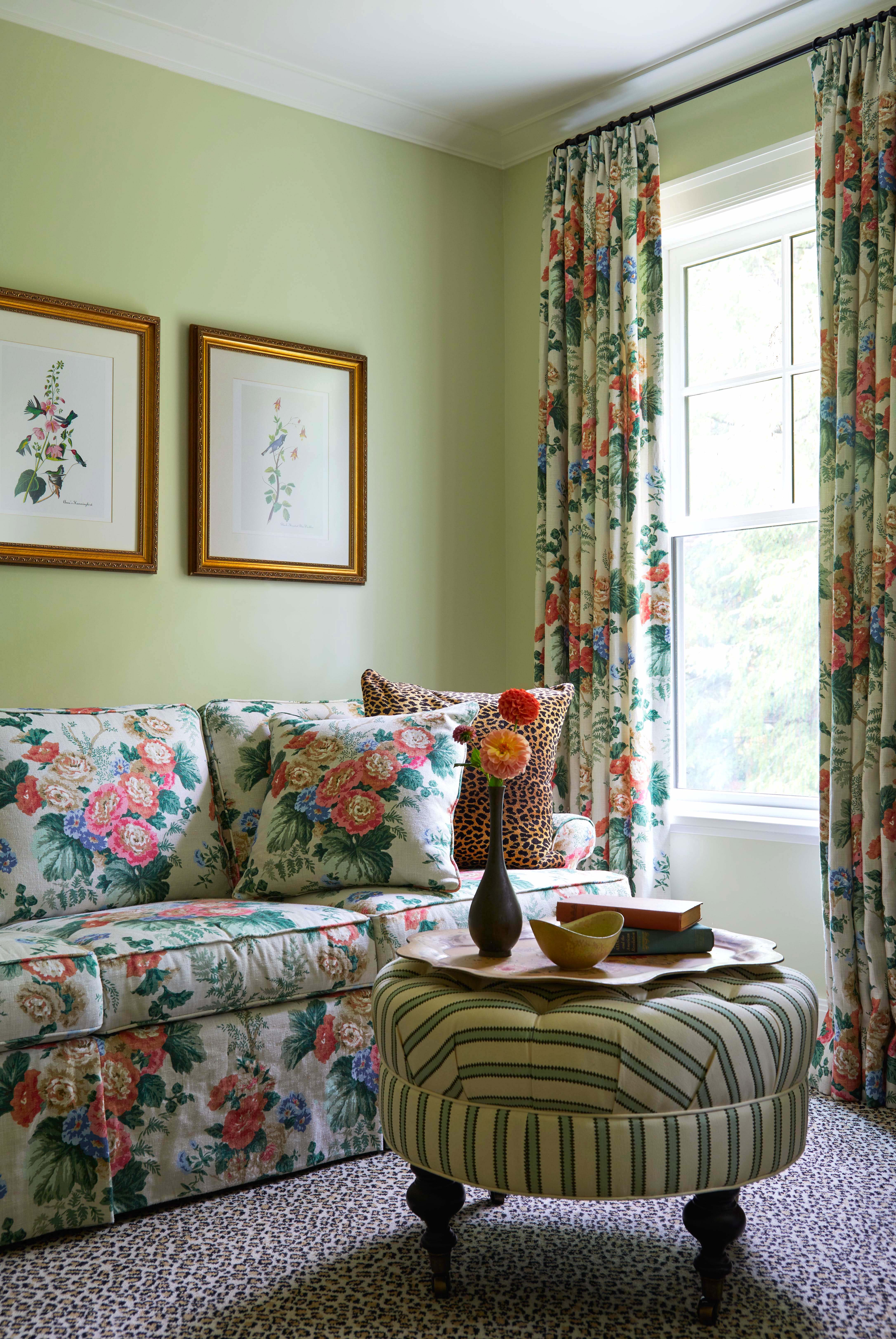
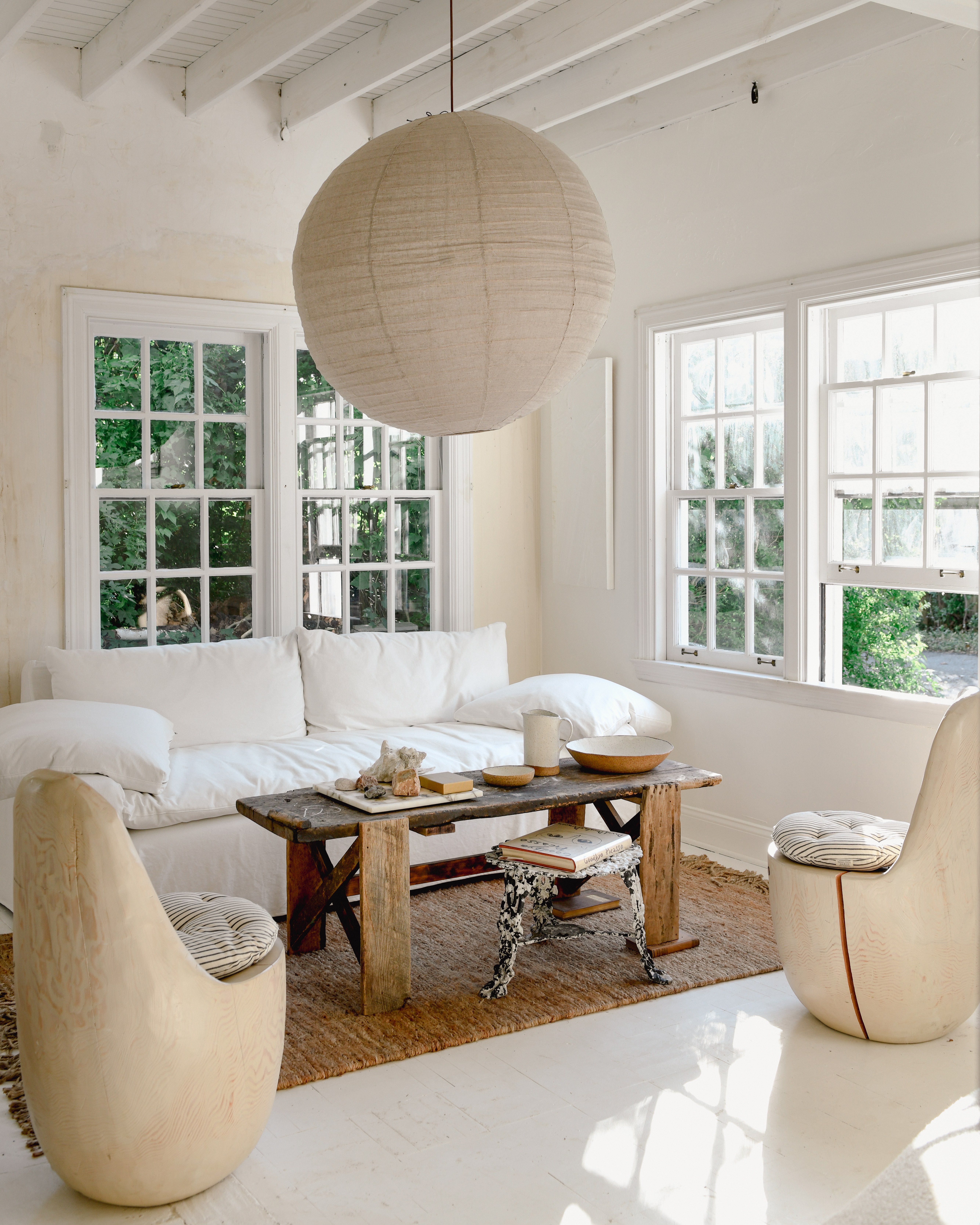

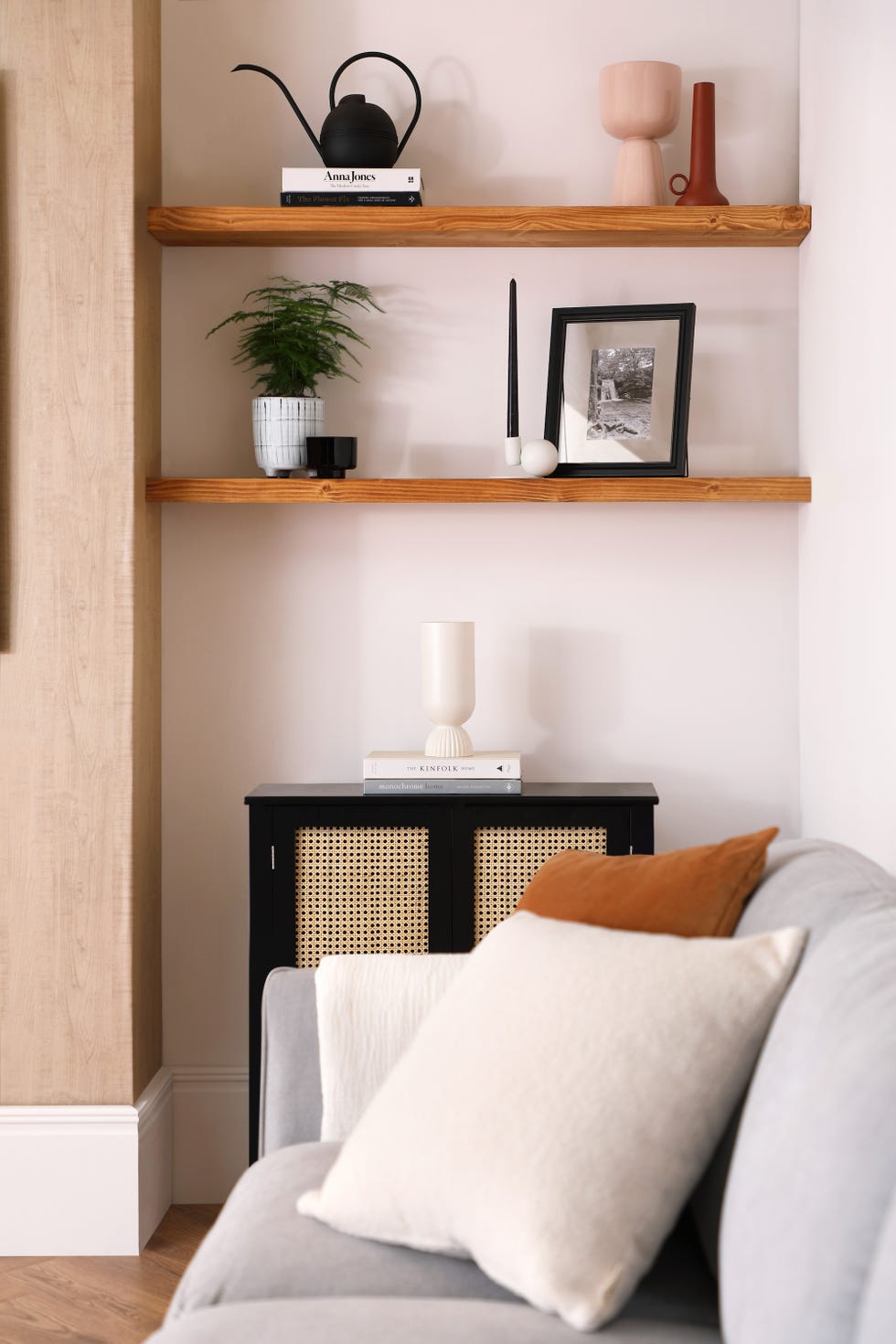
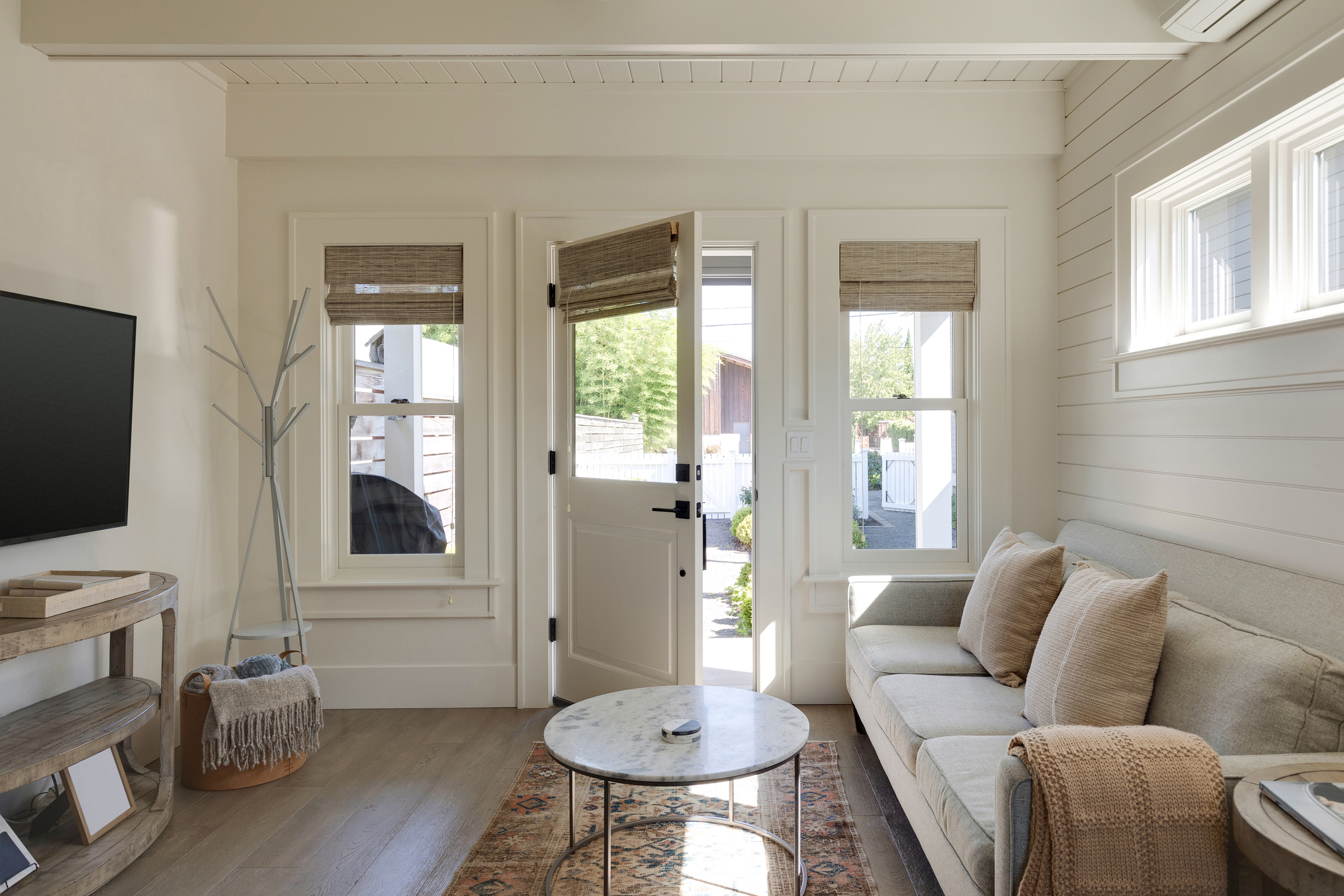
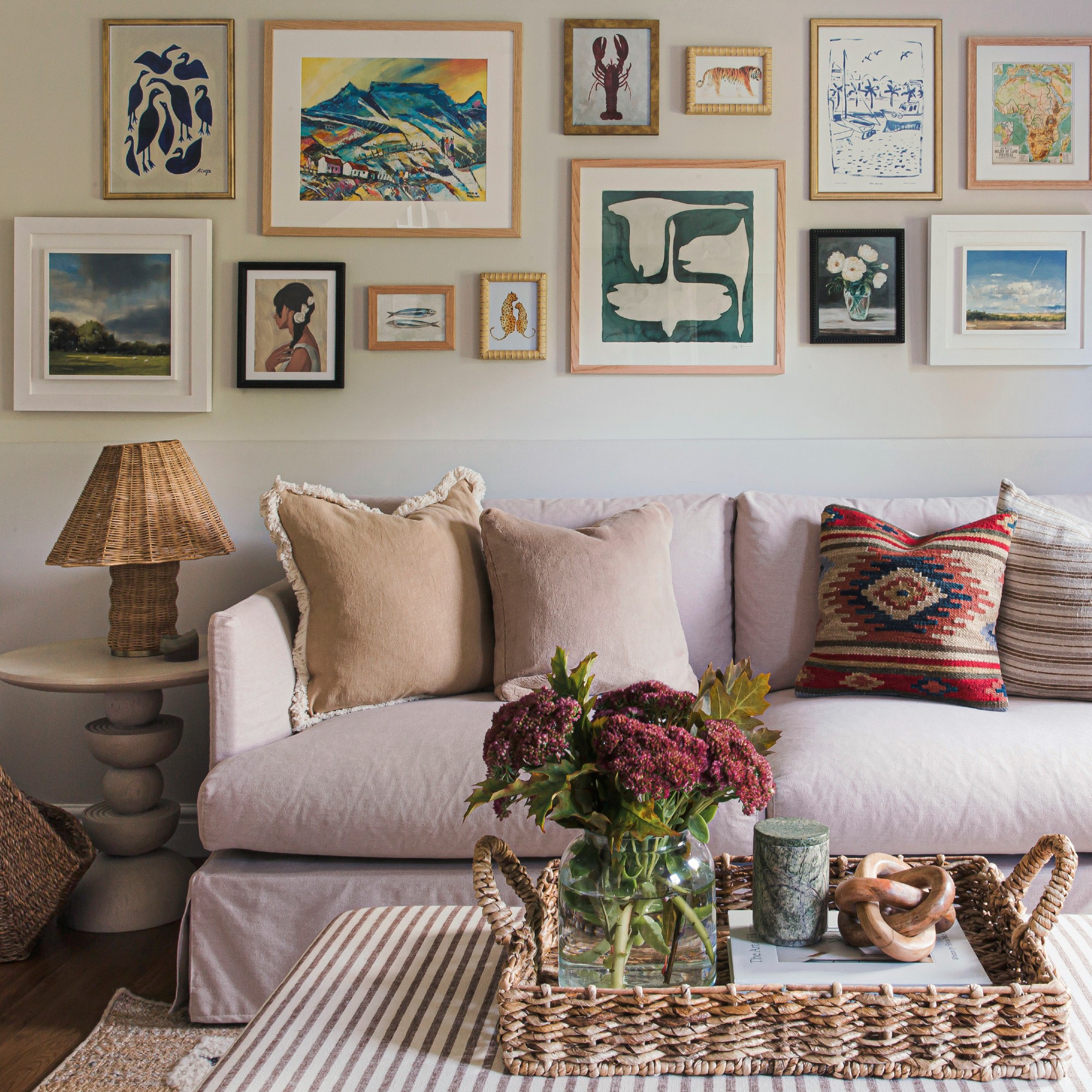
Painting the walls a light color is a well-known trick to make any room feel larger, and it applies equally to narrow living rooms. Light colors like whites, creams, light blues, and greens reflect more light, creating an illusion of spaciousness. Conversely, dark colors can make a room feel more enclosed. Drawing the eye upward is another strategic move. Utilizing vertical space with tall shelves, floor-to-ceiling curtains, and wall-mounted art can emphasize the room’s height, diverting attention from its narrowness. This strategy creates a sense of grandeur and openness. Choosing multi-functional furniture pieces, such as coffee tables with storage or sofa beds, helps free up floor space and reduces clutter, which is crucial in narrow rooms. Furniture on legs also contributes to a more spacious feel by allowing more visible floor area.
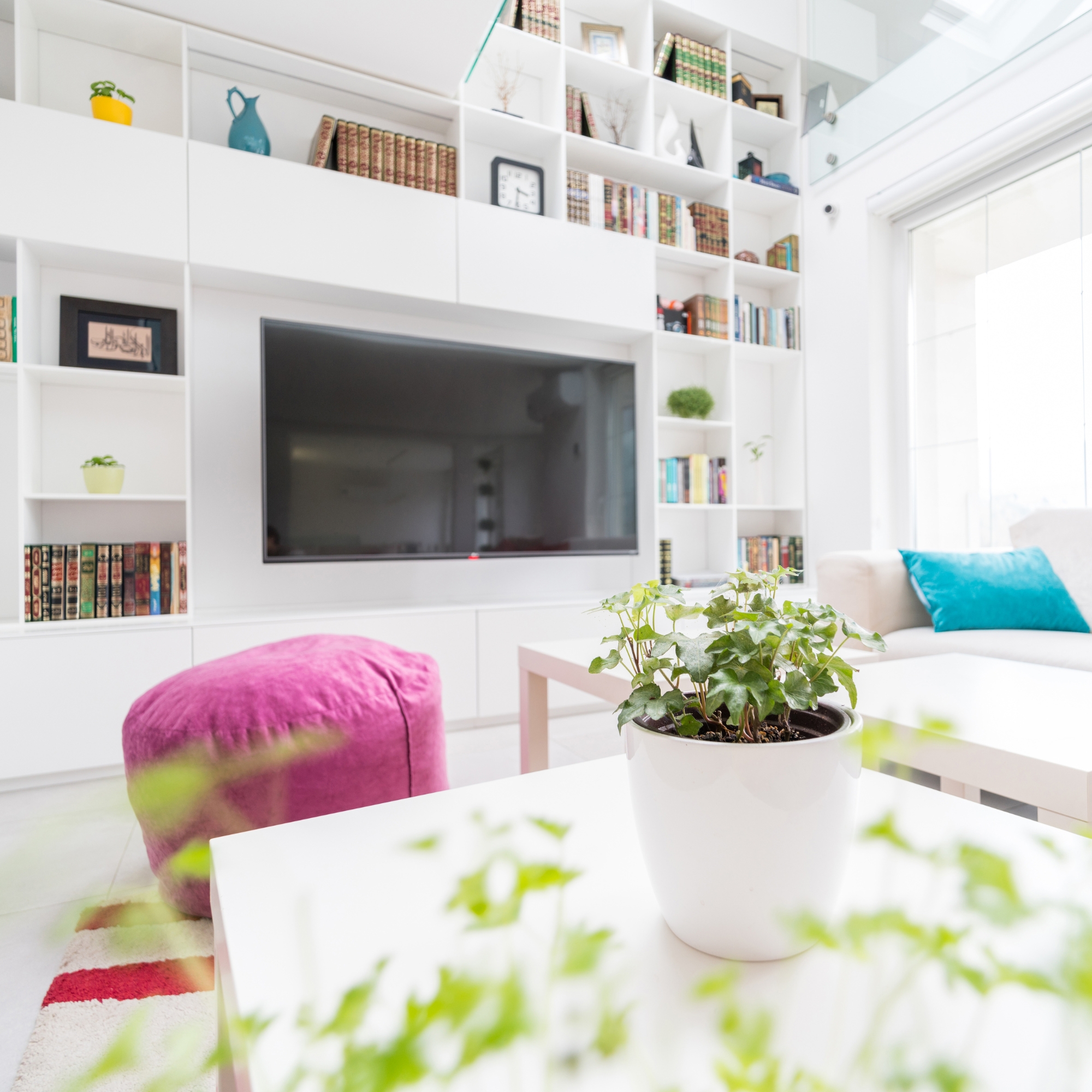
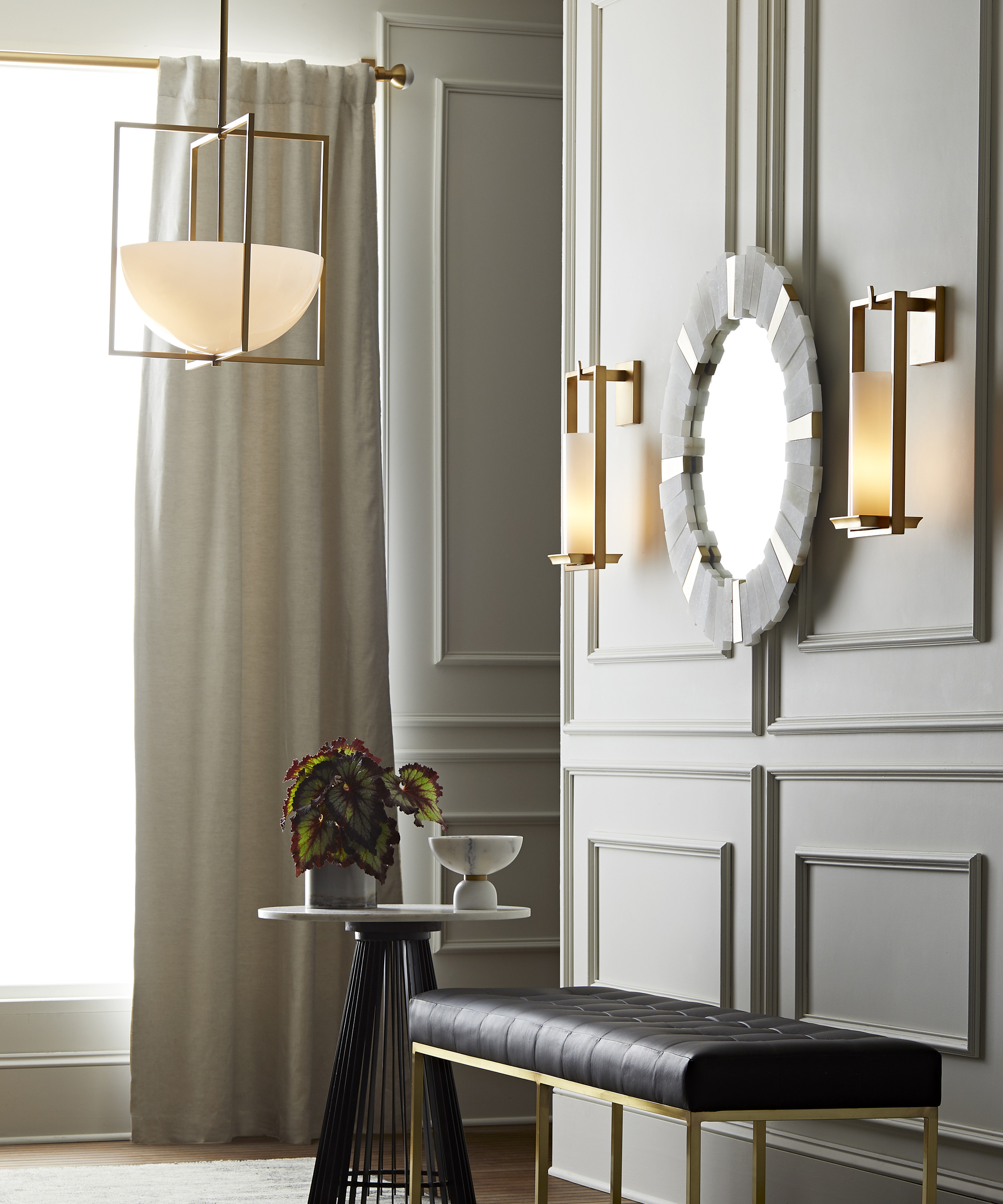
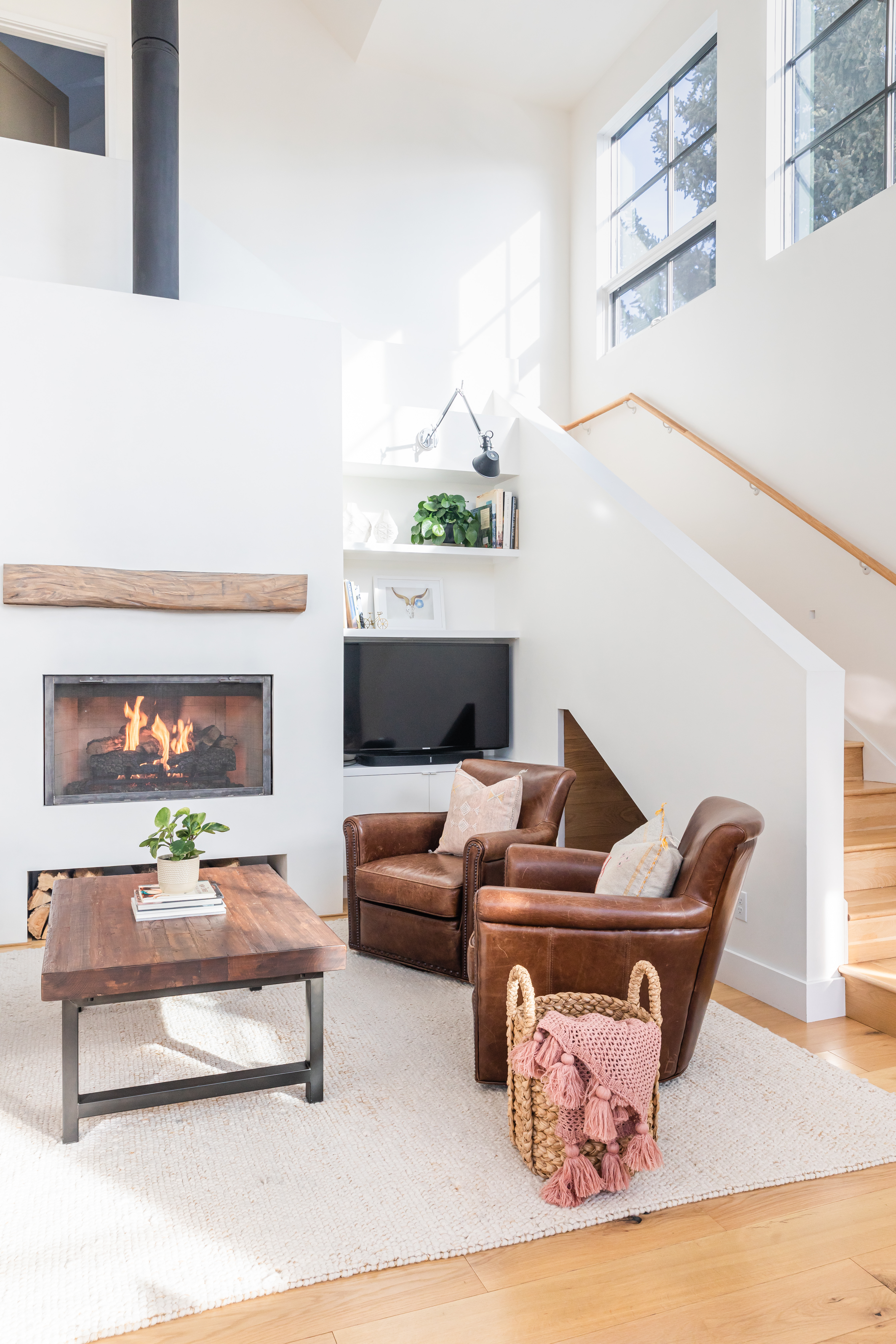
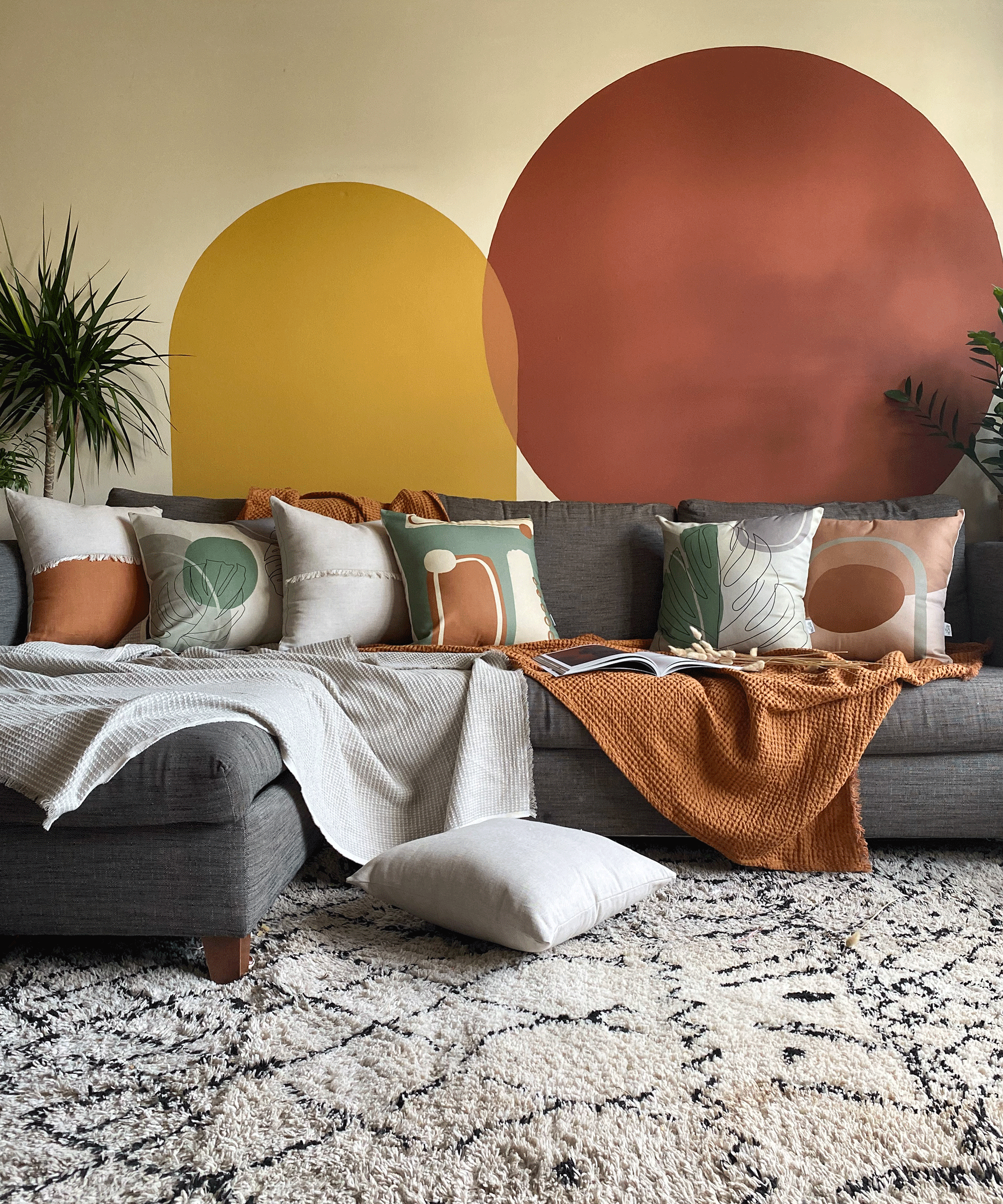
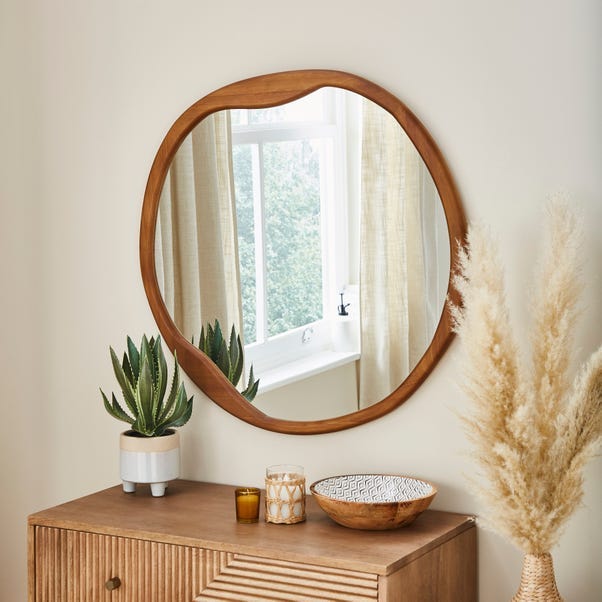
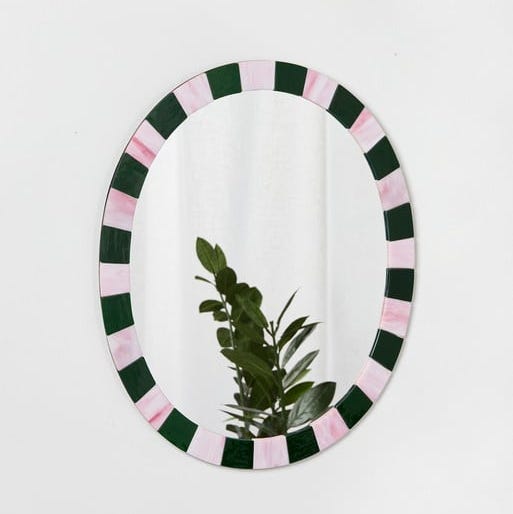
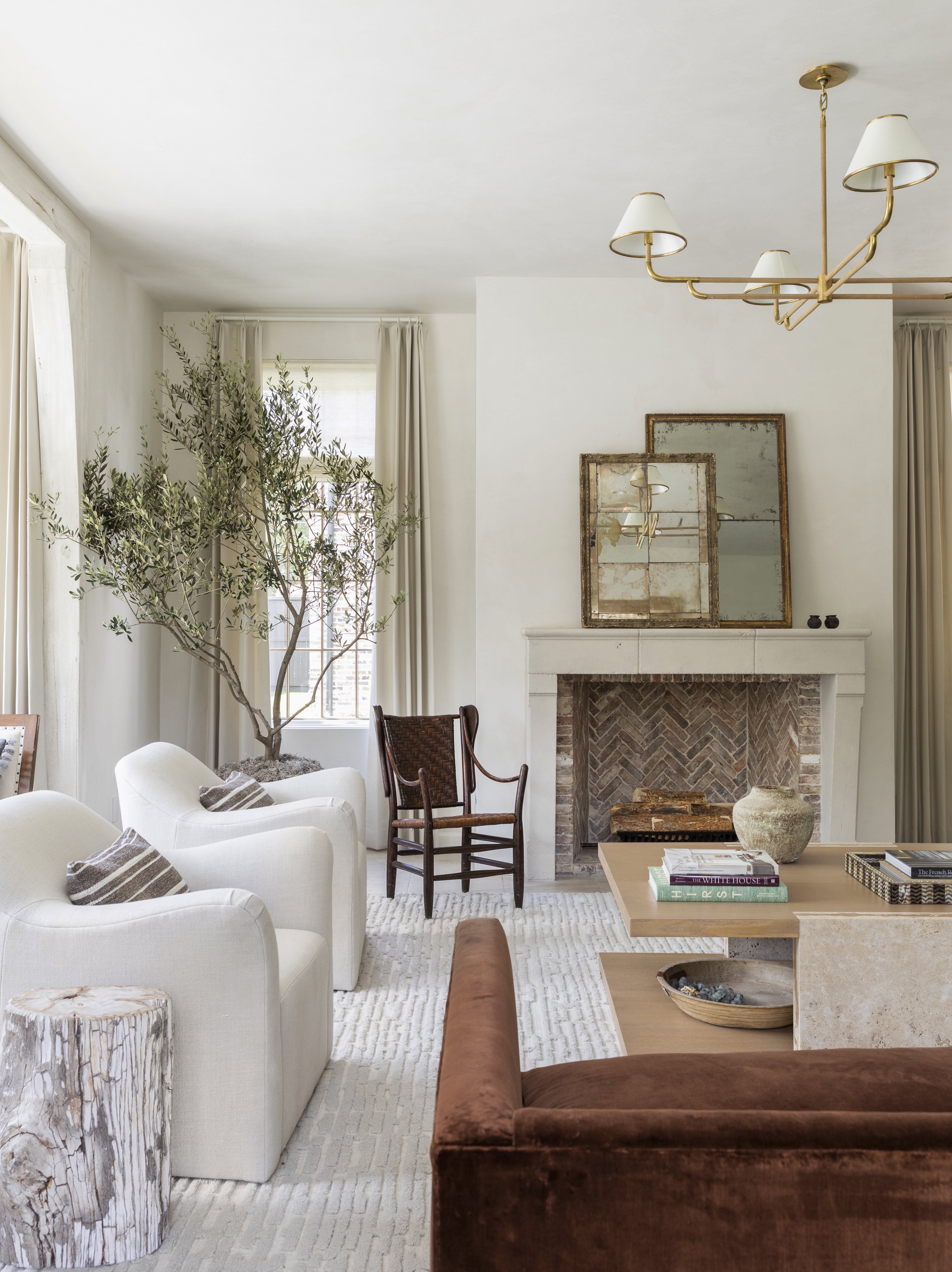
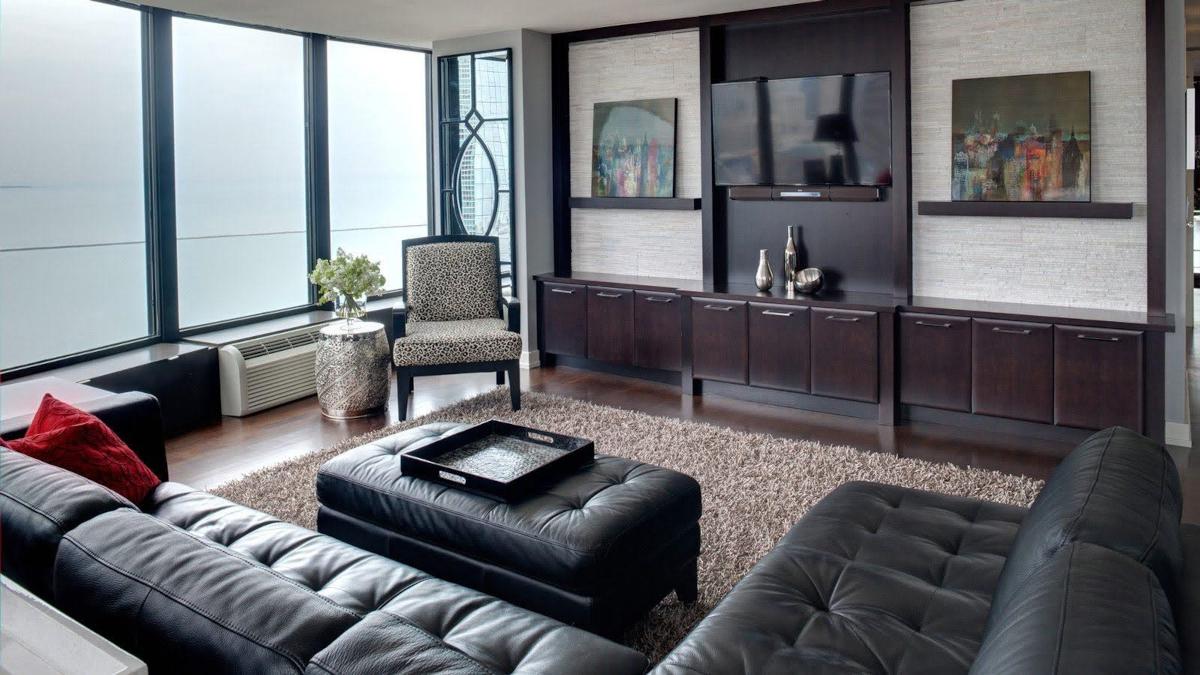
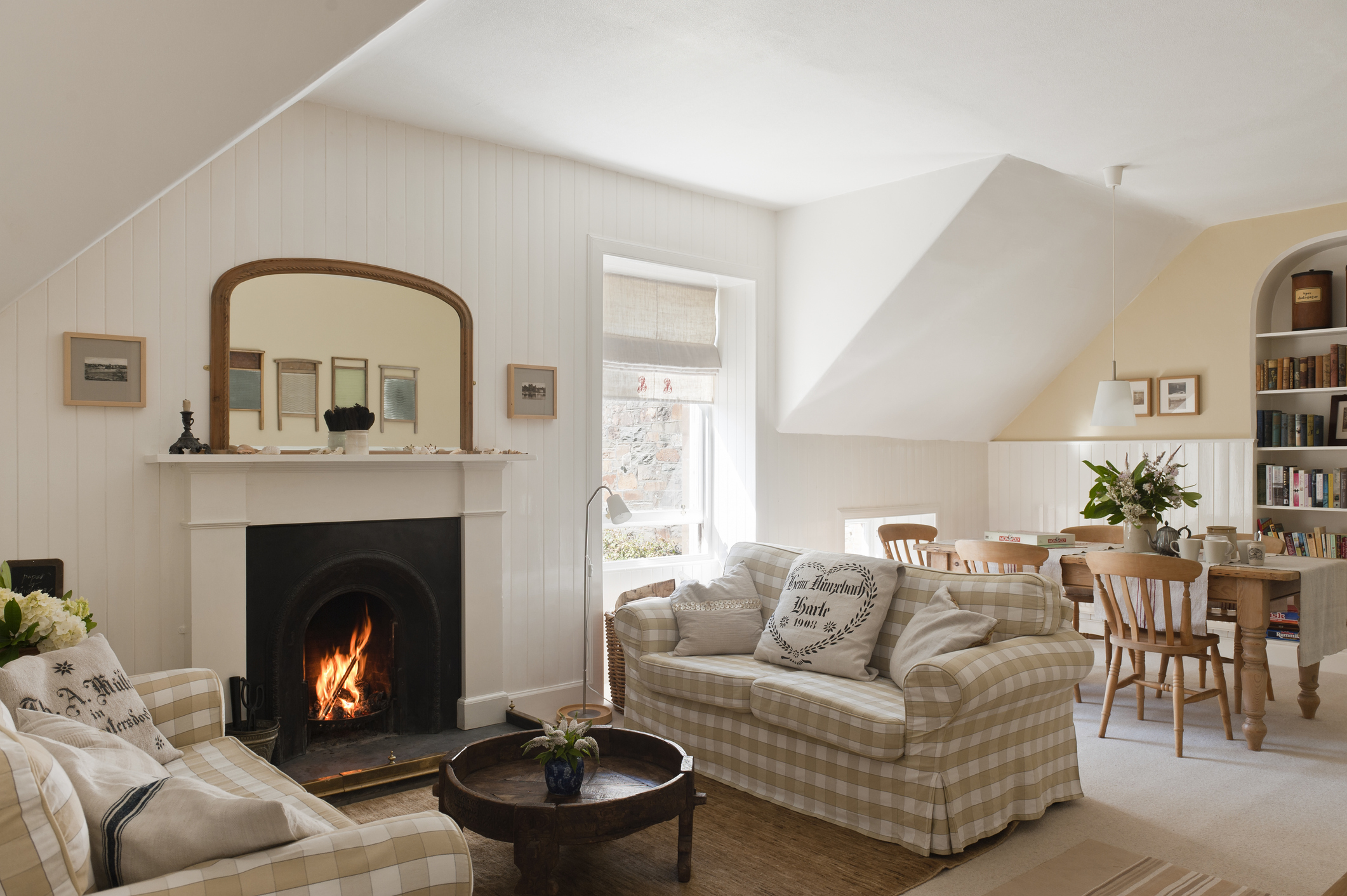
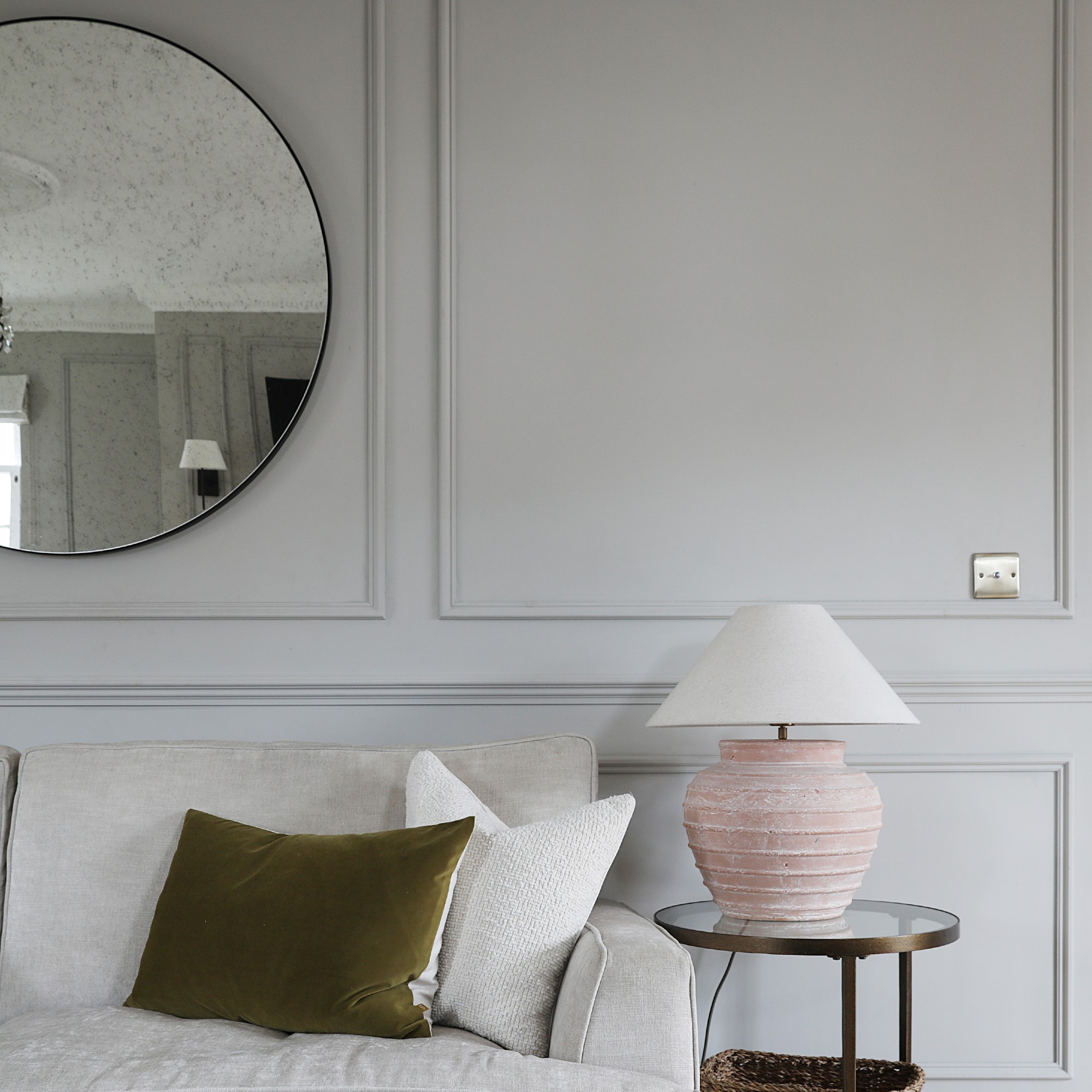
The article also advises against symmetrical furniture arrangements in narrow living rooms. While seemingly counterintuitive, asymmetrical layouts, coupled with varying heights and layers, draw attention away from the room's length, enhancing the illusion of width and balance. Mounting the TV onto a wall is a practical solution that saves floor space and reinforces the upward visual draw. Placing the TV above a fireplace or integrating it into a slim media unit creates a streamlined look. Strategically placed mirrors can also work wonders by reflecting light and creating an illusion of greater depth and wider space. Large arch mirrors, in particular, are suggested for their aesthetic appeal and ability to expand the room visually. Finally, creating a feature wall on one of the shorter walls can visually shorten a long room, making it appear more balanced and wider. This can be achieved with a darker color or a distinct texture to create a focal point. These comprehensive strategies collectively contribute to transforming a challenging narrow living room into a functional, stylish, and comfortable space.
#LivingRoomDesign #NarrowSpaceSolutions #InteriorDecorating #FurniturePlacement #ColorDrenching #SpacePlanning #SmallLivingRoomIdeas #HomeStyling #LivingRoomDesign #NarrowSpaceSolutions #InteriorDecorating #FurniturePlacement #ColorDrenching #SpacePlanning #SmallLivingRoomIdeas #HomeStyling
0 comment in total
 No comments yet
You may also like
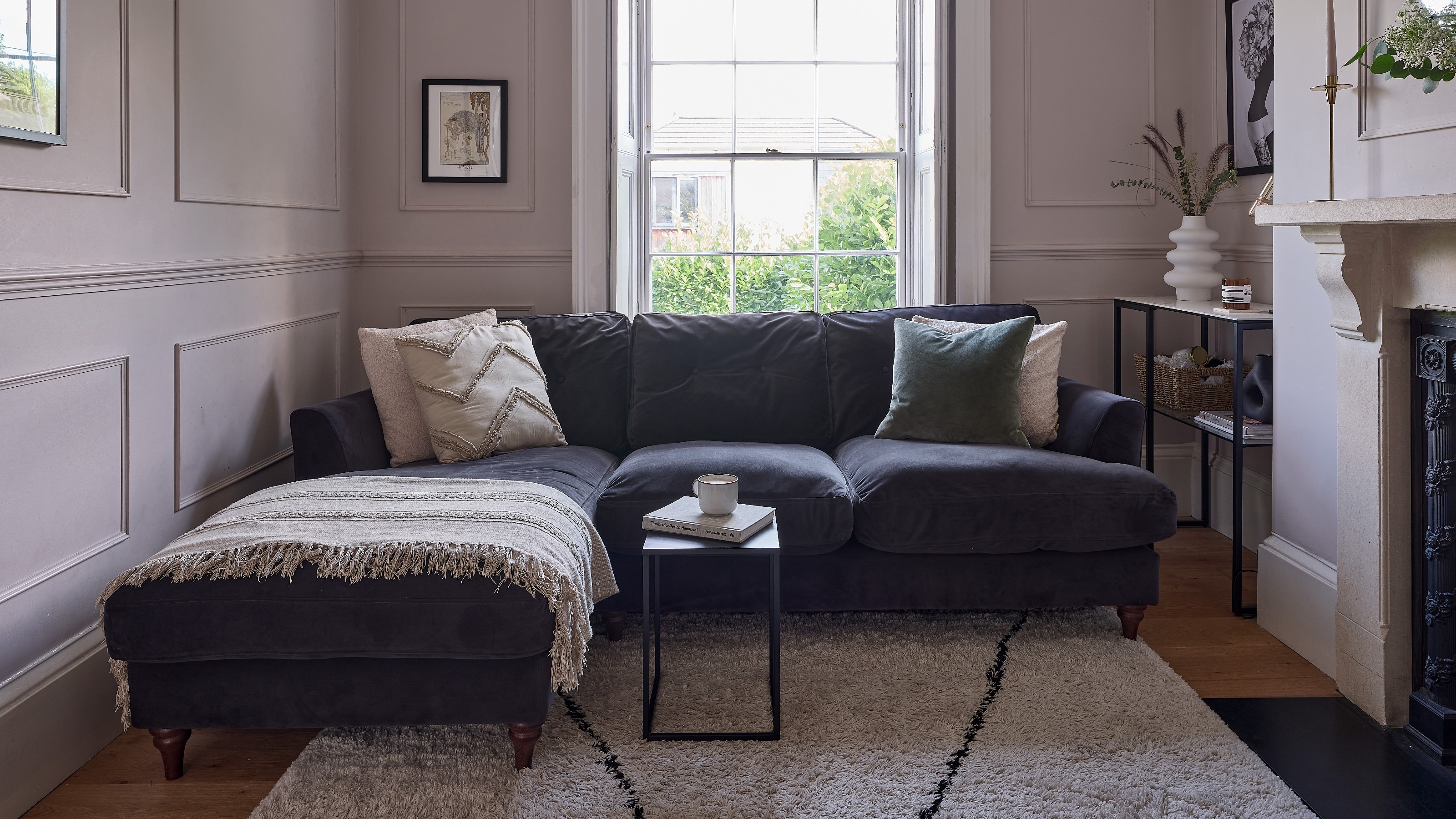
7 narrow living room ideas – how to turn an awkwardly shaped space into a dreamy lounge
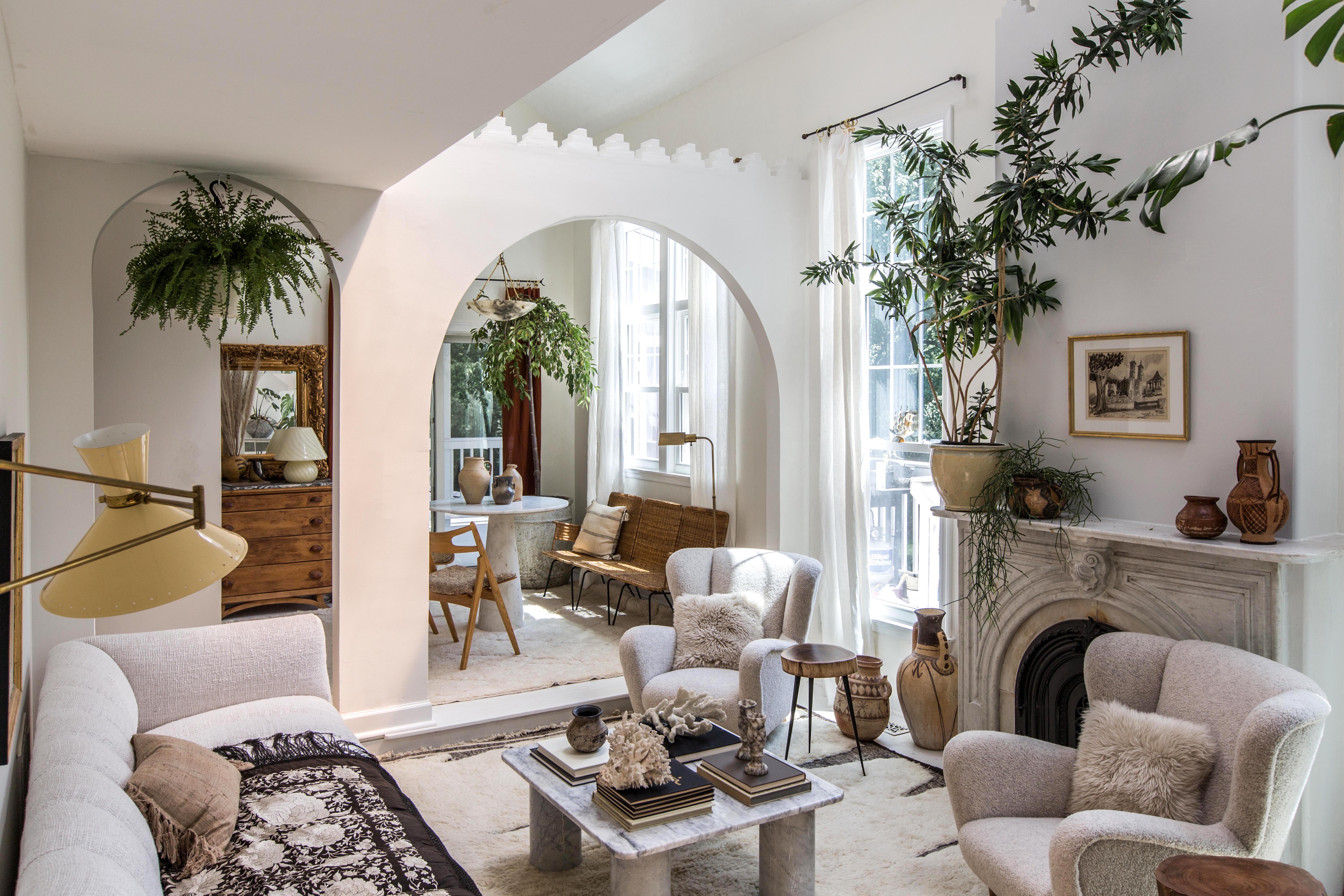
32 Styling Tricks That Will Make Your Small Living Room Feel Bigger and Better

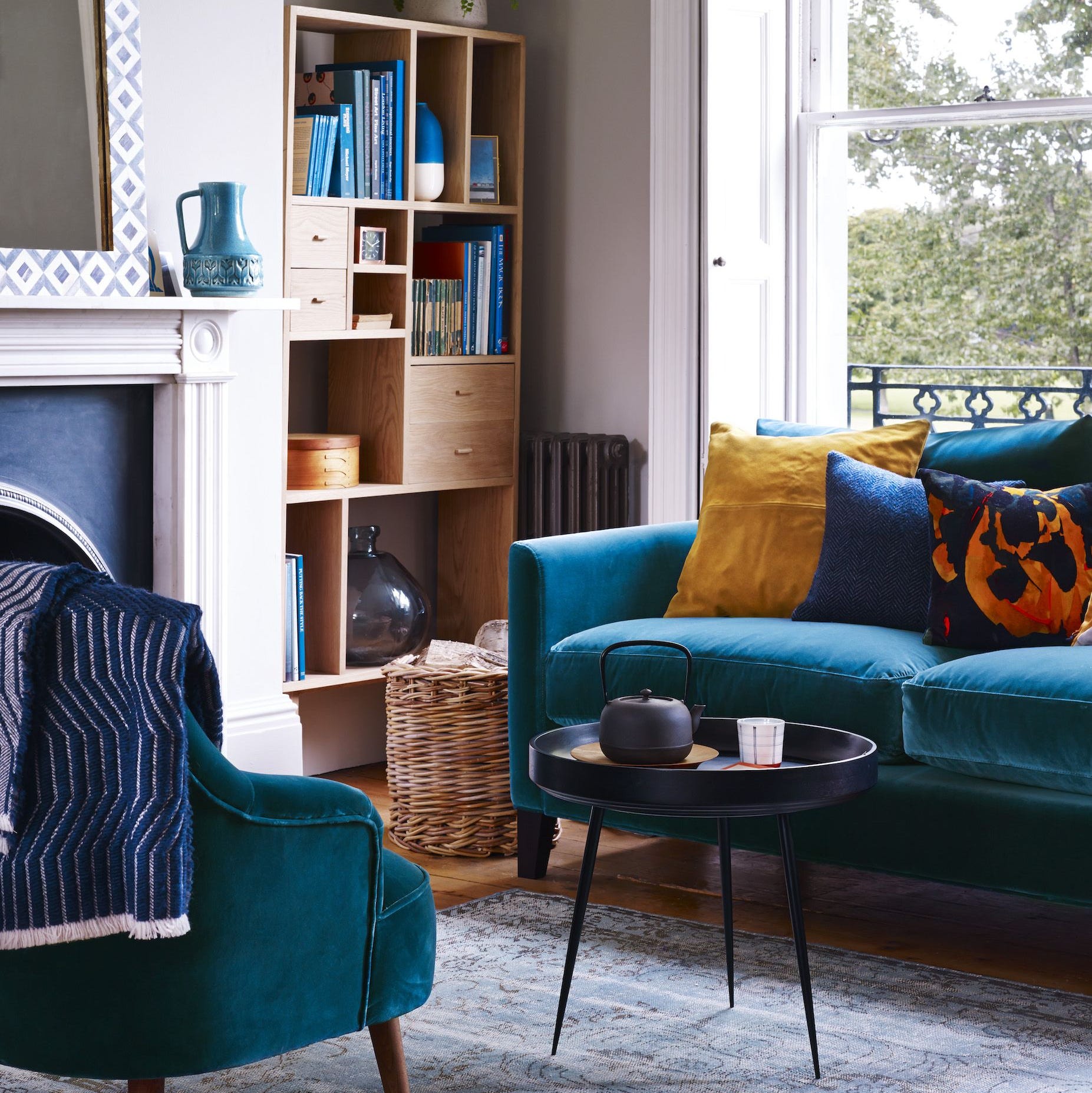
How to make your living room look bigger: 7 tips to fool the eye

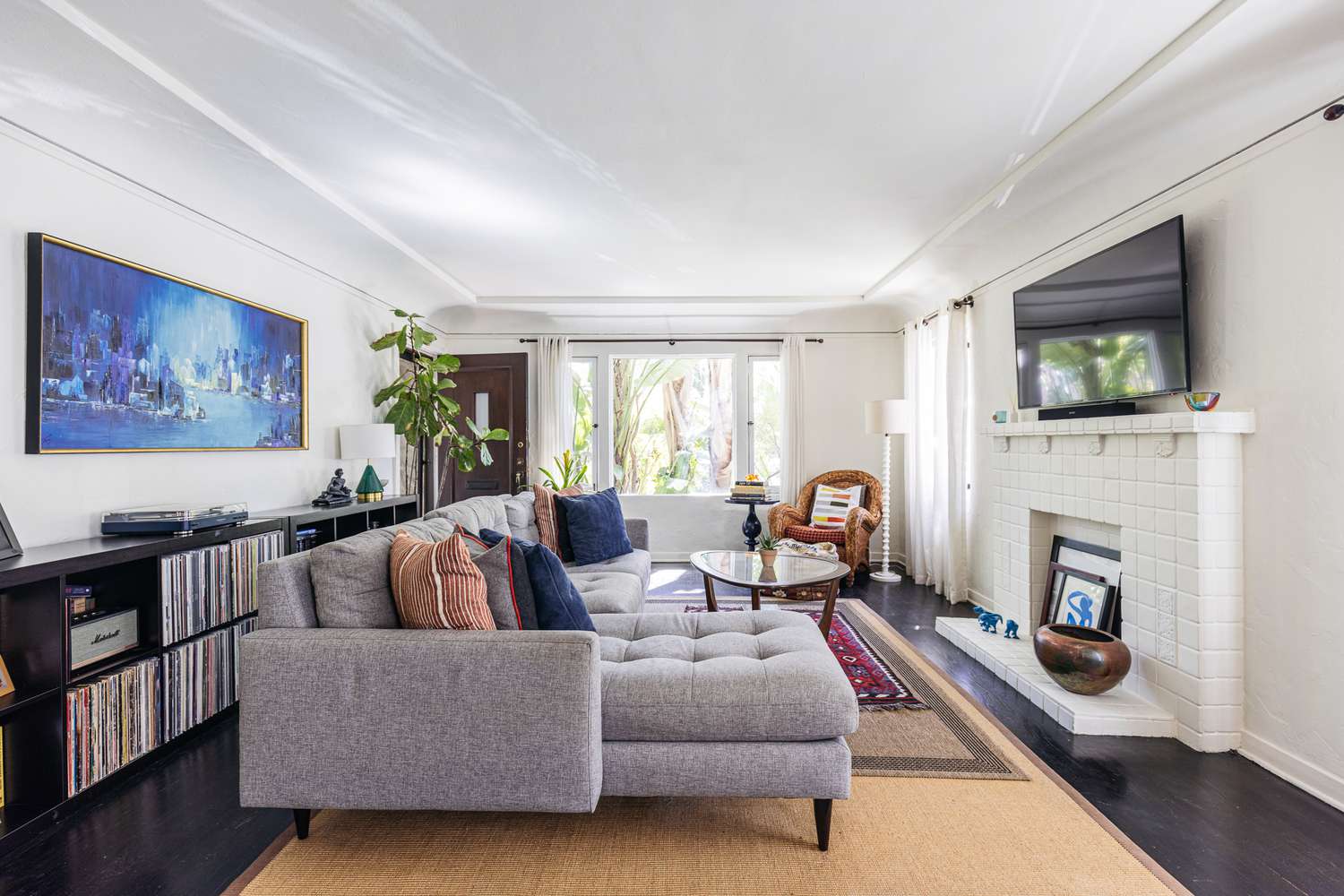
18 Clever Ways to Design Around an Awkward Living Room Layout

8 narrow living room ideas to make the most of an awkward space

Narrow entryway ideas – 10 expert ways to make a long space seem wider

12 Furniture Combinations For Living Rooms With Limited Space

7 gorgeous minimalist small living room ideas — say bye-bye to bland
57 small living room ideas to make your petite living space look bigger and more stylish
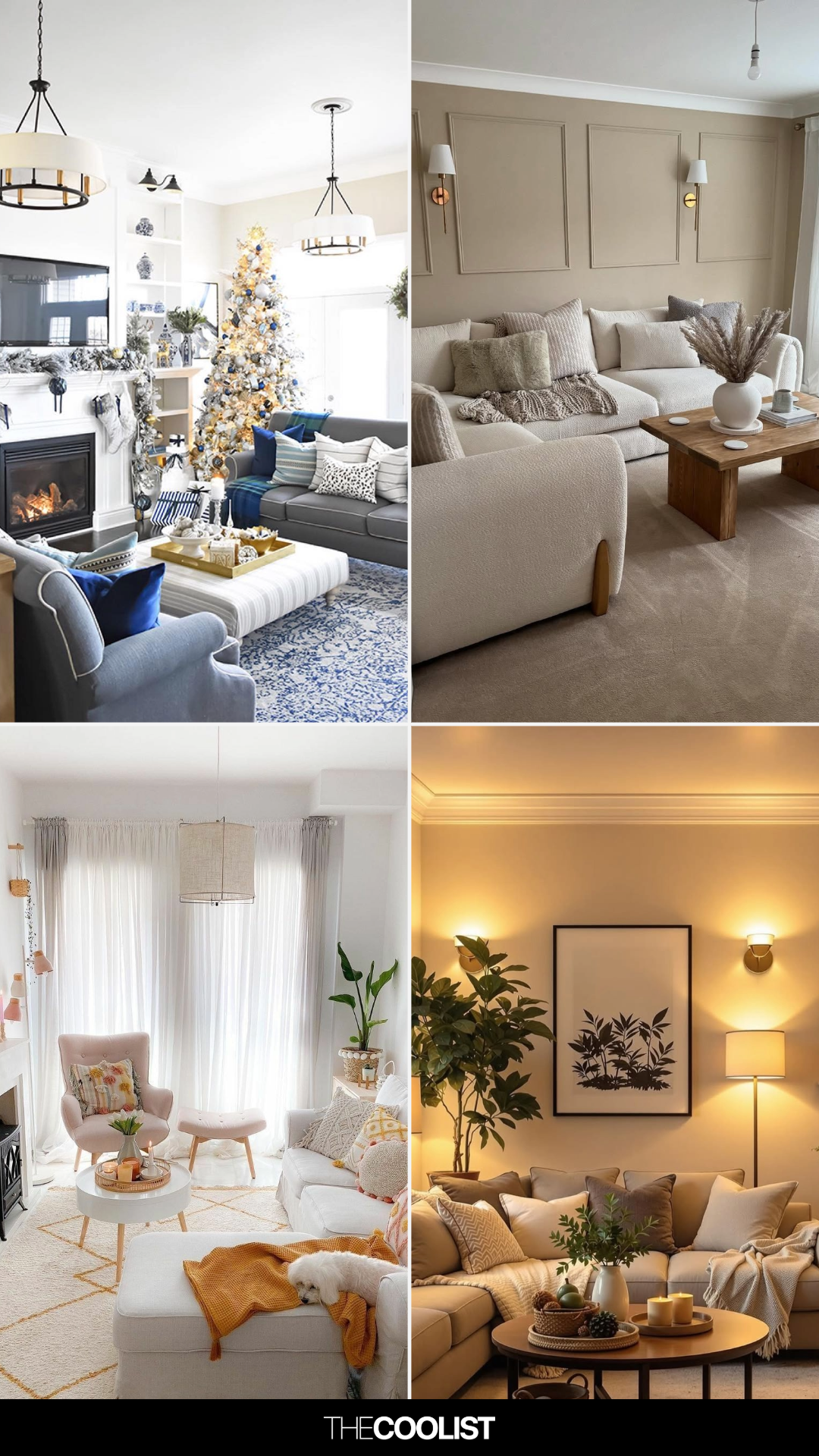
30 Long Living Room Ideas That Finally Make a Narrow Room Feel Designed, Not Stretched

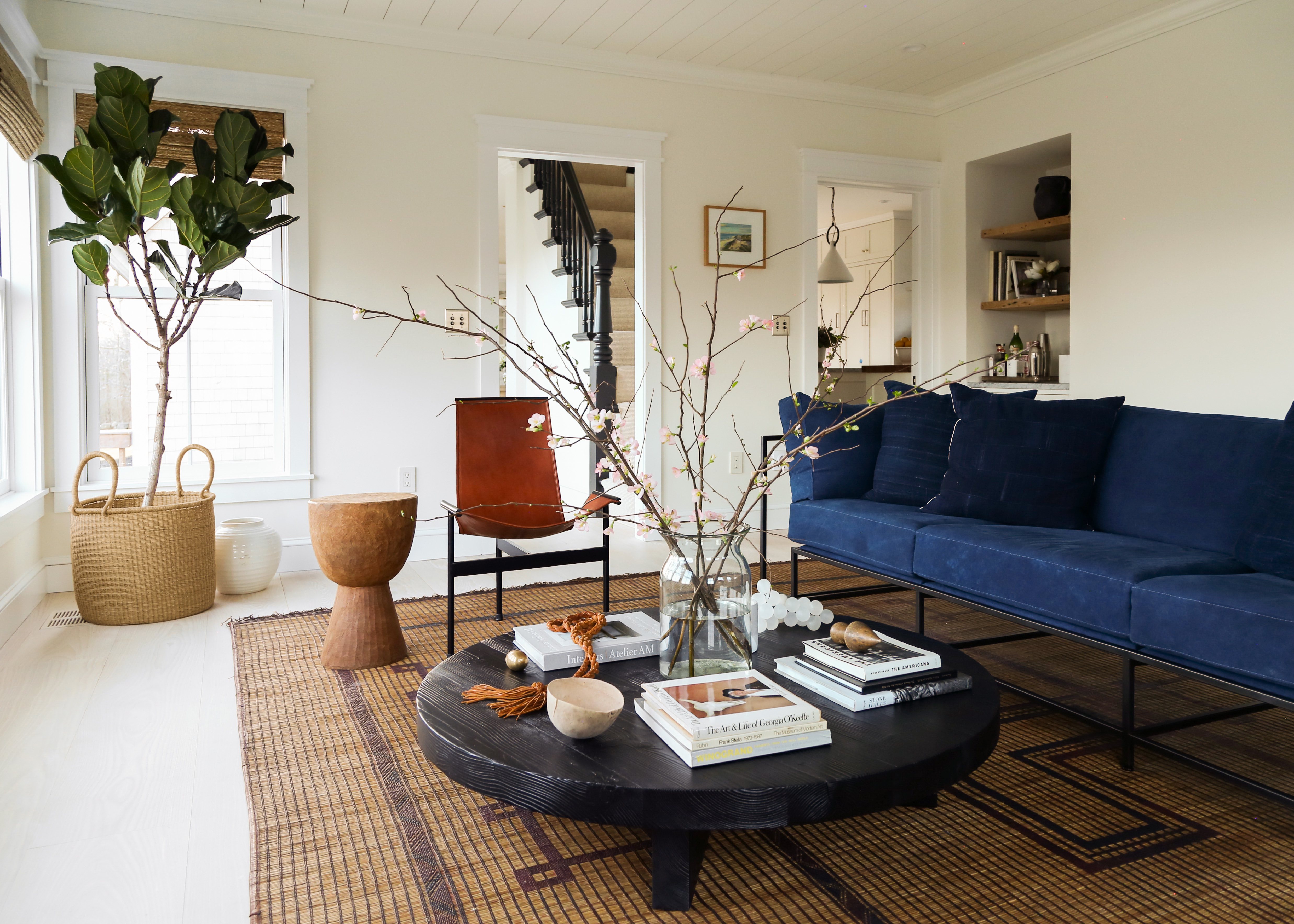
12 easy changes you can make to your living room to instantly elevate how it looks and feels

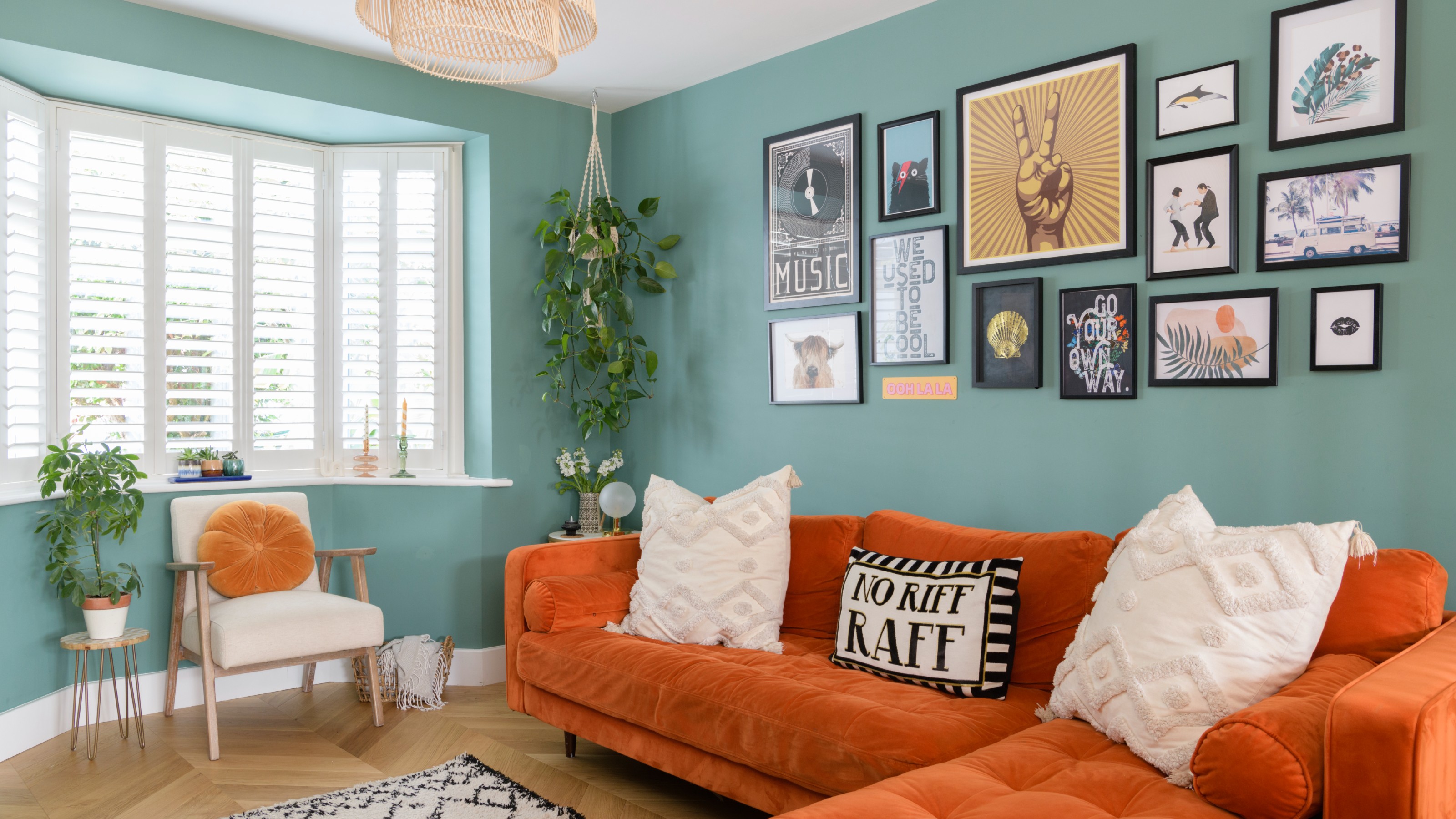
6 expert tricks for decorating small living room walls that will make your tiny lounge appear bigger
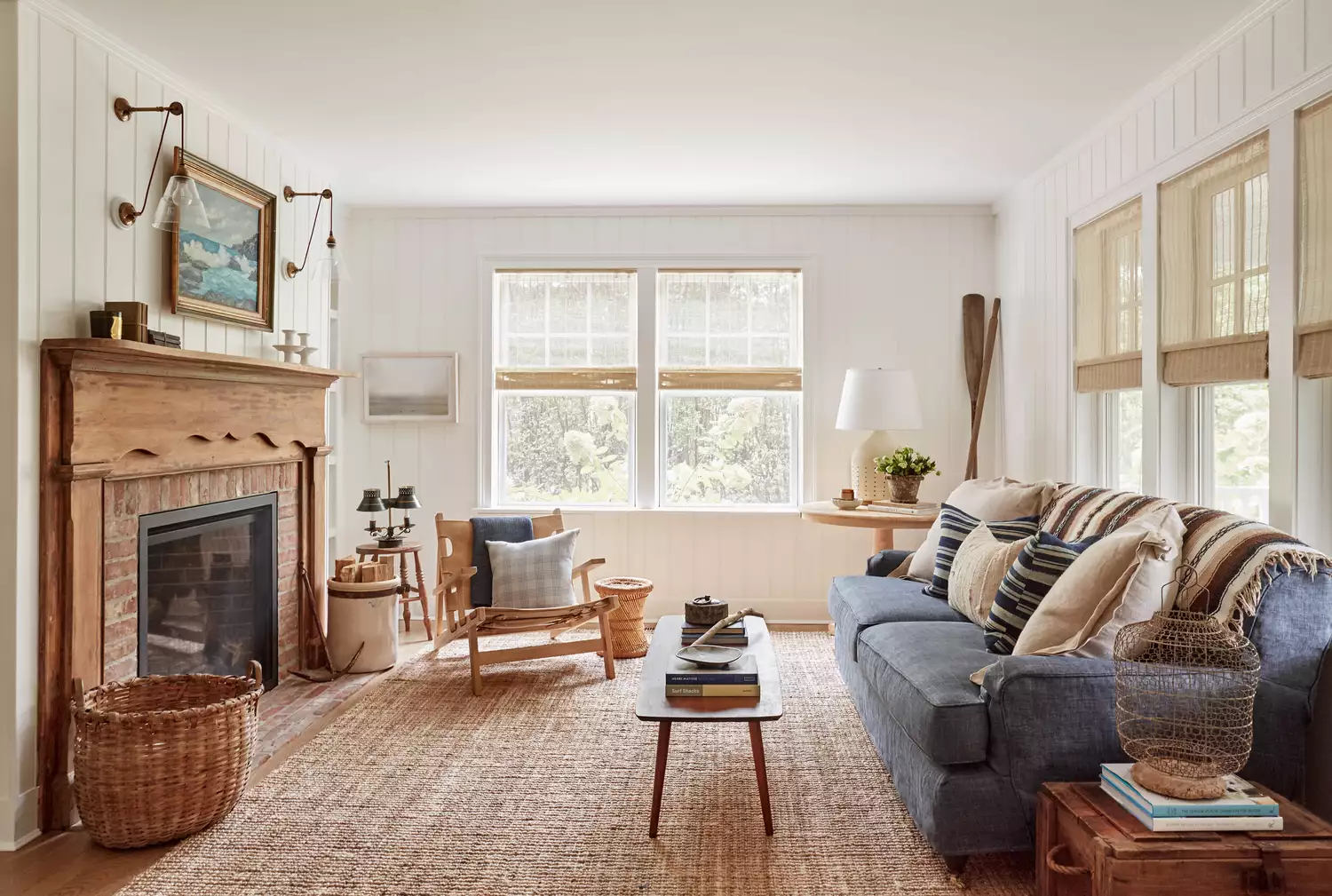
Have a Narrow Living Room? These Layout Ideas Will Make the Most of Your Space

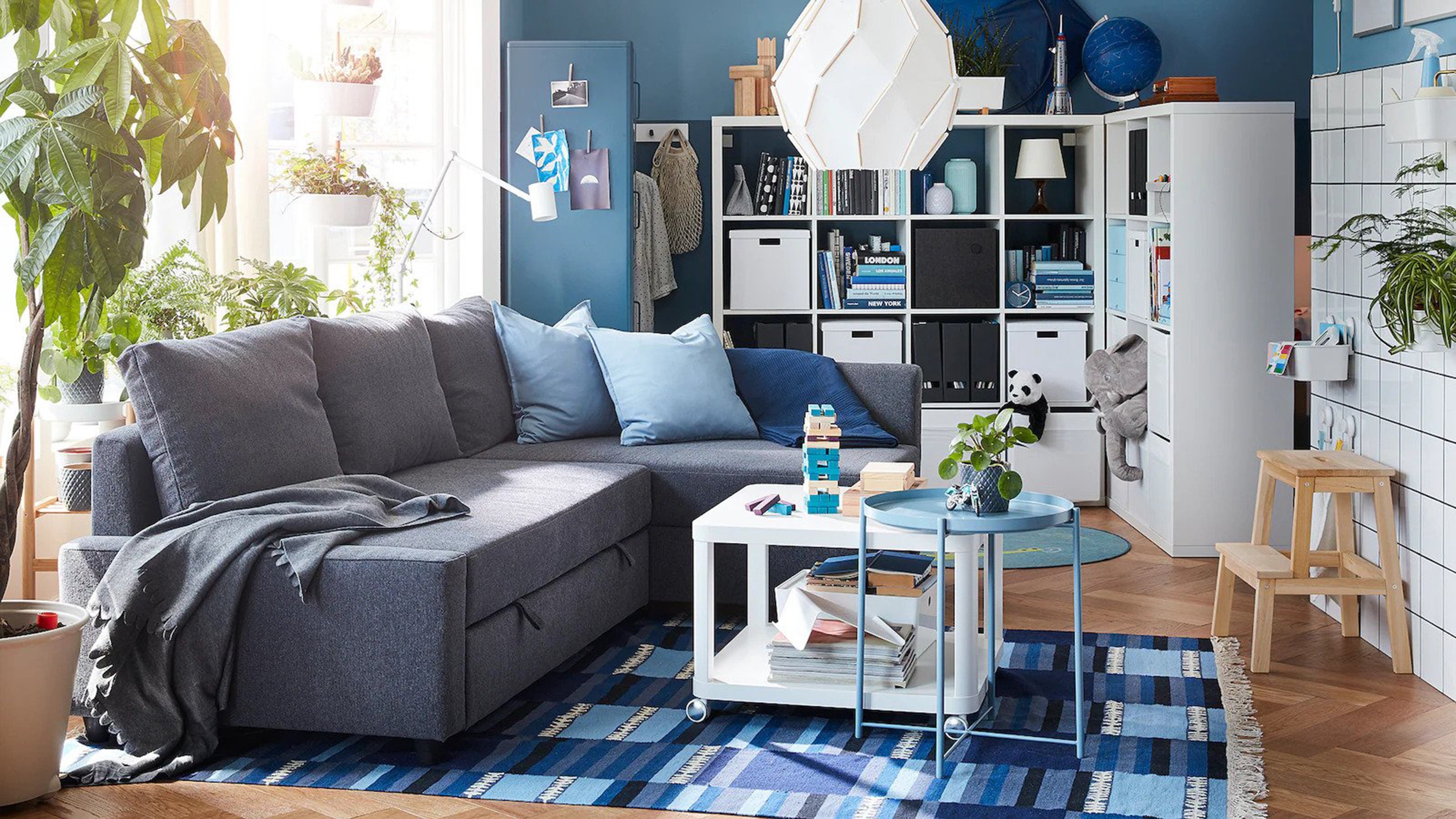
10 small living room layout ideas to make you rethink your set up

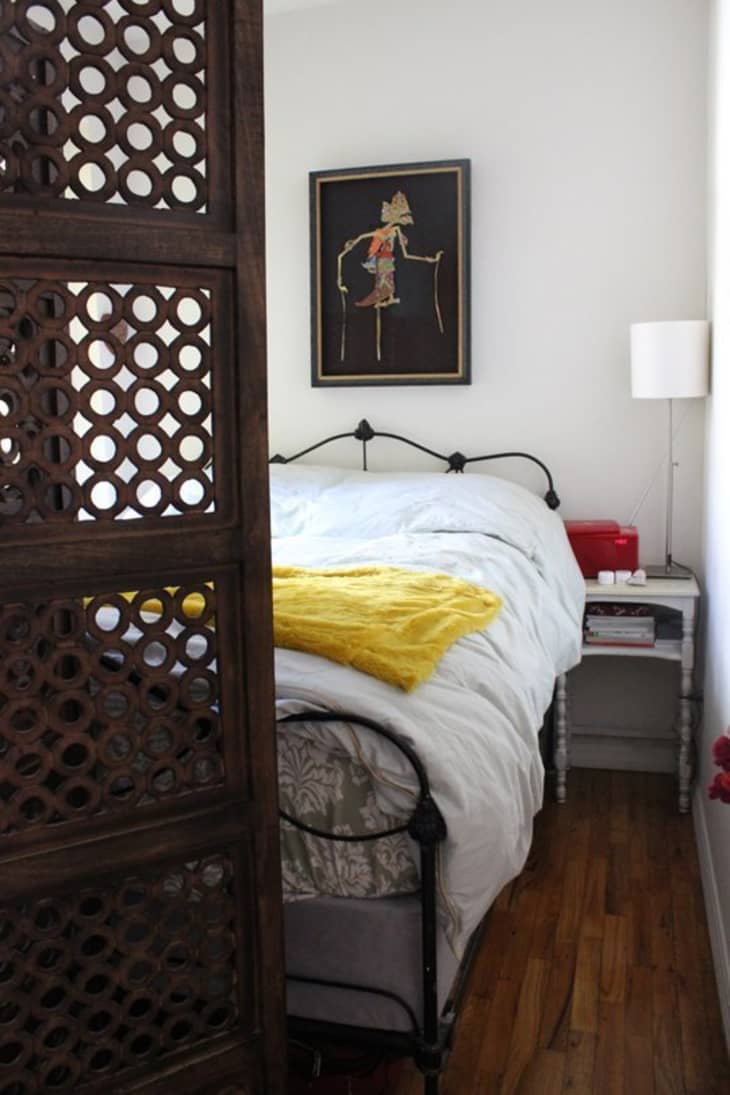
6 Brilliant Ways to Make the Most of a Narrow Bedroom
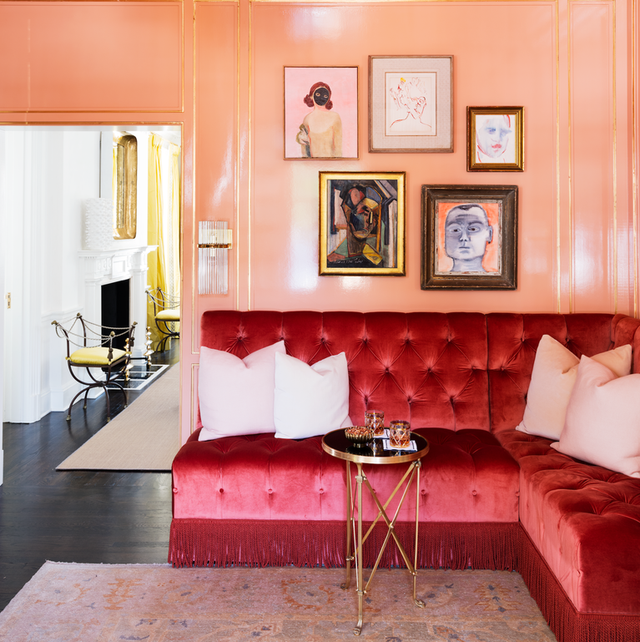
18 Small Living Room Design Ideas Worth Copying in Your Own Home

7 narrow bedroom ideas that will take your space from cramped to cozy
How to simplify a small living room – 10 designer approved tips for instantly more calming decor
13 Welcoming Living Room Layout Ideas

8 Ways To Make A Small Living Room Appear Larger