1/7
This ONE Tiny Detail Makes the Biggest Impact in Any Room, According to Designers
Trinket dishes are a small yet impactful design accessory that can be found in almost every space, regardless of personal aesthetics, budgets, or square footage. These versatile items, typically small, are often placed on nightstands or entry tables, holding various small objects like jewelry, lip balm, keys, or receipts. The article explores how interior designers use trinket dishes not merely as functional catch-alls, but as decorative elements that add charm and personality to a room.
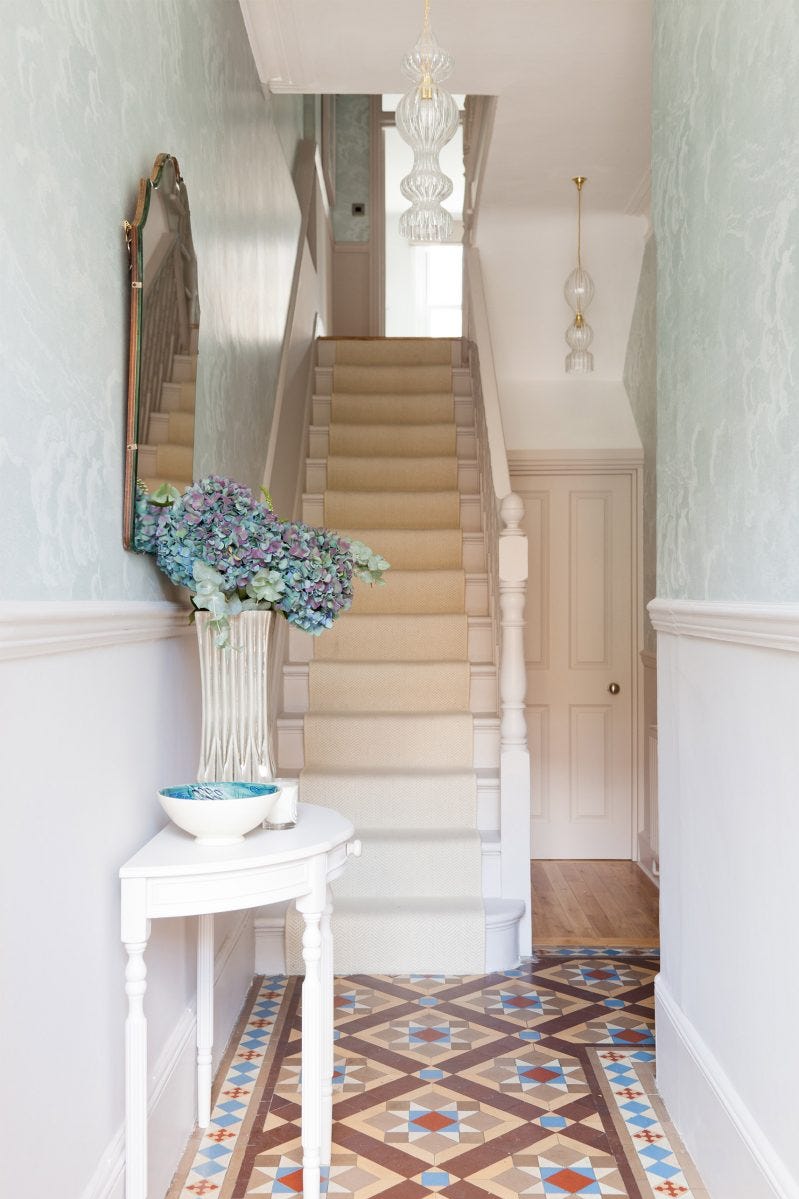
One styling approach involves using multiple trinket dishes, even on a small surface. Interior designer Kati Curtis, for instance, used two dishes on a built-in marble entryway table, combining a whimsical Haas Brothers dish that doubles as a key drop with a simple petrified wood alternative. This pairing creates a layered and intriguing entry, bridging personal collections with curated design. Curtis emphasizes that such pieces can spark conversation and add a touch of mischief, fostering a sense of curiosity in interior design.
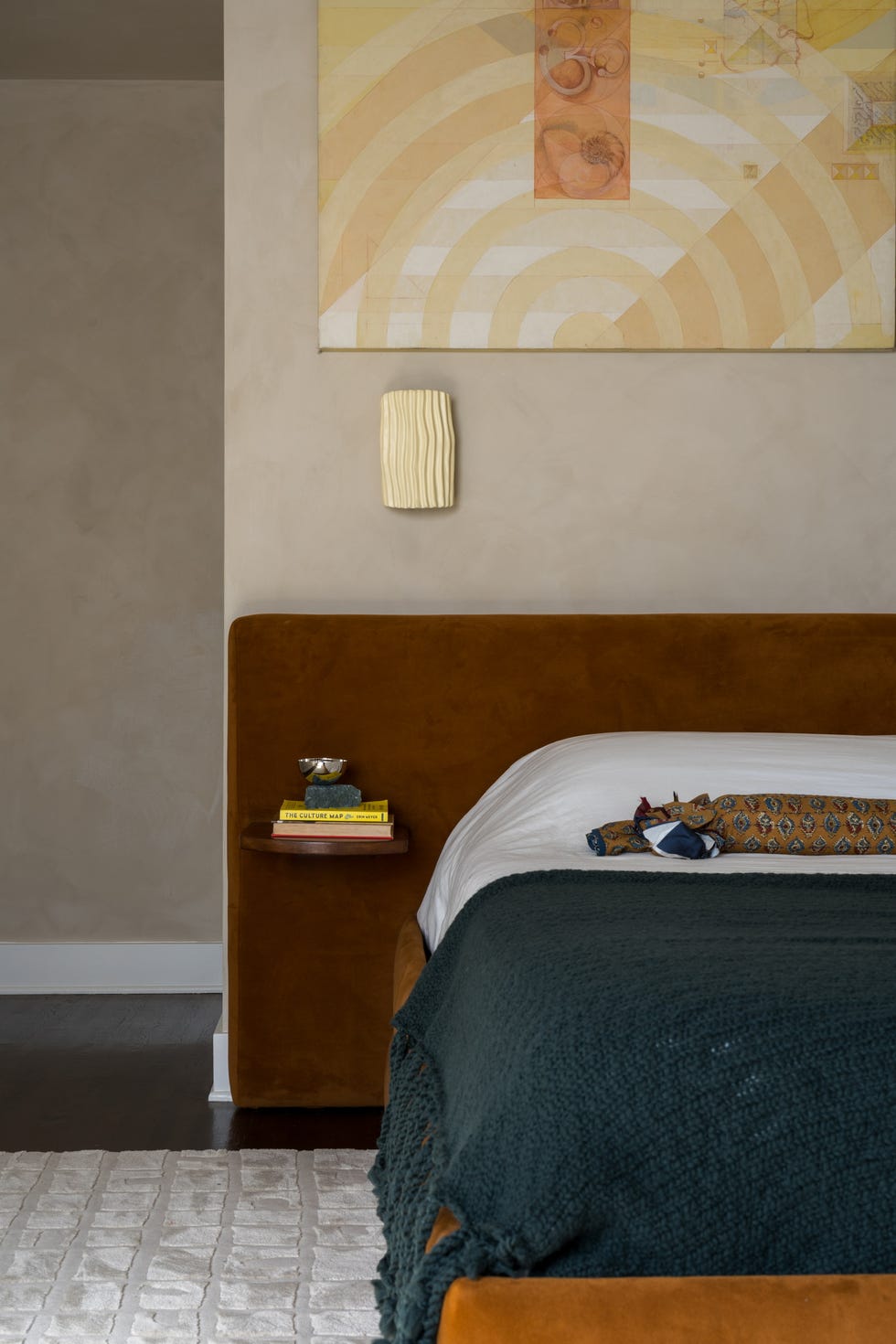
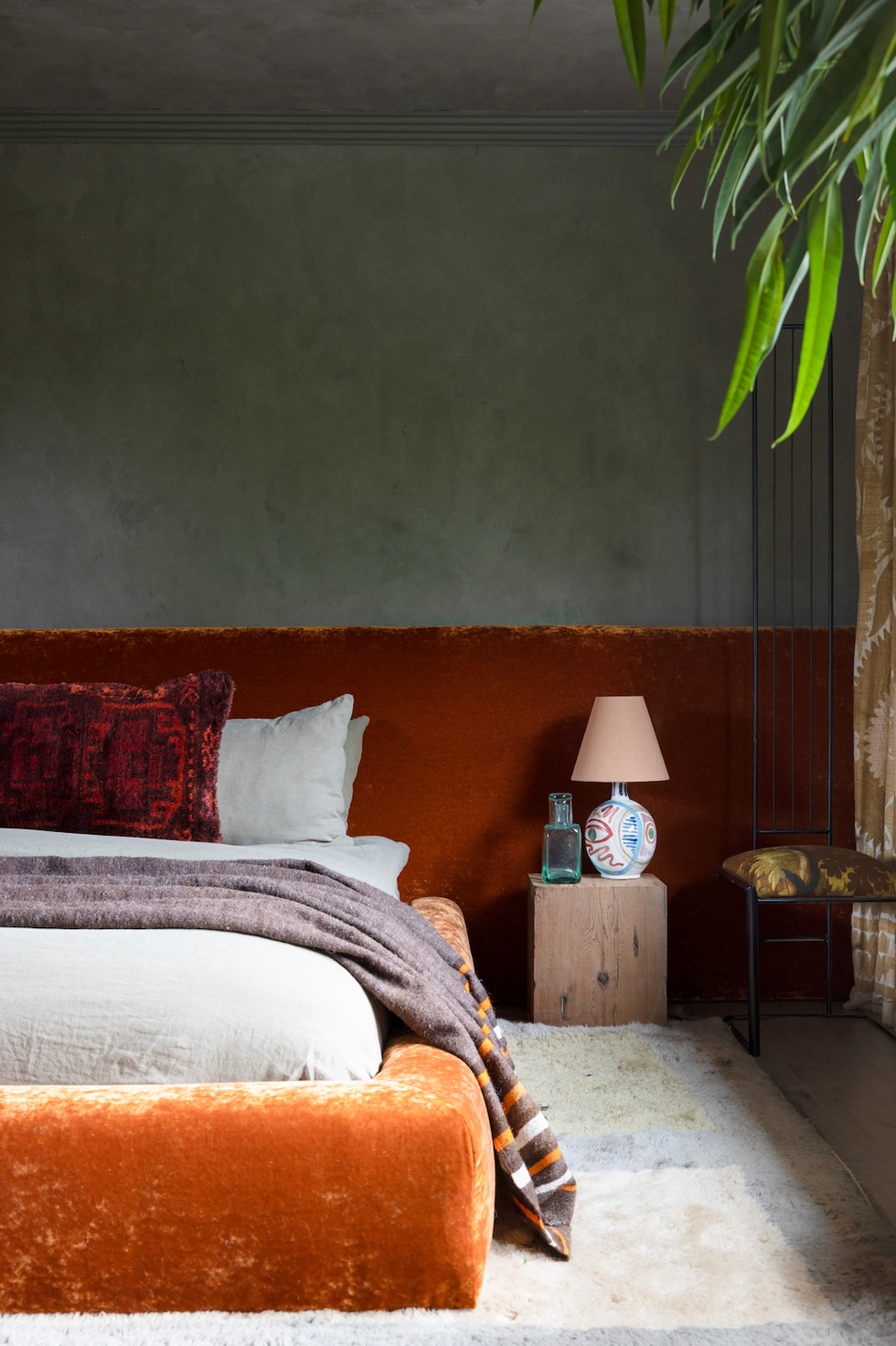
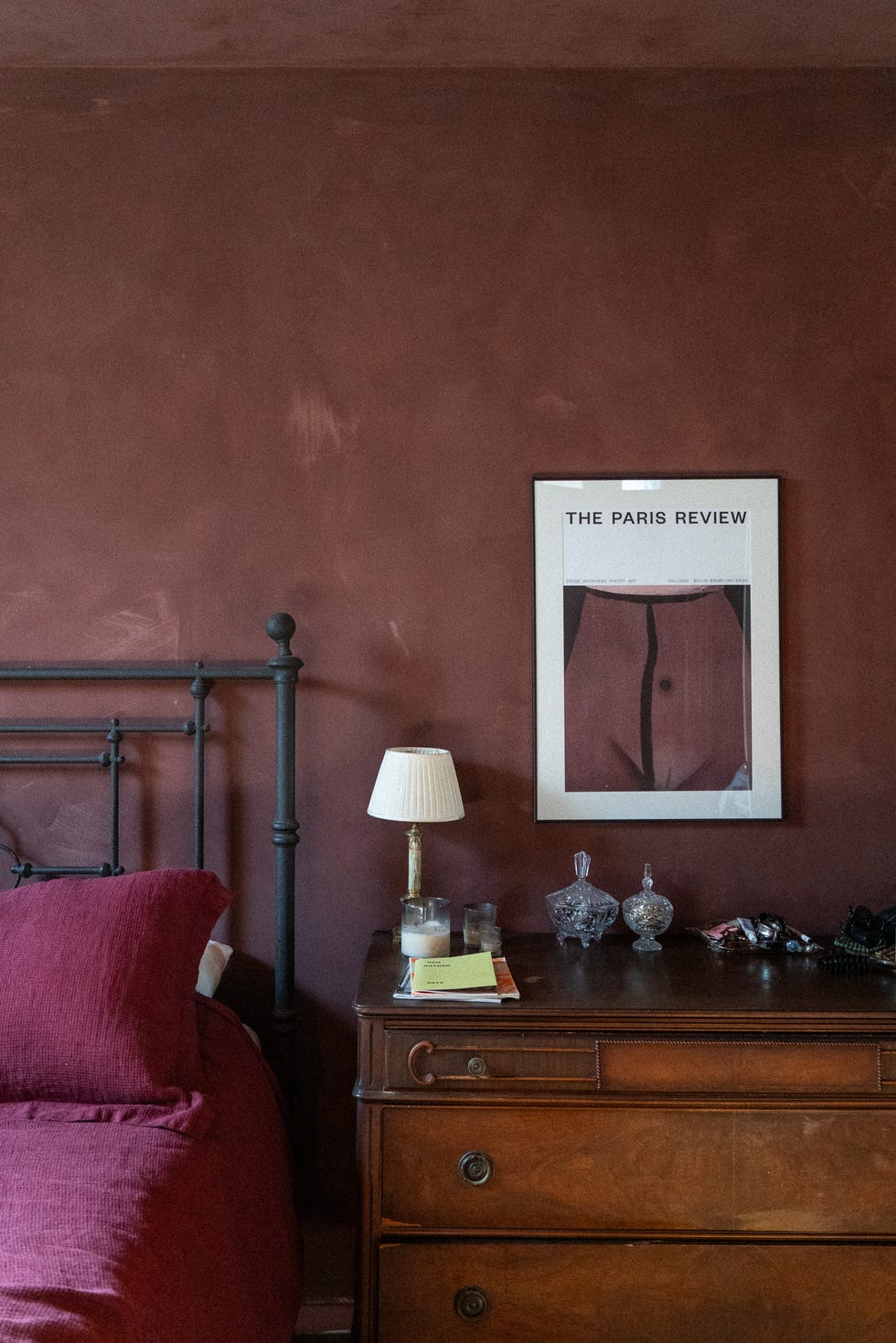
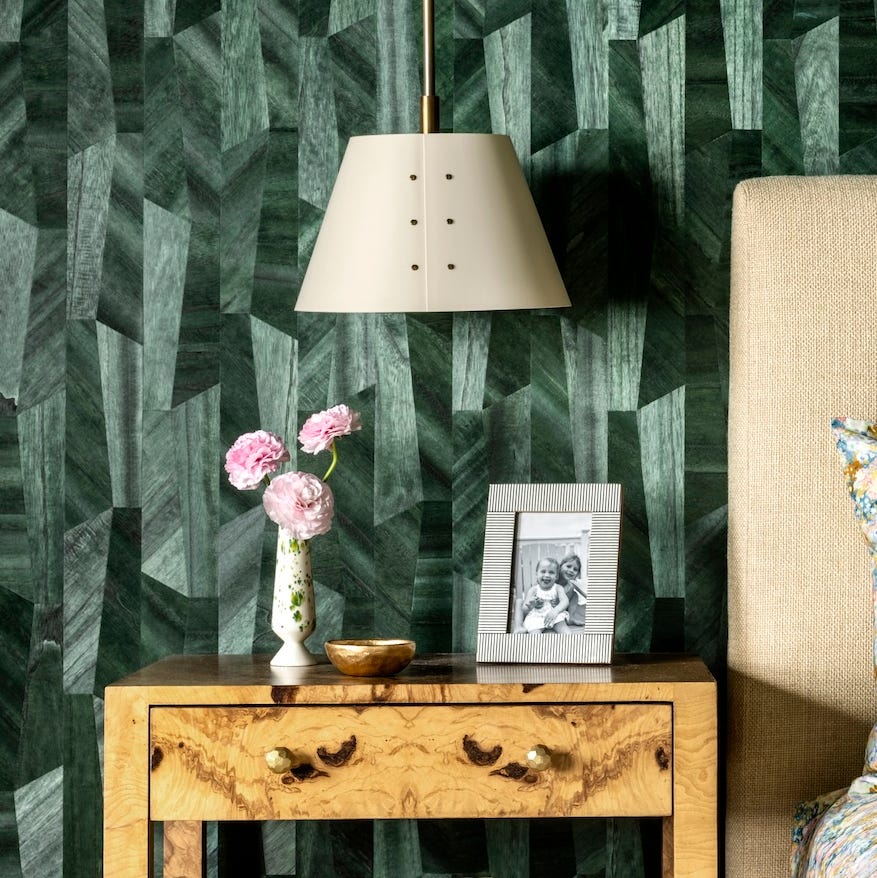
Another method focuses on playing with patterns. Nicky Mudie, founder and director of Violet & George, highlights the functional and beautiful aspect of trinket dishes, especially when used on bedroom nightstands. She points out that items like a Henry Holland ceramic dish, known for its color and pattern, can add charisma. Due to their small size, there is no need to worry about perfectly matching their colors or patterns with the rest of the room's decor, making them easy to integrate and personalize. These dishes are ideal for holding small items like jewelry, hair ties, or cufflinks, preventing clutter on bedside surfaces.
Alternatively, a trinket dish can be left empty if its design is captivating enough to stand alone. Designer Kelly Ventura recounts her collaboration with a ceramicist to create a unique hand-painted dish that she uses to collect her children's small treasures, appreciating its decorative value even when empty. This perspective suggests that the inherent beauty and craftsmanship of a trinket dish can be a design statement in itself, serving as a daily reminder of creativity and the appreciation of small details.
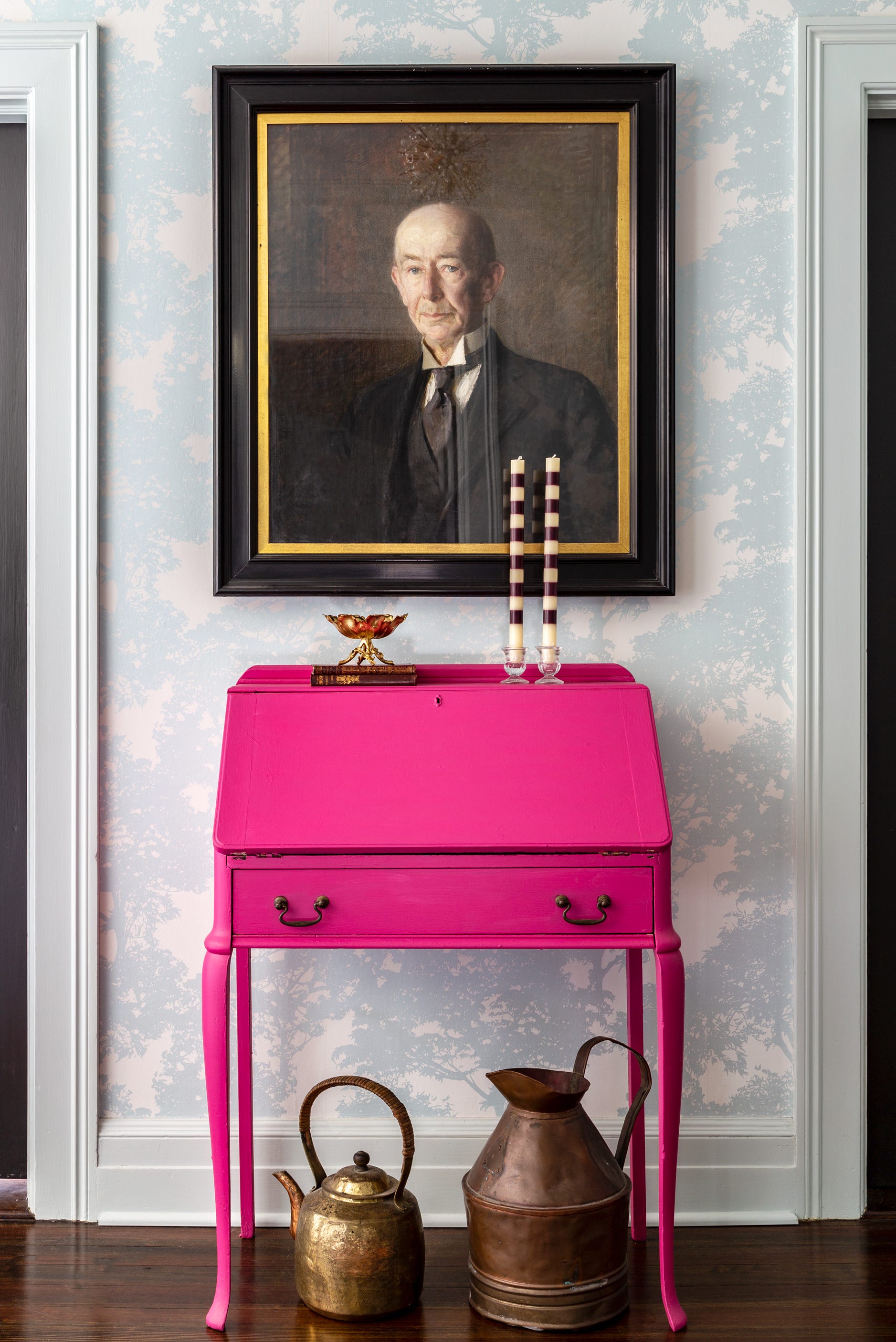
Vintage trinket dishes also offer a unique way to add character and history to a space. Interior designer Nicole Forina shares her find of a vintage brass 'pocket change' bowl, repurposed for modern-day small items. This approach infuses nostalgia and patina, providing functionality with a historical touch. Vintage markets and antique shops are noted as excellent sources for such charming and useful pieces.
Maintaining a consistent color palette is another effective styling tip. Jennie Bishop, principal designer at Bishop Studio, advises selecting a trinket dish that complements the room's established colors. Whether it’s a funky ceramic, colored glass, or hand-painted porcelain, a well-chosen dish can add a subtle layer of personality and texture, keeping the space organized while contributing to its overall aesthetic harmony.
Finally, designers suggest not being limited by traditional small sizes. Lisa Staton, a designer, advocates for using larger dishes if they are aesthetically pleasing and functional. She mentions a handmade pottery piece from Portland, Oregon, used for matches near a candle or keys at an entry. This demonstrates that practicality and personal preference should guide the choice of size, allowing for more substantial decorative impact while still serving a useful purpose in keeping essential items within reach.
#InteriorDesign #HomeDecor #TrinketDishes #StylingTips #HomeAccessories #VintageDecor #DesignInspiration #PersonalStyle #InteriorDesign #HomeDecor #TrinketDishes #StylingTips #HomeAccessories #VintageDecor #DesignInspiration #PersonalStyle
0 comment in total
 No comments yet
You may also like
This often-overlooked room is having a design moment – I think it's the secret to making your home much more cheerful

No Room Is Complete Without THIS One Feature, According to a Designer
8 tiny design details you are definitely overlooking in your home that can completely elevate a space

Focus on This Overlooked Decor Element To Instantly Transform a Room

This 'Invisible' Design Rule Is What Makes a Good Room Just Click — Psychologists and Designers Swear By It
As a designer, I can tell you: this one simple change can transform any home’s decor
The One Design Feature You're Overlooking That Can Instantly Elevate Any Room

My Secret to the Coziest Spaces is This Underrated Accessory

This Everyday Item INSTANTLY Makes Small Bedrooms Feel Bigger, According to Designers
The One Design Feature You're Overlooking That Will Instantly Elevate Any Room
This simple lighting addition will make a world of difference in any bedroom

My Secret to the Coziest Spaces is This Underrated Accessory | domino

Designers Reveal the TINY Detail That Instantly Adds Character to Any Home
Designers Say This One Trick Will Make Your Living Room Look More Luxe
Experts reveal the one furnishing that will instantly make a small hallway feel bigger
Designers Love This Clever Decorating Trick (It Takes Up Zero Space)

6 Underrated Designer Secrets That Instantly Make Any Room Look Better
Designers swear by this small living room layout - 'it makes the space feel bigger'
Designers Say This Small Change Can Make a "Huge Difference" Your Bathroom

Designers Agree: This Is the Most Underrated Room That Everyone Should Decorate