Designers Reveal the TINY Detail That Instantly Adds Character to Any Home
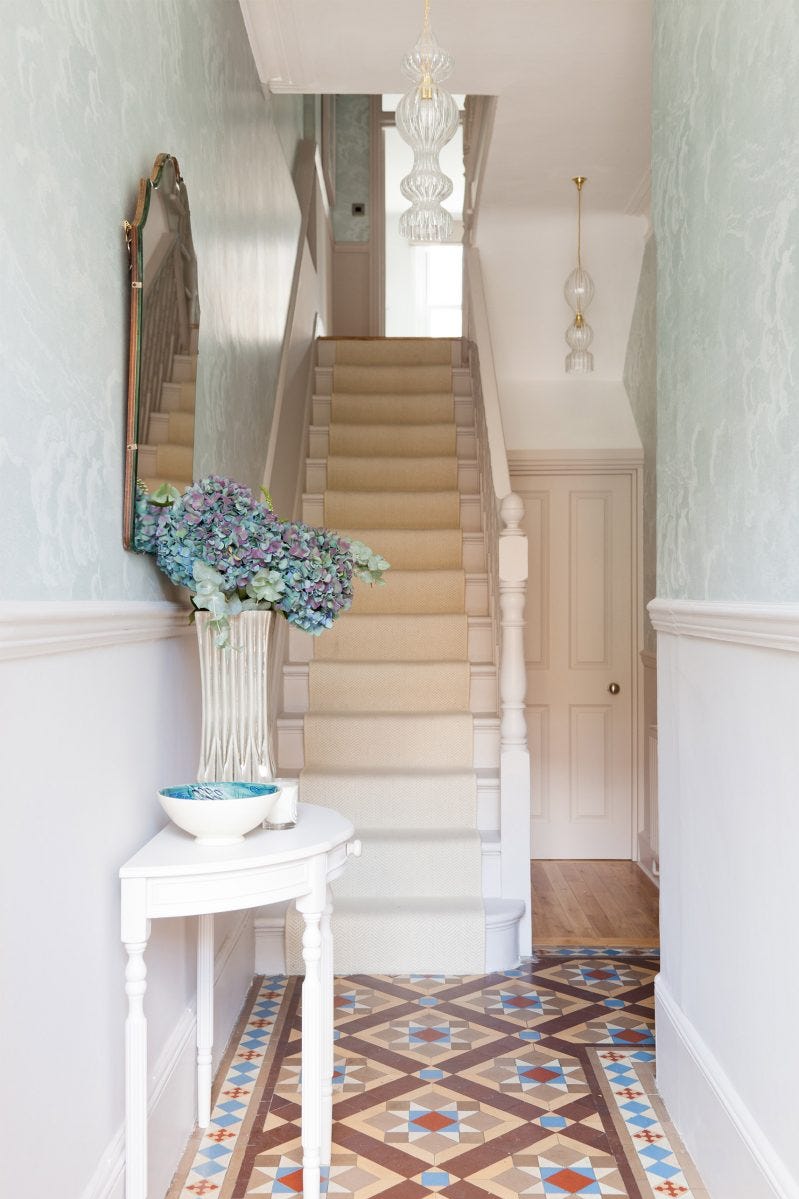
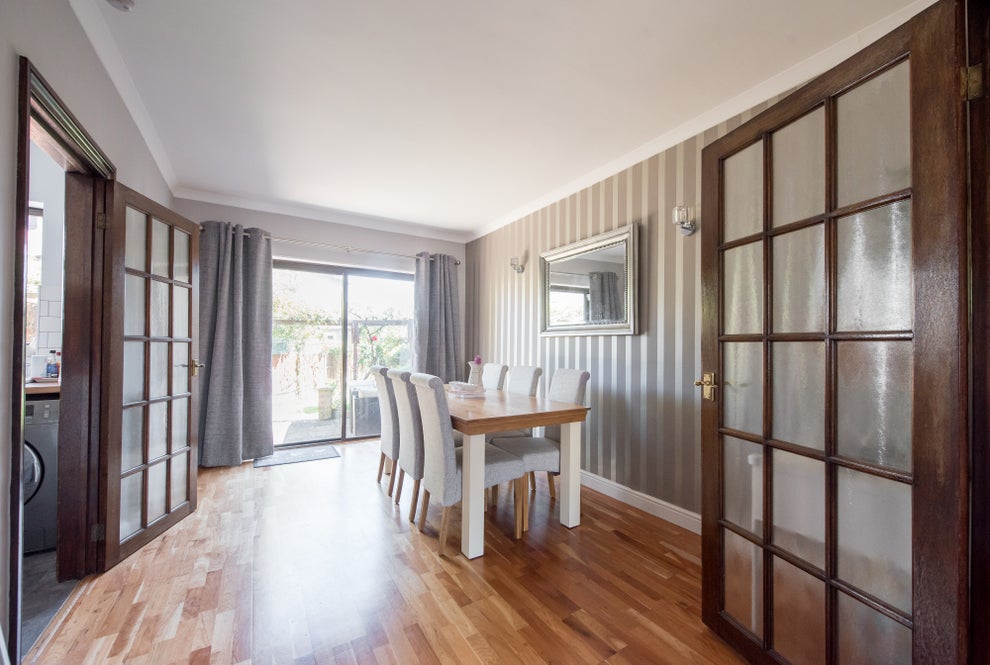
New-build homes, while modern and efficient, frequently lack the unique character found in older properties. This article explores how crown molding can significantly enhance the charm and aesthetic appeal of contemporary homes, drawing parallels to how earrings complete a look. Unlike more costly and time-consuming decorative elements, crown molding offers a relatively simple yet impactful solution for adding personality. The discussion features insights from five interior designers, providing a masterclass on how to effectively incorporate this detail.
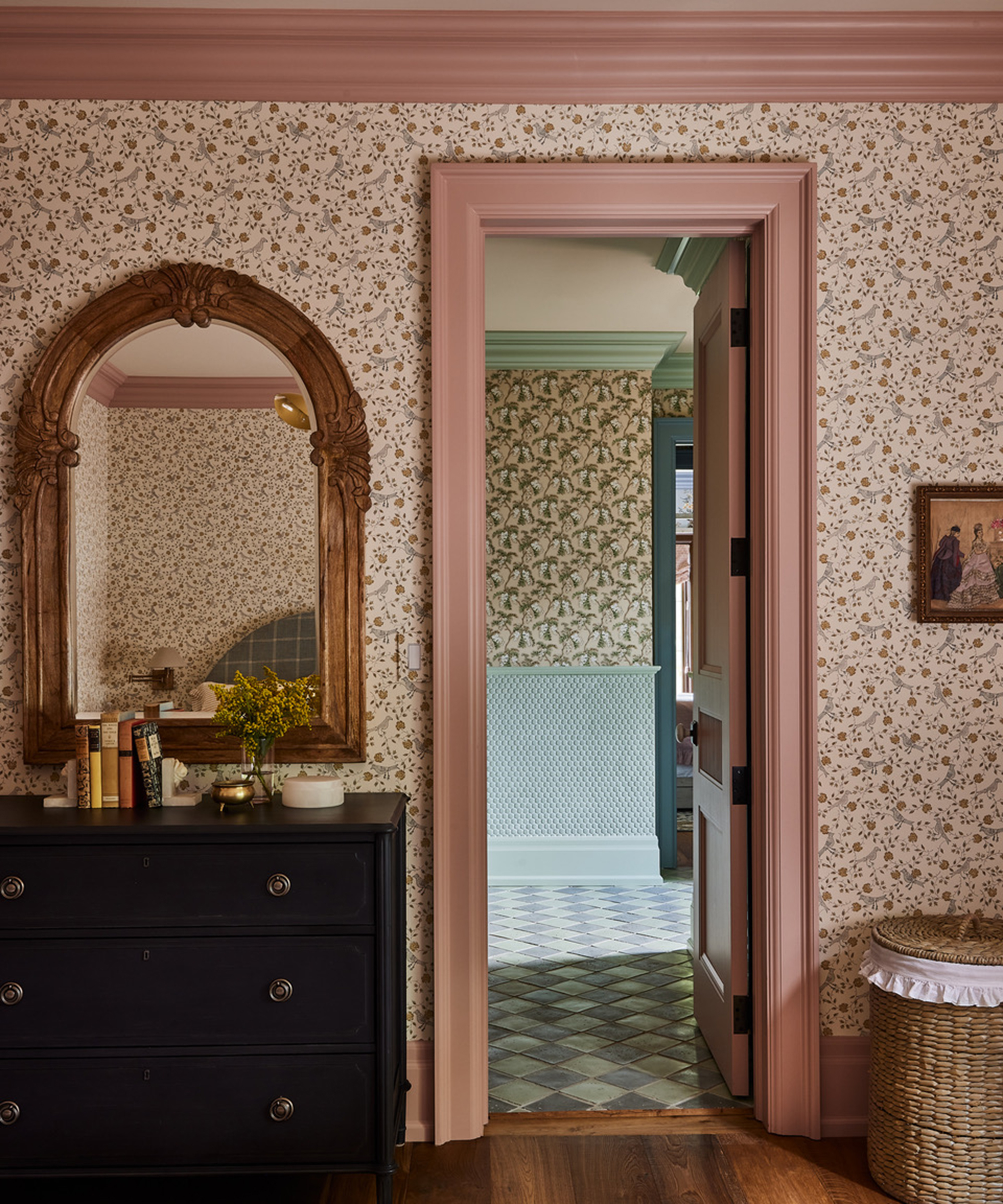
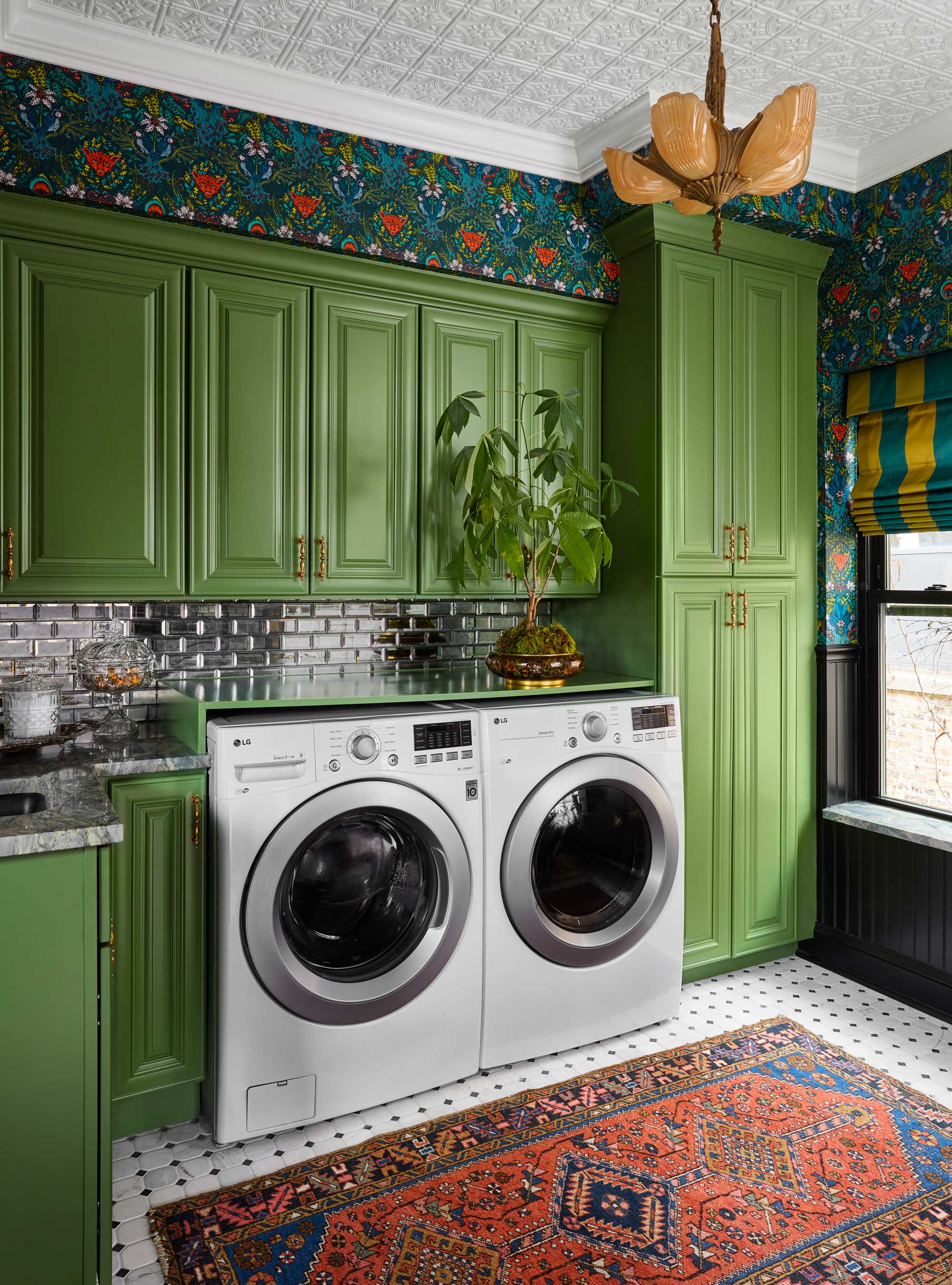
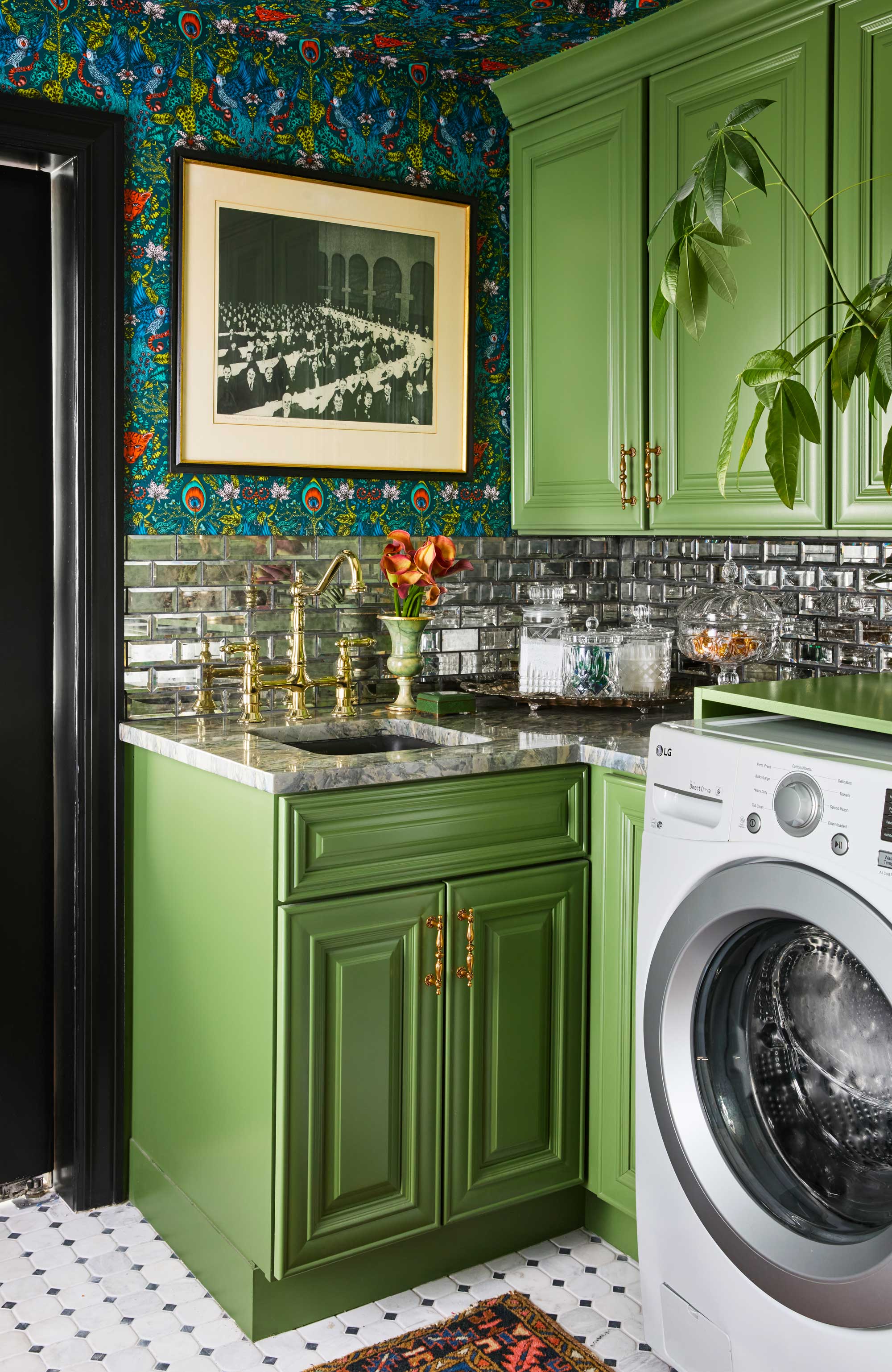
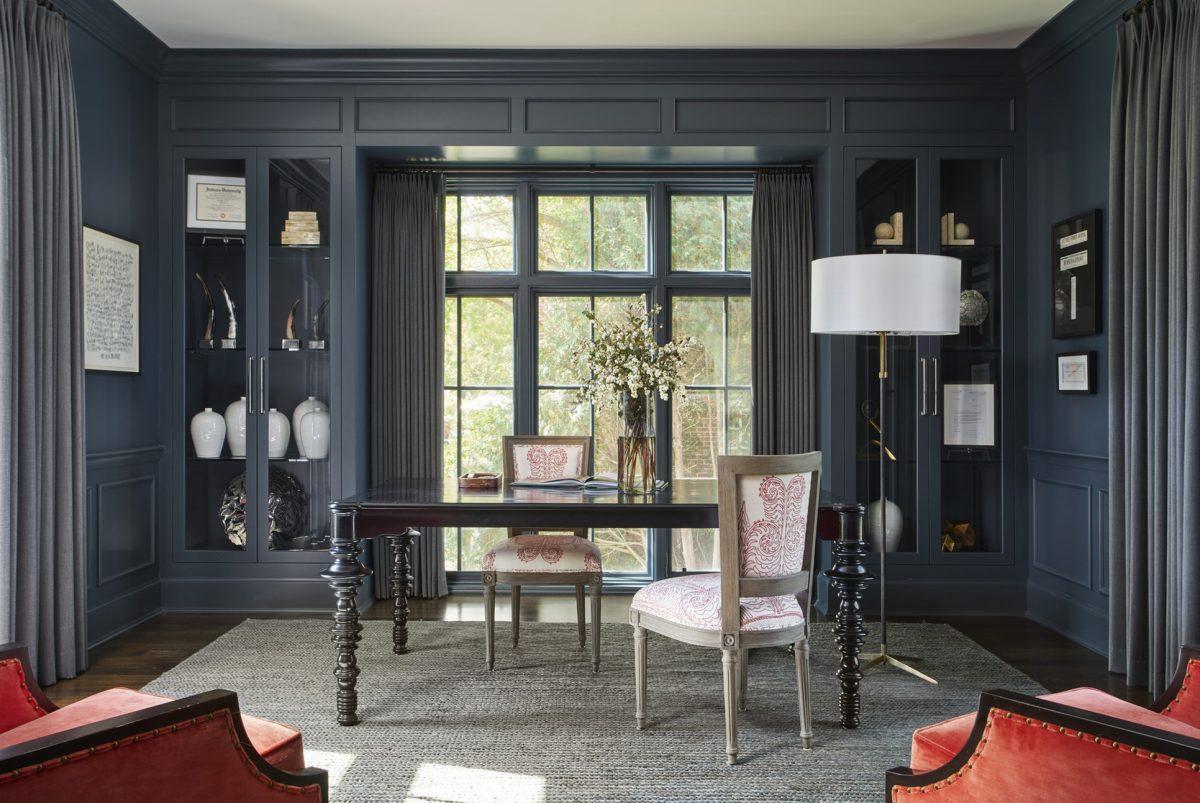
The first aspect discussed is color. Interior designer Anouska Tamony suggests that the color of the crown molding can either match the walls and ceiling for an airy feel or be painted a contrasting hue for a bolder statement, depending on the room's overall design. She highlights a powder room where molding matched the ceiling to avoid distracting from chinoiserie wallpaper, adding subtle texture and drama.
Next, the article addresses the style of molding—ornate versus simple—and its relation to ceiling height. California designer Olivia Williams explains that molding can highlight architectural details and historical relevance. She notes that higher ceilings allow for more exaggerated and elaborate crown molding, which can impart a sense of regality and formality, making a space feel more elevated. Williams also encourages playful experimentation with molding designs.
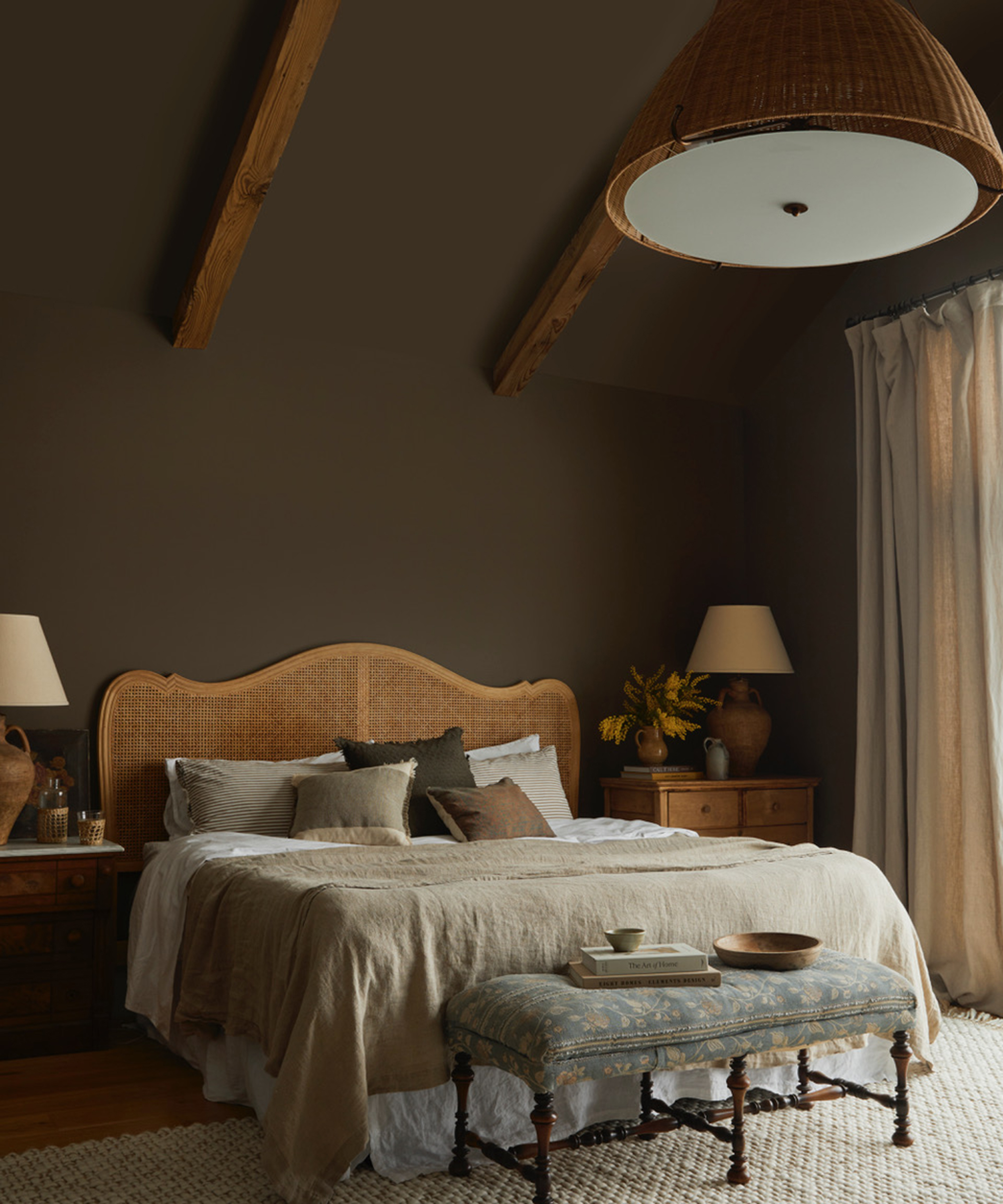
The thickness of the molding is also a critical consideration. Rachael Gowdridge, an interior designer, typically prefers wider molding (beyond the traditional four to six inches) because it creates a more confident and anchored feel, especially when paired with strong colors or patterns. She emphasizes that bold proportions work well with layered, textural interiors, though she also used thin beaded molding in a bedroom to achieve a similar effect with an expansive green paint.
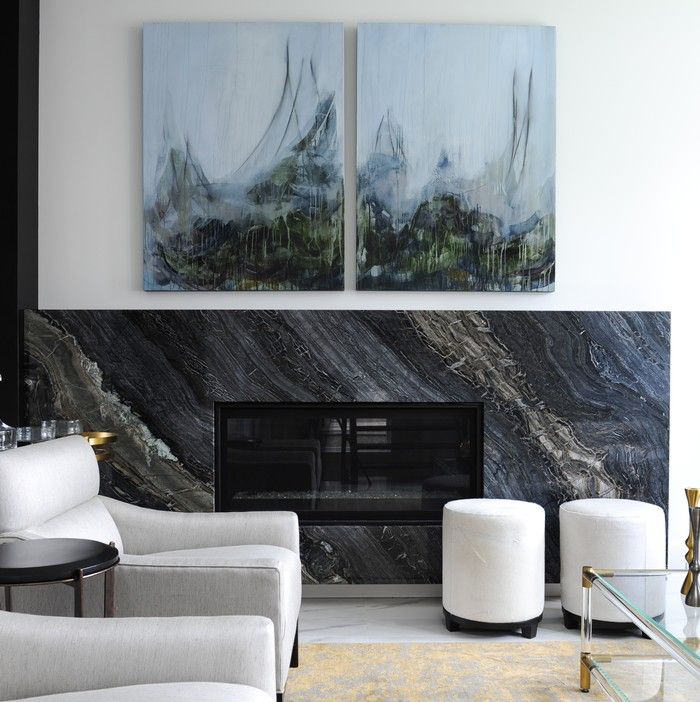
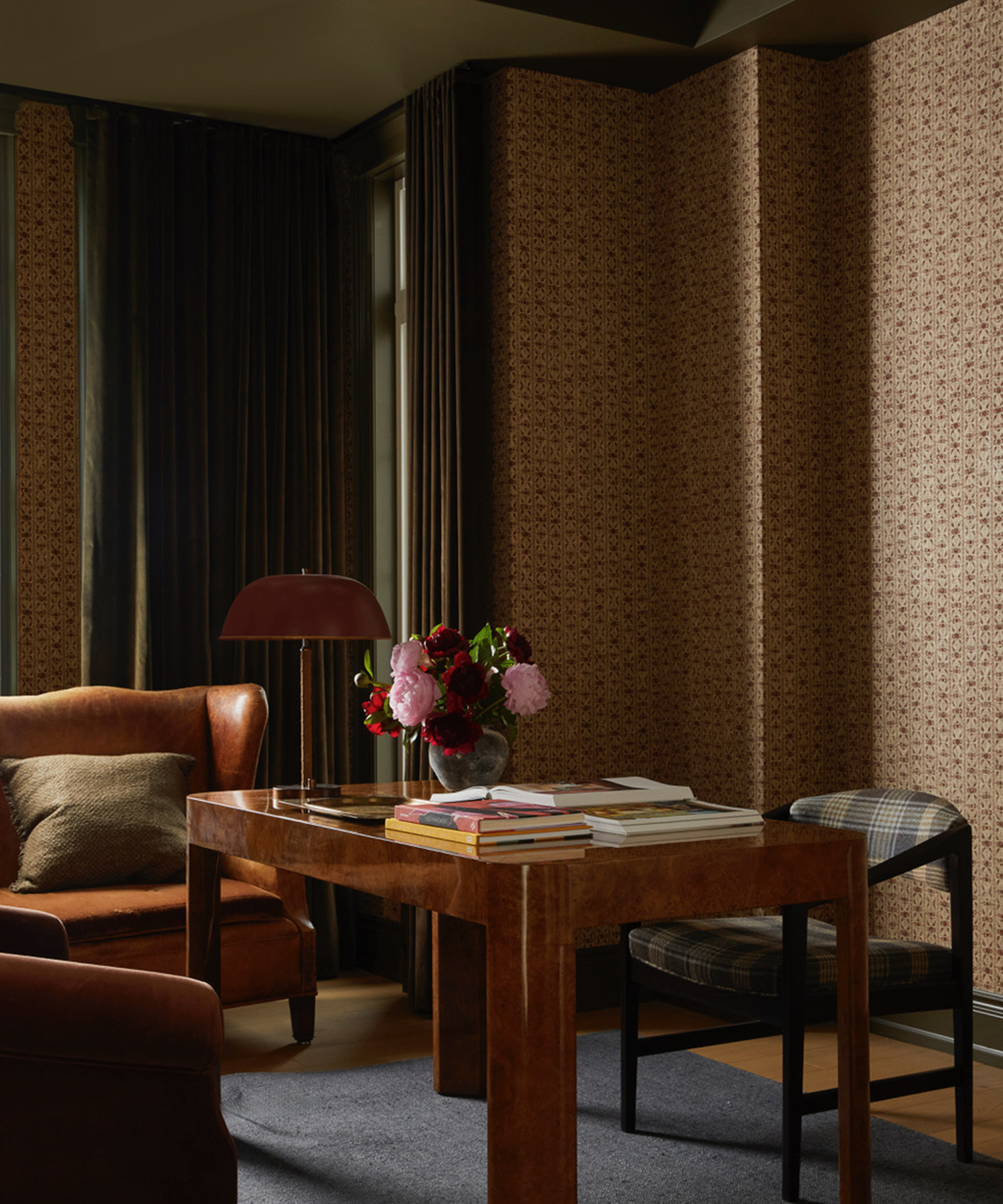
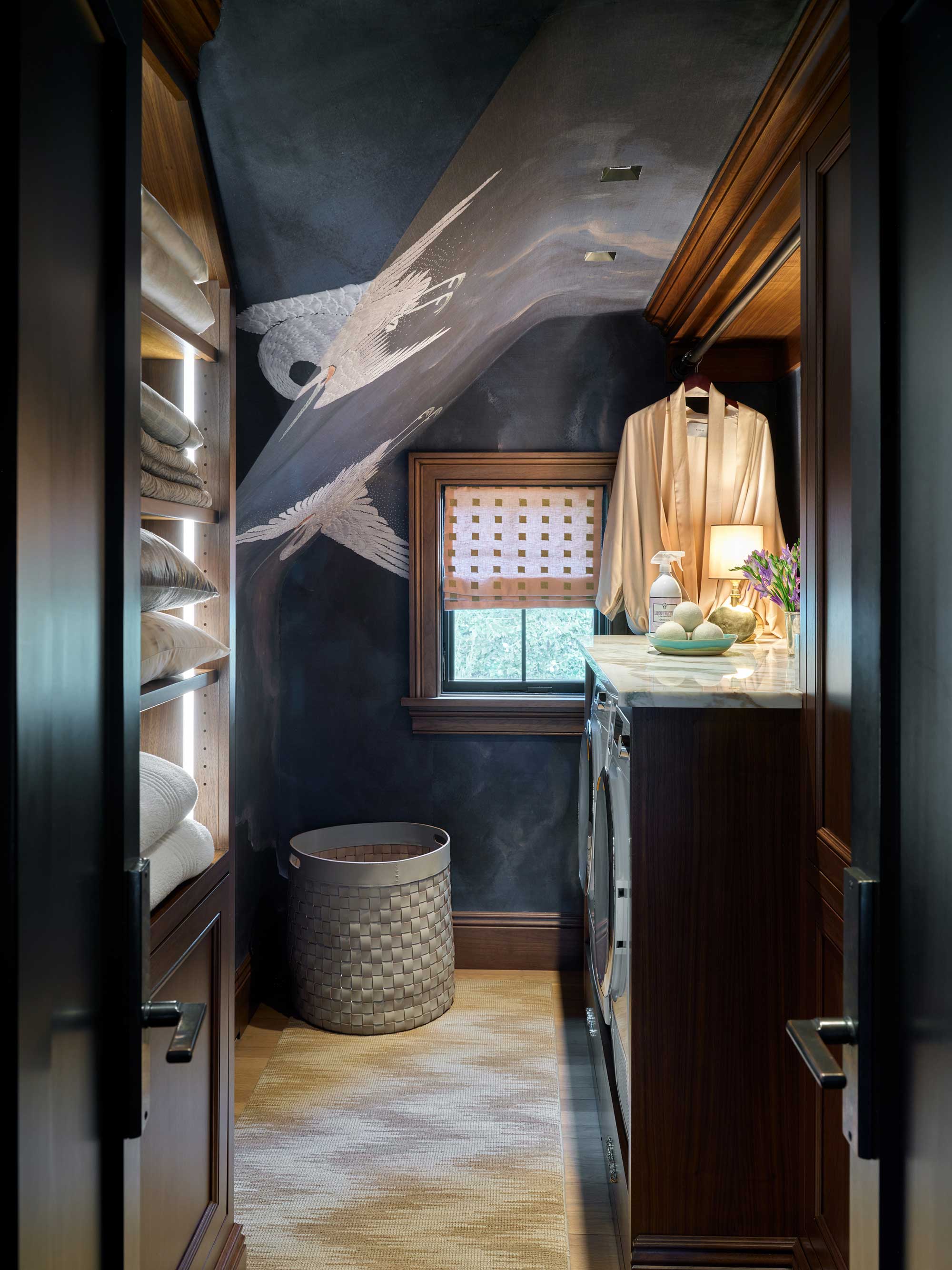
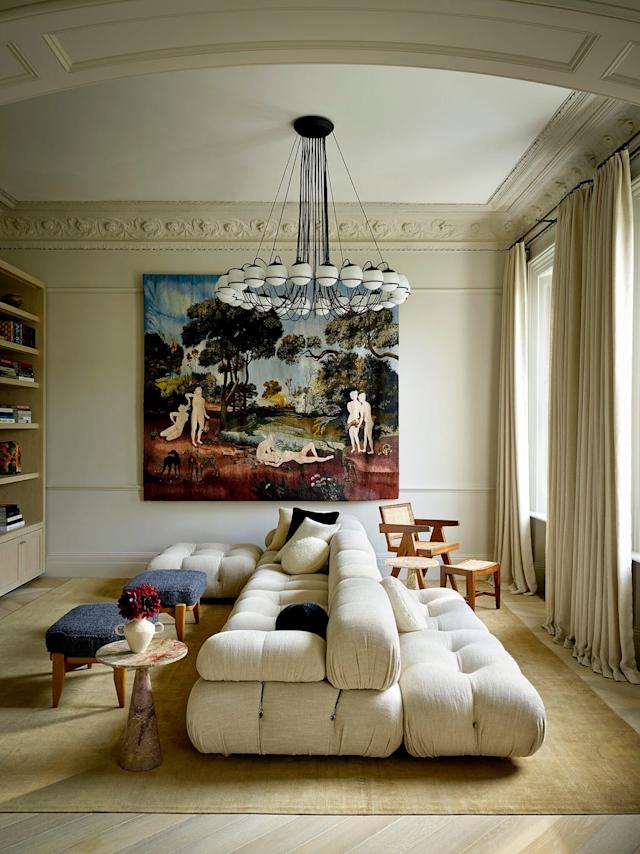
The longevity of molding choices, specifically between trendy and traditional options, is another key point. Given that crown molding is not easily changeable, the article suggests opting for more traditional, gently carved patterns that offer timeless elegance without being overly distracting. Designer Marty Dykas illustrates this by describing how a detailed cream crown molding lightened a serious seating alcove with dark artwork and contemporary furnishings, likening it to "frosting on a confection."
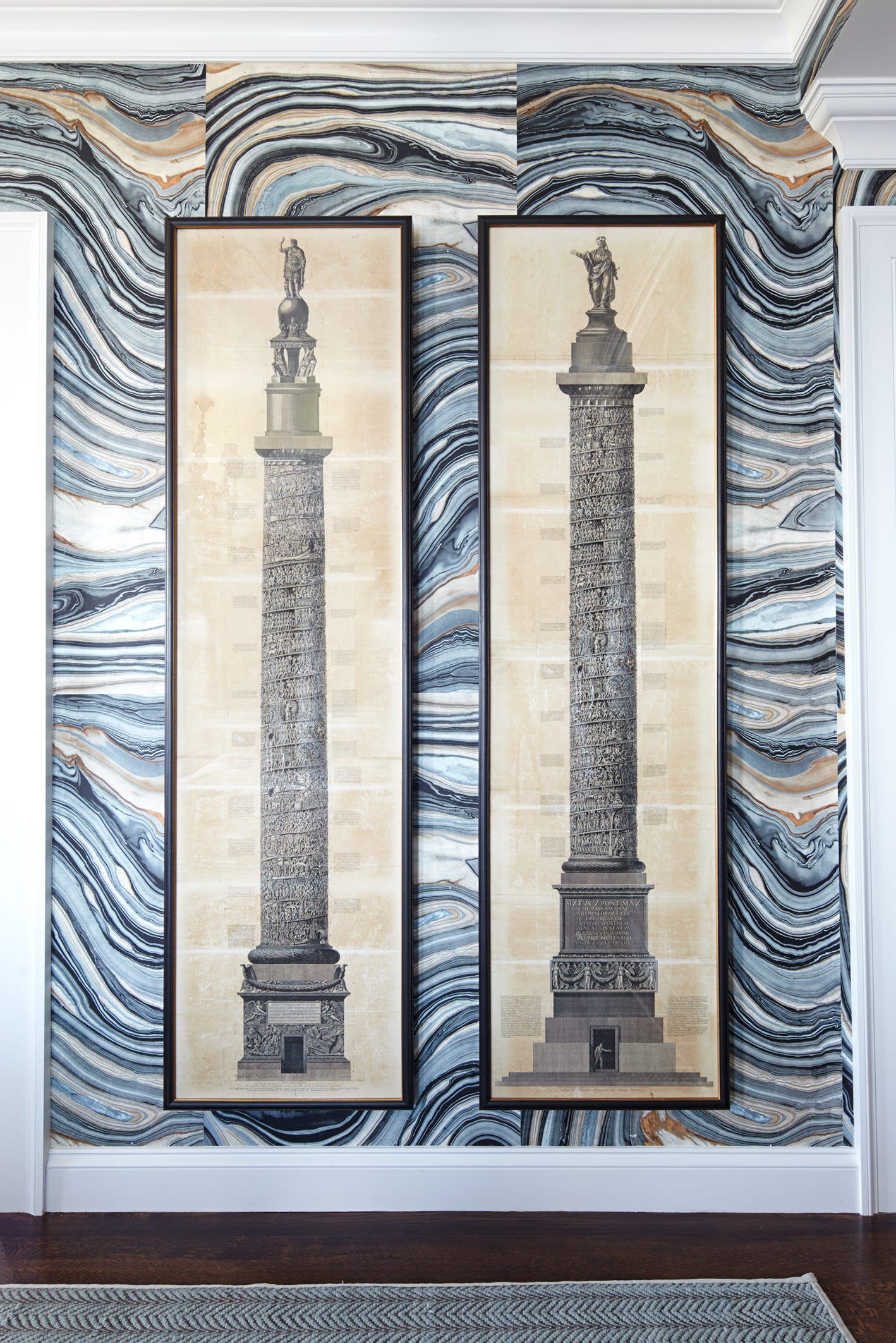
Finally, the article delves into contrast, advising that crown molding should be a deliberate design element. Tom Bartlett, founder of Waldo Works, prefers molding that creates a crisp shadow against the ceiling, defining the junction between the wall and ceiling with a subtle yet distinct line. He compares this effect to piping on a cushion, which covers and defines an otherwise plain seam, adding a sophisticated touch that alleviates awkward dark corners.
#HomeDesign #CrownMolding #InteriorDesign #ArchitecturalDetails #HomeCharacter #NewBuilds #HomeDecor #DesignTips #HomeDesign #CrownMolding #InteriorDesign #ArchitecturalDetails #HomeCharacter #NewBuilds #HomeDecor #DesignTips
0 comment in total
 No comments yet
You may also like
This ONE Tiny Detail Makes the Biggest Impact in Any Room, According to Designers

Homestyle: Attention to detail
This is the easiest and most affordable design upgrade I've made this year – I can no longer gatekeep Anthropologie's chic switch plates
The Finishing Touch - Decorating Tips from 8 Designers

5 Little Touches That Will Add Personality to Any Home

As a designer, I can tell you: this one simple change can transform any home’s decor
The One Design Feature You're Overlooking That Can Instantly Elevate Any Room

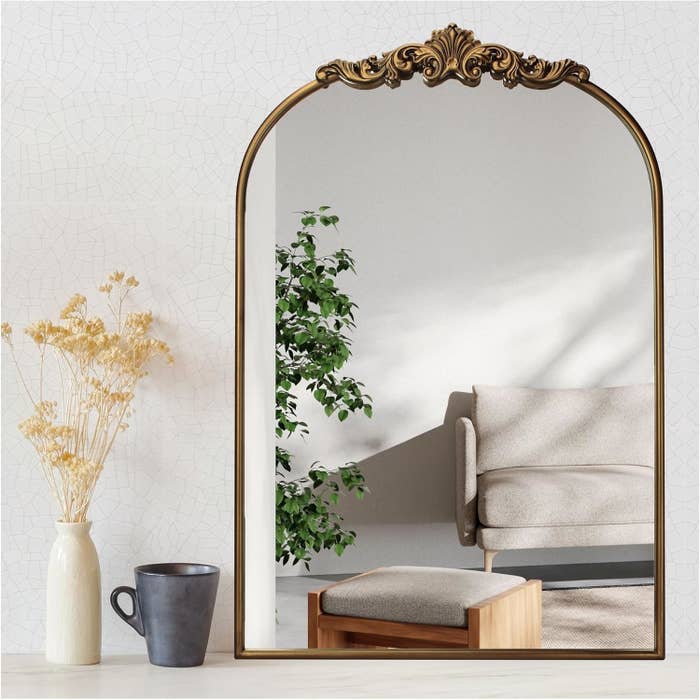
37 Beautiful Decor Pieces That Are Essentially Jewelry For Your Home
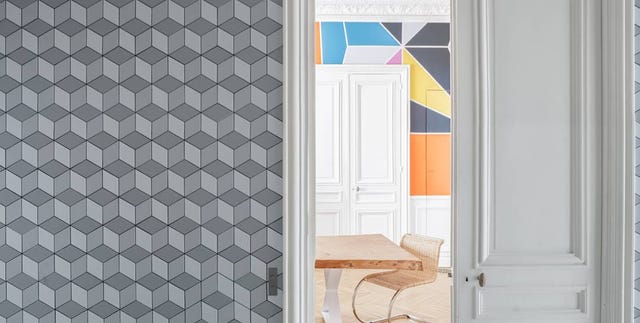
Designers Love This Clever Decorating Trick (It Takes Up Zero Space)

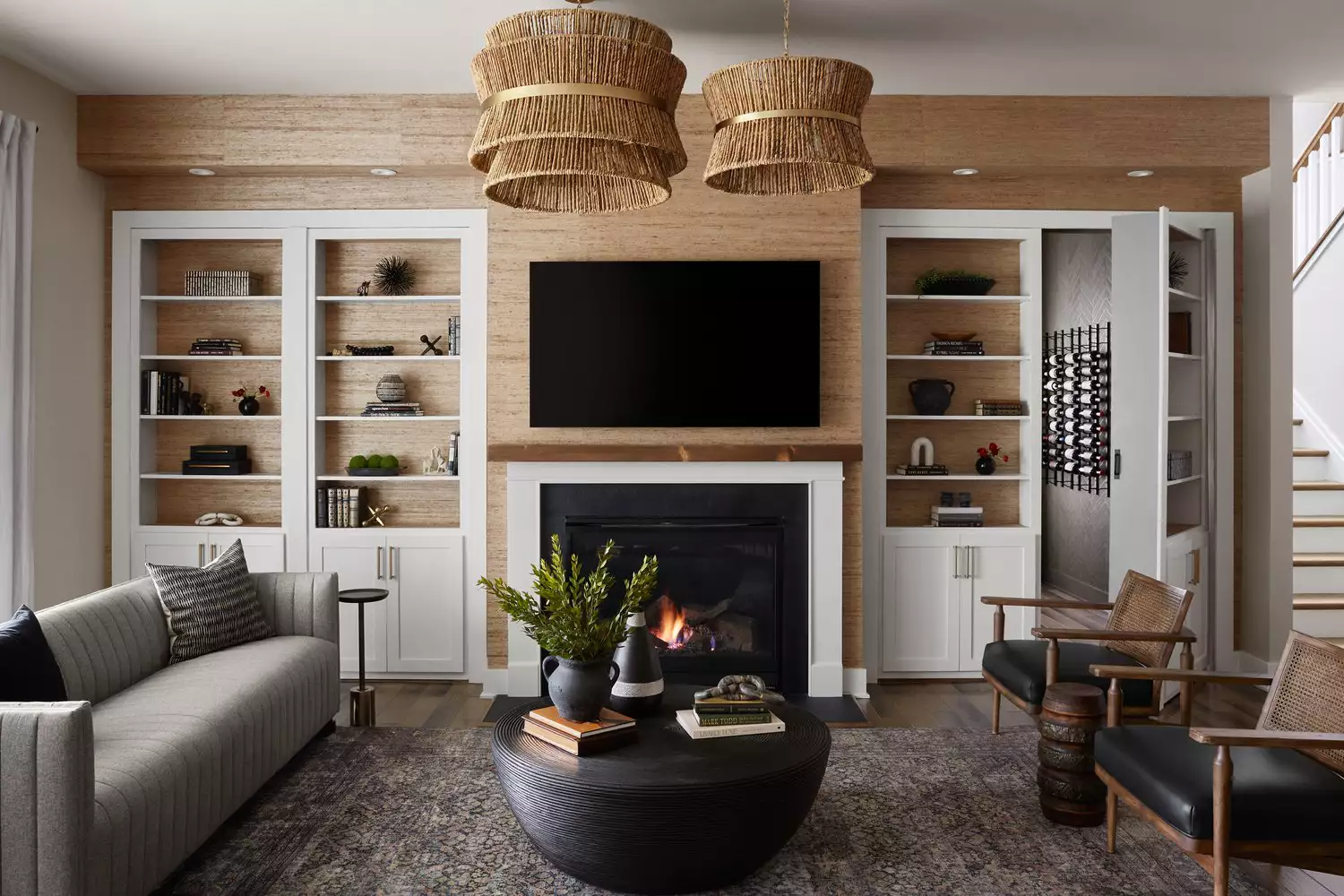
The One Design Feature You're Overlooking That Will Instantly Elevate Any Room
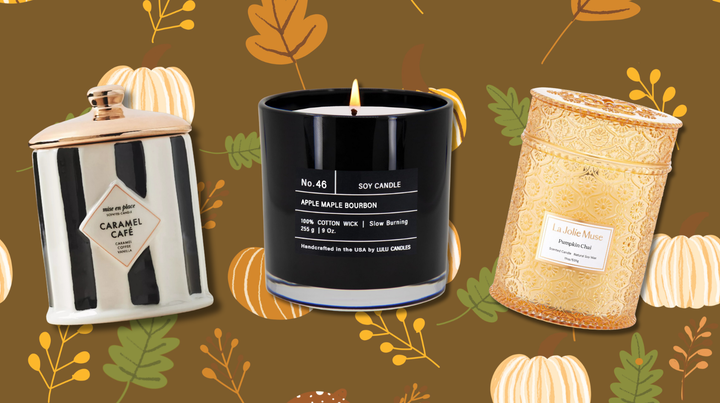
This 1 Quick Decor Swap Can Instantly Usher Fall Into Your Home

'Get This Element Right, and Add The Perfect Finish to Your Kitchen,' Say Designers

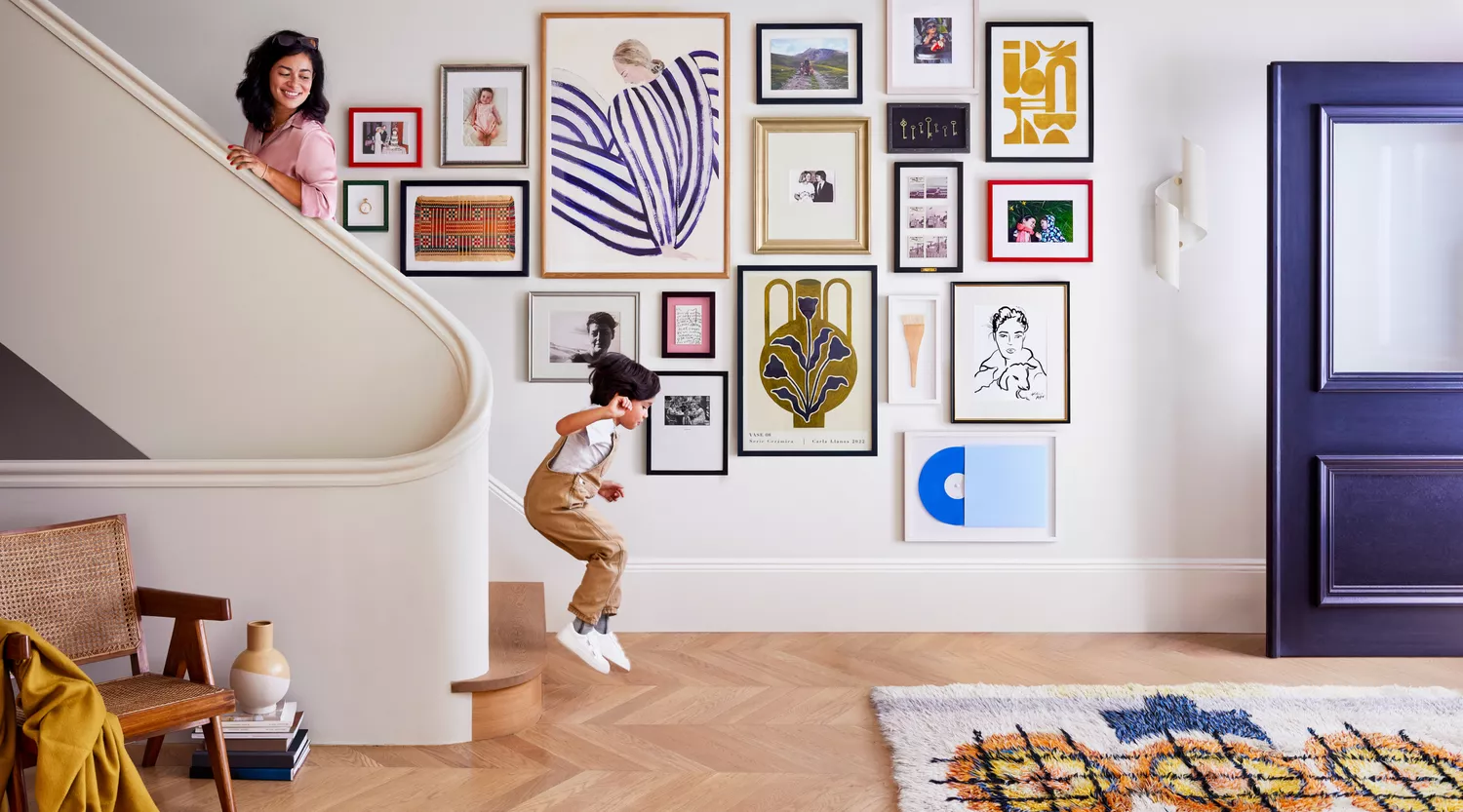
Focus on This Overlooked Decor Element To Instantly Transform a Room

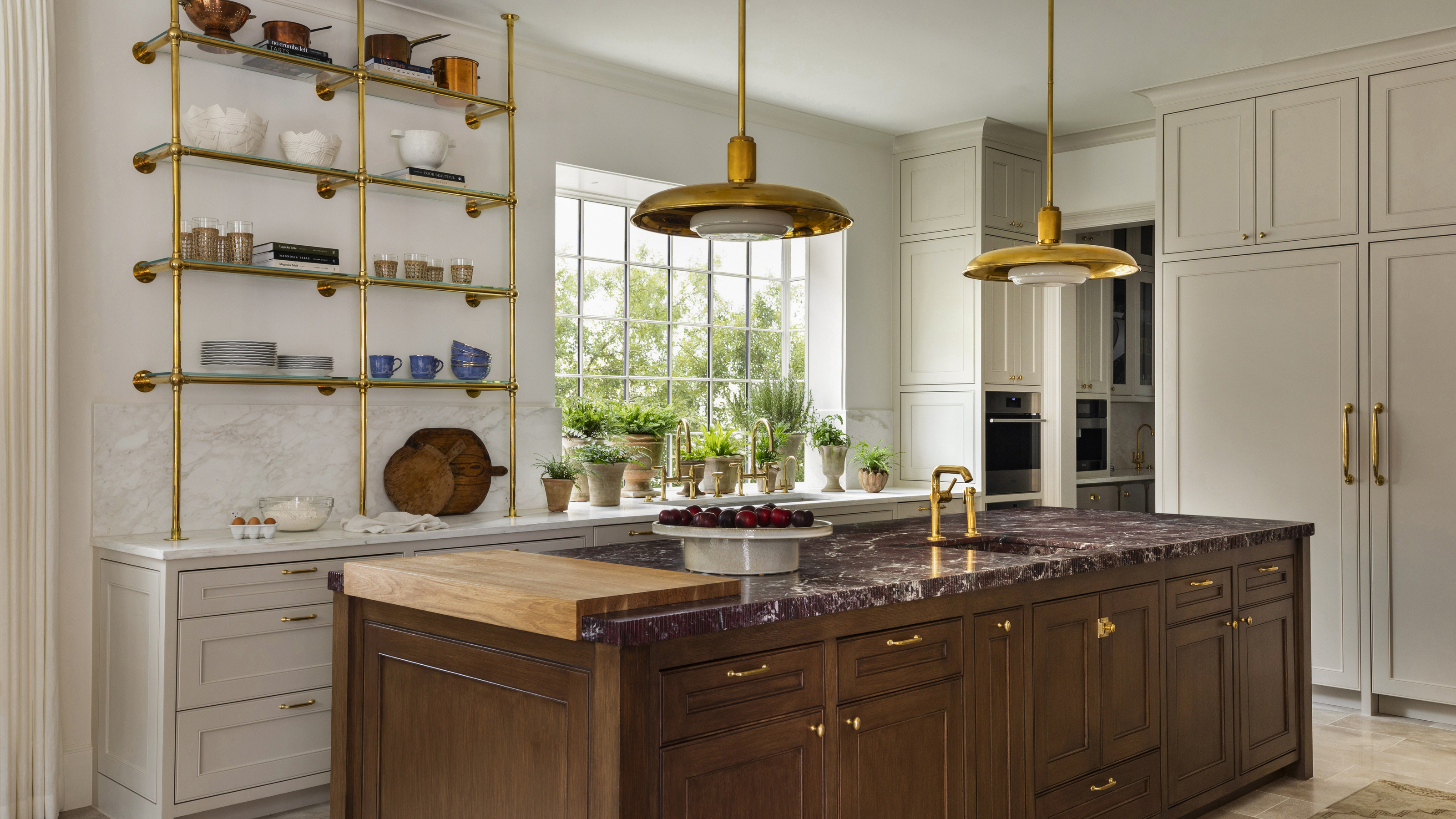
8 tiny design details you are definitely overlooking in your home that can completely elevate a space

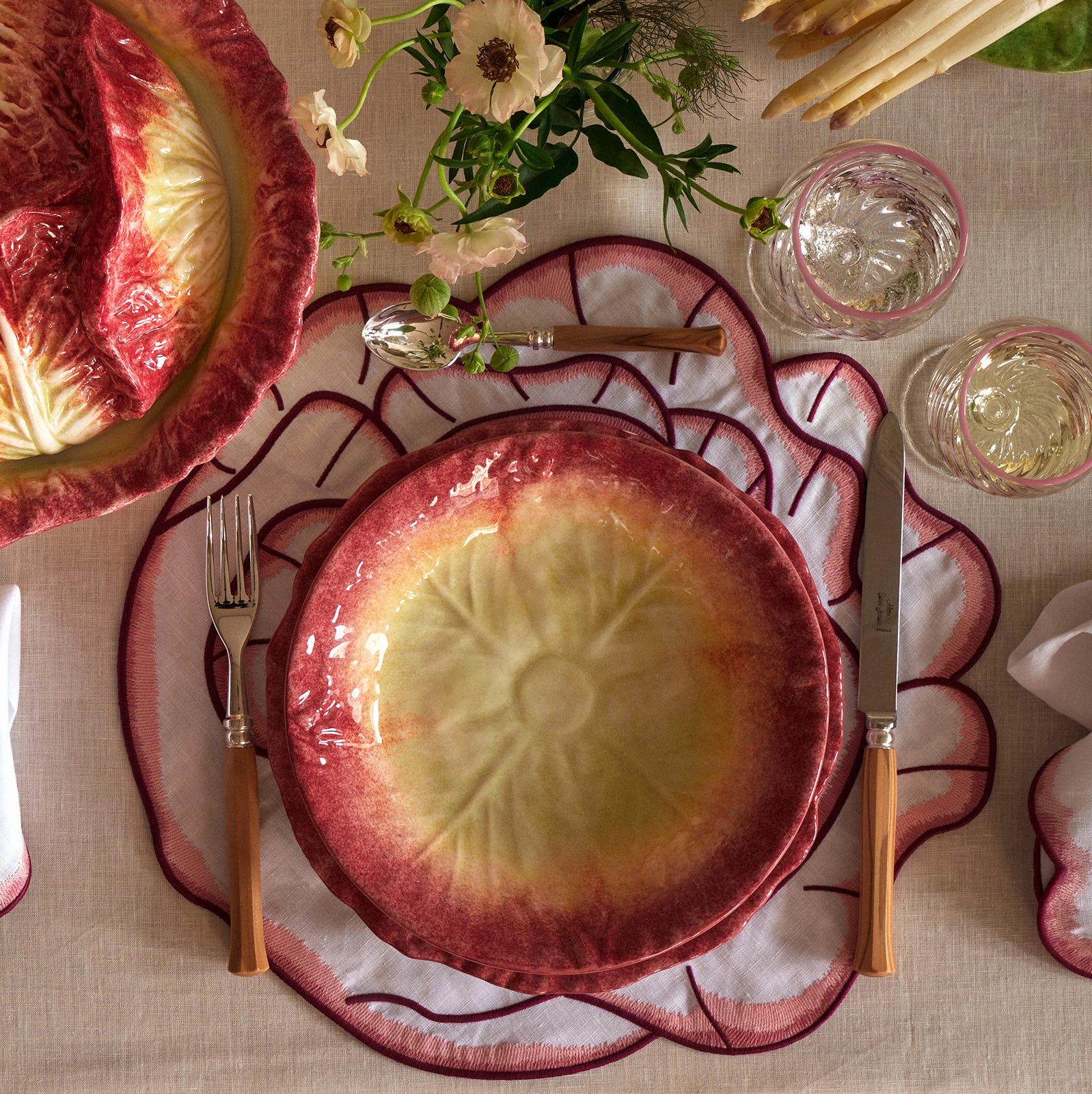
30 Best Luxury Home Decor Items That Are as Unique as You Are
"It's Like I'm On An HGTV Acid Trip": People Are Denouncing The Worst Home Design Features

Why every room needs a statement piece — and how to choose yours

Home Accessories - Accent Pieces for Home
This often-overlooked room is having a design moment – I think it's the secret to making your home much more cheerful
The One Detail Every Home Needs For Instant Character