1/9
Yes, stripe tile layouts are trending – but are they timeless enough to commit to in your bathroom? We asked designers
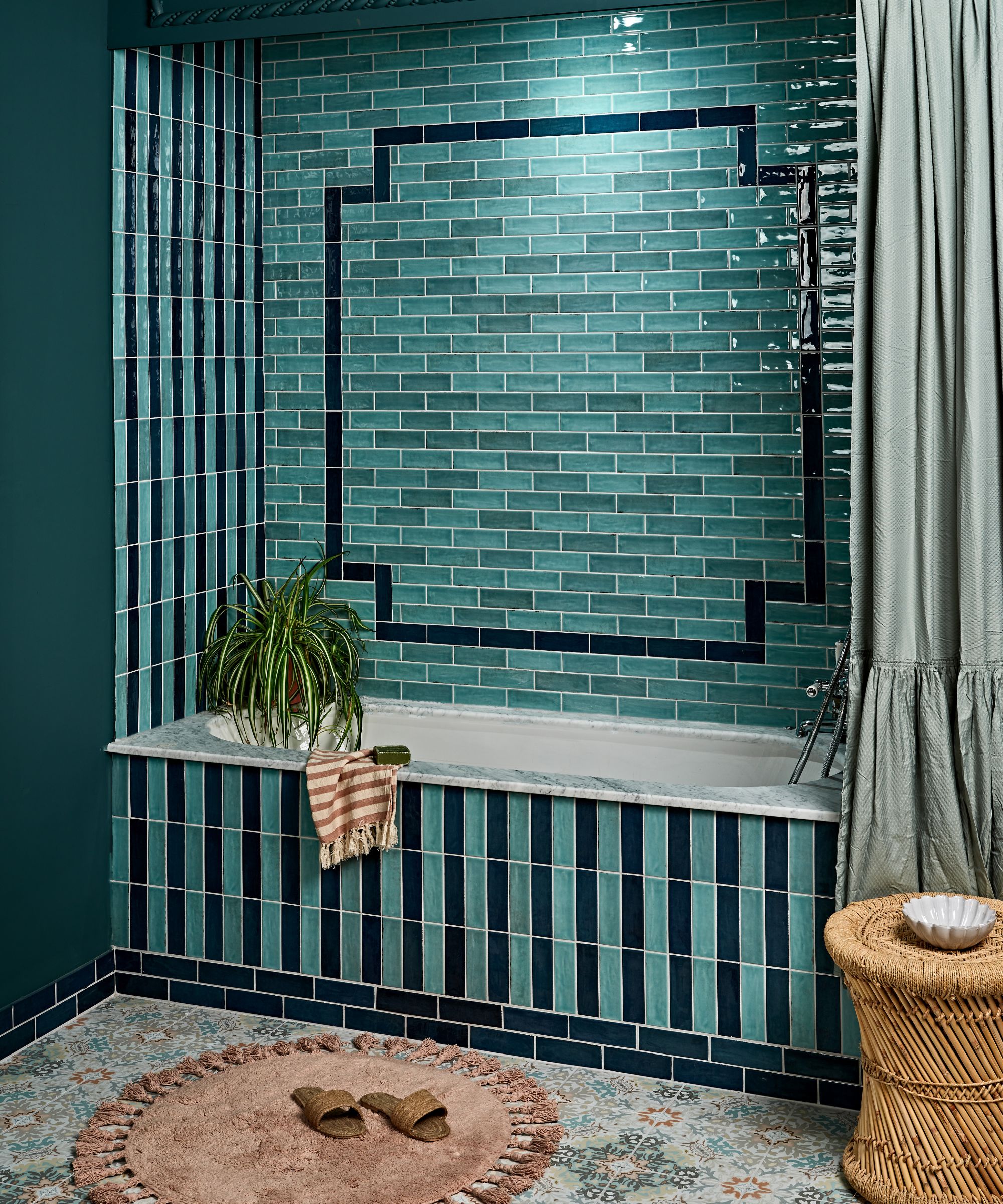
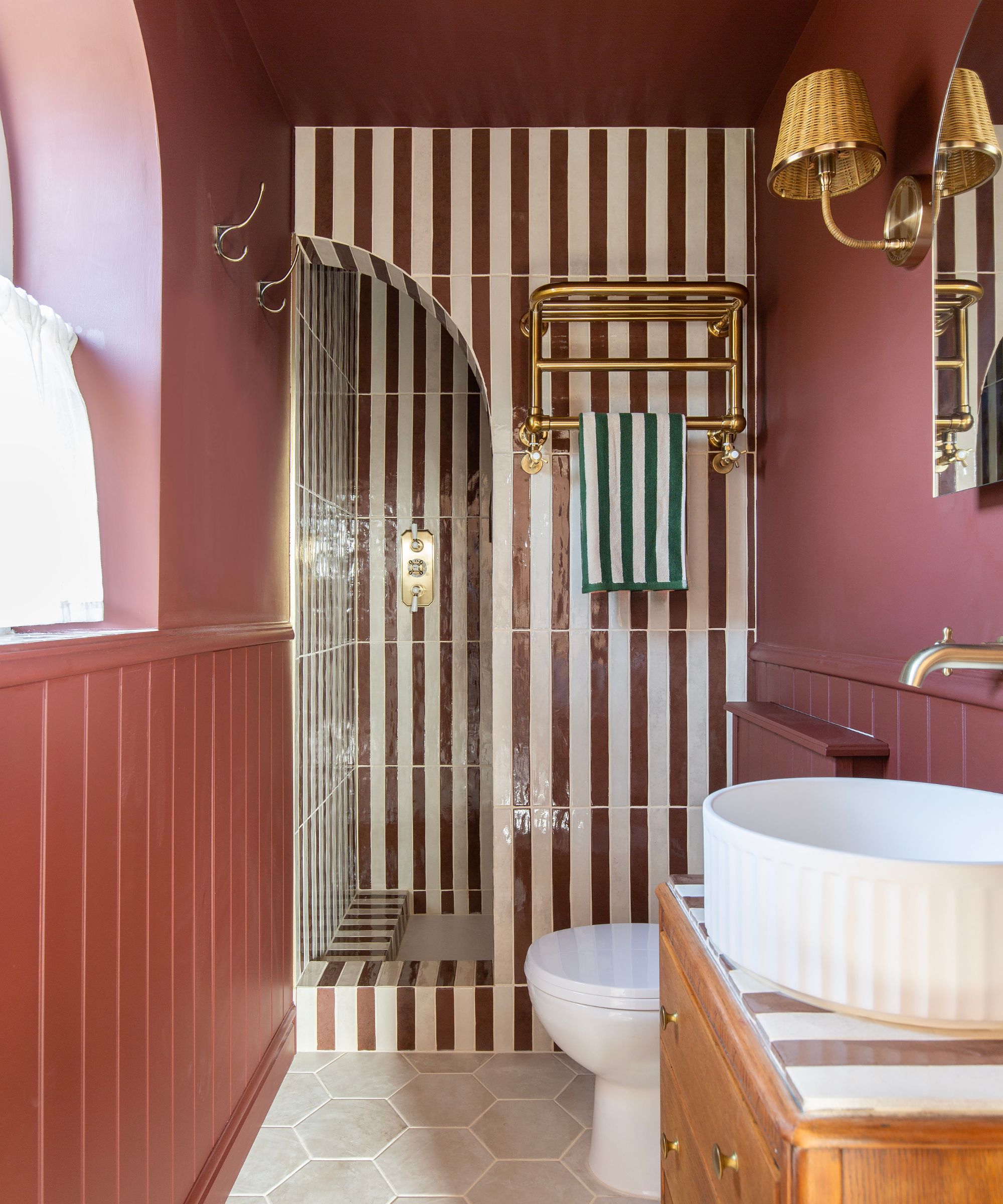
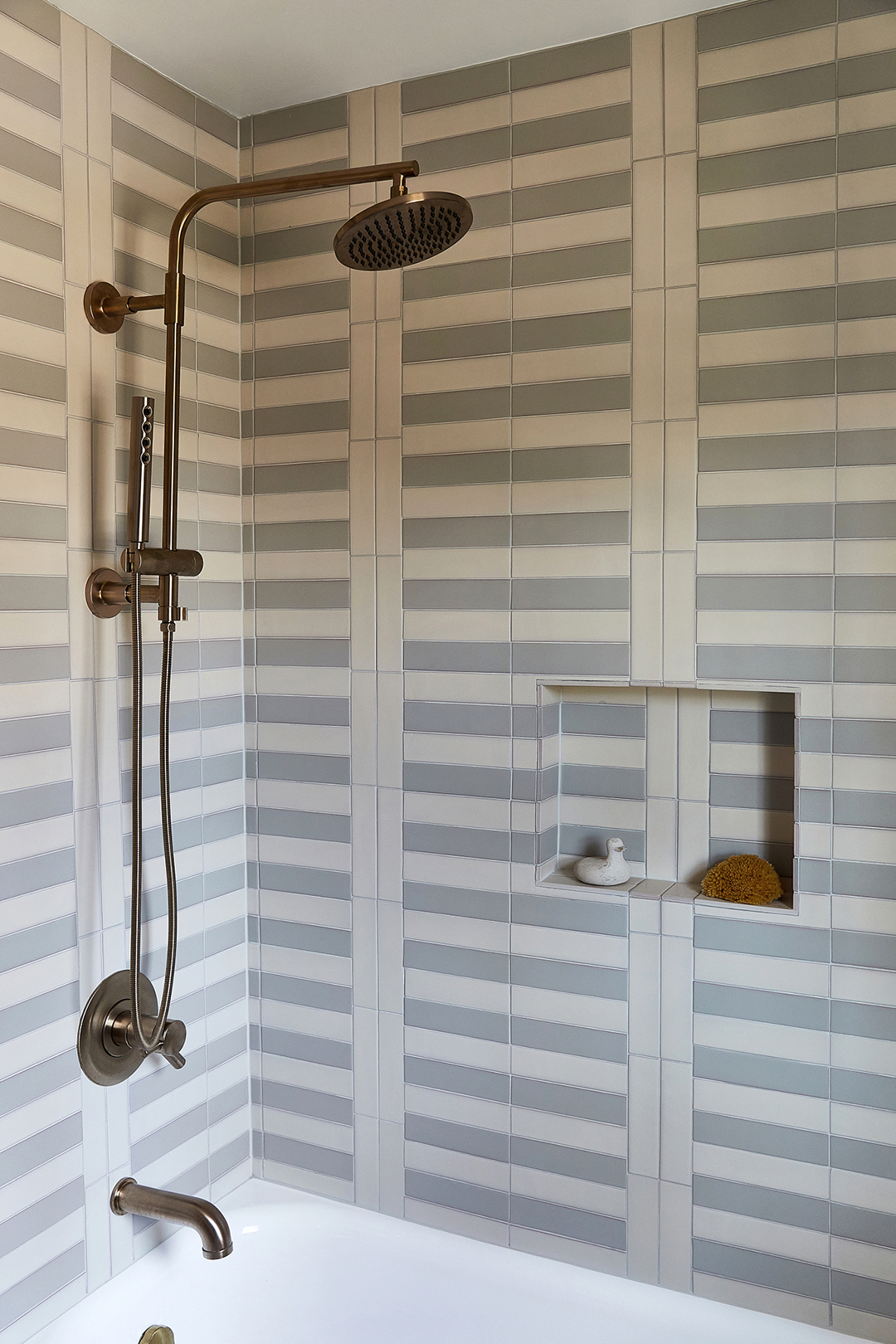
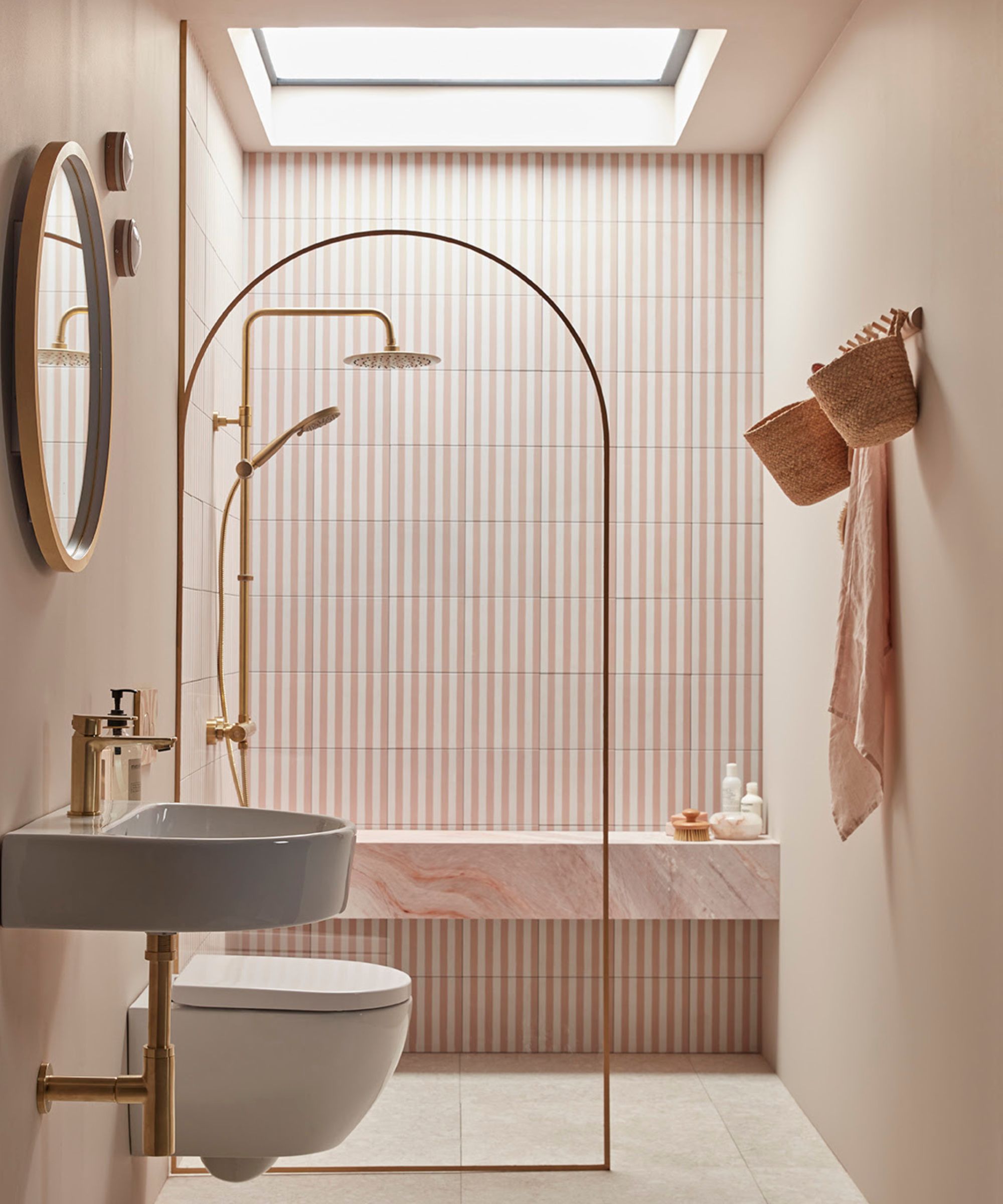
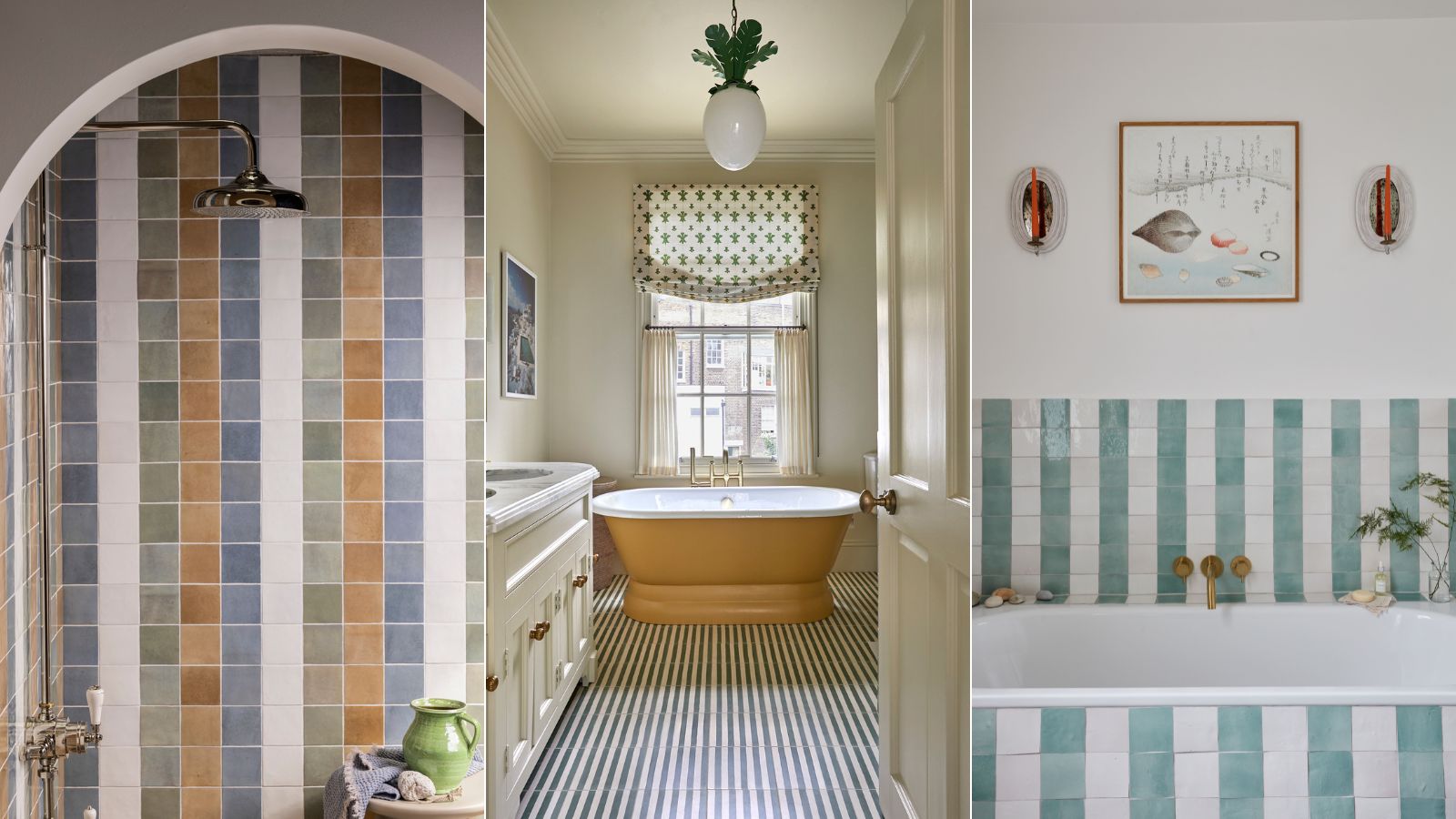
Striped tile layouts are currently trending in bathroom design, offering a versatile way to introduce pattern and color into what is often a functional space. This article explores various applications of striped tiles, examining their aesthetic and practical benefits, as well as considering their long-term appeal. It delves into seven distinct methods for incorporating stripes into bathroom decor, as advised by design and bathroom experts.
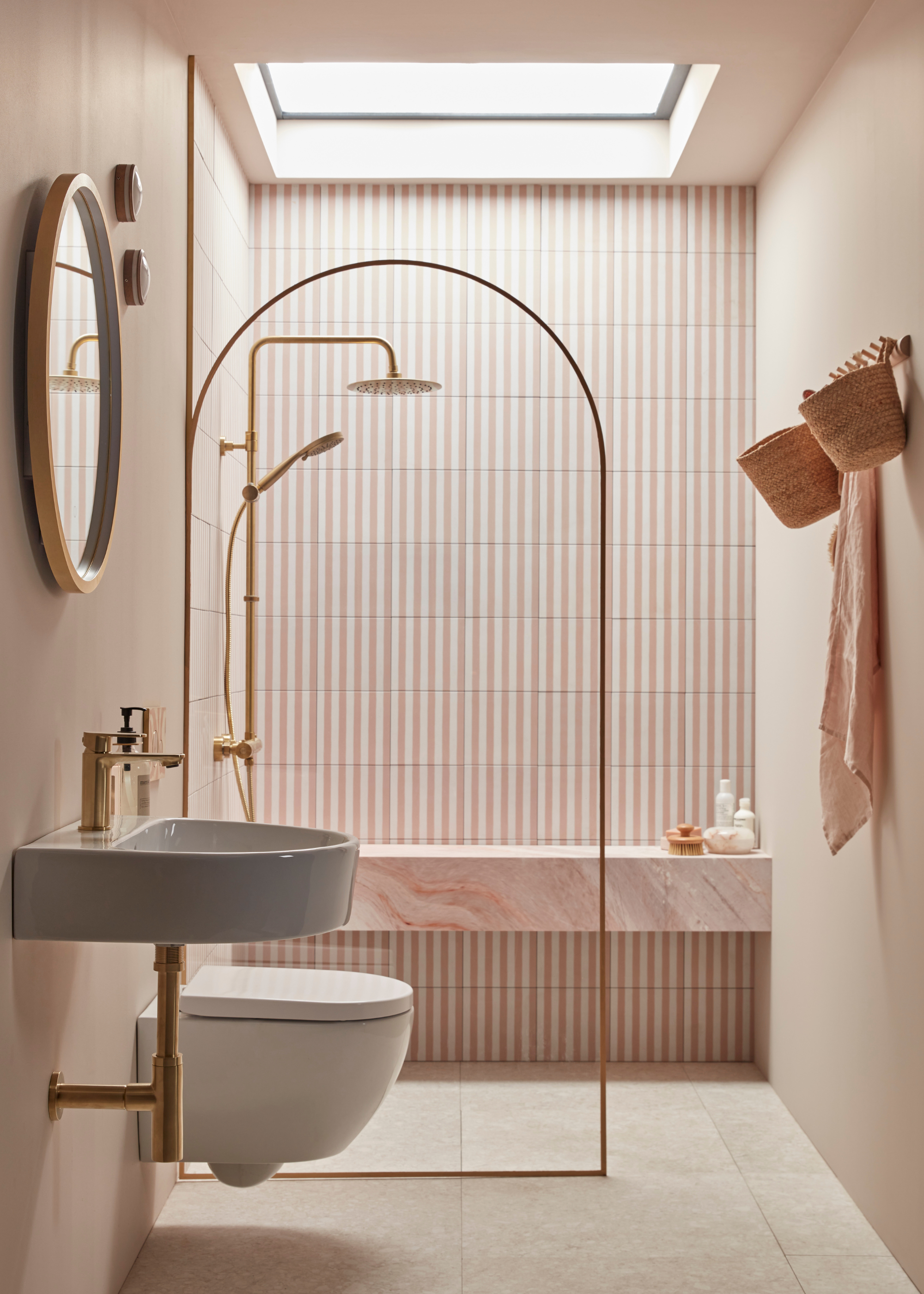
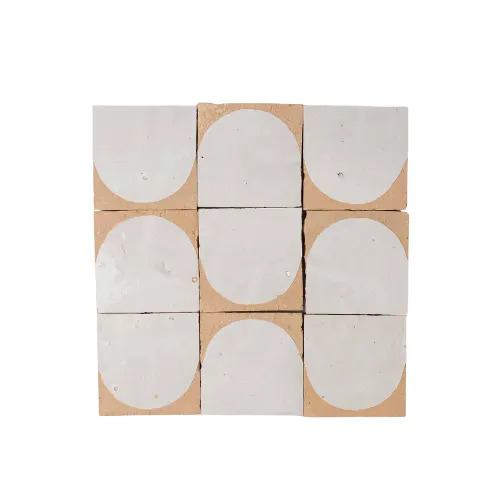
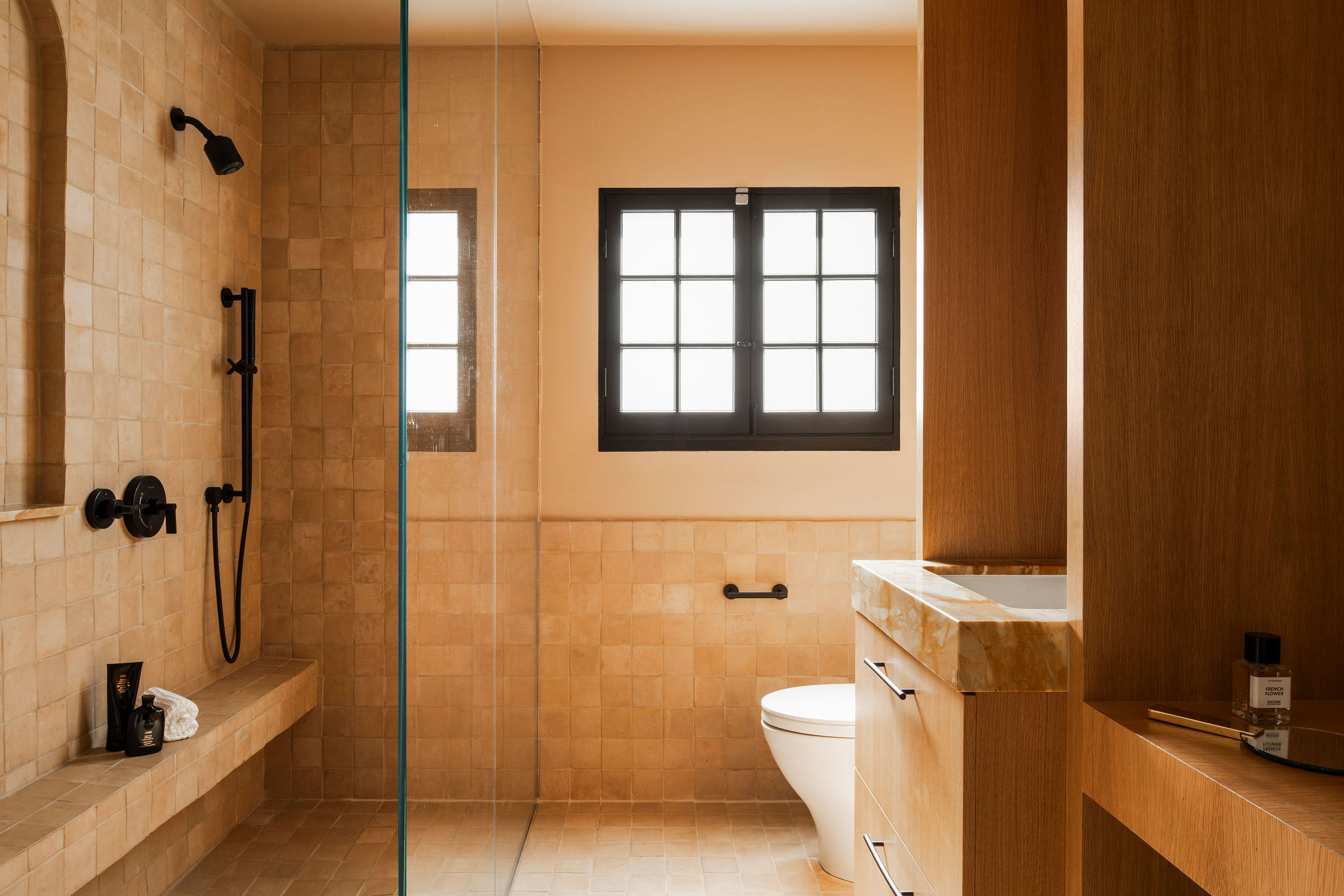
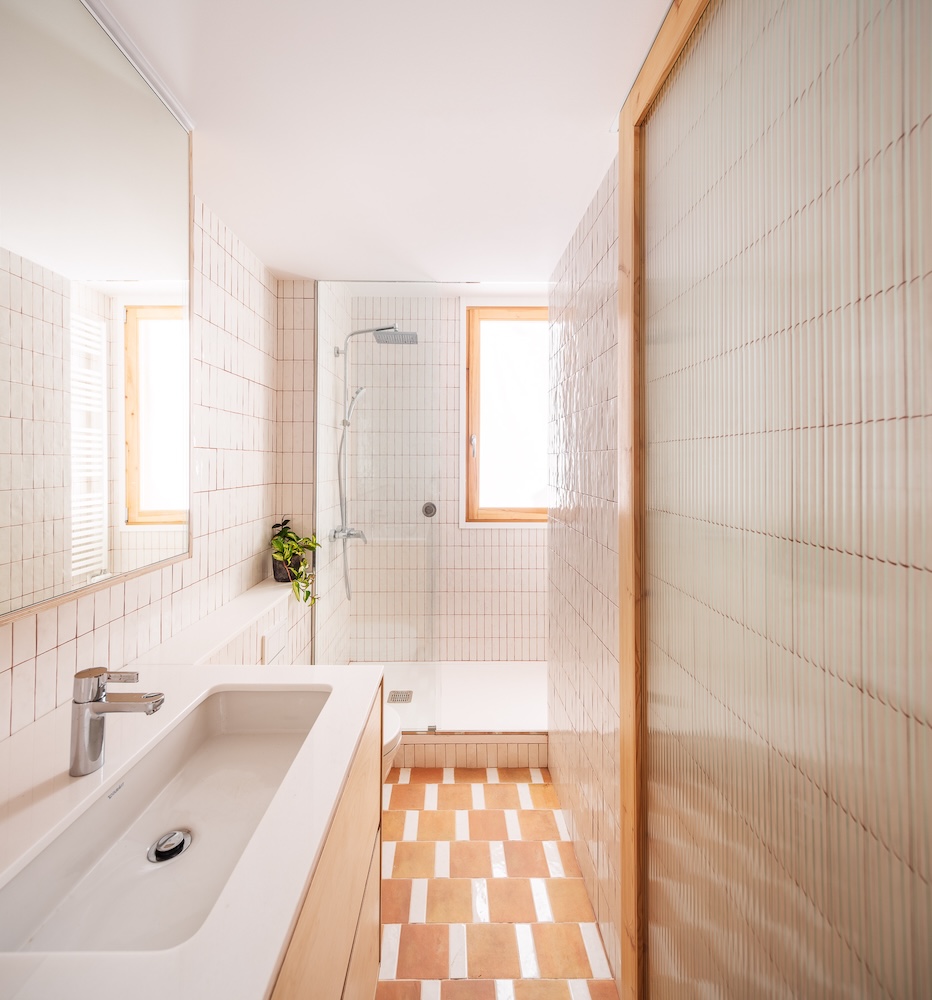
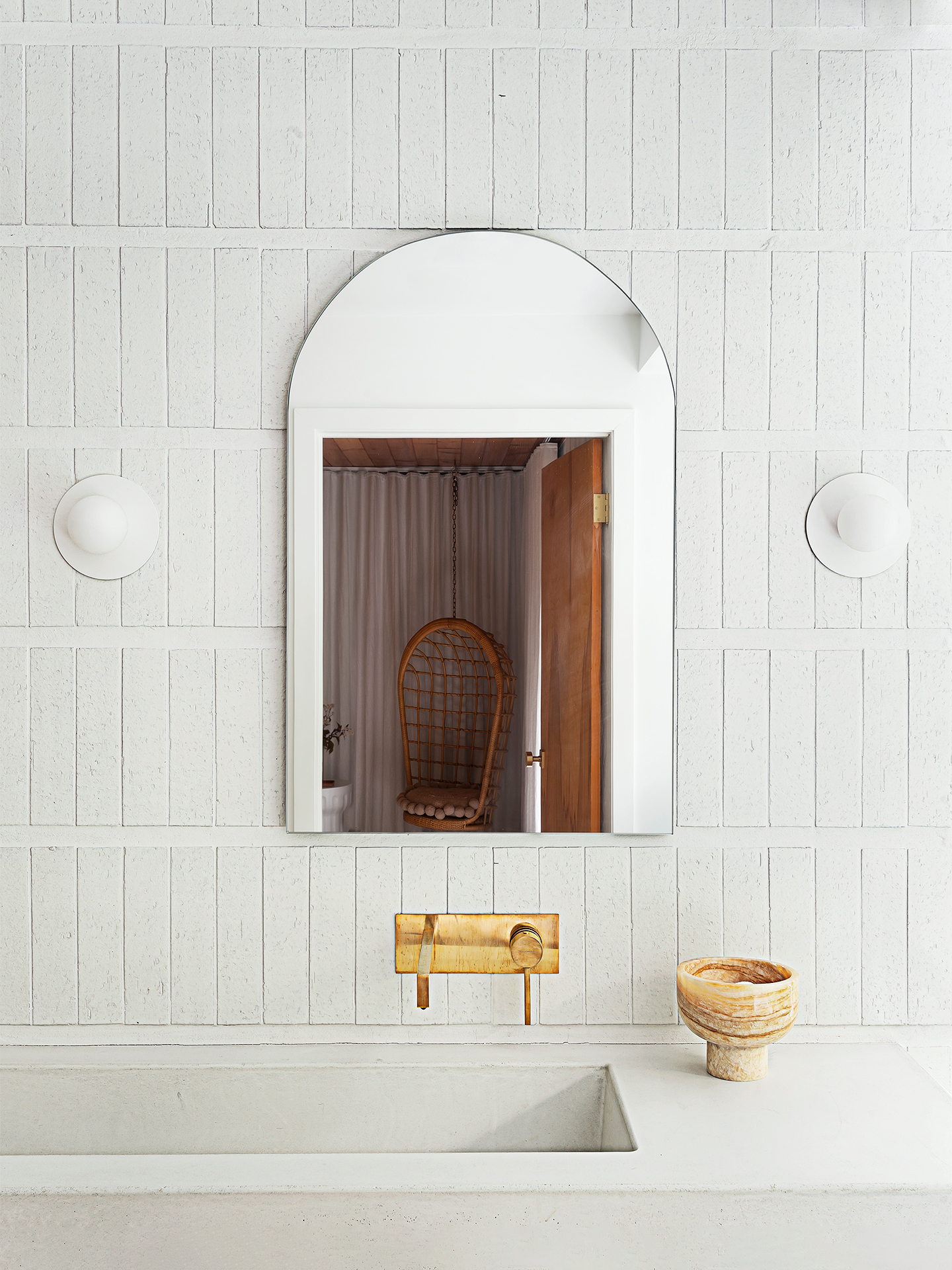
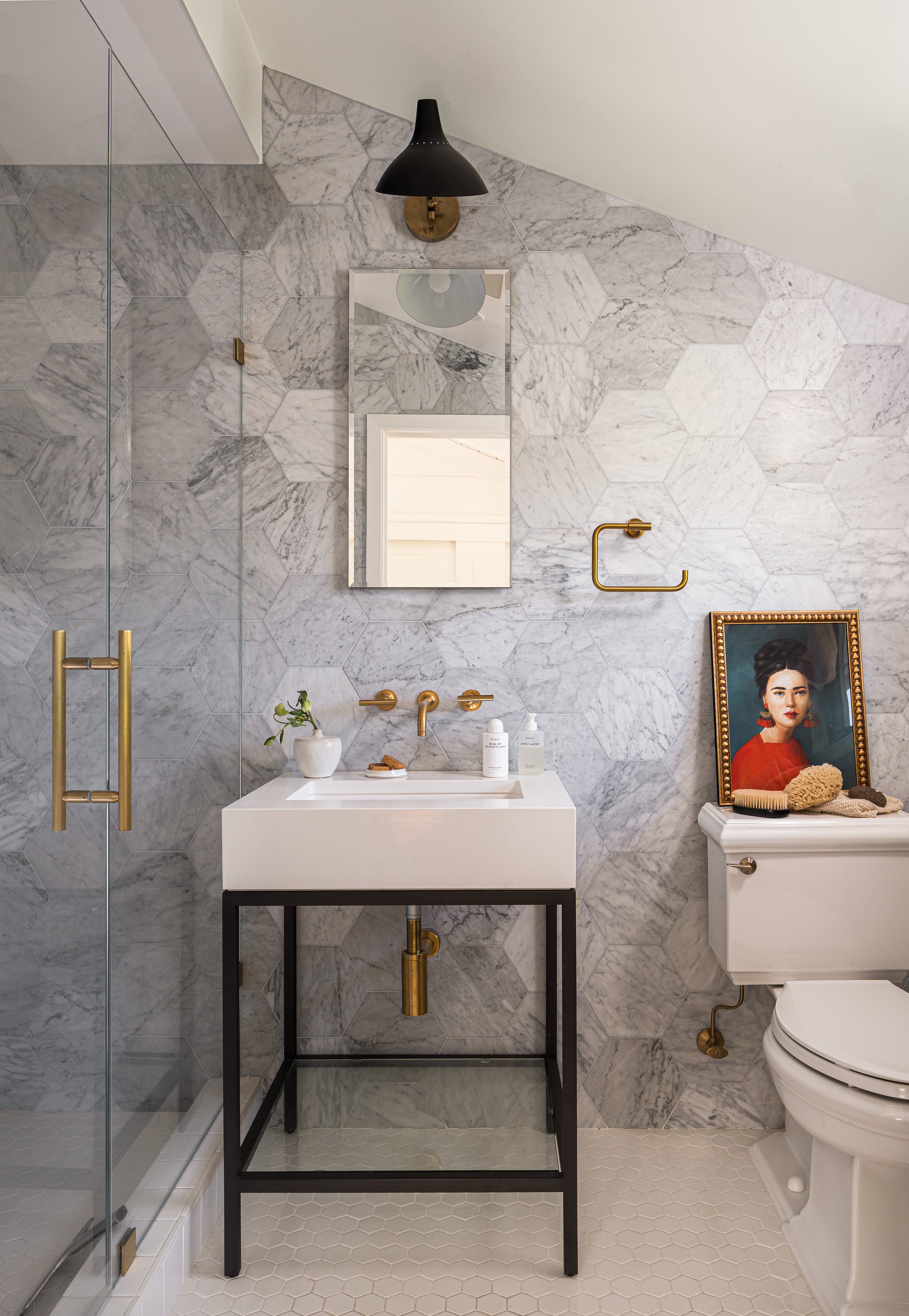
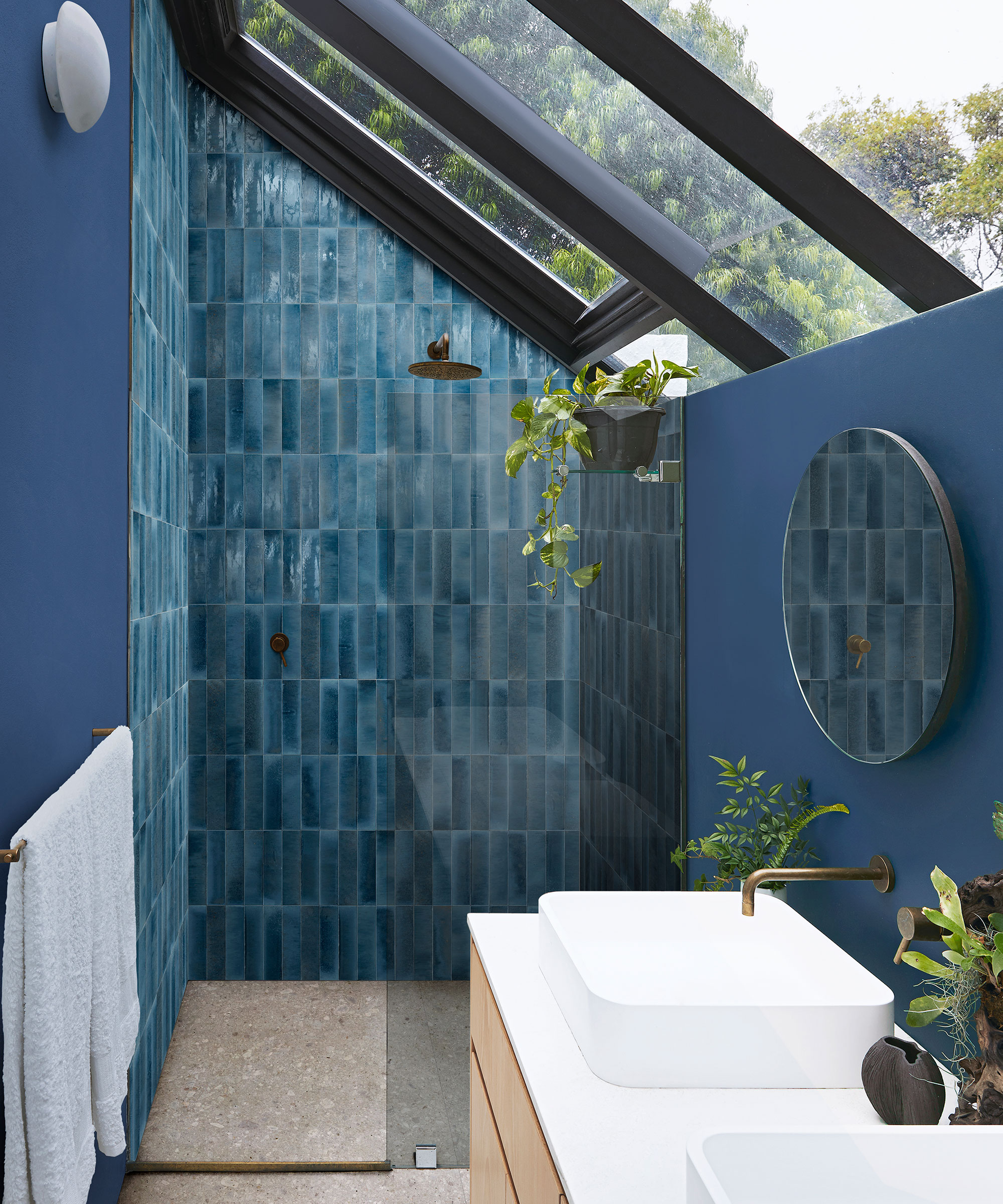
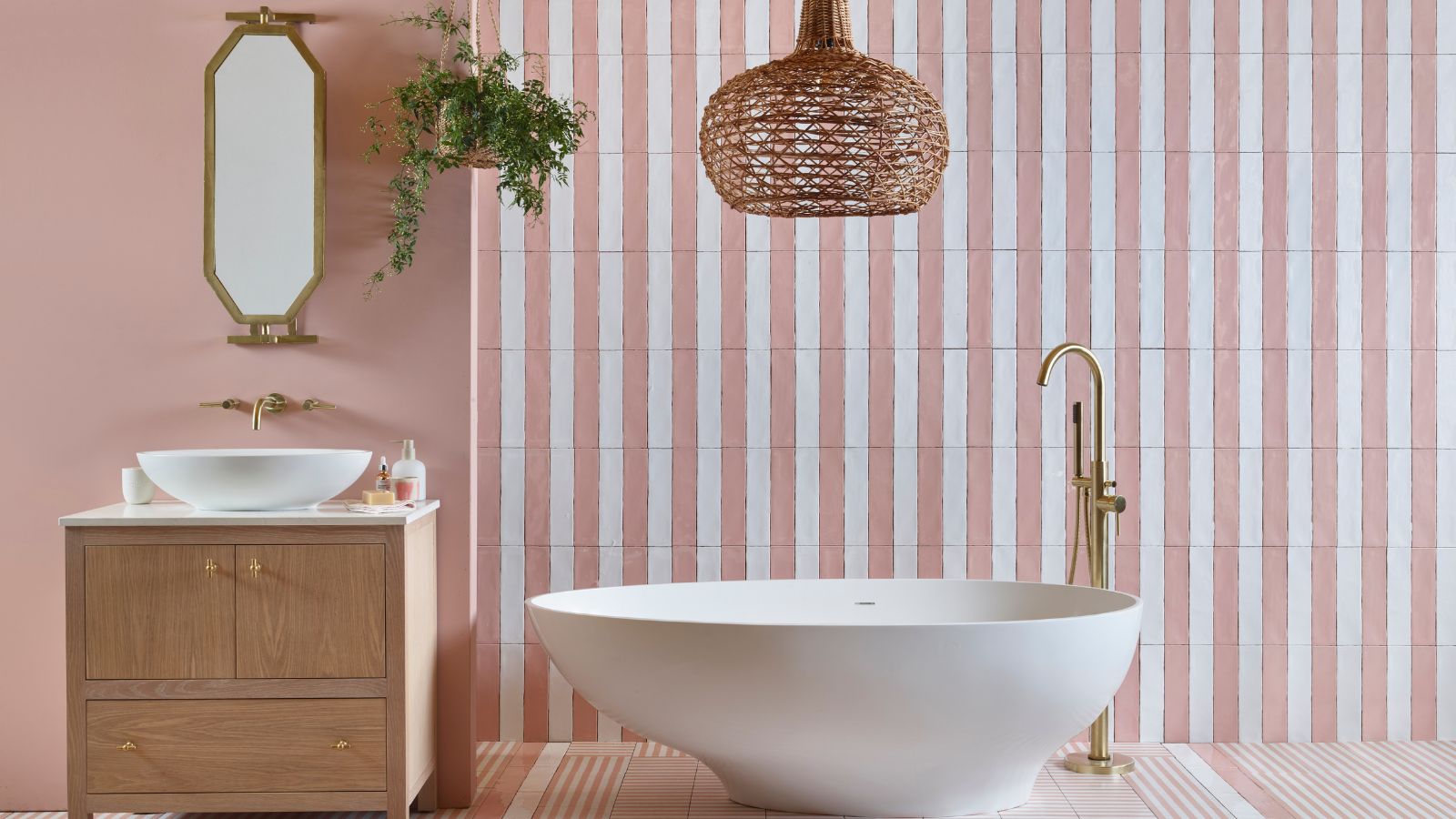
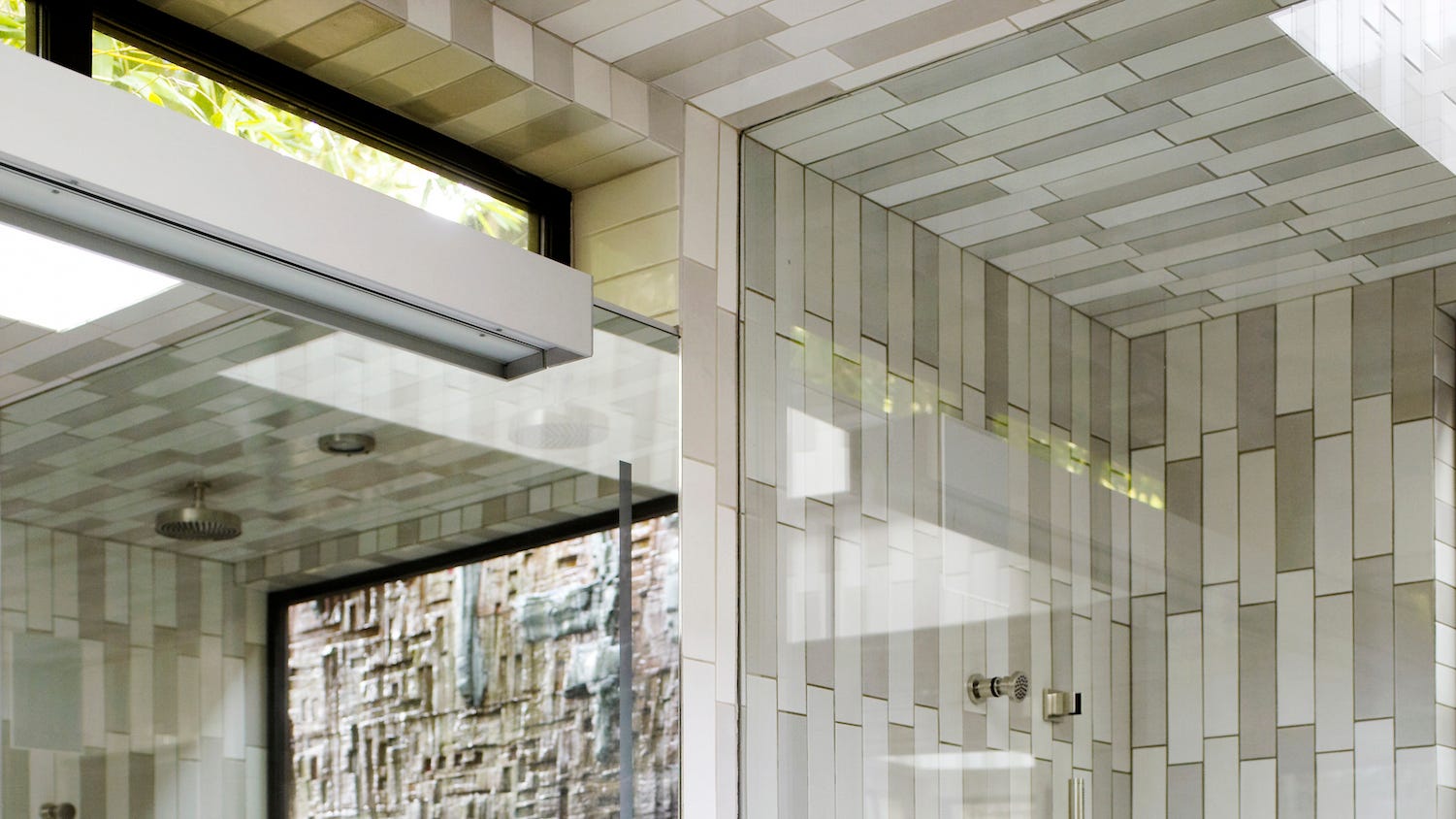
One significant application of striped tiles is in enhancing small spaces. Vertical stripes can visually elongate a room, creating the illusion of higher ceilings and a more open atmosphere. Lighter hues, such as soft whites or pale blues, can further amplify this effect. Experts note that striped tile designs, often seen as a fun alternative to checkerboard patterns, are not limited to square tiles but can also be achieved with different zellige shapes for a playful touch.
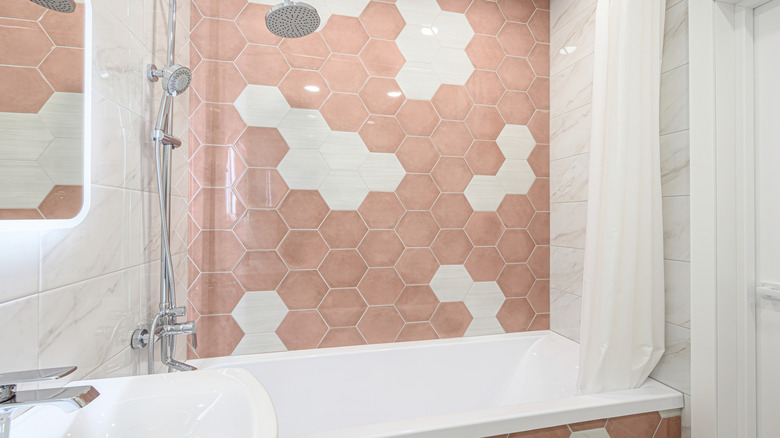
Stripes can also be strategically used to create focal points within a bathroom. Incorporating a bold, contrasting stripe as a feature wall behind a vanity or shower, or using tiled bath panels with alternating colored stripes, can draw attention to specific areas and add an inviting element to the design. When implementing such features, it is crucial to consider practical aspects, such as ensuring access panels for plumbing maintenance behind tiled bath panels.
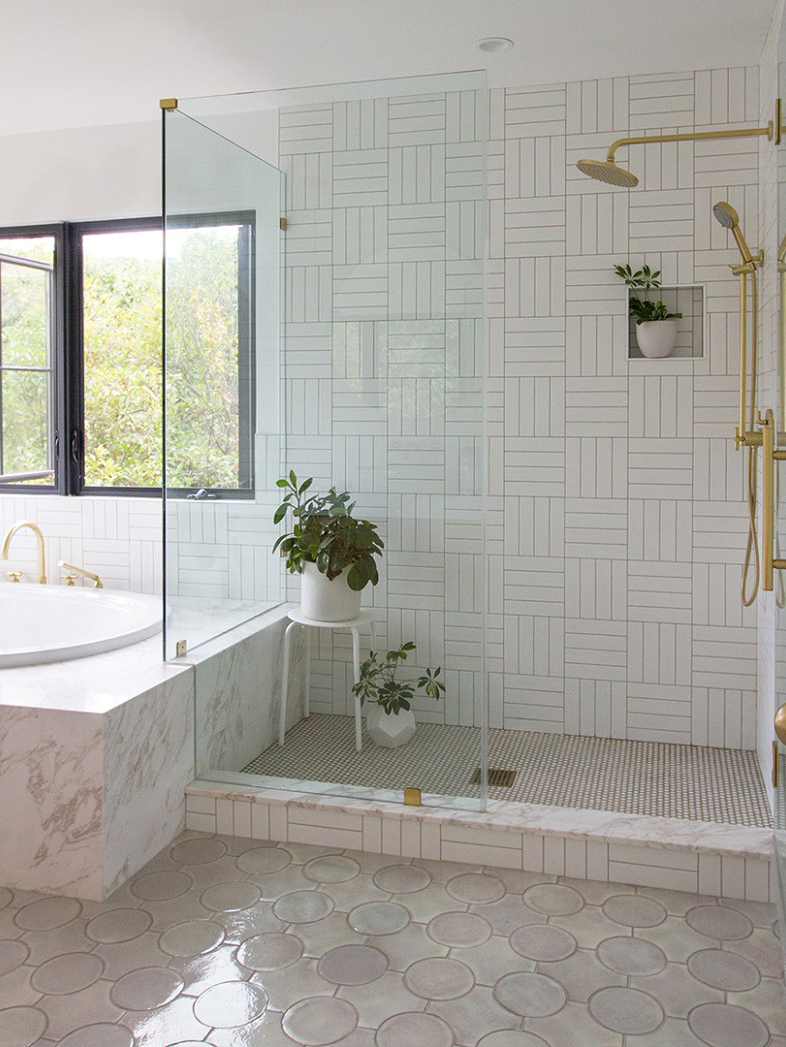
The article also suggests combining vertical and horizontal stripes to manipulate perceptions of space and proportion. By balancing these contrasting patterns, designers can create optical illusions; for instance, vertical stripes can increase perceived ceiling height, while horizontal stripes can widen the room. Maintaining a cohesive aesthetic is achievable by selecting tiles with a shared color palette or material. This technique allows for accentuating specific features like shower niches or vanity areas with vertical stripes, and creating continuity with horizontal stripes.
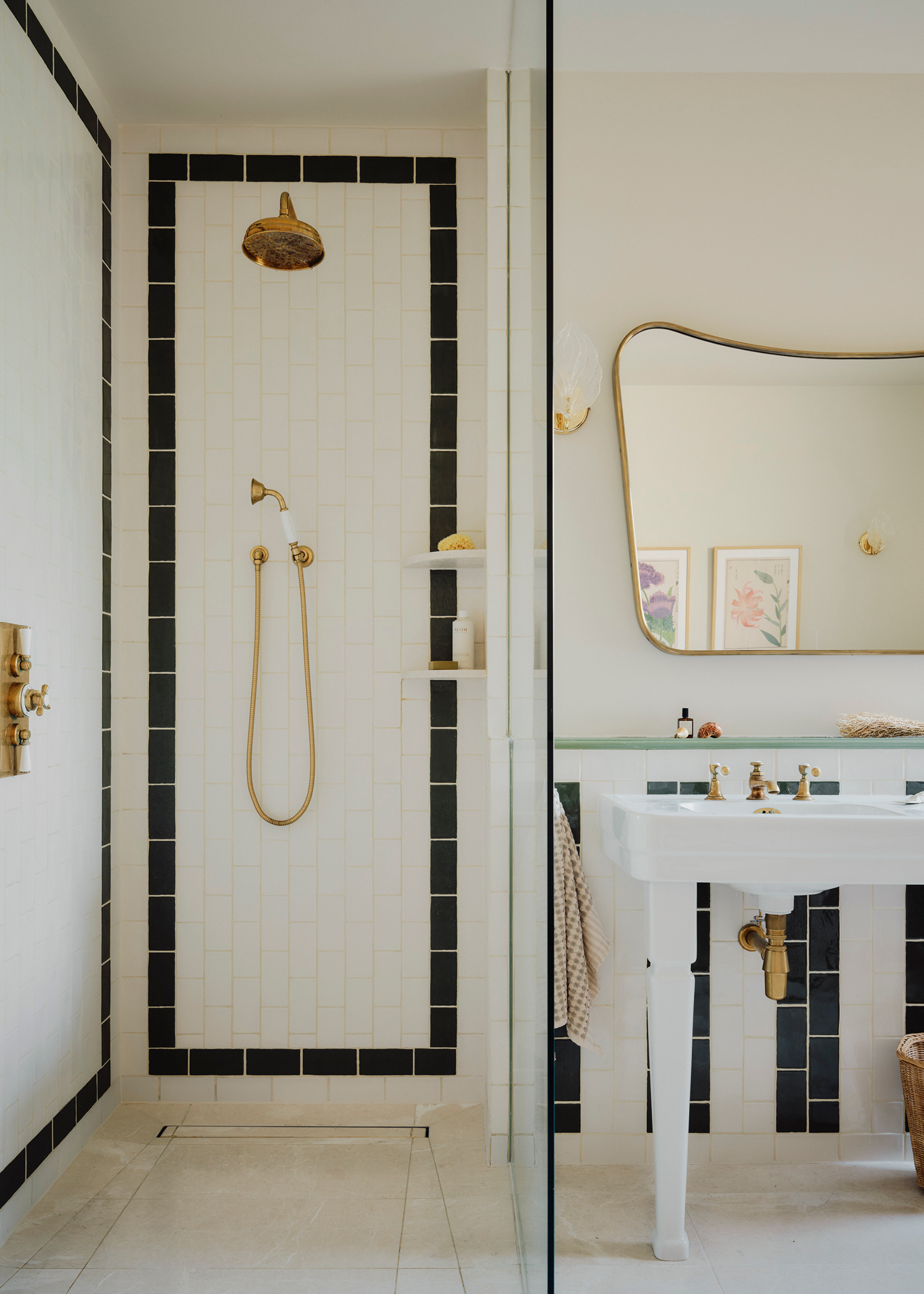
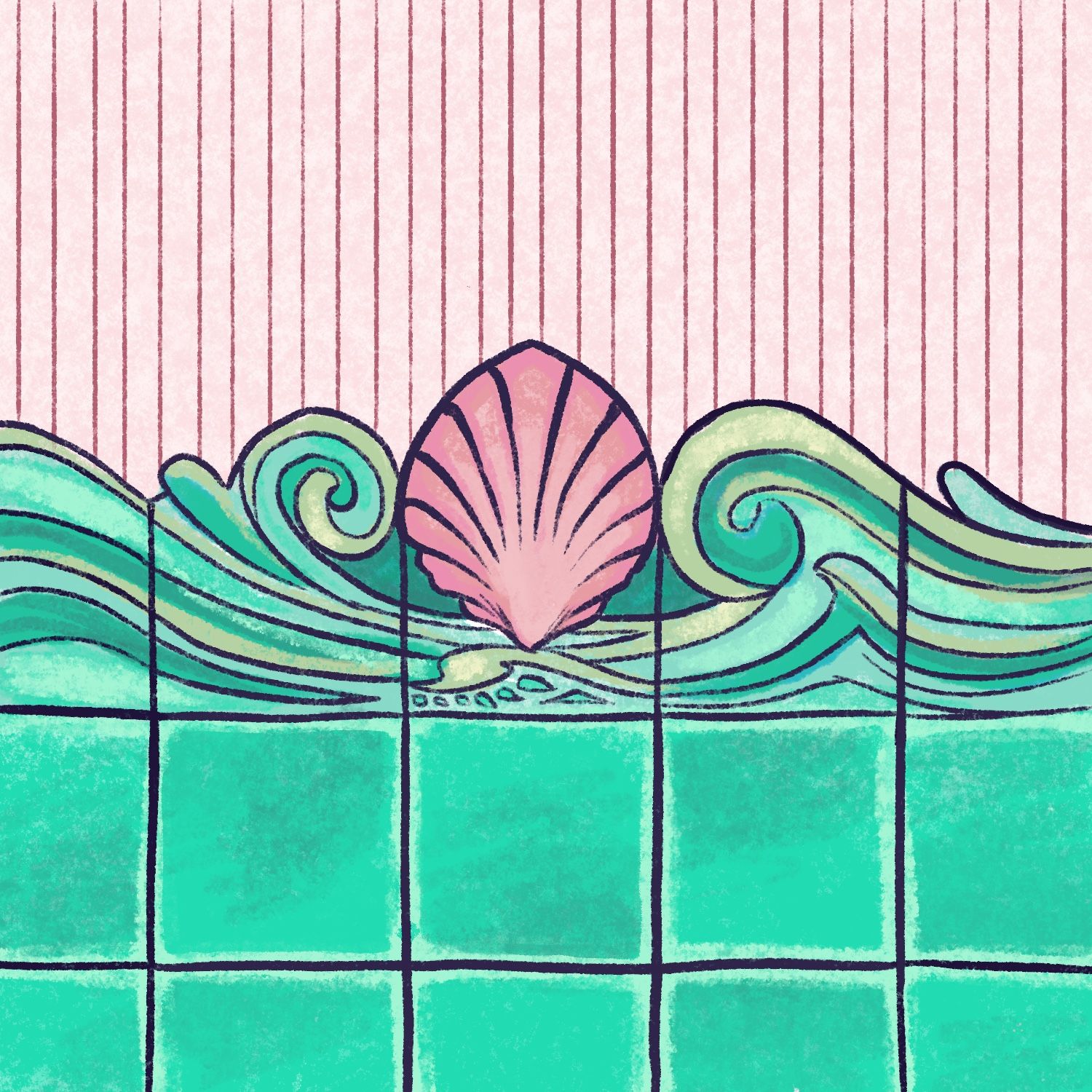
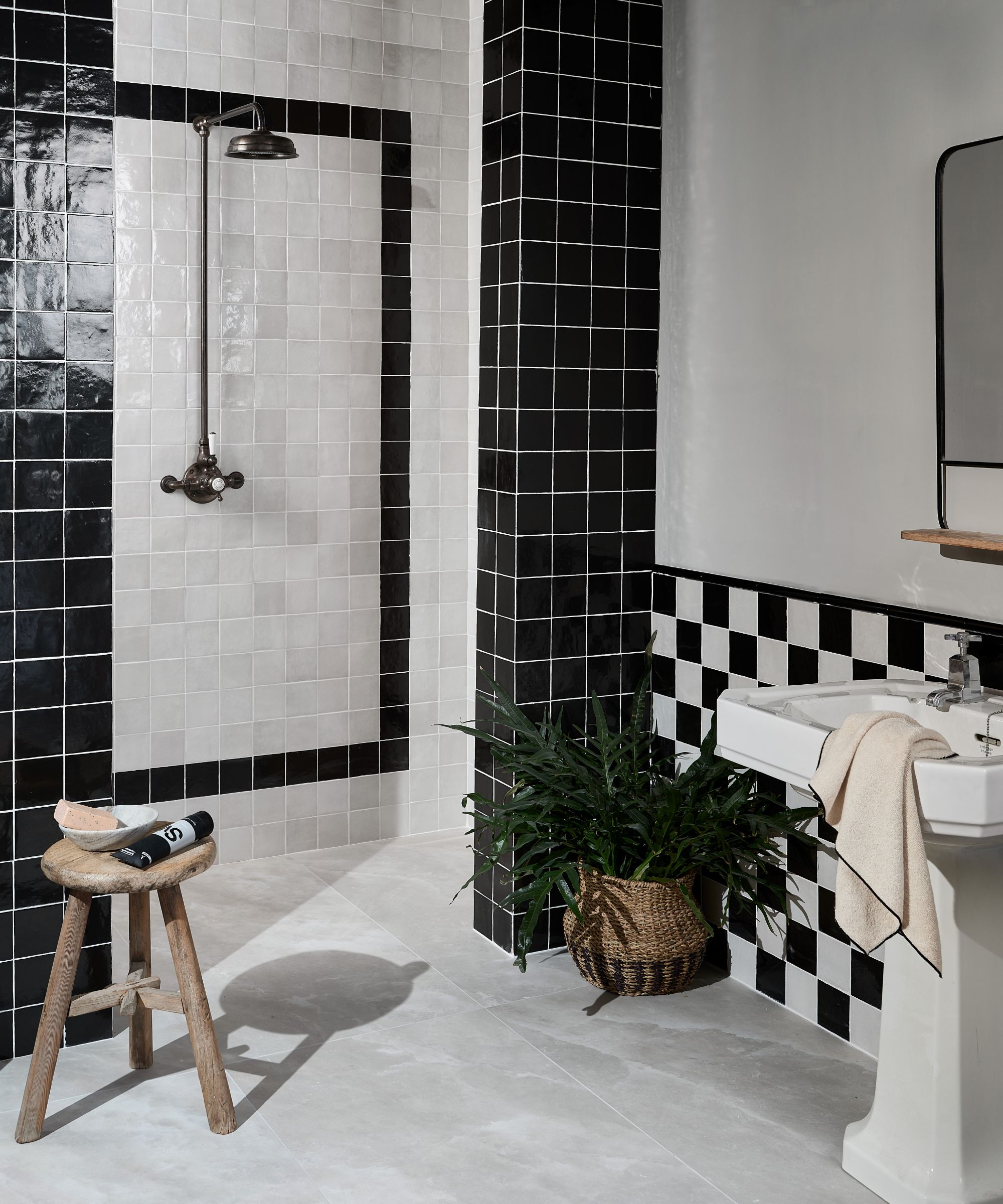
For a more subtle approach, stripes can delineate and frame different elements within the bathroom, providing a distinctive touch that unifies the design. This involves using stripes as bands rather than cladding entire surfaces. Experimenting with contrasting colors and widths can produce various effects, ranging from understated accents to bold statements. Additionally, a single stripe, whether as a band or border, can create impact, particularly in showers or even kitchen backsplashes. The key to successful border design lies in achieving the right balance between proportion and scale, and aligning borders with architectural features to enhance visual flow.
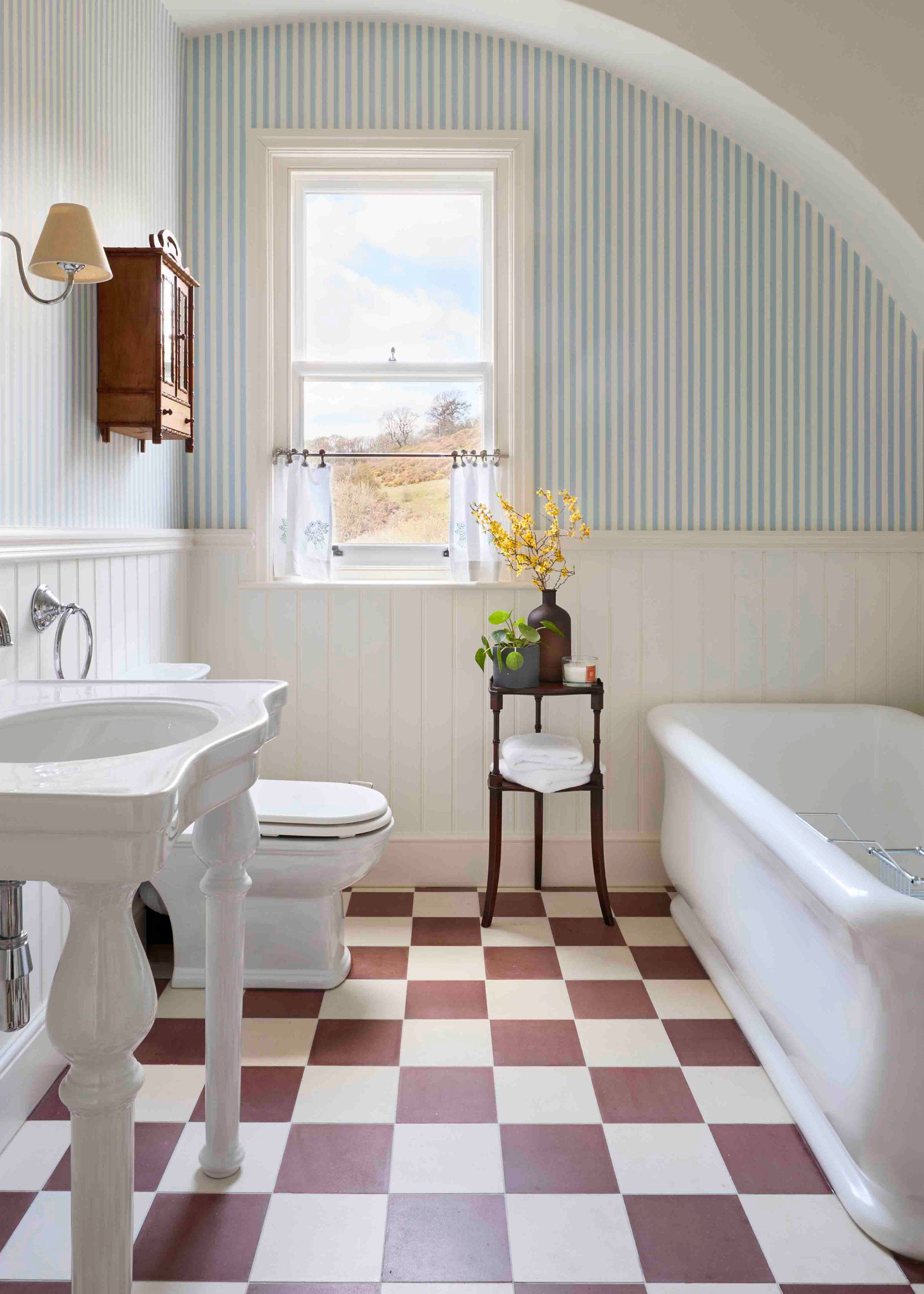
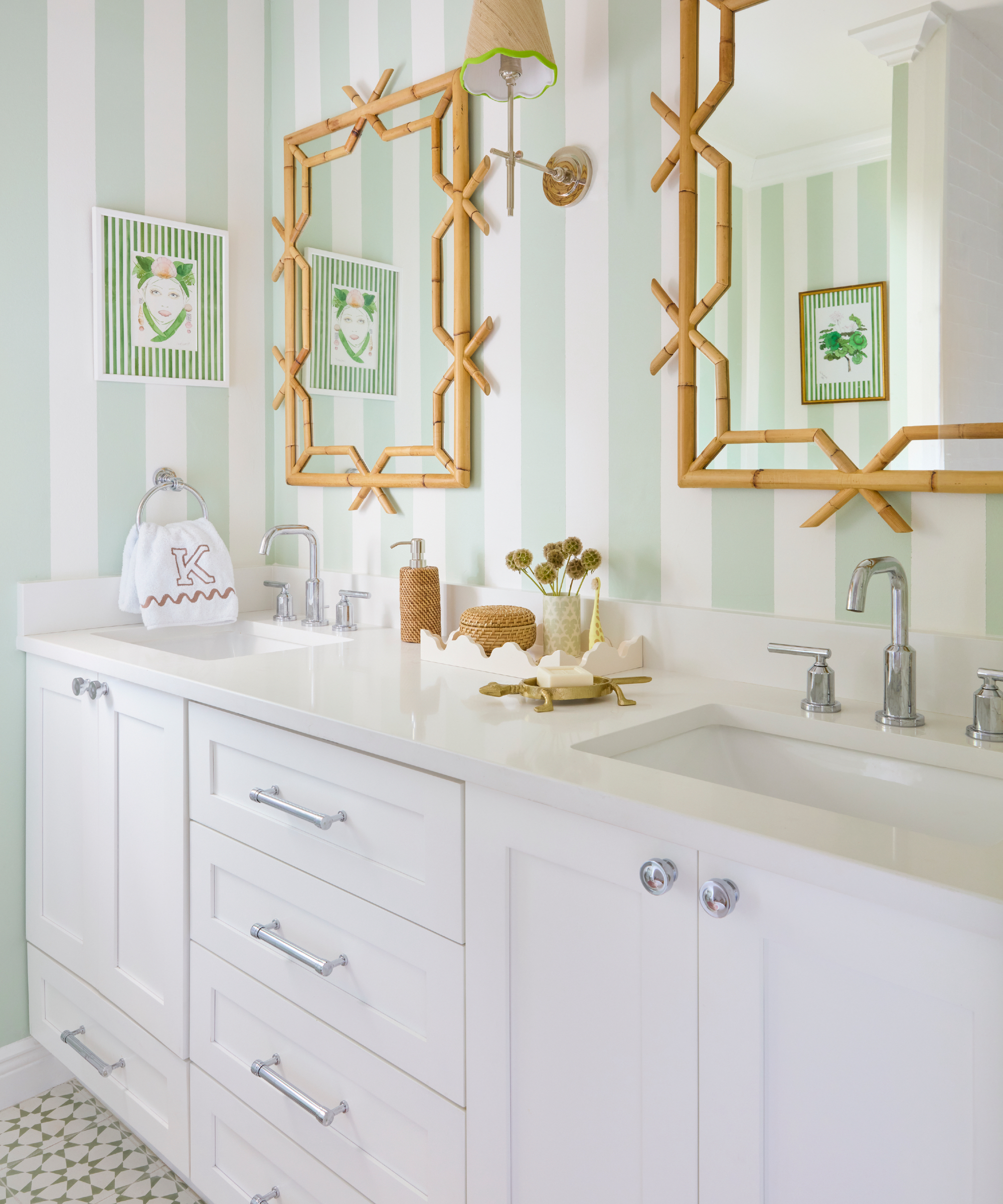
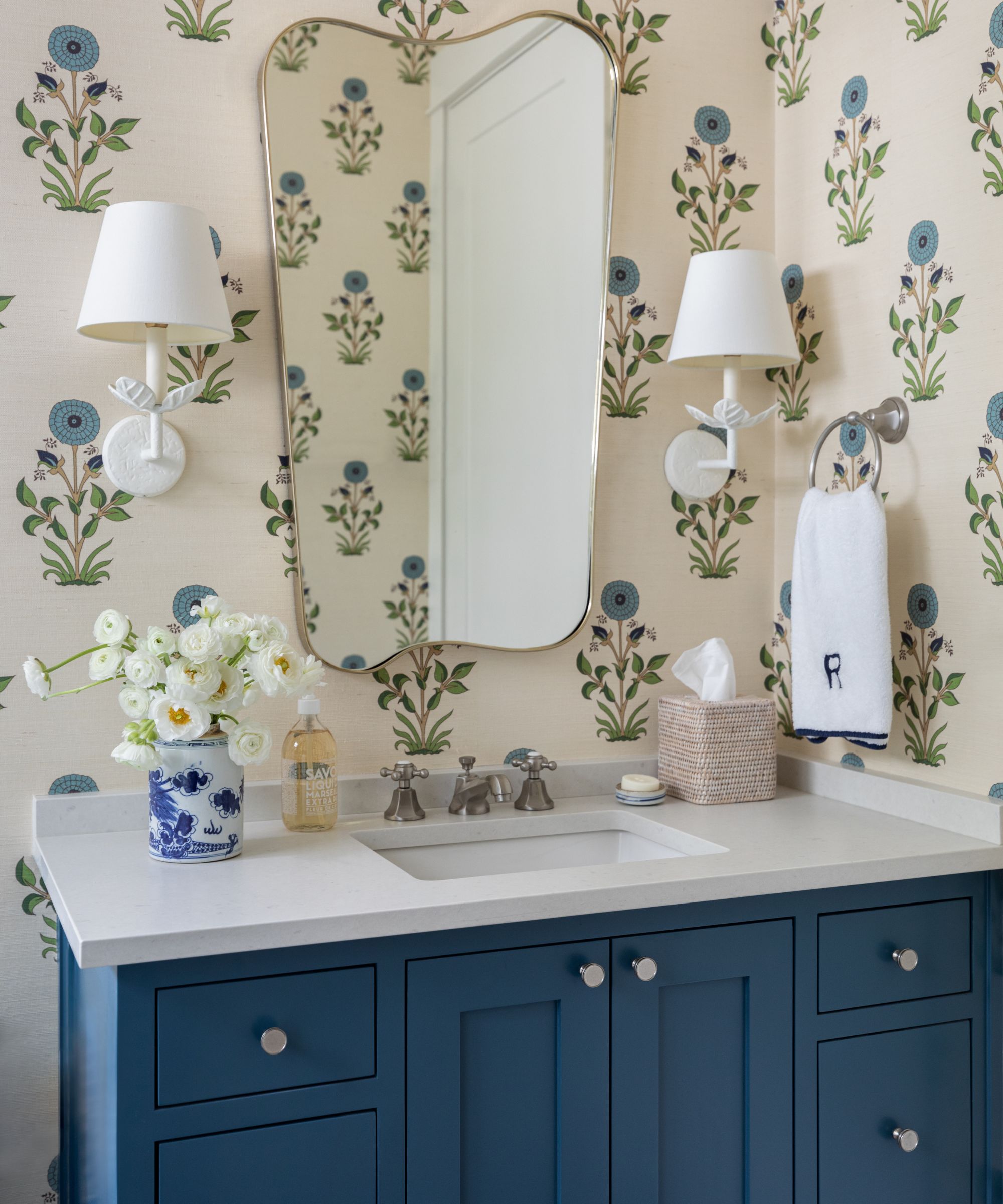
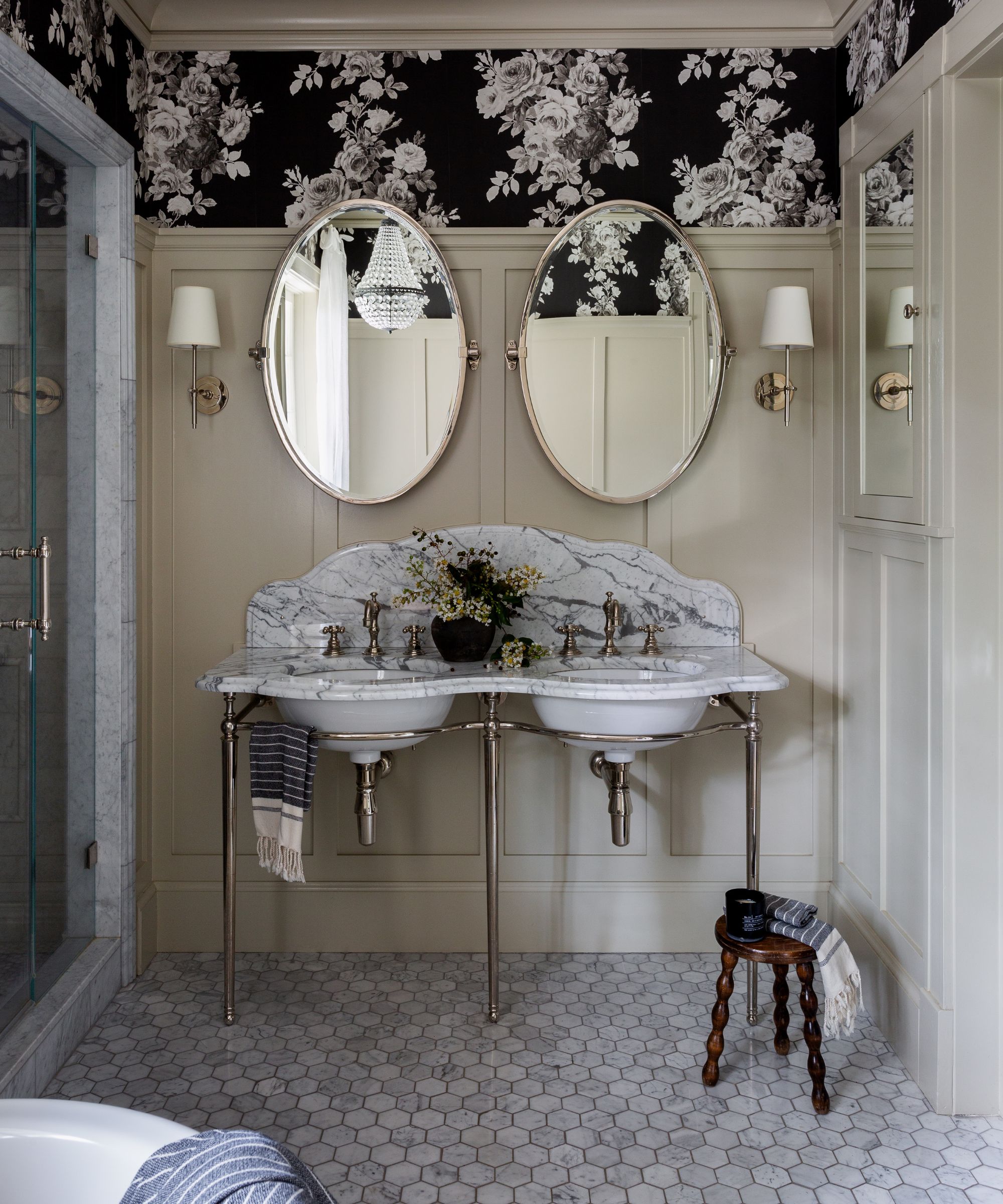
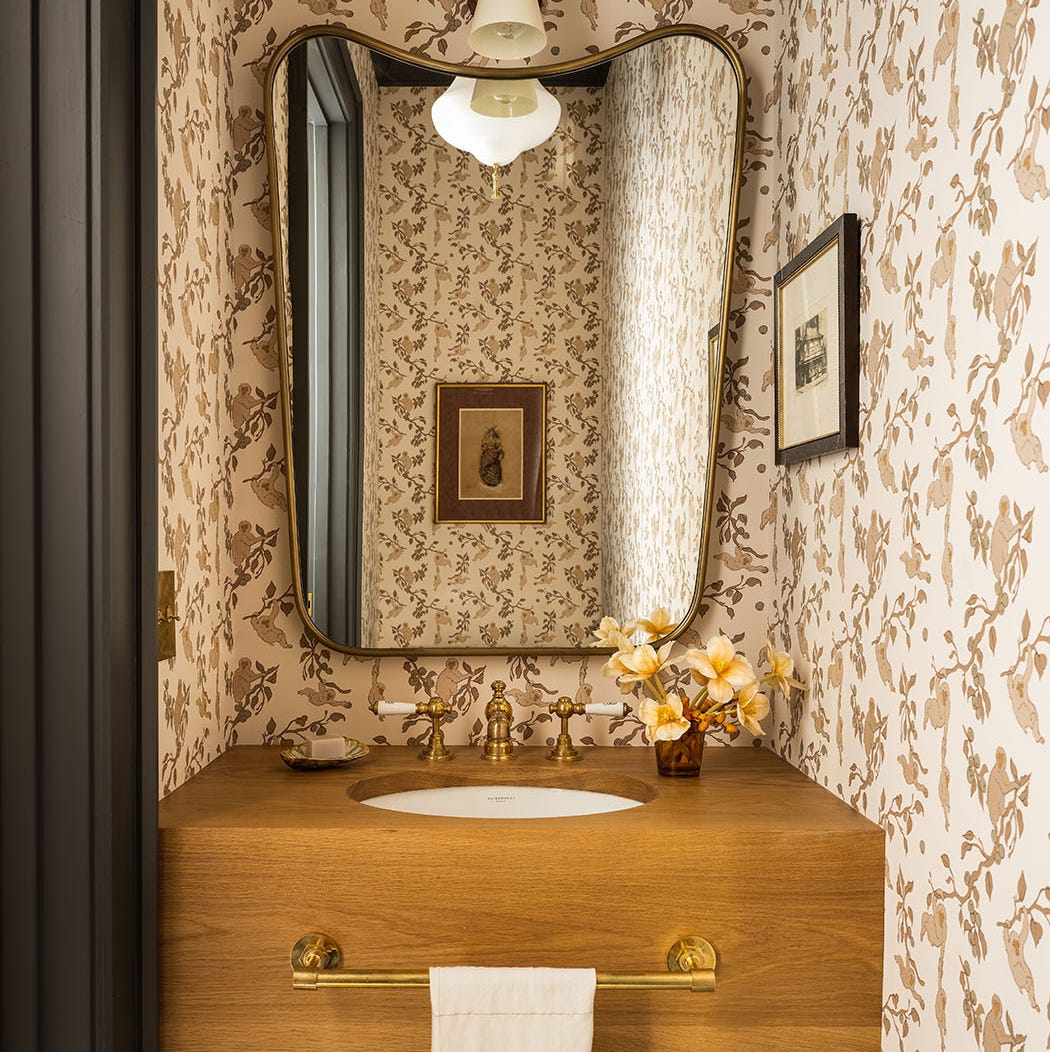
Combining striped tiles with paneling is another effective method for adding character to a bathroom. This pairing offers versatility, accommodating various design styles from coastal to modern. The contrast between patterns and textures can create a visually rich and impactful space without overwhelming it. Lastly, pattern clashing, involving striped tiles and wallpaper, can be a maximalist dream. To maintain balance, designers recommend opting for complementary tones or themes. Tiling halfway up a wall and using border tiles can help section off the patterns, ensuring a cohesive yet bold design. When combining patterns, considering the scale and proportion, such as pairing larger stripes with smaller wallpaper motifs, is crucial to prevent visual competition.
#BathroomDesign #TileTrends #StripedTiles #InteriorDesign #BathroomRemodel #HomeDecor #SpaceMaximization #BathroomDesign #TileTrends #StripedTiles #InteriorDesign #BathroomRemodel #HomeDecor #SpaceMaximization
0 comment in total
 No comments yet
You may also like
Striped Tile Layouts Are Trending in Bathrooms — It's an Easy Way to Make Simple Tiles Look Amazing

Which Bathroom Tile Colors Will Never Go Out of Style? 5 Timeless Options Favored By Designers

Clever’s Guide to Bathroom Tile Trends Through the Decades

This Retro Bathroom Tile Trend Is Making a Big Comeback—and It's Surprisingly Chic

5 on-trend ways to bring stripe decor into your bathroom

5 Trendy Ways to Add More Color to the Bathroom
How to Choose Bathroom Tile That You'll Love Forever, According to a Designer

Is bathroom wallpaper still on trend? Interior designers share how to invite pattern into the bathroom in 2024
5 Outdated Tile Trends Designers Are Still Noticing in 2025 That Can Make Your Space Look Old-Fashioned
4 Bathroom Tile Trends That Are So Outdated, According to Designers
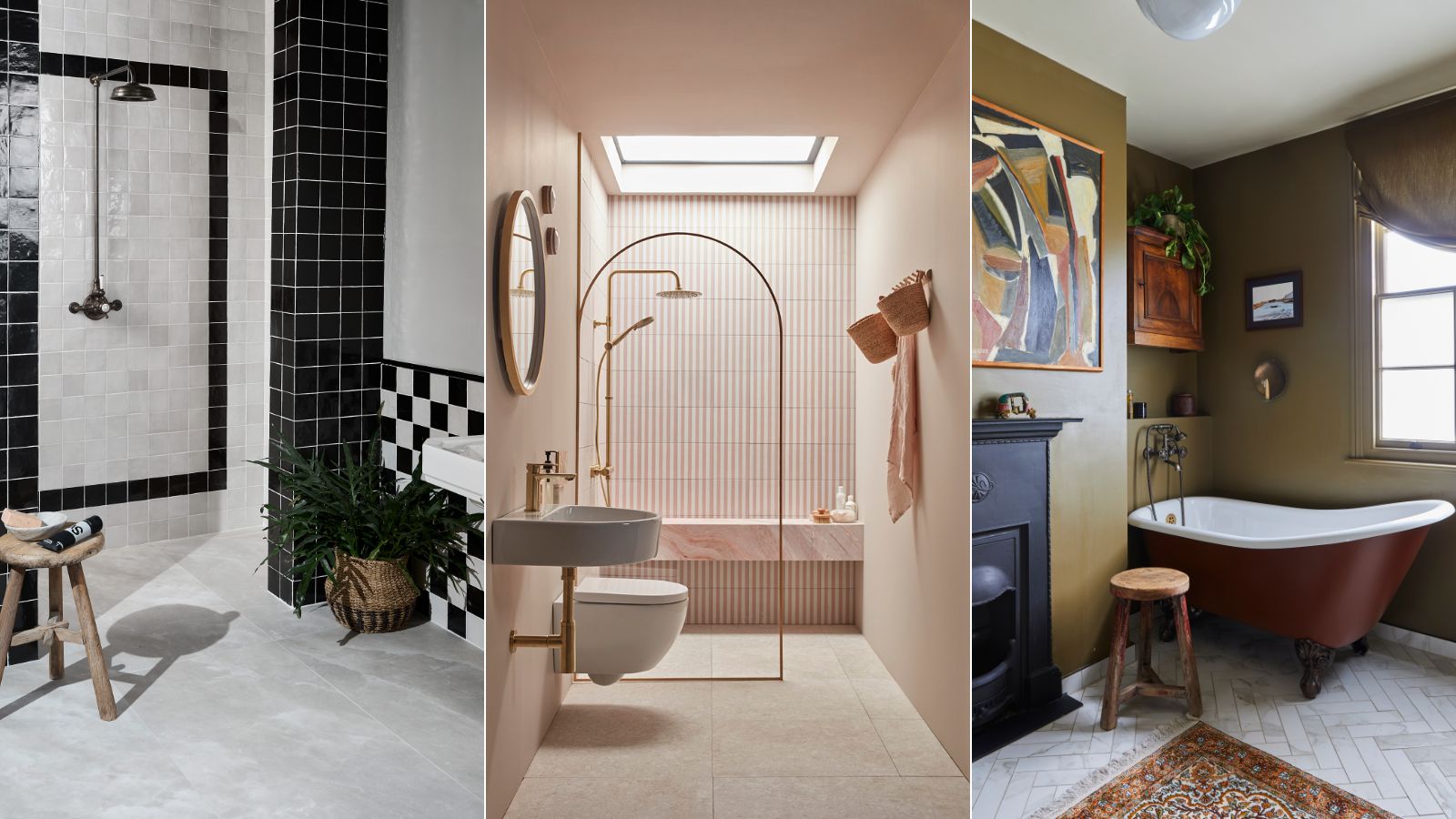
7 designer-approved tile layout trends to try in 2024 to give your space a lift
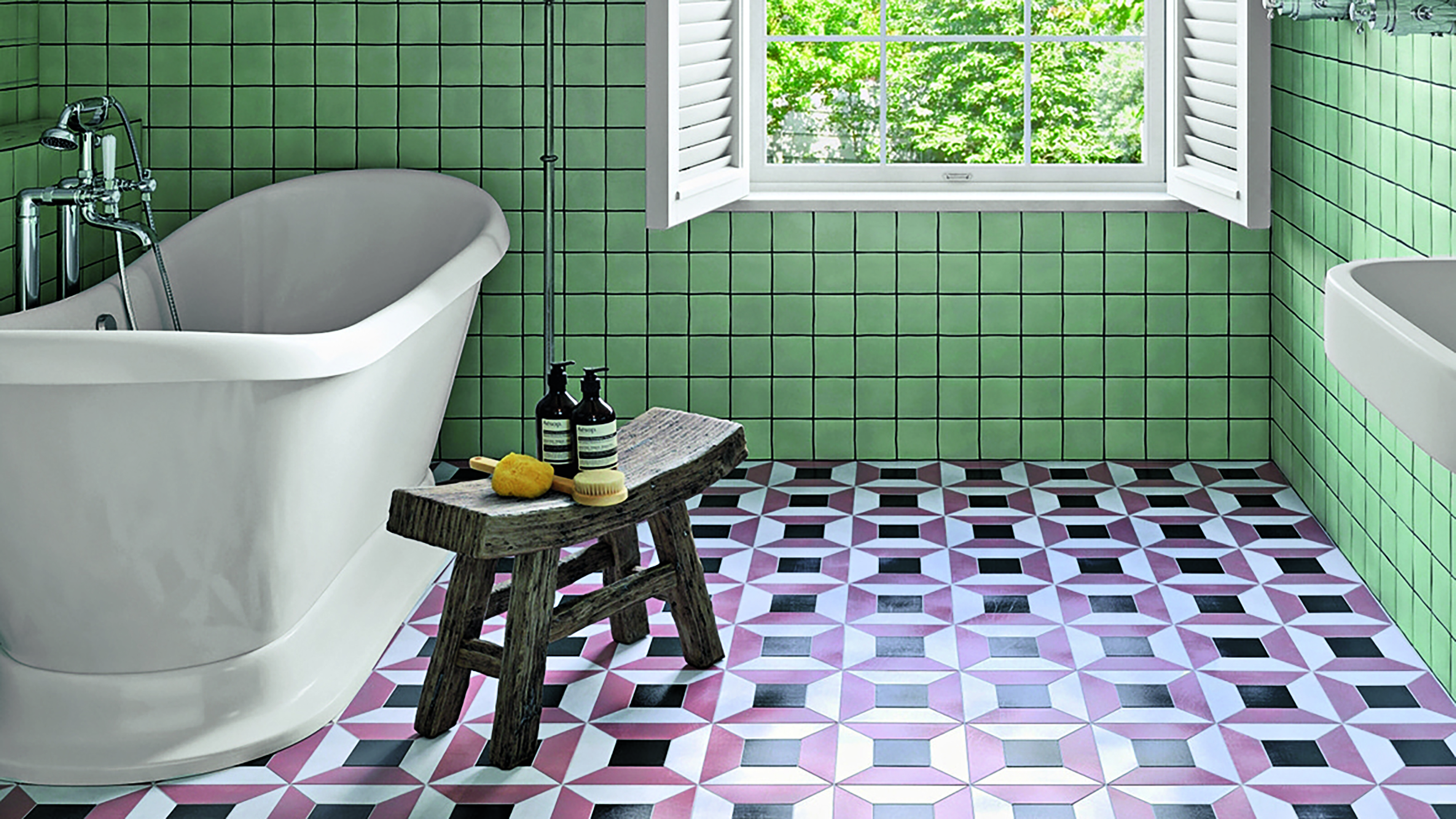
24 bathroom tile ideas to add impact and transform your space
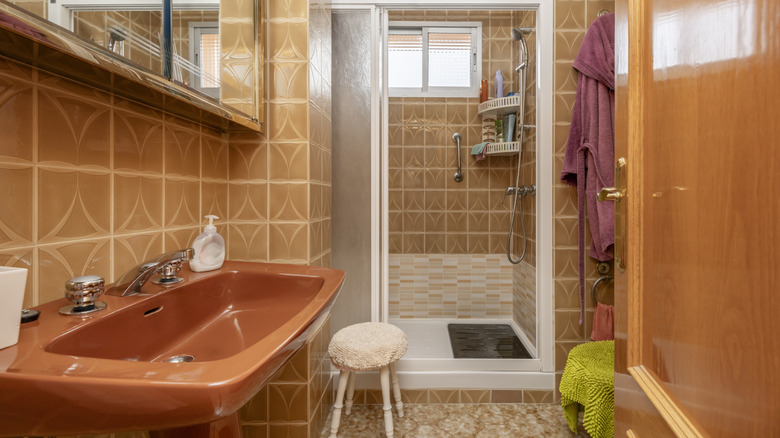
The Decades Old Tile Trend That Is Popping Back Up In Bathrooms
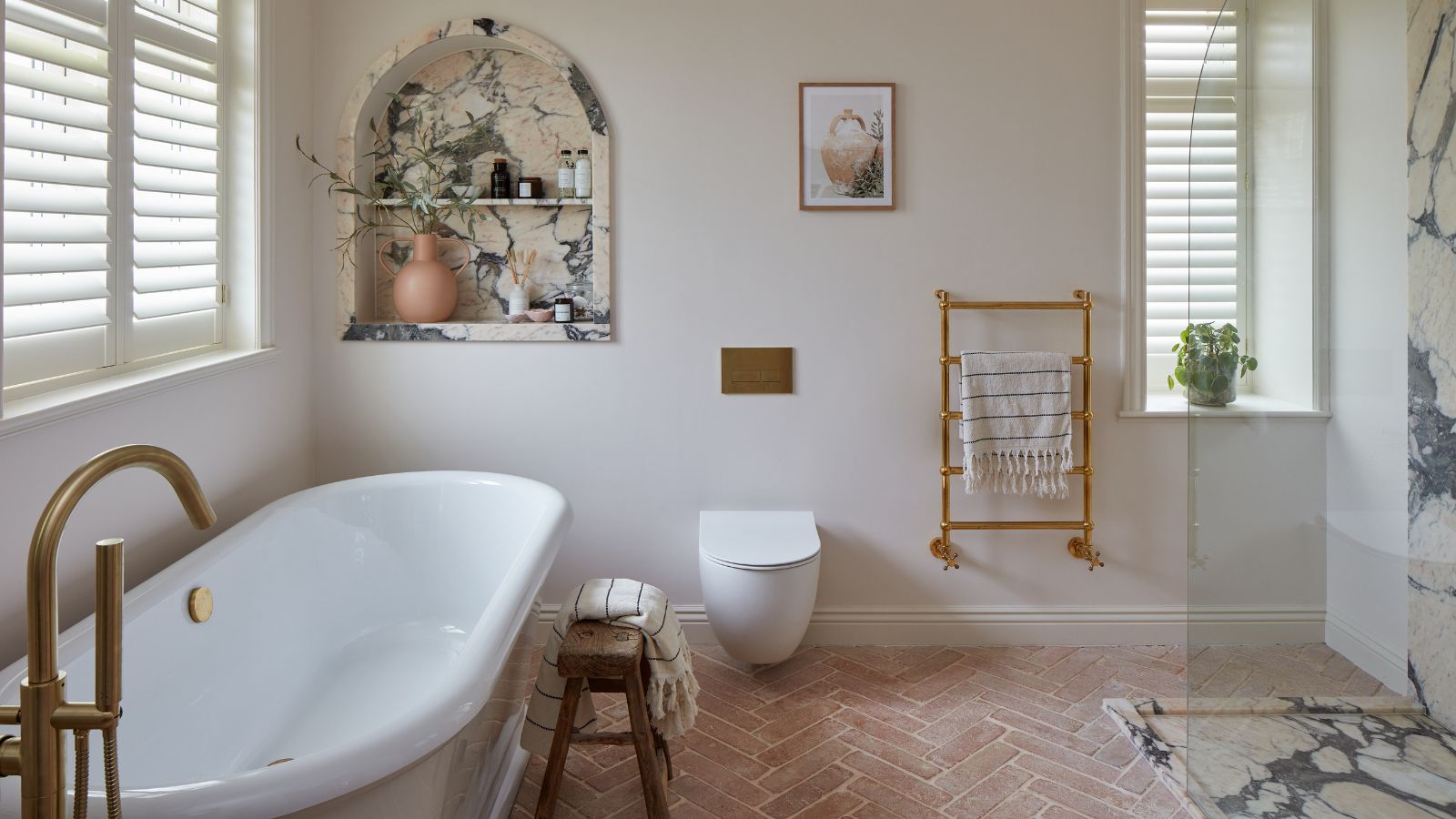
Should you use terracotta tiles in a bathroom? Designers weigh in on the enduring appeal of this age-old design
This Bathroom Trend Will Literally Stand the Test of Time

8 Bathroom Tile Trends To Keep A Close Eye On This Year

One-Third of Renovators Choose This Bathroom Tile Pattern, But We've Got Other (Just as Timeless!) Ideas

This Color Is Still the Most Popular for Bathroom Countertops and Walls

Six Reasons to Keep "Dated" Bathroom Tile, According to Designers
The Popular Tile Choice In 2025 That You Might End Up Regretting Sooner Than You Think