1/6
Should you use terracotta tiles in a bathroom? Designers weigh in on the enduring appeal of this age-old design
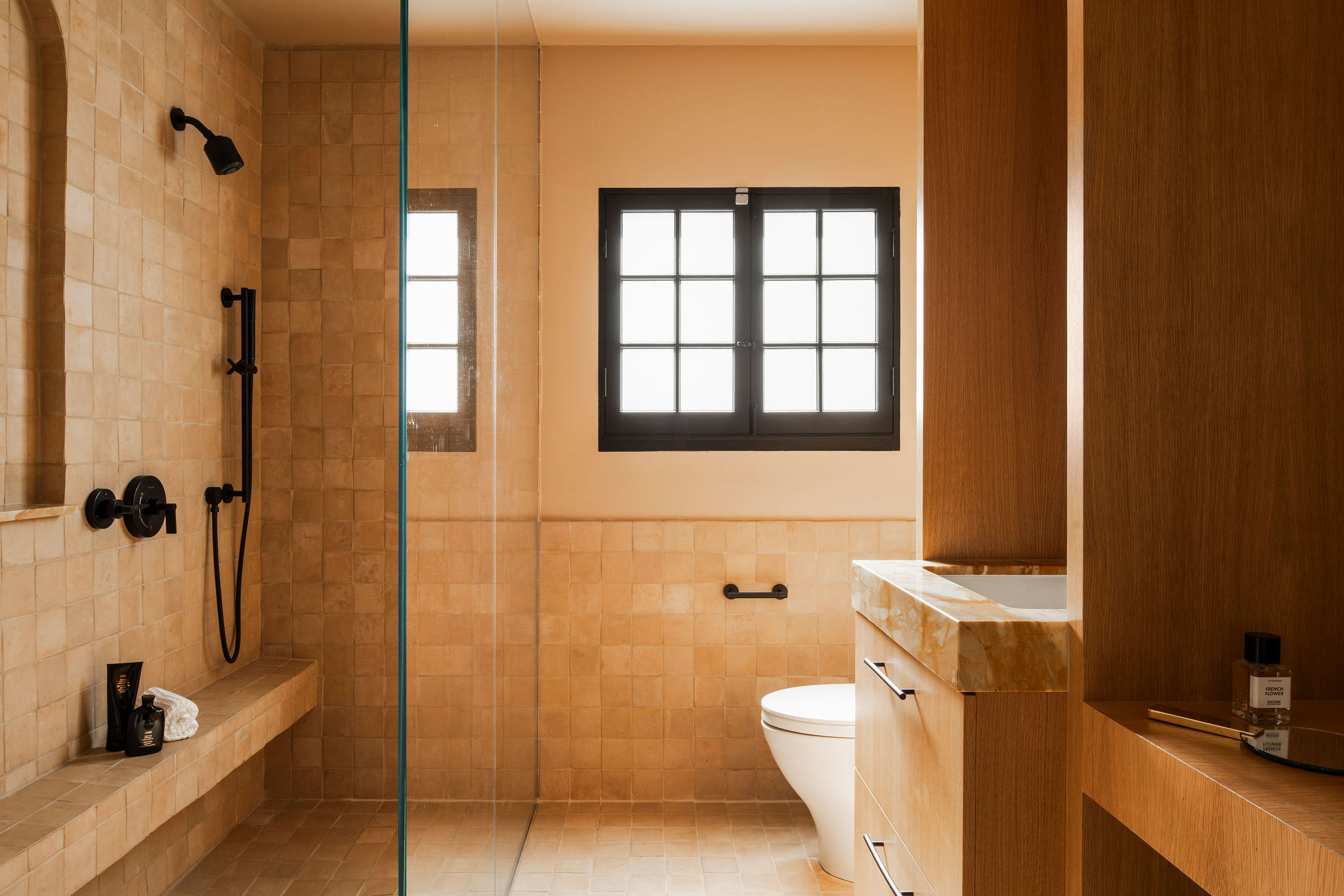
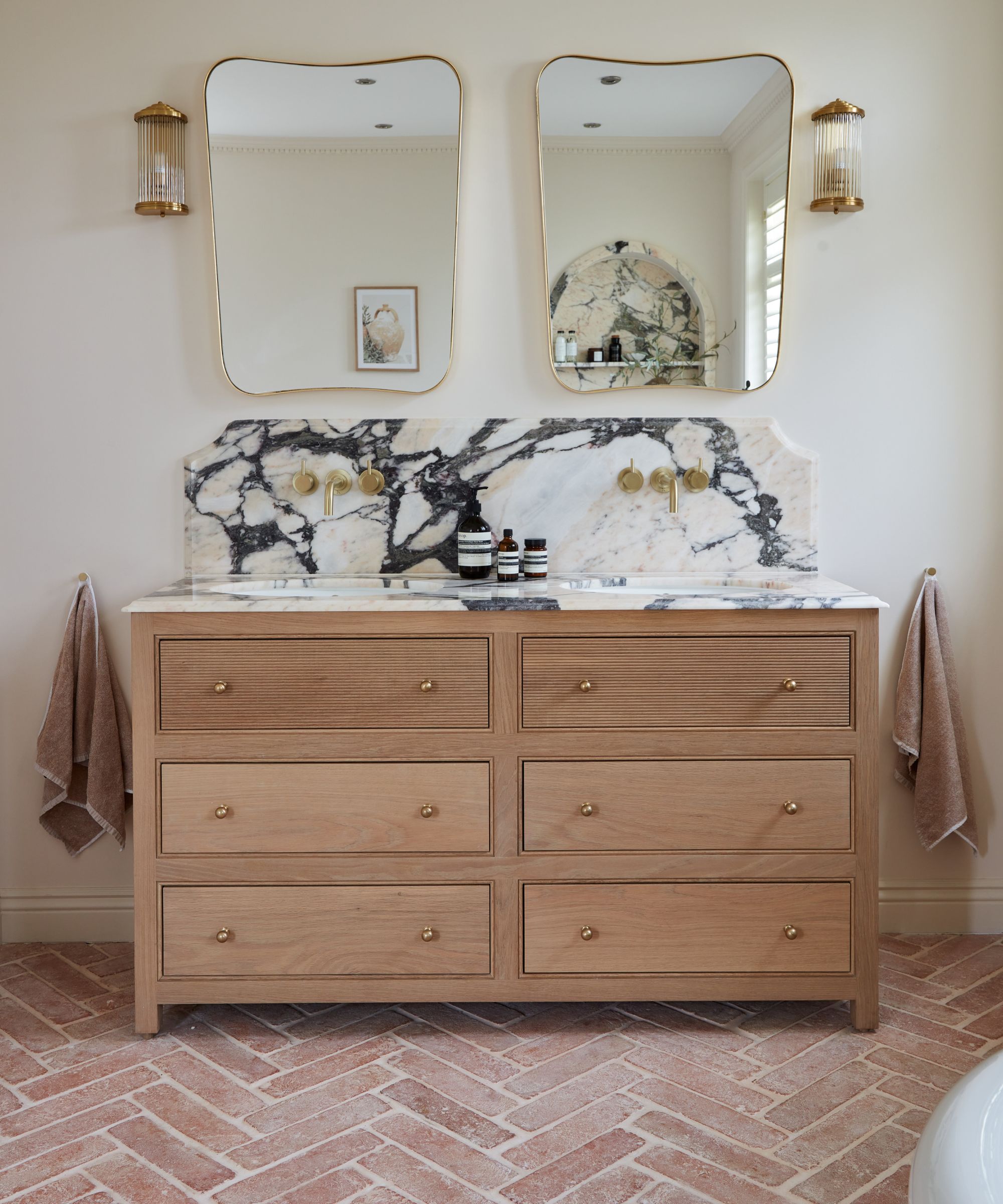
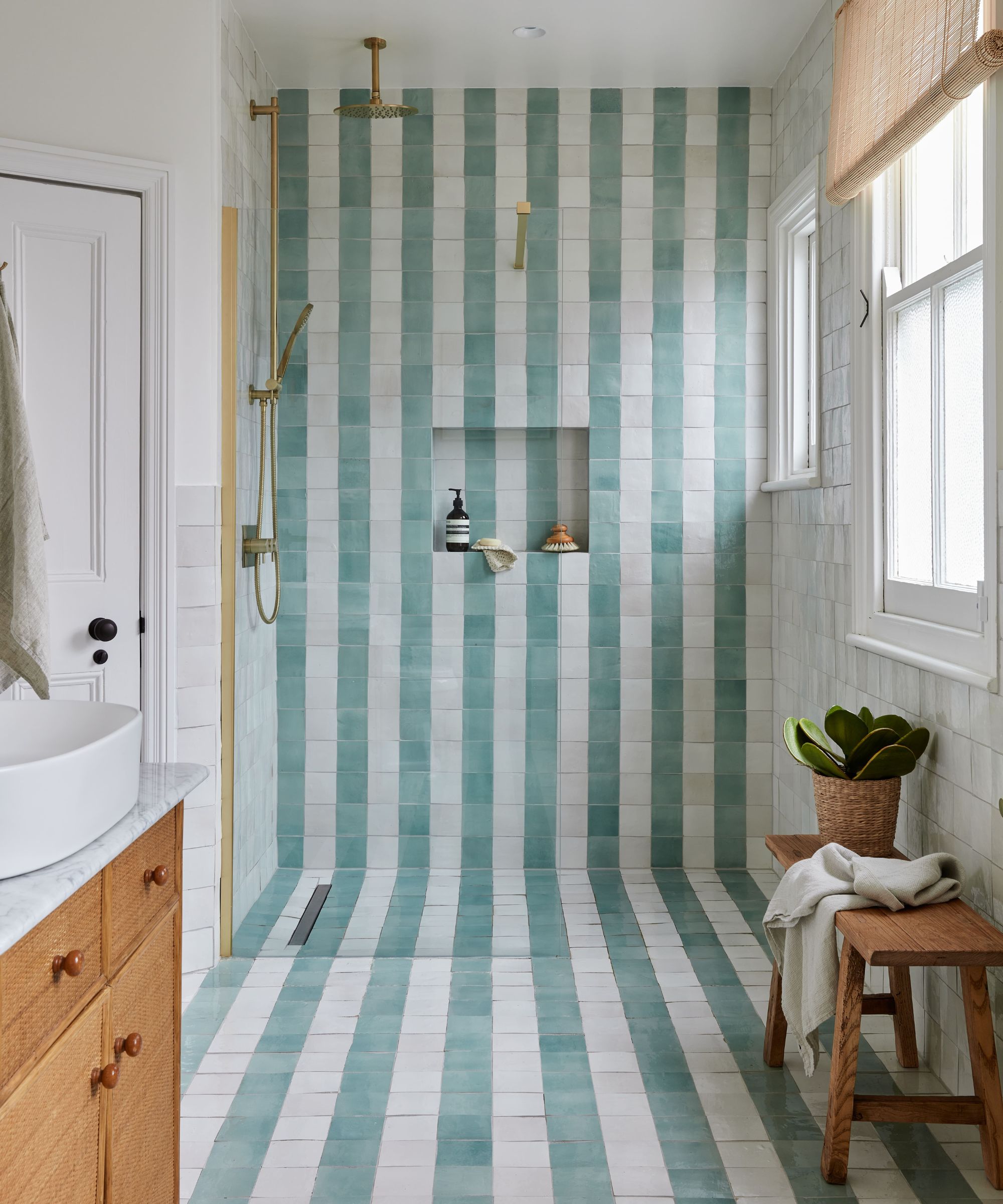
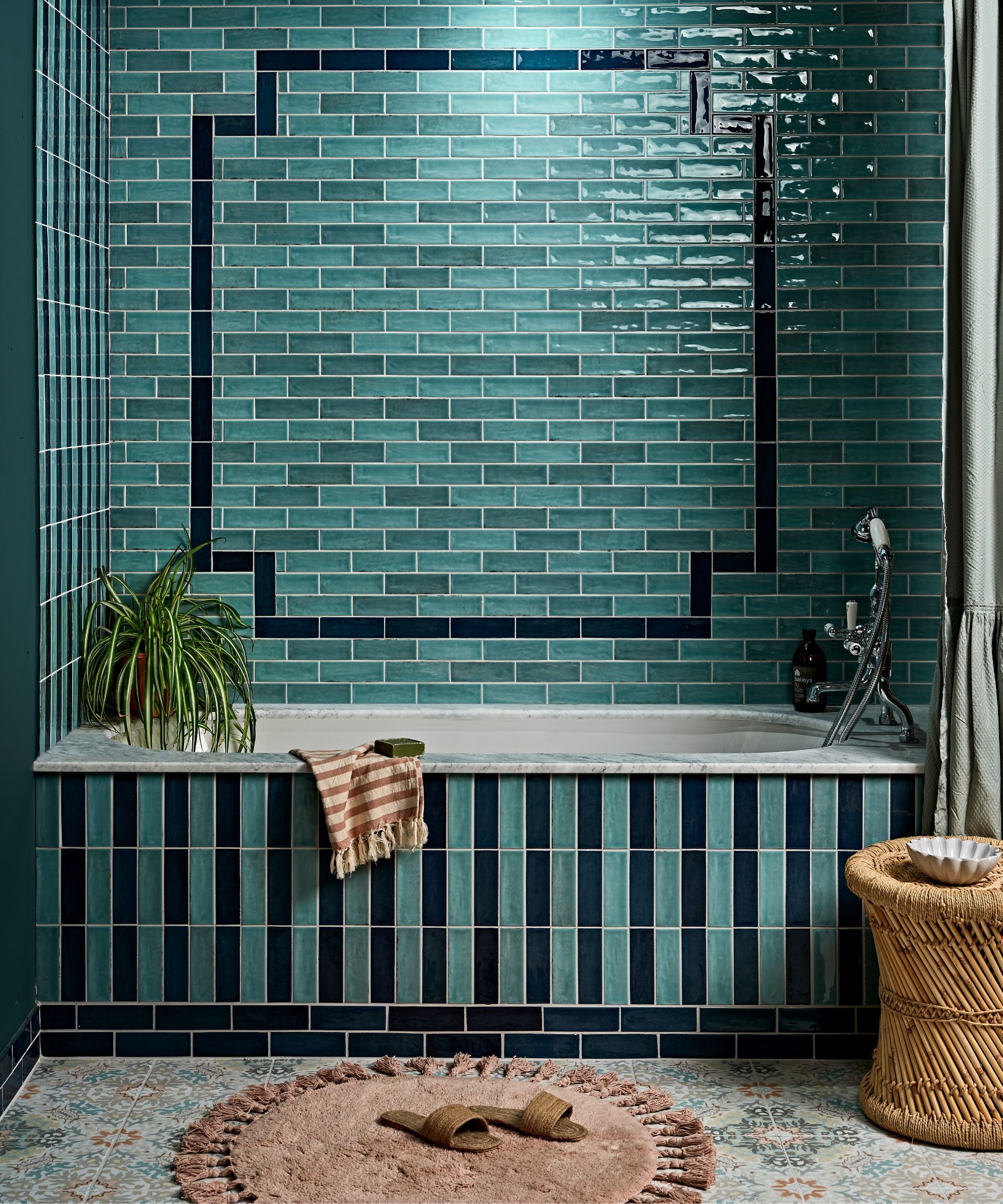
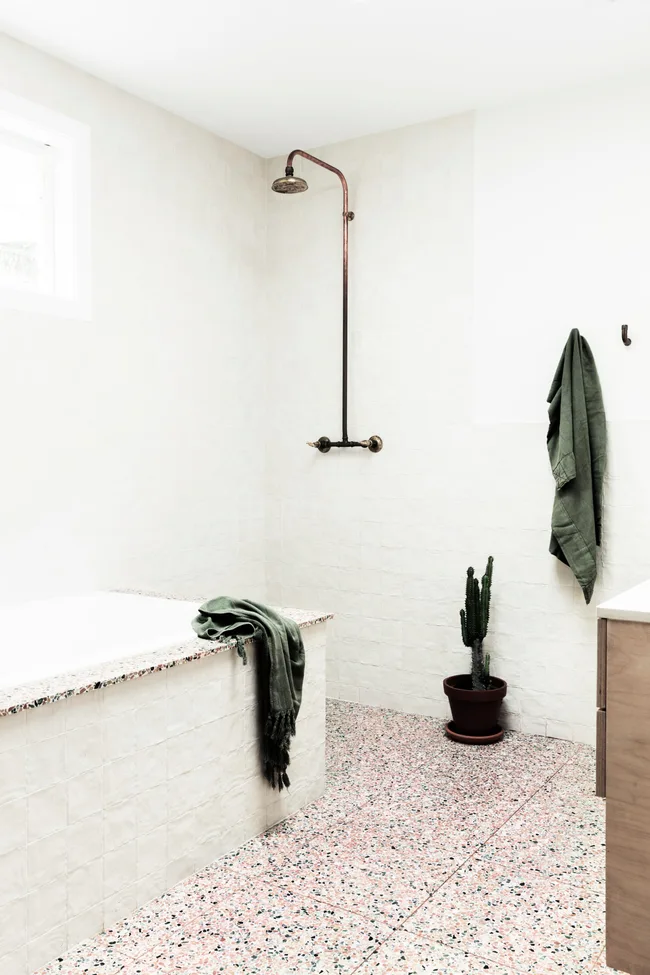
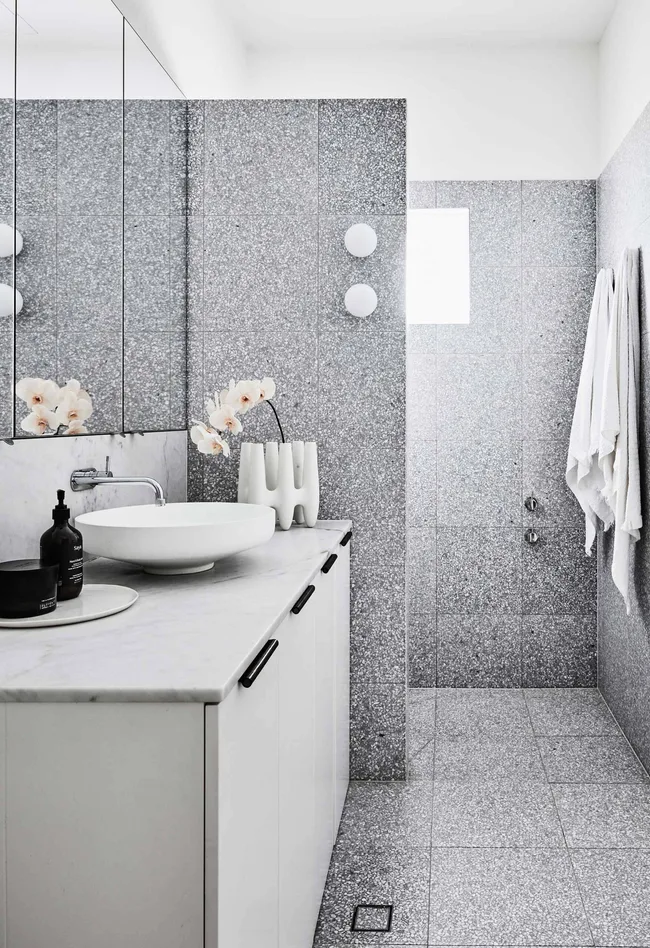
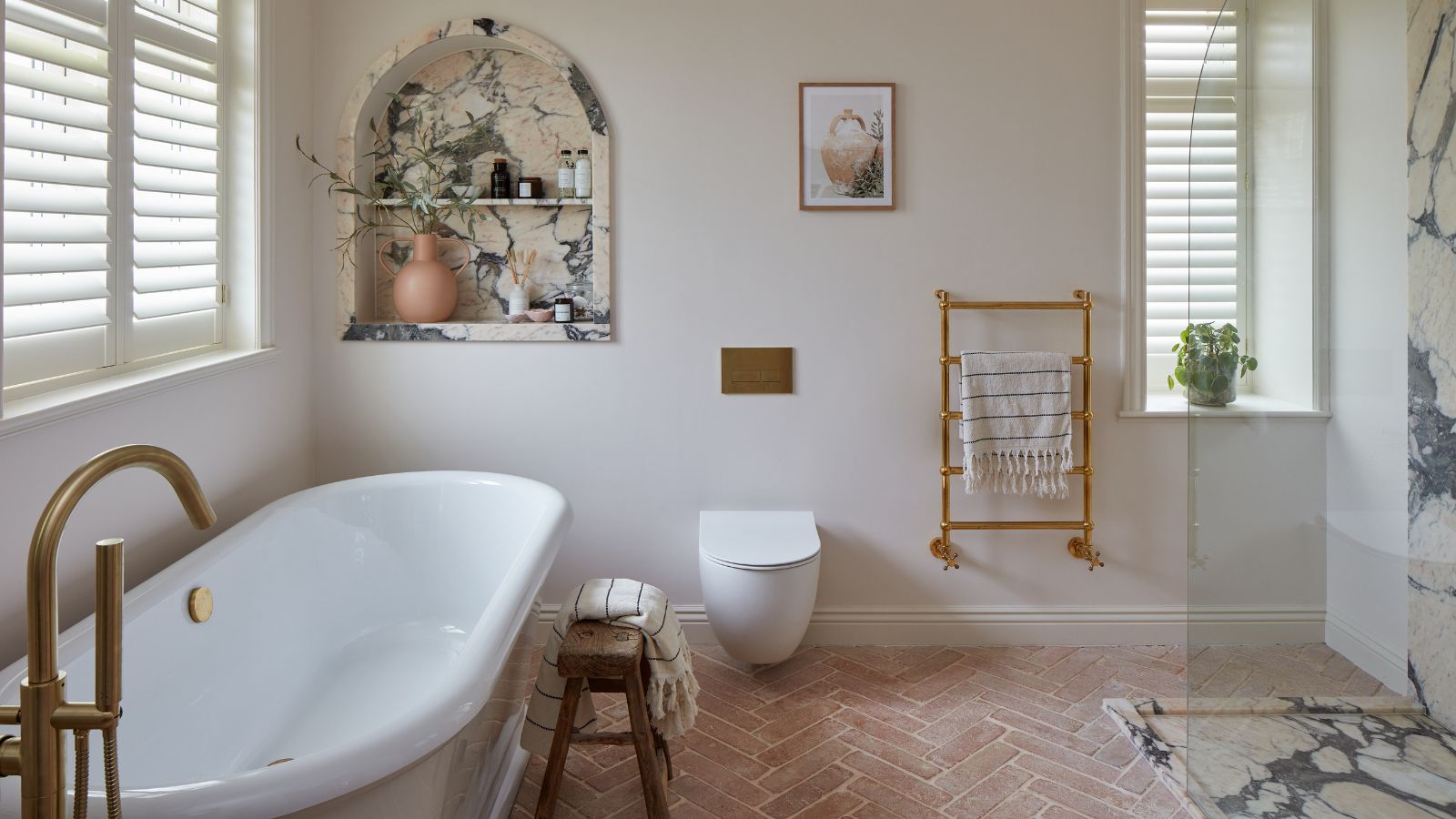
Terracotta tiles are gaining popularity in bathroom design for their ability to add warmth, texture, and a timeless appeal to schemes. While historically favored in areas like hallways and boot rooms, their use in high-moisture environments like bathrooms raises questions due to their porous nature. However, interior designers and bathroom experts affirm that terracotta tiles are a functional and stylish choice for bathrooms, provided they are properly sealed and maintained.
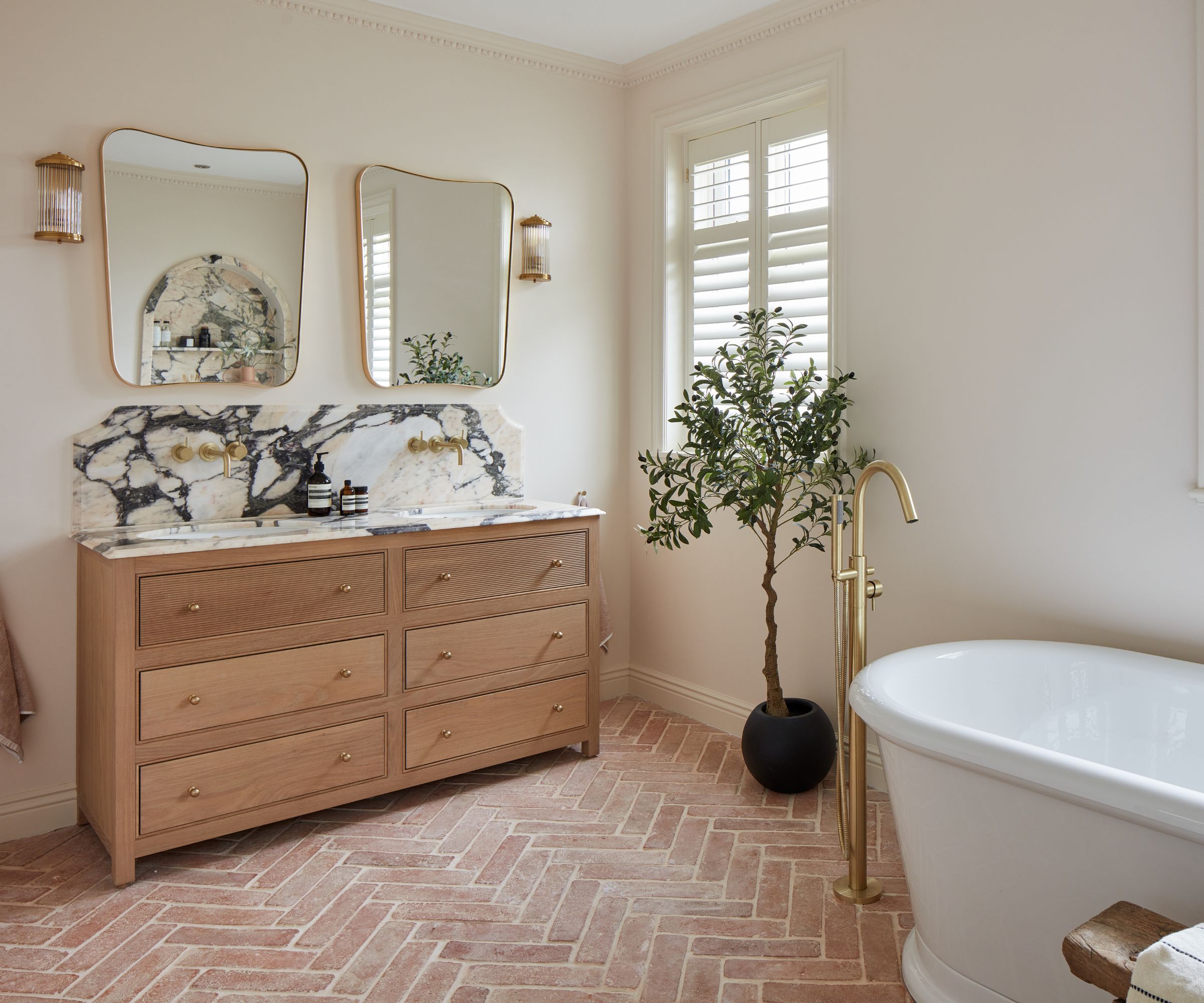
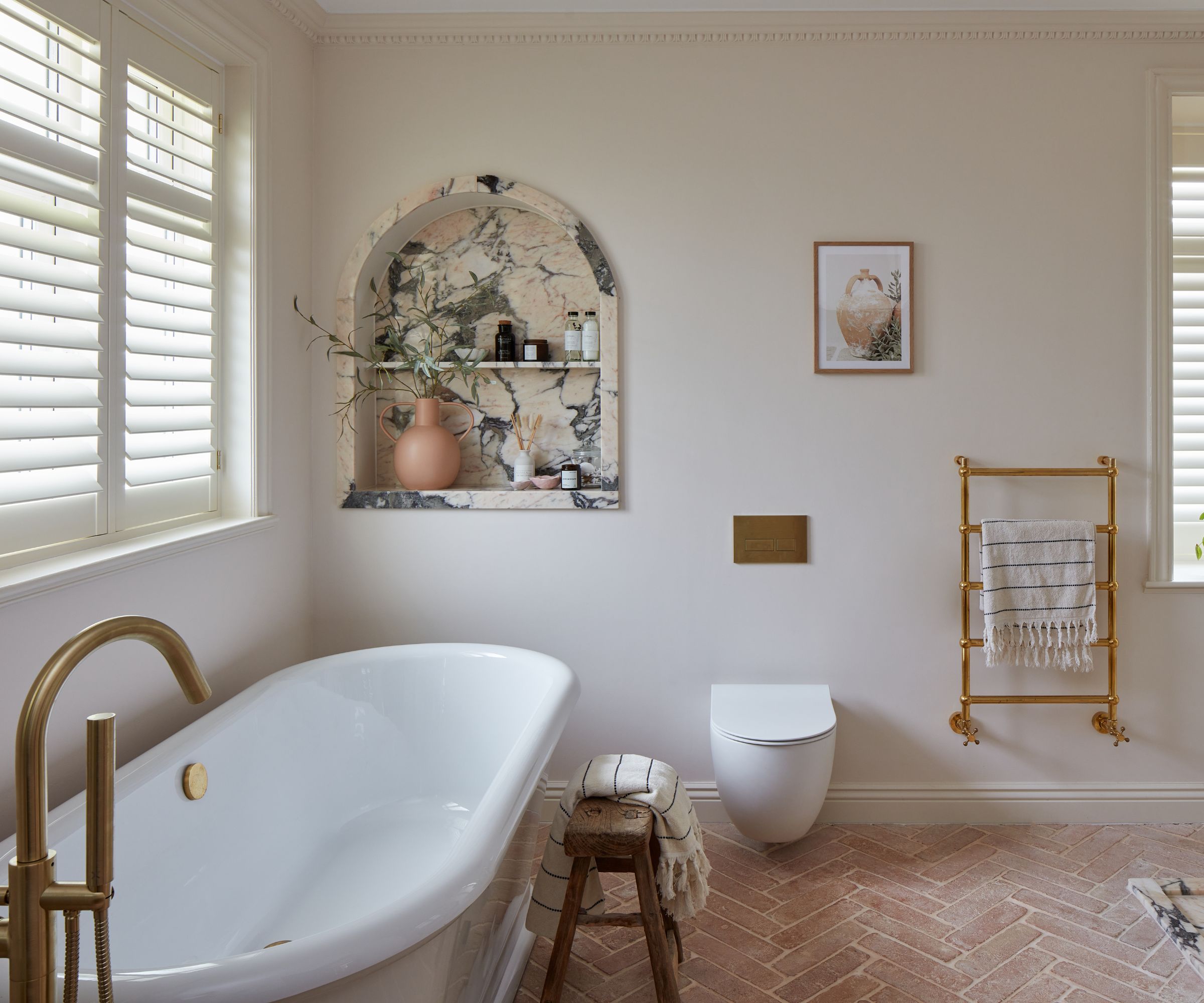
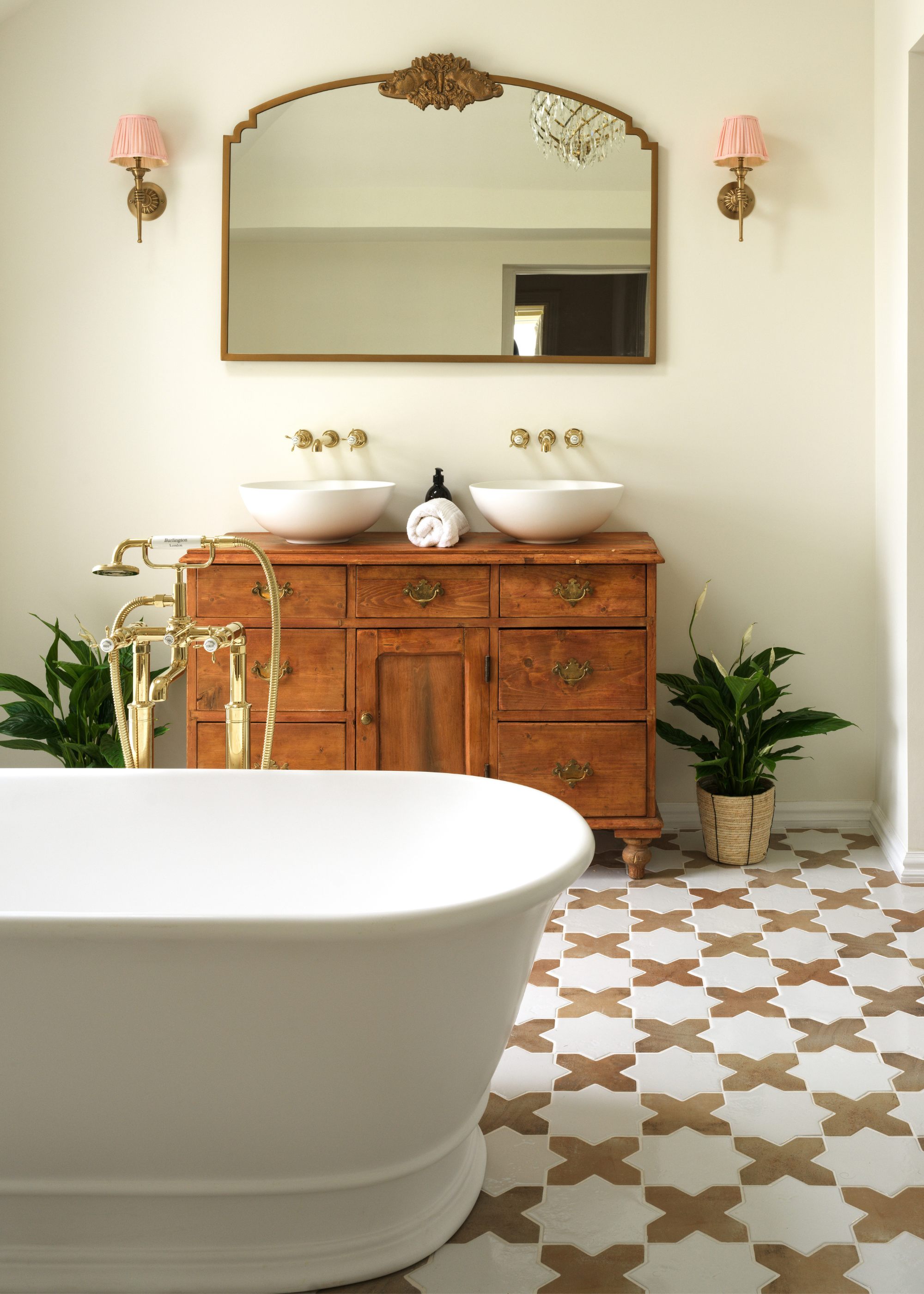
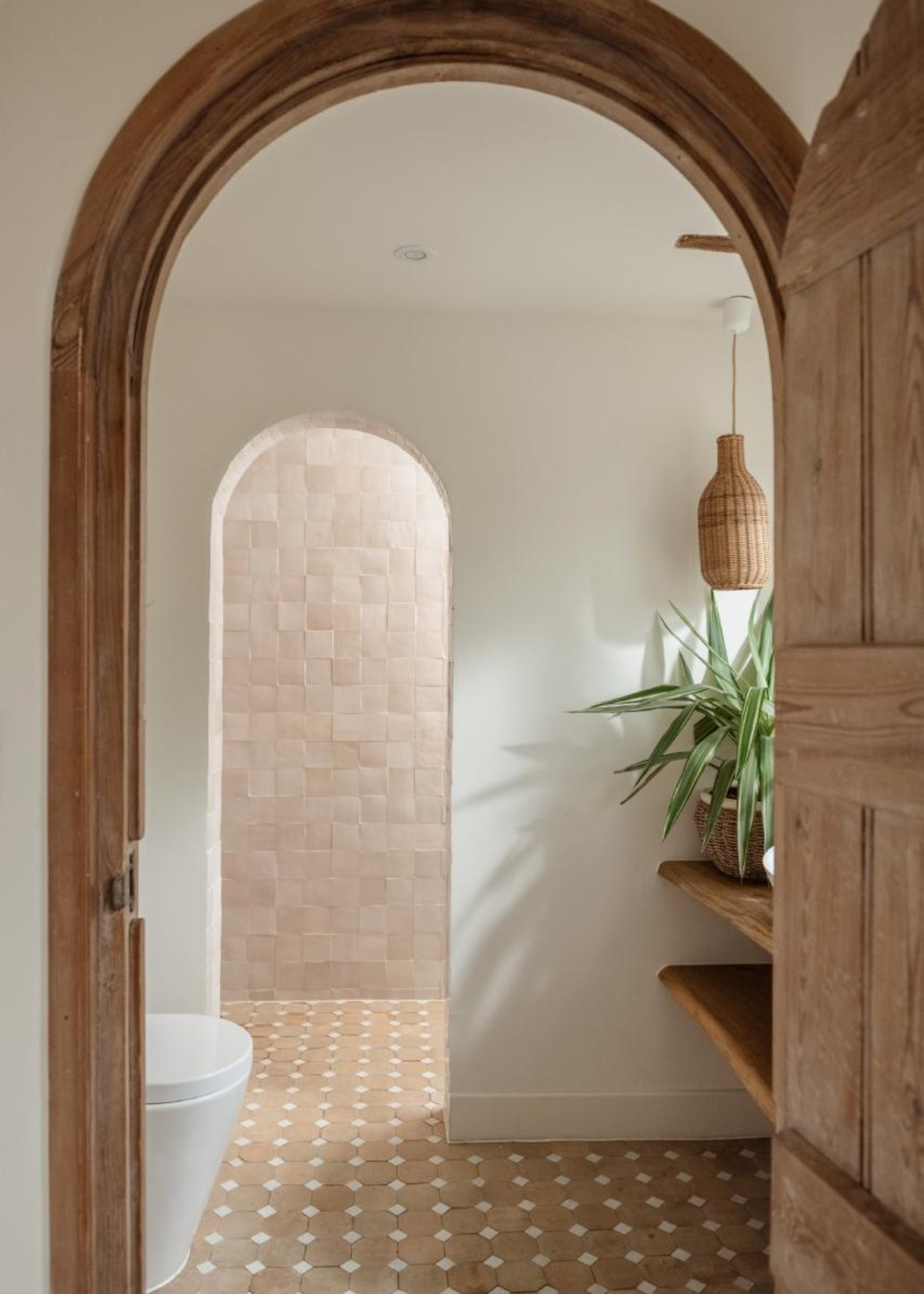
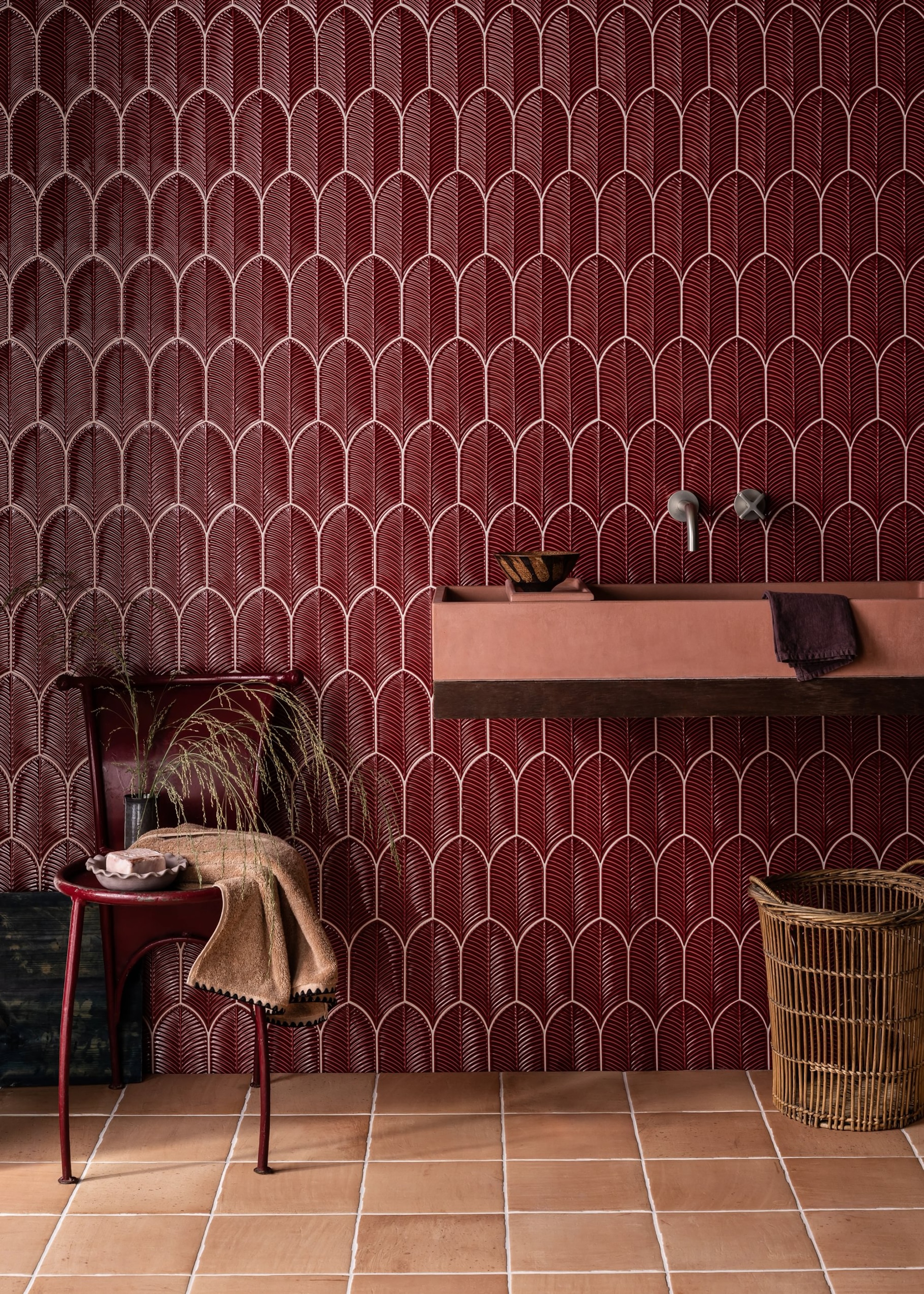
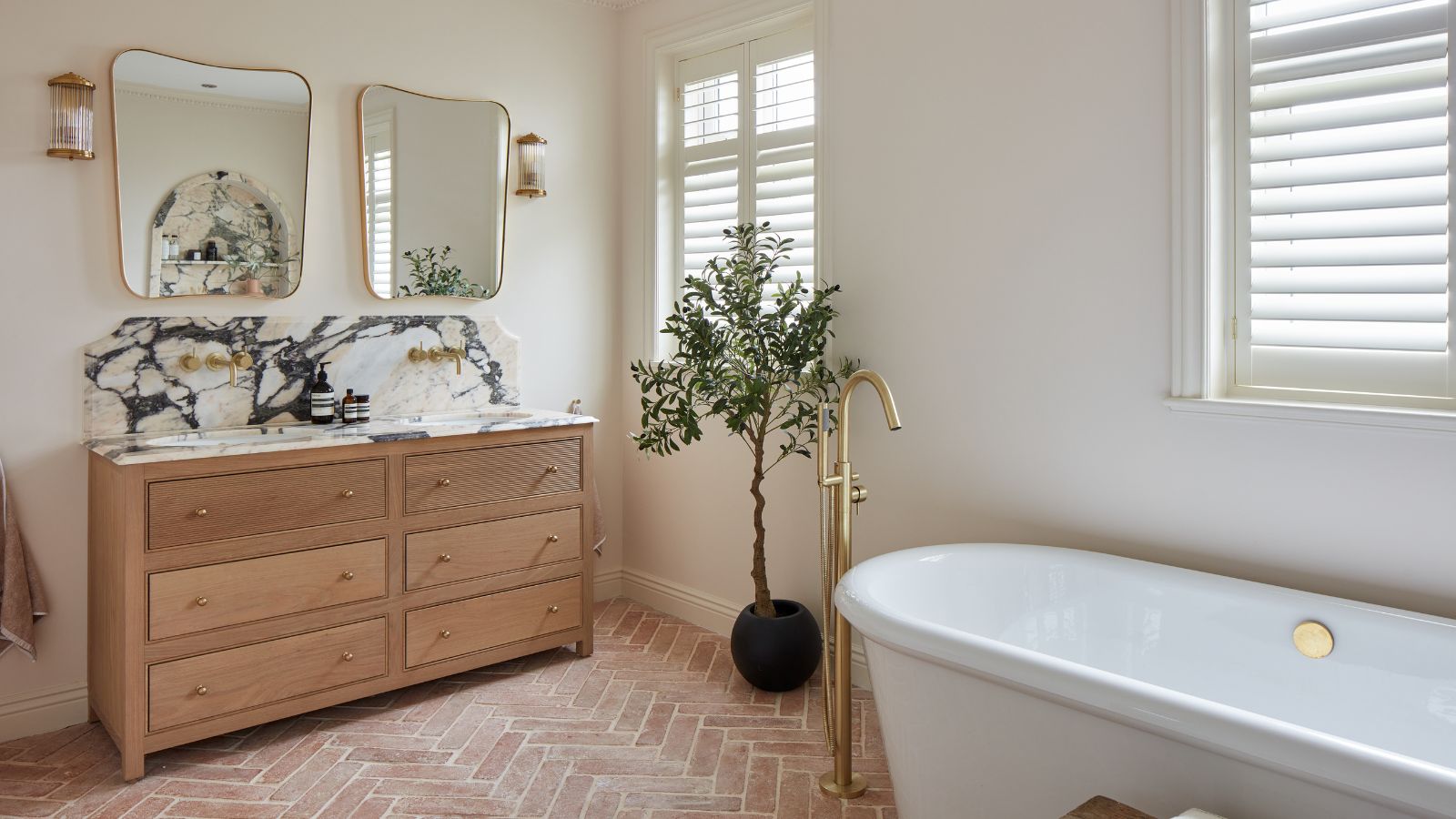
The aesthetic benefits of terracotta are a significant draw. These tiles cultivate an earthy and organic modern look, providing a sense of warmth and groundedness that can make a bathroom feel spa-like and nature-inspired. They are particularly popular in Spanish and Mediterranean homes, where they infuse spaces with warm, earthy hues. The material softens hard lines, warms up white fixtures, and adds character, whether in a sleek wet room or a country cottage bathroom. Grazzie Wilson, head of creative at Ca’ Pietra, notes that earthy browns, characteristic of terracotta, are a popular color trend, offering both style and soul.
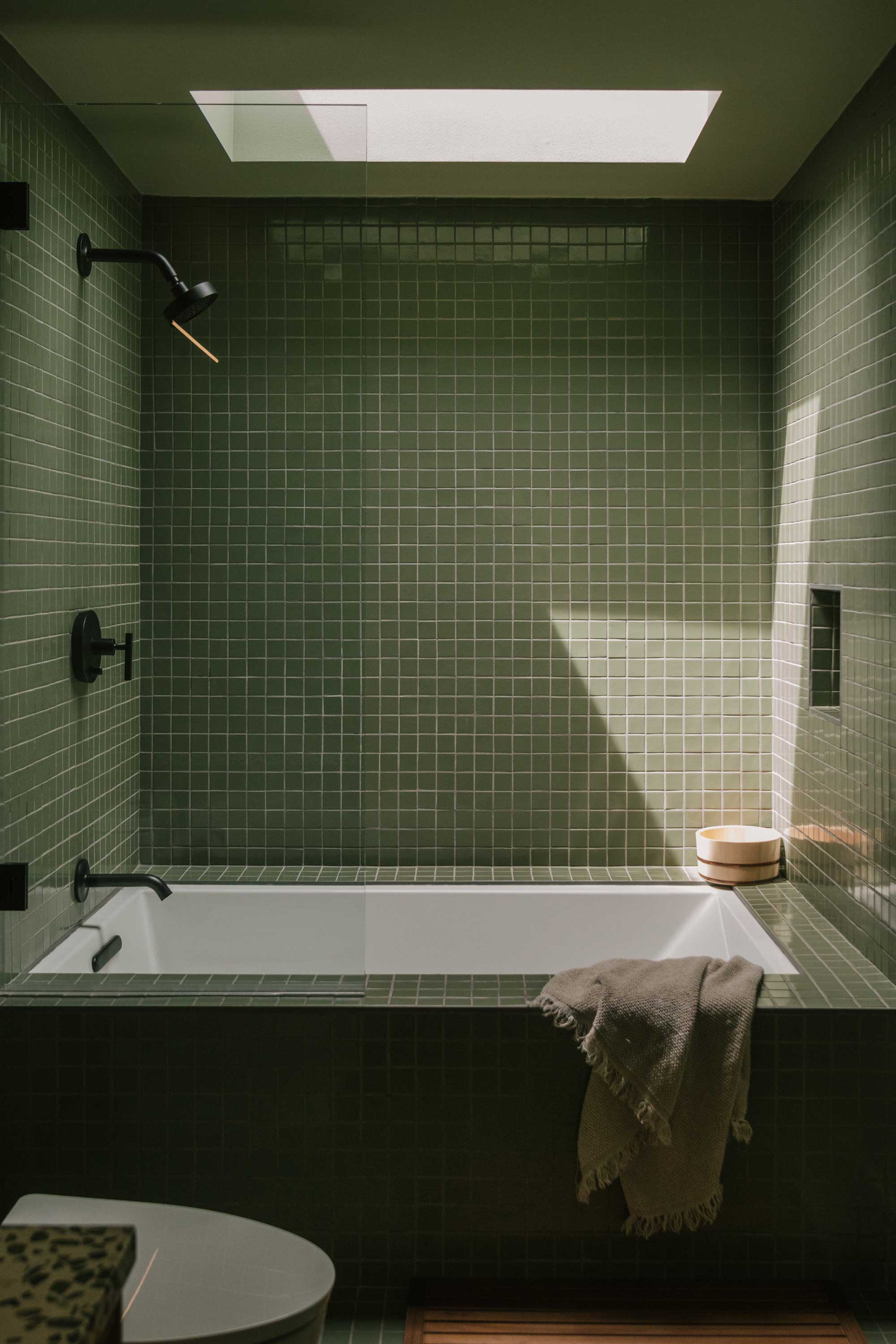
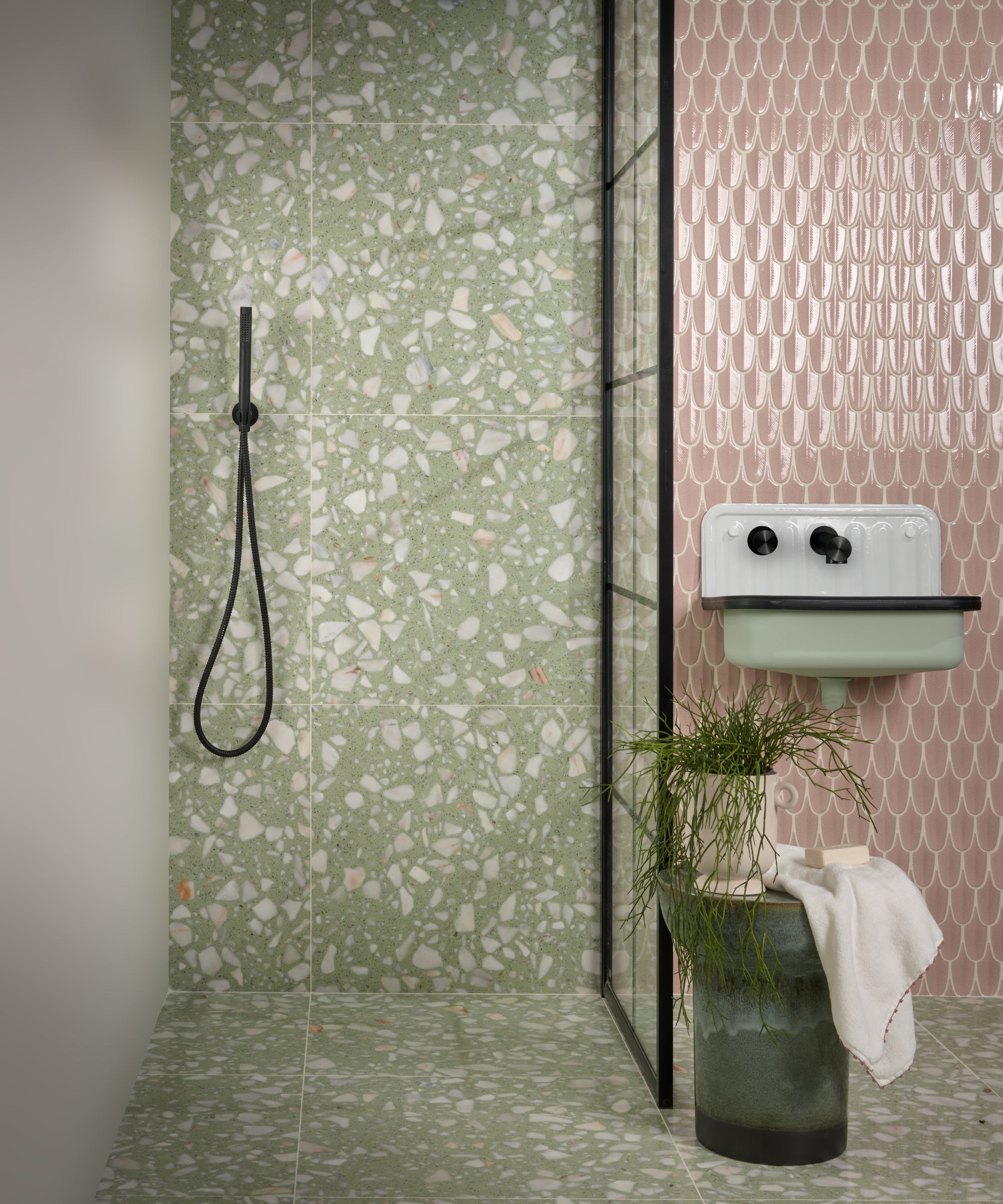
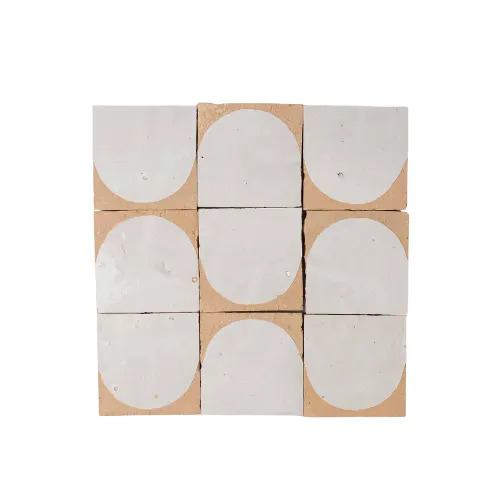
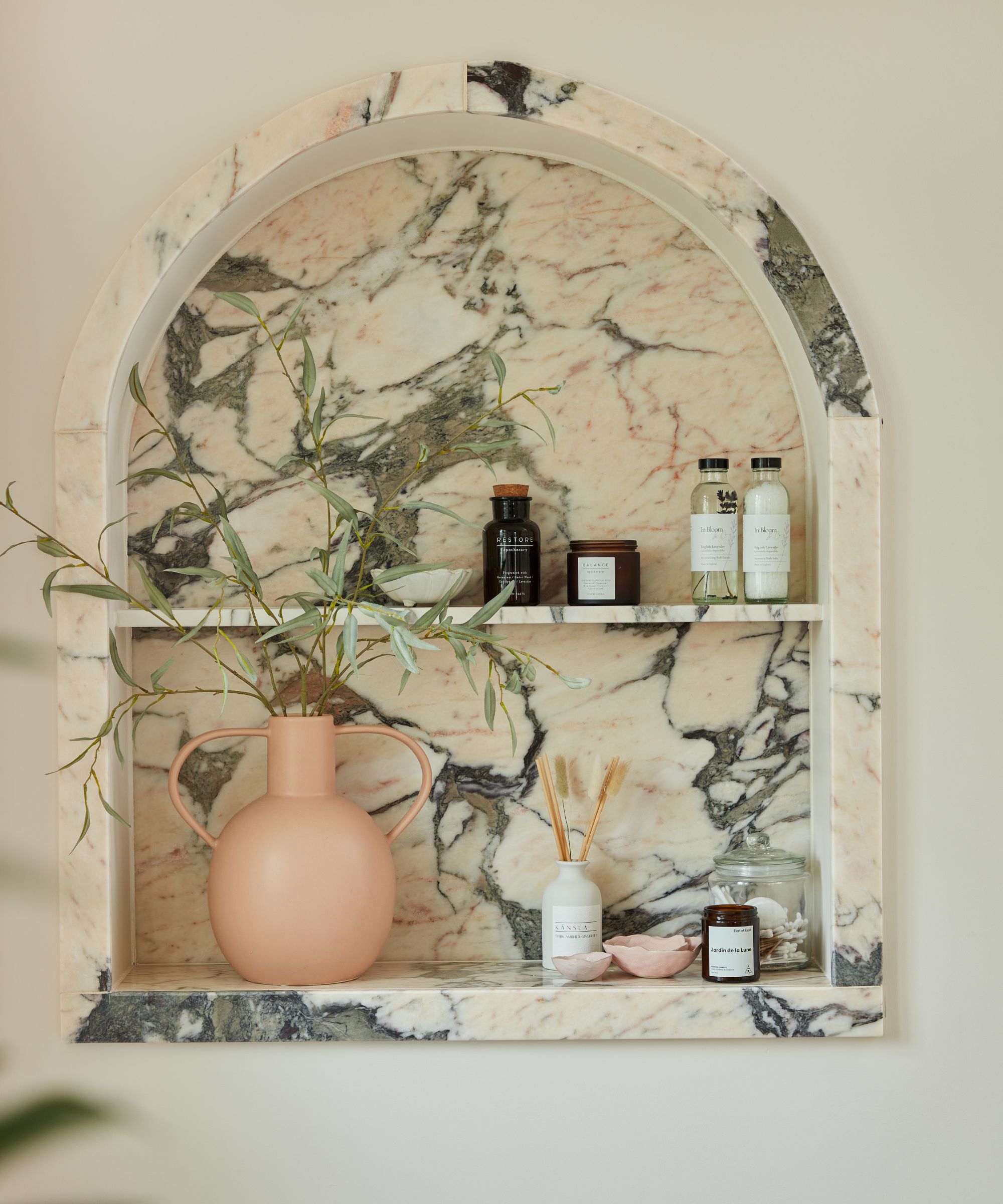
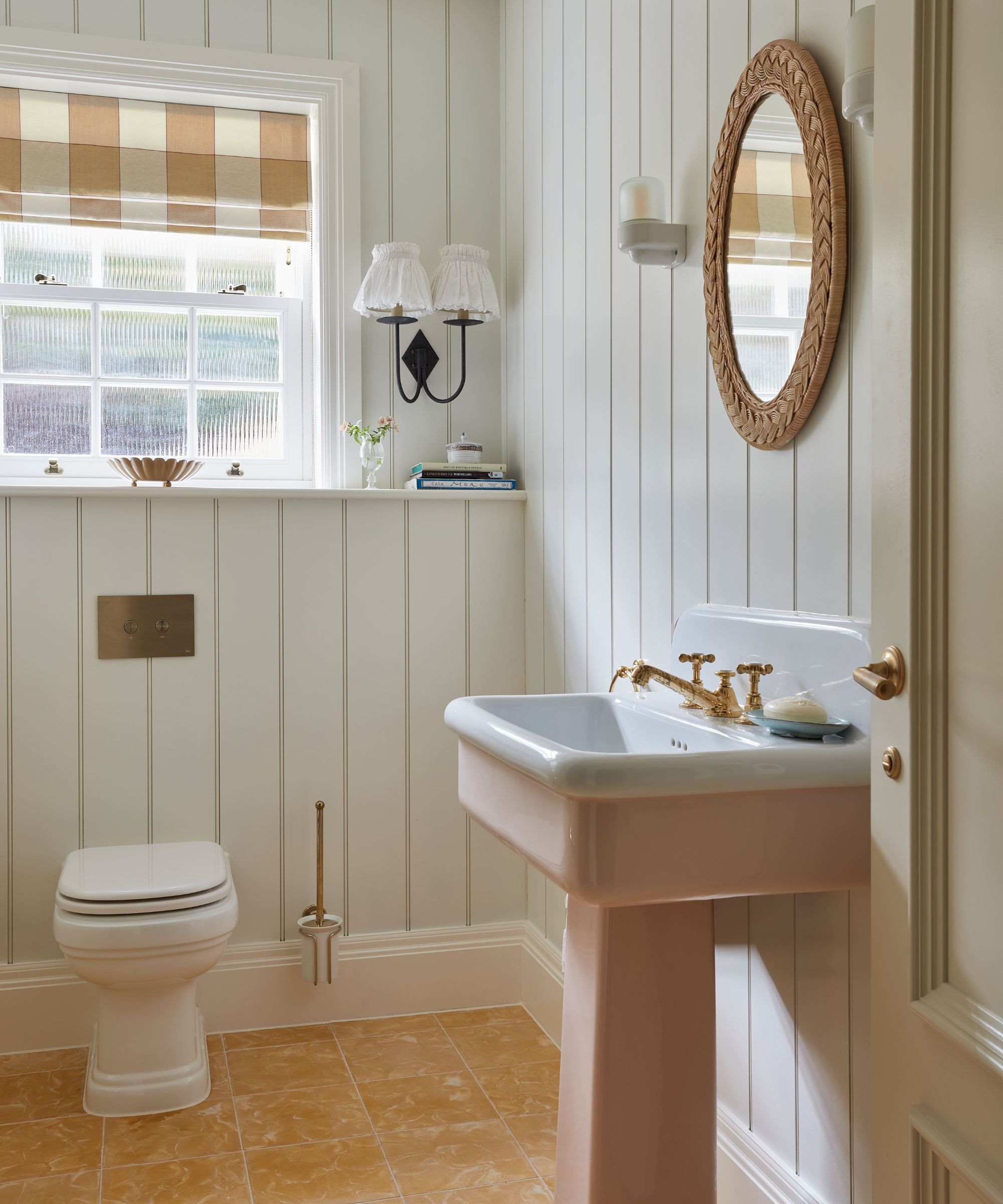
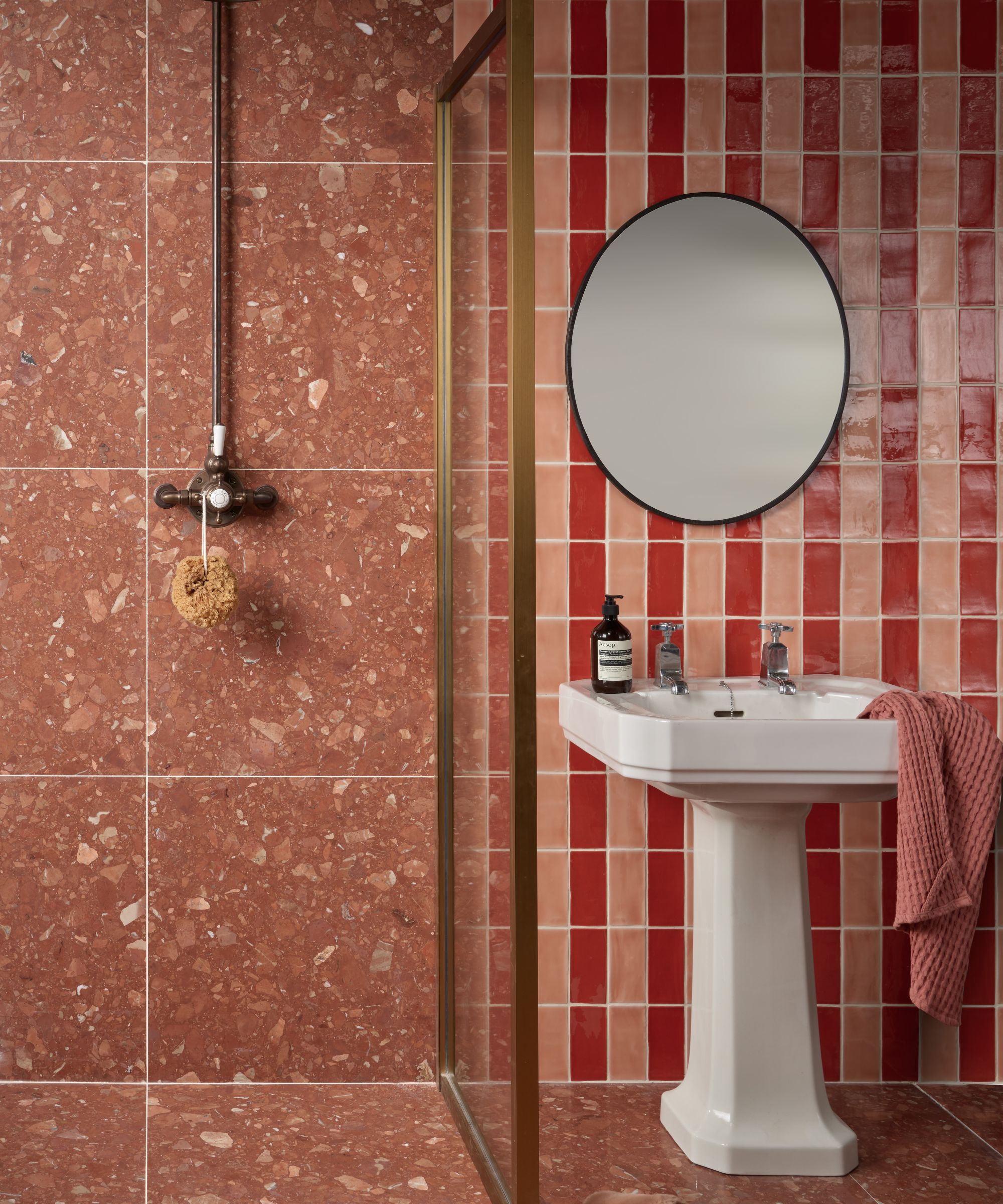
The versatility of terracotta tiles is another key factor in their increased desirability. Beyond their traditional European association, they integrate well into properties of various eras and styles, from Georgian townhouses to industrial conversions. Modern advancements in shapes, patterns, and layouts demonstrate that terracotta is a lasting trend rather than a fleeting one. The tiles offer a distinctive alternative to common glossy or slab tiles, enabling a more unique bathroom design. When it comes to color pairings, terracotta's baked-clay tones harmonize beautifully with soft neutrals such as creams, butter whites, and chalky beiges. For those preferring more vibrant schemes, certain brighter shades like deep reds or playful pinks can complement terracotta, creating an 'unexpected red theory' effect, provided the chosen color is a few shades lighter or darker than the tile to ensure intentionality. The trend of incorporating wood and natural materials into bathrooms also aligns perfectly with terracotta tiles, as their warm tones complement natural woven elements like rattan, wicker, and cane, creating cohesive and inviting spaces.
Despite their visual appeal, several practical considerations are essential before introducing terracotta tiles into a bathroom. As a naturally porous material, terracotta requires proper sealing, both before grouting and again afterward, with regular resealing recommended annually. Neglecting adequate sealing can lead to significant issues beyond tile wear, including mold growth, mildew build-up, subfloor damage, and even structural deterioration due to moisture seepage. If concerns about upkeep exist, designers suggest using terracotta tiles in areas with less direct water exposure, such as a feature wall or behind a vanity, rather than inside a shower. It is important to distinguish between damage and the natural patina that terracotta develops over time, which contributes to an aged and lived-in aesthetic. With appropriate installation and maintenance, terracotta tiles offer longevity and a classic material choice that resists dating, allowing for creative experimentation with colors, textures, and tile layout patterns.
#TerracottaTiles #BathroomDesign #InteriorDesign #TileTrends #HomeDecor #NaturalMaterials #BathroomTiles #DesignVersatility #TerracottaTiles #BathroomDesign #InteriorDesign #TileTrends #HomeDecor #NaturalMaterials #BathroomTiles #DesignVersatility
0 comment in total
 No comments yet
You may also like
Which Bathroom Tile Colors Will Never Go Out of Style? 5 Timeless Options Favored By Designers

Clever’s Guide to Bathroom Tile Trends Through the Decades

15 of the Most Important Bathroom Flooring Ideas You Need to Know When You're Planning a Makeover This Year

21 bathroom tile design ideas, from trendy to timeless
7 bathroom floor tile trends interior designers have on their radar for 2025
Terracotta tiles, marble features, and wooden accents have transformed this once bland and boring bathroom into a warm, tranquil retreat
4 Bathroom Tile Trends That Are So Outdated, According to Designers

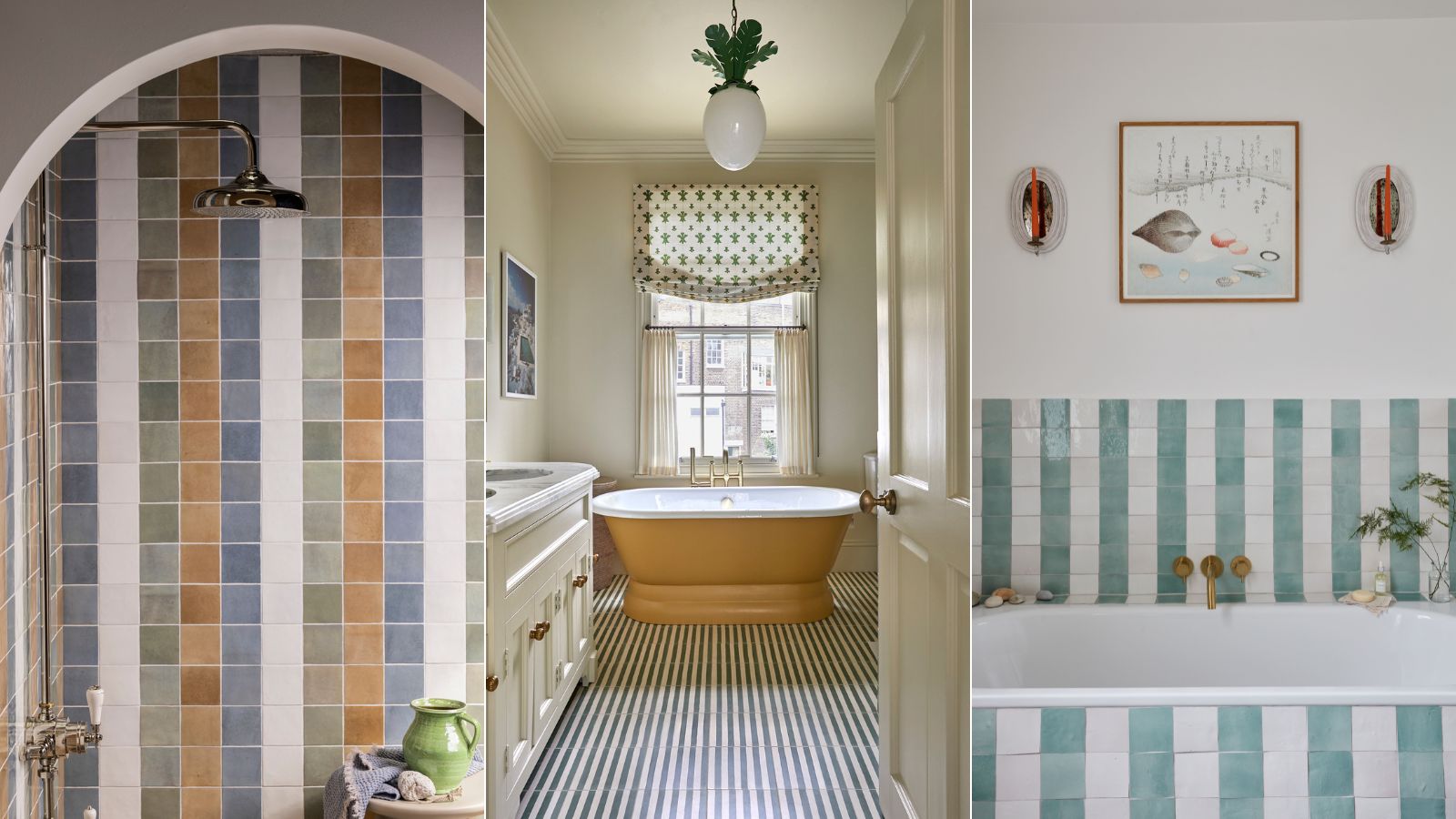
Yes, stripe tile layouts are trending – but are they timeless enough to commit to in your bathroom? We asked designers
Six Reasons to Keep "Dated" Bathroom Tile, According to Designers
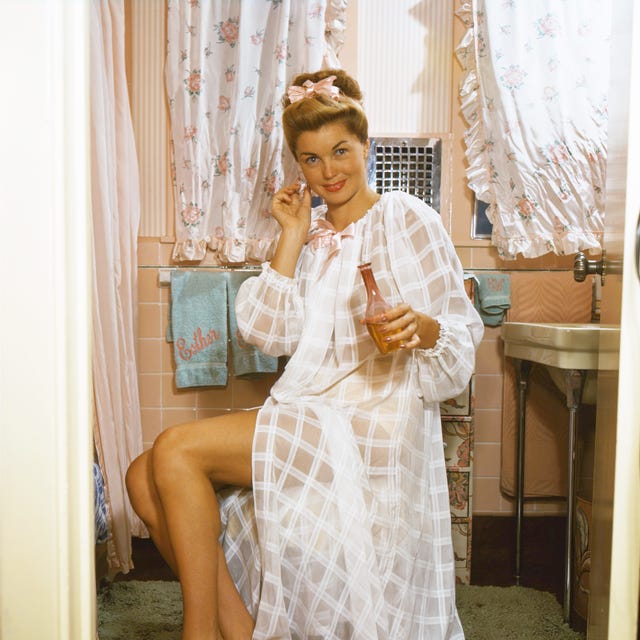
Don't Get Rid of That Pink Retro Tile! Why Designers Are Loving Vintage Bathrooms

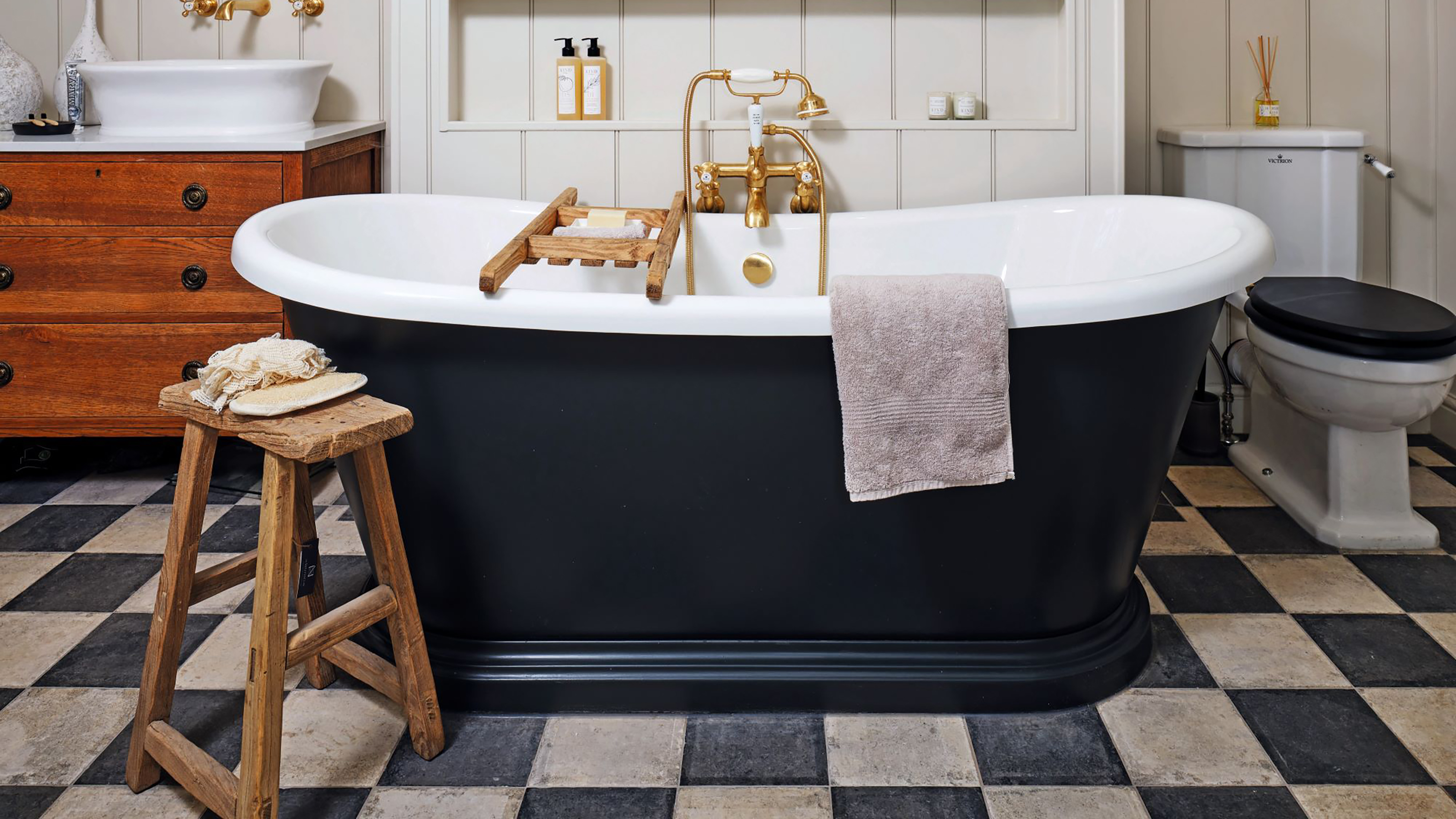
Bathroom floor tile ideas – 15 ways to incorporate stylish tiles underfoot
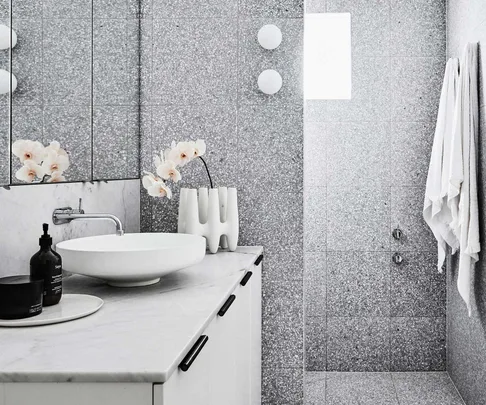
15 terrazzo bathrooms that prove the trend is here to stay

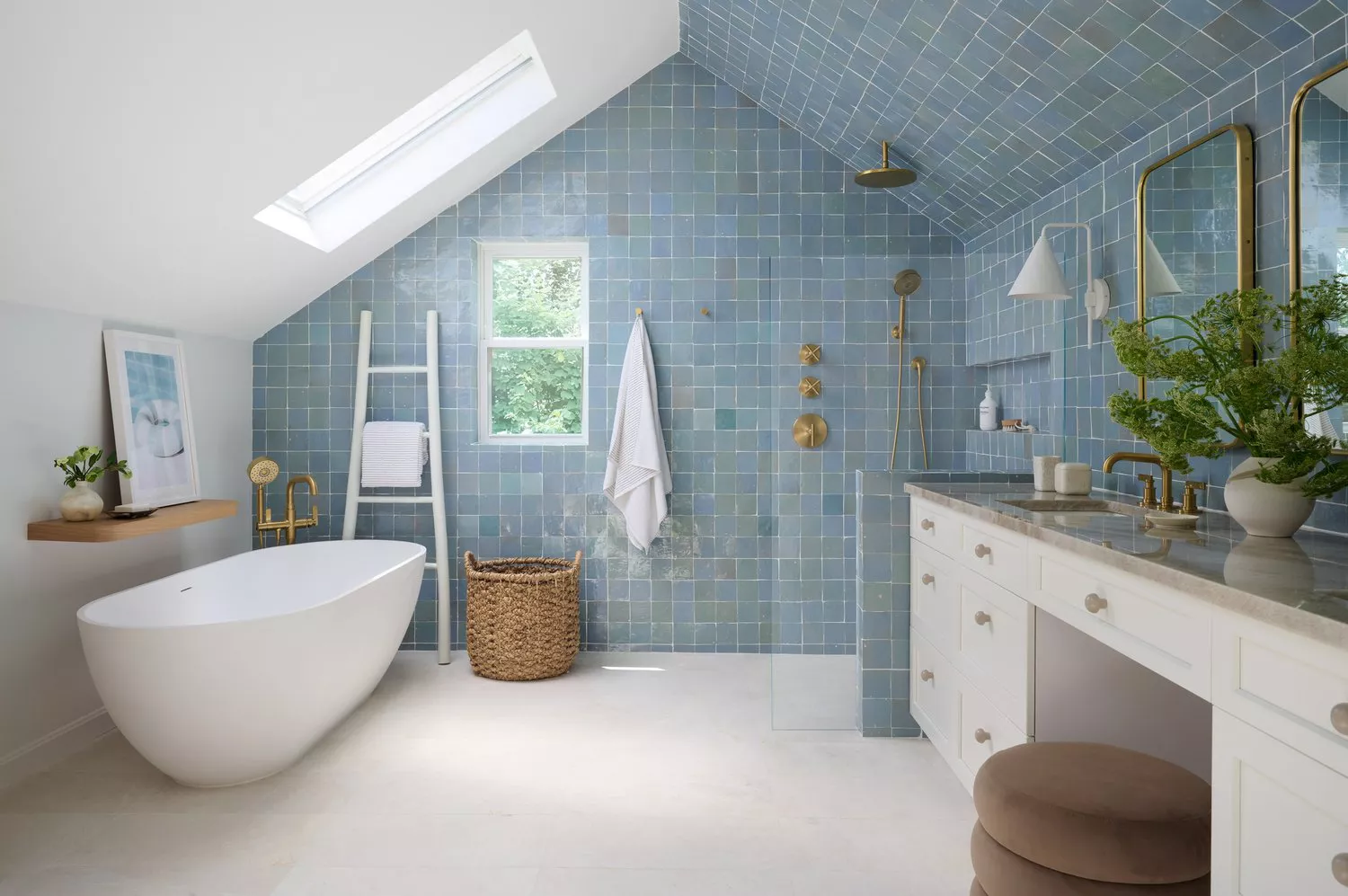
This Moody Tile Trend Is the Key to Updating a Dated Bathroom, Designers Say
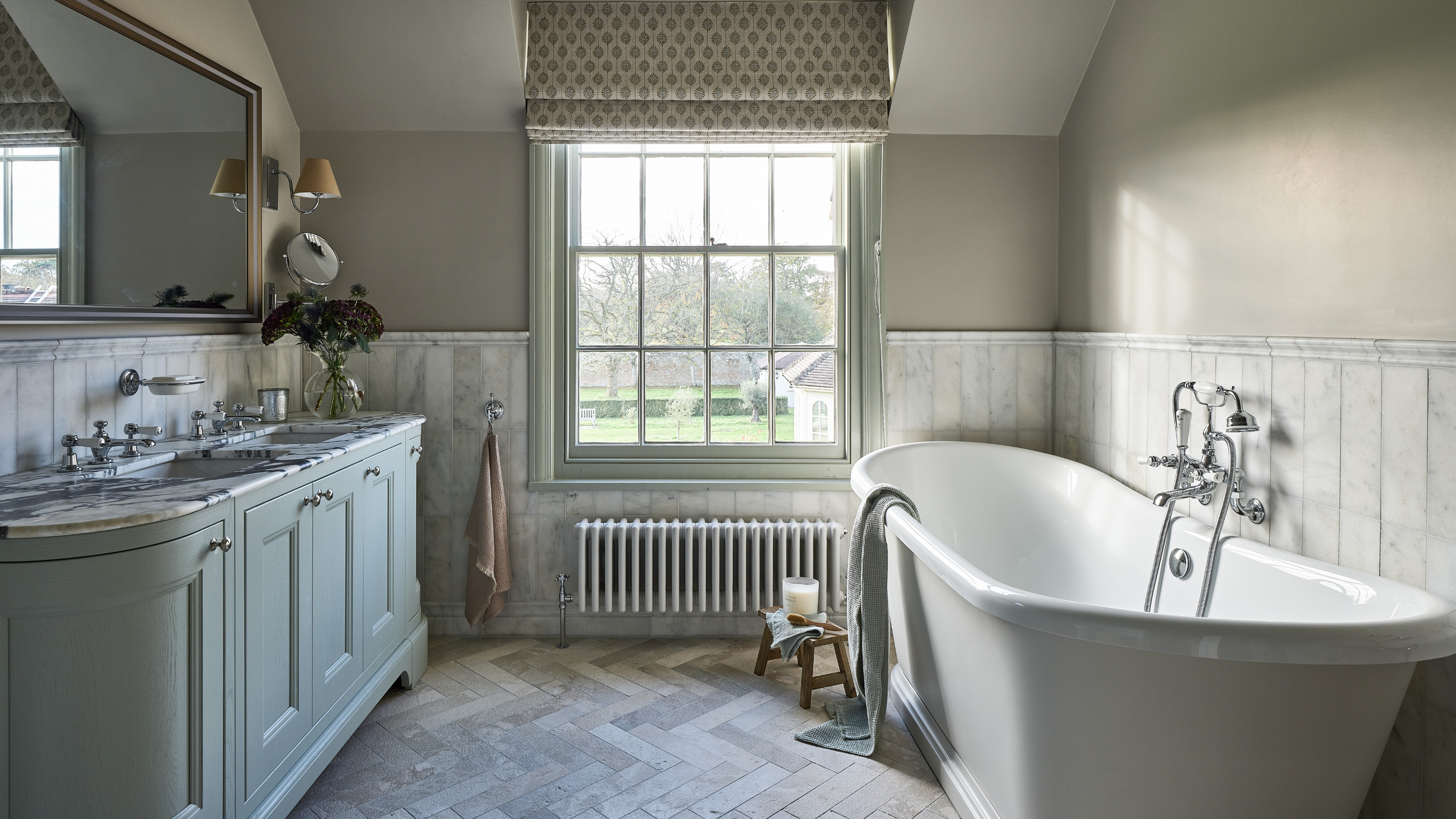
5 Outdated Tile Trends Designers Are Still Noticing in 2025 That Can Make Your Space Look Old-Fashioned
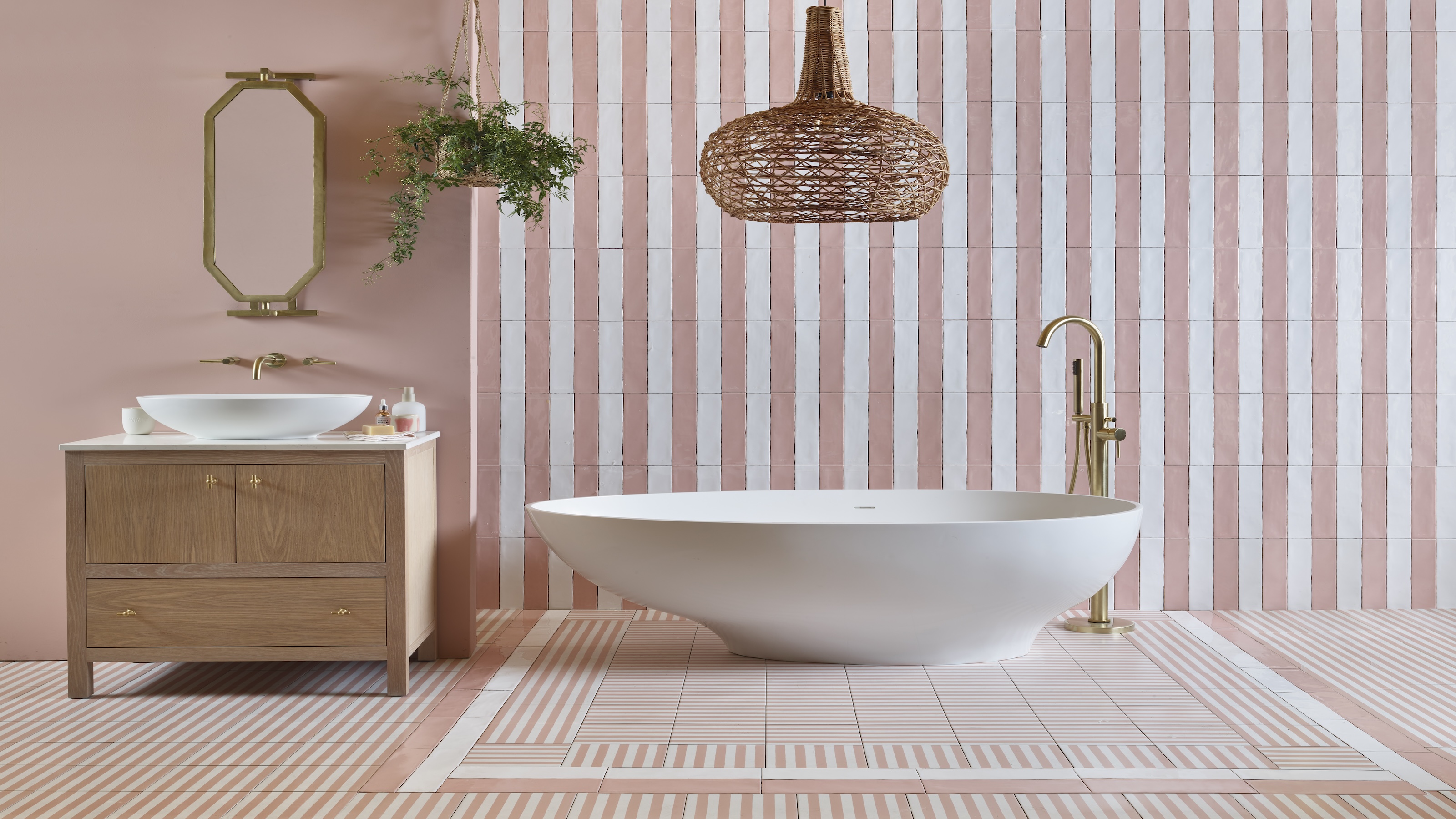
What Are the Different Types of Tiles? Use This as Your Glossary When Planning Your Bathroom Renovation
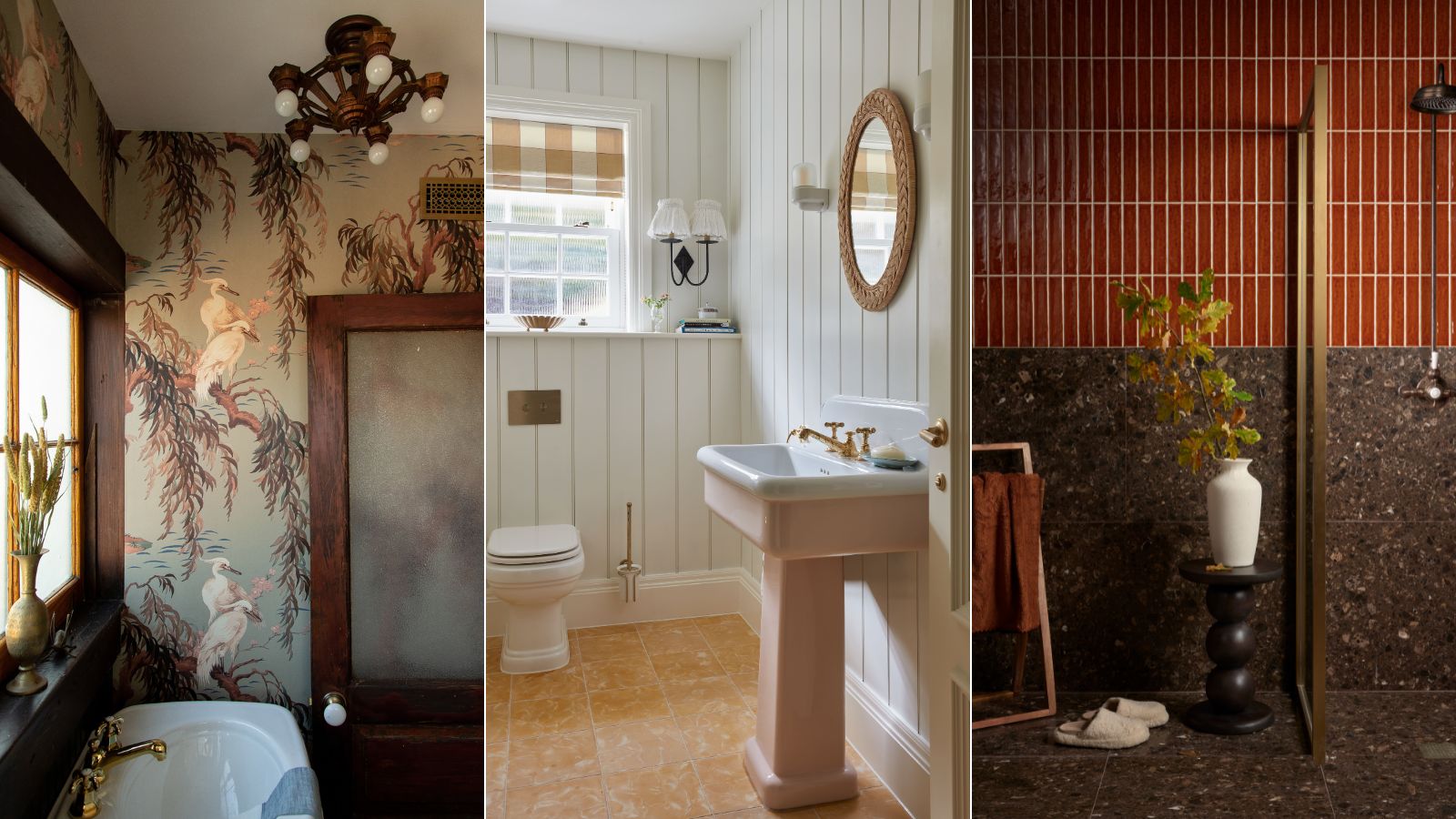
5 once-dated bathroom styles designers say are making a comeback in 2024
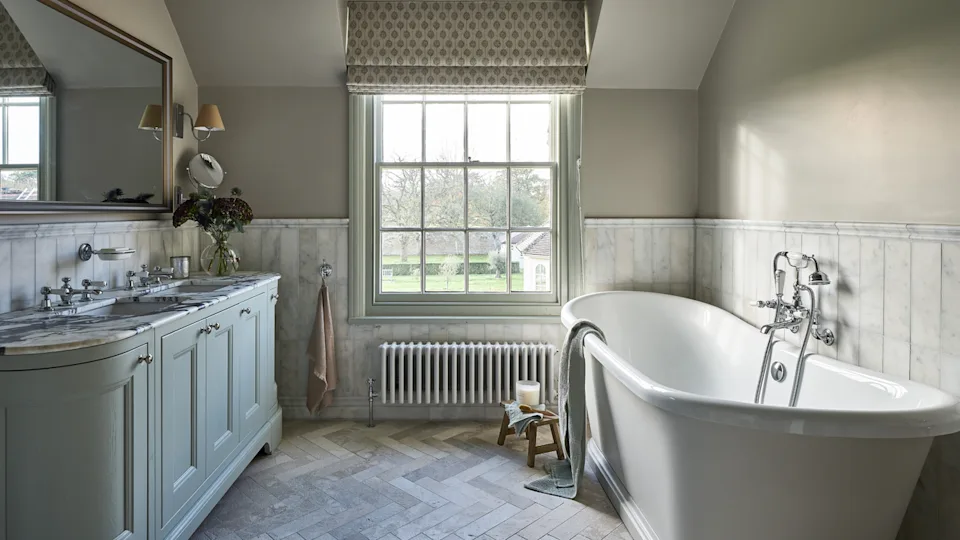
5 Outdated Tile Trends Designers Are Still Noticing in 2025 That Can Make Your Space Look Old-Fashioned
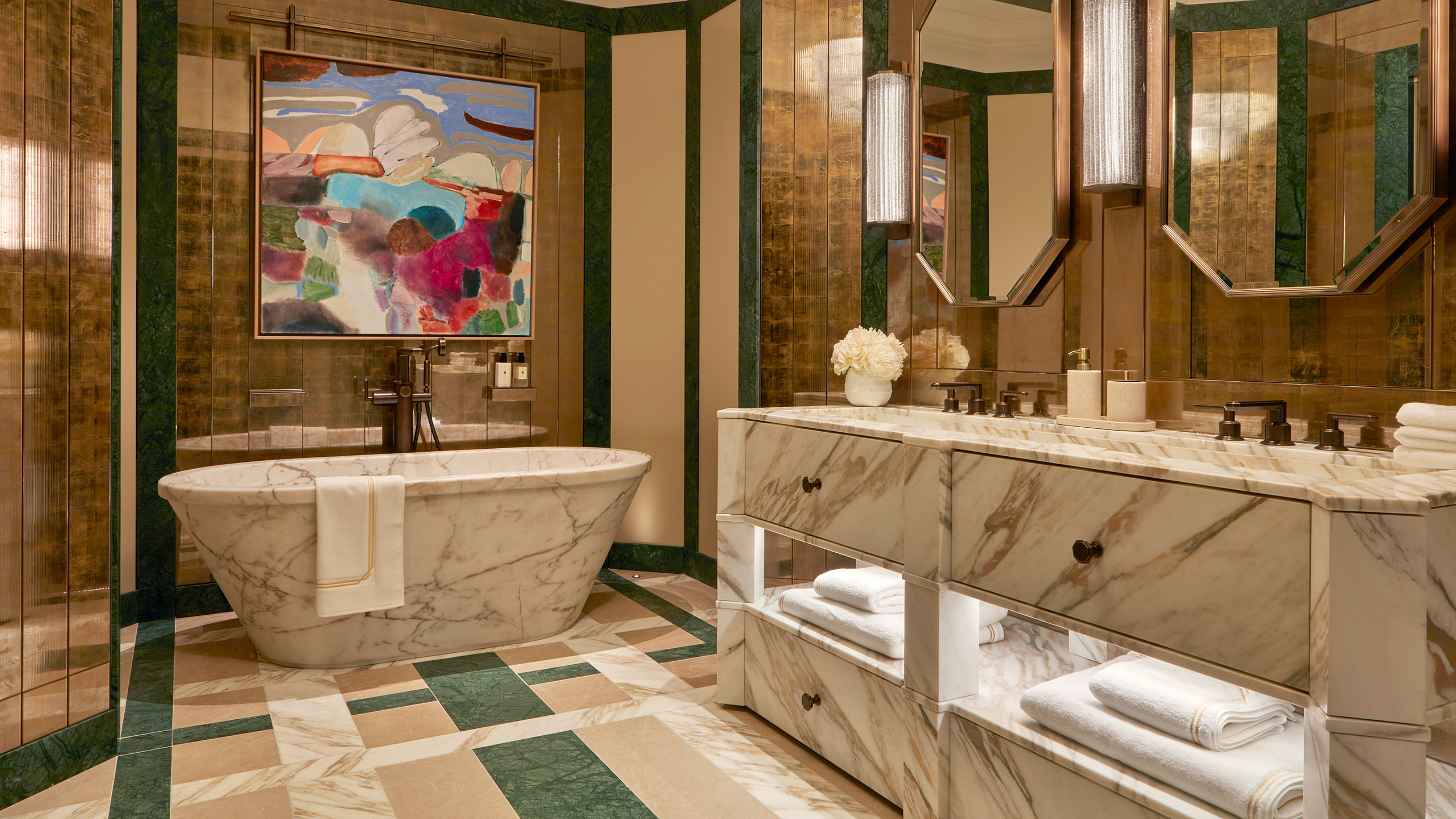
5 Outdated Bathroom Flooring Trends to Avoid in 2025 — Plus the Ones the Experts Want to See More of in Your Home
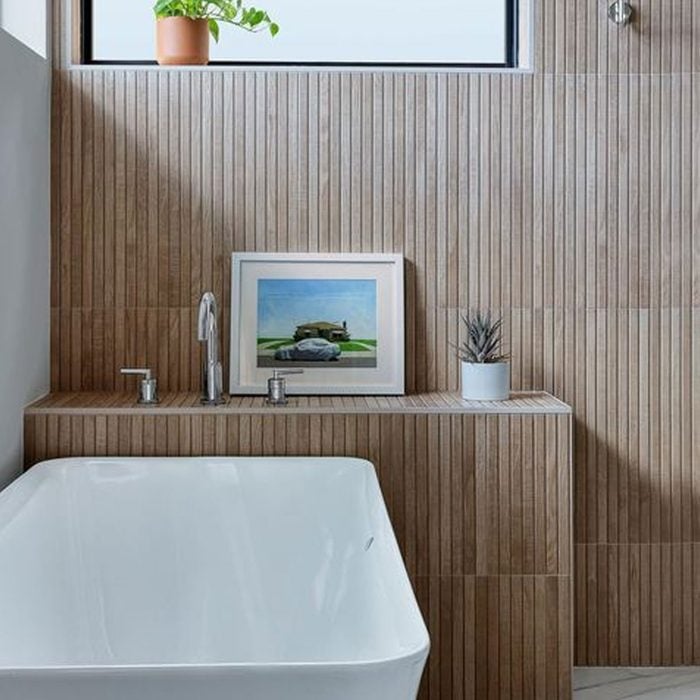
10 Bathroom Tile Trends That We Love

How to Choose Bathroom Tile That You'll Love Forever, According to a Designer