1/9
Six Reasons to Keep "Dated" Bathroom Tile, According to Designers
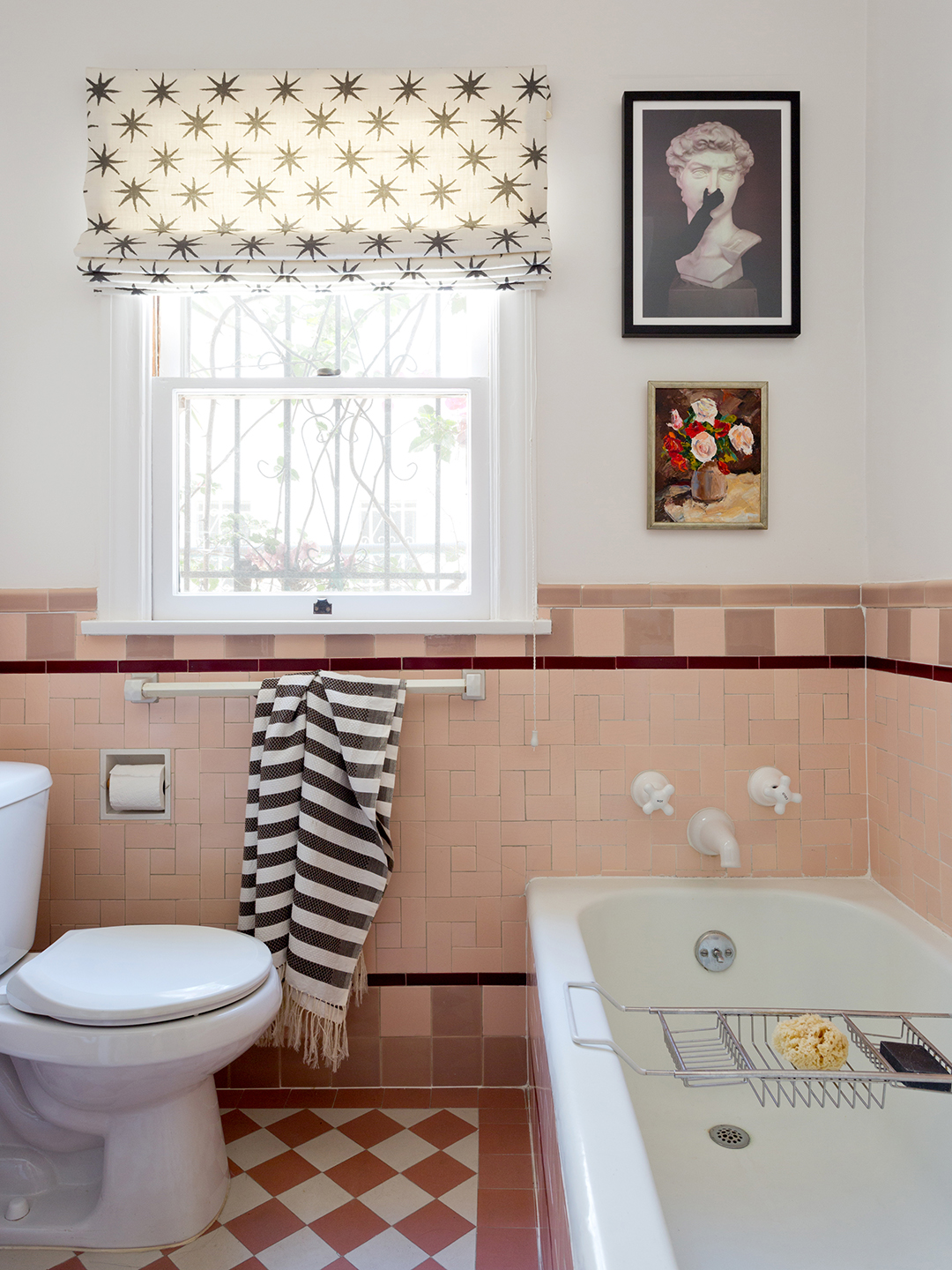
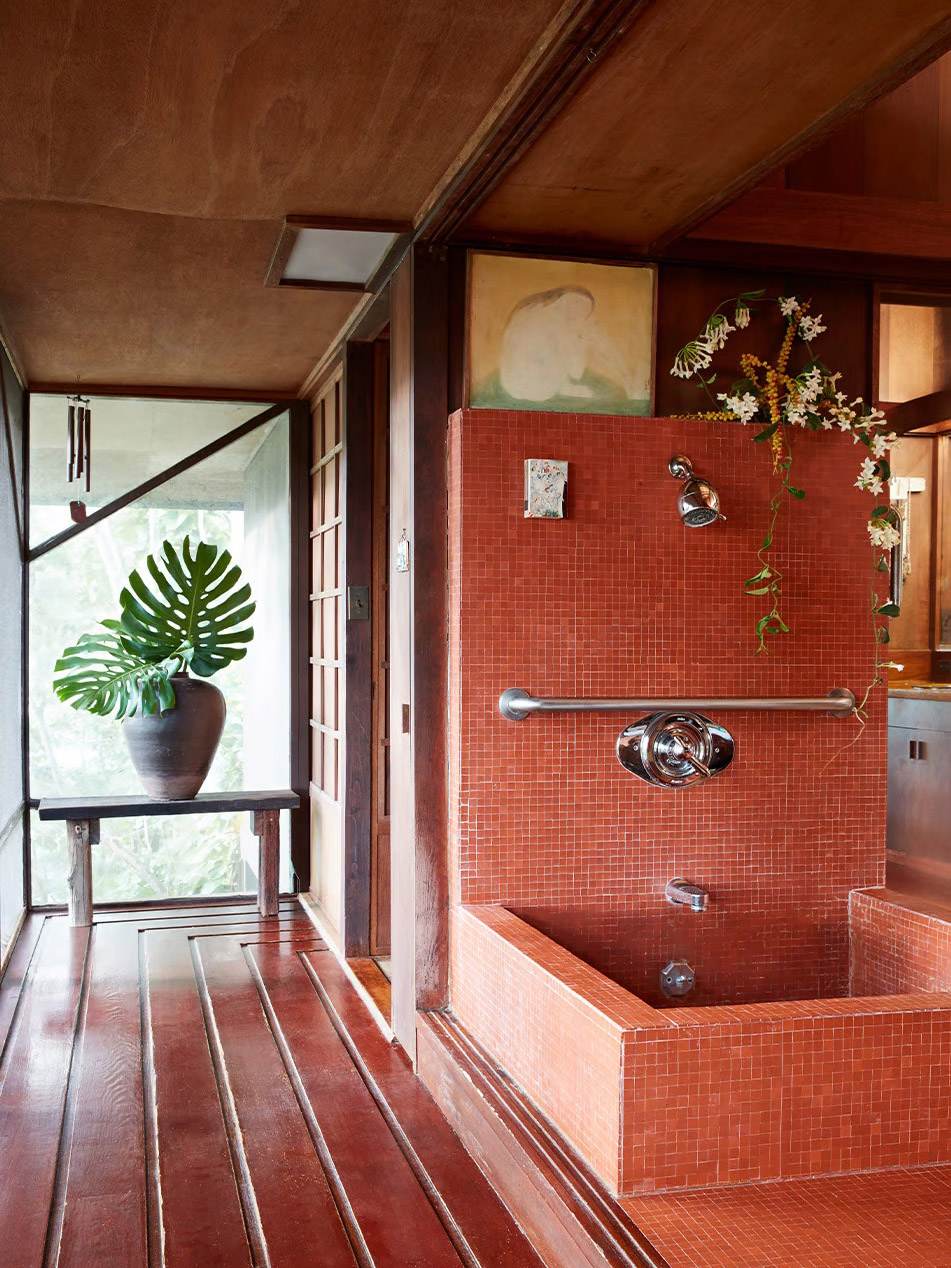
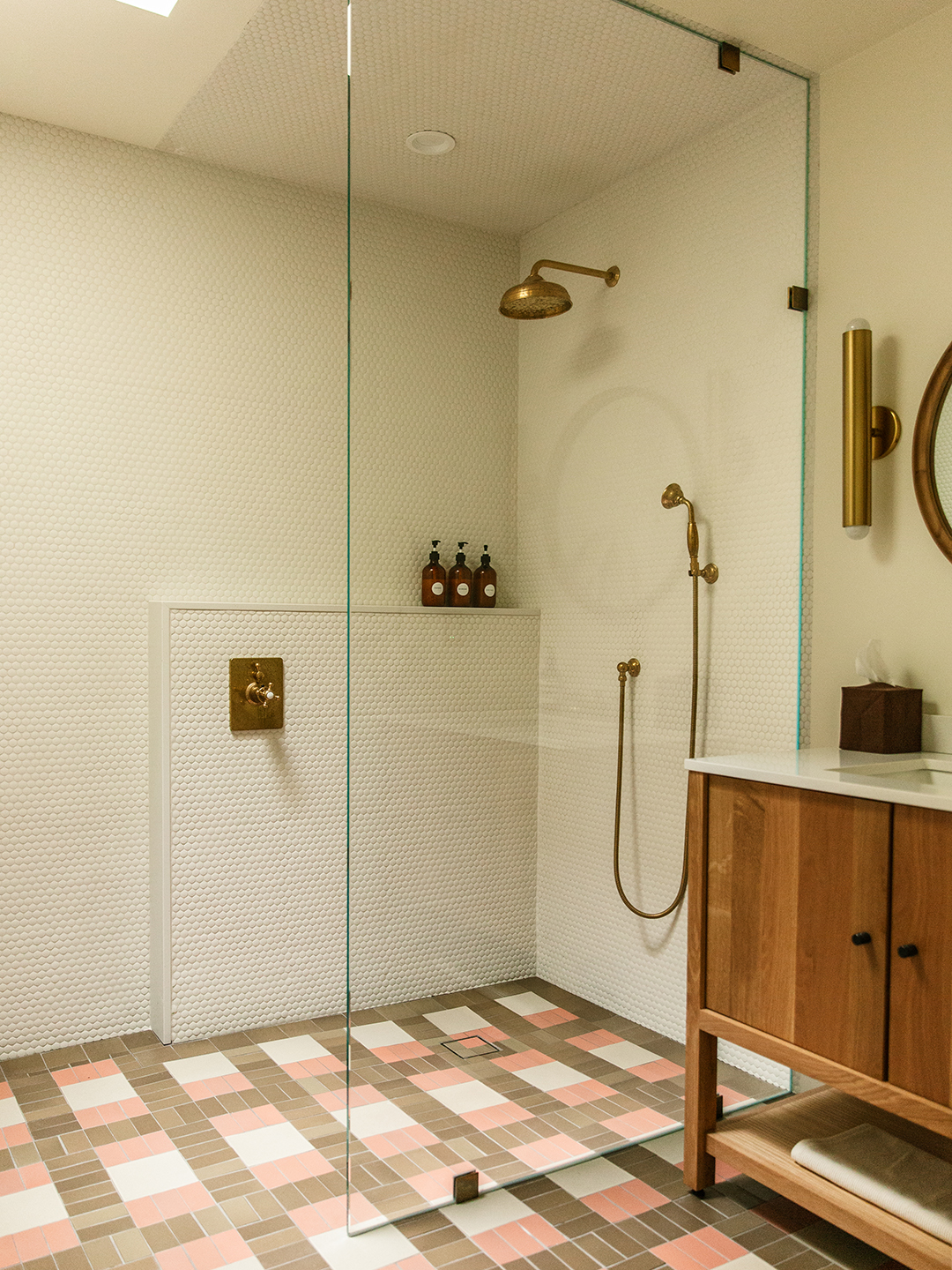
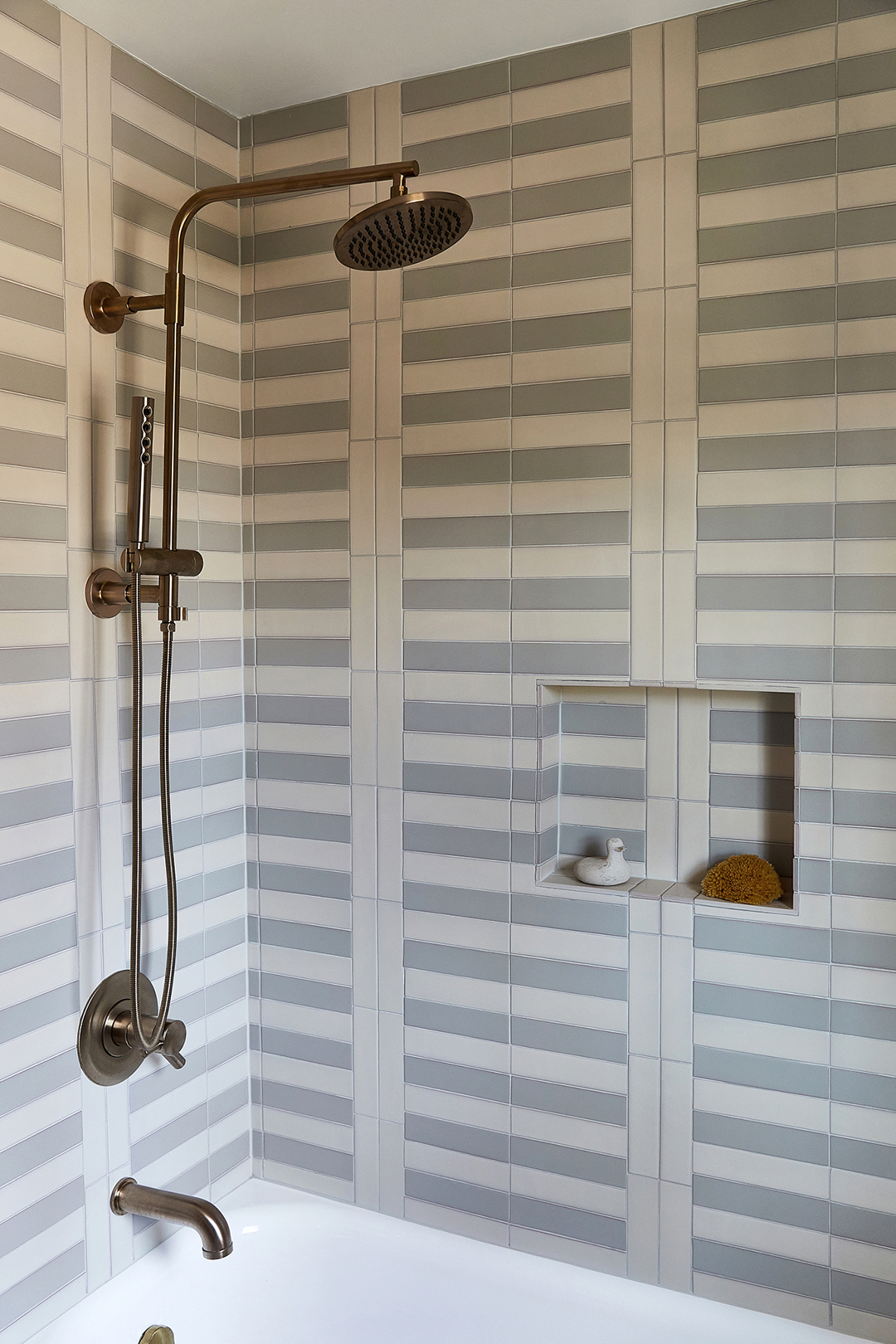
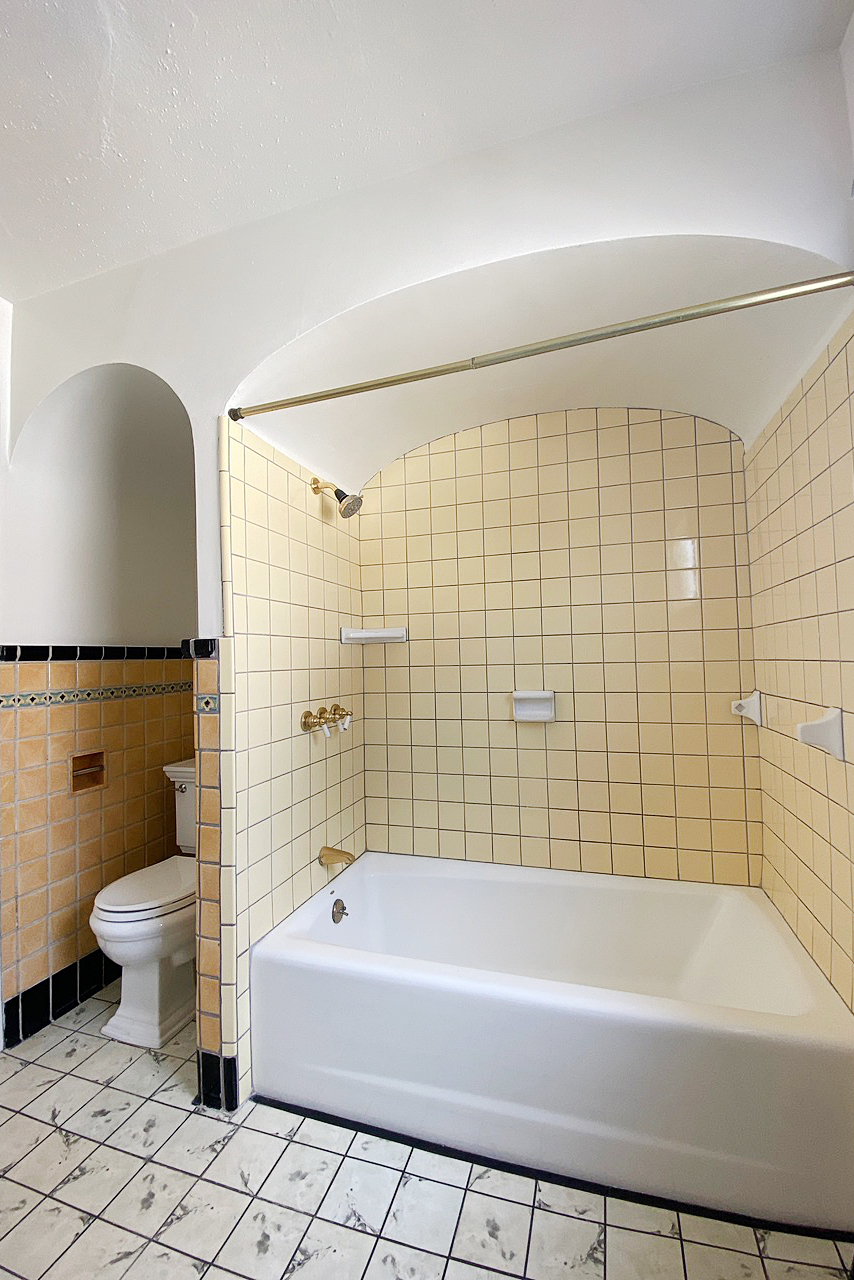
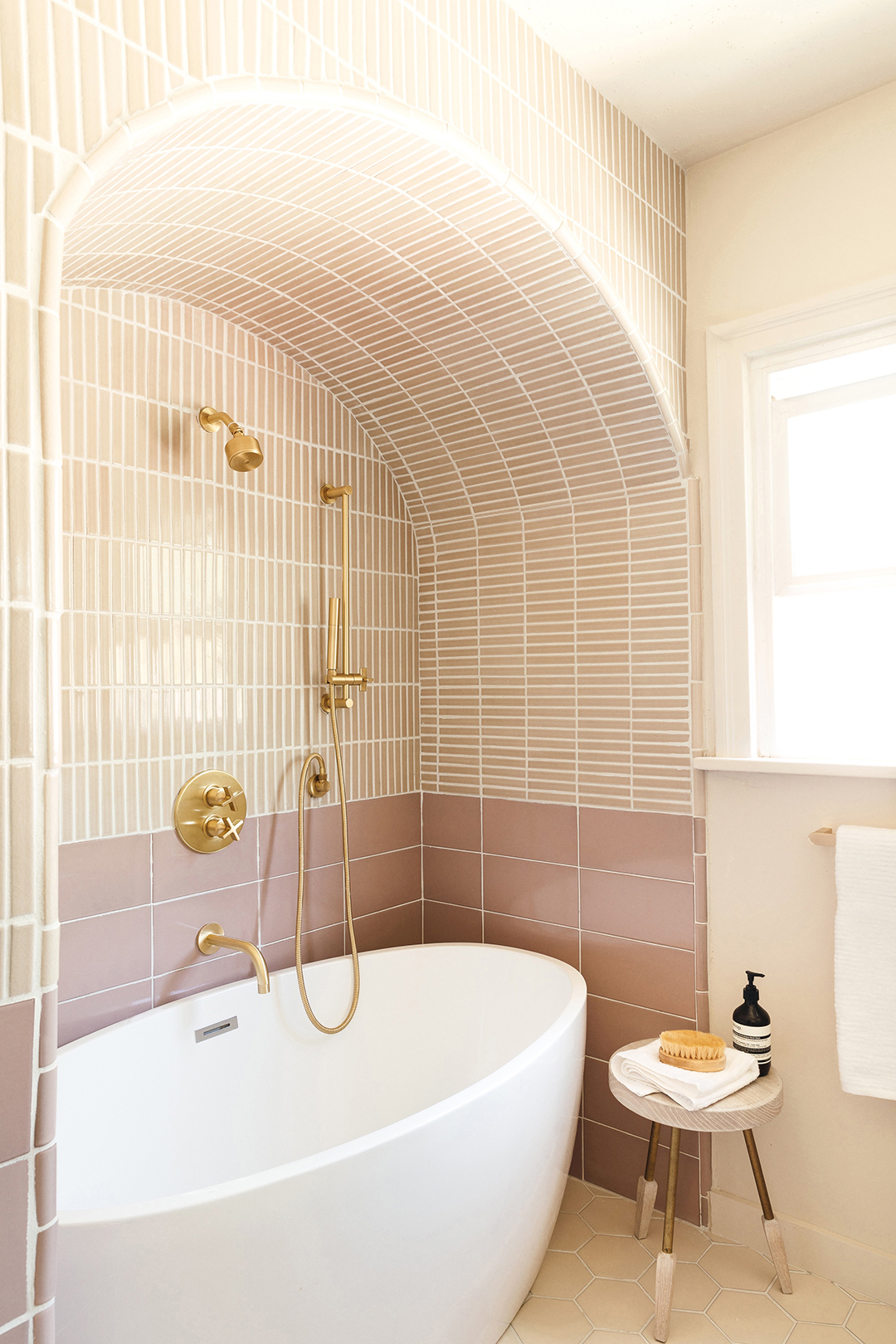
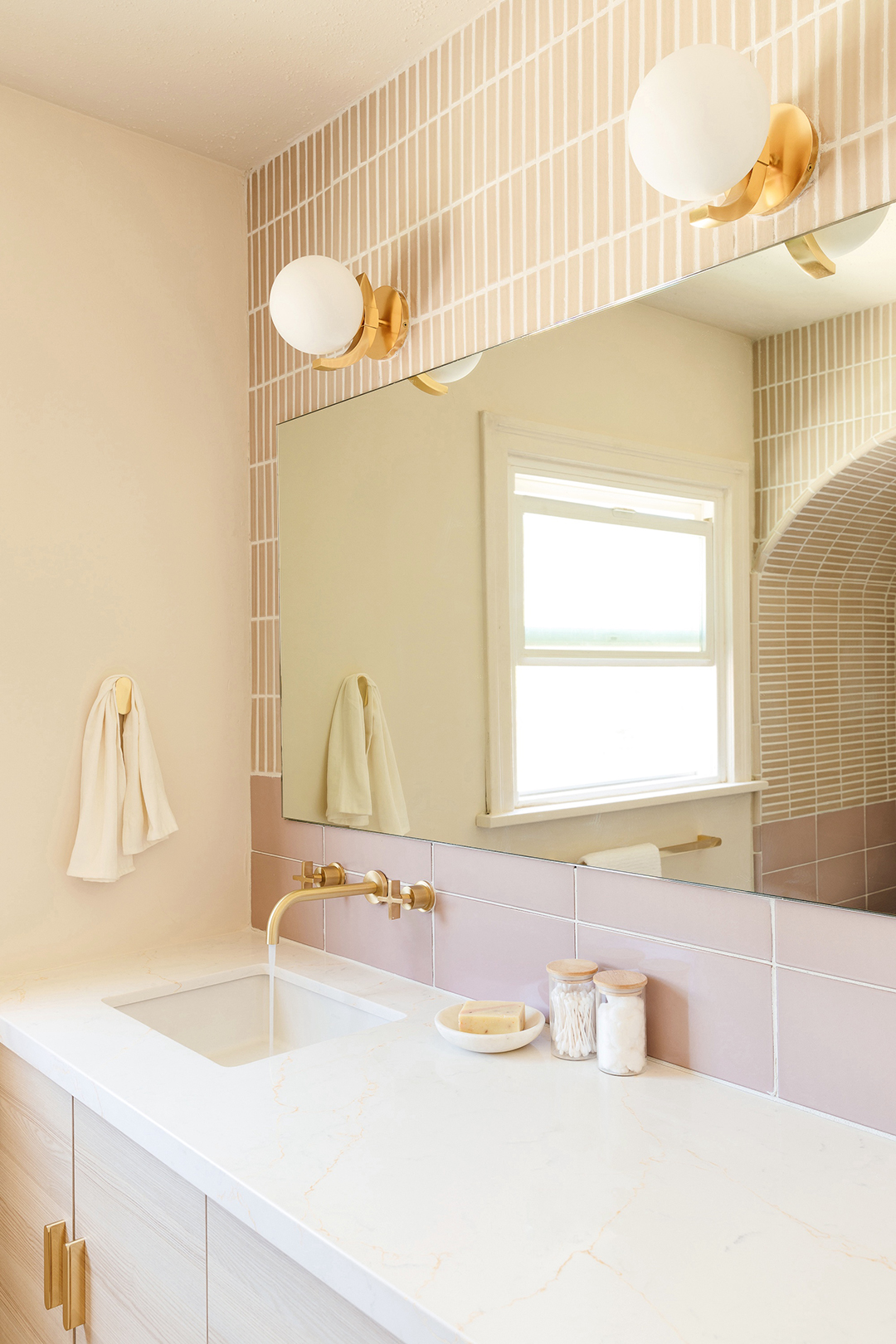
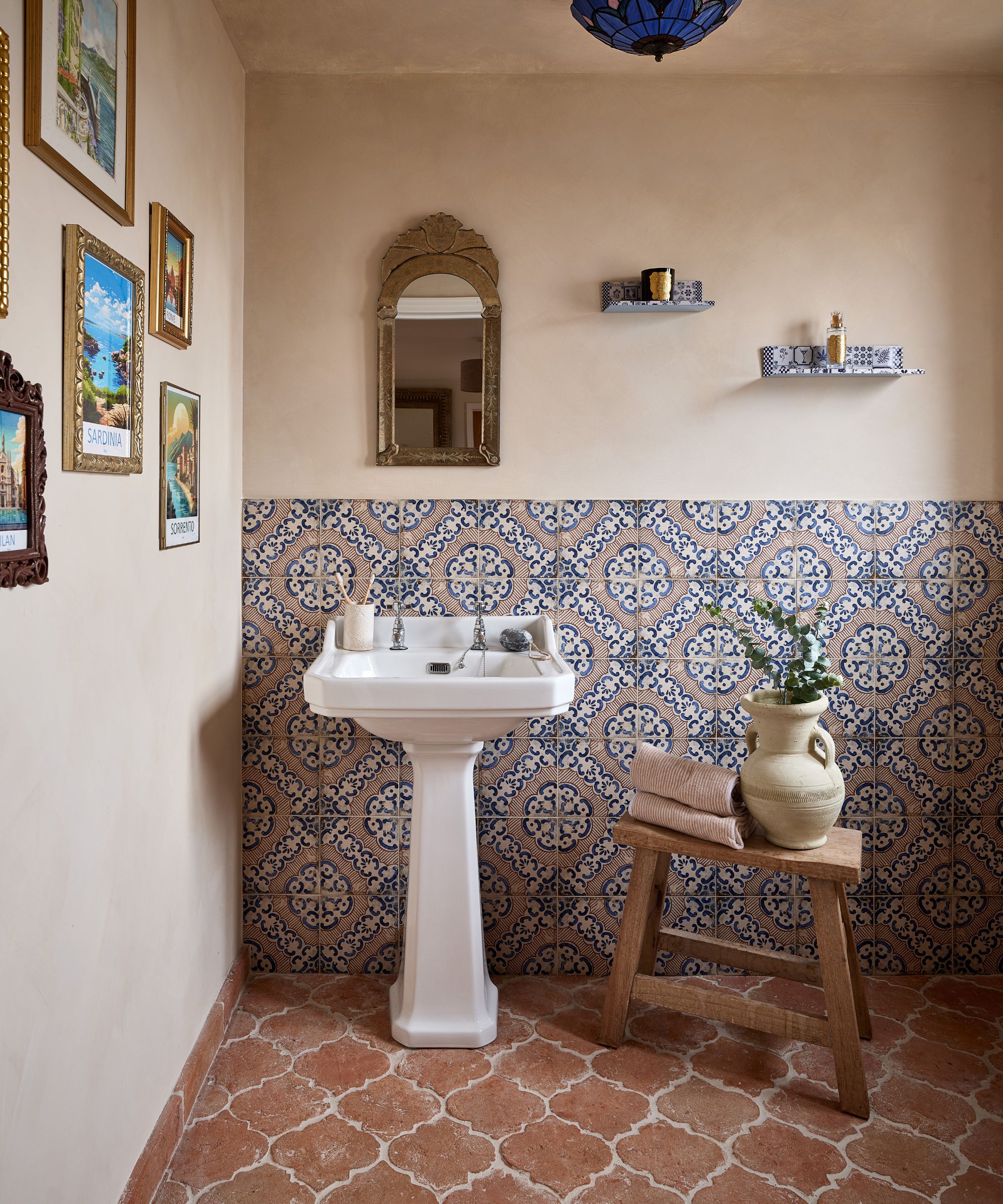
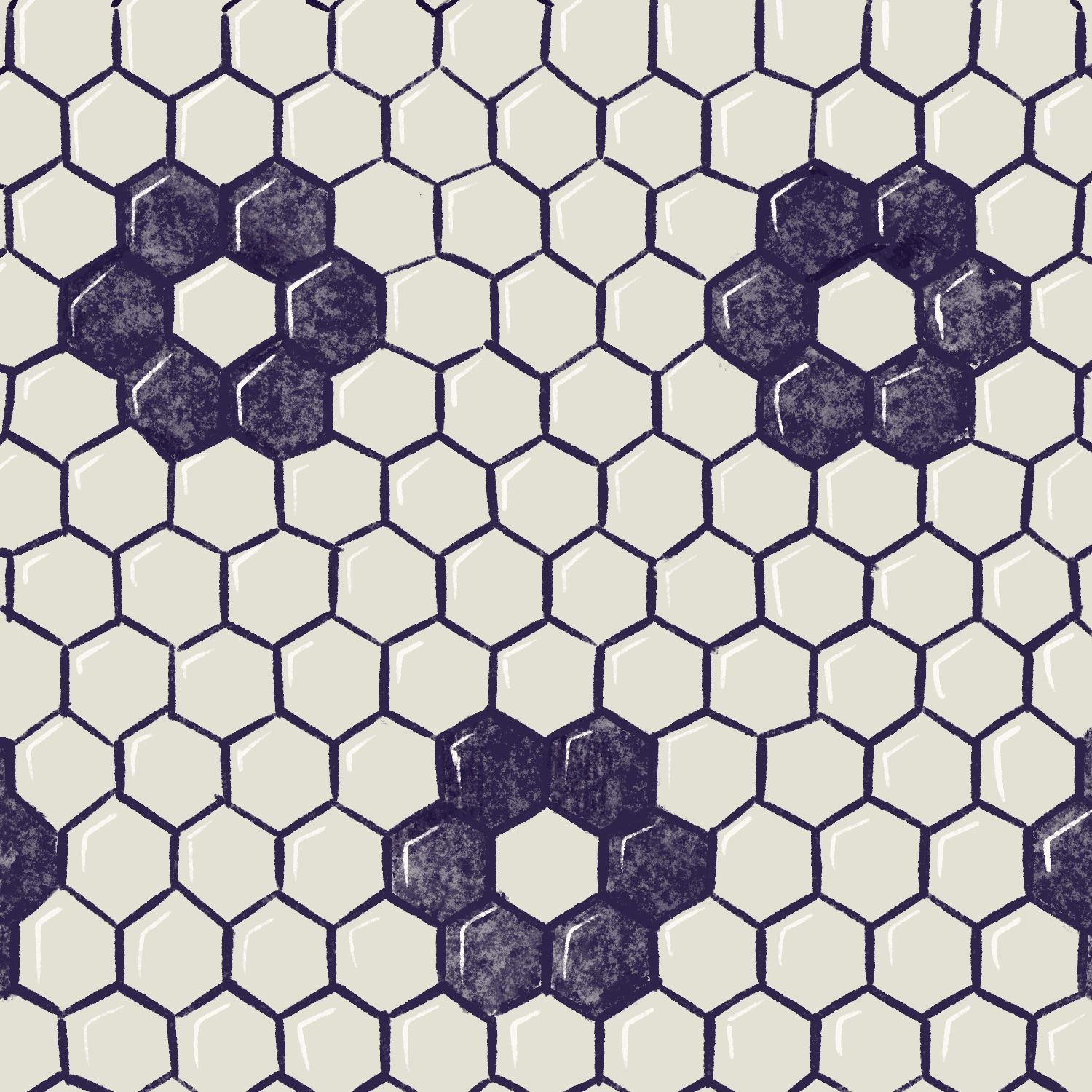
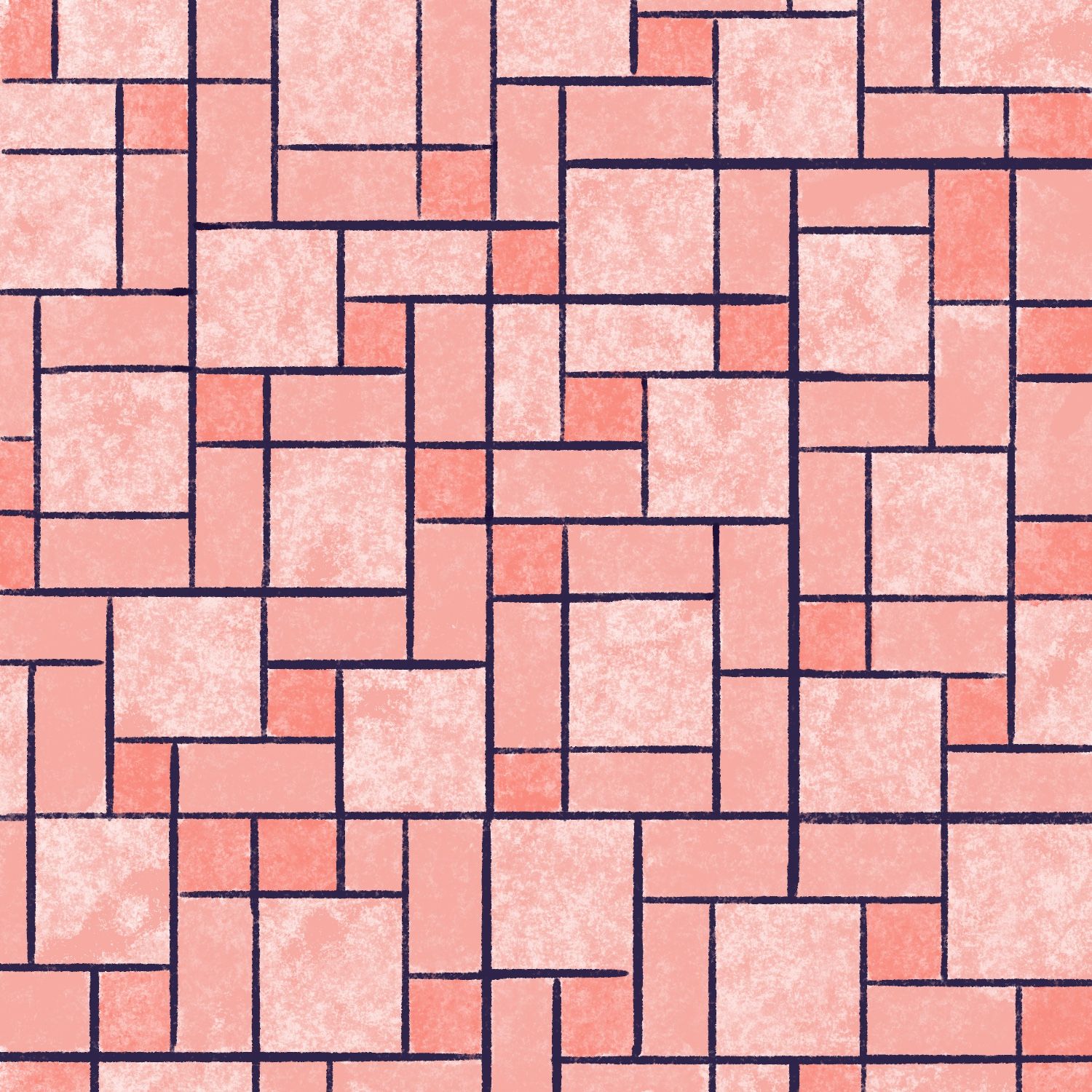
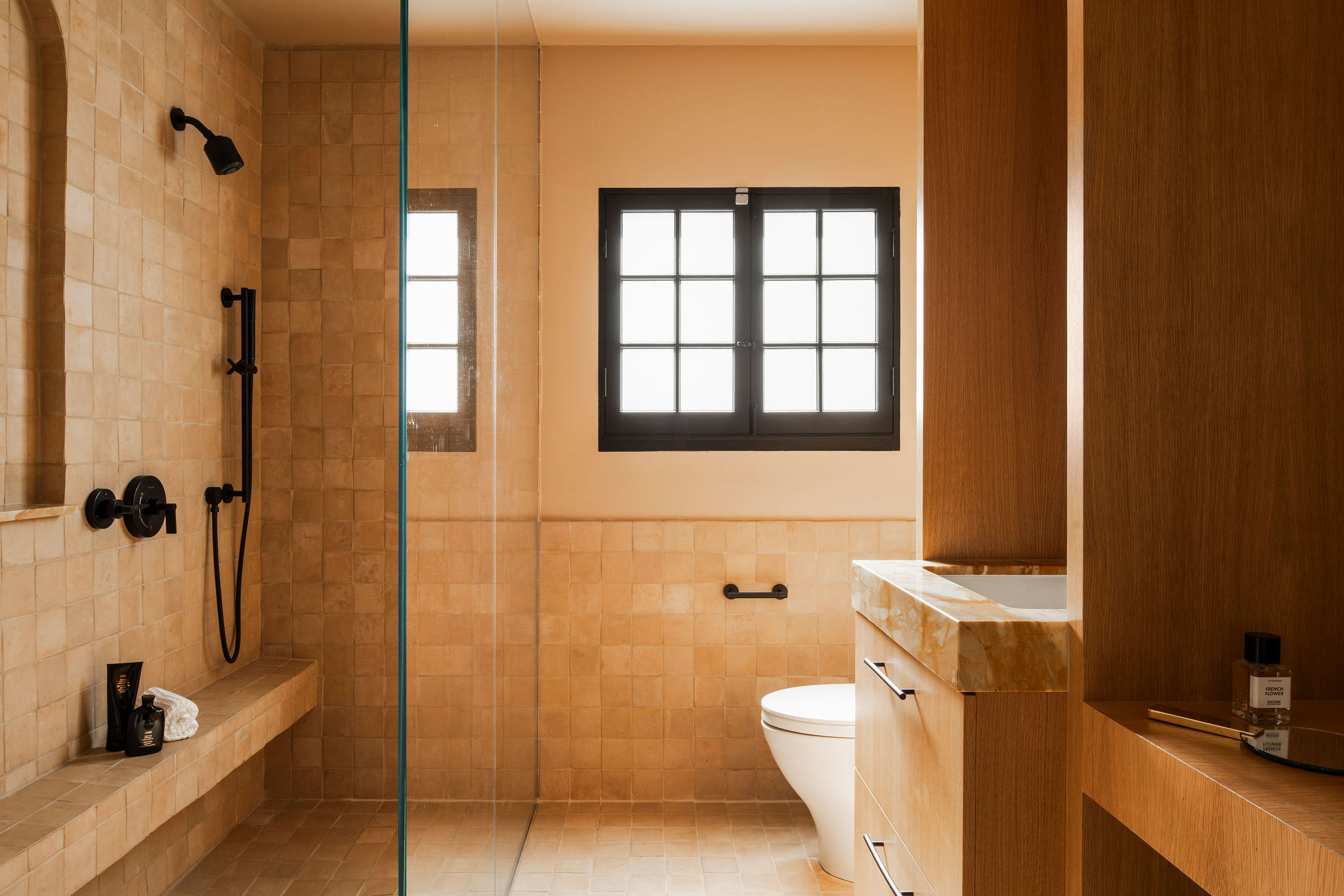
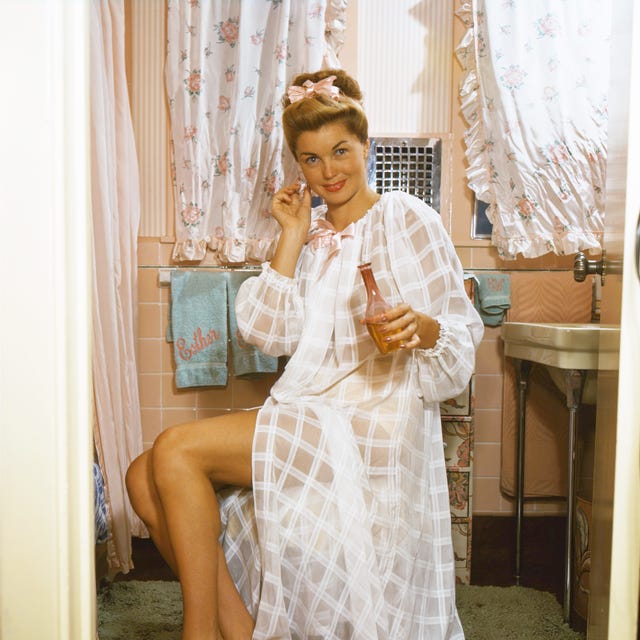
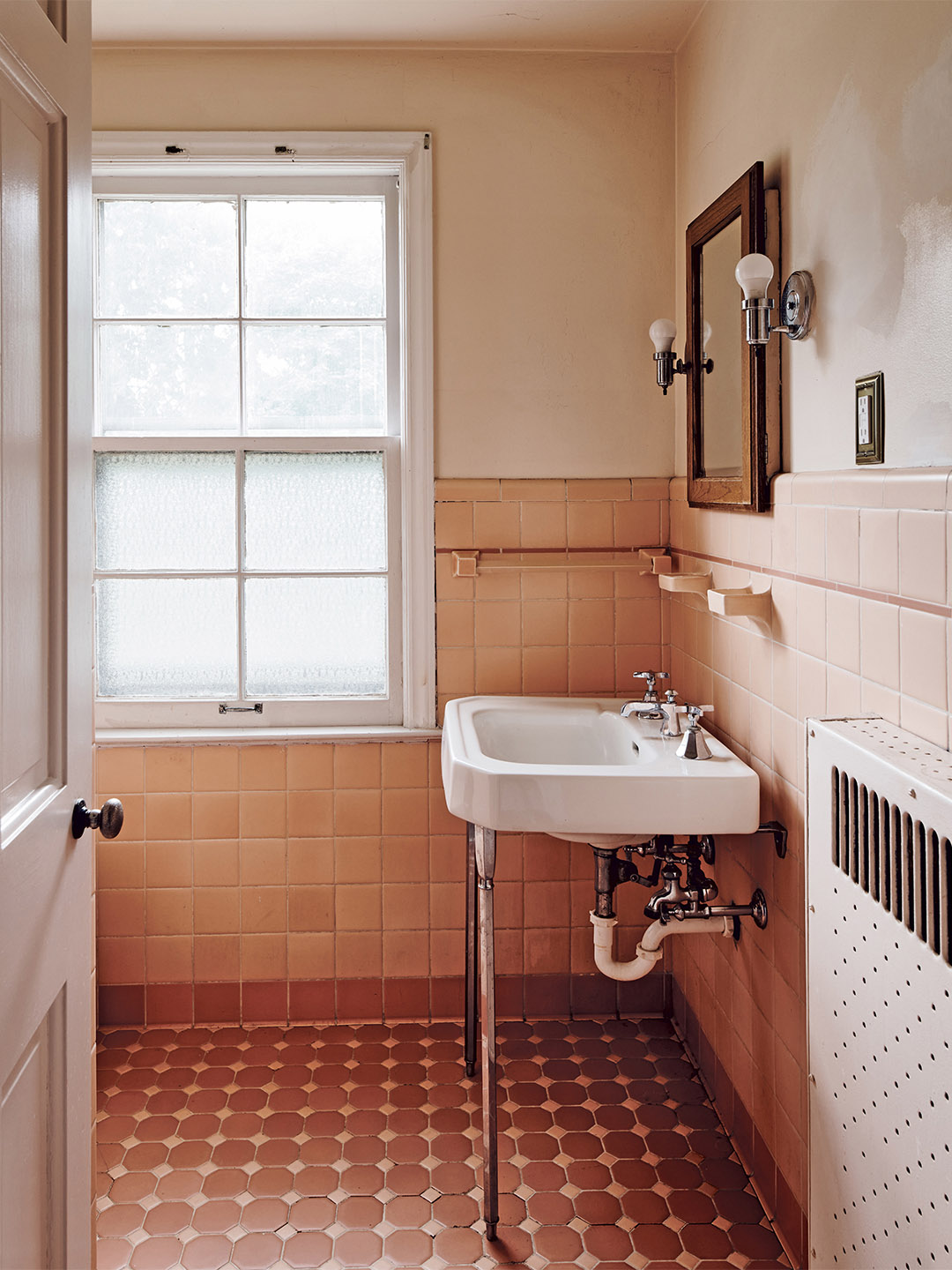
The article explores the resurgence of pastel bathroom tiles, a trend prominent in the 1950s, highlighting expert opinions on why homeowners should preserve these 'dated' elements rather than renovating them. Pastel tiles, characterized by colors such as bubblegum pinks, powderpuff blues, and buttery yellows, were a dominant feature in bathrooms during the post-World War II era, embodying a sense of optimism. This aesthetic persisted until the 1970s, when avocado tones gained popularity. The current revival of pastel tiles is attributed to several factors, including a renewed appreciation for color and variety in living spaces, a reaction against homogenized interior design, and a growing emphasis on eco-conscious approaches.
Ingrid Fetell Lee, a designer and author, suggests that the pandemic-induced confinement led individuals to recognize the importance of color in their surroundings. This shift in perception has transformed previously considered 'dated' colorful tiles into a source of joy. Additionally, Lee notes a backlash against the widespread 'Airbnb' aesthetic, characterized by white walls and gray laminate floors, which often strips homes of their unique character in pursuit of higher resale value. This has led to a desire for more personalized and quirky interiors, with homeowners opting to retain original features. Popular television series like 'Who’s Afraid of a Cheap Old House?' further reinforce this appreciation for original architectural details.
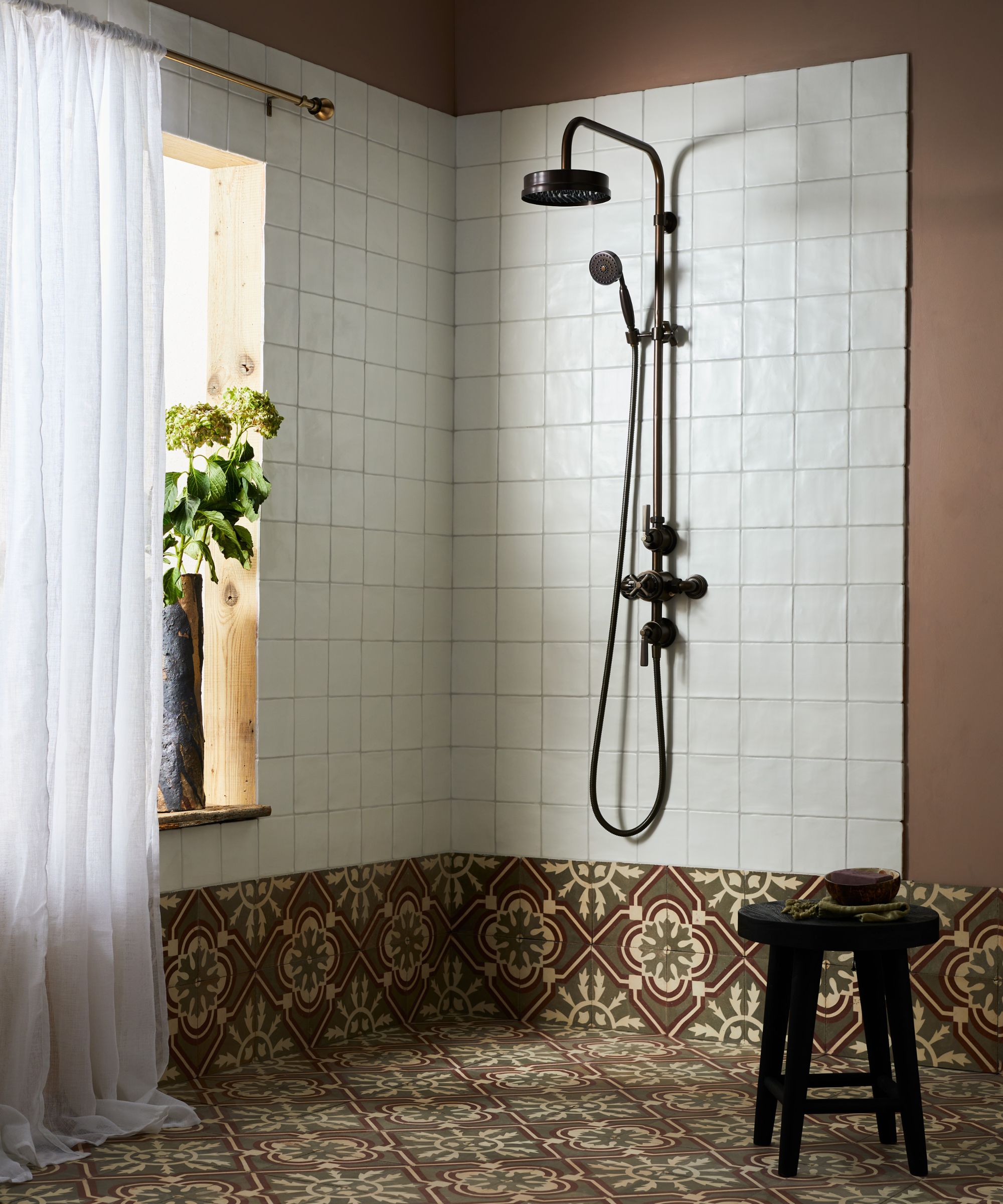
From a well-being perspective, colorful bathrooms are shown to positively influence mood. Anna Logan, Home & Style Editor at Country Living, refers to this as 'Dopamine Decorating,' a design philosophy centered on mood-boosting colors. Environmentally, preserving existing tile reduces waste and promotes sustainability, aligning with the broader trend of buying vintage and antique items over mass-produced goods. Deidre Webster of Studio Day Design emphasizes keeping original tiles where possible, suggesting that simple updates to lighting and decor can revitalize such spaces without extensive renovation.
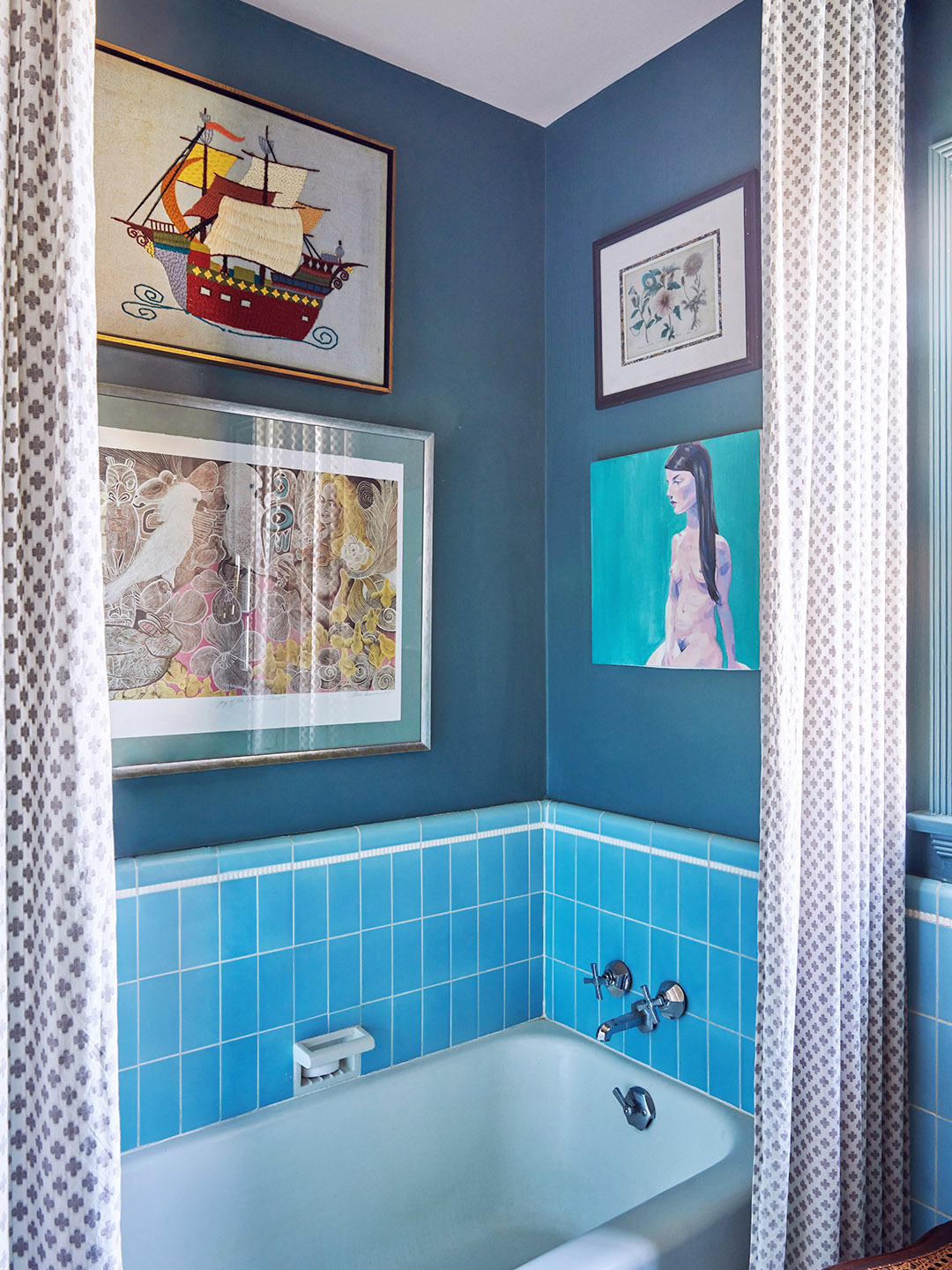
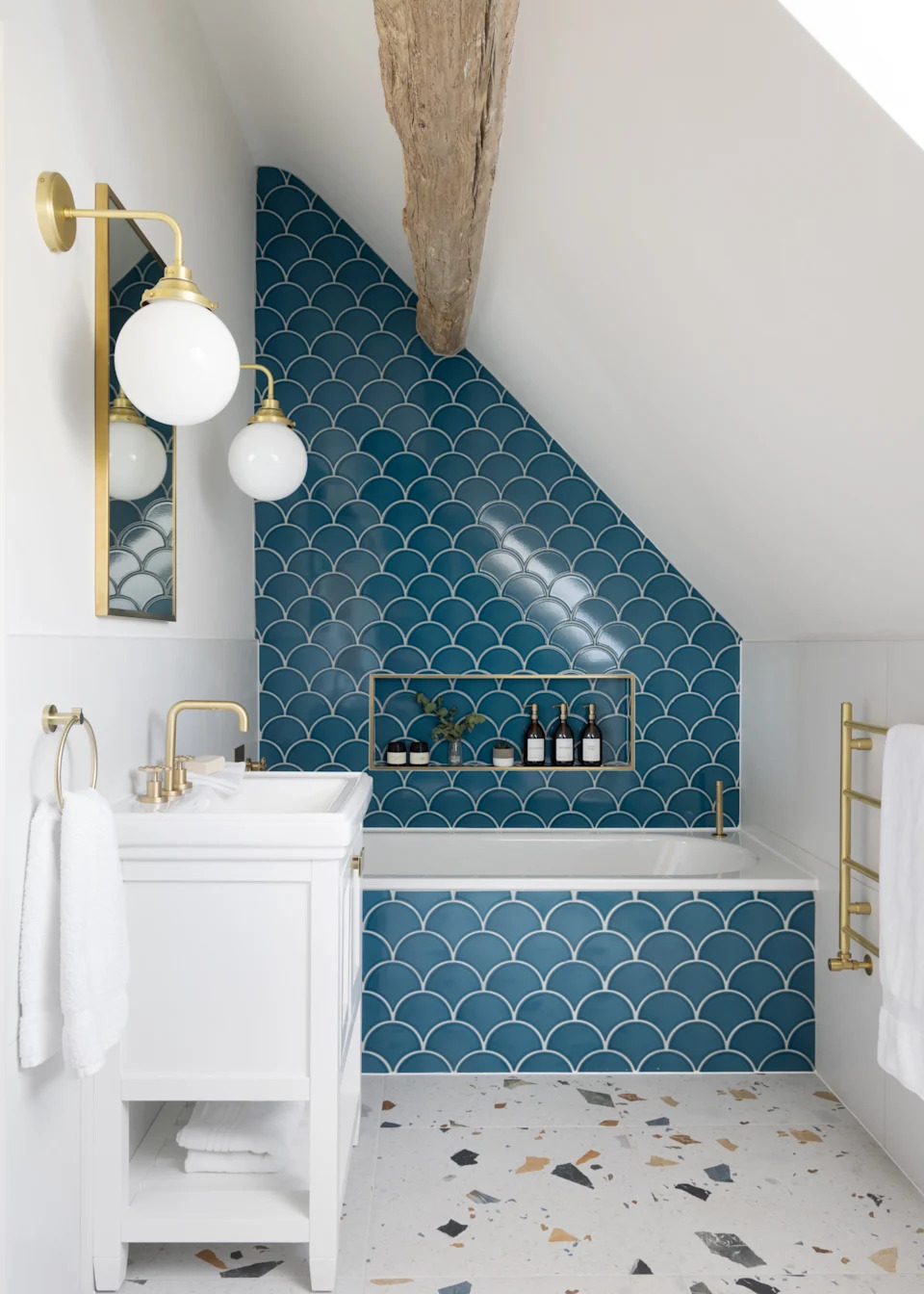

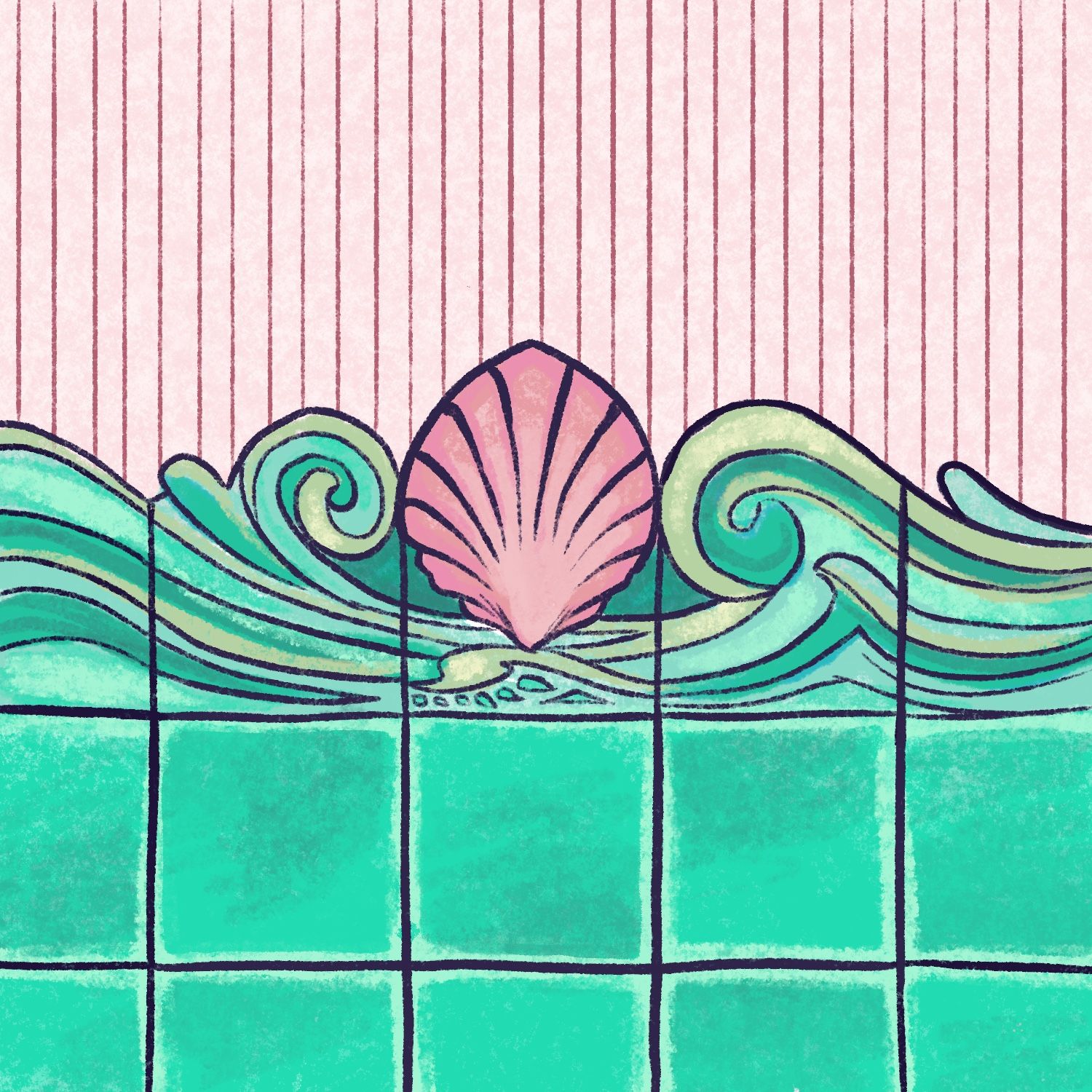
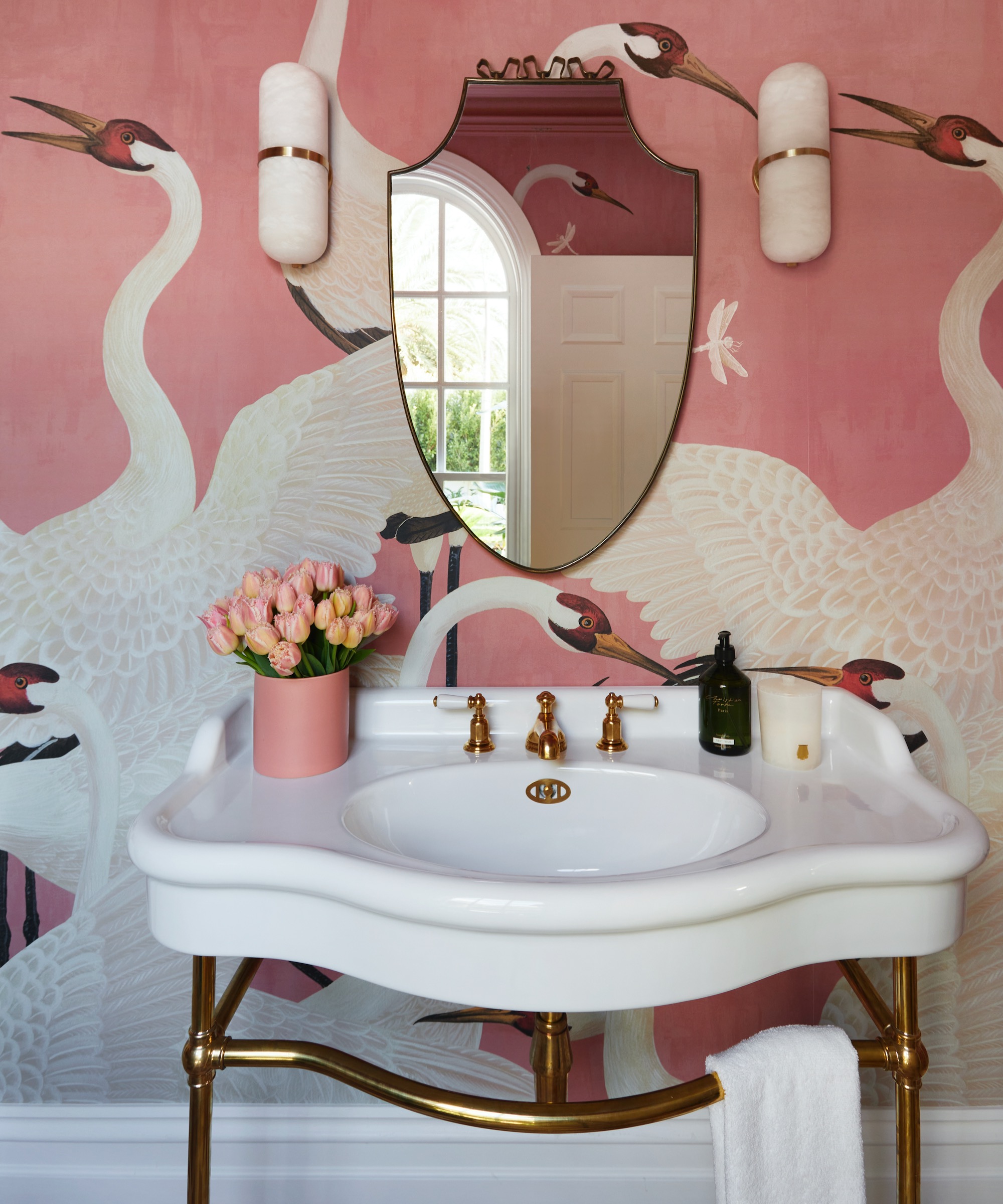
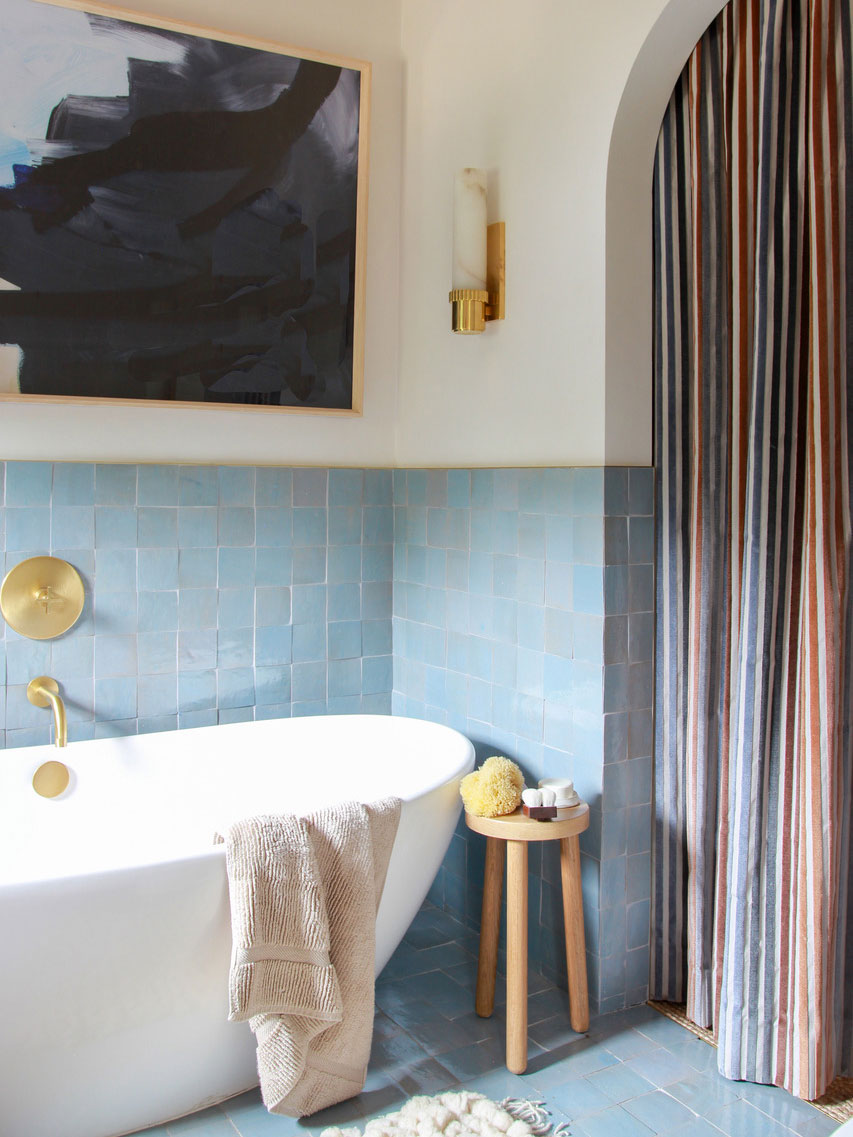
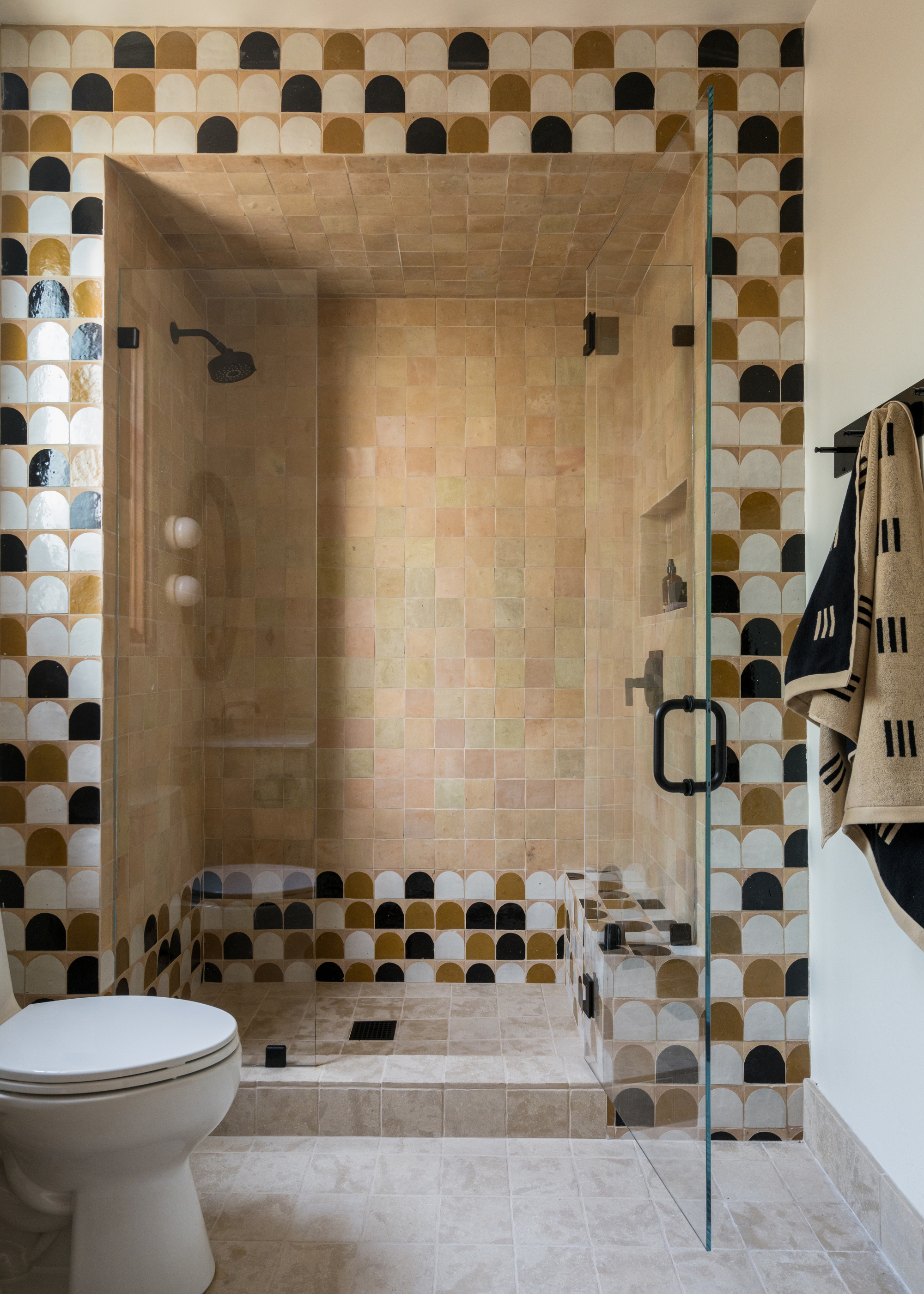
The article also addresses concerns about damaged vintage tiles. Deidre Webster advises against immediate demolition for a few cracked tiles, noting that companies specialize in matching replacement tiles, which is often more cost-effective than a complete overhaul. She also highlights that discolored grout, rather than the tiles themselves, often contributes to a dated appearance; cleaning or replacing grout can significantly refresh a bathroom's look. Furthermore, integrating retro tiles into a contemporary context is achievable by updating other room elements such as lighting, wall coverings, and flooring. For instance, artist McKenzie Dove preserved original blue tiles in her historic Birmingham apartment by painting a scenic mural in a complementary tone. Modern accessories, lighting, or mirrors can temper the overtly retro feel of pastel tiles, making them suitable for contemporary designs.
Finally, the article points out that pastel tiles are officially trending, with modern retailers and manufacturers responding to the demand. Companies like Fireclay Tile are producing new pastel collections, and Kohler has revived heritage colors from its archives. This trend signifies that even if a home does not inherently possess vintage pastel tiles, it is now possible to incorporate this style into new designs. The overall message is to view these tiles not merely as aesthetic elements but as contributors to a positive and meaningful living environment, fostering joyful daily moments. #VintageBathroomTile #InteriorDesignTrends #PastelDecor #EcoConsciousDesign #DopamineDecorating #HomeRenovation #RetroDesign #ColorPsychology
0 comment in total
 No comments yet
You may also like
Should you use terracotta tiles in a bathroom? Designers weigh in on the enduring appeal of this age-old design

Interior designers believe these are the bathroom tiling trends to follow (and avoid)

What’s making your bathroom tiles look cheap? 7 things to look out for, according to experts
How to Choose Bathroom Tile That You'll Love Forever, According to a Designer

The Dated Bathroom Detail Designers Are Saving (and We’re Here for It)

One-Third of Renovators Choose This Bathroom Tile Pattern, But We've Got Other (Just as Timeless!) Ideas
7 Tacky Bathroom Tile Patterns That Designers Are So Tired of Seeing
7 Designers Weigh in on the Best Tile for Bathroom Floors
5 Outdated Tile Trends Designers Are Still Noticing in 2025 That Can Make Your Space Look Old-Fashioned
Don't Get Rid of That Pink Retro Tile! Why Designers Are Loving Vintage Bathrooms

Clever’s Guide to Bathroom Tile Trends Through the Decades

Which Bathroom Tile Colors Will Never Go Out of Style? 5 Timeless Options Favored By Designers

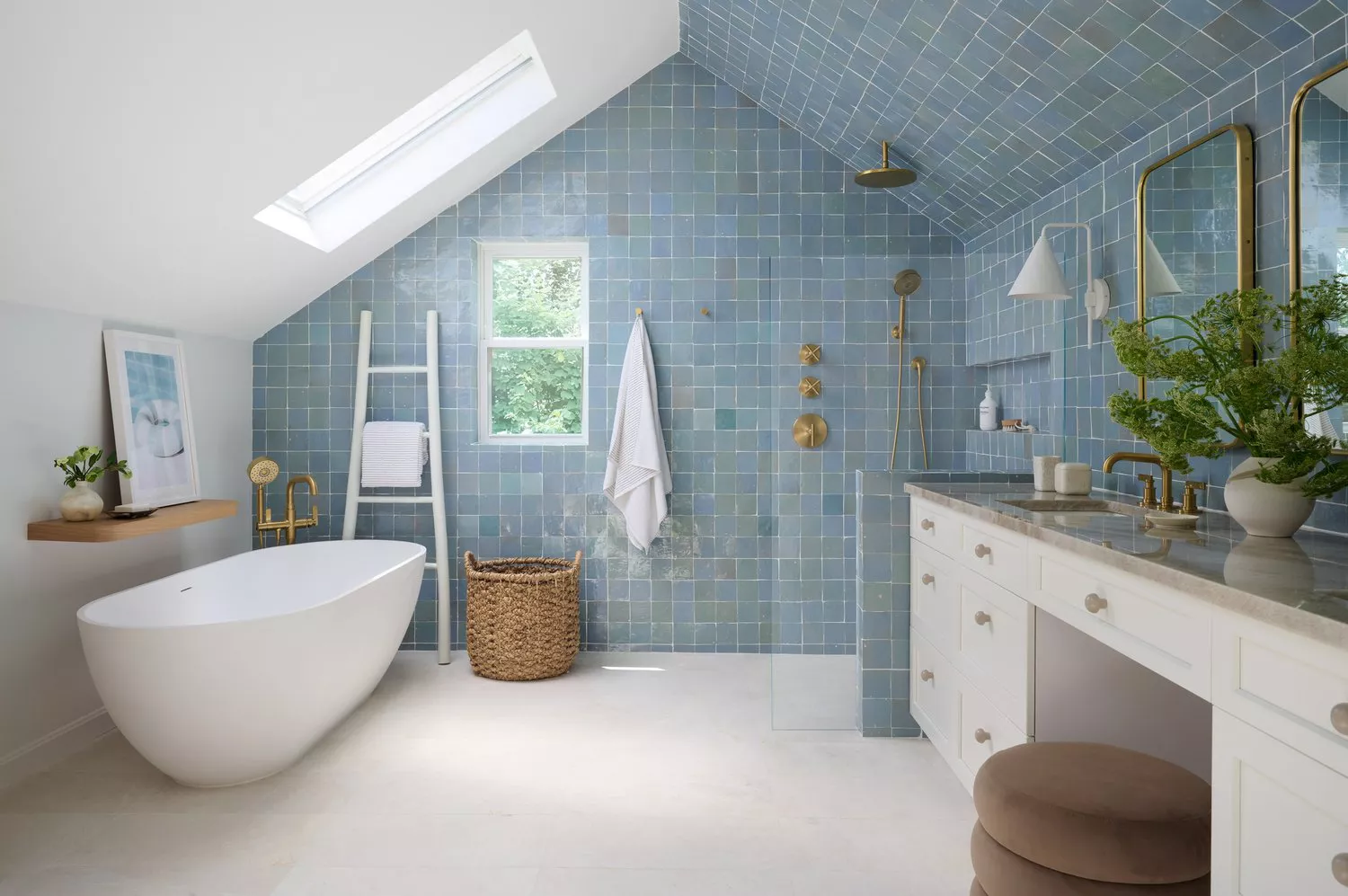
This Moody Tile Trend Is the Key to Updating a Dated Bathroom, Designers Say
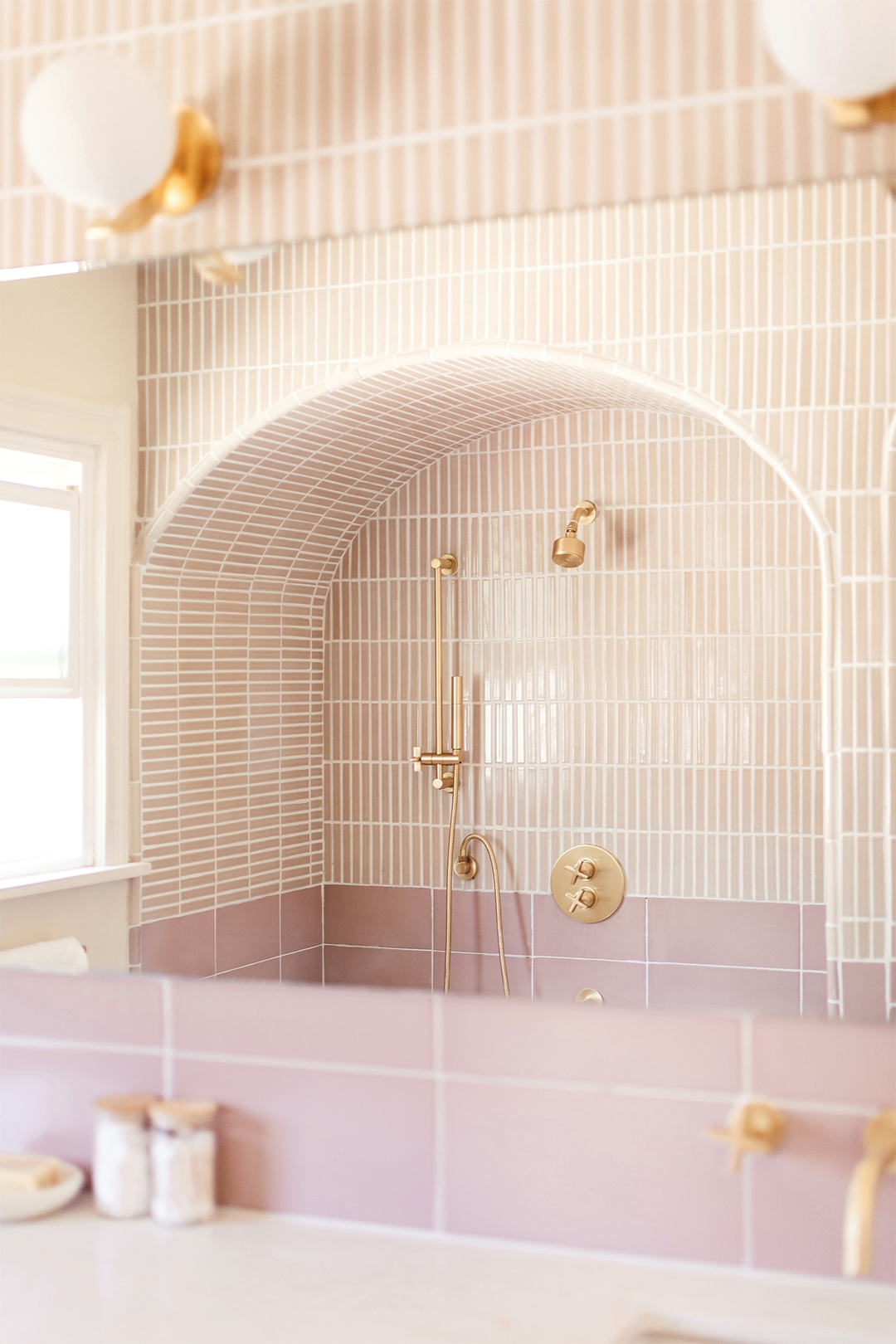
The Addition That Made This Bathroom’s 1920s Archways Feel Fresh

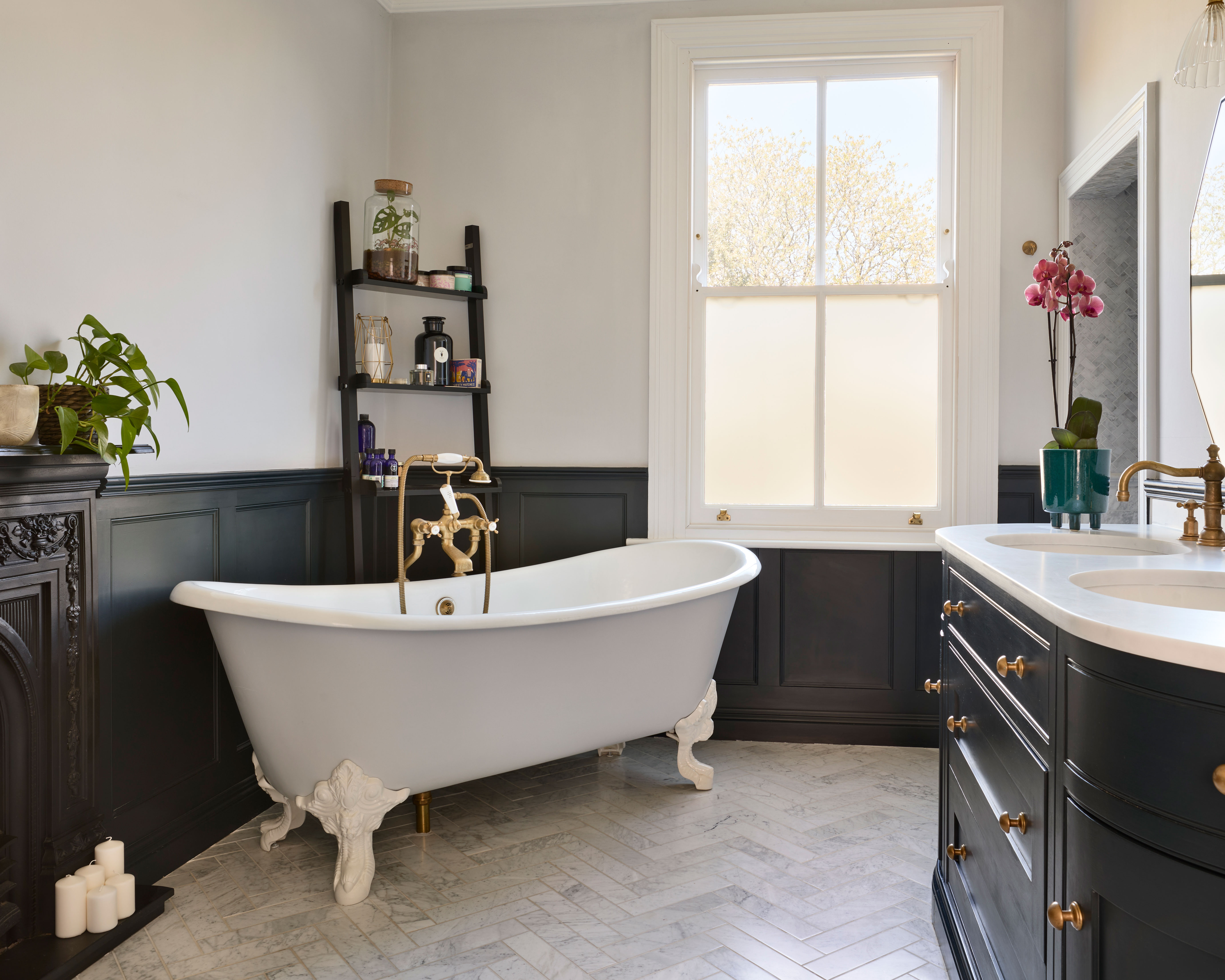
Outdated bathroom trends – 6 overdone looks that designers like to avoid, and here's why you should too
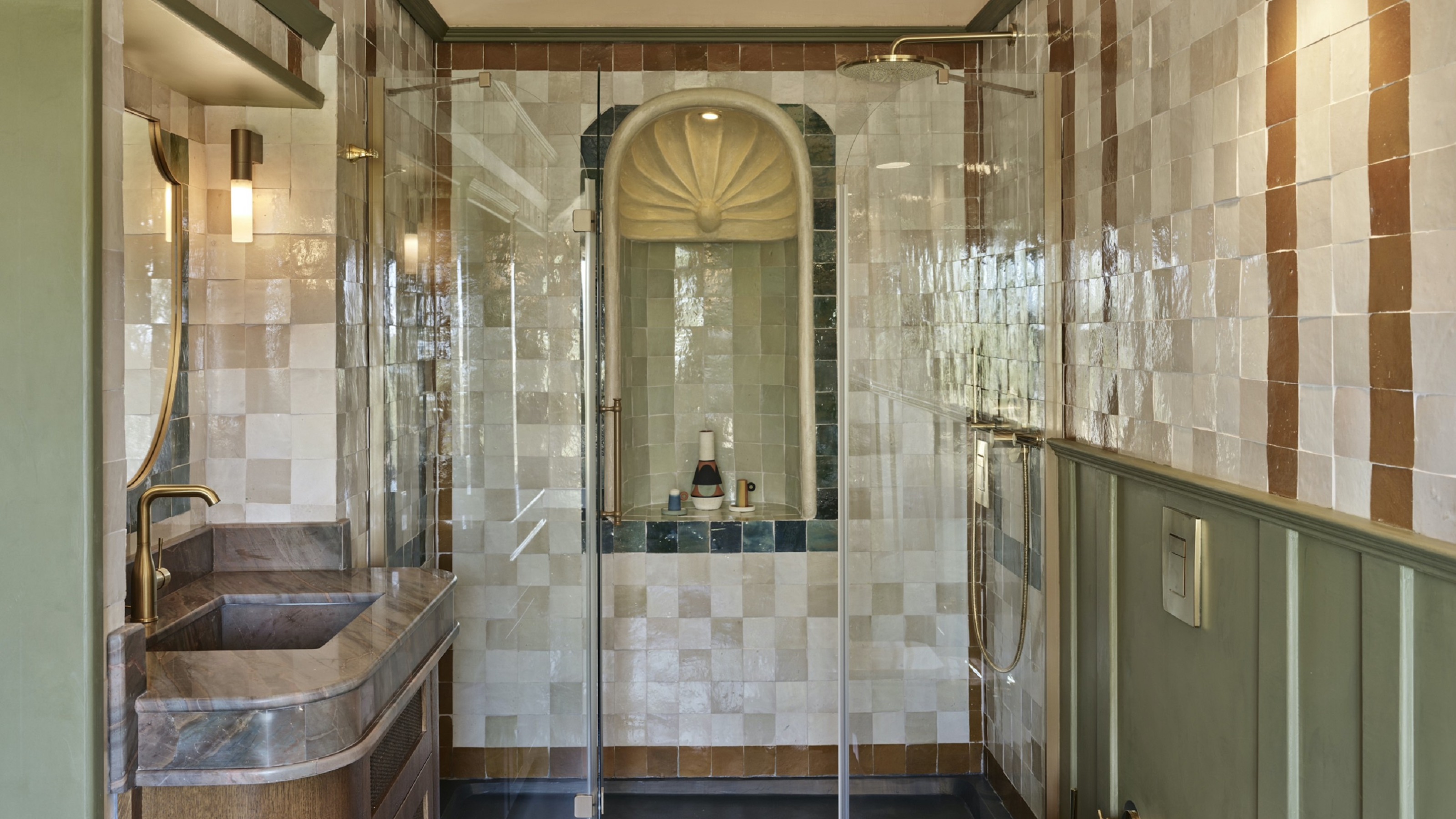
"Your Eye Doesn't Know Where to Land" — Yes, You Can Have Too Much Tile in Your Bathroom, Here's the Rule to Get the Balance Right

8 Bathroom Reno Mistakes That INSTANTLY Cheapen the Look of Your Home, According to Experts

Yes, stripe tile layouts are trending – but are they timeless enough to commit to in your bathroom? We asked designers
17 GLARING Signs Your Bathroom is Outdated, According to Designers
The Popular Tile Choice In 2025 That You Might End Up Regretting Sooner Than You Think