1/7
6 bathroom design myths experts say you shouldn't believe
The article addresses and debunks six common myths surrounding bathroom design, providing expert insights to guide remodeling decisions. These myths often lead homeowners astray, limiting creativity and functionality in bathroom spaces. By clarifying these misconceptions, the article aims to empower individuals to make more informed and personalized design choices.
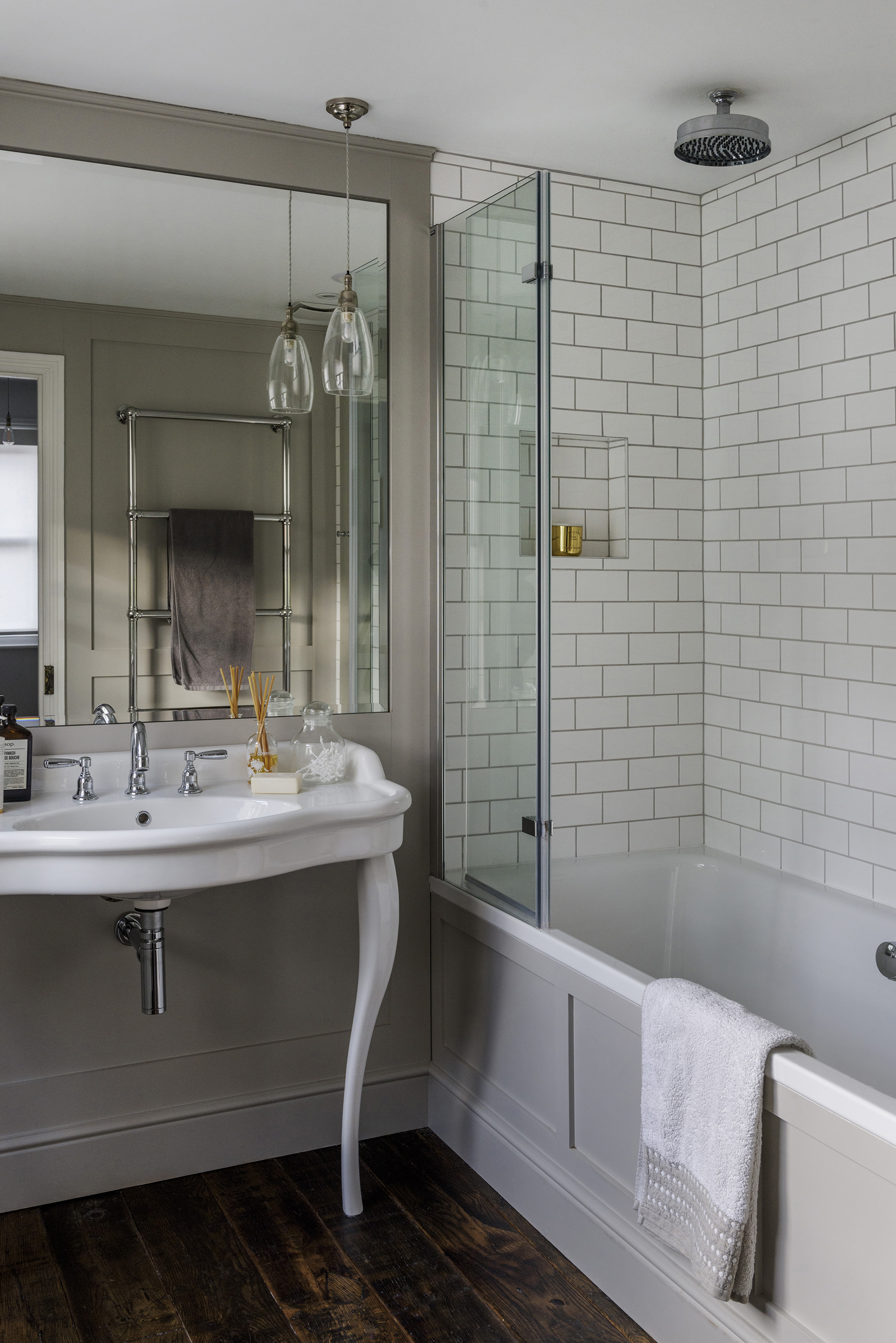
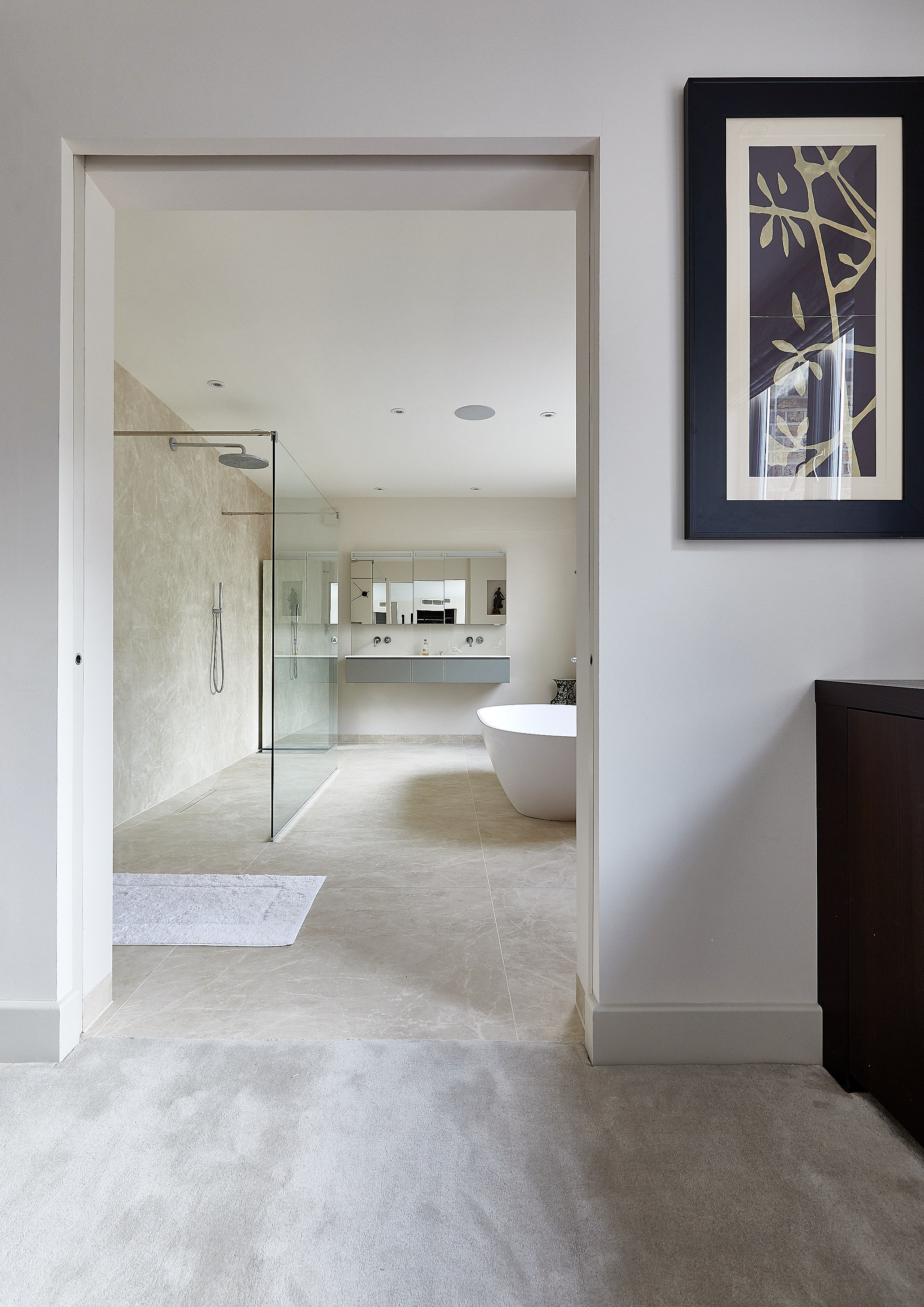
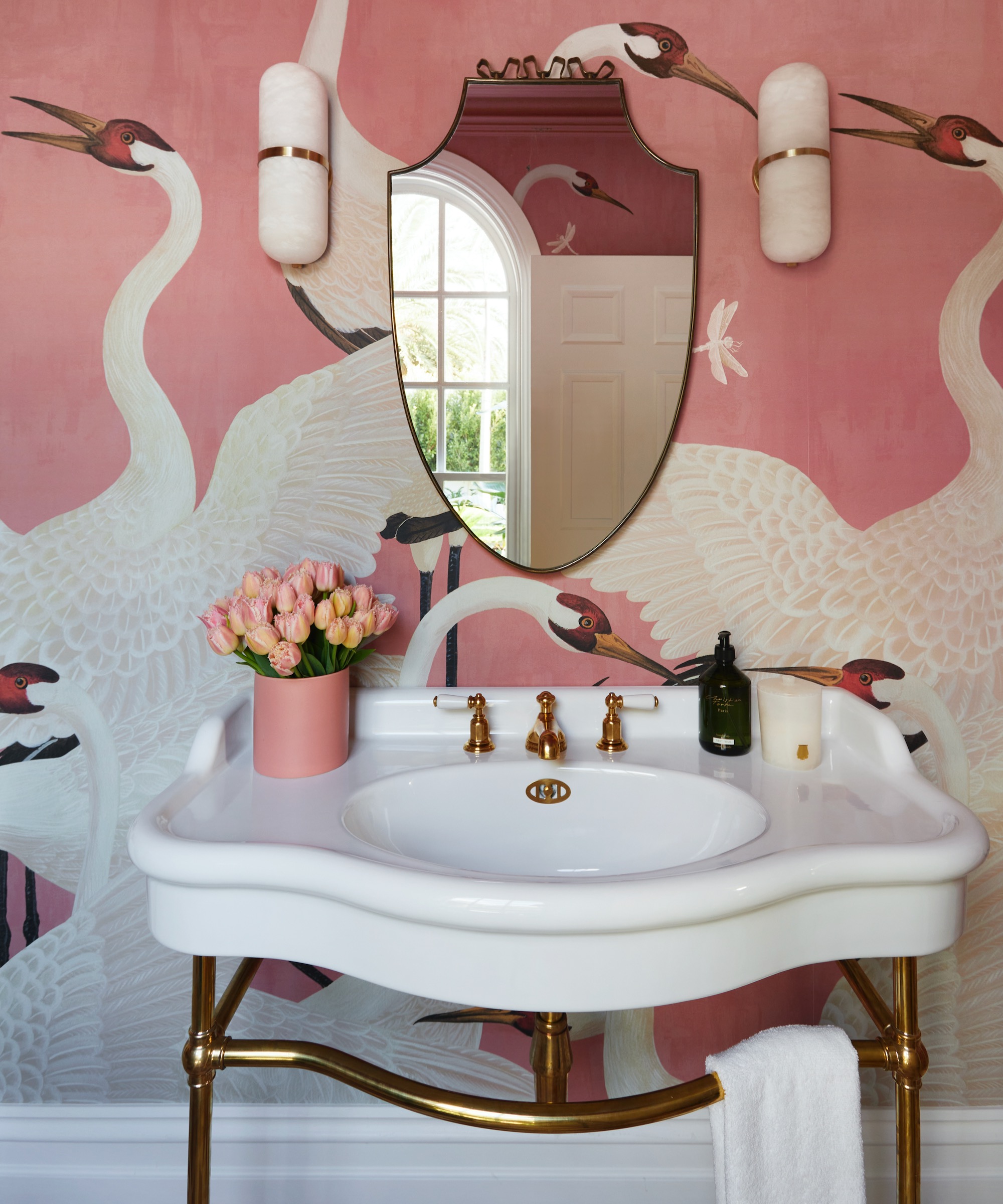
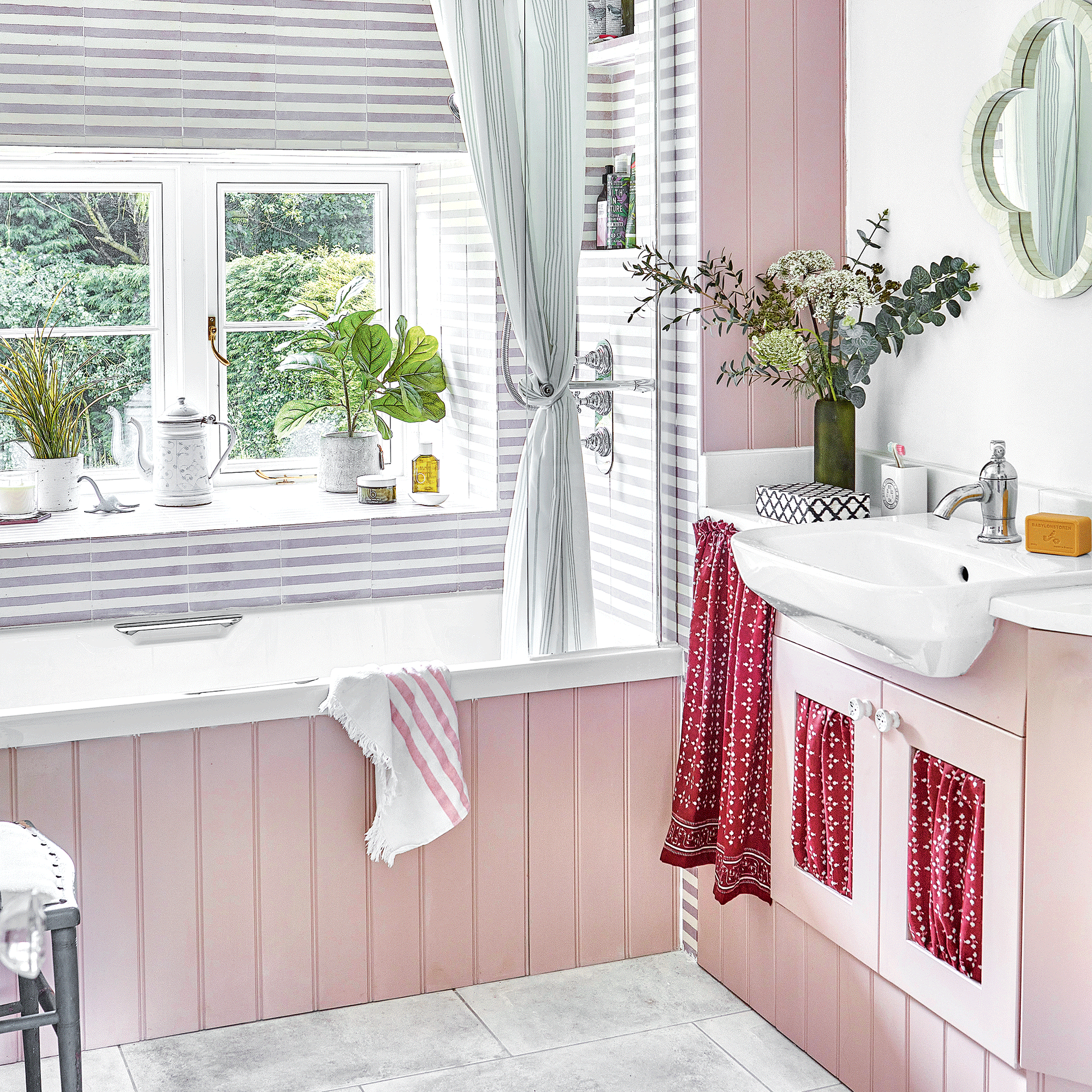
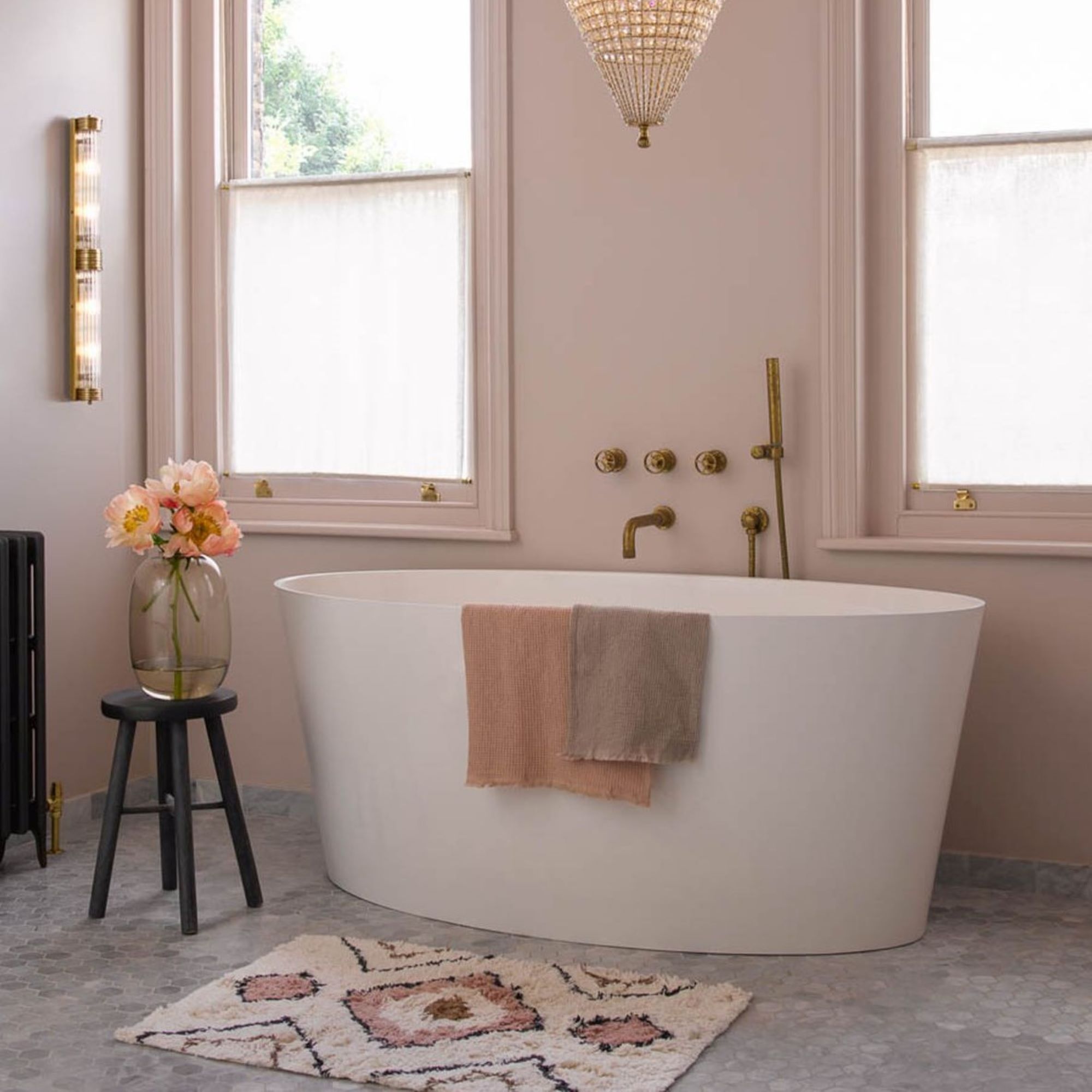
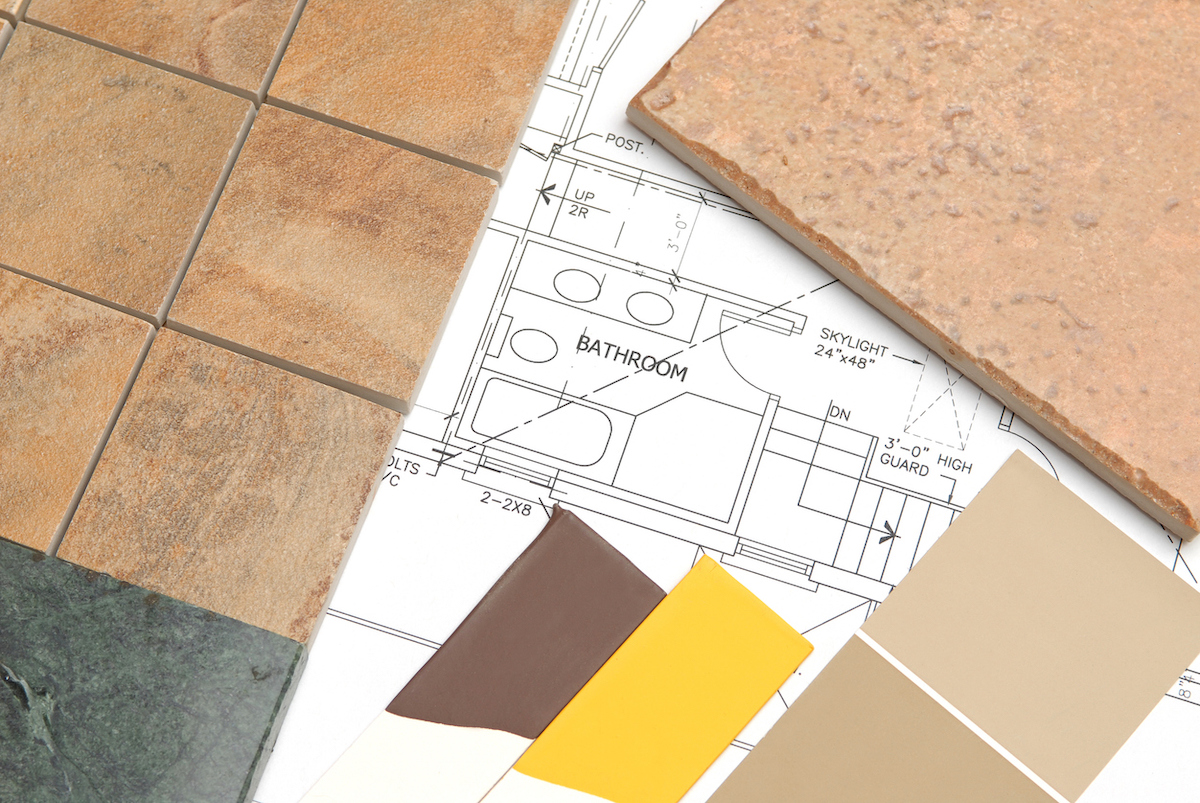
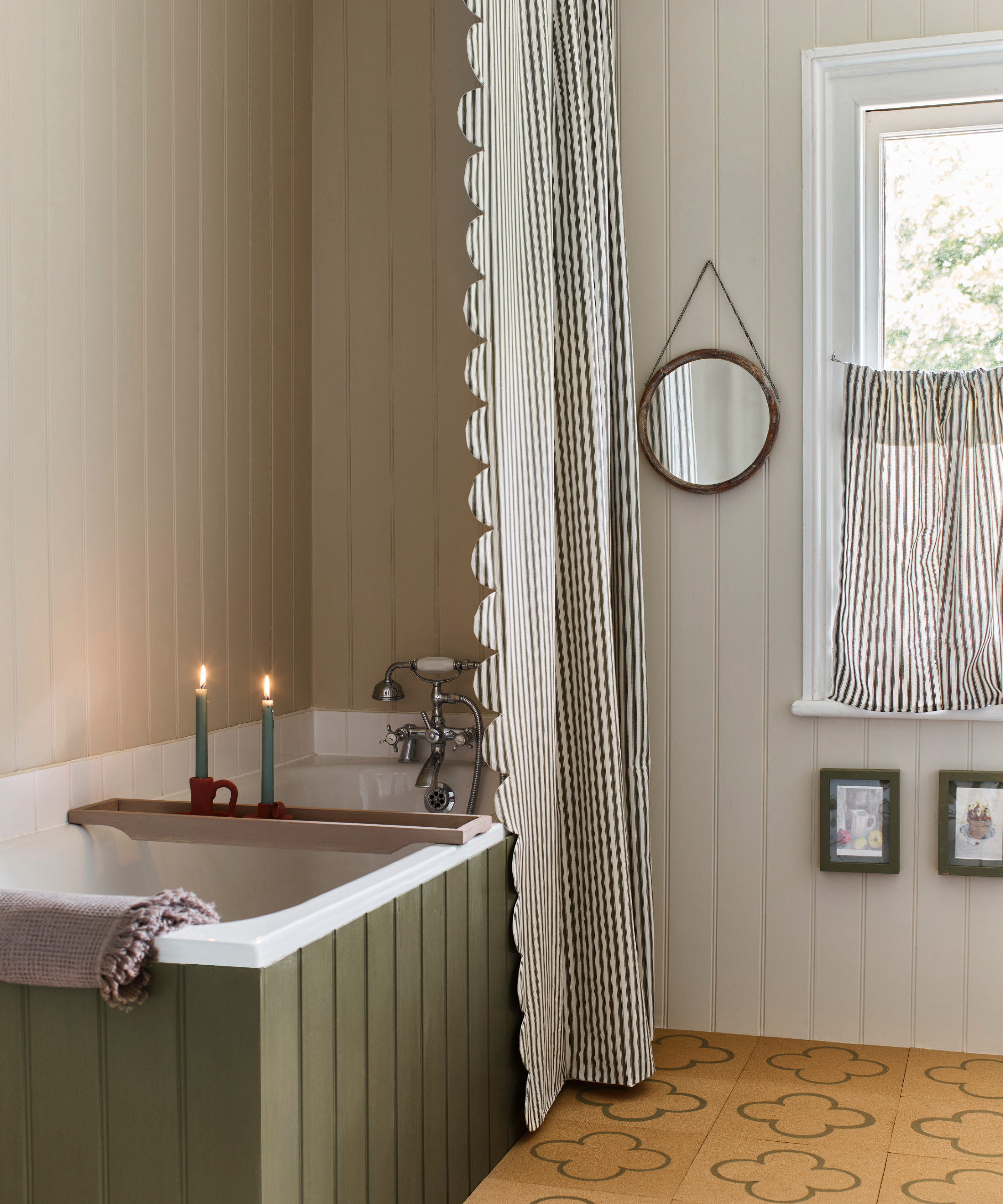
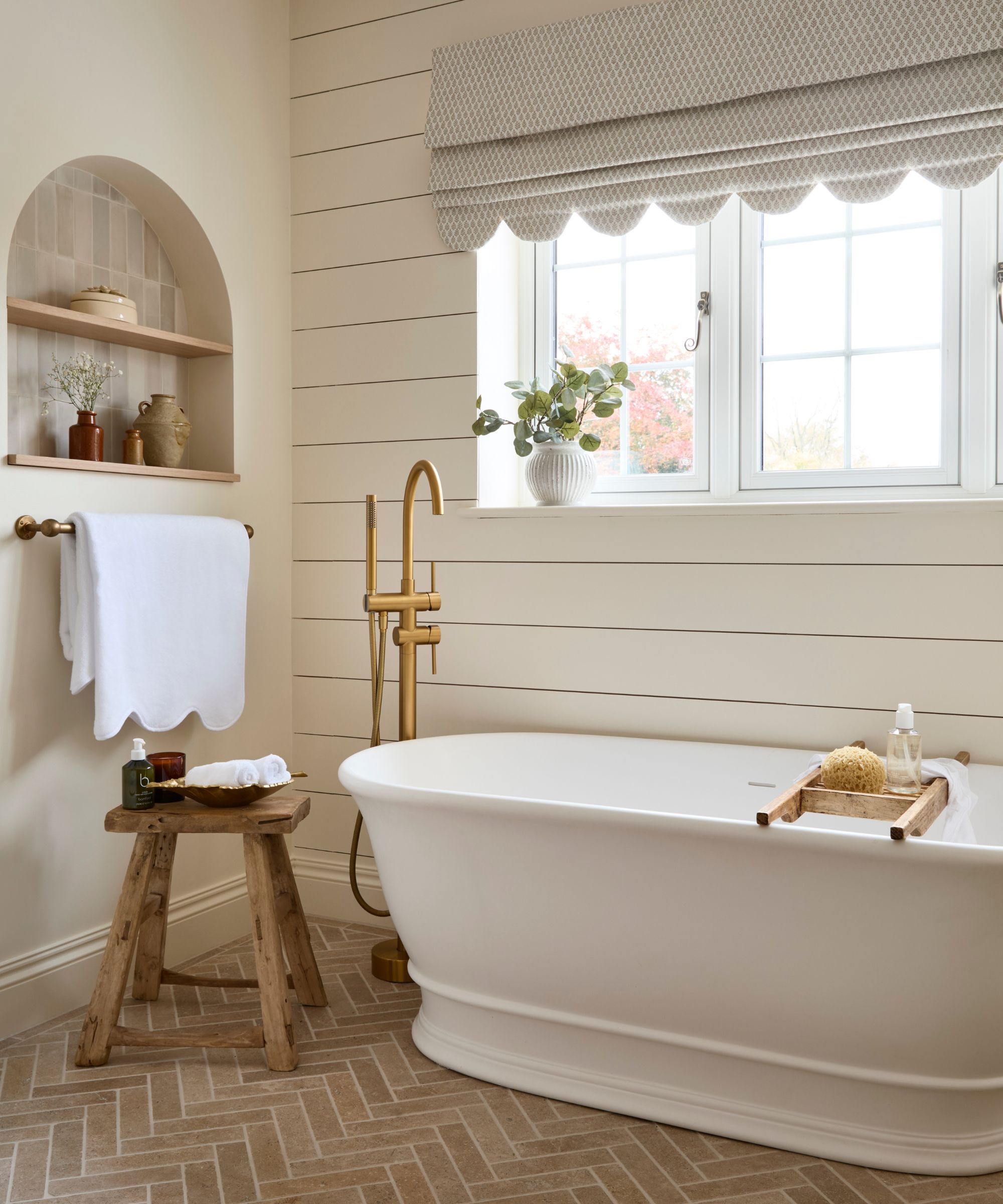
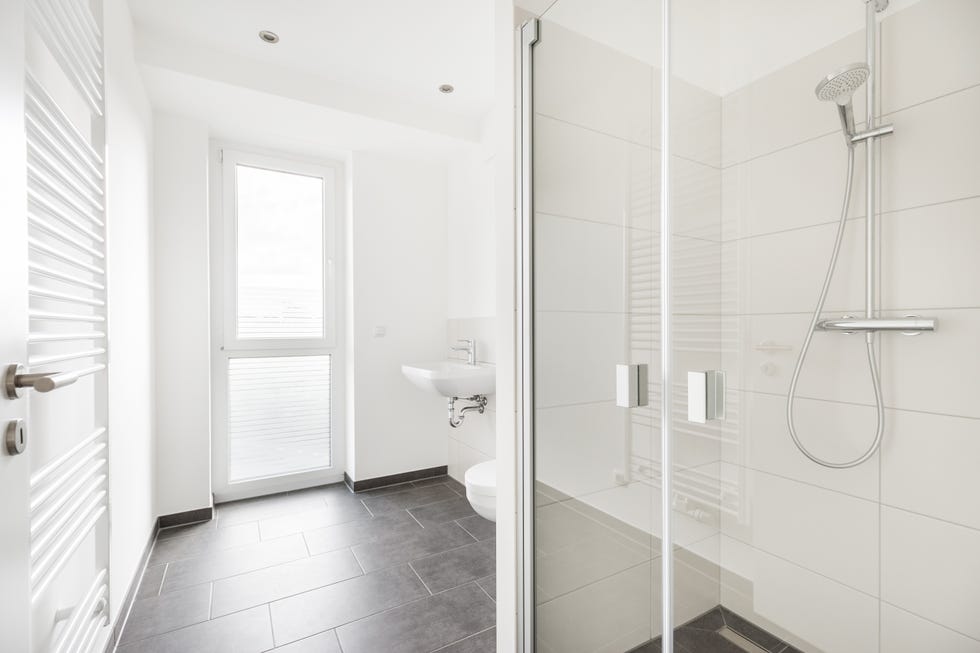
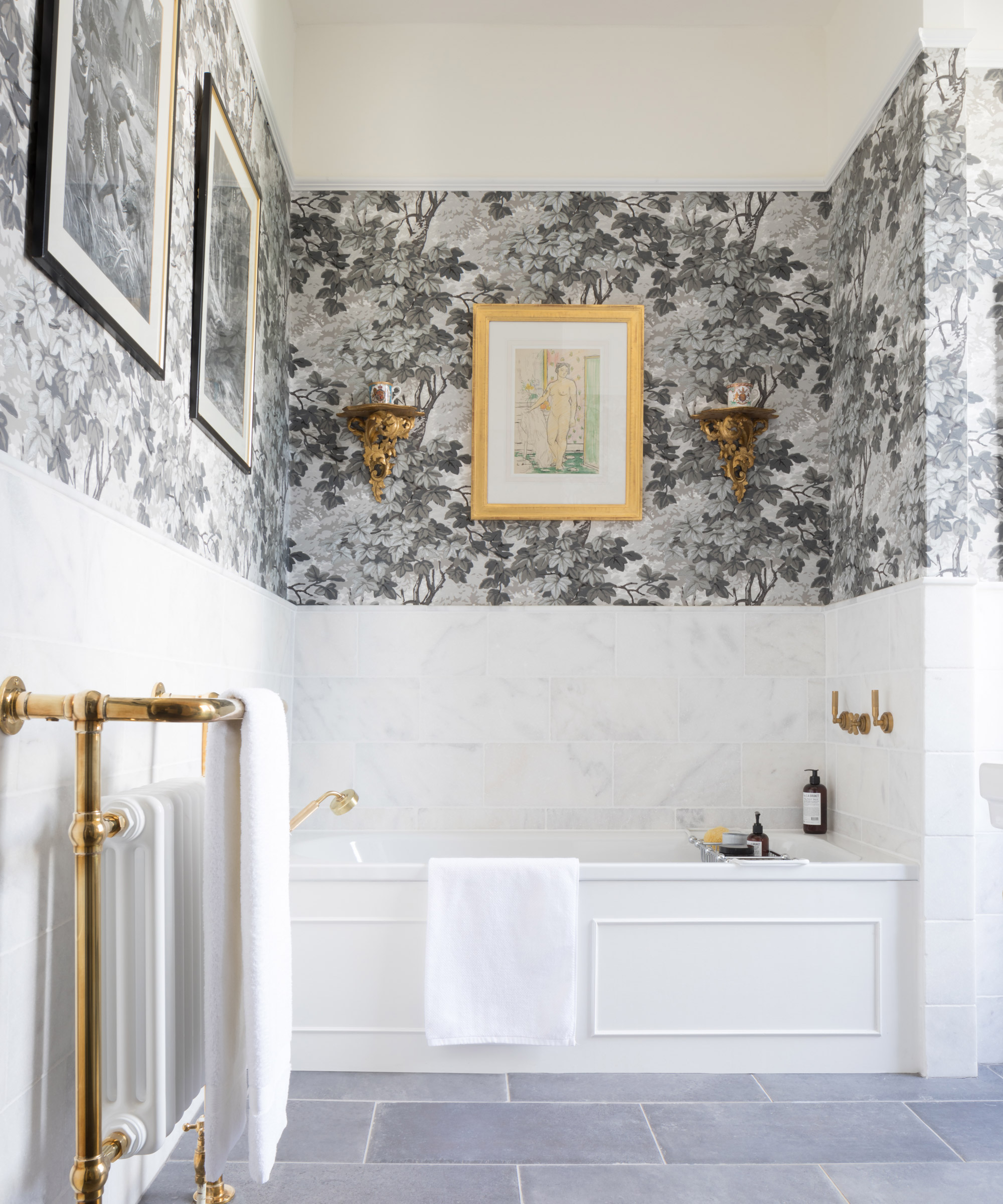
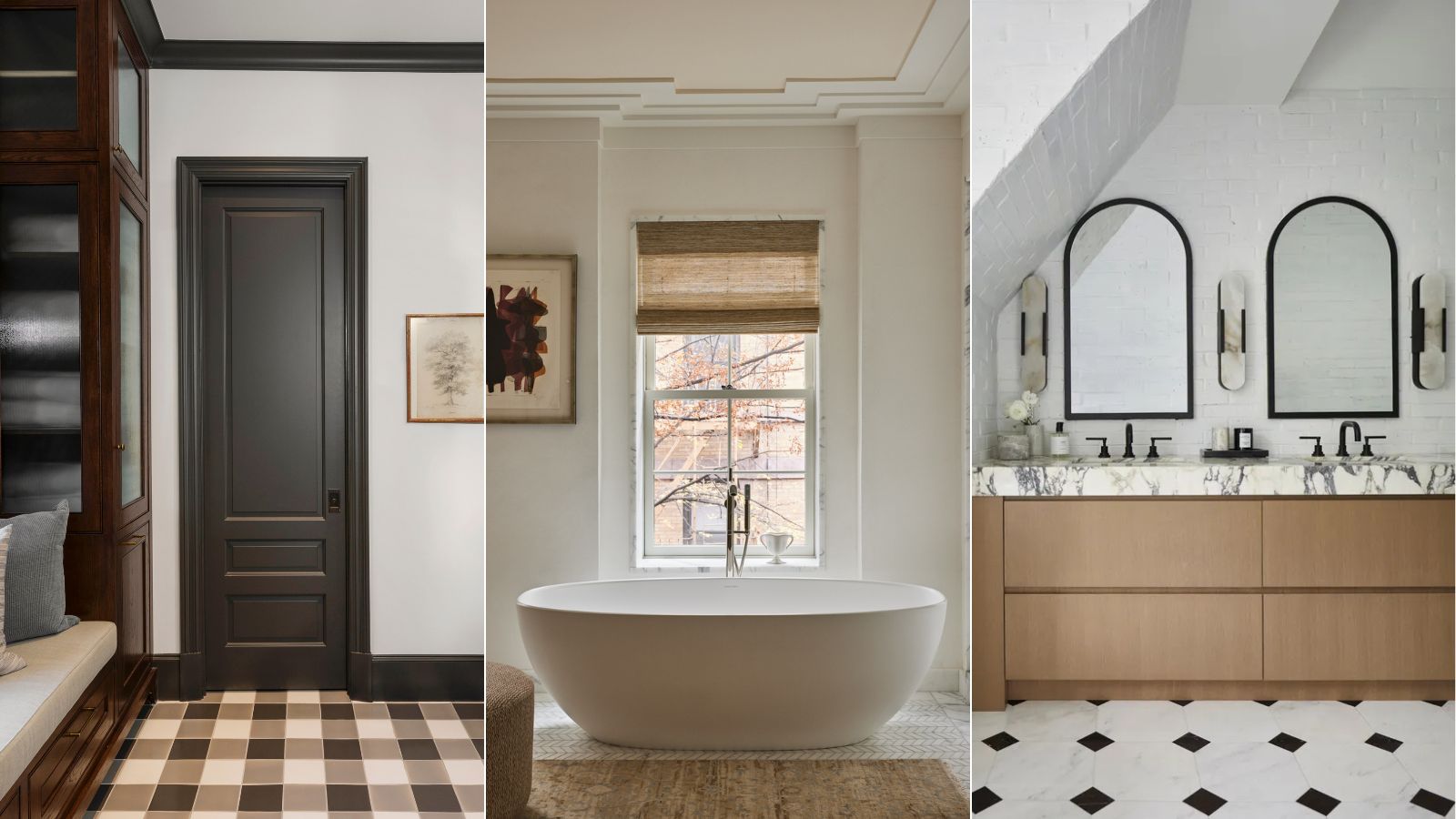
The first myth tackled is the belief that white is the only color that can achieve a clean look or make a small bathroom appear larger. Sally Bettison, creative manager at Tissino, explains that while white is a safe option, experimenting with other colors can also enhance visual appeal and create an illusion of space. Warm neutrals such as beige or brown can be effectively used to achieve a beautiful and expansive feel in a bathroom, debunking the idea that white is the sole solution for cleanliness and spaciousness.
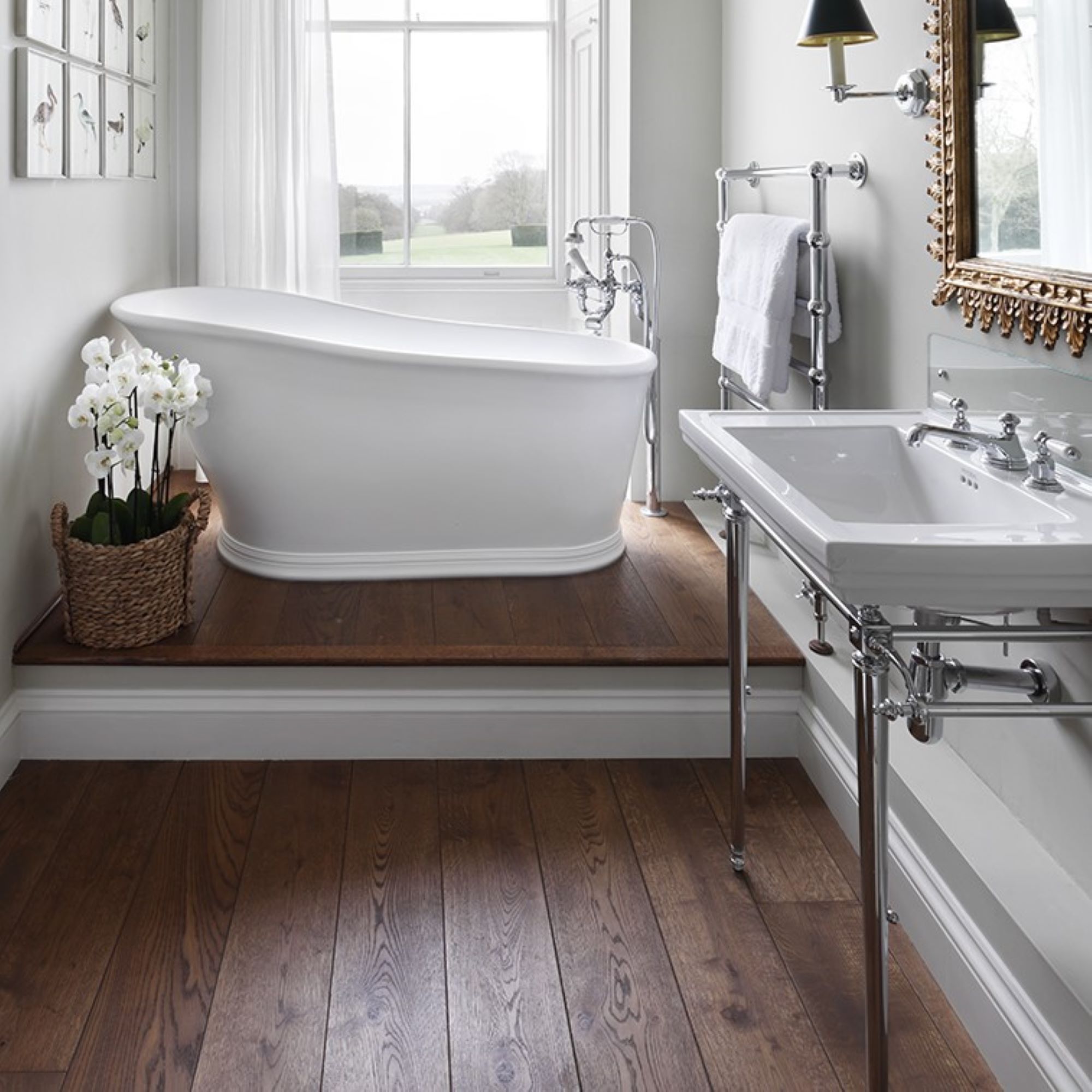
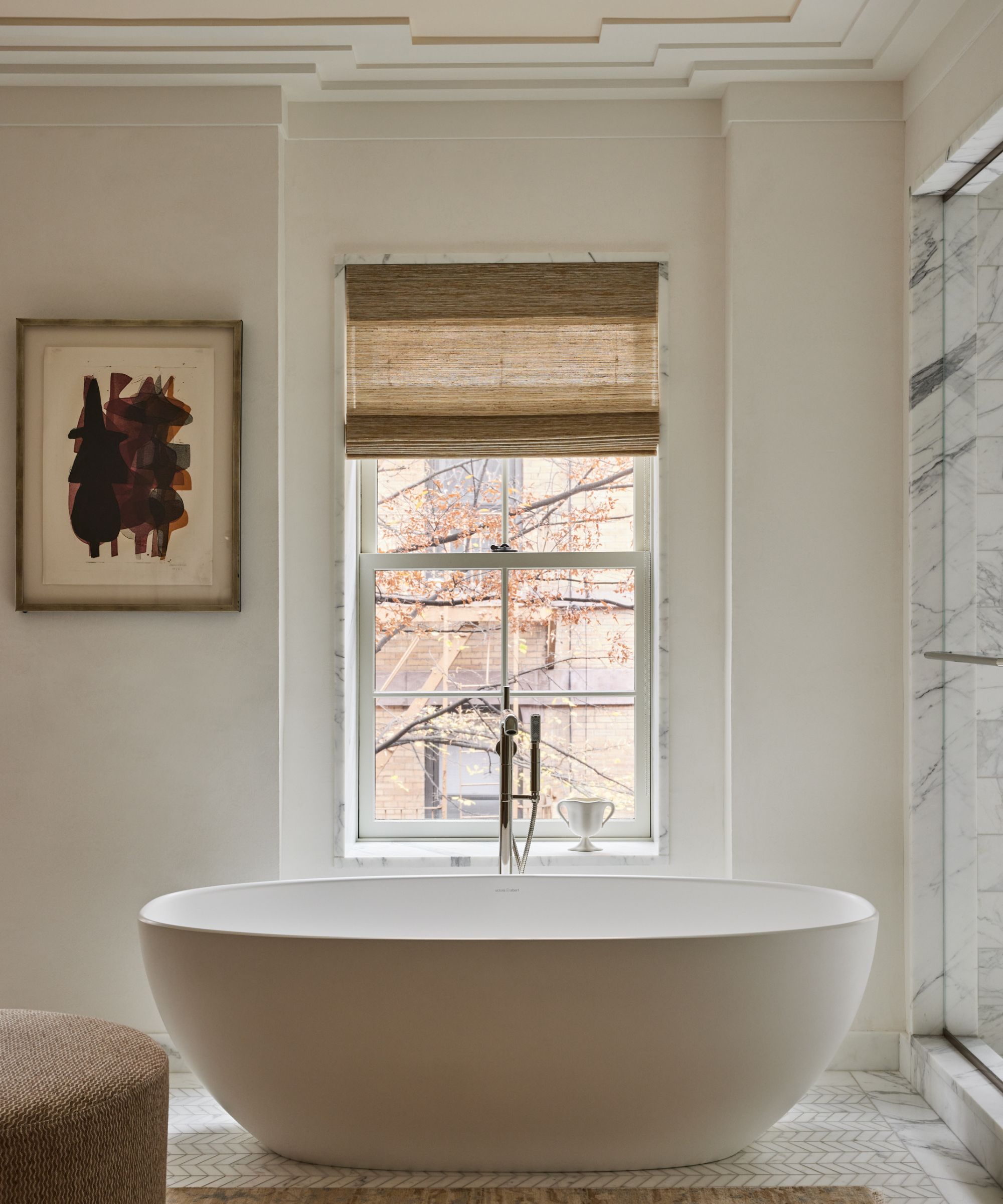
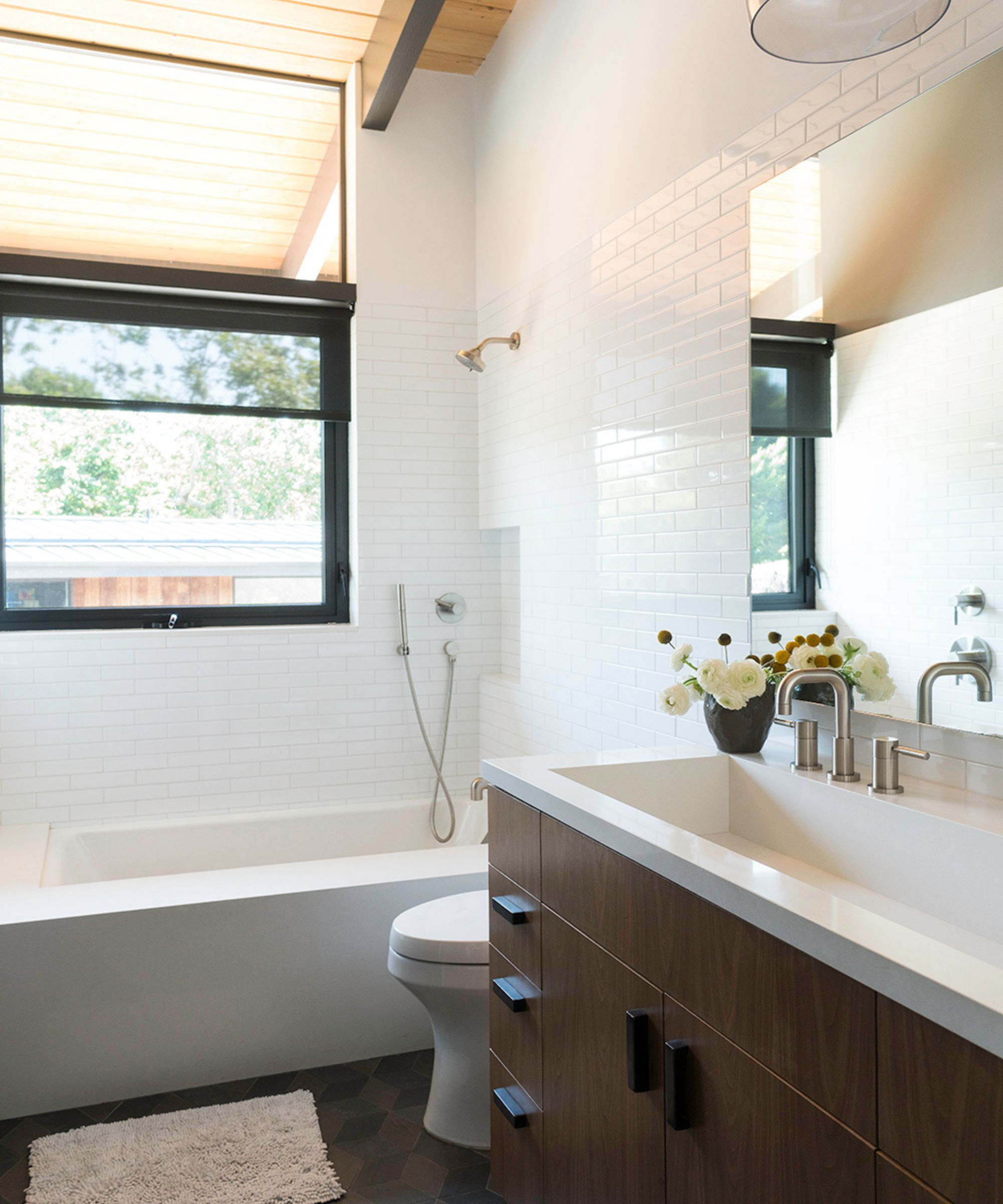
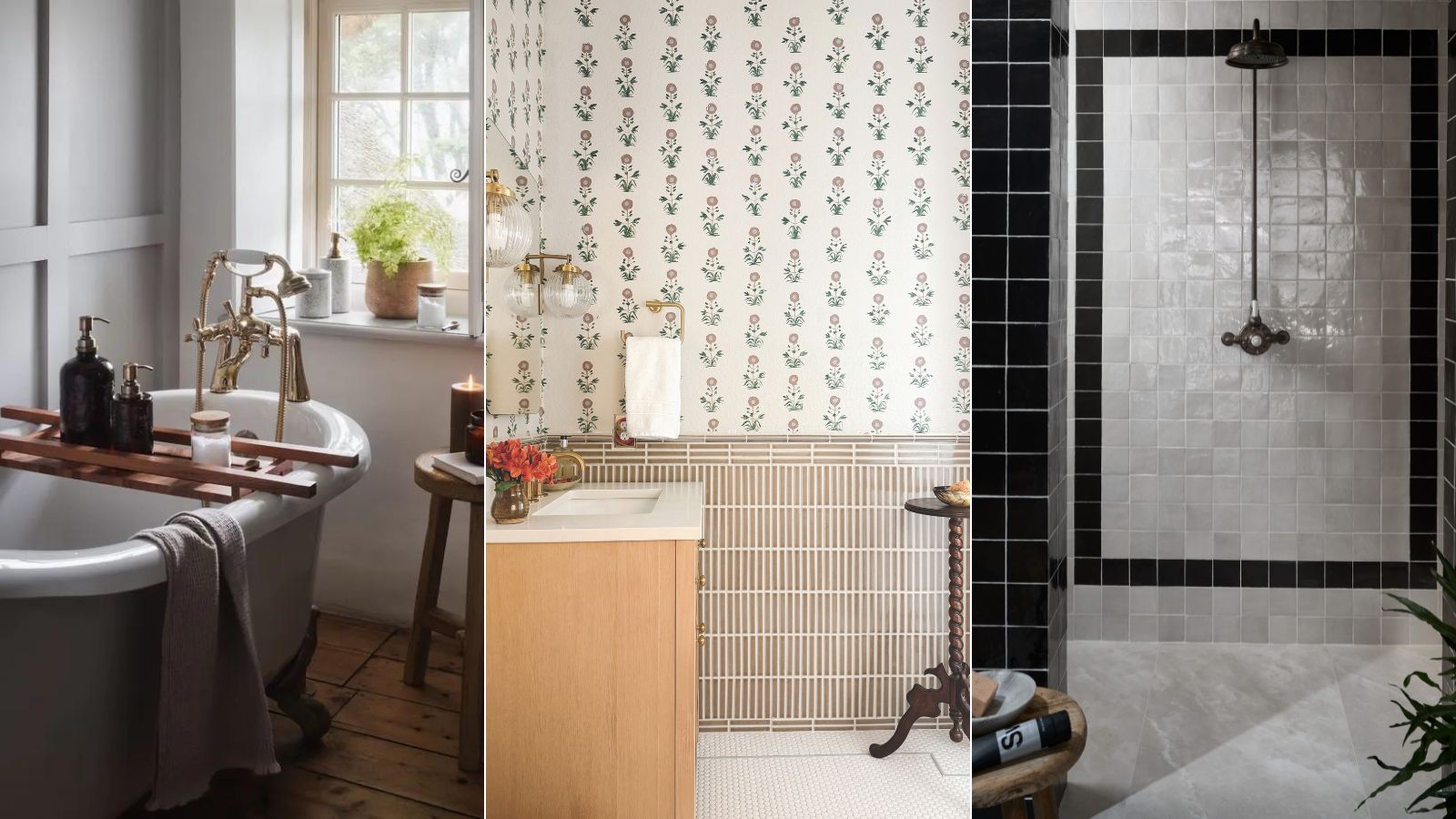
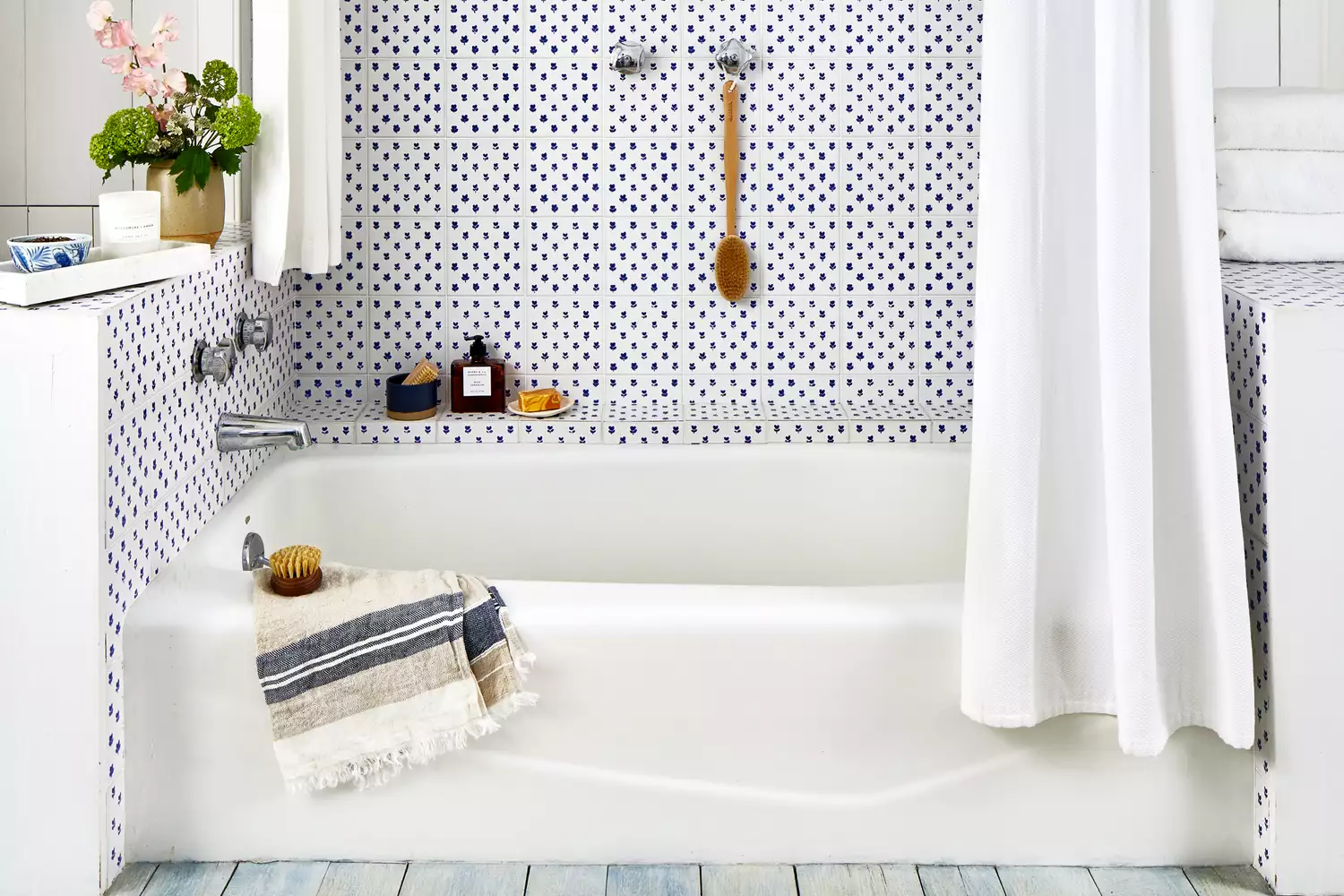
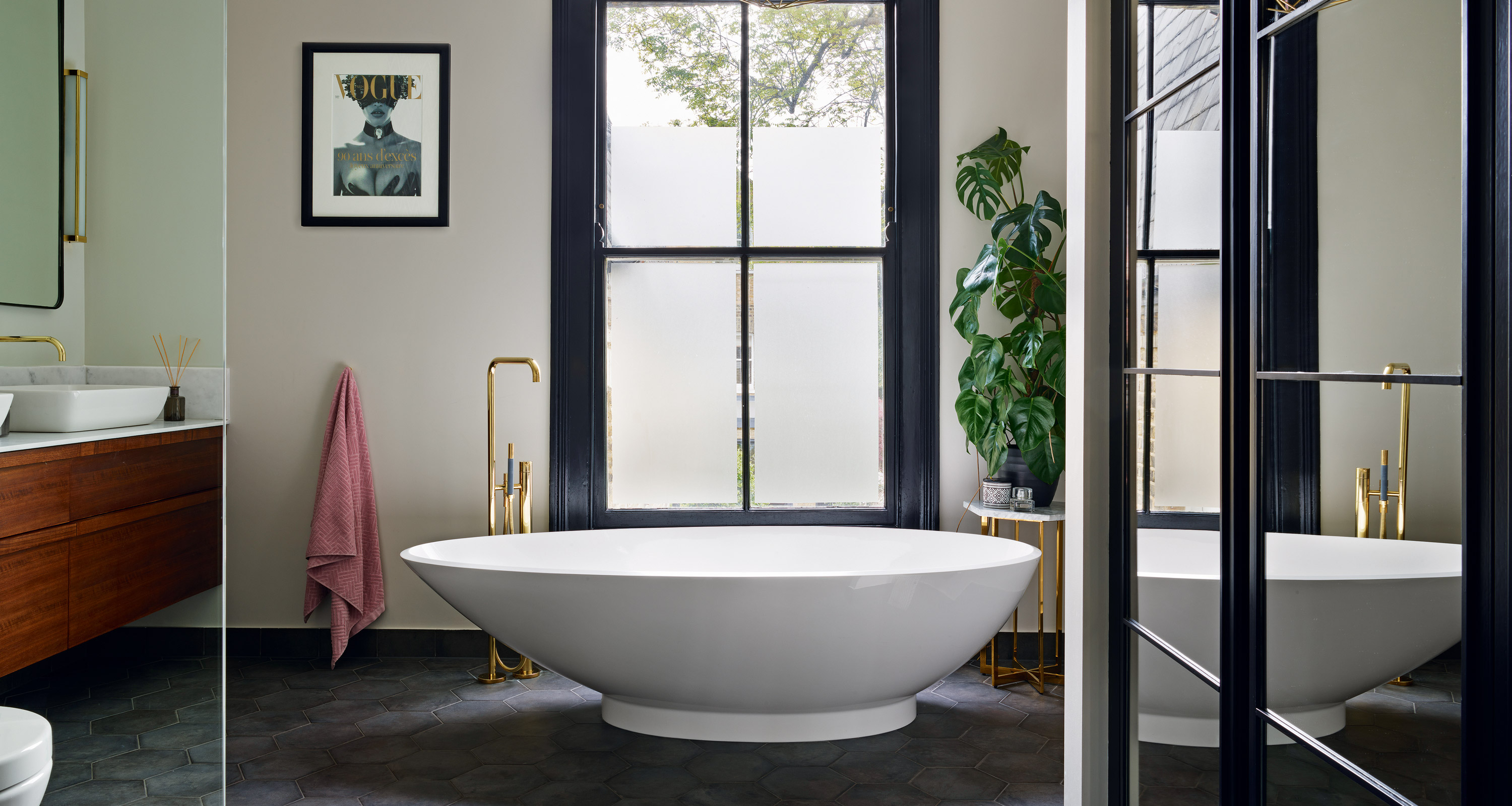
The second myth discussed is that small bathrooms cannot accommodate a bathtub. Barrie Cutchie, design director at BC Designs, clarifies that modern bathtub designs are specifically created with smaller spaces in mind. There are now models with compact footprints, such as 1360mm, that can still provide a luxurious bathing experience. With careful planning of the bathroom layout and selection of an appropriate design, even compact bathrooms can feature a comfortable and stylish tub, allowing for the same sense of relaxation found in larger schemes.
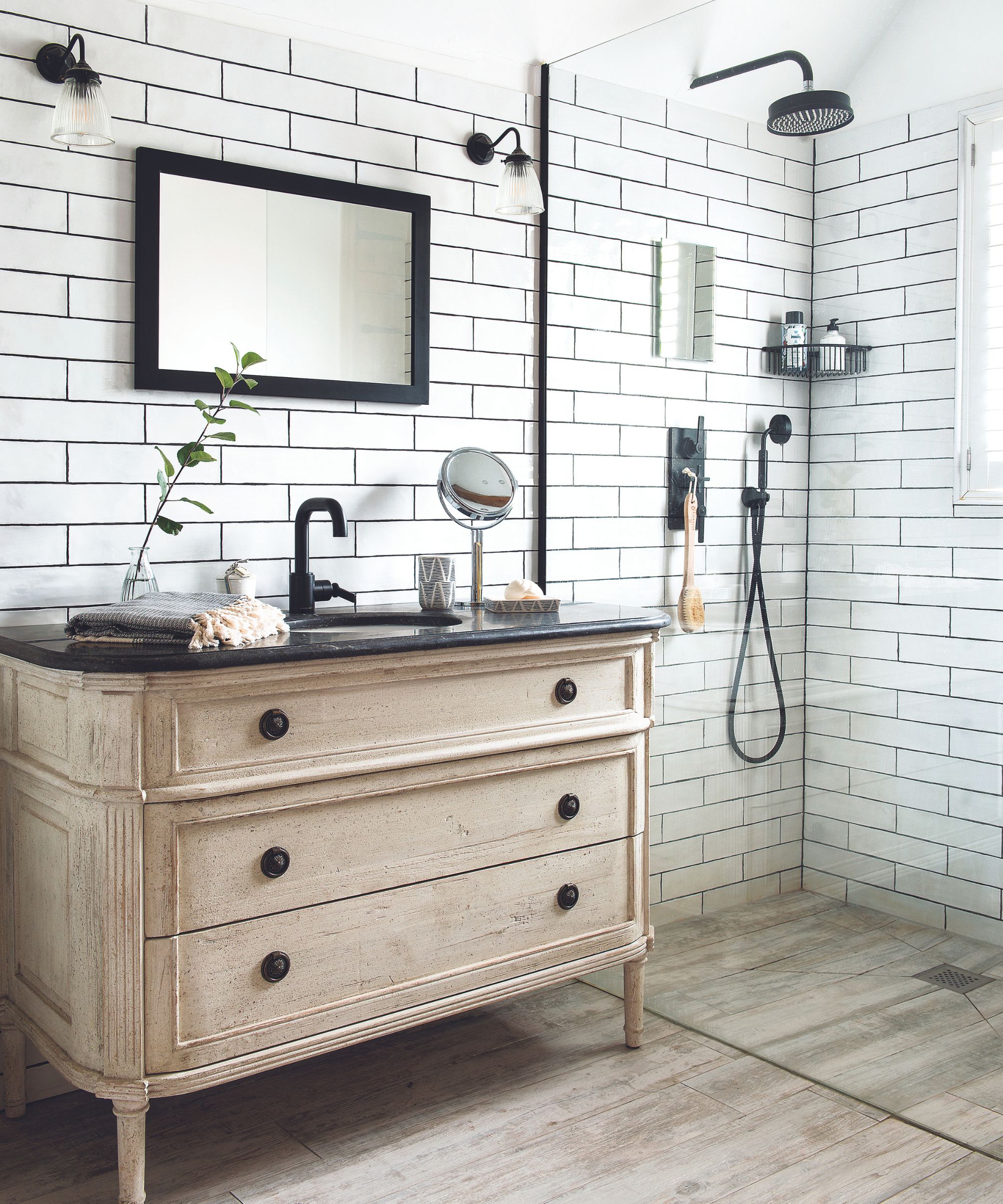
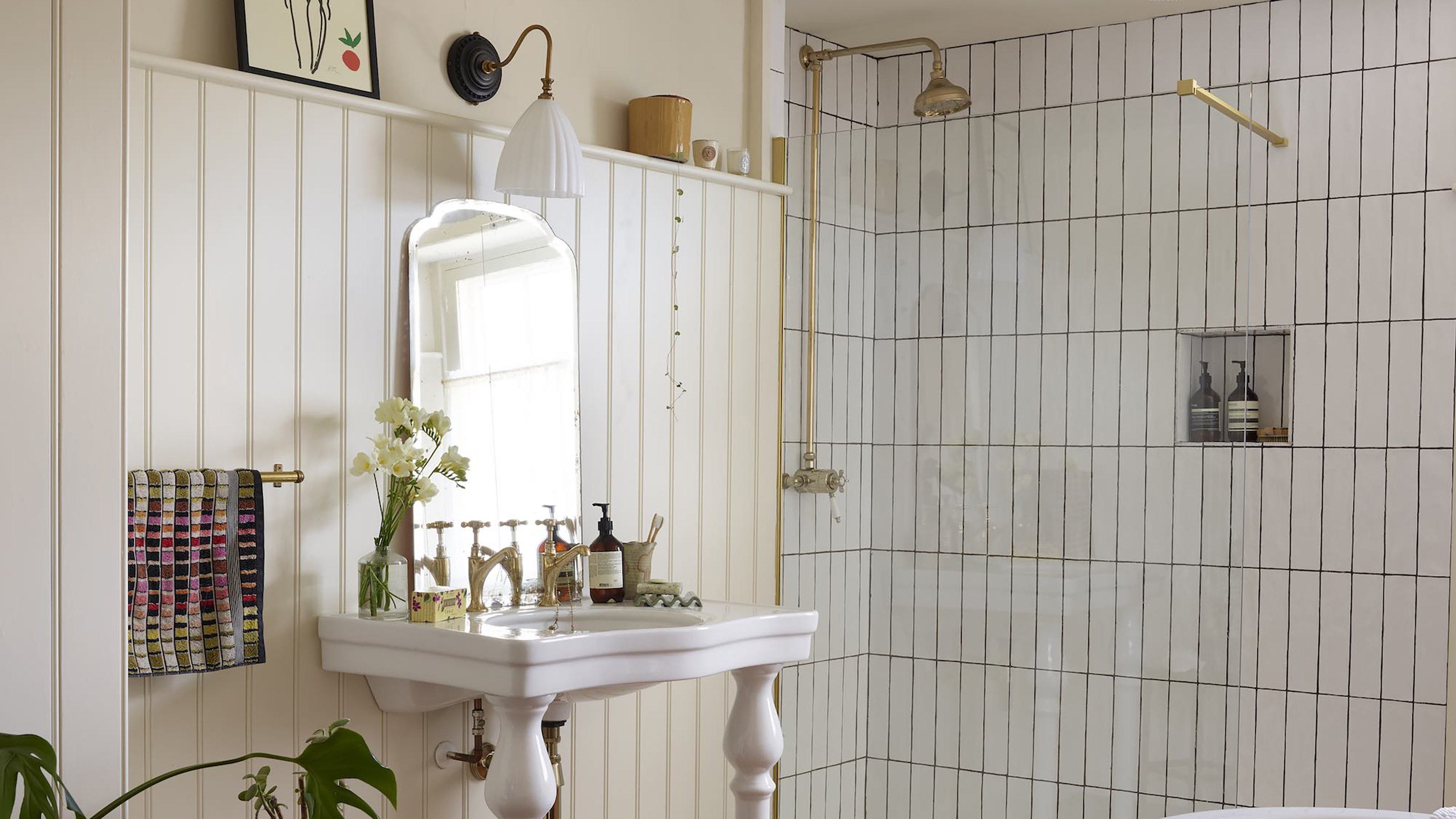
The third misconception relates to grout, often considered purely practical. Grazzie Wilson, head of creative at Ca’ Pietra, argues that grout is an integral part of the design process, not just a functional necessity. The color of grout can significantly influence the overall aesthetic of a bathroom. Choosing a contrasting color, such as white grout with black tiles, or a blending color, to match the tiles, can drastically alter the visual impact, emphasizing that grout color selection should be as thoughtful as tile selection.
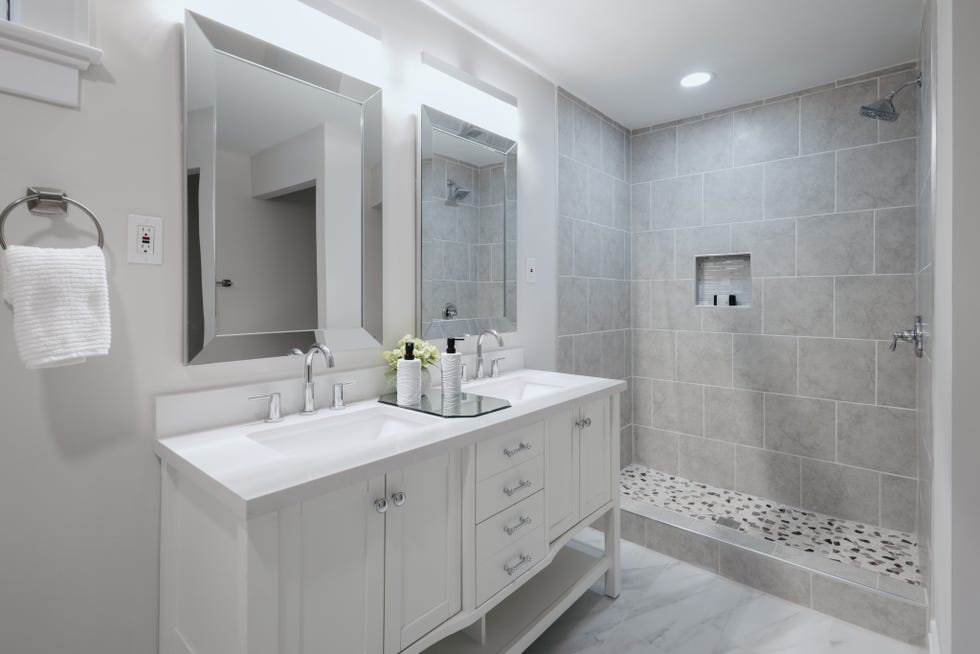
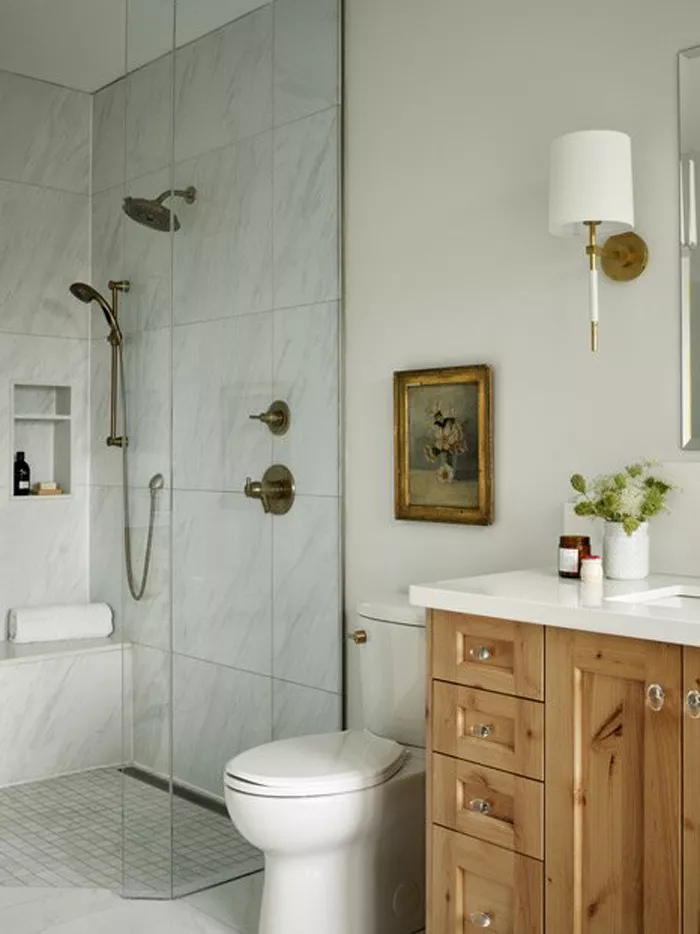
The fourth myth is that large tiles are exclusively for spacious bathrooms. Louise Ashdown, head of design at West One Bathrooms, refutes this by explaining that large format tiles can actually enhance the feeling of space in smaller bathrooms. This is because they create a more expansive surface area and result in fewer grout lines, which can make a room appear less cluttered and larger than it actually is. Therefore, large tiles are often recommended for smaller bathrooms as they contribute to a cleaner and more open aesthetic.
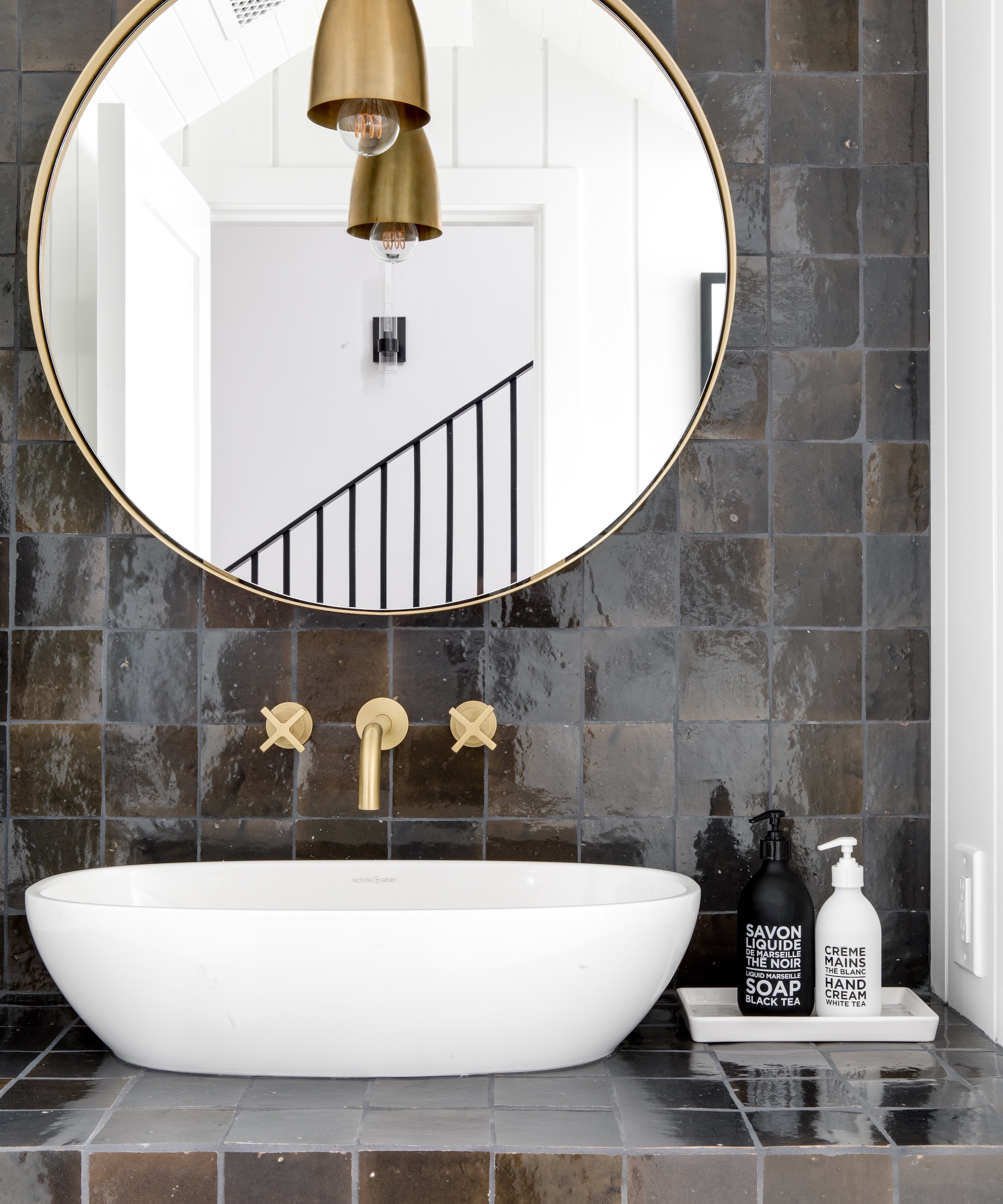
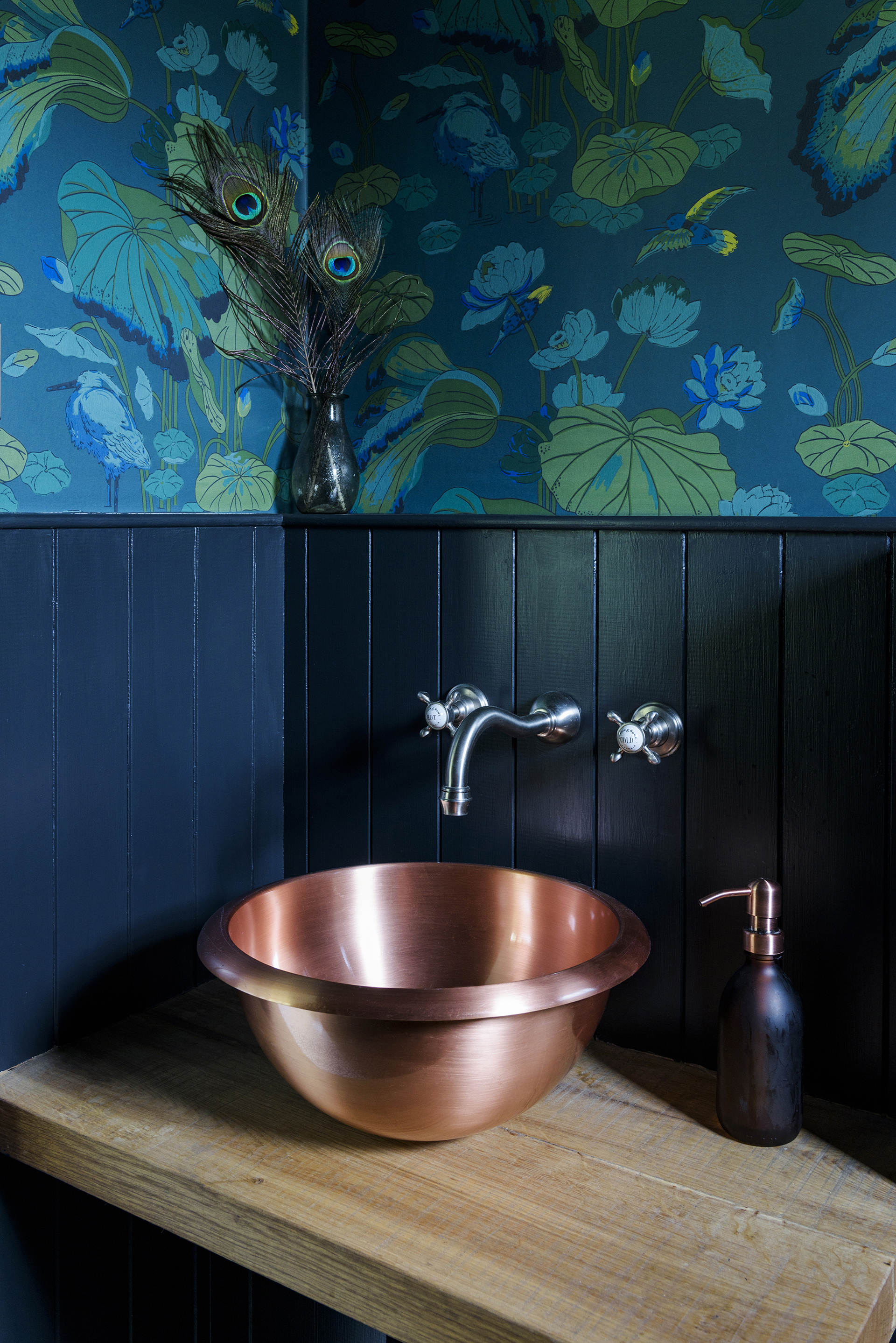
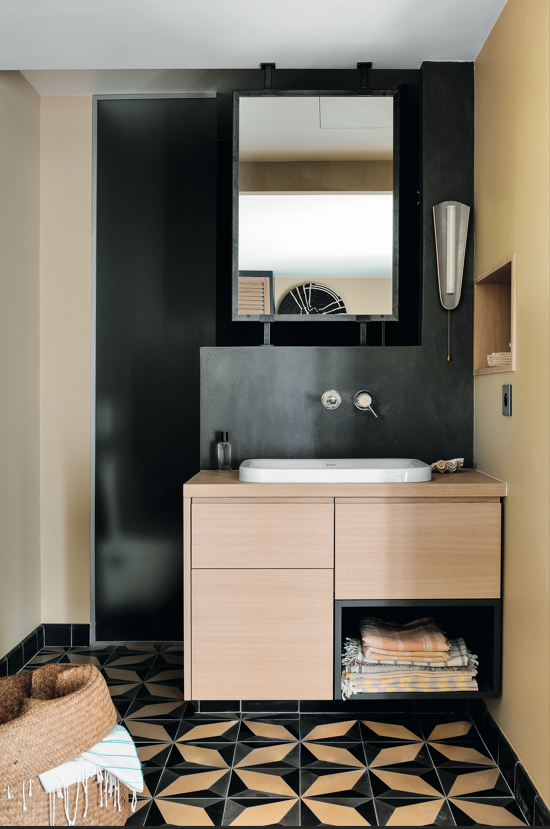
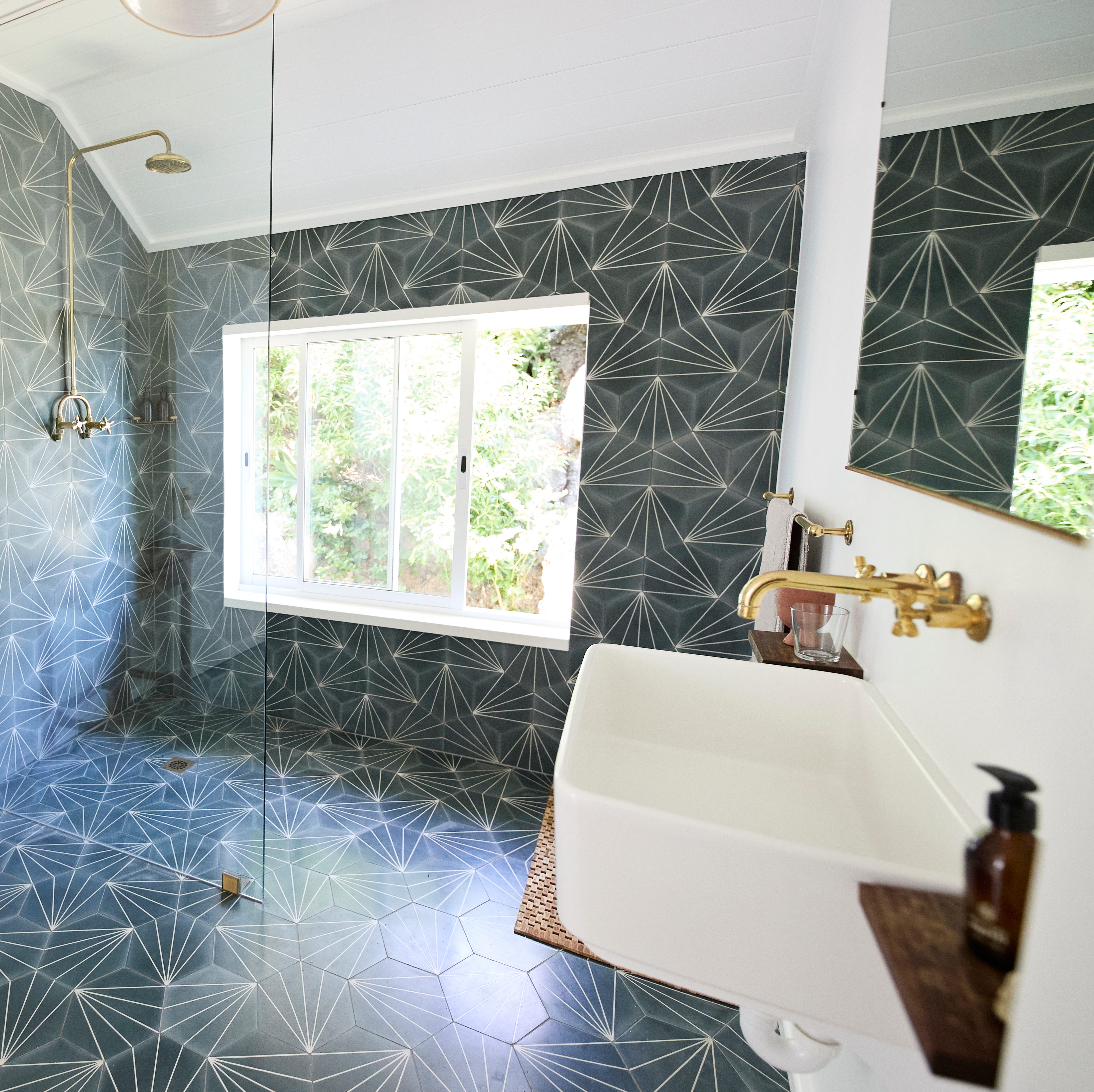
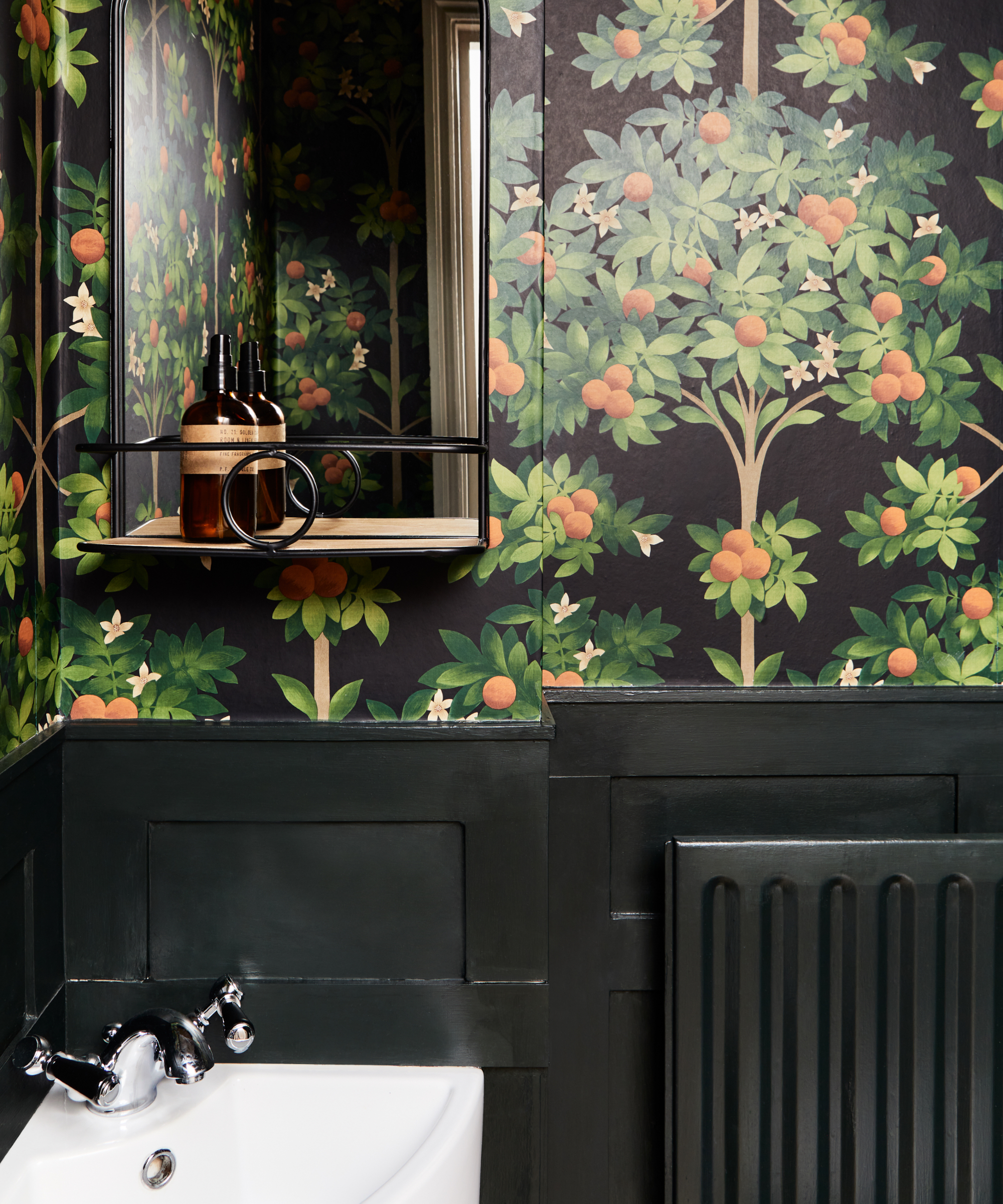
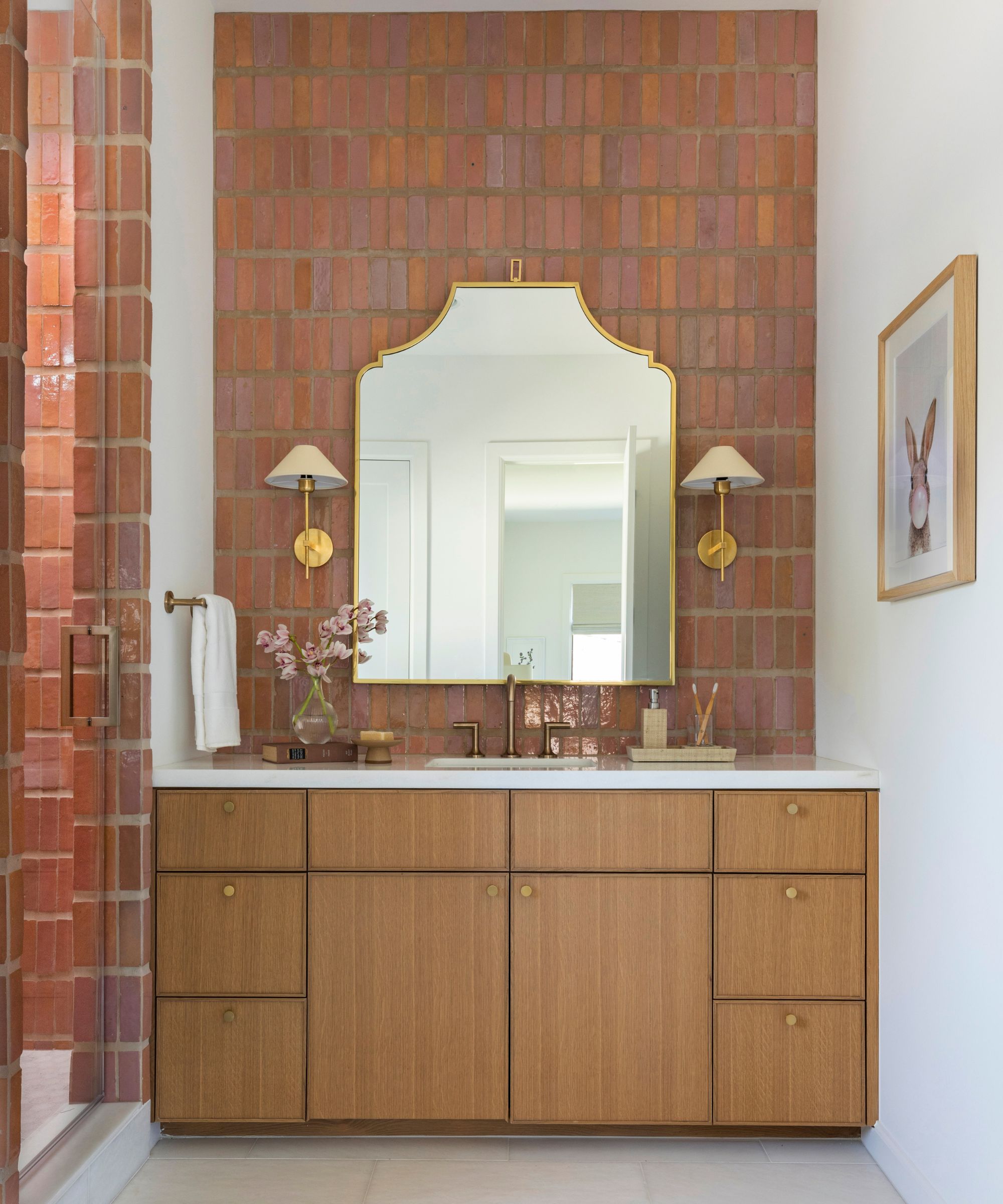
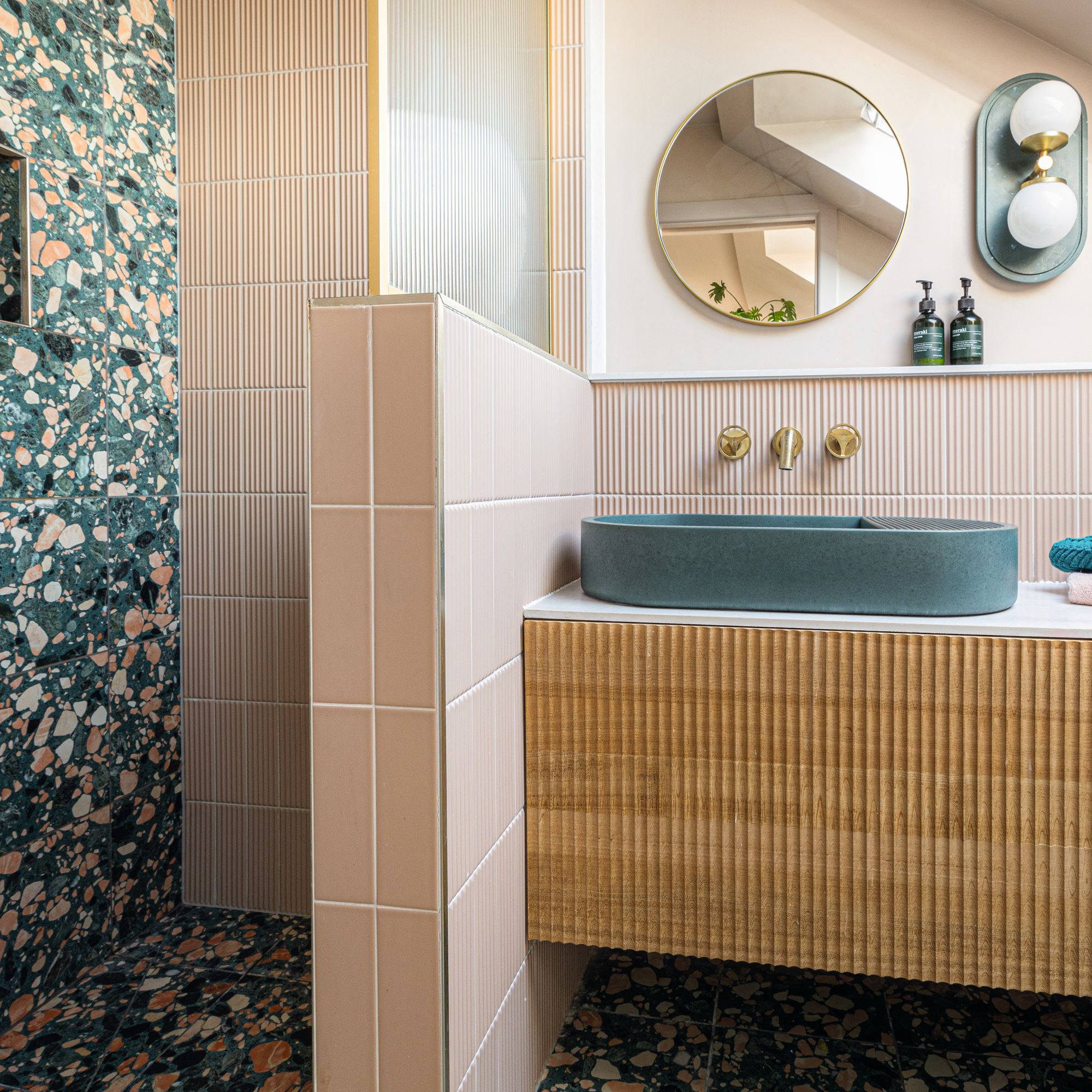
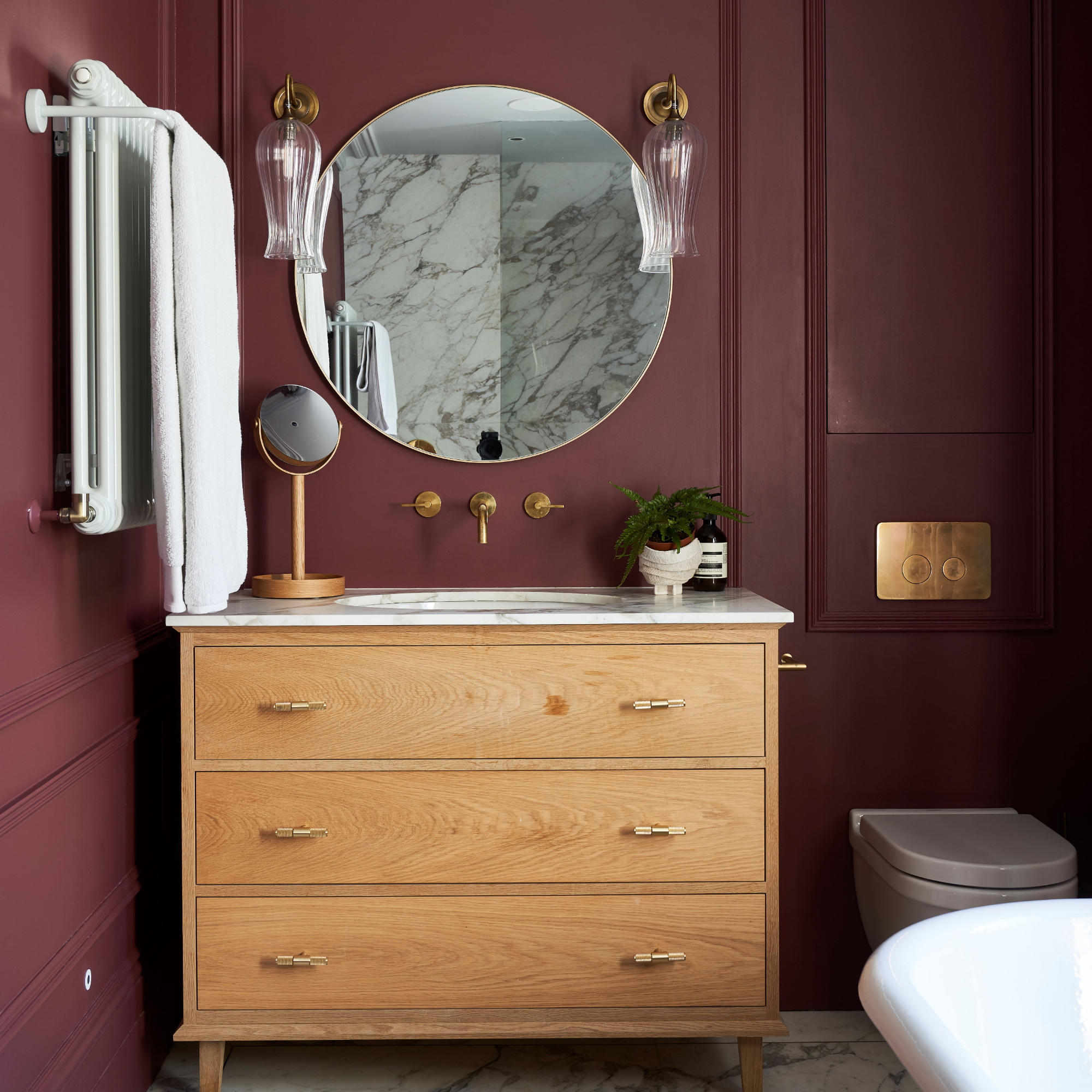
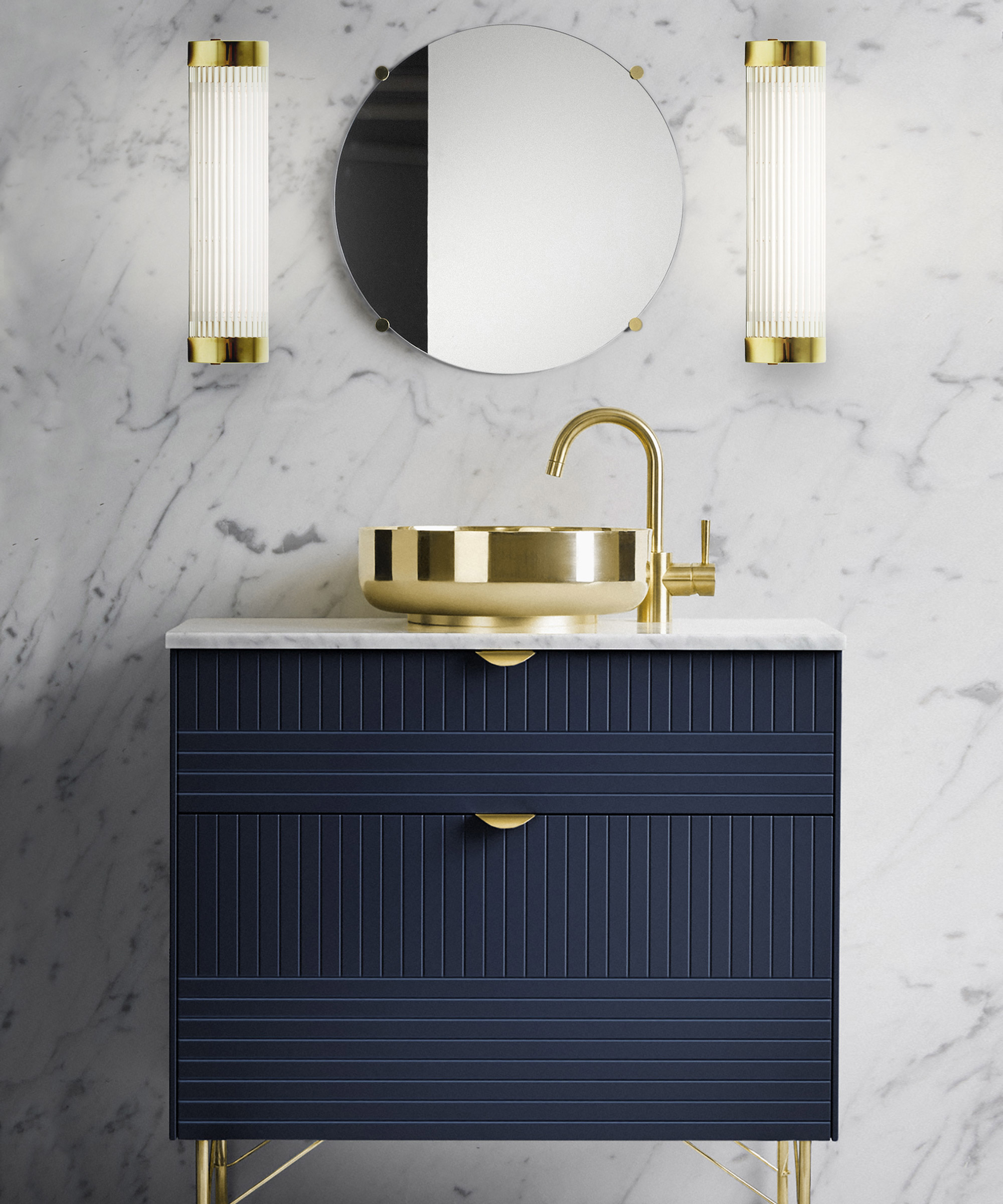

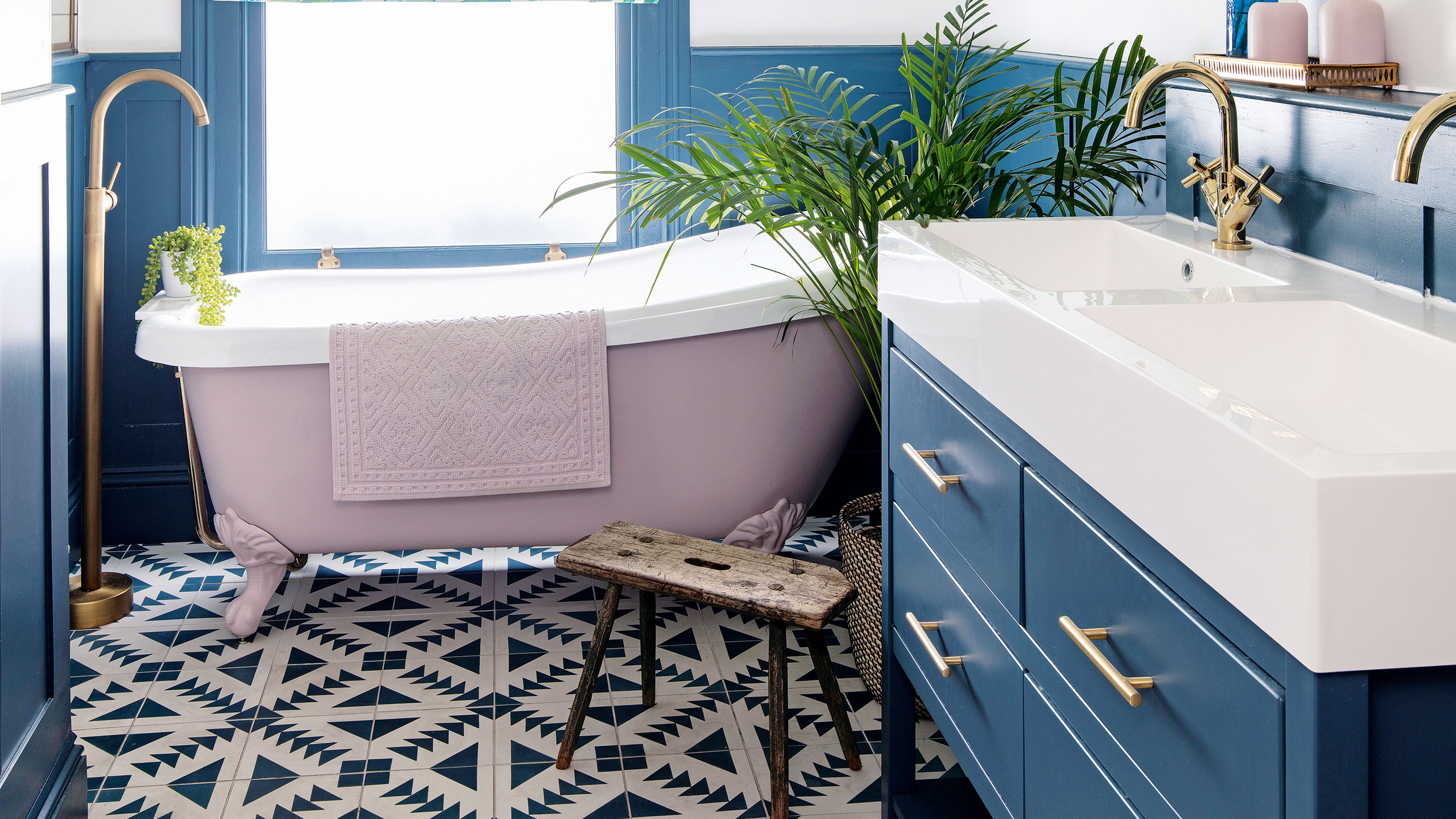
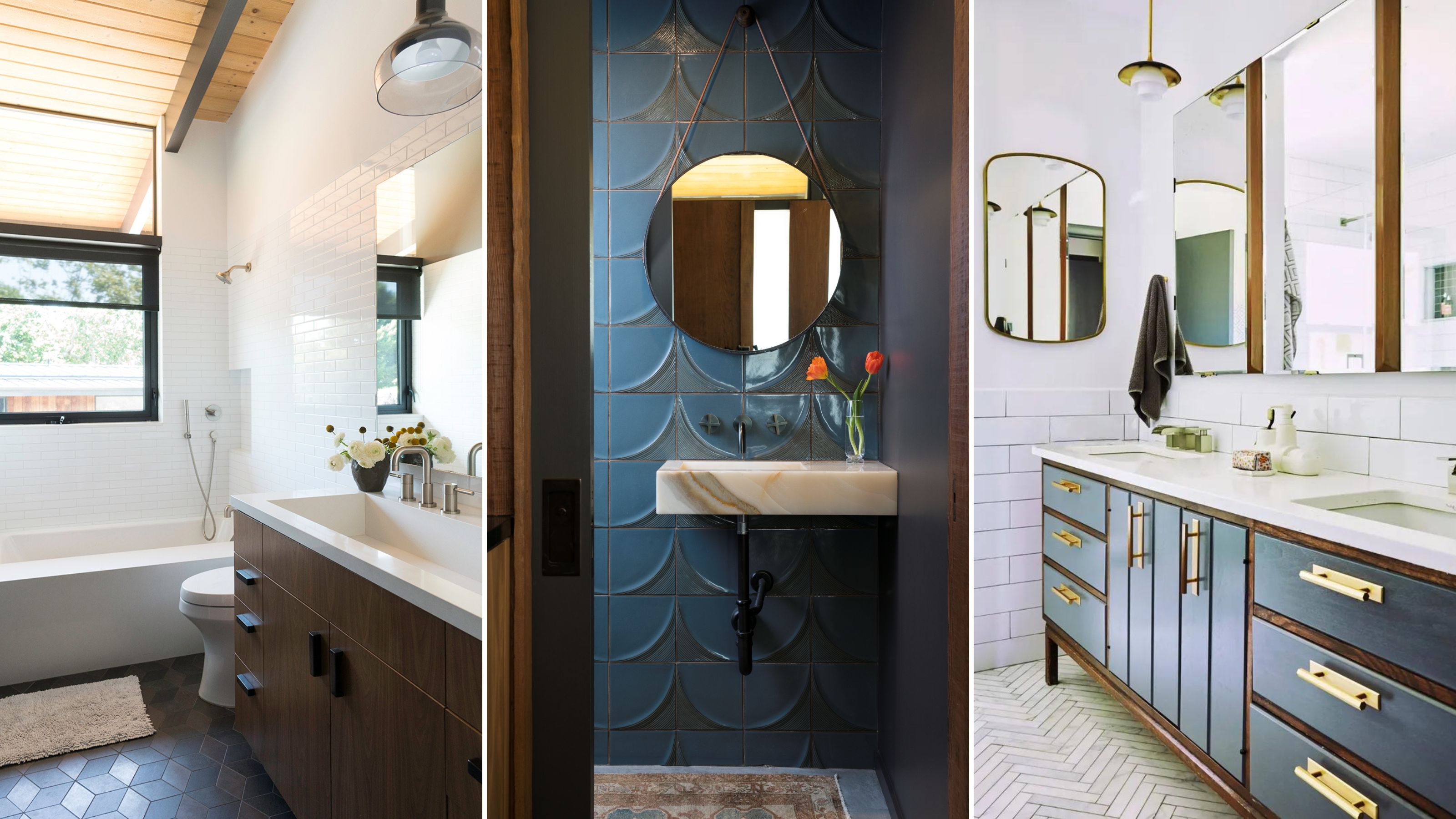
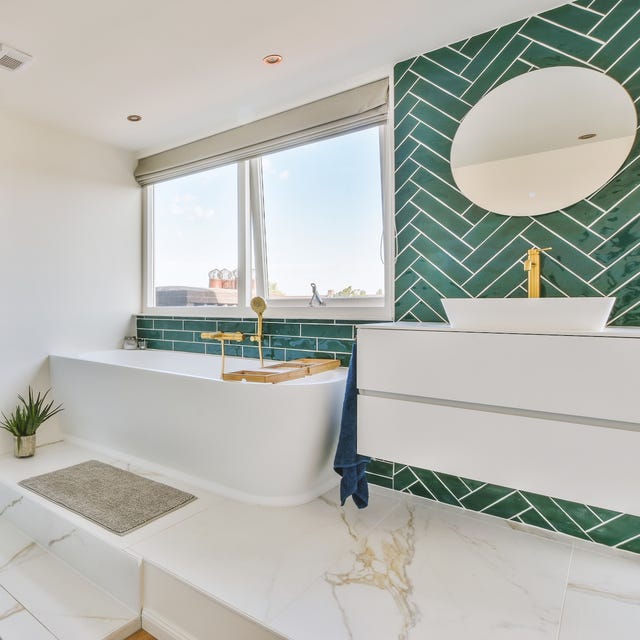
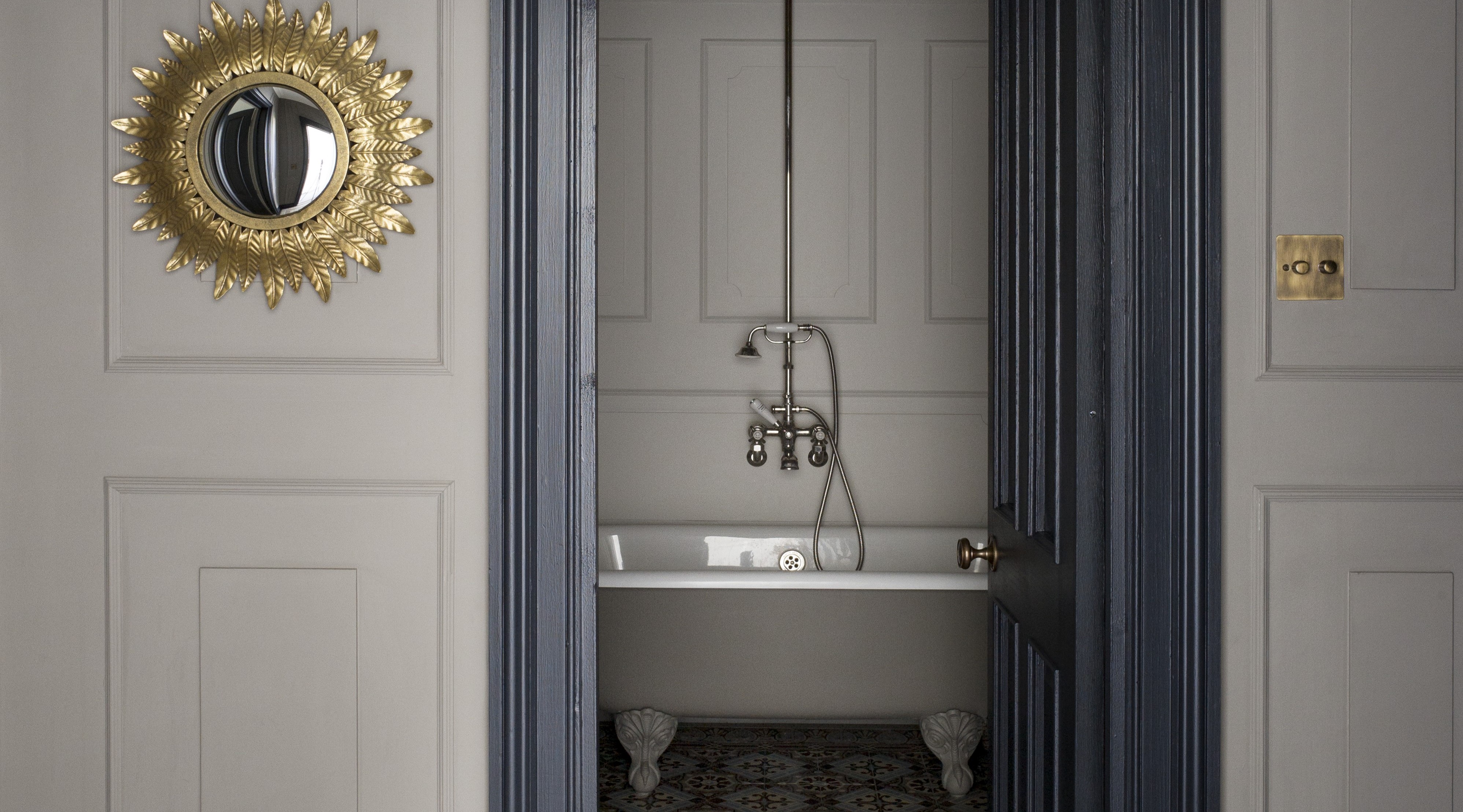
The fifth myth concerns the use of dark colors in bathrooms, with many believing they make small spaces feel cramped. Kali Gibson of Fireclay Tile debunks this, stating that when used thoughtfully, dark colors can create an impactful and intimate atmosphere. By combining dark tiles with good lighting and reflective surfaces, designers can enhance a space, adding a luxurious feel regardless of the bathroom's size. This allows for moodier, richer color palettes in shower nooks or color-drenched schemes to highlight fixtures.
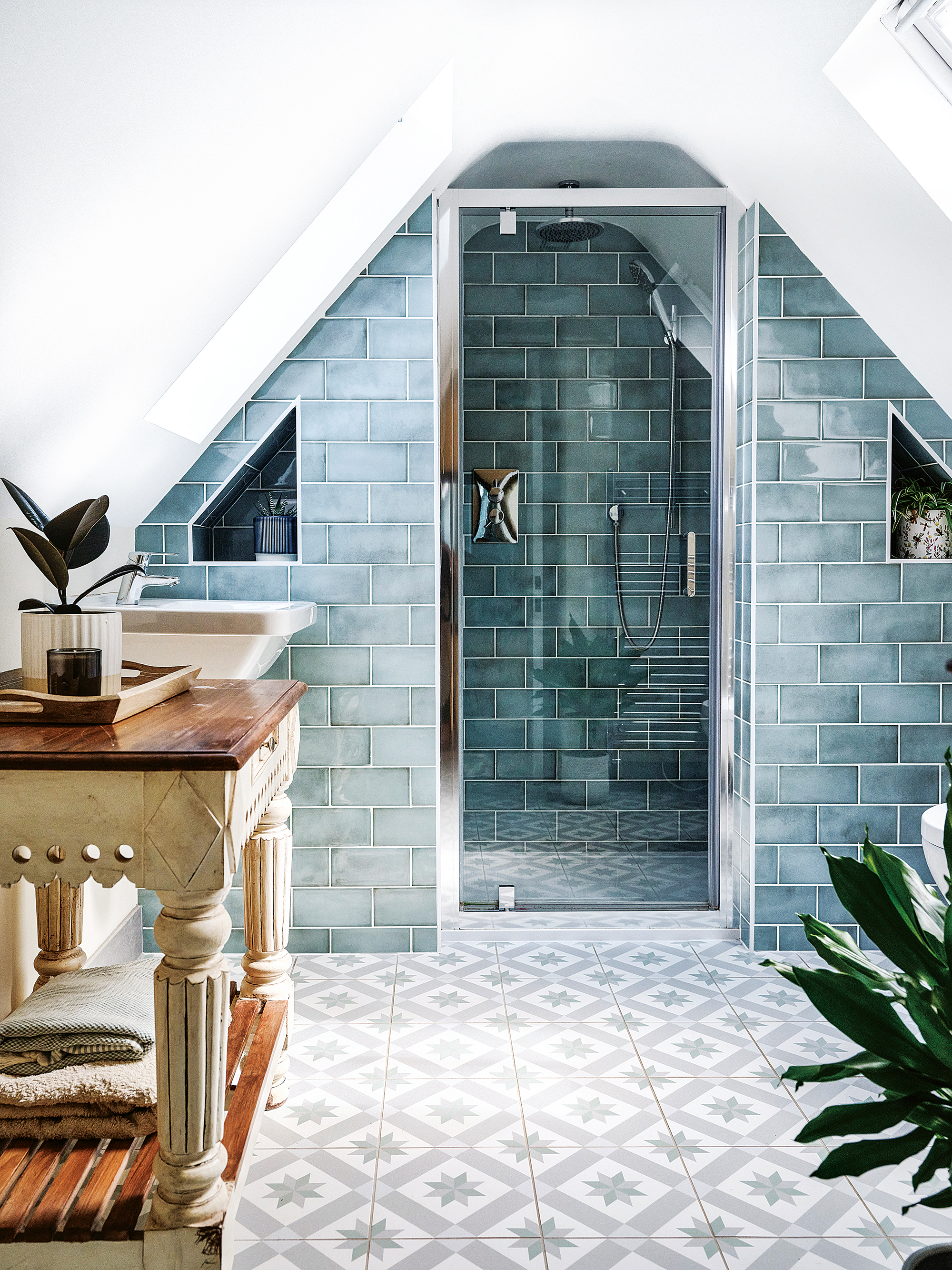
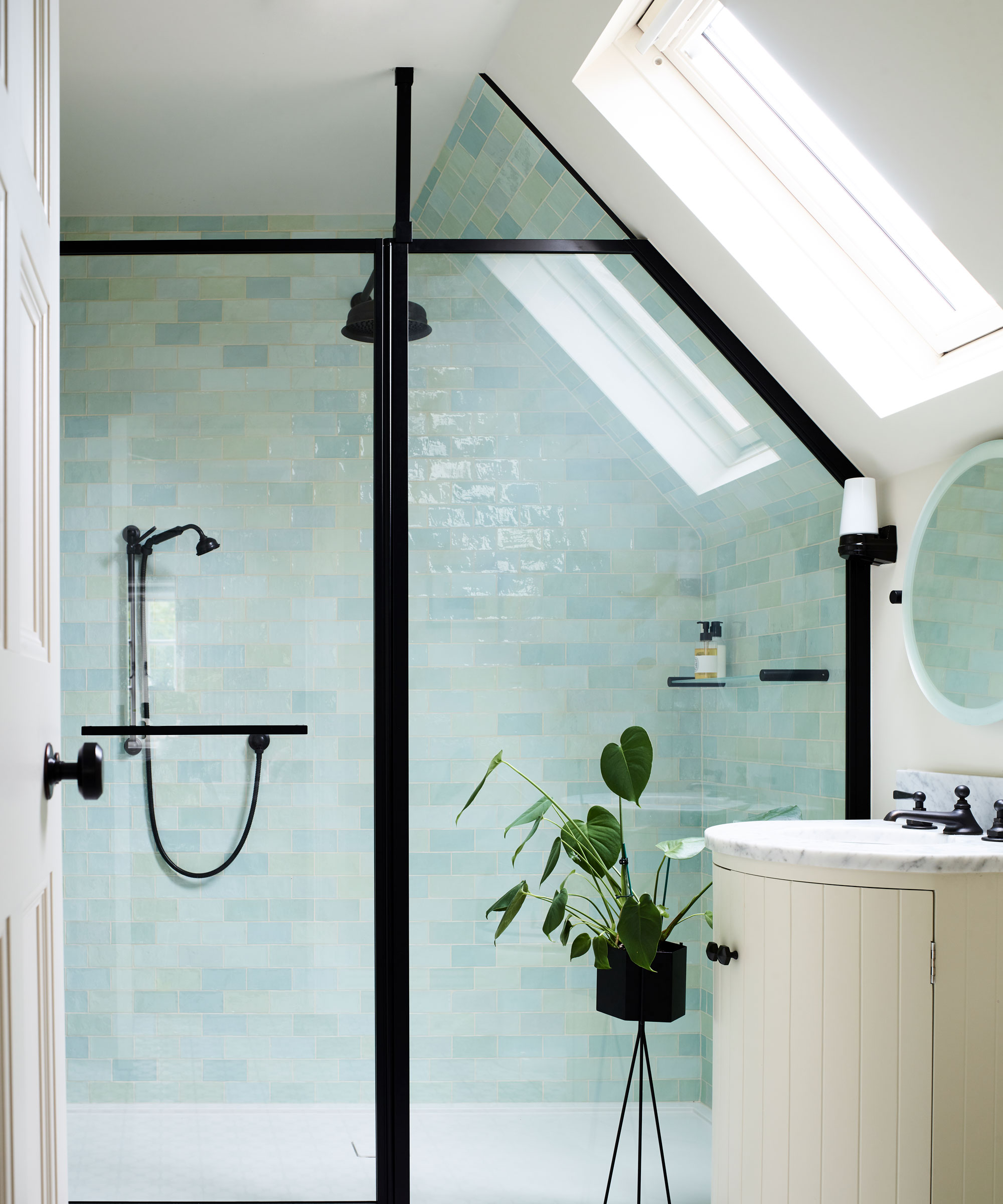
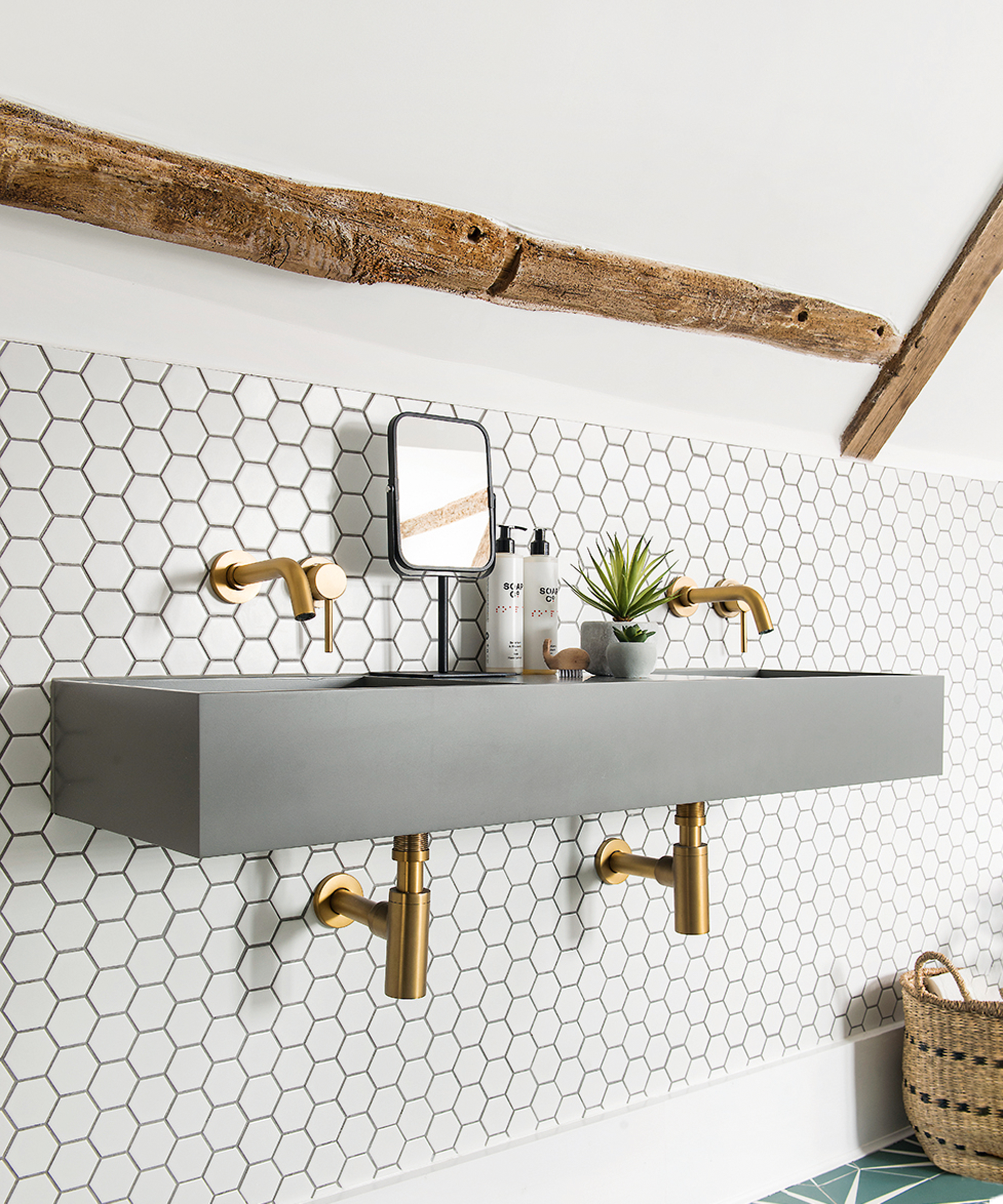
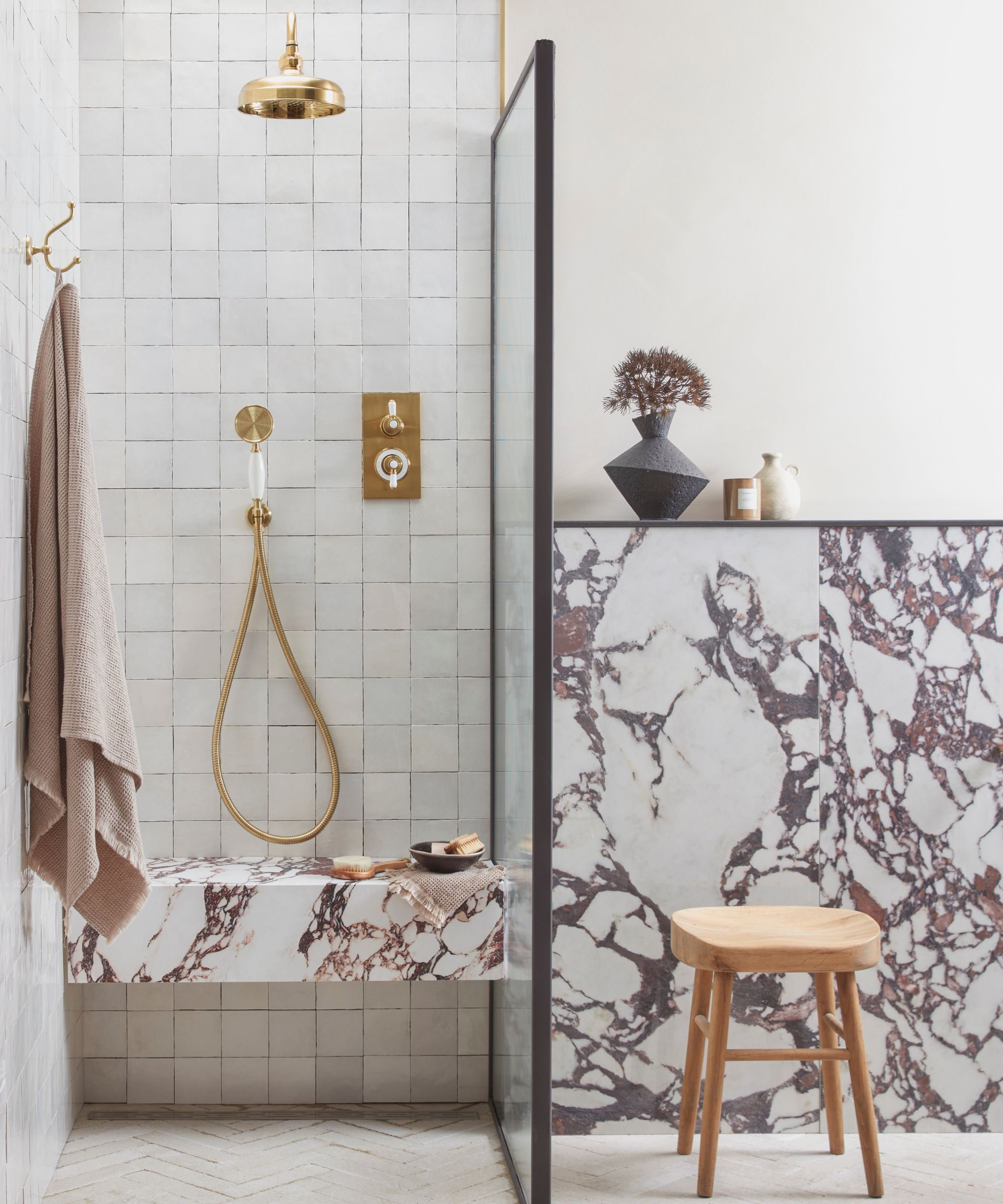
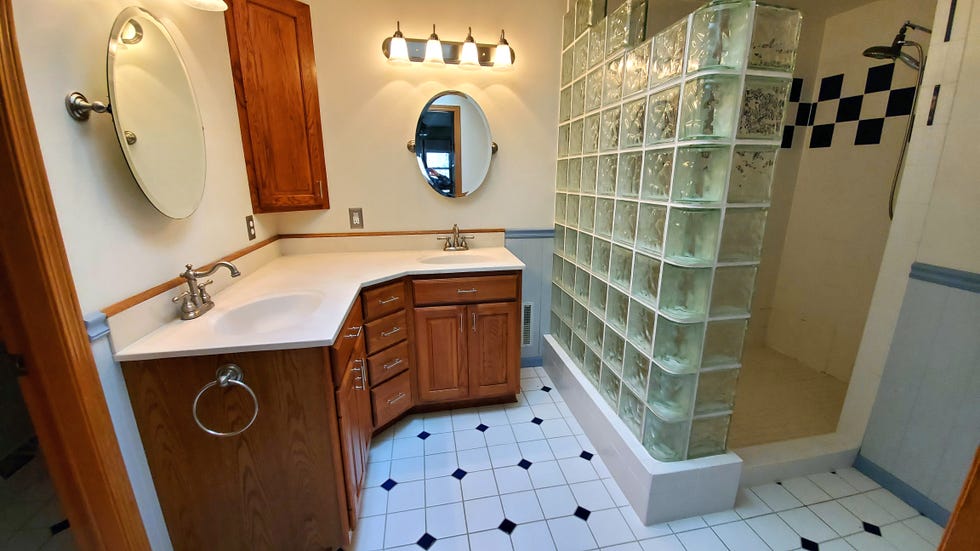
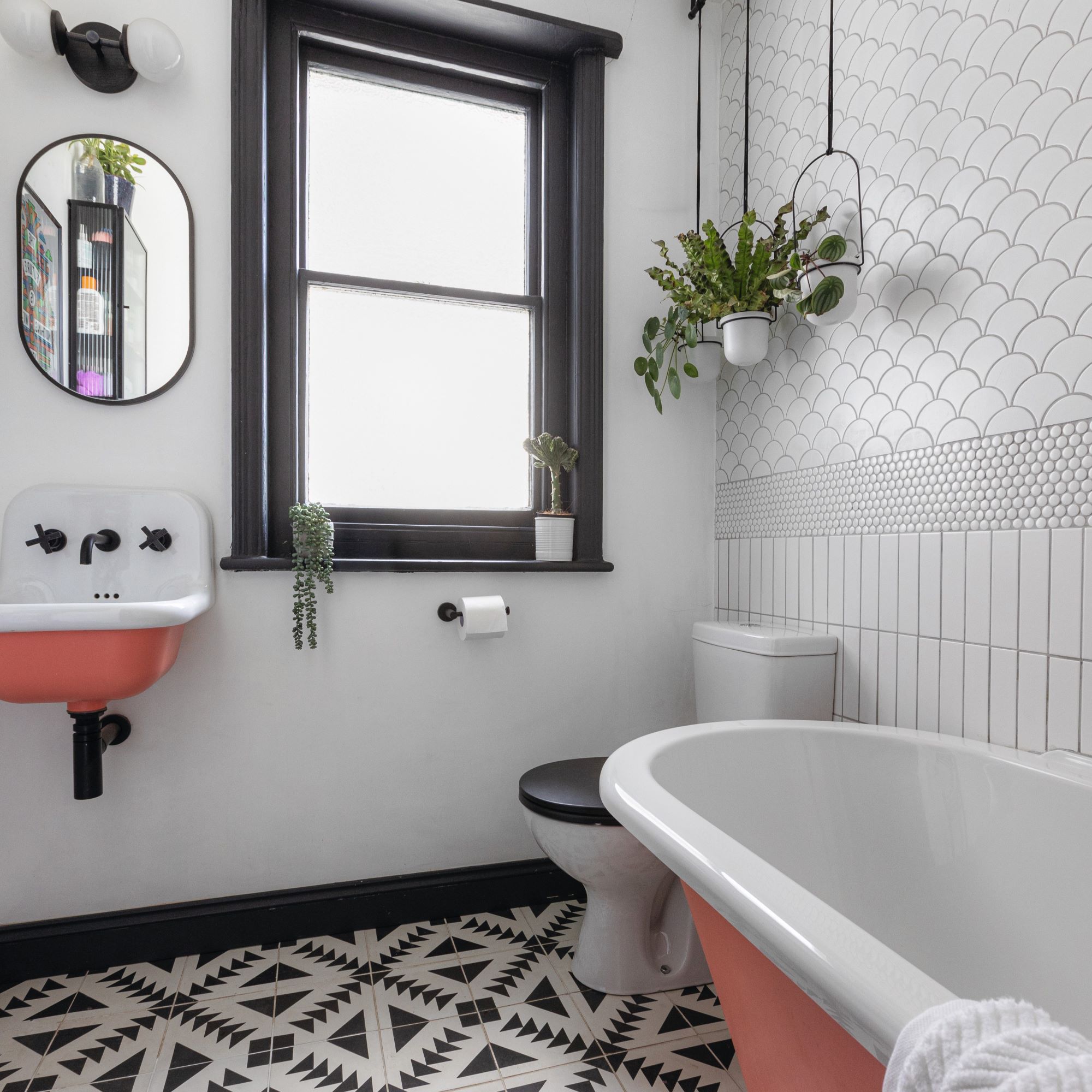

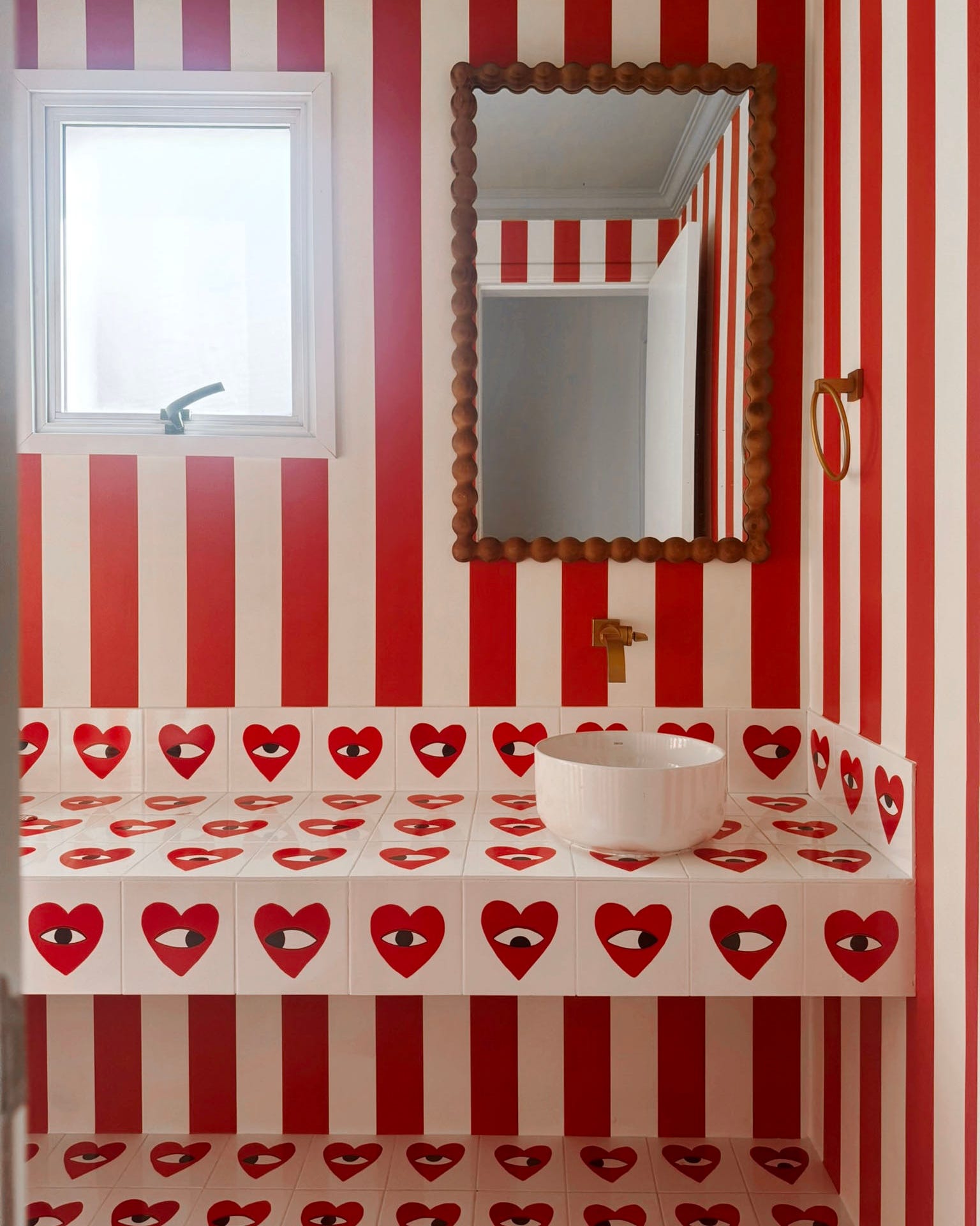
Finally, the sixth myth challenges the idea of sticking to a single tile pattern in the bathroom. Kali Gibson encourages mixing tile sizes, shapes, and patterns to add visual interest and break monotony. For instance, pairing classic subway tiles with dynamically shaped hexagons can introduce dimension and personality to a space. This creative approach encourages homeowners to move beyond conventional tiling rules and explore more varied and unique designs. #BathroomDesign #InteriorDesign #Remodeling #TileSelection #ColorSchemes #SpaceOptimization #BathtubIdeas
0 comment in total
 No comments yet
You may also like
13 bathroom design mistakes to avoid at all costs, according to experts

Experts warn against these 6 bathroom flooring mistakes - what to do instead
7 small bathroom layout mistakes — designers say to swerve these to "maximize potential"

12 bathroom remodeling mistakes to avoid when planning your design
Shower room design mistakes – 6 problems that our bathroom experts see all too often
18 WORST Bathroom Design Mistakes You're Probably Making

The #1 Bathroom Renovation Mistake Experts Always See (and How to Avoid It)

Outdated bathroom trends - 10 overdone looks to steer clear of, according to experts
Small Bathroom Design Mistakes — 6 Errors You Probably Didn't Even Know You Were Making

5 Mistakes Designers Say Are Making Your Bathroom Look Smaller
5 Bathroom Lighting Mistakes to Avoid — Designers Advise How to Dodge The Most Common Problems
Bathroom remodel mistakes – and how to avoid them
Interior designers share the 9 biggest mistakes people make when decorating and designing a bathroom

7 Mistakes to Avoid When Remodeling Your Bathroom
8 things that will always make your bathroom look small, according to designers
Interior designers believe these are the bathroom tiling trends to follow (and avoid)

Outdated bathroom trends – 6 overdone looks that designers like to avoid, and here's why you should too
5 things in your bathroom that aren’t worth spending money on, according to interior designers
8 Bathroom Reno Mistakes That INSTANTLY Cheapen the Look of Your Home, According to Experts

6 Small Bathroom Decorating Secrets Pros Want You to Know