5 Carpet Colors That Are So Outdated, According to an Interior Designer
Choosing the right carpet color is a significant decision, as wall-to-wall carpeting is a long-term investment that is difficult to change quickly. Unlike paint, which can be easily redone, carpet selections have a lasting impact on a space. To guide consumers in making informed decisions, interior designer Chris Goddard, founder of Goddard Design Group, has identified five carpet colors that he considers outdated.
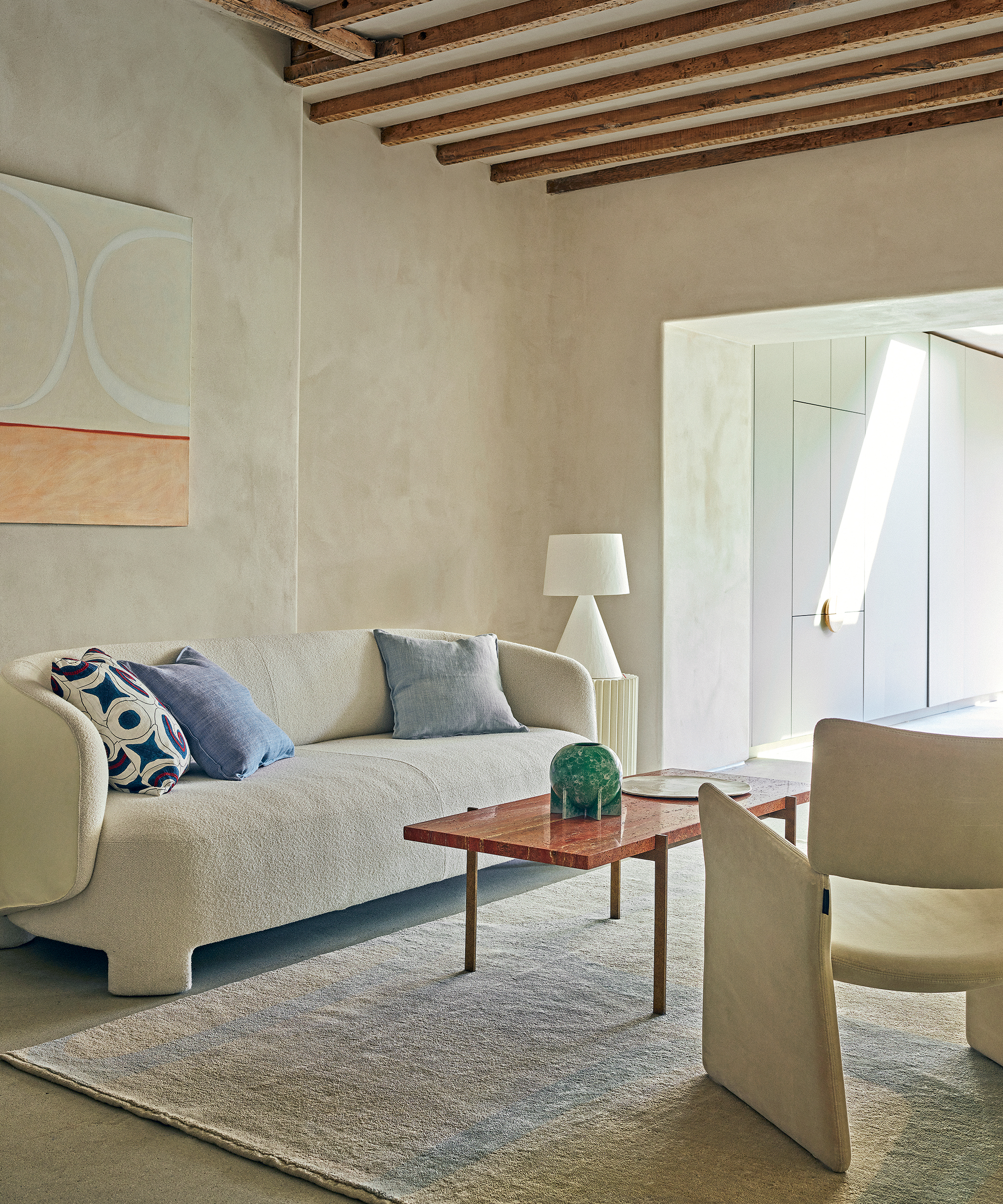
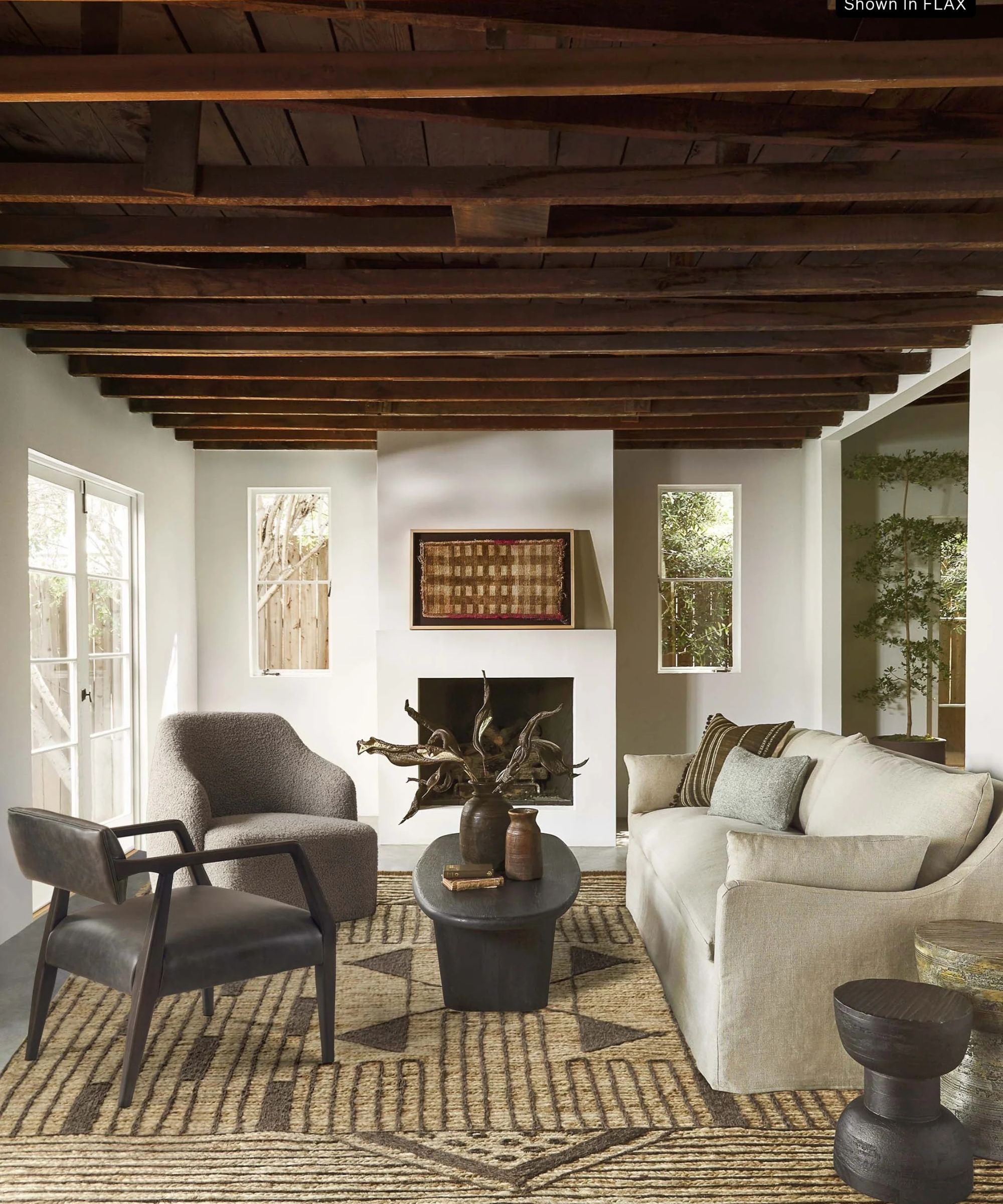
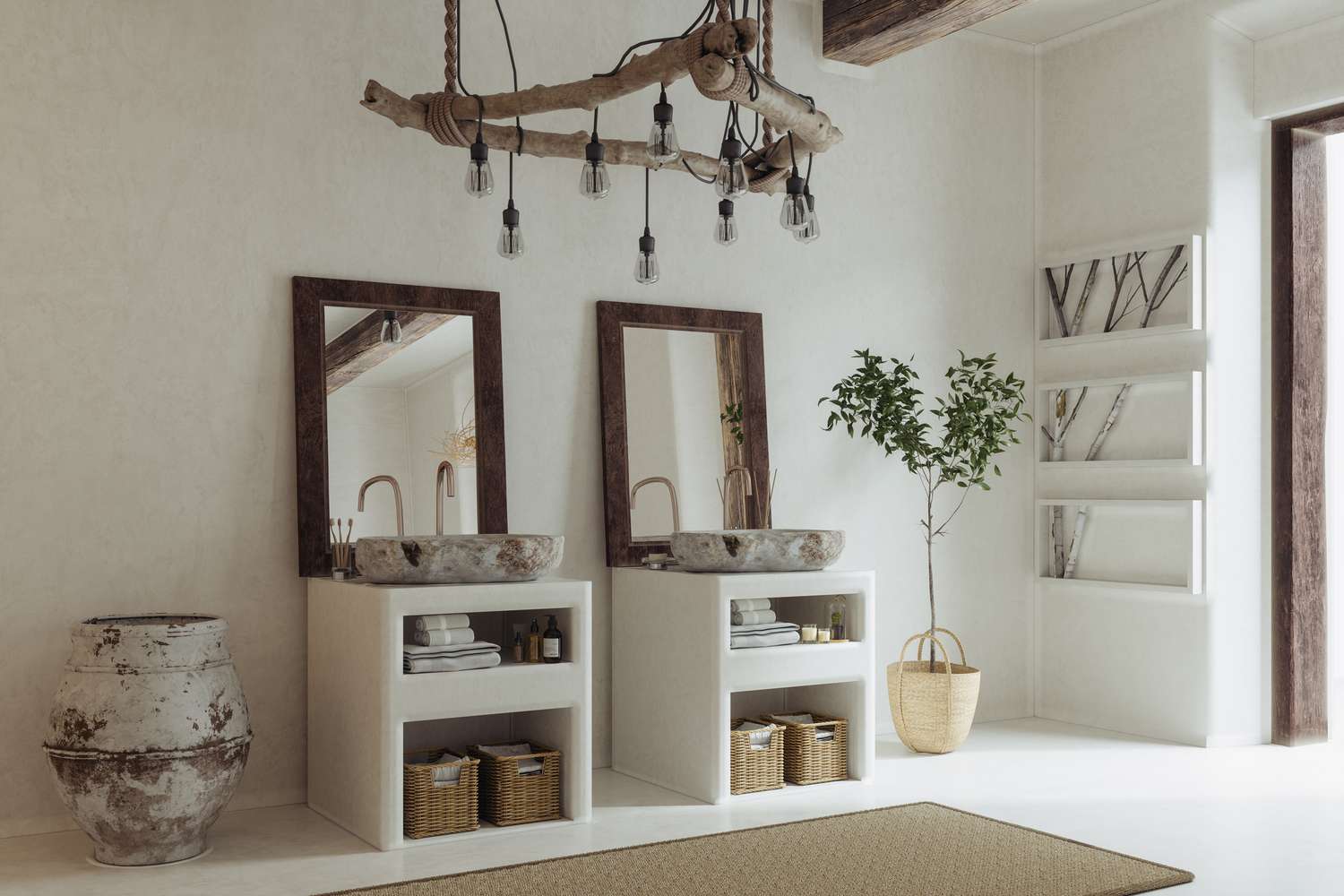
Gray carpet, once a popular neutral, is now viewed as contributing to bland and inexpensive-feeling spaces. Goddard notes that gray carpet tends to make rooms feel cold and generic, absorbing light rather than reflecting it, which can diminish a sense of brightness and airiness. While gray walls can create a calm atmosphere, gray carpet often evokes the impression of an office break room. As alternatives, Goddard suggests natural fiber rugs like sisal or jute, or sand-colored wool rugs with a tight basket weave. These options offer versatility and neutrality while introducing texture and warmth.
Berber carpet, which gained popularity in the 1980s and 1990s due to its affordability and looped texture, is another style now considered dated. Its looped construction makes it prone to accumulating dust and dirt, a problem exacerbated by its often subtle, muted shades that make grime more visible. This practical disadvantage, combined with its dated aesthetic, has diminished its appeal.
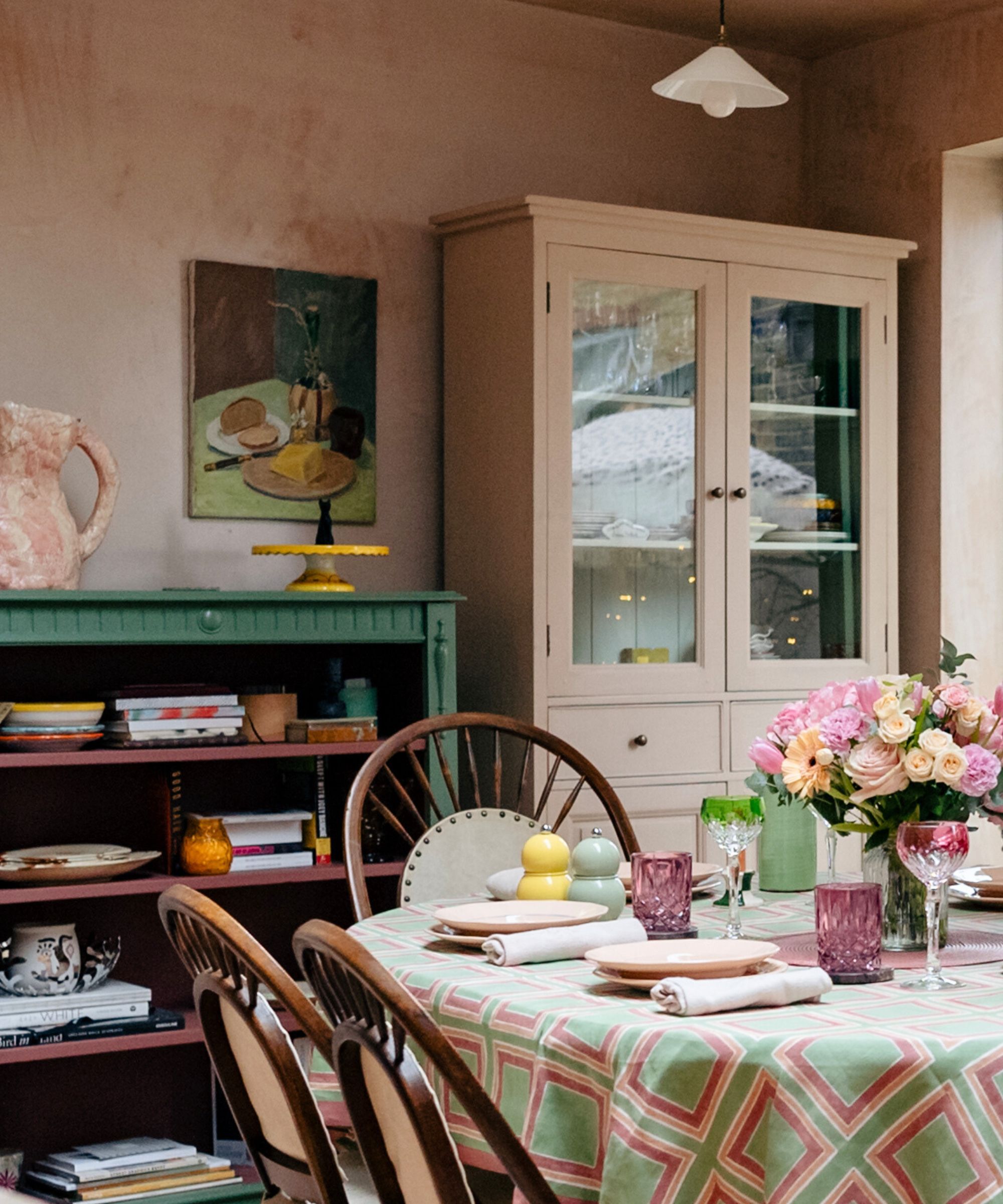
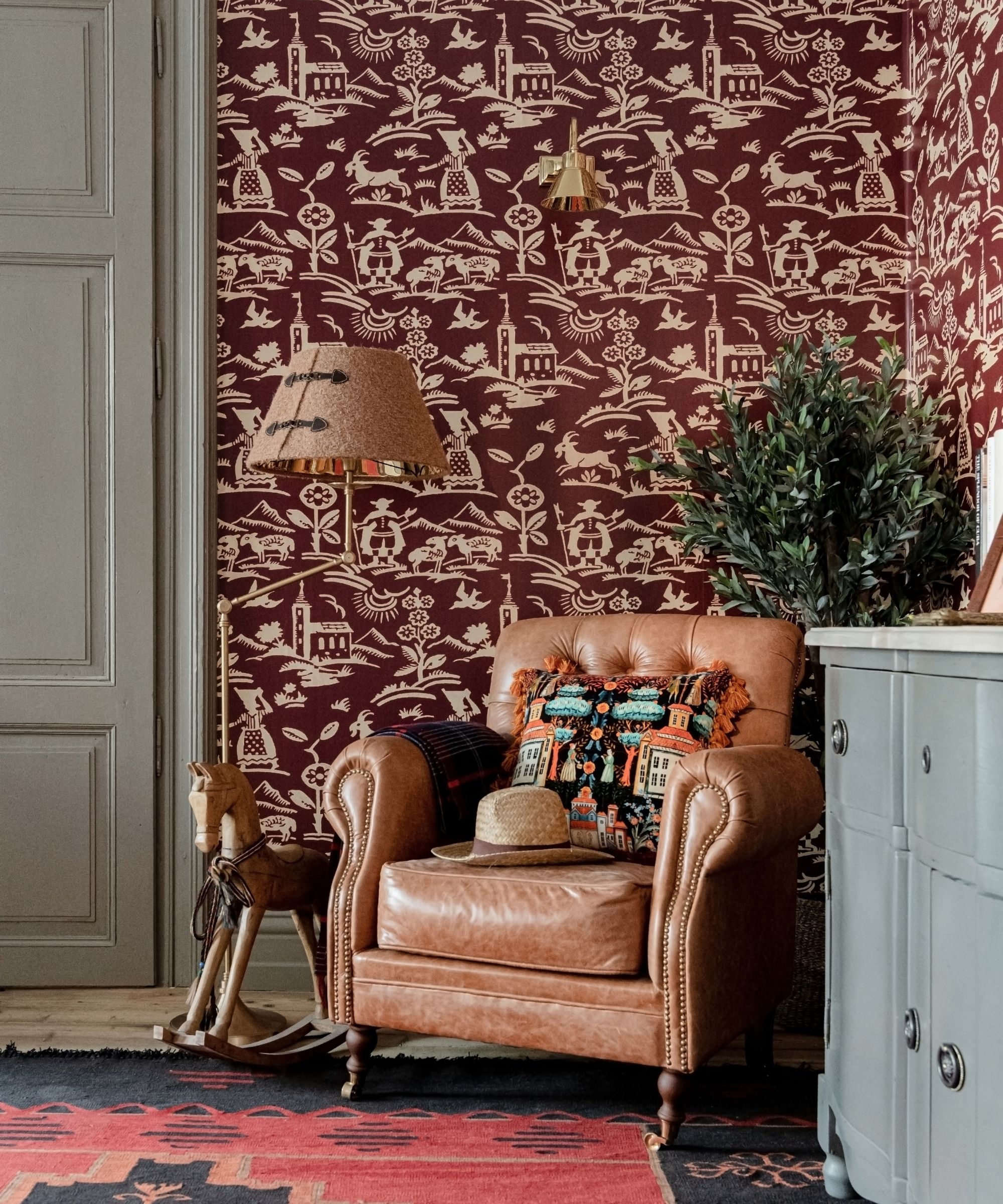
Large graphic prints, including geometric, floral, and abstract patterns, were fashionable in the 1950s and 1960s. However, Goddard advises against reintroducing these styles, as they can make a space resemble a movie theater or a cheap hotel. Such bold patterns are challenging to coordinate with furniture, especially if the design deviates from a clean, monochromatic scheme. Furthermore, when the floor becomes the dominant visual element, it limits opportunities to experiment with other design features without overwhelming the room's aesthetic.
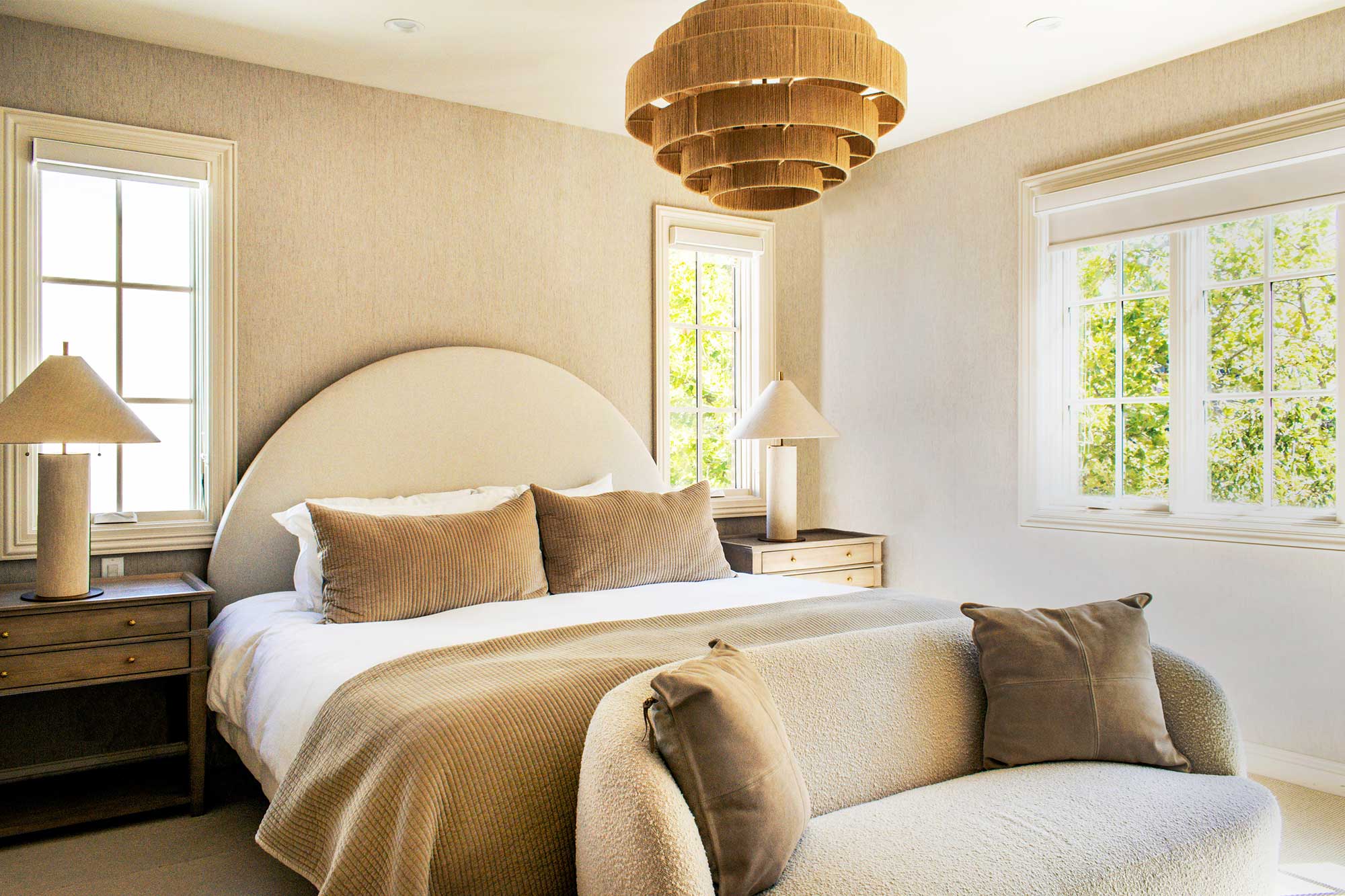
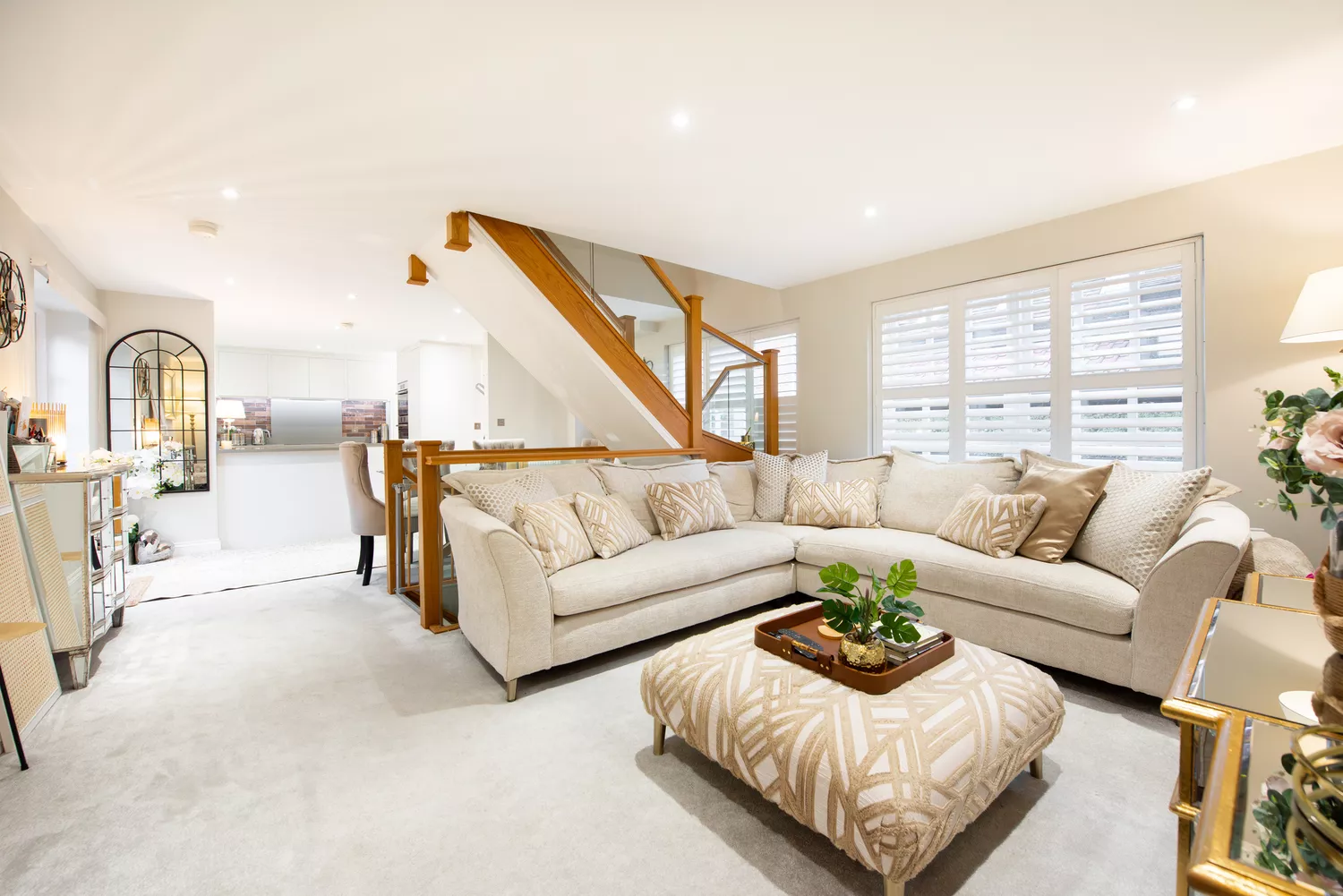
Beige carpet, similar to gray, is often perceived as a safe choice but is now considered outdated. It can make a home feel like a relic from the 1980s and is particularly susceptible to showing dirt quickly. Goddard points out that while light neutrals initially look clean, they readily reveal everyday wear and tear. In an era where personalized interiors are increasingly valued, beige carpet can be seen as a surrender to a lack of individual expression. The trend leans towards more customized spaces, making beige an anti-choice for those seeking unique design statements.
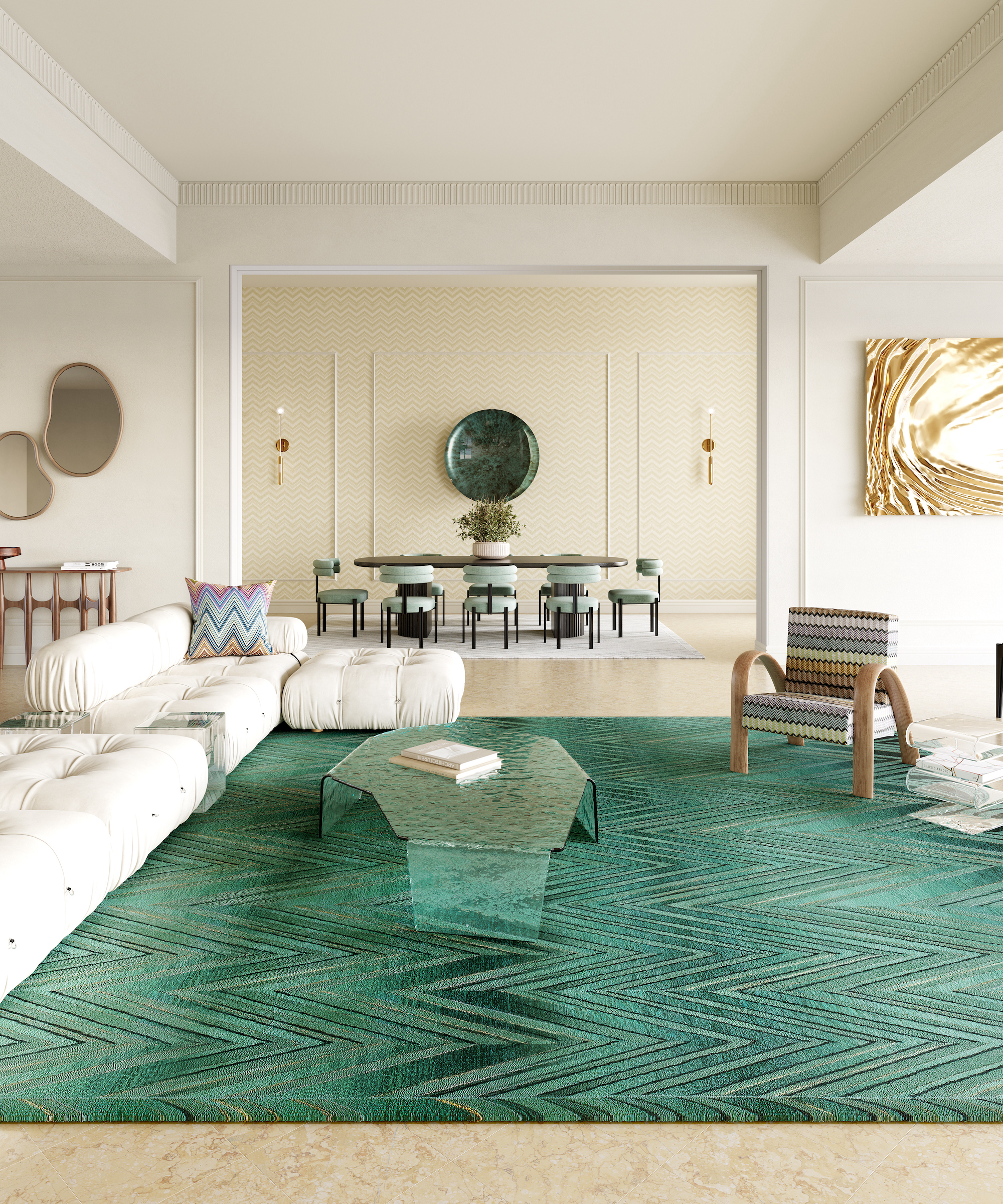
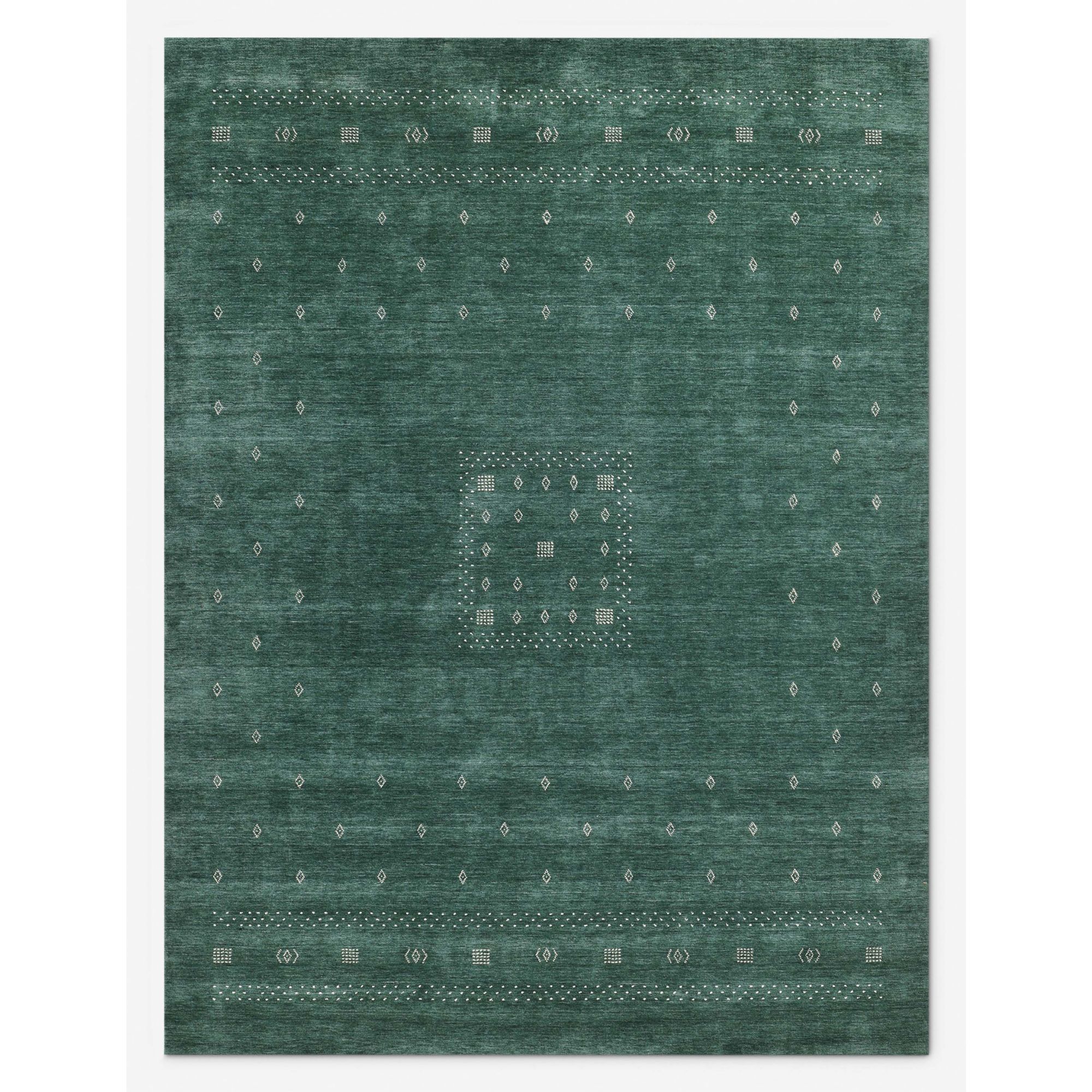
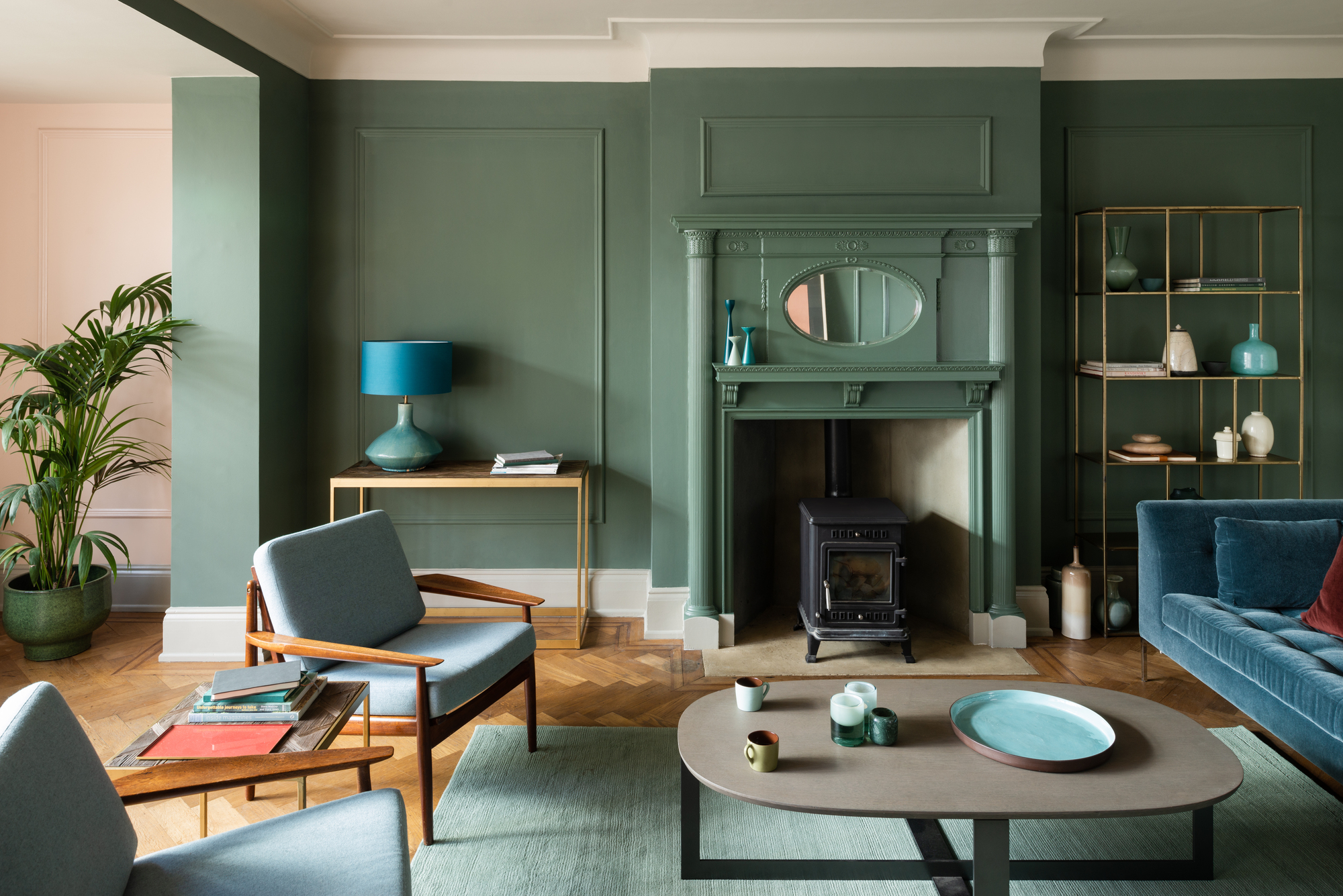
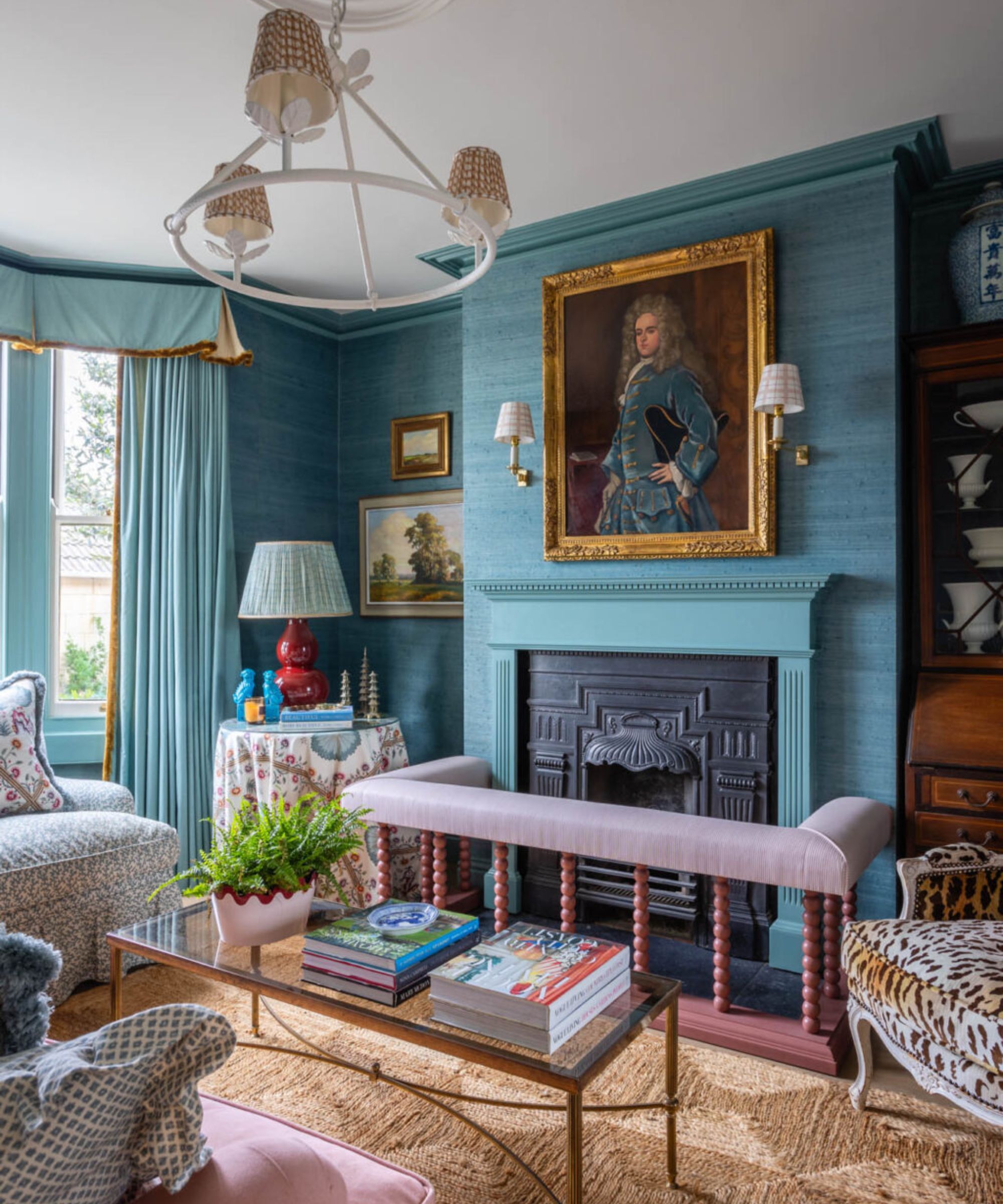
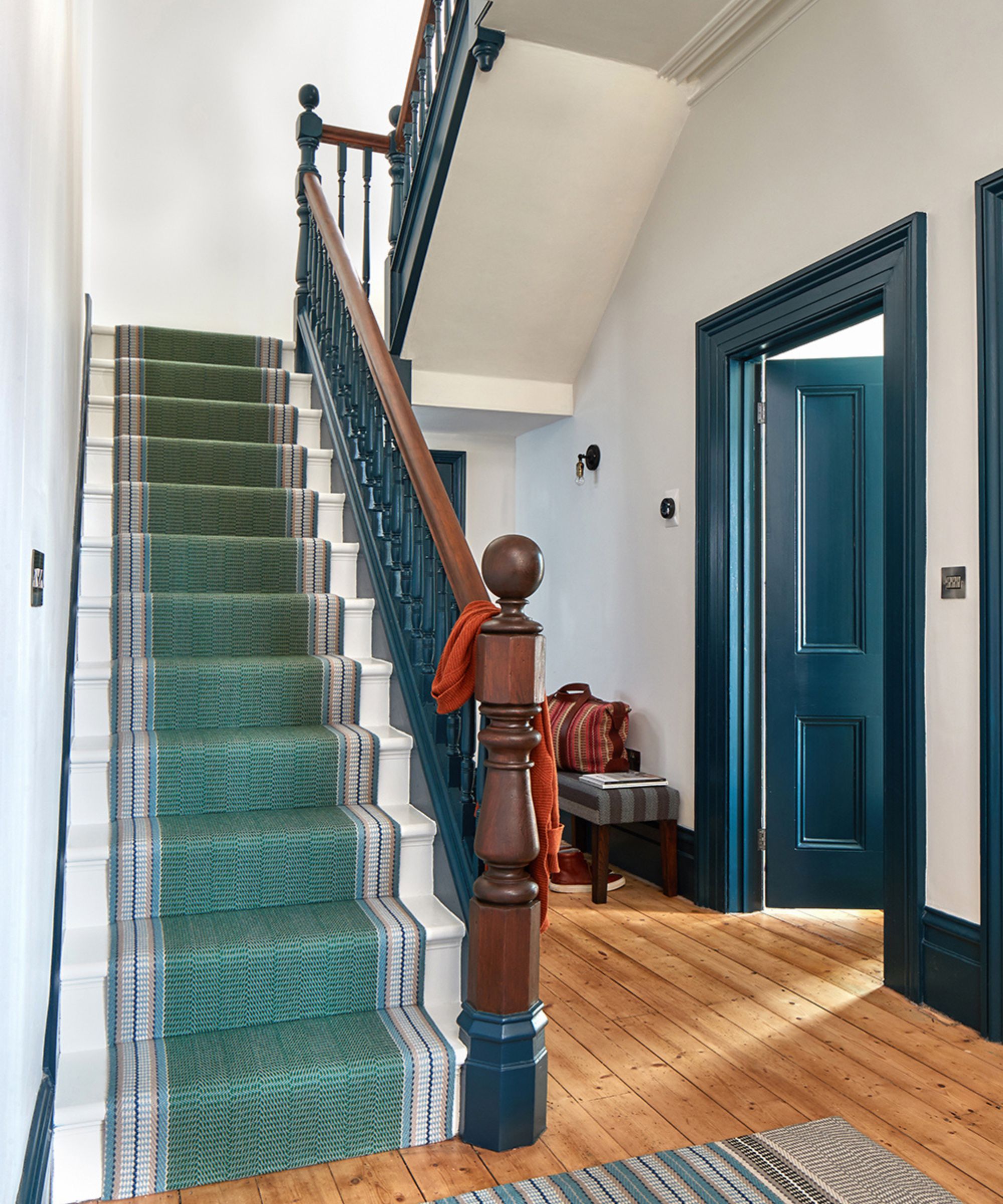
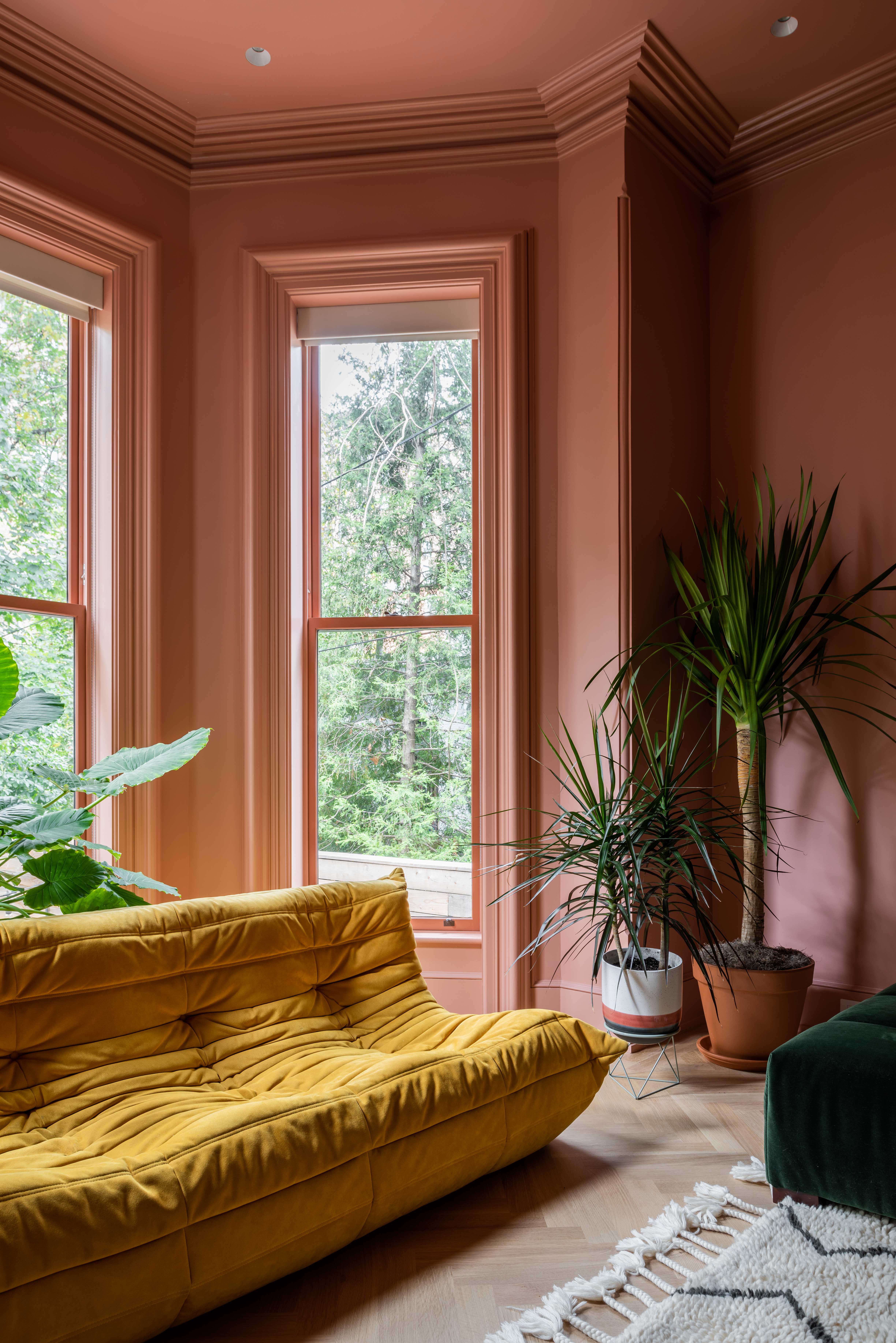
Finally, blue and green carpets, prevalent from the 1960s to the 1980s in shades like avocado green, emerald, navy, and turquoise, evoke nostalgia but require careful consideration for modern application. While Goddard acknowledges their potential, he suggests a specific approach for reincorporating them. He recommends using deep-colored carpets, such as blues and greens, in conjunction with color-saturated walls and trim of the same hue. This creates a cohesive, chic, and moody environment, allowing these colors to be stylishly updated rather than appearing as mere throwbacks.
#CarpetColors #InteriorDesignTrends #OutdatedDecor #HomeDecor #DesignTips #NeutralCarpetAlternatives #RoomDesign #FloorCoverings #CarpetColors #InteriorDesignTrends #OutdatedDecor #HomeDecor #DesignTips #NeutralCarpetAlternatives #RoomDesign #FloorCoverings
0 comment in total
 No comments yet
You may also like
These 5 rug colors are going out of style for 2025, according to interior designers
5 Countertop Colors That Are Going Out of Style, and What You Should Choose Instead — According to Kitchen Designers

5 best colors for an entryway carpet, according to interior designers
These 5 Home Decor Styles Are So Outdated, According to Interior Designers
These 5 rug colors are going out of style for 2025, according to interior designers

4 Outdated Colors Designers say you Should Steer Clear of When Decorating a Living Room
7 Bedding Colors That Are Outdated, According To Designers
The 5 outdated paint colors of 2024 designers loathe — and what they're loving instead

Outdated color trends – 5 overdone colors that designers no longer love, and what to use instead

5 Outdated Kitchen Paint Colors That Interior Designers Are Tired of Seeing
Outdated kitchen color trends – 5 colors to avoid in 2025, and what to use instead
5 outdated kitchen cabinet color trends to avoid if you don't want your kitchen to look unfashionable, say designers
4 Living Room Paint Colors That Are So Outdated, According to Designers
5 rug colors to avoid – the hues designers think you should veer away from on floors, plus how to make them work
What couch colors are going out of style in 2025? Designers say these 6 shades should be avoided
5 outdated paint trends that interior designers are glad to see the back of – and what they're doing instead
5 tile colors going out of style for 2025, according to interior designers
5 living room paint colors going out of style in 2025
5 outdated color trends interior designers are glad to see the back of – and what they're choosing for 2024 instead
5 Paint Colors to Never Use in Your Living Room, According to Interior Designers