1/3
3D scanned tree trunks become translucent table legs for aki hamada architects' collection
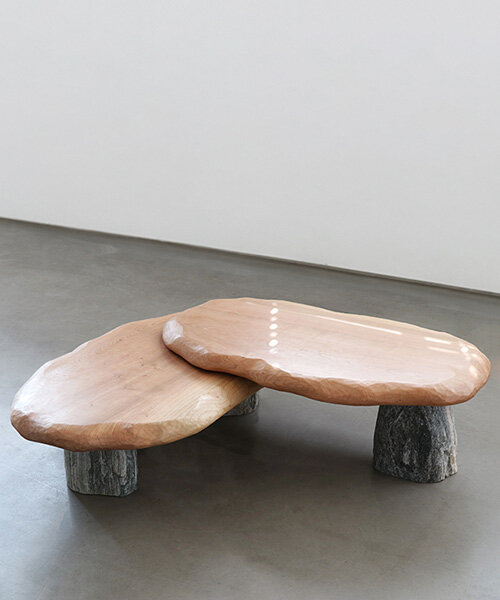
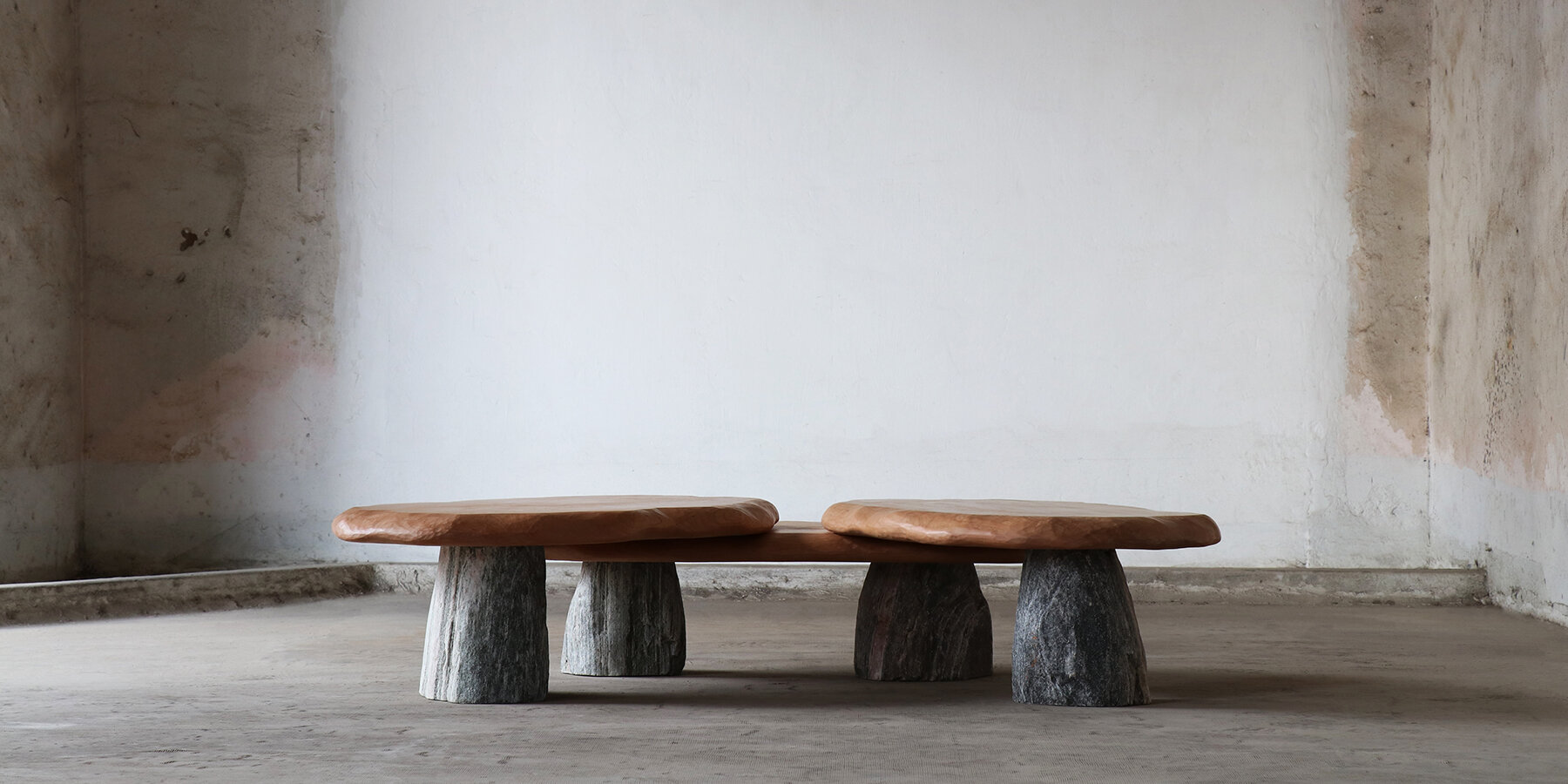
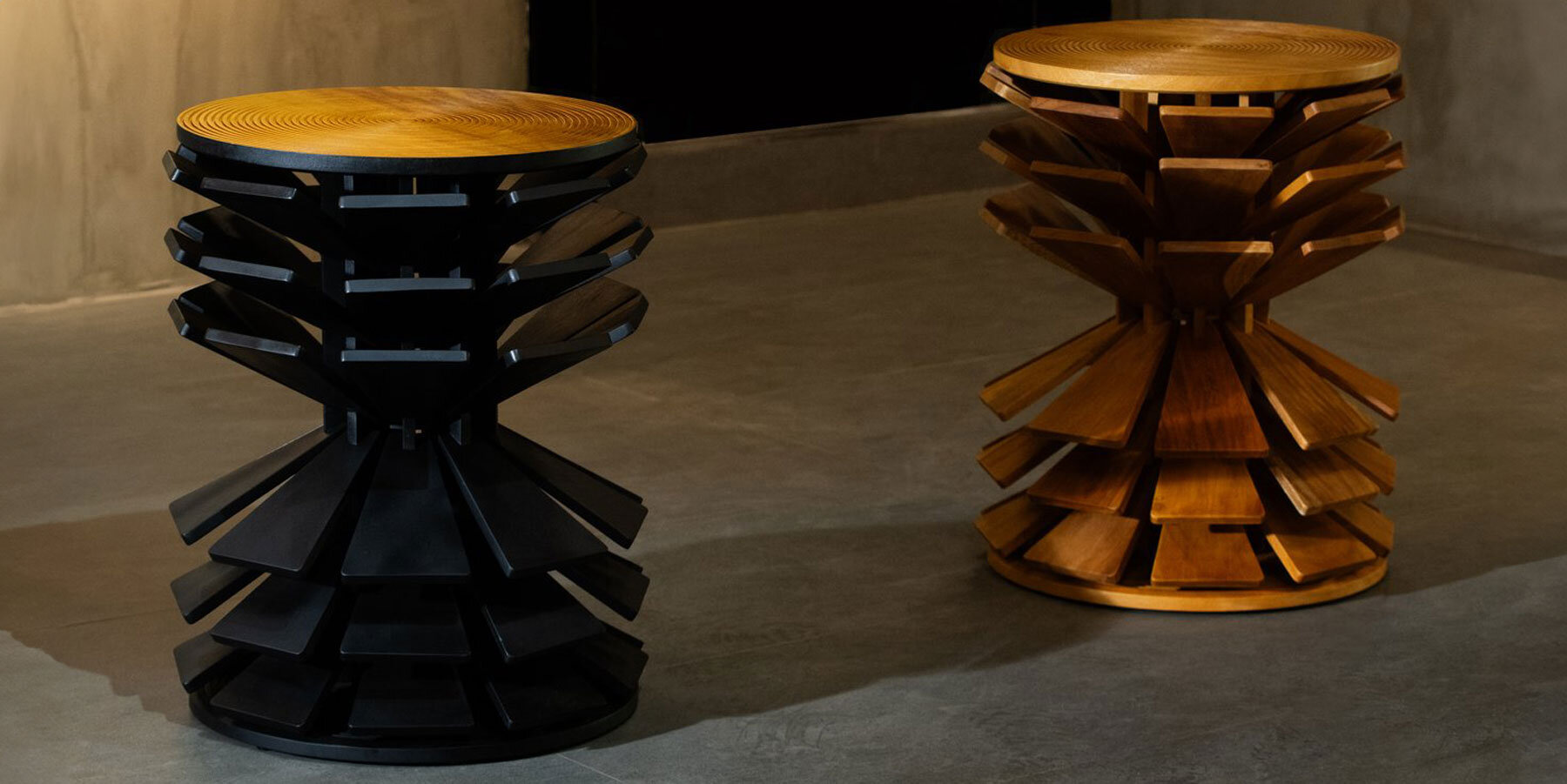
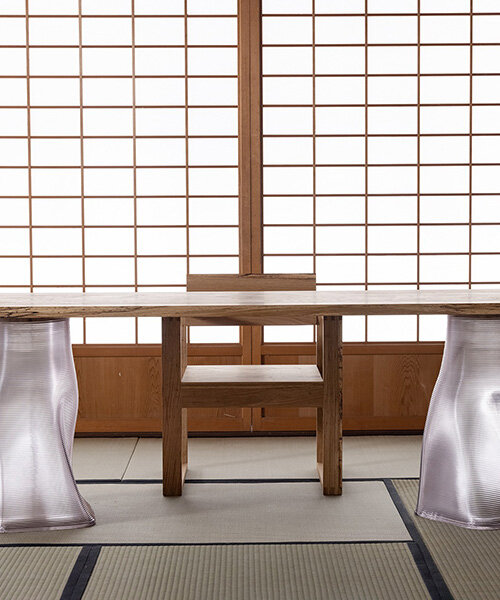
Aki Hamada Architects has introduced a furniture series called Floating Wood, which merges digital fabrication with the inherent irregularities found in nature. This collection transforms actual tree trunks into table legs through a process involving 3D scanning and printing. The primary goal of this innovative approach is to retain the natural shapes of the tree trunks while allowing them to move freely, creating a visual effect reminiscent of a floating grove. The design emphasizes sustainability and ecological considerations, utilizing cellulose acetate for the table legs. This material is derived from wood fiber and cotton, making it biodegradable. It is designed to naturally decompose when placed in soil or submerged in water. The plasticizer used in the cellulose acetate is food-safe and has applications in specialized fields such as space food, further highlighting the eco-conscious methodology of the design team.
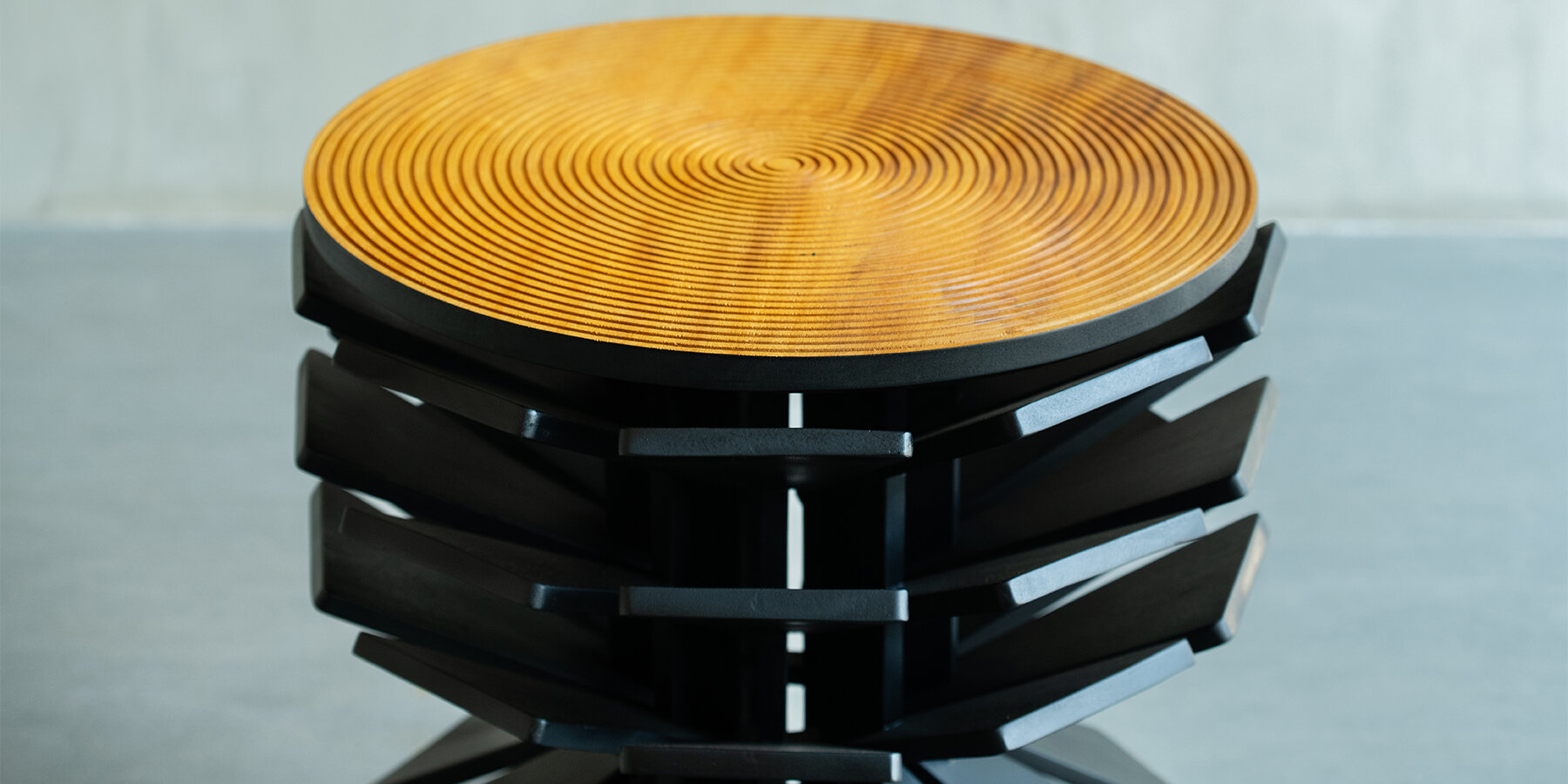
The tabletops in the Floating Wood series are crafted from oak, featuring distinct patterns created by insects. This choice not only adds a unique aesthetic element to each piece but also serves a practical purpose by repurposing wood that would typically be discarded due to such natural markings. This reinterpretation of materials aligns with a broader theme of embracing natural imperfections rather than seeking to eliminate them. The project is a collaborative effort between Tokyo-based Aki Hamada Architects, Boolean for 3D printing expertise, and Yutaro Matsumoto for wood production. Their combined knowledge facilitates the transformation of raw tree trunks into bespoke furniture.
The creative process for Floating Wood begins with thoroughly scanning the tree trunks to capture their intricate details. These scanned data are then used in the 3D printing phase, where the shapes are customized to preserve as much of their organic feel as possible while enabling new functional and aesthetic possibilities. The inclusion of bio-fabrication, specifically the insect-made patterns on the tabletops, contributes an unexpected and individualized quality to each furniture piece. This methodology distinguishes each table, ensuring that no two are exactly alike and thereby enhancing their unique appeal.
Floating Wood challenges conventional industrial mass production practices by demonstrating how digital design tools can be effectively integrated to highlight and incorporate natural imperfections, rather than striving for uniform, flawless products. This approach not only provides a fresh perspective on traditional craftsmanship but also promotes a more sustainable and environmentally friendly design ethos. The series underscores a commitment to utilizing advanced technology to work in harmony with nature, creating furniture that is both functional and artfully reflective of its origins. The collaboration and material choices exemplify a thoughtful and innovative response to contemporary design challenges, focusing on sustainability, natural beauty, and the fusion of traditional and modern techniques.
#DigitalFabrication #3DScanning #3DPrinting #SustainableDesign #BiodegradableMaterials #FurnitureDesign #WoodFurniture #AkiHamadaArchitects #EcoFriendly #DigitalFabrication #3DScanning #3DPrinting #SustainableDesign #BiodegradableMaterials #FurnitureDesign #WoodFurniture #AkiHamadaArchitects #EcoFriendly
0 comment in total
 No comments yet
You may also like
12 designs made from wood that showcase the versatility of the material
Ten projects that seamlessly integrate wood into the design
The Post-Materialist | A Pattern’s Math Magic
3D-Printed Woven Coasters Save Tabletops In Style

Hundreds of layers of beech wood are aligned, combined and gently sculpted

How a Former N.F.L. Player Started Designing Sculptural Furniture (Published 2024)
Japanese zen gardens inspired the sinuous design of this shapeshifting timber table

salù iwadi studio layers spiraling wooden fins to form zangbeto side table
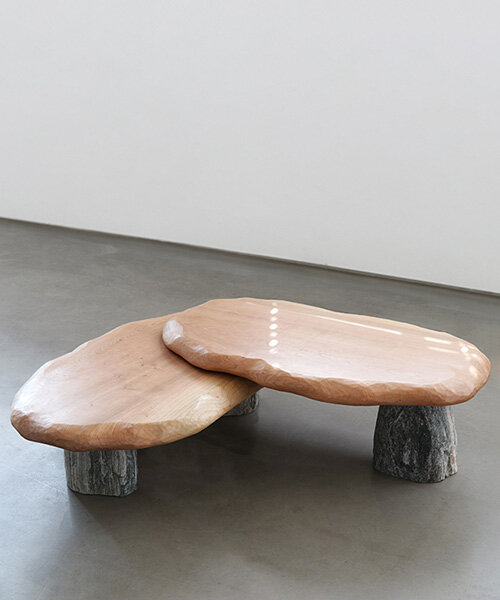
wood and stone shape mushroom-like tables in batten and kamp x henry d'ath collaboration
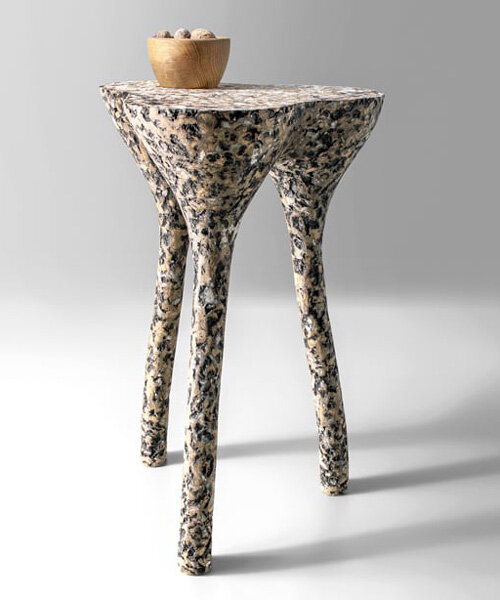
mottled side tables shaped from recycled paper emulate durability and textures of wood
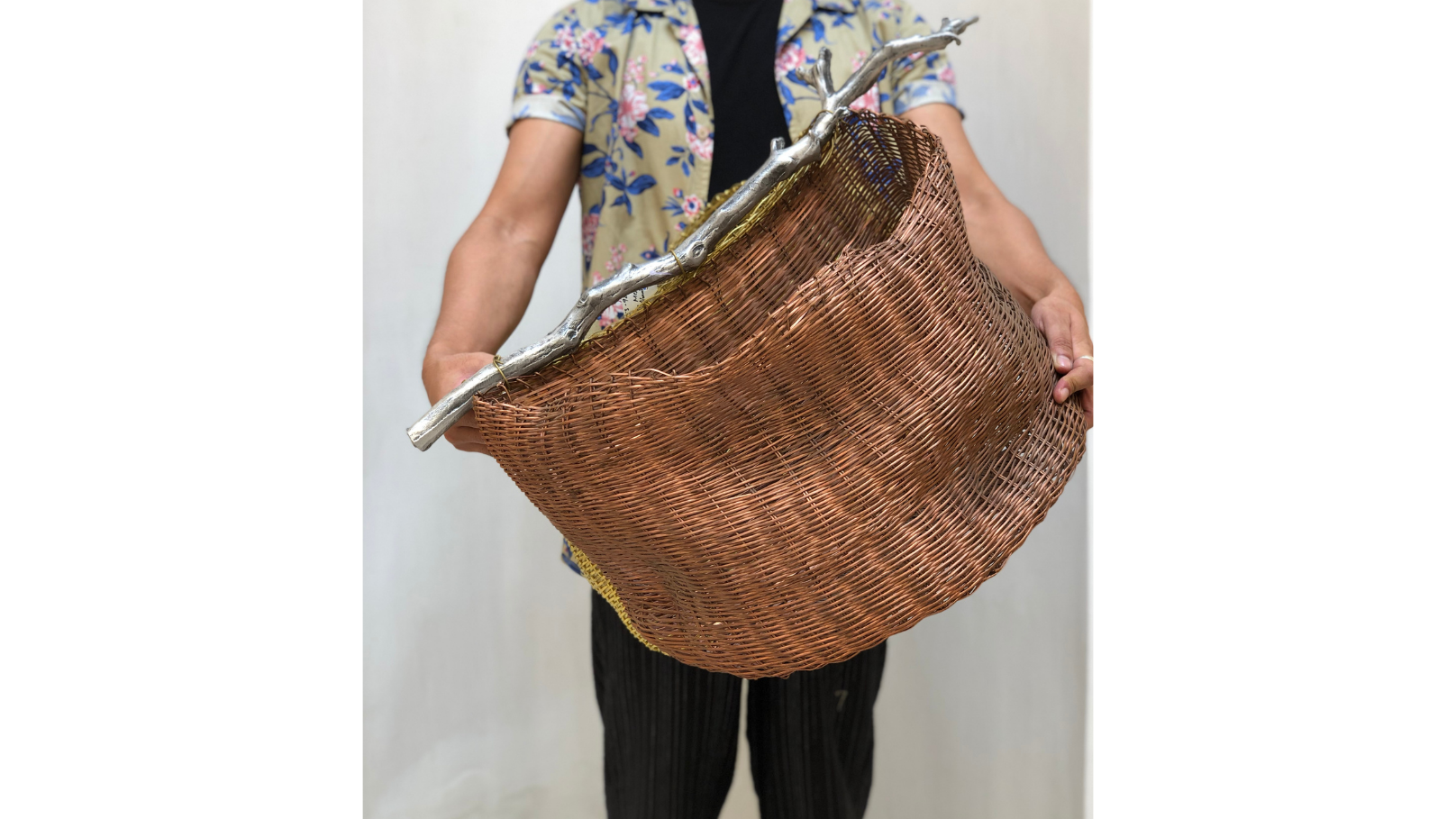
Eeshaan Kashyap experiments with forms and finishes to create a unique tableware collection

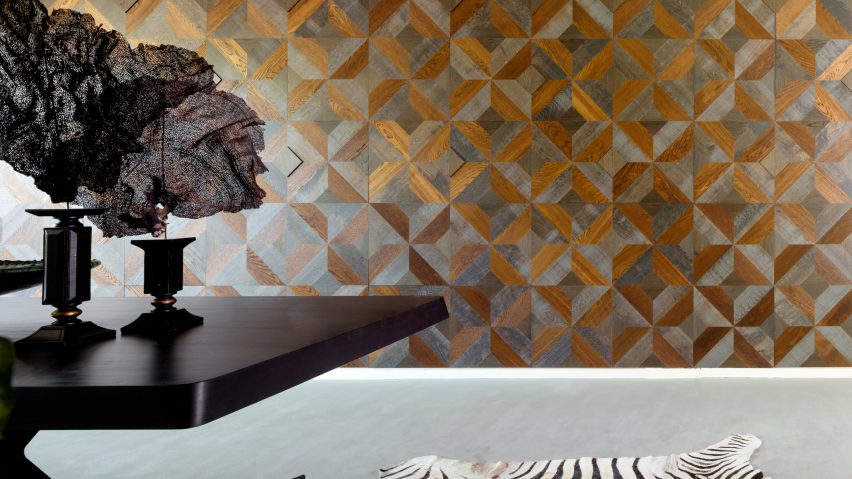
Hakwood's geometric tiles can be used to create patterned feature walls
An Innovatively Envisioned 3D Printed Table Design By ALEKSA Studio

Architectural Lighting That Celebrates Wood as a Material
See the Mesmerizing Interlocking Geometric Patterns Produced With This Ancient Japanese Woodworking Technique
Nine designers work socially distanced wonders with wood
Lip transforms the humble coffee table with a simple split
Wood and Ceramic ‘Guardian’ Assemblages by Expanded Eye Emphasize Earthy Materials

Where do interior designers shop for chic tableware? 12 tell us the go-to stores to elevate your hosting game

wooden trusses inspire paulo kobylka's handmade 'gusset' seating collection