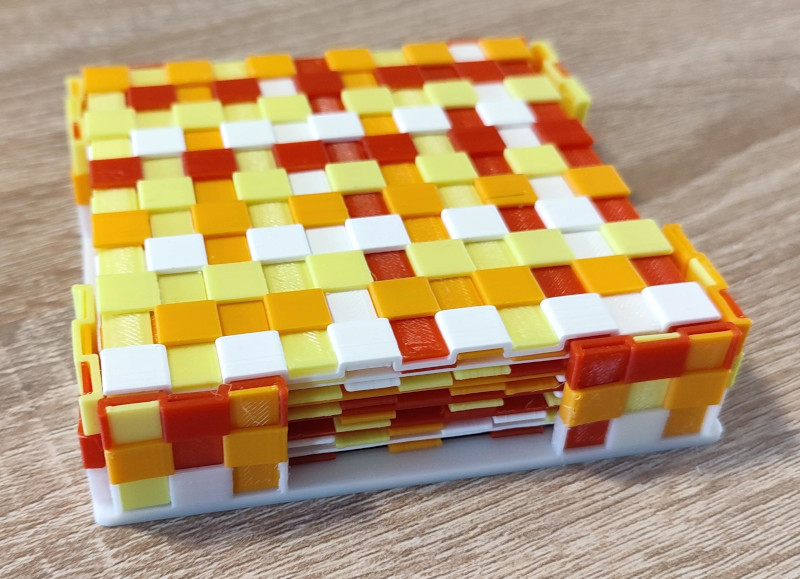
3D-Printed Woven Coasters Save Tabletops In Style
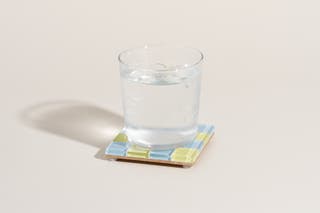
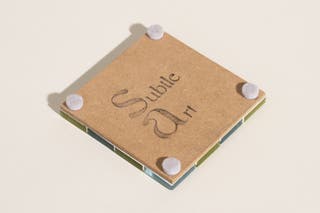
The article showcases an innovative application of 3D printing technology through the creation of woven coasters, designed by andrei.erdei. This project redefines common perceptions of 3D printing, which often default to simplistic objects, by demonstrating its capability in crafting functional and aesthetically pleasing household items. The design draws inspiration from the traditional stake and strand basket weaving technique. This method typically involves weaving flexible strands around rigid stakes to form a structure. In this 3D-printed adaptation, the 'stakes' are printed with a pre-bent square wave pattern, specifically engineered to facilitate the easy integration of the 'strands.' This clever approach bypasses the inherent stiffness of PLA filament, which would otherwise make traditional weaving difficult or impossible with this material.
The creation process for these coasters utilizes Tinkercad's Codeblocks feature, emphasizing an accessible and open-source design philosophy. The project not only details the construction of the coasters themselves but also includes a complementary, 3D-printed holder. This holder serves both to organize the coasters and to enhance their overall presentation, lending them a more finished and commercially viable appearance. The flexibility of this design technique is a key highlight, as it allows for significant customization. Users can experiment with various aspects, such as altering the width of the stakes or modifying their orientation from a standard square pattern to a more intricate diagonal layout. Such adaptability opens up a broad spectrum of creative possibilities for future designs based on this weaving principle.
The article includes an assembly video, providing a visual guide to the construction process, which is particularly beneficial for those looking to replicate or adapt the design. While the primary material mentioned is PLA, the discussion implicitly touches upon material considerations, especially concerning the flexibility needed for the weaving effect. The project serves as an excellent example of how 3D printing can be used to mimic complex traditional crafts, offering a new avenue for makers to produce custom, intricate, and practical items for home use. The open-source nature of the design encourages broader community engagement, allowing others to learn from and build upon this creative approach to 3D printing.
#3DPrinting #WovenCoasters #HomeDecor #DIYProject #Tinkercad #PLAFilament #BasketWeaving #OpenSourceDesign #Crafting #3DPrinting #WovenCoasters #HomeDecor #DIYProject #Tinkercad #PLAFilament #BasketWeaving #OpenSourceDesign #Crafting
0 comment in total
 No comments yet
You may also like
We're Obsessing Over These $15 Non-Stick Coasters From Amazon


The 6 Best Coasters of 2025 | Reviews by Wirecutter
6 splendid stippled patterns for a textural touch

Sip in Style: 5 Coasters to Protect Your Tables (and Your Aesthetic)


The 6 Best Coasters of 2026 | Reviews by Wirecutter

Stylish Coasters to Make Your Apartment Look Like Your Life Is In Order
mottled side tables shaped from recycled paper emulate durability and textures of wood
Pao Hui Kao makes furniture collection from tracing paper

The Best Coaster Sets That Will Protect Your Coffee Table in Style

The Solution to Stain-Free Tabletops Is One of These Editor-Favorite Drink Coasters

Why we need soft textures right now

Snøhetta and Ege Carpets’ radical approach to textile design

The best coasters to protect your tabletop
Hive: Leather Patches Create 3D Upholstery Textiles

How to choose a tablecloth that will make your holiday meal as pretty as it is tasty
What is Coastal Design? Here's 9 Ways Designers Are Channeling This Relaxed and Timeless Aesthetic

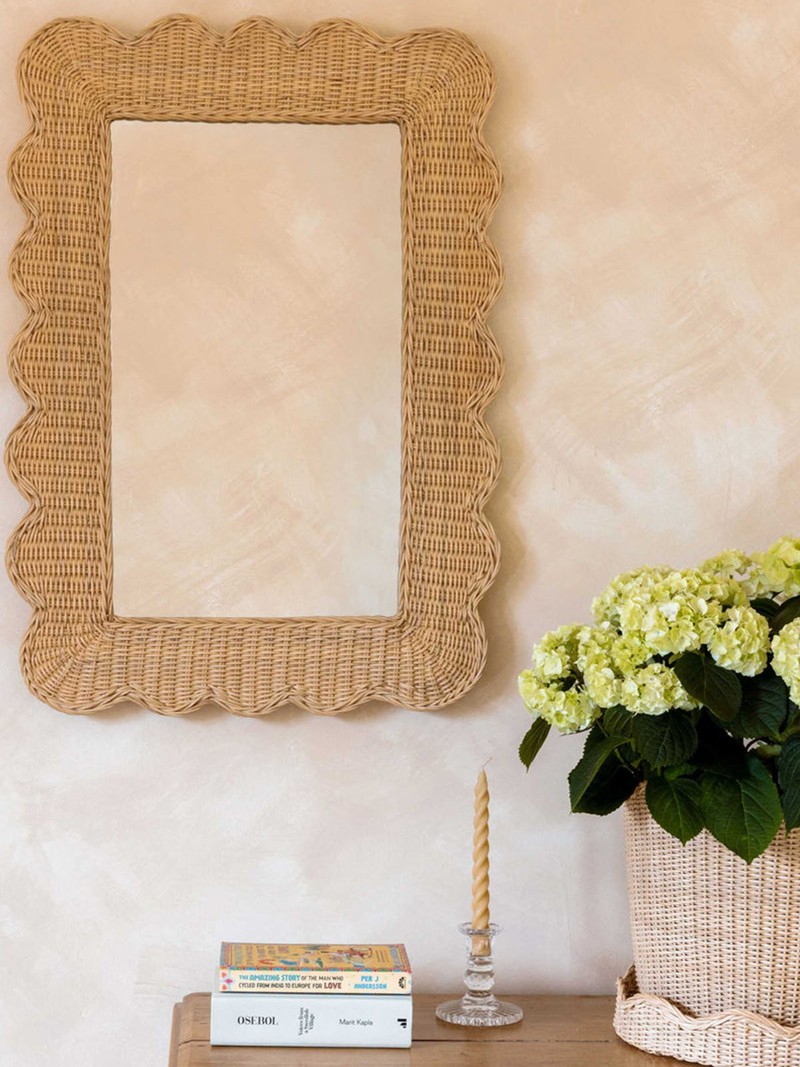
The Best Woven Homeware From £14
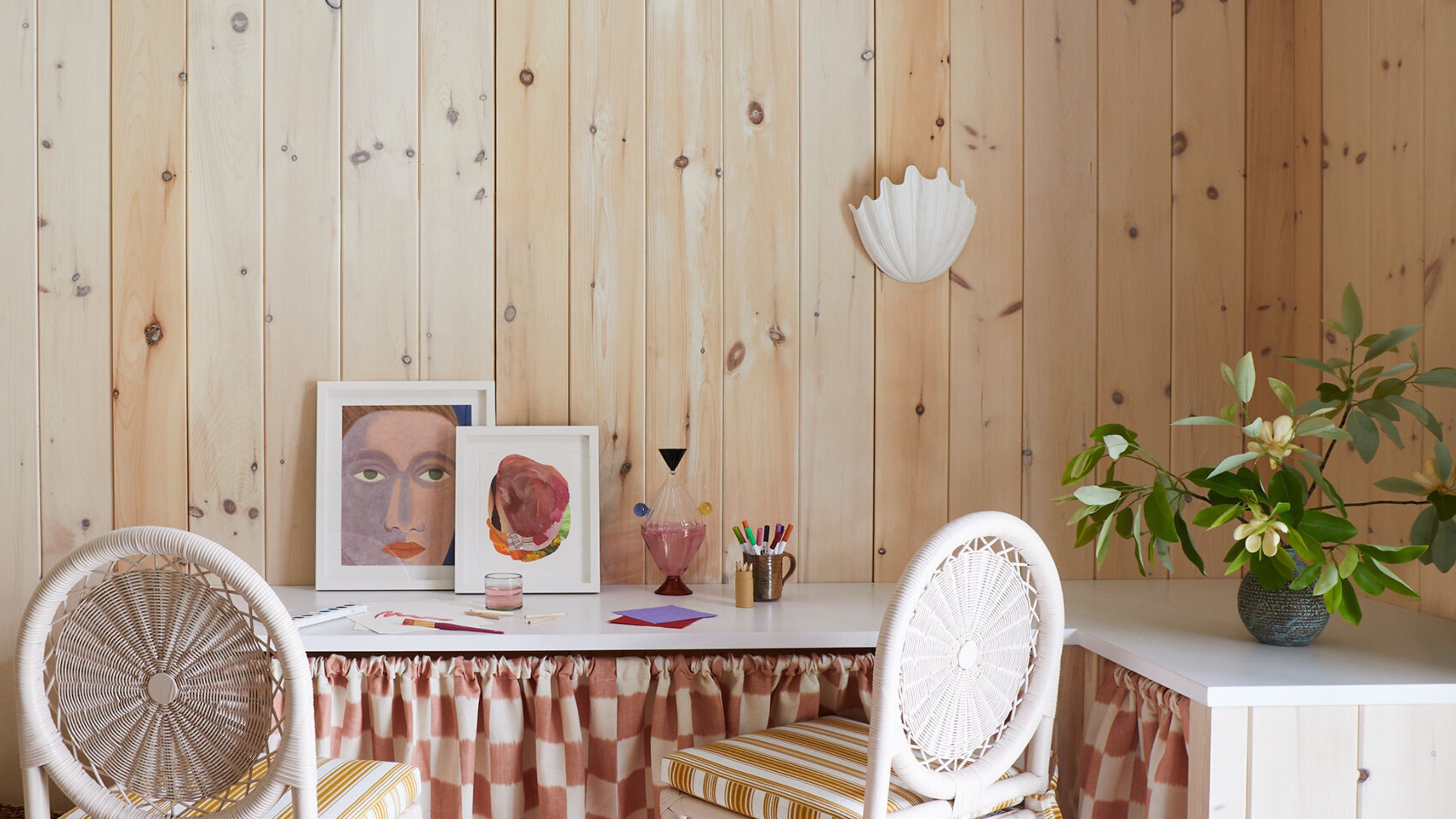
Skirted Tables Usually Make Me Cringe, but This Interior Designer Found a Way That Looks Cool (and Hides Clutter)

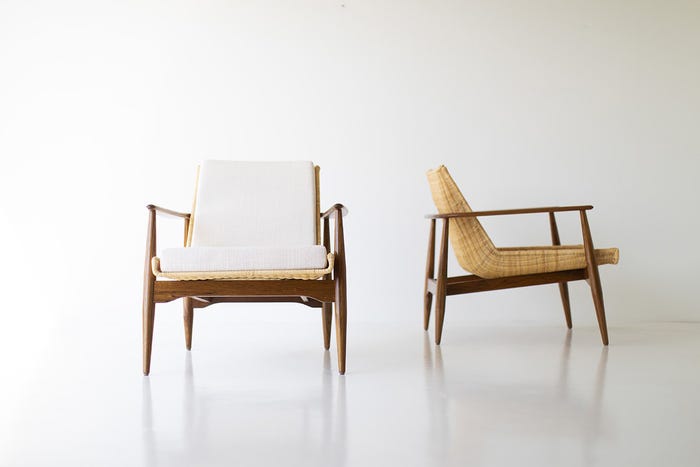
Homestyle: Attention to detail
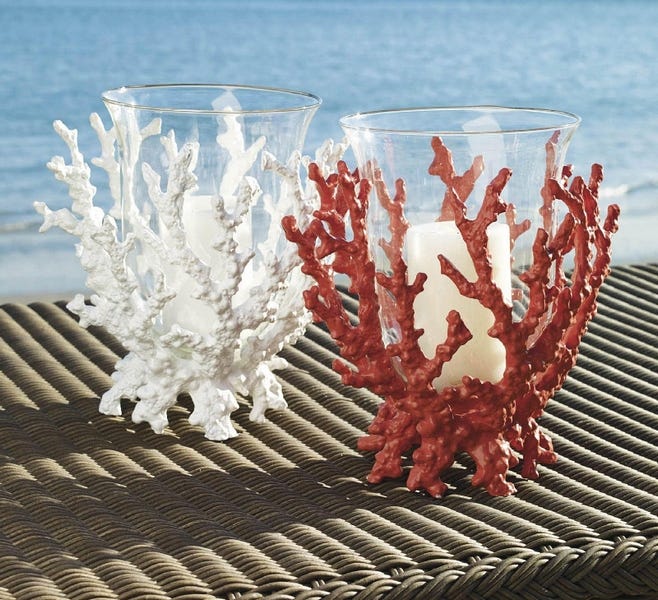
Out of the sea and into your home decor