1/3
What are those purple trees I keep seeing?
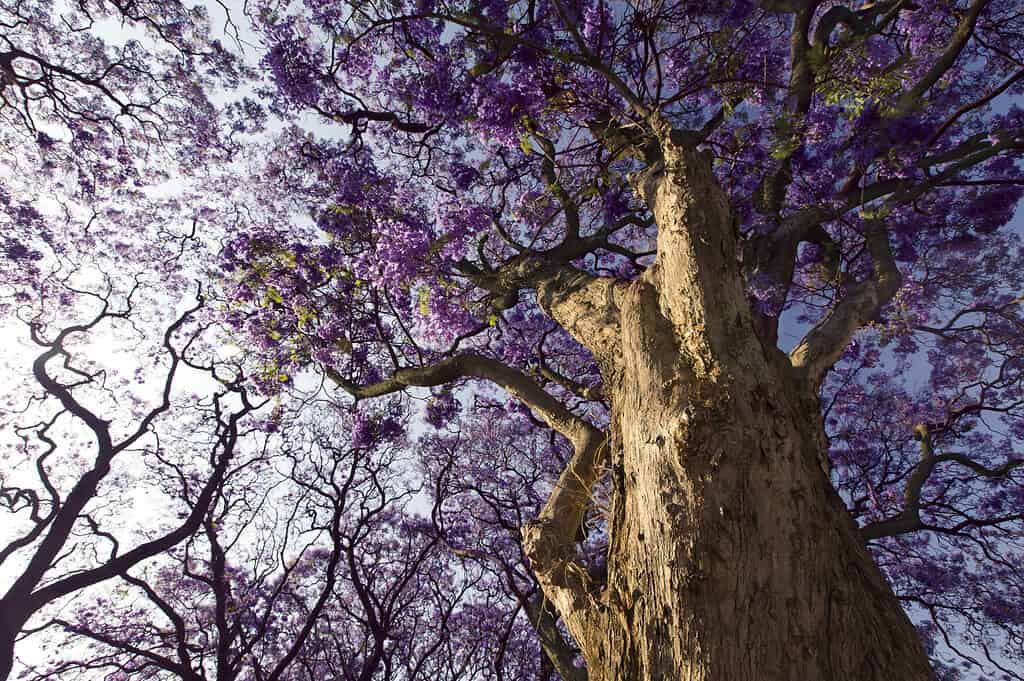
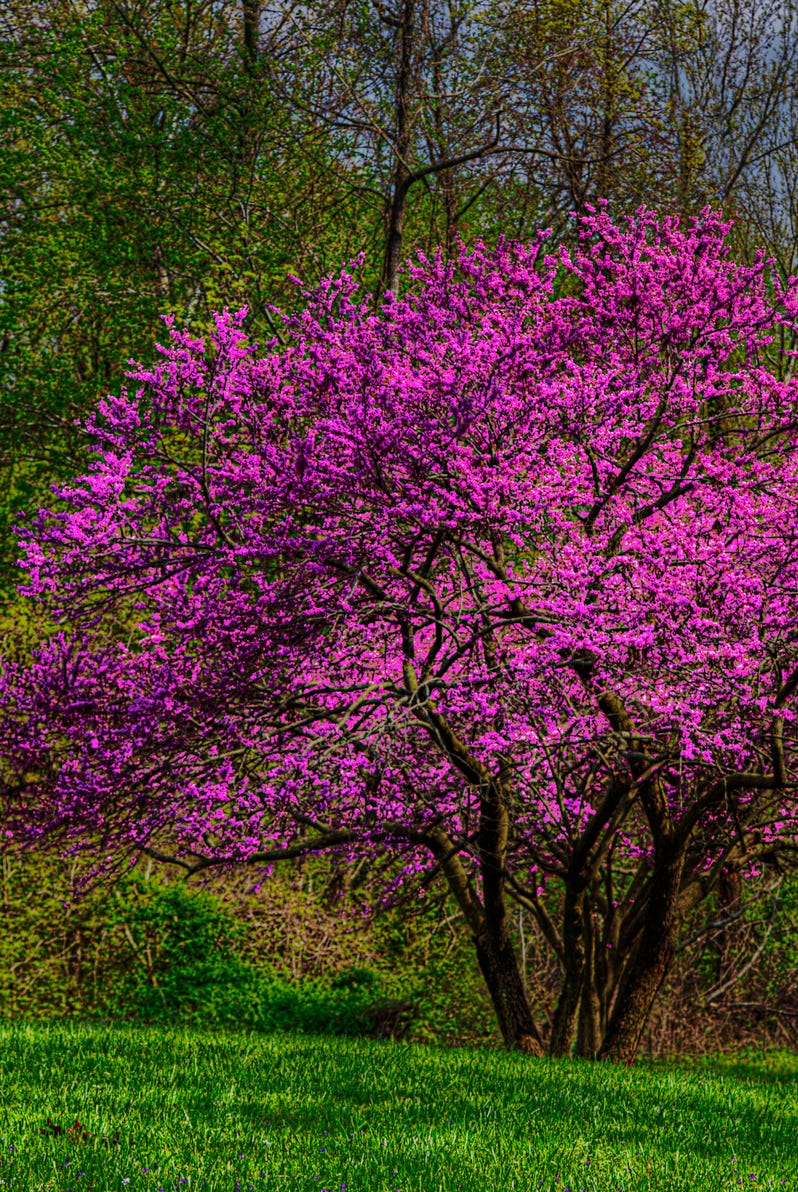
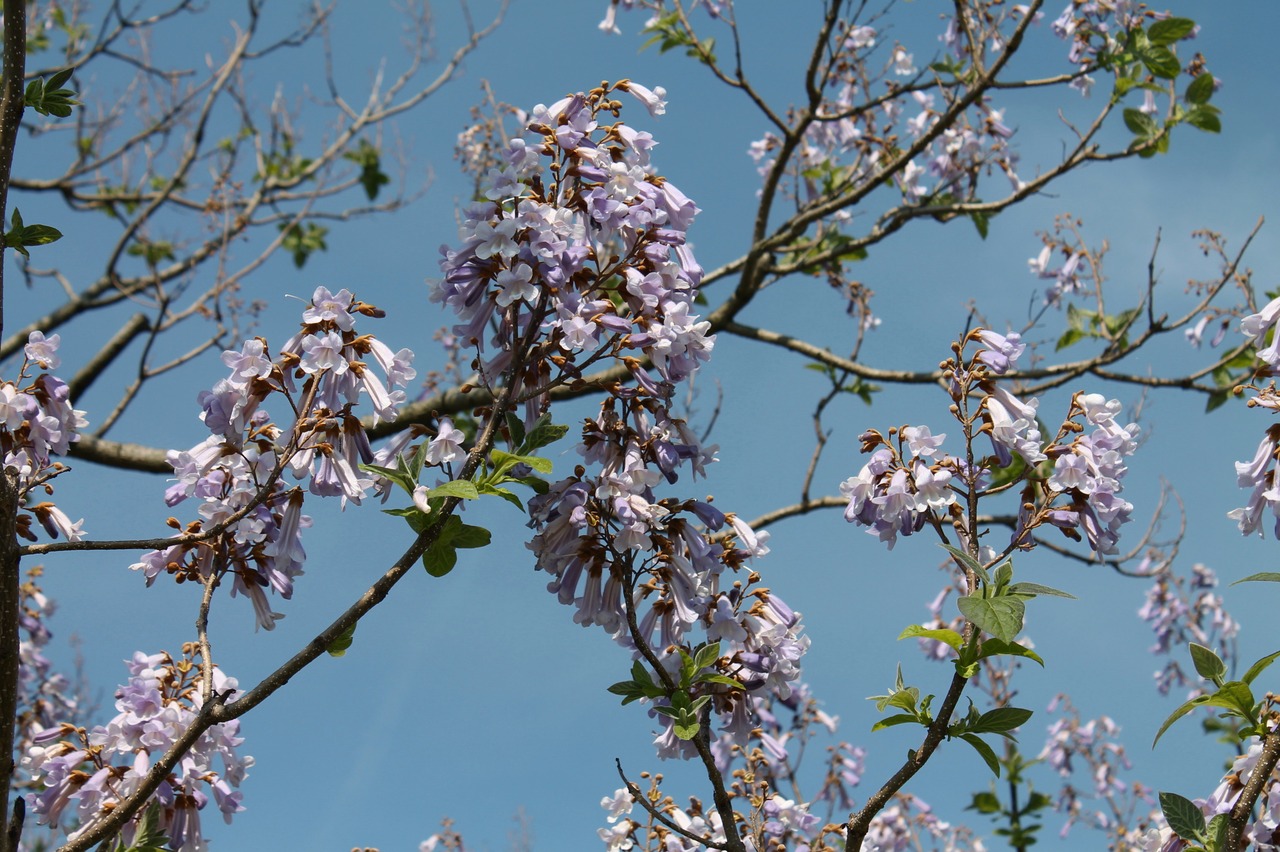
The article addresses a common local social media query about purple-flowering trees appearing along Pennsylvania roadsides and forests since mid-May. These trees are identified as Princess trees, also known as Empress trees, foxglove trees, or botanically as *Paulownia tomentosa*. The name "princess tree" originated in the 1840s, honoring Anna Pavlovna, daughter of Russia’s Czar Paul I and princess of the Netherlands. This tree presents a dual nature, being both admired for its beauty and utility, and criticized as an invasive species.
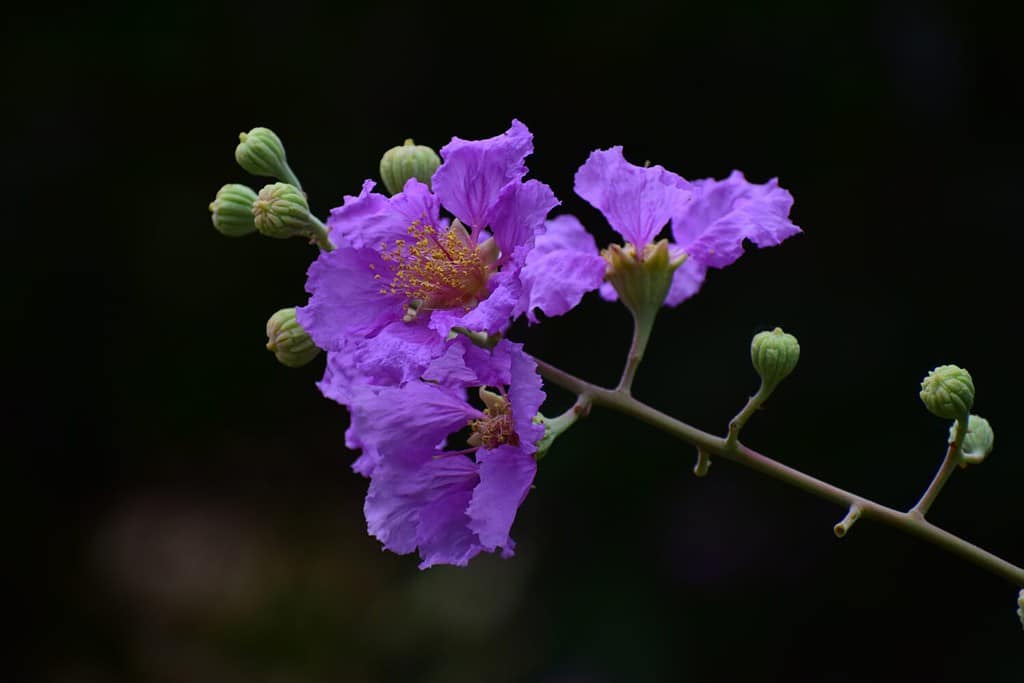
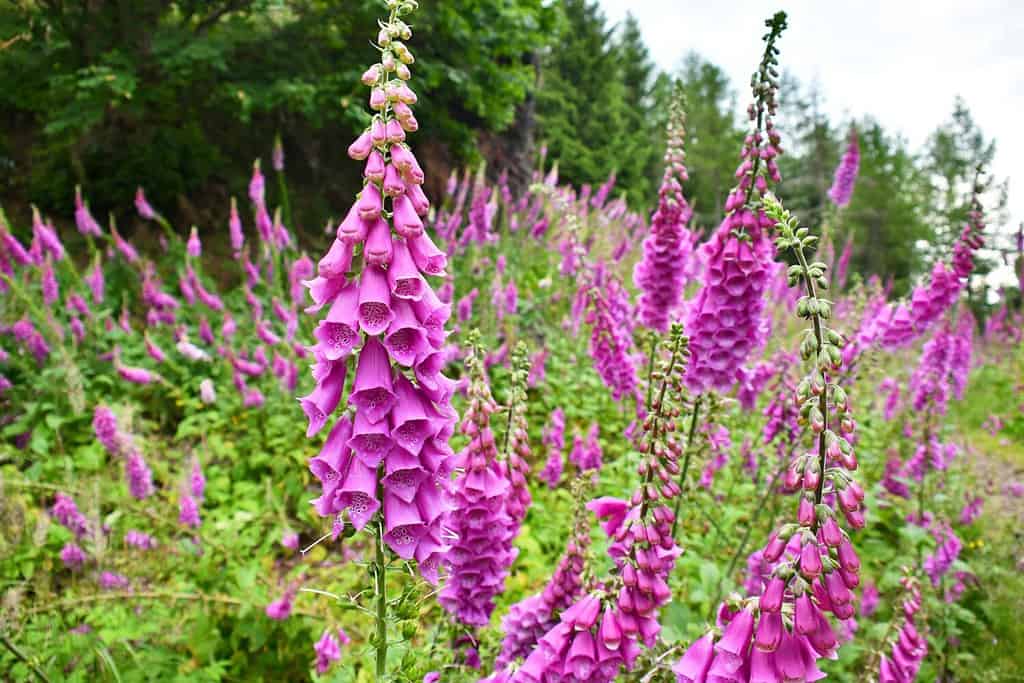
Princess trees are noted for their stunning purple, tubular flowers that appear in clusters, resembling foxglove. These blooms are sweet-scented and are particularly prominent when winter cold does not damage their semi-tender buds, as was the case this year. Gardeners first imported them from Asia as ornamental trees around 1844. The tree's soft seed pods, which Chinese porcelain exporters used as packing material in the 1800s, contributed significantly to its spread across the U.S. These seed-filled packing materials were often discarded near port cities or along railway lines, allowing the seeds to disperse.
By age 10, a single princess tree can produce approximately 20 million seeds, which are then spread by wind and water, leading to the rapid formation of new colonies. Because of its prolific seeding and fast growth, the U.S. Department of Agriculture classifies the princess tree as an invasive species. It has naturalized in at least 25 U.S. states, including Pennsylvania. The Pennsylvania Department of Conservation and Natural Resources (DCNR) lists it among 18 invasive tree species, alongside others like mulberry and Norway maple. DCNR highlights that princess trees outcompete native species due to their rapid growth and large leaves, which can measure six to 12 inches wide and long. The substantial leaf drop and numerous brown seed pods also make them unpopular as landscape trees.
Eradicating princess trees is challenging; cutting them down often results in even faster-growing shoots, capable of reaching 15 to 20 feet in a single season. Mature trees typically grow up to 60 feet tall. Despite its invasive status in the U.S., the princess tree is highly valued in China and Japan for its high-quality, lightweight wood. The American Paulownia Association promotes the tree's benefits, noting its wood is rot-resistant, fine-grained, warp-resistant, and 30 percent lighter than most hardwoods. It is traditionally used for carvings, chests, and musical instrument soundboards, and in the U.S., for boat-building, surfboards, and skis. Its fast growth also makes it appealing to wood producers, as trees can be harvested in five to ten years and regenerate from their roots.
Beyond wood, princess trees offer other advantages: their flowers provide nectar for pollinators, their nitrogen-rich leaves can serve as animal fodder, and their leaves and bark have traditional uses in Chinese medicine as anti-inflammatory and antibiotic agents. The American Paulownia Association also contends the tree is not solely native to China, citing fossil evidence from 2.6 million years ago in Washington state. The Royal Horticultural Society in Britain has recognized its value with an Award of Garden Merit. Longwood Gardens in Chester County, Pennsylvania, and Scott Arboretum at Swarthmore College maintain princess trees, often managing their growth by coppicing to display their large leaves without promoting seed spread. The DCNR, however, advises eliminating princess trees to protect native species, recommending hand-pulling seedlings and applying herbicide to larger tree stumps.
#PrincessTree #InvasiveSpecies #PaulowniaTomentosa #Gardening #PennsylvaniaFlora #TreeIdentification #Horticulture #NativeSpeciesConservation #PrincessTree #InvasiveSpecies #PaulowniaTomentosa #Gardening #PennsylvaniaFlora #TreeIdentification #Horticulture #NativeSpeciesConservation
0 comment in total
 No comments yet
You may also like
15 Annuals That Bloom With Bold Purple Flowers
15 Best Purple Plants For Your Flower Garden
These Pink-Blooming Beauties Are the Ultimate Yard Upgrade
Rachel de Thame’s guide to plants with purple flowers

The 11 Best Purple Flowering Trees in Florida
15 Purple Perennials To Plant In Fall To Enjoy Year After Year
13 Purple Plants to Grow for Bold Color

Little Purple Flowers
11 Beautiful Purple Flowers and Plants That Attract Hummingbirds
Blue to Purple Perennial Flowers
16 Best Fast-Growing Purple Plants For A Beautiful Shade Garden In No Time
11 Pretty Purple Flowers to Plant in Your Garden
15 Purple Plants with Leaves that Stay Perpetually Purple

Purple plants – 5 best to choose for the perfect purple border
This Striking "Ombre" Tree Has Unreal-Looking Foliage That Transforms in Fall

11 Pretty Purple Flowers to Plant in Your Garden

We Found the BEST Pink Flowering Trees to Boost Your Curb Appeal


What Do the Purple Flowers Do in Sweet Tooth?

These Purple Blooming Trees Are the Prettiest Way to Add Curb Appeal to Your Front Yard

18 Best Medium-Sized Trees for Your Yard