1/26
25 Shade-Loving Plants for Where the Sun Don’t Shine
This article highlights 25 types of plants that thrive in shady conditions, offering solutions for gardeners with low-light areas in their landscapes. Each plant entry provides a brief description of its characteristics, light requirements, and notable features, often accompanied by purchasing information. The selections range from flowering plants that add vibrant color to foliage plants known for their interesting textures and hues.
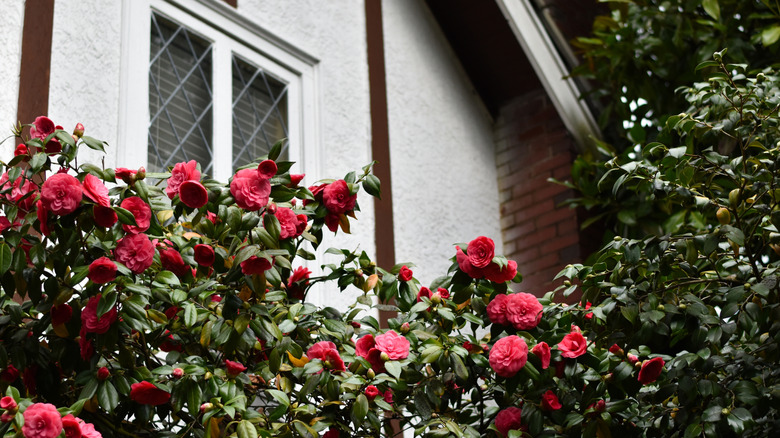
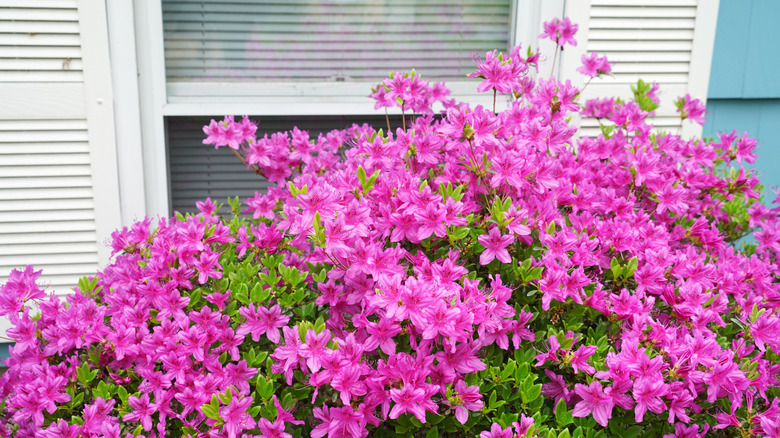
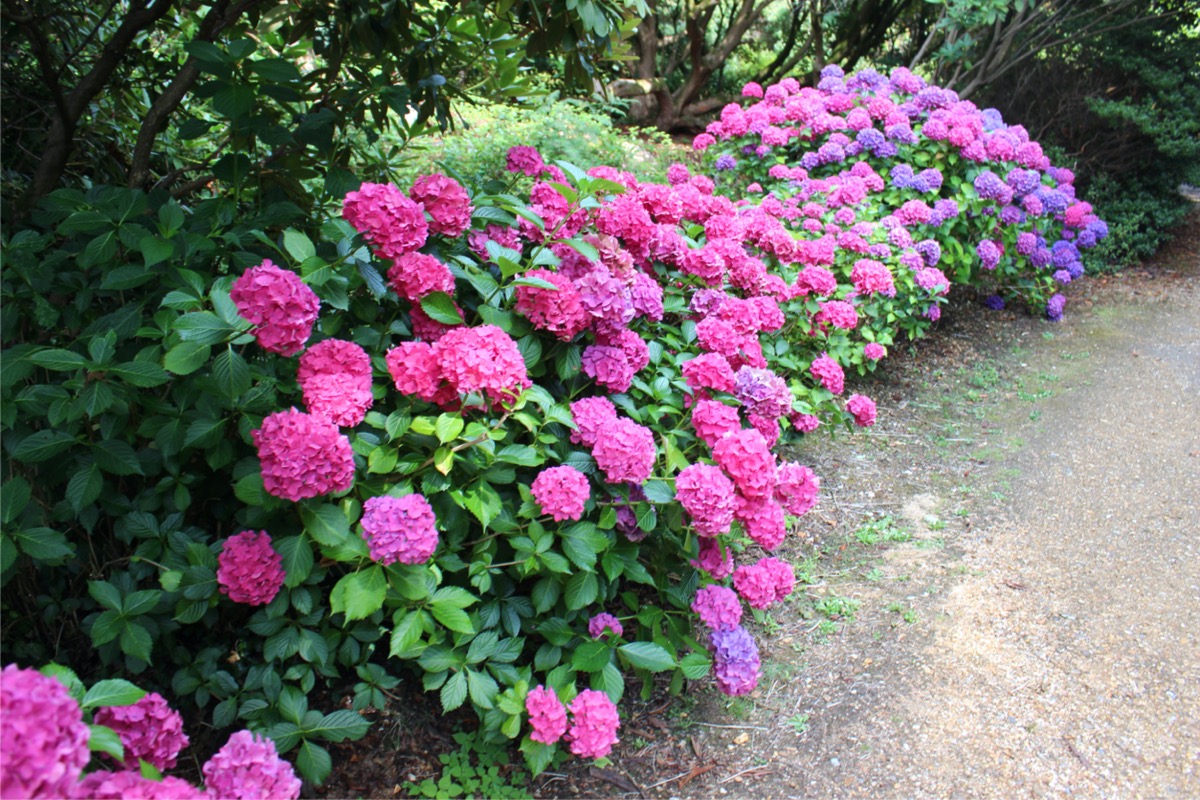
The article begins with Hydrangeas, which flourish with morning sun and produce abundant blooms in spring and summer, along with attractive fall foliage. Chaenomeles, or flowering quince, are presented as hardy options capable of growing on north-facing walls, yielding fragrant golden-yellow fruit. Lady Ferns are noted for their exceptional shade tolerance, with fronds that change from light green to darker shades as they mature. Bleeding Hearts are highlighted for their distinctive heart-shaped pink or white flowers that bloom from spring to early summer, being easy to grow and visually striking. Dogwood varieties, particularly Cornus florida, are featured for their tolerance of partial to full shade, offering reddish-purple fall color and white spring flowers.
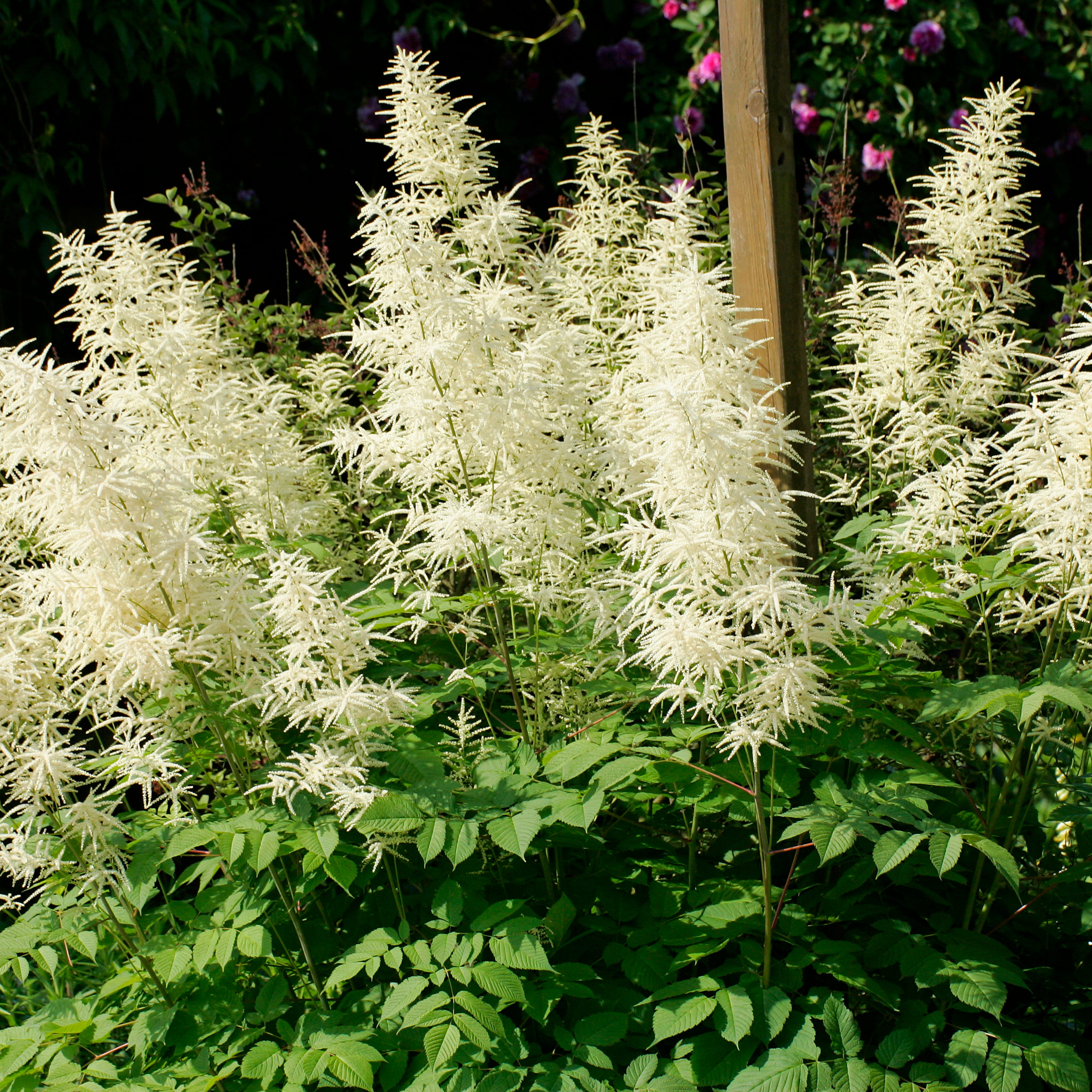
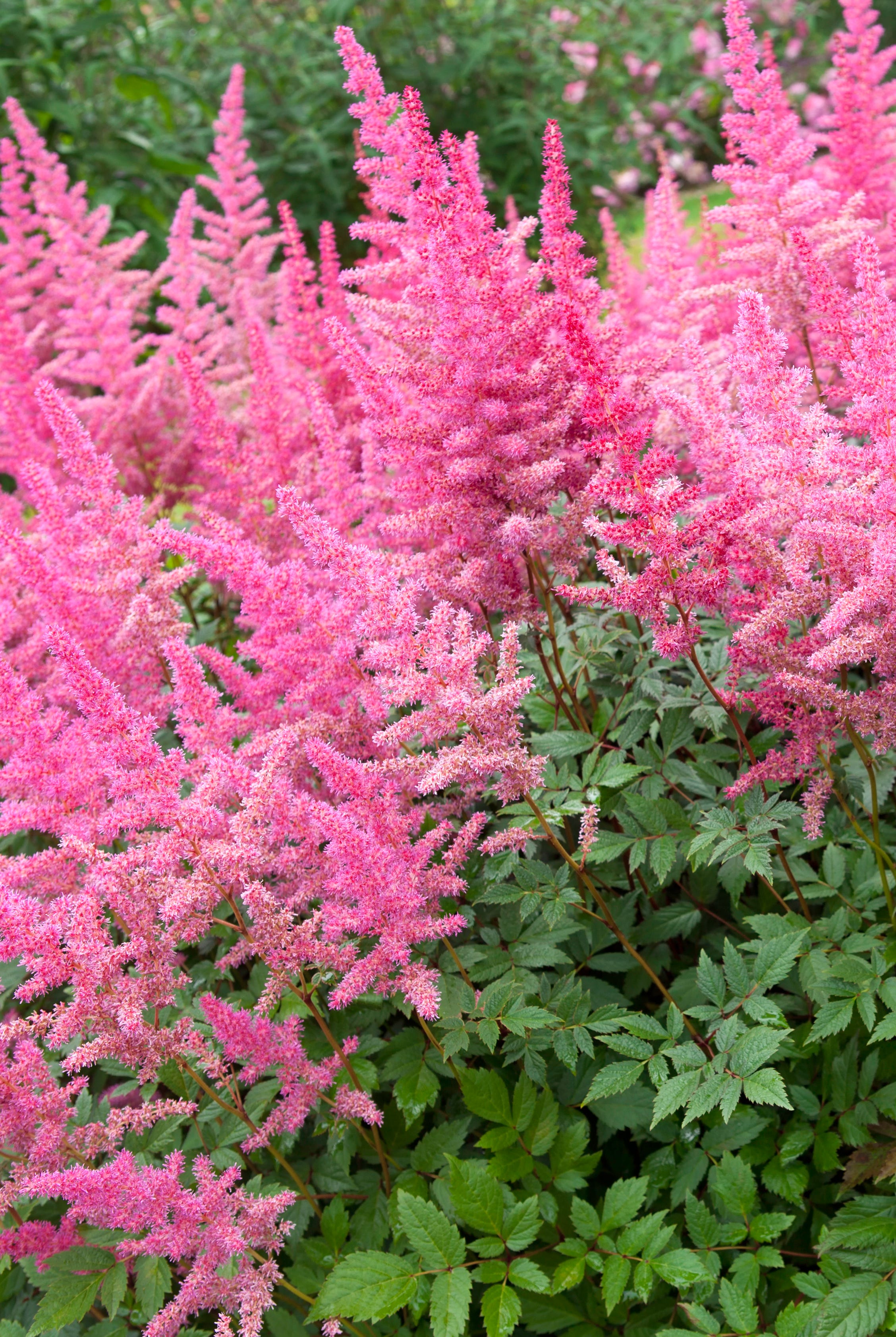
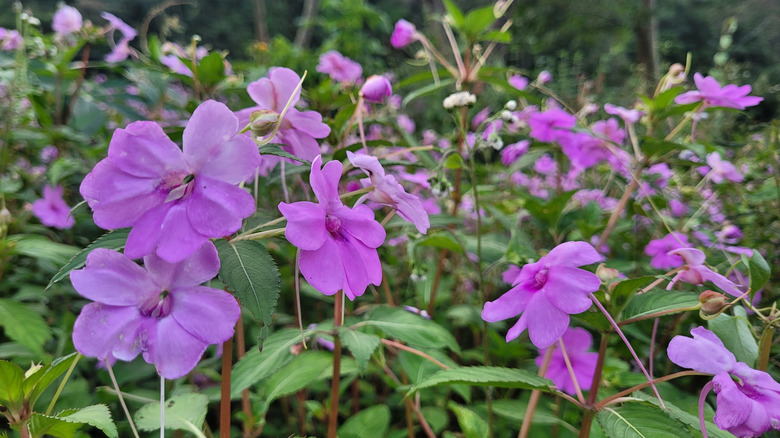
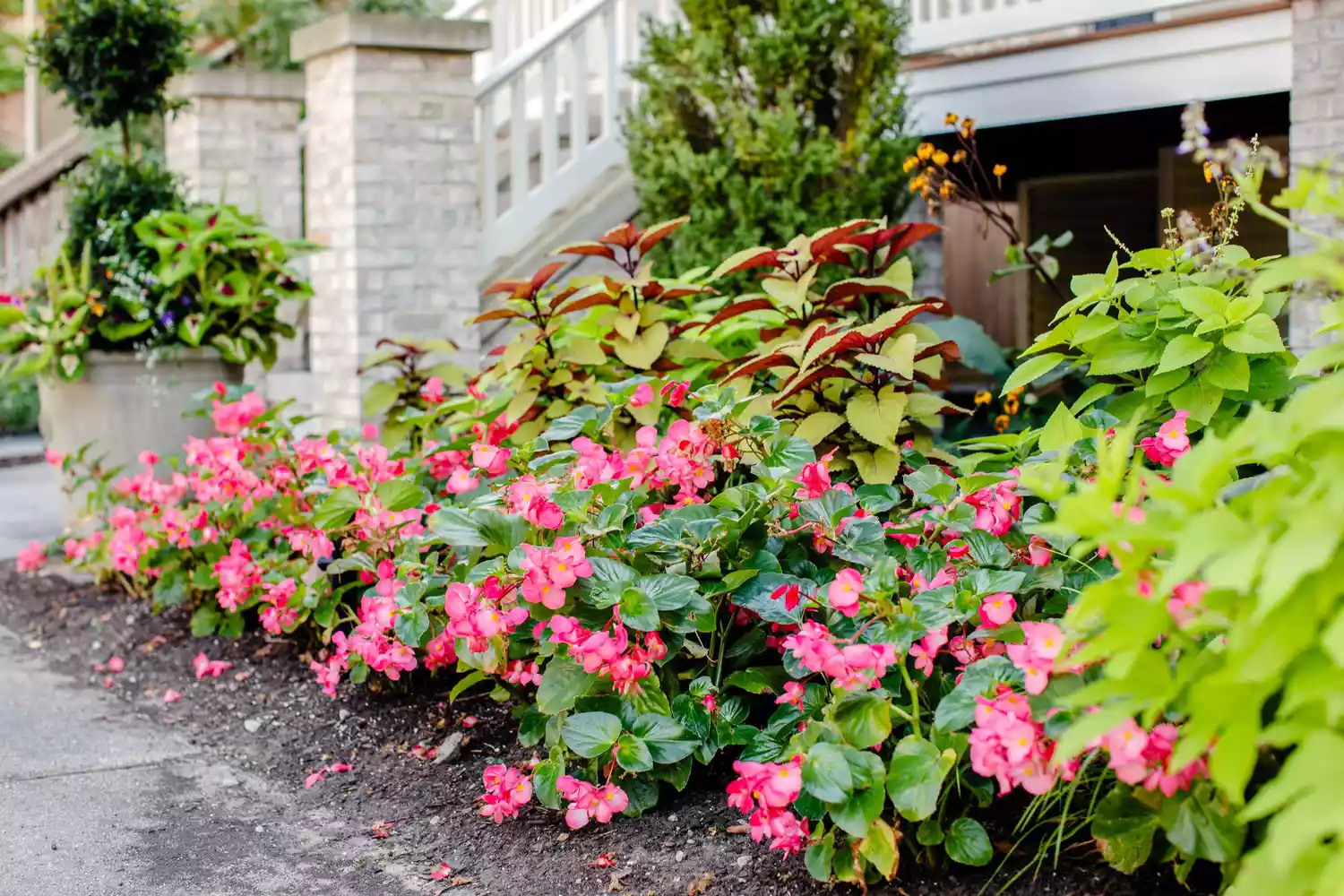
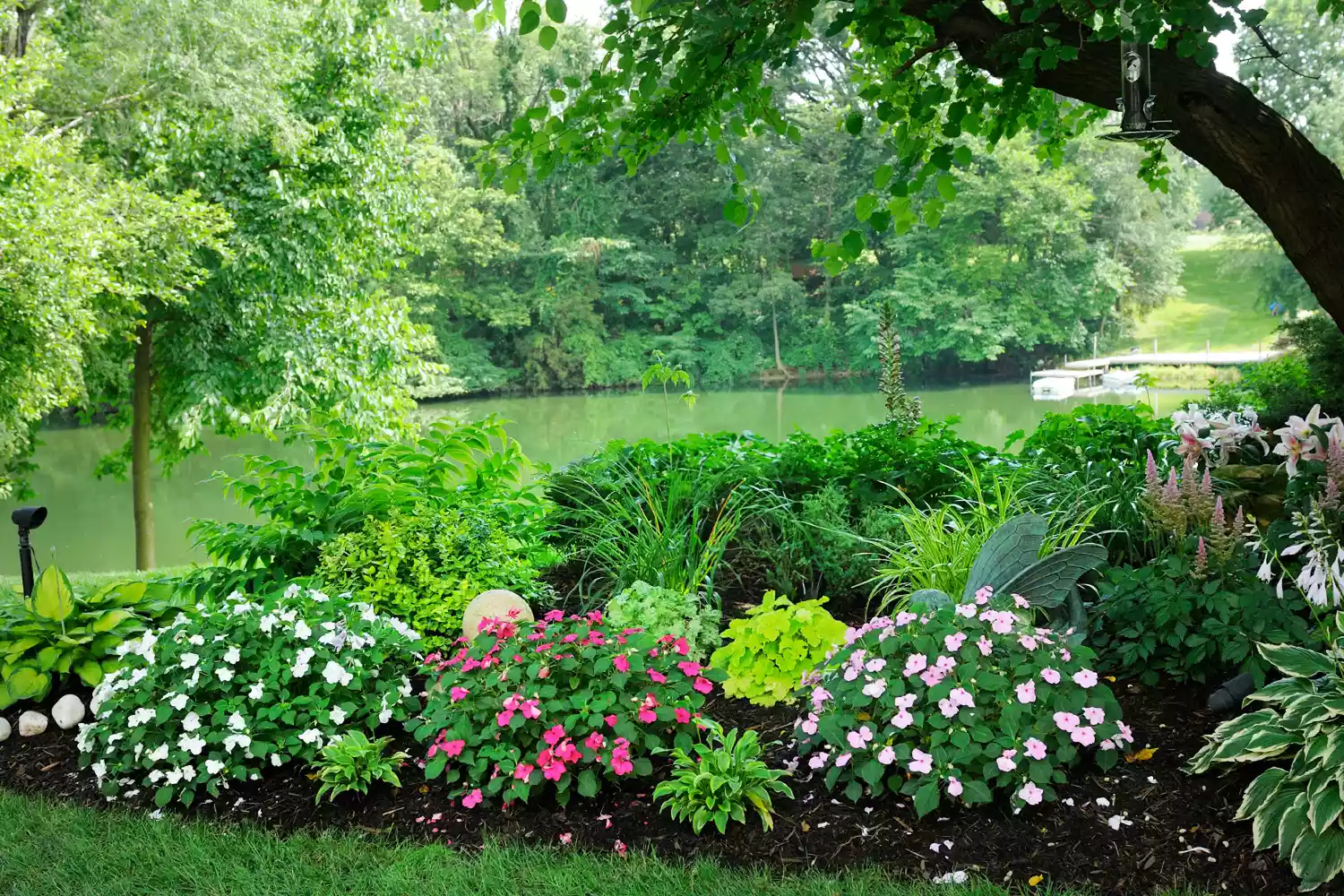
Begonias are recommended for container gardens in shady patios, providing vibrant colors in their blooms and being recyclable if tubers are stored over winter. Dutchman's Pipe, or Aristolochia macrophylla, is described as a fast-growing climber with dense foliage and unusual purple flowers, capable of reaching significant heights. Impatiens are identified as one of the most common and shade-tolerant flowers, with over a thousand species available, including exotic varieties. Foamflower (Tiarella cordifolia) is noted for its attractive flower spikes and ability to cover large shaded areas with enchanting foliage. Astilbe is recognized for its colorful spikes and suitability for moist or wet shady spots, requiring division in the fall.
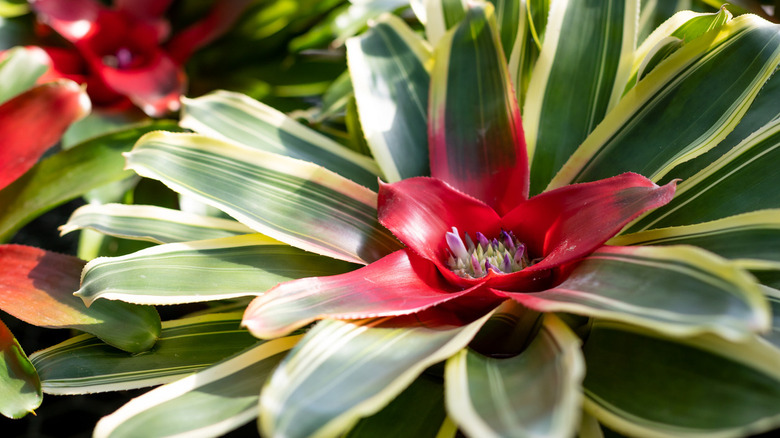
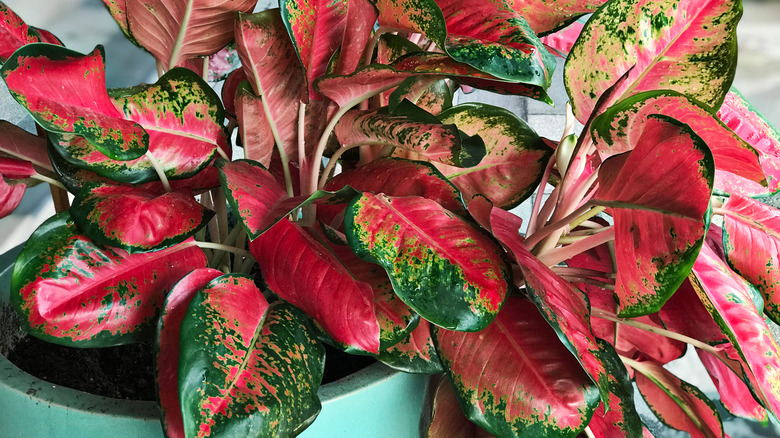
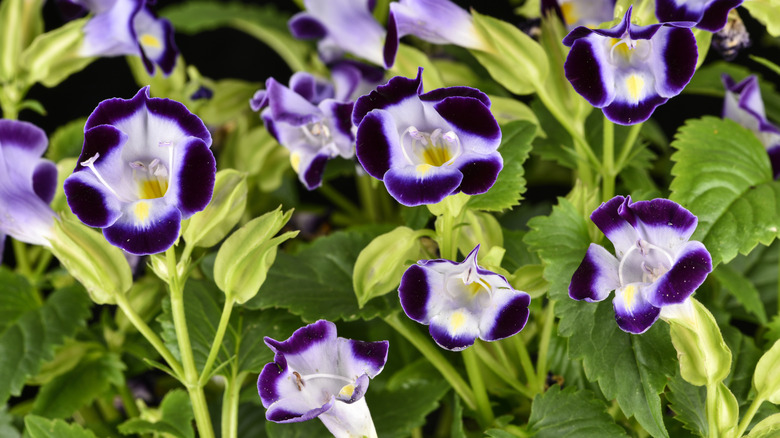
Coleus is presented as a plant valued for its colorful leaves rather than flowers, offering a rich palette of reds, greens, purples, yellows, and oranges, with diverse leaf textures. Pulmonaria, or lungwort, is an easy-to-care-for perennial that grows 6 to 12 inches tall, blooming in blues, pinks, and whites, making it an effective ground cover. Hellebore, also known as Lenten rose, is an evergreen that blooms early in spring and continues throughout the season, tolerating partial sun. Toad Lily (Tricyrtis) provides exotic autumn color with orchid-like blossoms in shades of white, pink, and purple, thriving in full to partial shade. Caladium, a foliage plant, offers robust color all summer long with variegated leaves in white, dark reds, and other brilliant shades, with the potential to return in hotter zones.
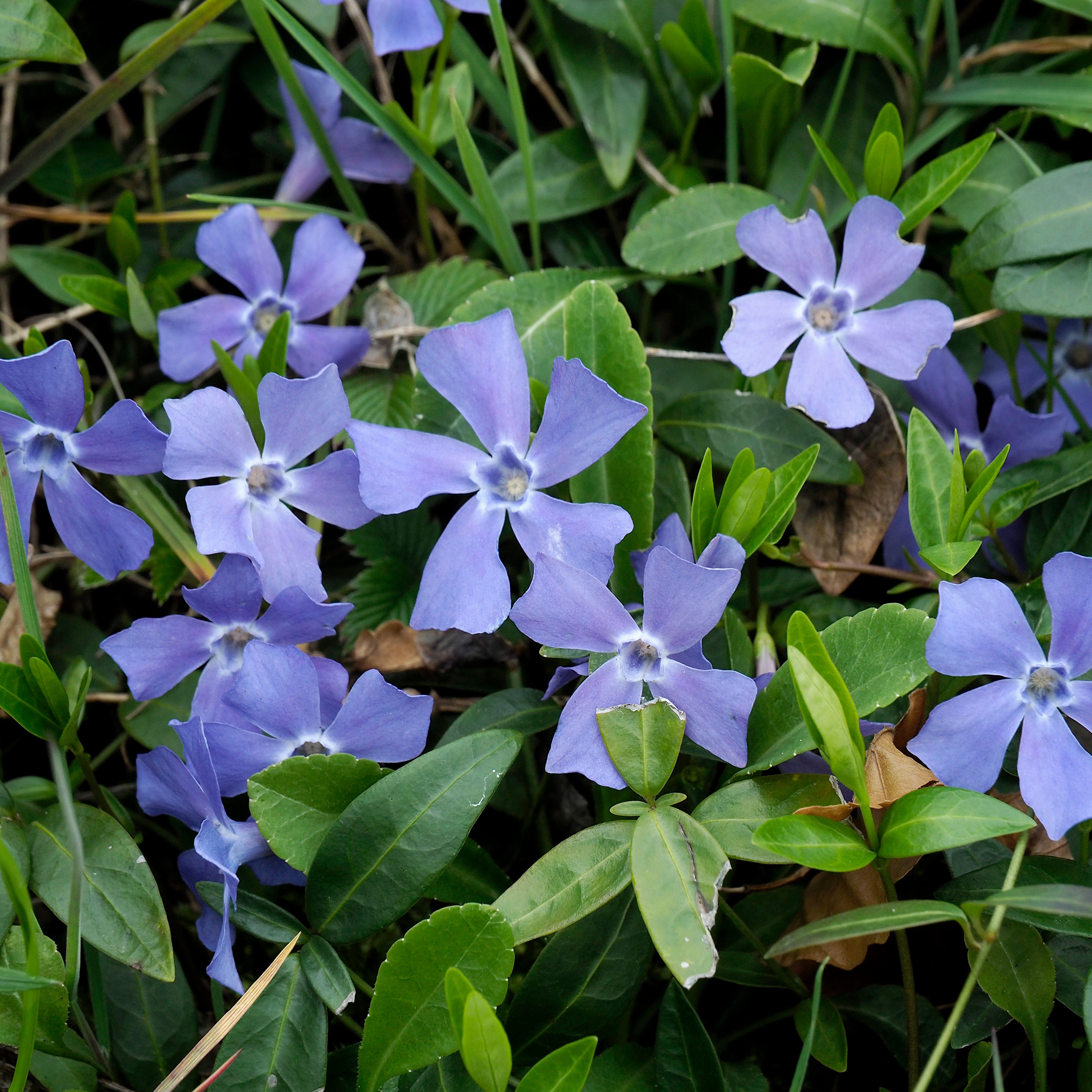
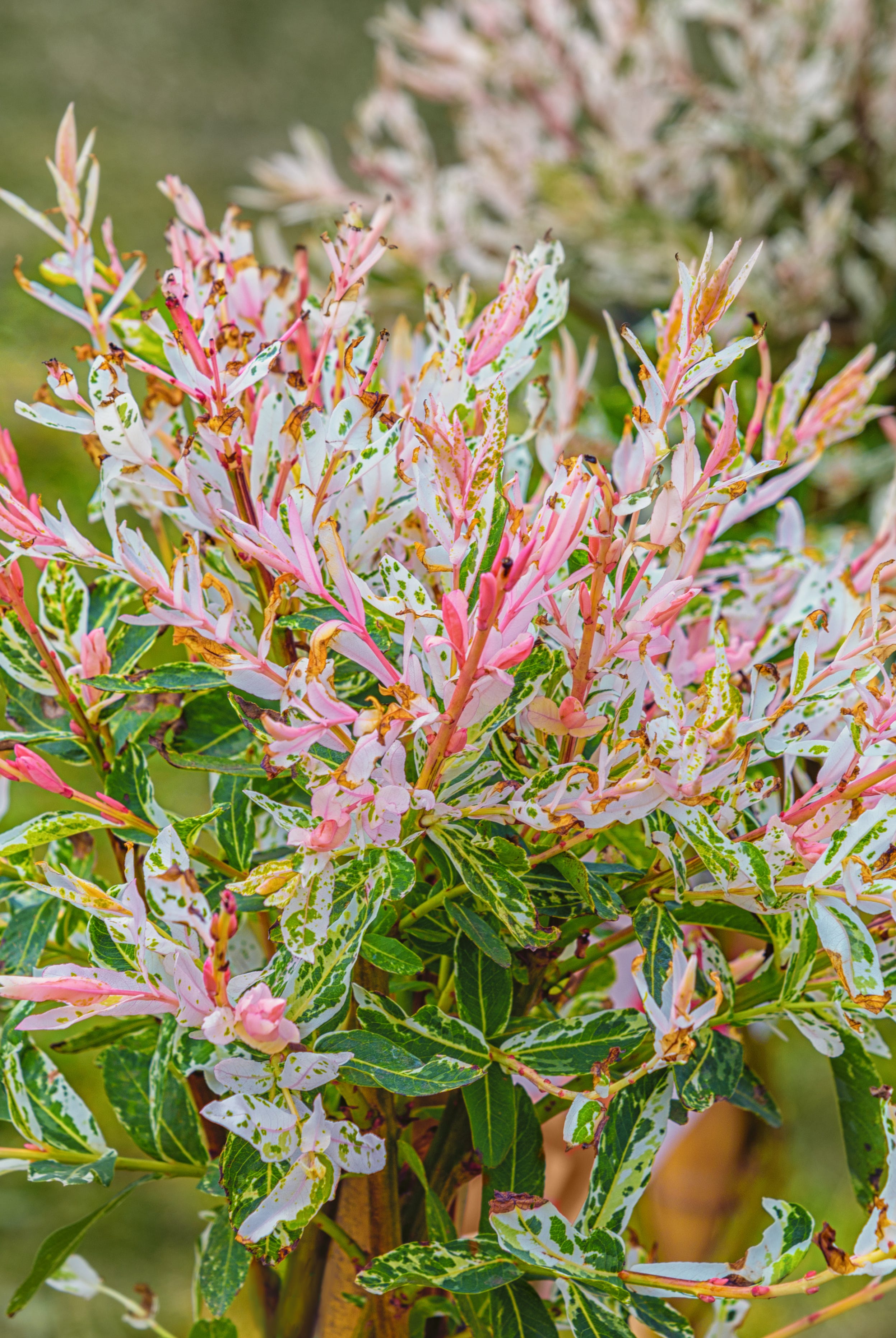
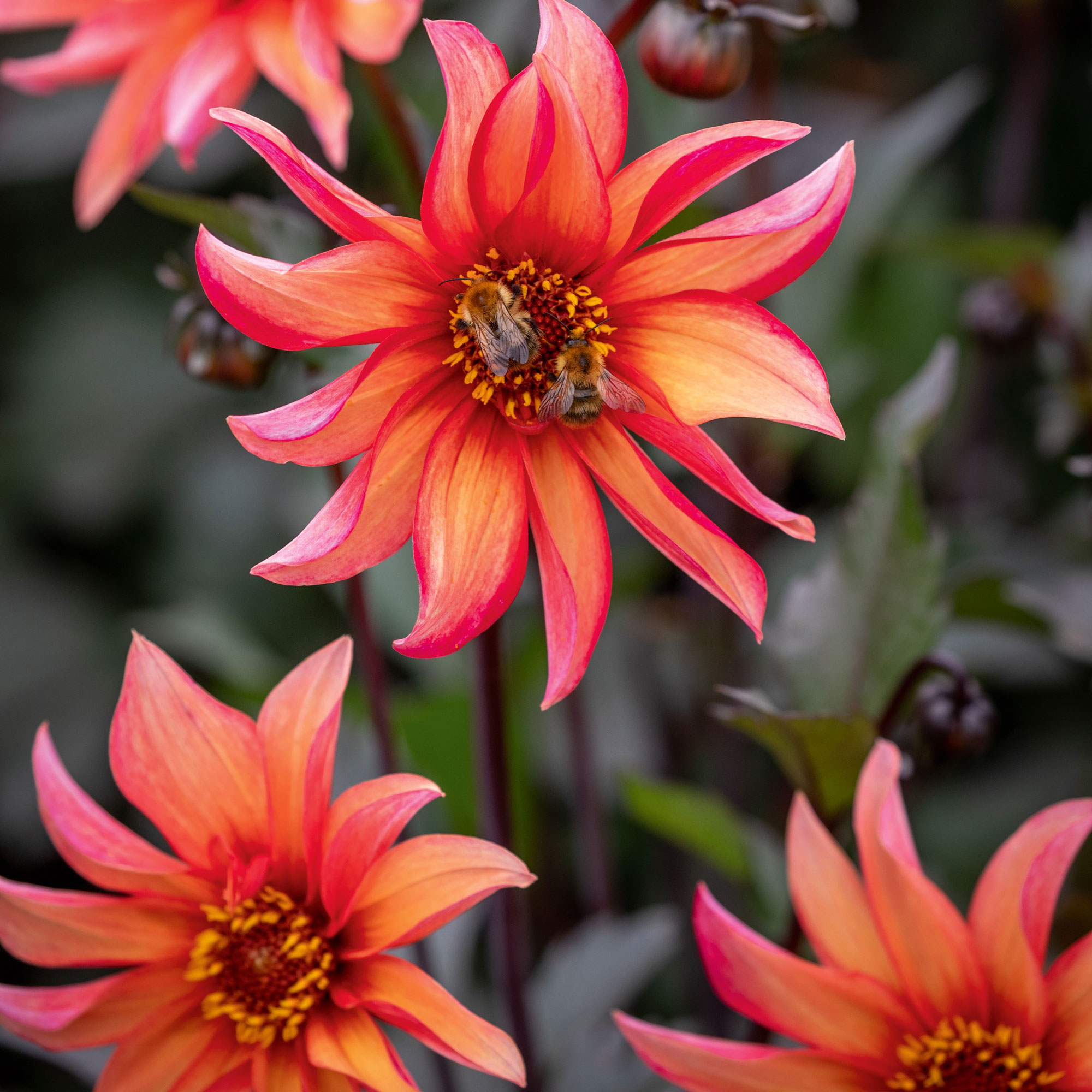
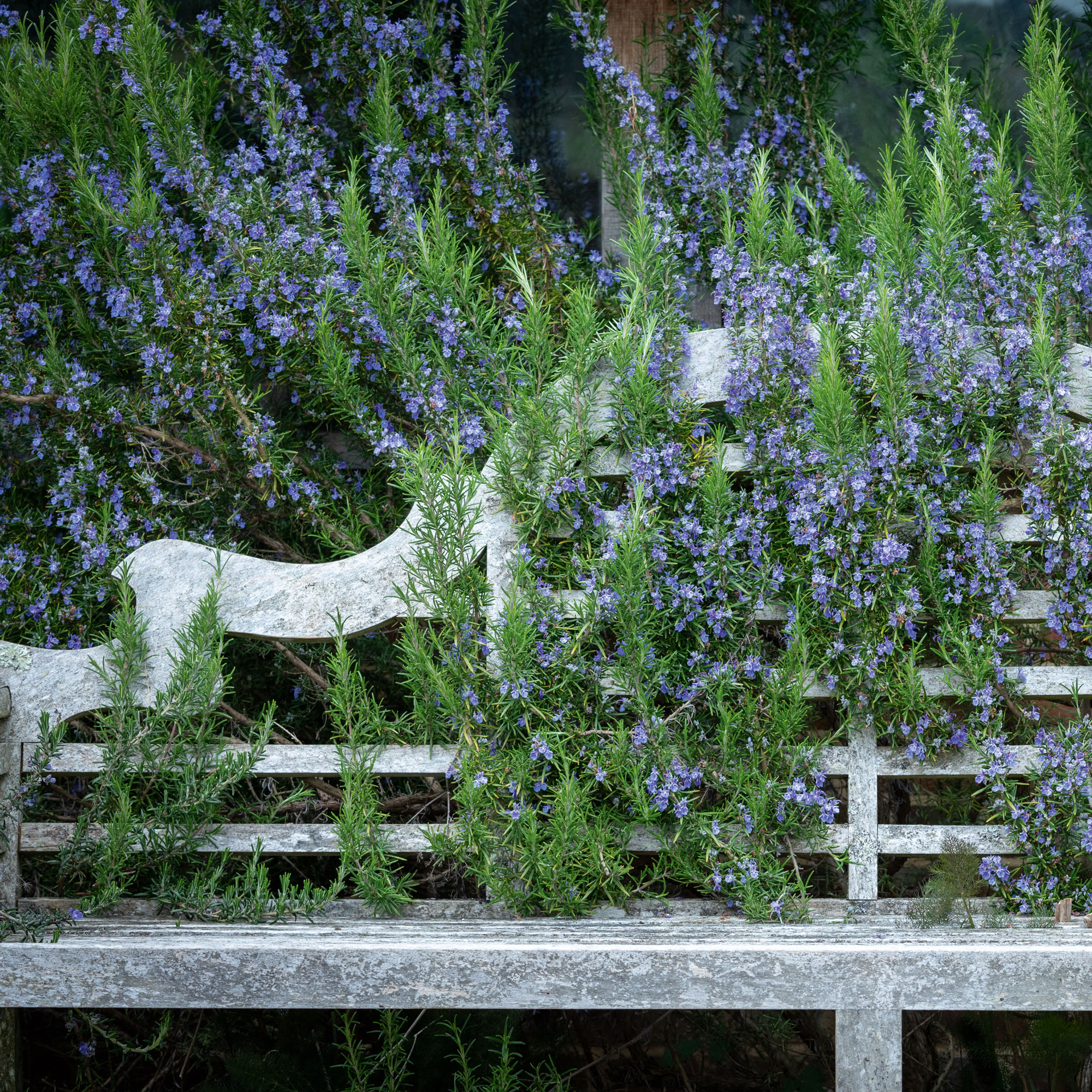
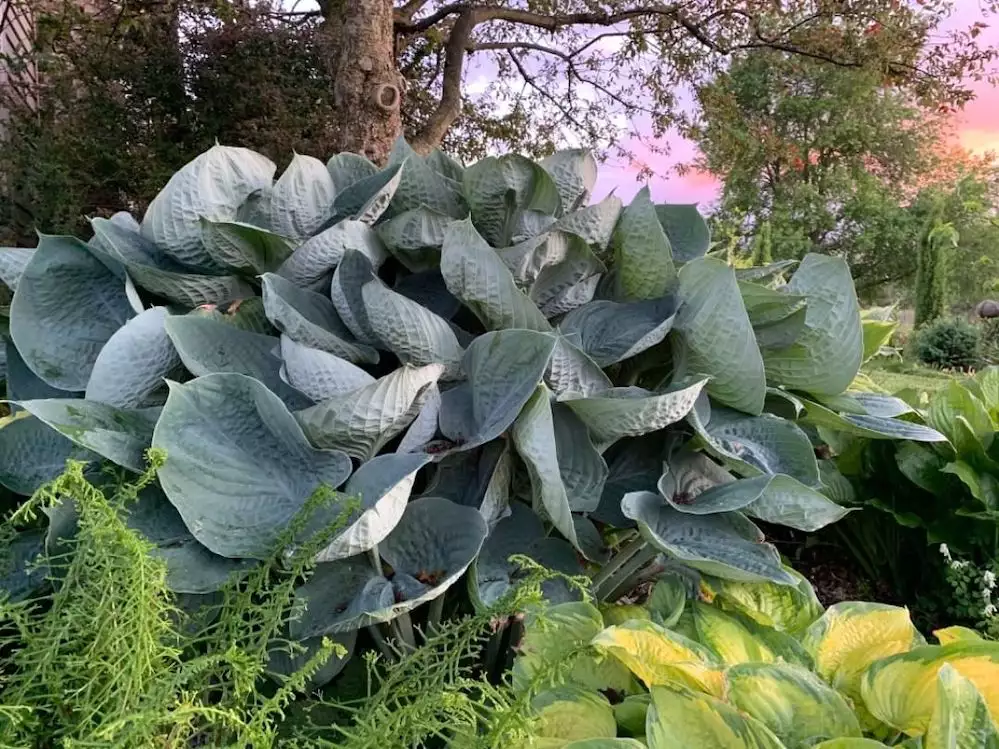
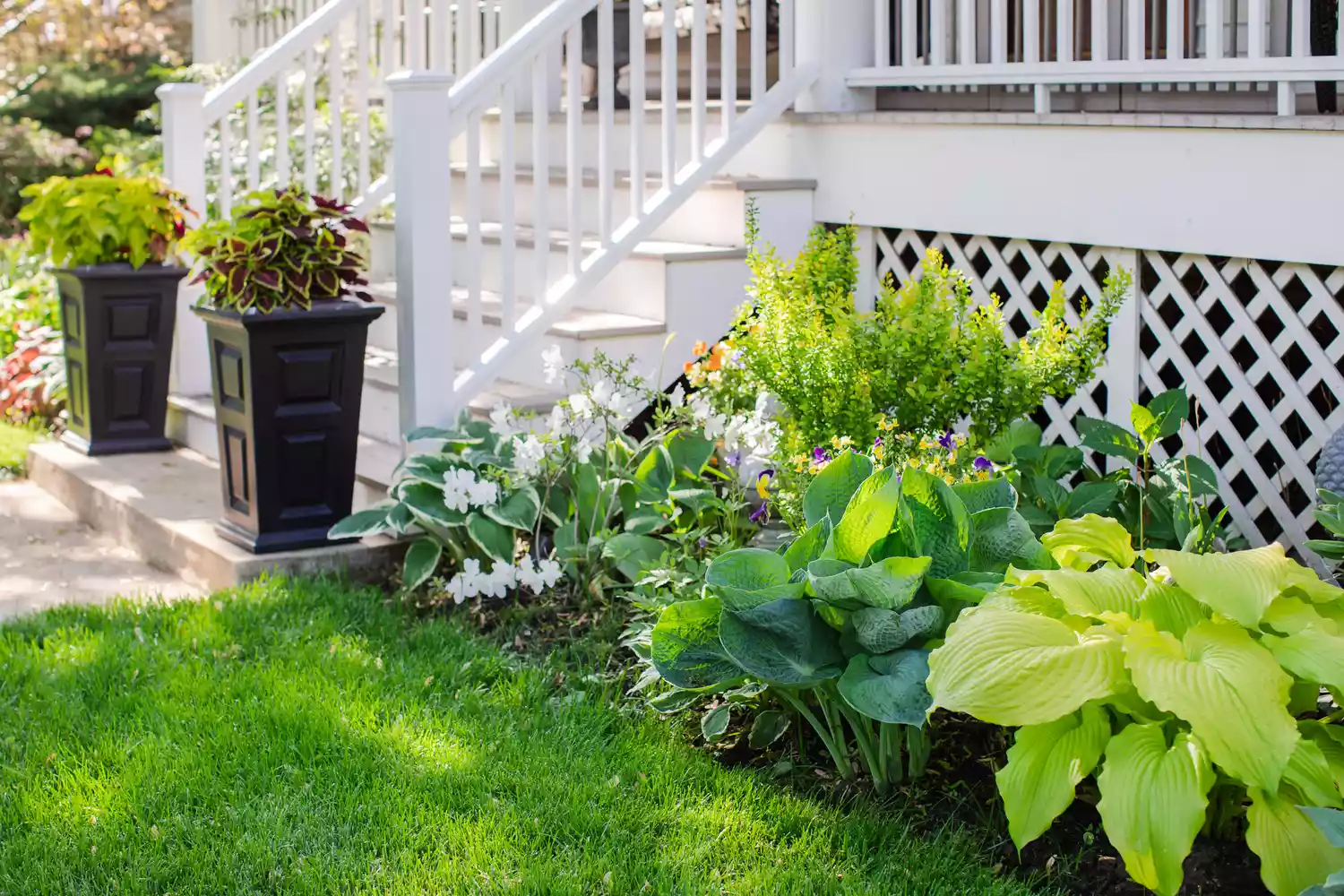
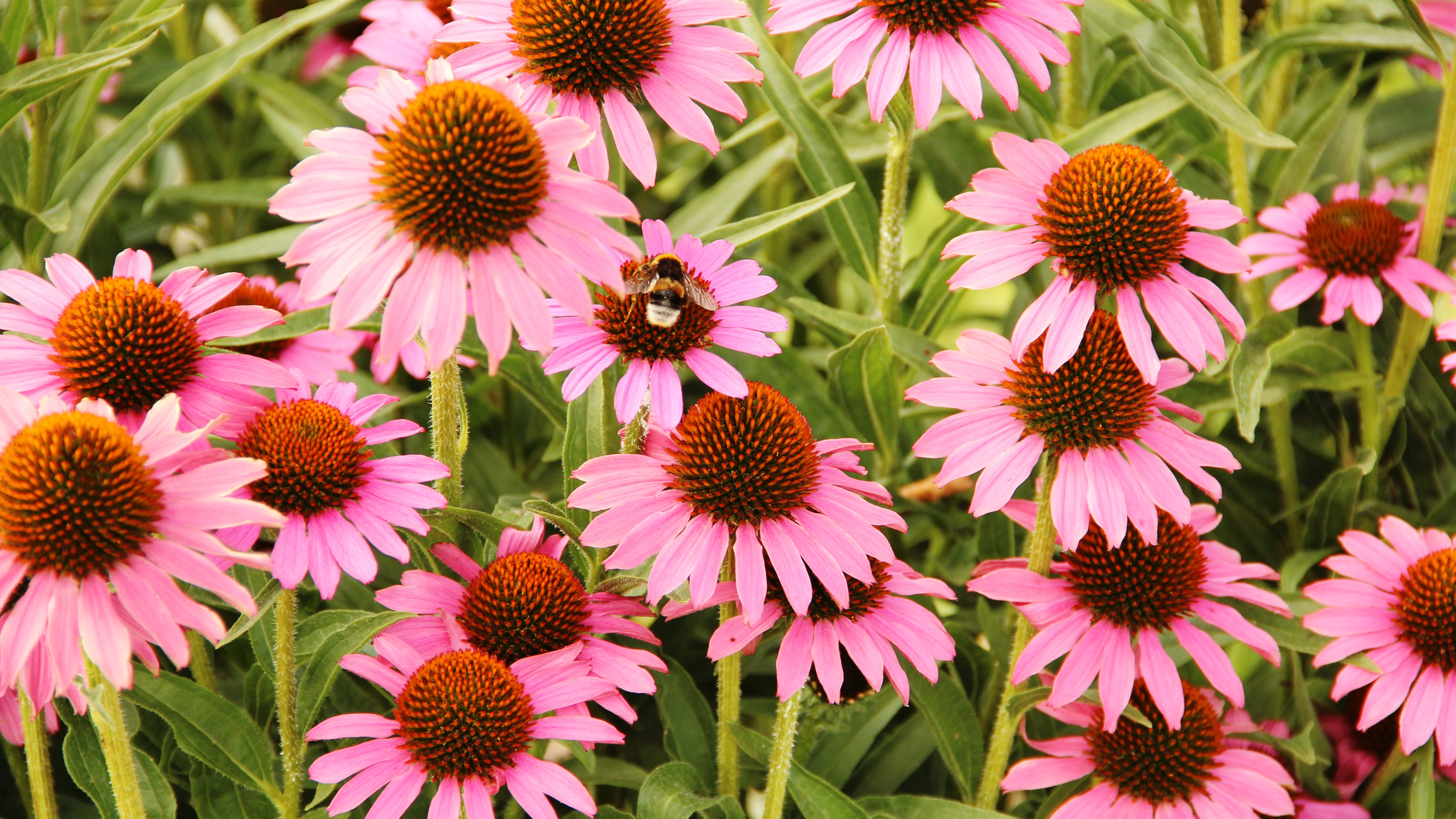
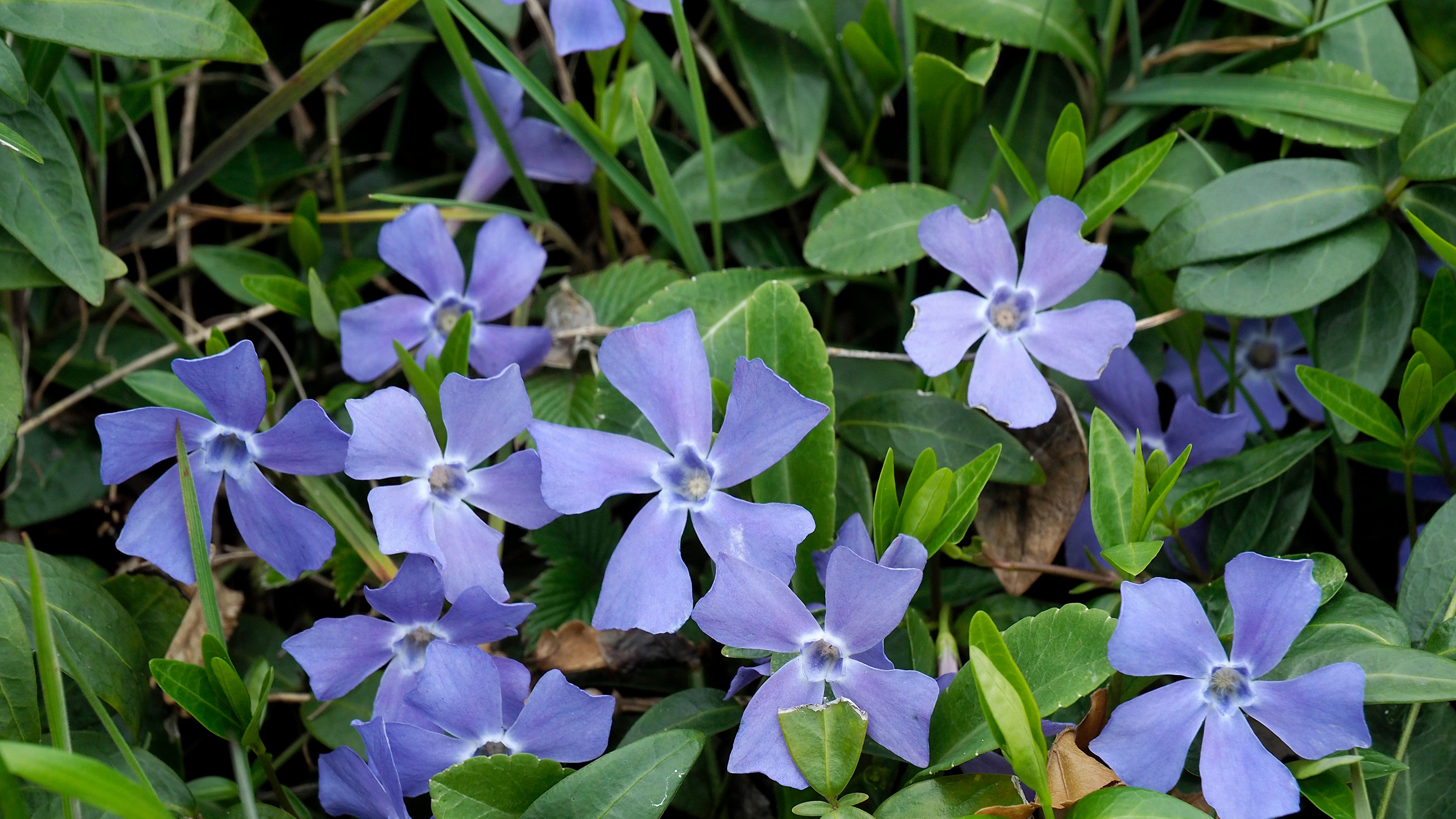
Bee Balm (Monarda), a member of the mint family, tolerates shade well and attracts pollinators like bees, butterflies, and hummingbirds. Lily of the Valley (Convallaria majalis) spreads delicate, bell-shaped blooms, providing low-maintenance ground cover, though it is noted as highly poisonous. Myrtle (Myrtus) is a drought-tolerant shrub that grows in sun or shade, resistant to deer and disease, and can form attractive hedges or thrive in decorative pots. Hosta, a low-maintenance, shade-loving plant, comes in varieties that suit different shade levels, from dark green for deep shade to lighter or variegated types for partial shade.
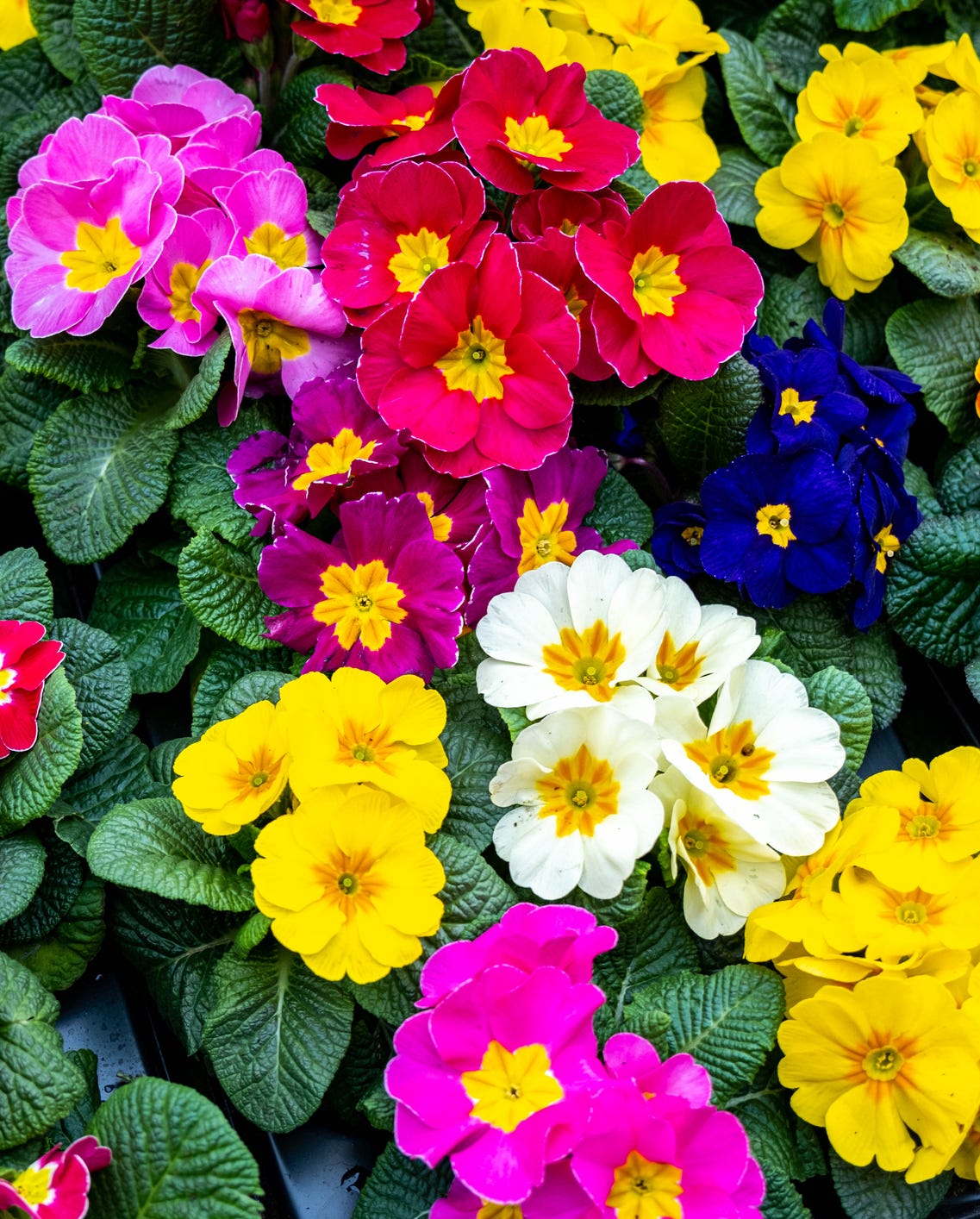
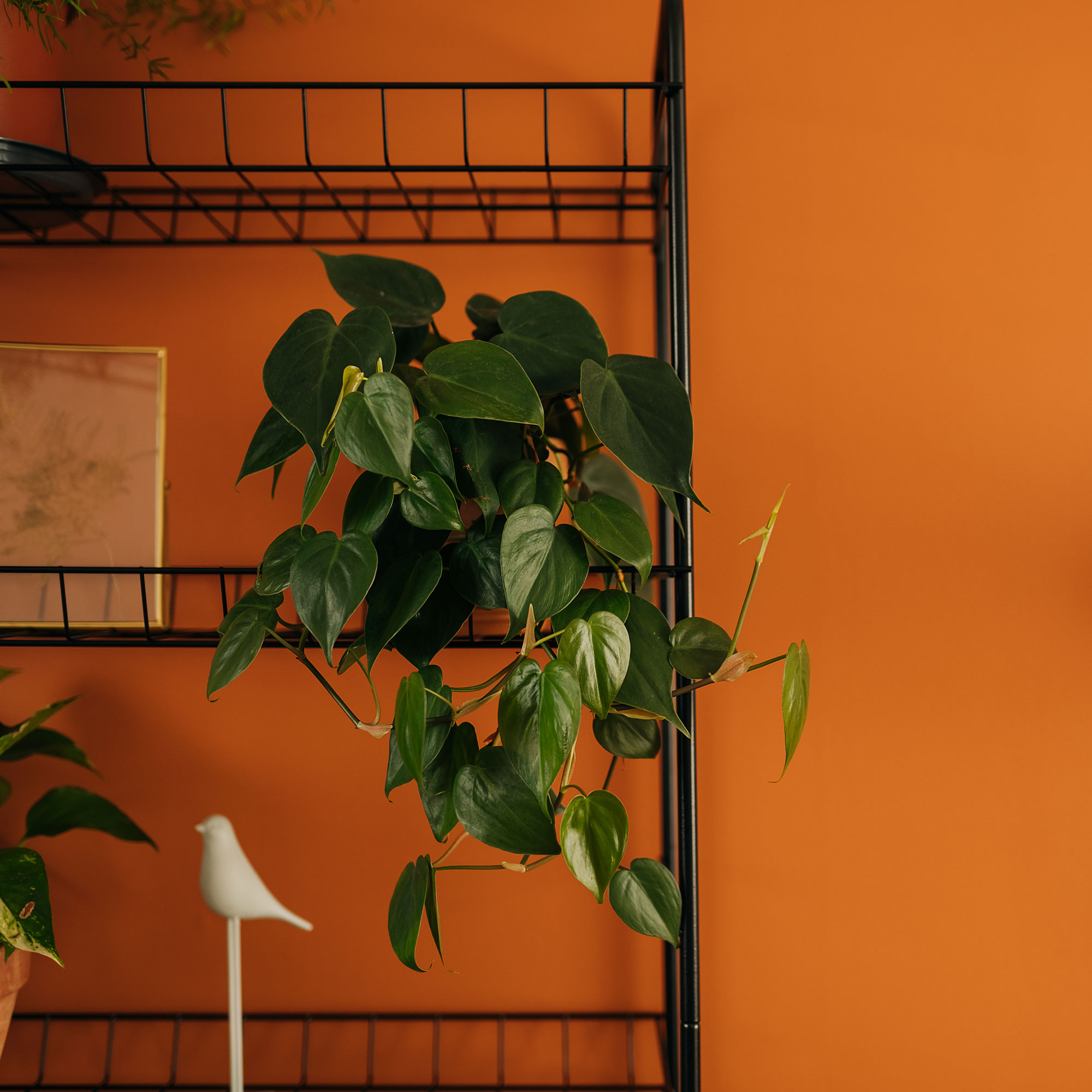
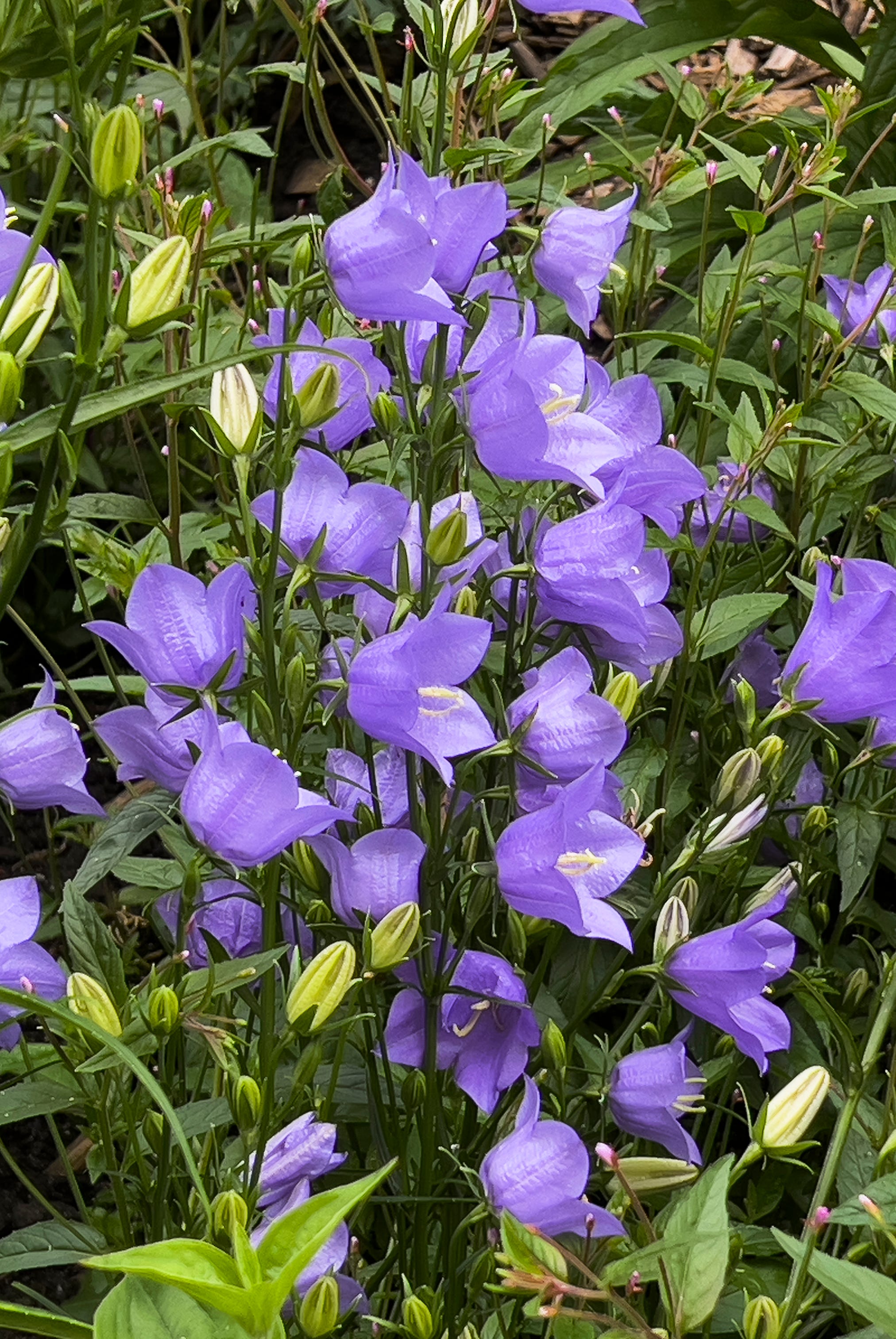
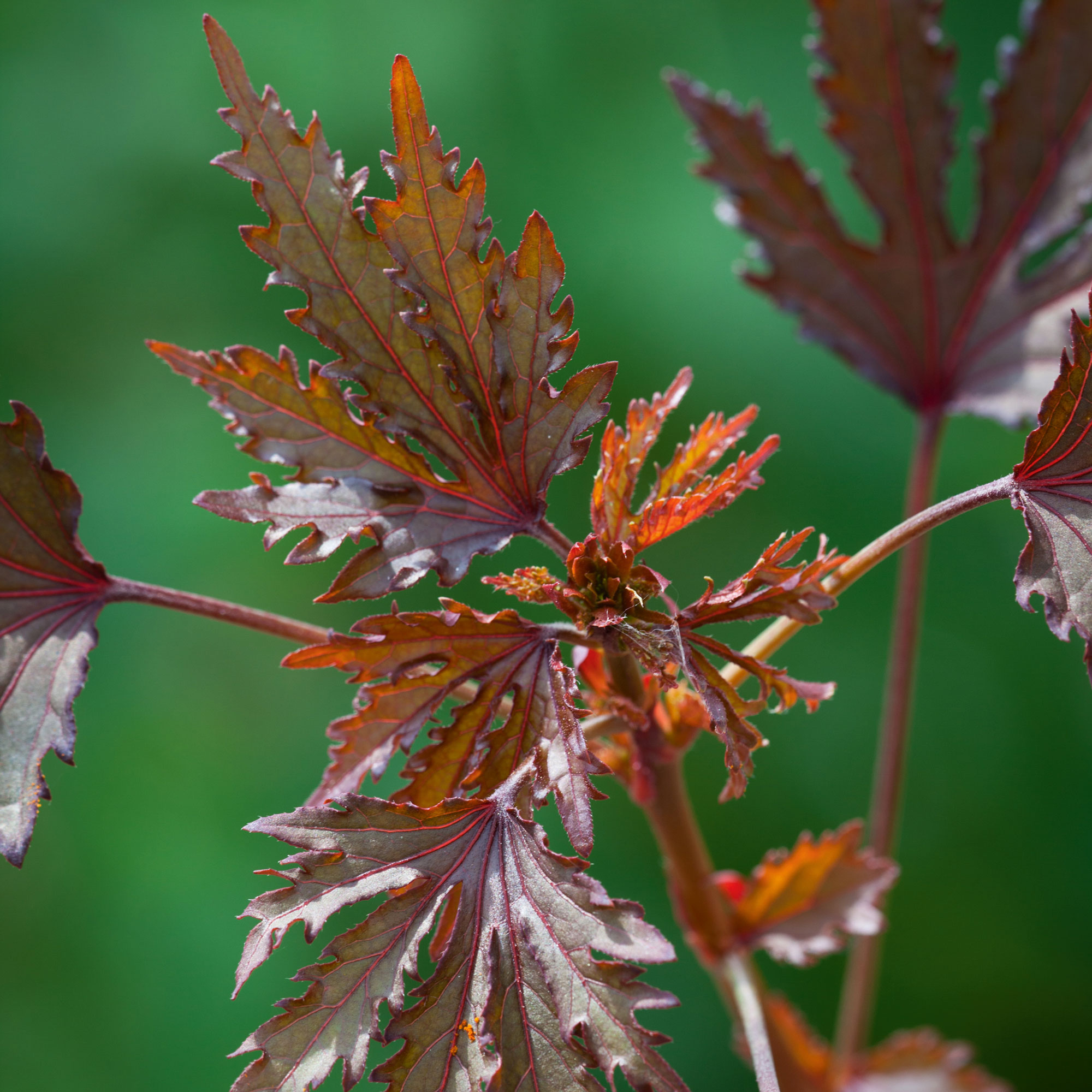
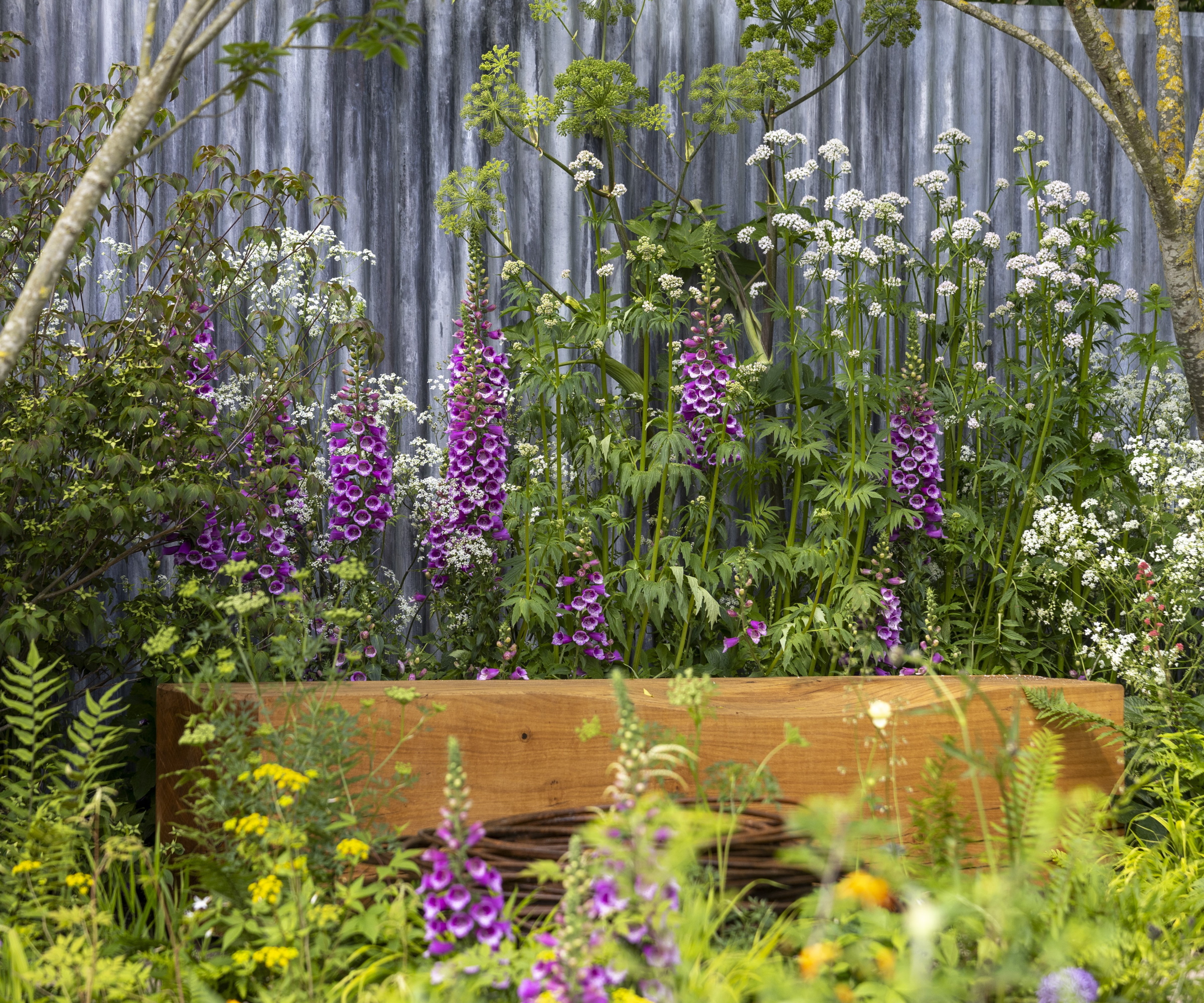
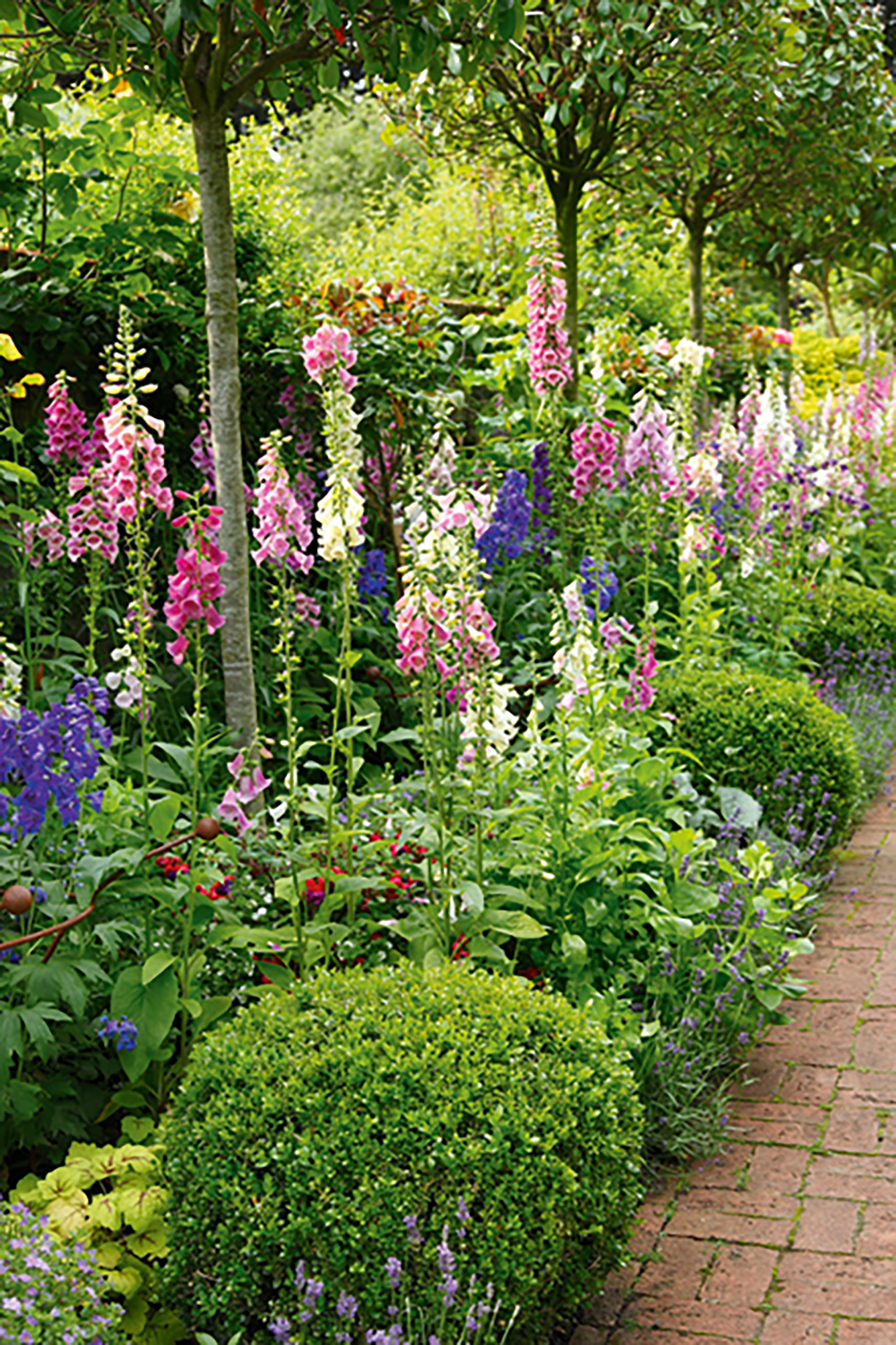
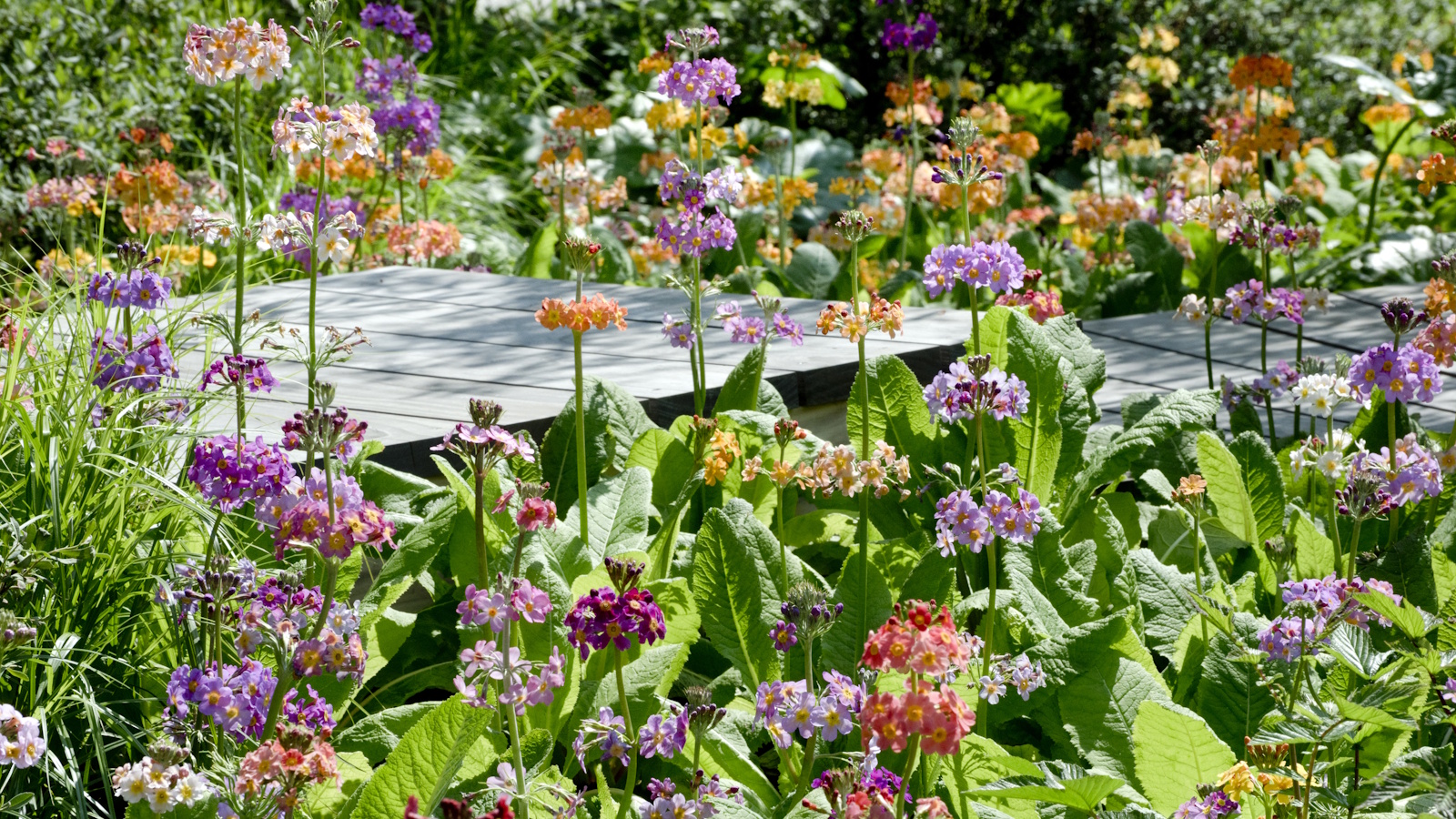
Heuchera, or coral bells, offers seasonal color through its dark purple foliage, resisting drought and growing in both sun and shade. Euphorbia, or spurge plants, with over 2,300 species, are known for their green-yellow flowers that brighten dark areas; certain varieties, like marsh spurge, prefer light shade and cool ground. English Ivy is a shade-loving climber with dense, dark green leaves that can cover various structures, starting slow but becoming fast-growing by the third year. Foxglove (Digitalis), identifiable by its tall spires of bell-shaped blossoms, prefers dappled or partial shade and can grow up to five feet tall, often reseeding itself annually despite many species being biennial. Primrose (Primula) thrives in woodland-like conditions with shade and moist soil, producing colorful flowers in early spring and requiring minimal attention. Finally, Aquilegia, or columbines, are easy-to-grow perennials with bonnet-shaped flowers that prefer partial shade, attracting hummingbirds and readily multiplying once established.
#ShadePlants #GardeningTips #LowLightPlants #Perennials #FoliagePlants #FloweringPlants #LandscapeDesign #GardenMaintenance #PlantVarieties #ShadePlants #GardeningTips #LowLightPlants #Perennials #FoliagePlants #FloweringPlants #LandscapeDesign #GardenMaintenance #PlantVarieties
0 comment in total
 No comments yet
You may also like
These Are the Best Shade-Loving Flowers and Plants for Your Yard

We Found The Best Perennials For Your Garden’s Shadiest Spots

Best flowering ground cover plants – 5 expert-approved species to fill your borders with vibrant color
12 Ways to Design a Garden With Hostas

8 indoor plants that thrive in indirect or low sunlight

15 Plants Perfect For A South-Facing Window
12 Best Shade Plants to Grow Along a North-Facing Wall
The ONLY Plants That Can Outshine the Summer Sun

These 25 Plants Don’t Need Sun to Serve Looks
15 Shade Garden Ideas to Brighten Up the Darkest Spots in Your Yard
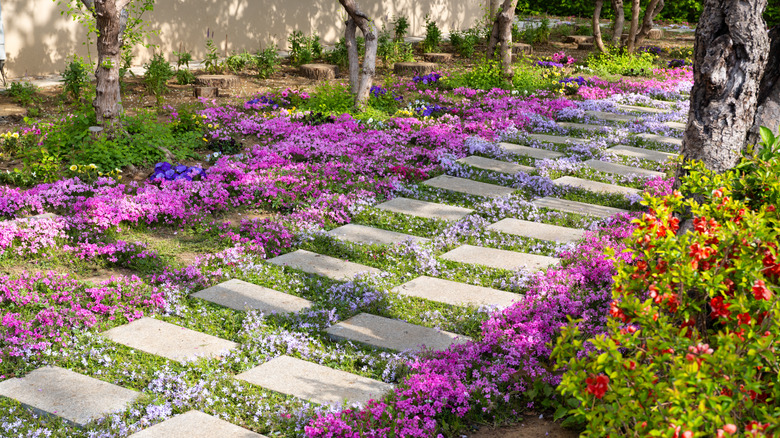
16 Best Fast-Growing Purple Plants For A Beautiful Shade Garden In No Time
South facing garden ideas – how to embrace a sun-filled backyard

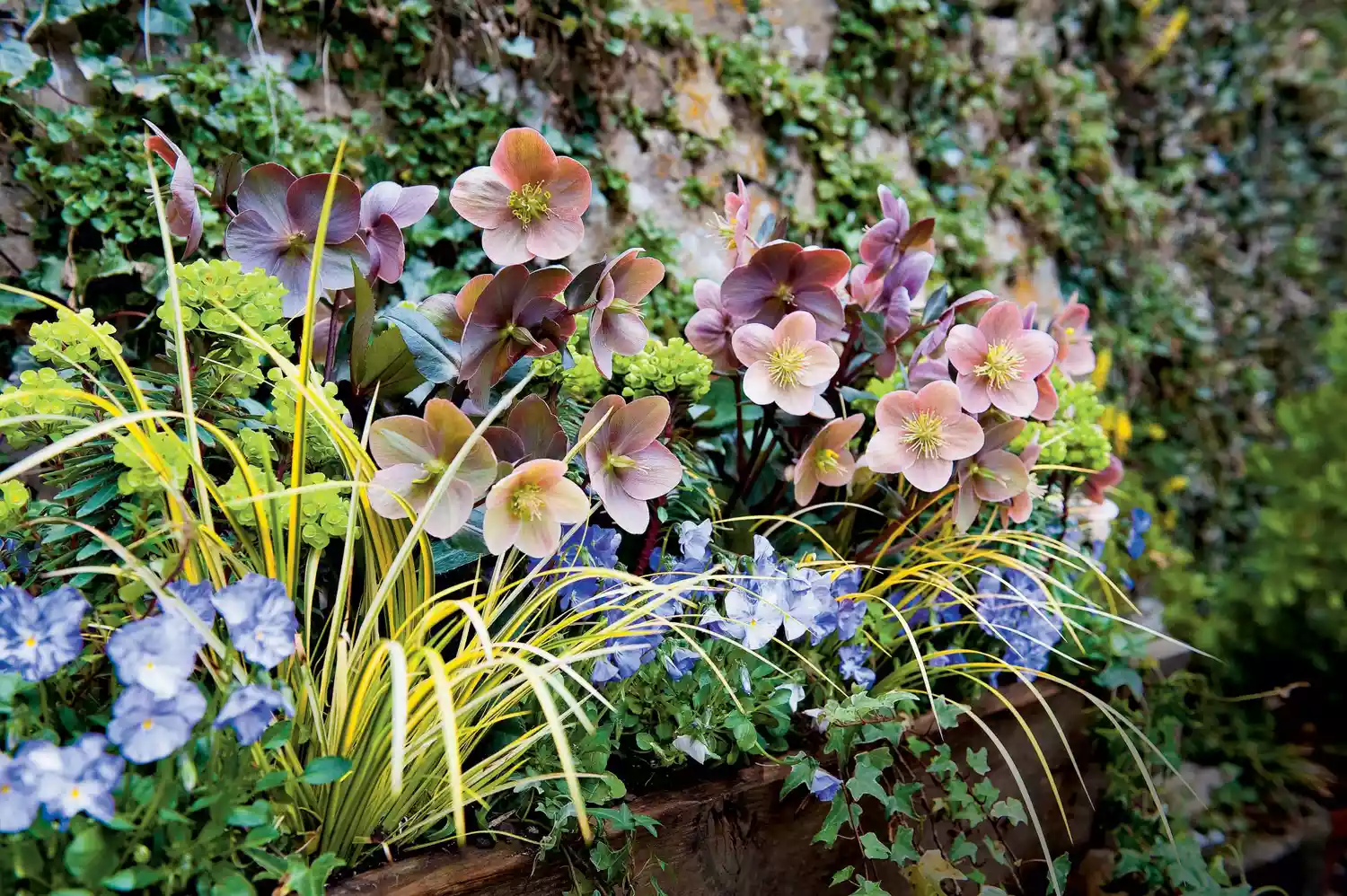
Add These Shade-Loving Plants To Your Containers For Covered Porches
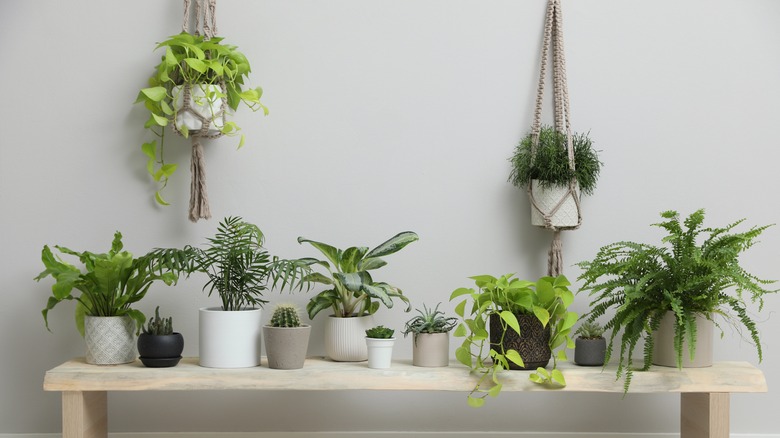
15 Plants Perfect For A North-Facing Window

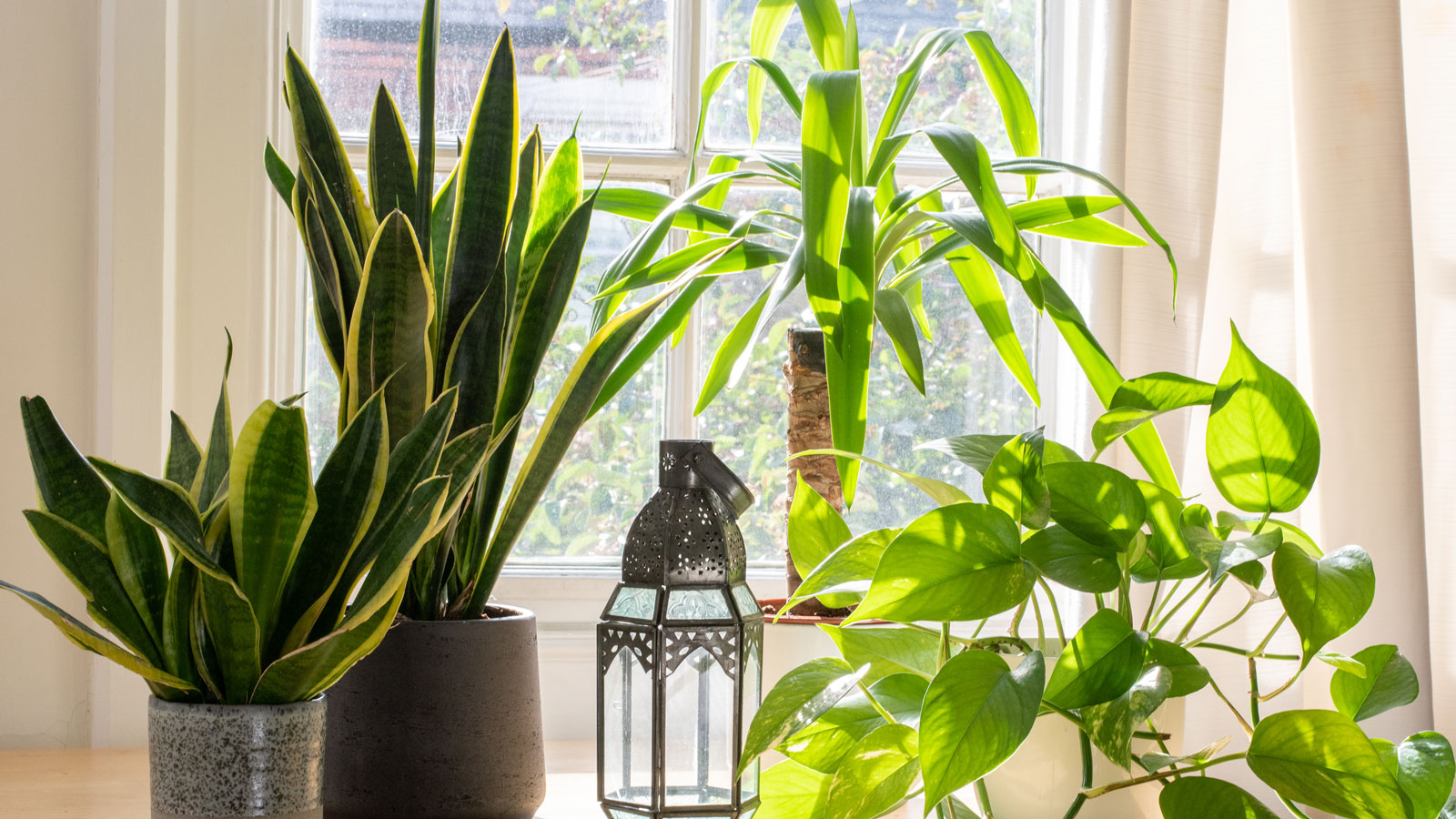
Best indoor plants for direct sunlight – 7 top choices for sunny spots in your home
10 Beautiful Privacy Shrubs You'll Want To Grow Right Next To Your Windows
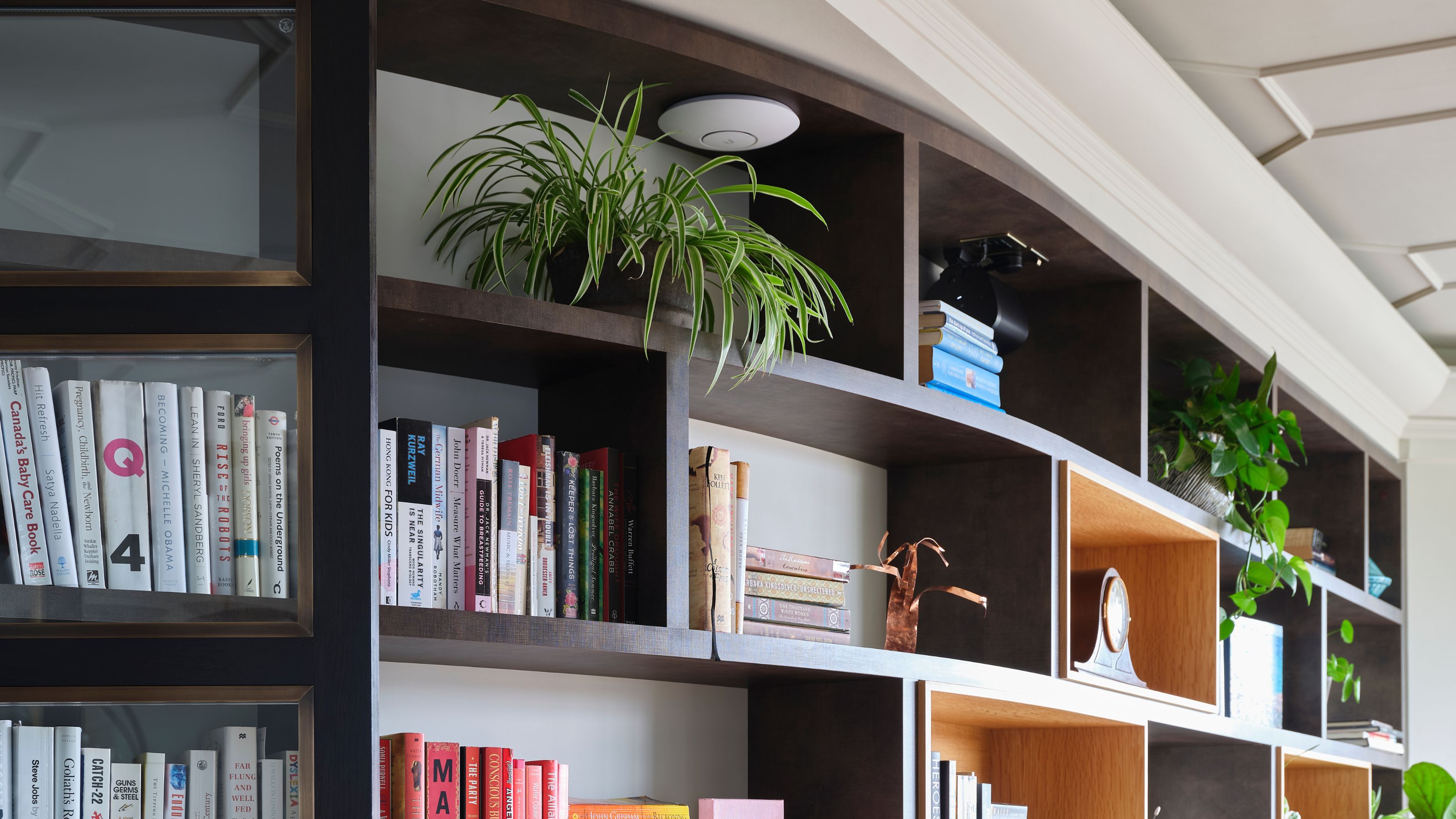
7 of the best low-light houseplants that will thrive in shady nooks and corners in the home
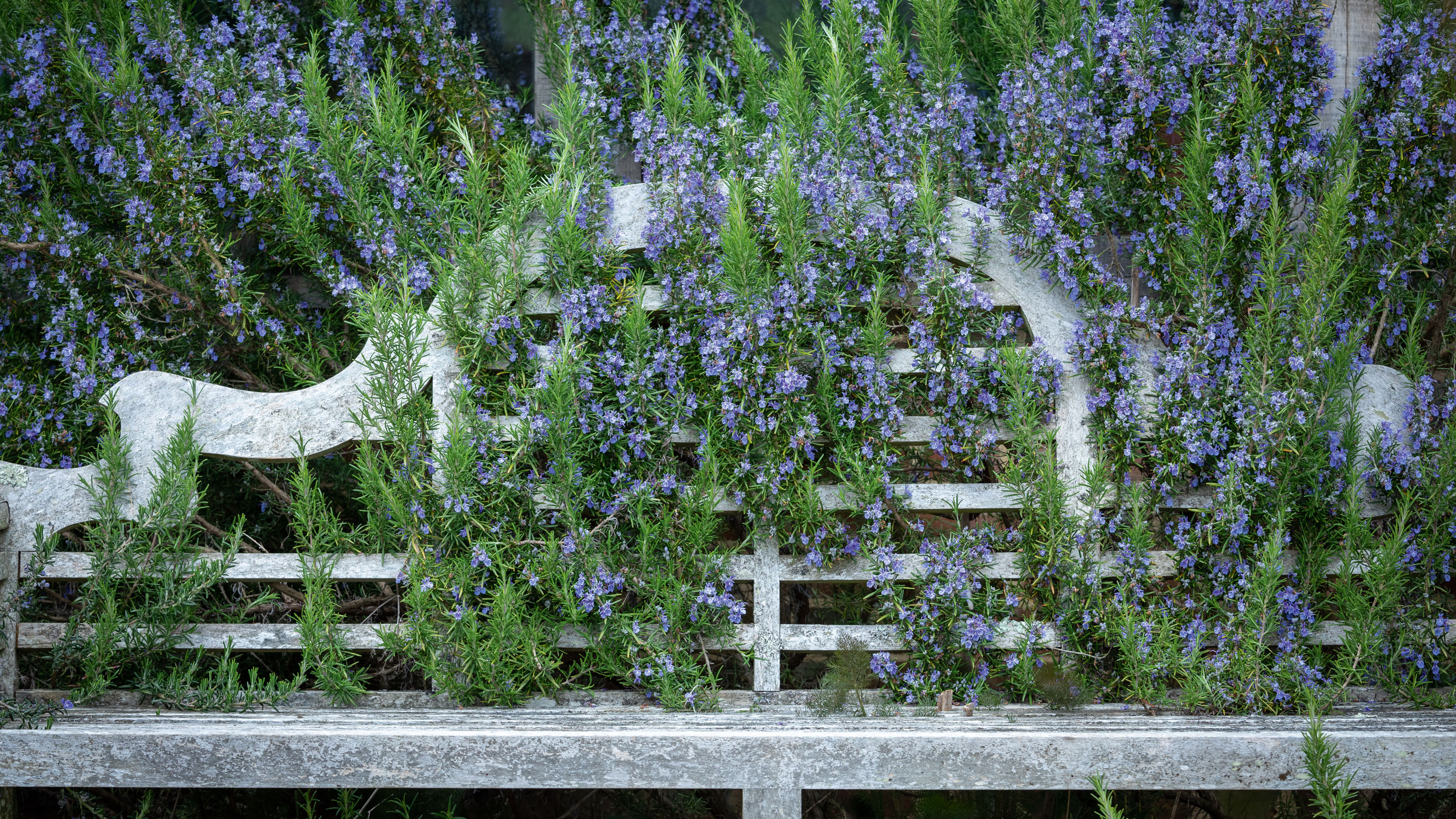
Drought tolerant plants - Sarah Raven's top tips for sunny spots
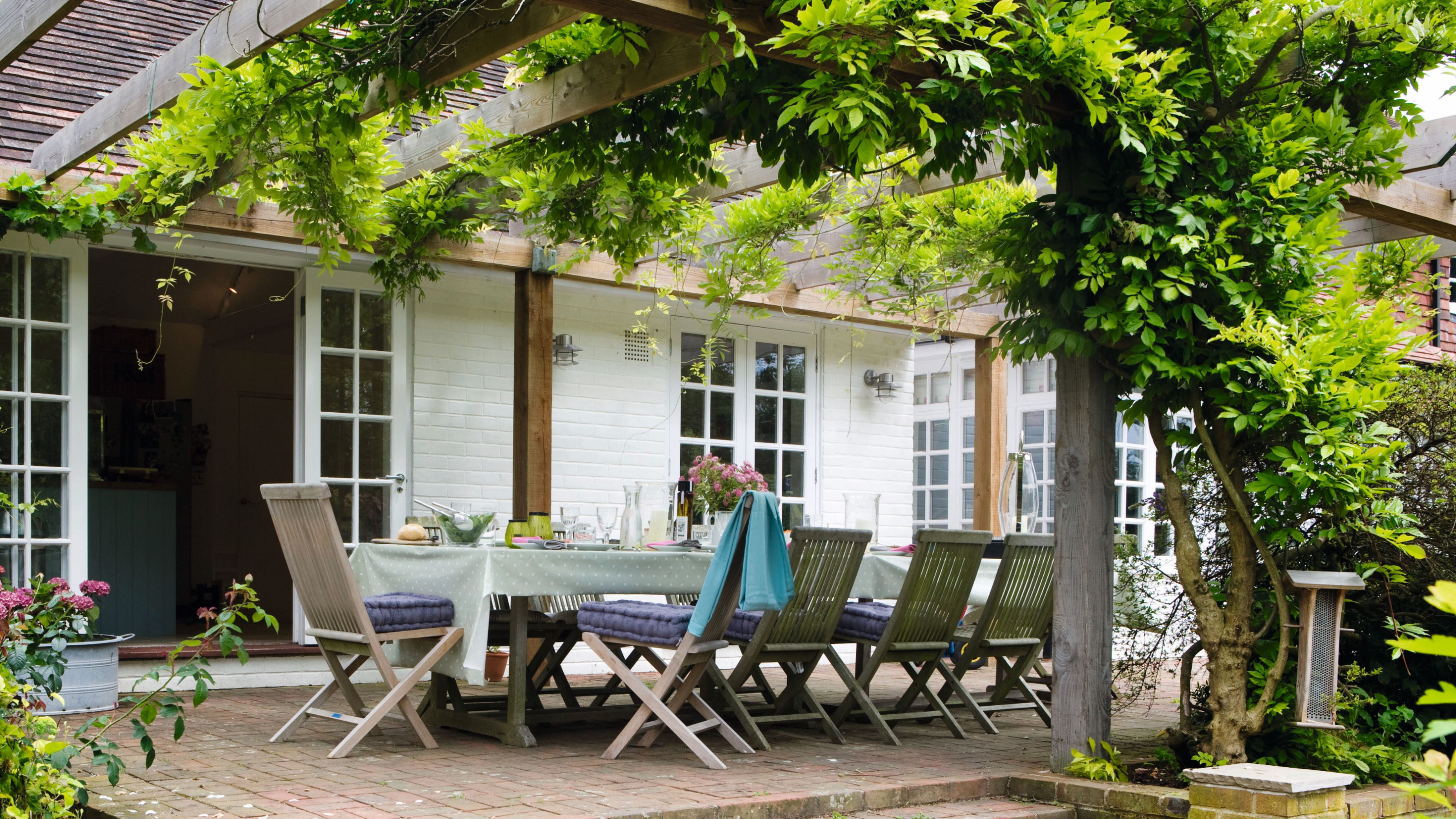
Garden shade ideas – 17 smart ways to provide shelter on hot summer days
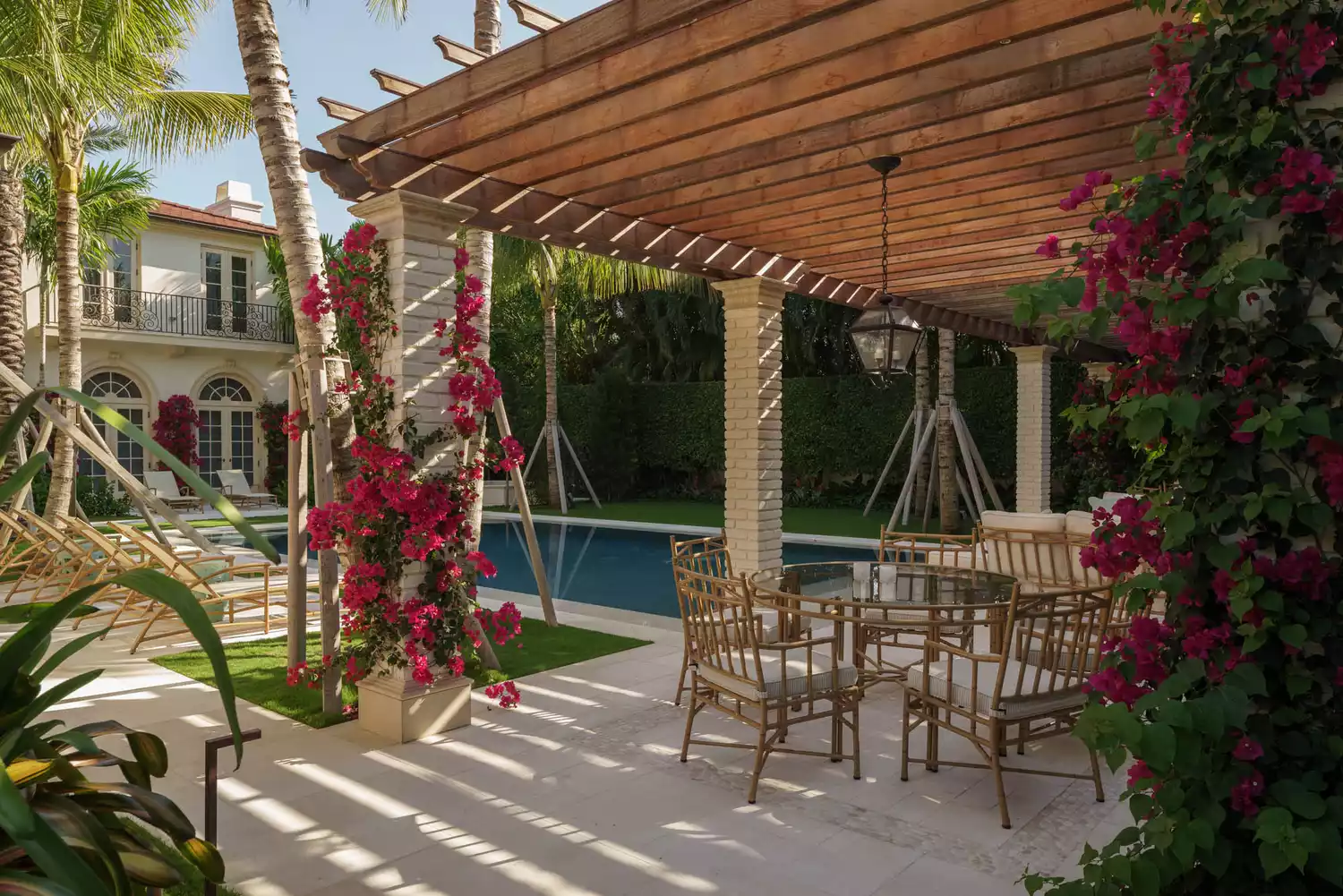
21 Backyard Shade Ideas, From Pergolas to Decorative Foliage