1/2
12 Ways to Design a Garden With Hostas
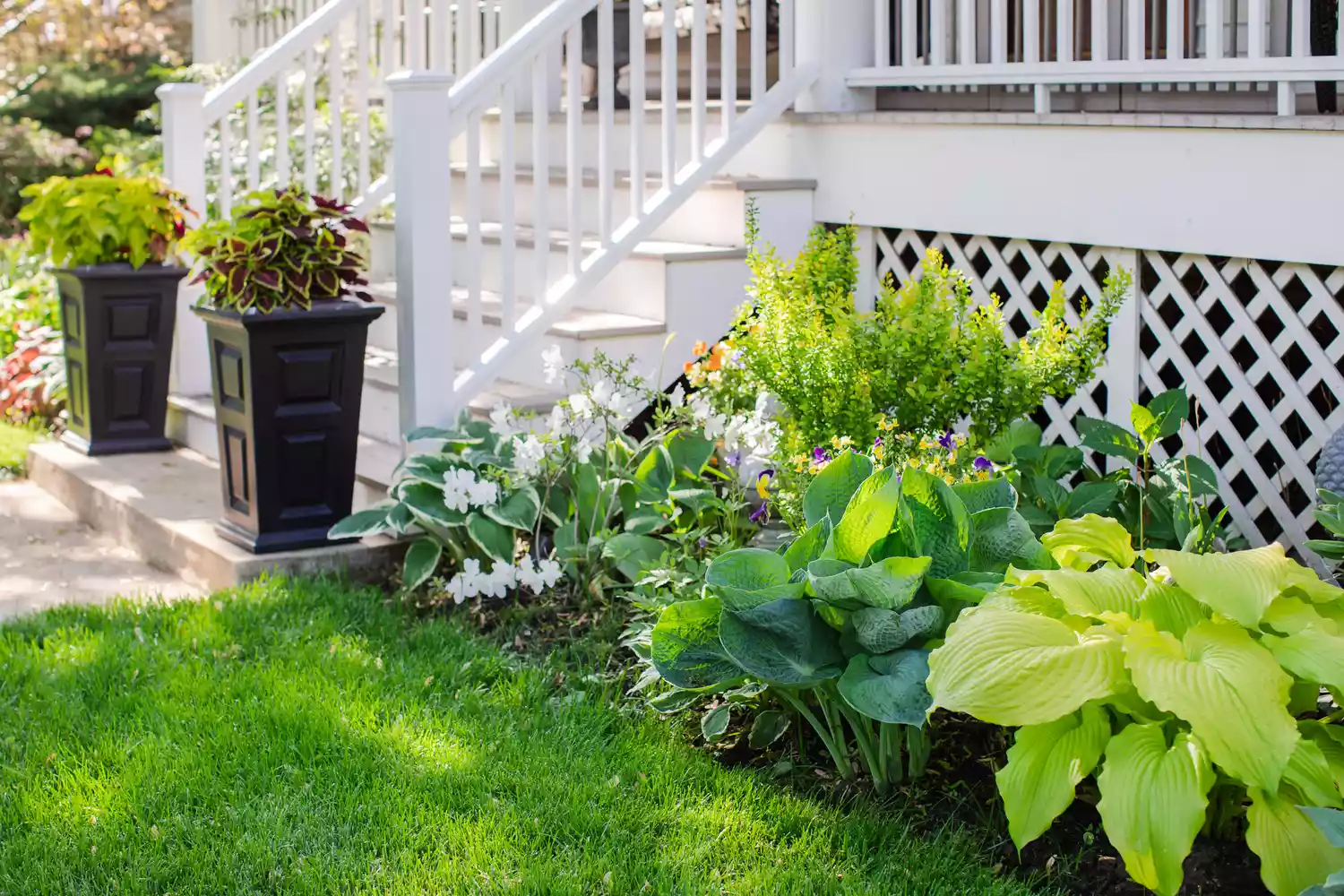
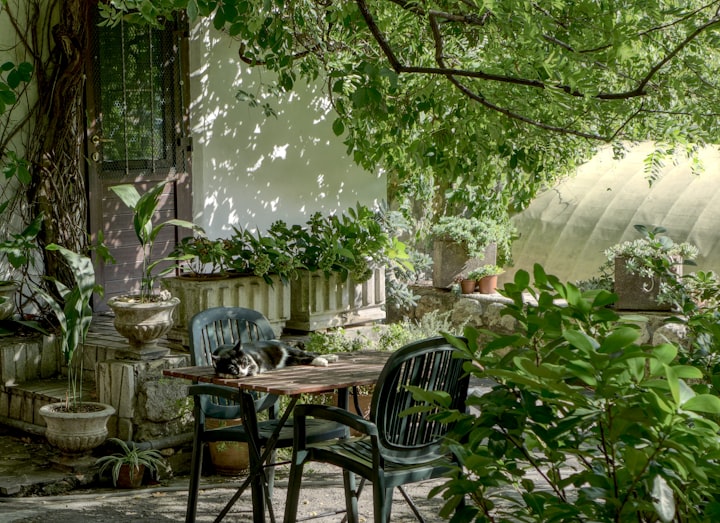
Hostas are exceptionally versatile and easy-to-grow plants, making them a popular choice for gardeners due to their wide range of sizes, shapes, colors, and textures. With thousands of varieties available, they can effortlessly enhance any landscape, particularly shade gardens, though many varieties can also tolerate full sun. This article offers twelve distinct design ideas and essential tips for incorporating hostas into your garden, whether in containers, as part of a larger garden bed, or paired with companion plants like hydrangeas and azaleas.
The article begins by exploring the impact of hosta size on garden design. Giant hostas, which can grow up to four feet tall, create a dramatic presence and require ample space to showcase their majestic forms. Examples include 'Sum and Substance', 'Frances Williams', and 'Blue Angel'. Conversely, miniature hostas like 'Blue Mouse Ears' or 'Tiny Tears' add delicate points of interest and are best positioned at the front of a garden bed for visibility.
Color and variegation are also key design elements. Hostas exhibit a stunning array of solid colors, from various shades of green and blue to yellow-green and gold, with some even featuring white leaves or red stems. The 'Dancing Dragons' hosta, with its cool blue and teardrop-shaped leaves, beautifully complements yellow-green foliage. Variegated hostas, such as 'Cool as a Cucumber' or 'Liberty', offer nearly infinite color combinations, including blue leaves edged with gold or white leaves with dark green borders. The article notes that sun exposure can influence hosta coloration, with some blues and dark greens thriving in shade and gold edges potentially fading in excessive sun.
Beyond color, leaf shape and texture contribute significantly to visual appeal. Hosta leaves come in diverse shapes—slender, rounded, lance-shaped, heart-shaped, or curly—adding intriguing visual dynamics. The 'Prairie Sky' hosta, with its large, pale blue heart-shaped leaves, serves as a dramatic focal point when mixed with ferns and perennial geraniums. Textural variations, from smooth and shiny to deeply grooved or puckered surfaces, affect how light interacts with the leaves, enhancing the garden's allure. Varieties with thicker leaves, often referred to as having "heavy substance" like 'Neptune' or 'Empress Wu', offer resistance to slugs.
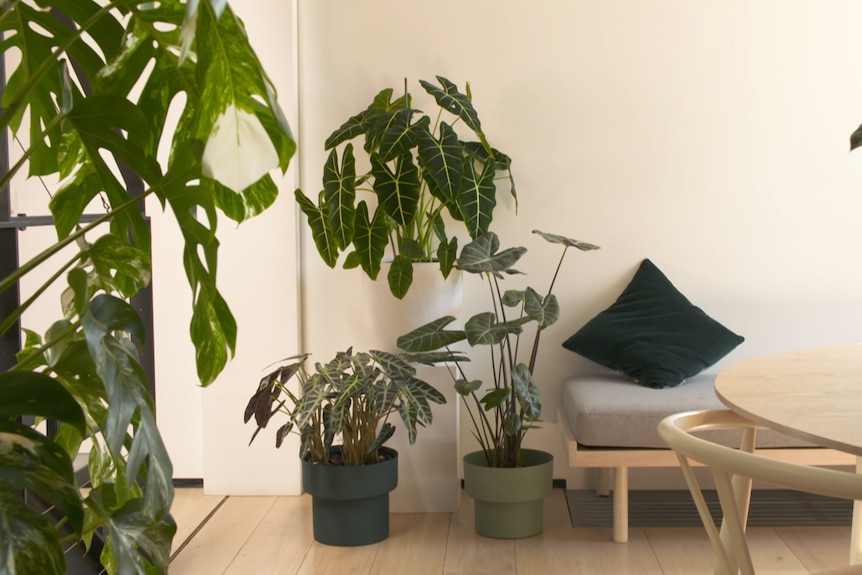
The article emphasizes the importance of balanced design, encouraging gardeners to mix different types of hostas—varying in size, shape, color, and leaf pattern—alongside companion plants. Shade perennials like ferns, heuchera, and astilbes, or annuals such as impatiens and coleus, can provide contrasting colors and textures. Using hostas in unique containers offers versatility, allowing them to be grouped or moved to optimal spots. Hostas can also be strategically placed to frame a patio or enhance curb appeal in a front yard, especially when planted near water features.
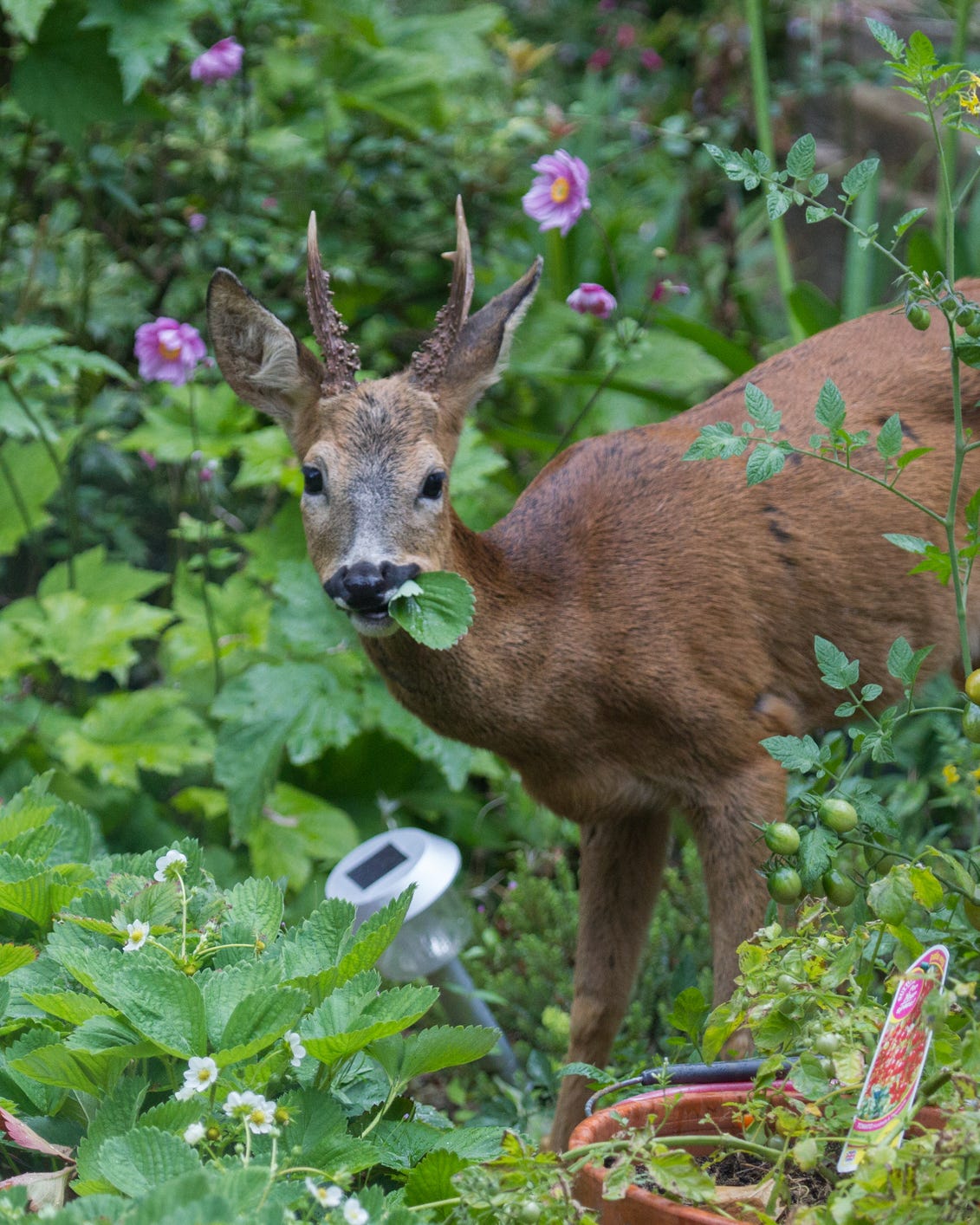
Finally, the article provides essential tips for growing hostas. These plants generally prefer partial to full shade, though some varieties can tolerate sun. They require heavy watering once a week when mature, and daily soaking for newly planted hostas. Moist, well-drained, and slightly acidic soil is ideal. Proper planting involves creating a wide and deep hole to ensure root space, and regular division every three to four years helps maintain plant health and size. Gardeners should also be mindful of pests like deer, slugs, and caterpillars, and address common problems such as yellowing leaves from dehydration or anthracnose from overcrowding.
#HostaGarden #ShadePlants #GardenDesign #ContainerGardening #CompanionPlants #LandscapeIdeas #HostaVarieties #PlantCare #OutdoorLiving #HostaGarden #ShadePlants #GardenDesign #ContainerGardening #CompanionPlants #LandscapeIdeas #HostaVarieties #PlantCare #OutdoorLiving
0 comment in total
 No comments yet
You may also like
Decorating with plants – 11 ways to display houseplants

You Should Plant Night Sky Flowers in Your Yard ASAP

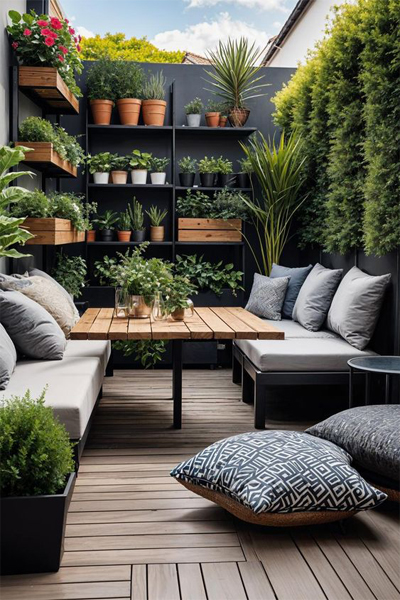
20 Beautiful Garden Design Ideas for Home In 2024
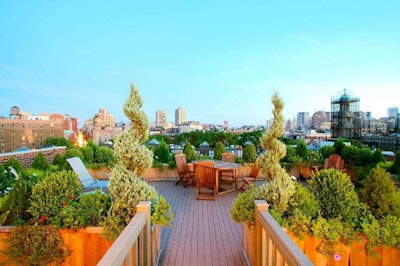
Make the most of your rooftop garden with these design tips

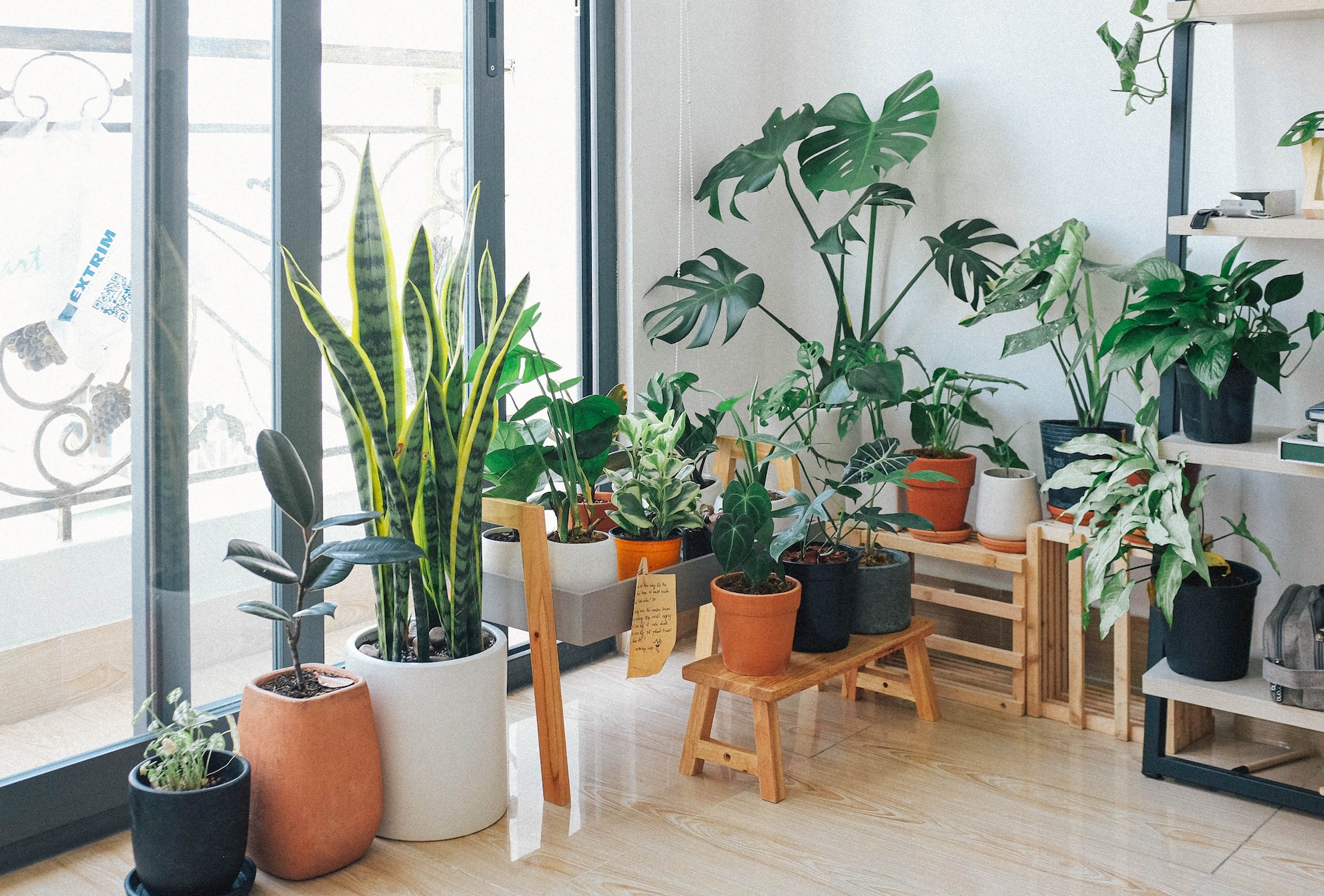
8 Incredible Indoor Garden Ideas

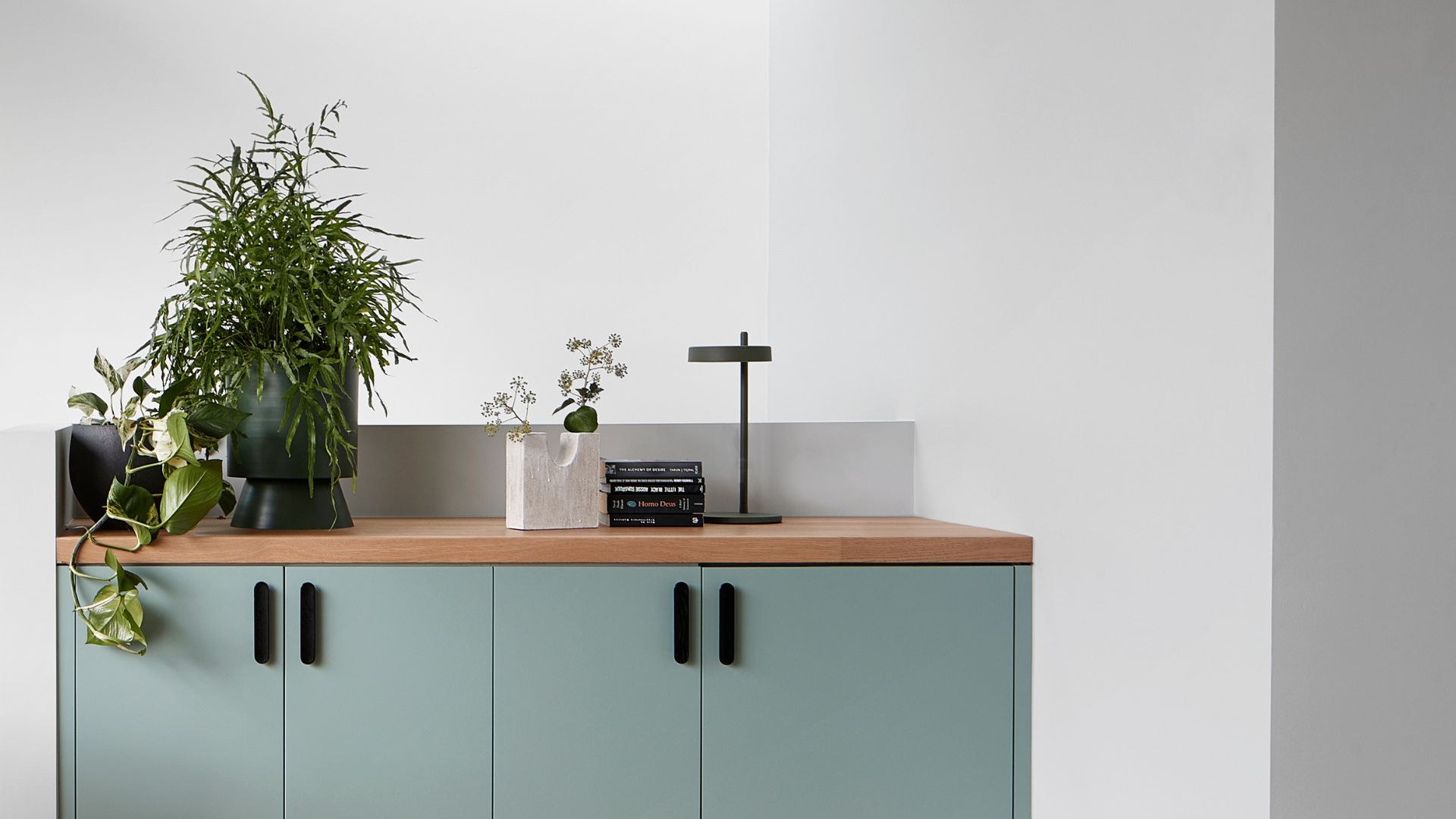
7 Pothos Varieties — Devilishly Design-Friendly Houseplants And How You Can Display Them

12 easy indoor plant styling tips


Craig's secret weapon for helping his indoor plants look their best

19 simple garden ideas for every style, size and budget
13 Gorgeous Shade Garden Plans to Turn Your Yard into an Oasis

11 beautiful ideas for awkward-shaped gardens
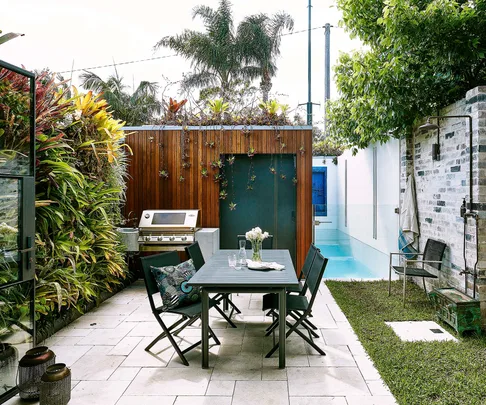
Efficient worker: courtyard landscape design
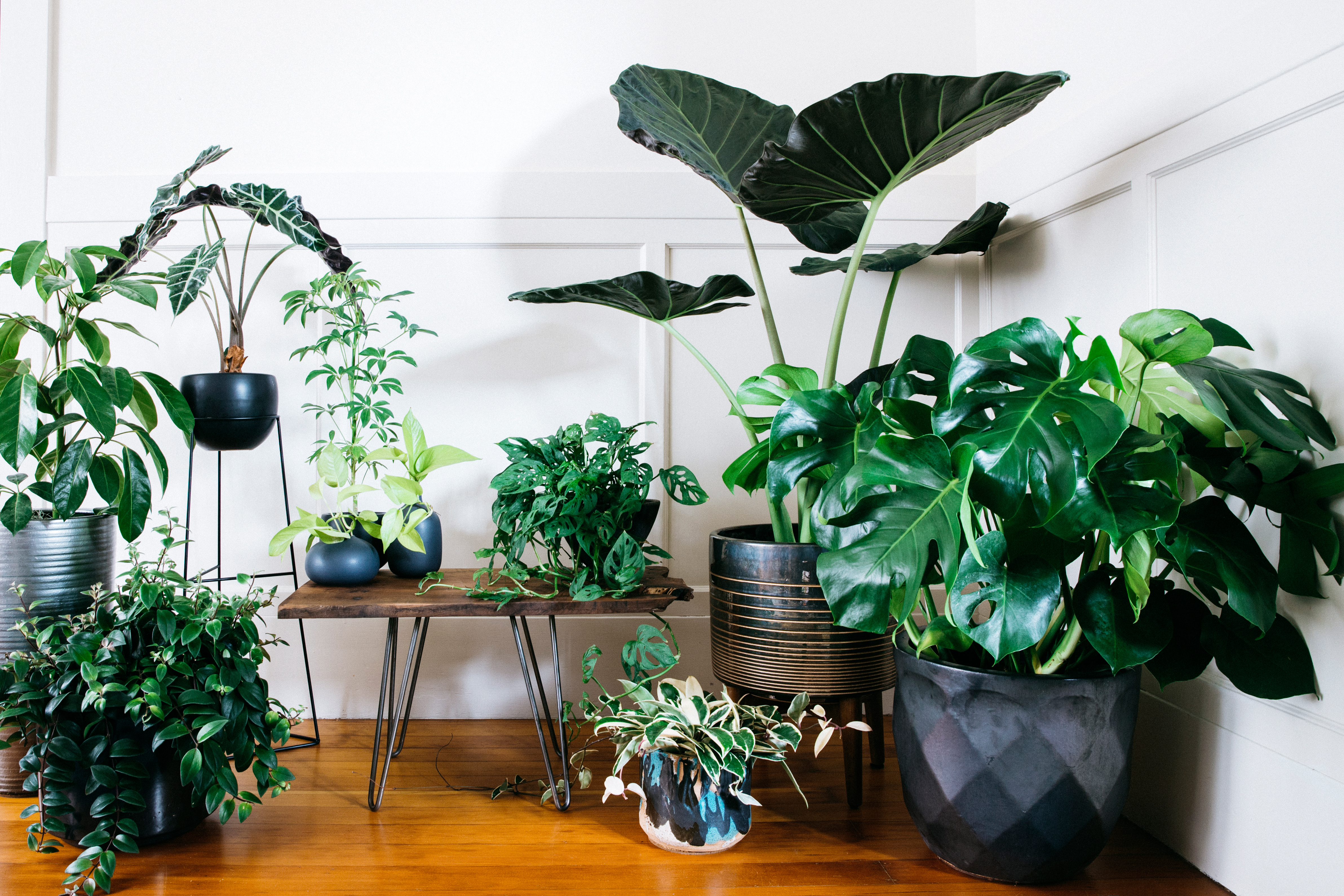
19 Ways to Design with Houseplants

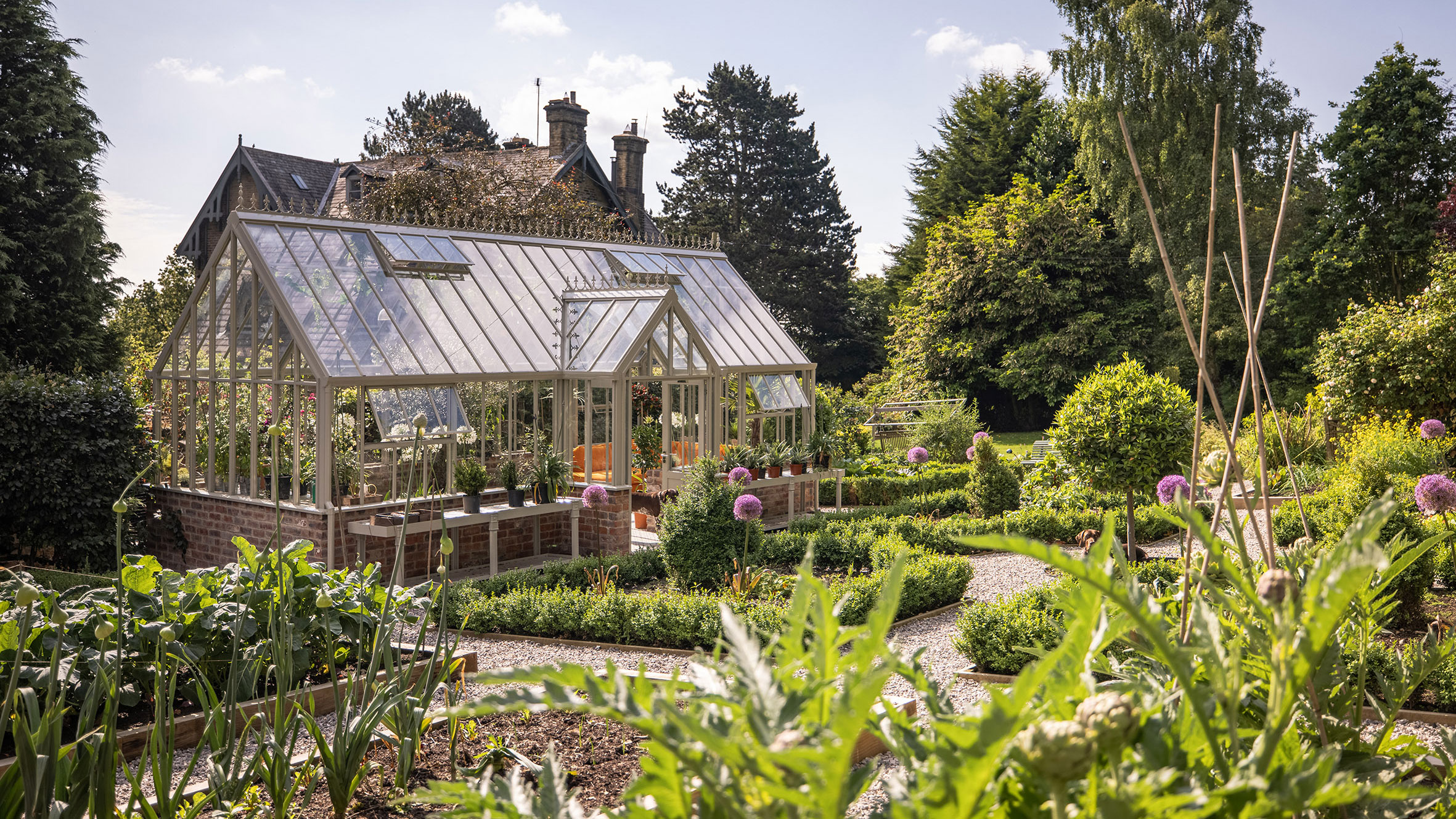
Greenhouse ideas – 19 glasshouse design tips for gardens of all sizes
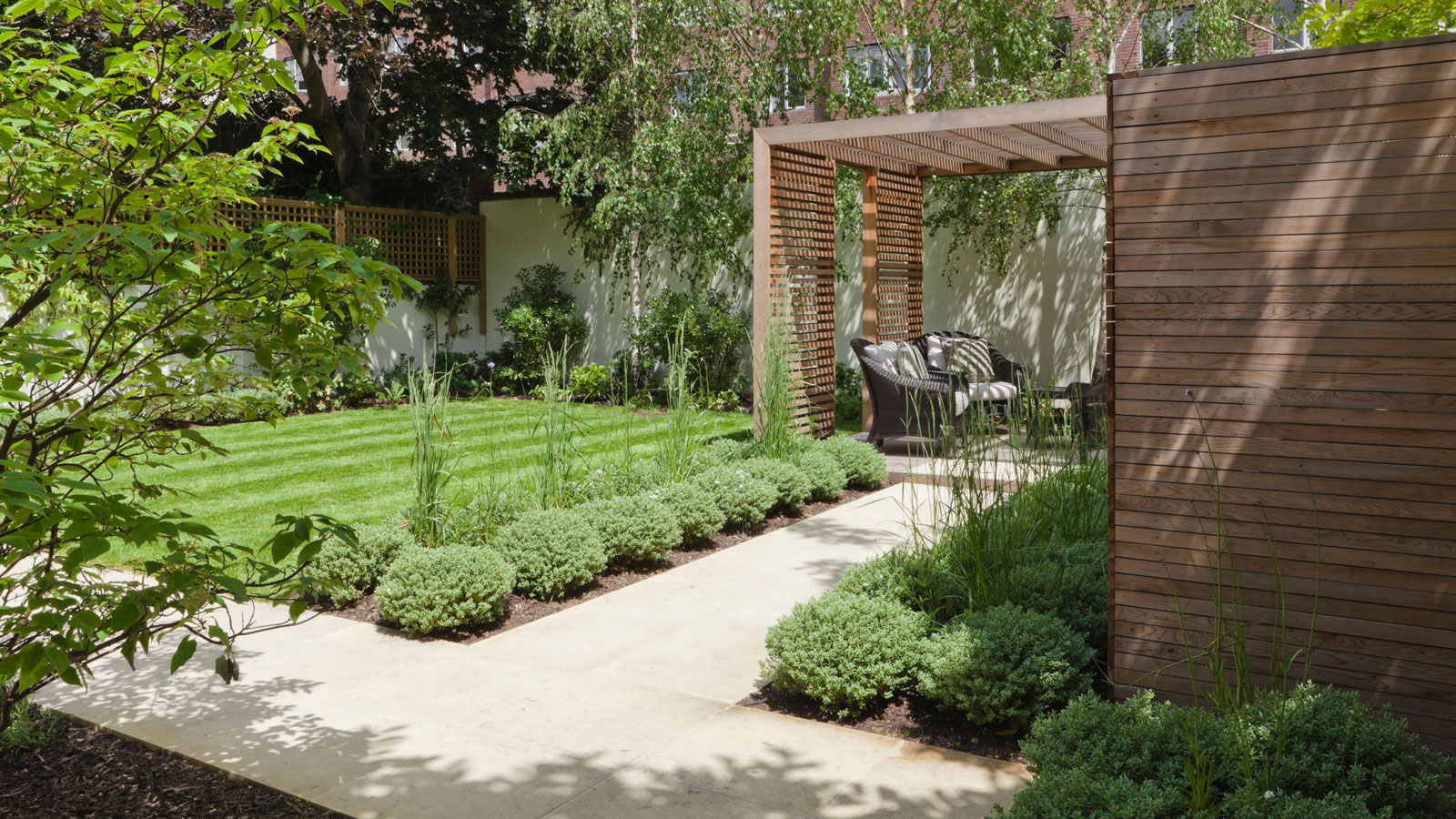
L-shaped garden ideas to help you create a visually pleasing space
Garden decorating ideas – 24 ways to update your backyard
'It mimics nature's randomness' - this simple gardening trick is how landscape designers make a backyard look more put together

Start Planning Your Ideal Garden with These Garden Plans and Ideas
15 garden design styles that will stand the test of time

Garden Design Ideas, 2024