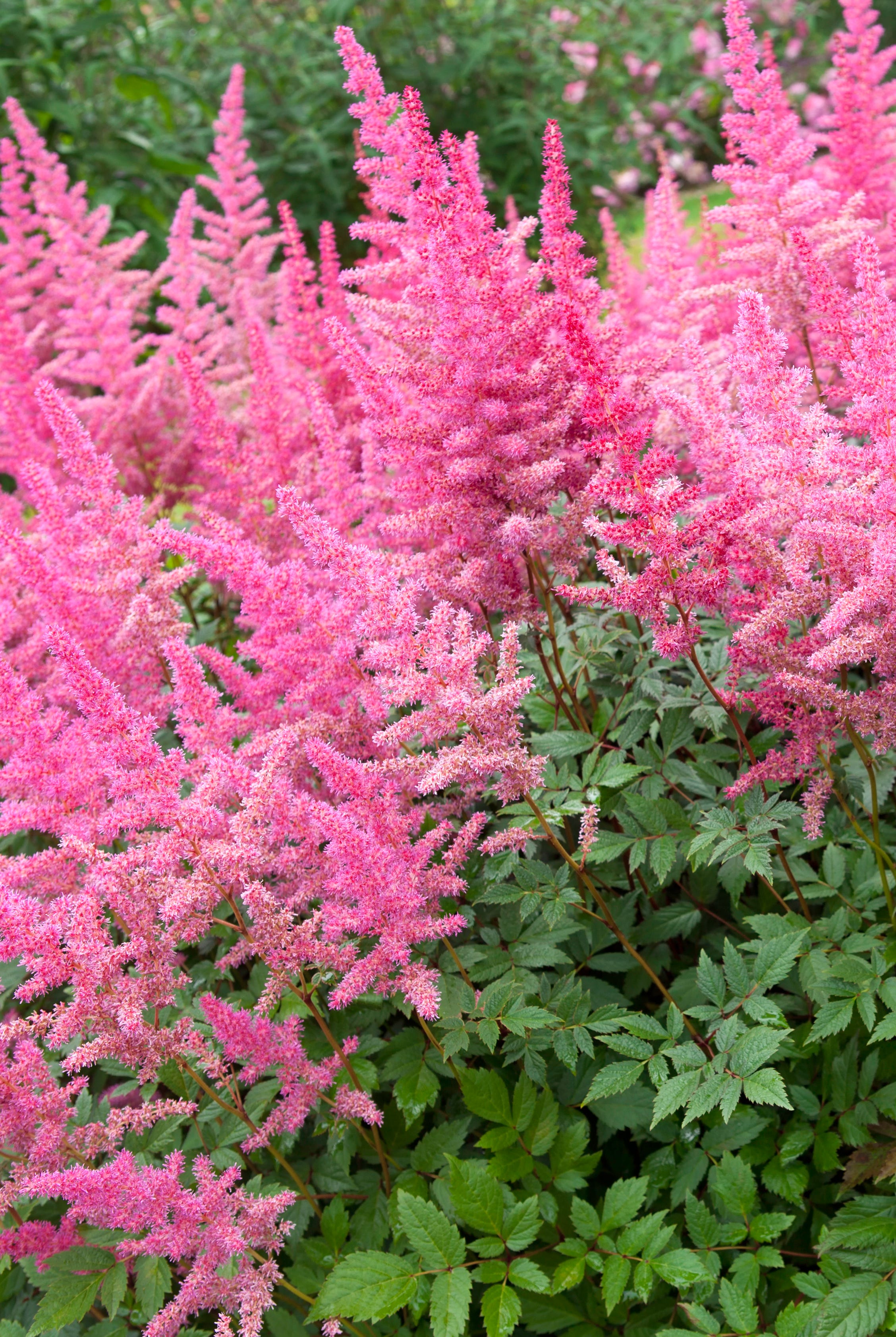
1/21
The ONLY Plants That Can Outshine the Summer Sun
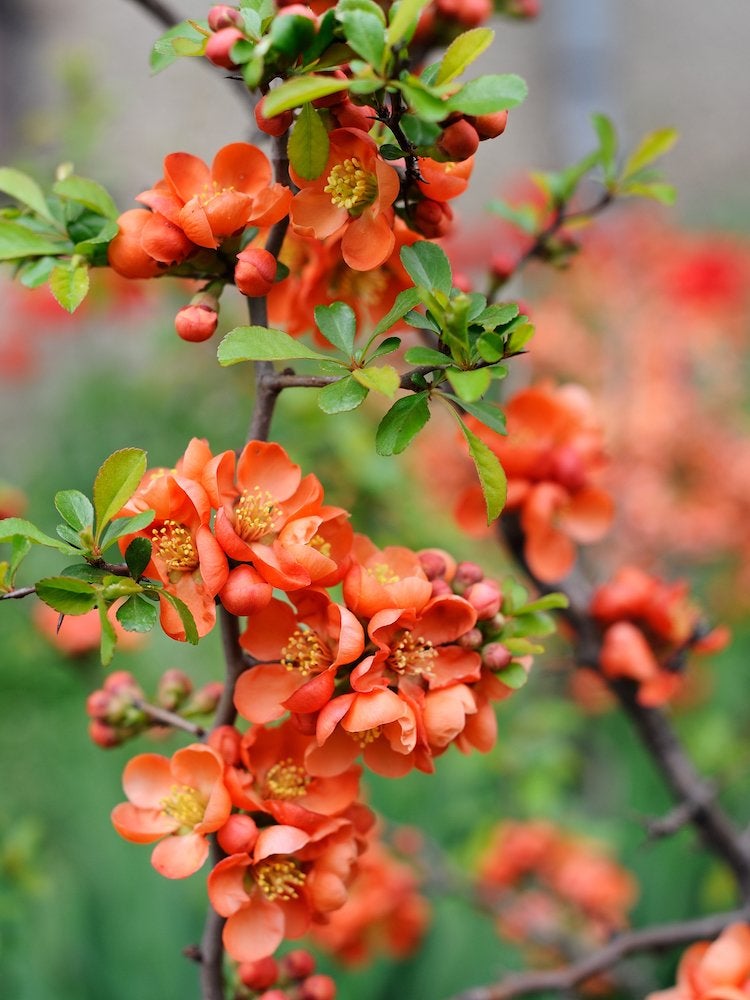
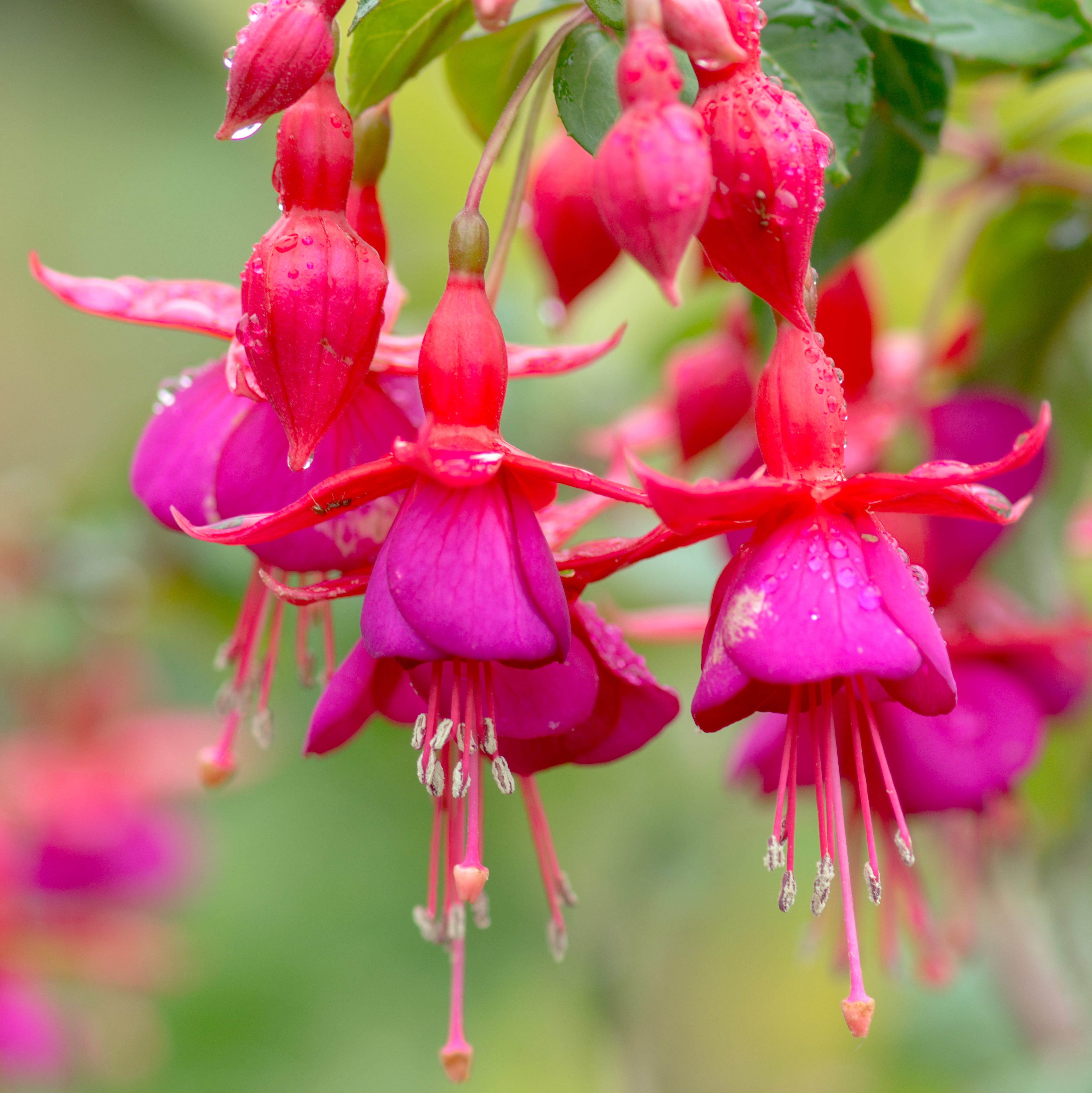
This article highlights a selection of 27 vibrant plants that thrive in full sunlight and high summer temperatures, making them ideal for gardens in warmer climates. It emphasizes that while many people and plants wilt in intense heat, certain species not only tolerate but flourish under such conditions, similar to how areas in the Southwest maintain lushness despite triple-digit temperatures. The piece aims to guide gardeners in choosing beautiful, easy-to-maintain flowers and foliage that resist wilting when exposed to hot sun, provided proper care is given.
The article begins by addressing common questions regarding full-sun plants, such as the easiest flowers to grow in full sun. It identifies Black-eyed Susans and Zinnias as particularly easy due to their adaptability to various well-draining soil types and drought resistance. For example, Black-eyed Susans are North American native wildflowers beloved by pollinators, growing best in USDA Hardiness Zones three to nine. They require watering at the soil level to prevent fungal diseases. Zinnias, described as vibrant annuals, prefer rich, well-draining soil and six to eight hours of sunlight daily, though they can be challenging to transplant after starting indoors.
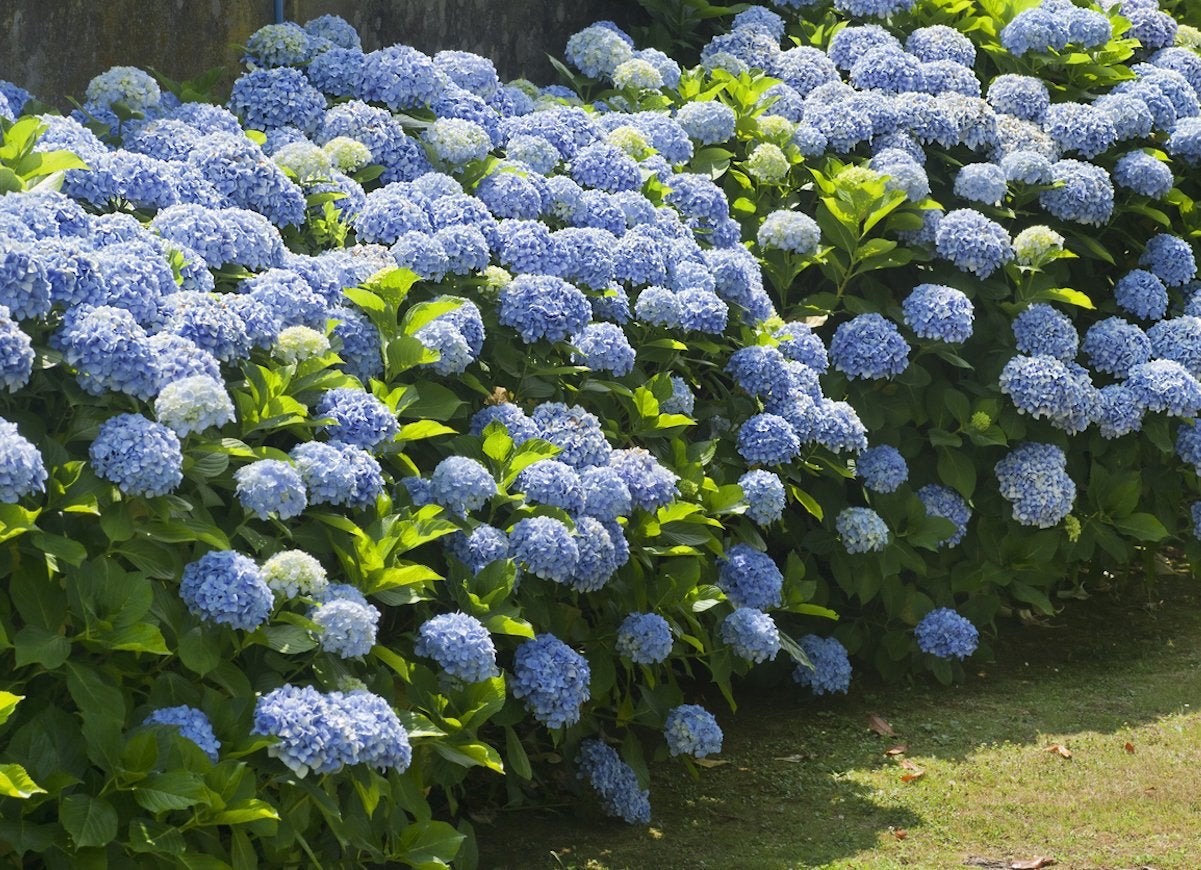
Another key question tackled is whether hydrangeas can grow in full sun. While most hydrangeas prefer morning sun, the article specifies that panicle hydrangeas are an exception, capable of withstanding bright light and heat, especially in the Southern United States, provided their soil remains consistently moist. The importance of proper watering for full-sun plants is underscored, with expert Paris Lalicata from The Sill explaining that these plants use more water to create food and prevent overheating. Lalicata advises watering in the early morning and evening to minimize evaporation, noting that perennial full-sun plants need extra water to strengthen their root systems for re-blooming in subsequent years. Gardeners are also reminded to check their USDA Plant Hardiness Zone to ensure perennials can survive the winter.
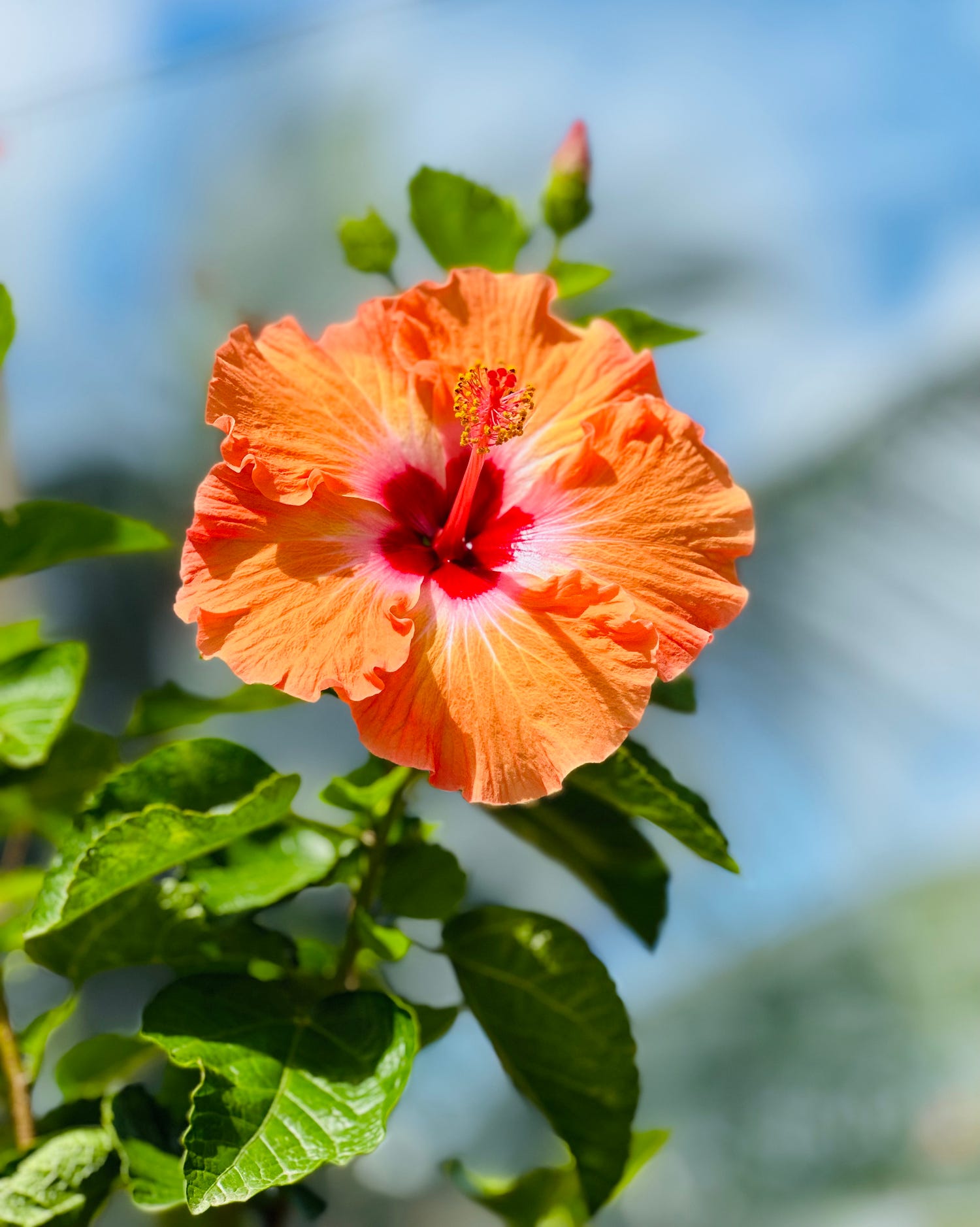
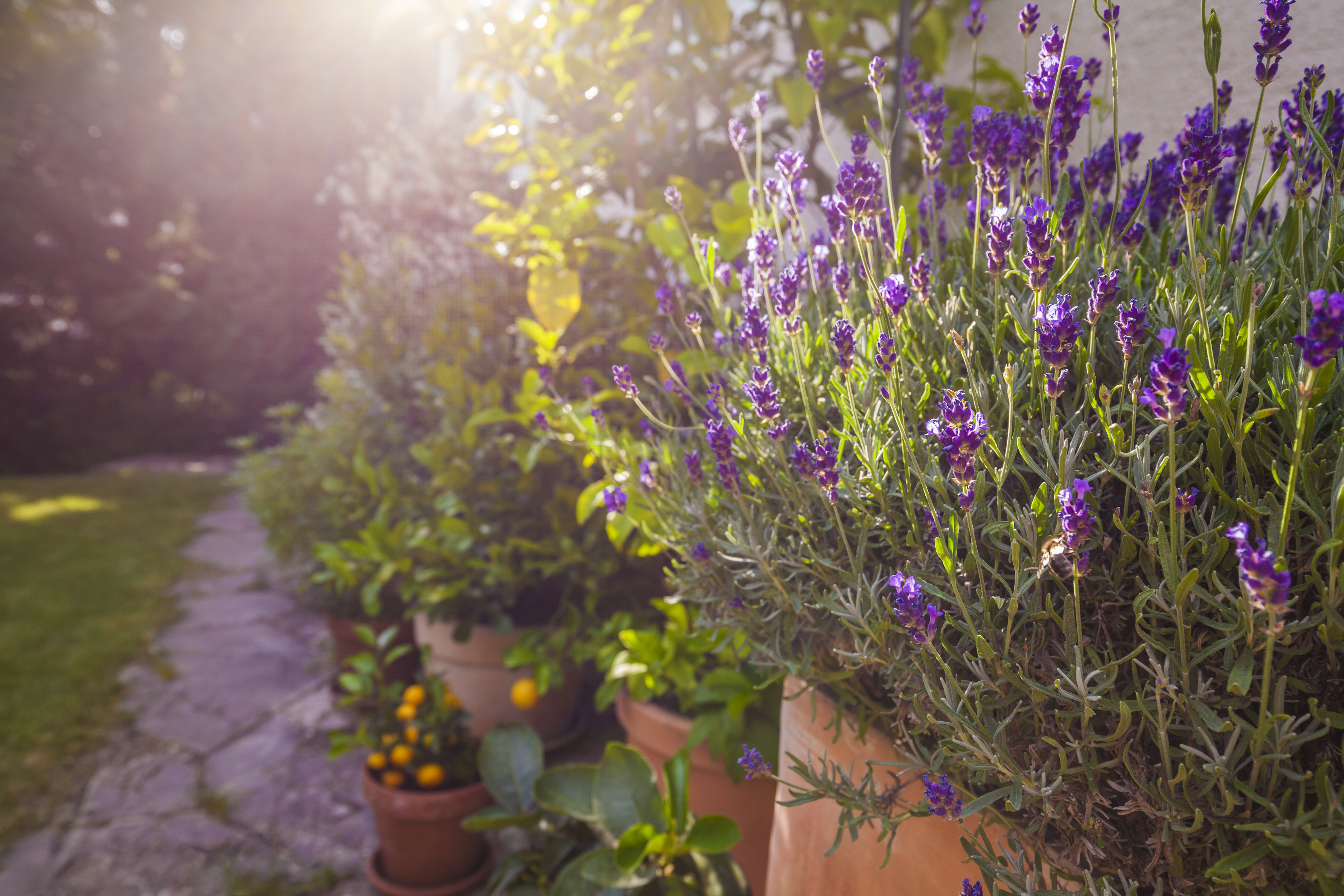
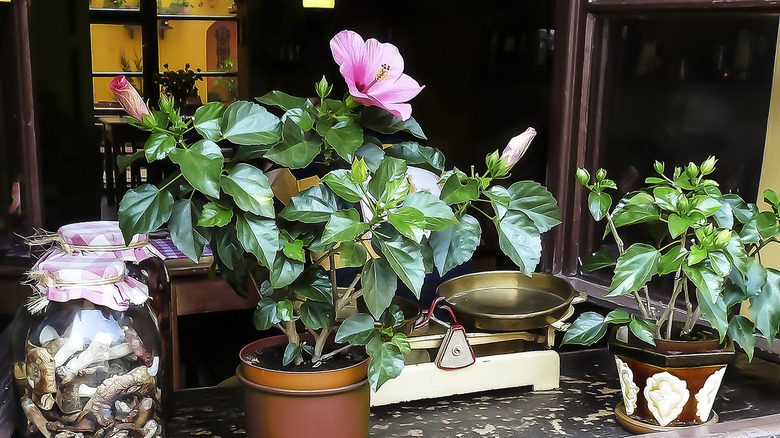
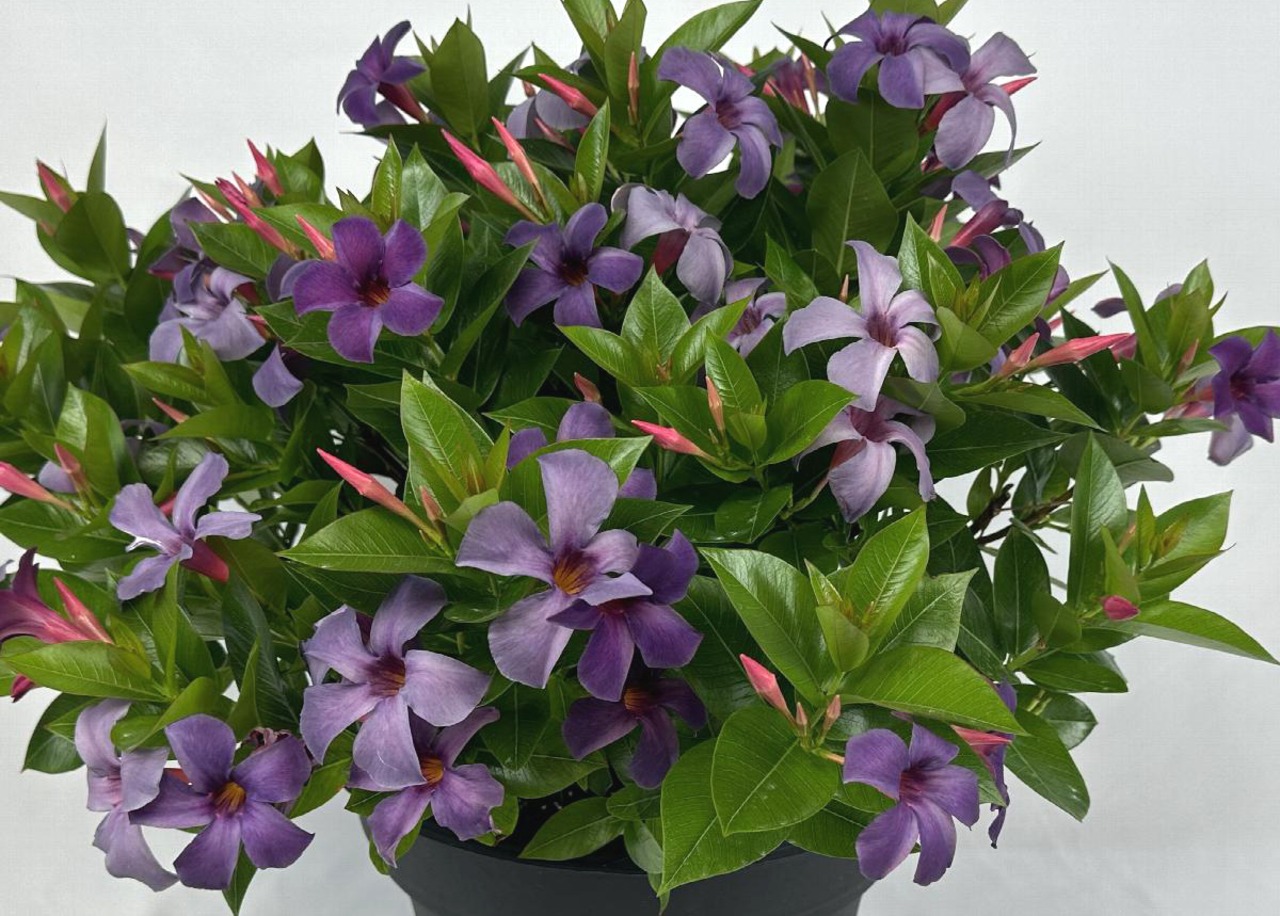
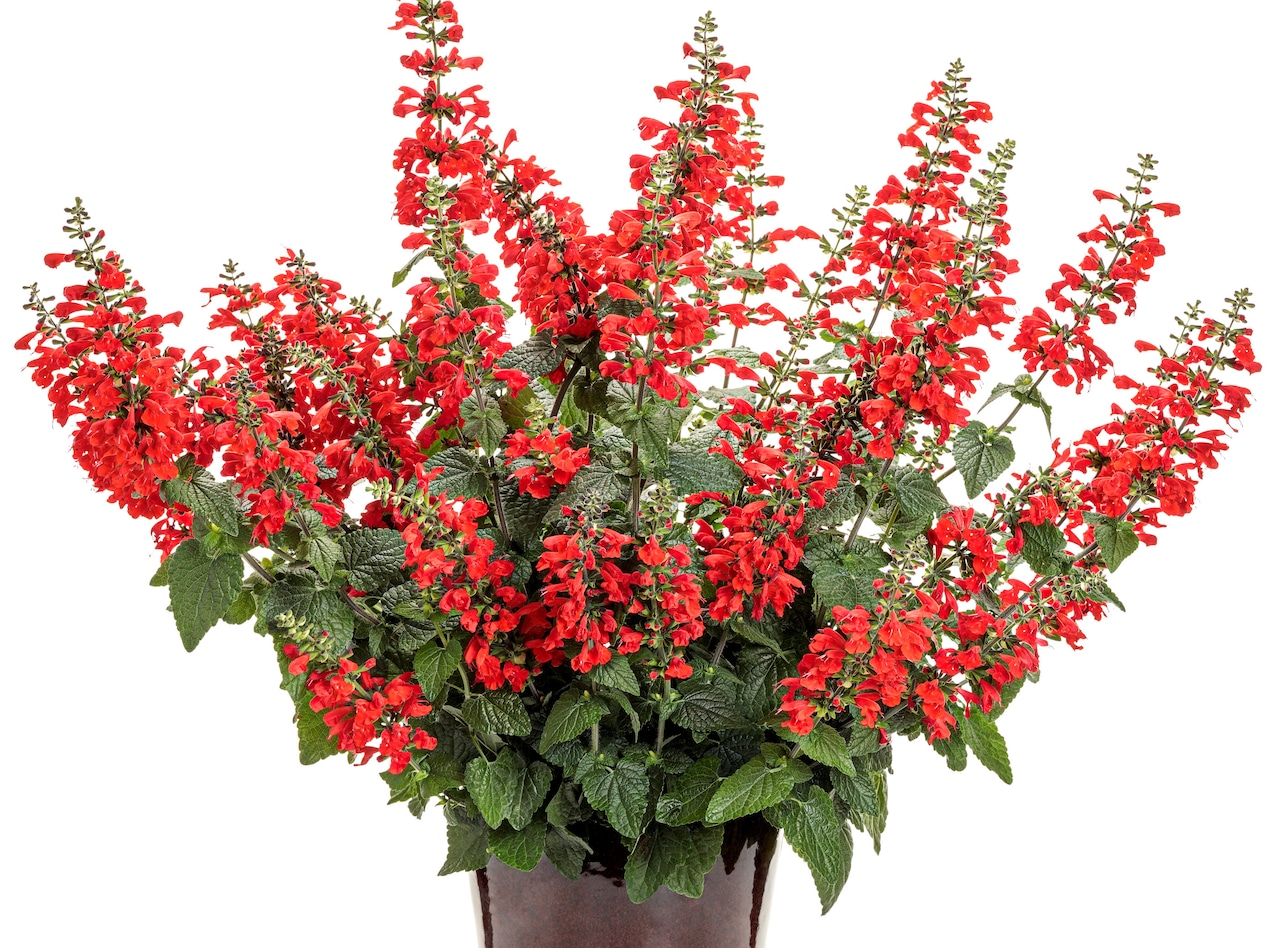
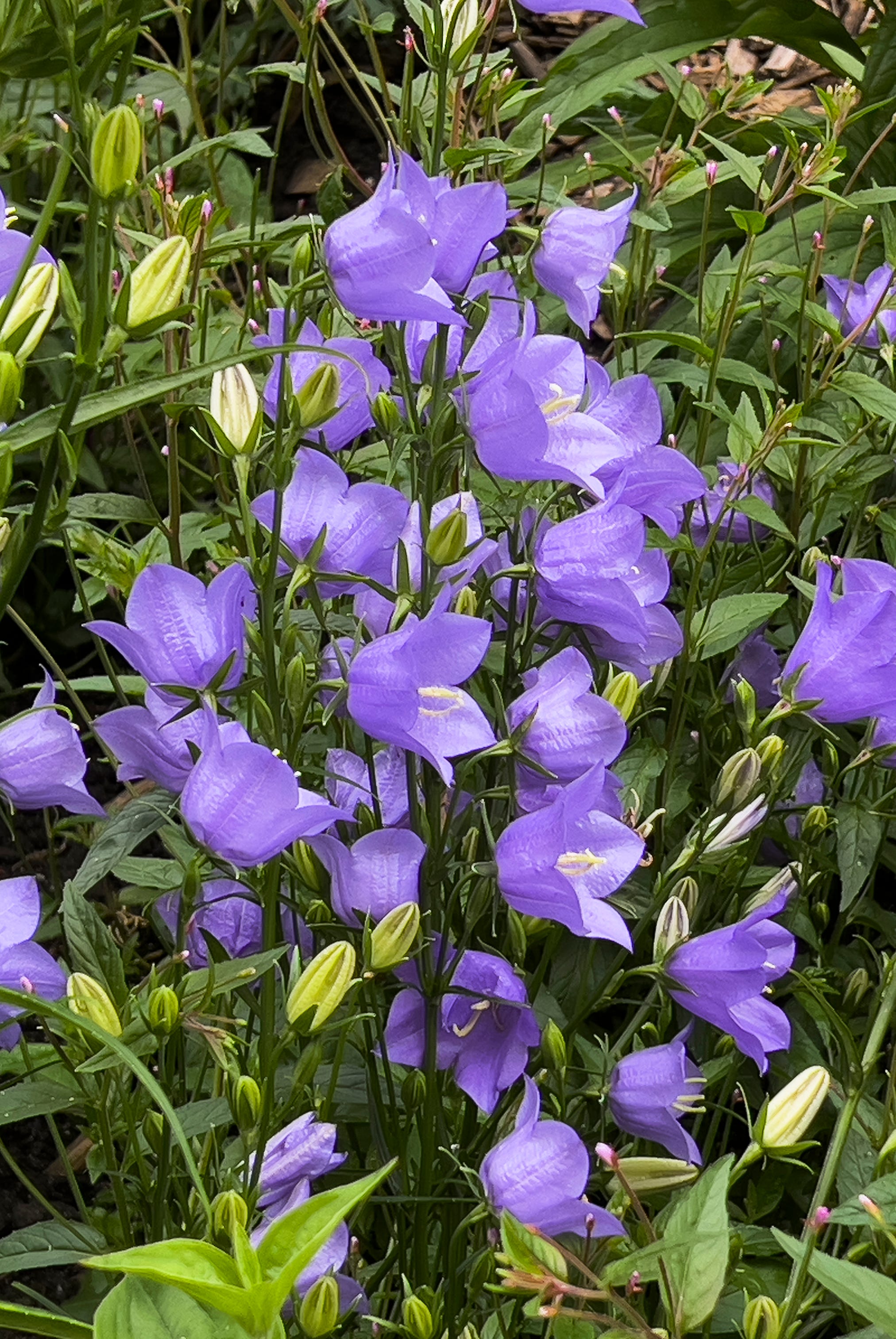
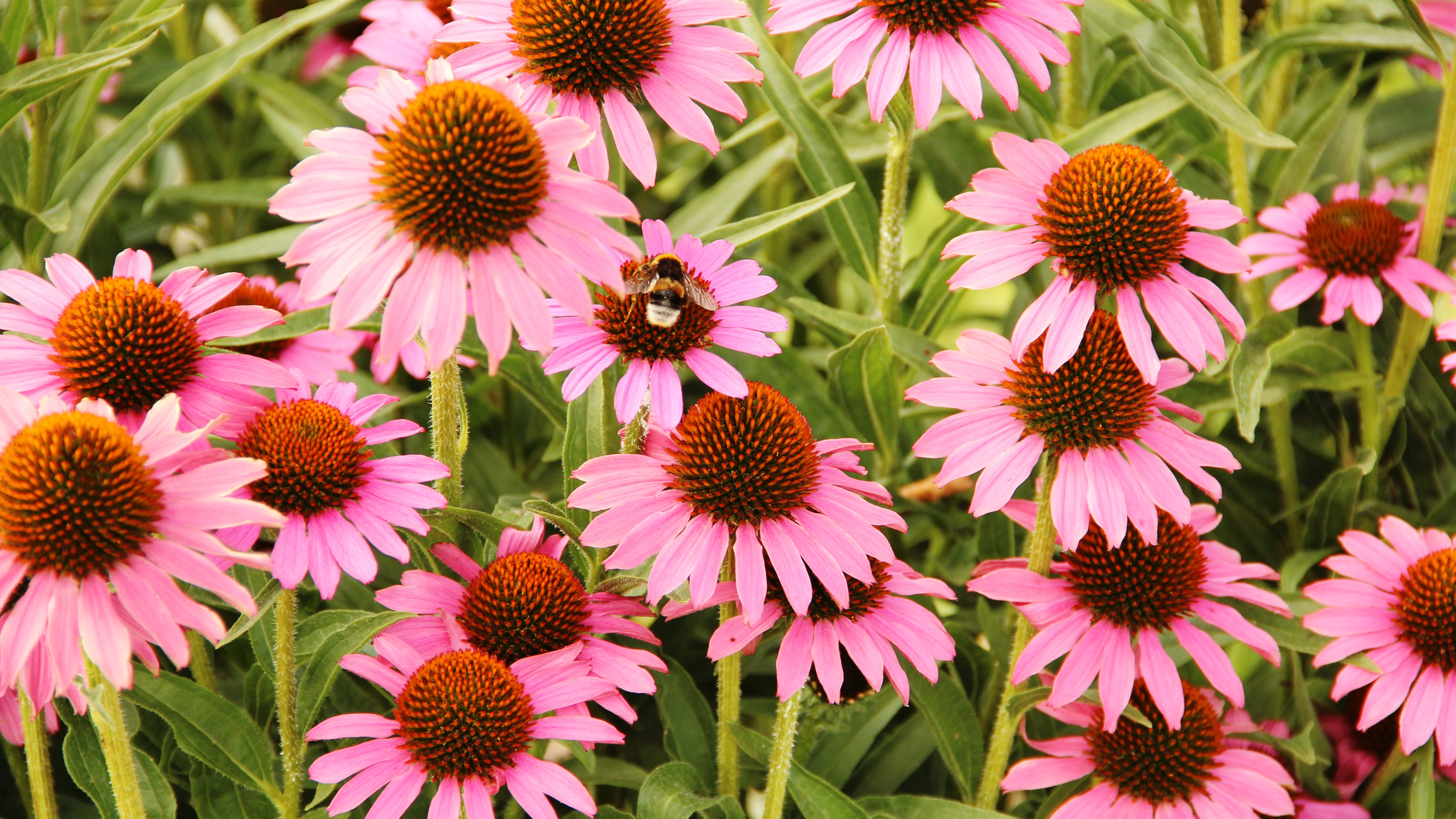
For those interested in growing full-sun plants indoors, the article clarifies that only clear, unobstructed, south-facing windows typically offer sufficient light. Otherwise, the use of grow lights is recommended as an effective substitute for natural sunlight, especially during winter months. Modern grow lights are designed to mimic sunlight and stimulate plant growth, requiring measurement to ensure they provide 800 to 1000 foot-candles, similar to direct sunlight. The piece then details various heat-tolerant plants, including Agapanthus (Lily of the Nile), Mandevilla, Fan Flower, Sweet Potato Vine, Catmint, Russian Sage, Daylily, Lavender, Dichondra, Salvia, Petunia, Coneflower, Calibrachoa, Caladium, Hibiscus, Pentas, Ageratum, and Penstemon, providing brief descriptions of their characteristics, care requirements, and ideal growing conditions.
#Gardening #HeatTolerantPlants #FullSunPlants #SummerGardening #PlantCare #OutdoorPlants #Perennials #Annuals #LandscapeDesign #Gardening #HeatTolerantPlants #FullSunPlants #SummerGardening #PlantCare #OutdoorPlants #Perennials #Annuals #LandscapeDesign
0 comment in total
 No comments yet
You may also like
These 25 Plants Don’t Need Sun to Serve Looks

Hey, Gardeners! Plant These Summer Flowers for a Bright and Beautiful Yard

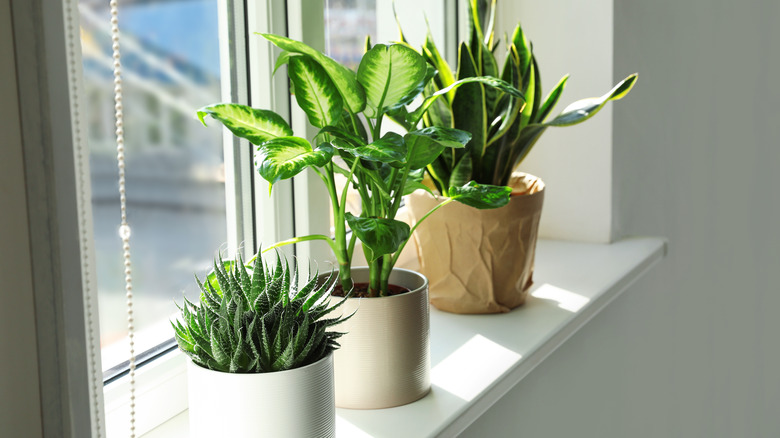
15 Plants Perfect For A South-Facing Window
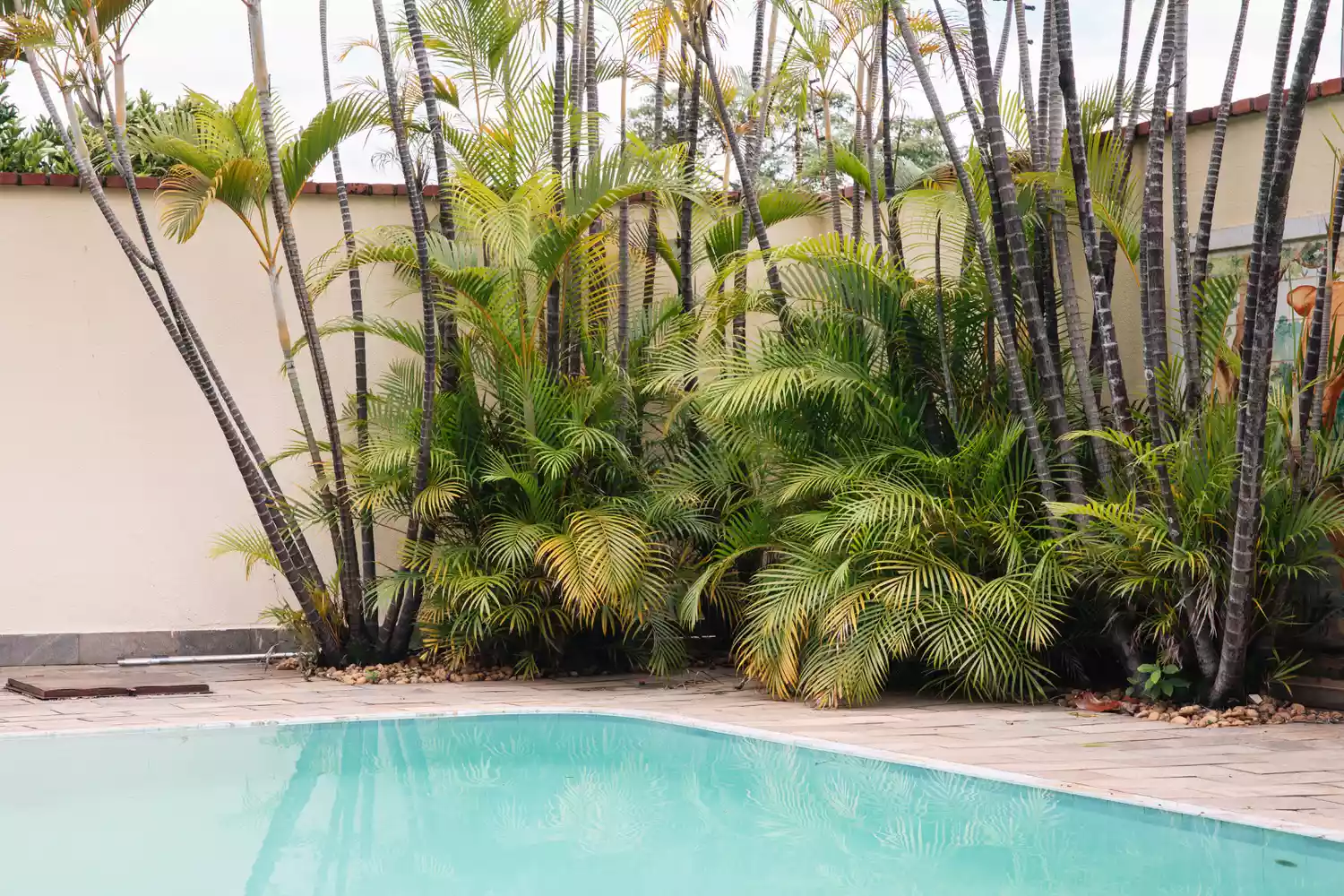
18 Poolside Plants That Will Make Your Landscape Look Like Paradise
8 indoor plants that thrive in indirect or low sunlight

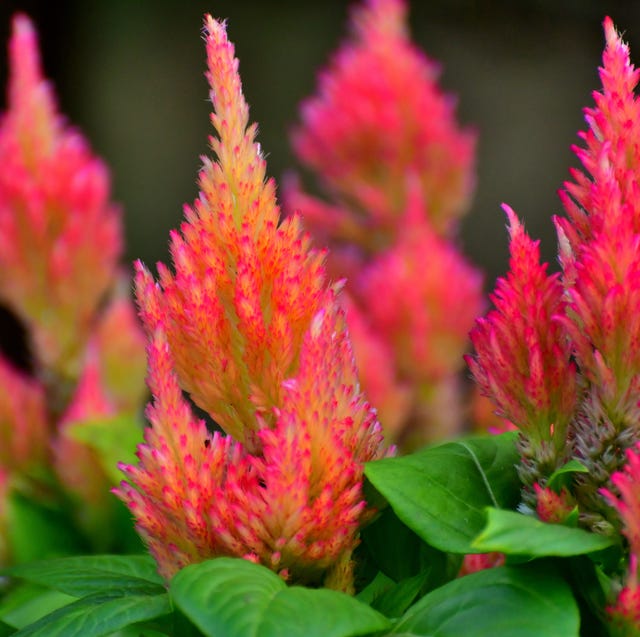
It's Gardening Time! We Found the Best Summer Flowers for Your Yard

Blue to Purple Perennial Flowers
Best indoor plants for direct sunlight – 7 top choices for sunny spots in your home

25 Shade-Loving Plants for Where the Sun Don’t Shine

8 Beautiful Plants We Love to Add Color and Texture to Your Yard

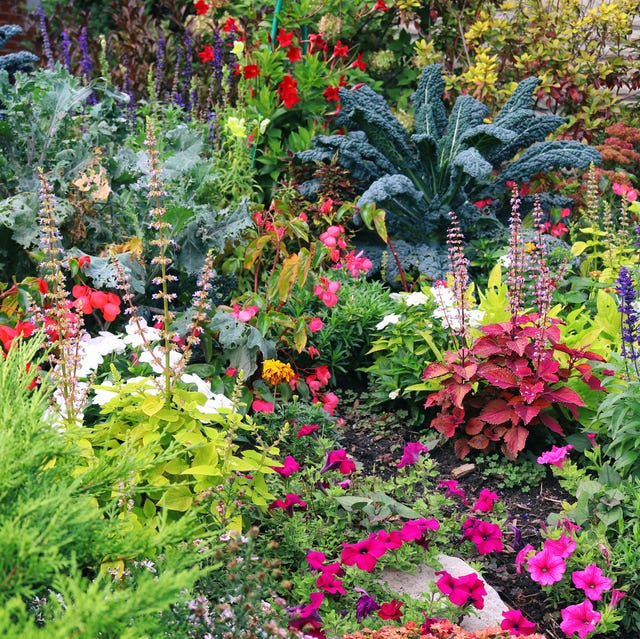
These Are the Best Shade-Loving Flowers and Plants for Your Yard
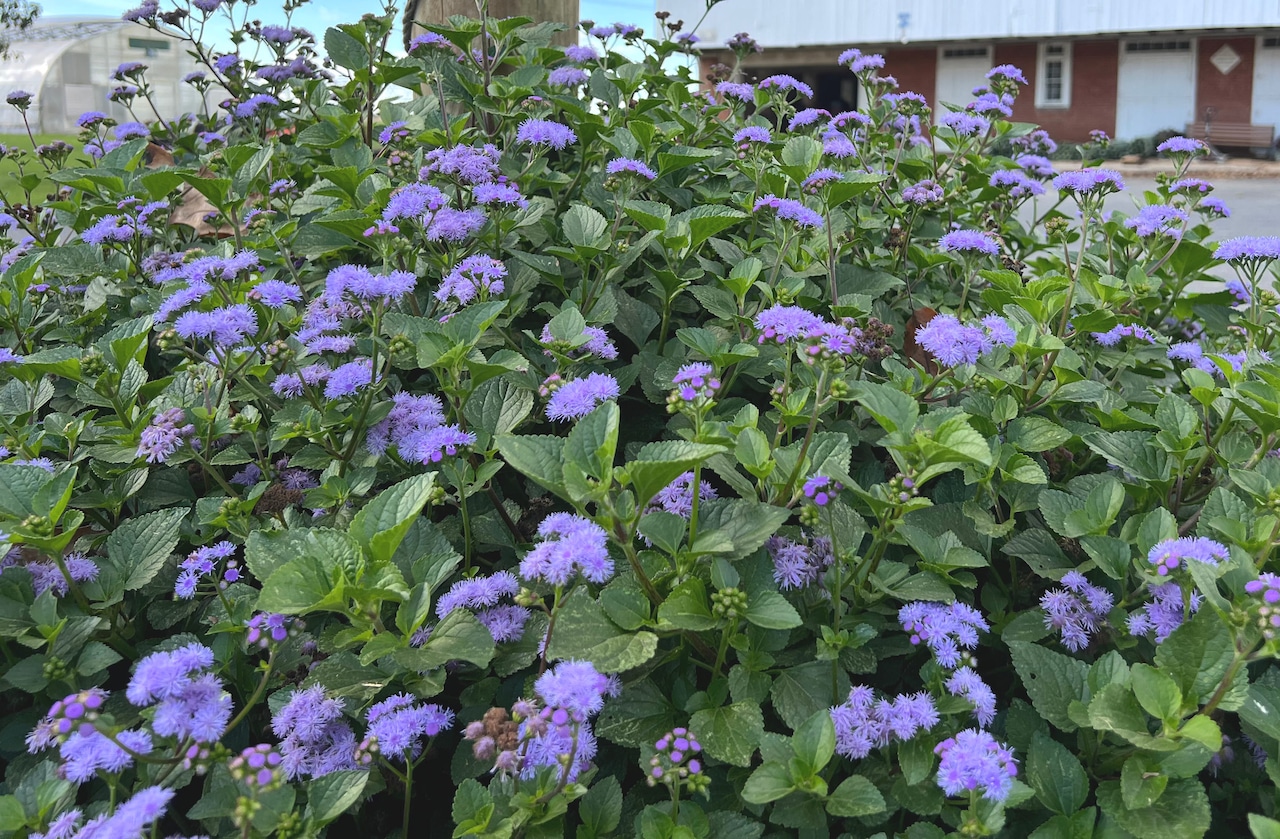
The best new annual flowers of 2025

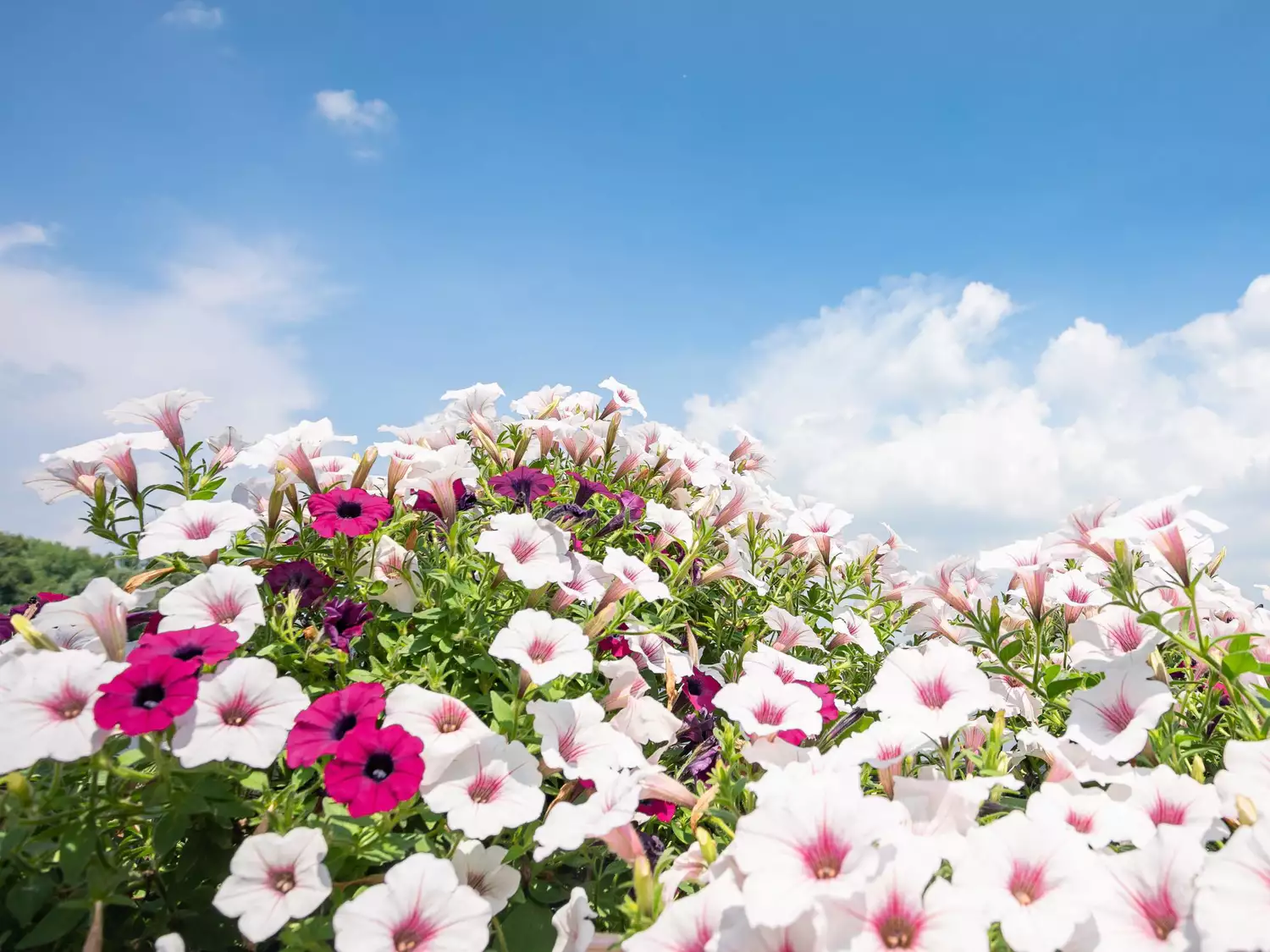
18 Plants That Will Naturally Keep Your Garden Bug-Free This Summer

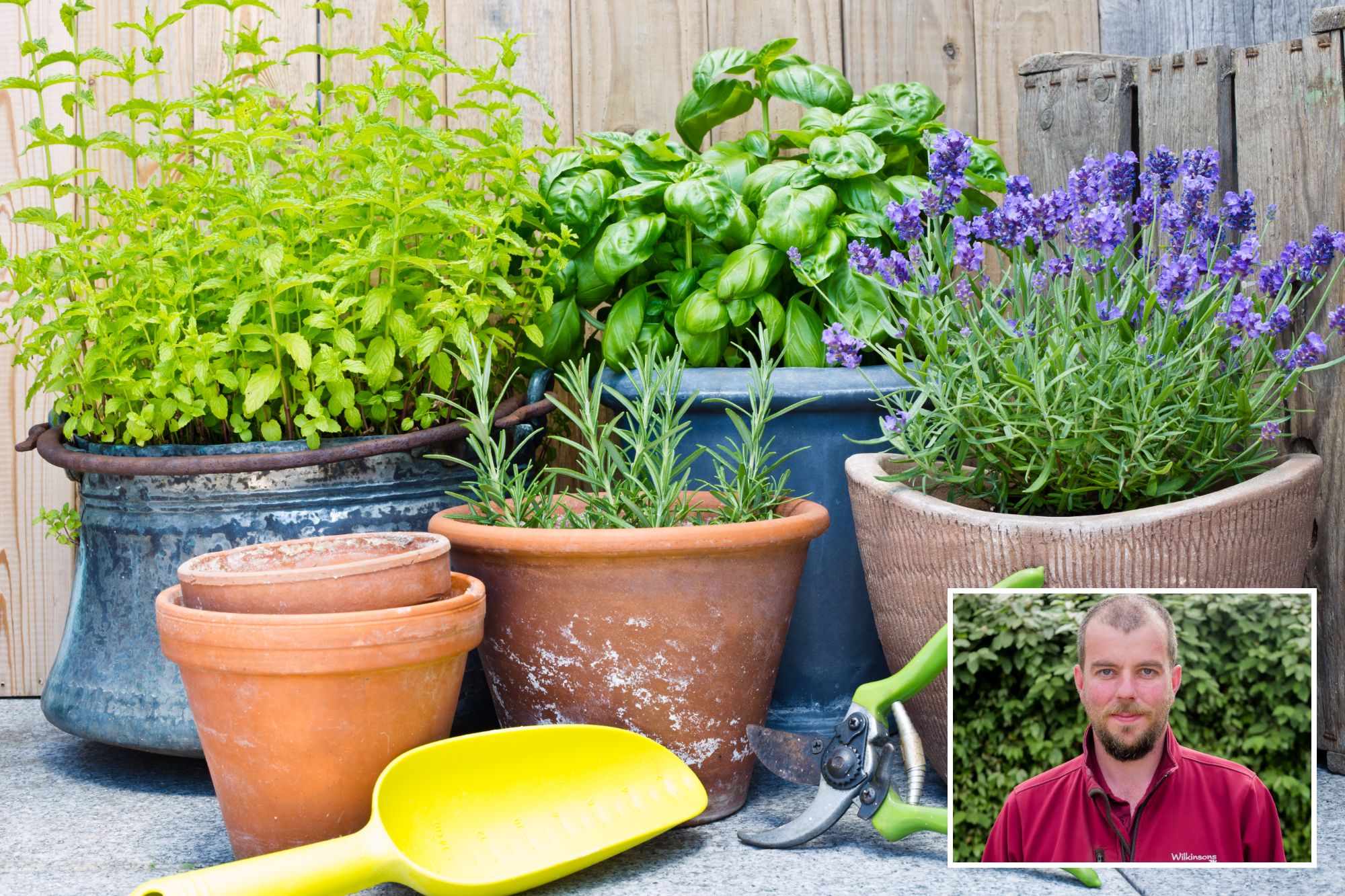
I'm a landscaping expert advice - here's the five plants you NEED to keep pesky insects away this summer


These 30 Low-Light Houseplants Refuse to Die in Dim Conditions

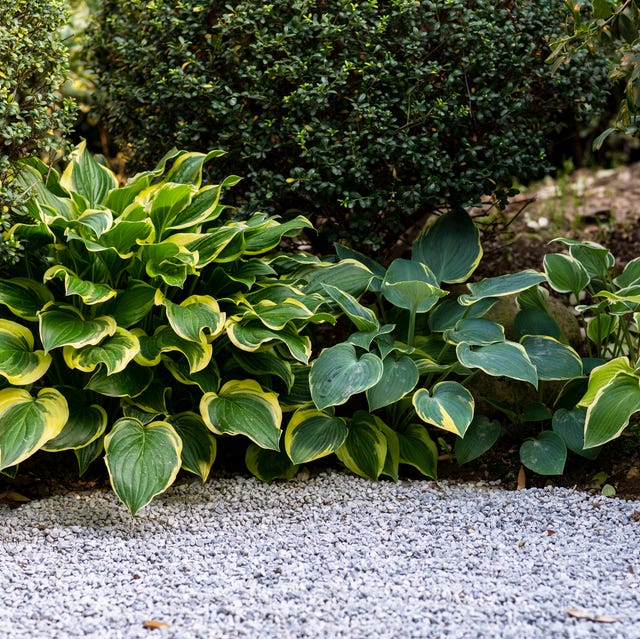
We Found The Best Perennials For Your Garden’s Shadiest Spots
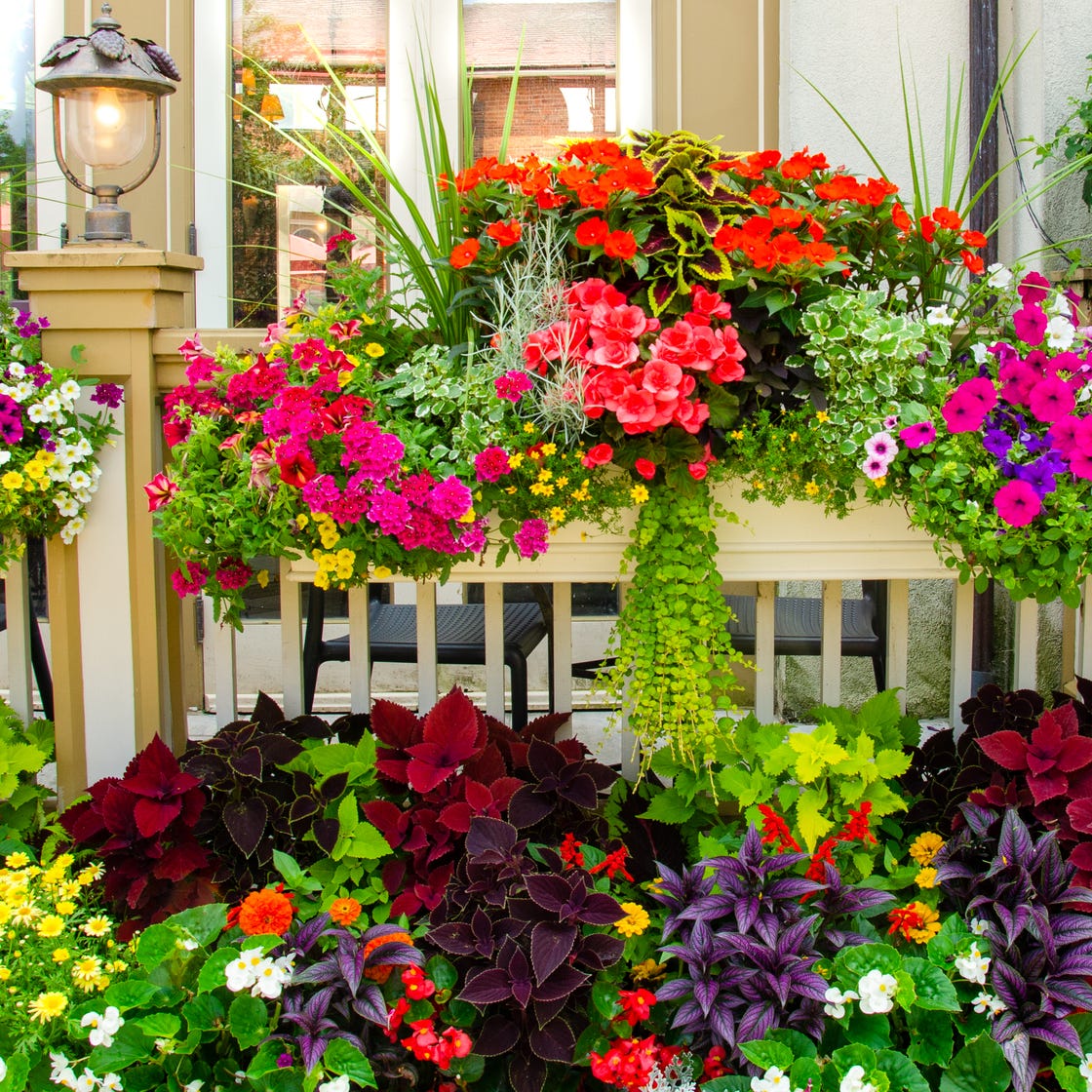
We Discovered the BEST Outdoor Patio Plants That'll Brighten Up Your Home All Summer Long
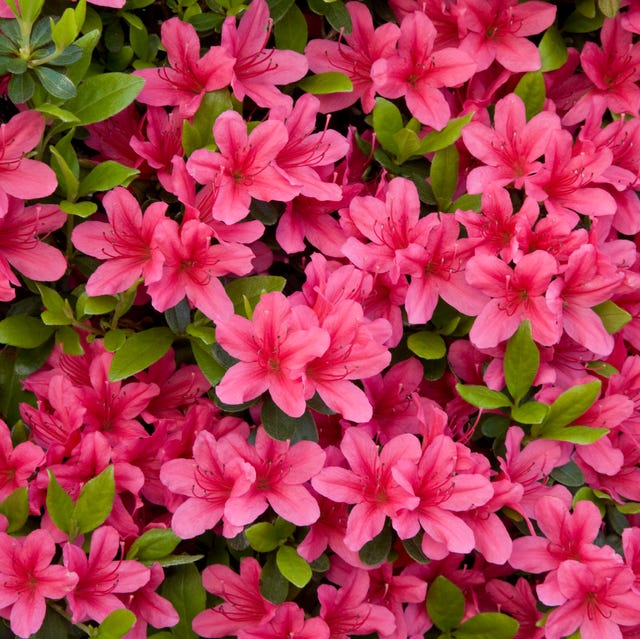
Plant These Flowering Shrubs Today If You Want a Vibrant Summer Yard
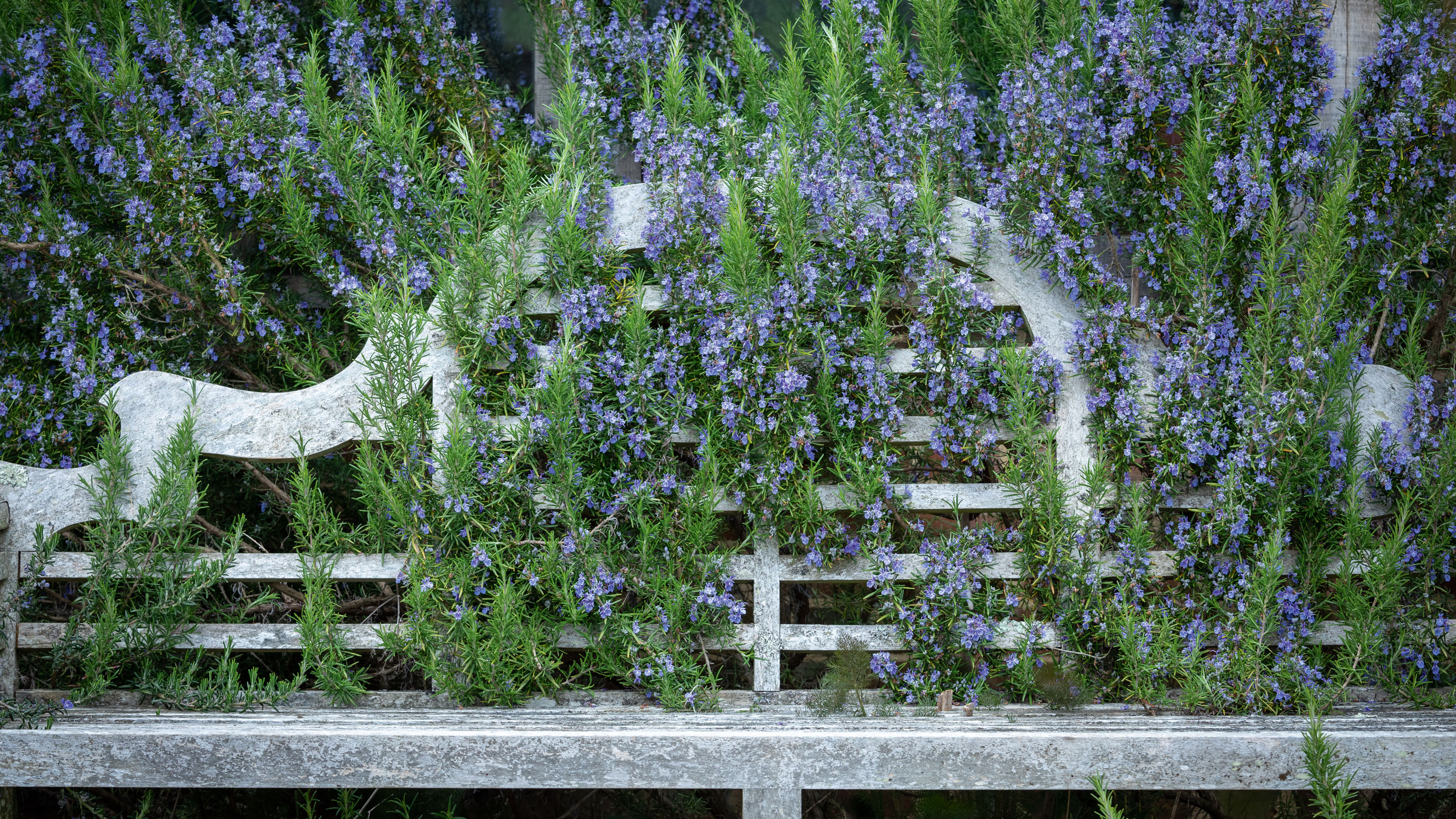
Drought tolerant plants - Sarah Raven's top tips for sunny spots
Add These Shade-Loving Plants To Your Containers For Covered Porches