18 Plants That Will Naturally Keep Your Garden Bug-Free This Summer
Spending extended periods outdoors during summer evenings often necessitates effective bug and mosquito control. While commercial repellents are available, integrating specific plants into outdoor spaces offers an aesthetic and functional solution. This article, drawing on insights from garden lifestyle expert Carmen Johnston and lifestyle experts Peyton and Chris Lambton, details 18 plants known for their bug-repelling properties, providing practical advice on their cultivation and specific pest deterrence.
Citronella Grass is highlighted as a primary mosquito repellent, deriving its effectiveness from the pungent oil used in citronella candles. It thrives in sunny, warm conditions and requires infrequent watering, making it suitable for container gardening and centerpieces.
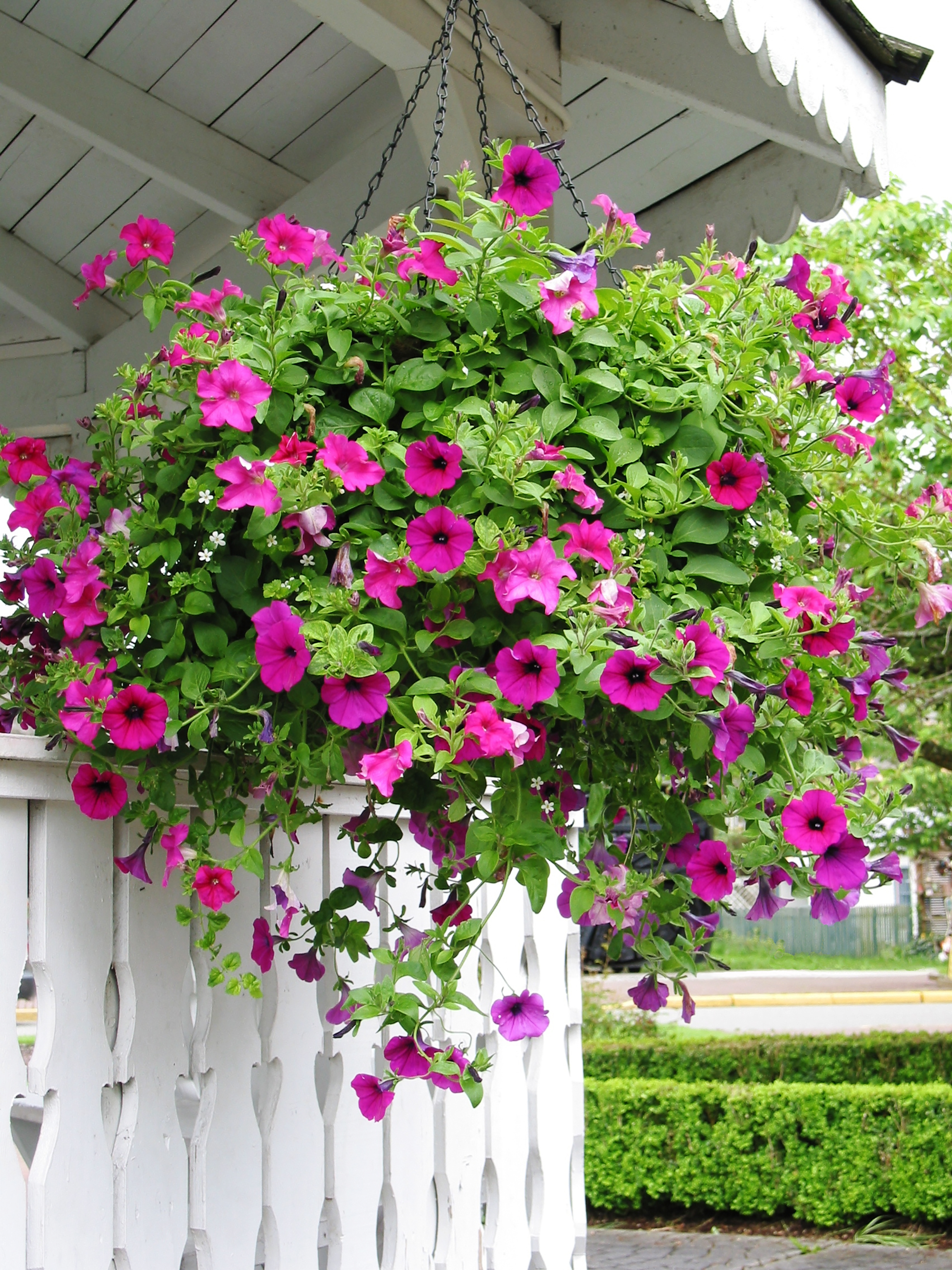
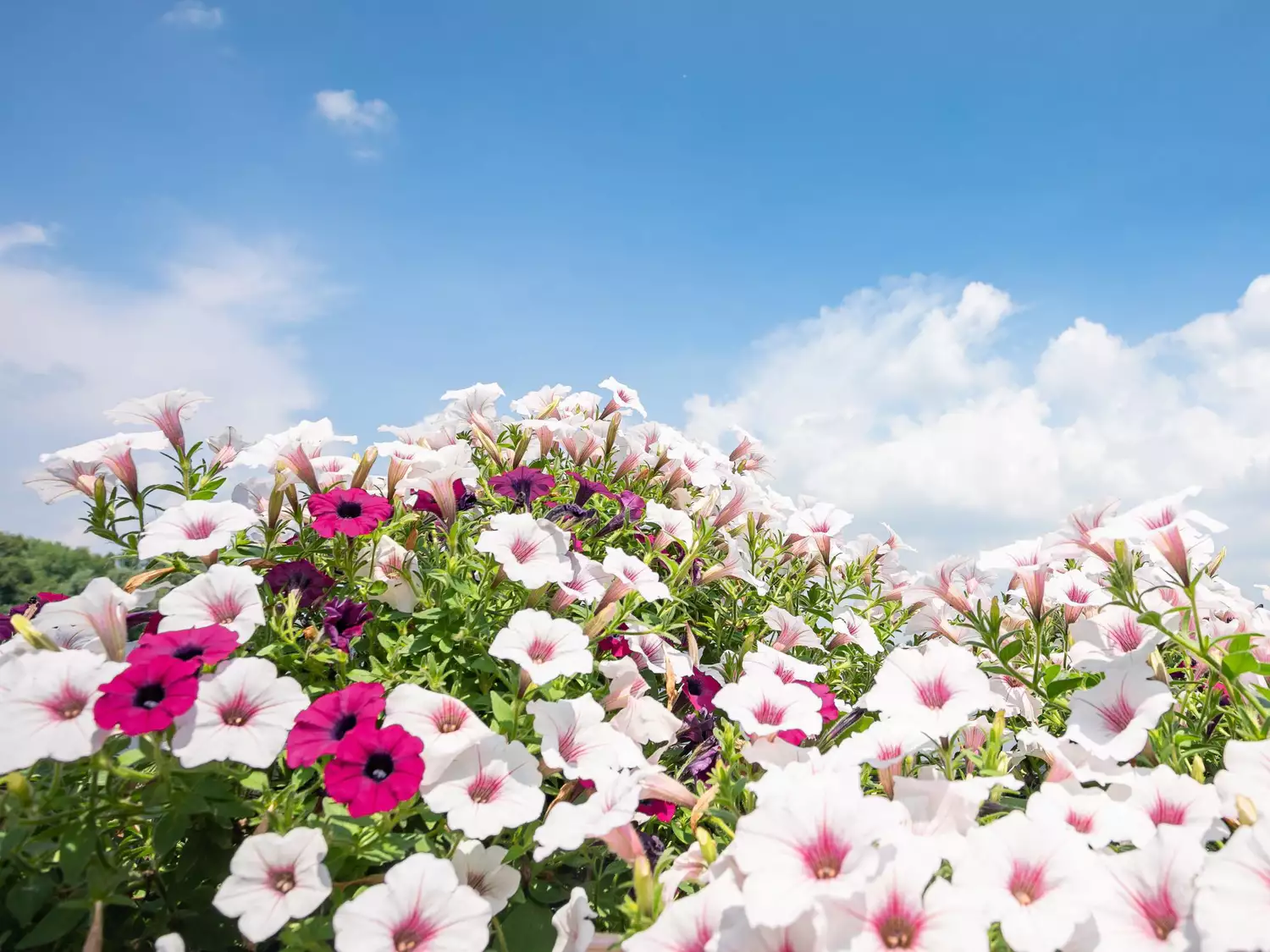
Petunias, dubbed "nature's pesticide," are effective against various garden pests like aphids and tomato hornworms. These easy-to-grow flowers prefer full sun and well-drained soil, tolerating drought and heat.
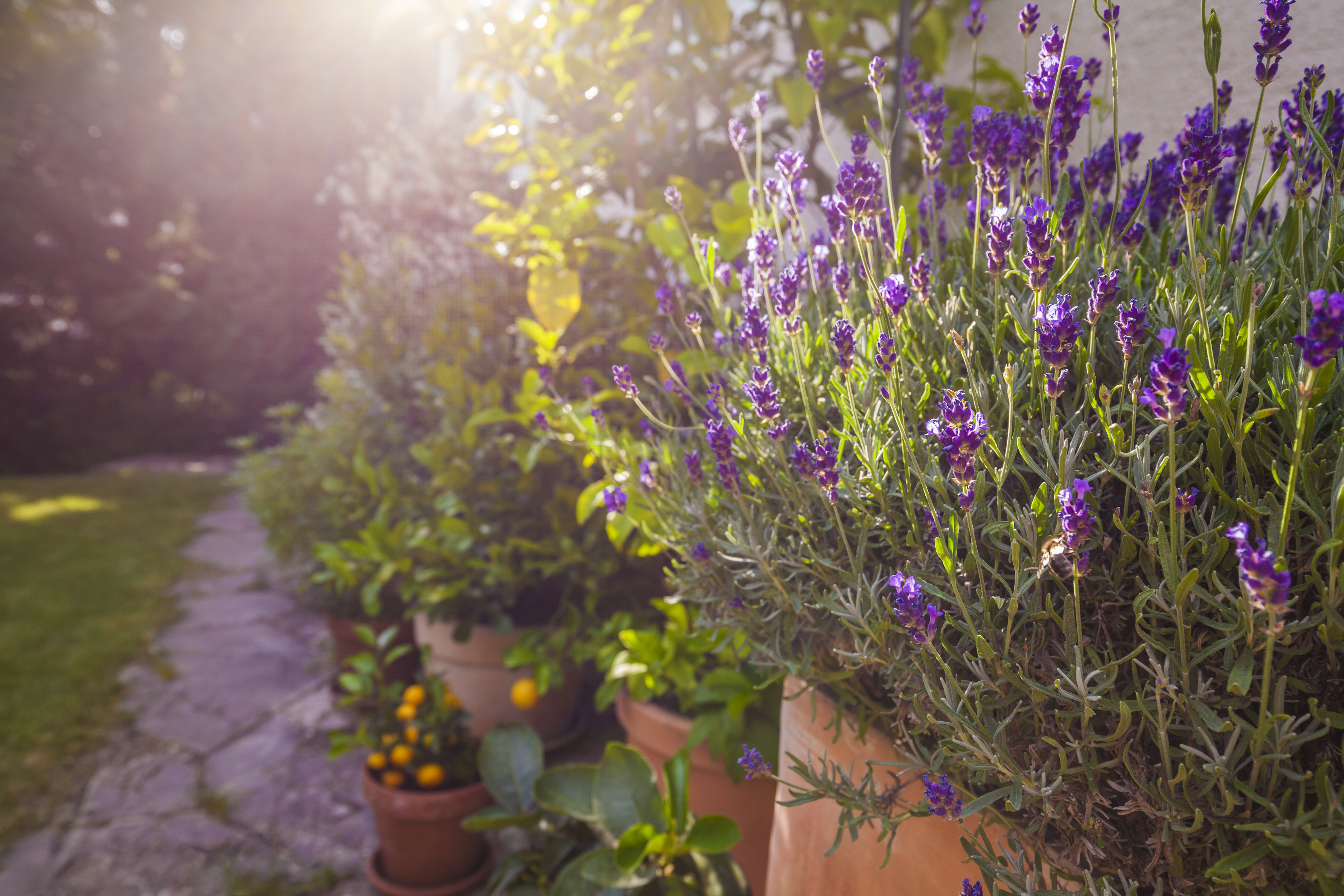
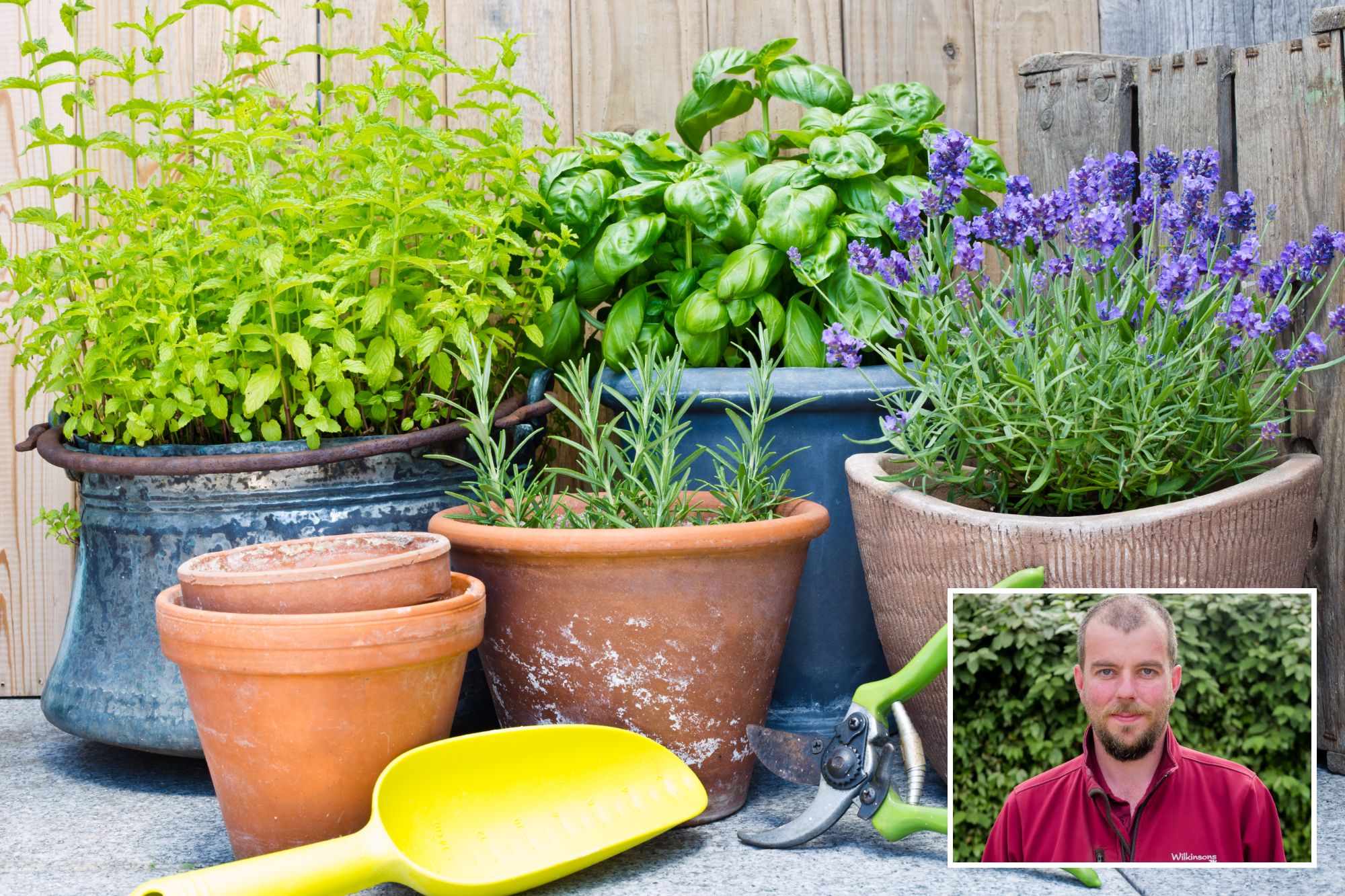
Lavender, with its fragrant smell, deters mosquitoes and thrives in hot, dry climates. It can be planted in clusters or used in its essential oil form on the skin as a natural repellent.
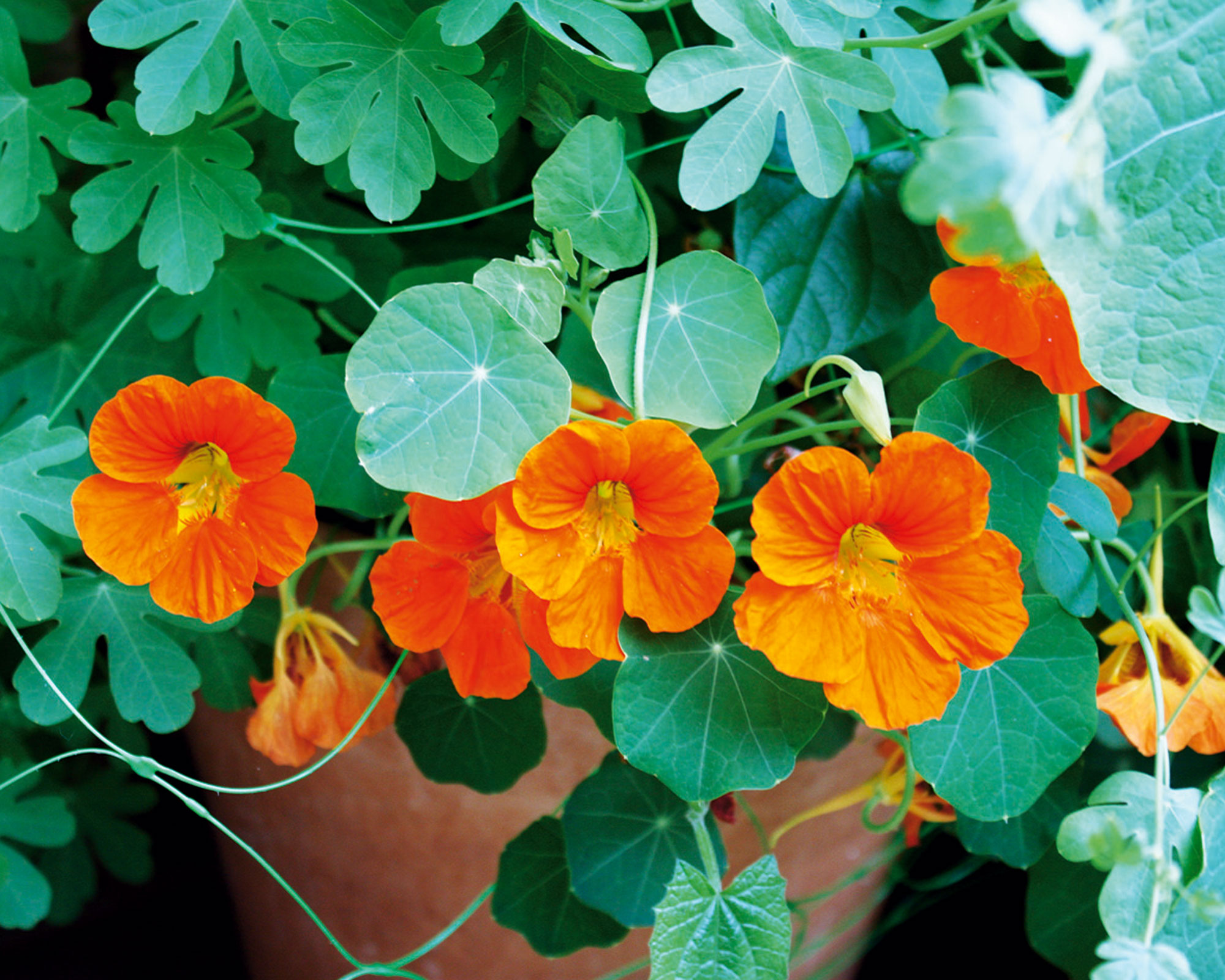
Nasturtium, a colorful edible flower, repels whiteflies, squash bugs, and aphids. It protects neighboring plants by releasing an airborne chemical and requires full sun, moist, well-drained soil, and regular watering.
Rosemary, a popular culinary herb, also serves as a bug repellent. It prefers dry, warm, well-drained environments with full sunlight, suitable for containers or hedges, and can be incorporated into outdoor centerpieces.
Basil is a versatile herb that repels houseflies and mosquitoes. It needs abundant sunlight (six to eight hours daily) and moist, well-drained soil. Beyond repelling, its leaves can be applied to mosquito bites to reduce swelling.
Lemongrass, a relative of citronella, effectively repels mosquitoes and is also edible. It grows tall, requiring significant space and full sun with well-drained soil.
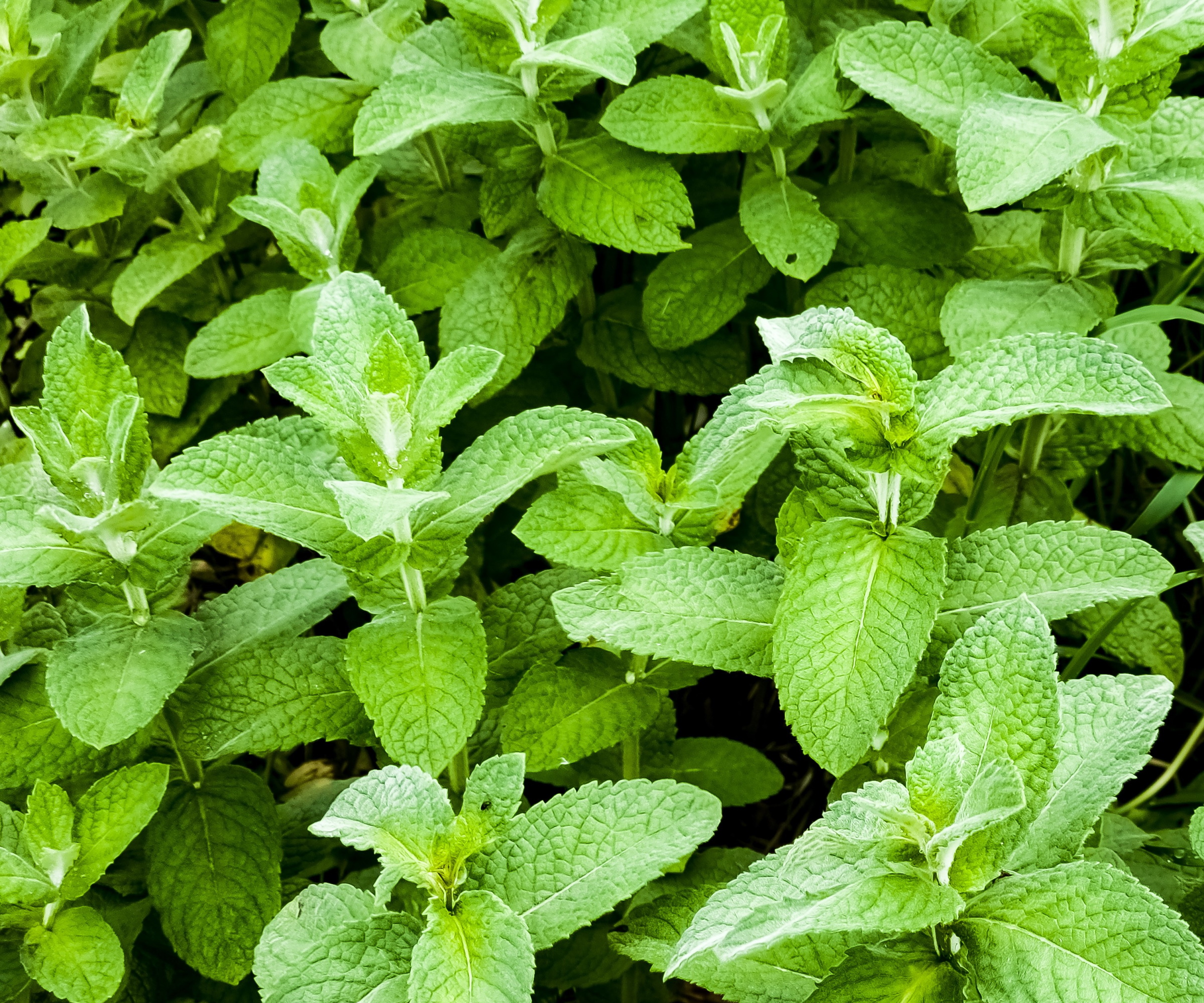
Mint, a perennial, deters mosquitoes and can be grown indoors. It's best kept in pots due to its vigorous spreading nature and thrives in full to partial shade with moist, but not overly wet, soil.
Catnip, a member of the mint family, repels mosquitoes and other flying insects. Its essential oil is used in natural repellents, and crushing fresh leaves can provide direct protection. It prefers full sunlight and well-drained soil.
Mosquito Shoo Geranium, marketed for its mosquito-repelling scent akin to lemon polish, is a hybrid plant whose effectiveness is debated despite its name. It grows in partial to full sun and needs average watering.
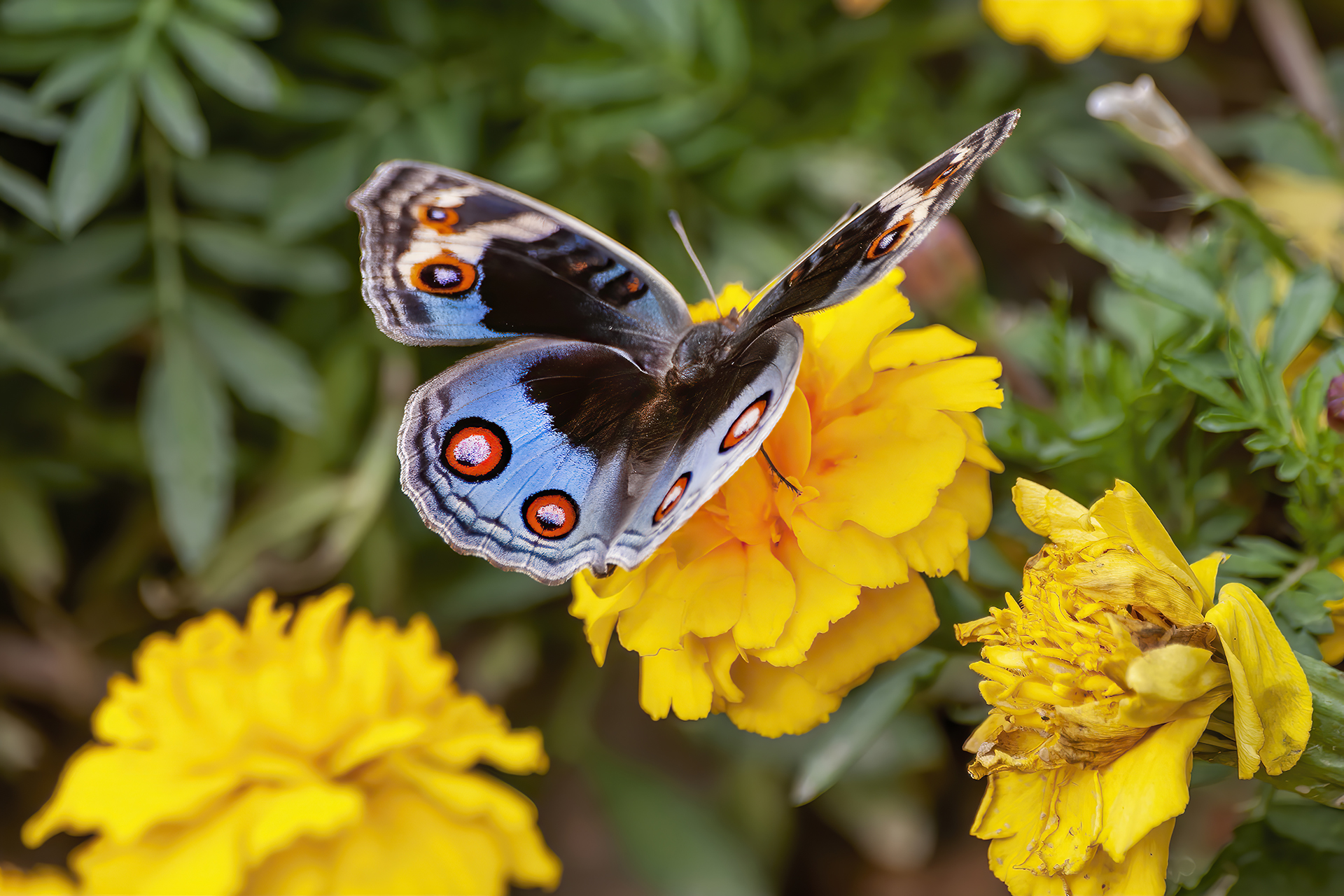
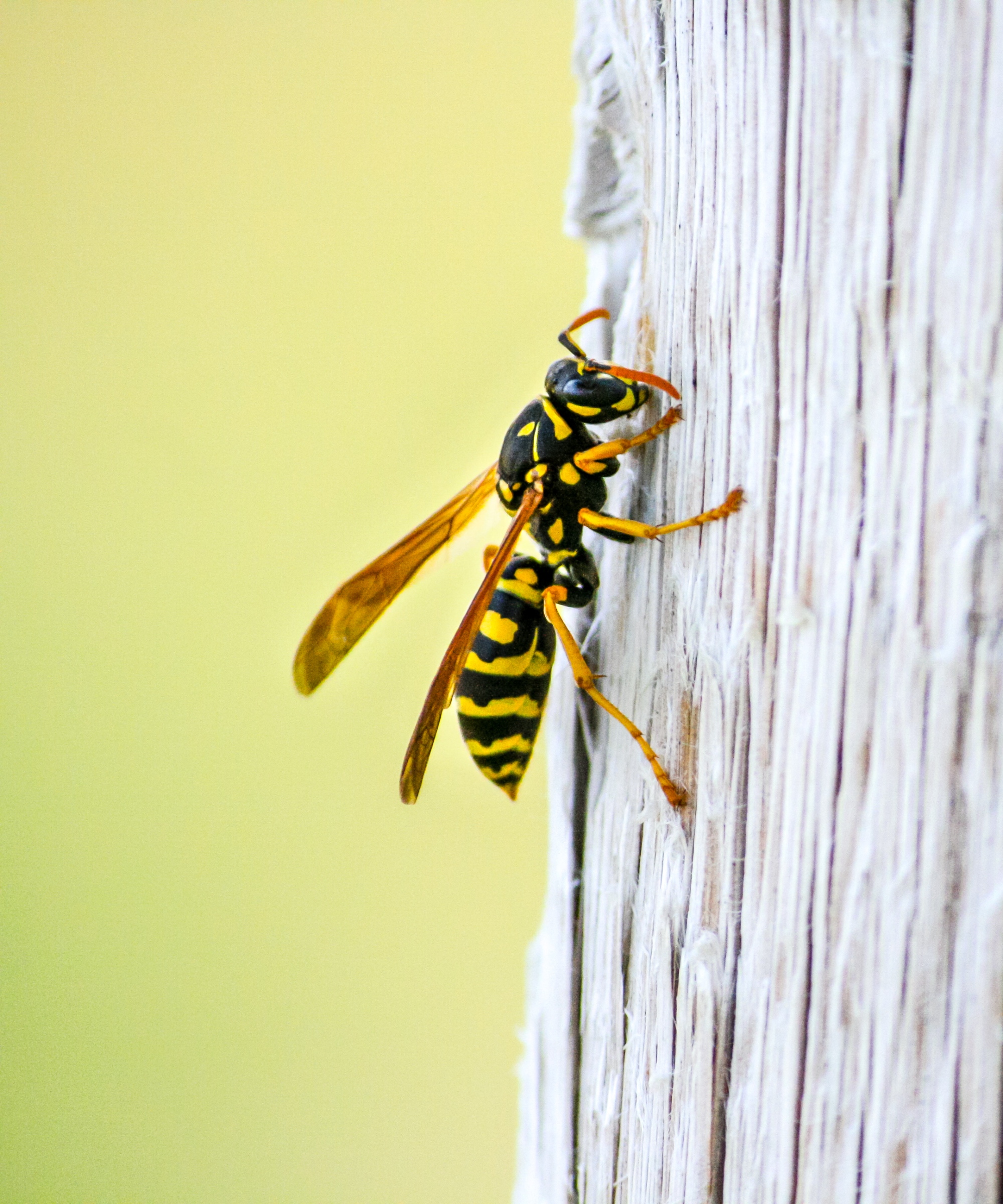
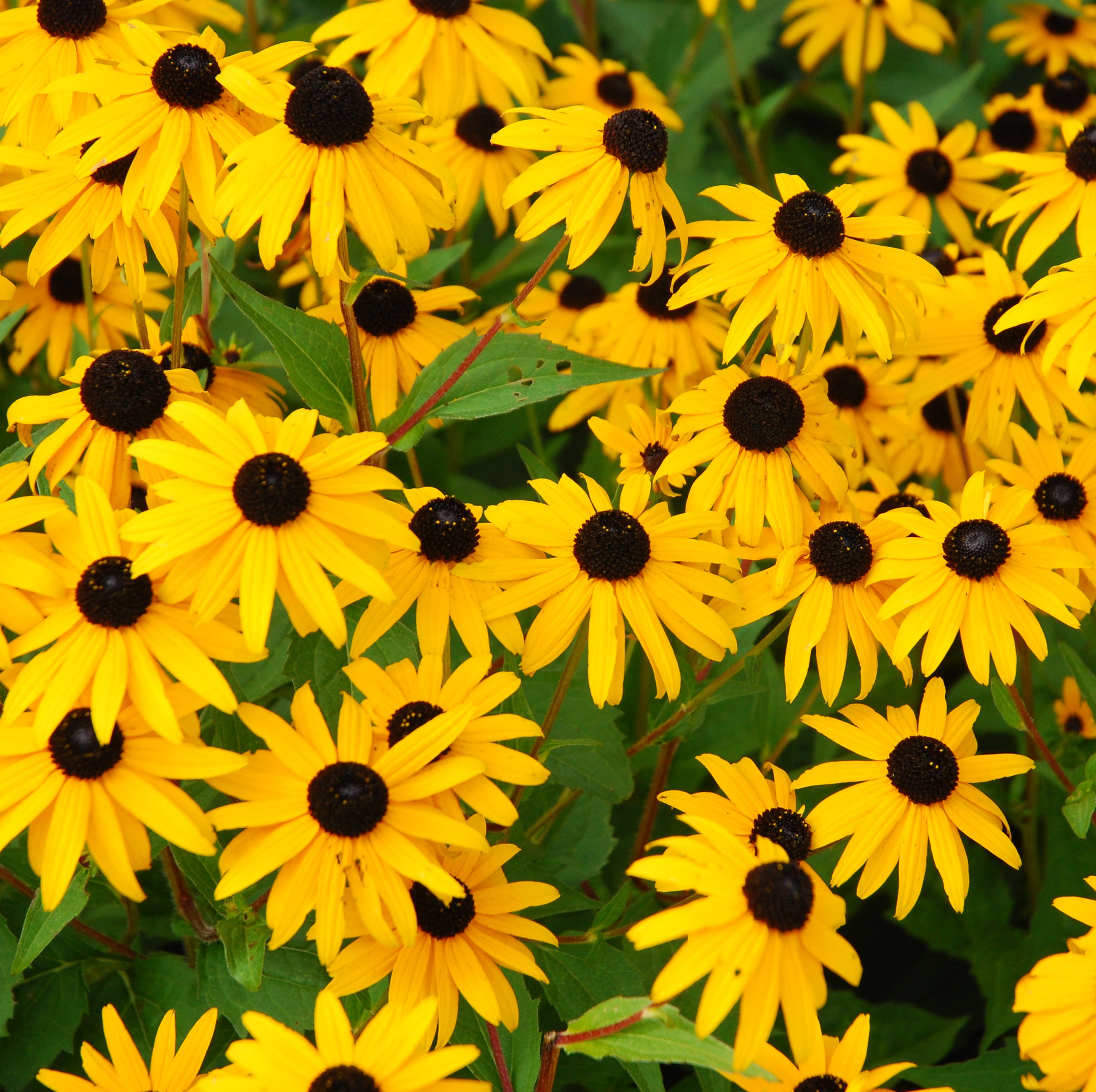
Marigolds, while having a scent many find unpleasant, effectively deter mosquitoes, wasps, and hornets. They are beneficial around vegetable beds, attracting pollinators while driving away pests. They prefer full sun to partial shade and good drainage.
Eucalyptus, with its strong minty, citrusy smell, repels mosquitoes, termites, and other bugs. Planting it near entrances or using crushed leaves as potpourri or mulch can help. It thrives in full sun and is somewhat drought-tolerant.
Lantana offers colorful blooms and deters mosquitoes with a citronella-like scent released from its crushed leaves and flowers. It attracts bees and hummingbirds but can irritate skin. It needs ample sunlight and regular watering.
Bee Balm is a perennial that repels mosquitoes when its crushed leaves are applied to the skin or placed around living areas. It thrives in full sunlight and consistently damp soil.
Ageratum, or floss flower, contains coumarin, a chemical that mosquitoes dislike. It attracts butterflies, bees, and hummingbirds but is toxic to pets. Crushing its leaves enhances its repellent properties, though direct skin contact is not recommended. It grows in partial to full sunlight with about an inch of water weekly.
Venus Fly Trap, a carnivorous plant, offers natural pest control by trapping insects. It requires specific conditions, including full sun, distilled or rainwater, and a constant water supply at its roots, and needs to be fed if it cannot catch prey naturally.
Chrysanthemums repel a wide array of pests, including ants, fleas, and bedbugs, due to a compound called pyrethrum. Their bold flowers and leaves release the repellent scent when crushed. They thrive in full sun with well-drained, consistently moist soil.
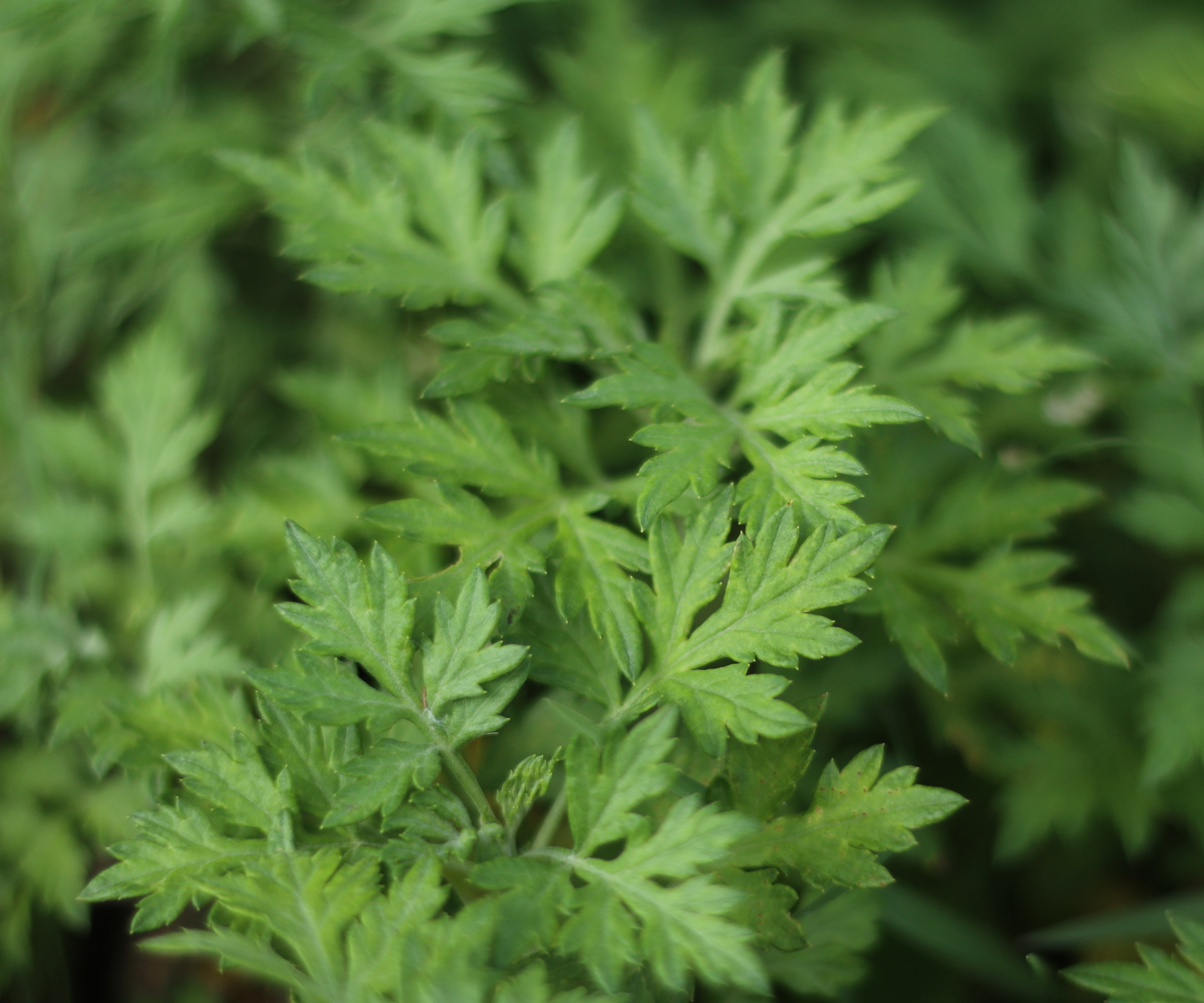
Wormwood, a low-maintenance perennial, deters moths, fleas, flies, and mice with its strong scent and bitter compounds. It is drought-tolerant but toxic to pets if ingested. It prefers full sun and dry, well-drained soil.
For general effectiveness against various insects, lavender is suggested as the most versatile. Mosquito attraction to individuals varies based on factors like blood type, scent, clothing, breathing patterns, and skin bacteria. Preventing mosquito infestations involves eliminating standing water, using traps, installing fire pits, applying bug spray, and decluttering, with professional help recommended for severe cases.
#BugRepellentPlants #MosquitoControl #GardenPests #NaturalPestControl #OutdoorLiving #HomeGardening #FragrantPlants #PlantCare #PestDeterrence #BugRepellentPlants #MosquitoControl #GardenPests #NaturalPestControl #OutdoorLiving #HomeGardening #FragrantPlants #PlantCare #PestDeterrence
0 comment in total
 No comments yet
You may also like
I'm a landscaping expert advice - here's the five plants you NEED to keep pesky insects away this summer

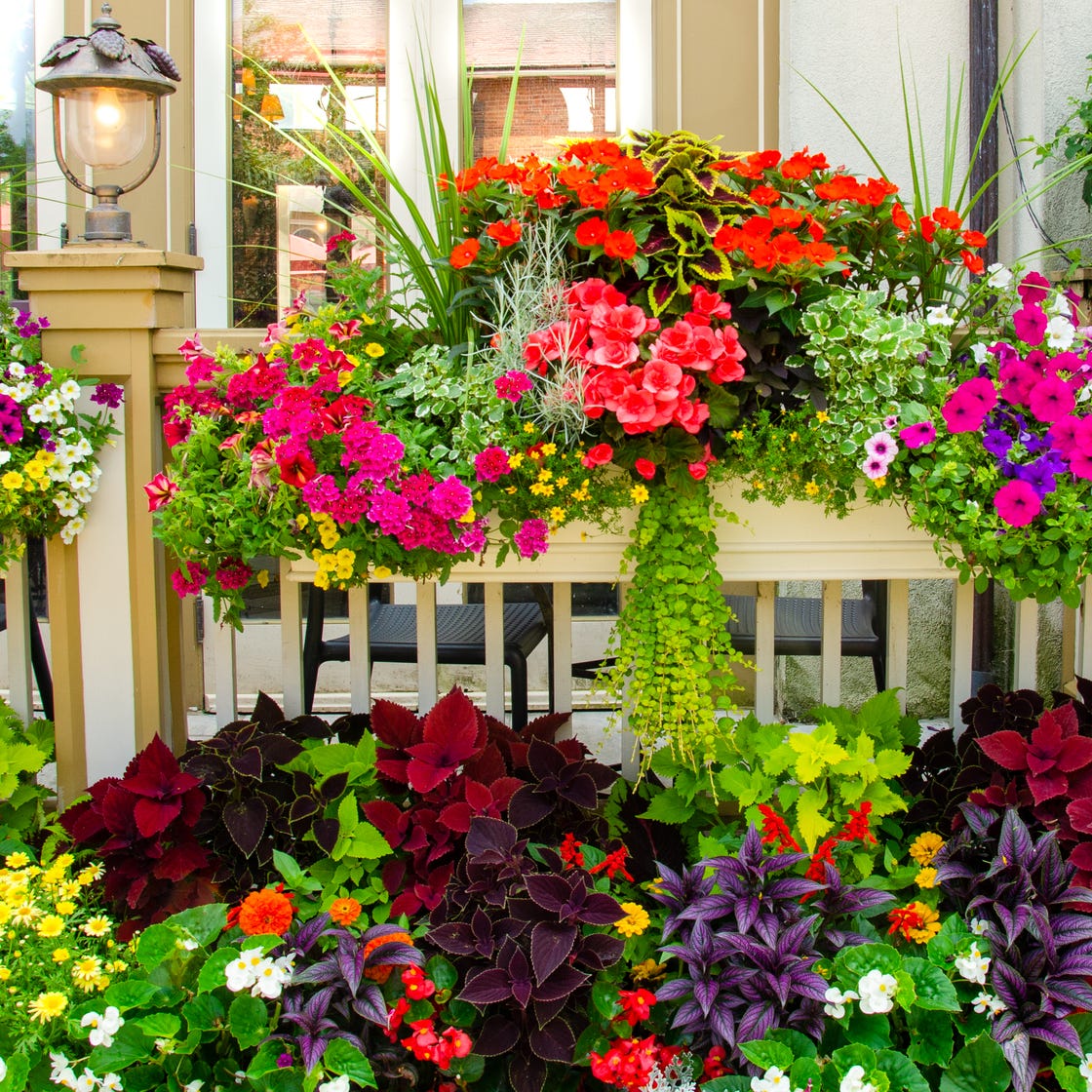
We Discovered the BEST Outdoor Patio Plants That'll Brighten Up Your Home All Summer Long

8 natural home remedies to remove lizards from your house this summer


18 Poolside Plants That Will Make Your Landscape Look Like Paradise
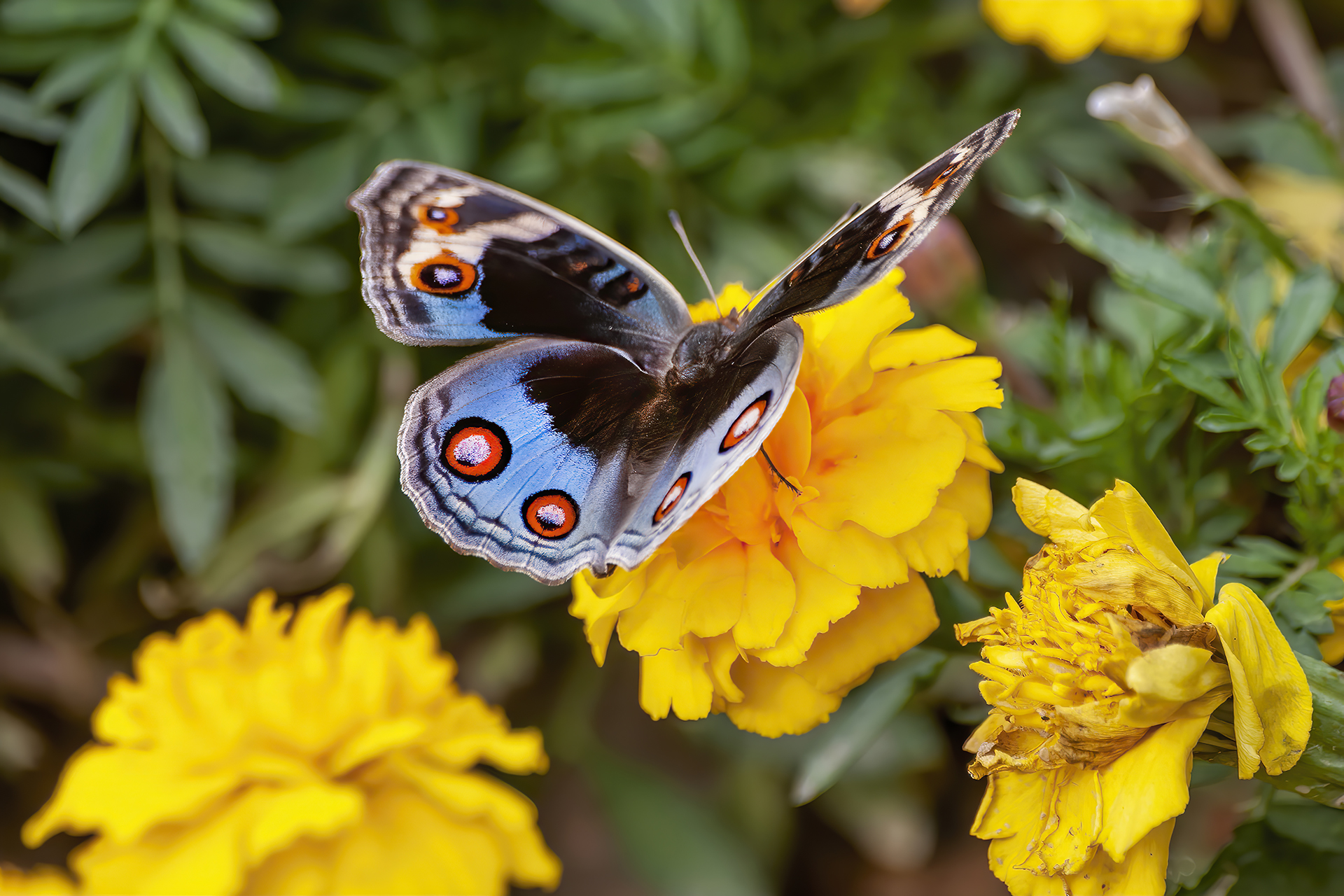
Best fly repellent plants – 10 plants to keep pests away

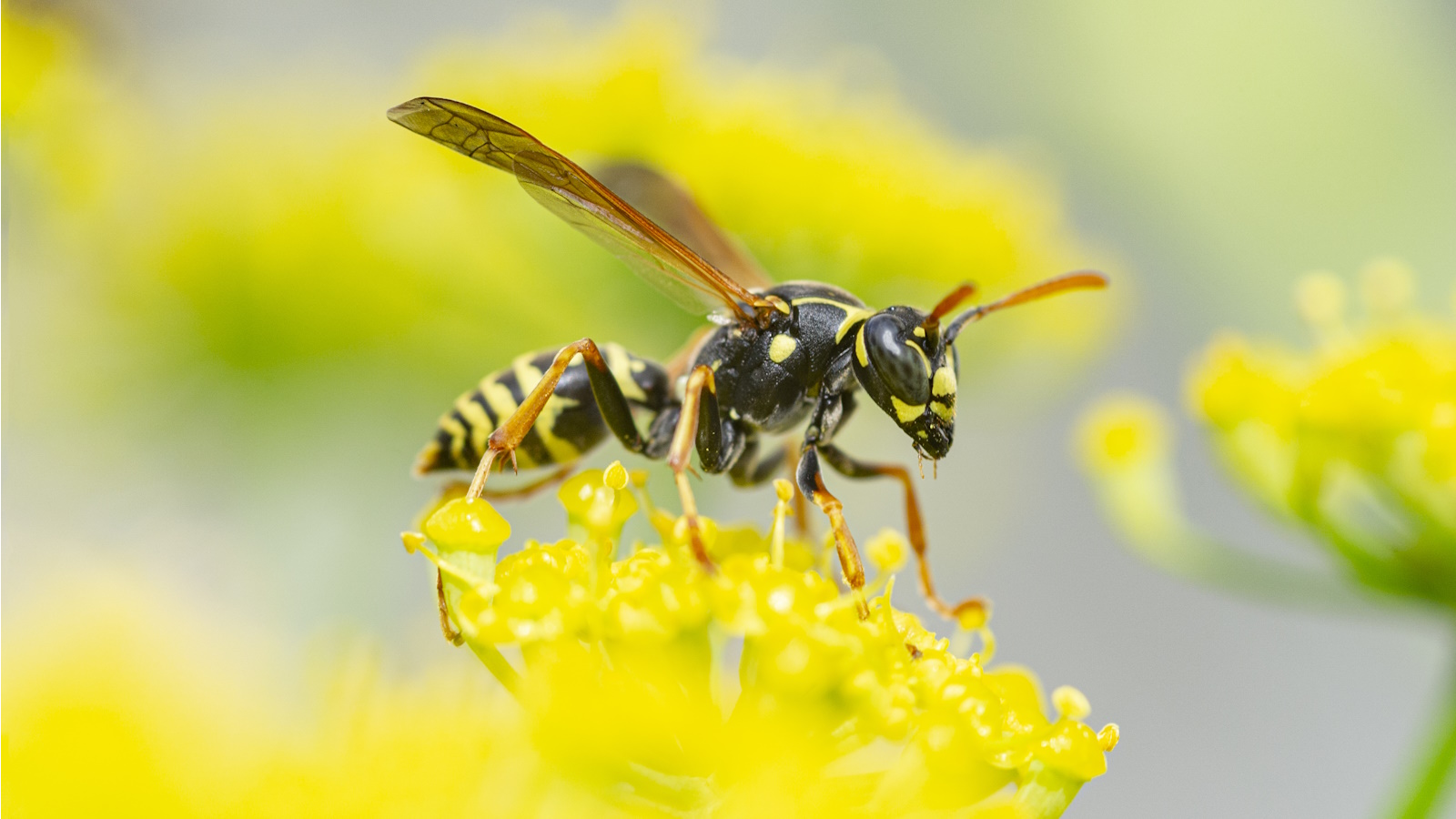
Best wasp repellent plants – 10 plants to naturally deter these insects from your yard
These 56 No-Fail Plants Promise to Look Pretty All Year Long

Plant These Flowering Shrubs Today If You Want a Vibrant Summer Yard

Hey, Gardeners! Plant These Summer Flowers for a Bright and Beautiful Yard

18 Best Plants To Add Privacy To Your Yard
You Should Plant Night Sky Flowers in Your Yard ASAP
25 Chic Backyard Ideas to Prep Your Space for Summer
5 Easy Tricks to Keep Bugs Off Your Patio All Summer, According to Pest Pros

The ONLY Plants That Can Outshine the Summer Sun

It's Gardening Time! We Found the Best Summer Flowers for Your Yard


11 best low-maintenance indoor plants

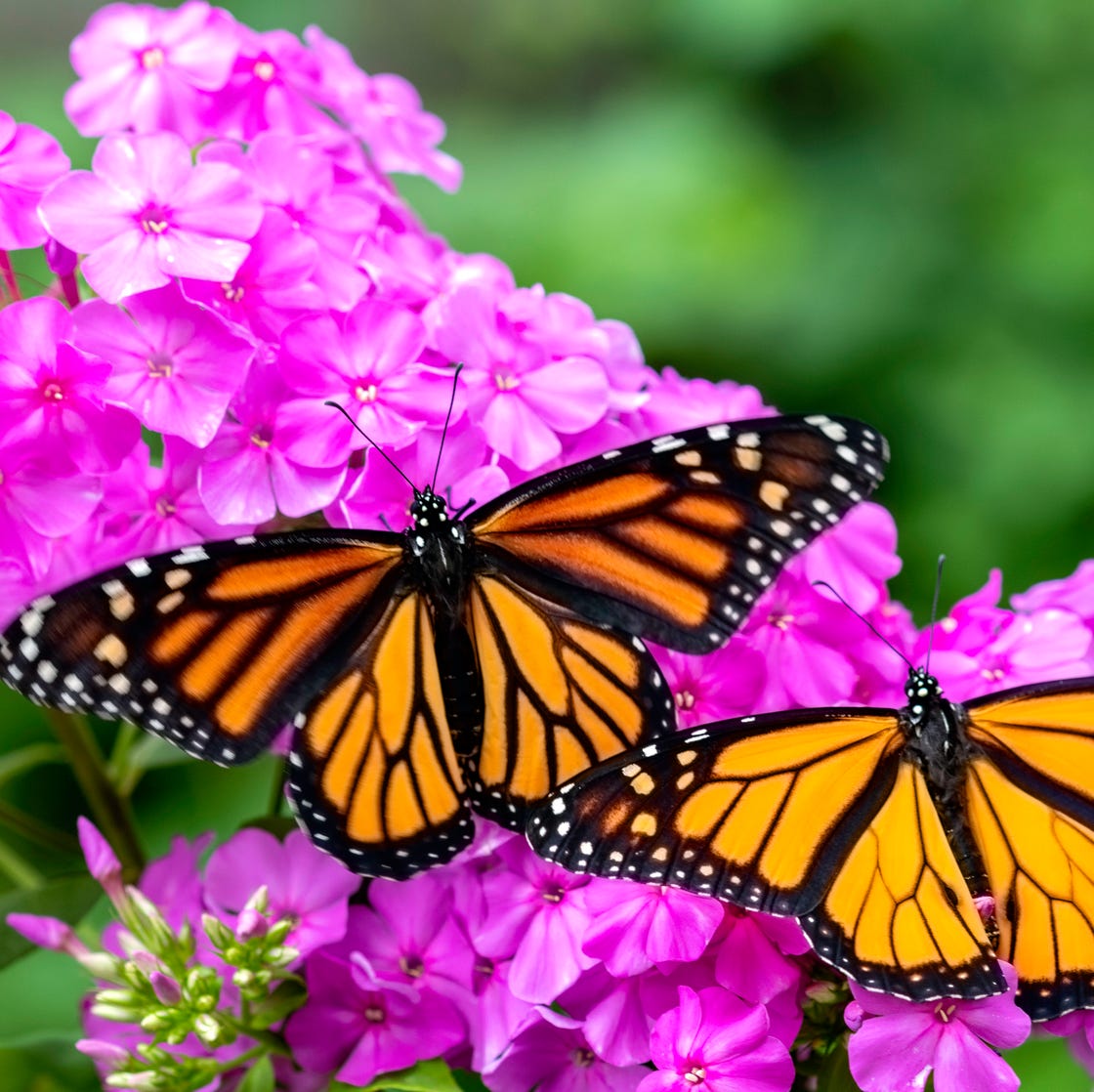
Turn Your Garden Into a Butterfly Oasis with These Plants
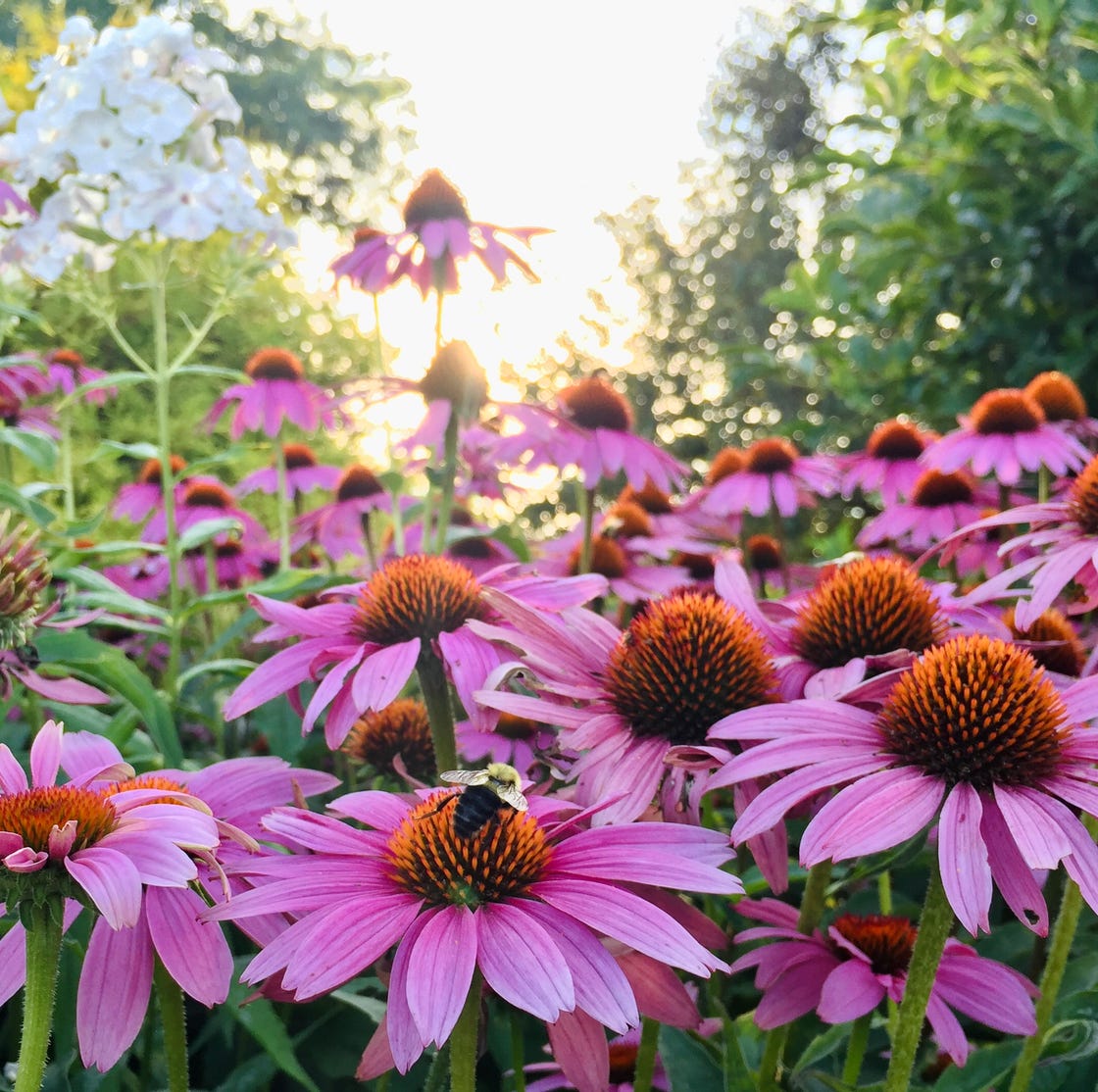
22 Beautiful, Bee-Friendly Flowers That'll Turn Your Garden Into a Pollinator Paradise

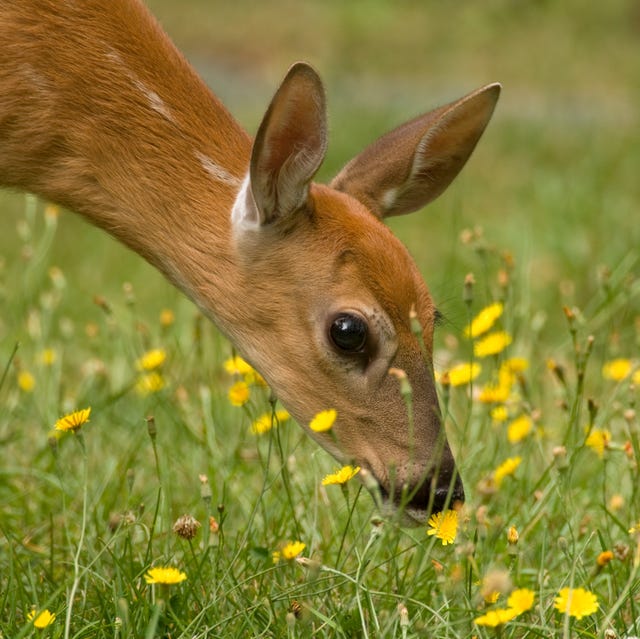
We Found the Best Plants for Keeping Deer Out of Your Garden All Year

17 Magical Backyard Ideas for Yummy Summer Outdoor Living