1/9
The best Japanese houseplants to create a zen, serene space in any room
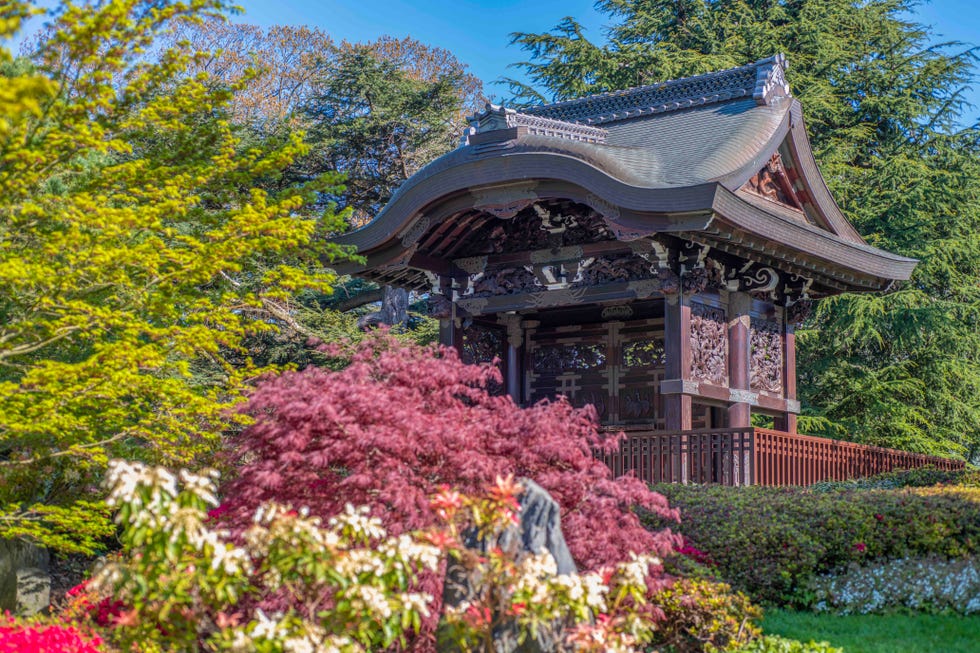
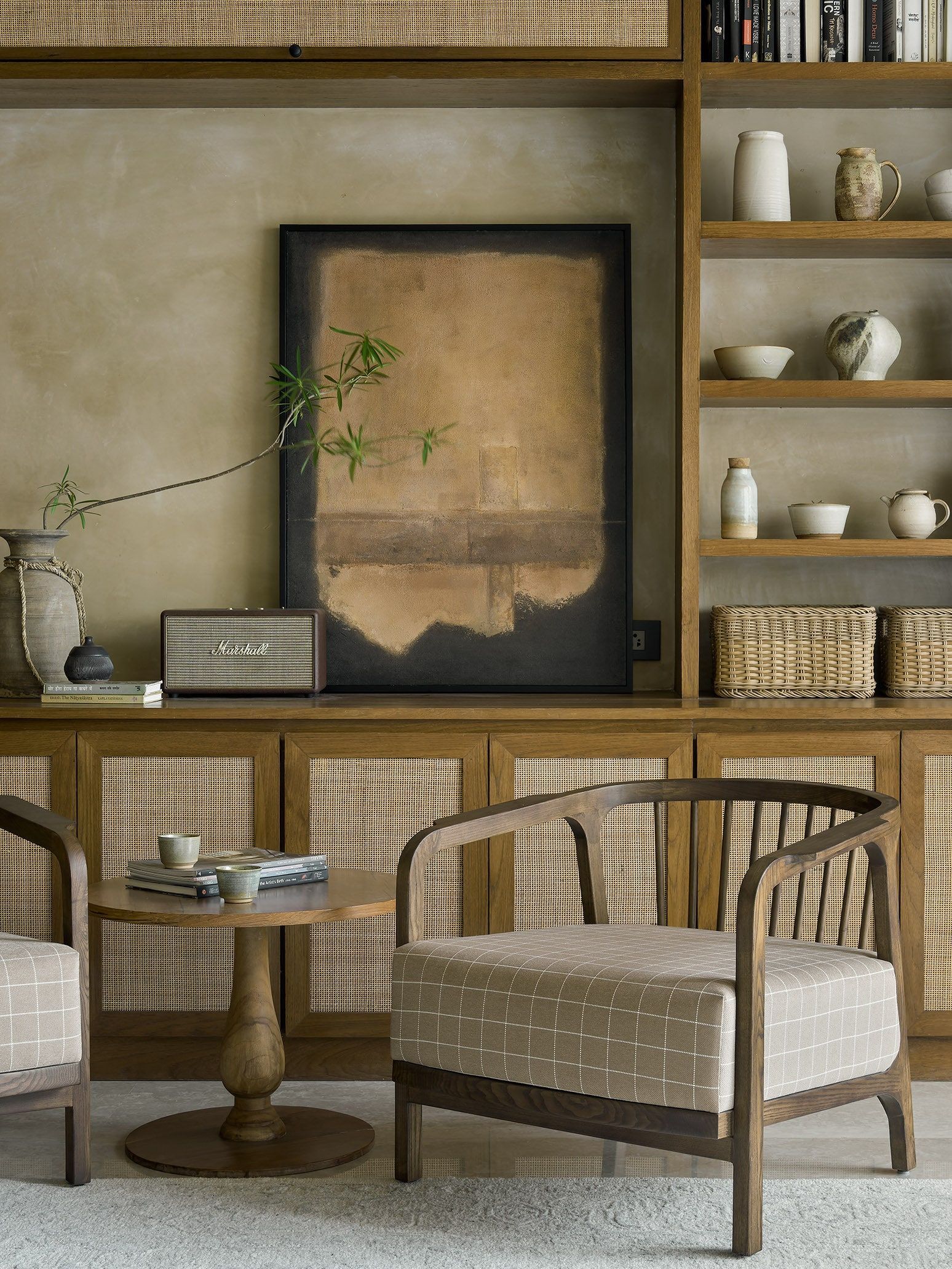
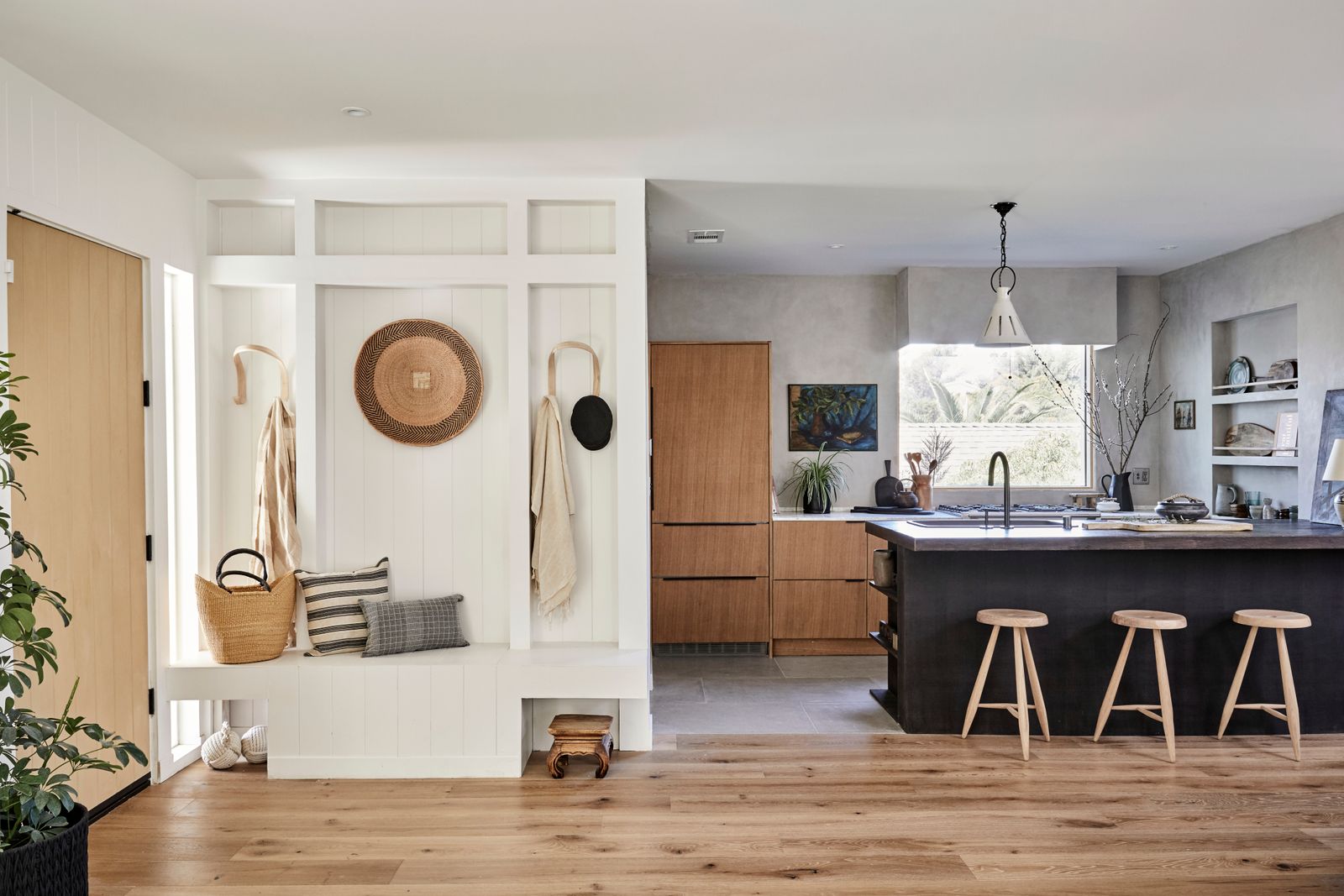
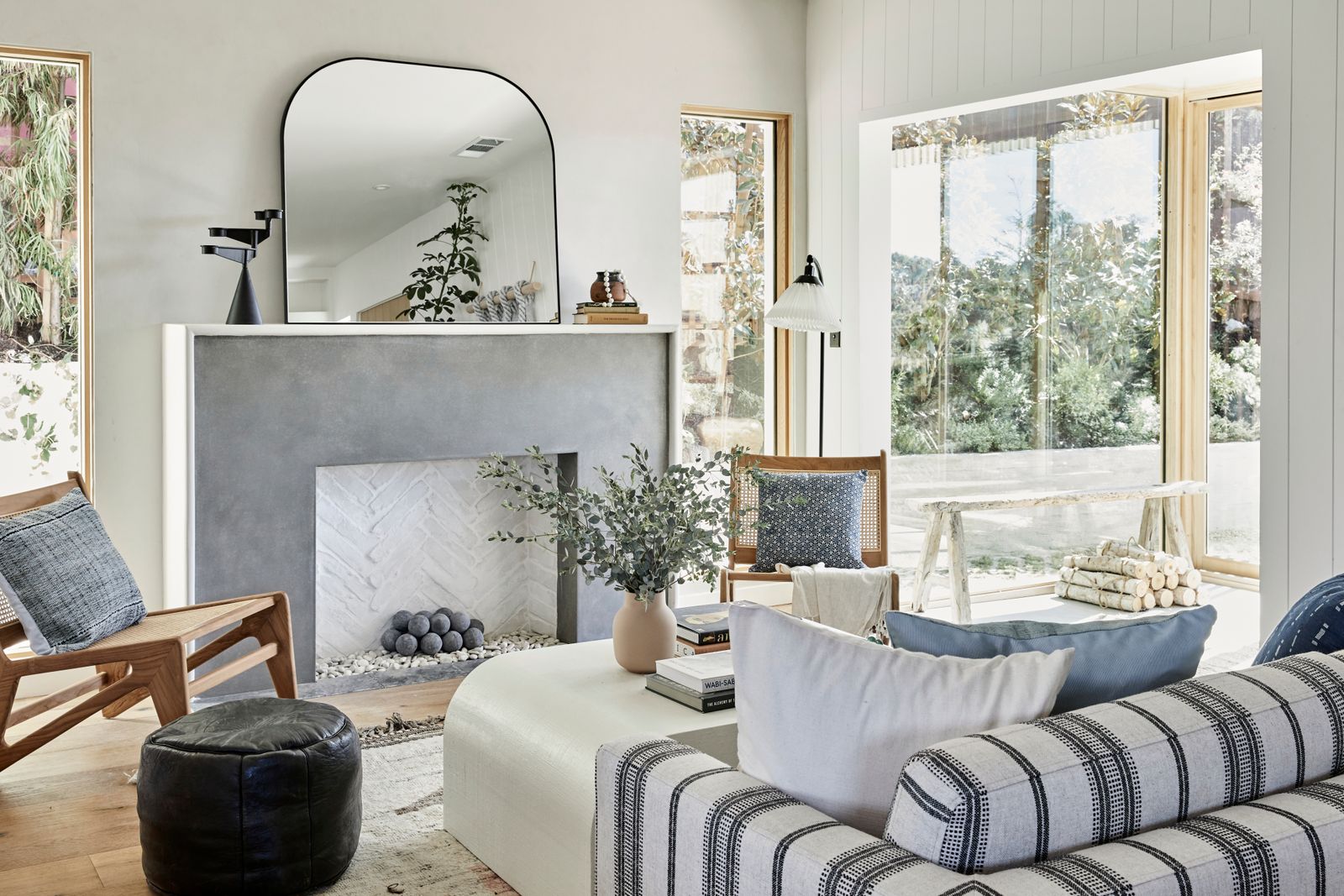
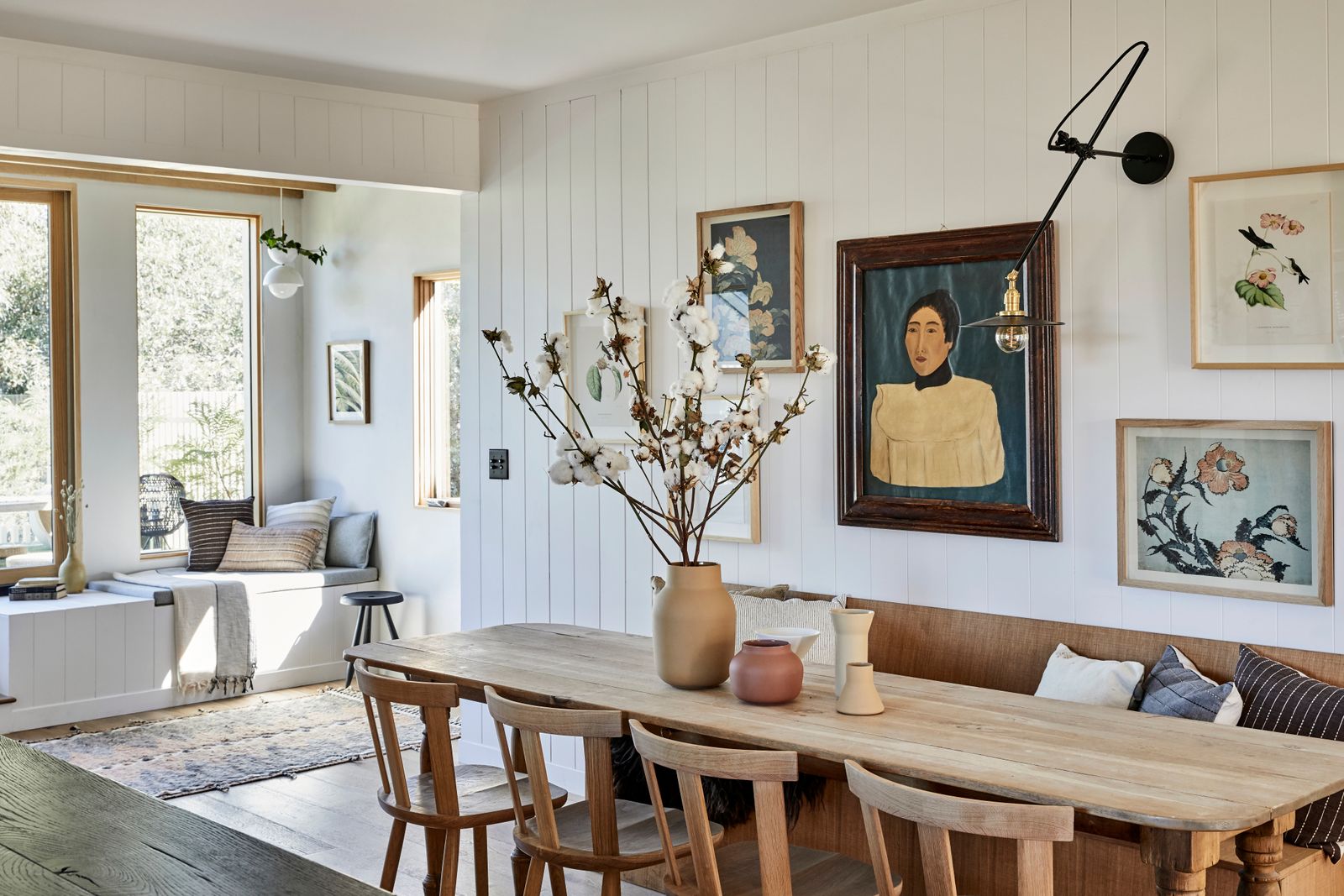
Transforming a home into a serene space with a touch of Japandi style can be achieved through the strategic inclusion of Japanese houseplants. These plants are known for their ability to bring calm, elegance, and natural energy to an environment, aligning with principles of Japandi aesthetics. Beyond their visual appeal, certain species are also recognized for practical benefits like improving air quality or reducing condensation. Plant experts often recommend specific Japanese plant species for their aesthetic and calming properties.
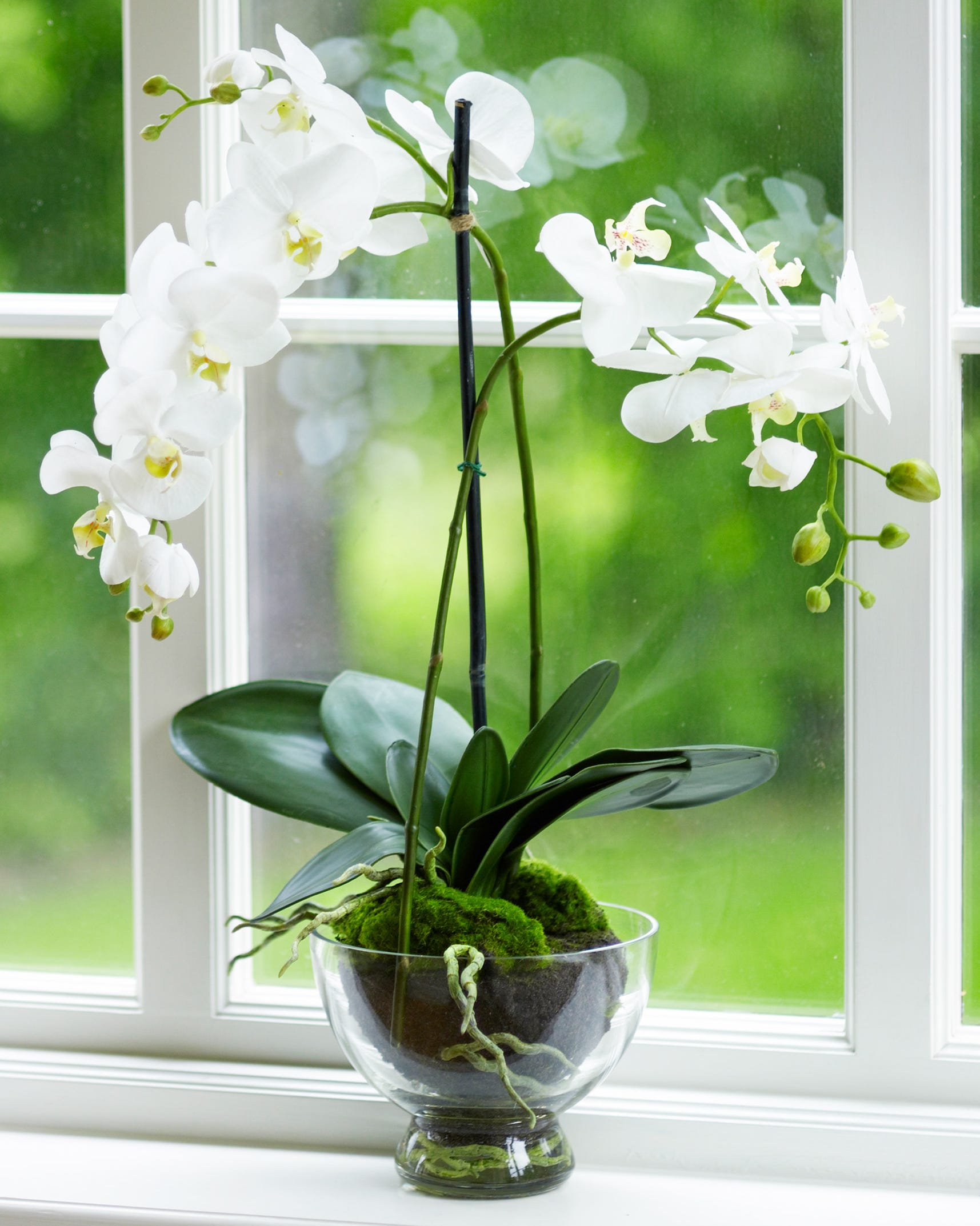
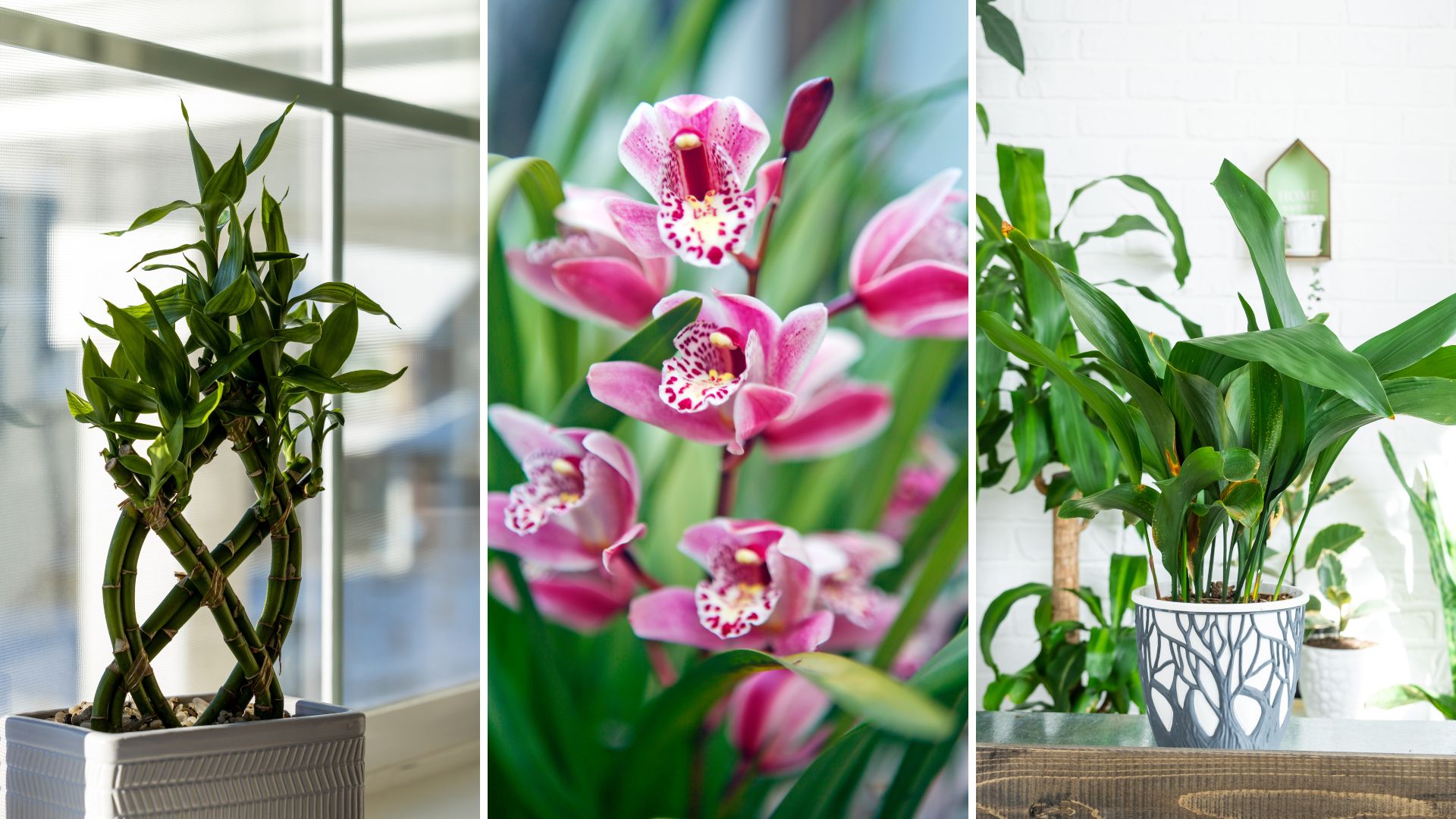
Among the top recommendations is the Japanese orchid. Despite a common perception that orchids are difficult to maintain, Japanese varieties are considered worthwhile for their graceful, star-shaped white flowers and delicate fragrance, symbolizing purity, elegance, and prosperity. These orchids thrive in high humidity and bright, indirect light, making them suitable for spaces like bathrooms. Proper care, including specialized orchid food, bark mixes for optimal root environments, and appropriate pruning tools, can simplify their upkeep.
Camellias are another excellent choice, appreciated for their stunning blooms and cultural significance in Japan. While often seen as outdoor shade plants, they adapt well to indoor environments. They prefer cooler indoor spots with consistent moisture and bright, indirect light, benefiting from some humidity to flourish.
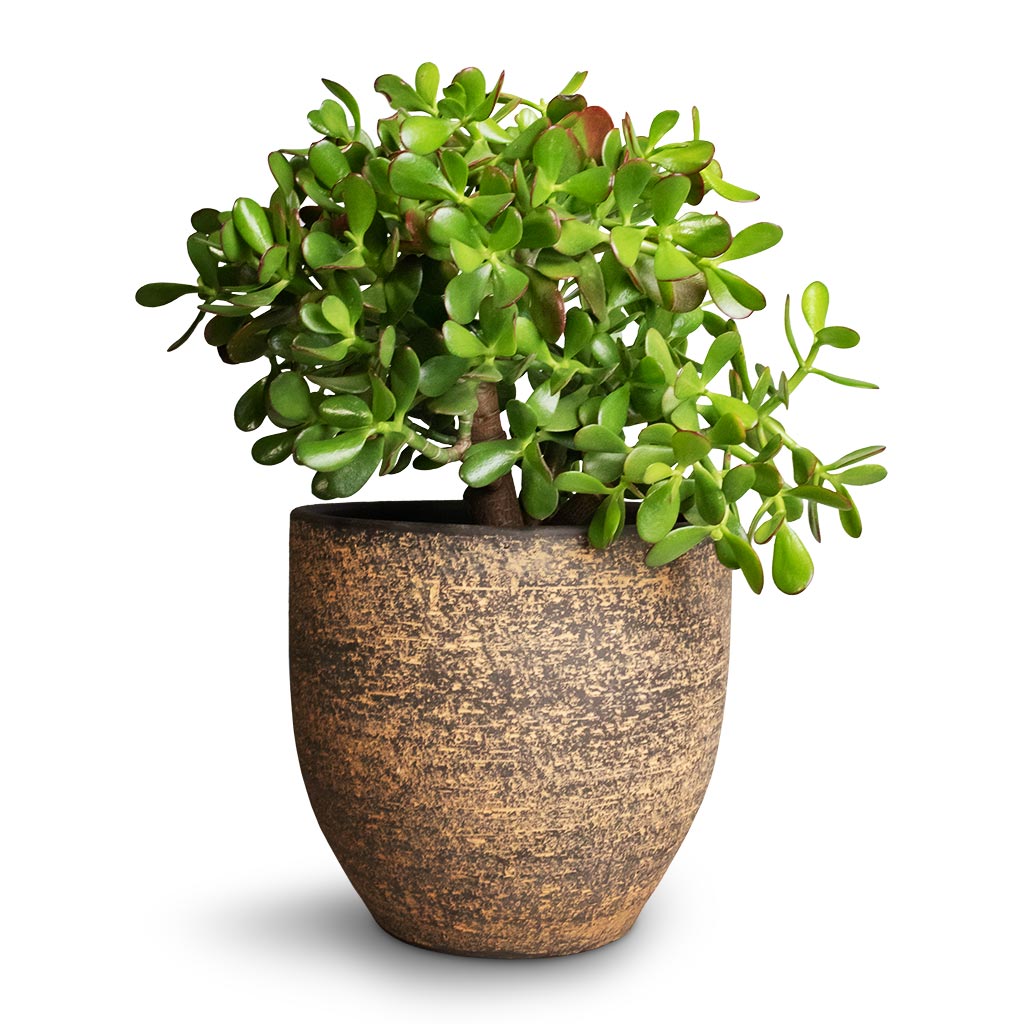
The Japanese Money Plant, distinct from other money plant varieties, is recognized by its round, coin-shaped leaves. This plant is a symbol of prosperity and good fortune in Japanese homes. Its compact size makes it ideal for minimalist decor, requiring only moderate watering and bright, indirect light.
For those seeking greenery in a Japandi kitchen or other small indoor spaces, the Japanese Dwarf Umbrella Tree, or Schefflera, offers dense, green foliage and a unique shape. It thrives in bright, indirect light and benefits from occasional misting, seamlessly fitting into a modern, minimalist home design.
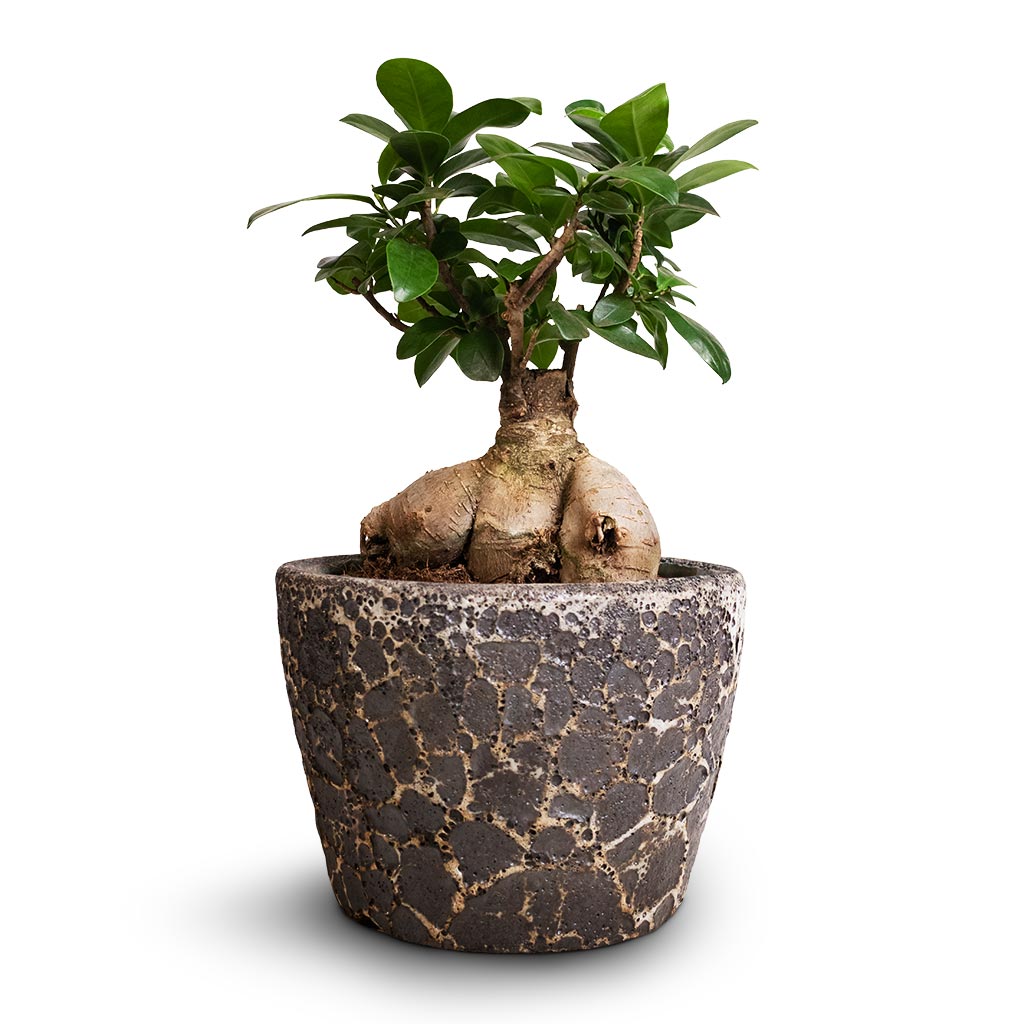
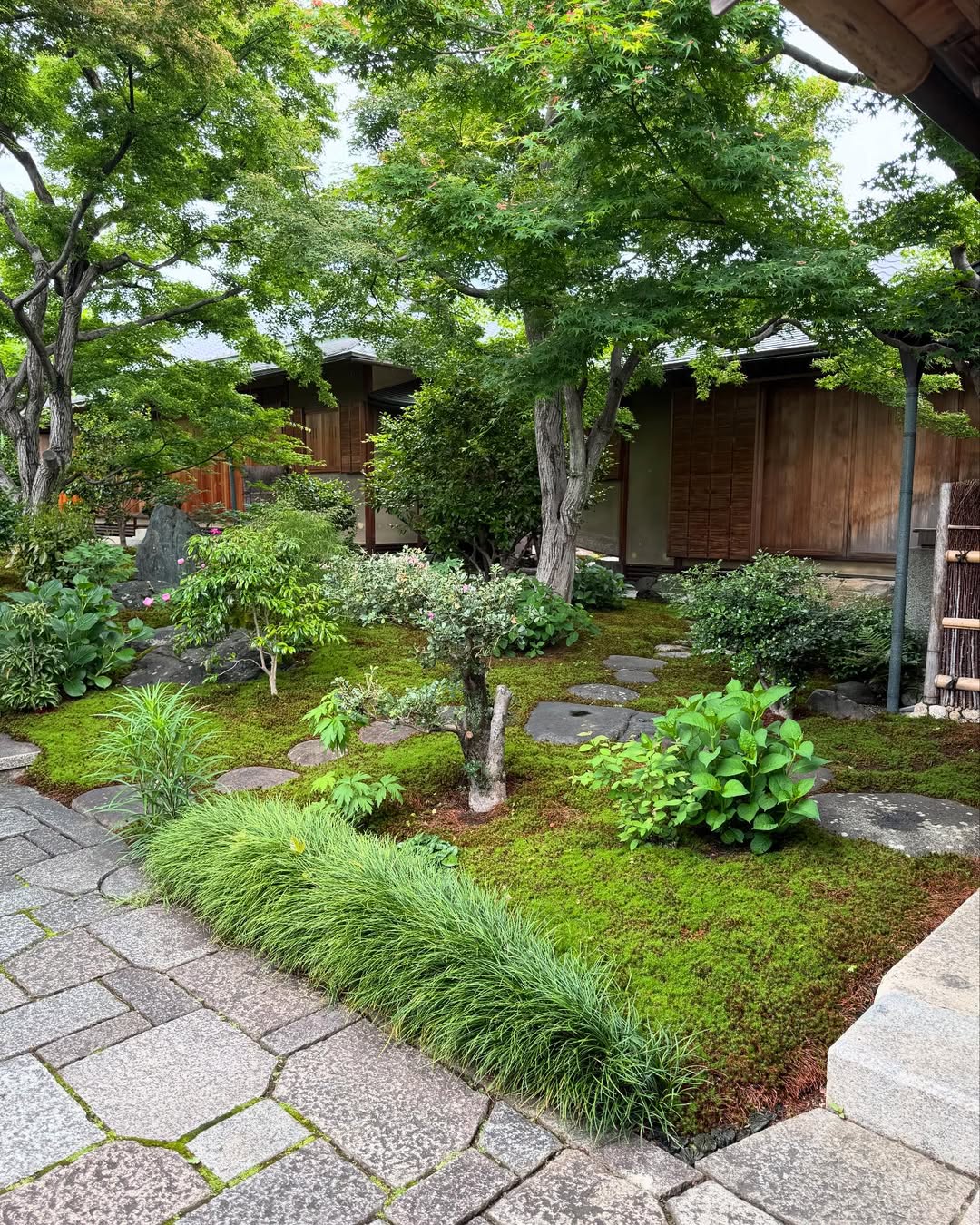
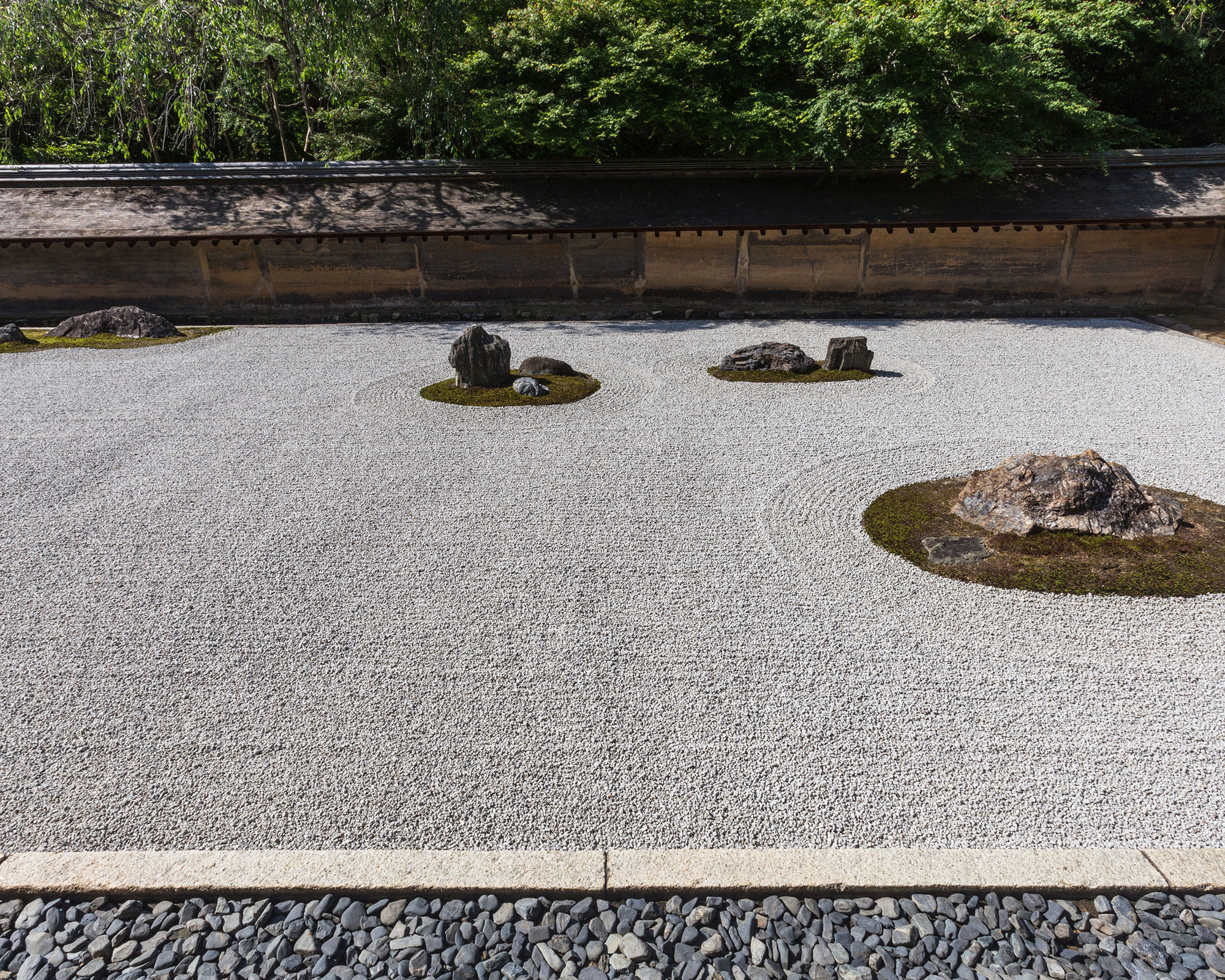
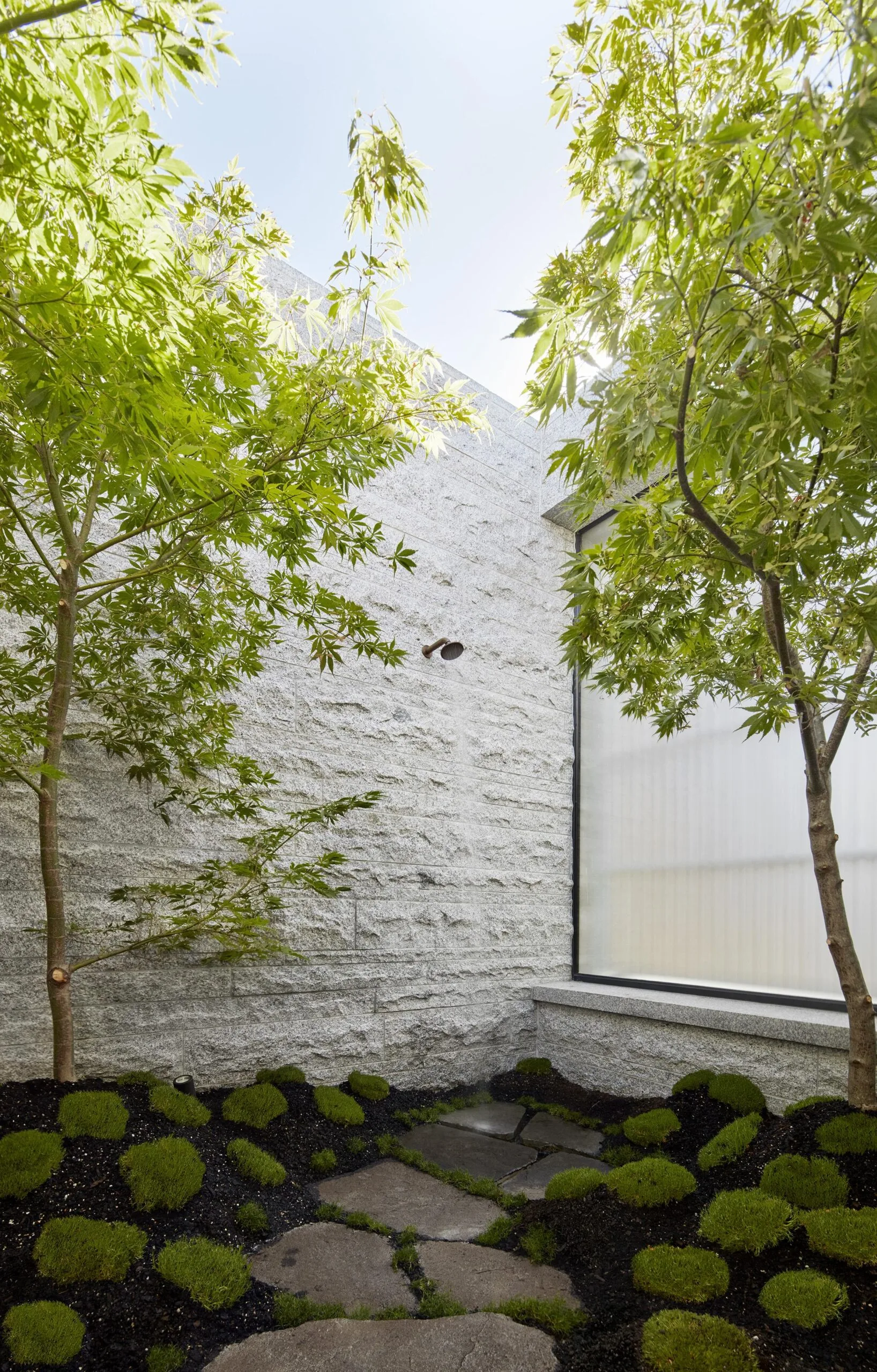
Finally, the Japanese maple bonsai tree provides an opportunity to create a miniature Zen Garden effect indoors. While bonsai care can be challenging, miniature maple varieties are sometimes considered easier for beginners. These trees prefer bright, indirect light and well-draining soil to prevent root rot. Incorporating these plants into a home goes beyond mere decoration; it contributes to a more mindful and calming living space. These plants embody the Wabi-Sabi principle, embracing imperfection and change, and their care can offer moments of mindfulness. They promote simplicity and elegance, helping to create a grounded and deeply human space through natural, organic forms. Furthermore, plants like the lucky bamboo (Dracaena sanderiana) are considered Japanese good luck plants, symbolizing luck, prosperity, and harmony. This low-maintenance plant can thrive in water or soil with indirect light. Overall, Japanese-inspired houseplants offer both aesthetic enhancement and contribute to a peaceful, positive home environment.
#JapaneseHouseplants #JapandiStyle #ZenDecor #HomeGardening #IndoorPlants #Orchids #Bonsai #HomeDecor #JapaneseHouseplants #JapandiStyle #ZenDecor #HomeGardening #IndoorPlants #Orchids #Bonsai #HomeDecor
0 comment in total
 No comments yet
You may also like
The 8 best plants for an indoor zen garden – what to grow to add calm and tranquility to your home

The best plants for a Japanese garden: 7 serene species

Create a Calming Space with These Bedroom Plants
20 Zen Garden Ideas to Transform Your Backyard Into a Peaceful Oasis

4 Japanese garden ideas for a calm and tranquil outdoor space
Zen garden ideas – 24 ways to transform your outdoor space into a Japanese-inspired sanctuary for relaxation
9 Japanese Plants for a Zen Garden
36 best indoor plants that will liven up any room
7 Japanese Garden Ideas That Channel the Elements of Nature to Make Your Outdoor Space Feel Serene
Looking to add some Zen to your landscape? Visit these Japanese gardens for inspiration
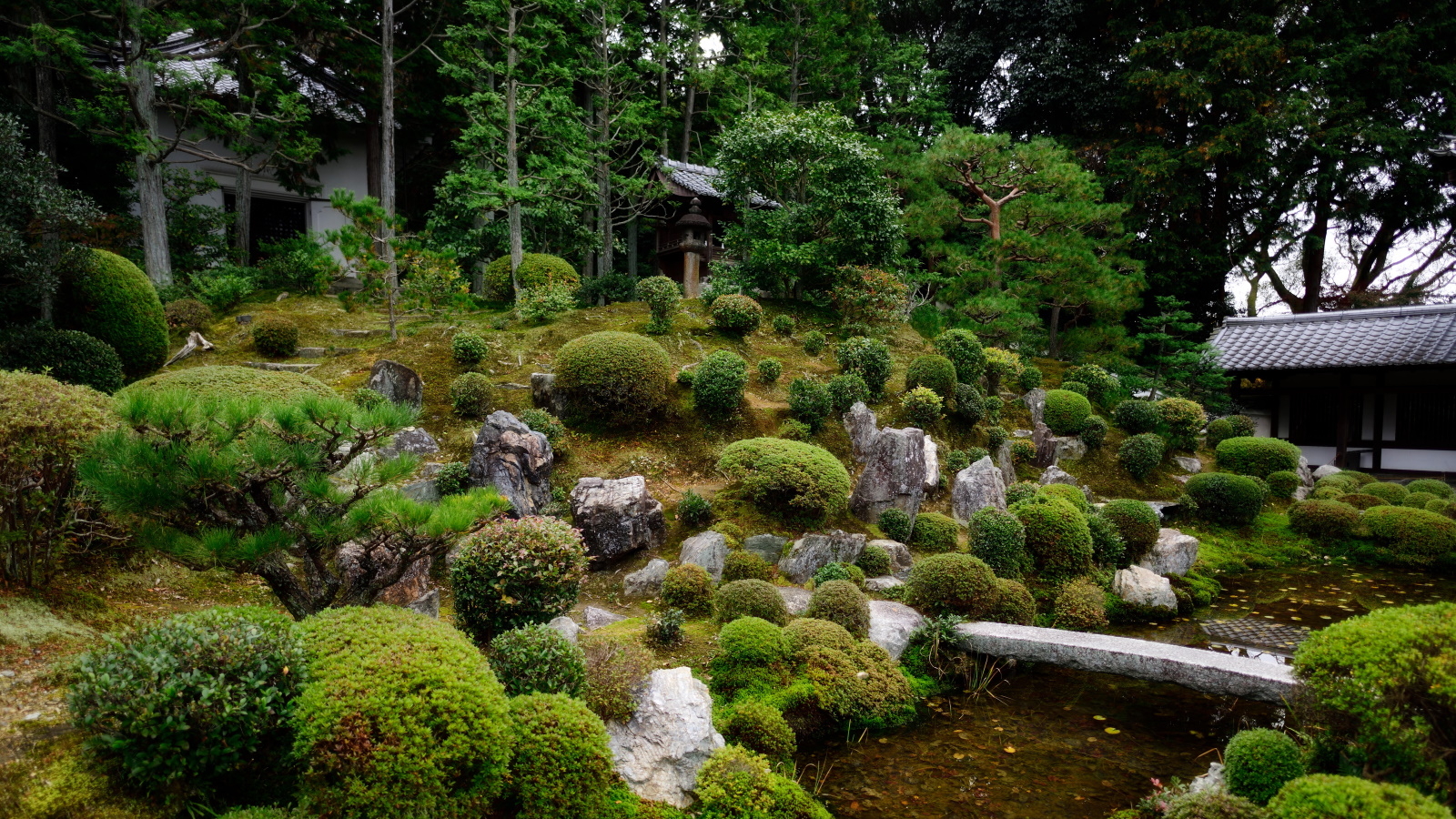
What is a zen garden? This Japanese approach to design can turn backyards into calming sanctuaries
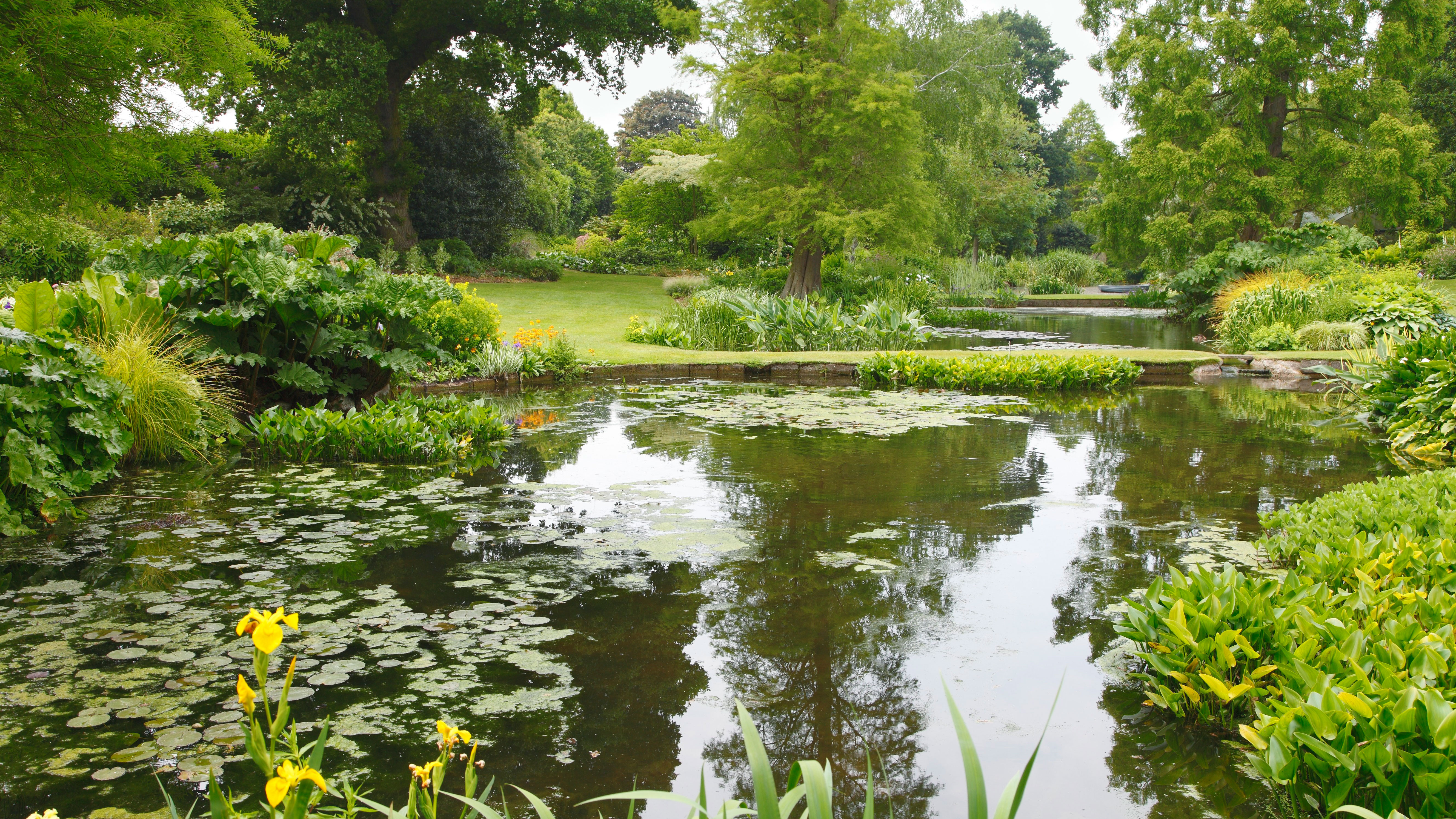
Japanese garden ideas – 11 design tips for a zen backyard
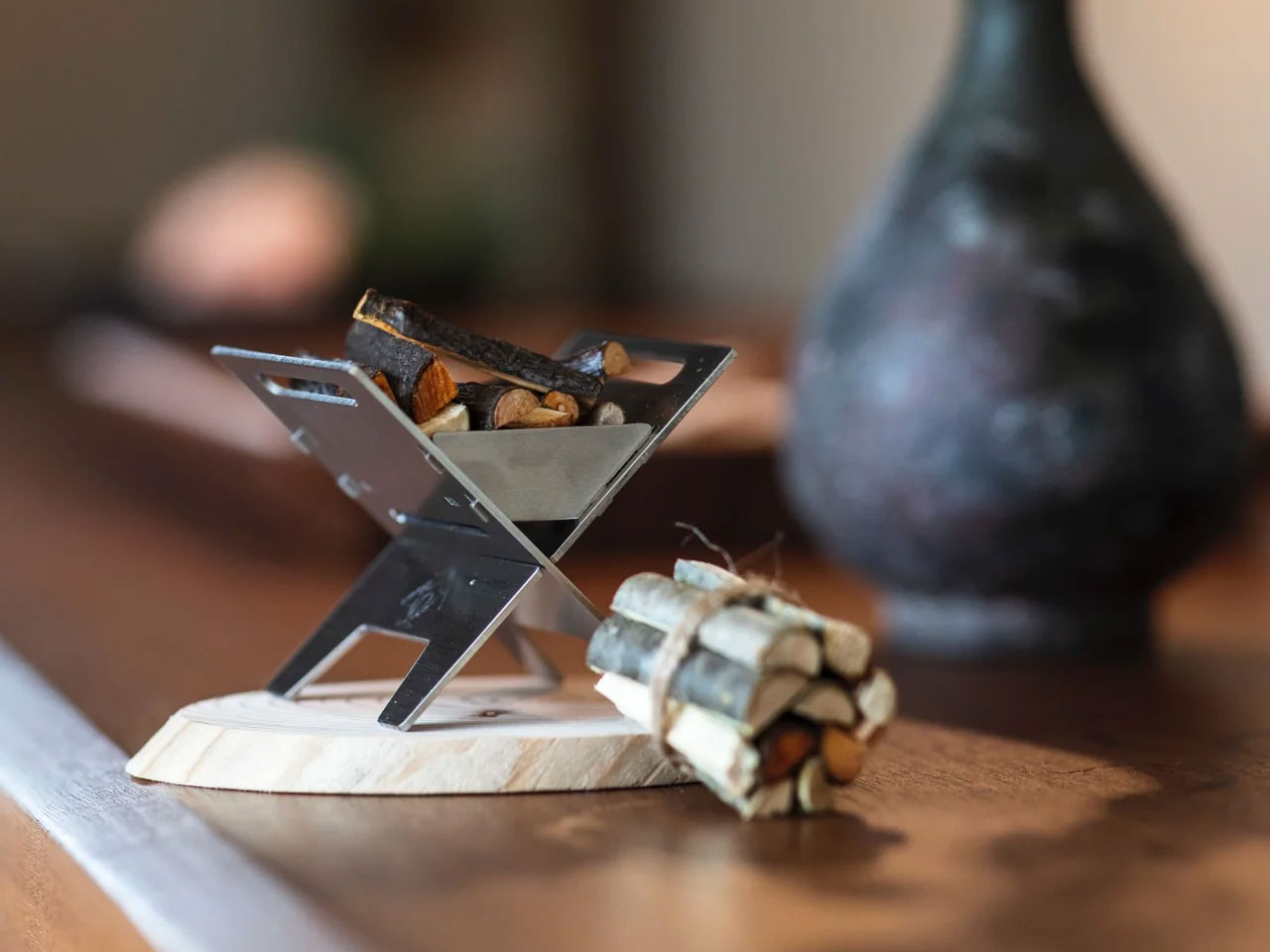
5 Best Japanese-Inspired Home Accessories Designed To Bring Nature & Tranquility Indoors

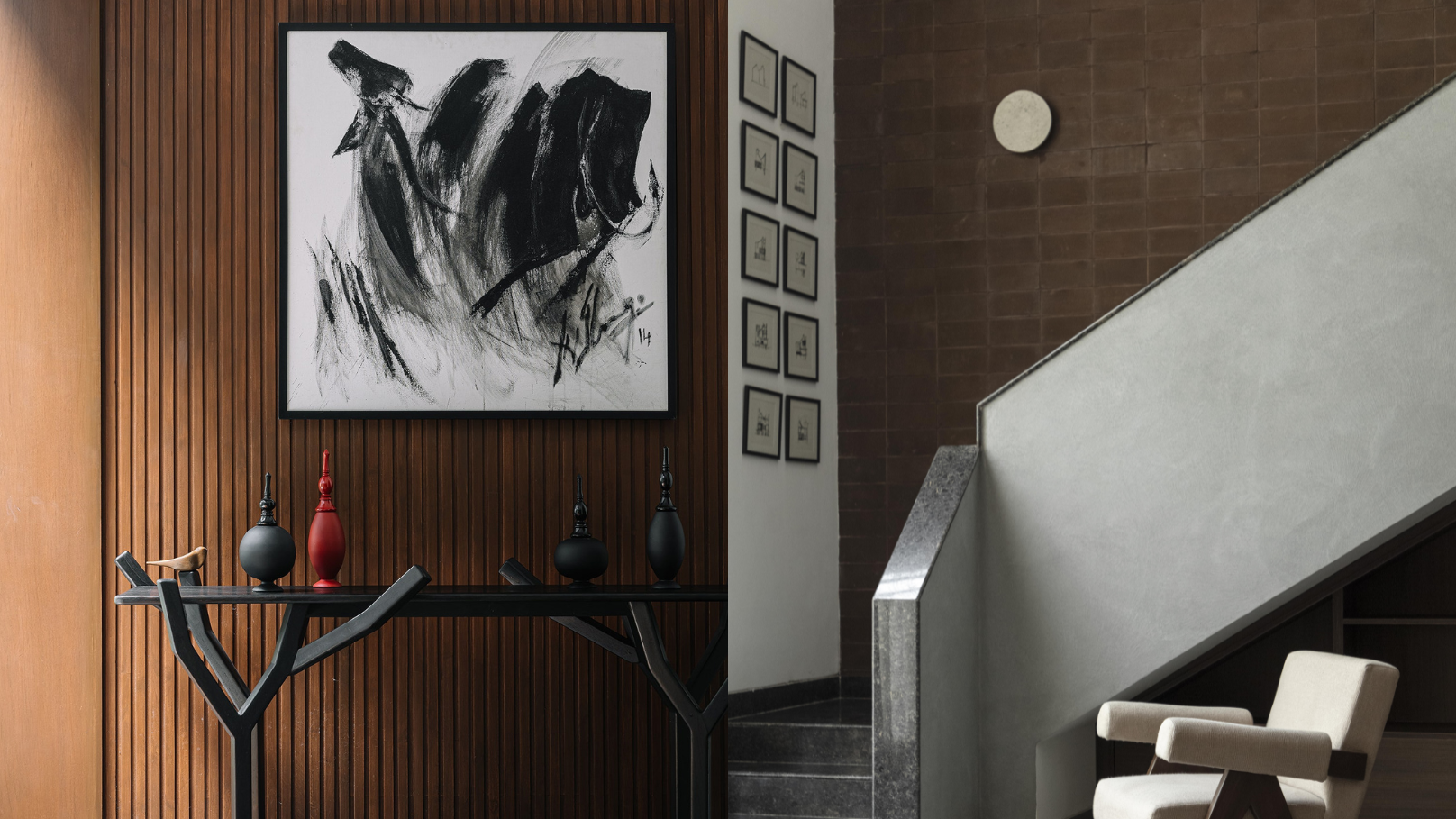
5 homes that bring serene Japanese-inspired design to life

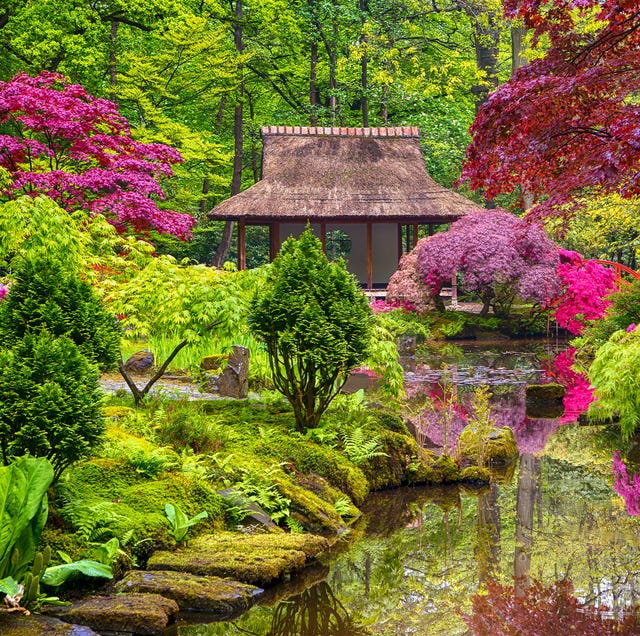
Experts reveal how to plant a Japanese-inspired garden


A Japandi-Style Home Transforms Into a Zen Paradise

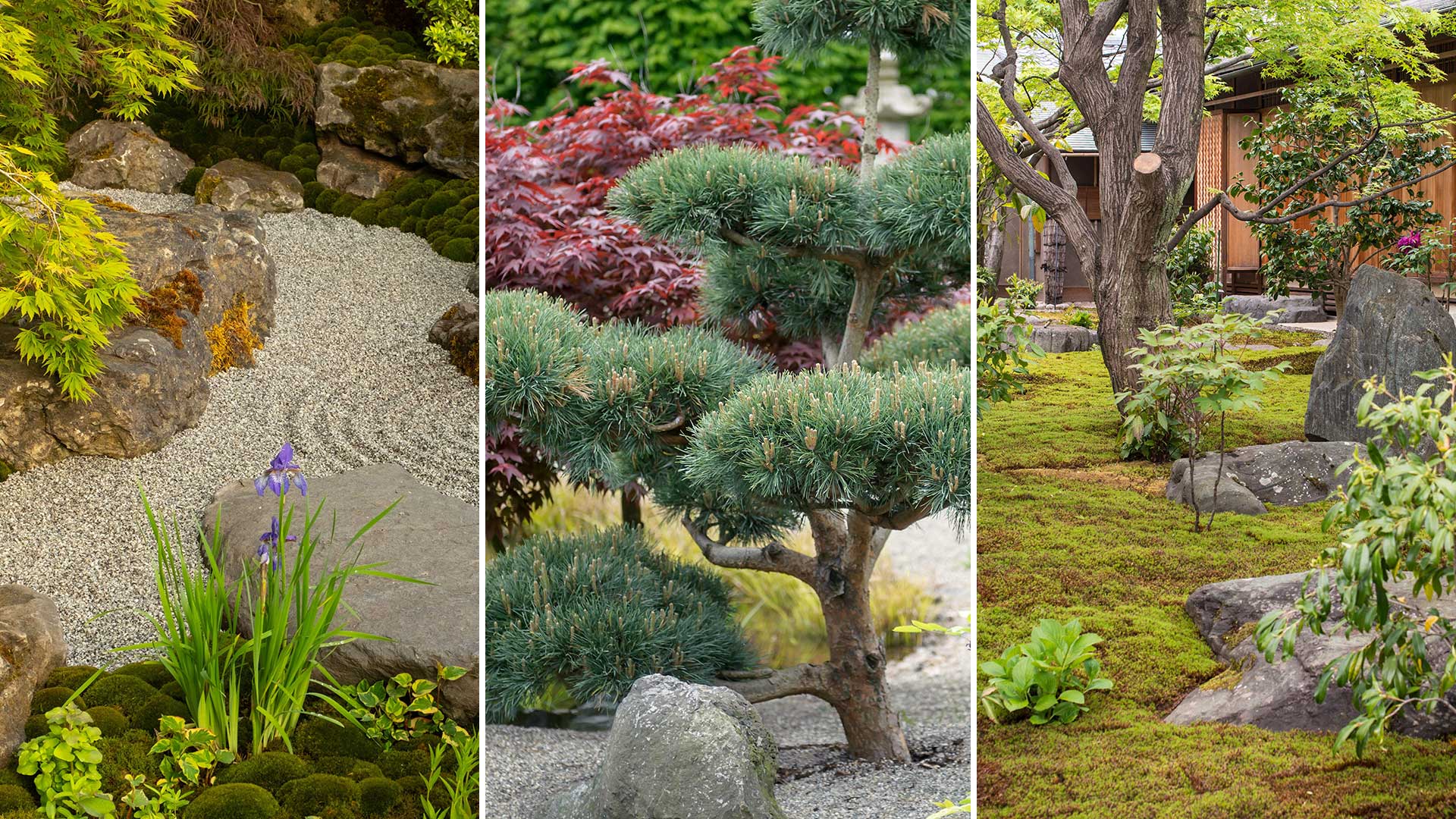
Japanese garden ideas – 10 ways to create a soothing space, with advice from the experts

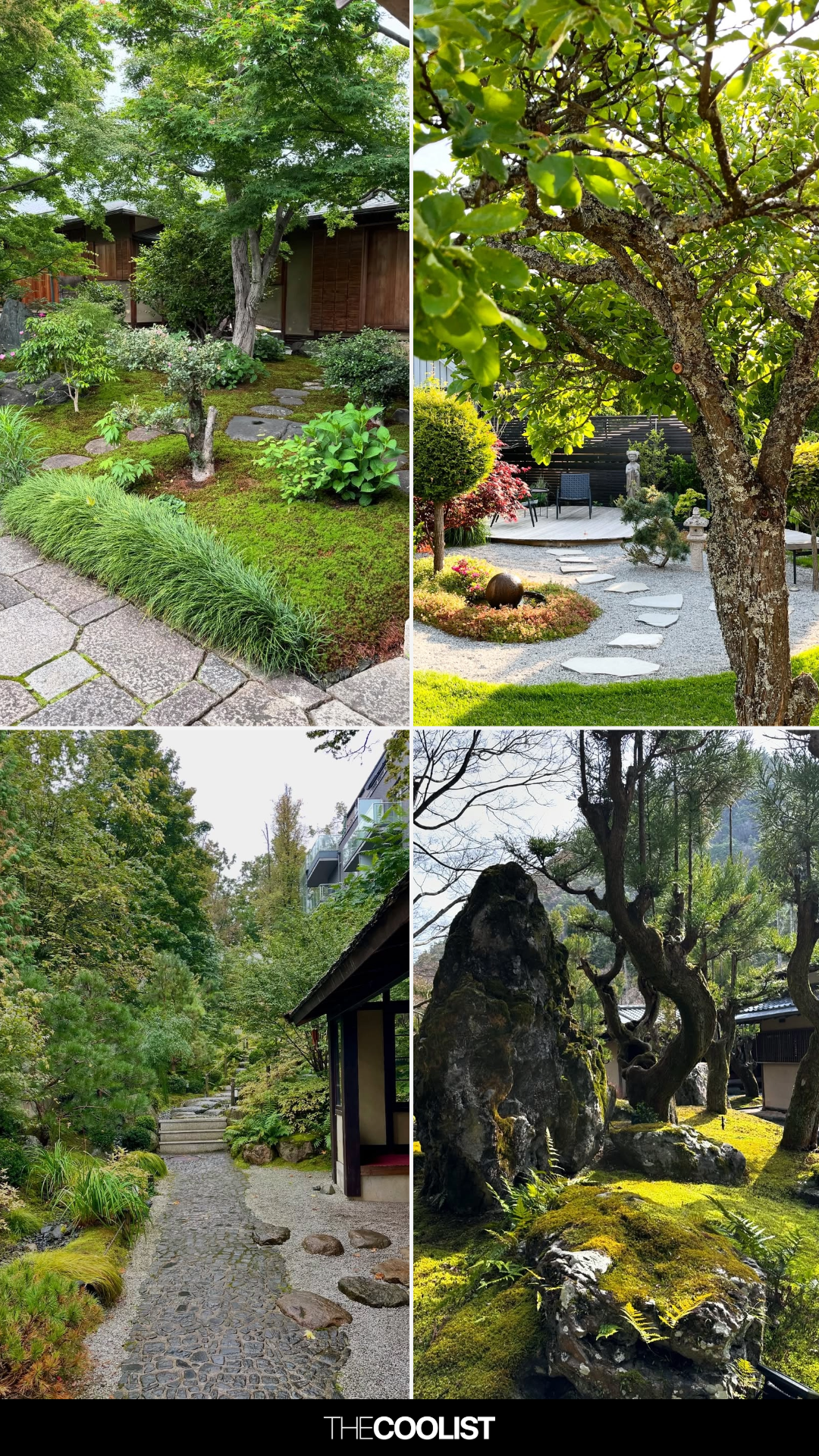
24 Japanese Garden Ideas That Encourage Slow Walks and a More Relaxed Outdoor Rhythm

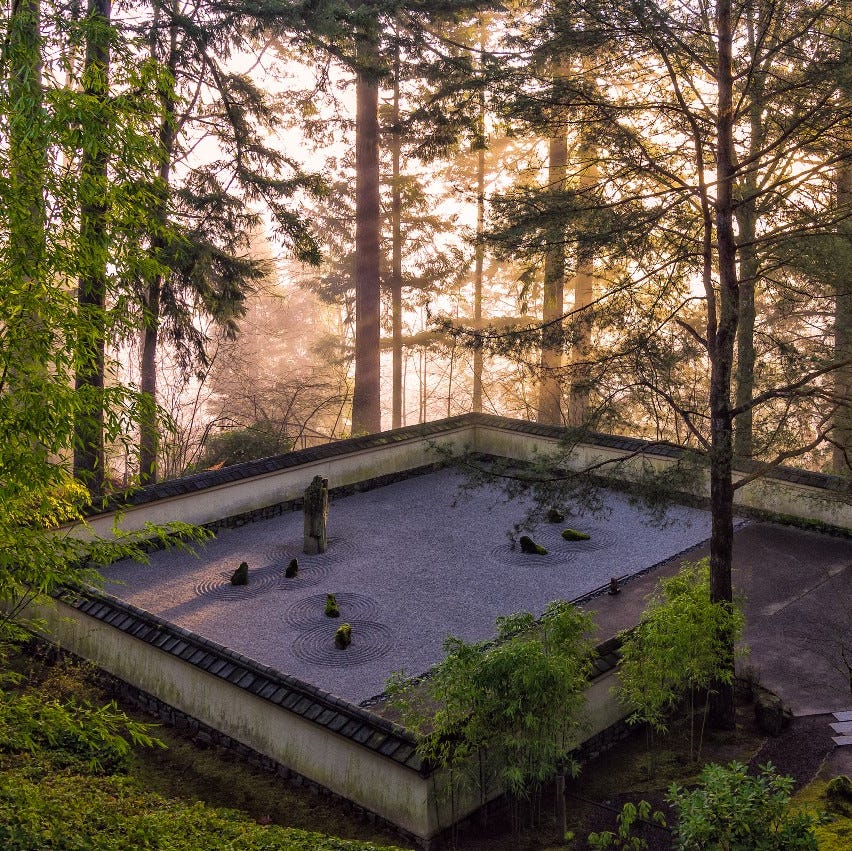
An Expert Guide to Japanese Zen Gardens
7 Japanese-style gardens to inspire and delight