A British Shoe Designer’s Vase Collection (Published 2020)
British shoe designer Nicholas Kirkwood developed a passion for Ettore Sottsass's blown-glass vases after encountering his first piece six years ago in Paris. Kirkwood describes the Memphis movement, which Sottsass was instrumental in forming, as a blend of Bauhaus practicality and Fisher-Price whimsicality, highlighting the collective's focus on vibrant colors and abstract forms. His fascination with the boundary-pushing aesthetics of the 1980s led him to appreciate the graphic qualities of Sottsass’s work, particularly the vases which he found to possess a childlike, whimsical appeal.
Since that initial discovery, Kirkwood has curated a collection of over a dozen of Sottsass's vases. Many of these pieces are displayed on a windowsill in his Soho studio, chosen specifically to interact with natural light. Some of the vases also hold sculptural flower arrangements, which Kirkwood prefers from London’s Fjura. He acknowledges that Sottsass's creations may not always be practical or conventionally beautiful, but he emphasizes their remarkable ability to define and enhance a room’s character. This appreciation for design that transcends mere utility is also reflected in Kirkwood's own work, with his spring collection drawing inspiration from the interplay between architecture and nature, particularly as observed in Los Angeles. His recently redesigned website now offers shoppable items.
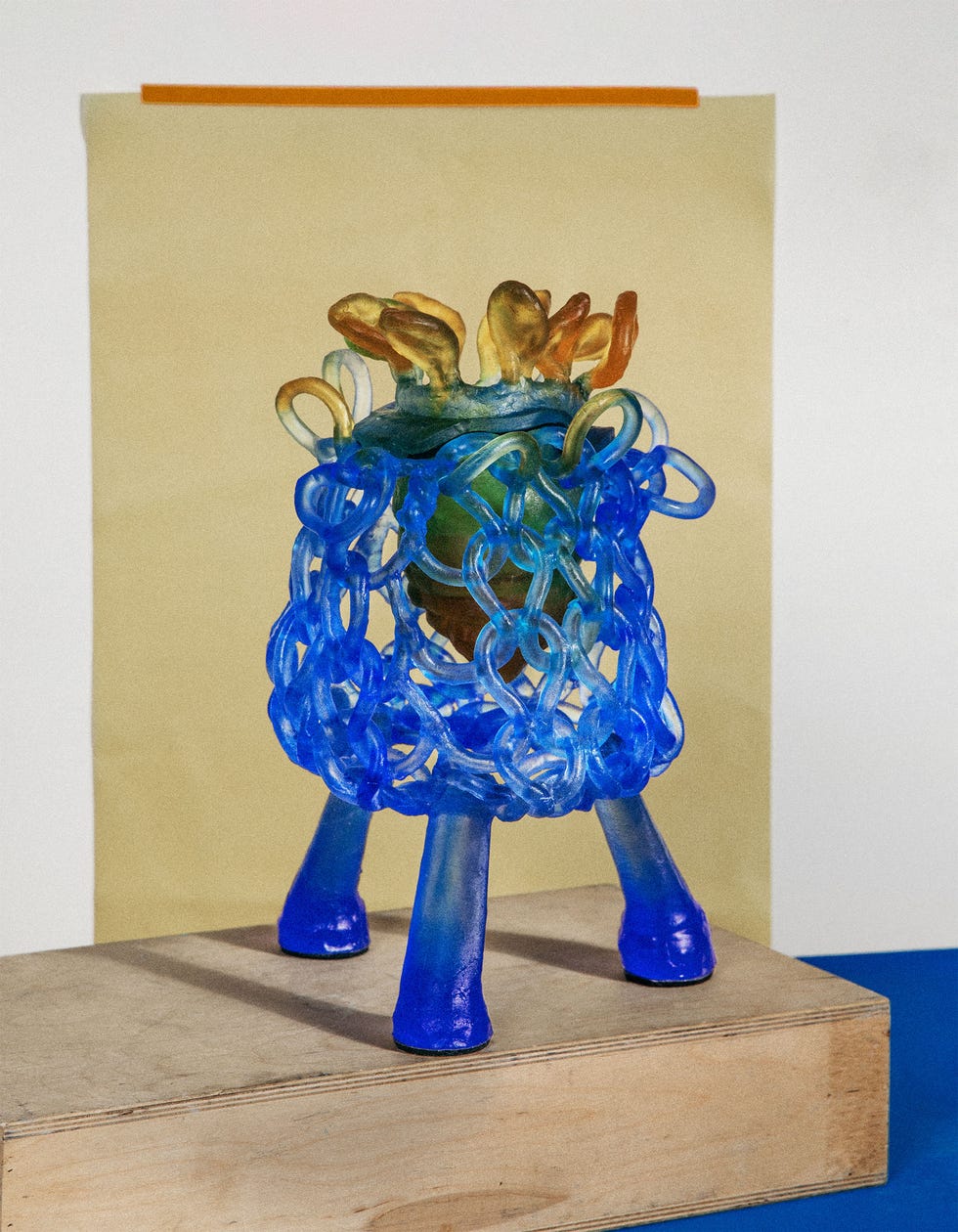
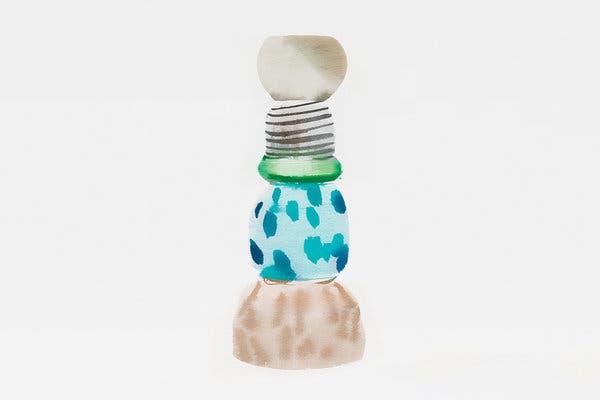
The article features several specific vases from Kirkwood's collection, each accompanied by his personal commentary. The Pasifila blown-glass vase from 1986 is noted as one he actually uses for flowers due to its unique proportions, specifically a tighter curve at the top, which makes it appear more classic. The Ananke blown-glass vase, also from 1986, is described as having an appearance reminiscent of something from "Charlie and the Chocolate Factory," with an ambiguous orientation where either end could be considered the top or bottom. The Alioth blown-glass vase from 1983 features blue drops that Kirkwood compares to pastry decorations and amber ones to slugs. He finds its timeless quality remarkable, suggesting that its design, despite being from the '80s, could easily be mistaken for an ancient artifact, a characteristic he believes is common in much of Sottsass's oeuvre.
Two more vases from 1986 are highlighted: the Sirio blown-glass vase, with its wavy, solid glass handles that Kirkwood playfully imagines as a figure with hands on hips, performing a dance; and the Astimelusa blown-glass vase, which he finds more synergistic due to its elegant tripartite structure and a sophisticated burgundy, green, and white color scheme. Finally, the Neobule blown-glass vase from 1986 is described with its bold black-and-white combination and a striking yellow center that Kirkwood perceives as alien and out of place, likening it to a nuclear reactor. Through Kirkwood's insights, the article explores the enduring appeal and unique characteristics of Ettore Sottsass's postmodernist designs.
#NicholasKirkwood #EttoreSottsass #MemphisMovement #BlownGlassVases #PostmodernDesign #DesignCollective #ShoeDesigner #ArtCollection #InteriorDecor #NicholasKirkwood #EttoreSottsass #MemphisMovement #BlownGlassVases #PostmodernDesign #DesignCollective #ShoeDesigner #ArtCollection #InteriorDecor
0 comment in total
 No comments yet
You may also like
John Booth hand paints abstract faces for Tributes ceramics collection
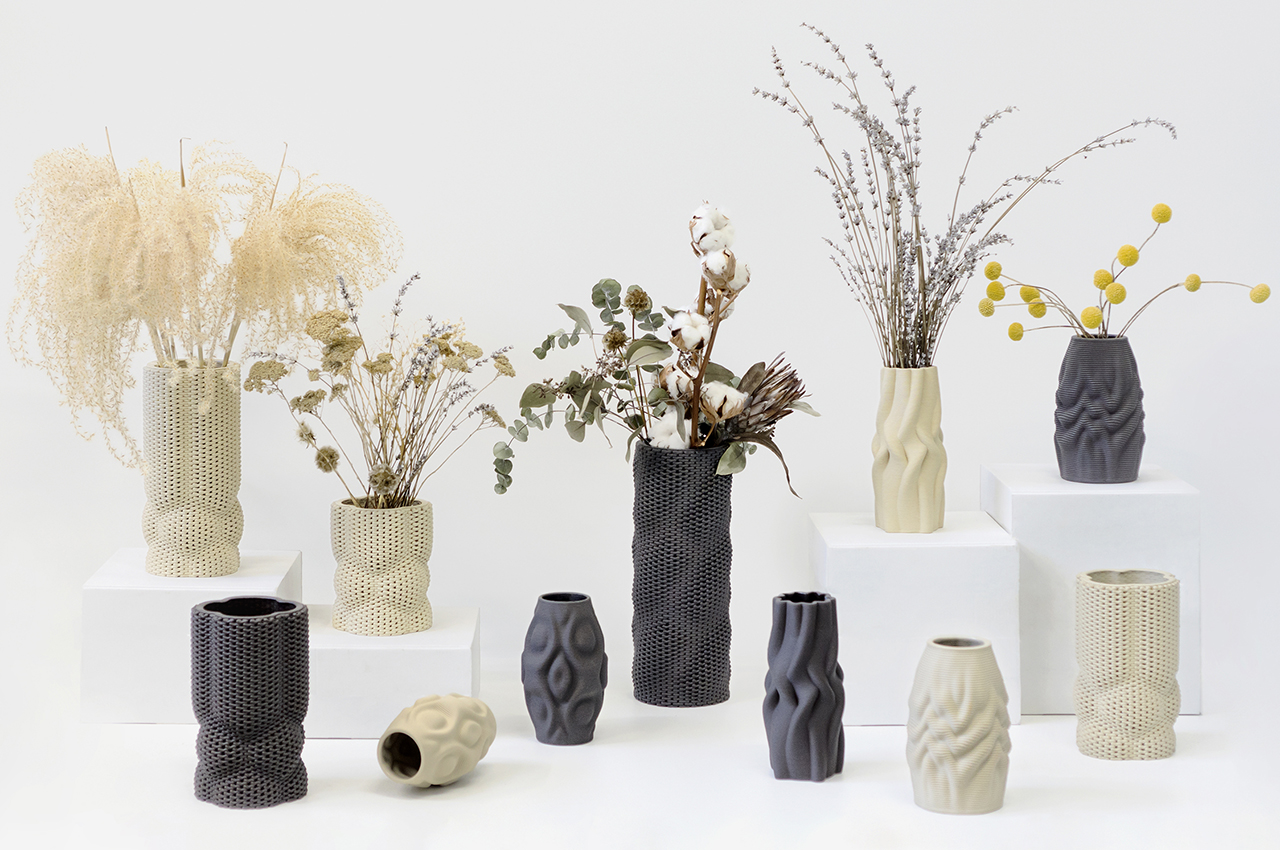
3D-Printed Ceramic Vases That Mimic Nature’s Patterns

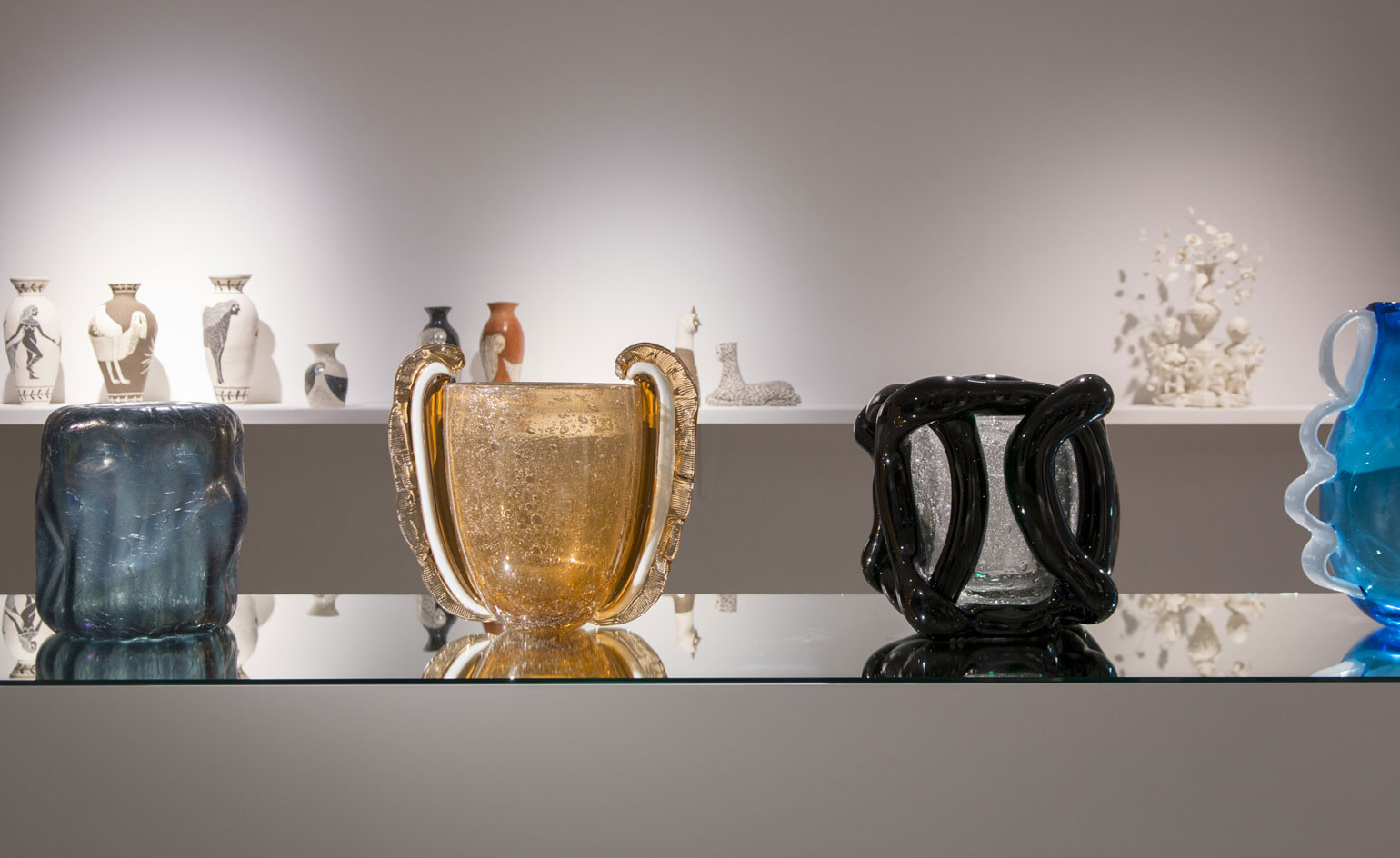
Vessel to vessel: cutting-edge contemporary vases that transcend their function


Yara Shahidi and Taraji P. Henson’s Stylist Has a House Full of Sexual Art and Tons of Sneakers

8 Beautiful Vases That Are True Works of Art, and Are Just As Investment-Worthy
Elevate your living space this spring with these designer vases

manipulate glass with the 'touch-me' vase collection by matteo silverio + stefano bullo
30 Funky/Statement Vases To Elevate Your Home
Pottery Barn Just Teamed Up With One of Our Favorite Textile Designers

3D-printed porcelain vases by olivier van herpt in blue and white

Willo Perron on his sound-inspired collaboration with Vans

This Royal-Approved Design Brand Just Dropped a Home Decor Collab Filled With Iconic Prints

Shopping for Vases (Published 2017)
Spring Blooms Are Here—Here Are The 10 Best Places to Find Vases Online
Expand Your Art Collection with These Gallery-Worthy Vessels
10 Best Shoe Storage Cabinet: With seat & doors under $600 (2023 Reviews)

Vivian Xu: Meet the London-based potter creating one-of-a-kind homewares

Adidas Intimidation Low Returns in "Ivory/Beige" Colorway

If Your Shoe Collection Is Overwhelming, These Genius Cabinets Will Spark Joy

23 of the best antique dealers across country, as nominated by Britain's top interior designers, architects and garden designers