1/25
Nifty narrow garden ideas to make the most of a slender plot
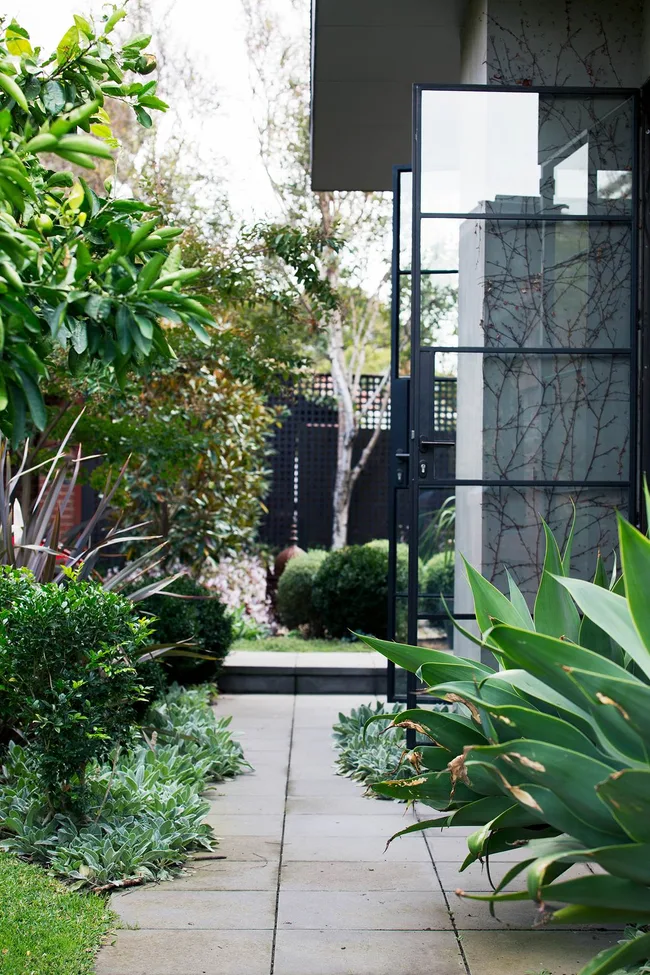
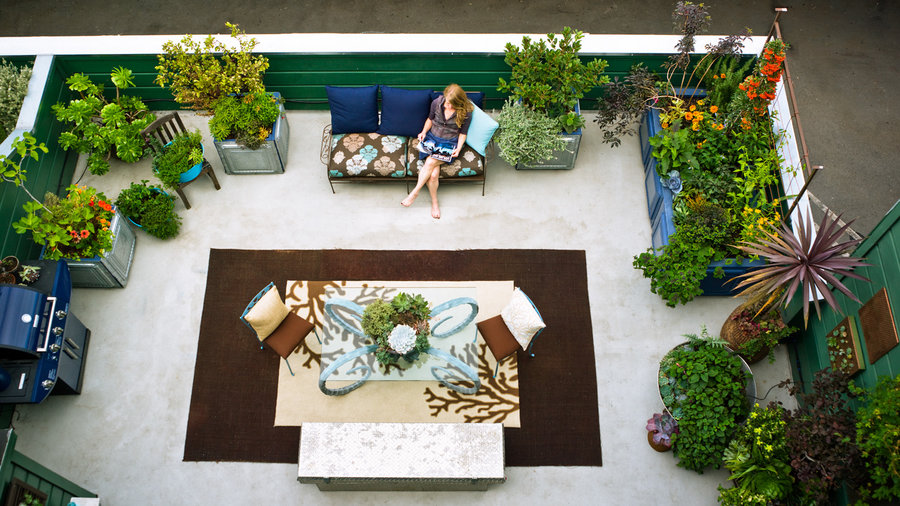
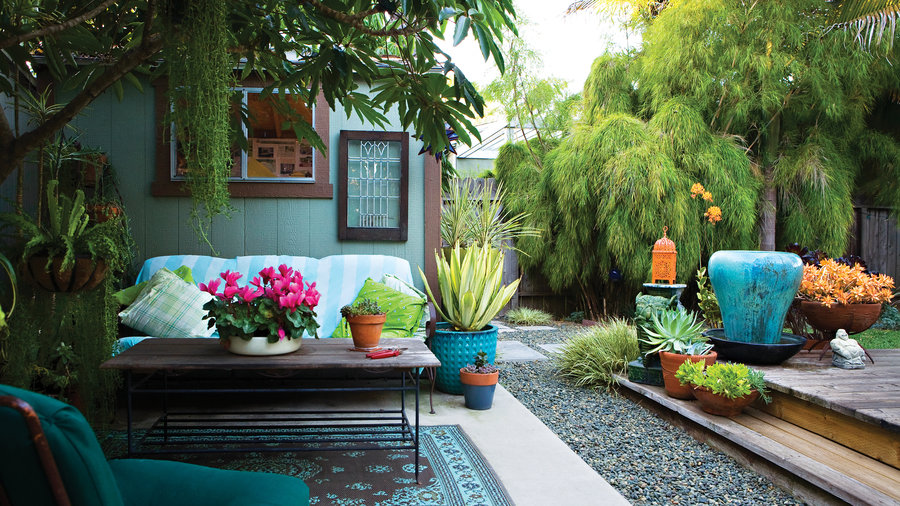
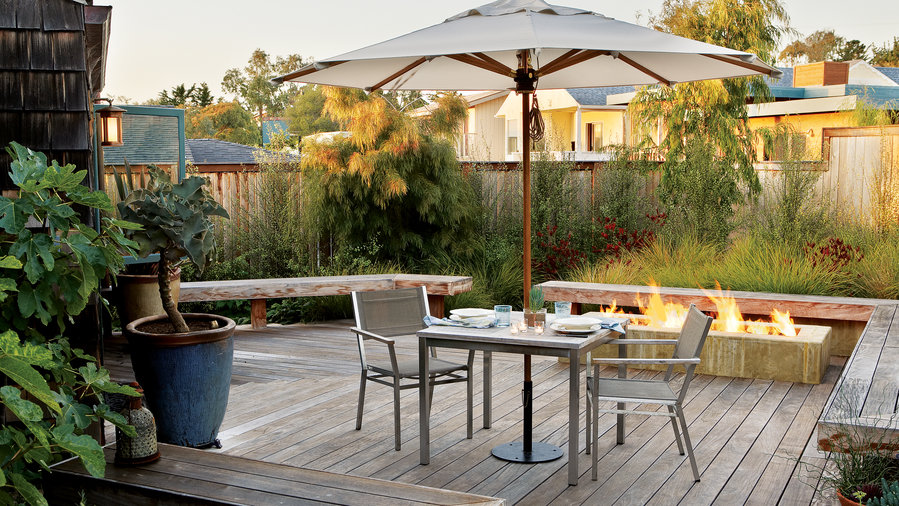
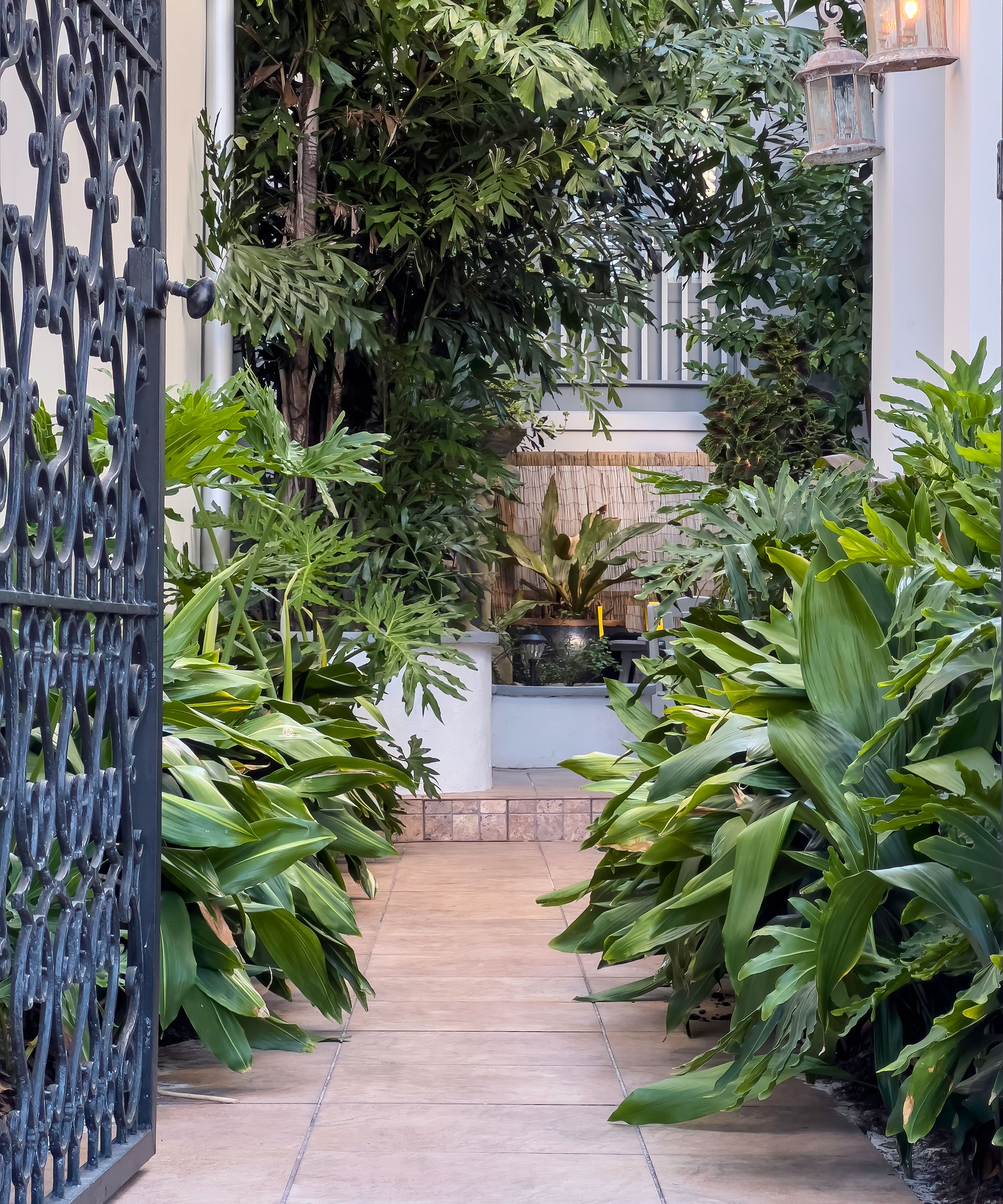
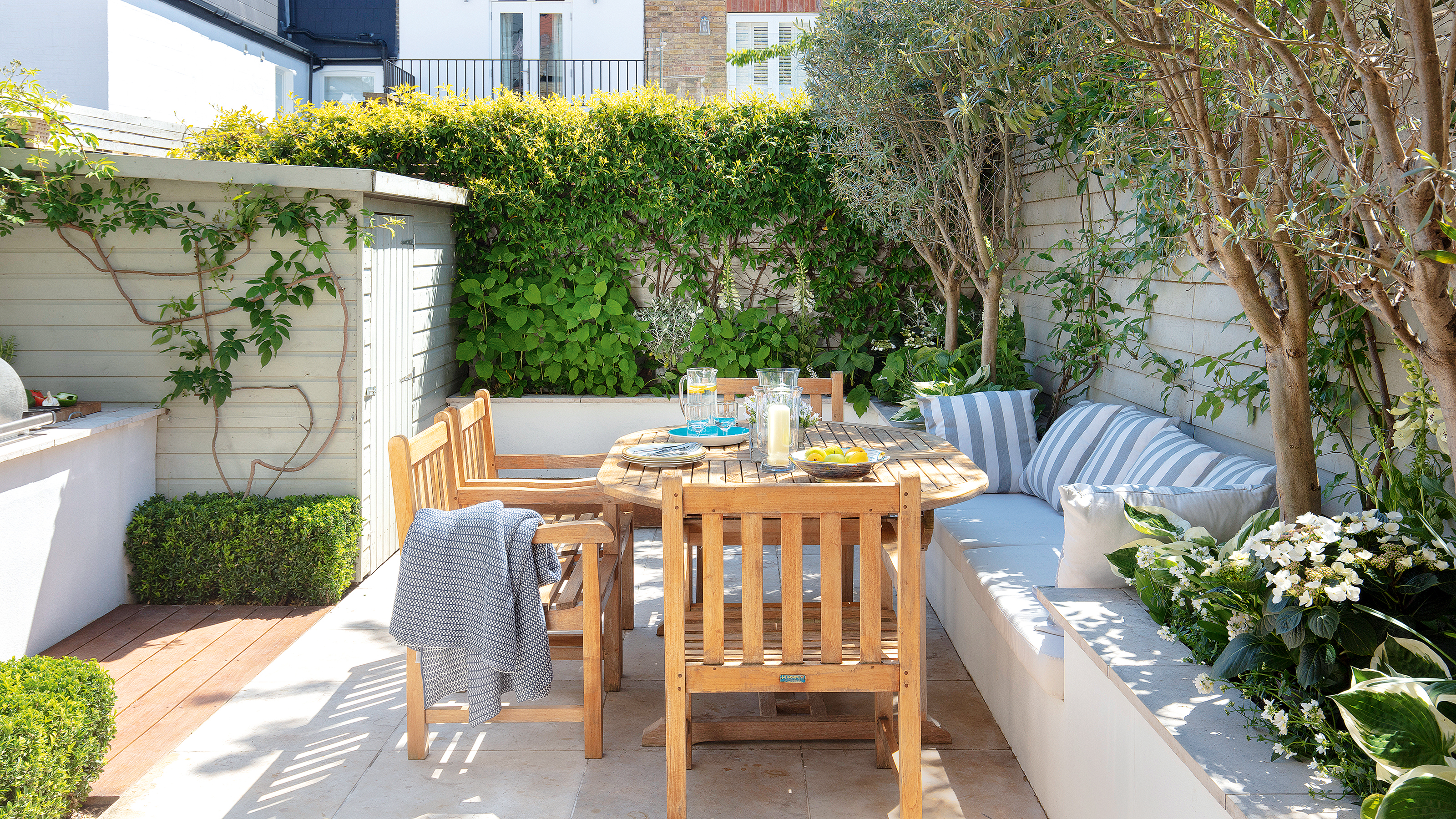
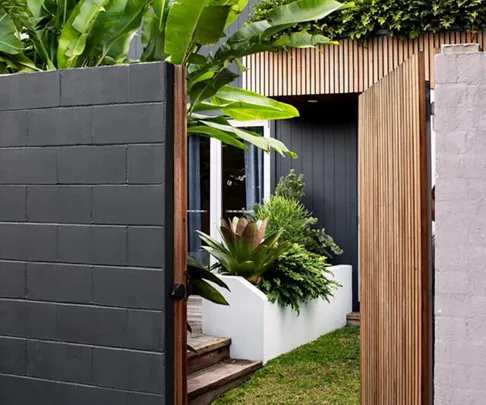
Gardens with a long, slender outdoor space can be transformed into stand-out areas by implementing strategic design ideas. These thin spaces, often considered small gardens in terms of square footage, offer the advantage of lower landscaping and maintenance costs compared to larger outdoor areas. The initial step in designing a narrow garden involves defining its desired appearance and functionality, whether for children's play, relaxation, planting, or alfresco dining. Dividing the garden into distinct zones can maximize its utility, providing separate sections for various activities.
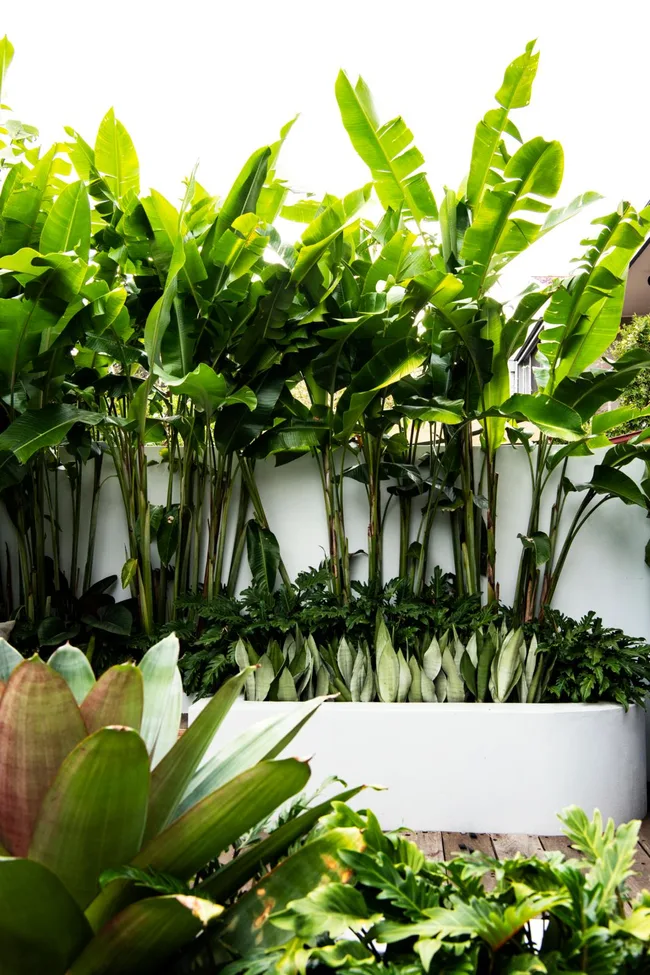
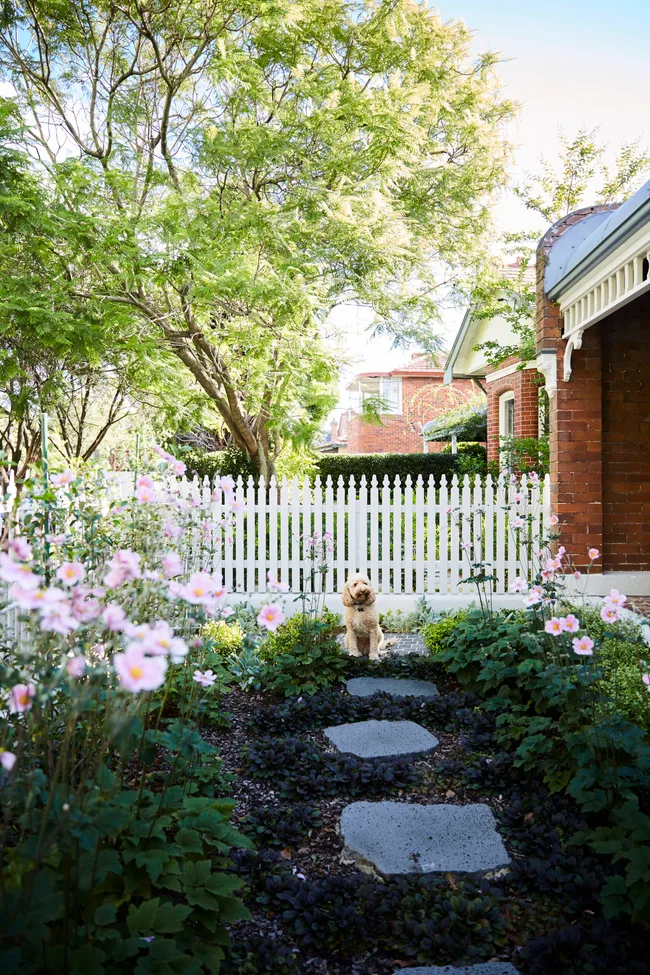
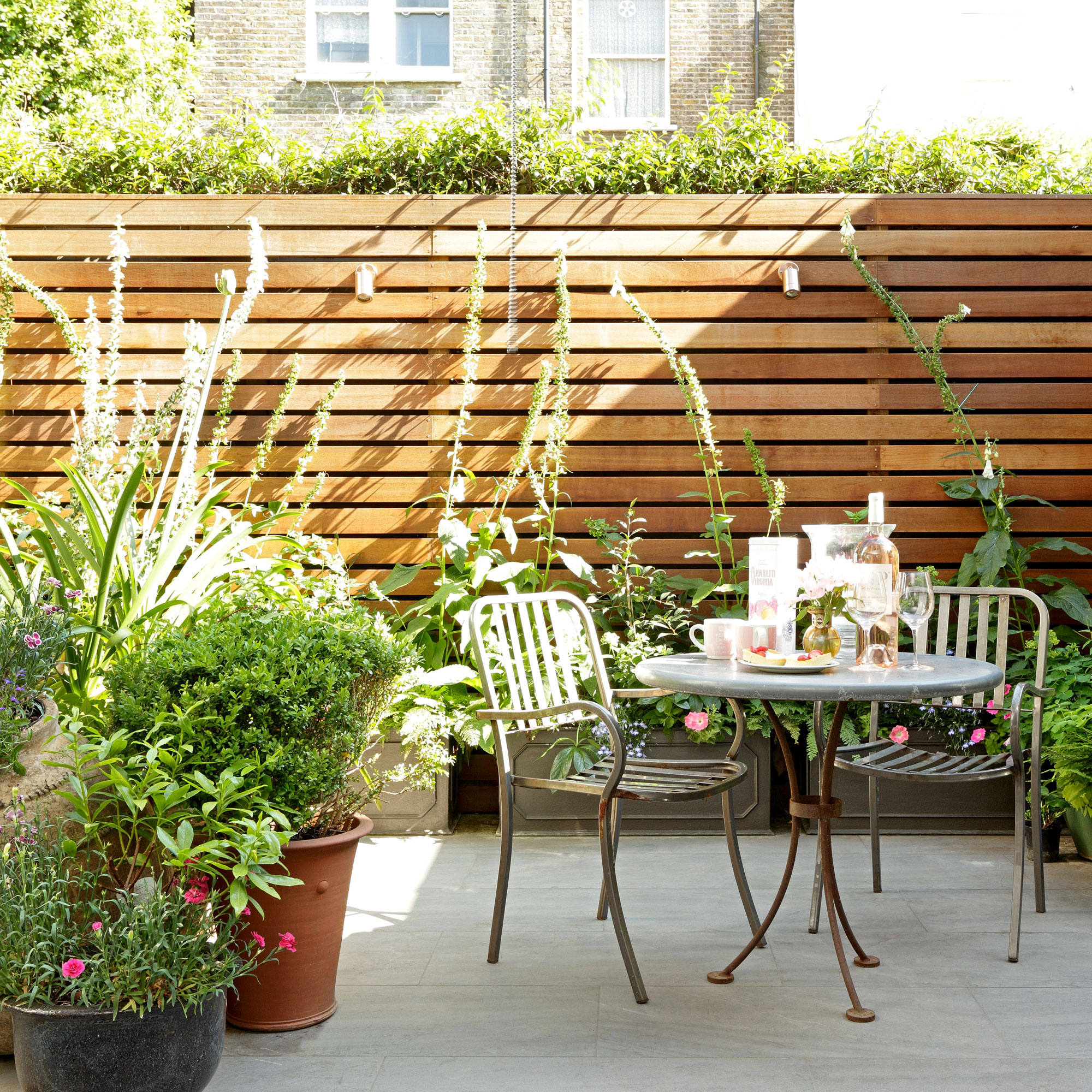
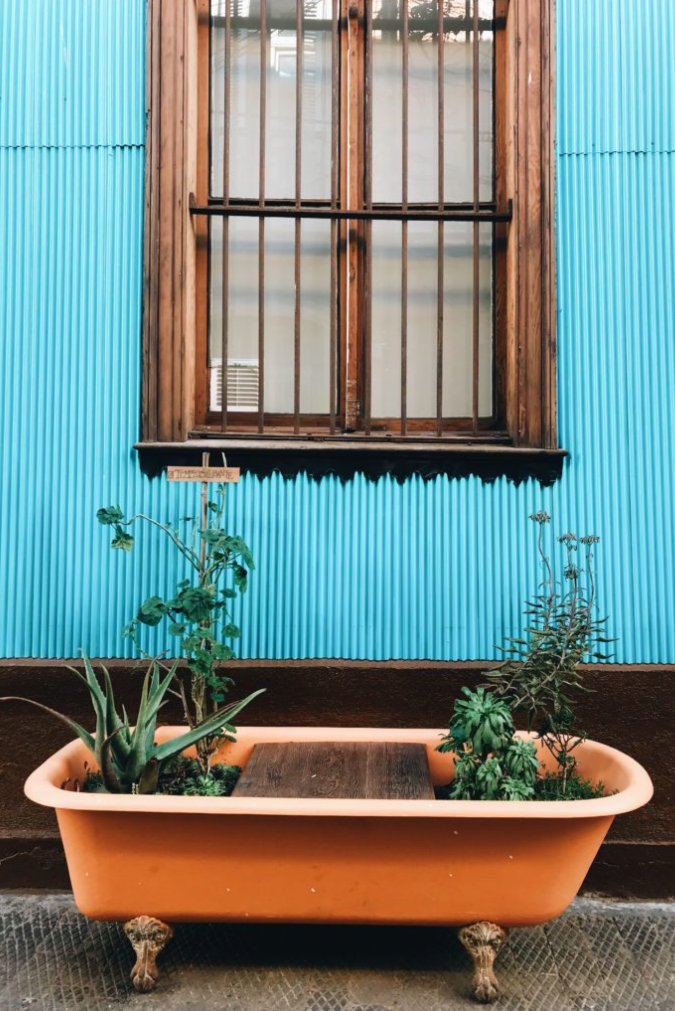
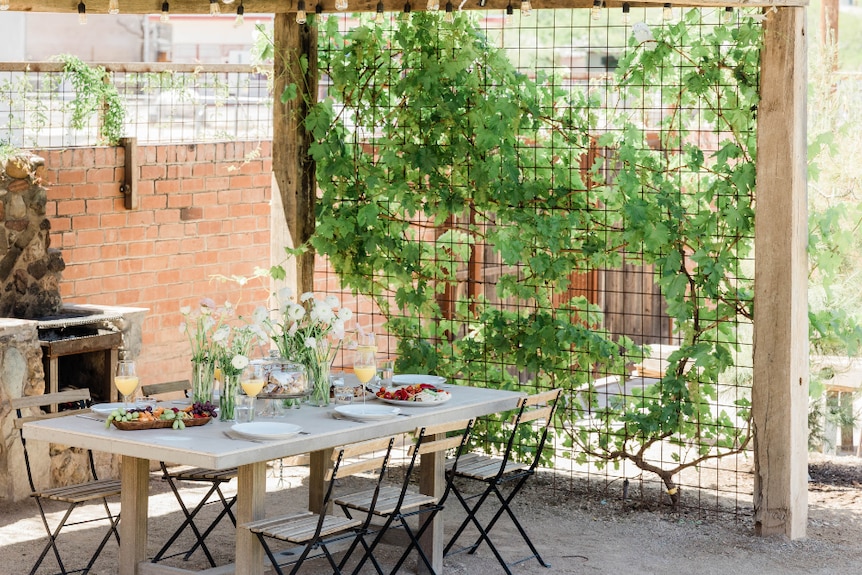
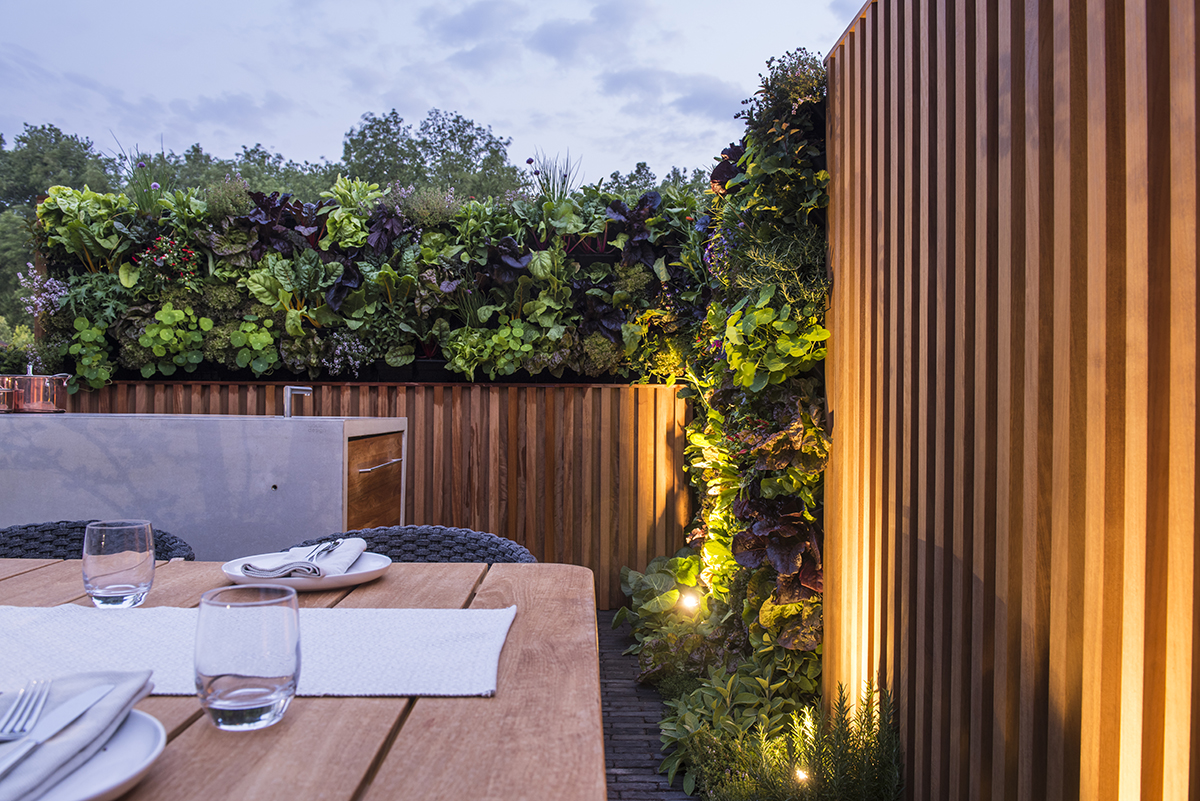
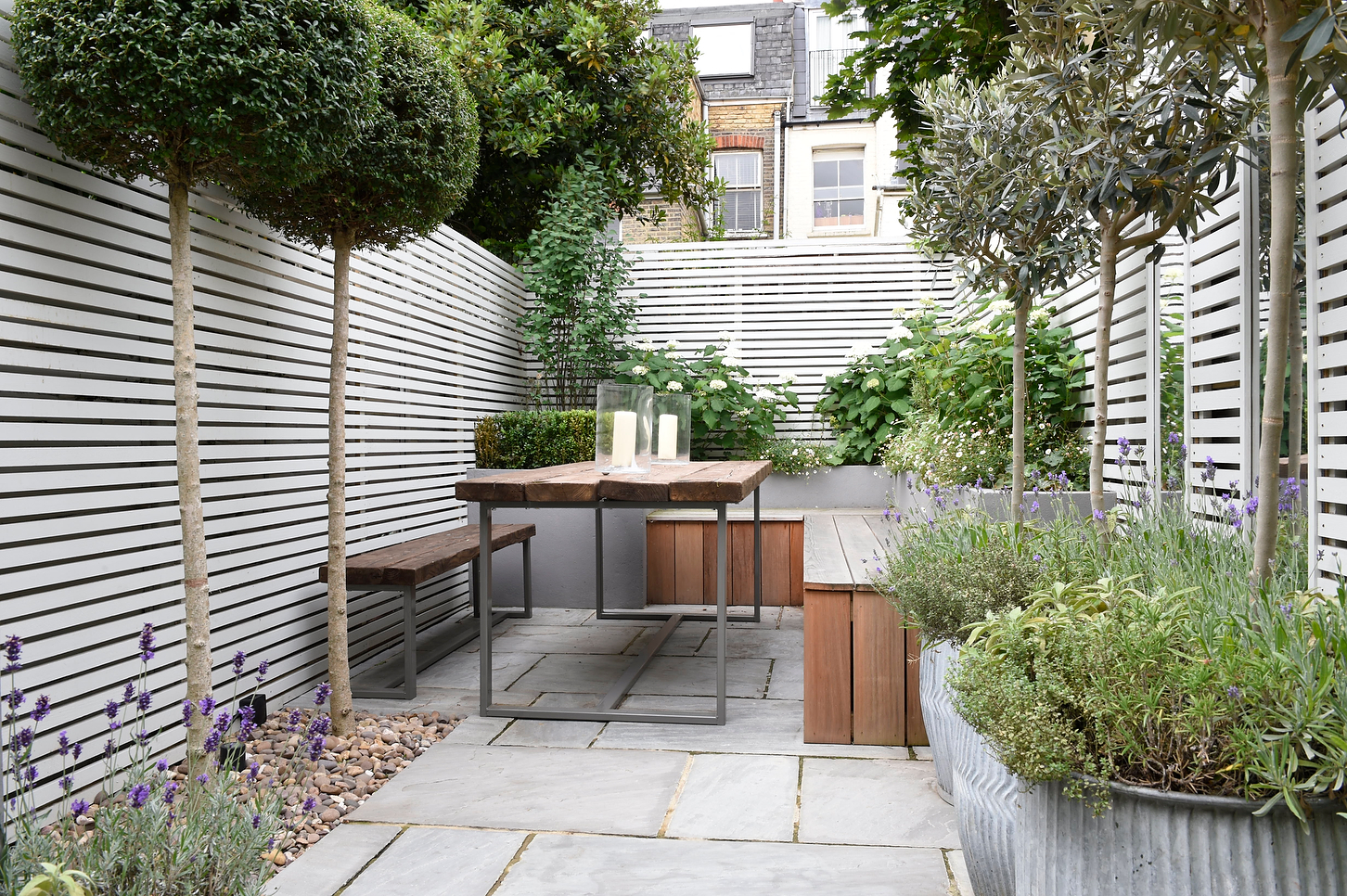
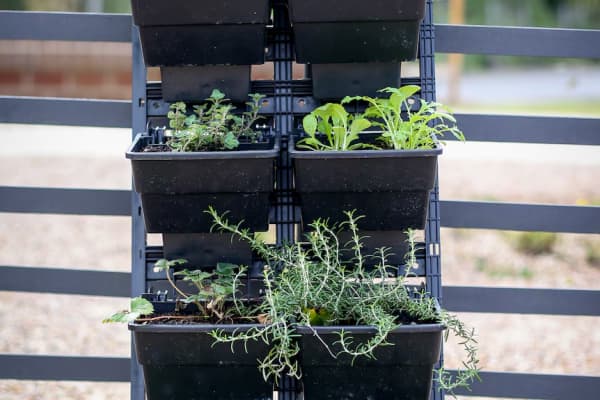
One effective technique is vertical planting, which reclaims ground space by utilizing walls or fencing for plants. Trellises, hanging pots, and planters introduce color and life without cluttering the ground. This method is particularly useful for tall walls, allowing for plants that might otherwise lack sufficient light. Decorative borders also significantly enhance a narrow garden's aesthetic. Even a small border can add considerable impact, especially when filled with colorful, fragrant, or wildlife-friendly plants like lavender.
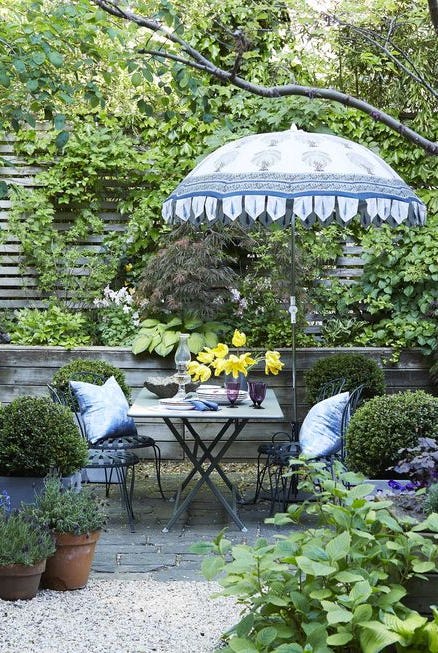
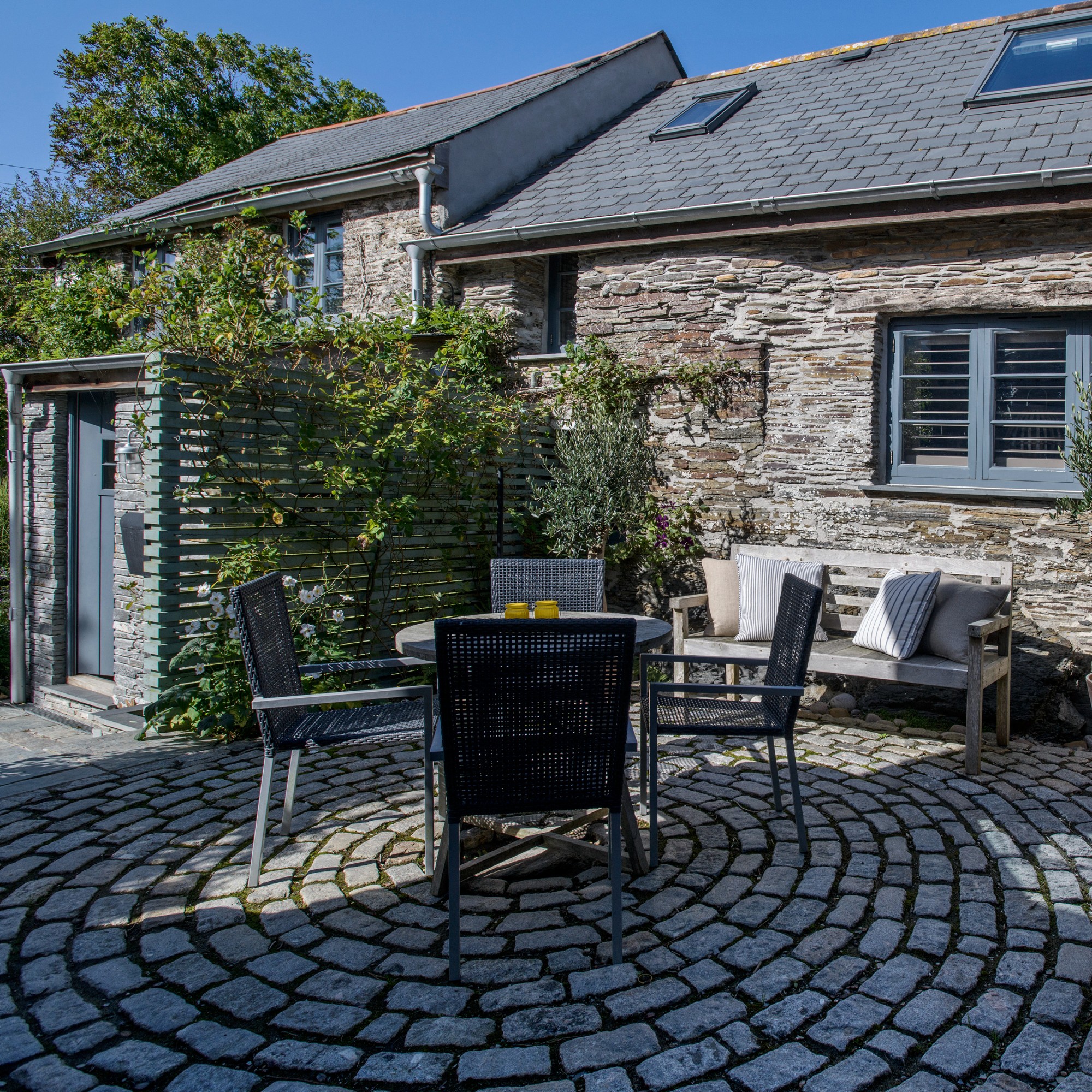
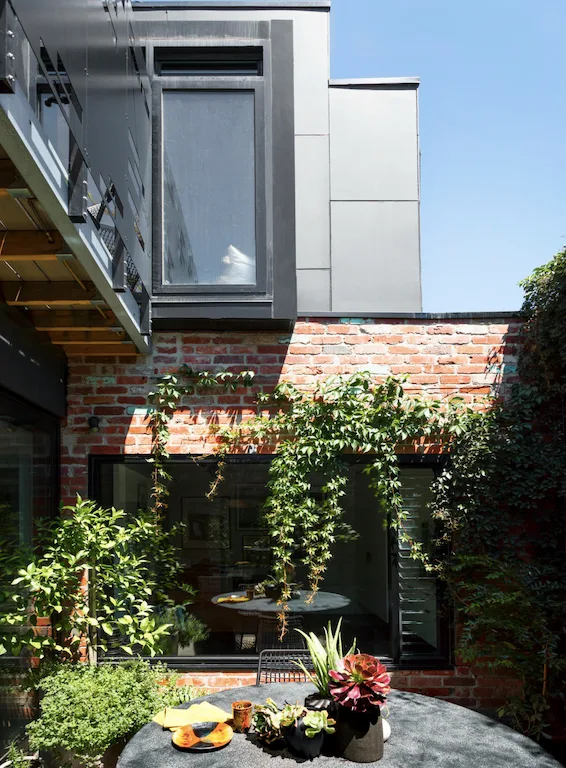
To visually elongate the space, designers can lead the eye towards a focal point at the garden's end, such as a brightly painted bench surrounded by pots and solar lighting, creating an inviting hideaway. Incorporating slimline outdoor cooking stations, like small BBQs or pizza ovens with slender bar stools, demonstrates that outdoor kitchens are feasible even in narrow spaces. Mixing various surface materials, such as exterior walls, fencing, and paving, adds interest without consuming precious ground space, especially in very narrow plots.
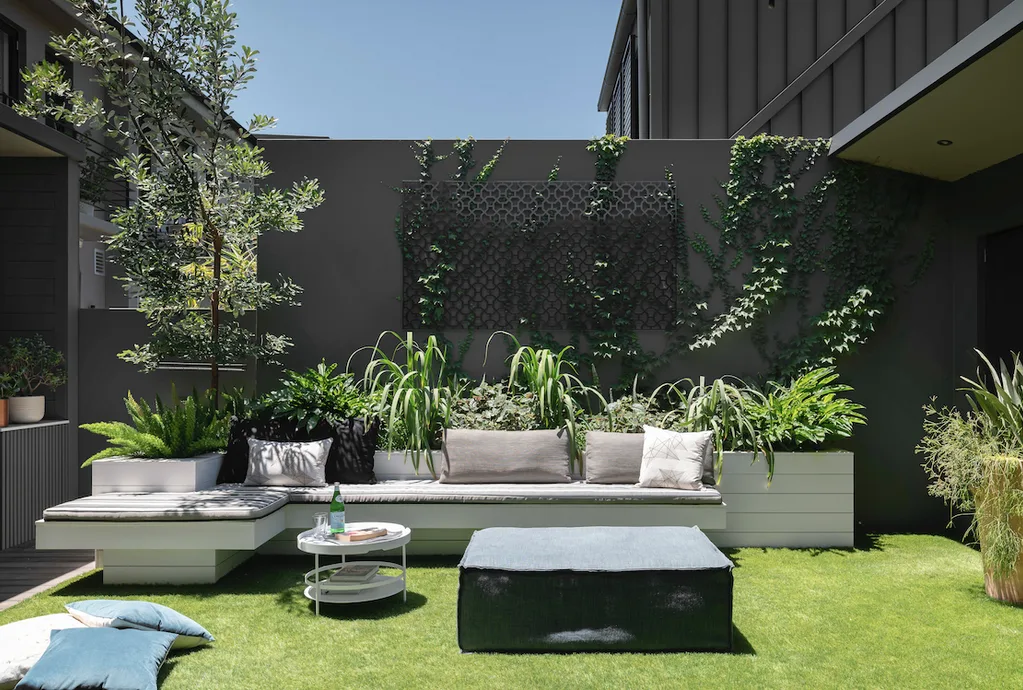
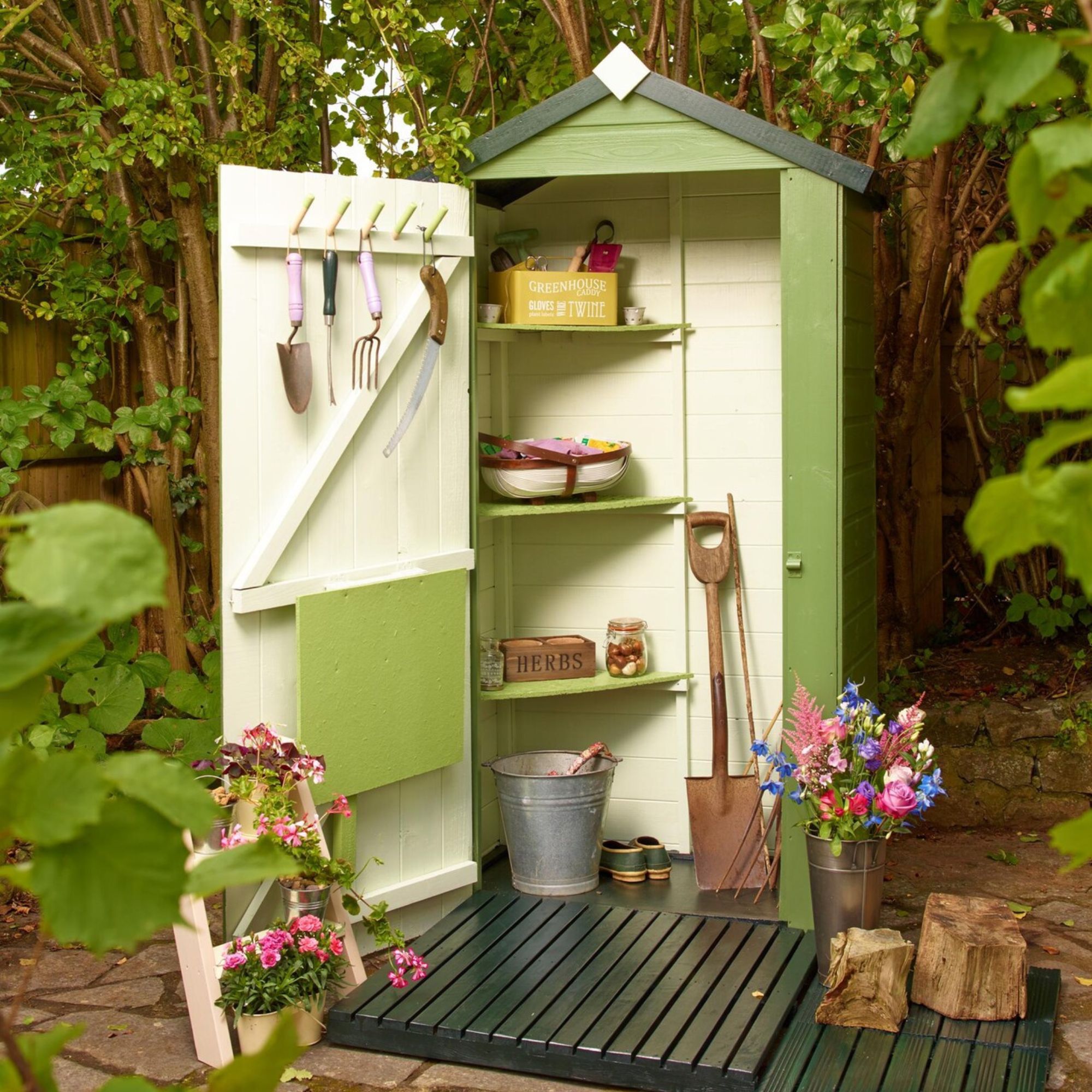
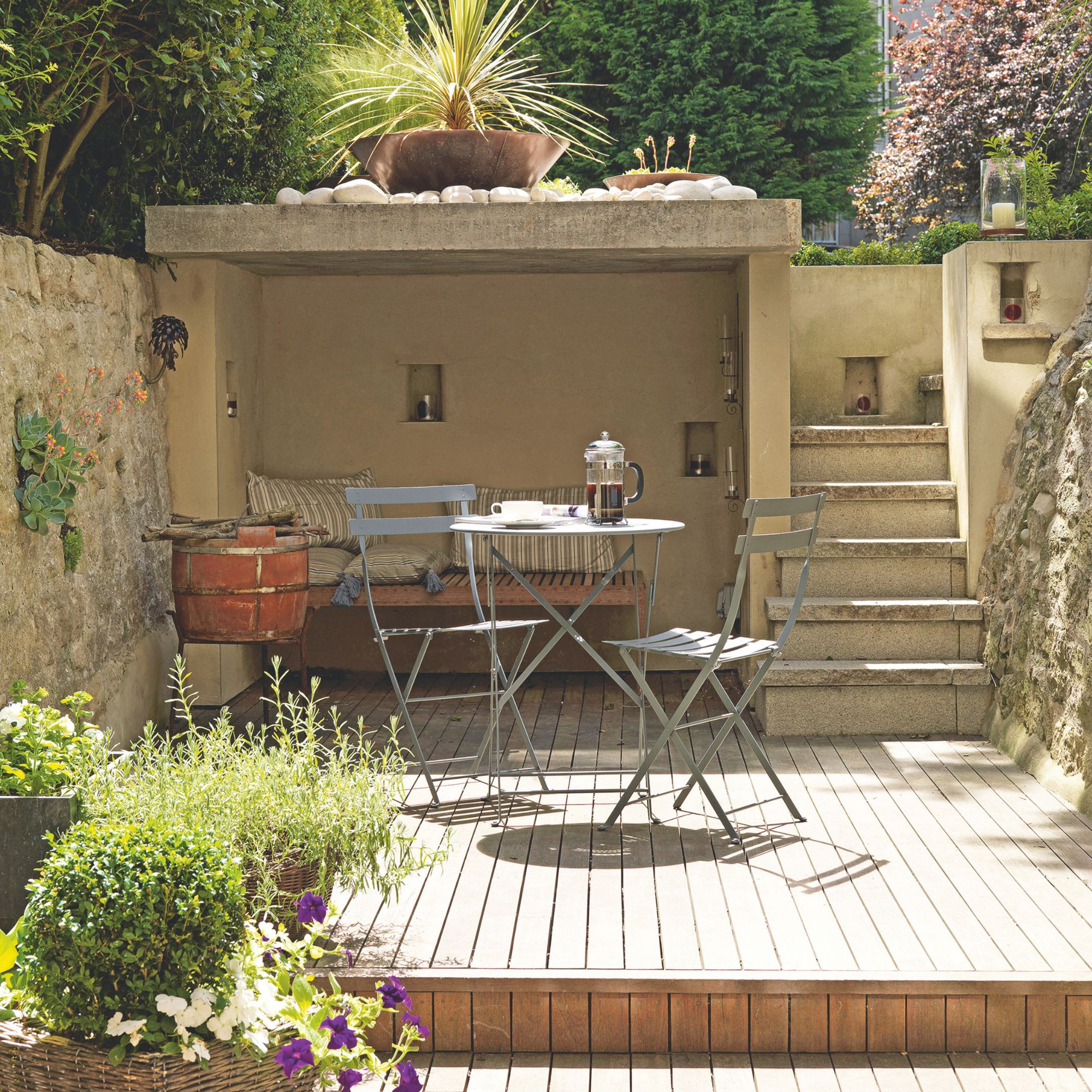
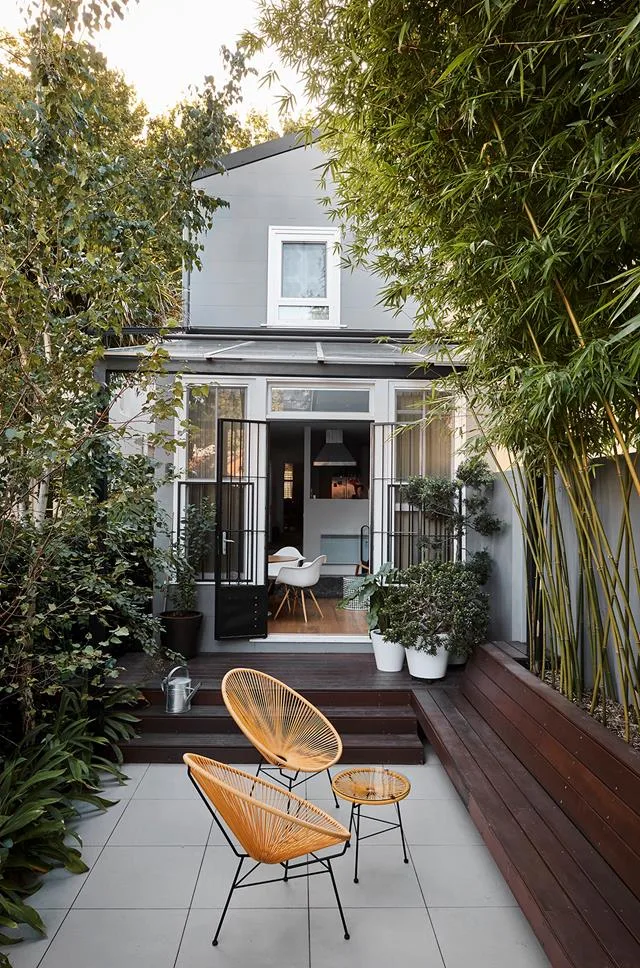
Utilizing raised beds by adding potted plants to their frames effectively doubles the growing capacity for vegetables or flowers. Built-in garden furniture, particularly L-shaped benches for dining, saves significant space by following the garden's lines and allowing tables to be pushed in when not fully occupied. Multifunctional furniture, such as stools that double as seating or tables, and garden benches that serve multiple purposes, are ideal for maximizing utility. Trolleys offer versatile storage and display options, easily movable for entertaining or showcasing plants.
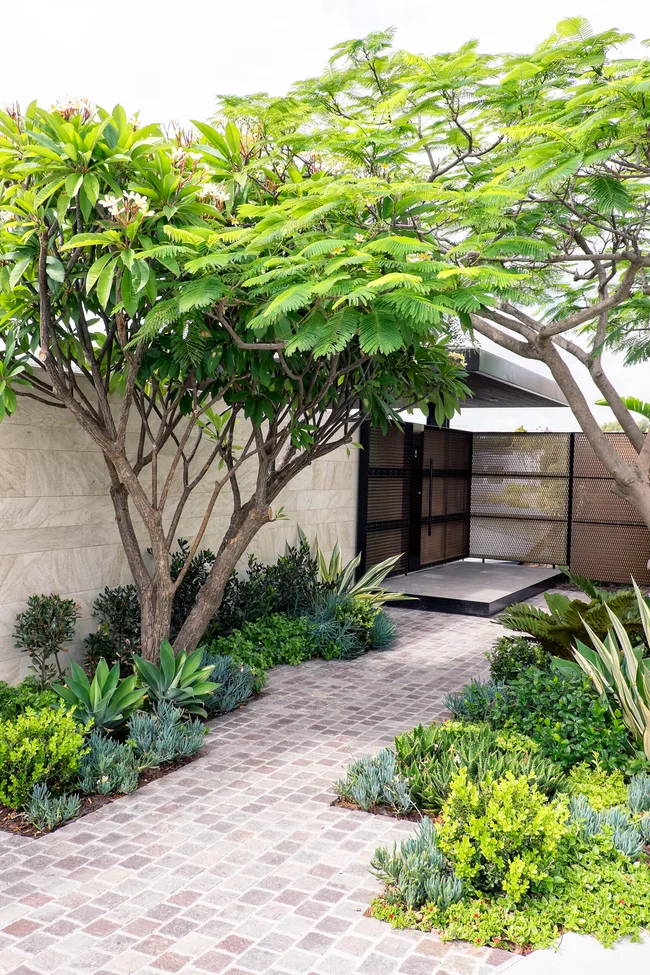
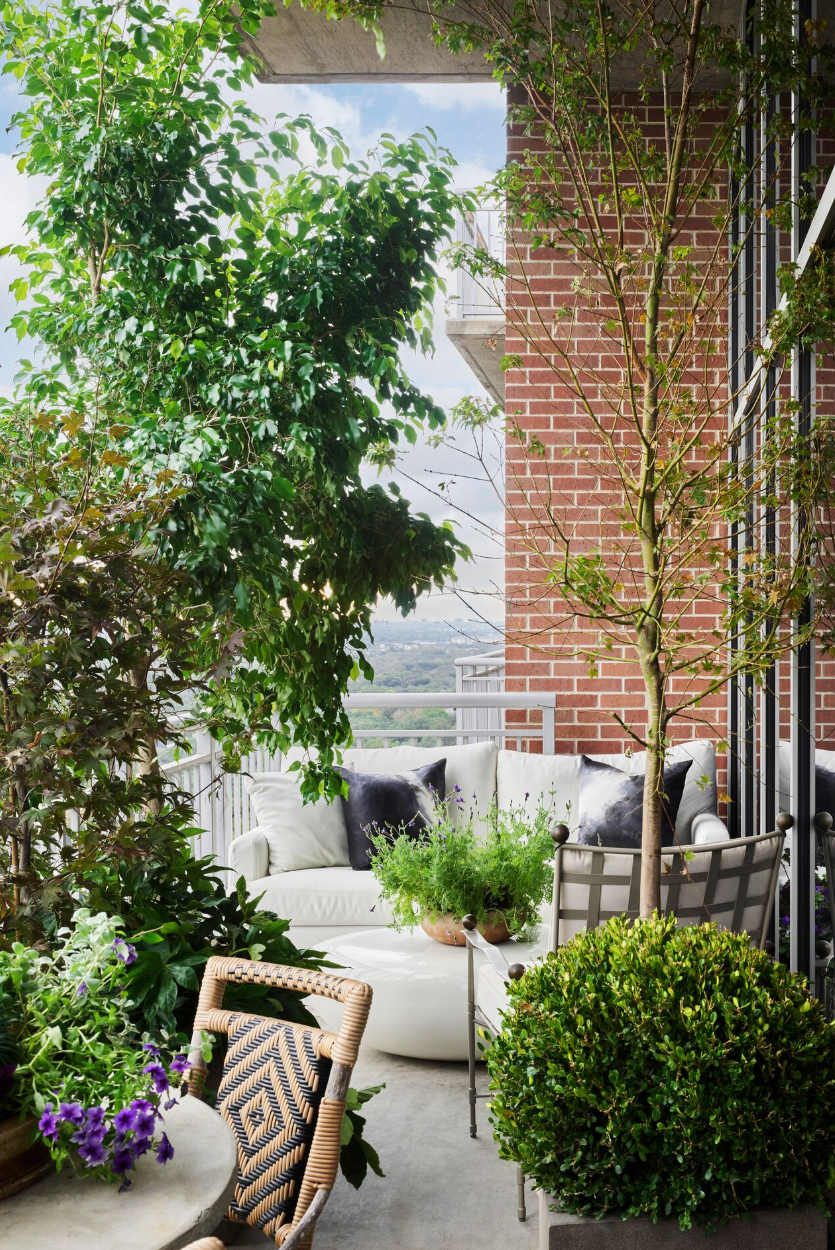
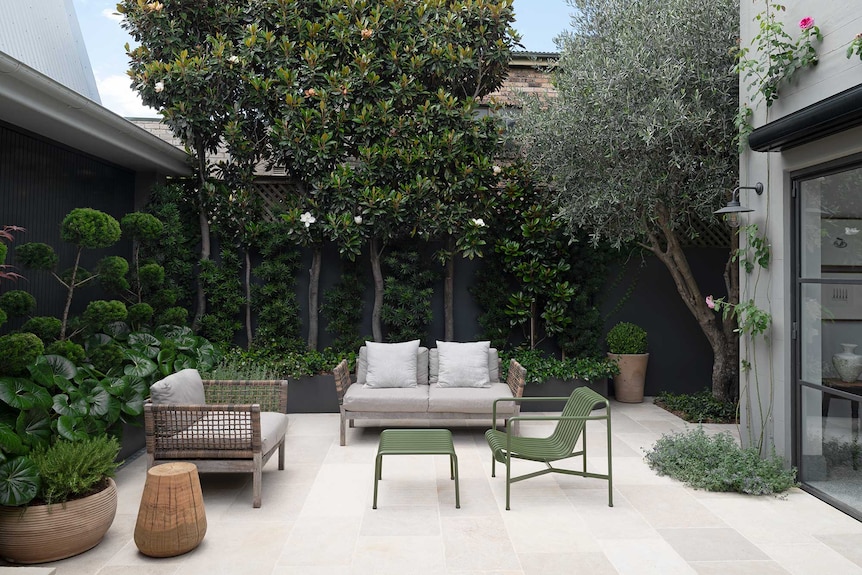
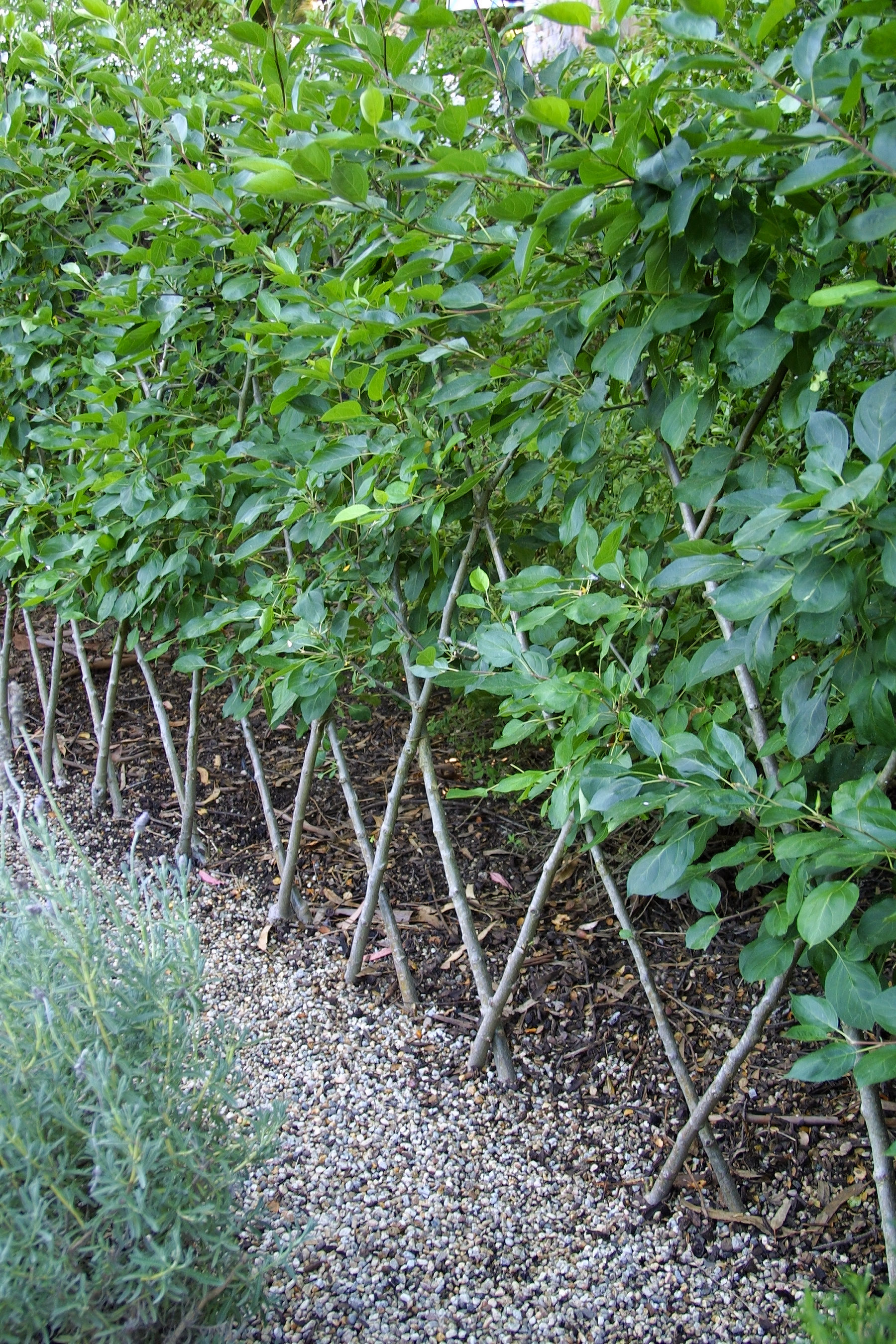
Careful plant selection is crucial; instead of planting tall trees uniformly along both sides, alternating their placement creates more indistinct zones and open spaces. Espaliered trees add greenery to walls or fences, making the garden appear larger. Avoiding overcrowding with furniture and plants is essential to maintain an open feel. Regularly trimmed hedges prevent the garden from feeling enclosed, and alternating plant heights within borders adds visual interest without creating solid barriers.
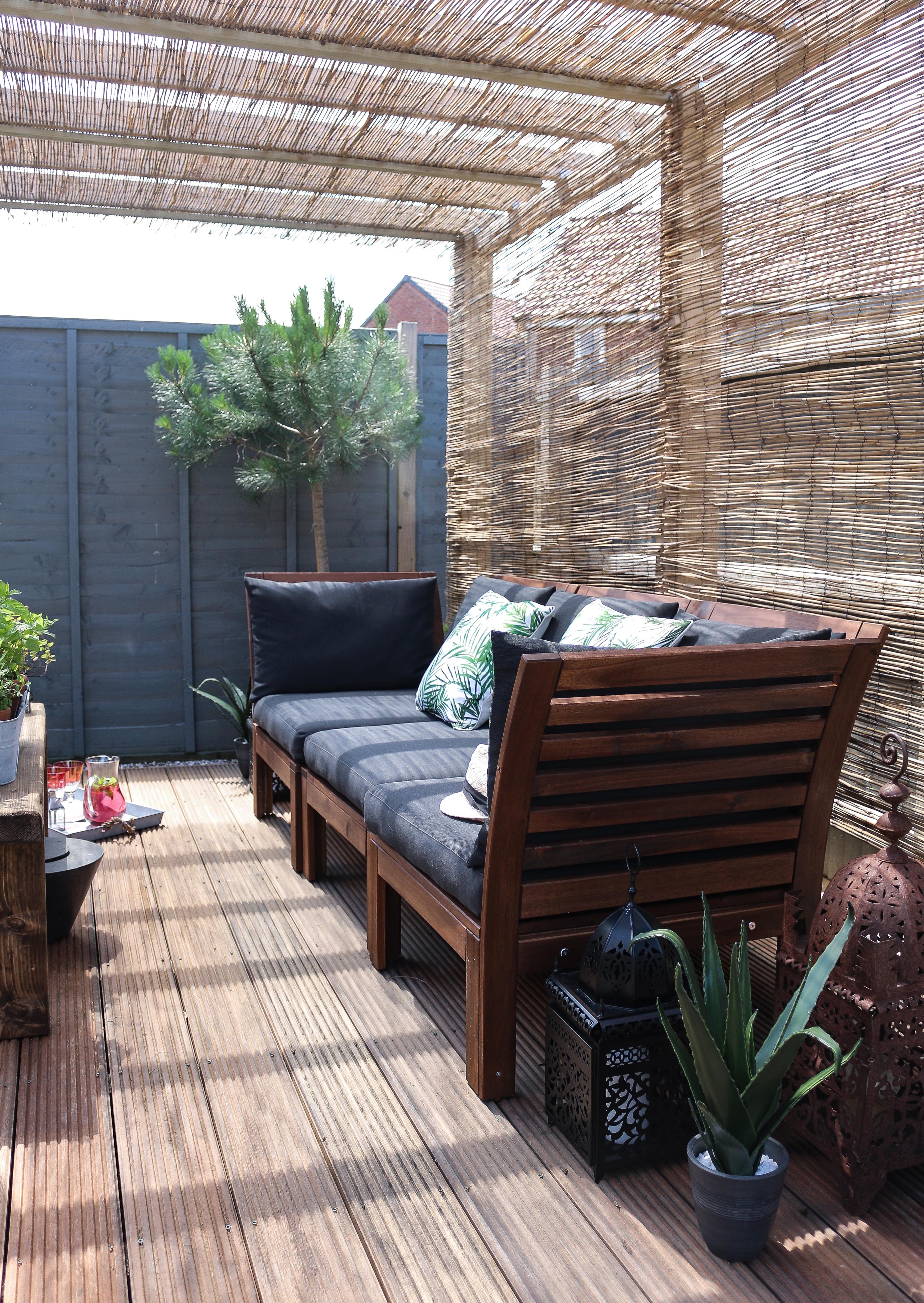
Layered lighting can dramatically transform a narrow garden, creating illusions of greater space. Festoon or fairy lights draw the eye upwards, while downward-facing wall-mounted lights provide a gentle glow. Experimenting with different angles and positions, and using multiple light sources with independent controls and dimmers, allows for varied moods. Vertical screens, made from natural materials or panels with trellises, add texture, depth, and serve as stylish focal points, breaking up tall fences and enhancing natural light.
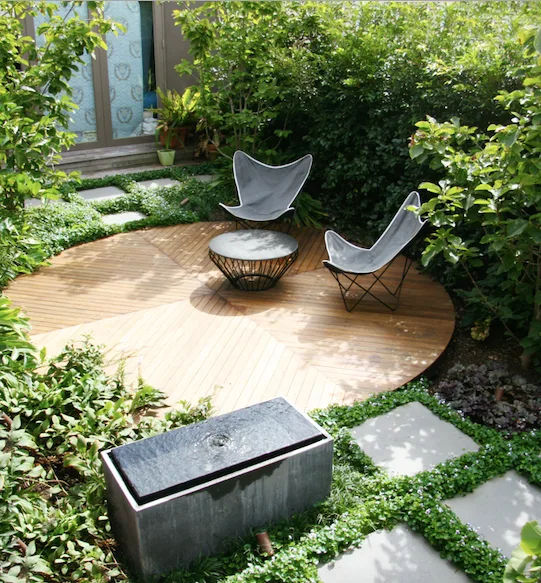
Incorporating different levels, such as tiered garden ideas with seating spots on higher levels, prevents the space from feeling like a long corridor. Curved landscaping and the use of decking or steps further enhance visual interest and break up straight lines. Light-colored paints on garden walls and fences reflect natural light, making the space appear larger, unlike darker colors which absorb light. Breaking up the garden with straight lines by varying landscaping materials like turf, decking, and bark, and positioning seating areas across the width, can make the space feel wider.
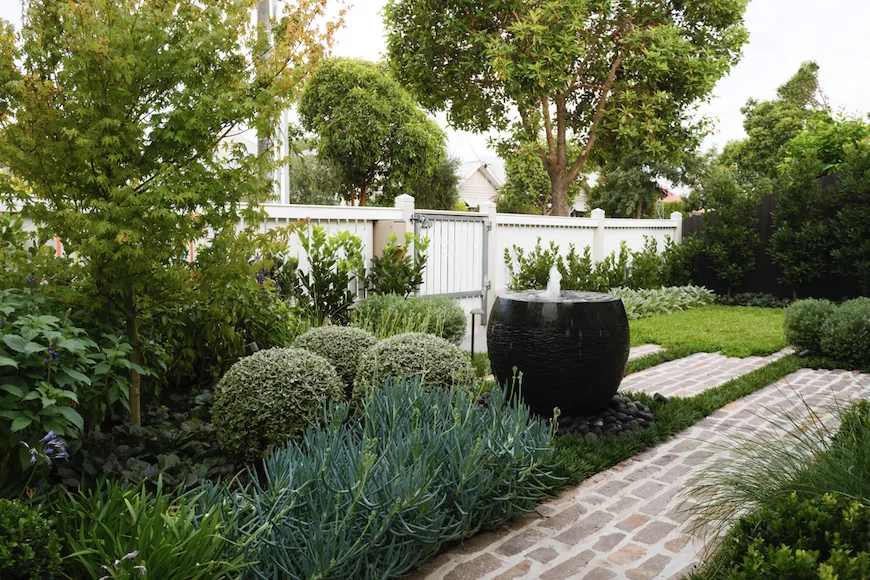
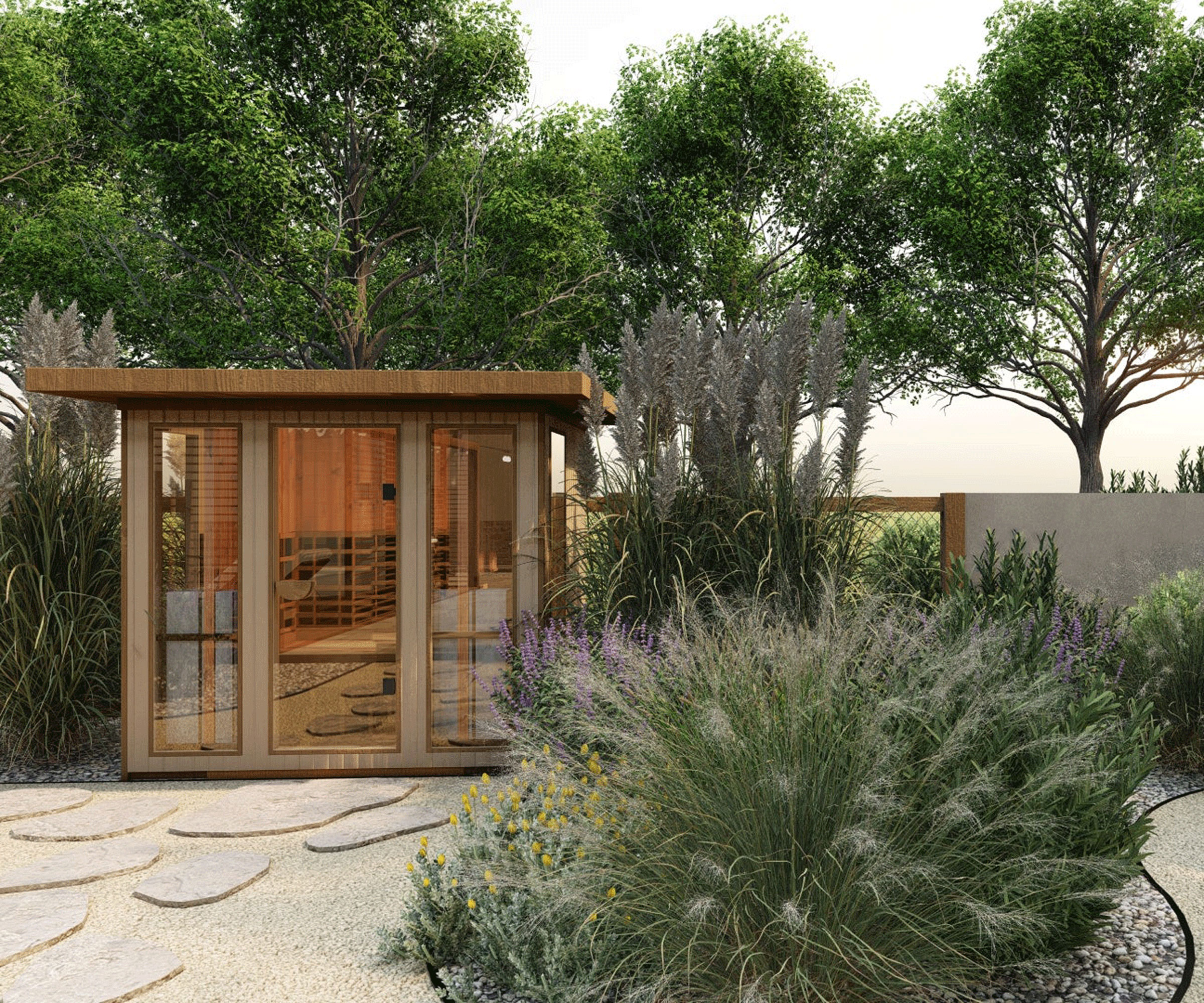
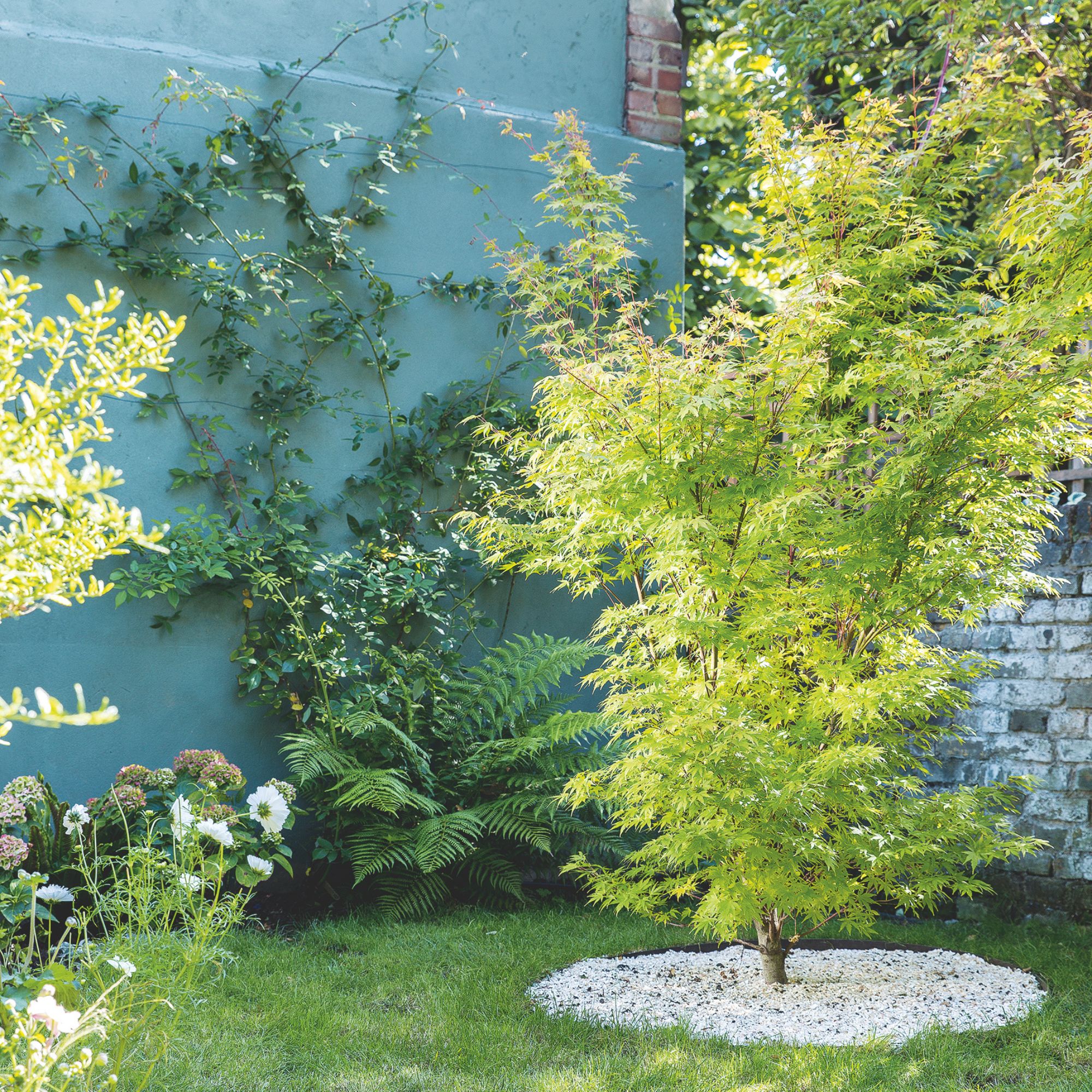
Dividing the width with contrasting materials, like turf transitioning to slate, can also make a narrow garden feel broader. Playful angles in paving designs draw the eye away from narrowness, and planting strategically can soften architectural lines. Zoning distinct areas for dining or relaxation, using both hard landscaping and planting schemes, optimizes functionality. Finally, bringing paths into the middle of the garden or using curved paths can create a sense of expansive movement, while planting a hero tree center-stage shifts focus from the garden's shape to a striking feature. Installing a garden room at the bottom of a long garden creates a separate usable space, and painting fences black in well-lit areas can make planting pop and add depth, visually widening the plot.
#NarrowGarden #SmallSpaceDesign #VerticalGardening #OutdoorLiving #GardenLandscaping #SpaceSavingIdeas #GardenLighting #OutdoorFurniture #GardenZones #NarrowGarden #SmallSpaceDesign #VerticalGardening #OutdoorLiving #GardenLandscaping #SpaceSavingIdeas #GardenLighting #OutdoorFurniture #GardenZones
0 comment in total
 No comments yet
You may also like
13 compact landscape design ideas for small gardens

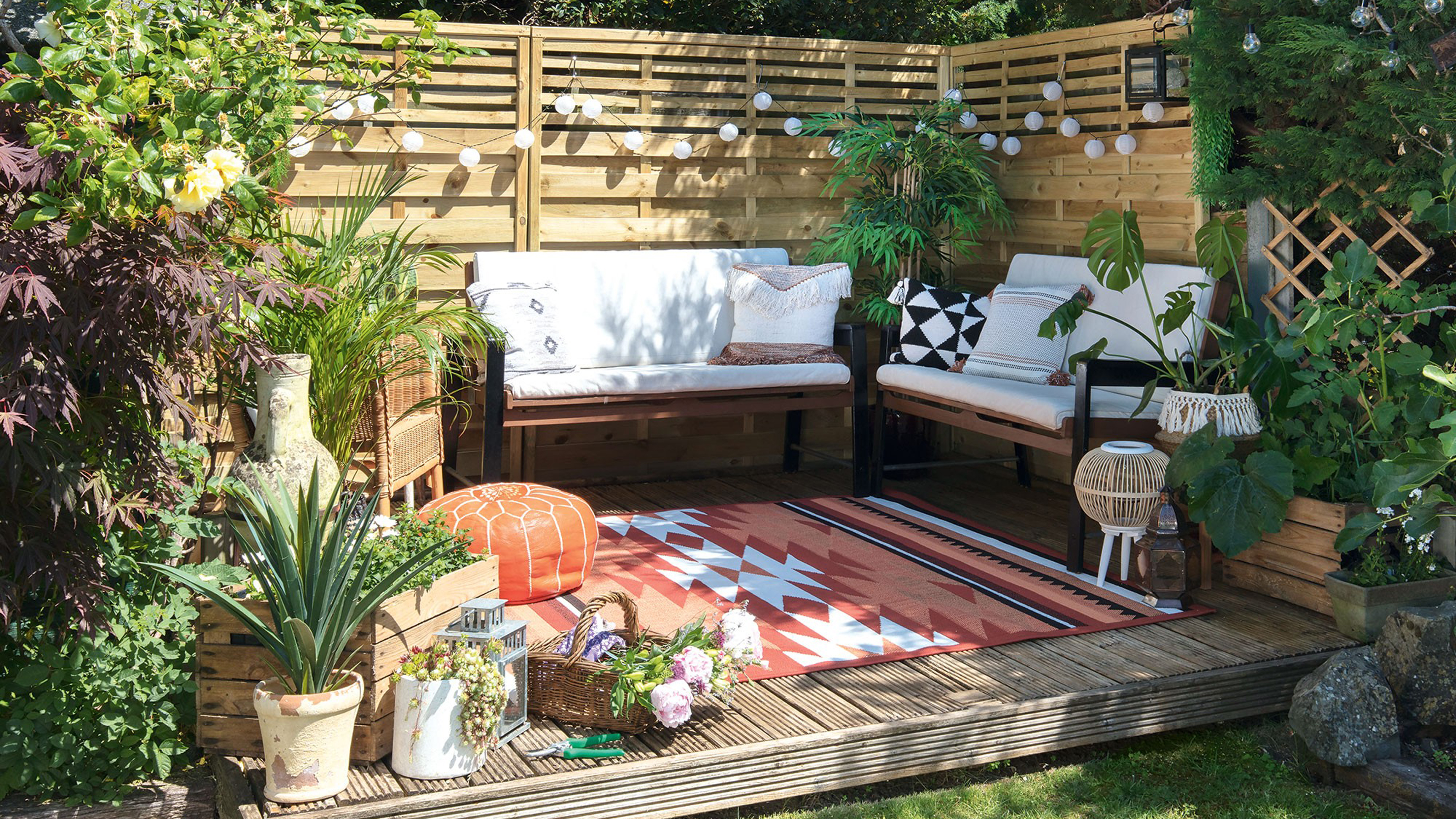
Small garden ideas – 35 brilliant ways to transform a tiny outdoor space
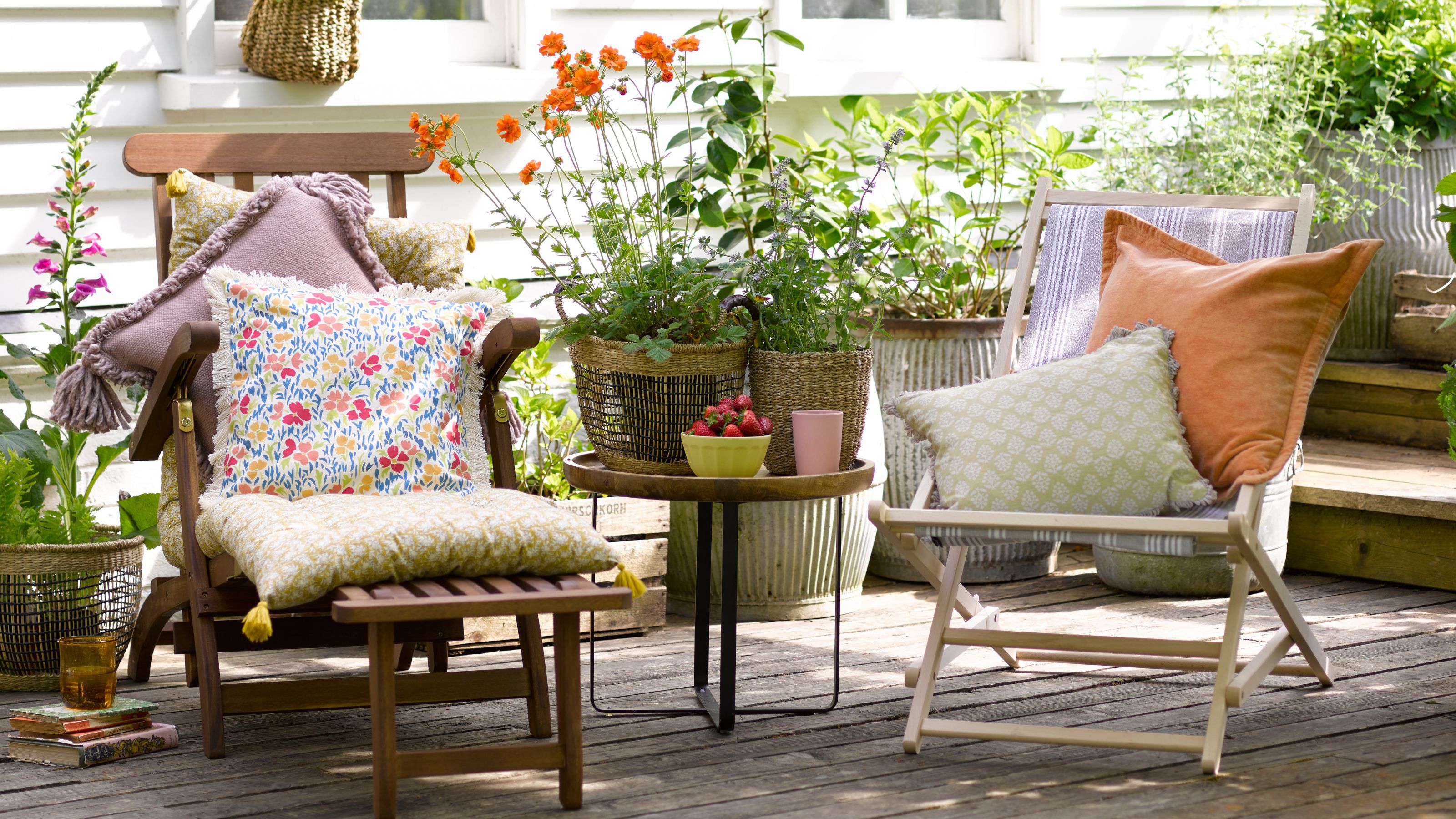
Small garden decking ideas — 7 clever ways to deck a petite space for the ideal outdoor retreat
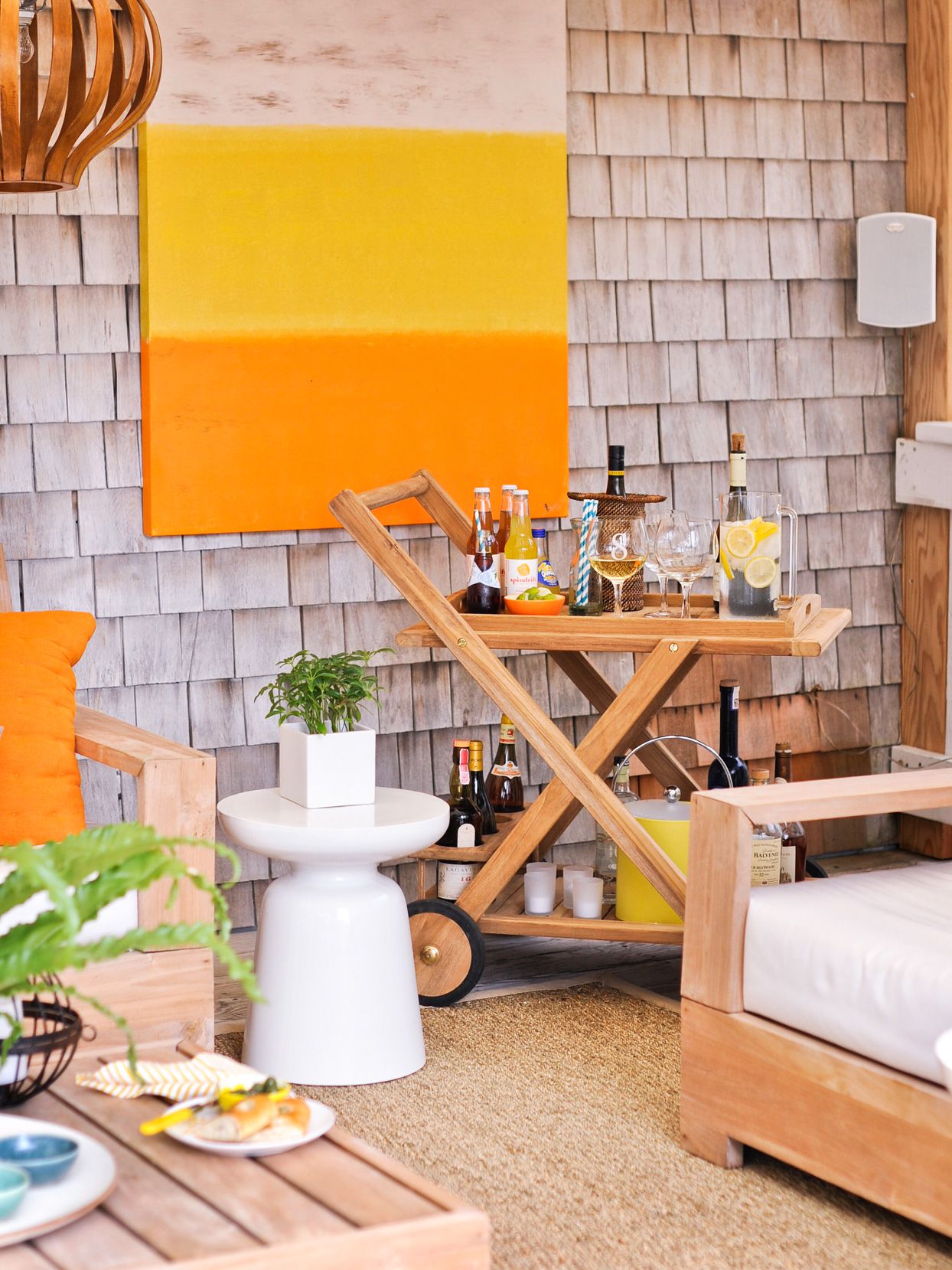
13 Big Ideas to Make Your Small Backyard Better

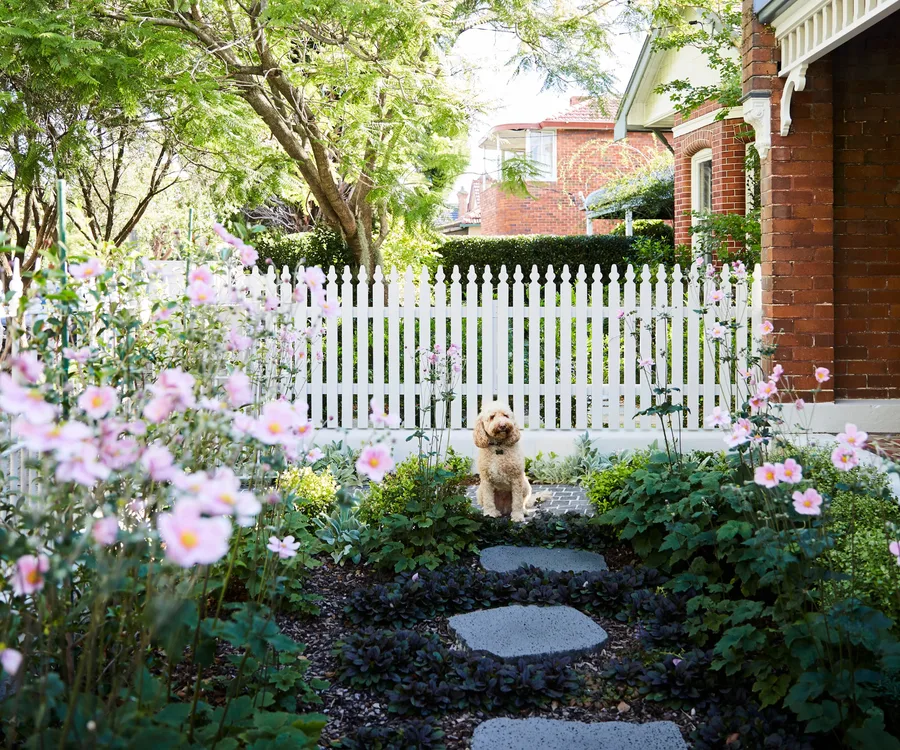
13 small garden design ideas that maximise space and greenery
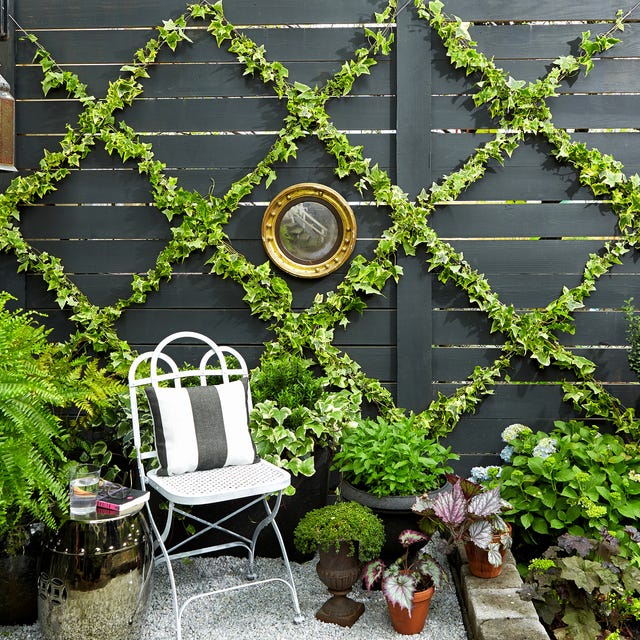
Budget-Friendly Ways to Transform Your Small Garden Into a Dreamy Oasis

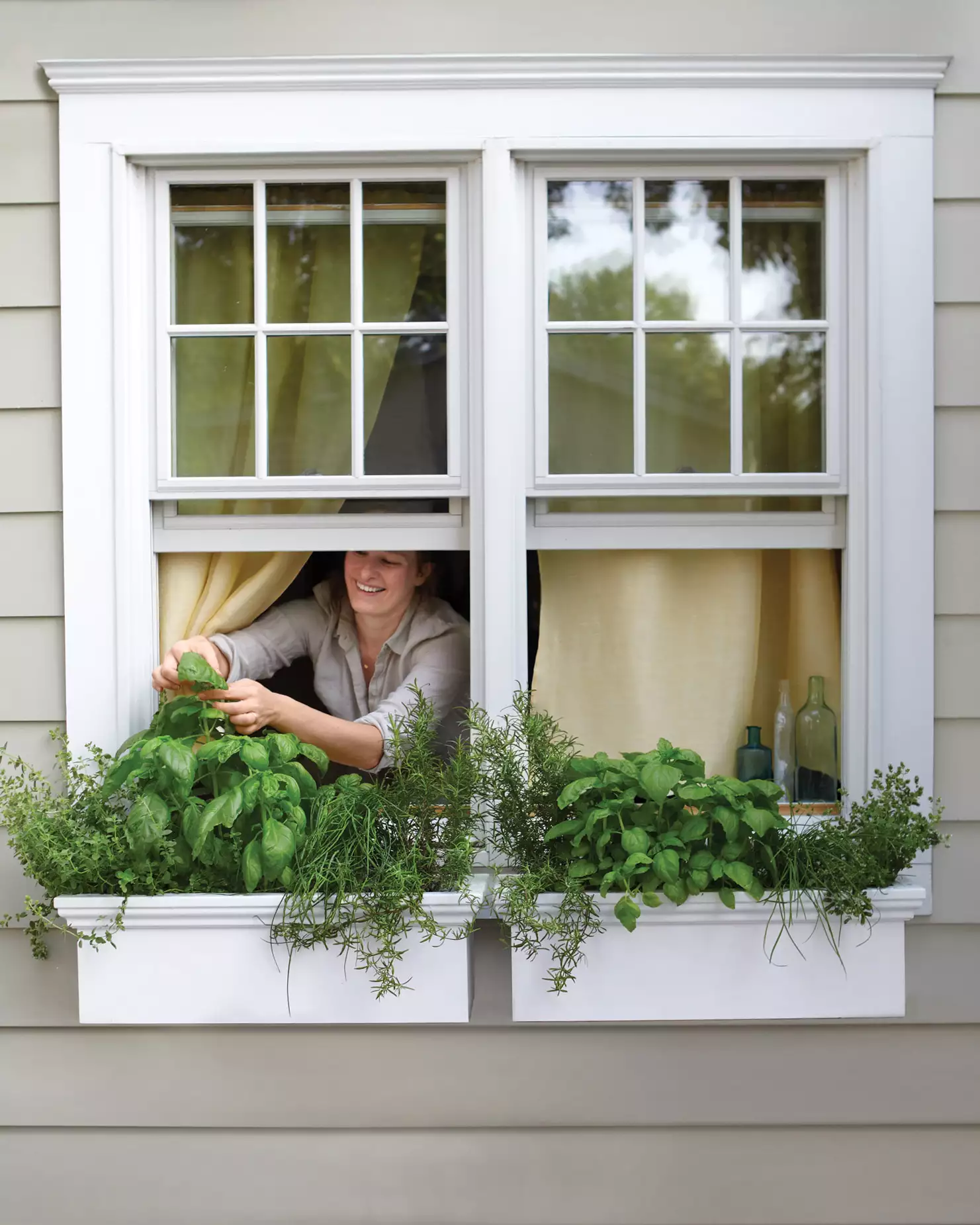
17 Small-Space Garden Ideas Perfect for Your Patio or Windowsill

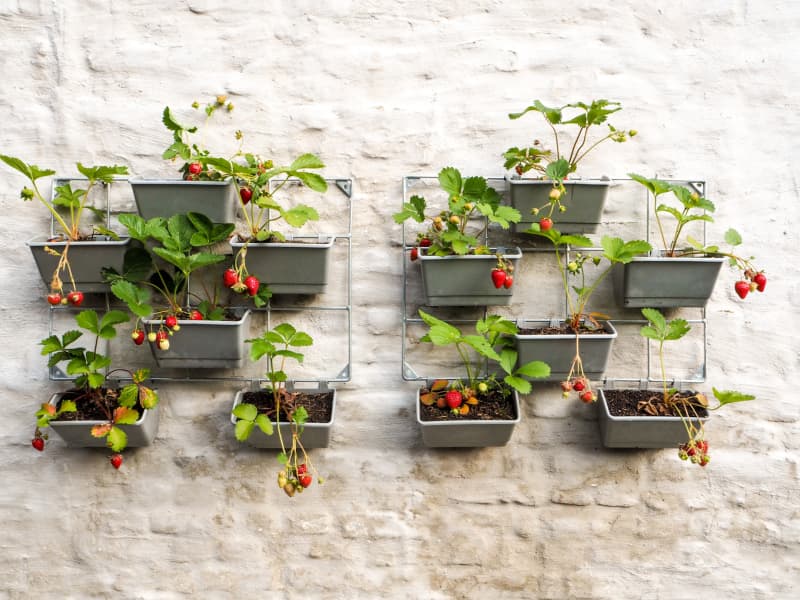
Short on space for a herb or veggie garden? Think vertically

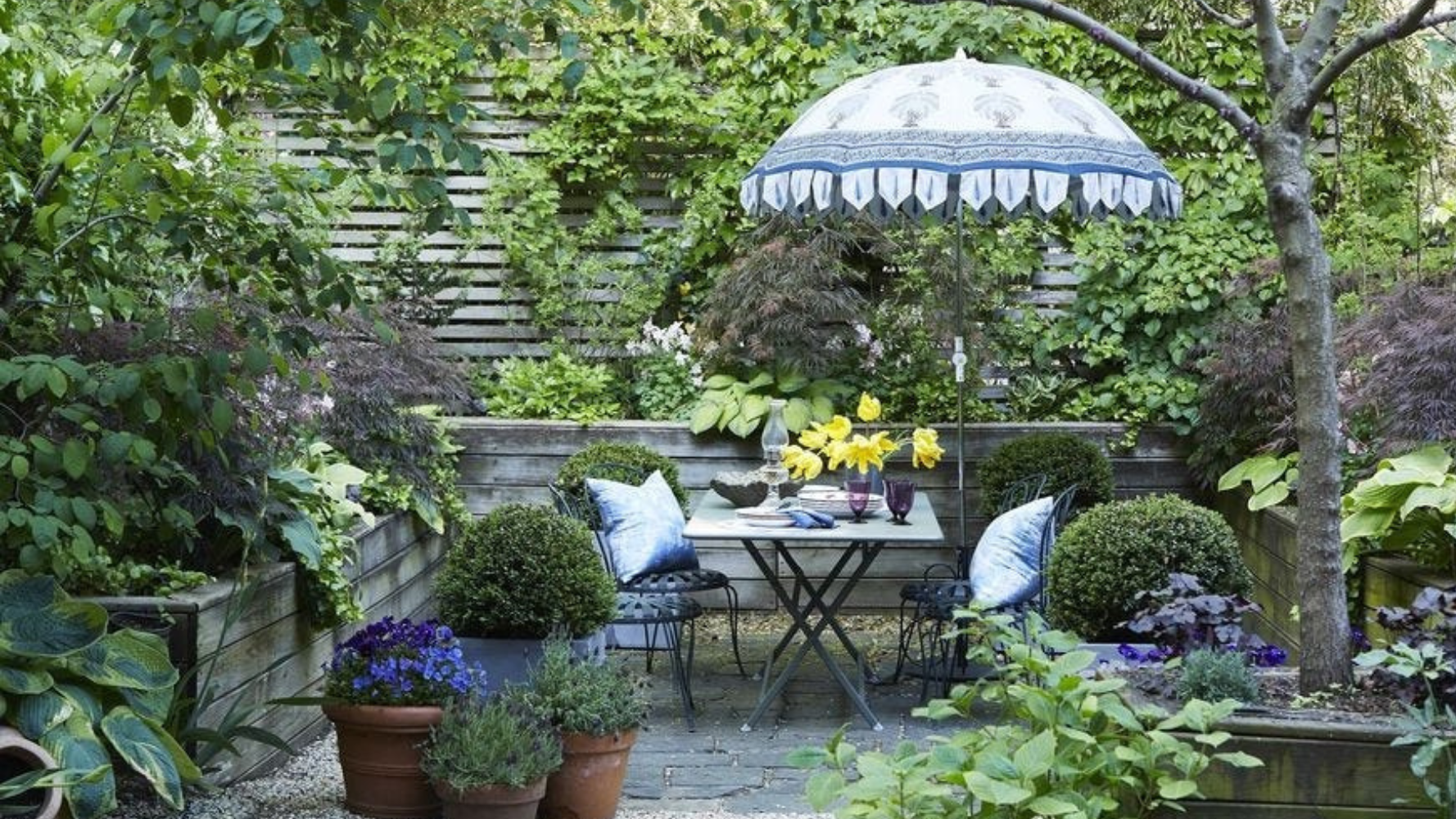
I Can’t Stop Thinking About These Enchanting Small Gardens

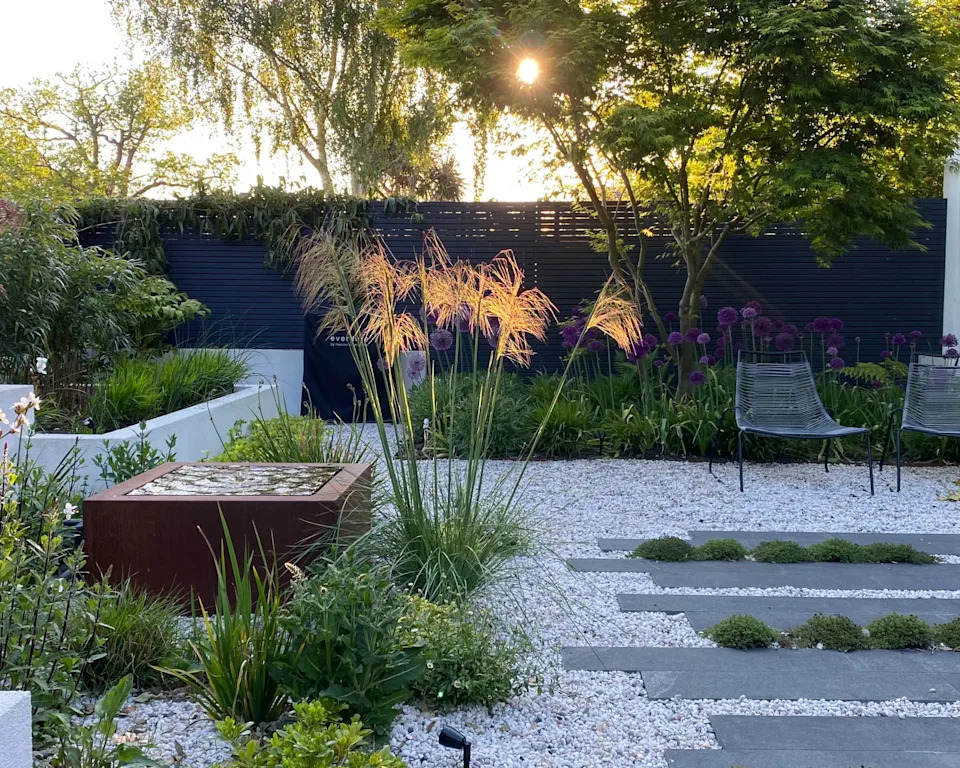
Courtyard garden ideas –11 ways transform an enclosed space

How to create an indoor garden when you’re short on space

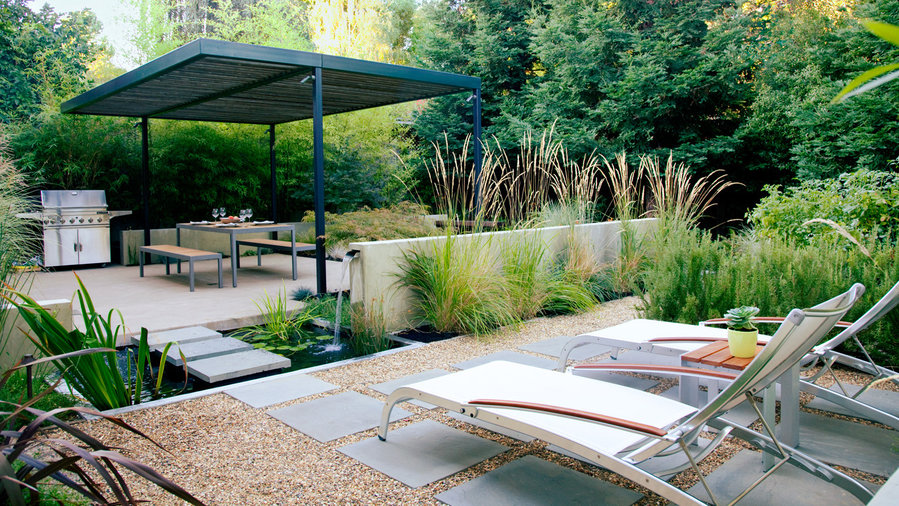
Smart Design Solutions to Give Even the Tiniest Yard Big Style
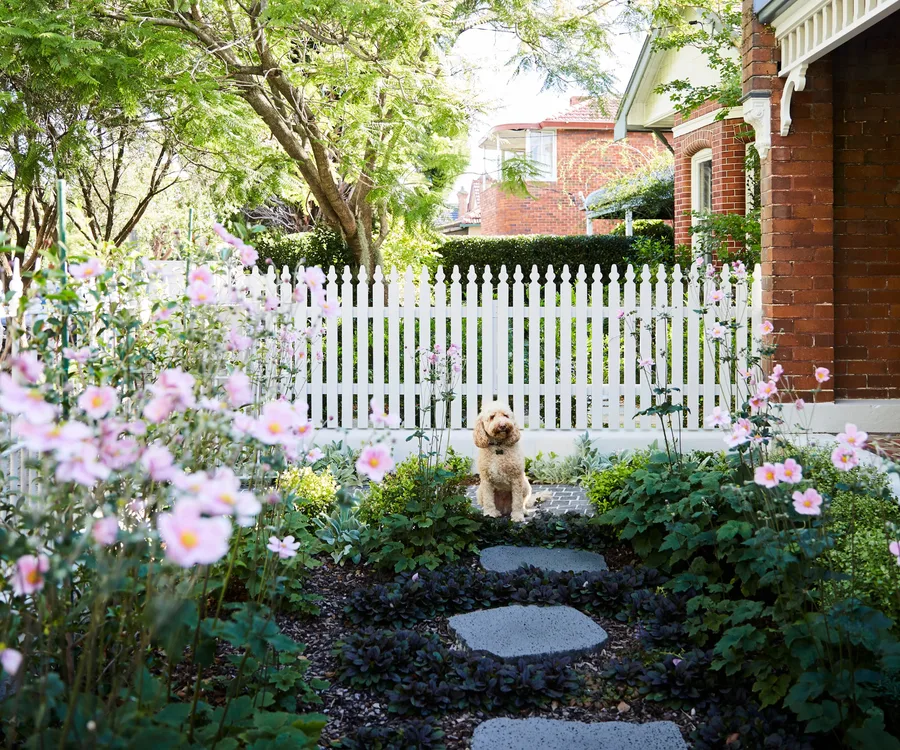
14 small garden design ideas that maximise space and greenery
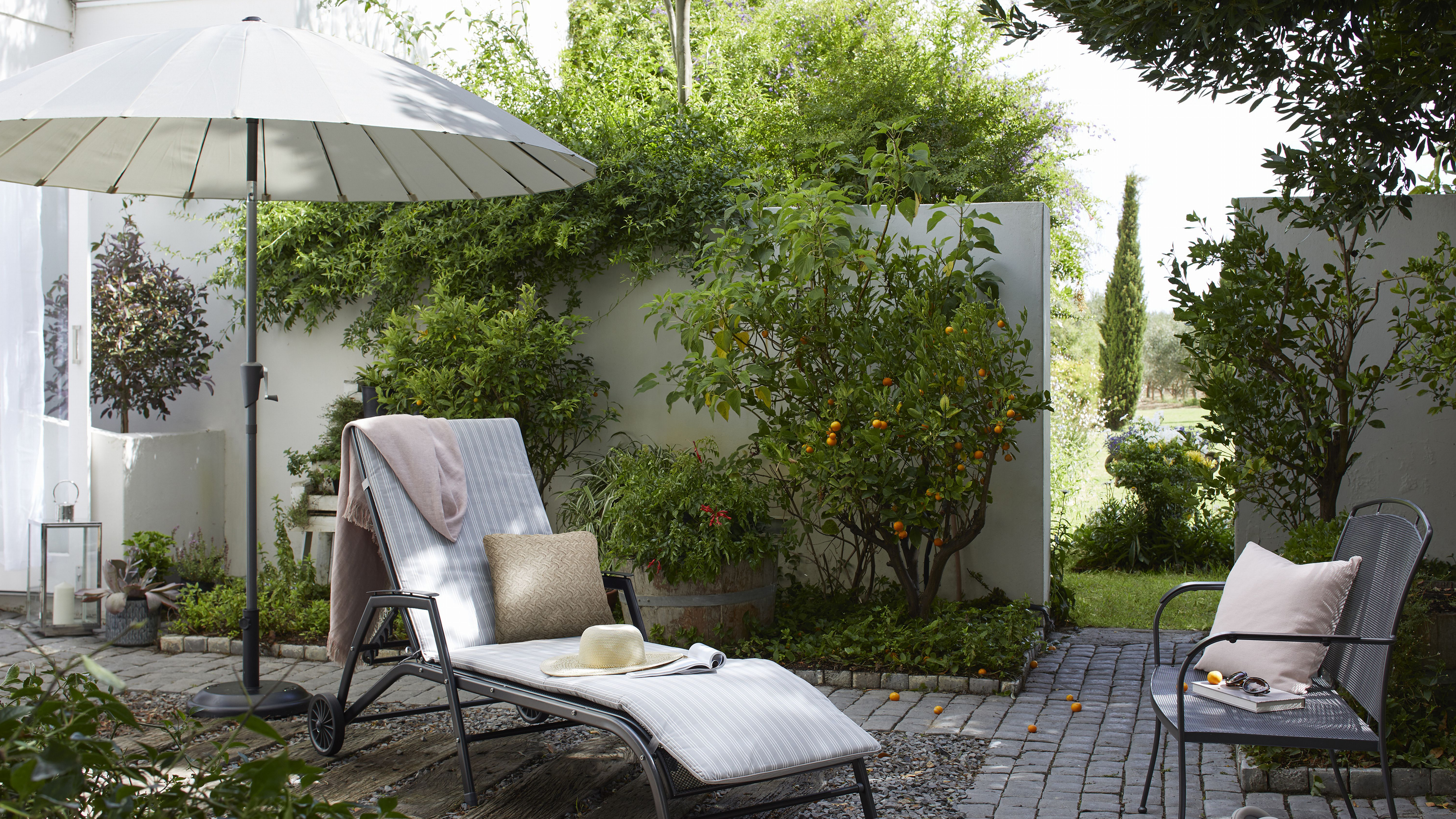
How to make a small garden look bigger –25 ideas that are simple but effective

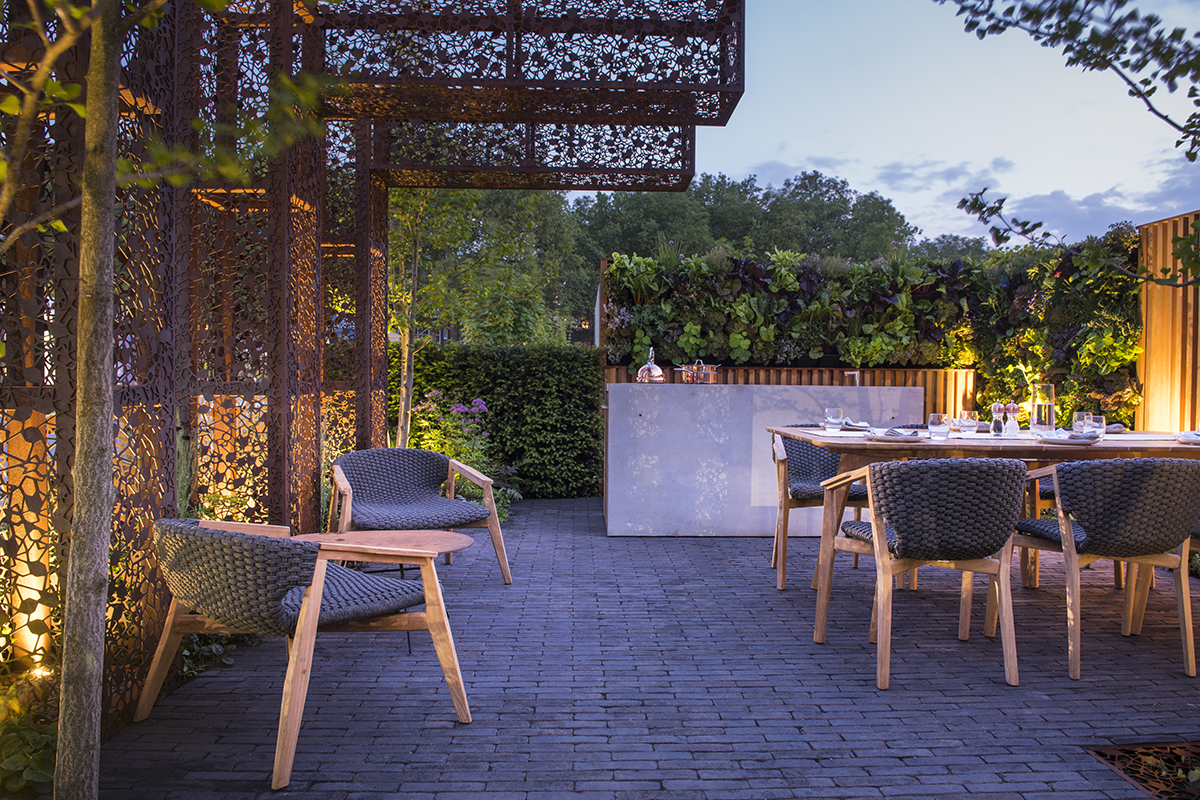
Small garden fence ideas – 9 ways to add style and structure to a small outdoor space

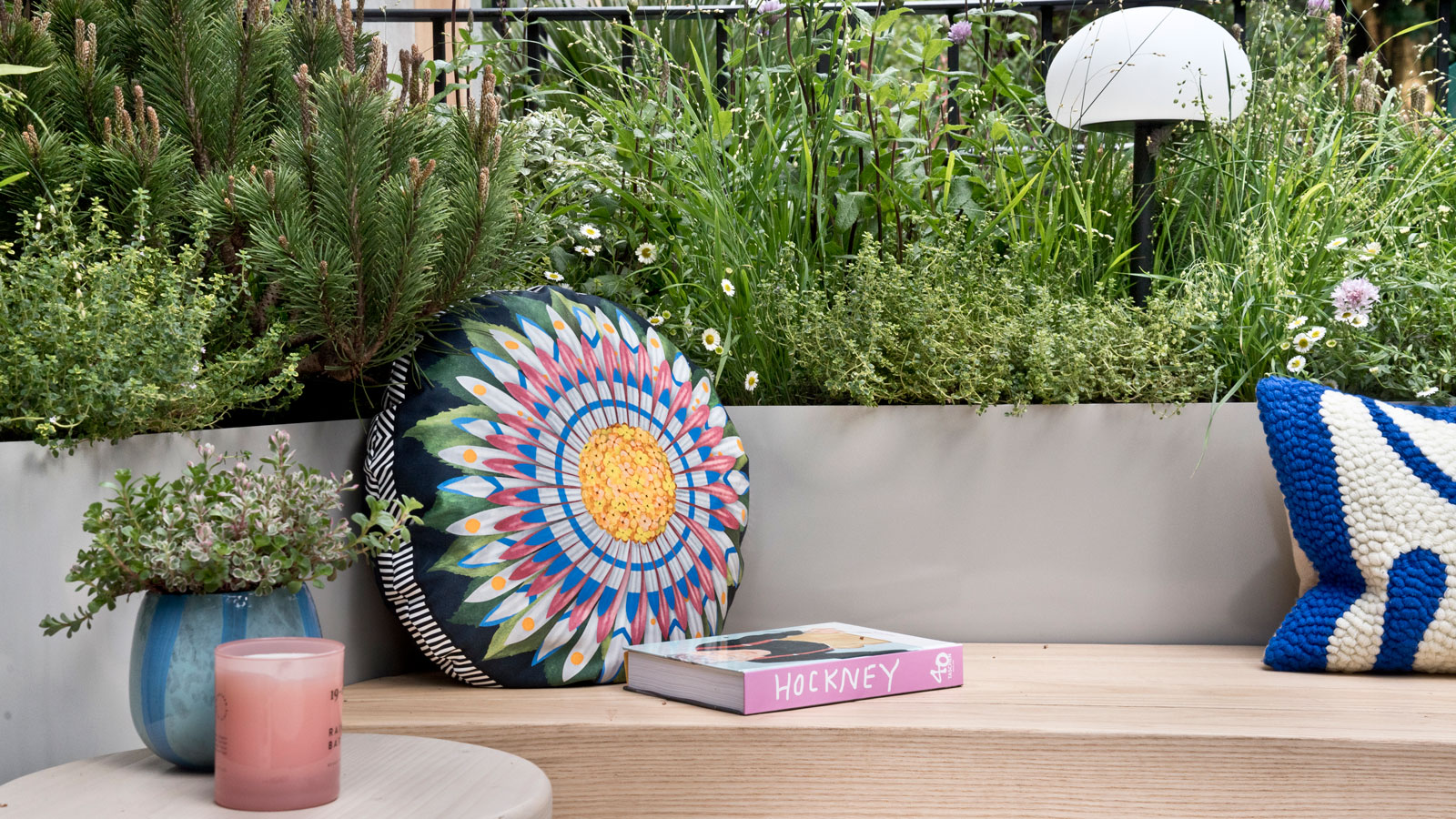
Best plants for a courtyard garden – 8 favorites to grow for maximum impact in a small space

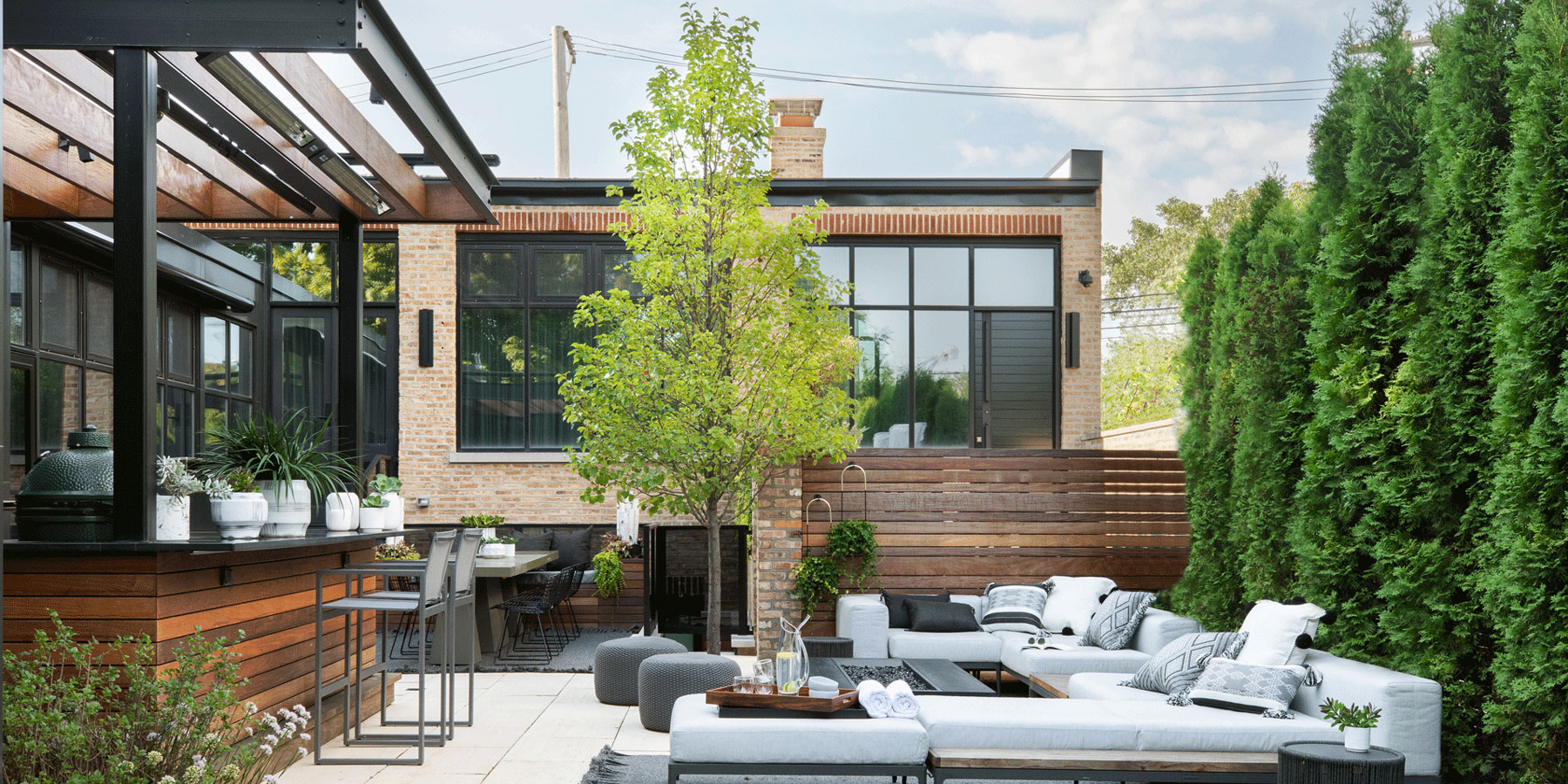
How to make a small backyard look bigger – 10 clever ways to max out your space
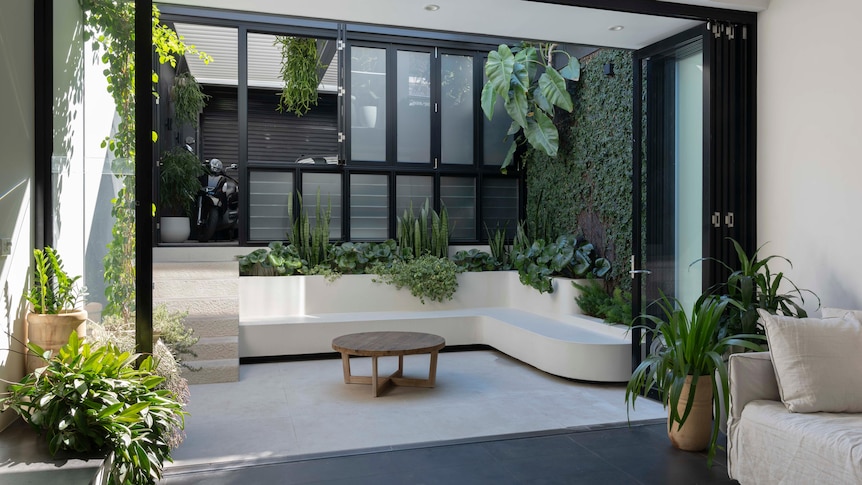
You don't need much space or sun to have a flourishing garden
9 inner-city garden ideas to inspire
30 Small Backyard Ideas That’ll Make Your Neighbors Wonder How You Pulled It Off