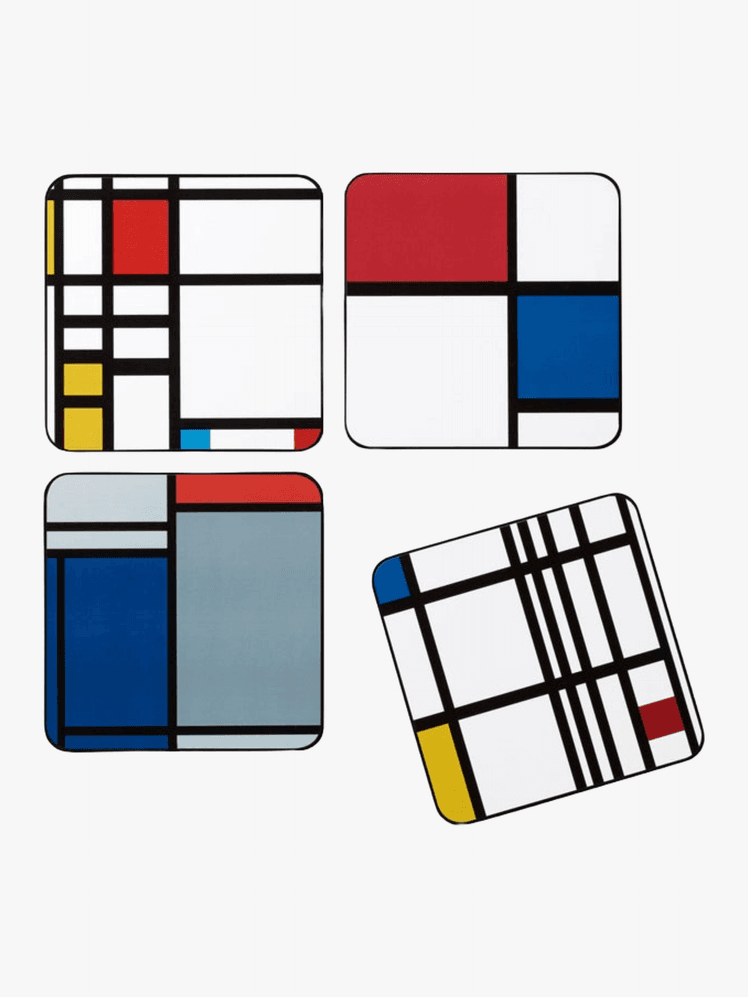
1/17
Nailing the Detail: Bauhaus Design Principles
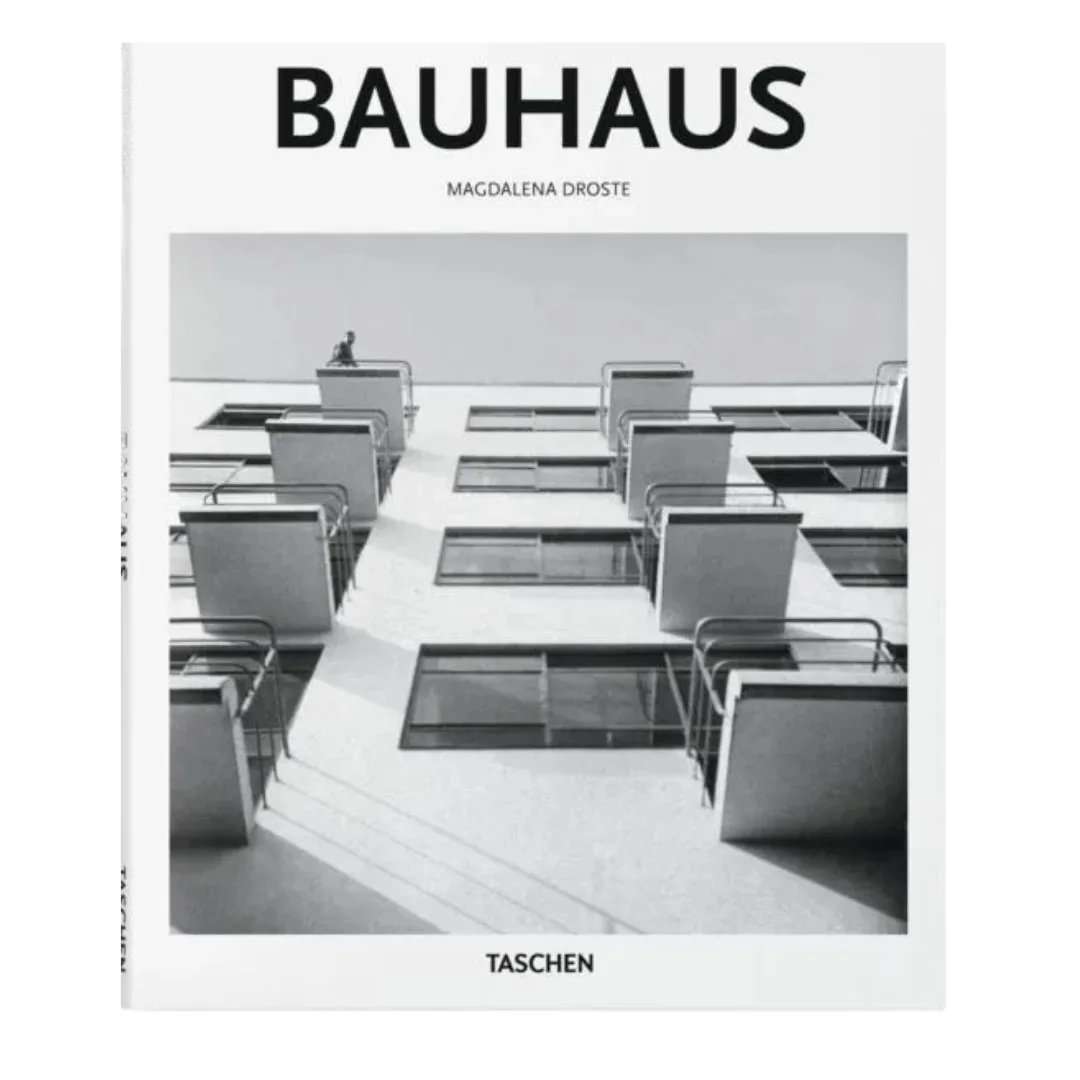
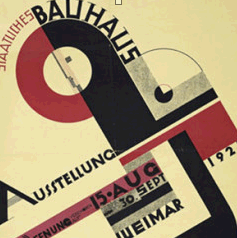
This article, the first in a 'Dial-a-Style' series, introduces Bauhaus design, exploring its historical context, key principles, and enduring influence on modern aesthetics. The Bauhaus movement, which originated in Germany in the early 20th century, emerged as a direct response to the excessive ornamentation of the Victorian era and the Arts & Crafts movement, which themselves were reactions to the mass-produced, often poorly designed, goods of the Industrial Revolution. Walter Gropius founded Das Staatliche Bauhaus in 1919 with a mission to integrate art, craft, and technology, promoting affordable, utilitarian, and aesthetically pleasing design accessible to all.
The article highlights that the core philosophy of Bauhaus design, emphasizing functionality and working within material limitations, strongly resonates with the challenges faced by early web designers. Just as Bauhaus designers embraced cheaper materials and factory processes to create innovative products, early web designers learned to create compelling experiences despite strict limitations in fonts, imagery, layout tools, and screen sizes, a concept exemplified by CSS Zen Garden.
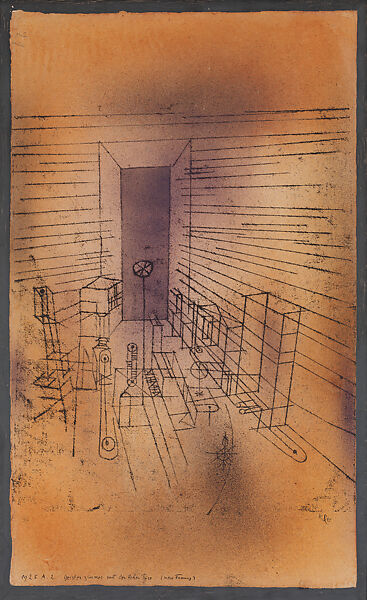
Key figures instrumental to the Bauhaus movement included Johannes Itten, known for his theories on color and its psychological impact, and the creation of a 12-hue color wheel. Herbert Bayer's work on a 'Universal Typeface,' characterized by geometric simplicity, sans-serif design, and the absence of superfluous adornments, laid the groundwork for modern typography. Wassily Kandinsky, a painter and teacher, explored the interplay between forms and colors, suggesting that specific shapes and colors elicit particular emotional responses. László Moholy-Nagy, a Hungarian painter and photographer, championed a unitary vision of art, integrating various disciplines and pioneering 'typophoto,' a precursor to modern advertising techniques.
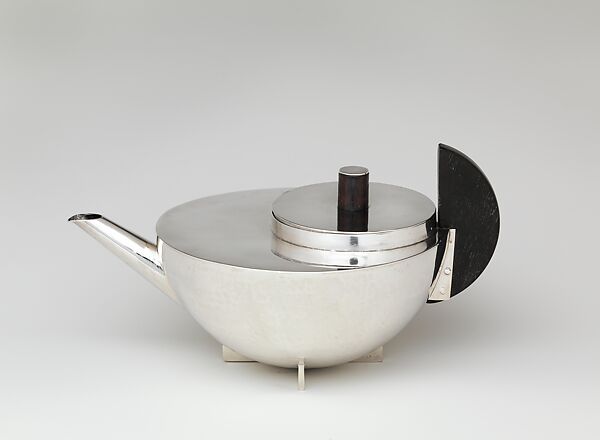
The article outlines three primary rules for achieving the Bauhaus look: 'Form follows function,' emphasizing that design should prioritize utility over unnecessary ornamentation; 'Typography Matters,' highlighting the movement's innovations in simplified, sans-serif fonts and dynamic text layouts; and 'Geometry is King,' reflecting the Bauhaus love for clean, abstract, and geometric forms. This geometric approach aimed to break down objects into their fundamental shapes to create modern items, as exemplified by Marcel Breuer's Wassily Chair.
The enduring impact of Bauhaus design is illustrated through modern examples like the website 'Identity Designed,' the branding for SXSW 2014, and the title sequences of films such as 'Catch Me If You Can.' The article concludes by addressing frequently asked questions about Bauhaus design, covering its key principles, influence on modern design, notable examples, leading figures, reasons for its closure, methods for incorporating it into home decor, its significance in design history, teaching methodology, impact on graphic design, and lasting legacy.
#BauhausDesign #DesignMovement #ModernDesign #IndustrialRevolution #WebDesign #Typography #FormFollowsFunction #GeometricShapes #ArtAndTechnology #DesignHistory #BauhausDesign #DesignMovement #ModernDesign #IndustrialRevolution #WebDesign #Typography #FormFollowsFunction #GeometricShapes #ArtAndTechnology #DesignHistory
0 comment in total
 No comments yet
You may also like
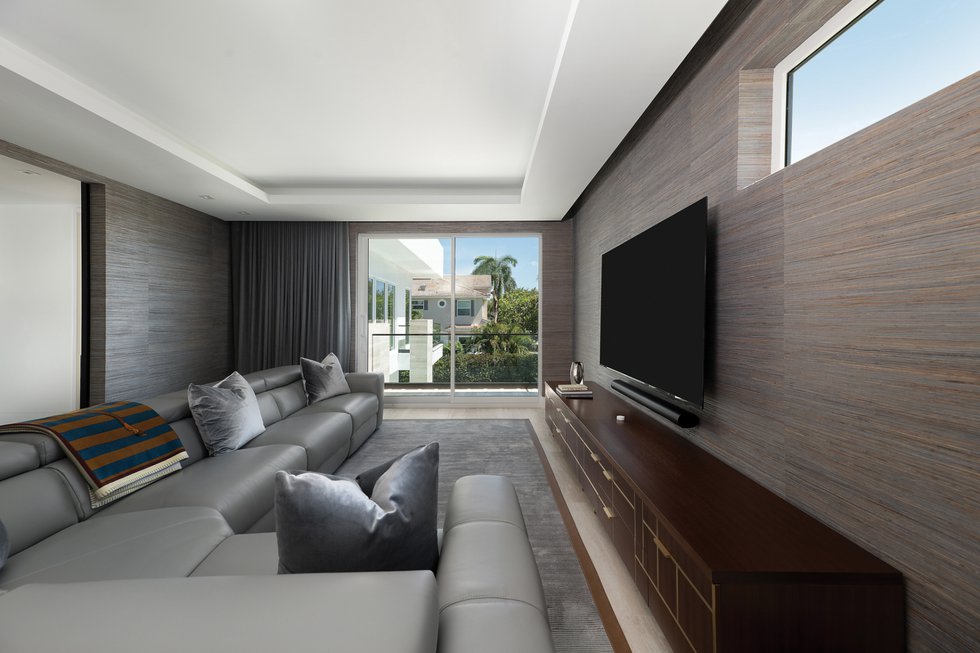
Bauhaus-Style Architecture and a Floating Walkway Entry Make This Naples Home Stand out from Neighbors

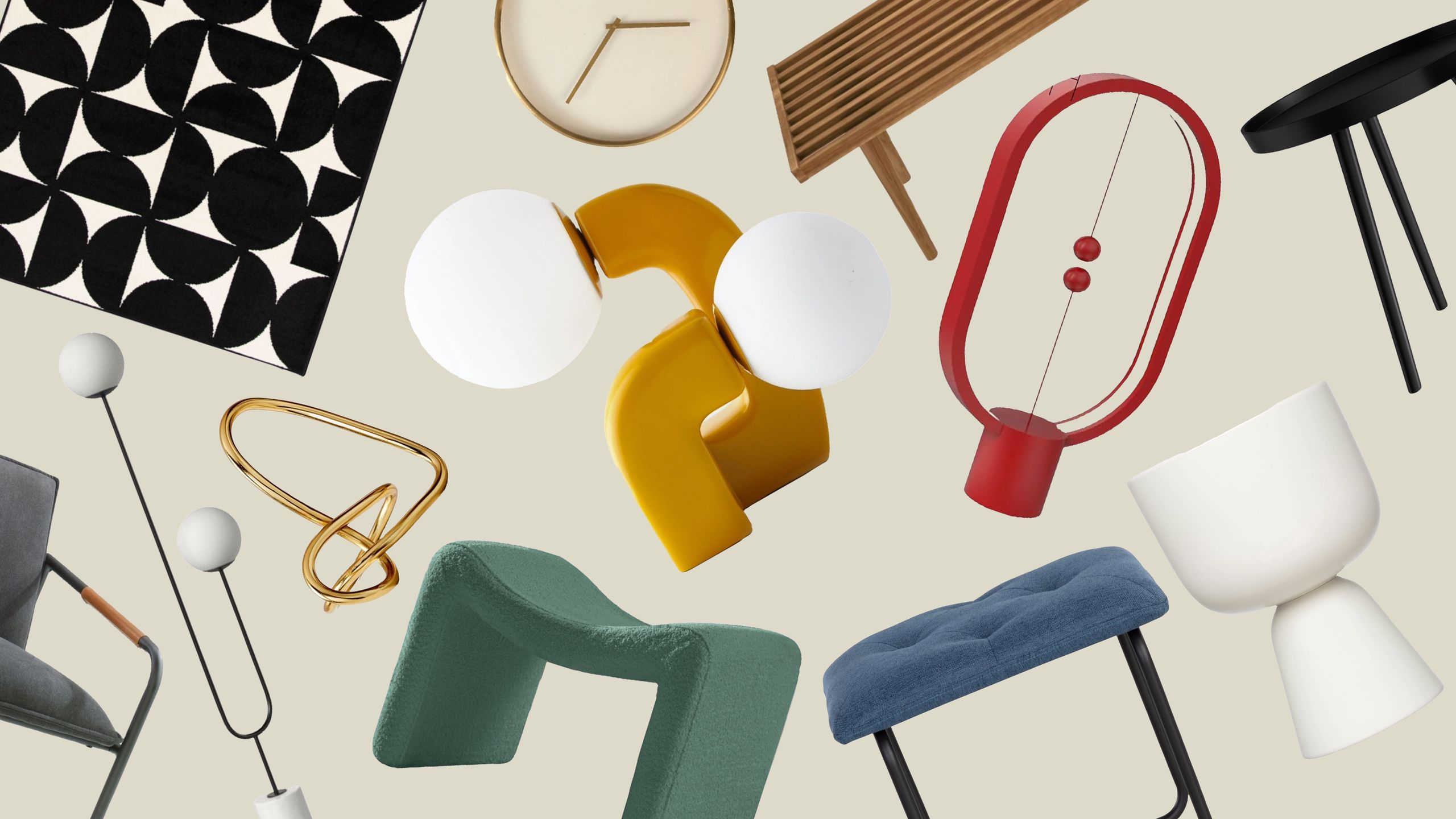
27 Contemporary Bauhaus Furniture and Decor Ideas That’ll Run You Less Than $300

Homestyle: Attention to detail
How to make your architectural design dream a reality

B House / Kit Design Architect


The Essential Guide to Brutalist Design
Draw in Order to See: A Cognitive History of Architectural Design
Unwrapped Interiors: A Case for Material Authenticity and Clarity
15 Interior Design Tips From Beata Heuman


Bauhaus-Style Cape Cod House Gets A Guesthouse by Hariri & Hariri

Books for Architectural Design Inspirations

Emphasis in Interior Design —How to Create a Focal Point

Bauhaus-Inspired Hardware

Designer Dawn Heuer Shares Her Home Design Essentials
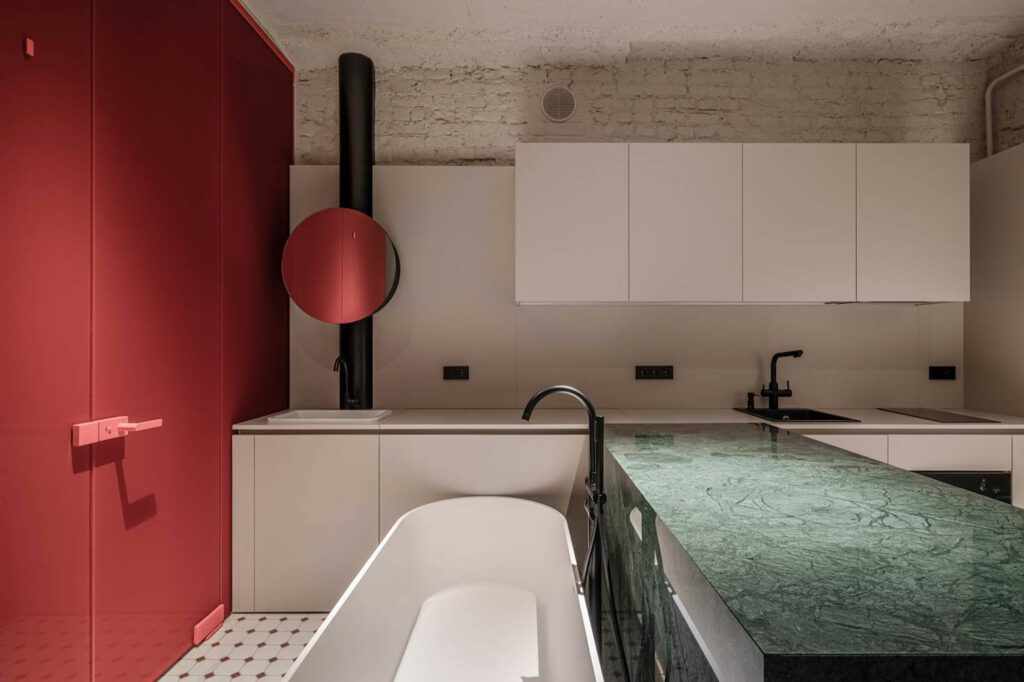
Anastasia Mirzoyan Offers a Fresh Take on the Bauhaus Aesthetic for a Historic Apartment
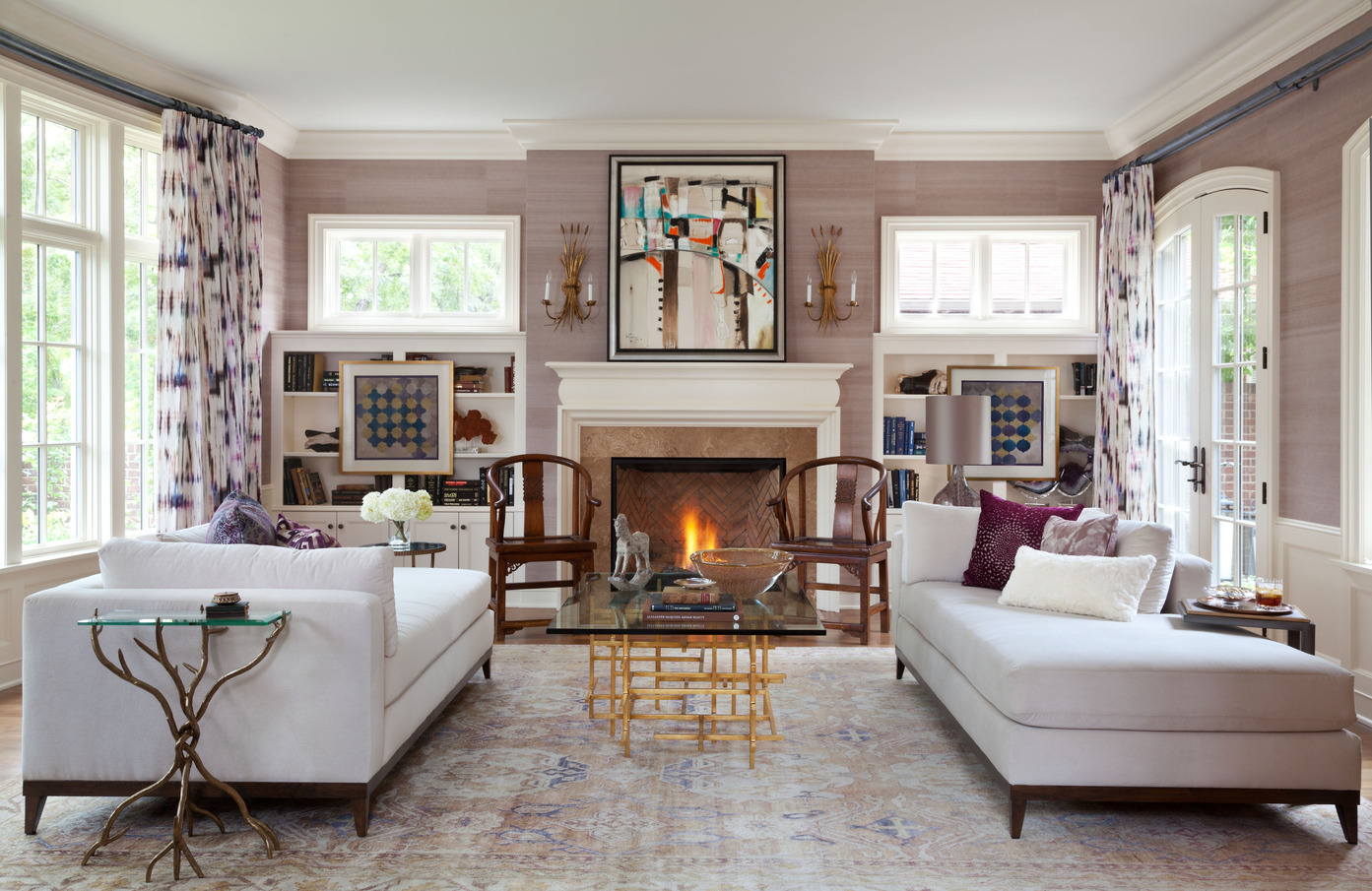
10 Questions With Interior Designer Andrea Schumacher
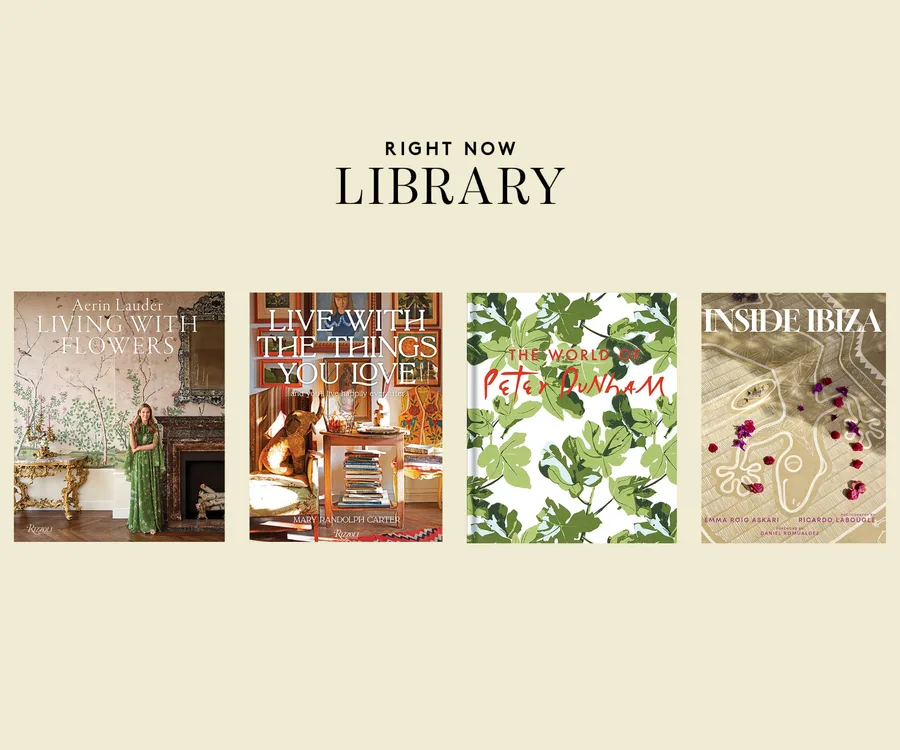
Belle-approved coffee table books for design enthusiasts

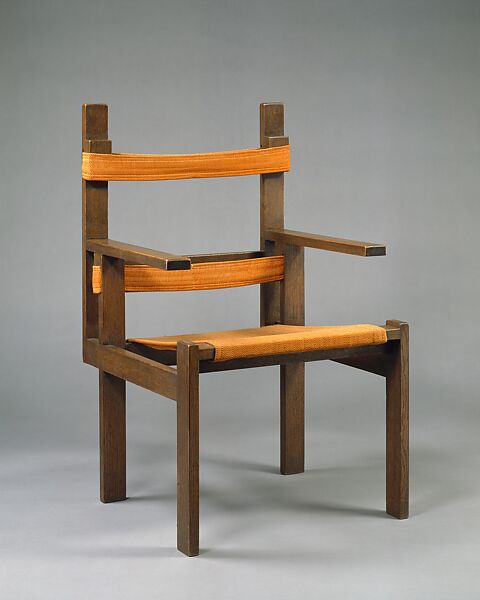
The Bauhaus, 1919–1933

Inside AD’s October 2025 Issue: City Living

The McGee Home Exterior: The Details