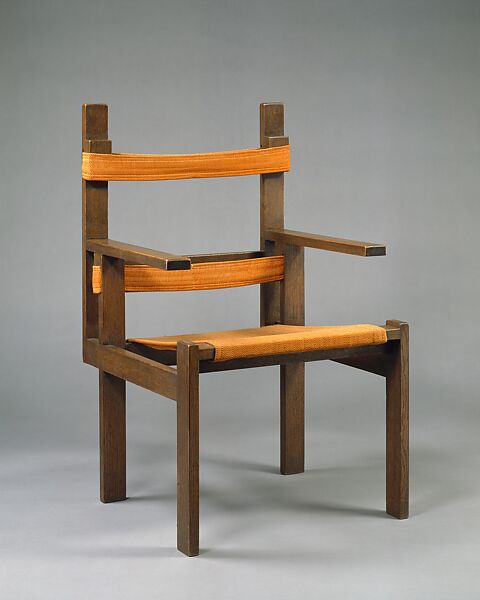
1/9
The Bauhaus, 1919–1933
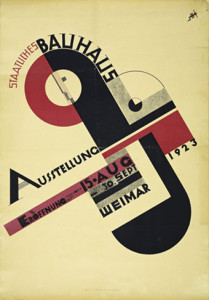
The Bauhaus was an influential art school founded in 1919 in Weimar, Germany, by architect Walter Gropius. Its core mission was to unify all arts, reimagining the material world to reflect this synthesis. Gropius articulated this vision in the Proclamation of the Bauhaus, proposing a utopian craft guild that integrated architecture, sculpture, and painting into a singular creative expression. The curriculum was designed to produce artisans and designers capable of crafting functional and aesthetically pleasing objects for a new way of living, blending fine arts and design education.
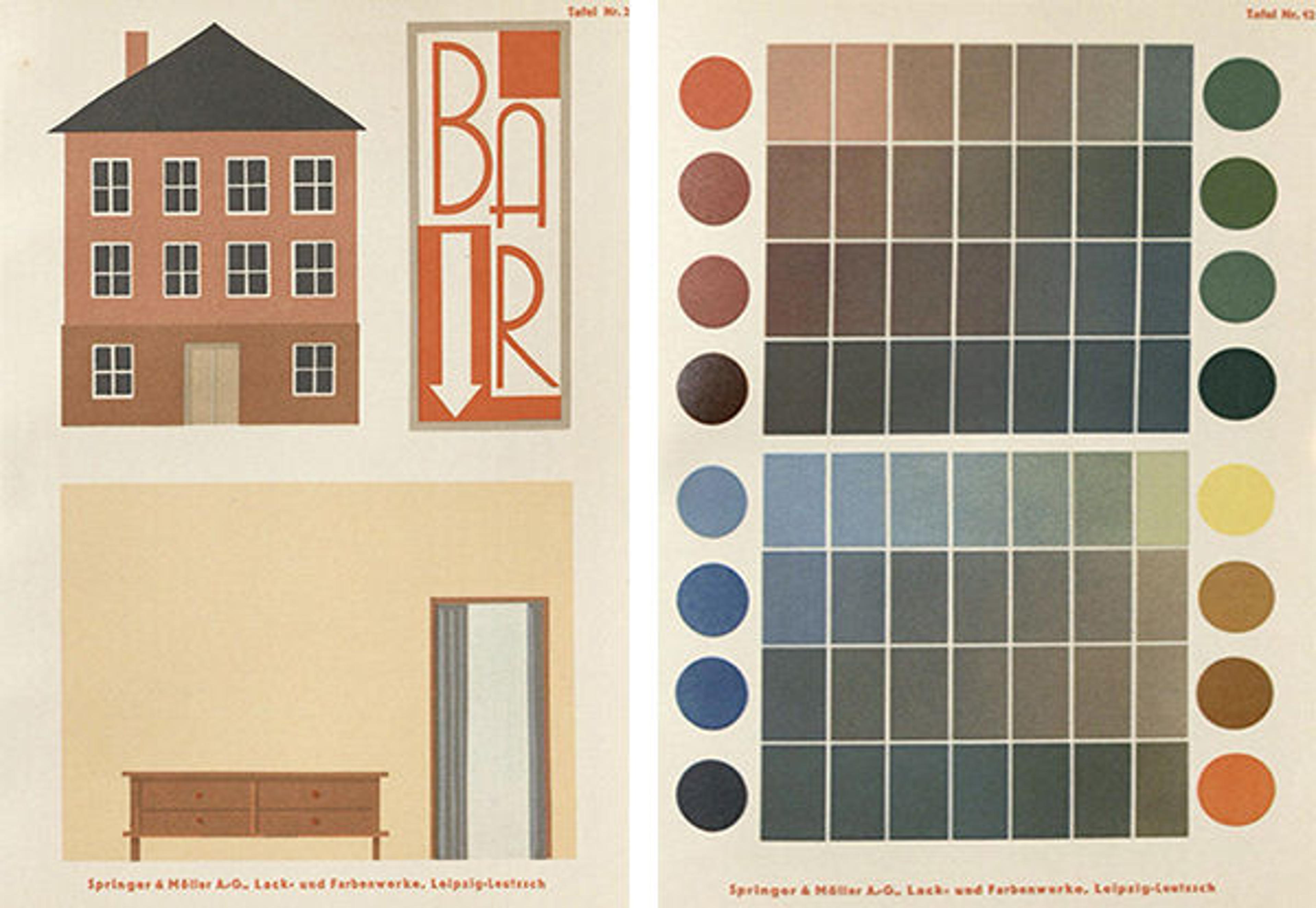
Students from various social and educational backgrounds began with a preliminary course focusing on materials, color theory, and formal relationships. This foundational training, often led by artists like Paul Klee, Vasily Kandinsky, and Josef Albers, prepared them for specialized workshops including metalworking, cabinetmaking, weaving, pottery, typography, and wall painting. Initially emphasizing the unification of arts through craft, Gropius later adjusted the school's focus in 1923 due to financial impracticalities, shifting towards designing for mass production under the new slogan "Art into Industry."
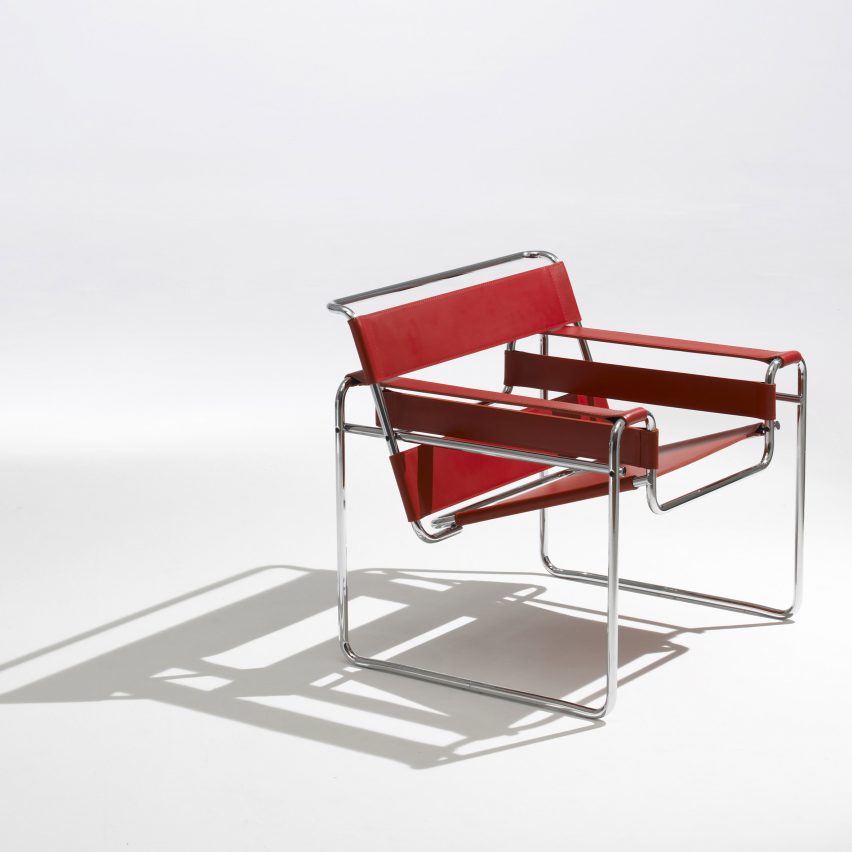
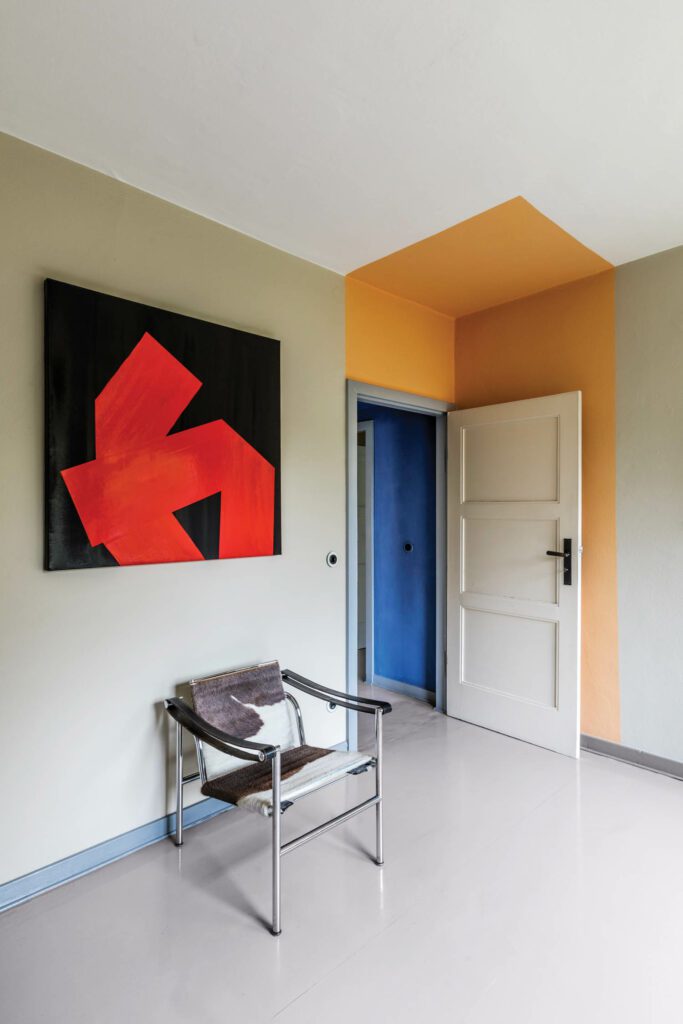
In 1925, the Bauhaus relocated to Dessau, where Gropius designed a new building embodying modernist architectural principles. Features such as steel-frame construction, a glass curtain wall, and an asymmetrical pinwheel plan optimized for efficiency and spatial logic became hallmarks of the movement. The cabinetmaking workshop, directed by Marcel Breuer from 1924 to 1928, revolutionized furniture design by reducing forms to their minimal existence. Inspired by bicycle tubing, Breuer pioneered lightweight, mass-producible metal furniture, with some pieces used in the Dessau building's theater.
The textile workshop, under Gunta Stölzl, created abstract textiles for Bauhaus interiors. Students explored color theory, design, and weaving techniques, experimenting with unconventional materials like cellophane, fiberglass, and metal. The commercially successful fabrics generated vital funds for the school and provided vibrant, abstract visual interest to Bauhaus buildings. Notably, while women primarily comprised this studio, they were often discouraged from other areas. Prominent textile artist Anni Albers was among its notable graduates.
Metalworking was another highly successful workshop, alongside cabinetmaking, in developing design prototypes for mass production. Designers like Marianne Brandt, Wilhelm Wagenfeld, and Christian Dell created modern lighting fixtures and tableware. Brandt, the first woman in the metalworking studio and later its director, produced iconic Bauhaus designs such as her sculptural silver and ebony teapot, which, despite not being mass-produced, exemplified the school's emphasis on industrial forms, functionality, and ease of use.
The typography workshop, initially a lower priority, gained prominence under László Moholy-Nagy and Herbert Bayer. It treated typography as both empirical communication and artistic expression, prioritizing visual clarity. This led to a stronger connection between typography, corporate identity, and advertising, with Bauhaus promotional materials featuring sans serif typefaces and integrated photography, establishing them as symbols of the avant-garde institution.
Leadership changes occurred with Hannes Meyer succeeding Gropius in 1928, emphasizing mass-producible design, social function, and the public good over private luxury. Under Meyer, advertising and photography continued to grow in importance. Political pressure led to Meyer's resignation in 1930, and Ludwig Mies van der Rohe took over, reconfiguring the curriculum with an increased focus on architecture. Lilly Reich directed the new interior design department, while other departments included weaving, photography, fine arts, and building. Due to Germany's escalating political instability and the Bauhaus's precarious financial state, Mies relocated the school to Berlin in 1930, operating on a reduced scale, and ultimately closed it in 1933.
During World War II, many key Bauhaus figures emigrated to the United States, profoundly influencing generations of architects and designers through their work and teaching. Breuer and Gropius taught at Harvard, Josef and Anni Albers at Black Mountain College and Yale, Moholy-Nagy established the New Bauhaus in Chicago, and Mies van der Rohe designed and taught at the Illinois Institute of Technology, spreading the Bauhaus legacy globally.
#Bauhaus #WalterGropius #ModernDesign #ArchitecturalHistory #GermanArt #DesignEducation #Craftsmanship #MassProduction #TextileDesign #Bauhaus #WalterGropius #ModernDesign #ArchitecturalHistory #GermanArt #DesignEducation #Craftsmanship #MassProduction #TextileDesign
0 comment in total
 No comments yet
You may also like

Nailing the Detail: Bauhaus Design Principles

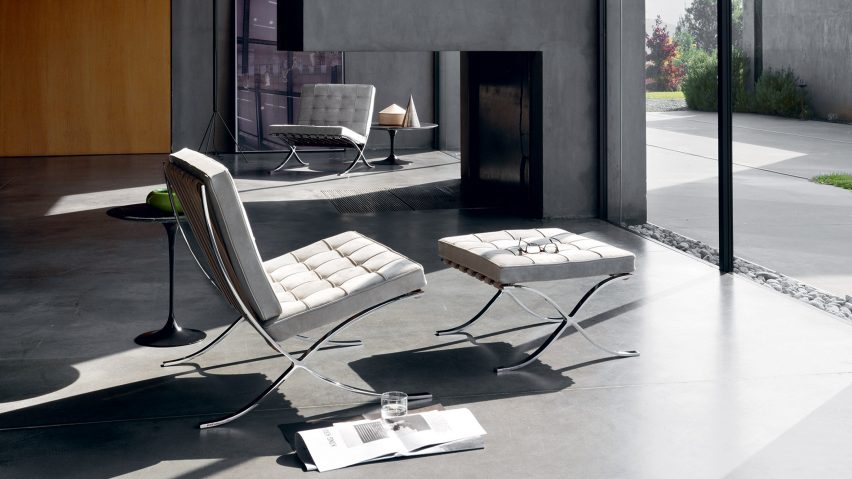
10 of the most iconic pieces of Bauhaus furniture
Global Design: Be inspired by Art Nouveau spaces in Belgium and Singapore

Bauhaus-Style Cape Cod House Gets A Guesthouse by Hariri & Hariri

Bauhaus-Style Architecture and a Floating Walkway Entry Make This Naples Home Stand out from Neighbors

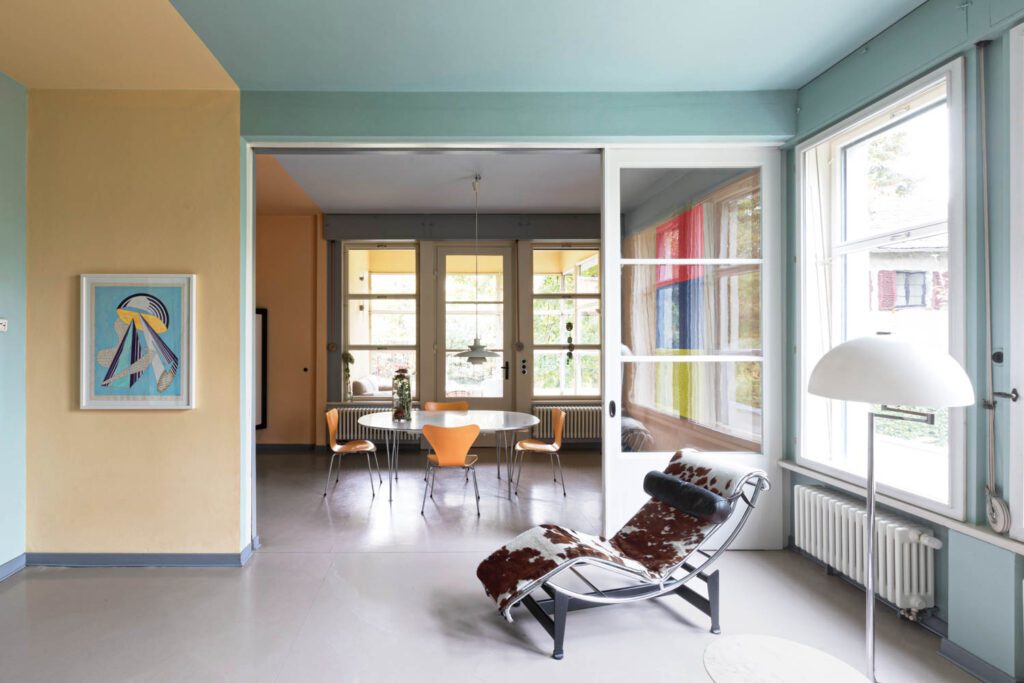
Behind the Design of a 20th Century House by Walter Gropius

What Is Midcentury Modern Architecture?

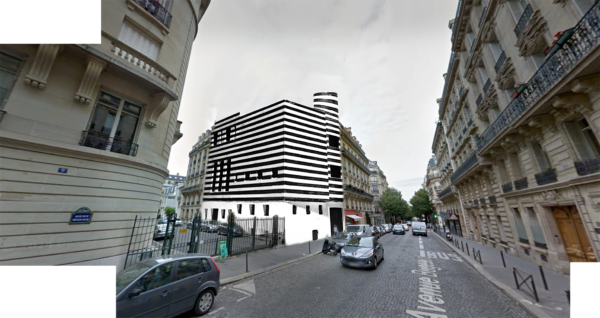
Locating Adolf Loos’s House for Josephine Baker


Color, Design, Shape: Architecture from the 1920s and 1930s

What Is Haussmann Architecture?

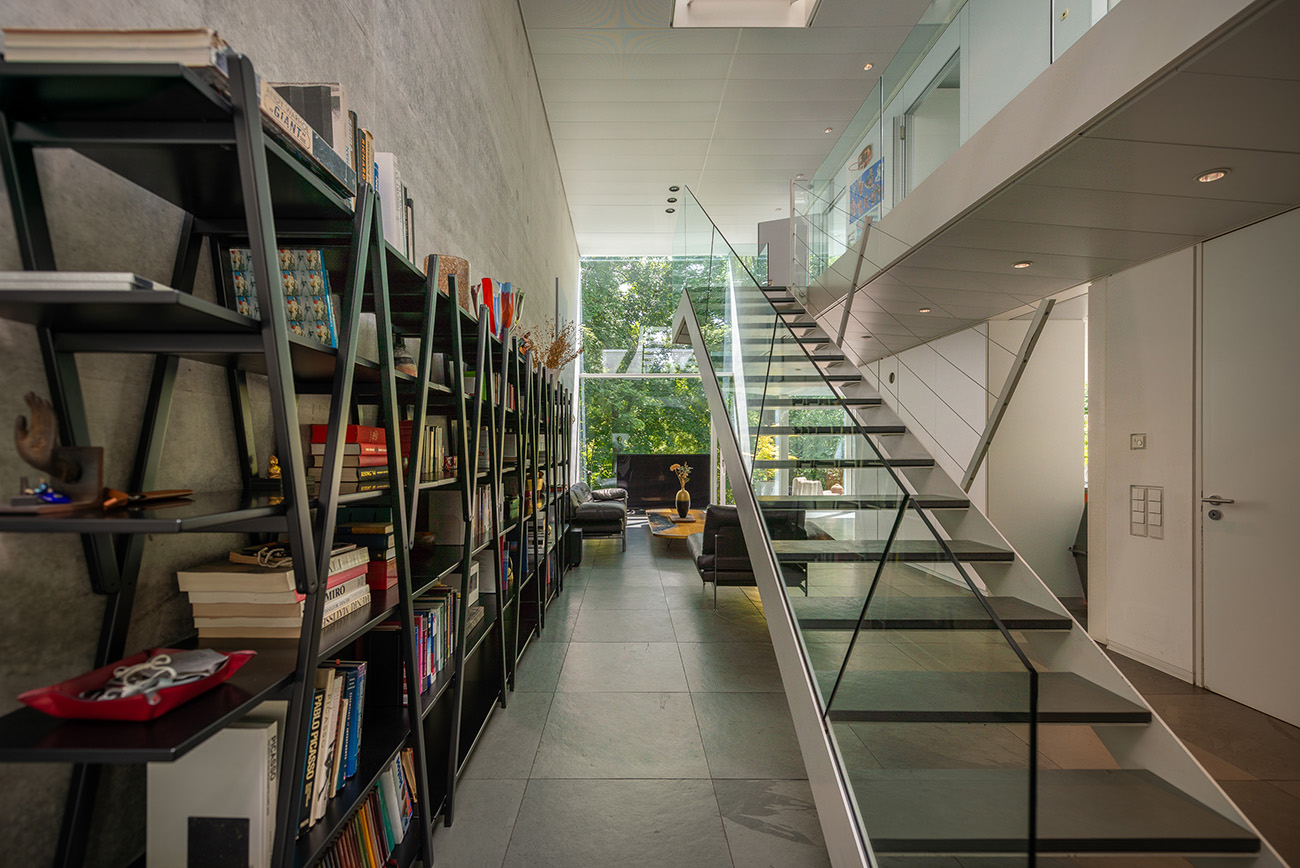
Zen Stuttgart ‘lightbox’ home asks for €3.5m


Town House EM by Areal Architecten

Bauhaus-Inspired Hardware


6 well-preserved homes built in the 1930s

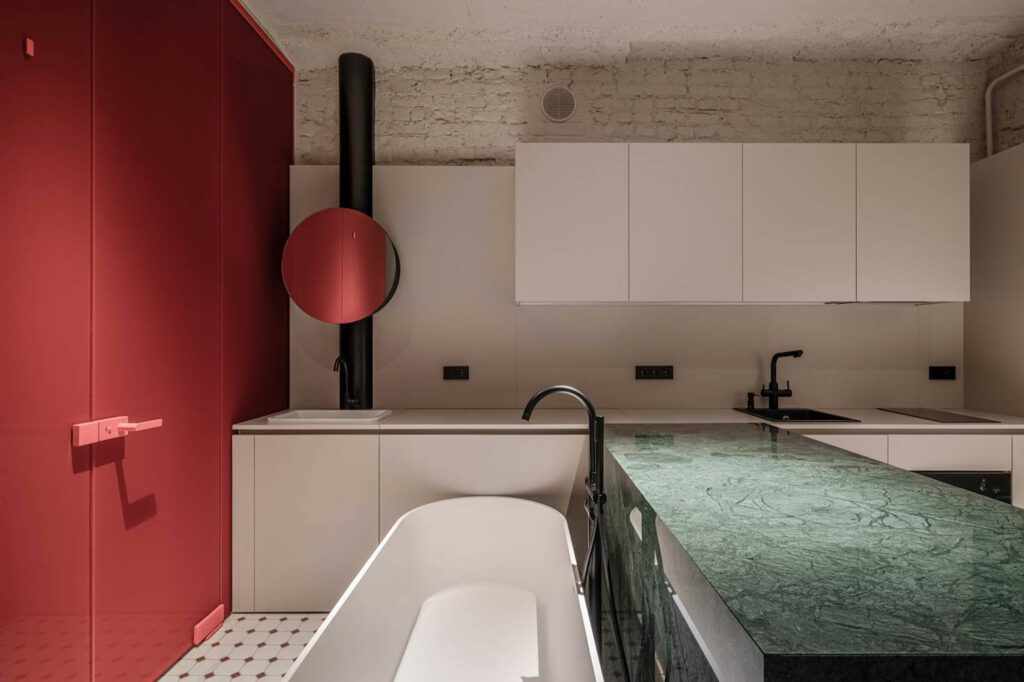
Anastasia Mirzoyan Offers a Fresh Take on the Bauhaus Aesthetic for a Historic Apartment

red brick and concrete stacked blocks shape vão house in brazil

Restoring Breuer's House in Garden


27 Contemporary Bauhaus Furniture and Decor Ideas That’ll Run You Less Than $300


The Essential Guide to Brutalist Design
A ’70s-Era Stuttgart Apartment That Remains the Same (Published 2019)