1/11
A Hip, New Restaurant Next to MoMA Offers Diners a Feast for the Eyes
The article showcases 53, an Asian-fusion restaurant in Midtown Manhattan, designed by ICrave, led by founder and CEO Lionel Ohayon. Located at the base of Ateliers Jean Nouvel’s 53 West 53 residential tower, adjacent to the Museum of Modern Art (MoMA), the restaurant aims to provide an immersive dining experience that transcends mere culinary satisfaction. Ohayon emphasizes the concept of a “yummy” room, where a harmonious blend of lighting, acoustics, materiality, layout, visual impact, and a sense of discovery compels diners to return. The restaurant was recognized as a 2022 Best of Year Winner for Fine Dining.
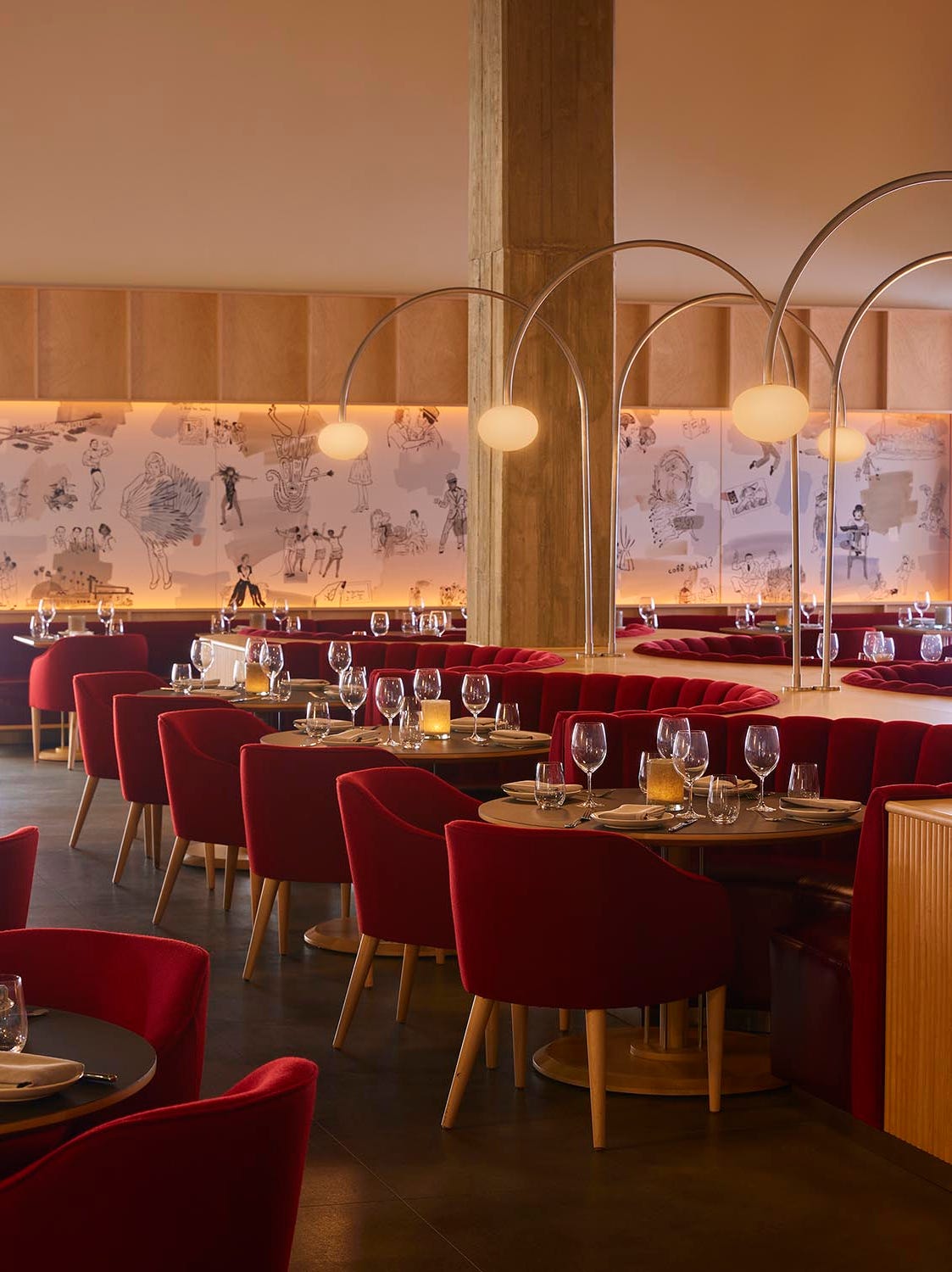
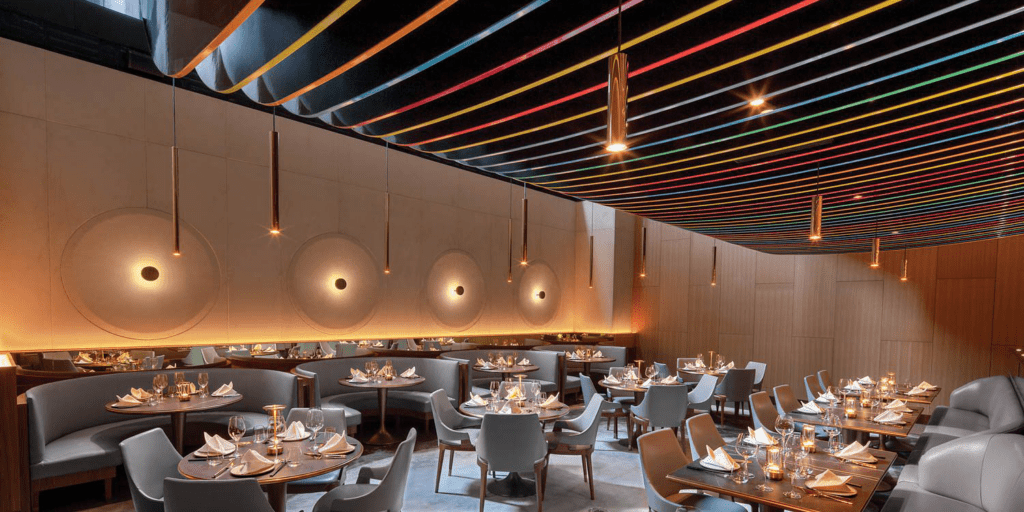
The 11,000-square-foot space is divided into a street-level bistro and a subterranean main dining room. Jean Nouvel’s architectural design, characterized by angular beams, allows for expansive column-free areas and intimate dining zones. Given its proximity to a world-renowned contemporary art museum, ICrave approached the project not as traditional interior design but as a sculptural or painterly endeavor. This artistic philosophy is evident in the restaurant's most prominent feature: three dozen giant curving fins that span the entire width of the space. These fins emerge from the street-level ceiling, cascade down in front of the bistro, sweep underneath, and wrap around the ceiling of the main dining room. Each fin is edged with a bright stripe, featuring nine neon-like colors derived from the Nine-Dragon Wall reliefs found in Chinese imperial palaces. These hues also subtly reference the diverse Asian cultures represented in the menu and the modern art displayed at MoMA. The restaurant plans to host a rotating selection of fine art in collaboration with the Friedrich Petzel Gallery.
The fin installation, glossy black on one side and sepia-toned on the other, creates a lenticular effect as guests move through the restaurant or view it from the sidewalk. Ohayon describes the installation as both a loom and a veil, with its vibrant colors attracting attention from passersby and directing their gaze to the aerial arrangement of tables, banquettes, and chairs set on an ink-wash carpet, which features subtle smokey grays echoing Nouvel’s steel construction. Ohayon highlights the importance of creating a unique piece of the city's landscape, fostering memories for visitors and a sense of place for residents.
The sculptural architectural gesture draws inspiration from the Chinese artistic principle of xieyi, emphasizing broad, expressive strokes and representing the chi or energy flow within 53. In contrast, the principle of gongbi, which focuses on realism and fine detail, guided the selection of decor elements. For example, the colors from the fin edges are subtly echoed in the precious stones used as chopstick rests. Lighting, a critical component of the "yummy" atmosphere, was developed in collaboration with Licht, ICrave's in-house studio. The main dining room features cove lighting, slender cylindrical pendant fixtures that adjust with ceiling height variations, and circular sconces softly illuminating the ecru suede-like walls. An ethereal cluster of small LEDs forms a twinkling cloud above the bar. All lighting elements emit 2,600 Kelvins, complemented by rechargeable Japanese table lights, creating a warm, cinematic glow.
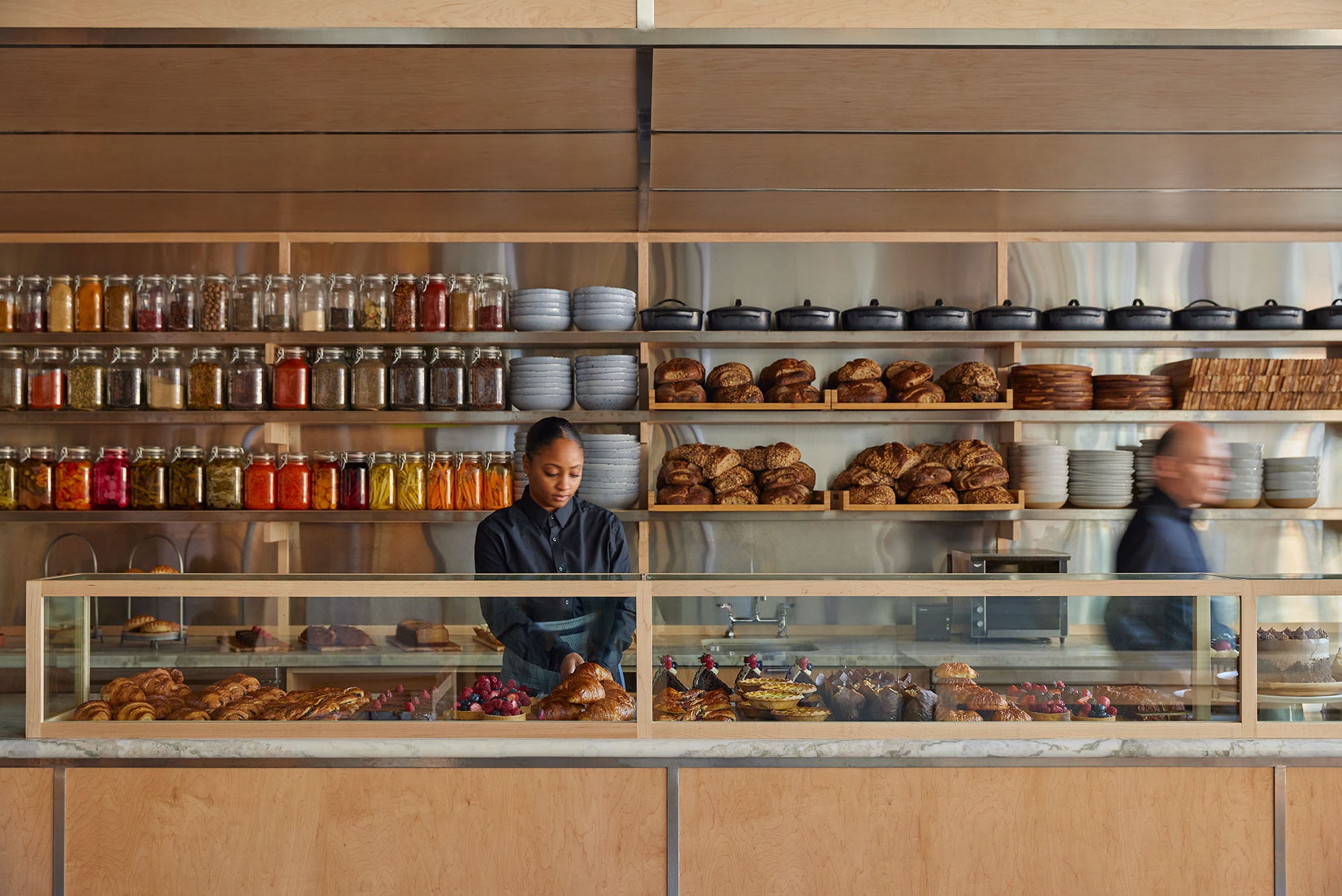
The material palette emphasizes honesty and natural finishes, including stone bar counters, white oak paneling, leather banquette upholstery, and wool rugs. The deliberate juxtaposition of warm and cool tones reinforces the duality of hard and soft, grand and humble, evident throughout the design. Lionel Ohayon personally led the design of this project, finding it a creatively cathartic and rewarding opportunity to shape New York City's landscape. He aimed for an expression that aligns with its location next to MoMA, showcasing exuberance with mature restraint, moving away from what he perceived as a "Brooklyn-ification" of Manhattan's design aesthetic. ICrave's extensive experience in hospitality design, spanning over 20 years, allowed them to create a restaurant interior that honors its cuisine without resorting to pastiche, understands its contextual importance, and is as delightful as the food it serves.
#RestaurantDesign #InteriorDesign #MidtownManhattan #ICrave #FineDining #ArchitecturalSculpture #LightingDesign #AsianFusion #LuxuryHospitality #RestaurantDesign #InteriorDesign #MidtownManhattan #ICrave #FineDining #ArchitecturalSculpture #LightingDesign #AsianFusion #LuxuryHospitality
0 comment in total
 No comments yet
You may also like
This New Los Angeles Restaurant Captures the Glamour of the Silver Screen
Inside Muze, Khar West’s Bold New Ode to the Roaring 20s
All About New York’s Bungalow, From Chef Vikas Khanna and the GupShup Team
See how an outdated MetroWest kitchen became a whimsical, modern hub

An Oishii New Bento Shop Just Opened Downtown

How optical illusion has transformed this restaurant!

huit sushi restaurant in montreux glows with a custom-made led wall by craft & concept
An Inside Look at The Sea Fire Grill in Yonkers

Midtown’s Lure will completely reinvent itself with new menus, a patio bar, and more
The Fancy Italian McDonald's With An Ancient Roman-Inspired Interior
Old meets new at Uncle Wolfie's Breakfast Tavern, opening next week
Opening Shot: A Moscow Seafood Shop With a Clandestine Wine Bar

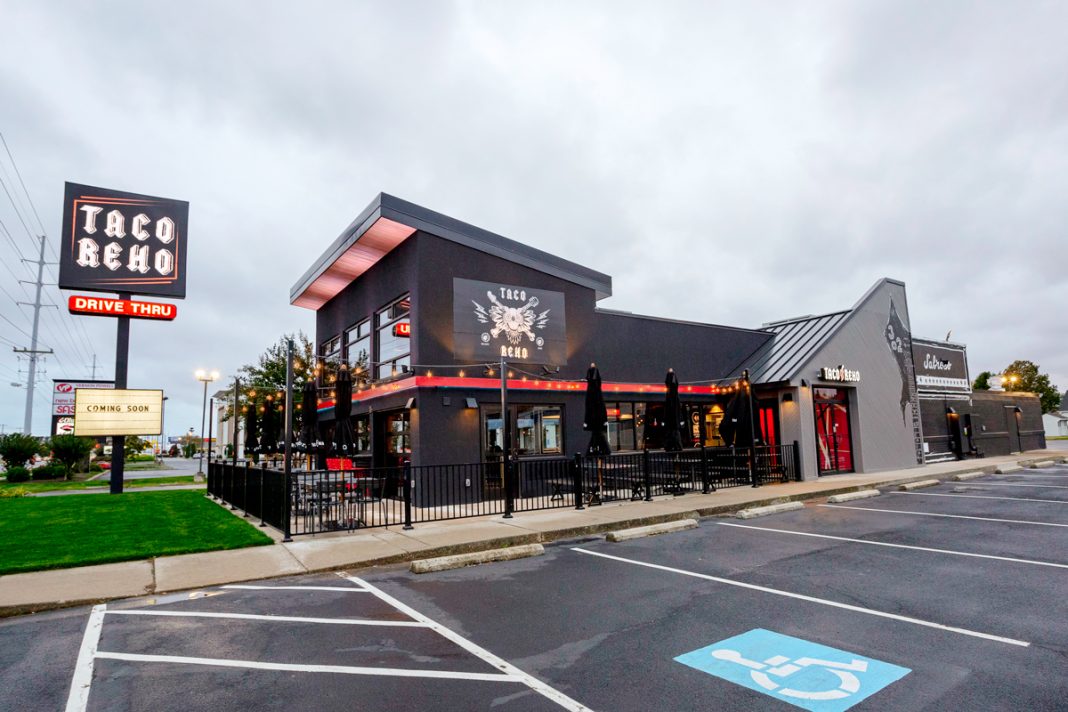
Taco Reho Food Truck Opens a Rock ‘n’ Roll-Inspired Restaurant
A 19-Year-Old Is Behind NYC’s Latest ‘It’ Restaurant
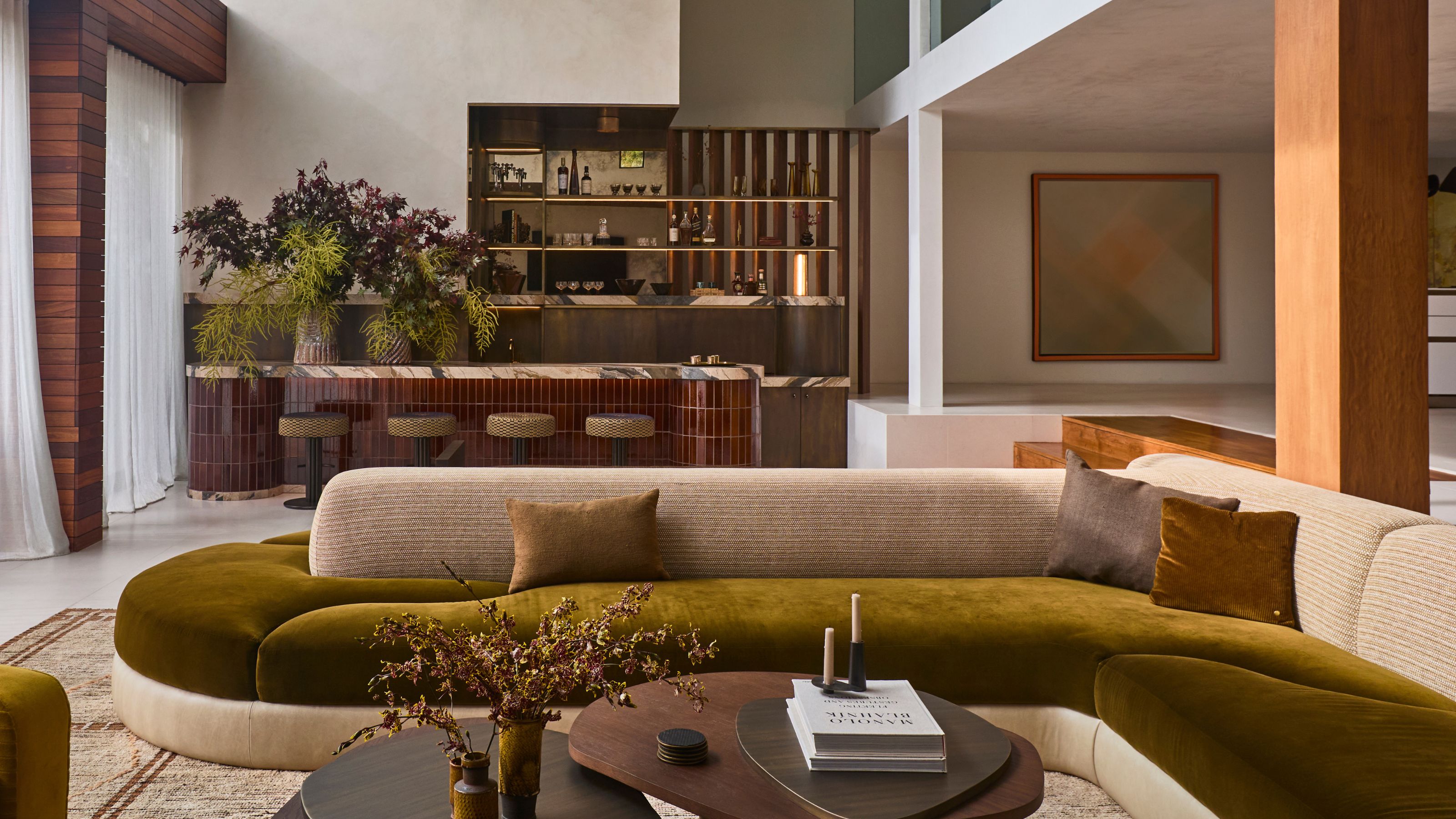
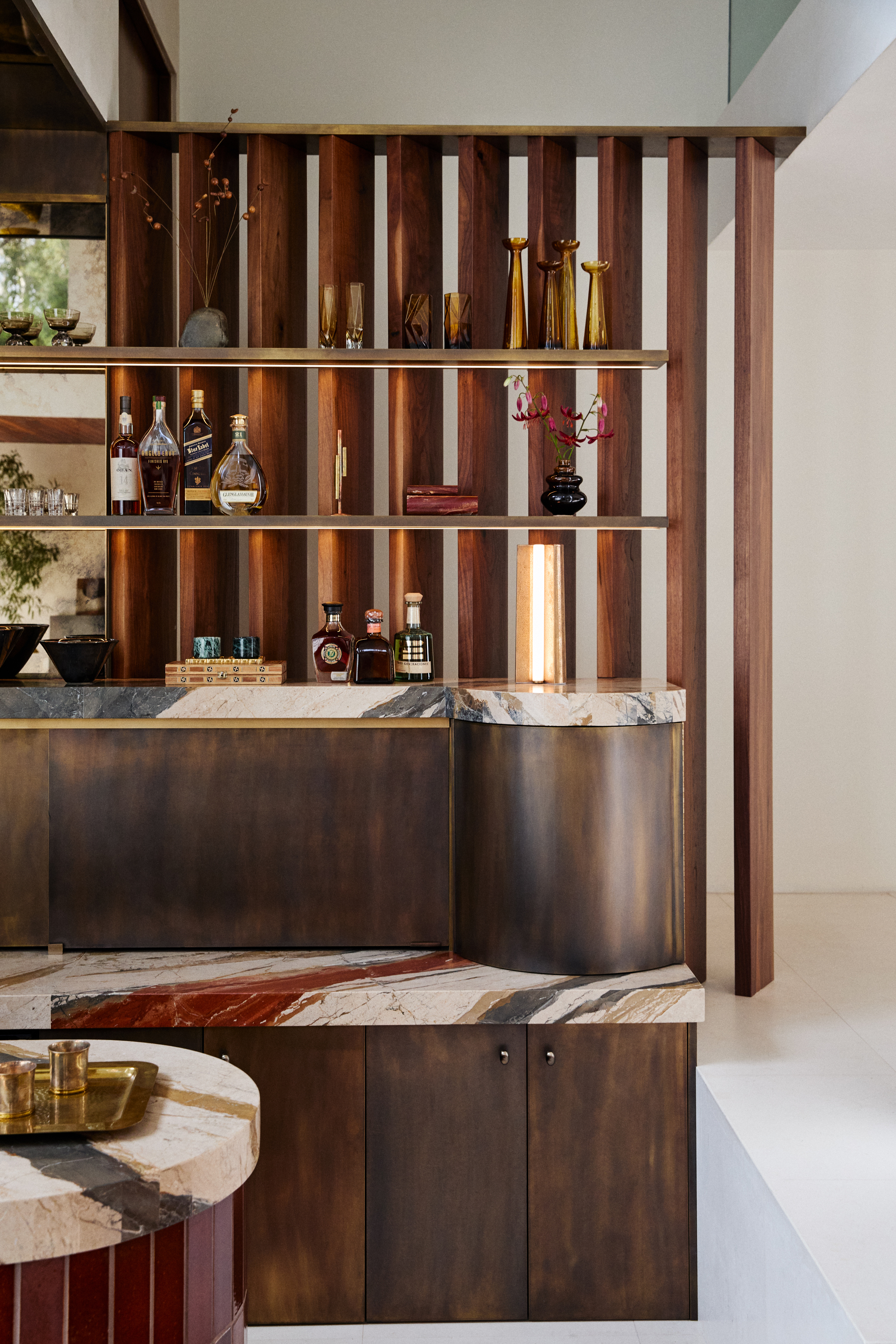
Entertainers, Eat Your Heart Out — The "Muddy" Marble Bar in This Los Angeles Home Is Breathtaking Enough to Rival Even the Coolest Hangouts in the City

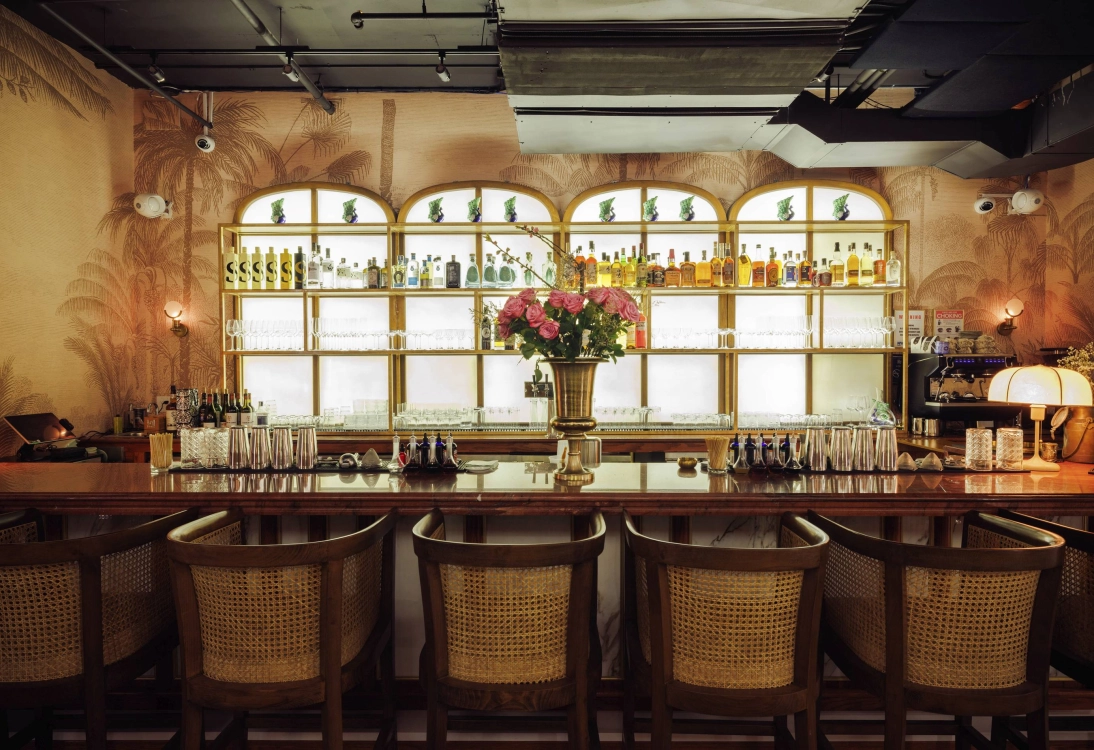
Bungalow: A Culinary Journey by Chef Vikas Khanna
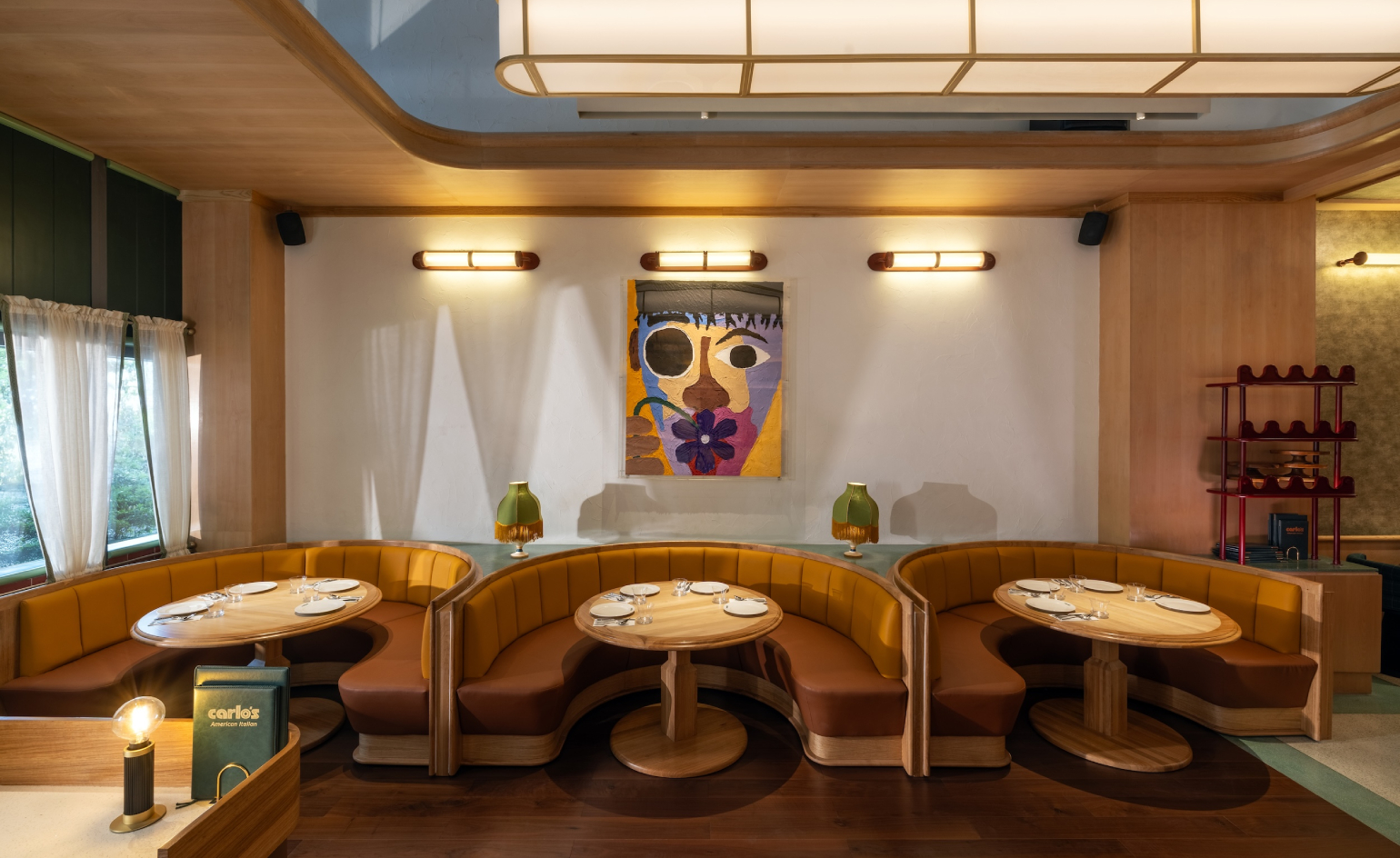
Art-infused restaurant Carlo’s is Manila’s latest gem, by design studio JJ Acuna

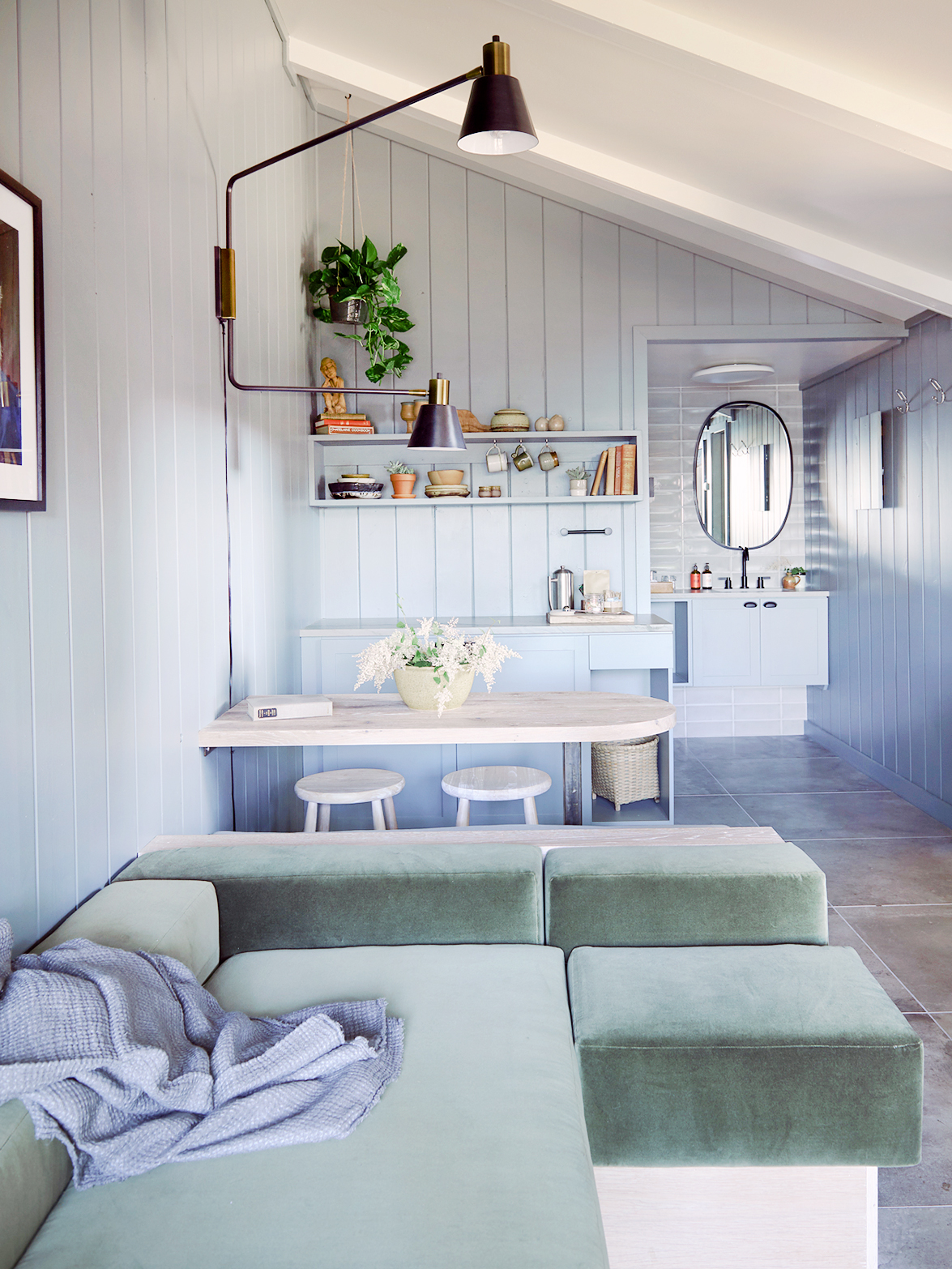
Moby Dick Meets Northwest Hipster at This Reimagined Inn
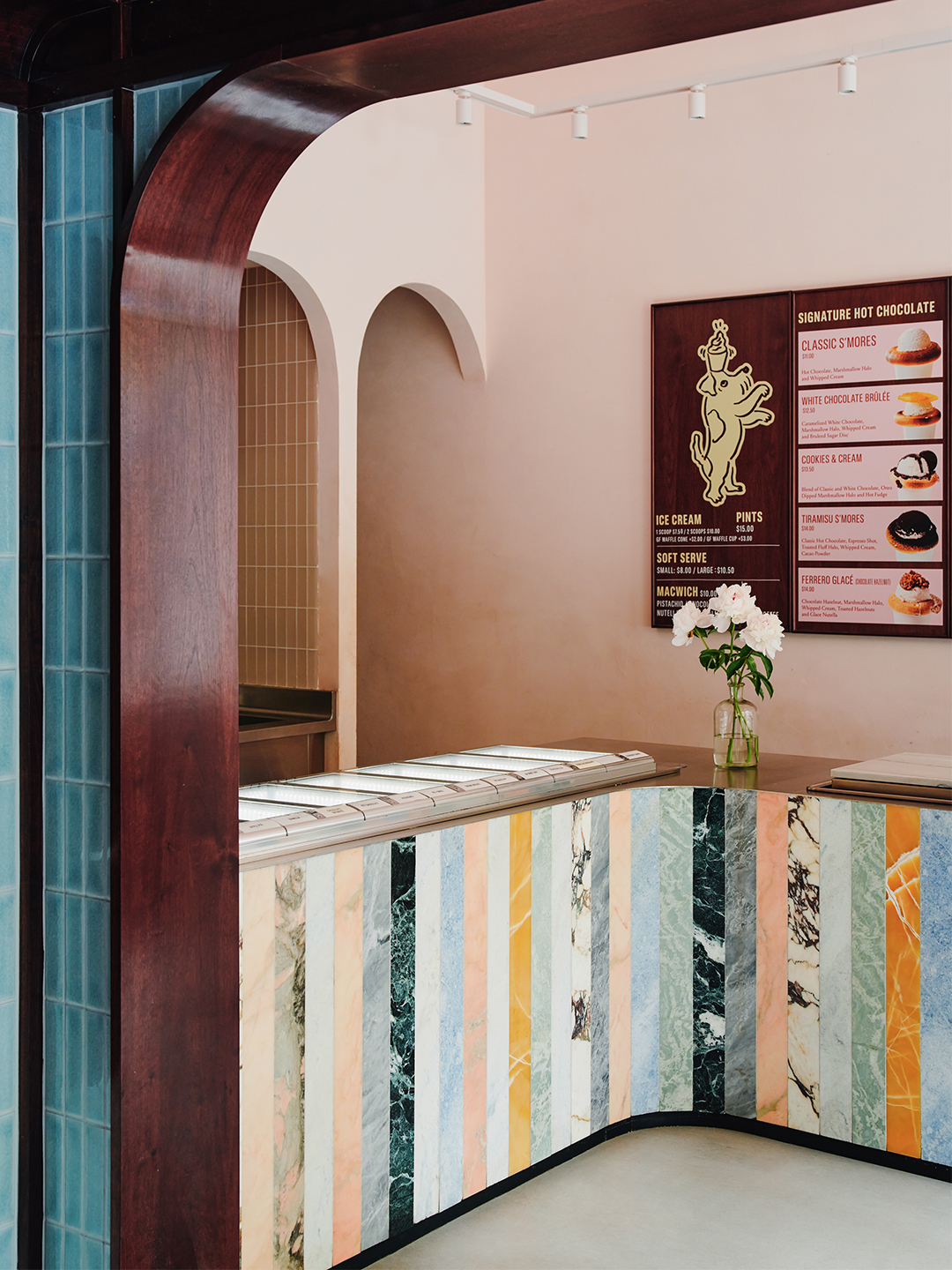
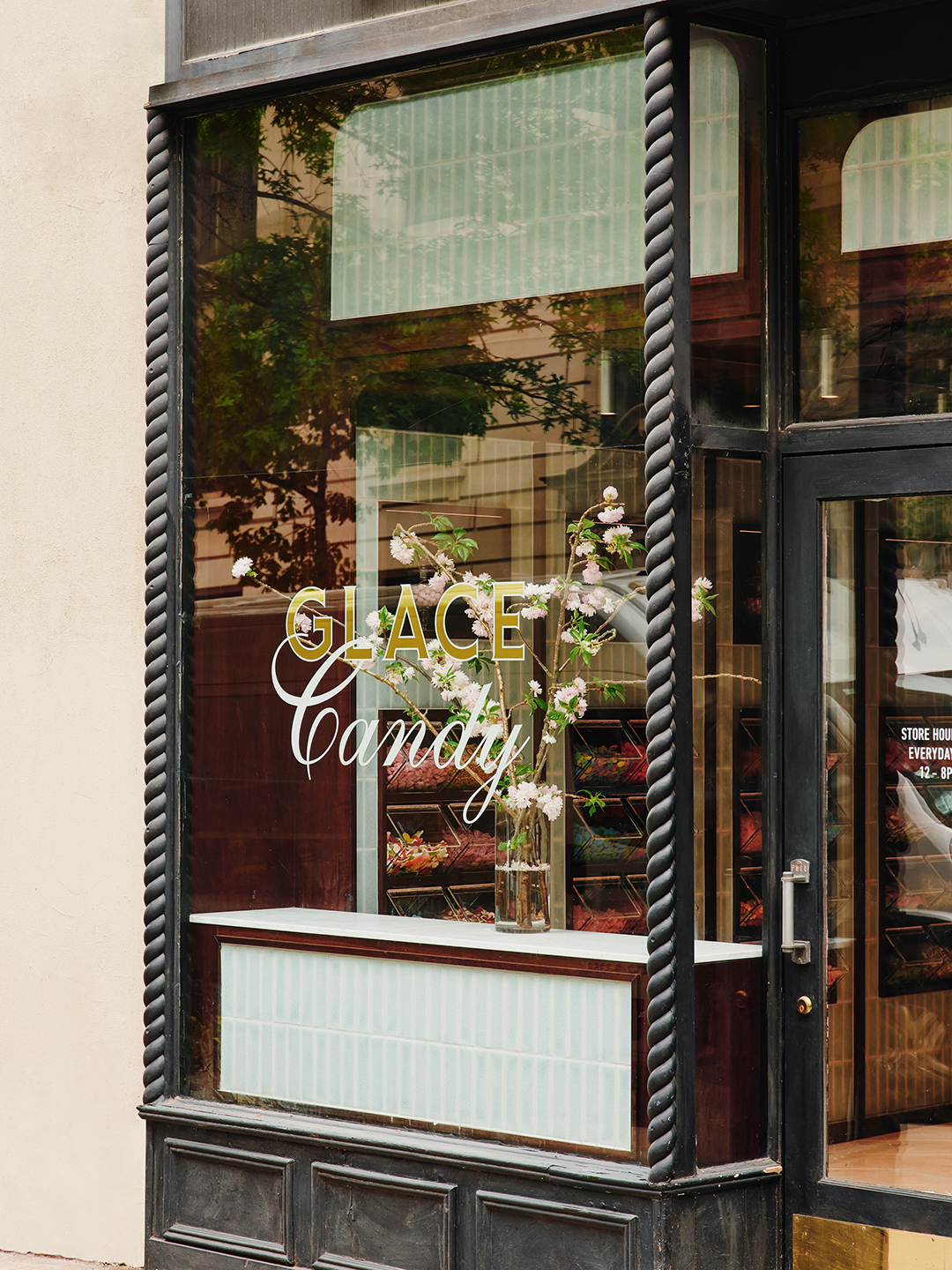
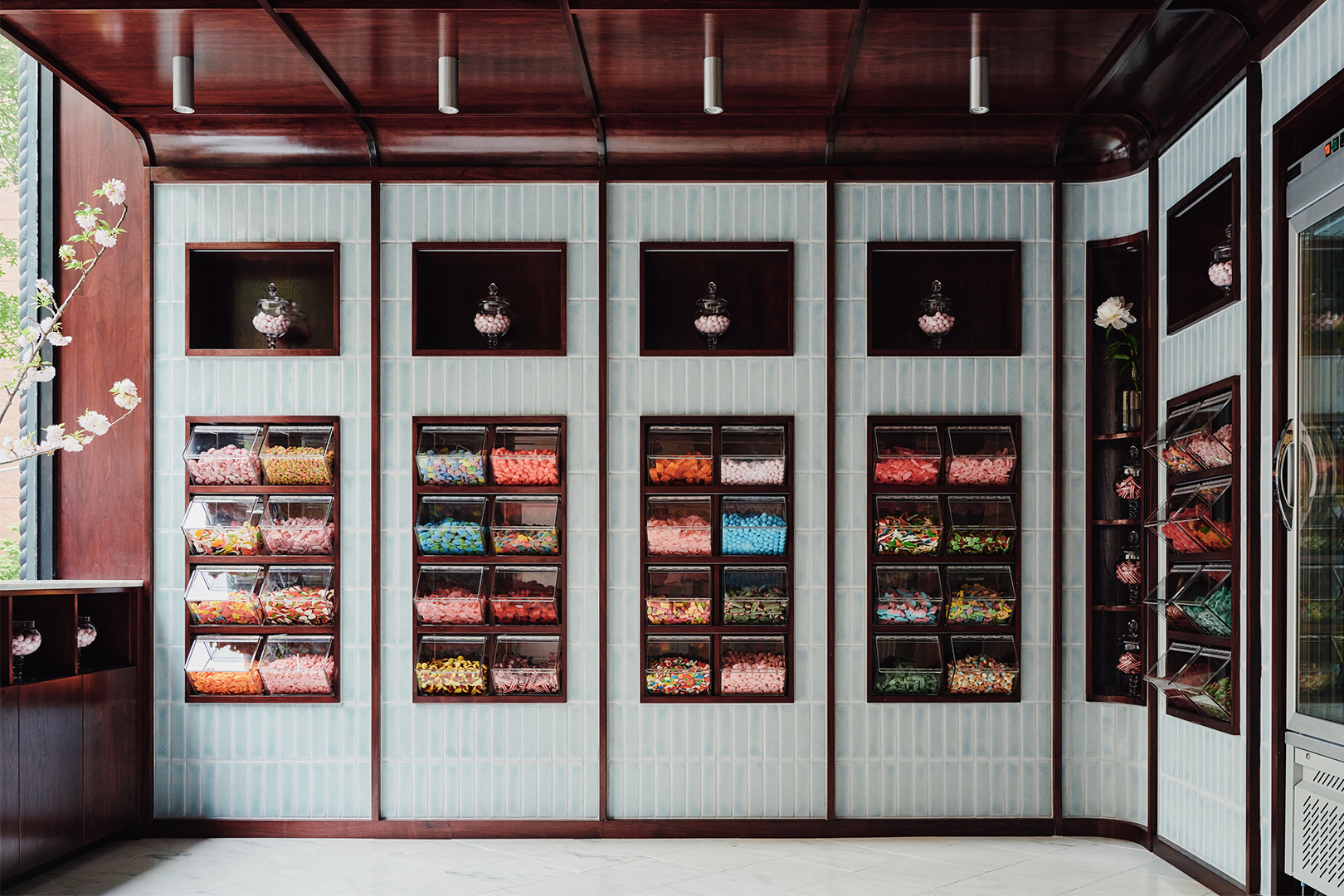
Crackled Tile, a Striped Stone Island—Our Latest Kitchen Inspiration Is This Viral Candy Shop
This Tiny New Orleans Hole-In-The-Wall Restaurant Is One Of The Best In The US