1/6
Moiré is coming back in a way – here's how interior designers are using the pattern
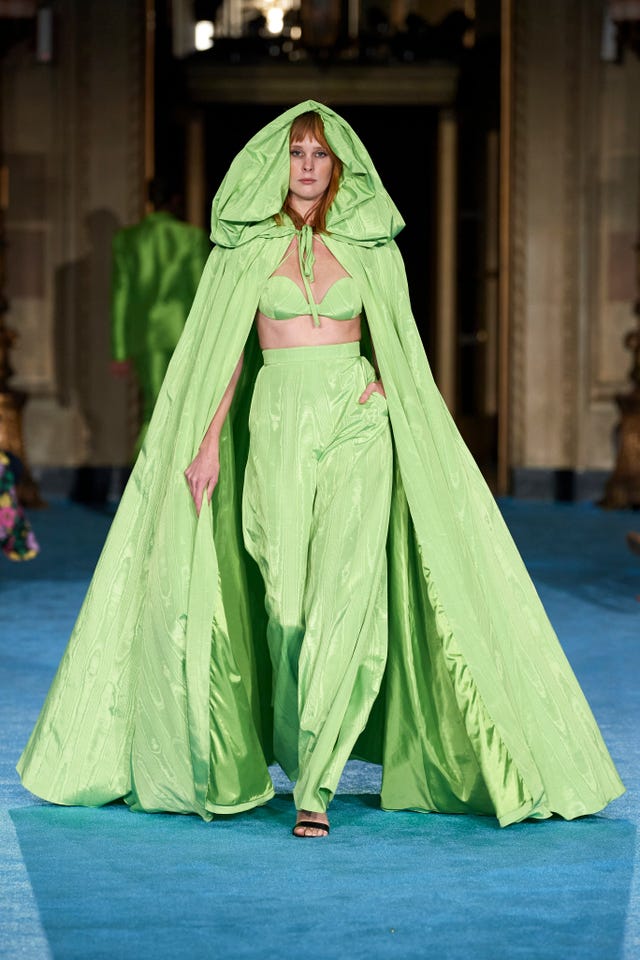
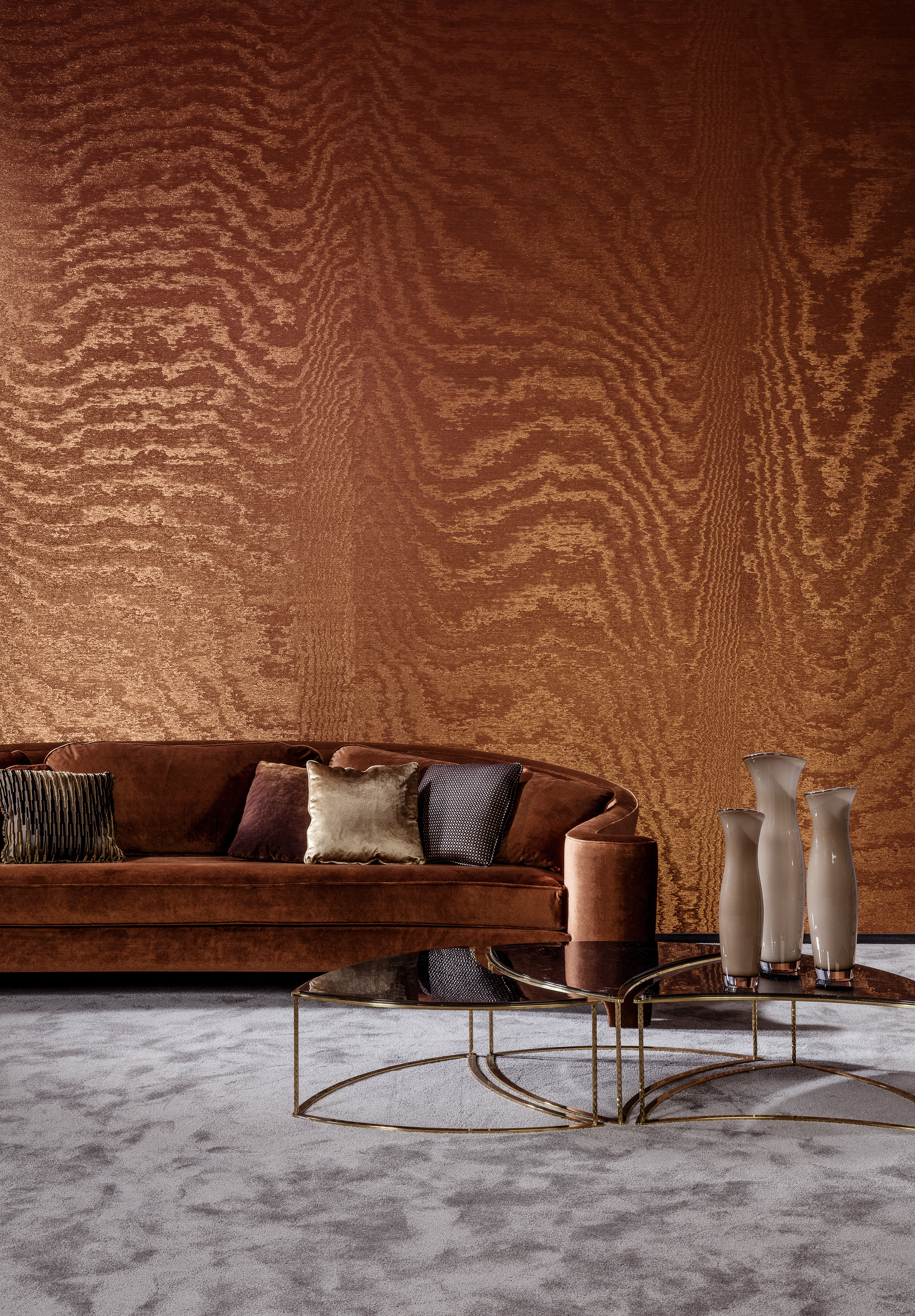
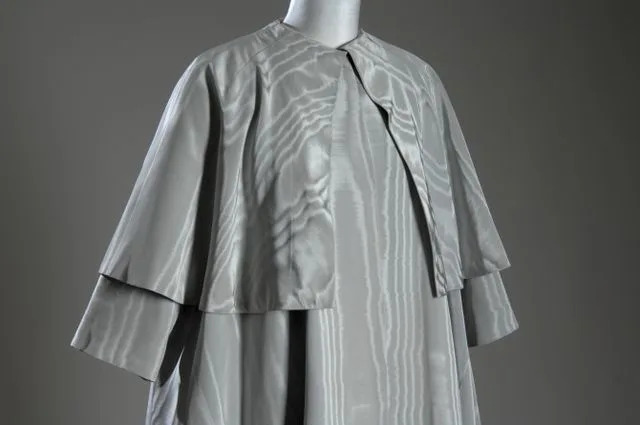
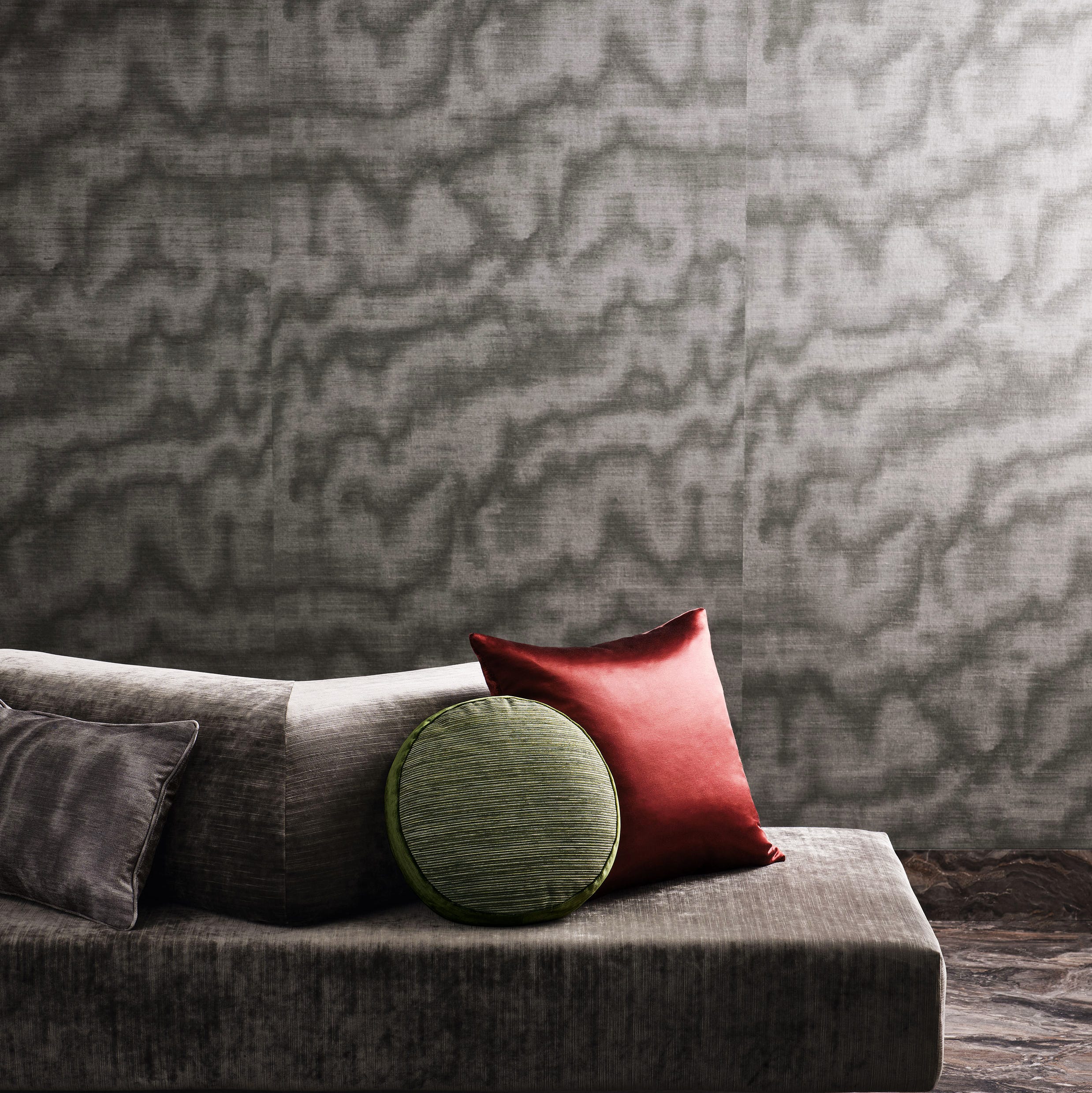
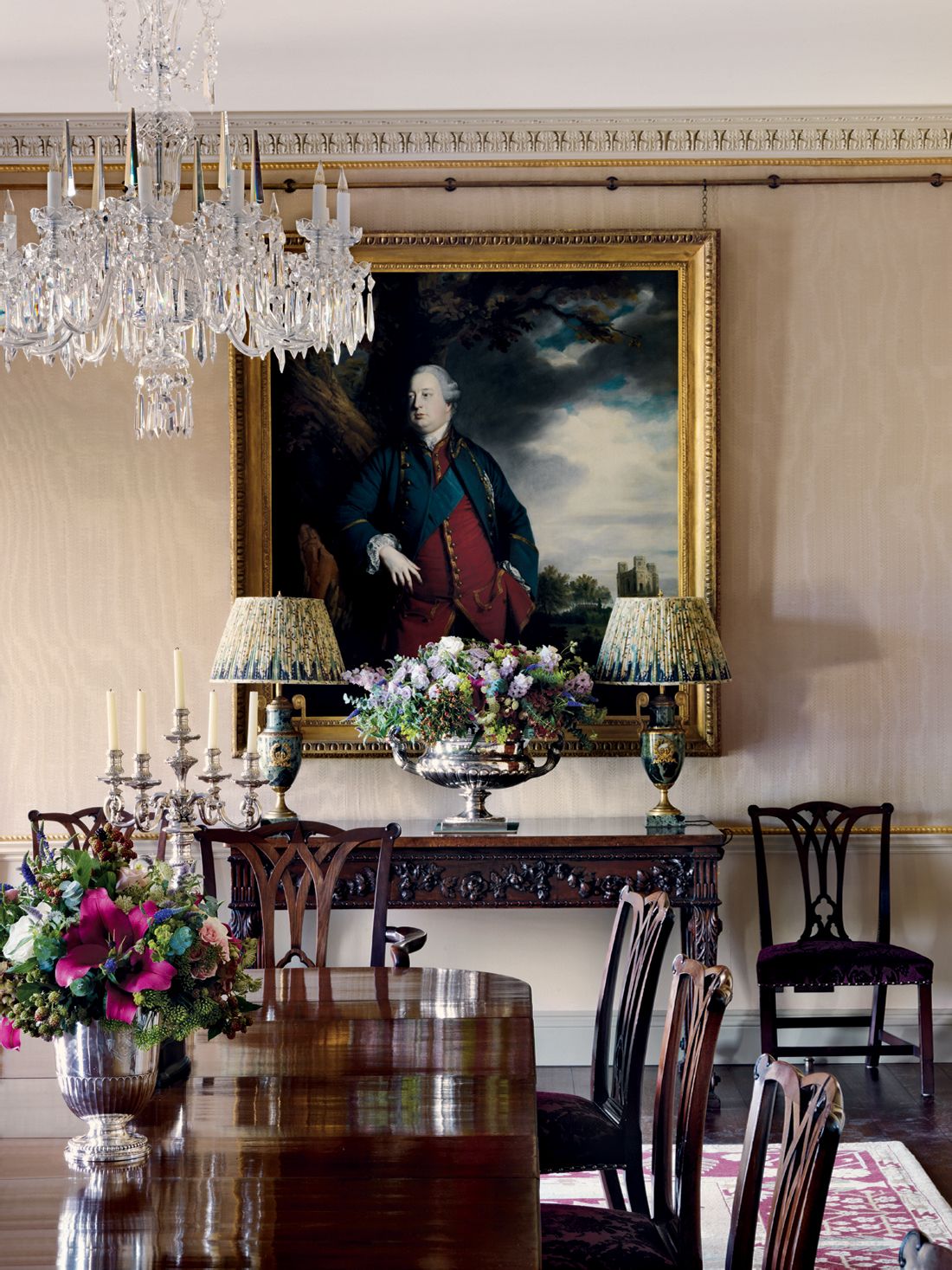
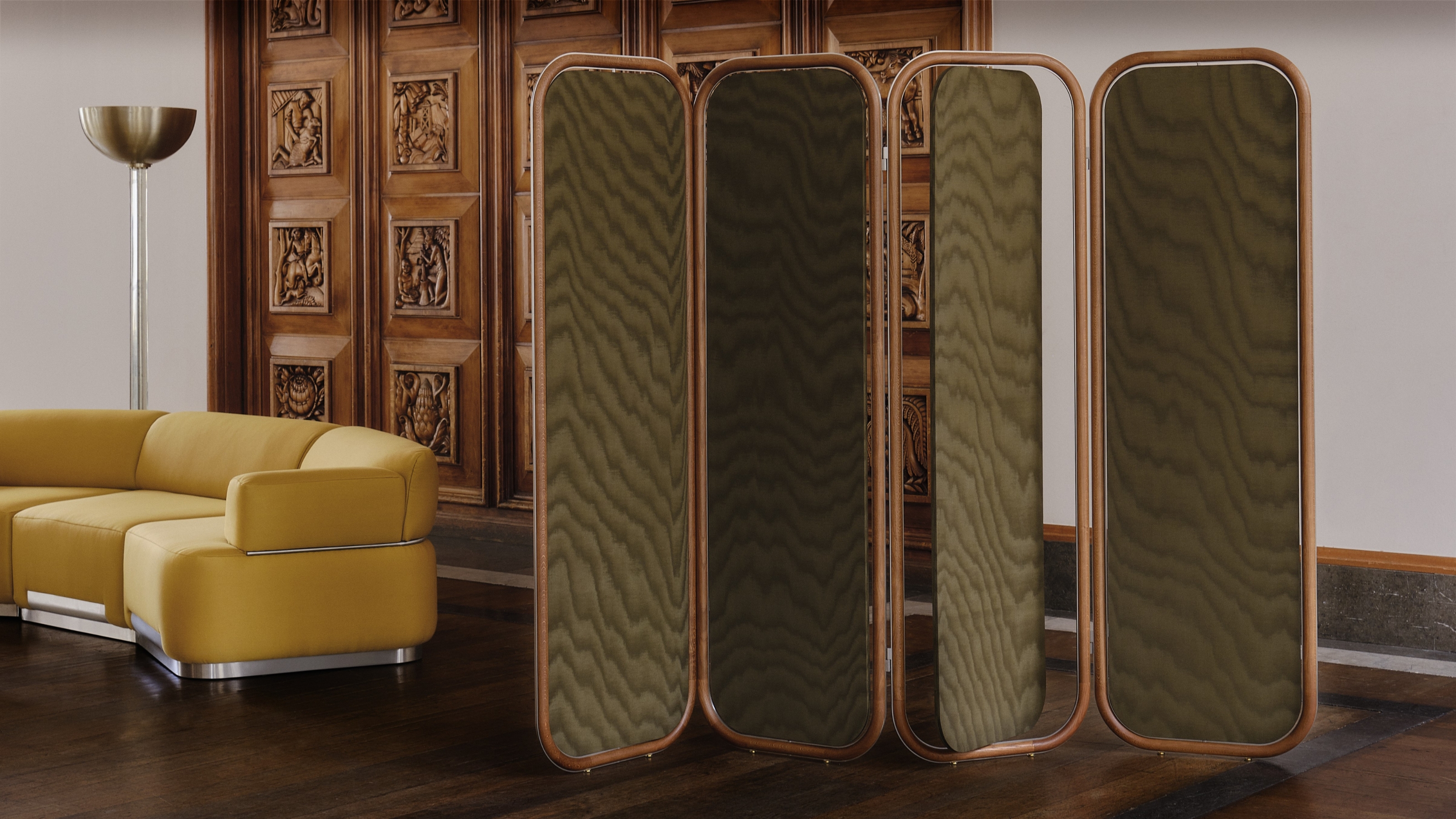
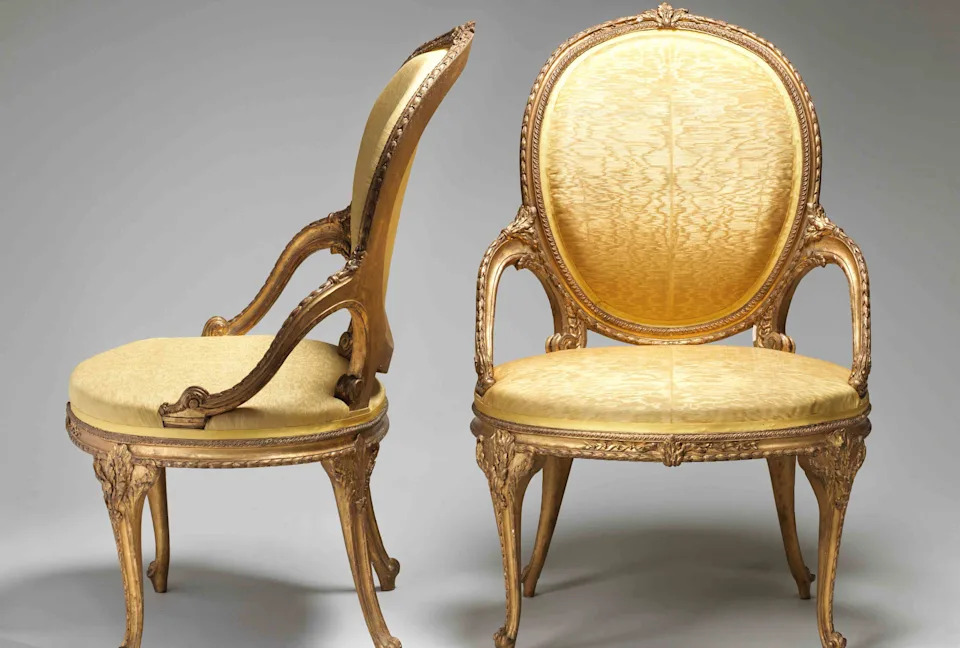
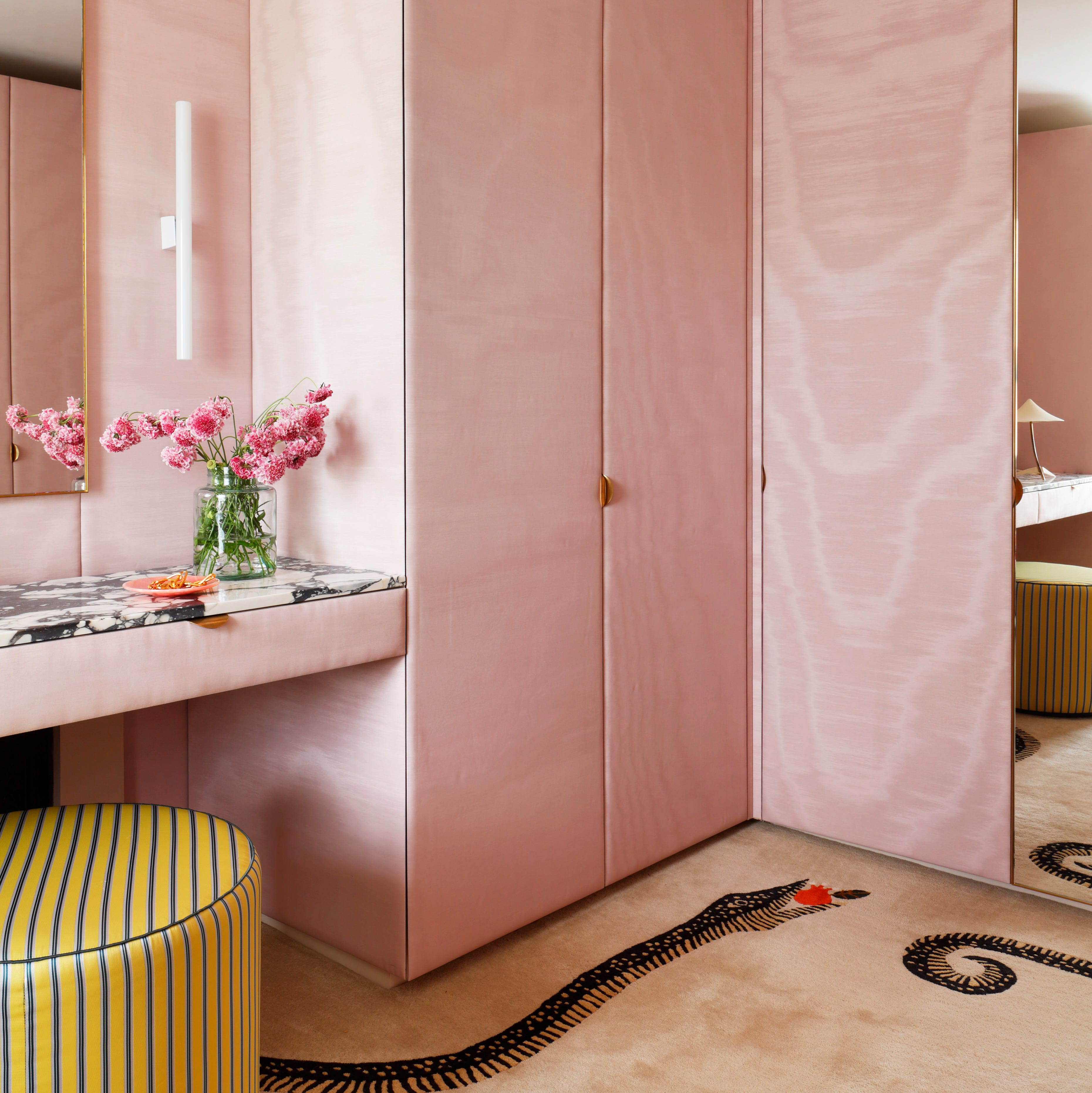
Moiré, a distinctive fabric characterized by its rippled, watermarked effect, is experiencing a significant resurgence in interior design. Historically, this silk or viscose material, originating in the 1600s, was a luxury item favored by European royalty and the upper classes. Its presence graced the walls of palaces like Versailles and Hampton Court, and it was notably worn by Queen Victoria. In more recent times, the Duchess of Devonshire, 'Debo,' famously adorned her study with green moiré, pairing it with books and chintzy sofas.
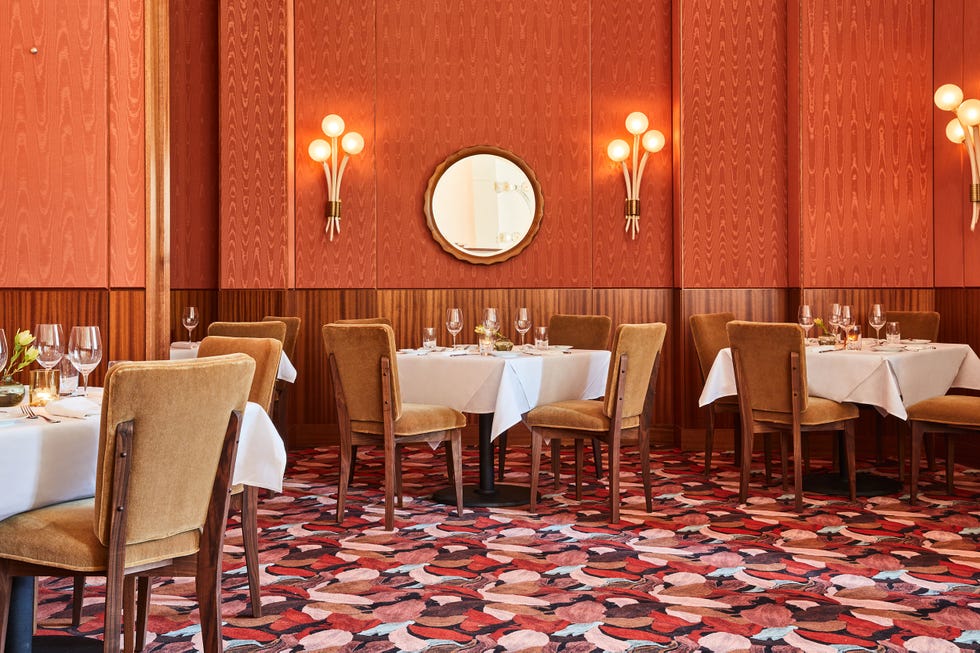
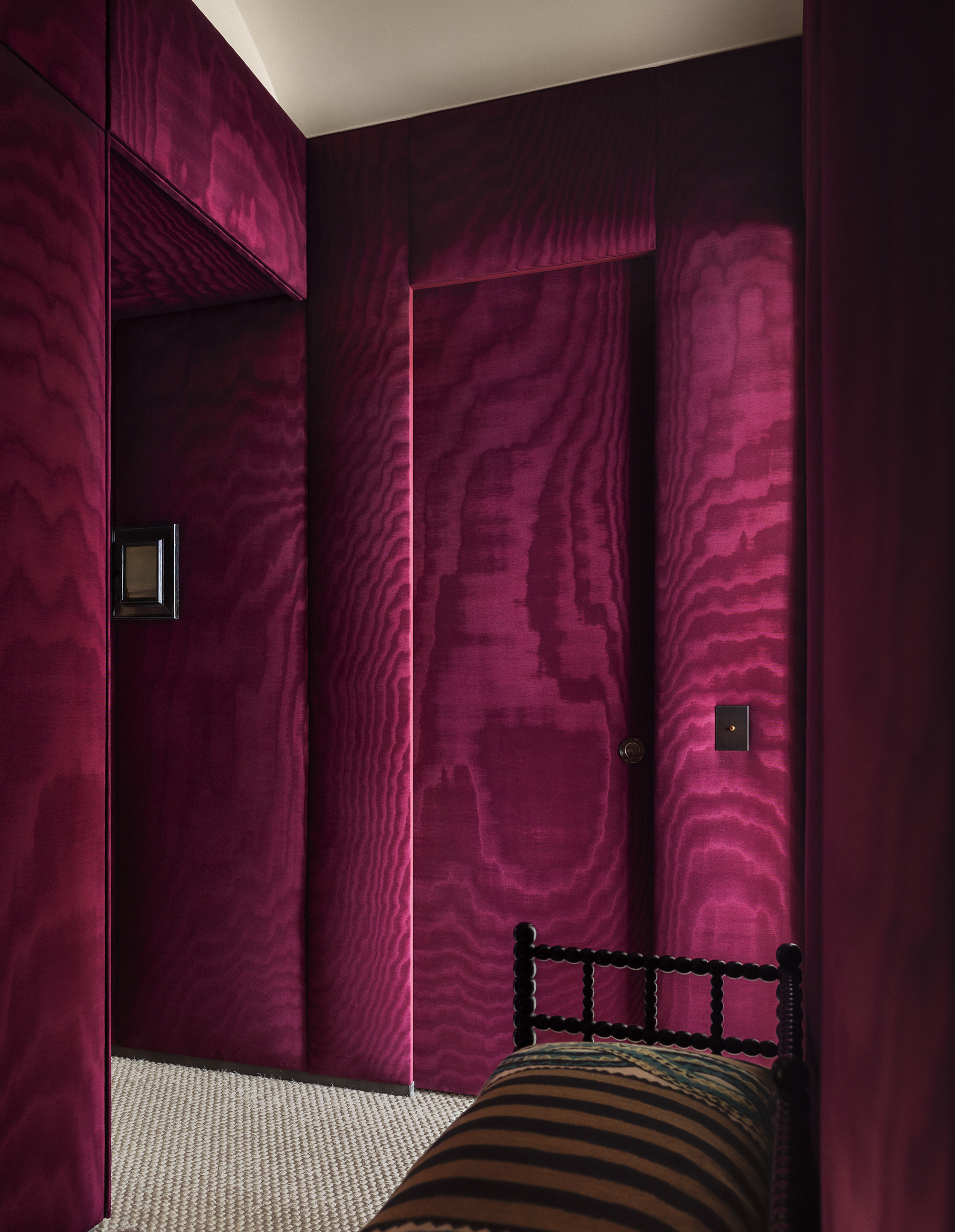
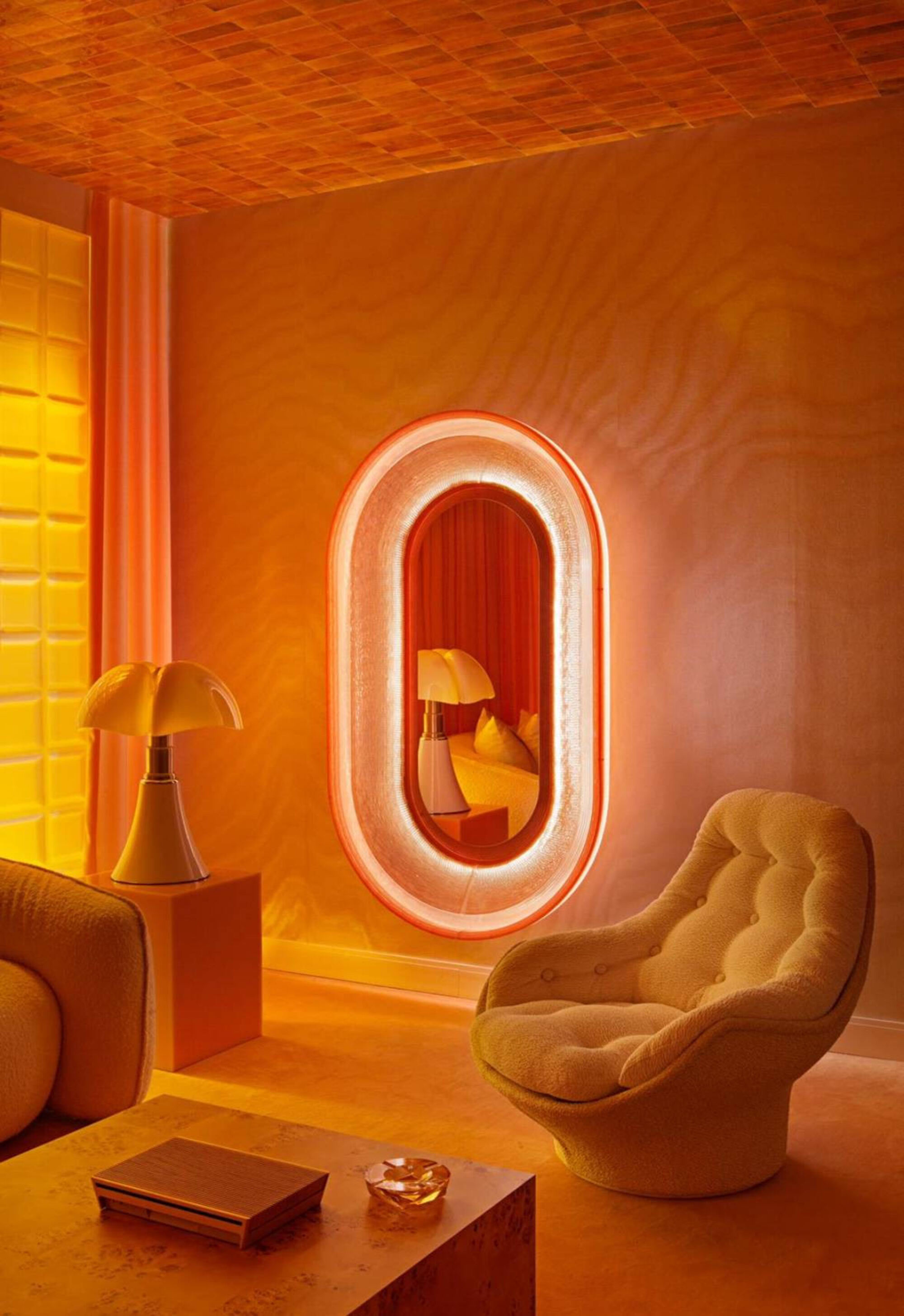
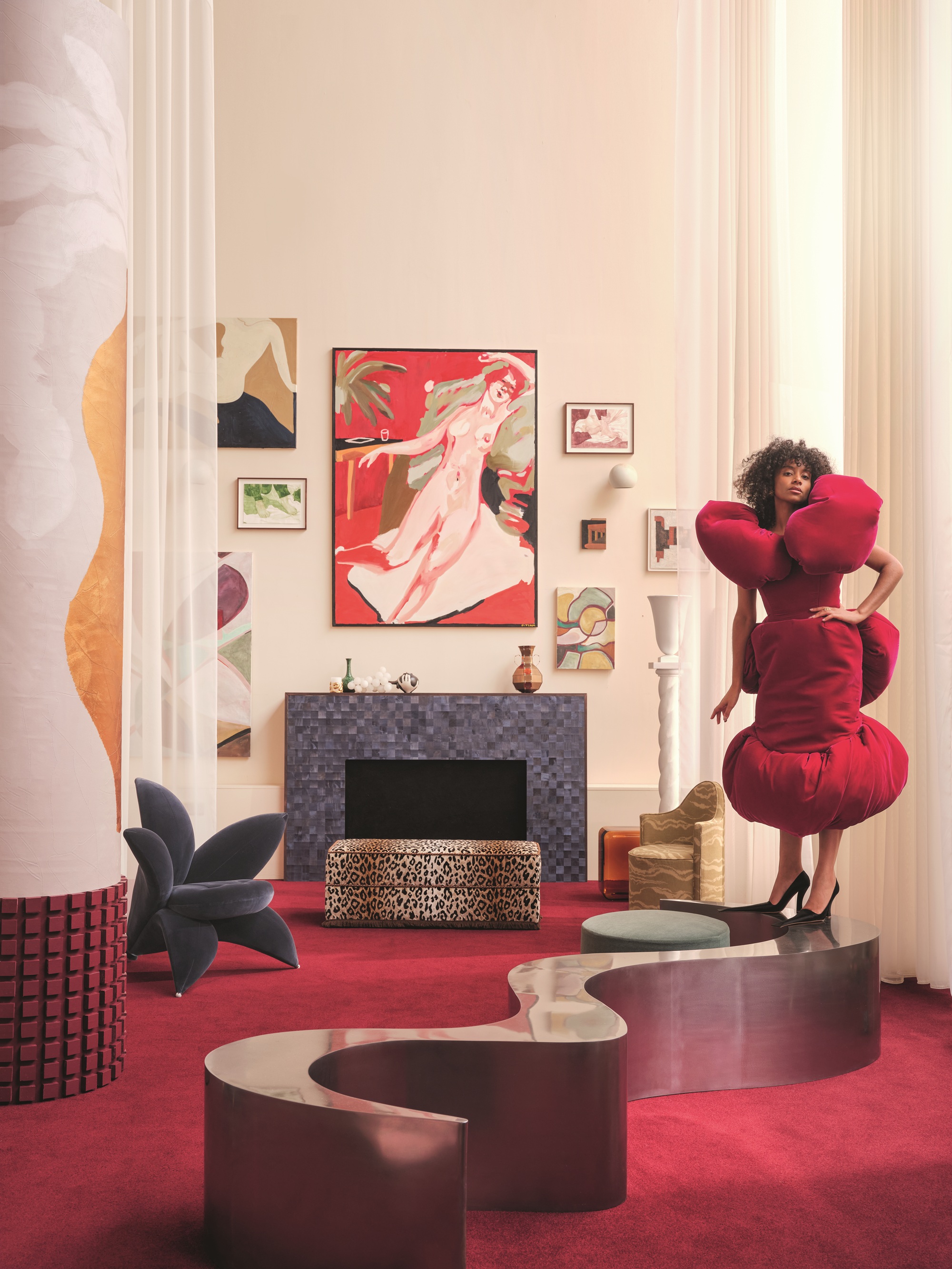
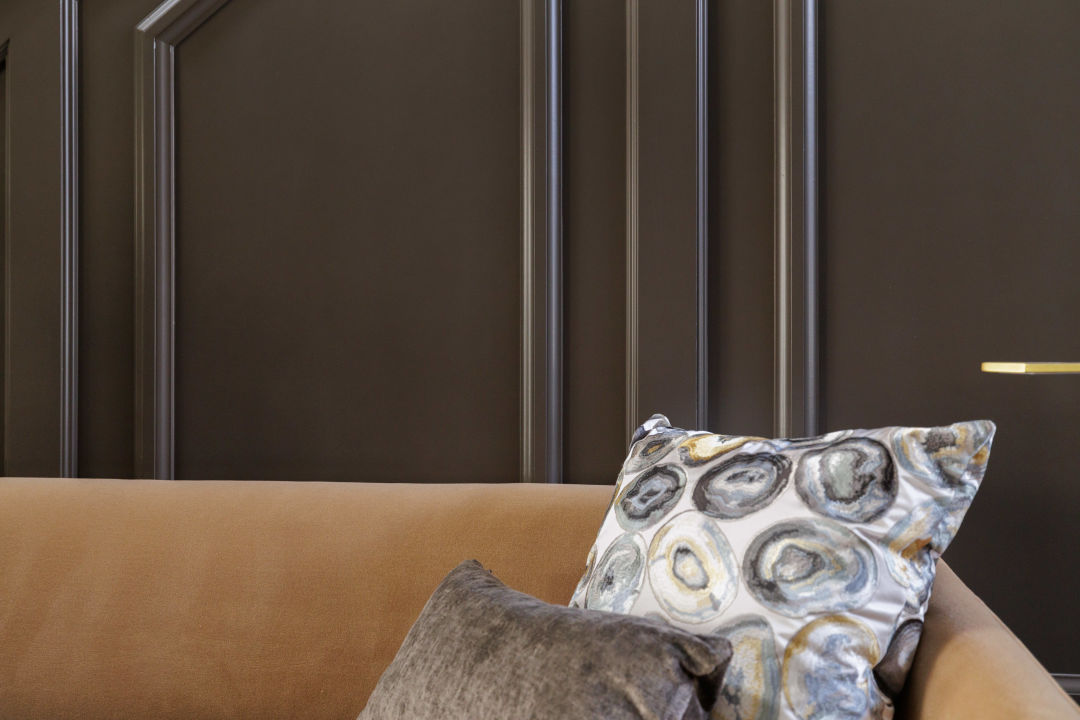
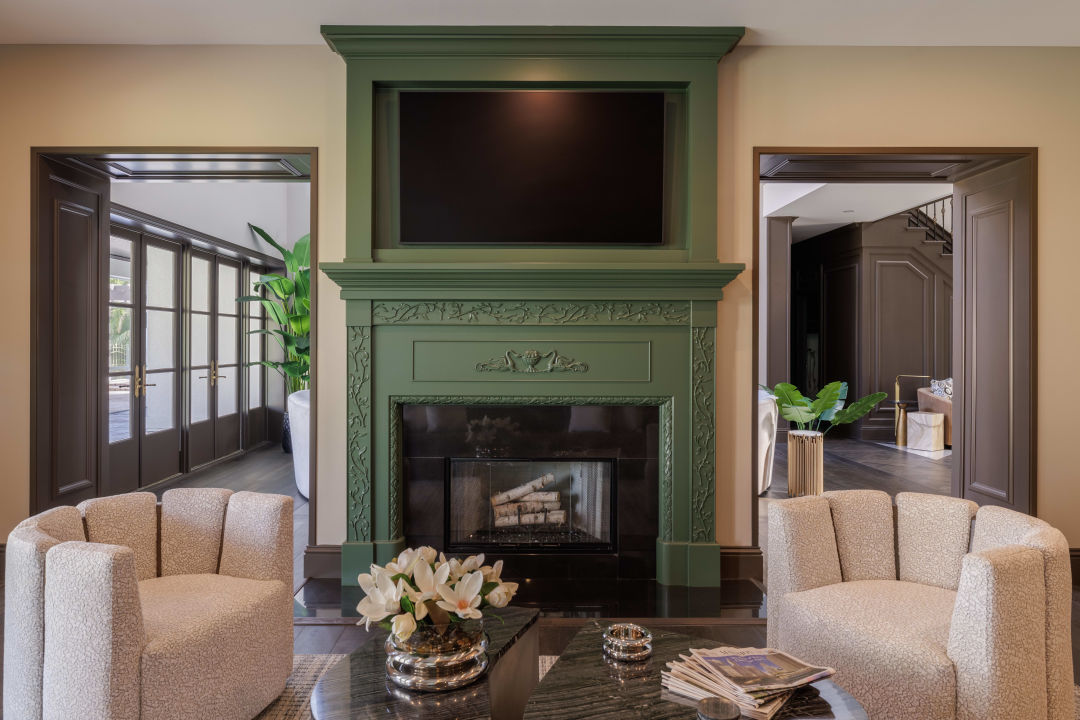
After a period of falling out of fashion in the 20th century, moiré is now captivating the design world once more. Contemporary applications of moiré are notably different from its traditional uses. Rather than being confined to grand, stately homes, it is now being incorporated into strikingly modern schemes, breathing new life into this classic fabric. A prime example of this trend was observed at WOW!House, an influential design event, where two rooms prominently featured moiré. Studio Ashby utilized jewel-toned moirés on both the walls and ceiling of their sitting room, a collaboration with United in Design. Similarly, Tolu Adẹ̀kọ́ chose an inky blue-black ‘Dimora’ moiré from Zimmer + Rohde for the walls of their Bedroom Suite, aiming to introduce a dramatic element.
Designers like Tolu Adẹ̀kọ́ advocate for moiré due to its unique texture, which brings an artisanal quality and creates a sense of movement and depth. When applied to walls or ceilings, it has a mesmerizing effect, enhancing a room's dynamics and making the space feel more alive. The creation of moiré involves a process called 'calendaring,' where moistened woven fabric is rolled under high temperature and pressure between specially patterned rollers. This process creates the characteristic crushed effect, resulting in alternating glossy and matte areas that resemble water ripples or wood grain.
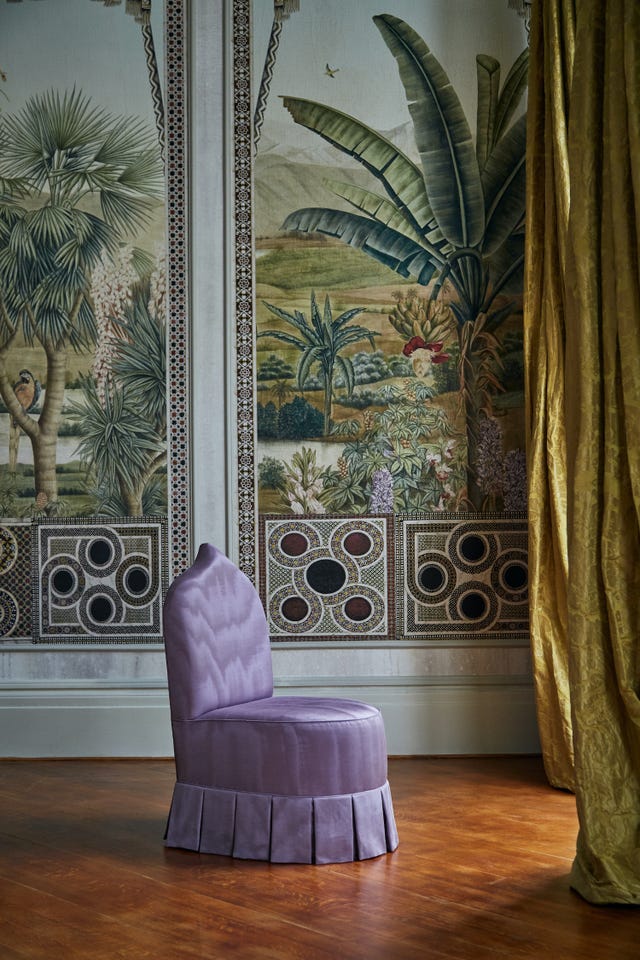
Peter Gomez, Zoffany's lead designer, highlights the craftsmanship behind moiré, praising its understated elegance and adaptability. He notes its ability to transition seamlessly from wall coverings to curtains and upholstery, serving as a plain fabric with inherent interest. Its organic design interacts dynamically with its surroundings, with light and shadow emphasizing its softness and subtle movement, hence its description as 'watered silk.'
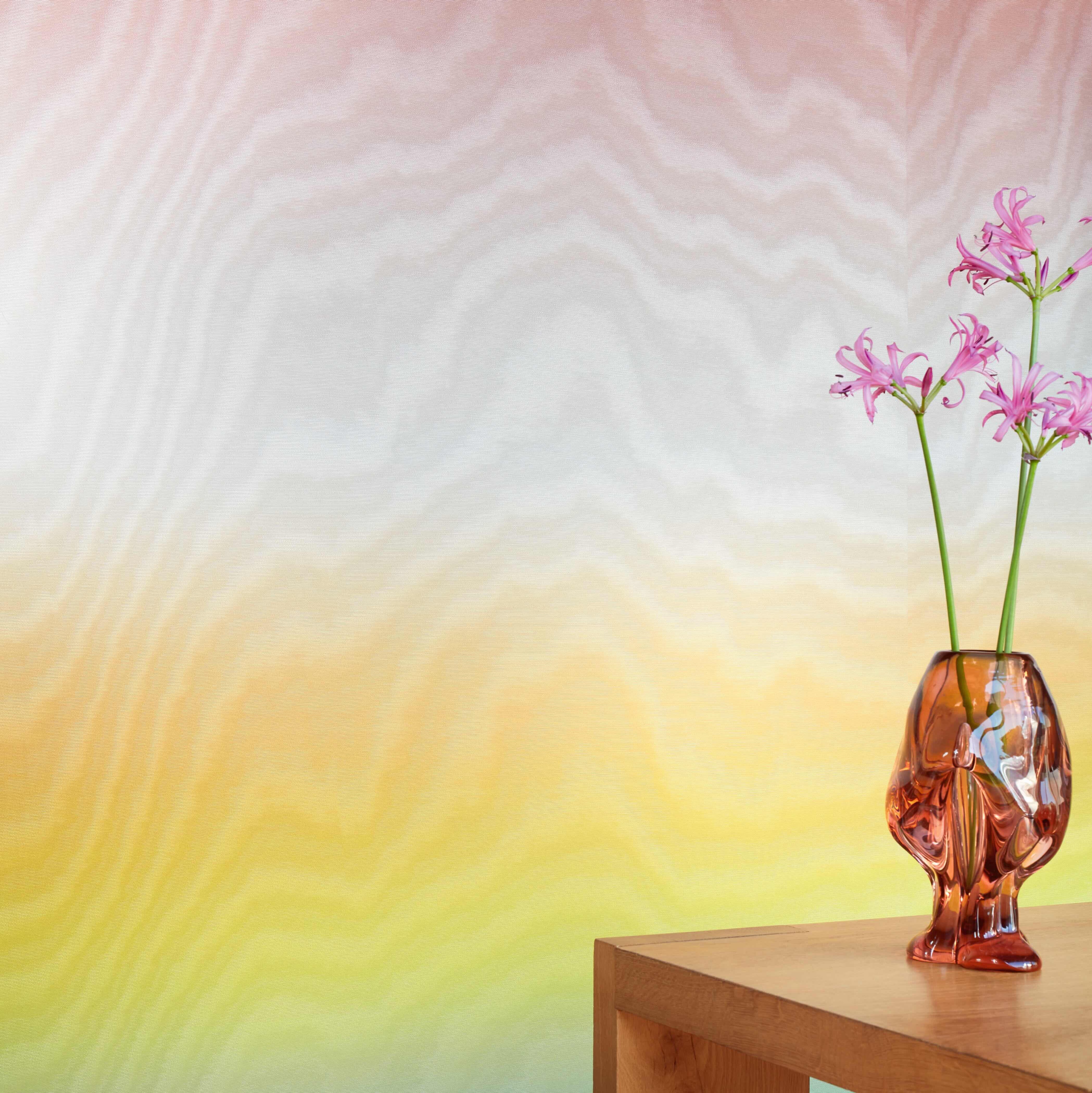
The fabric's revival extends beyond traditional interiors. Designer and ceramicist Henry Holland, known for his work in fashion, incorporated moiré into his wedding suit and his newly renovated bedroom, opting for a pistachio green ‘Elsworthy’ moiré from his collaboration with Harlequin. Holland appreciates moiré as a texture rather than a print, valuing the depth it adds compared to plain painted walls or woven cloth. Gemma Moulton of CC Moulton also integrated moirés into her latest collection, inspired by a Florentine experience where peach silk moiré curtains animated a room during a storm.
Moulton is drawn to moiré's capacity to beautifully carry color and its ability to bridge historical references with modern aesthetics, particularly when used in rich, bold colors. Peter Gomez concurs, describing moiré as an excellent color carrier, noting its transformative quality as it shifts and changes with light and aspect. He emphasizes its elegance and versatility in design, especially how it is now being adapted for contemporary settings in vibrant hues. For those looking to introduce moiré into their homes, Tolu suggests starting with a single accent wall or a statement furniture piece. Peter advises a more expansive application, such as lining an entire room, to accentuate architectural features, particularly in spaces with recesses and alcoves. He also suggests it creates an ideal backdrop for artwork and its cocooning effect is well-suited for bedrooms, given its delicate nature in high-traffic areas. For a truly theatrical effect, designers recommend using moiré as a backdrop for a vibrant mix of colors and patterns, echoing Henry Holland's approach of layering it with embroideries and jacquards to create a sumptuous, texturally rich environment.
#MoiréFabric #InteriorDesignTrends #HomeDecor #LuxuryFabrics #WallCoverings #Upholstery #TextileArt #DesignRevival #MoiréFabric #InteriorDesignTrends #HomeDecor #LuxuryFabrics #WallCoverings #Upholstery #TextileArt #DesignRevival
0 comment in total
 No comments yet
You may also like
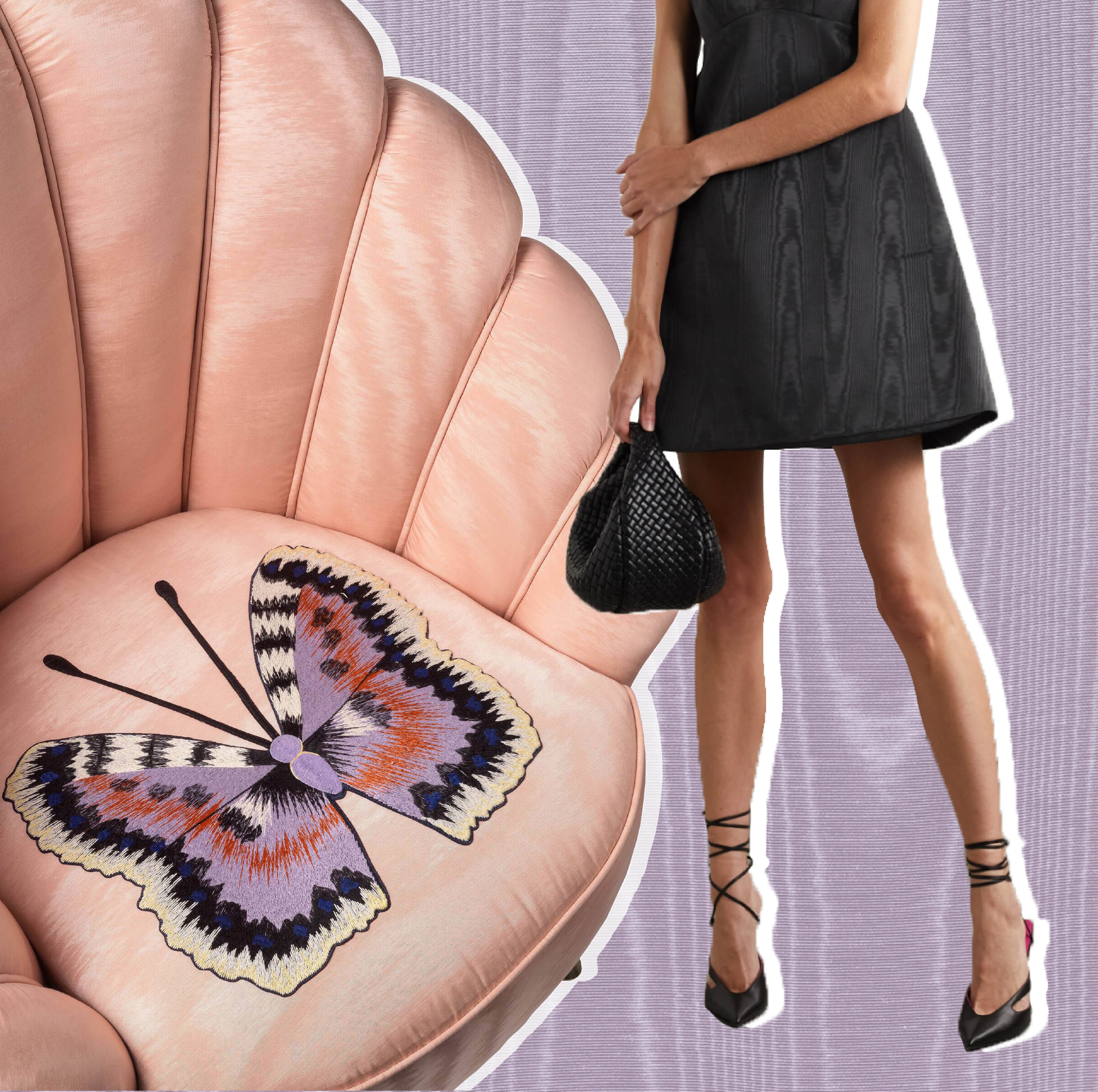
This Throwback Fabric Trend Is Back in a Major Way | What Is Moiré?
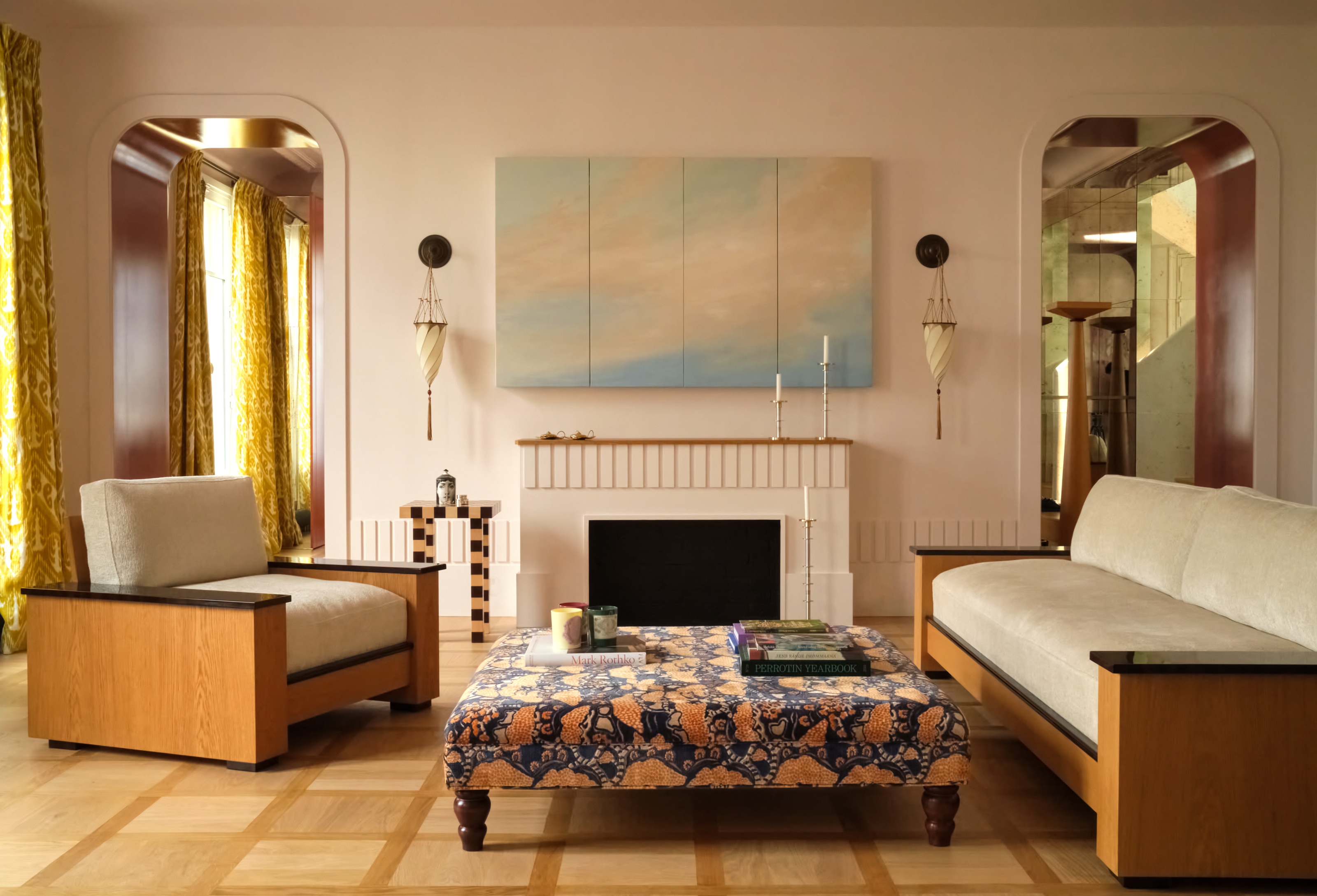
What’s Next for Our Homes? The 14 Defining Interior Design Trends That Will Shape the Way We Live in 2026

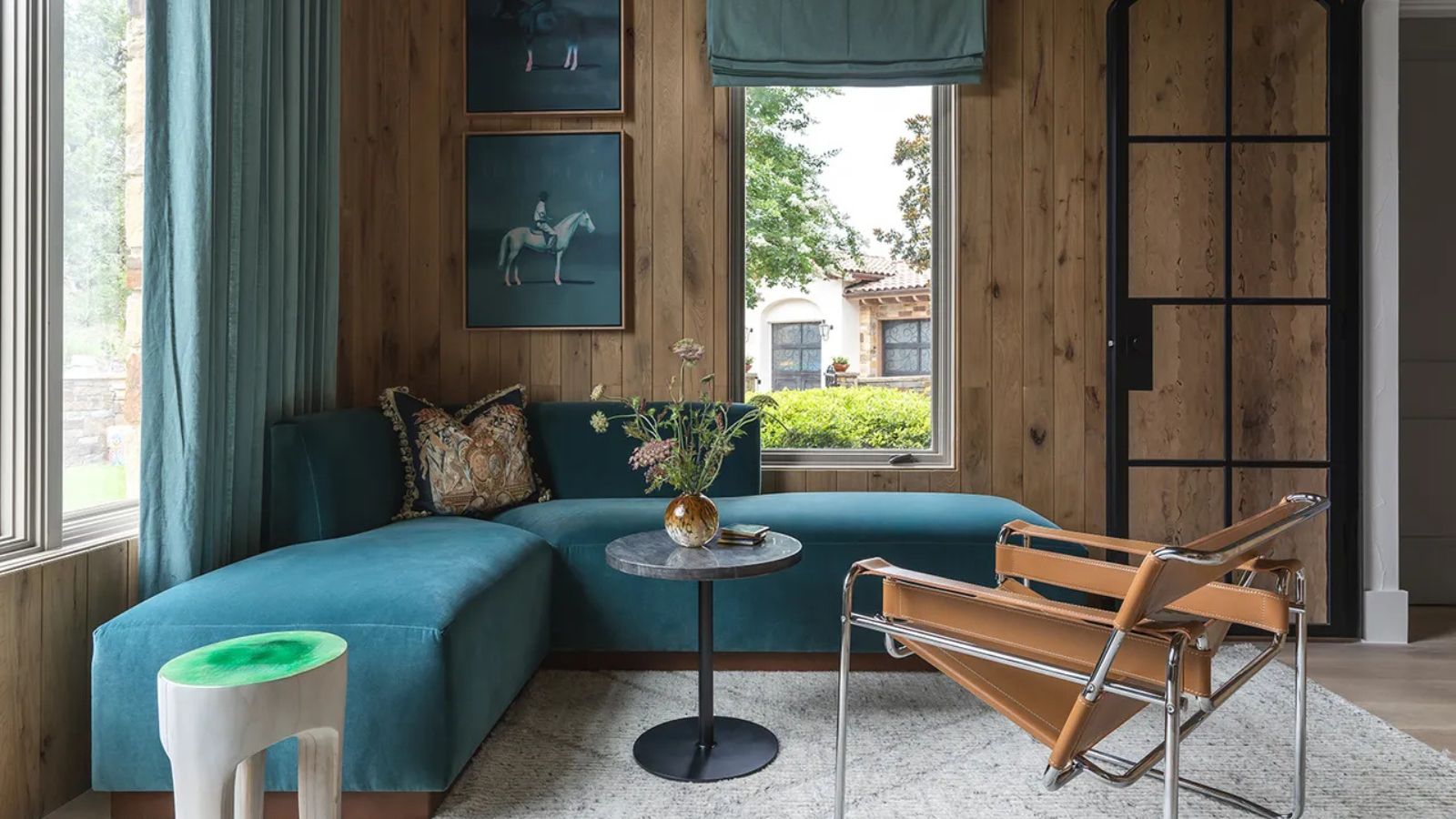
5 trends that look good right now but interior designers warn they won't last
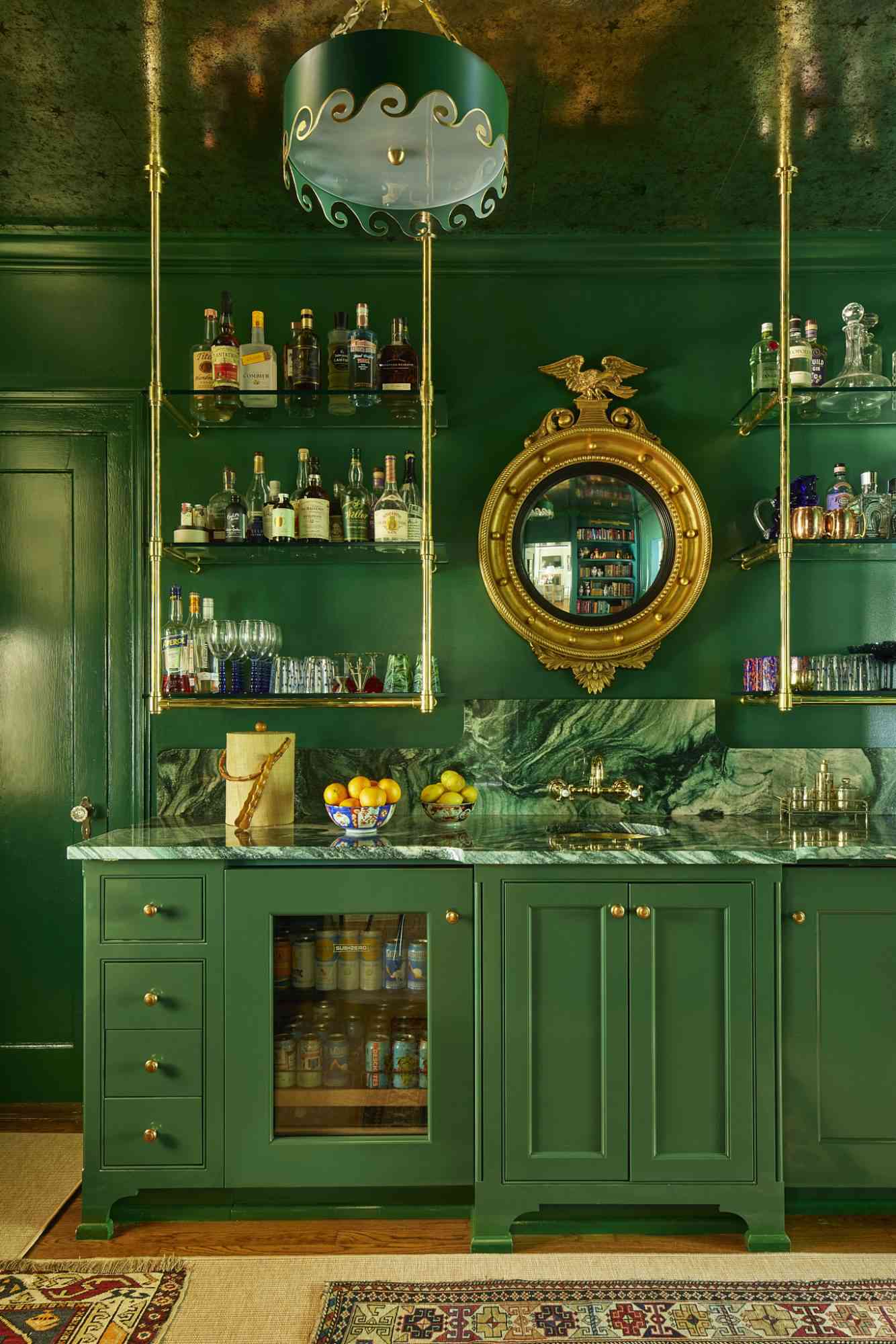
6 Outdated Interior Design Trends—And 6 That Are Making A Comeback
This 400-Year-Old Pattern Is the Emerging Trend That Designers Are Using to Bring 'Rhythm' to Their Projects
Interior Design Trends — The 16 Defining Ideas for Decorating Homes in 2025
Designers Hope This Early 2000s Paint Trend Never Comes Back
14 Interior Trends Designers Say Will Define the Year Ahead

Interior Design Trendwatch: Colour is coming home
Colour drenching: the interior design trend everyone’s talking about
16 Home Décor Trends on Their Way Out

8 interior trends predicted to be huge in 2023, according to designers
Moire Is a Luxe Fabric Pattern with a Posh History (and It's Back in Style)
The Decorating Trends Designers Are Leaving Behind in 2026

These 20 Interior Design Trends Are Too Good to Overlook

Designers Predict This Will Be The Biggest Paint Trend Of 2026

Moiré has dominated interiors in 2024: this is why

These Are the Home Design Trends You Need to Know About in 2025
Interior Design Trends for 2017
Interior Design Tips: The Dos and Don’ts of Layering