1/14
Creative Voices: In Conversation With Artist Sophie Smallhorn
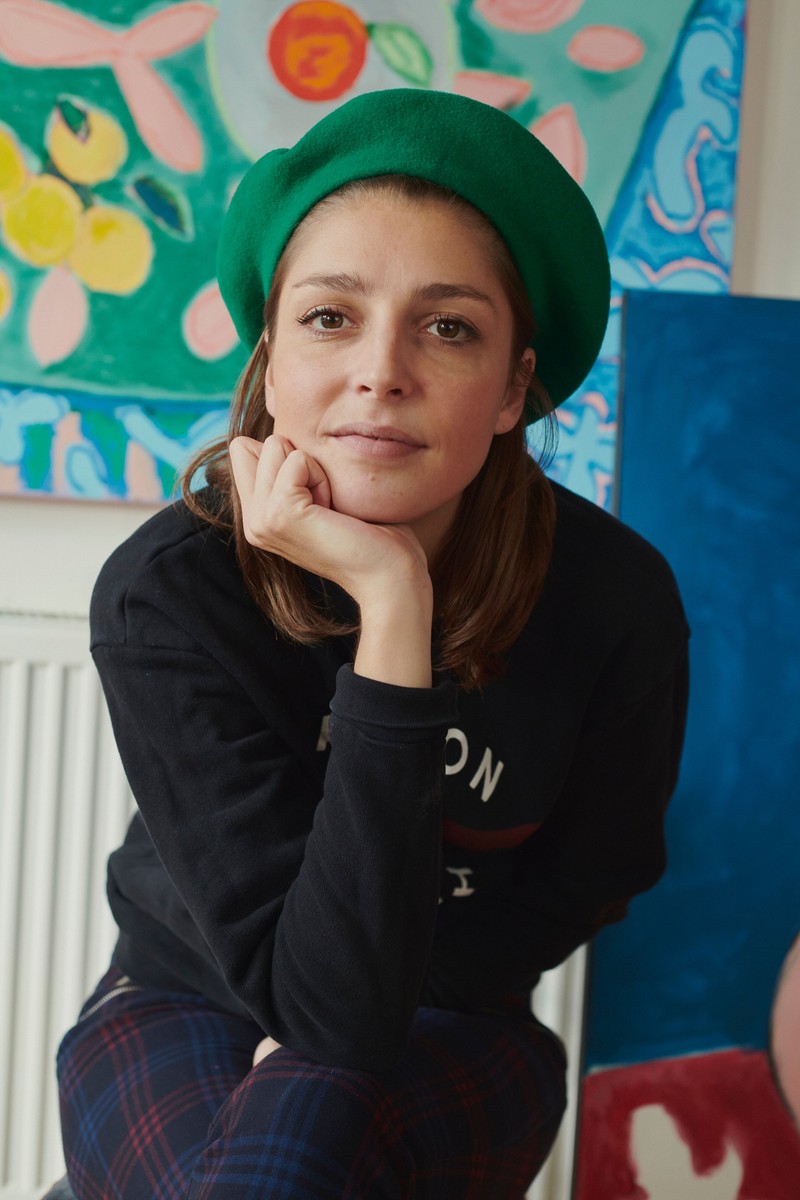
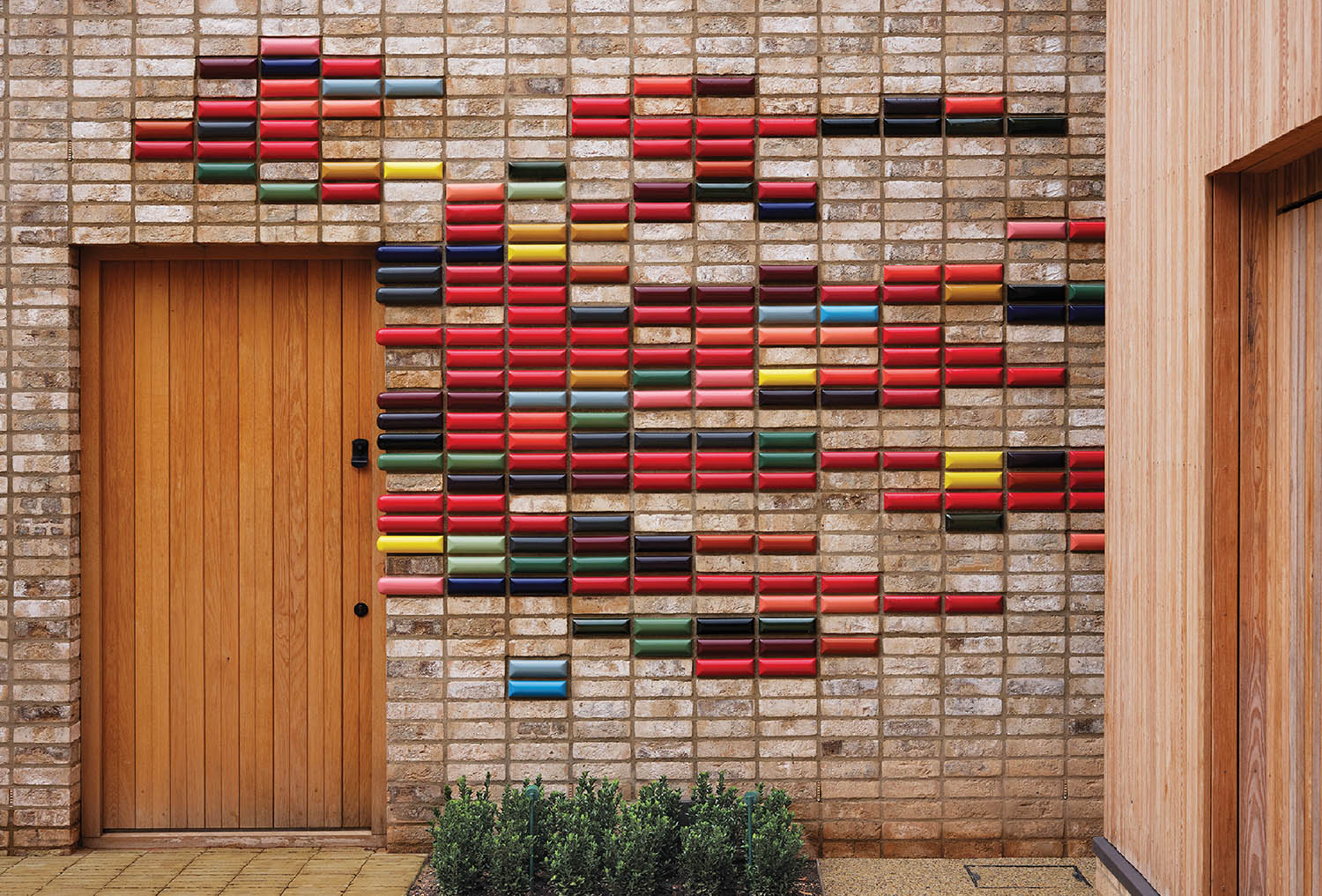
British artist Sophie Smallhorn, whose work explores the relationships between color, volume, and proportion, grew up immersed in a creative environment. Her parents were industrial and textile designers, and her Montessori education, with its use of brightly colored, precisely shaped wooden objects, fostered an early understanding of color, form, and dimension. This upbringing shaped her artistic approach, which is characterized by sophisticated geometric solids and a focus on color dynamics. Initially, Smallhorn pursued a degree in Wood, Metal, Ceramics, and Plastics at the University of Brighton, where she crafted sculptural furniture pieces that, despite their limited functionality, were primarily driven by color. She began creating assemblages from leftover materials for personal enjoyment, eventually selling them informally. Her acceptance of her work as fine art came only after a gallery explicitly presented it as sculpture, reflecting her background in design and making.
Early career milestones included significant commissions from the avant-garde fashion brand Comme des Garçons, which provided opportunities for large-scale installations at its Tokyo flagship. These projects broadened her scope, leading to collaborations such as developing a 56-color palette for the London 2012 Olympic Stadium with Populous Architects, where exterior canvas banners in various hues marked spectator entrances. More recently, Smallhorn has ventured into textile design with Designtex, creating an upholstery pattern named Ribbon. This marks her first formal foray into textiles, a field her mother worked in, and one Smallhorn initially resisted due to her discomfort with digital design processes and the overwhelming possibilities of digital printing. However, a clear vision from Designtex's executive design director, Sara Balderi, during their renewed collaboration post-COVID, made the digital process manageable and even a revelation.
The inspiration for the Ribbon motif originated from an enameled snuff box with an undulating ribbon, which Smallhorn encountered at the Victoria and Albert Museum. She developed the idea by physically manipulating collage and colored acetates, twisting and folding them, before translating these physical experiments into a digital layout for pattern repeat, palette, and scale. The initial design, which started smaller, evolved into a bold, graphic, and dynamic pattern with a theatrical quality, largely influenced by Designtex. The ribbon on the fabric is not solid but composed of parallel lines, a deliberate choice by Smallhorn to achieve an effect similar to screen printing, where overlapping transparent colors create a third hue, adding a playful and energizing graphic element. A solid version of this pattern, called Flat Ribbon, is available as a customizable wallcovering through Designtex’s Digital Studio website.
Smallhorn notes a significant crossover between her two-dimensional prints and her three-dimensional sculptures and installations, as both involve compositions of hard-edged formal shapes. Screen printing serves as a rapid and playful method for developing ideas, allowing for serendipitous color scenarios that often inform her sculptural pieces. While her three-dimensional work does not allow for layering transparent colors, the print table mimics sketching, providing inspiration for new color combinations. She uses the same acrylic paint for both prints and assemblages, viewing the latter as vehicles for exploring and holding a palette. Smallhorn emphasizes the intuitive nature of her color decisions, often repainting pieces multiple times to achieve a desired equilibrium among what she describes as 'easy' and 'less easy' or 'awkward' and 'less awkward' colors, without relying on a predefined system.
Her collaborations with brands like Comme des Garçons and COS exemplify her ability to bridge fine art and commercial design. For COS, she created window displays for five global stores, featuring large, overgrown stacks of shapes designed to complement product displays. This dual engagement with both artistic and commercial realms is a comfortable space for Smallhorn, who appreciates working with brands that share a similar sensibility toward color and design. Her career demonstrates a consistent exploration of color, form, and proportion across various mediums, continually seeking synergistic relationships in her chromatic work.
#SophieSmallhorn #ArtistInterview #ColorDesign #Sculpture #TextileDesign #InteriorArt #DesigntexCollaboration #GeometricForms #CreativeProcess #SophieSmallhorn #ArtistInterview #ColorDesign #Sculpture #TextileDesign #InteriorArt #DesigntexCollaboration #GeometricForms #CreativeProcess
0 comment in total
 No comments yet
You may also like

The Beautiful Mind of Solange

Home & Design | Art + Soul
Meet Mary Jo Karimnia
Meet Sylvia Estes | Sculptor and Assistant Gallery Curator

Meet Ann Flemings
Inside the Ford Foundation with Sheila Hicks

Meet Nichole Blackburn Manthe: Fine Artist and Muralist
Art Leaves the Gallery for the Parlor
Meet Sophie Stone, the Textile Artist Melding Classic Crafts With Contemporary Narratives


Living Room Sessions

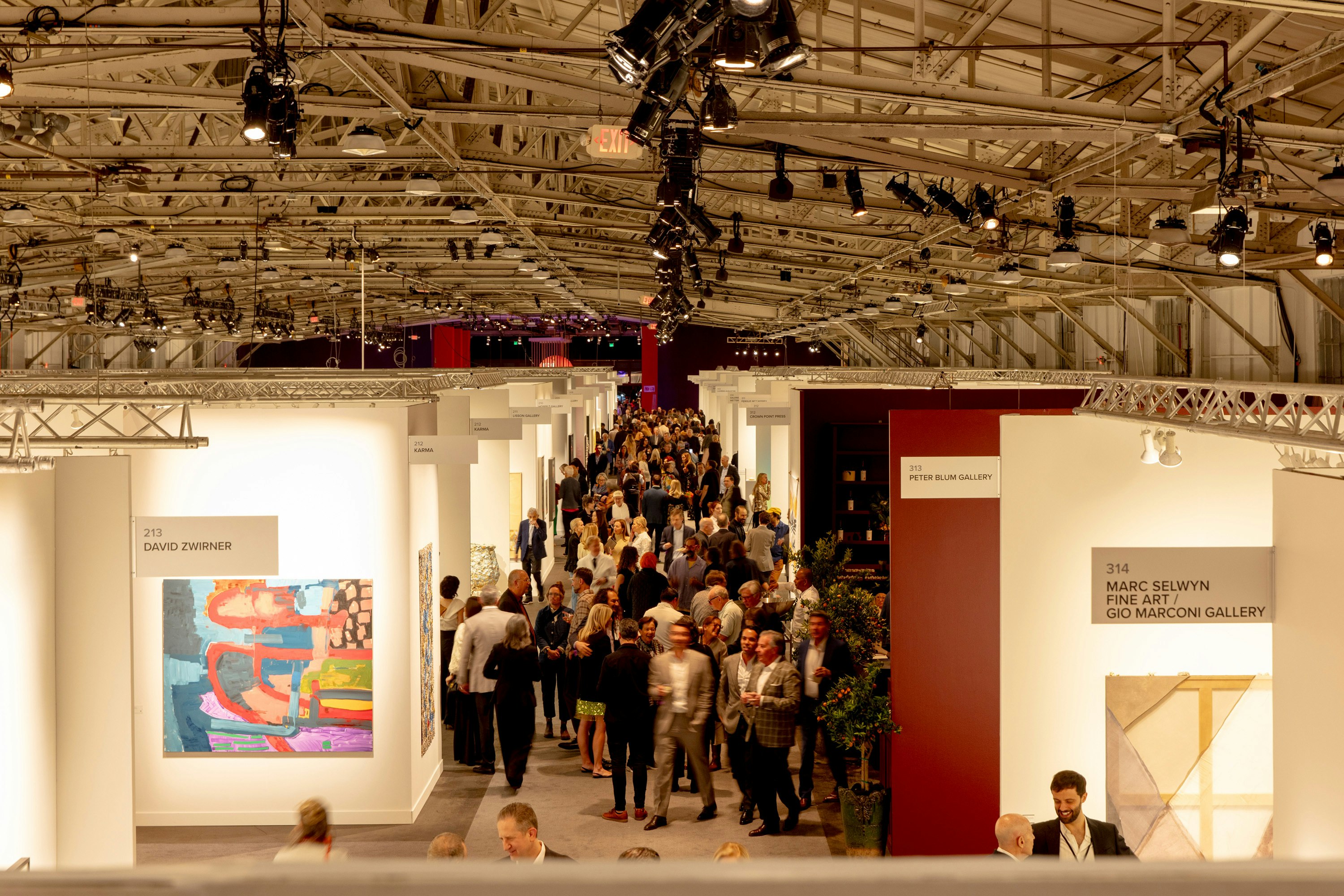
Actually Good Word Art—and More Genre-Defying Decor at This Year’s FOG Design + Art Fair
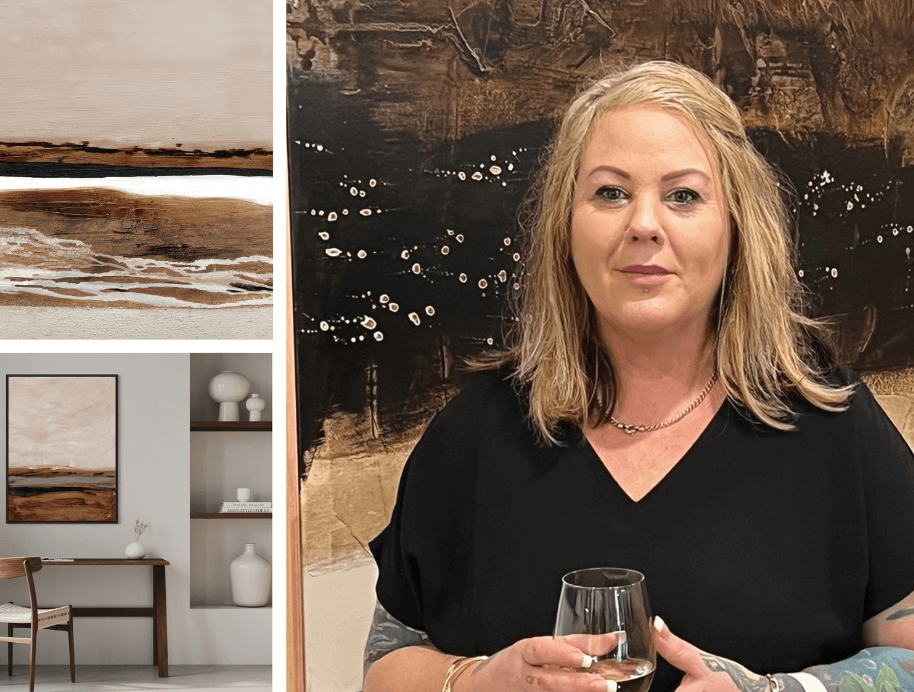
Artist Spotlight | Kylie Daniel
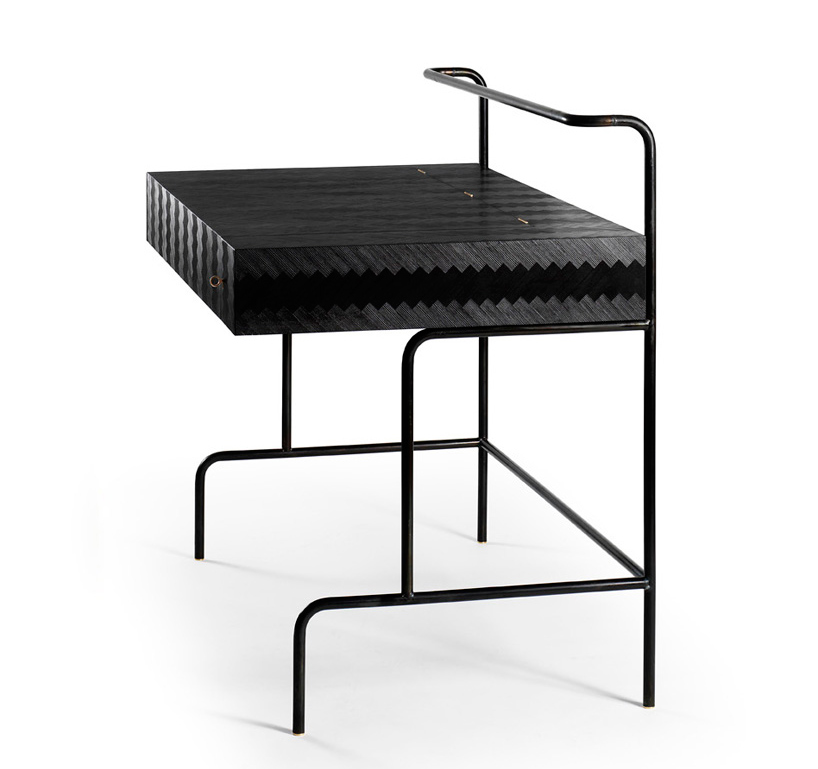
note design studio + karolina stenfelt: soot
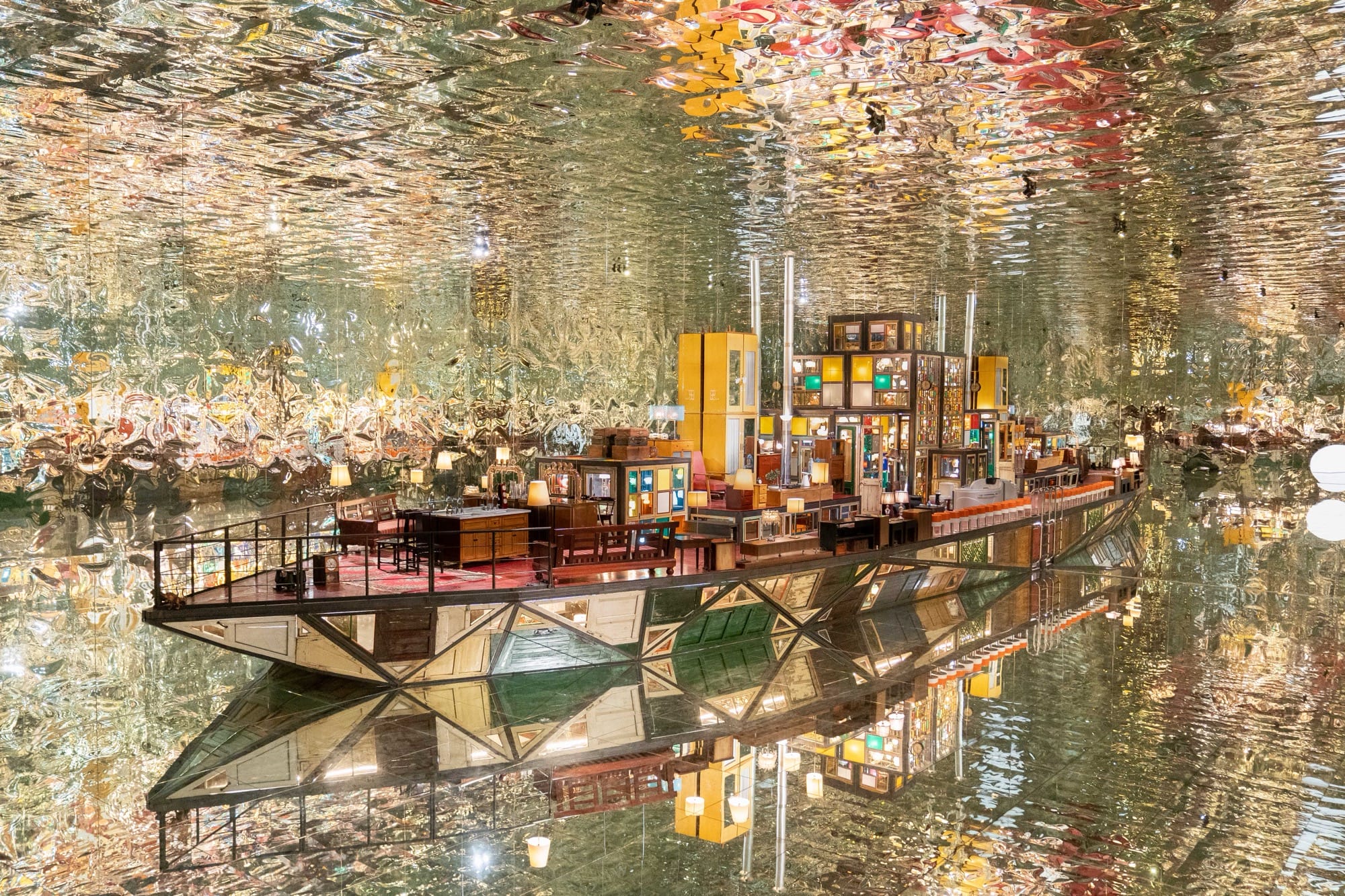
Song Dong’s Monumental Installations Mirror Memories, Globalization, and Impermanence


Meet the Artist Turning Her Obsession With Postmodern Furniture Into Music
Ceramicist Laetitia Rouget Talks Style, Inspiration & More
Meet Linnea Pergola

Artist Spotlight: Miimi and Jiinda
Bard reimagines the hardware shop as a home for modern craft

The Creatives: Abstract artist Rachel Rice-Baham