1/11
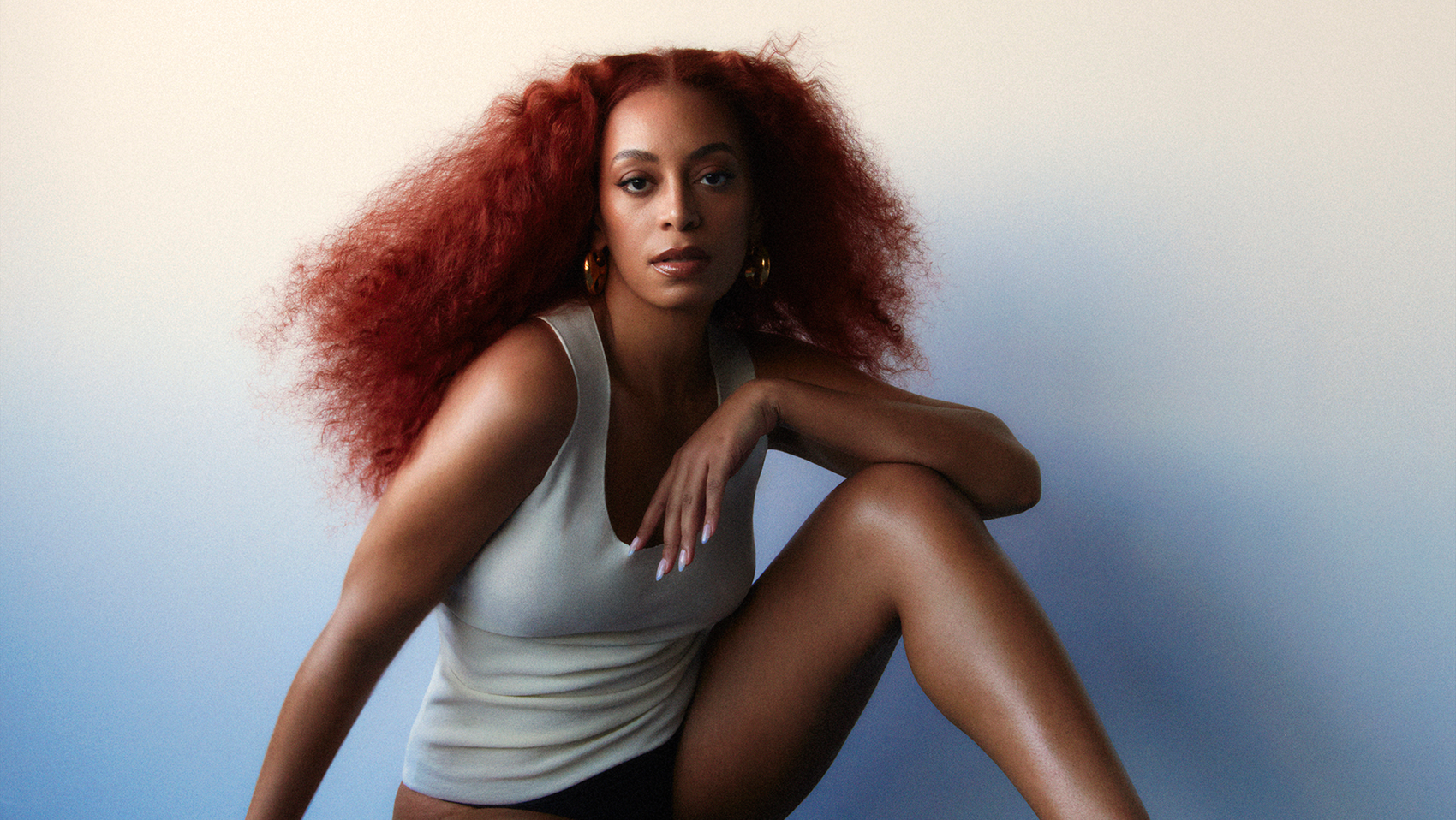
The Beautiful Mind of Solange
Solange Knowles, known for her unique creative intuition, discusses her diverse projects and artistic philosophy in an interview. The artist recounts a recent performance in a former oil reservoir in Sydney, Australia, highlighting her preference for unscripted presence over conventional entertainment. This experimental approach, where she aims to simply exist rather than perform, reflects her ongoing inquiry into the nature of performance and its service to her as an artist. Her multidisciplinary endeavors, spanning a glassware line, a book on architect Amaza Lee Meredith, global performance partnerships, and composing for the New York City Ballet, are all managed under her creative agency, Saint Heron. This agency also houses a library of Black creative texts and serves as a collaborative hub.
Friends and collaborators, such as fashion designer Grace Wales Bonner and Brooklyn Academy of Music president Gina Duncan, commend Solange's integrity and ability to cultivate a loyal community across various artistic fields. Her wide-ranging interests, from drums and Black classical composers like Julia Perry to bird-watching, underscore a restless and curious artistic imagination. Solange's work often delves into the past, exploring both broad themes of Black history and the intricacies of family lineage, particularly significant given her background in a prominent musical family. She moved to a small East Coast town seeking a closer connection to nature, believing that immersion in the natural world clarifies answers she has sought throughout her life.
The interview takes place in a public library, emphasizing Solange's deep connection to archives and history. She acknowledges her long career as a performer, starting with child acting and her first album at 16, but distinguishes her current approach as performing authentically rather than through persona. This shift aligns with the philosophy of artists like Felice Rosser, who embraced punk's liberation from the pressure of perfectionism. Solange found similar permission to exist authentically in performance through her collaboration with artist Autumn Knight, who helped her overcome the "disease of perfectionism" she experienced during years of touring.
Her Grammy-winning album, "A Seat at the Table" (2016), is recognized as a significant cultural and political statement, continuing a tradition of impactful R&B albums. Solange consistently prioritizes artistic self-determination over commercial gain, a challenging path in an algorithm-driven industry. While she expresses few career regrets, she humorously notes missing an opportunity to collaborate with comedian Katt Williams on "A Seat at the Table." Even prior to this album, Solange was recognized for her artistic credibility, with her 2008 album "Sol-Angel & the Hadley St. Dreams" marking an artistic breakthrough.
Collaborator Tyler, the Creator praises Solange for her authentic artistic vision, stating that her work is not driven by trends or a need to prove herself, and predicts her lasting impact on the music landscape. Solange's fascination with history is also linked to her upbringing in Houston's Third Ward, where the Sankofa symbol—representing the importance of looking to the past to move forward—was prevalent. She discusses how "A Seat at the Table" explored generational history, while her recent focus has been on understanding and forgiving her younger self through therapeutic work. She reflects on the impact of a childhood where her personal history was often documented by others due to lost family photos.
Solange emphasizes the importance of creating tangible evidence of her legacy, particularly for Black artists, expressing concern over the vulnerability of digital archives. This desire for material legacy extends to her collaboration with glassblower Jason McDonald, where the process of glassblowing taught her to surrender control and imbue objects with spirit. Her latest artistic obsession is the tuba, which she finds embodies a raw, undeniable space and feels inherently Black, even contemplating releasing music written for the instrument despite potential skepticism. This ongoing exploration signifies her commitment to an authentic and evolving artistic journey, prioritizing personal meaning and enduring legacy over external expectations.
#SolangeKnowles #ArtisticIntuition #MultidisciplinaryArtist #SaintHeron #BlackArtists #CulturalLegacy #CreativeProcess #PerformanceArt #MusicIndustry #AmazaLeeMeredith #SolangeKnowles #ArtisticIntuition #MultidisciplinaryArtist #SaintHeron #BlackArtists #CulturalLegacy #CreativeProcess #PerformanceArt #MusicIndustry #AmazaLeeMeredith
 No comments yet
SOLANDGE
Creative Voices: In Conversation With Artist Sophie Smallhorn