1/20
Flamestitch fabric is back in vogue, here's how to use it
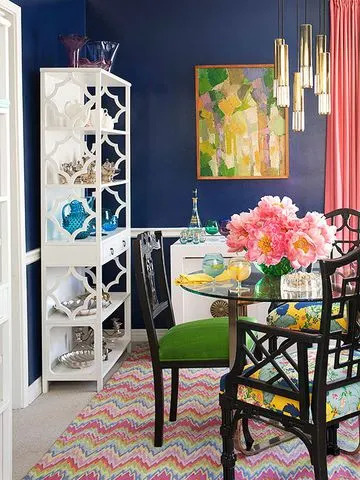
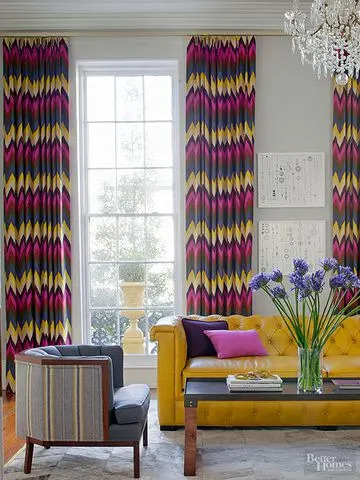
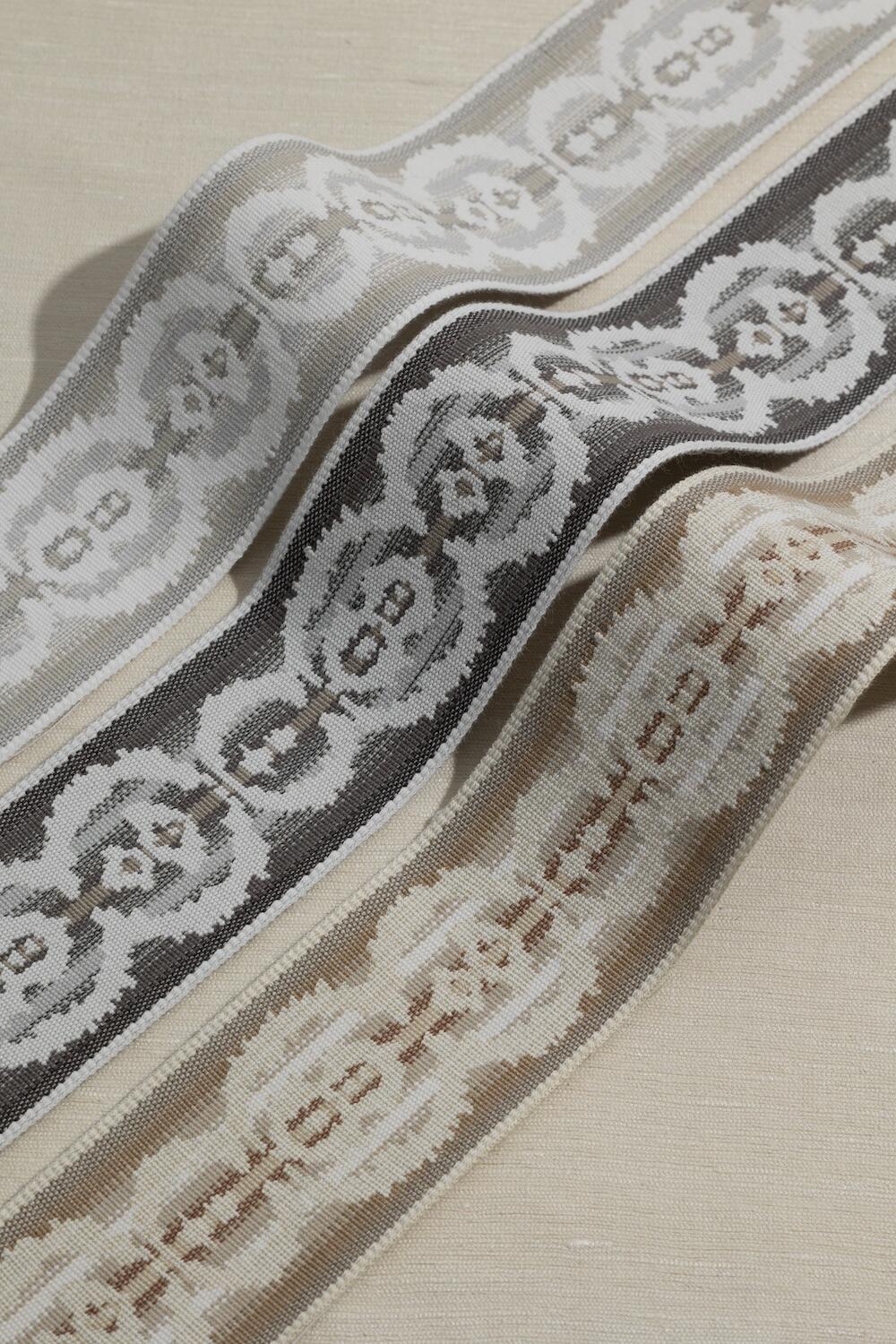
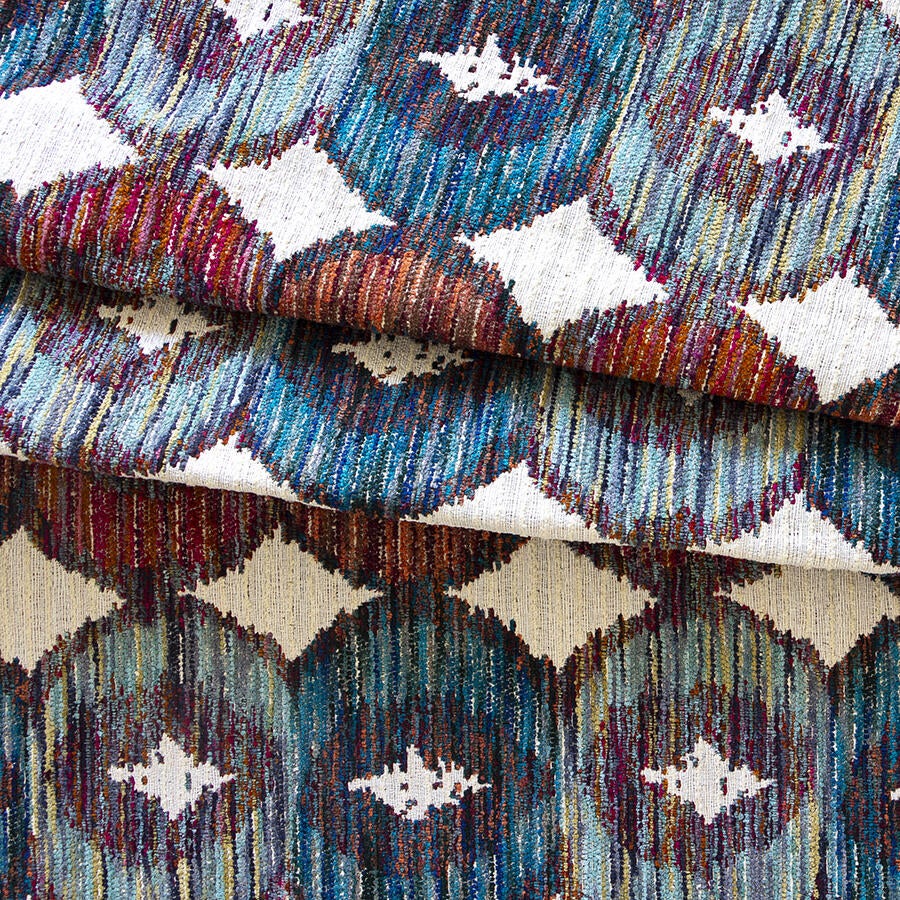
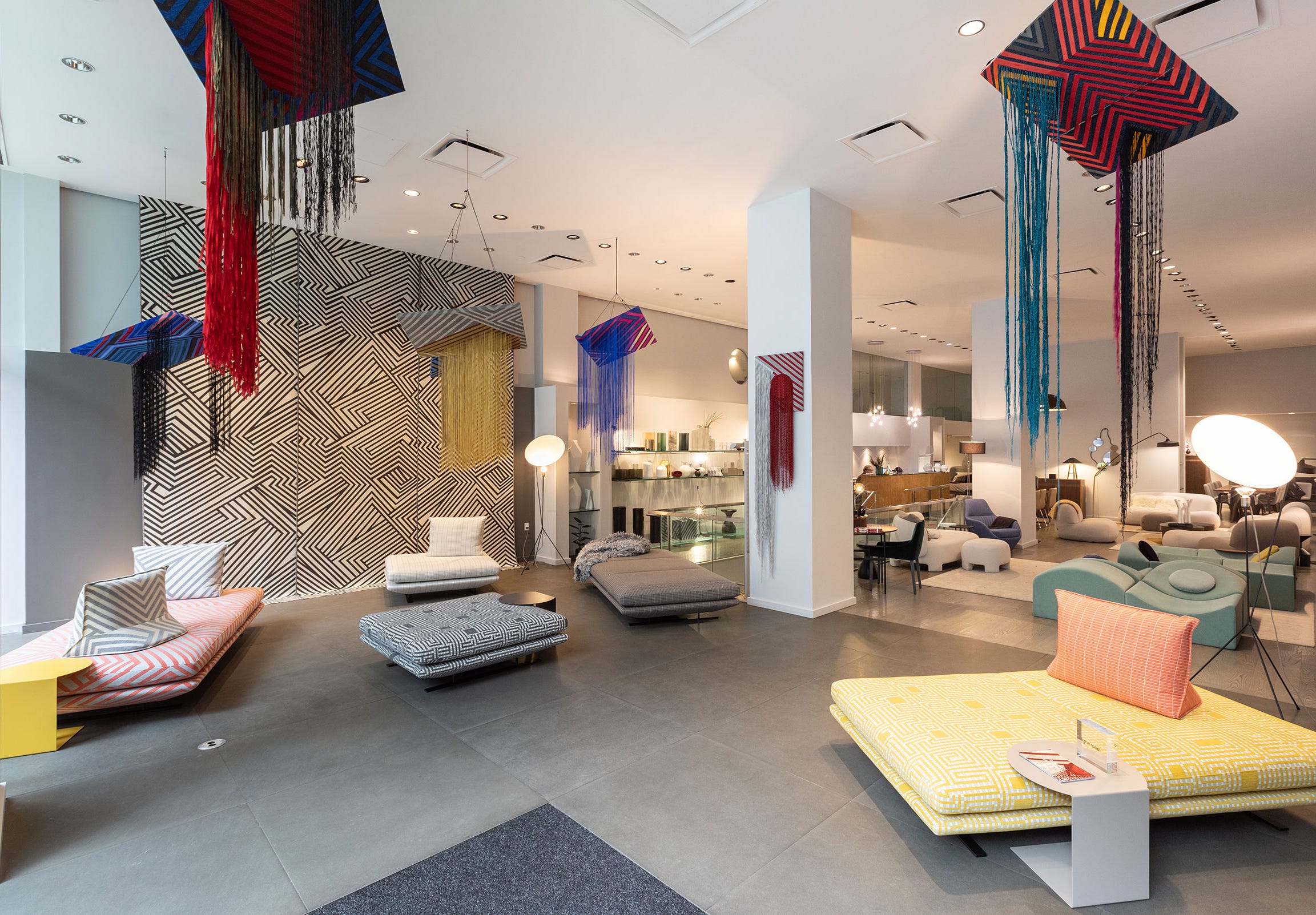
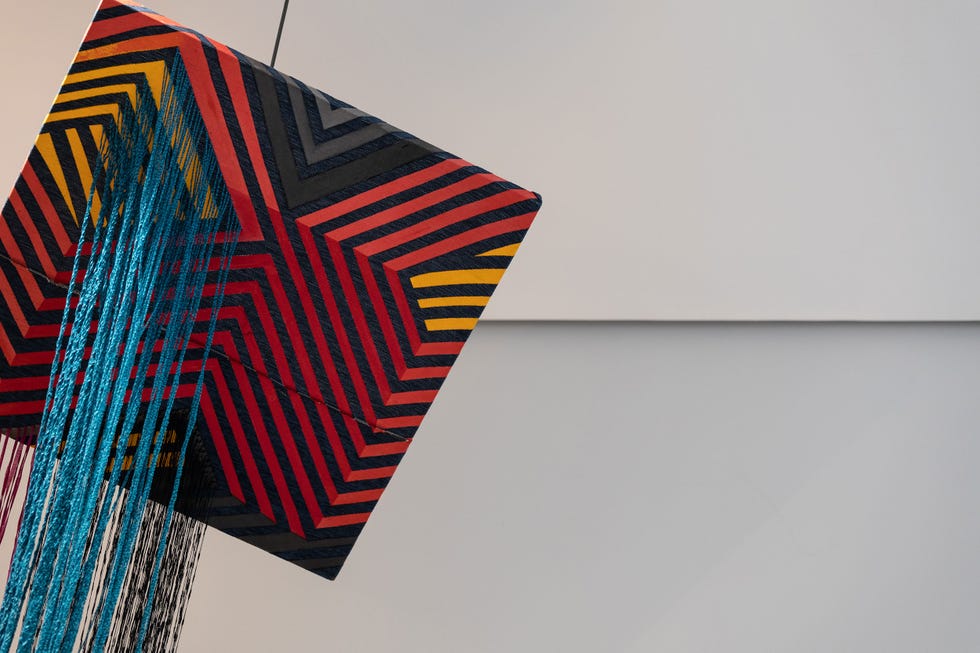
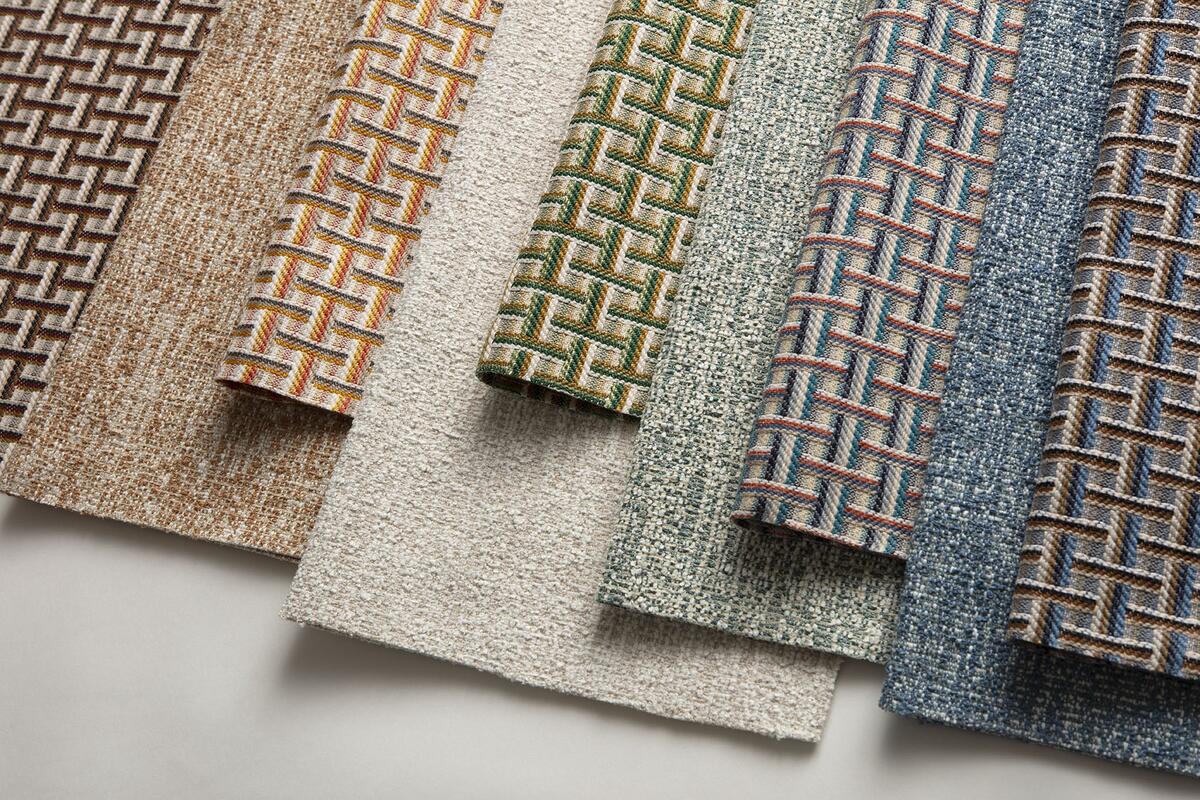
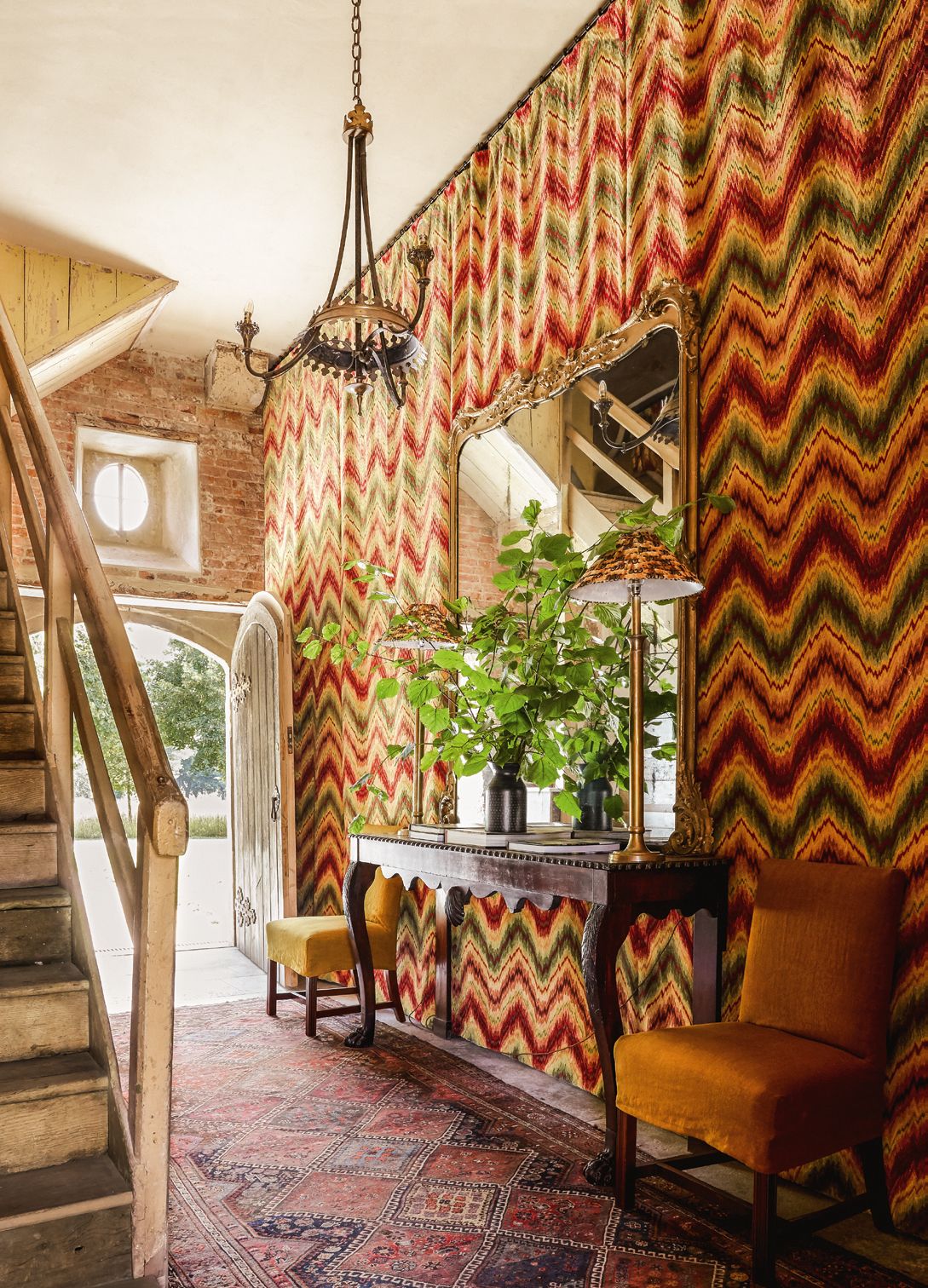
Flamestitch fabrics, known for their elaborate and enthralling zig-zagging patterns, have a rich history spanning hundreds of years and are experiencing a resurgence in popularity within interior design. Often referred to as 'bargello' or 'point d'hongrie,' the origins of flamestitch can be traced back to the 17th century, potentially linked to the marriage of a Medici to a Hungarian princess who introduced her decorative traditions to Italy. This historical craft is so significant in Italian decorating that an entire museum in Florence is dedicated to bargello. Historically, flamestitch patterns featured varying hues of a single color or tone, showcasing delicate gradations. Today, however, a wider array of color-clashing options is available, allowing for more contemporary interpretations.
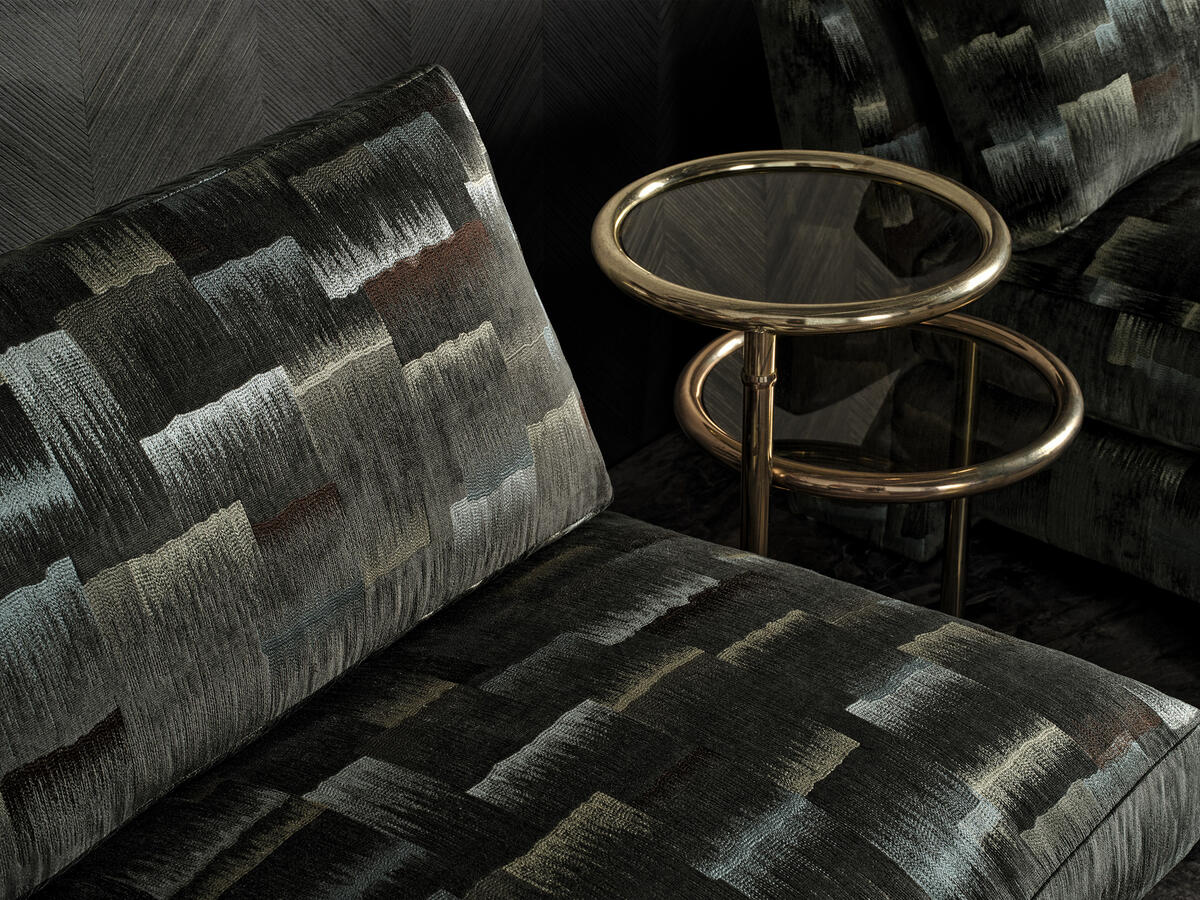
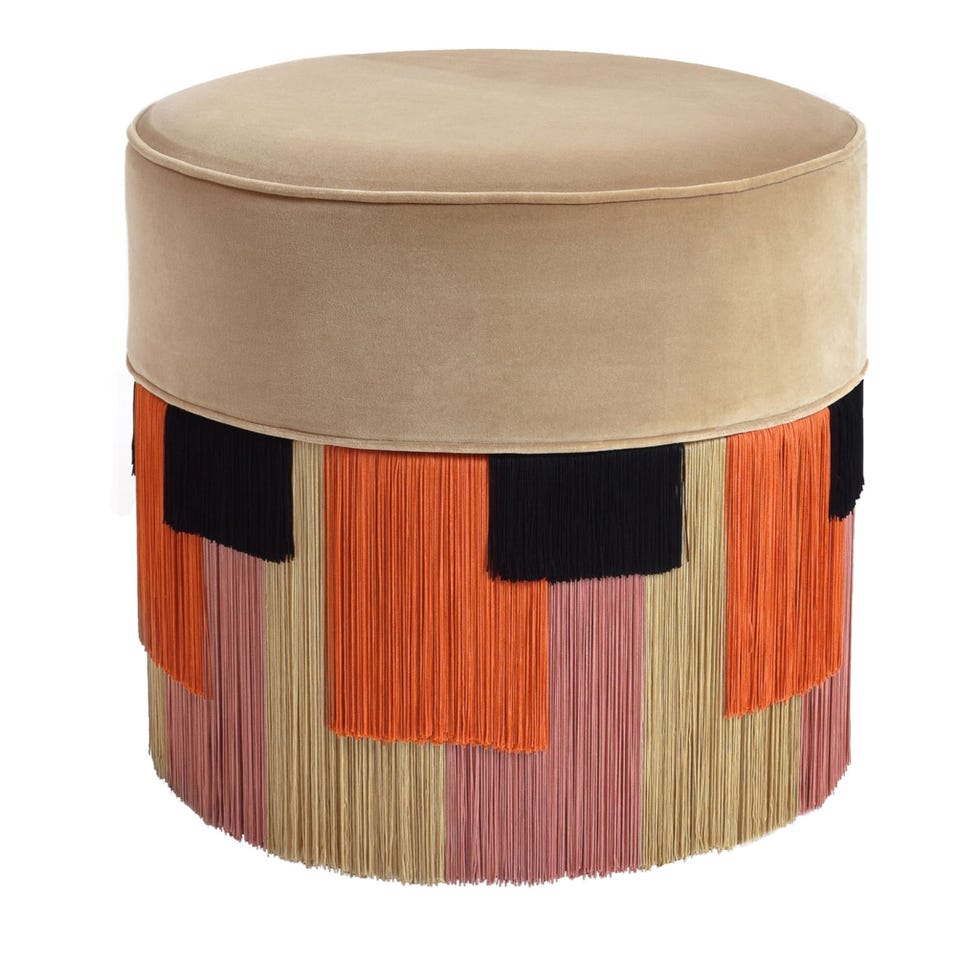
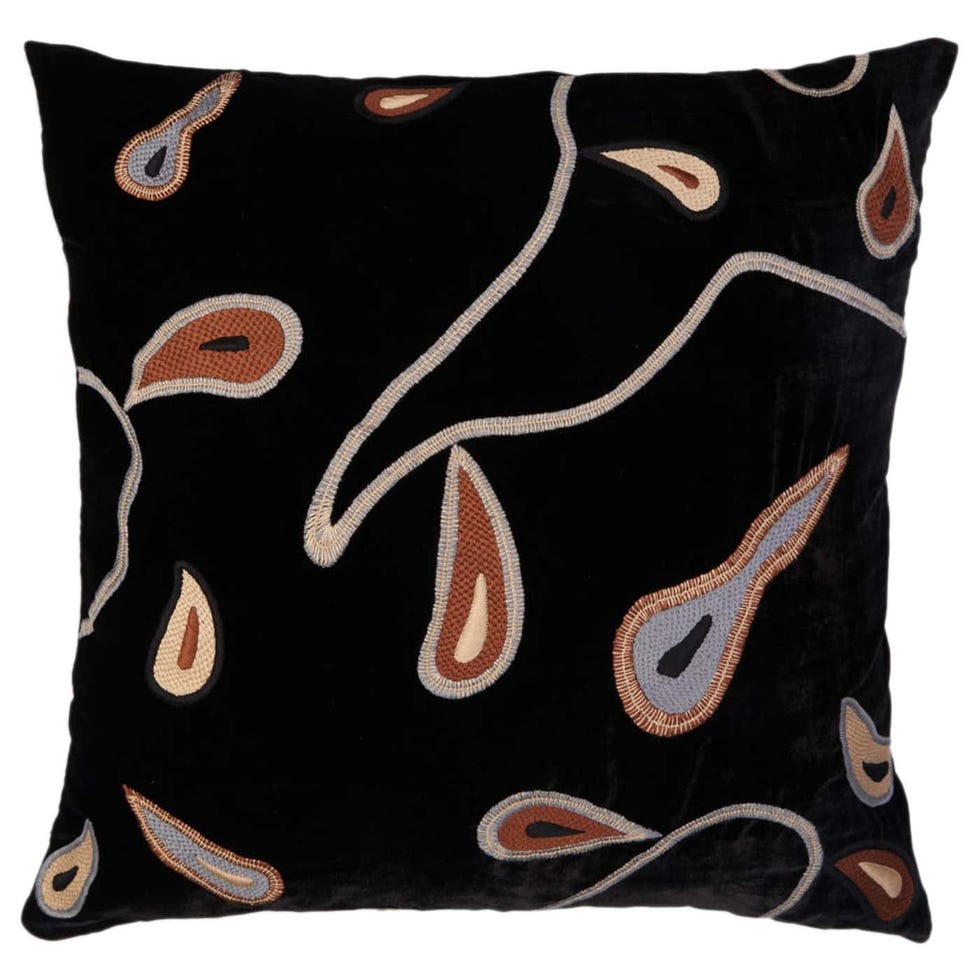
Integrating flamestitch into modern interiors requires a nuanced approach due to the fabric's diverse range of expressions. From bold and graphic designs to softer, more languid interpretations, there is a flamestitch suitable for various aesthetic preferences. The primary guidance for incorporating this pattern is to trust personal taste: if a flamestitch design appeals, it should be used. For those intimidated by a large-scale commitment, flamestitch can be introduced in smaller, more deliberate ways. Cushions offer an accessible entry point; they can be scattered among plain cushions in a complementary color palette on a sofa or used as prominent accents on an otherwise unadorned piece of furniture. For bolder statements, an entire sofa or ottoman can be upholstered in flamestitch fabric.
Specific fabric recommendations highlight the versatility of flamestitch. A cut velvet flamestitch, like one from Clarence House, is suggested for a large ottoman in a living room, where the pattern can be striking yet subtly integrated beneath a tray and coffee table books. Alternatively, for a lighter touch, a pillbox stool in a boudoir upholstered in this fabric could be effective. Patrick Gallagher's 'Tessuti Festoni' flamestitch in 'Pompei' is another recommendation for boudoir stools or even for an opulent headboard. Gallagher also offers 'Vetta,' a smaller-scale flamestitch that leans into stripe territory, making it a more approachable option for those new to the pattern, with the added benefit of being 'flip-able' for a diluted effect. Marvic Textiles' 'Fiamma' presents a softer, old Hollywood glamour, and can be paperbacked for wallcoverings, such as in a hidden loo. Watts 1874 features 'Florentine Bargello,' a marbled flamestitch based on historical pieces from the Bargello Palace, suitable for significant upholstery projects. Their 'Watermelon Bargello' offers a punchy, ideal weight for revitalizing favorite chairs or sofas.
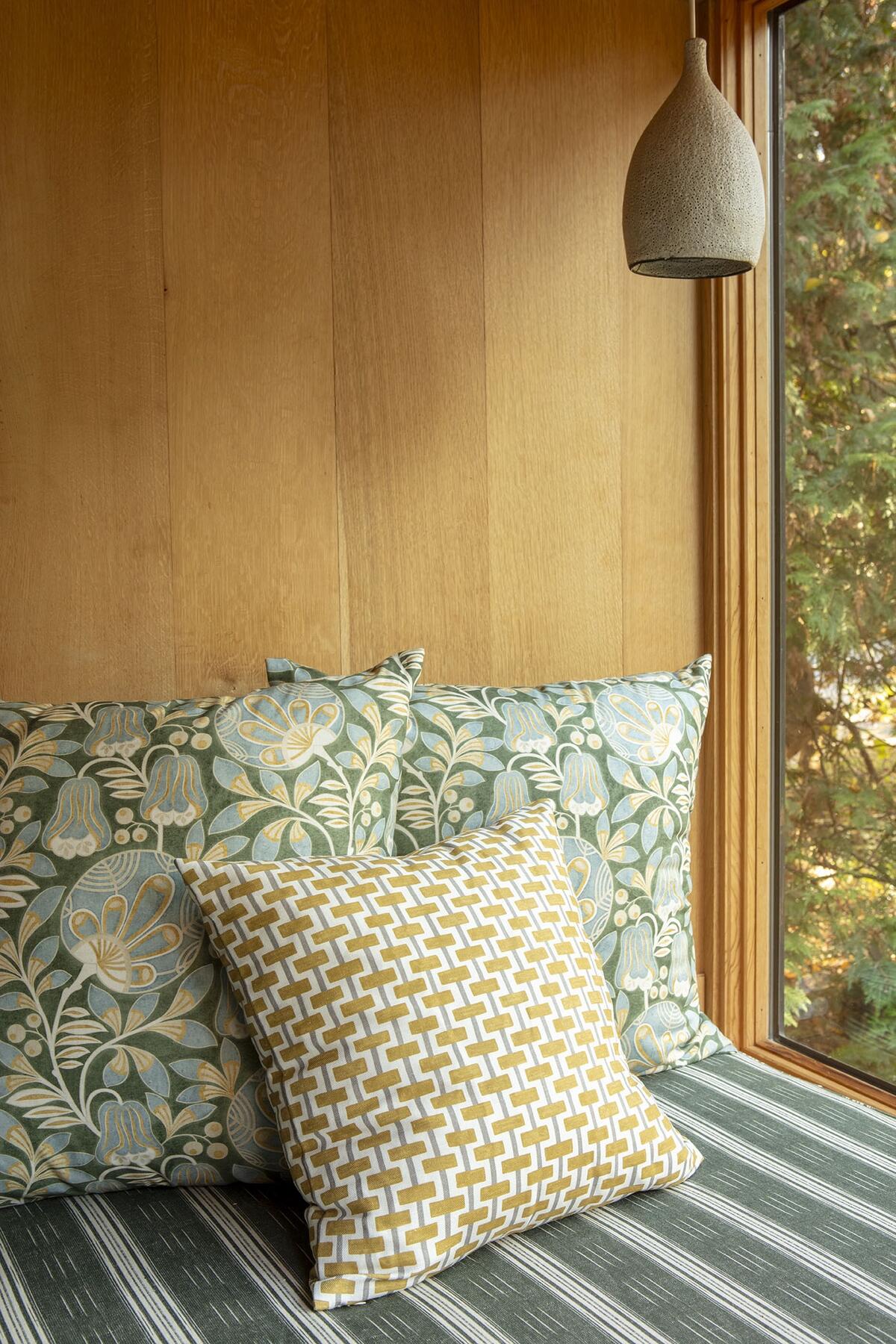
Archival examples demonstrate practical applications of flamestitch in various home settings. In a country house, a flamestitch cushion provides a sharp linear contrast to floral patterns on a sofa, breaking up bucolic, rounded shapes. In a Georgian home, flamestitch fabrics contribute to a curated mix of bold patterns, including leopard print and Kente cloth, within a study, maintaining a sense of calm despite the visual diversity. Lastly, in a New England house, decorative flamestitch cushions were added to an antique bench, illustrating how the fabric can enhance traditional furniture. These examples underscore the adaptability of flamestitch, whether used as a focal point or a subtle accent, to enrich interior spaces.
#FlamestitchFabric #HomeDecoration #InteriorDesignTrends #TextileHistory #Upholstery #CushionDesign #DecorativeFabrics #Bargello #FlamestitchFabric #HomeDecoration #InteriorDesignTrends #TextileHistory #Upholstery #CushionDesign #DecorativeFabrics #Bargello
0 comment in total
 No comments yet
You may also like
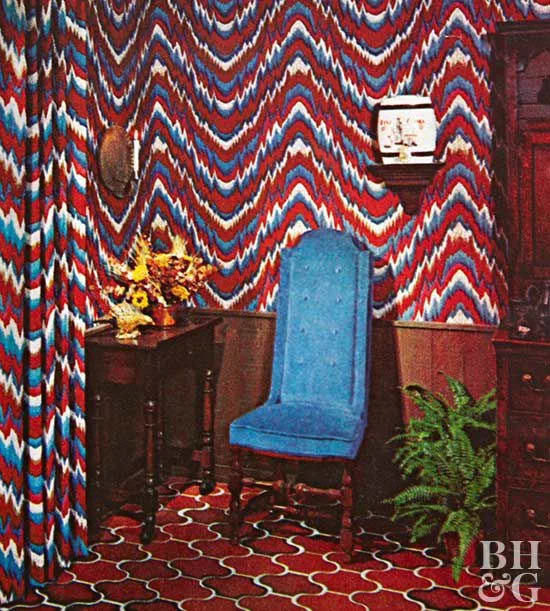
Flame Stitch Fabric: A Classic Pattern with Updated Vibes
The 10 Best Fabric Dyes for Clothing, Upholstery and More

32 Spectacular Fabrics and Trims Coming to Market This Year

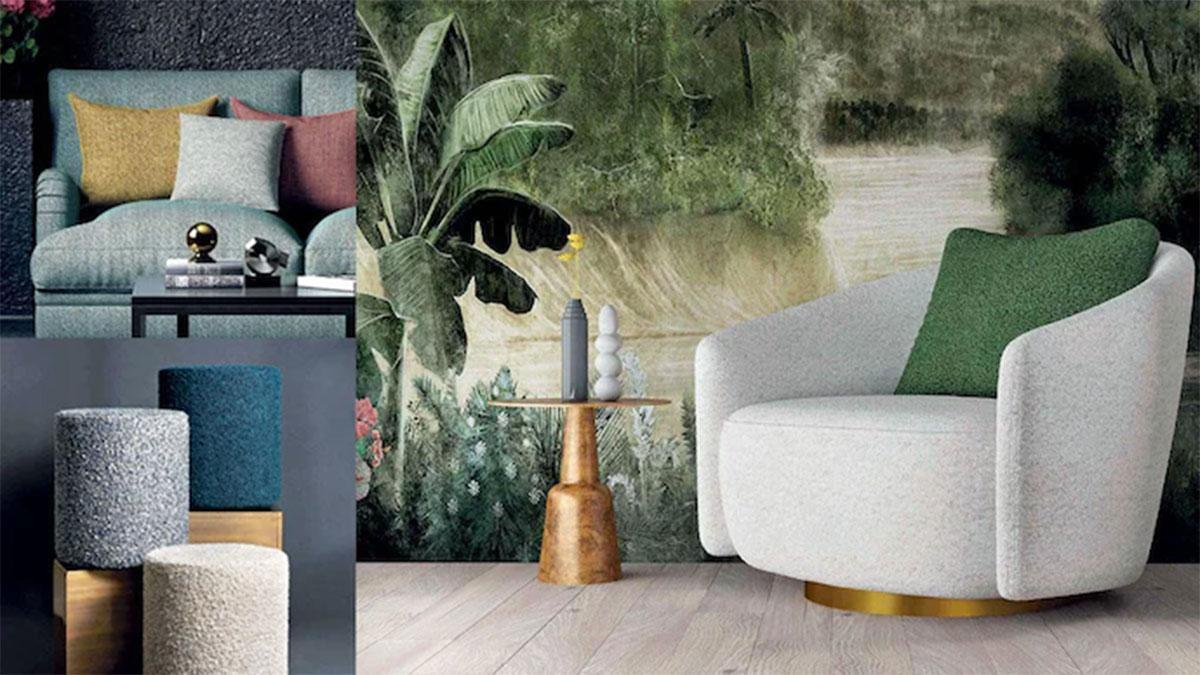
Bouclé, the cosy-chic fabric, is back and how
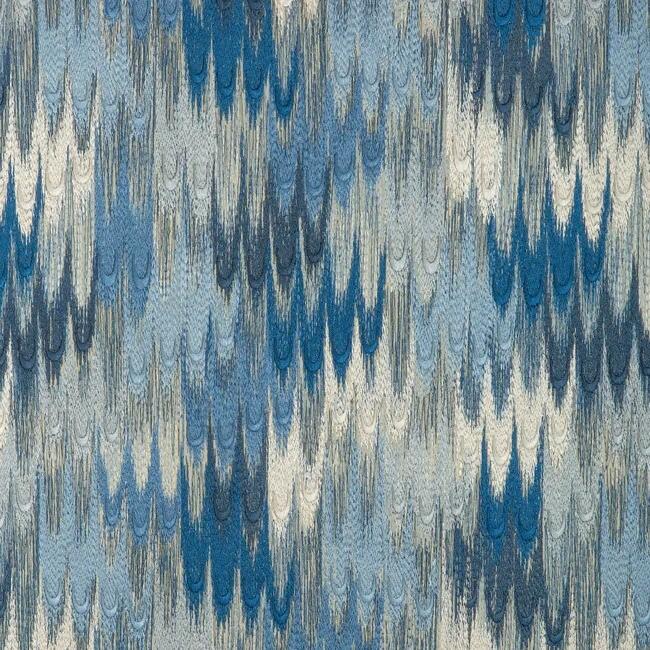
8 fiery flame-stitched designs for a fresh look

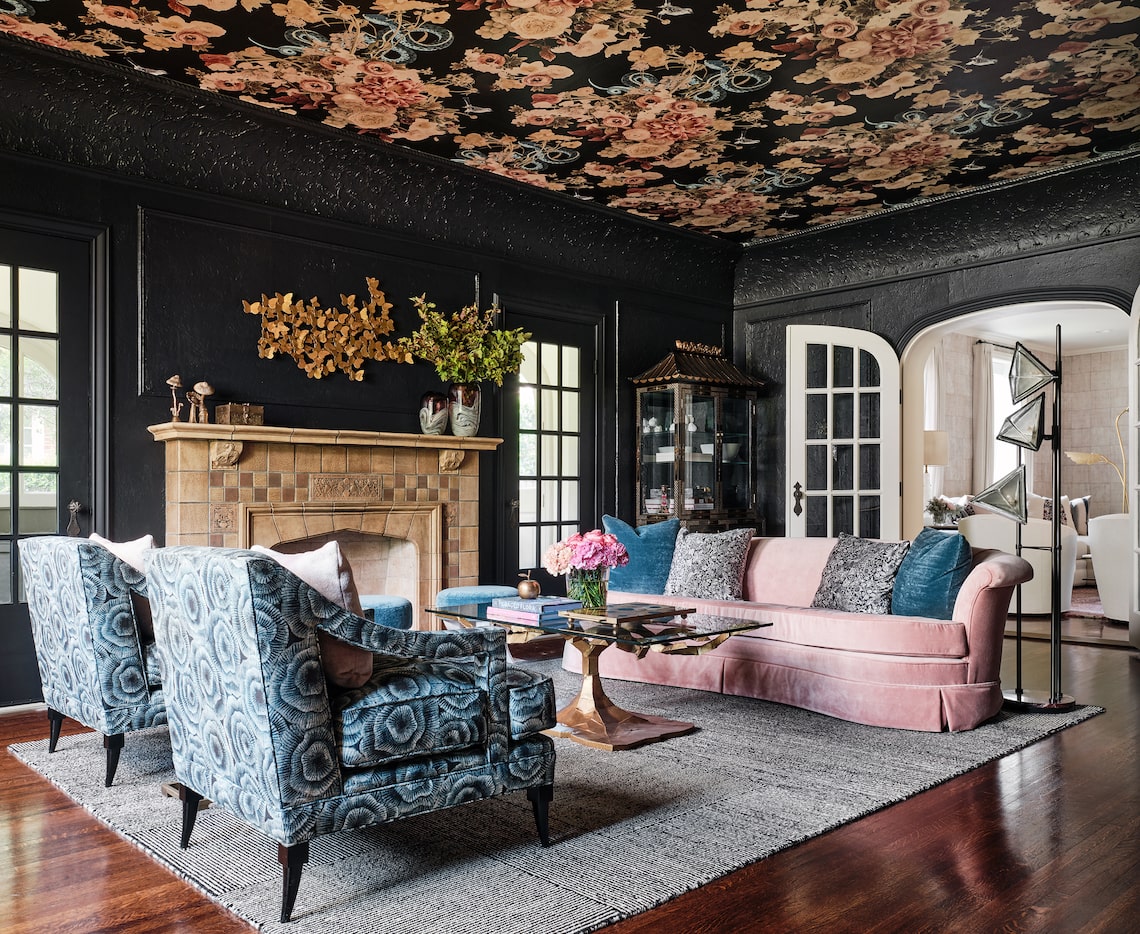
Trending now — bold fabrics that will update your home style

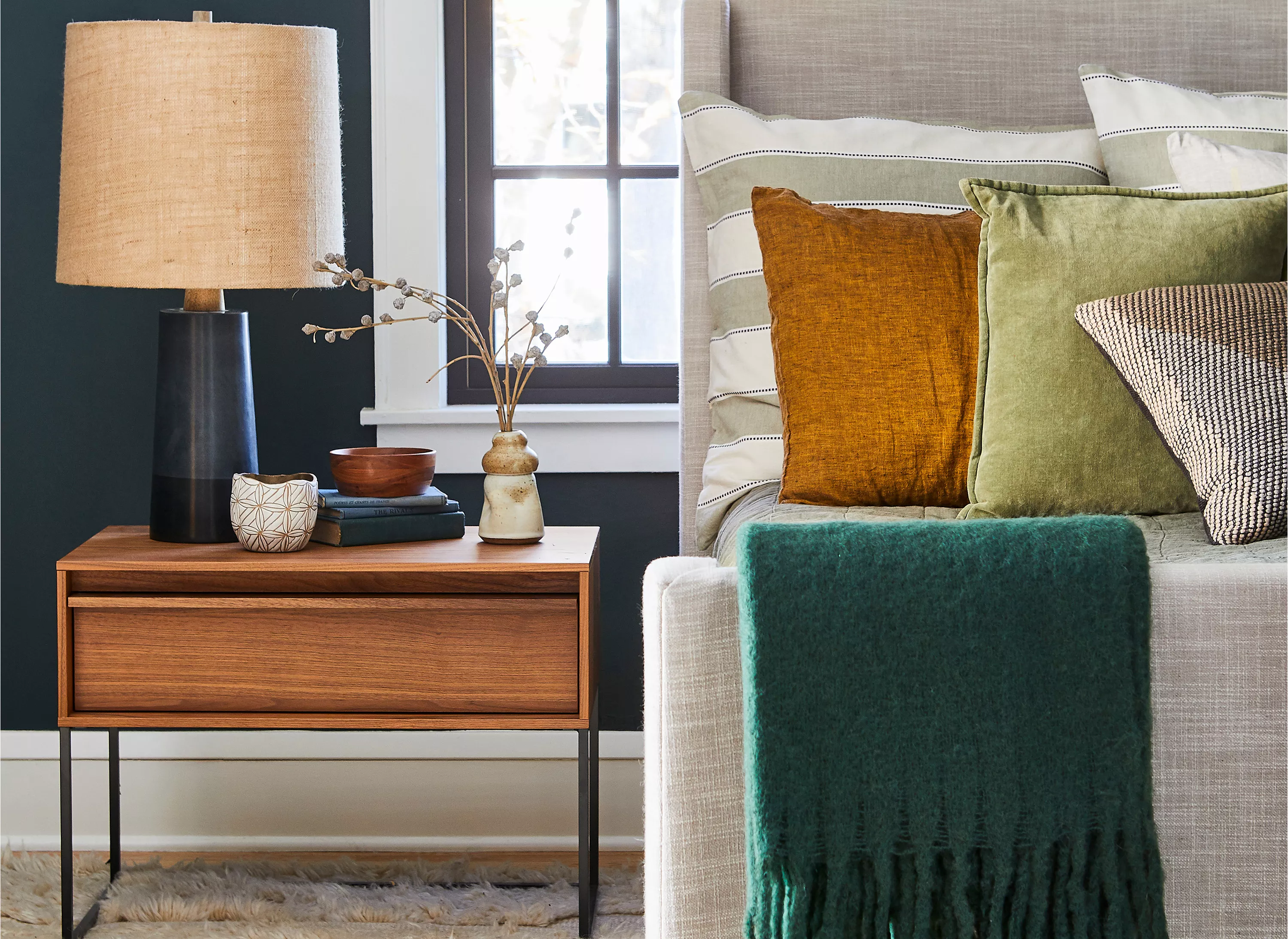
7 Fabric Trends Taking Over Interior Design in 2024

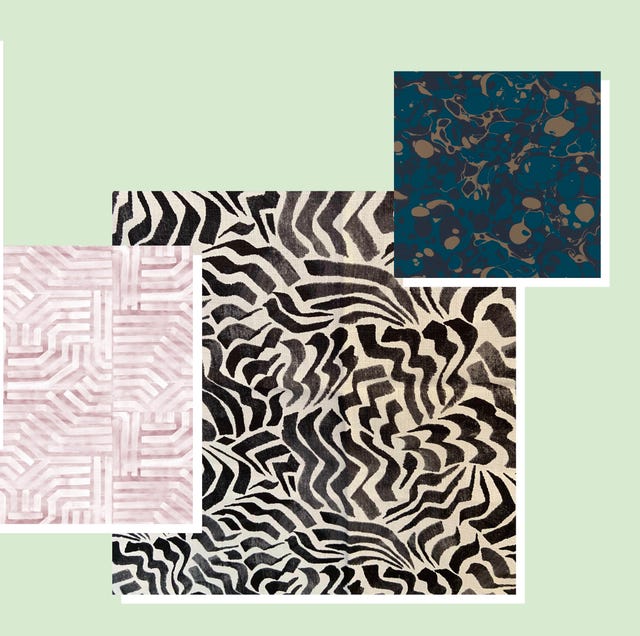
Get Your Scissors Ready! Here are 5 Fabric Trends You Need to Know Now
Bouclé Fabric Is Back
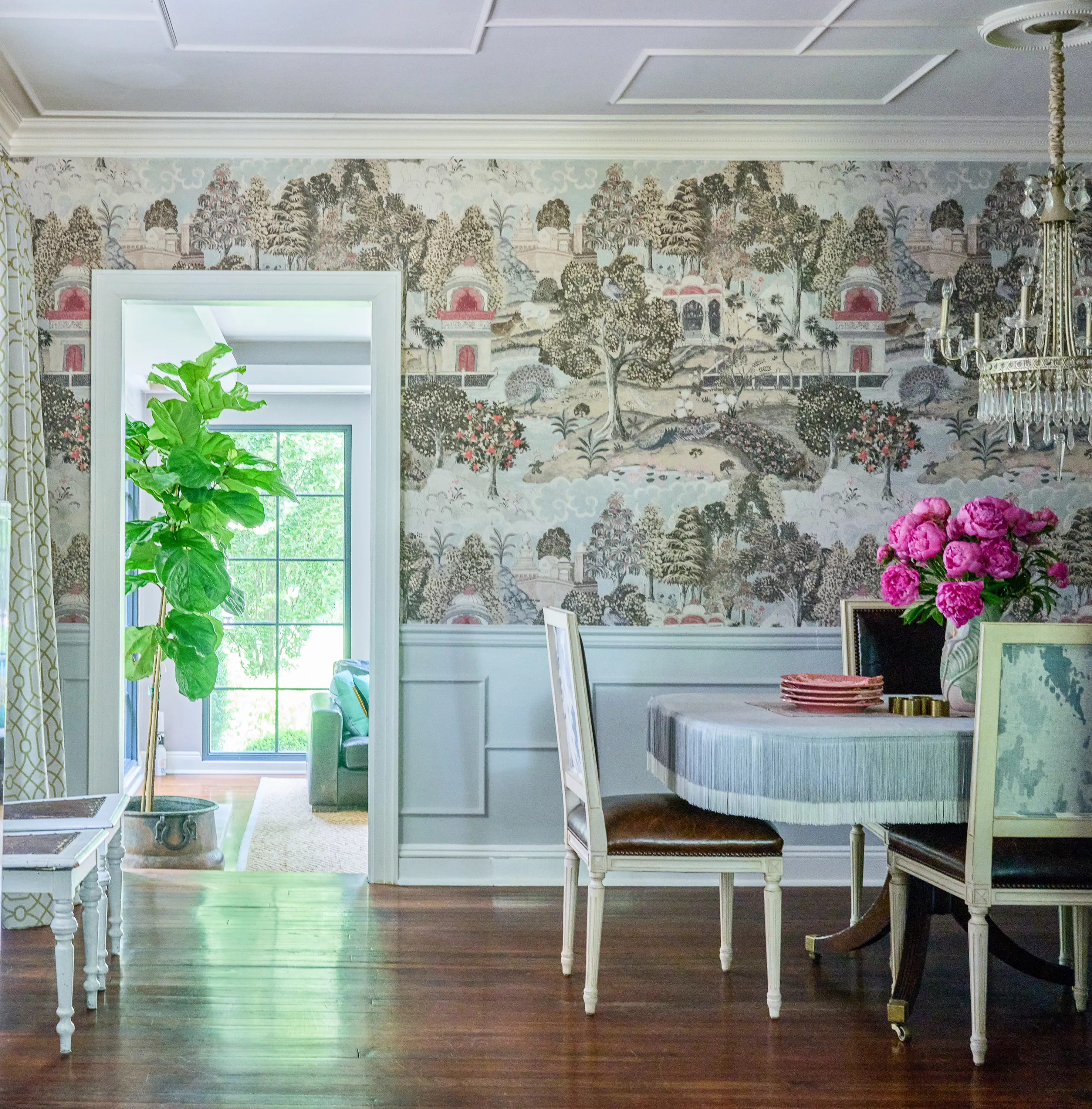
Fringe Is Back and Better Than Ever—Here's How Designers Are Embracing the Trend
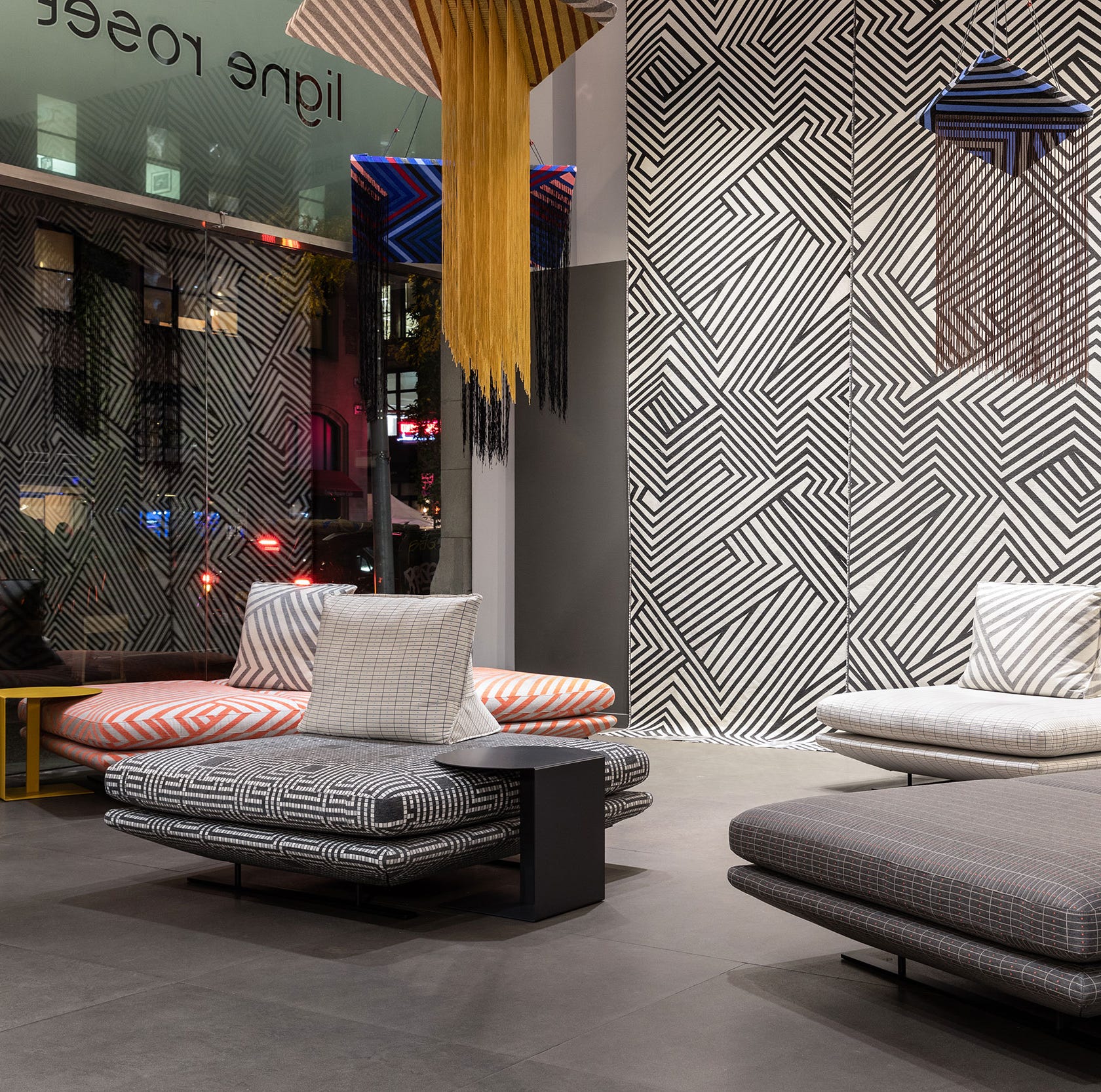
These Dynamic New Fabrics Will Make Any Room Come Alive

The Best Online Fabric Stores Today
Have You Considered Chevron’s Cooler Cousin?

The New Fabric Launches Worth Knowing About

The definitive textiles primer: Pollack’s fabric expert talks fibers, yarns and more
Comfy carpet, once dismissed as out-of-date, is back in vogue

These 3 Retro Fabric Techniques Are Making A Killer Comeback

Seen at Interwoven May 2024

The 5 Fabric Trends Ruling Interiors Now, According to the Pros
Hear Us Out: Quilts Are Cool Again