Room to Improve (Published 2007)
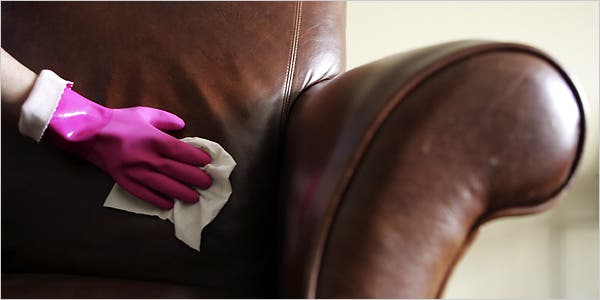
This article addresses two common household maintenance and improvement questions: how to clean leather furniture and how to remove a textured ceiling. For leather furniture, the primary recommendation is regular wiping with a damp cloth to remove dust and grime. To prevent cracking, flaking, or splitting due to environmental factors like central heating and sun exposure, moisturizing the leather once or twice a year is advised. Saddle soap, used sparingly with a sponge moistened with warm water, is an effective cleaning and moisturizing agent. After application, the leather should be buffed with a soft, dry cloth. The article stresses avoiding excessive cleaning and inappropriate cleaning agents, such as furniture polish, as leather is naturally resistant to dirt. An alternative cleaning solution suggested is a few drops of Castile soap in a quart of warm water, applied with a barely moist sponge or cloth. For older or 'exhausted' leather upholstery, Lexol conditioner is recommended for rejuvenation.
Regarding the removal of a heavily textured ceiling, the first critical step is to test samples for asbestos through an Environmental Protection Agency-approved lab. If asbestos is detected, the safest solution is to cover the ceiling with a layer of Sheetrock. If the ceiling is asbestos-free, the removal process involves several steps. The room must be cleared of furniture, and the floor covered with dropcloths or contractor's paper, as the process is very messy and generates a lot of dust, necessitating the use of a disposable mask. The method for removal involves moistening and scraping the textured surface section by section. A pump sprayer filled with warm water is used to soak a four-by-four-foot area until it is soft enough to be removed with a trowel or metal scraper. The goal is to reach the underlying gypsum board, which may require multiple passes. Once the textured material is removed, the ceiling should be gently sanded with a pole sander until it is as smooth as possible. Any scrapes or gouges should be patched with joint compound and sanded again after drying. After these preparations, the ceiling is ready for priming and painting.
#LeatherCare #FurnitureMaintenance #HomeImprovement #CeilingRenovation #DIYHome #AsbestosTesting #InteriorDesignTips #CleaningTips #LeatherCare #FurnitureMaintenance #HomeImprovement #CeilingRenovation #DIYHome #AsbestosTesting #InteriorDesignTips #CleaningTips
0 comment in total
 No comments yet
You may also like
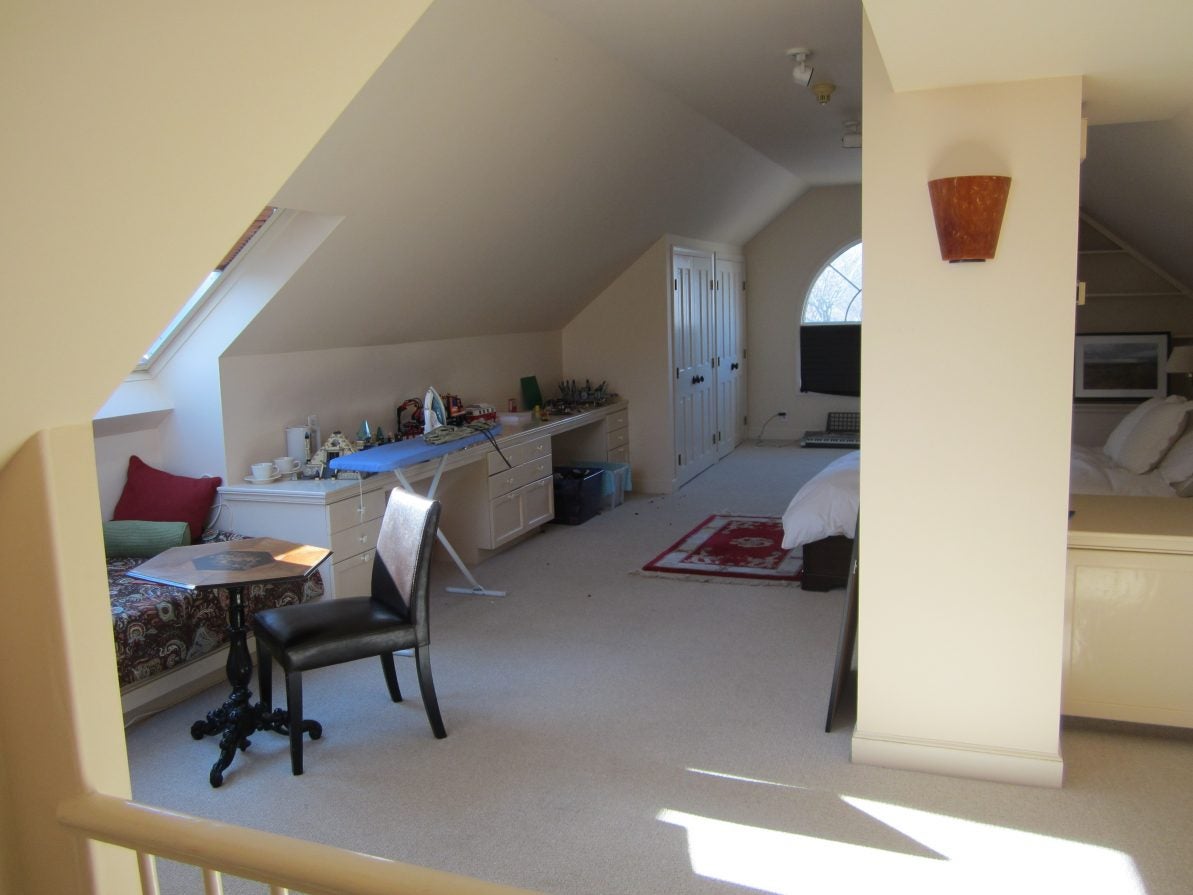
A Catch-All Bonus Room Gets a Redesign


6 back-to-school mudroom upgrades, according to designers


Made to Measure


Renovations and Additions


Remodeling

Renovation of the Year


Worry-Free Remodeling Solutions with Improveit Home Remodeling

These Under-$1,500 Renovations Could Help Sell Your Home Faster


Bedroom Improvements to Sell Your Home Faster

Worry-Free Remodeling Solutions with Improveit Home Remodeling


Money-wasting home improvements to avoid


50 Bonus Room Ideas That Make Use of Your Extra Square Footage


Fast Kitchen & Bath Refresh with Improveit Home Remodeling

Renovating 101: Reworking existing spaces in the home


The McGee Home Refresh

A Generic Condo Transformed Into an Enviable Home Library

Renovation

'We built a smart new loft conversion for more space'

Room for Change: Interior Design that Adapts with Style


Home Renovations That Can Make A Big Impact, According To Experts